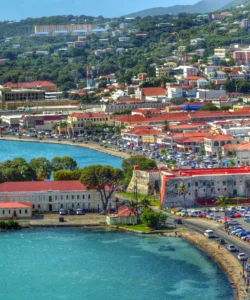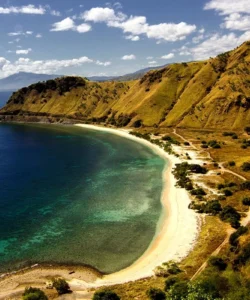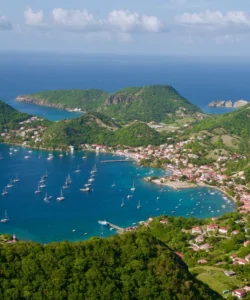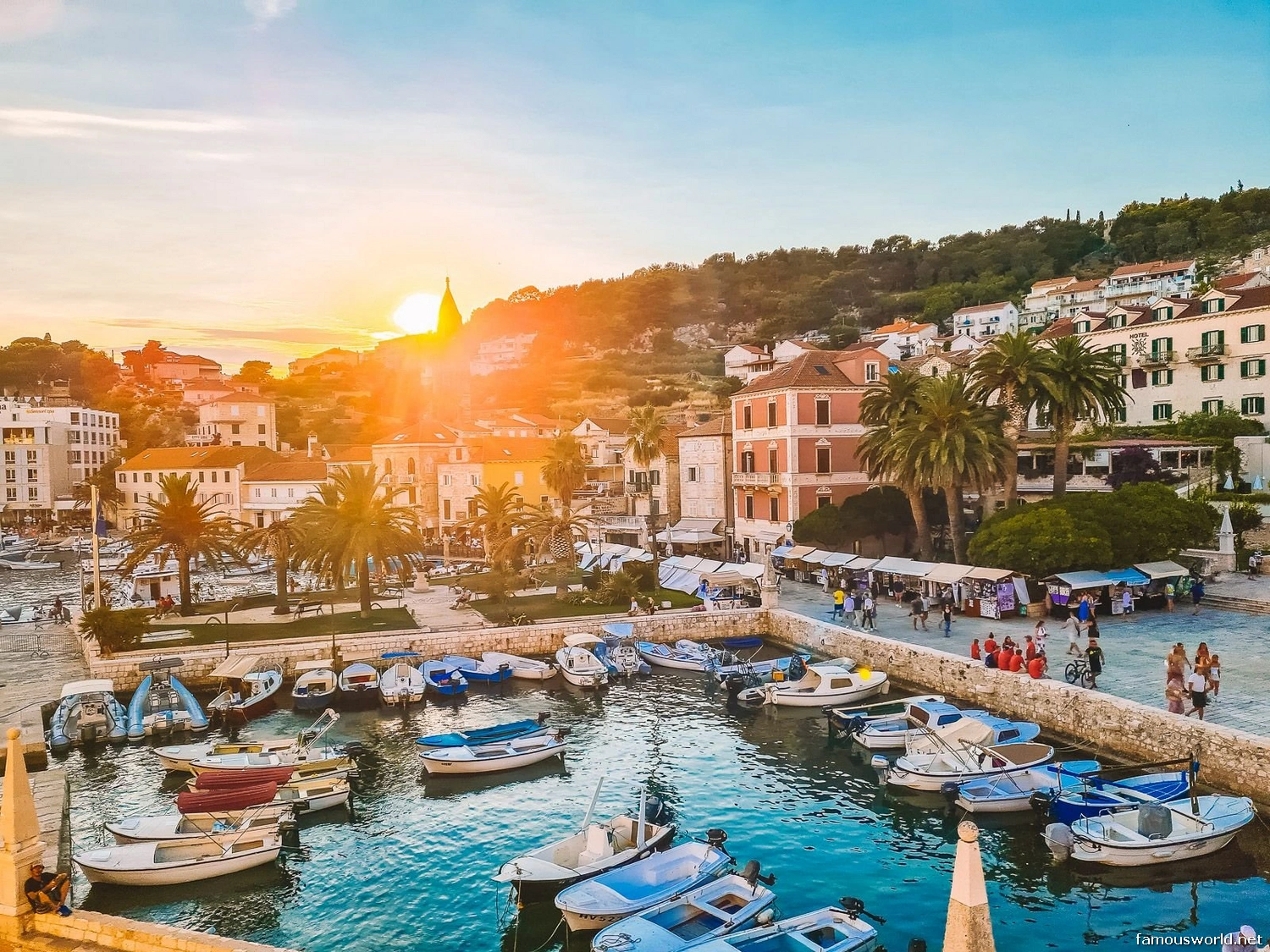
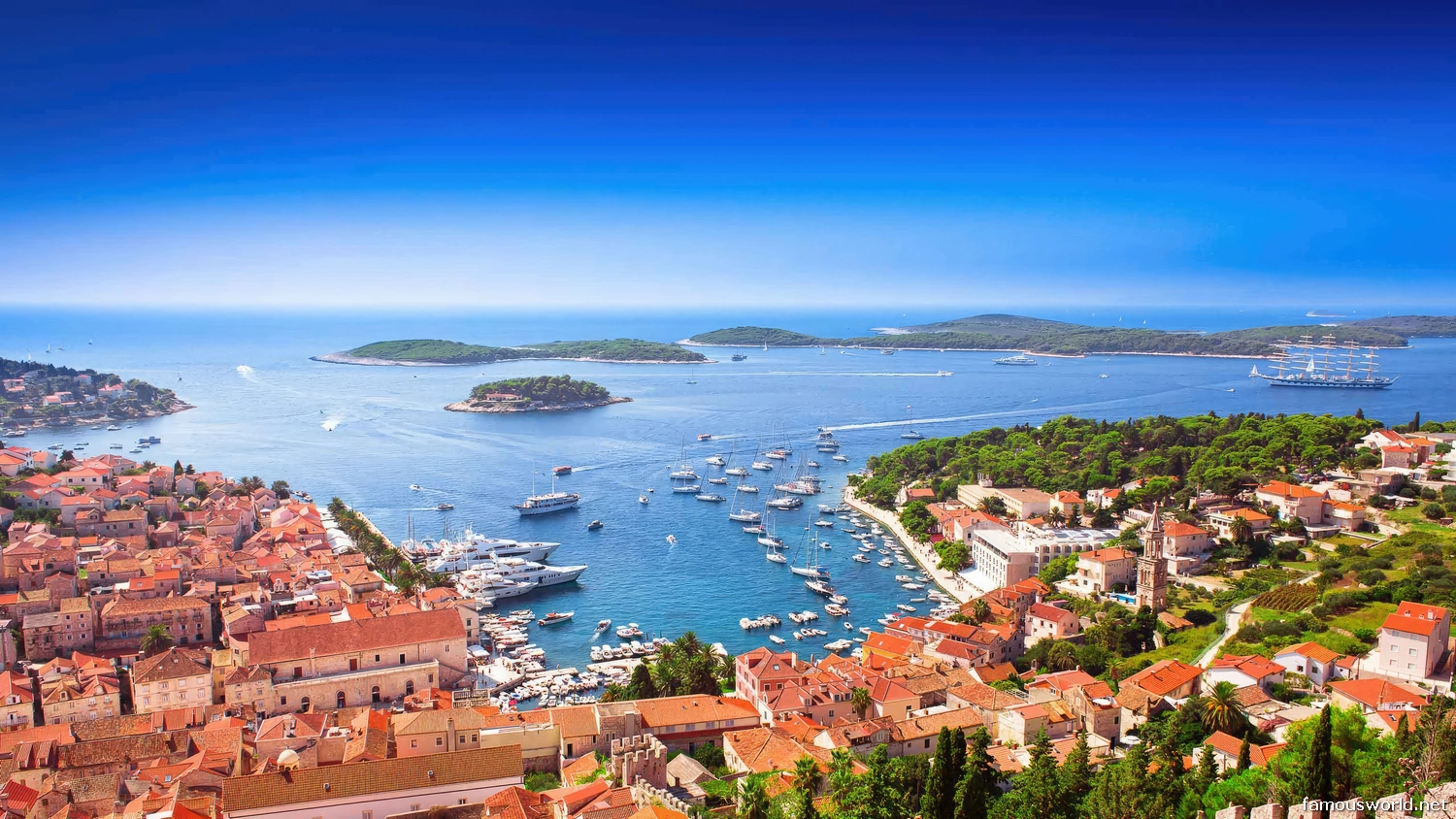
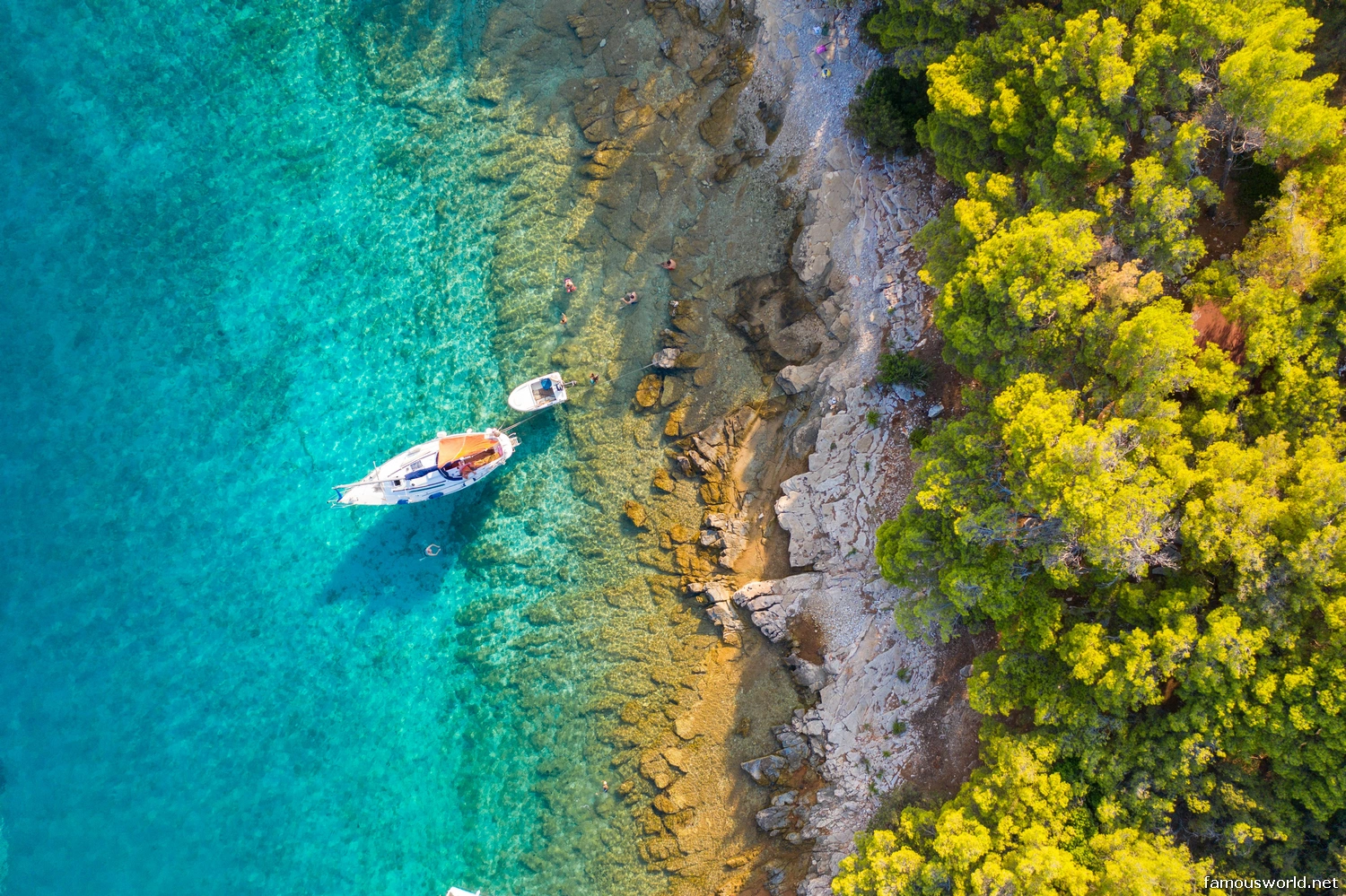
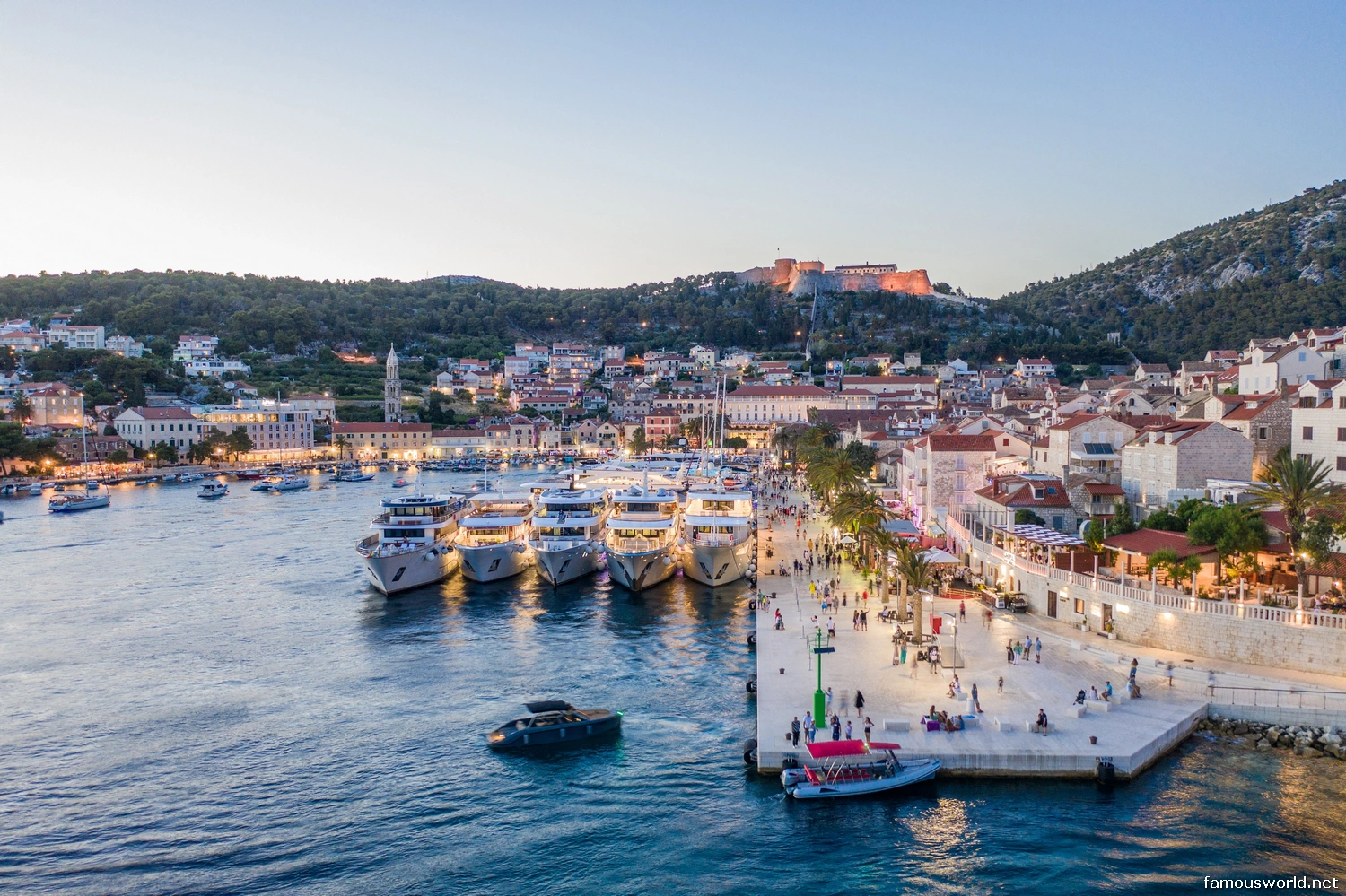
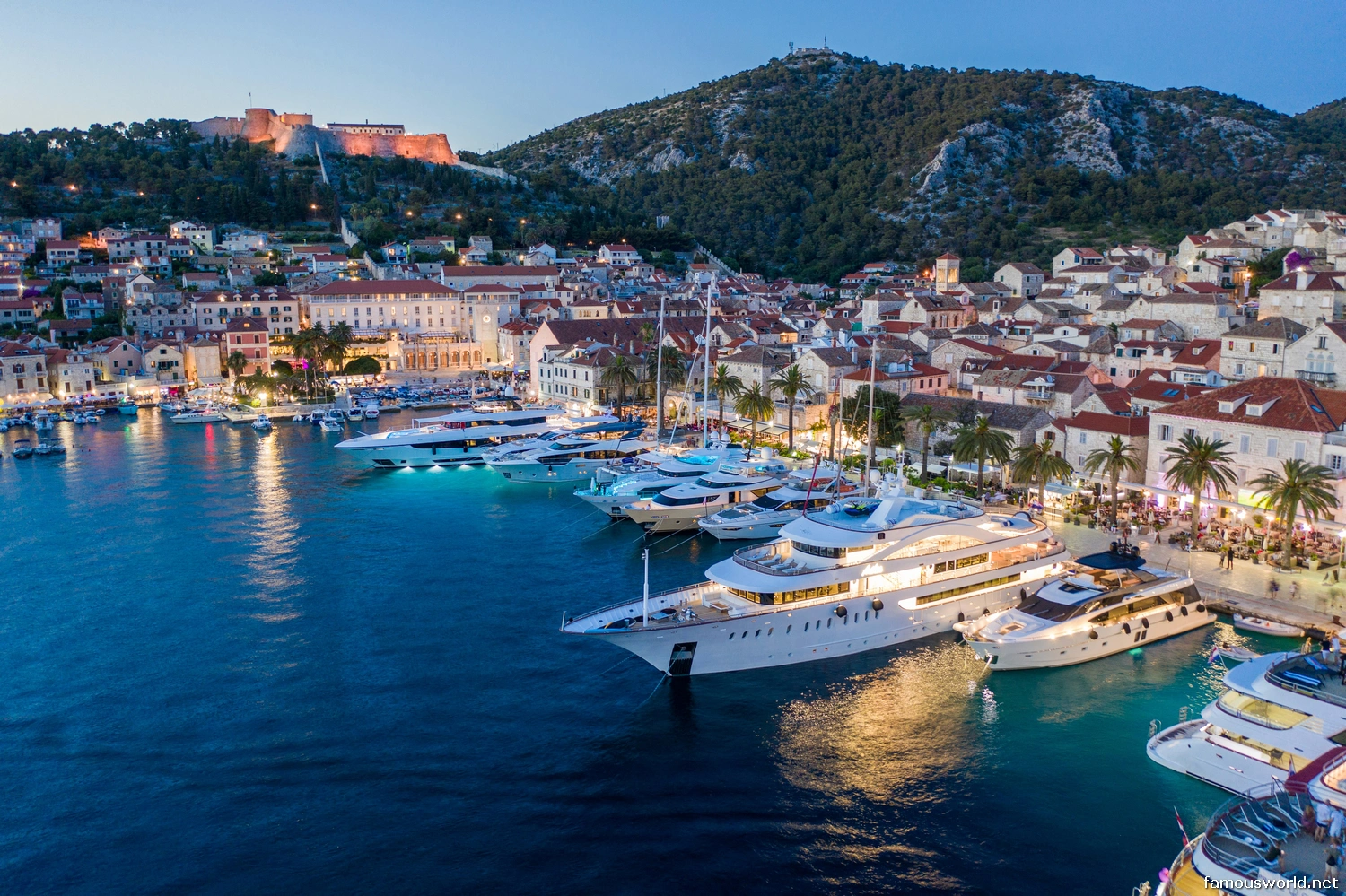

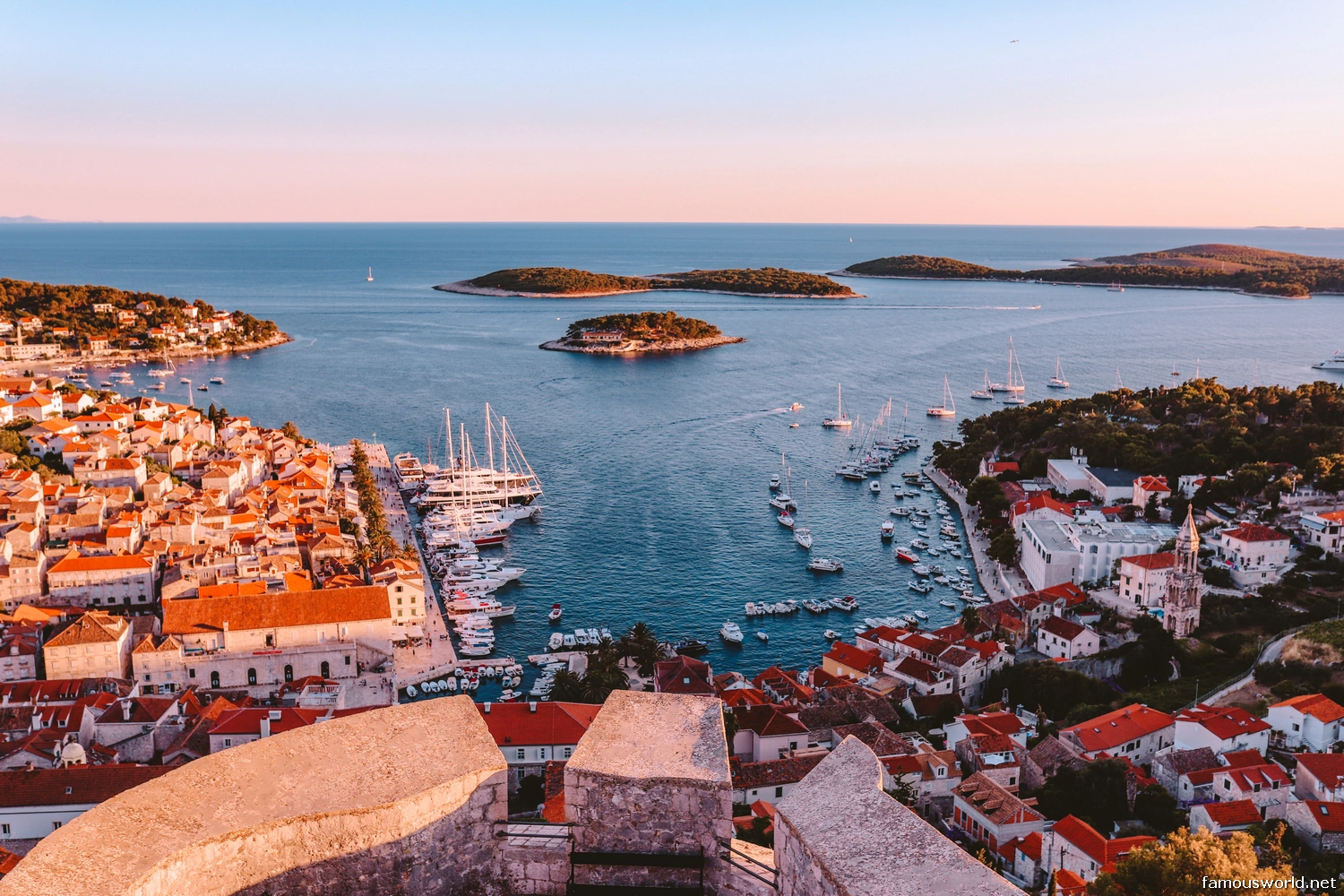
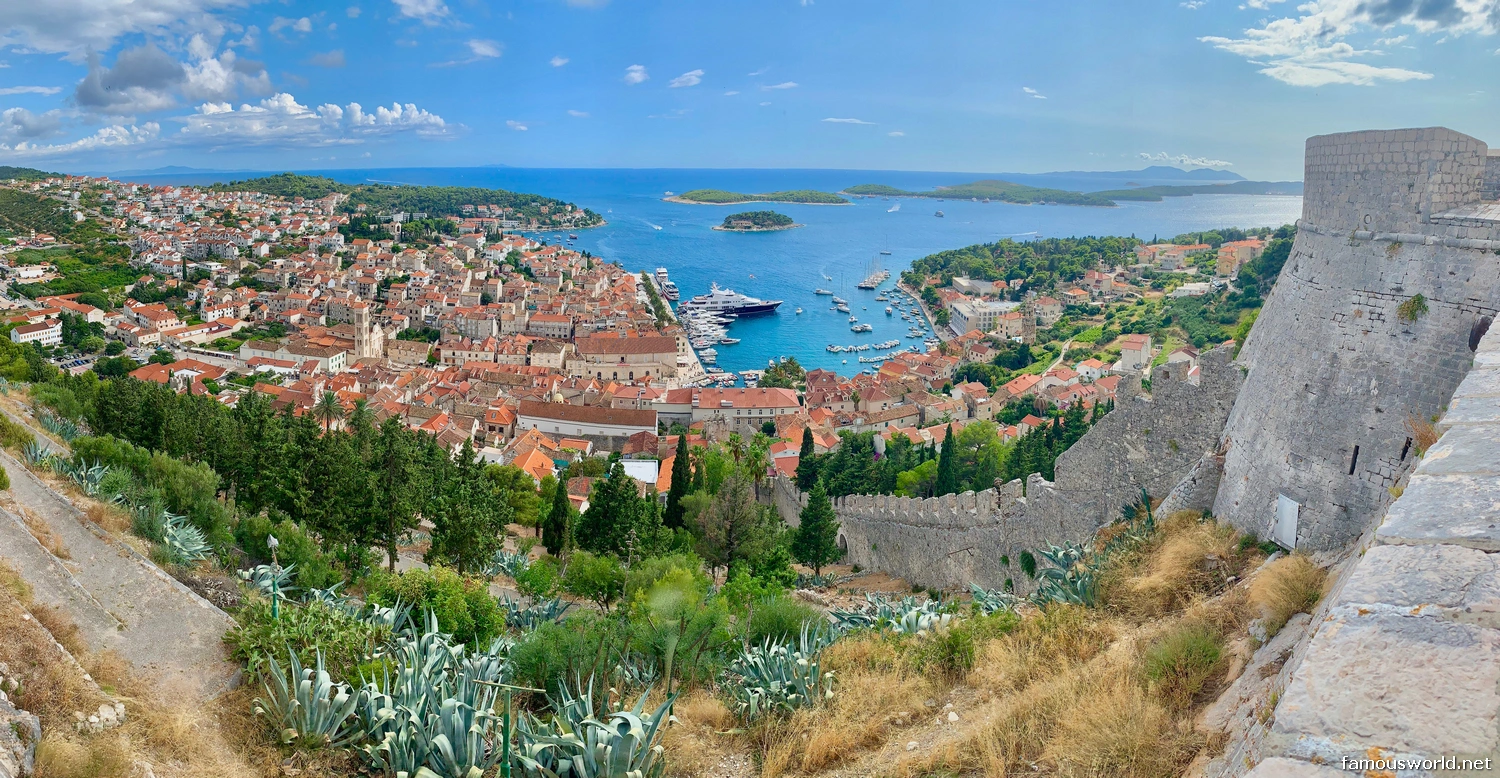
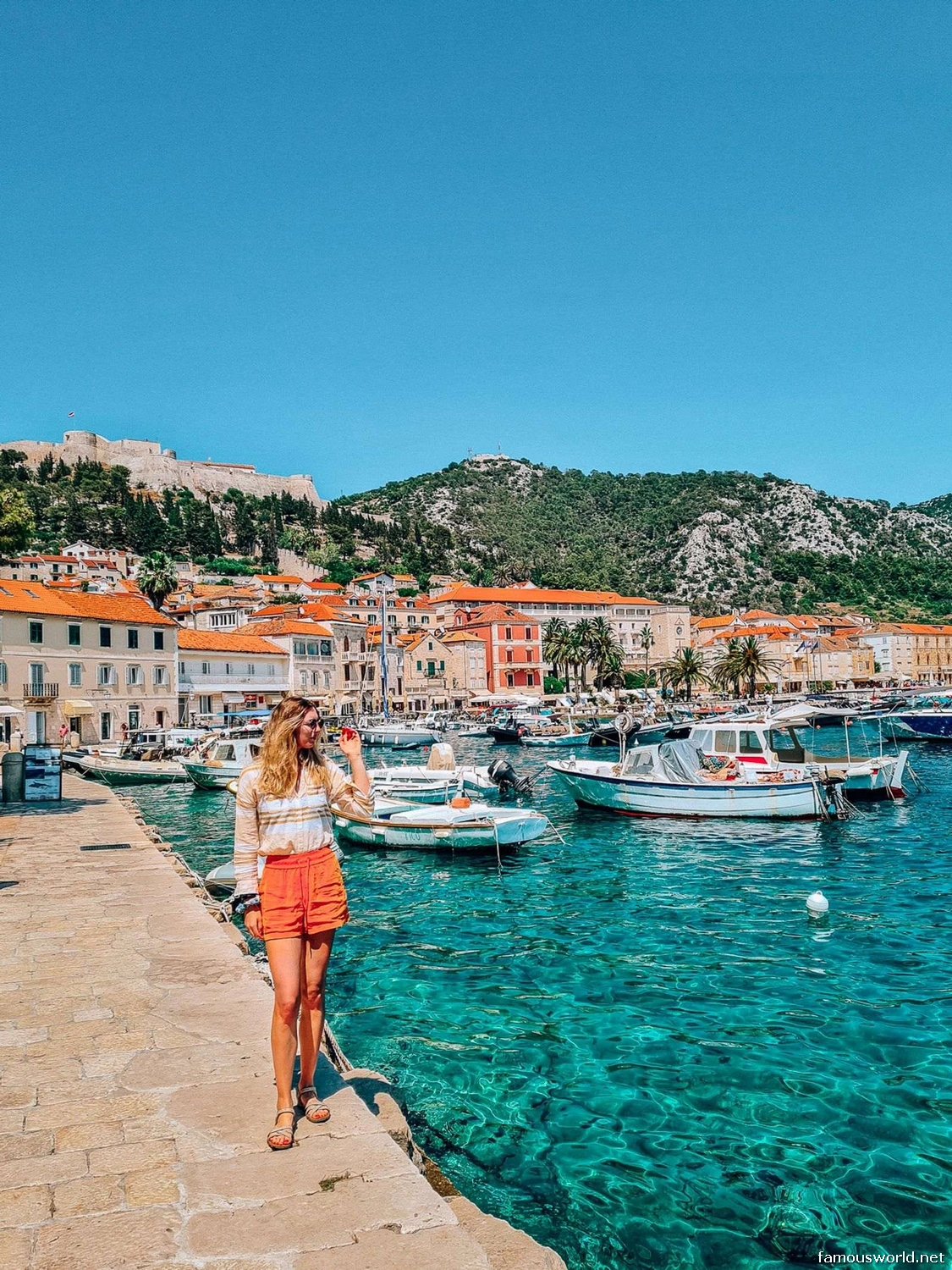
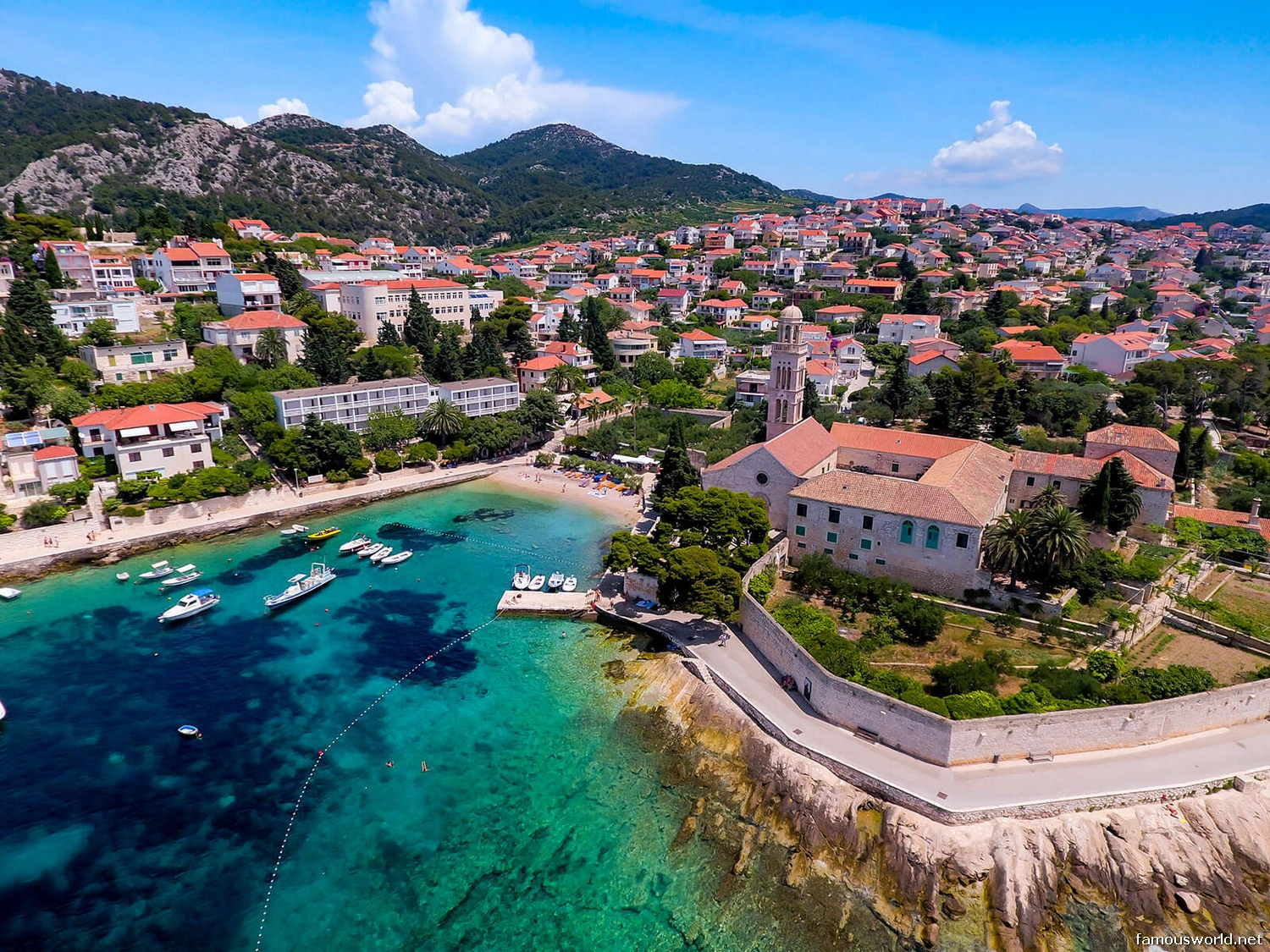


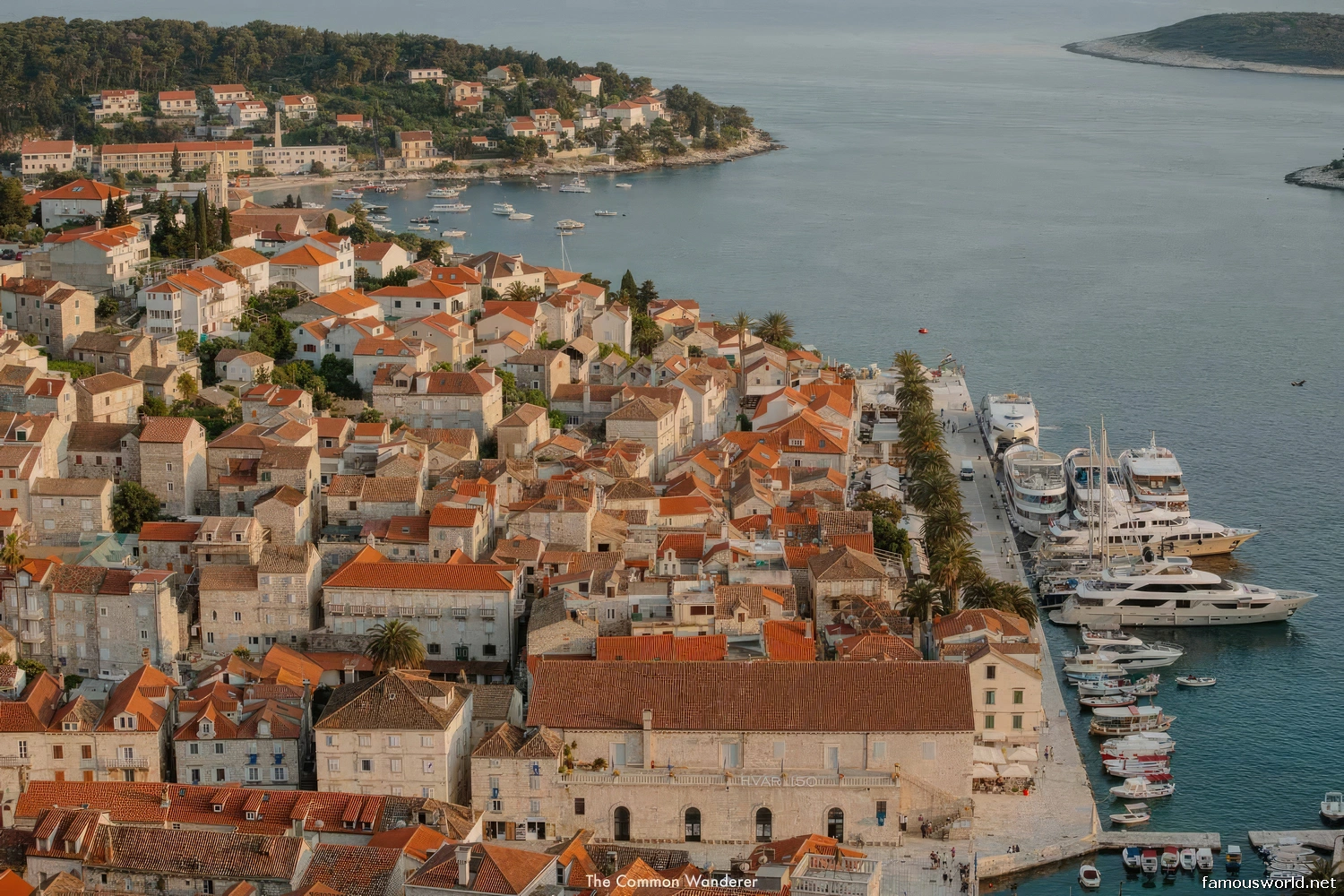
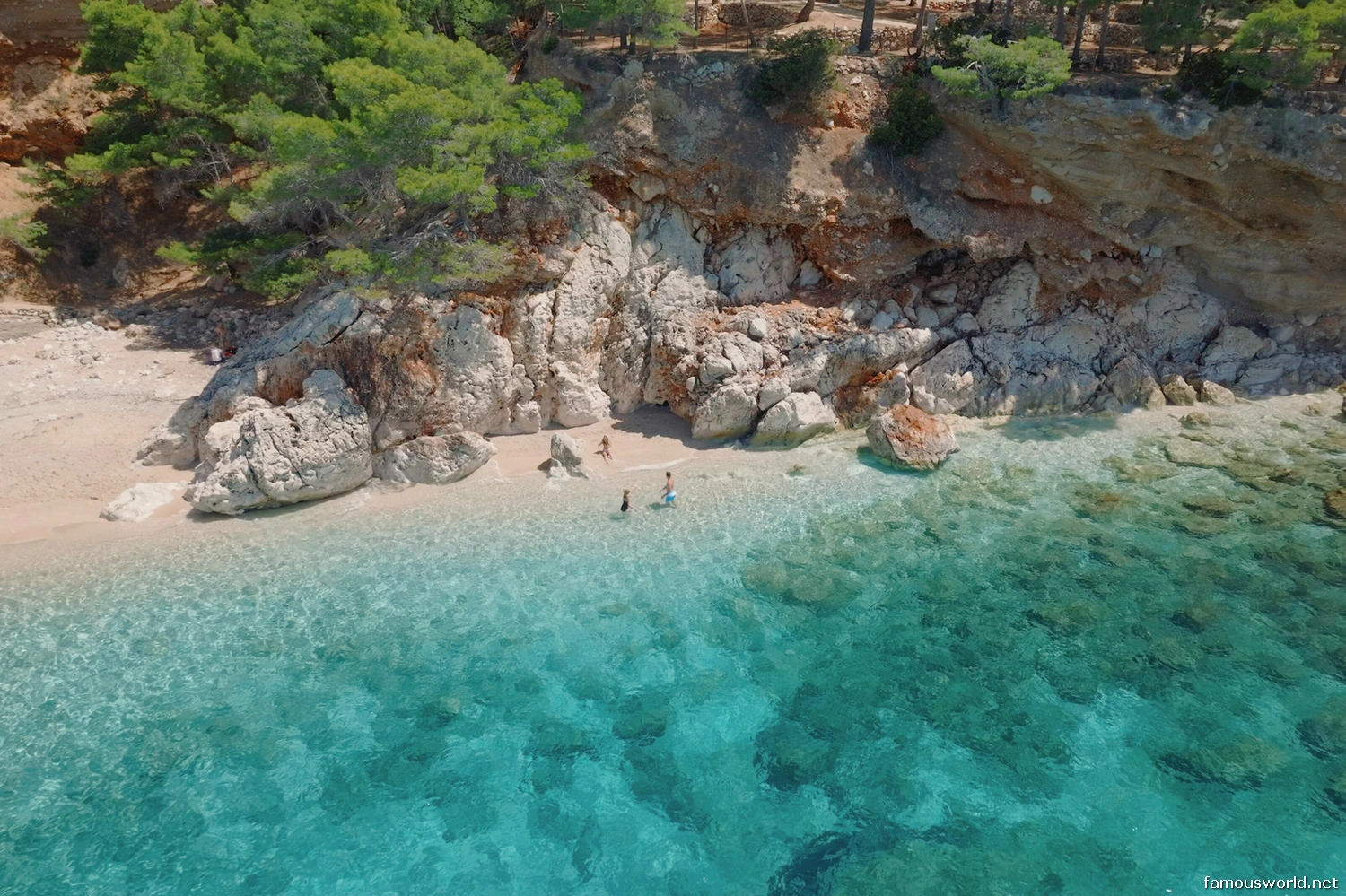

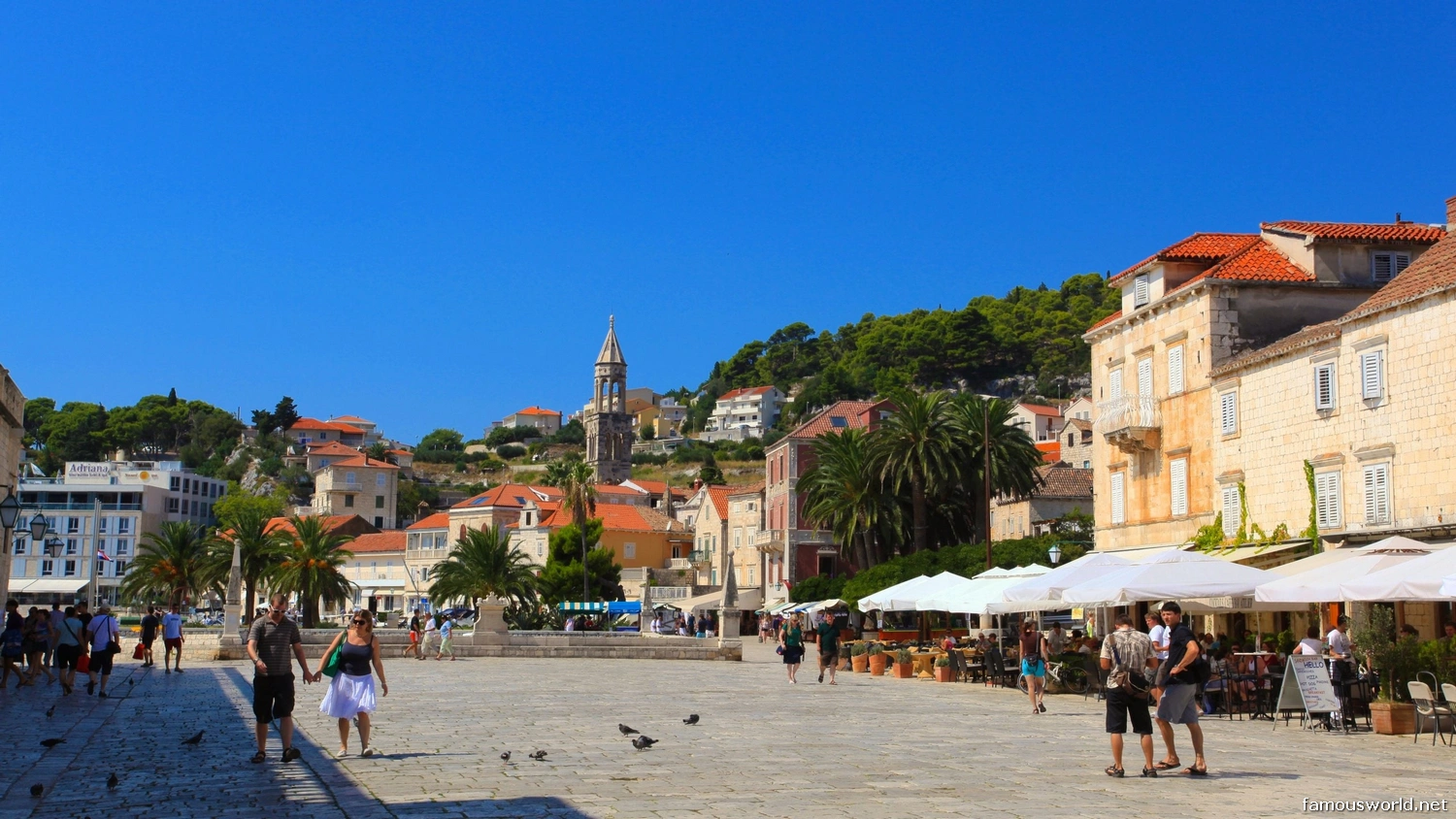
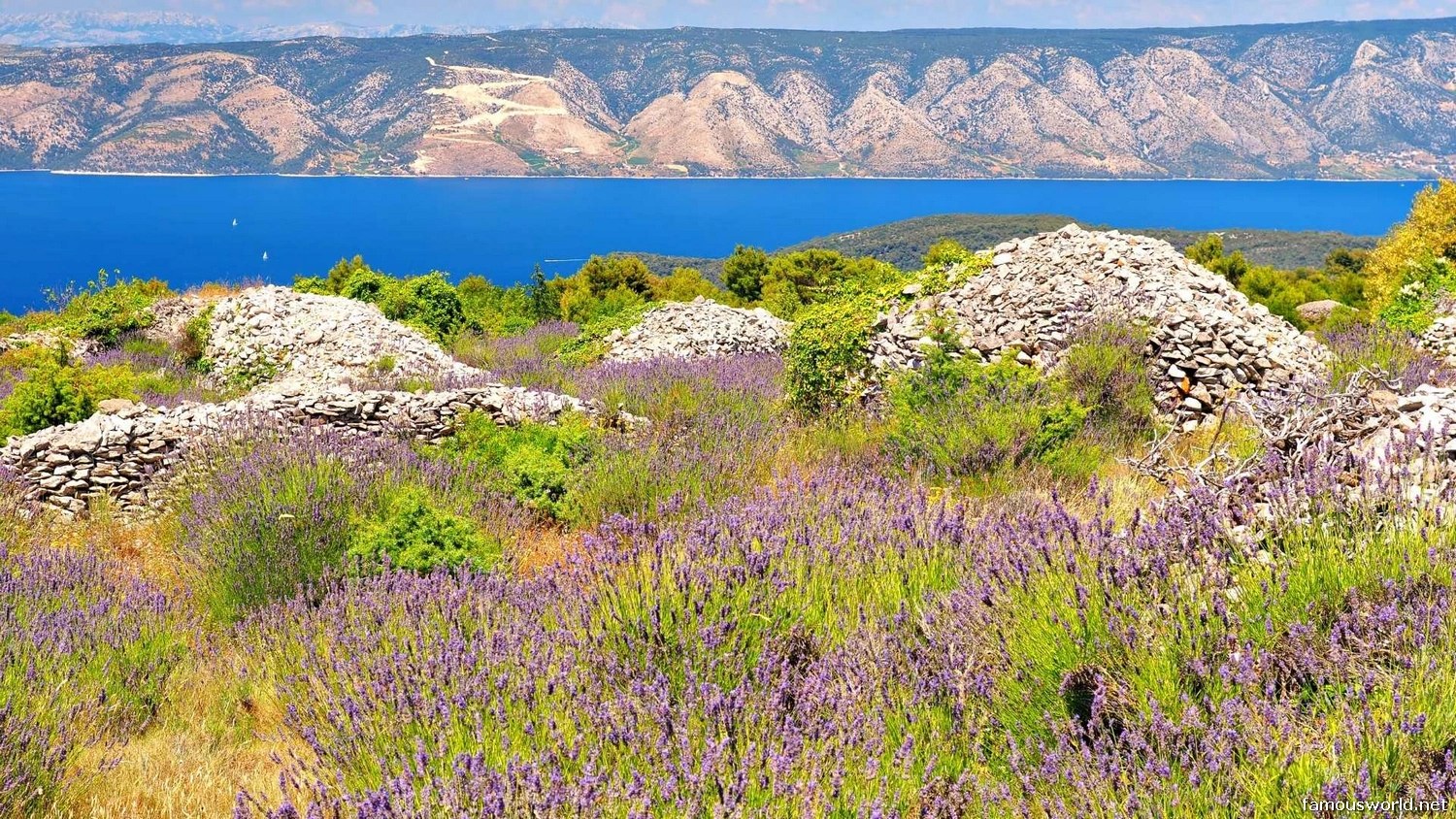


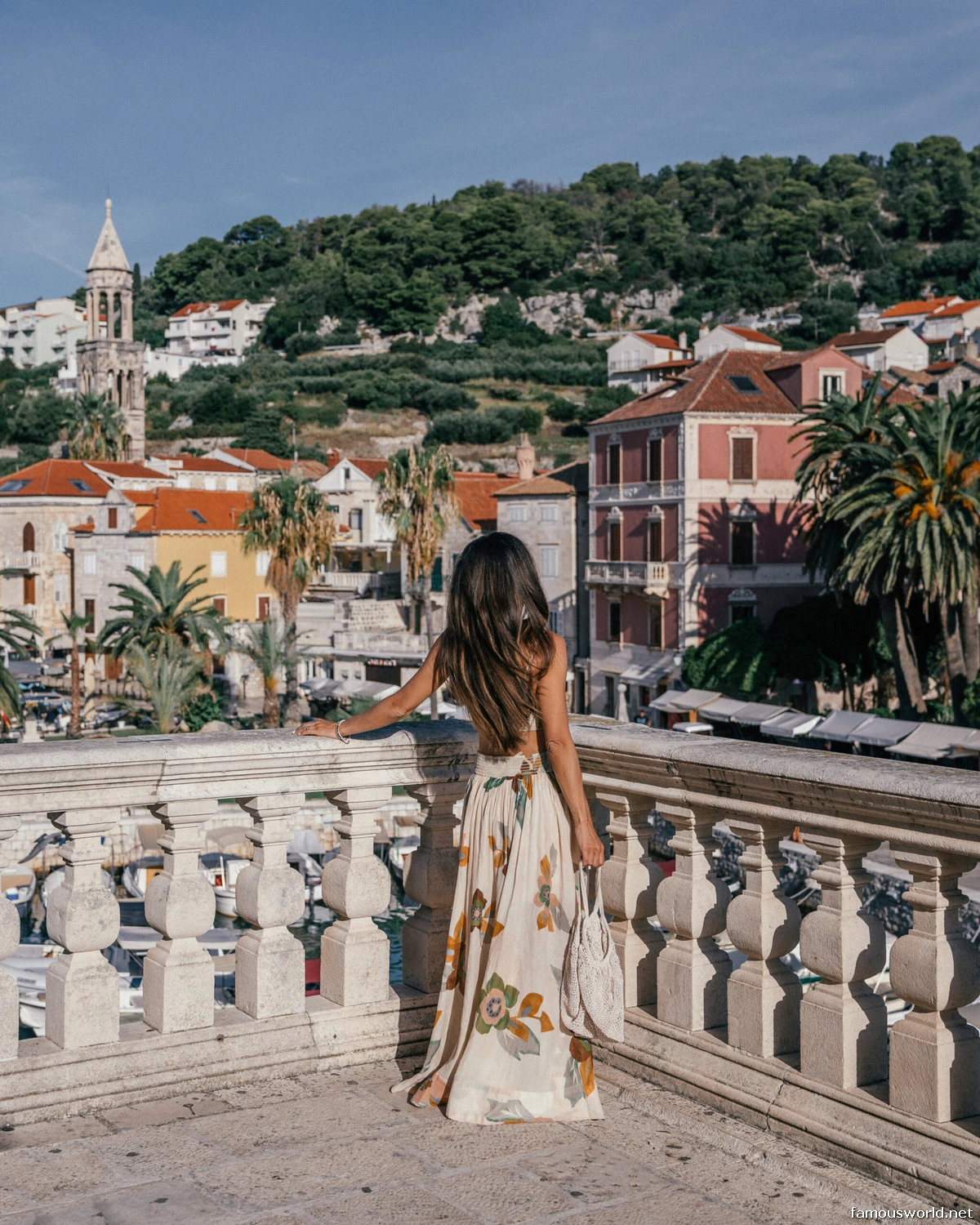
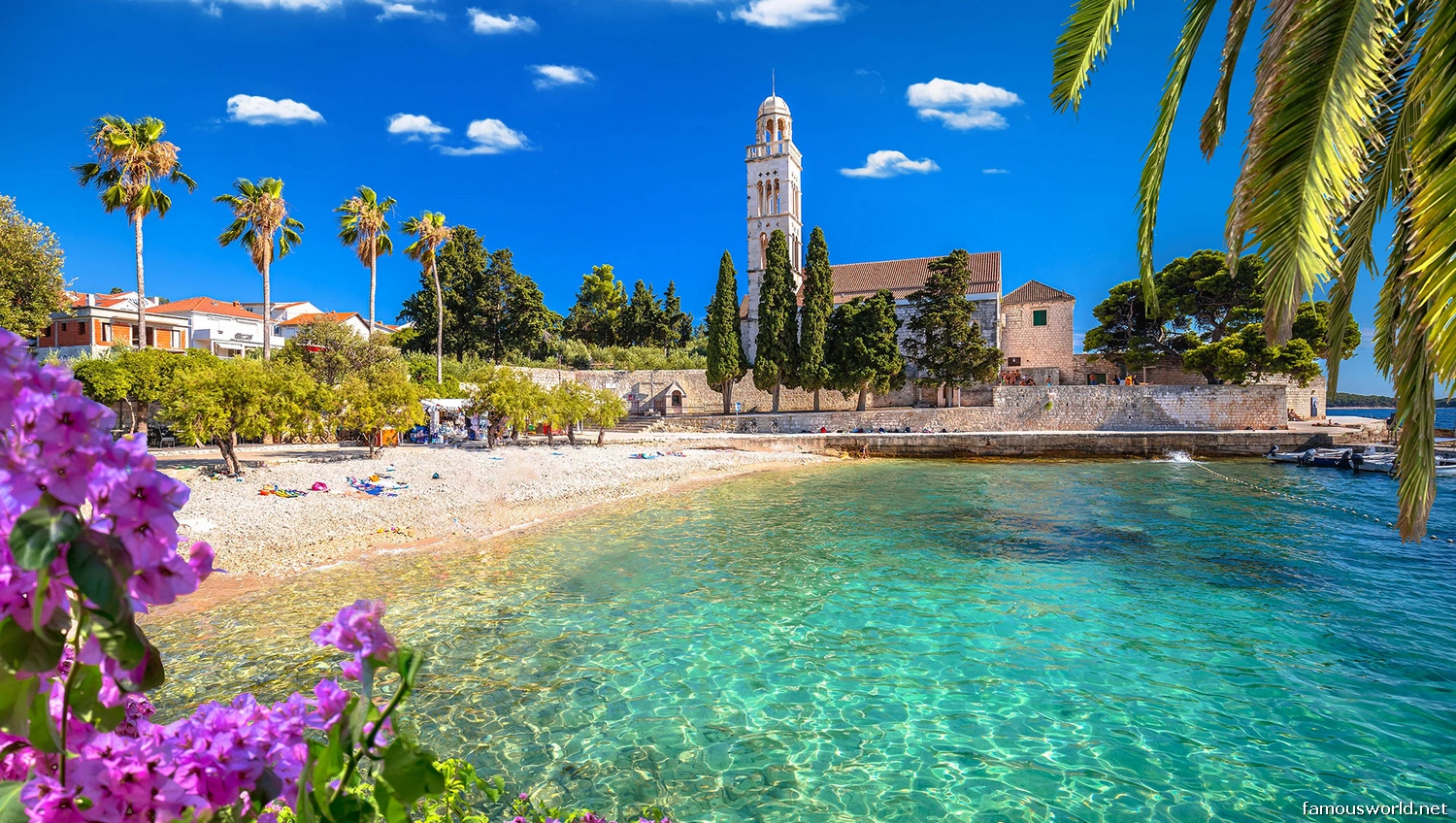
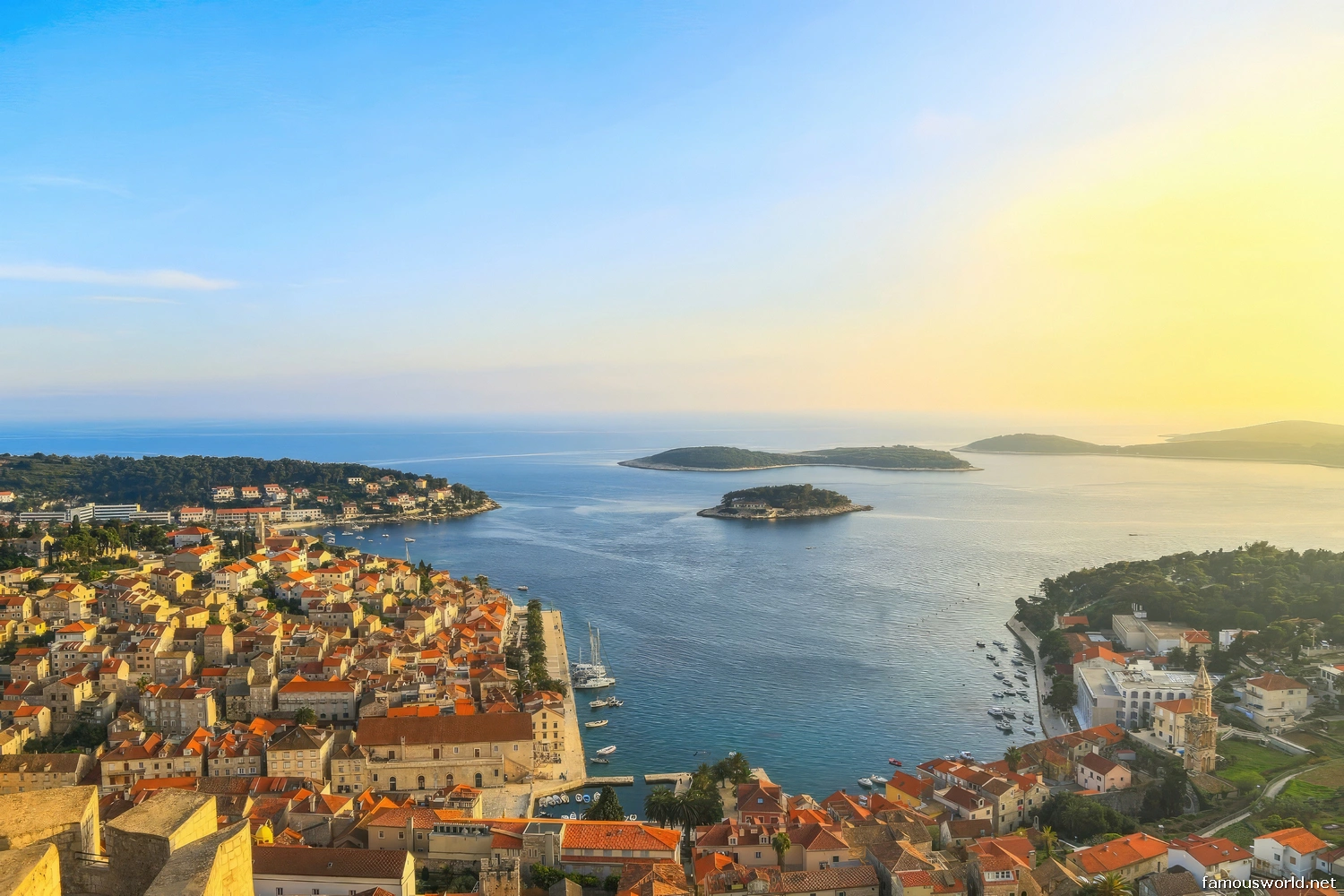
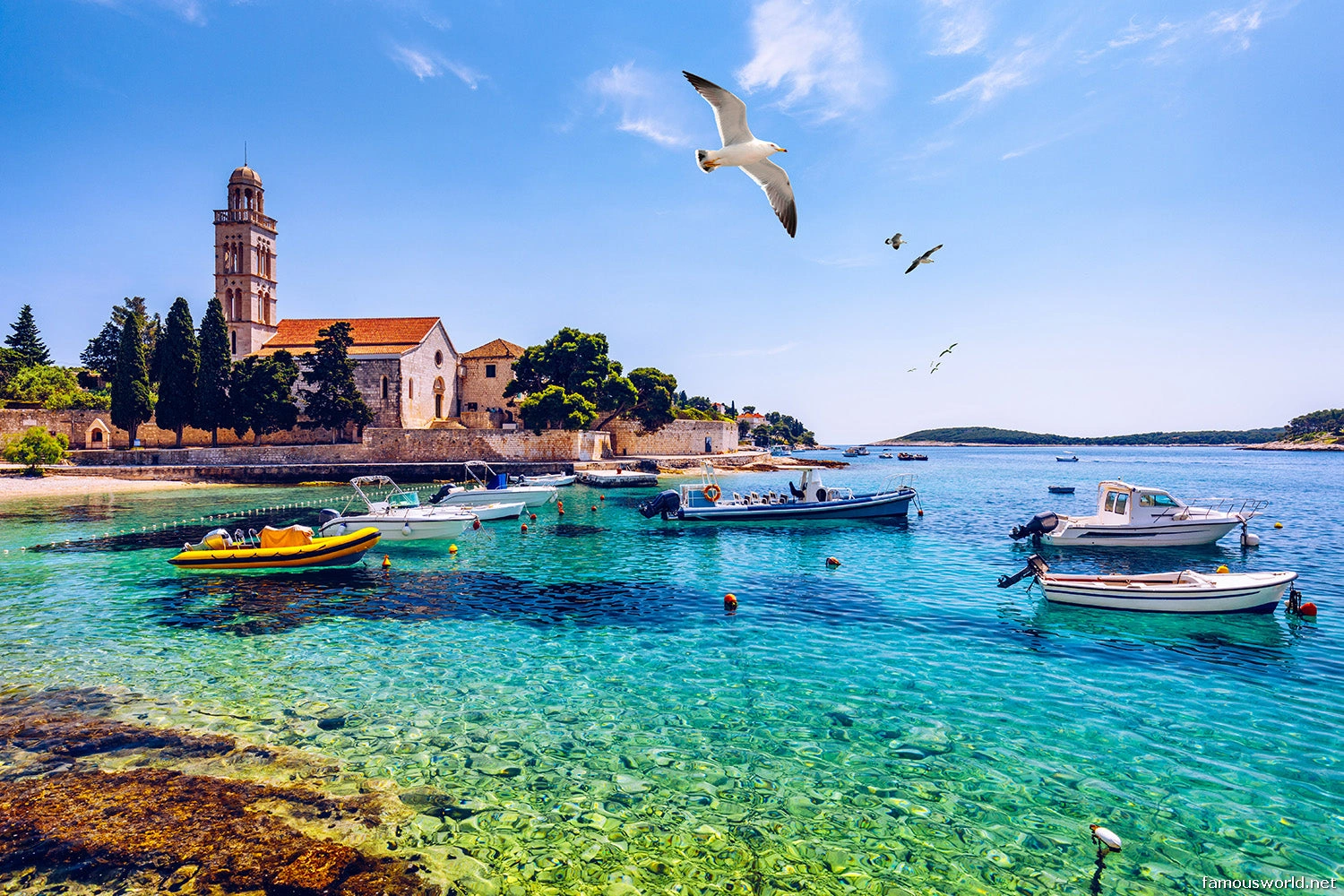

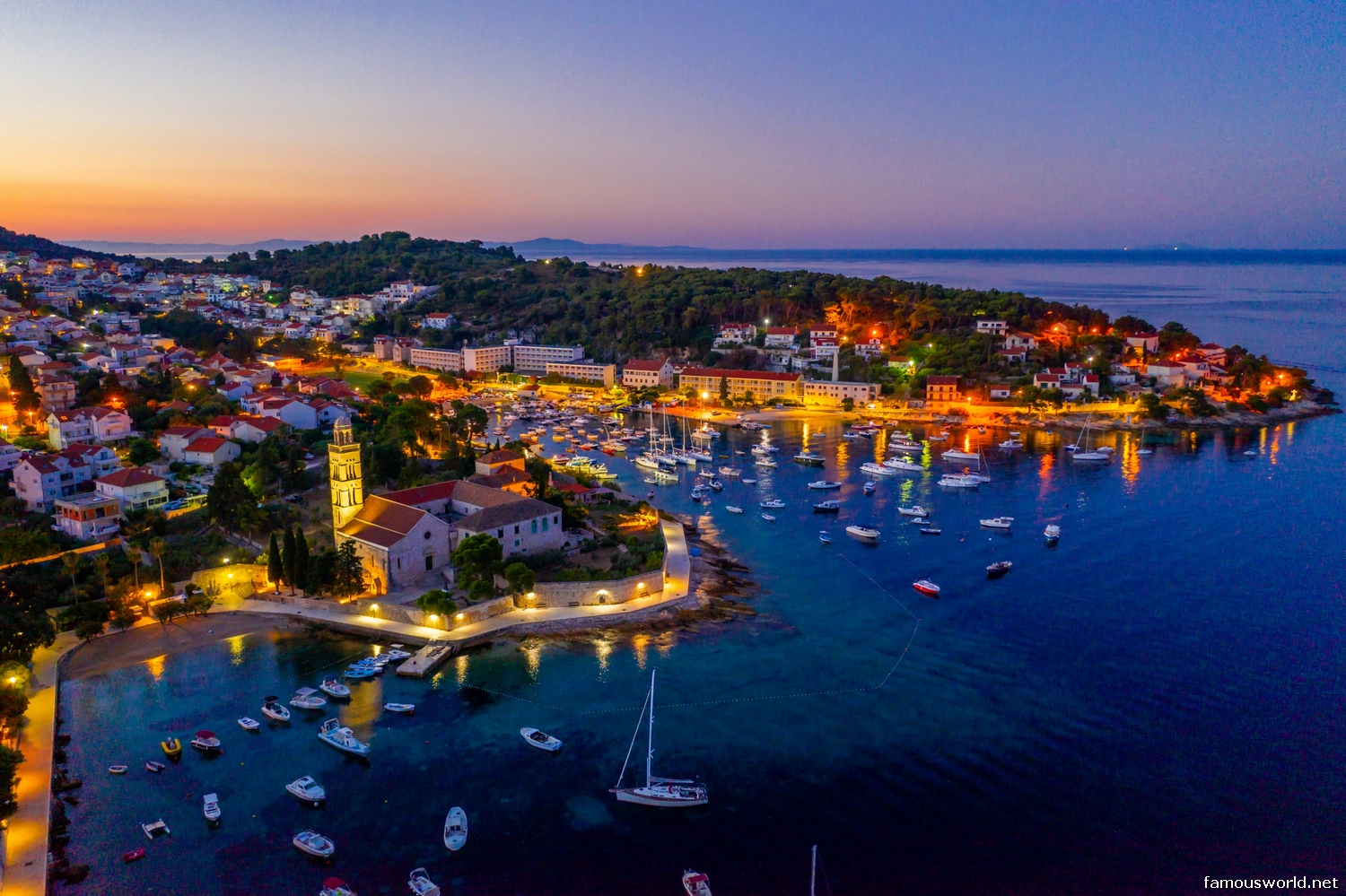
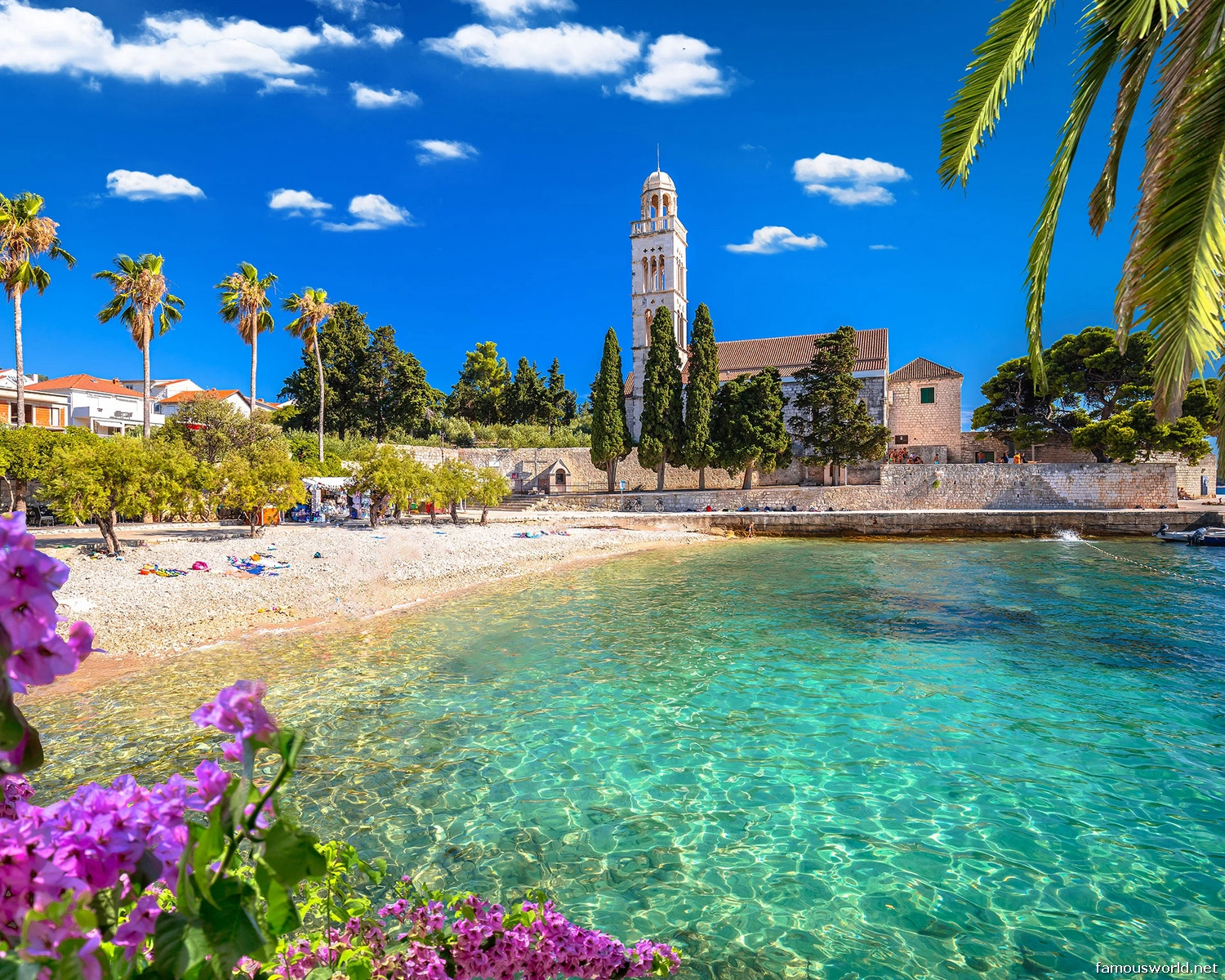
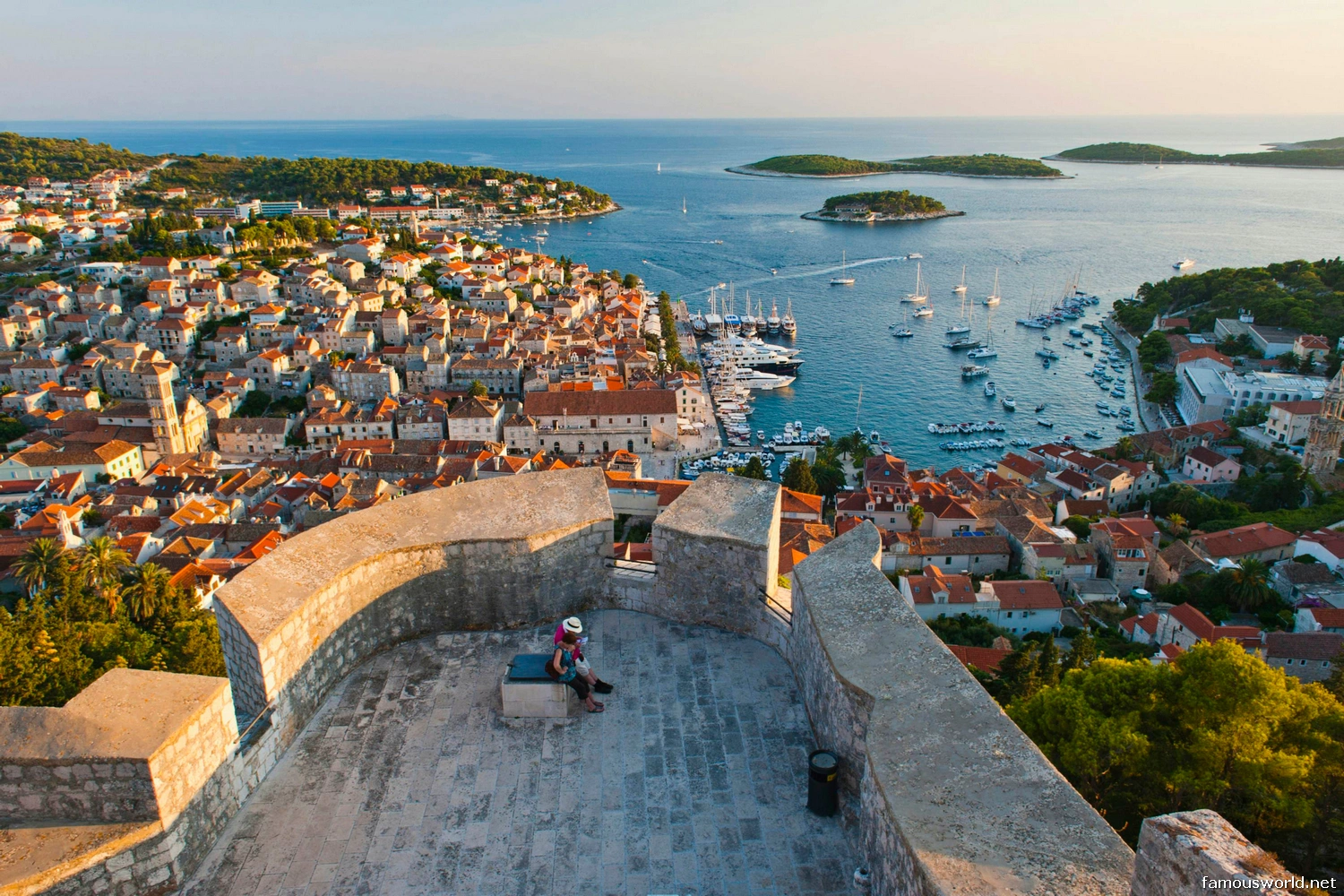
Floating in the brilliant blue of the Adriatic, Hvar is Croatia’s most glamorous and sun-drenched island. It is a spectacular blend of natural beauty and sophisticated charm, where fragrant fields of lavender and ancient olive groves roll down to a coastline of hidden coves and crystalline waters. The island is anchored by the chic Hvar Town, a stunning medieval port with a lively yacht scene, overlooked by a historic fortress. From the UNESCO-protected ancient plains of Stari Grad to the secluded beaches of the Pakleni Islands just offshore, Hvar offers a perfect vision of the Dalmatian island dream—a place where history, nature, and a vibrant social scene converge under the endless summer sun.
Listen to an introduction about Hvar Island

Name and Location
- Name: Hvar Island (Otok Hvar).
- Location: An island in the Adriatic Sea, situated off the Dalmatian coast of Croatia, between the islands of Brač, Vis, and Korčula.
How to Get There
As an island, Hvar is only accessible by sea, but it is very well-connected to the mainland.
- By Air: The nearest international airport is Split (SPU). From the airport, take a shuttle or taxi to the Split ferry port.
- By Sea: This is the primary mode of access.
- From Split: Frequent catamarans (passengers only) run directly to Hvar Town. Car ferries run to Stari Grad on the island’s northern side.
- From Drvenik (Mainland): A shorter car ferry route connects to Sućuraj on the eastern tip of Hvar.
- Island Hopping: Hvar is a key stop on many ferry routes connecting other islands like Korčula and Vis, and the city of Dubrovnik.
Landscape and Architecture
Hvar is defined by its lush Mediterranean landscape and beautifully preserved Venetian-era towns.
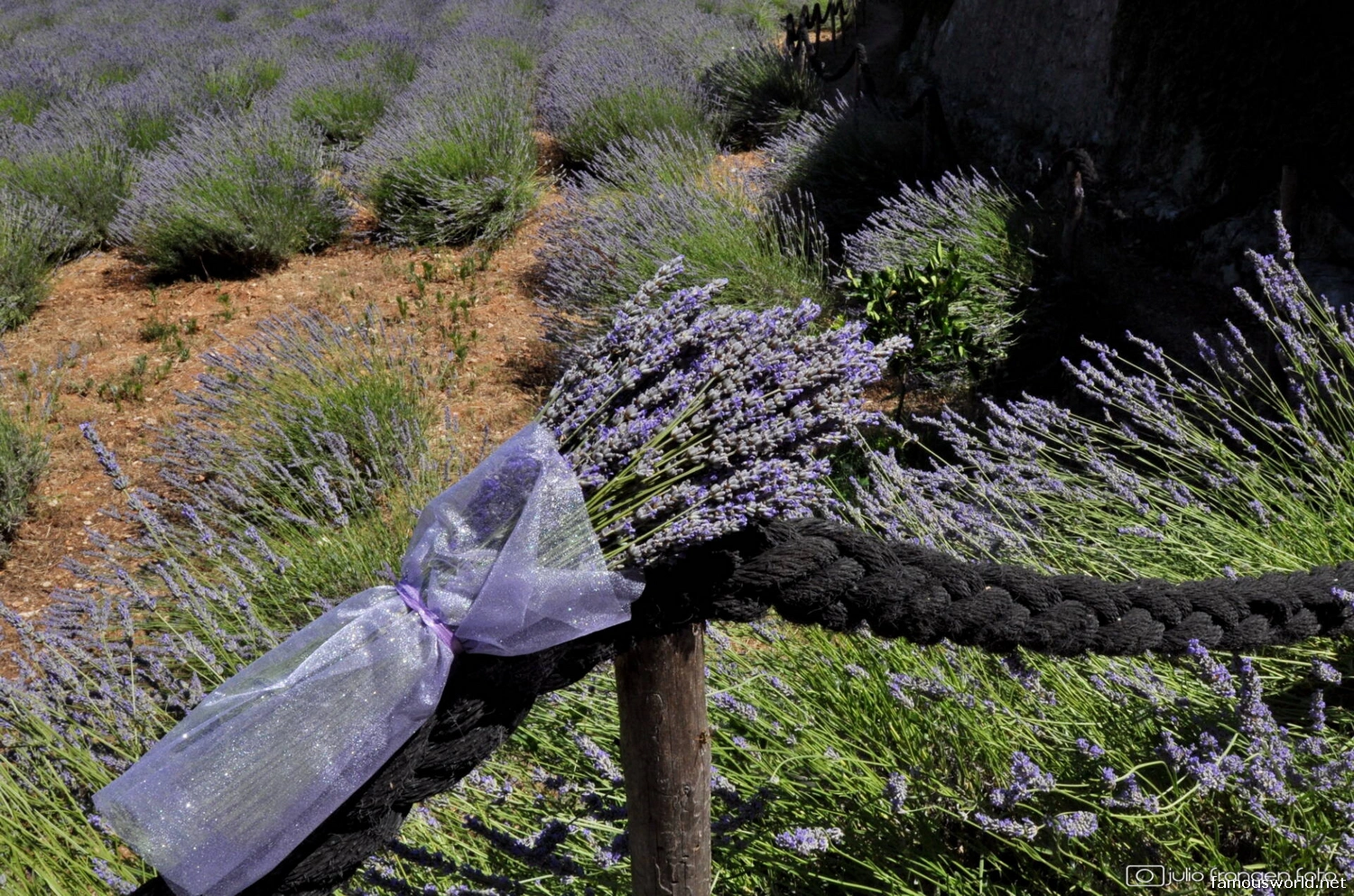
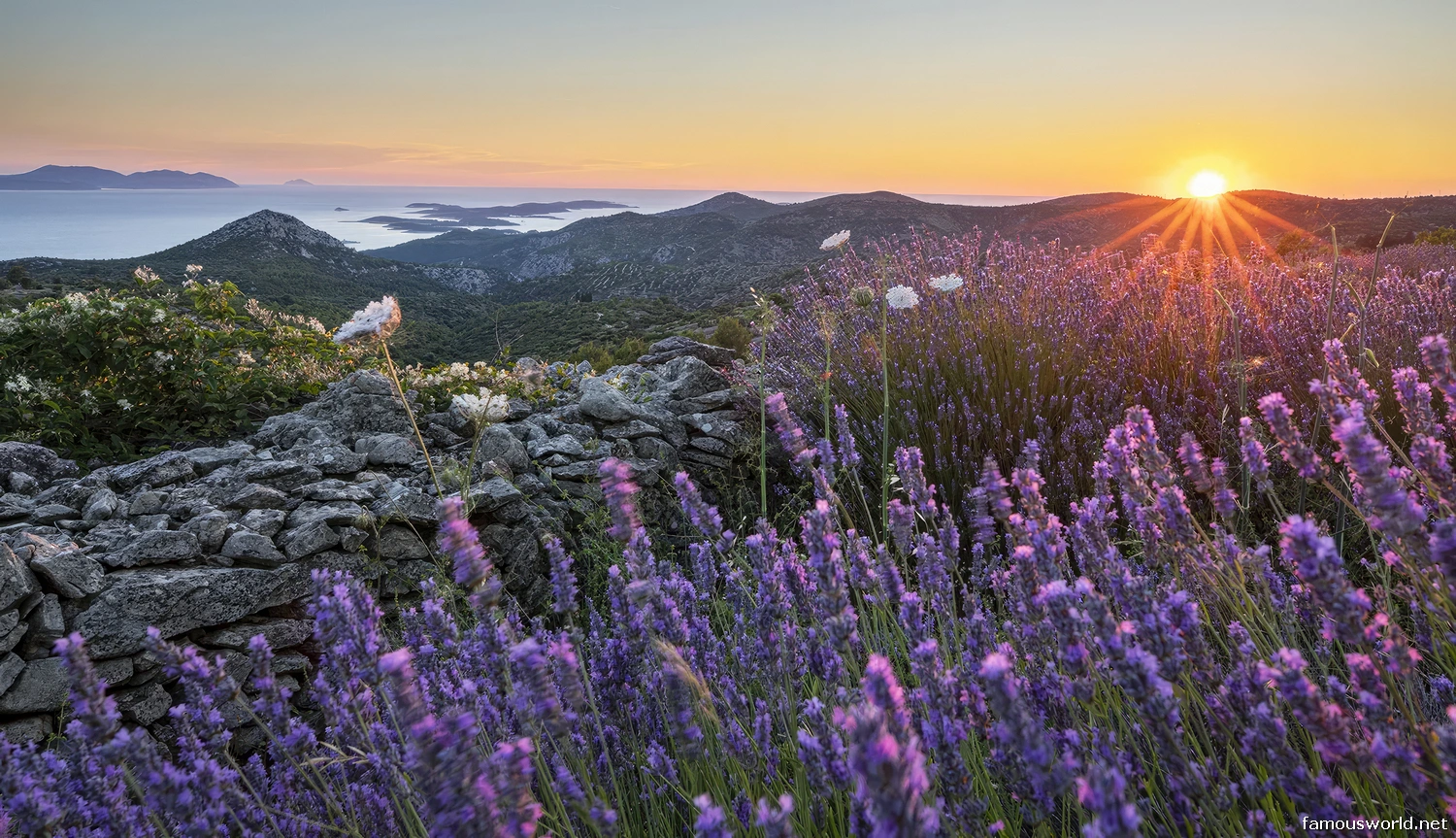
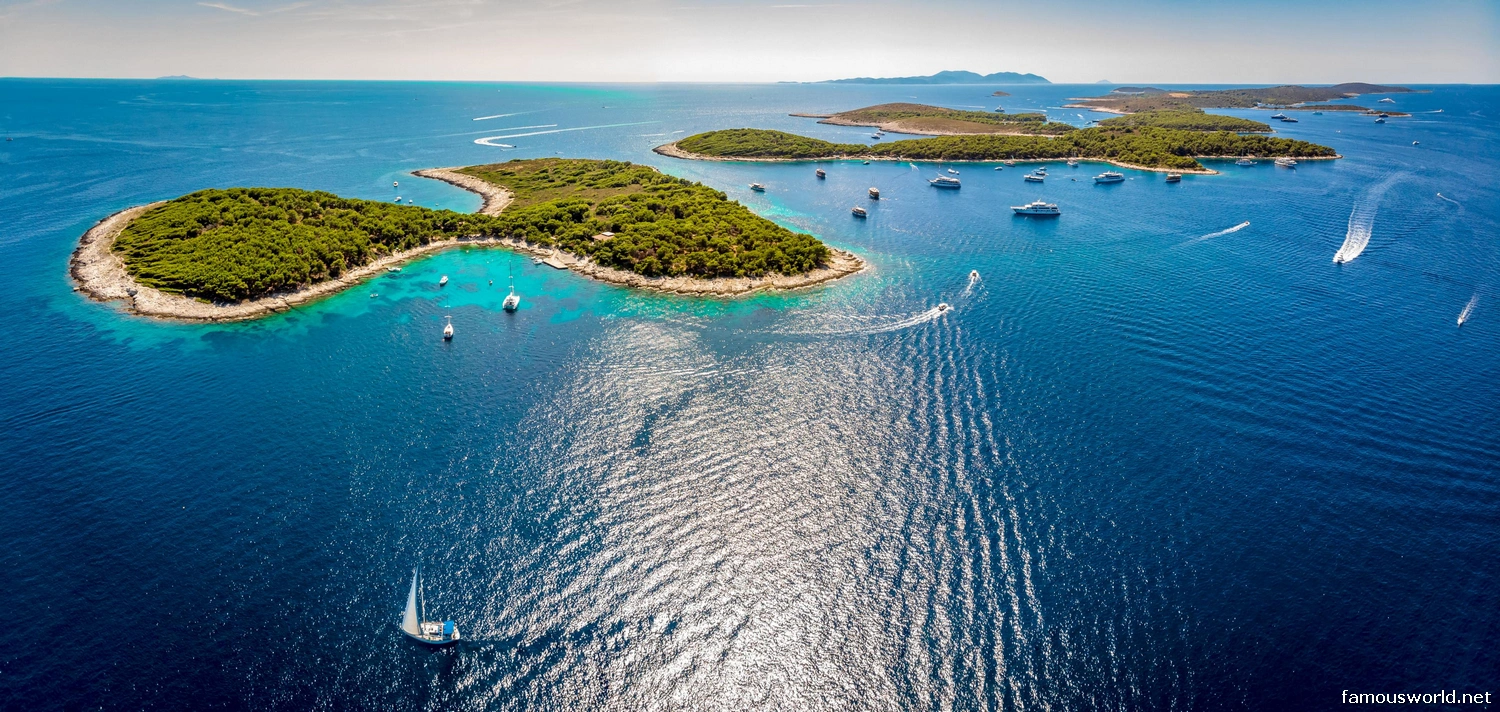
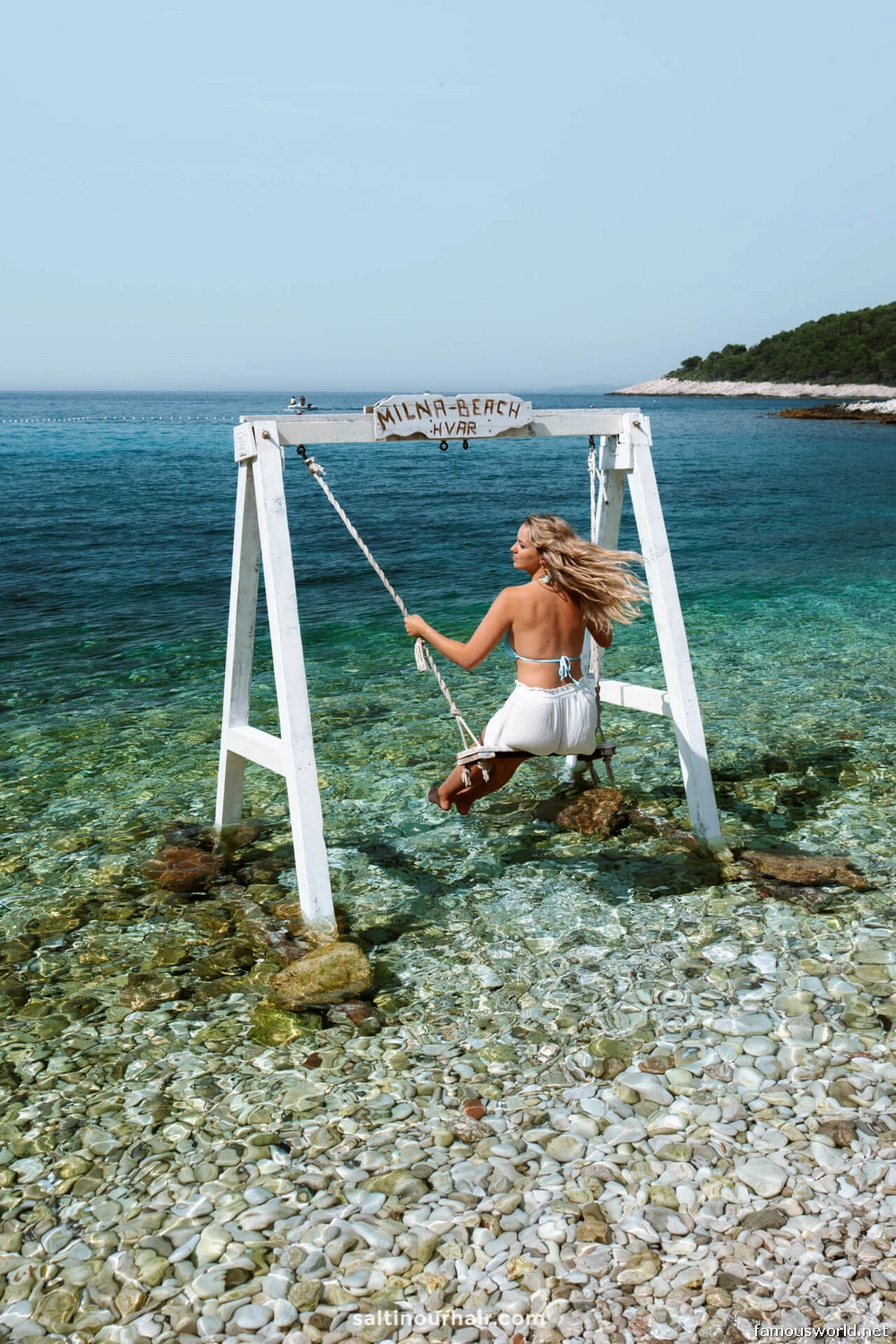
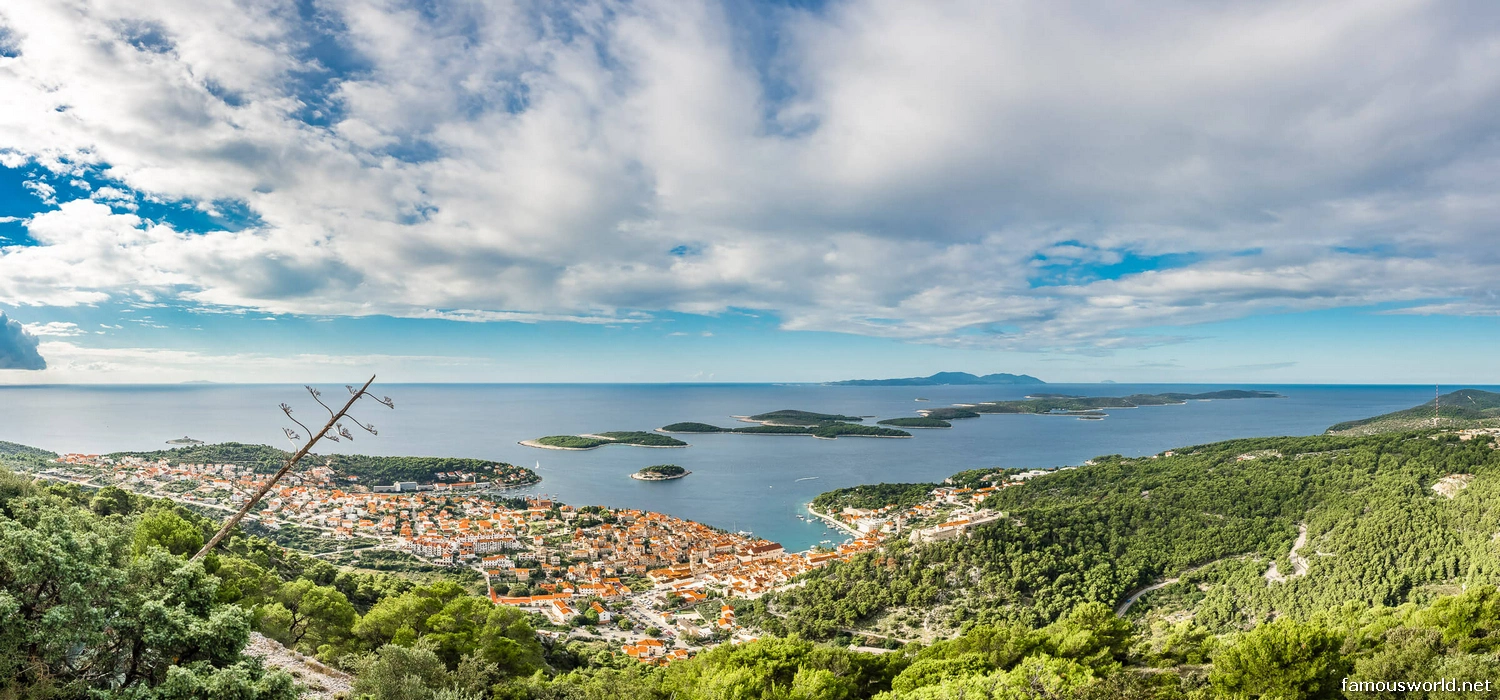
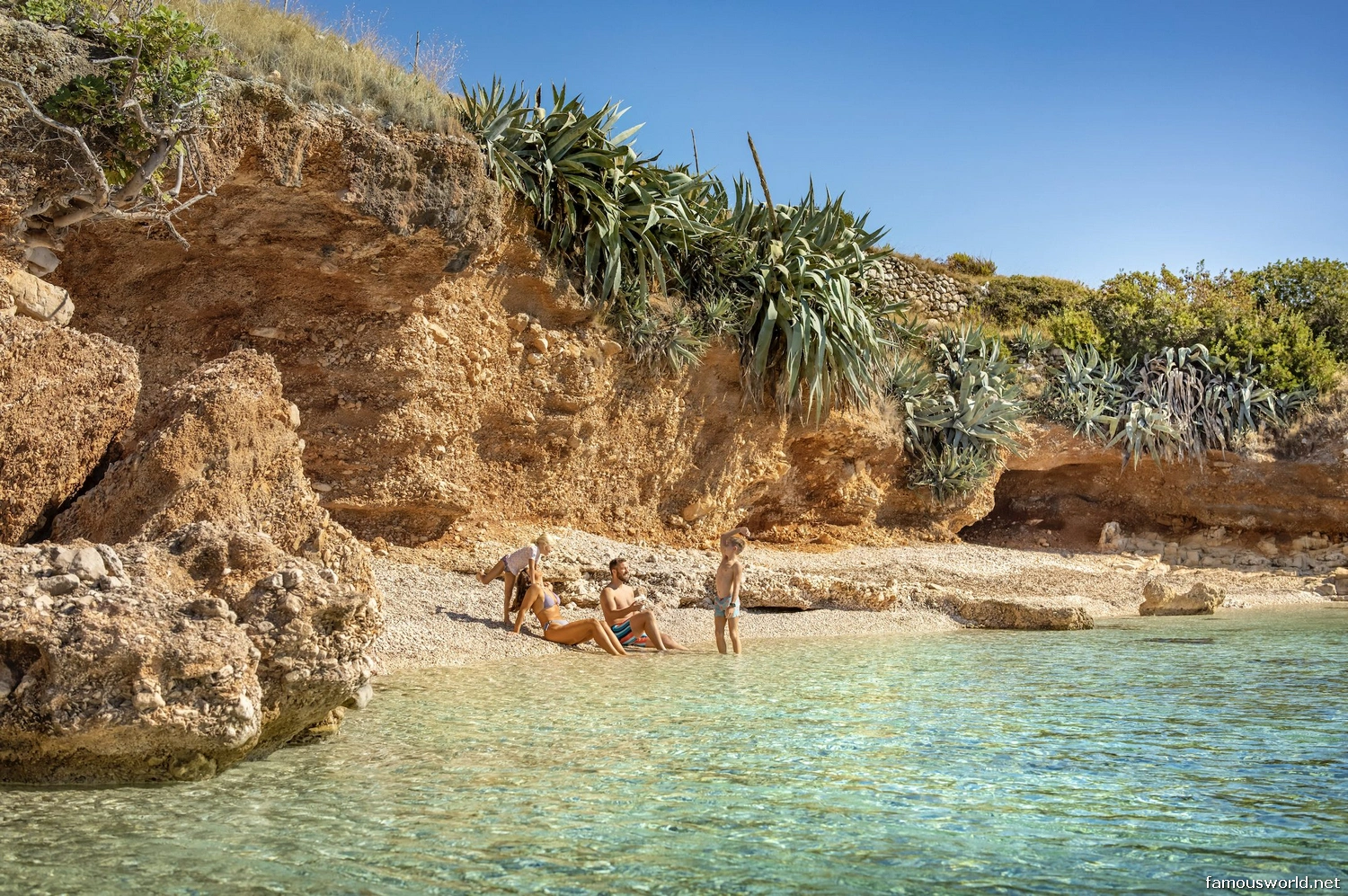
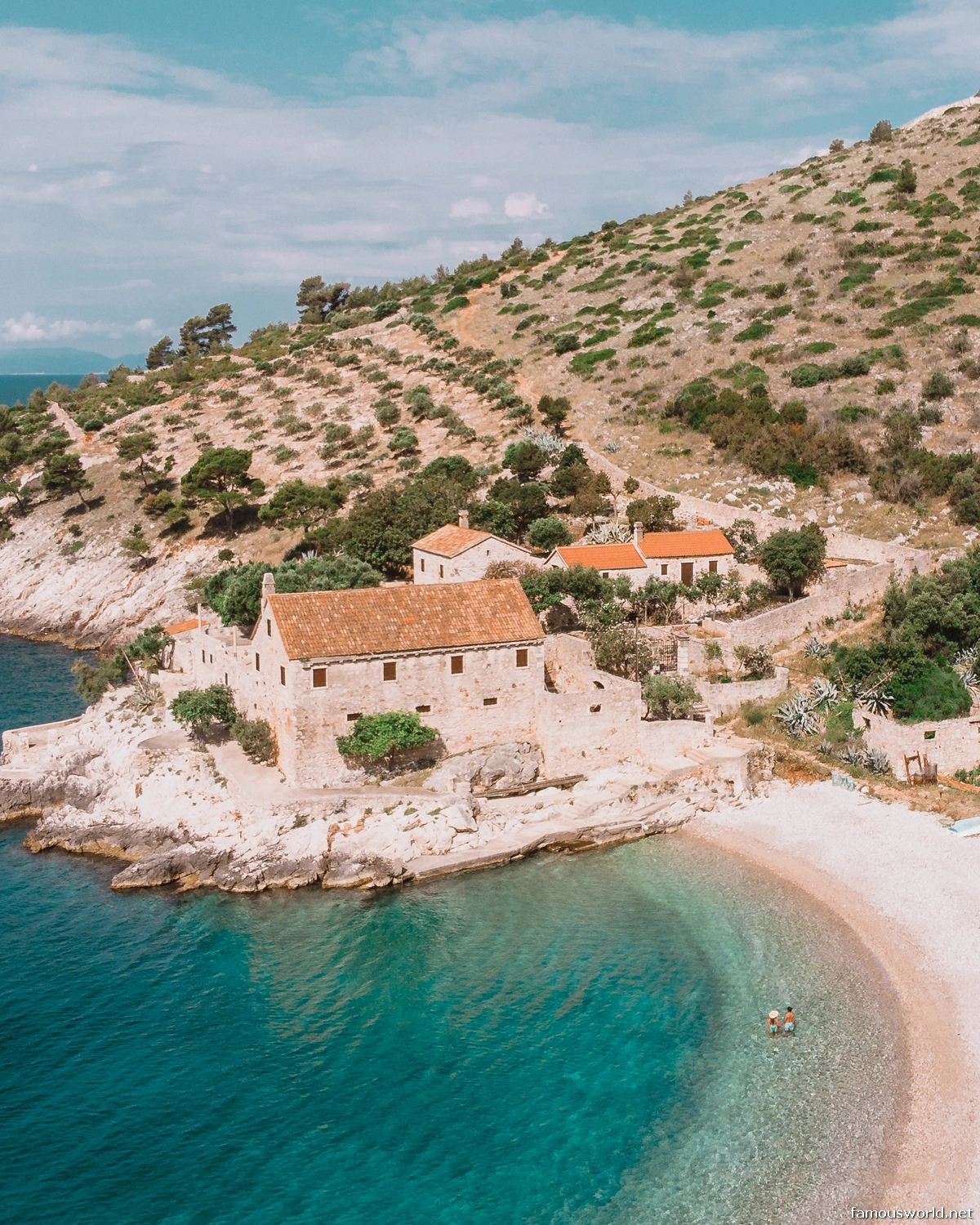
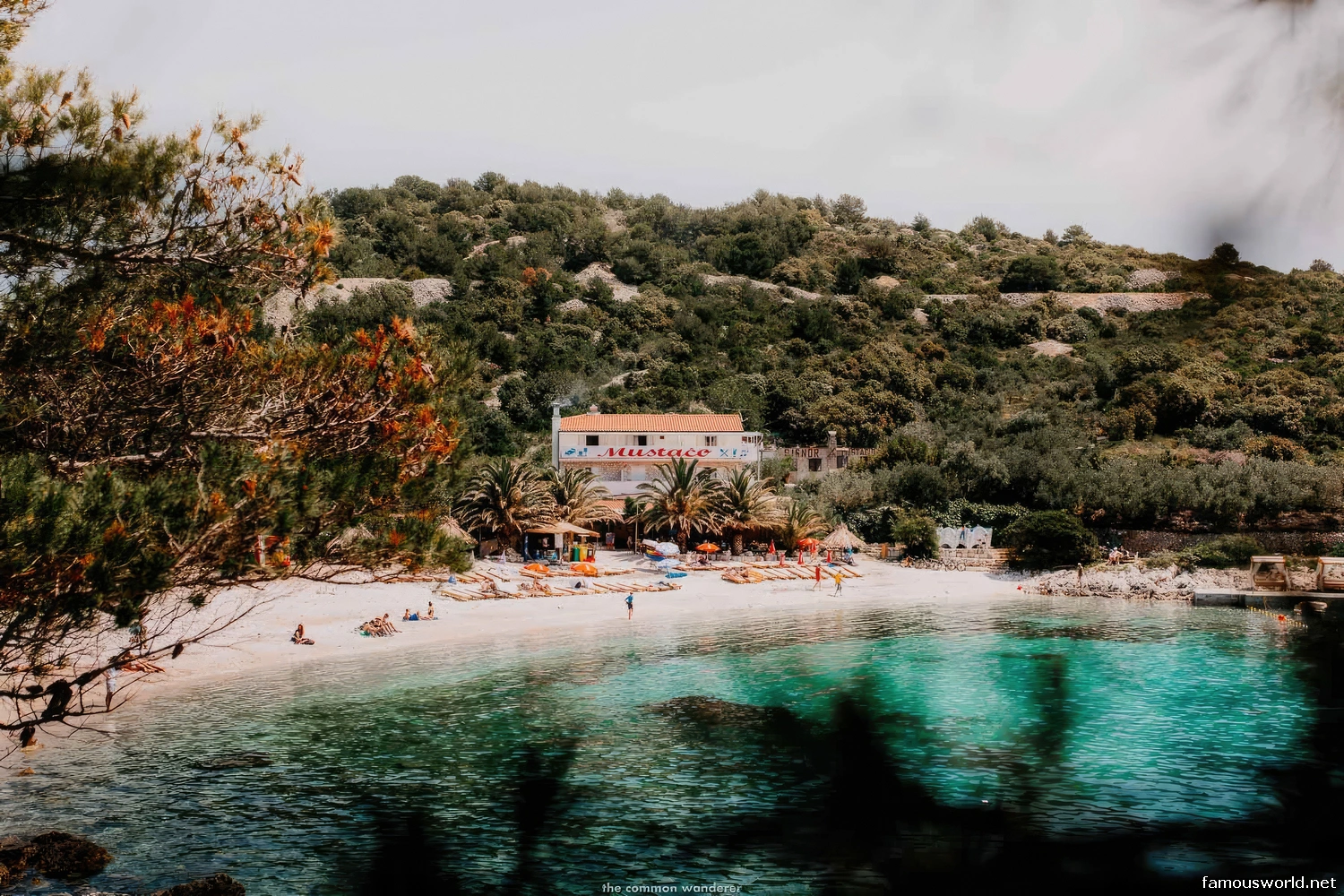
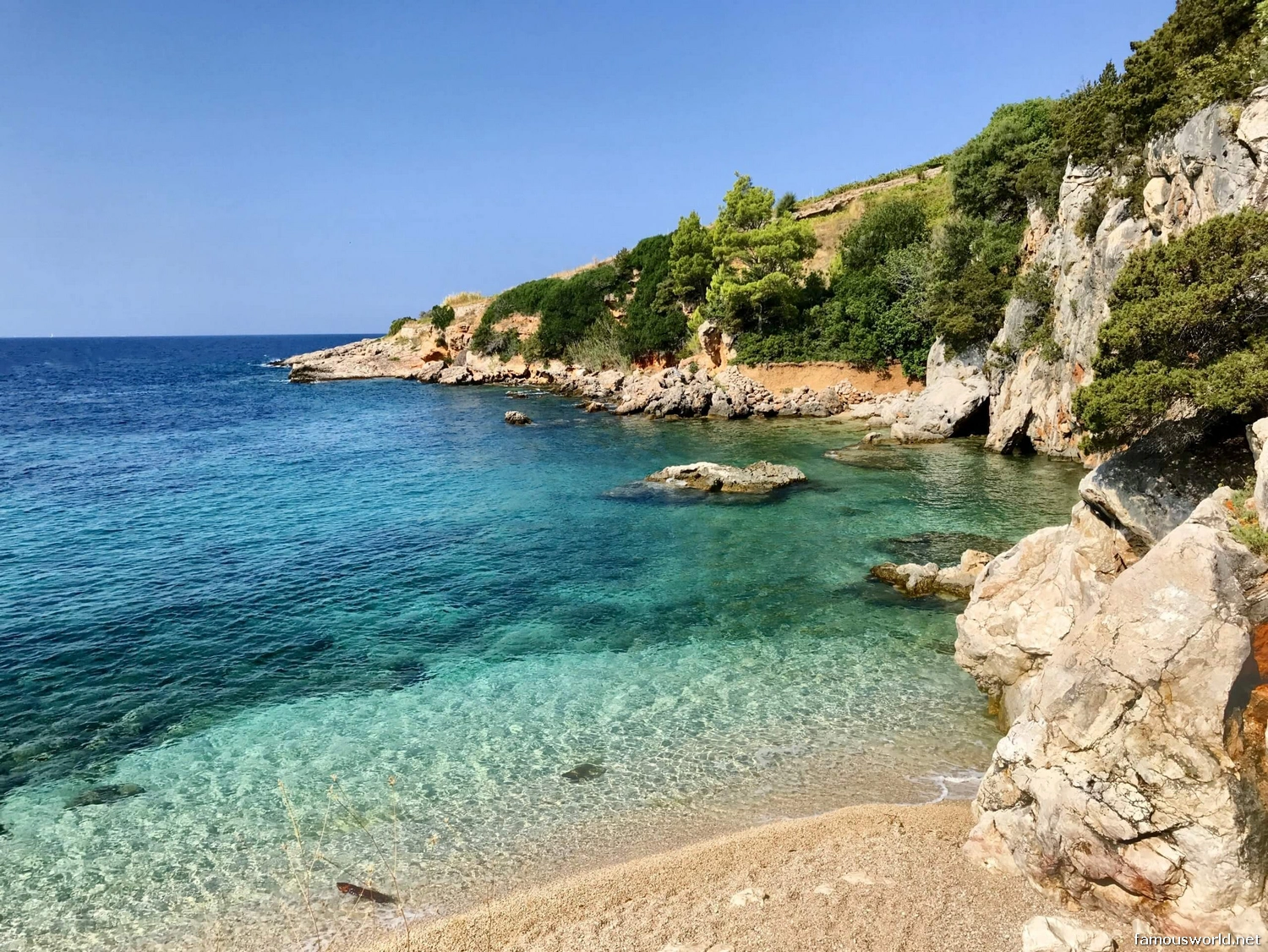
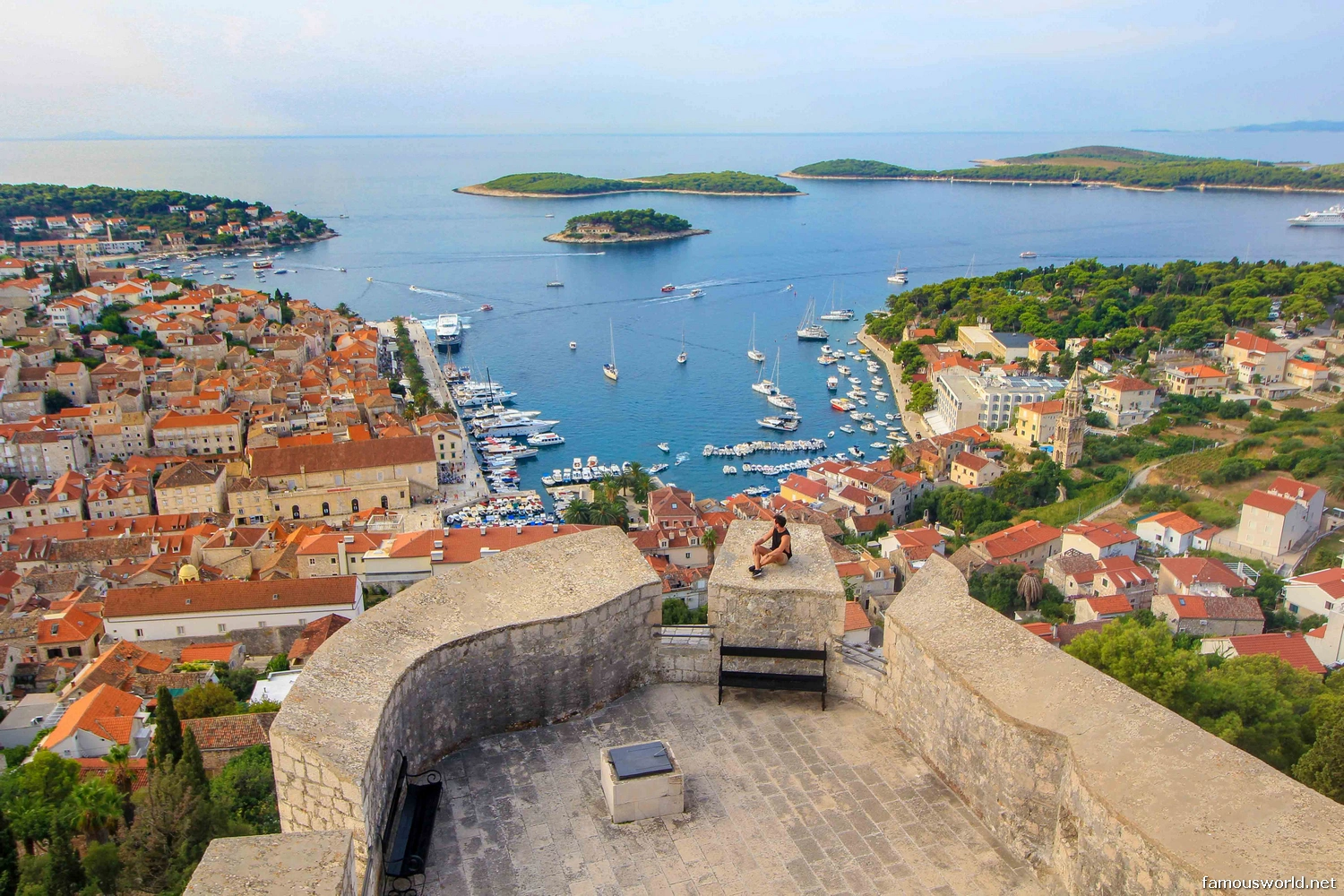
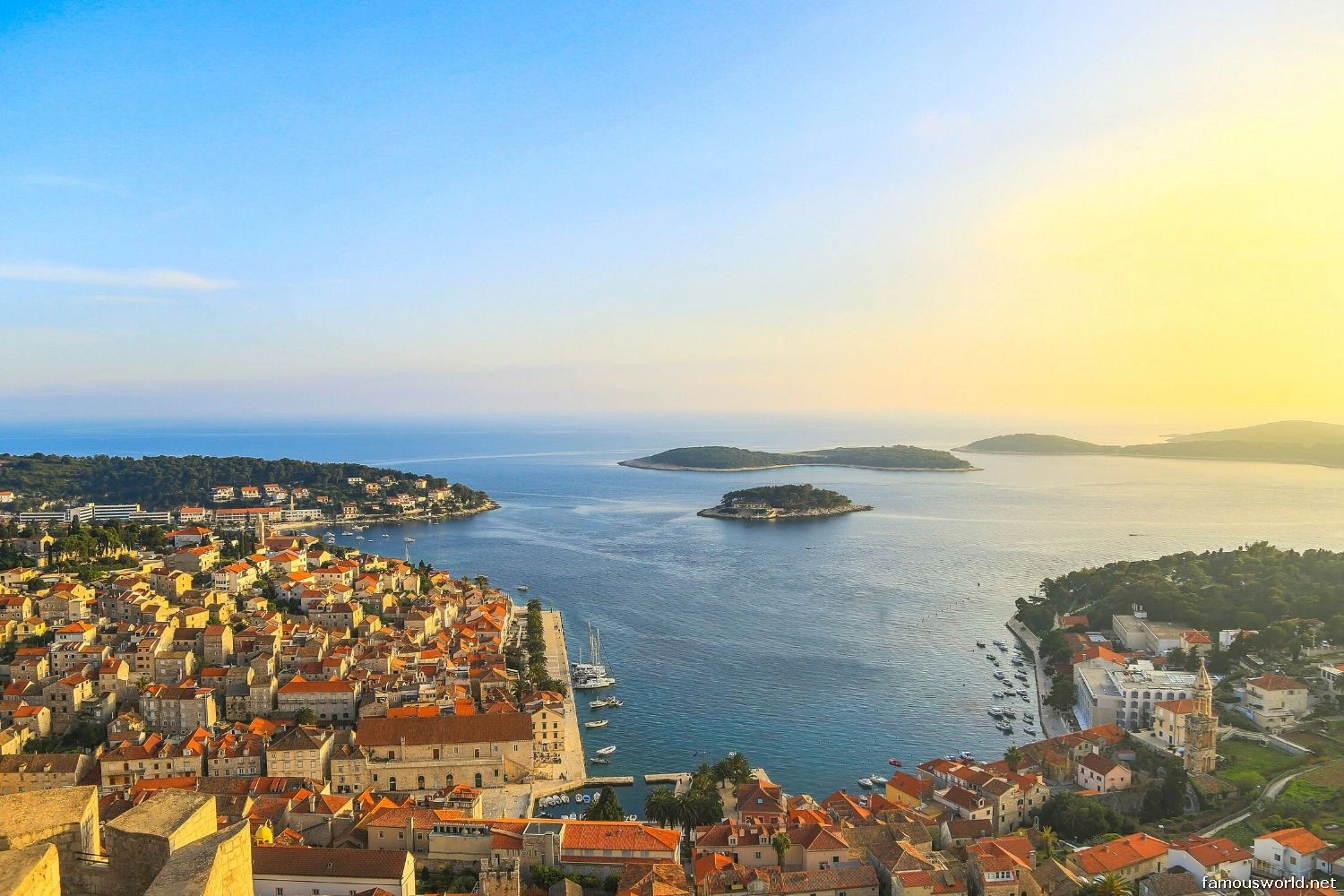
- The Landscape: The island is long and narrow, characterized by rolling hills covered in pine forests, vineyards, olive groves, and its famous lavender fields. The southern coast features dramatic cliffs and hidden pebble beaches, while the archipelago of the Pakleni Islands offers a maze of stunning coves and secluded lagoons.
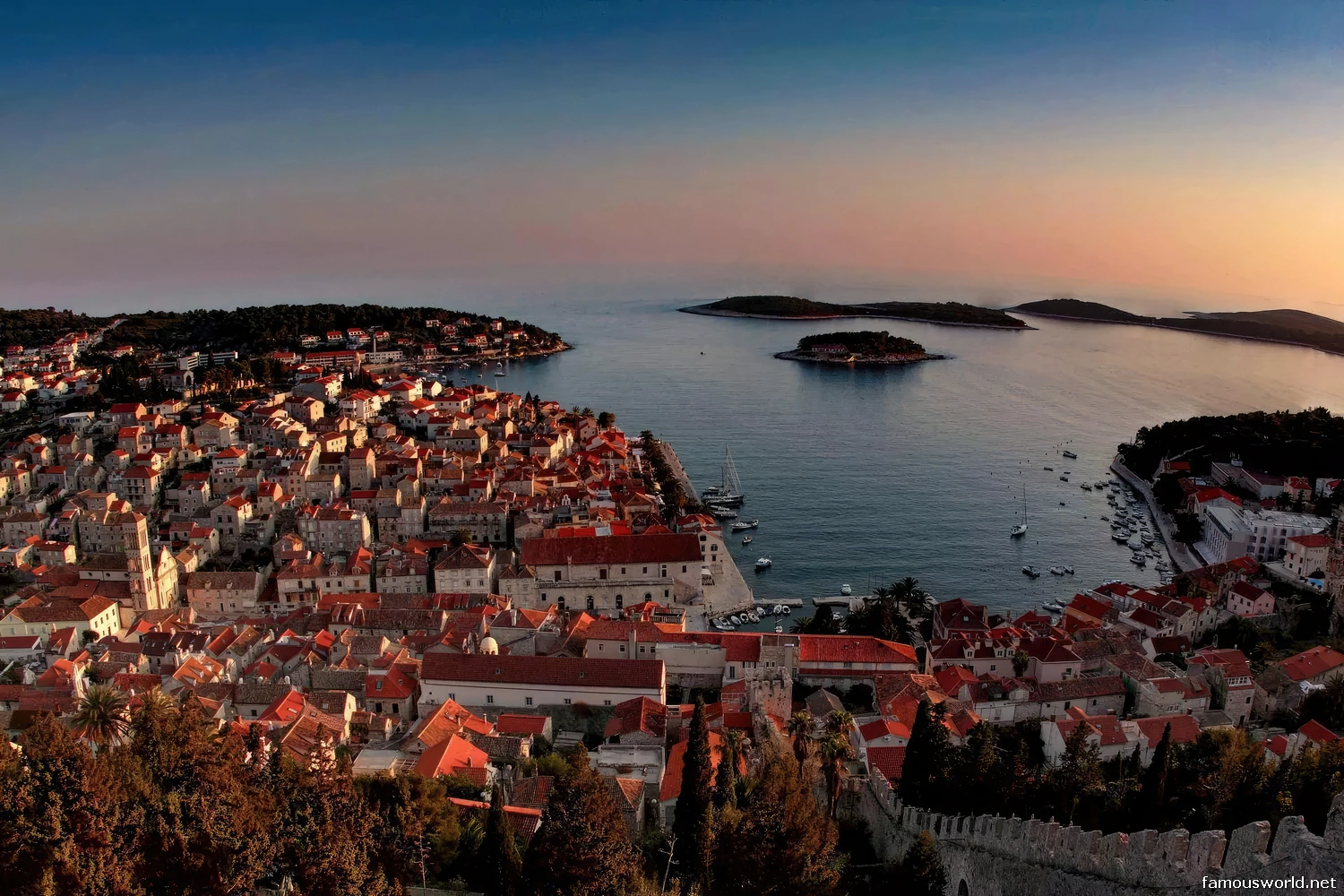
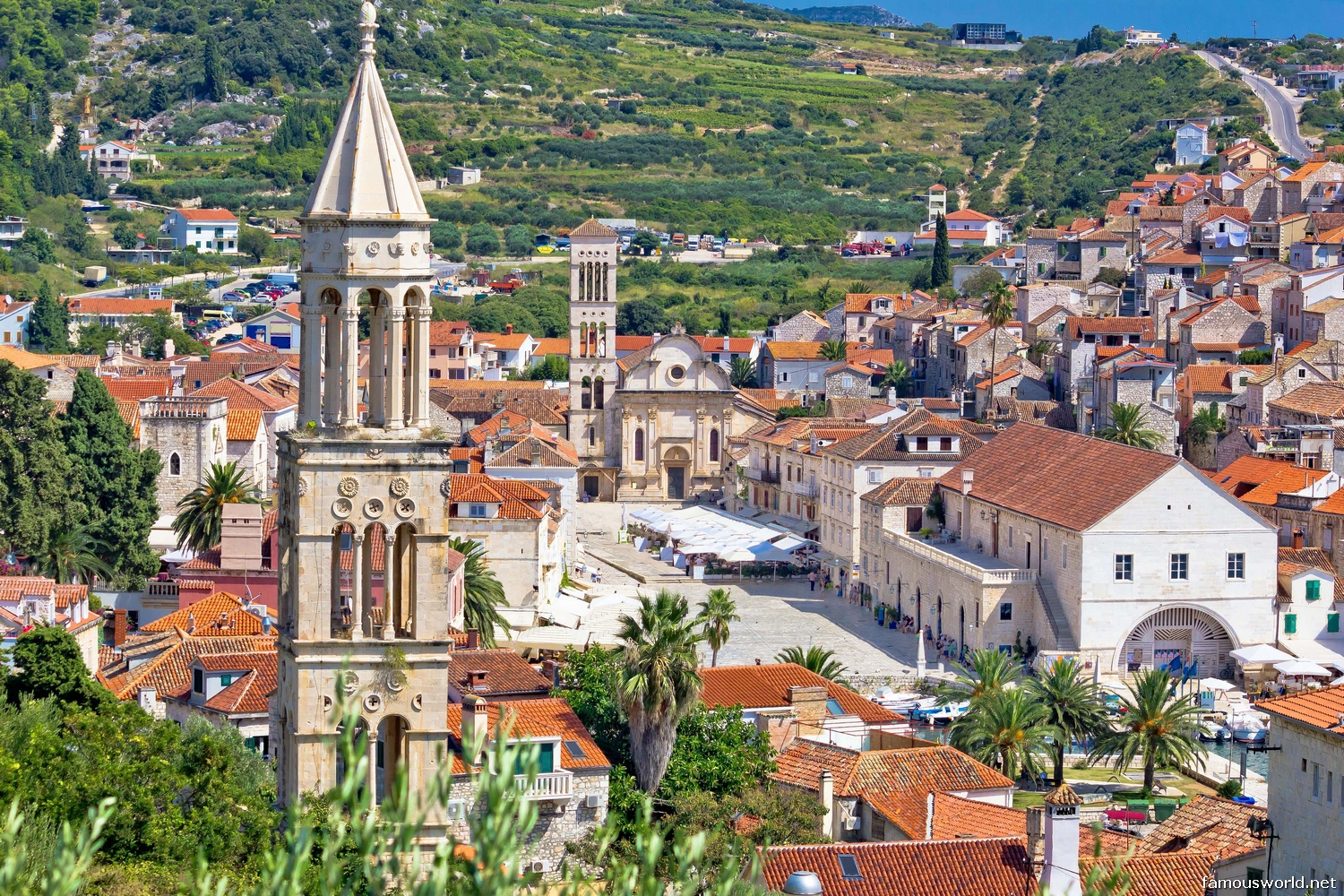
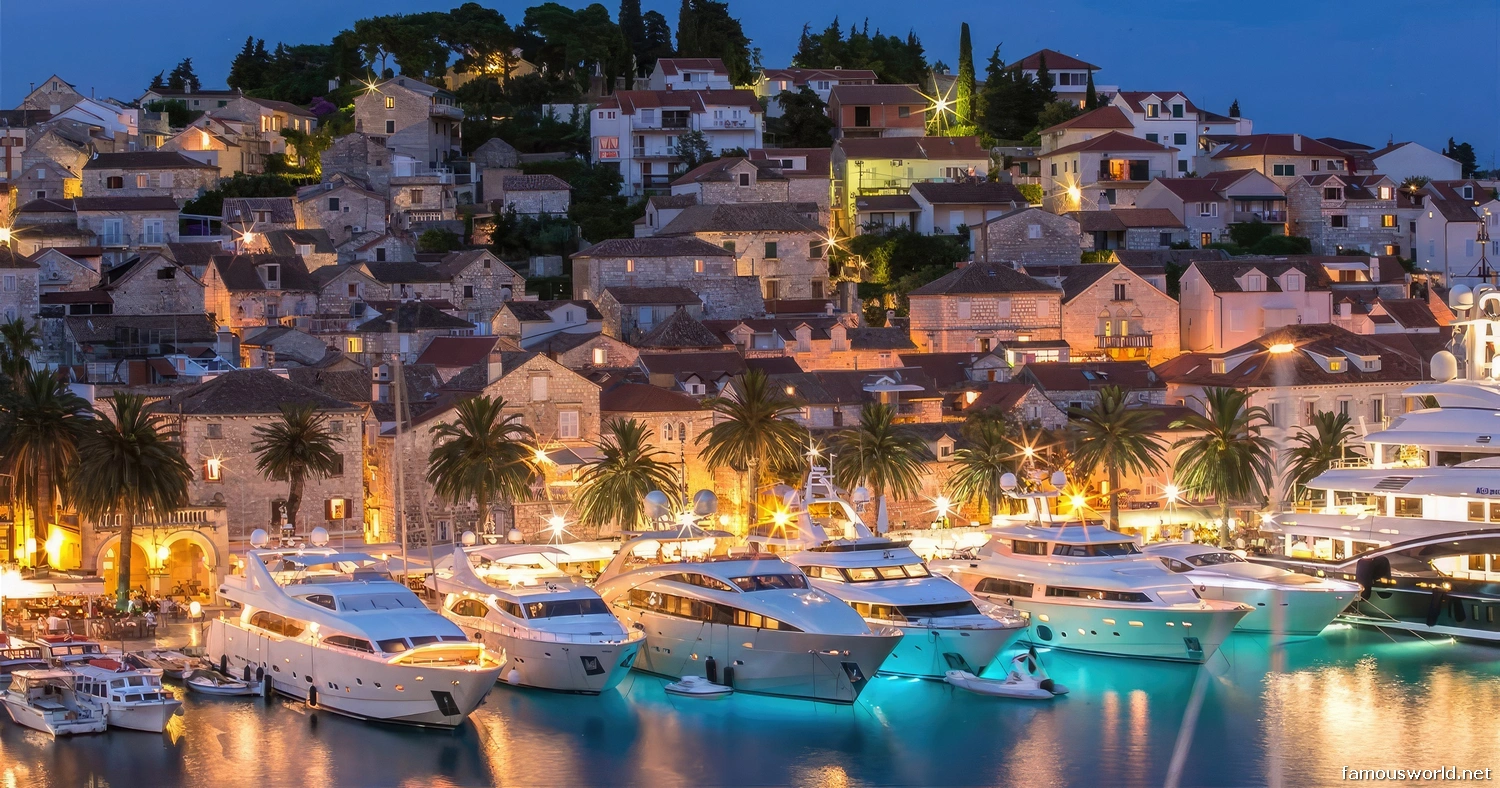
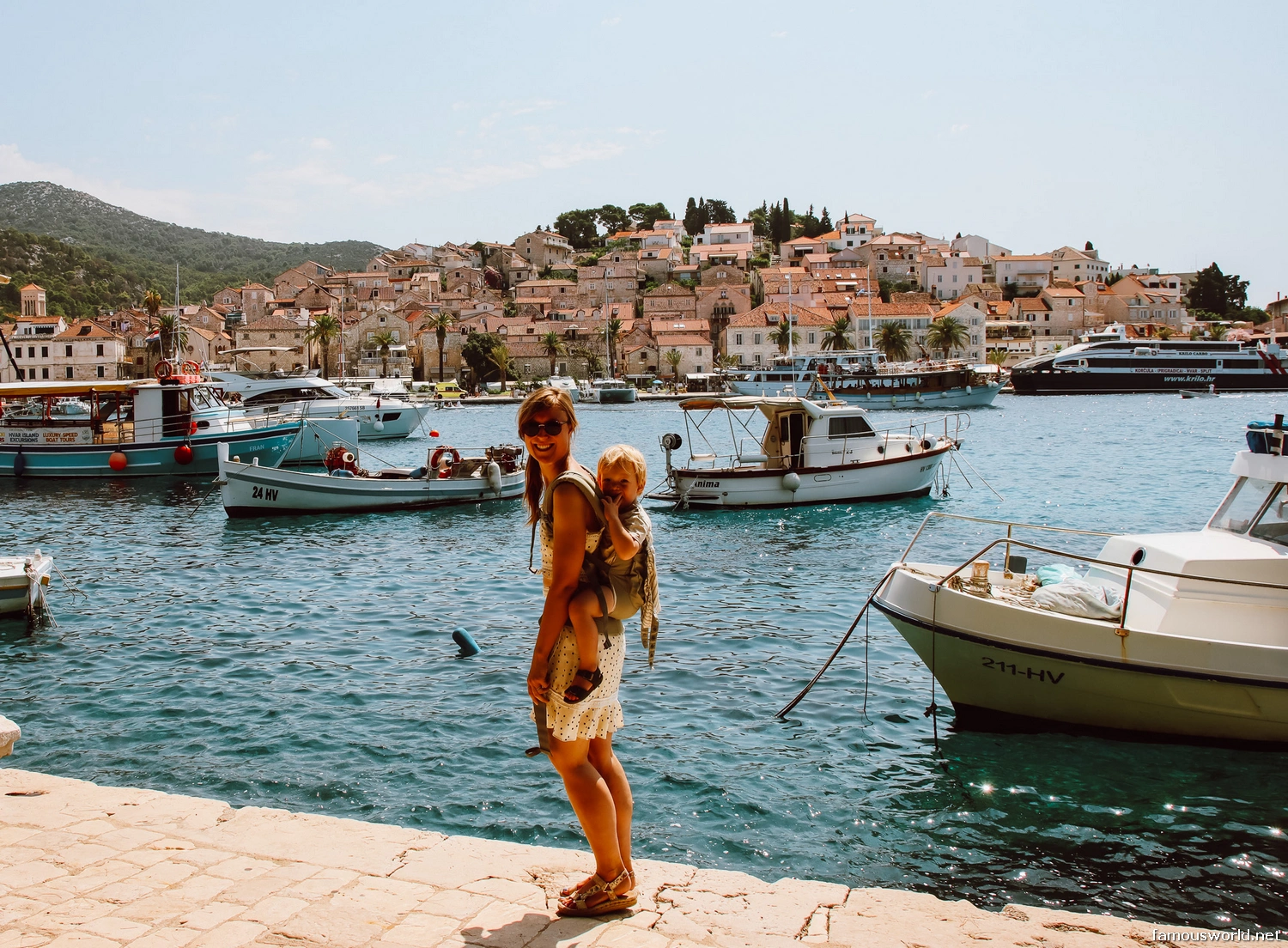
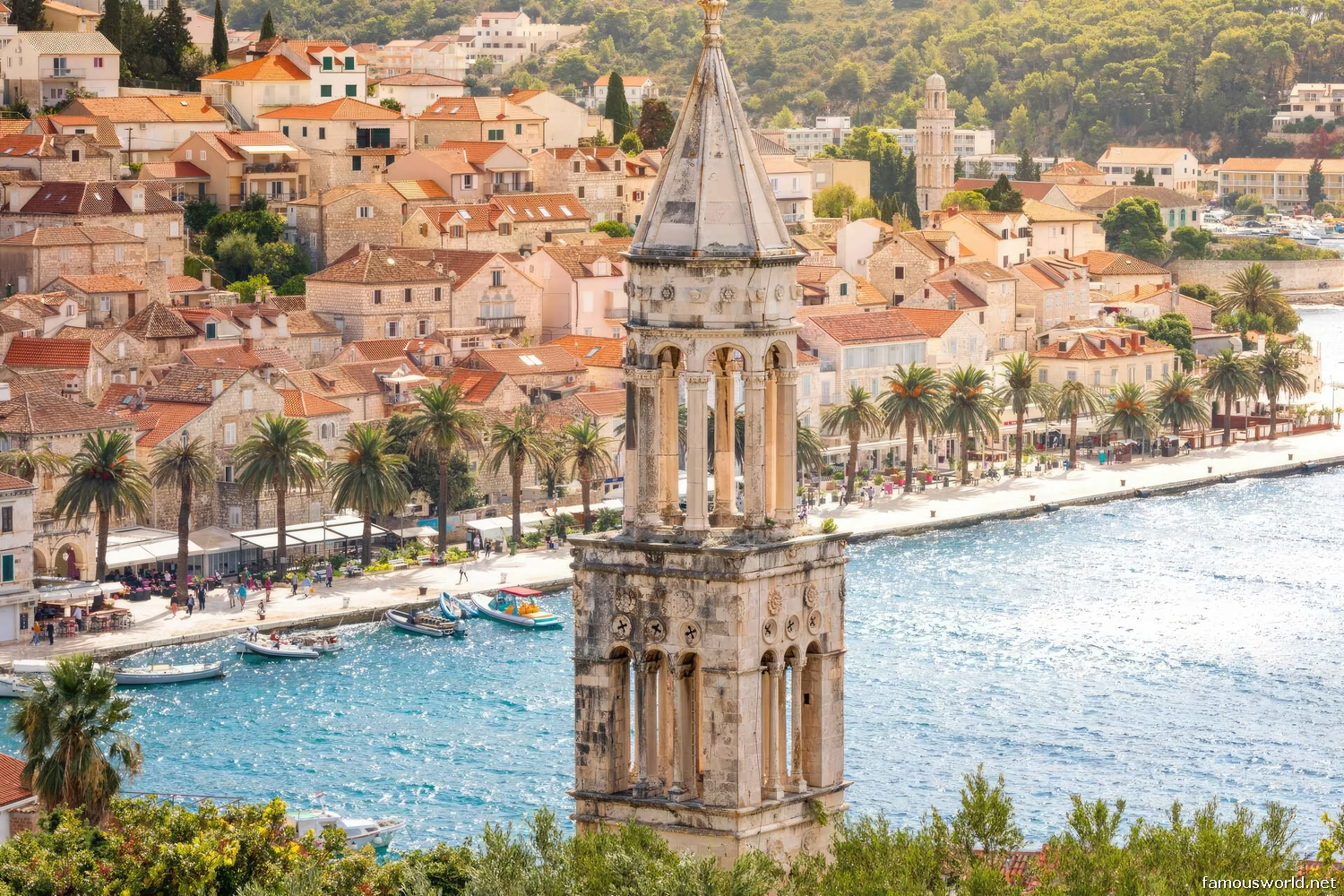
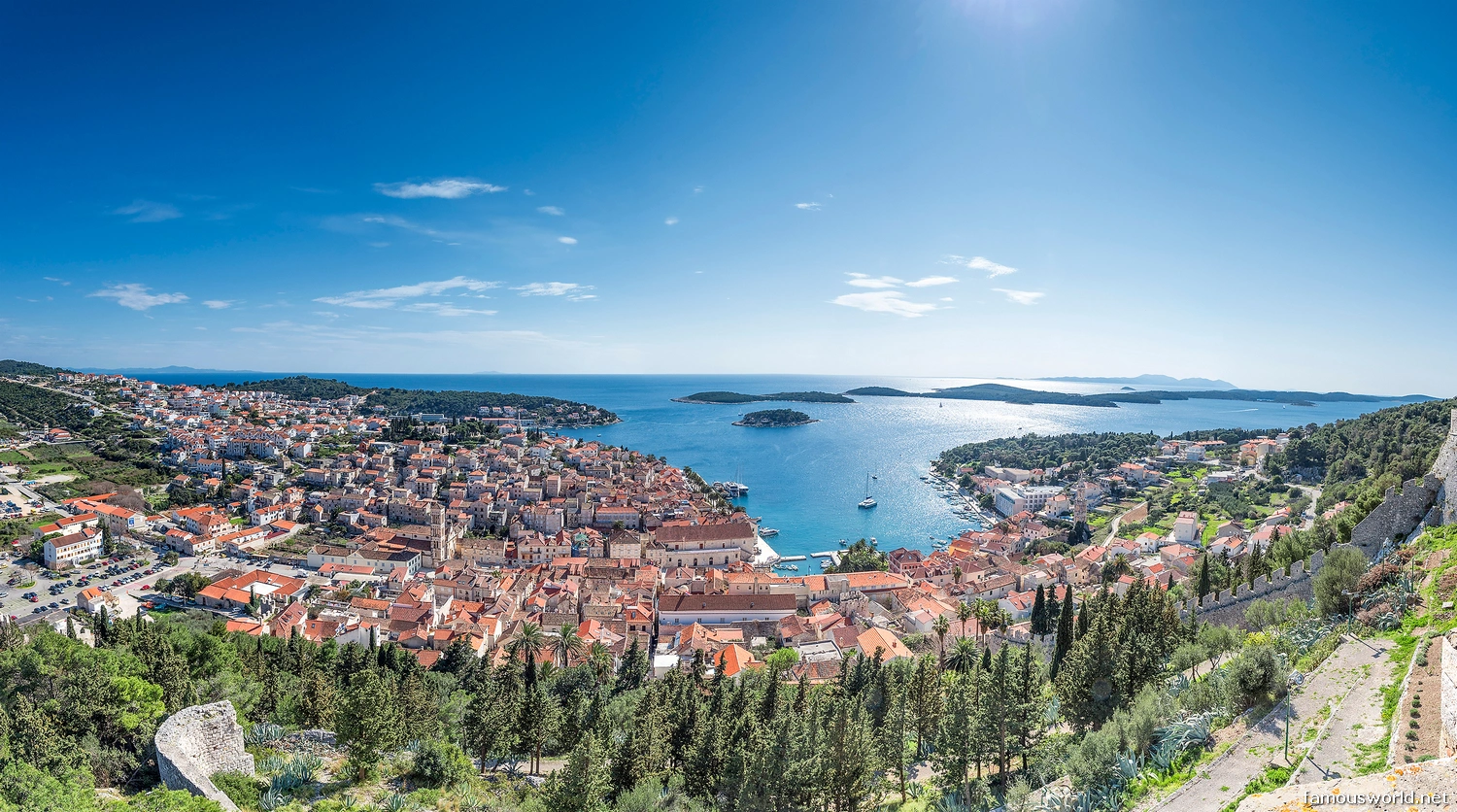
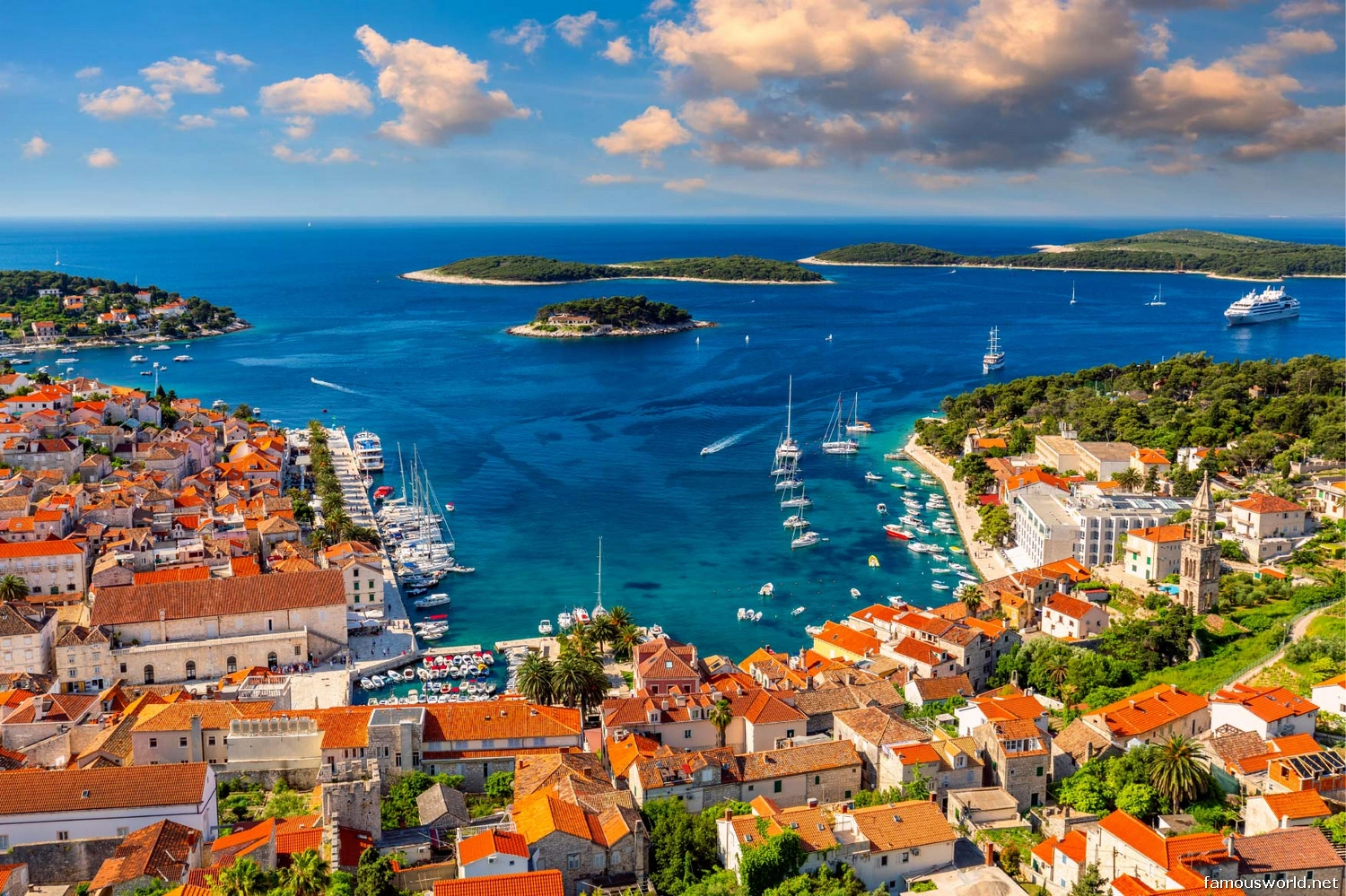
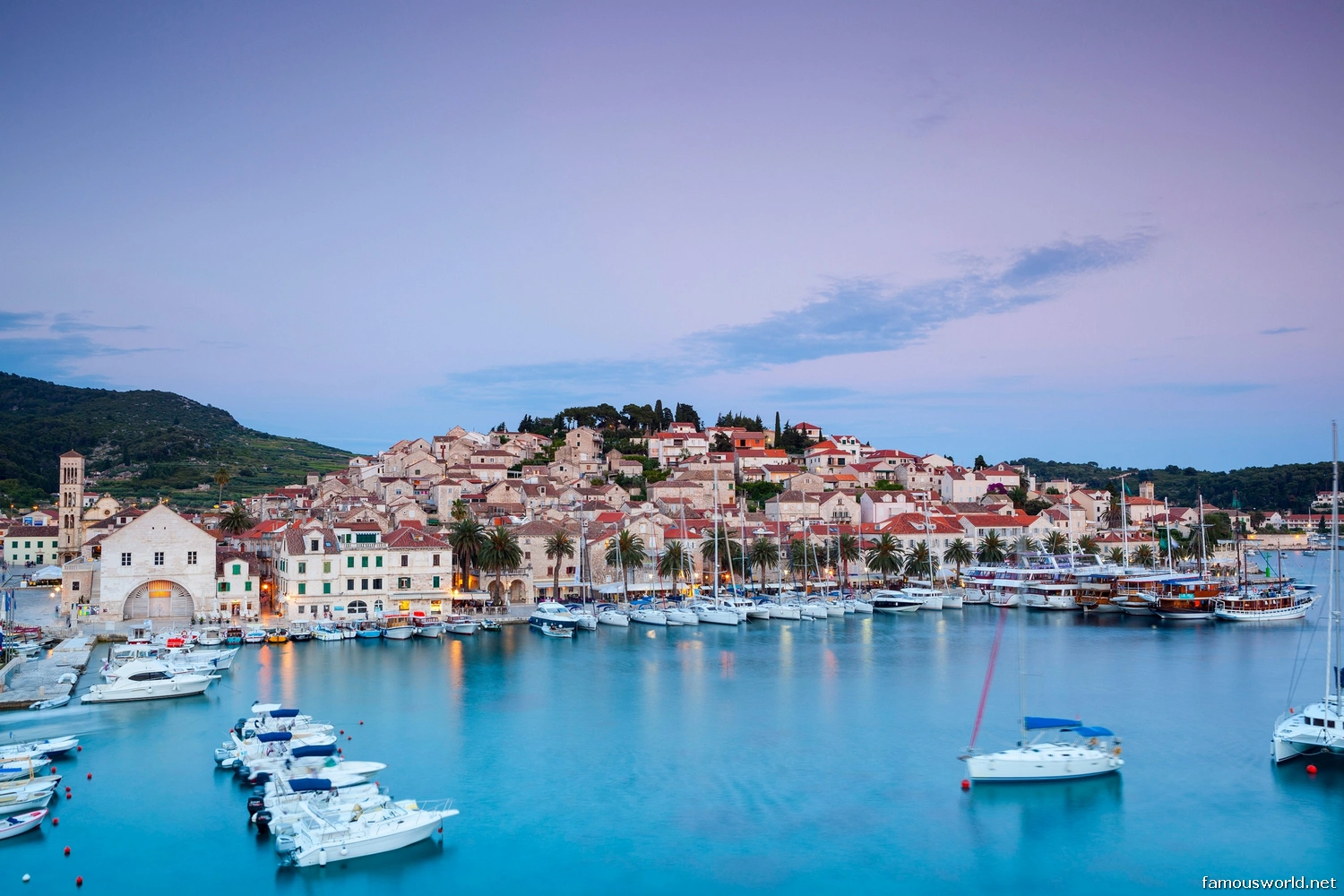
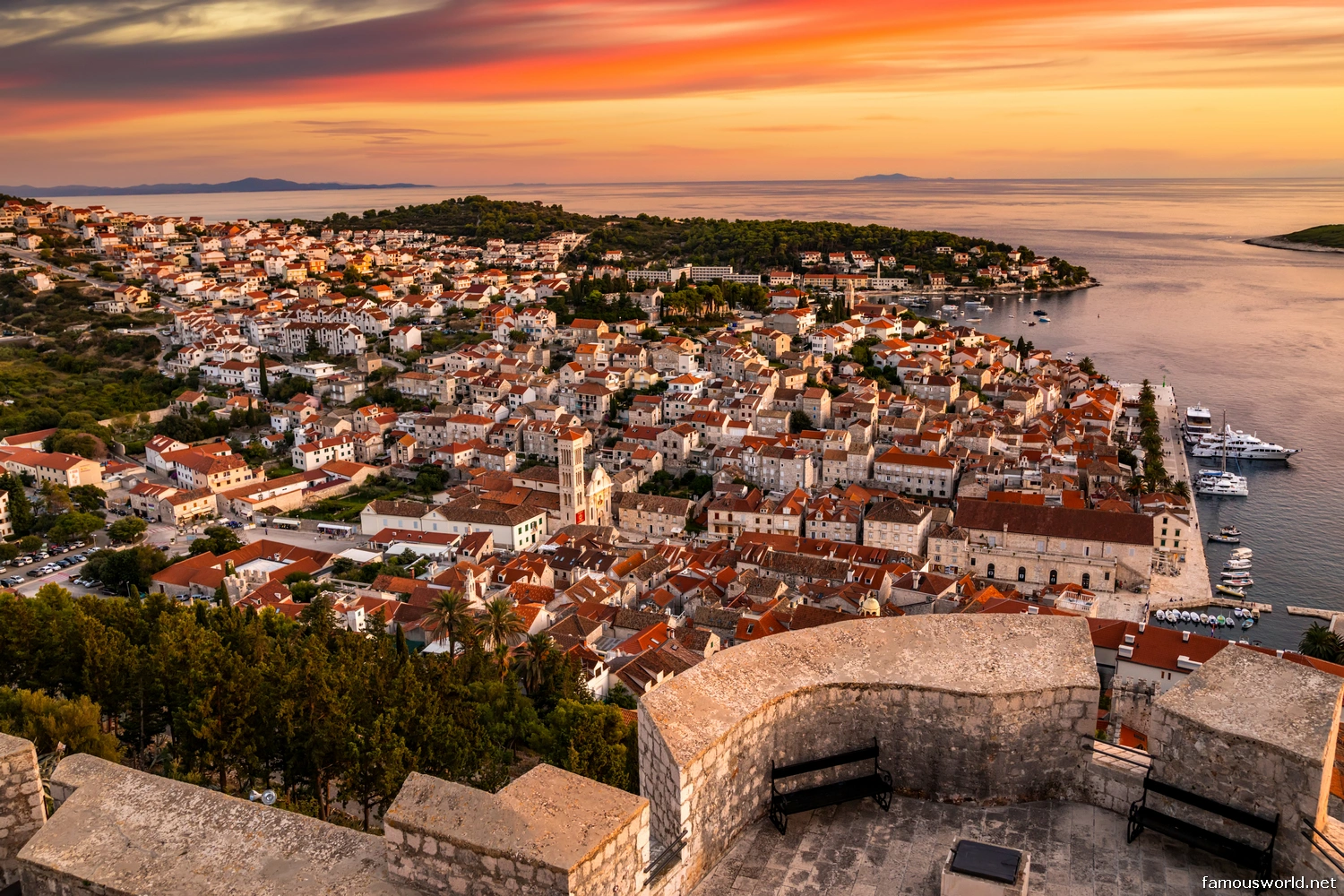
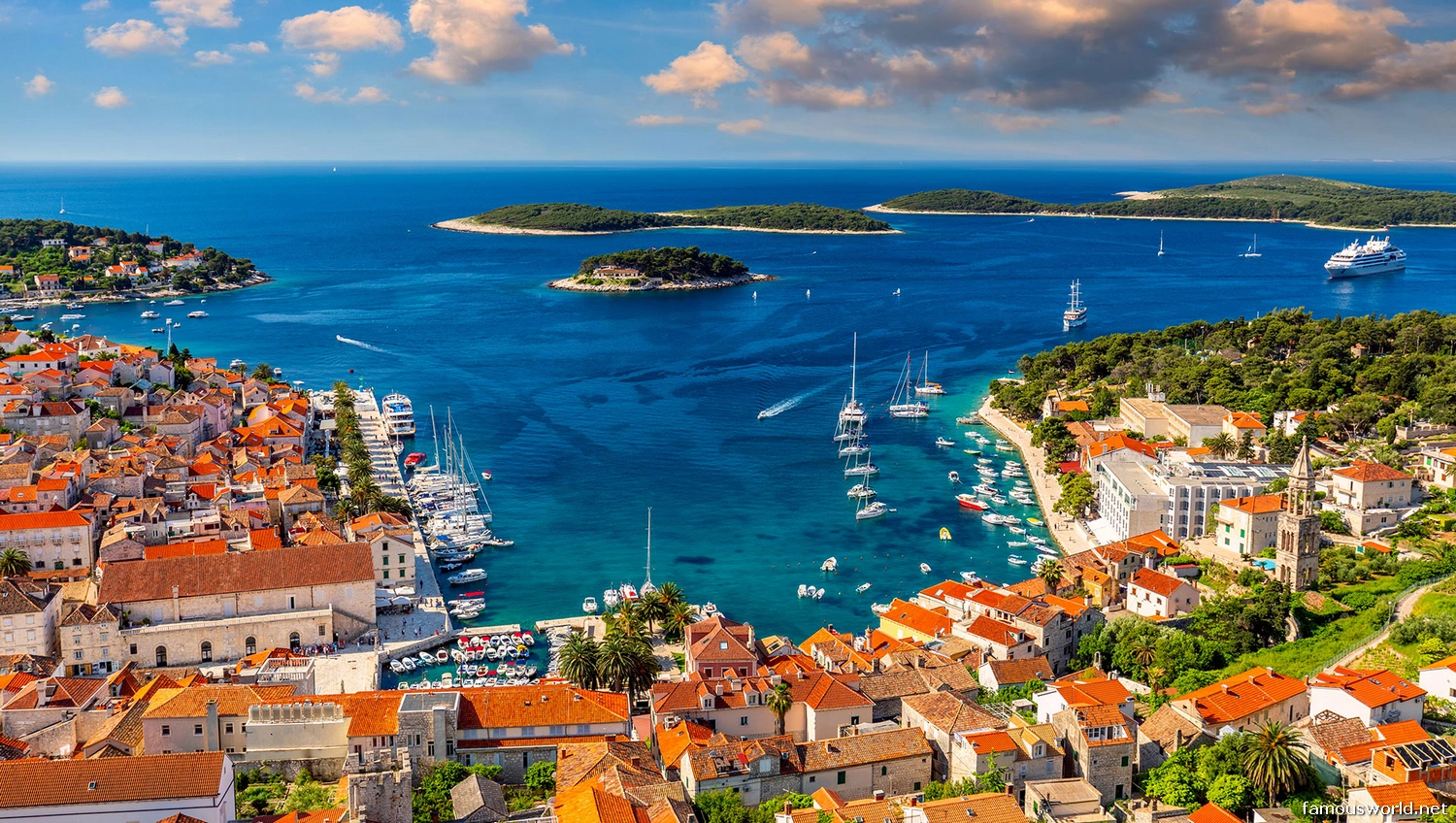
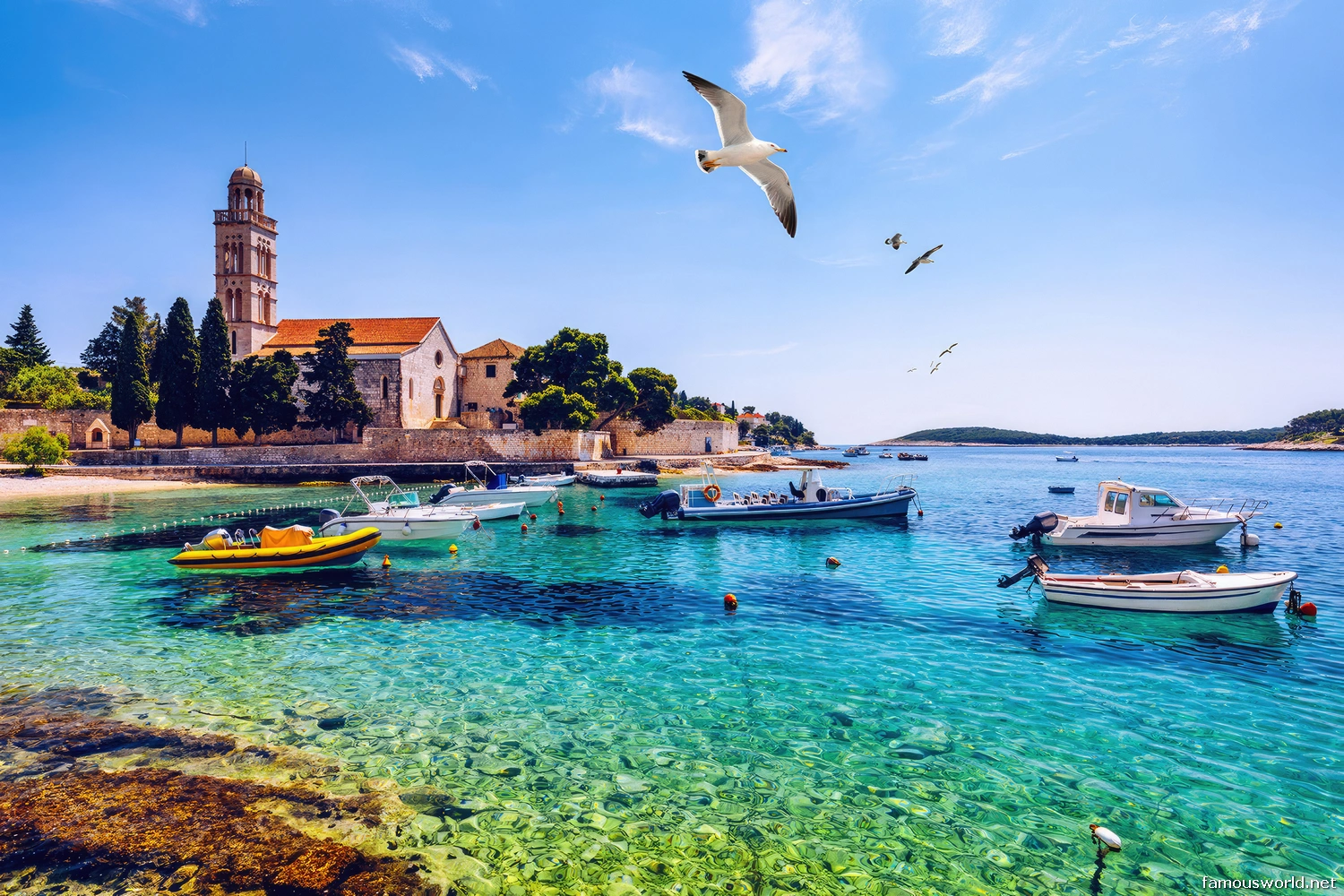
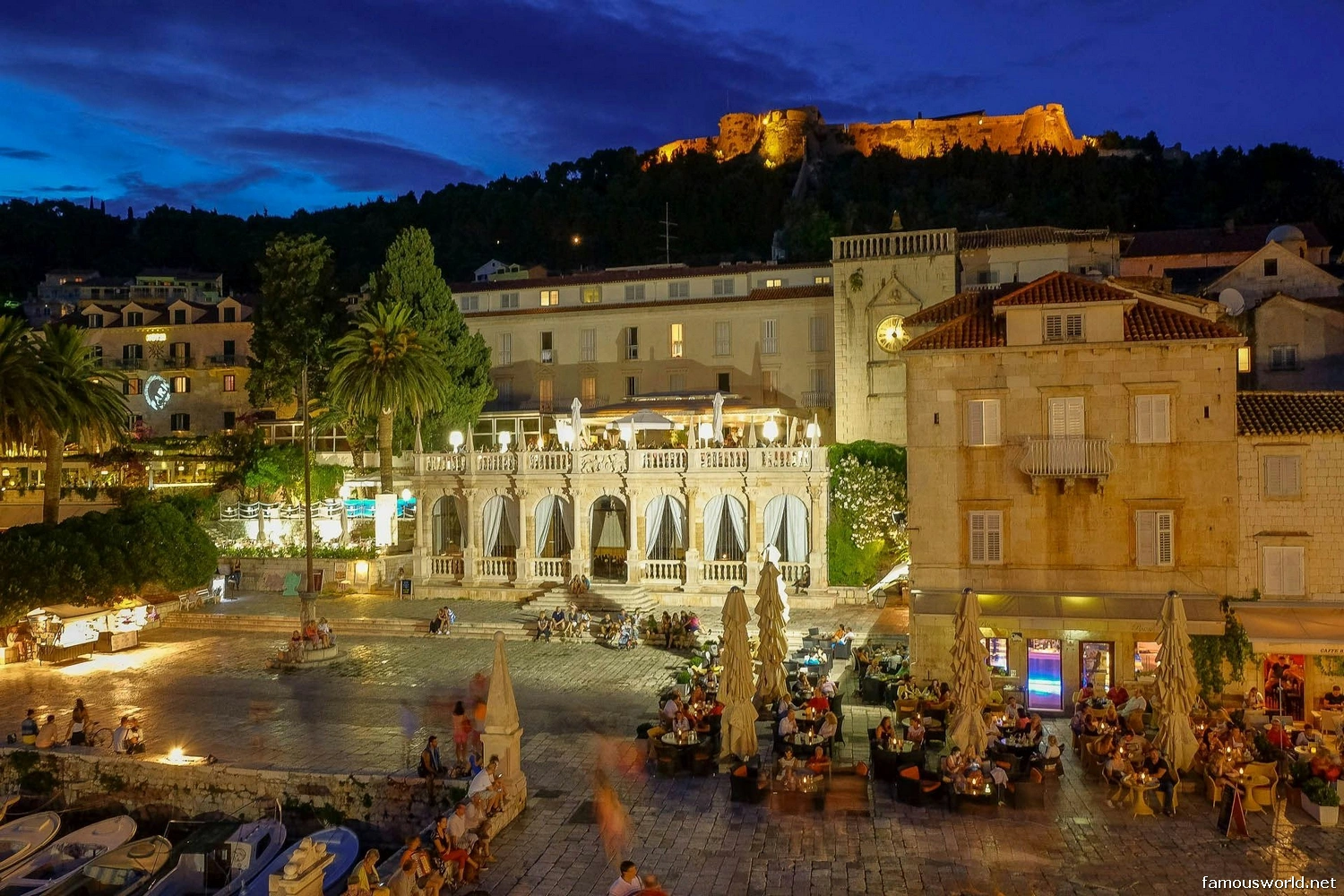
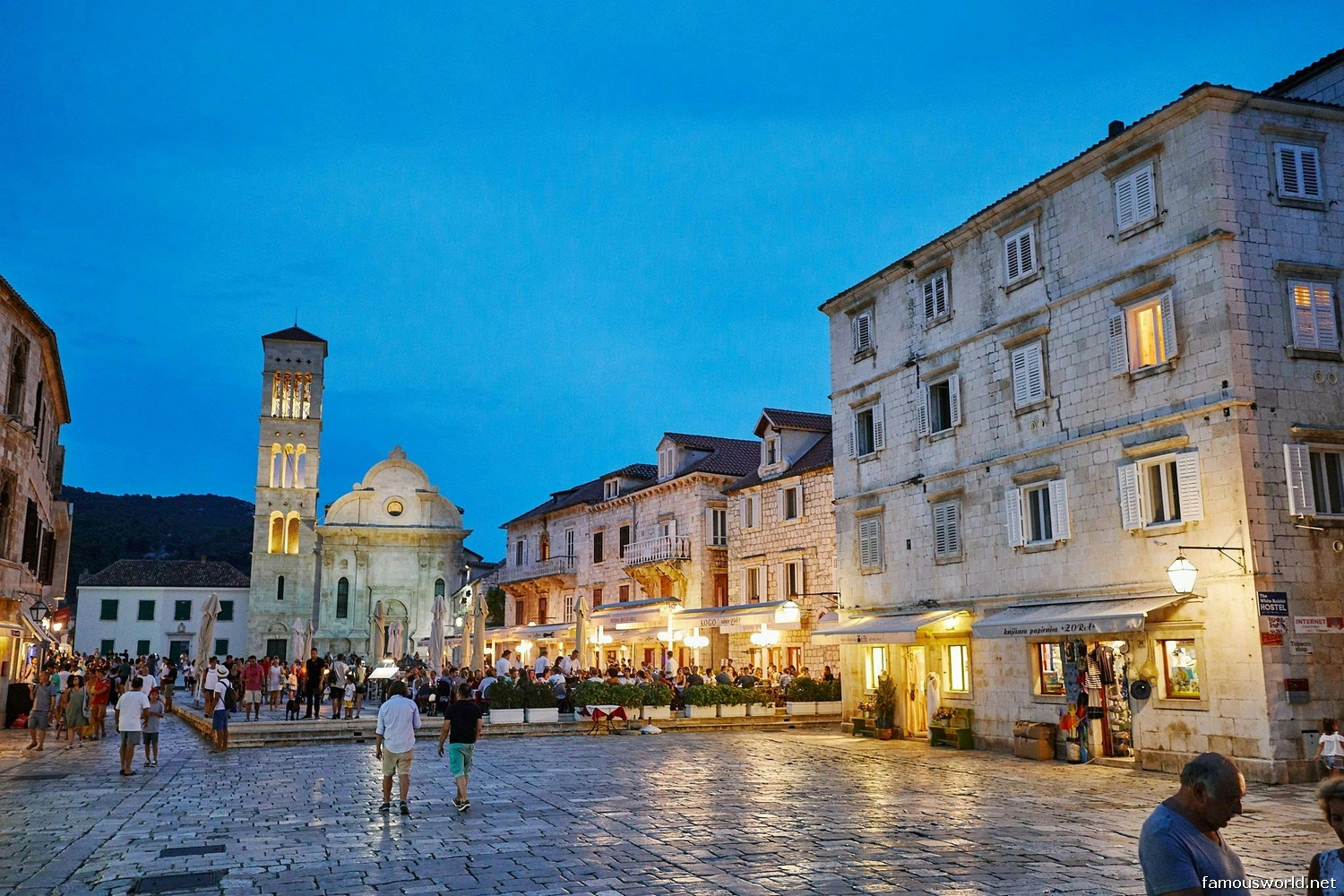
- Hvar Town: The island’s main hub is a masterpiece of Venetian architecture. Its heart is St. Stephen’s Square (Pjaca), one of the largest old squares in Dalmatia, which opens onto the sea. It is flanked by the Arsenal (which houses Europe’s first public theatre) and the beautiful St. Stephen’s Cathedral. Towering above the town is the Spanish Fortress (Fortica), offering panoramic views.
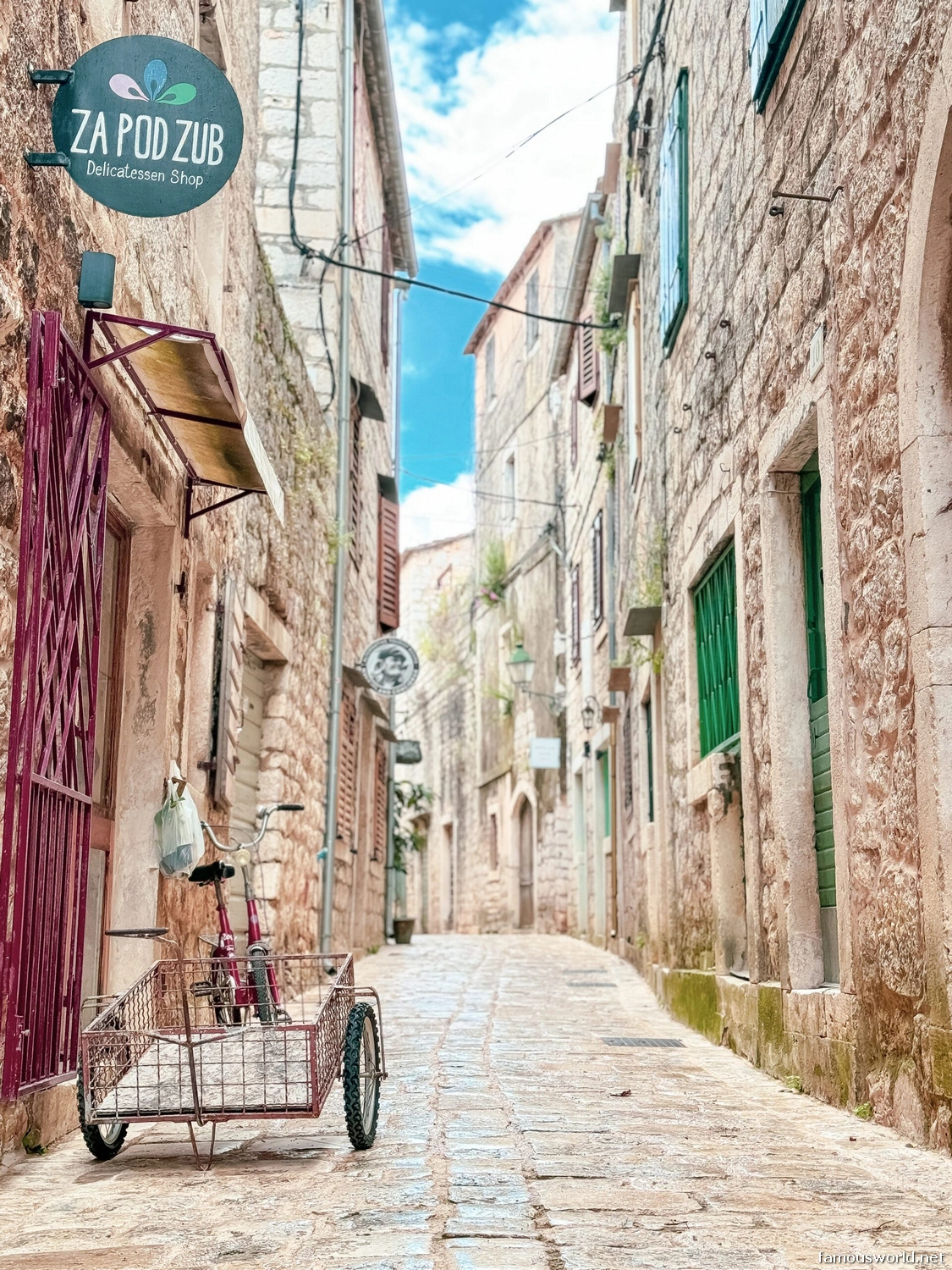
- Stari Grad: One of Croatia’s oldest towns, Stari Grad (literally “Old Town”) is more tranquil than Hvar Town. It is located at the end of a deep bay and is adjacent to the Stari Grad Plain, a UNESCO World Heritage site of ancient Greek agricultural land division that has been maintained for 2,400 years.
What Makes It Famous
Hvar is renowned for its sunny climate, vibrant nightlife, natural beauty, and rich history.
- The Sunniest Island: It is known as the sunniest island in Croatia, receiving more hours of sunshine per year than anywhere else in the country.
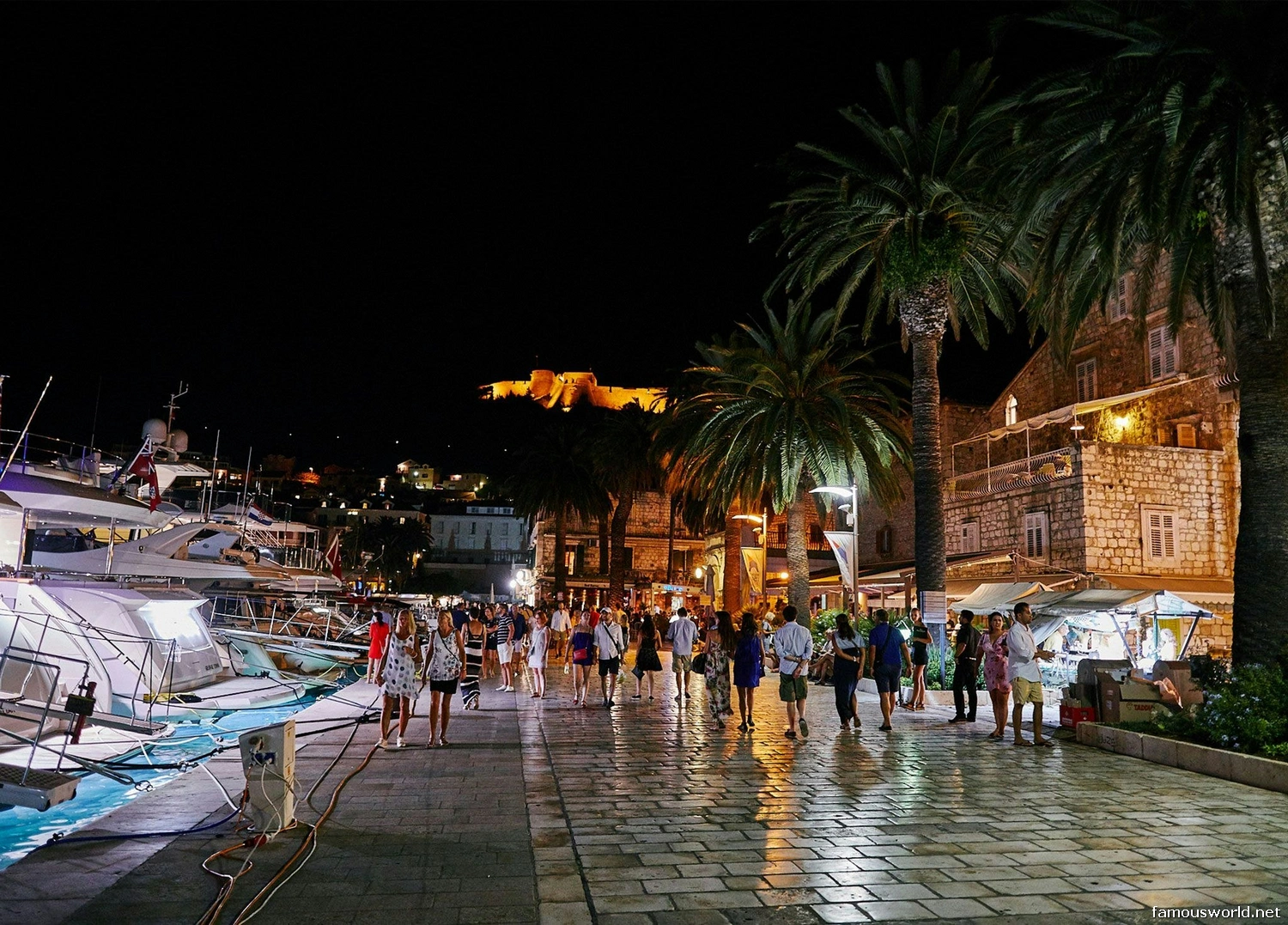
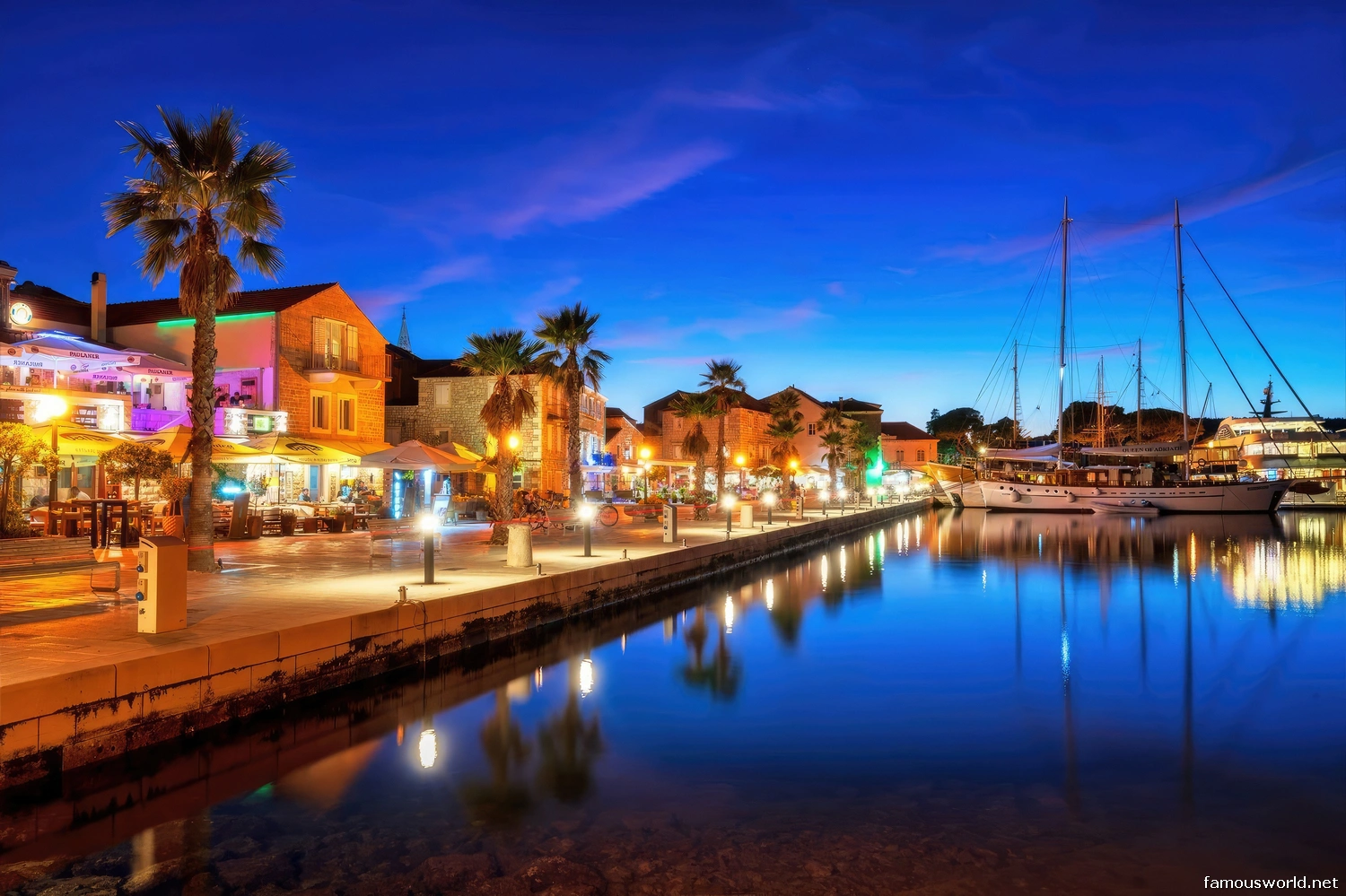
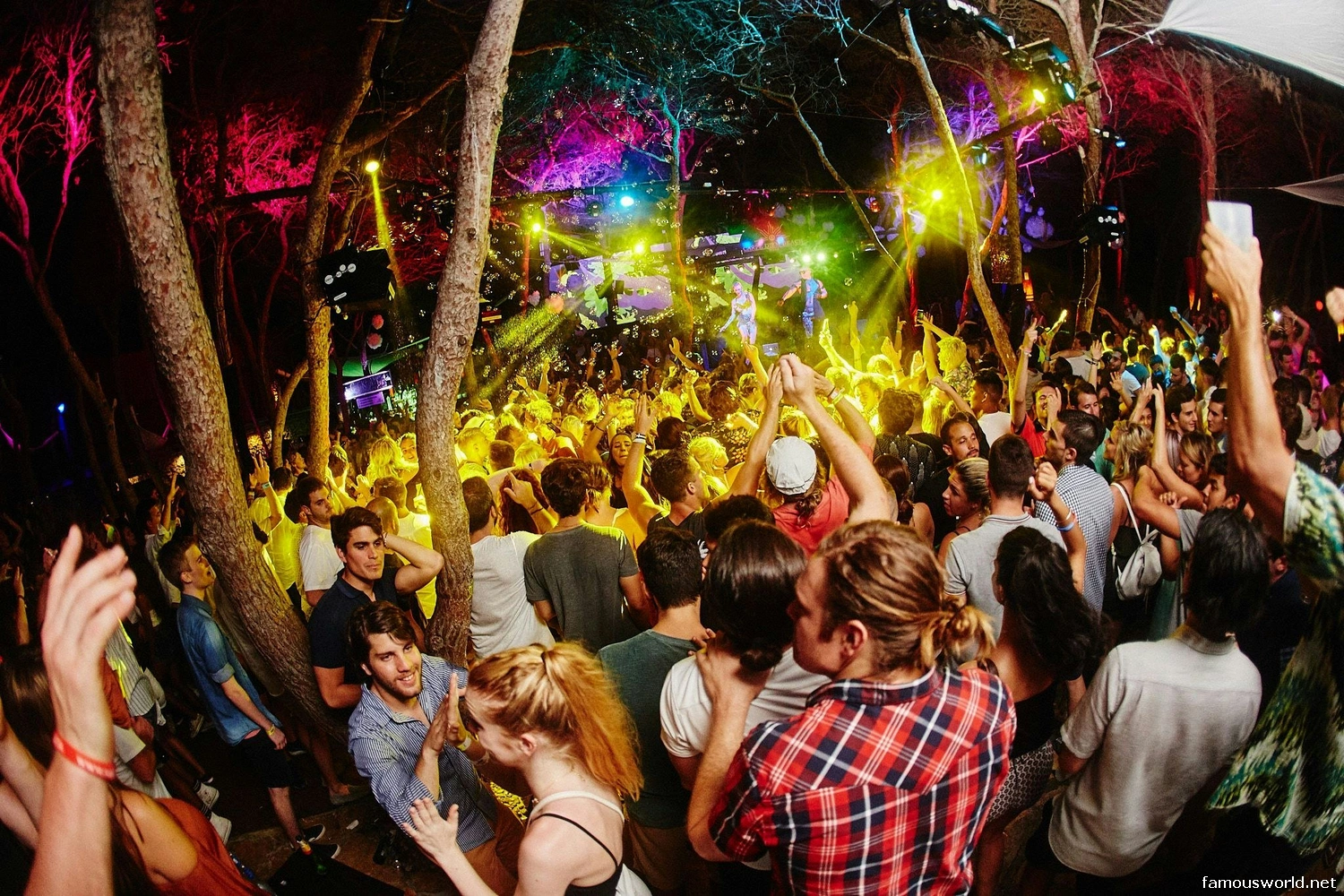
- Glamorous Nightlife: Hvar Town is a world-famous destination for yachters and party-goers, with chic beach clubs, waterfront bars, and a sophisticated atmosphere.
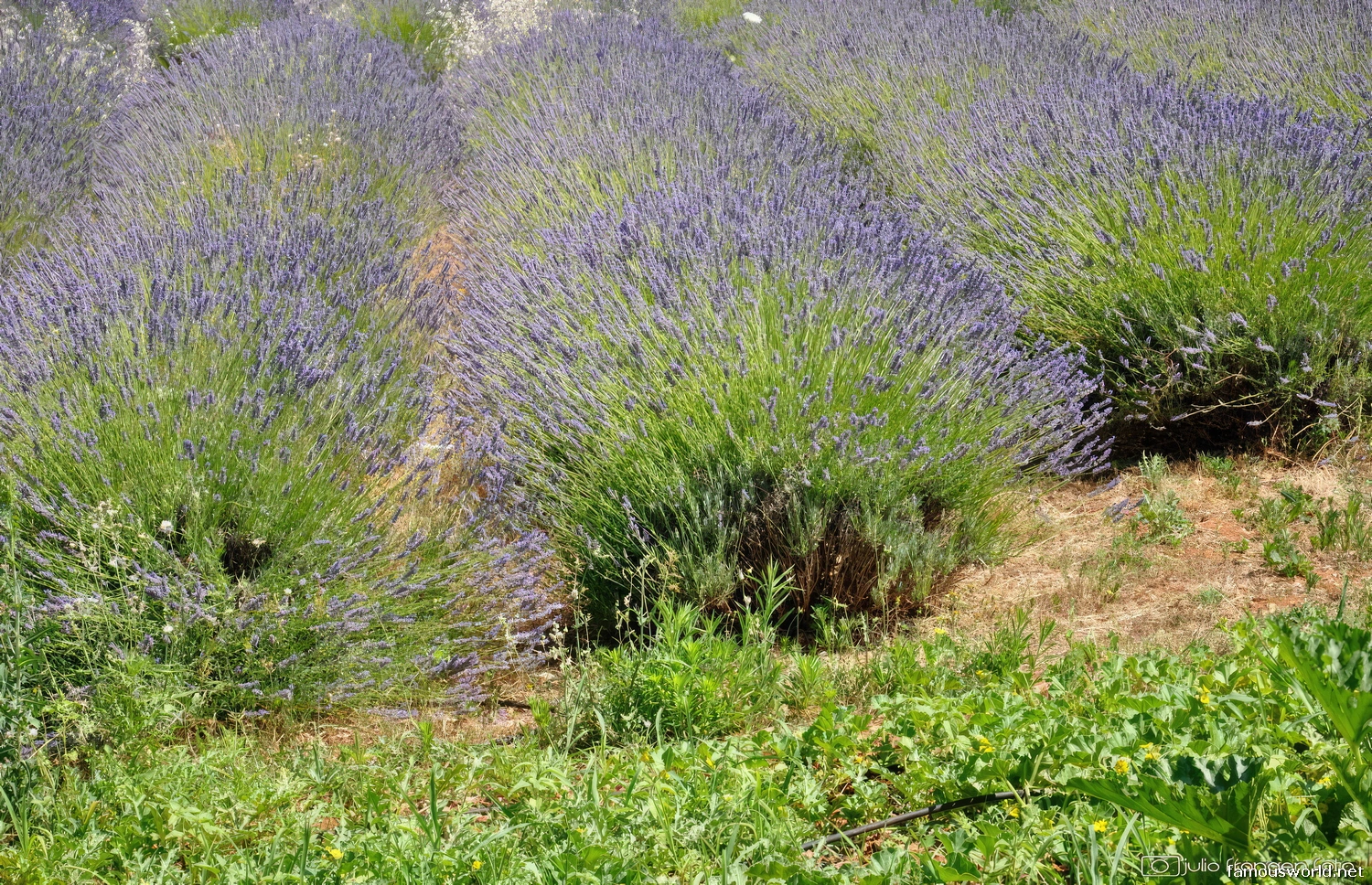
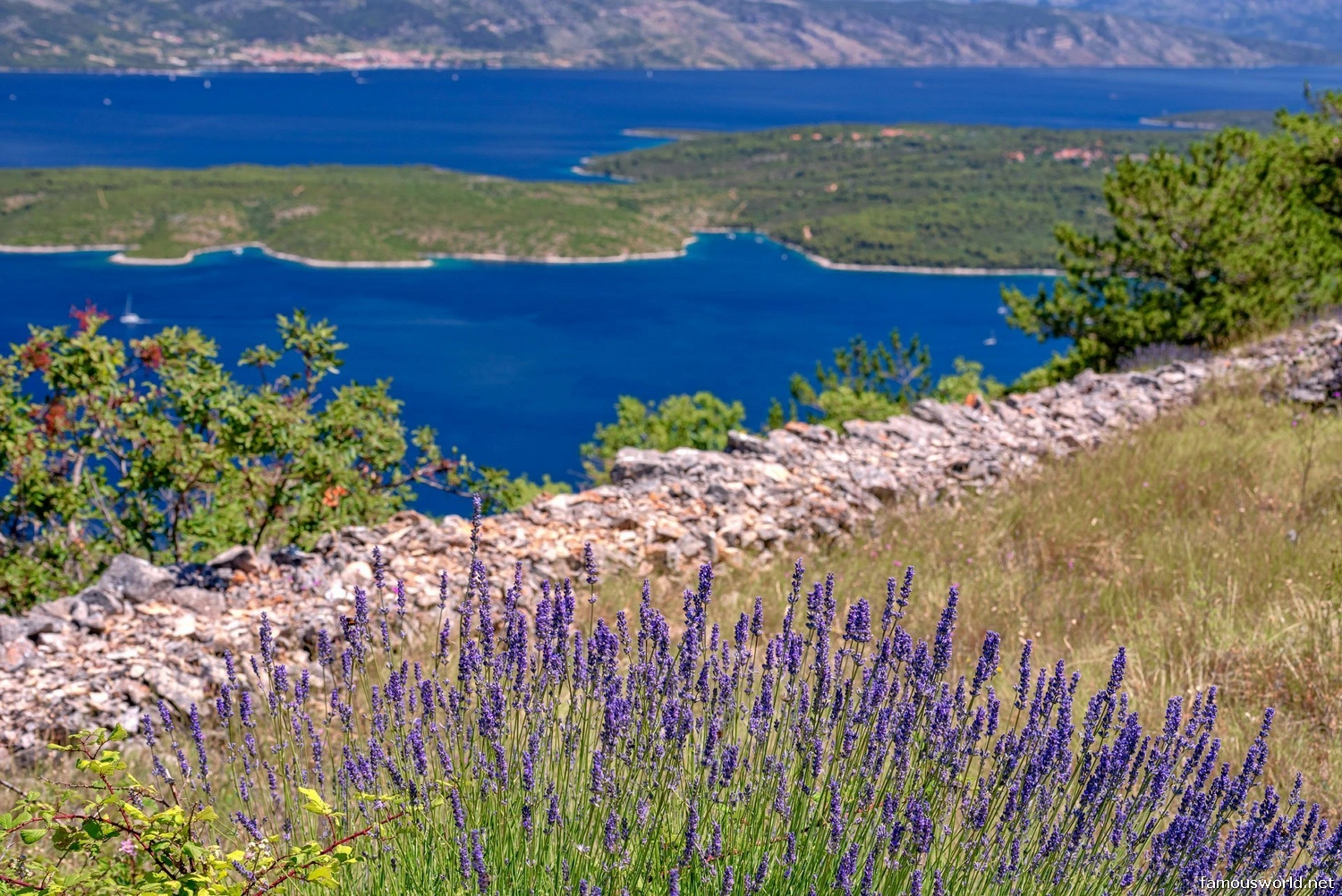
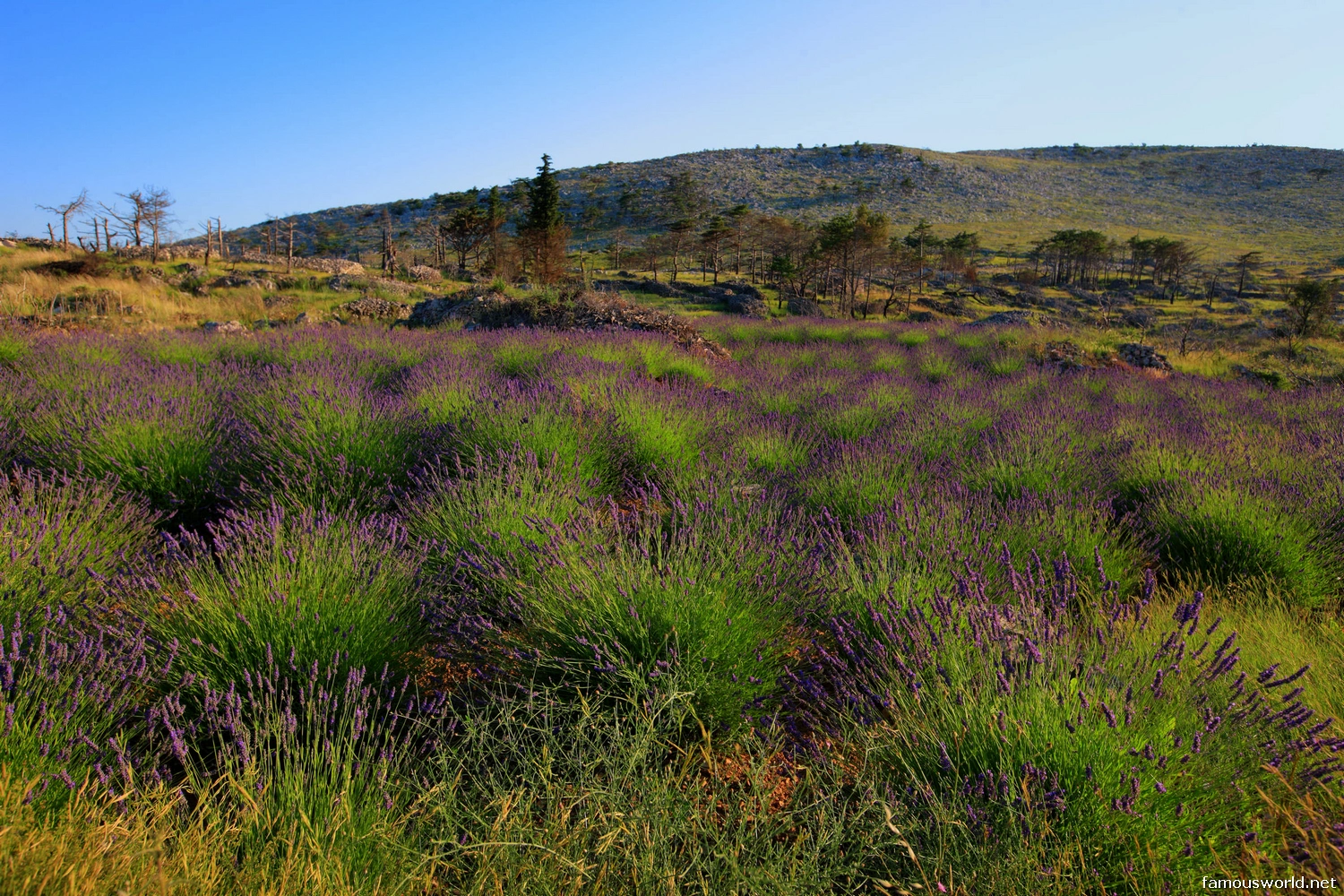
- Lavender Fields: Historically, Hvar was a major center for lavender cultivation, and the fragrant purple fields are an iconic part of its landscape, especially in early summer.
- Stari Grad Plain (UNESCO Site): This ancient agricultural landscape is an exceptional testament to the Greek system of land division, perfectly preserved over millennia.
- The Pakleni Islands: This beautiful chain of islands just off the coast of Hvar Town is a paradise for swimming, sailing, and relaxing in secluded bays.
Differences from Other Wonders
The chic, natural island paradise of Hvar offers a very different experience from the dense, historical urban core of Diocletian’s Palace in Split.
- Environment (Island Paradise vs. Urban Roman Core): Hvar is a large, diverse island defined by its natural landscapes—fields, hills, and coastline—and several distinct historic towns. Split’s core is a single, concentrated urban environment built directly within and around a massive Roman palace.
- Core Story (Venetian Glamour & Ancient Agriculture vs. Roman Imperial Power): Hvar’s identity is a blend of ancient Greek agriculture, Venetian maritime culture, and its modern status as a glamorous resort. Split’s story originates entirely from the retirement palace of a single Roman Emperor.
- Primary Attraction (The Island Experience vs. Roman Architecture): The main attraction of Hvar is the island lifestyle itself—sailing, beach-hopping, exploring lavender fields, and enjoying the nightlife. The primary attraction of Split is the singular, remarkably preserved Roman architectural complex at its heart.
- Atmosphere (Sun-Drenched and Chic vs. Bustling and Integrated): Hvar has a relaxed, sun-drenched, and stylish resort atmosphere. Split’s palace is a bustling, functional city center where daily life is interwoven with ancient history.
Location on world map