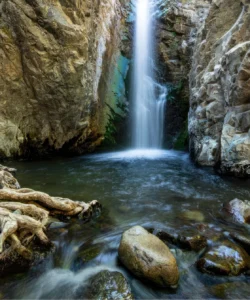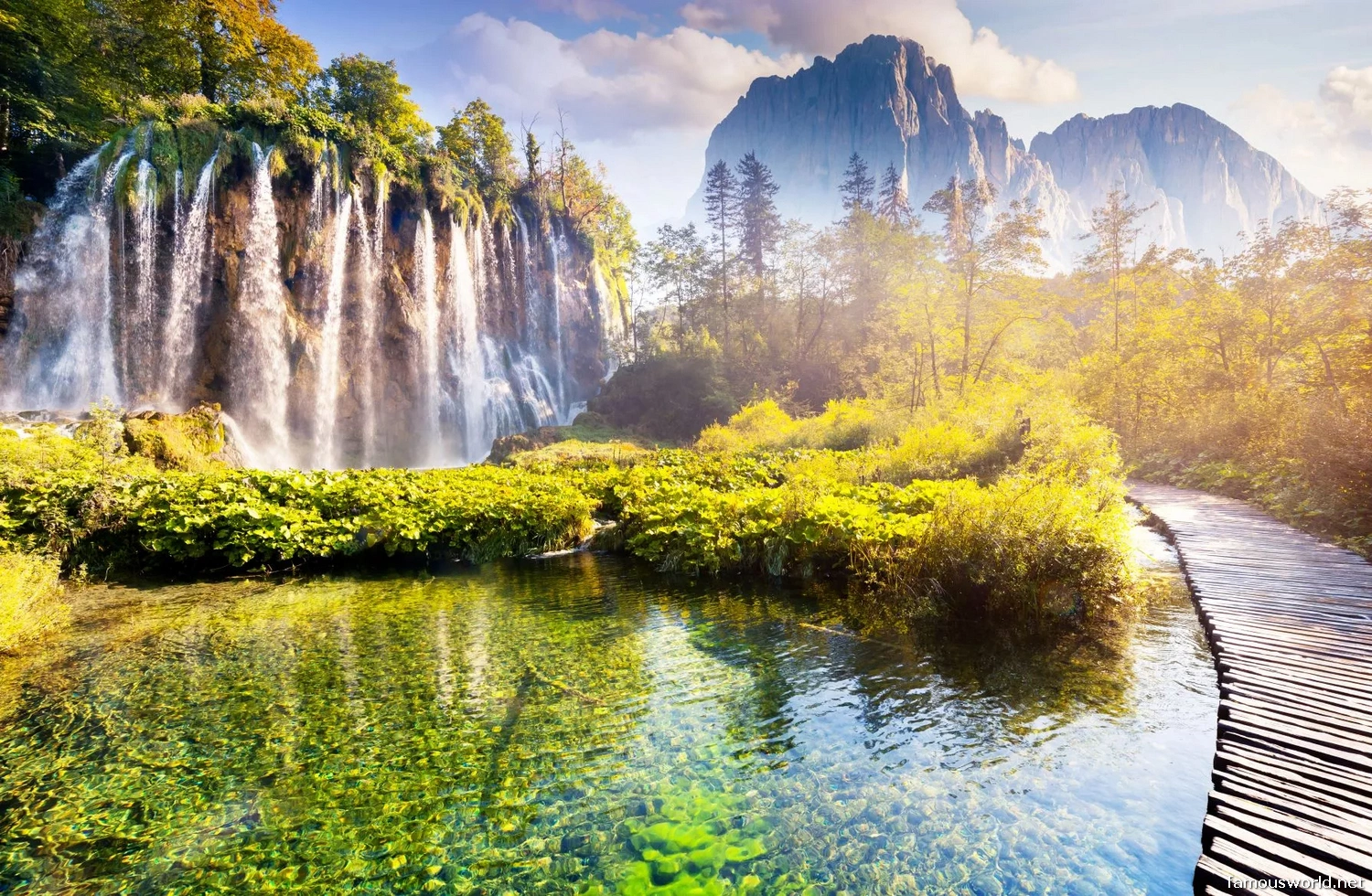
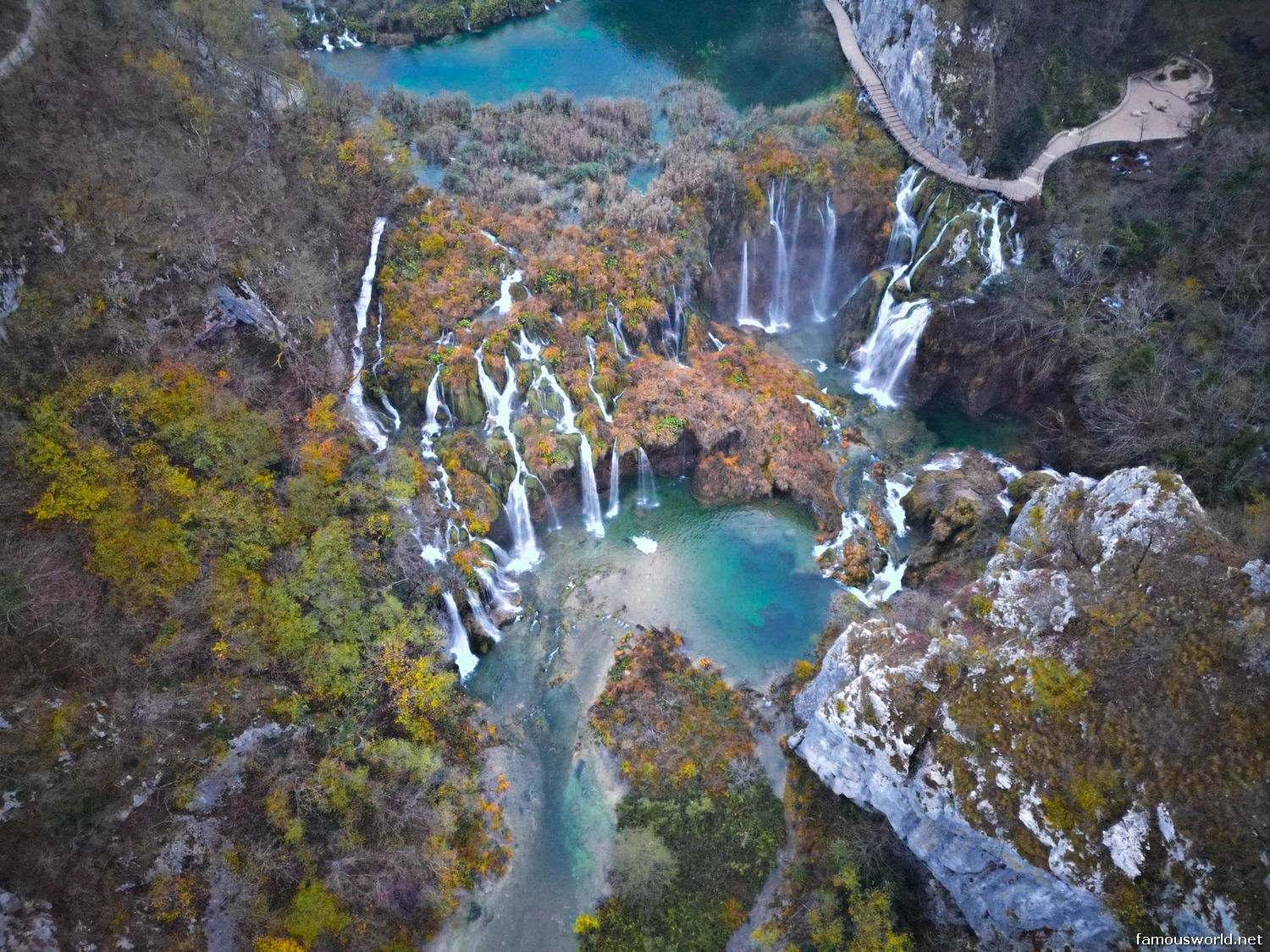
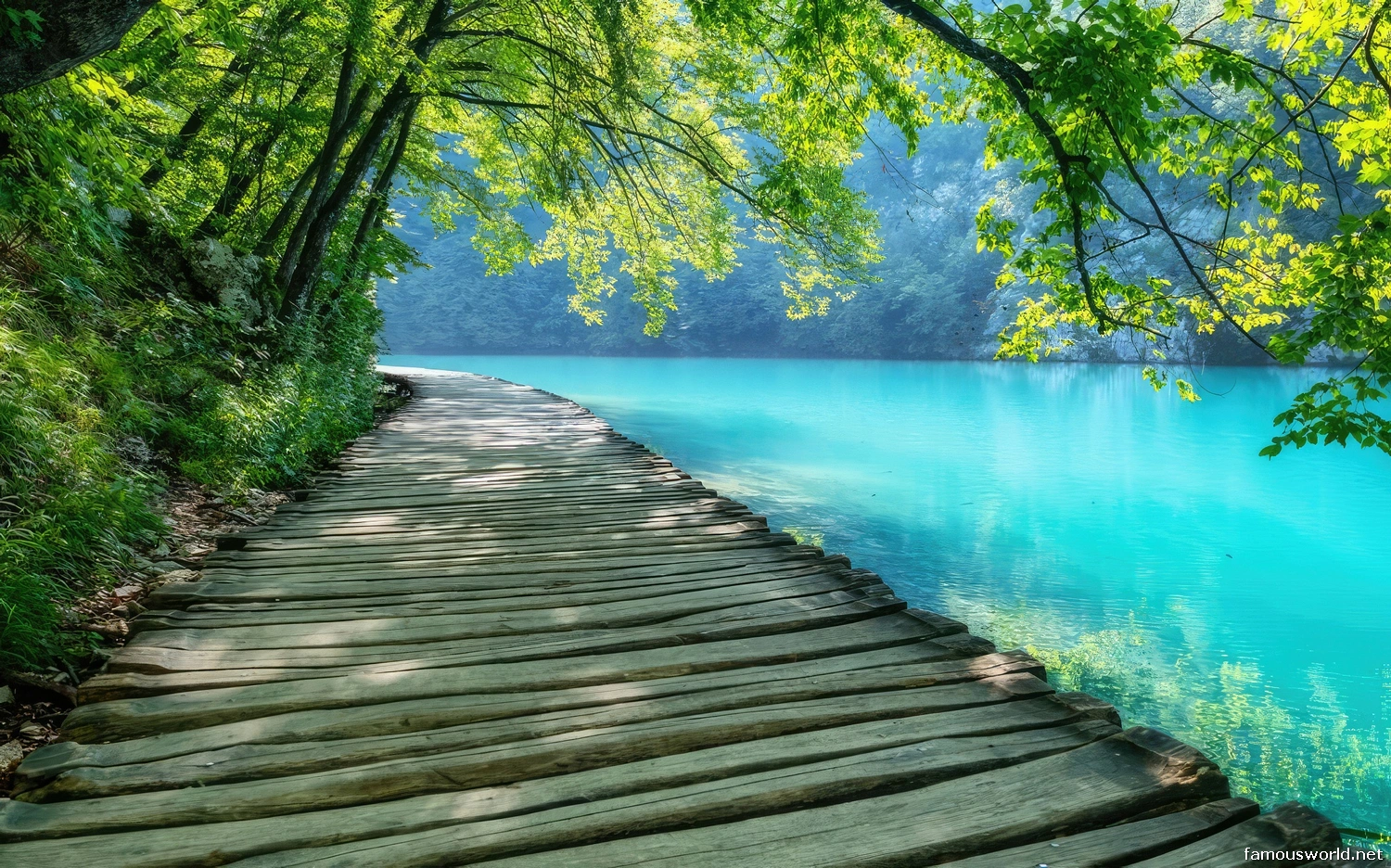
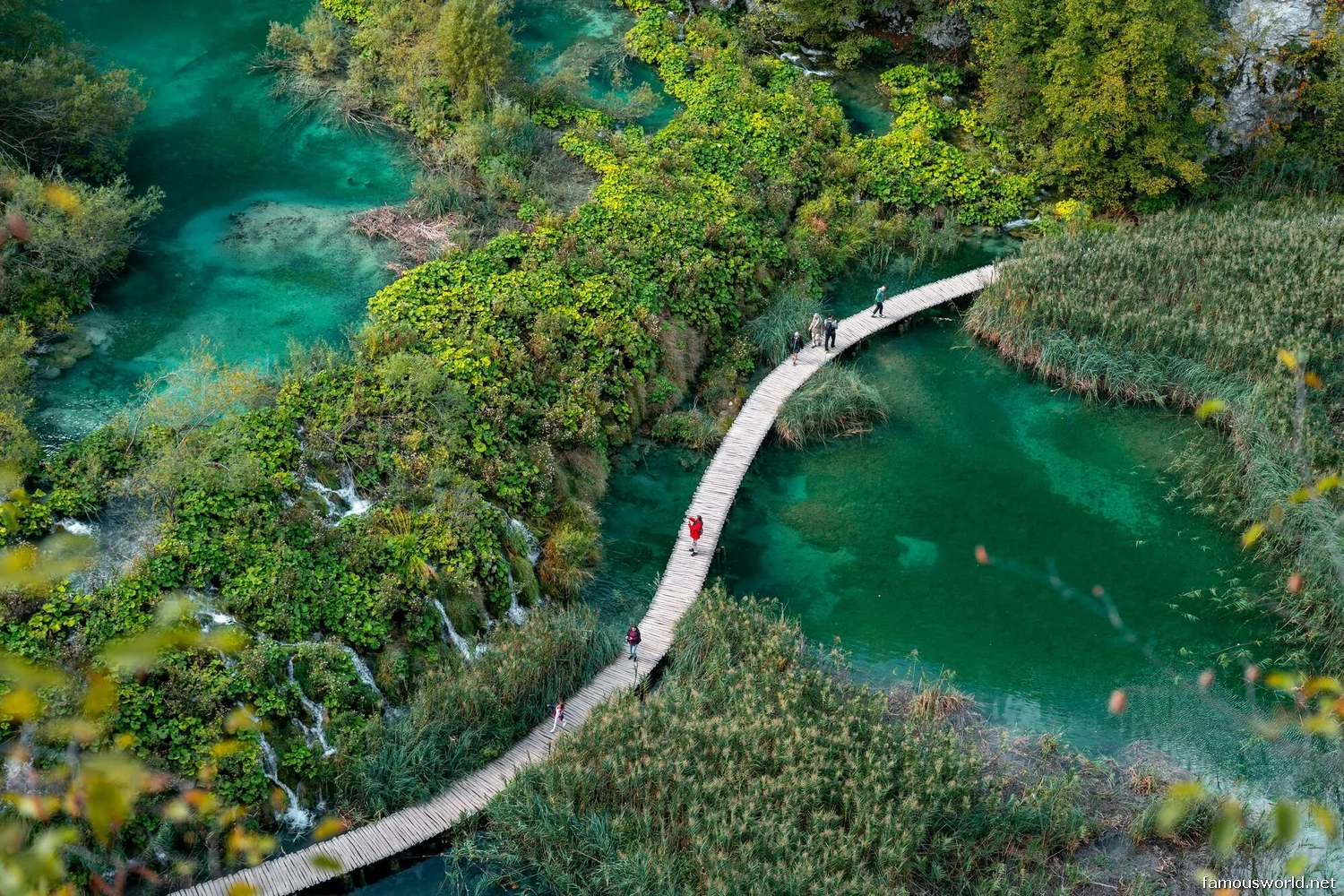

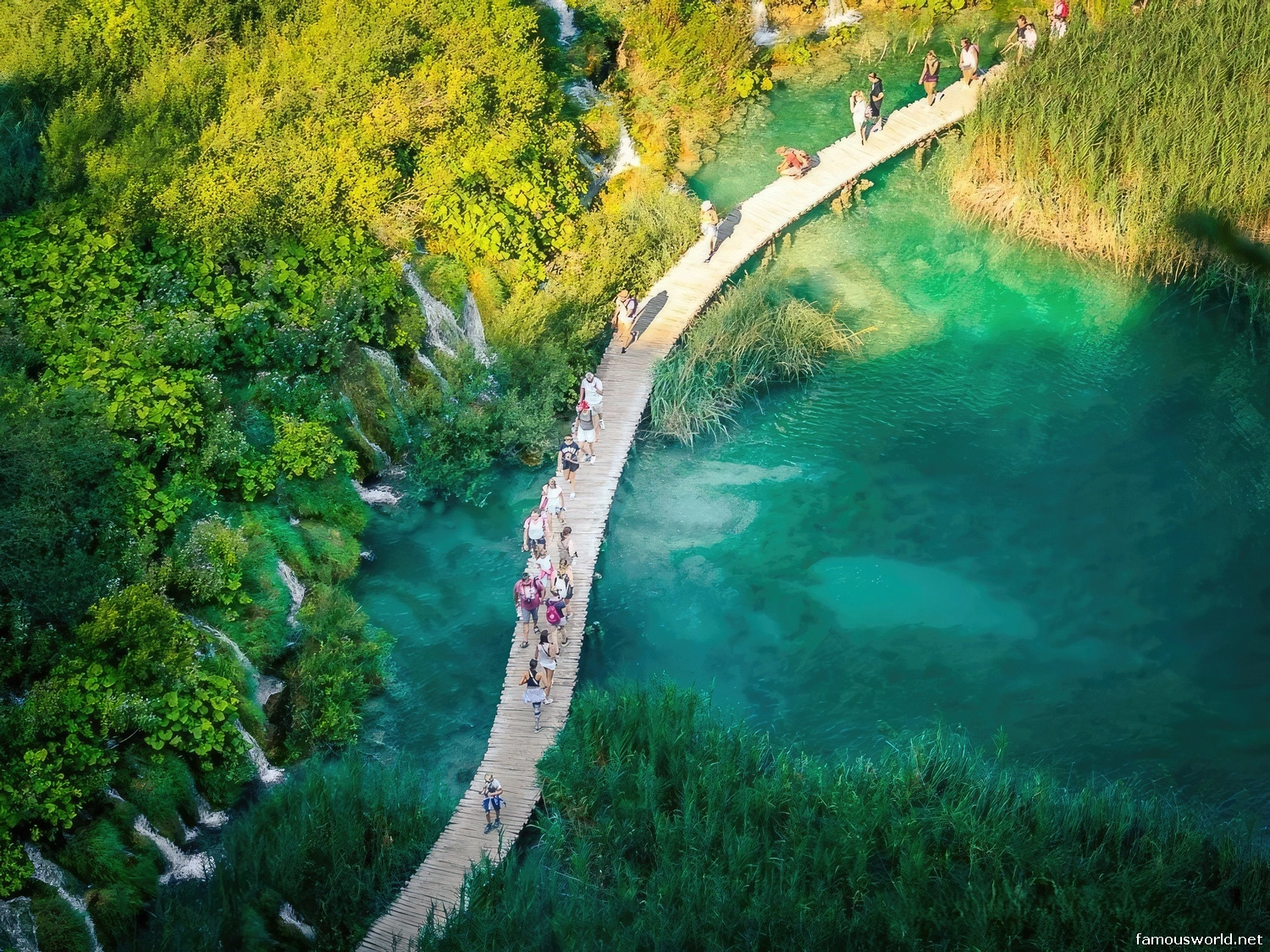
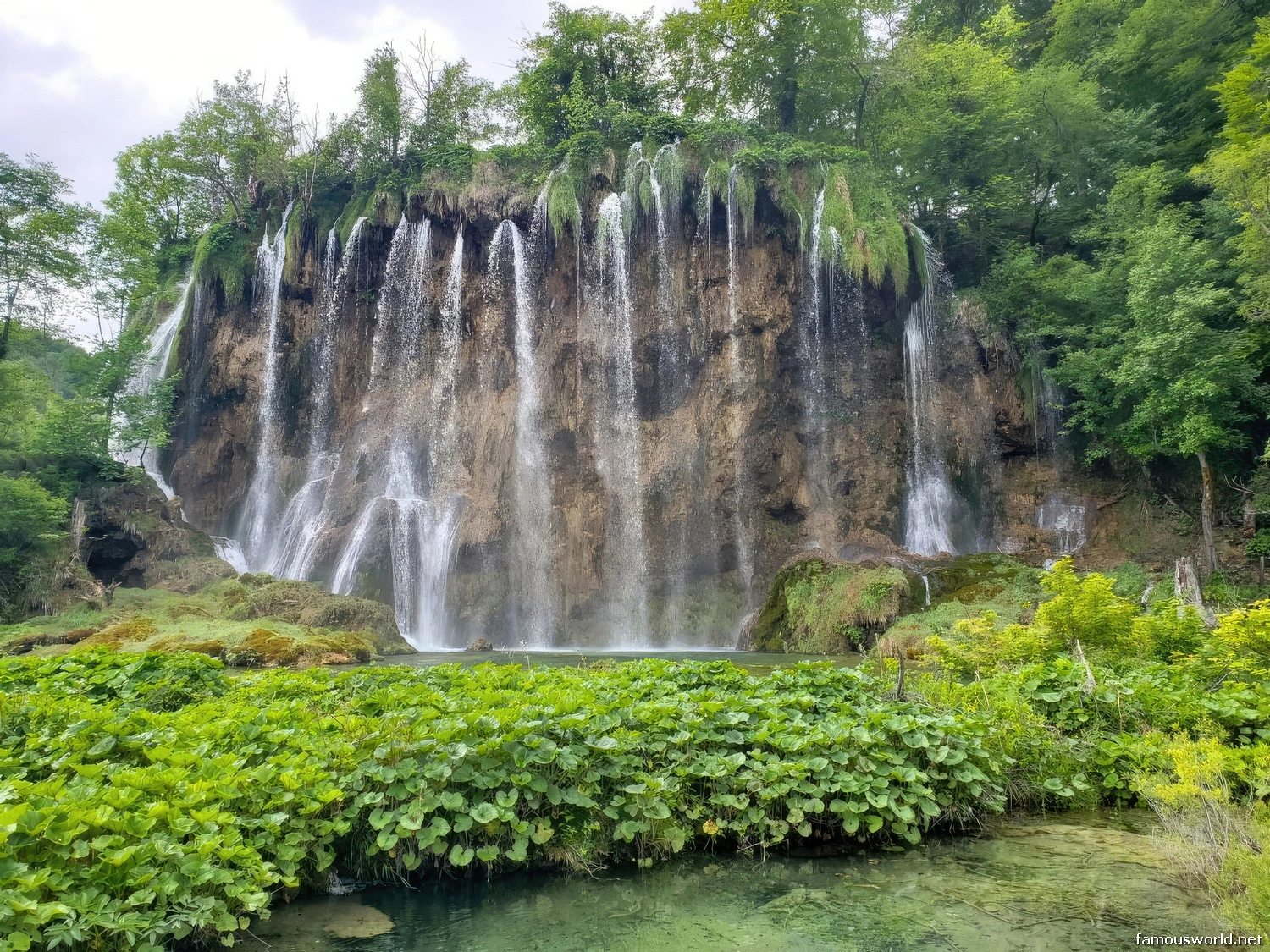


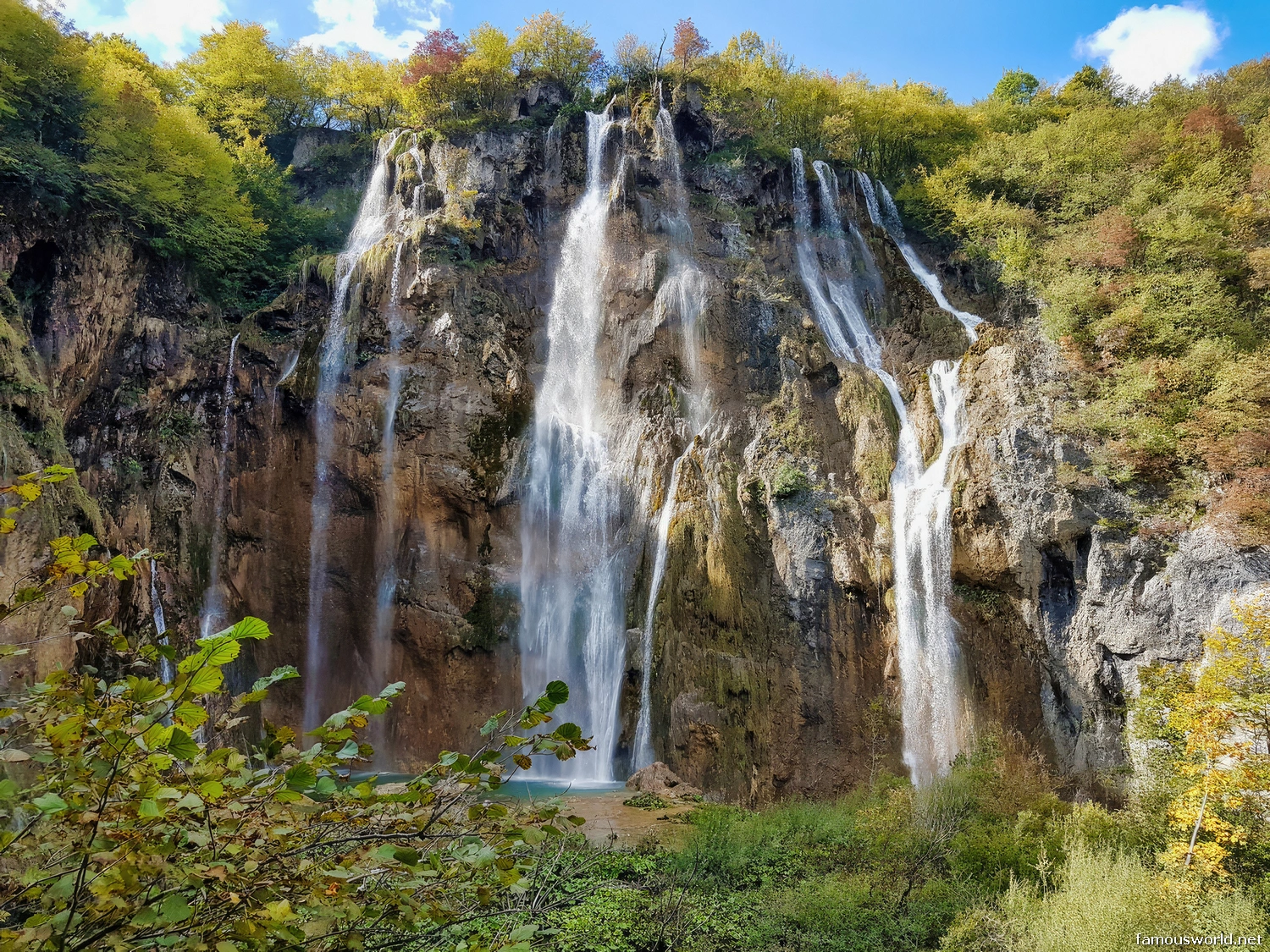

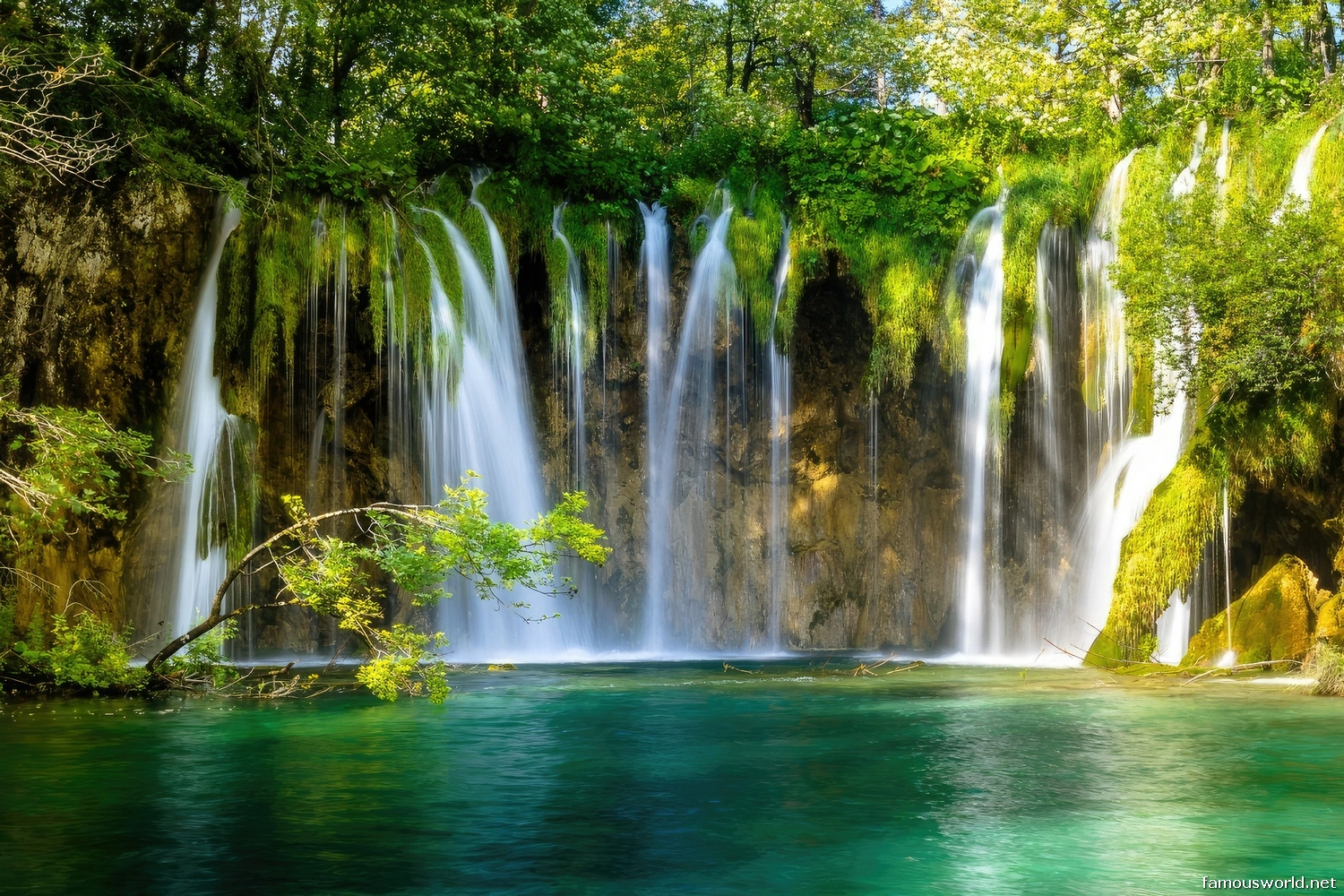
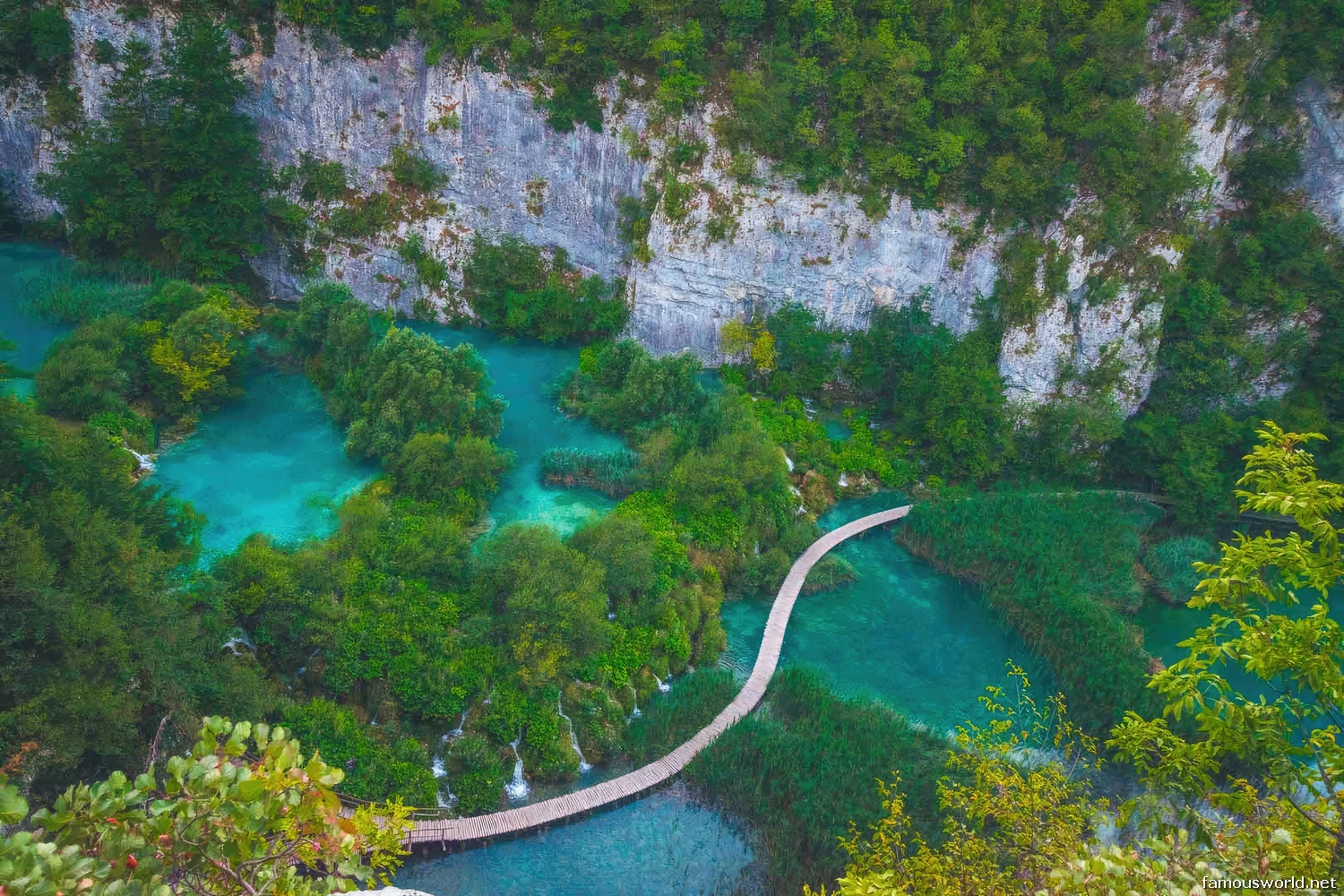

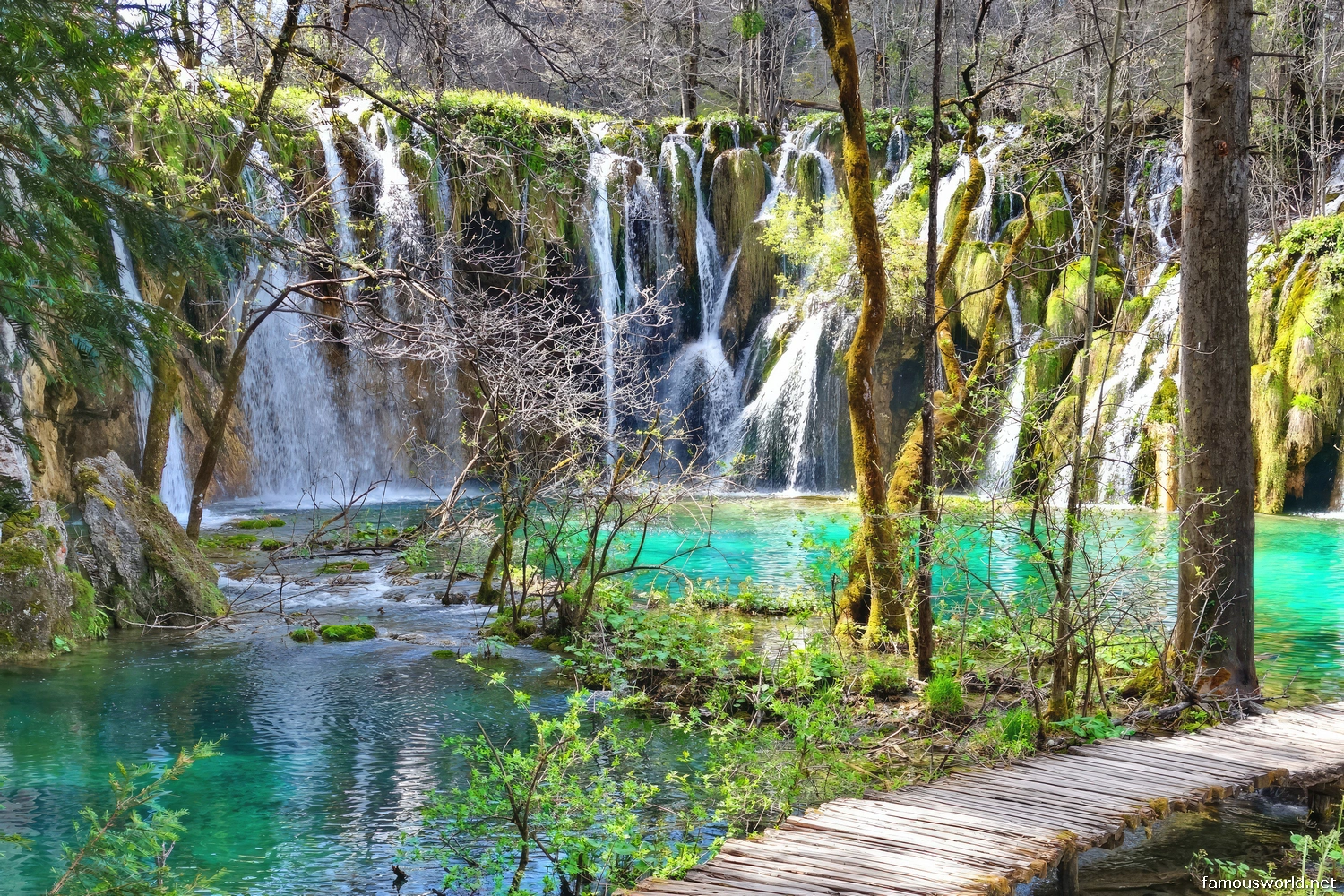
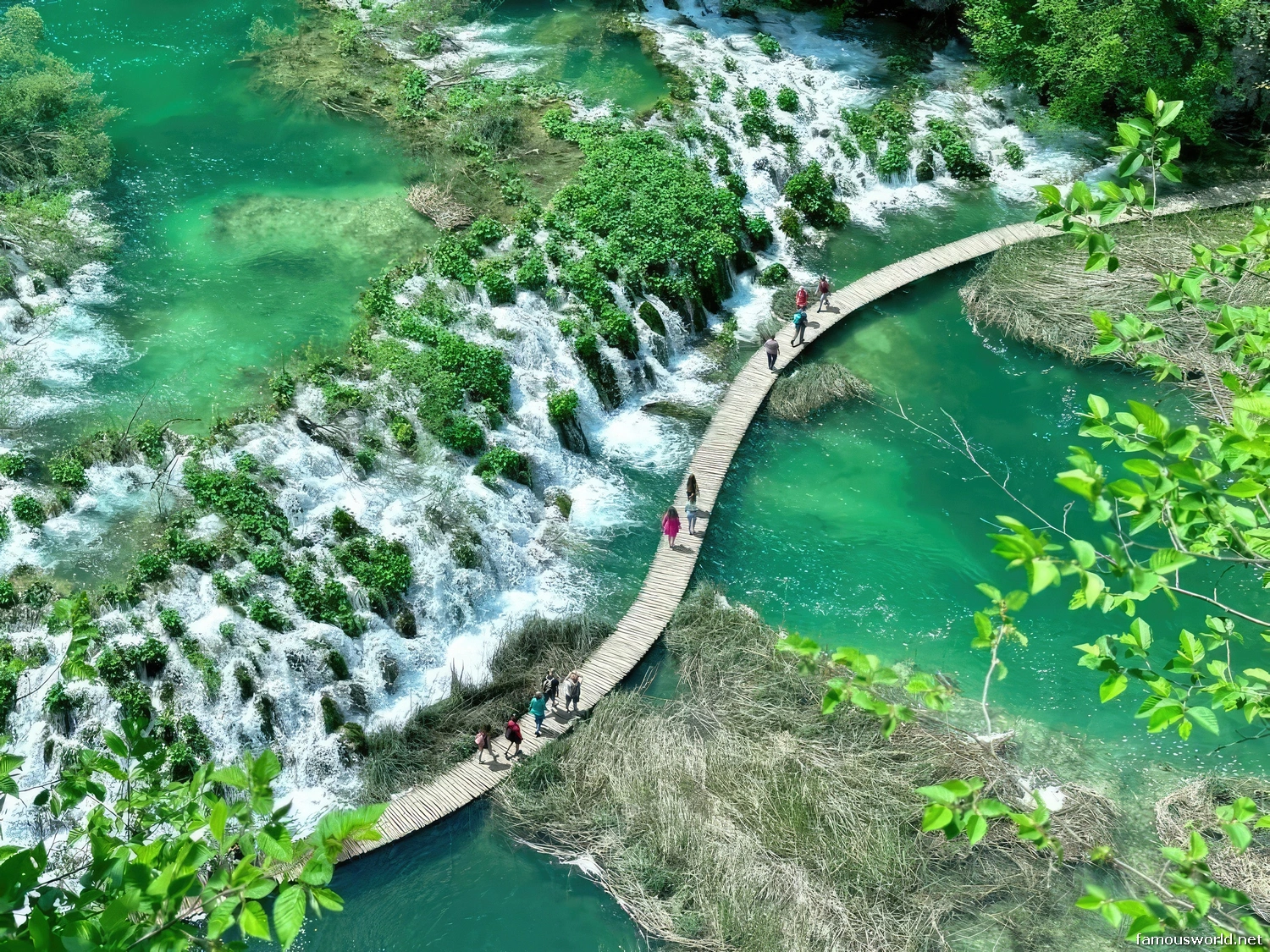

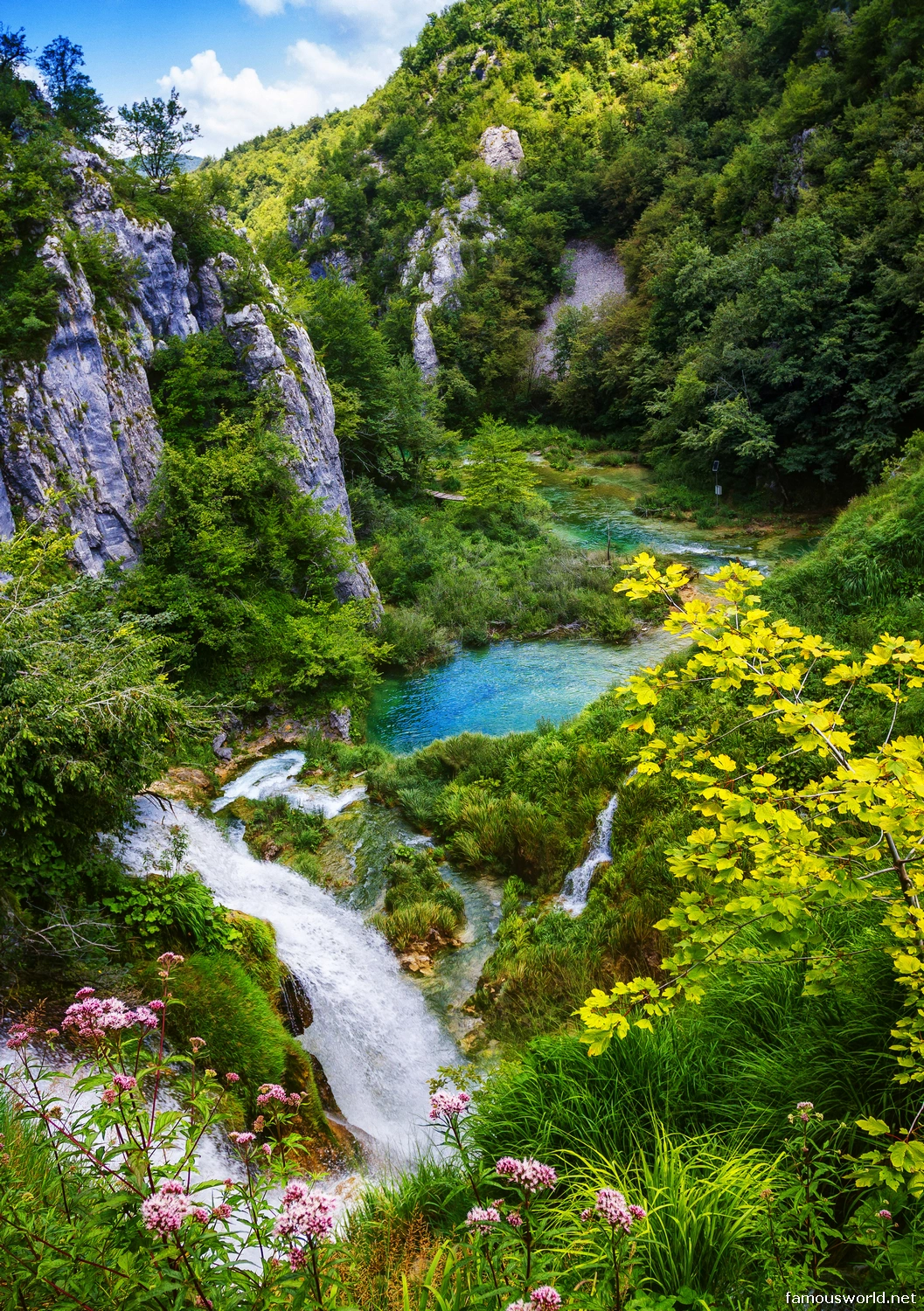


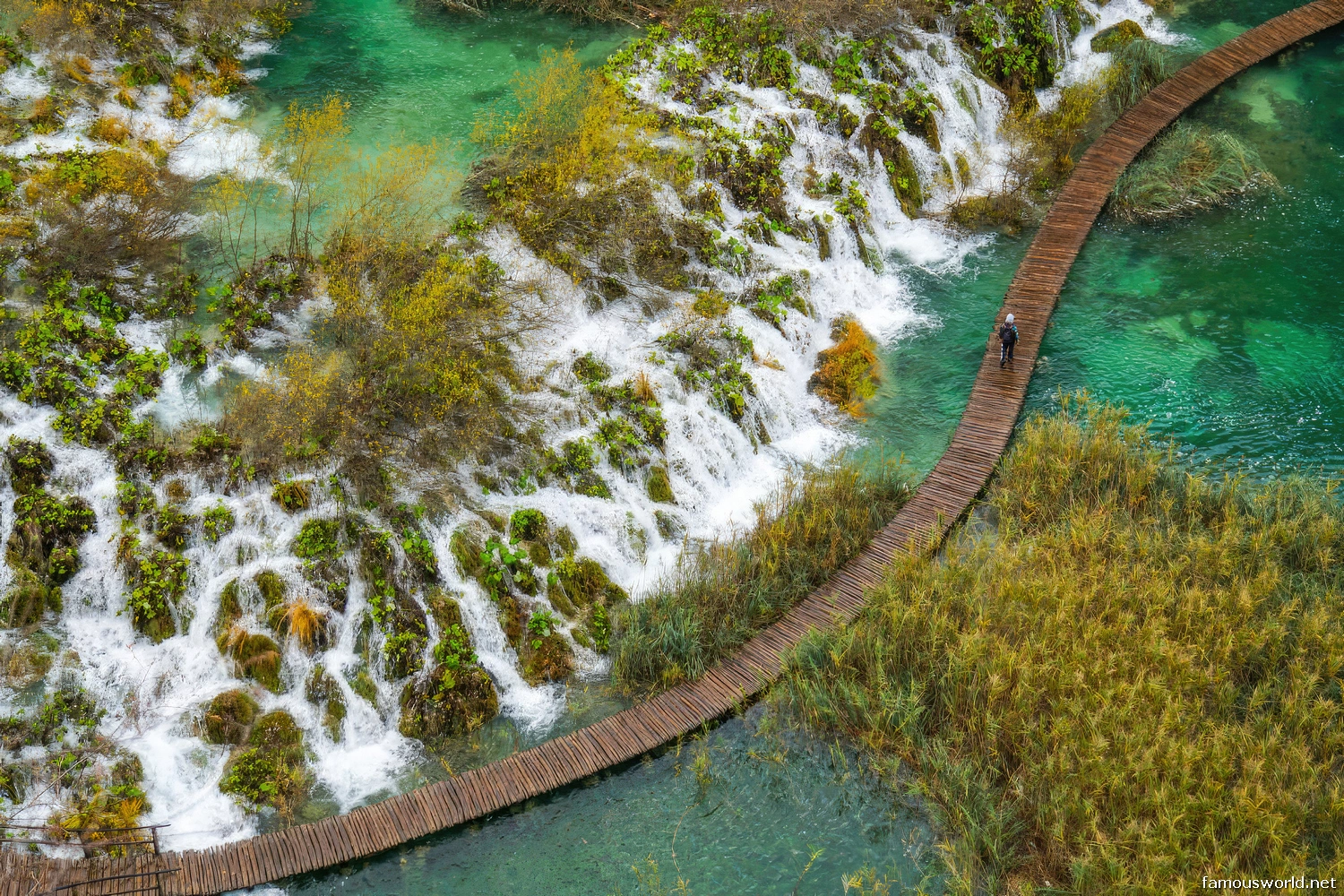

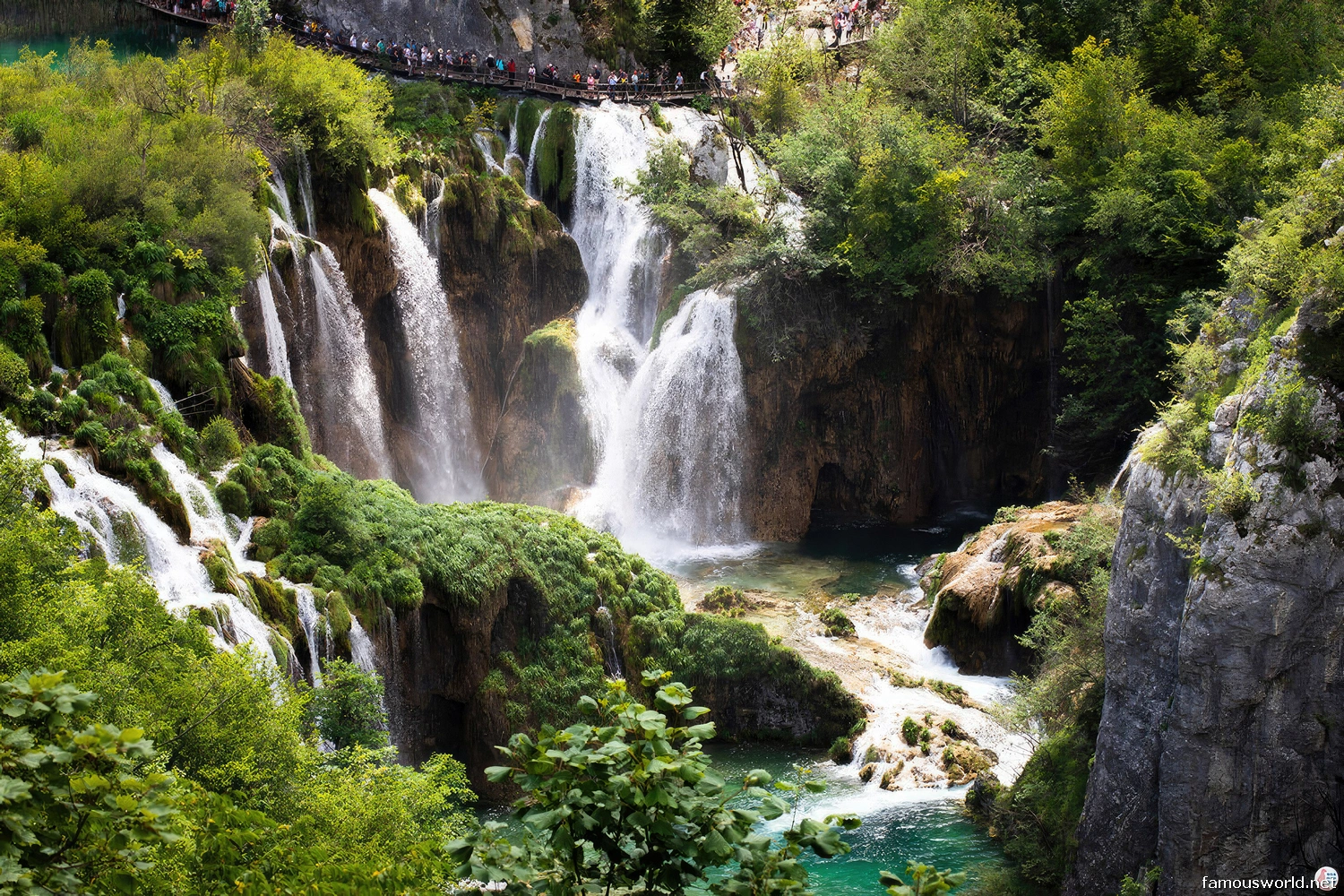
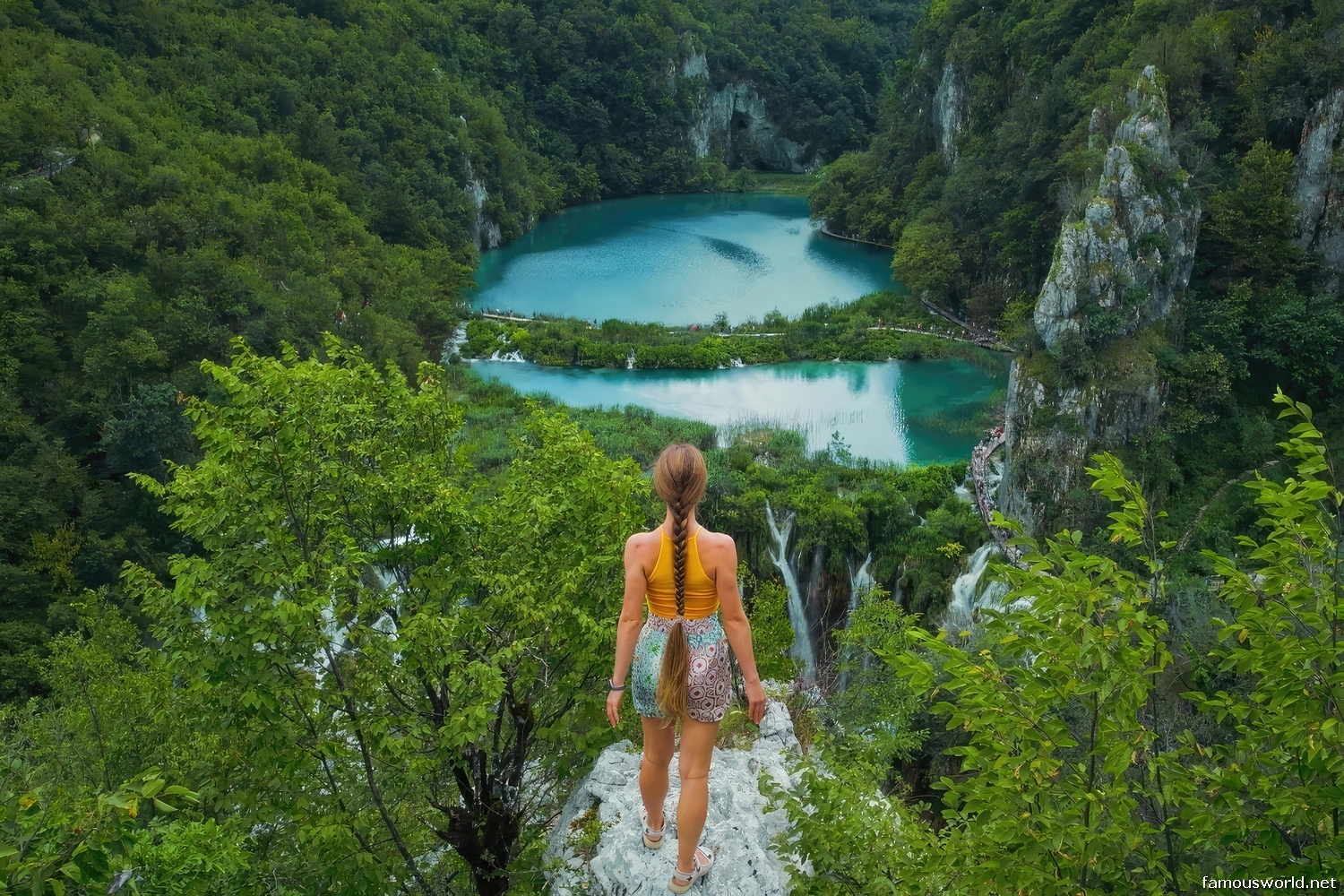
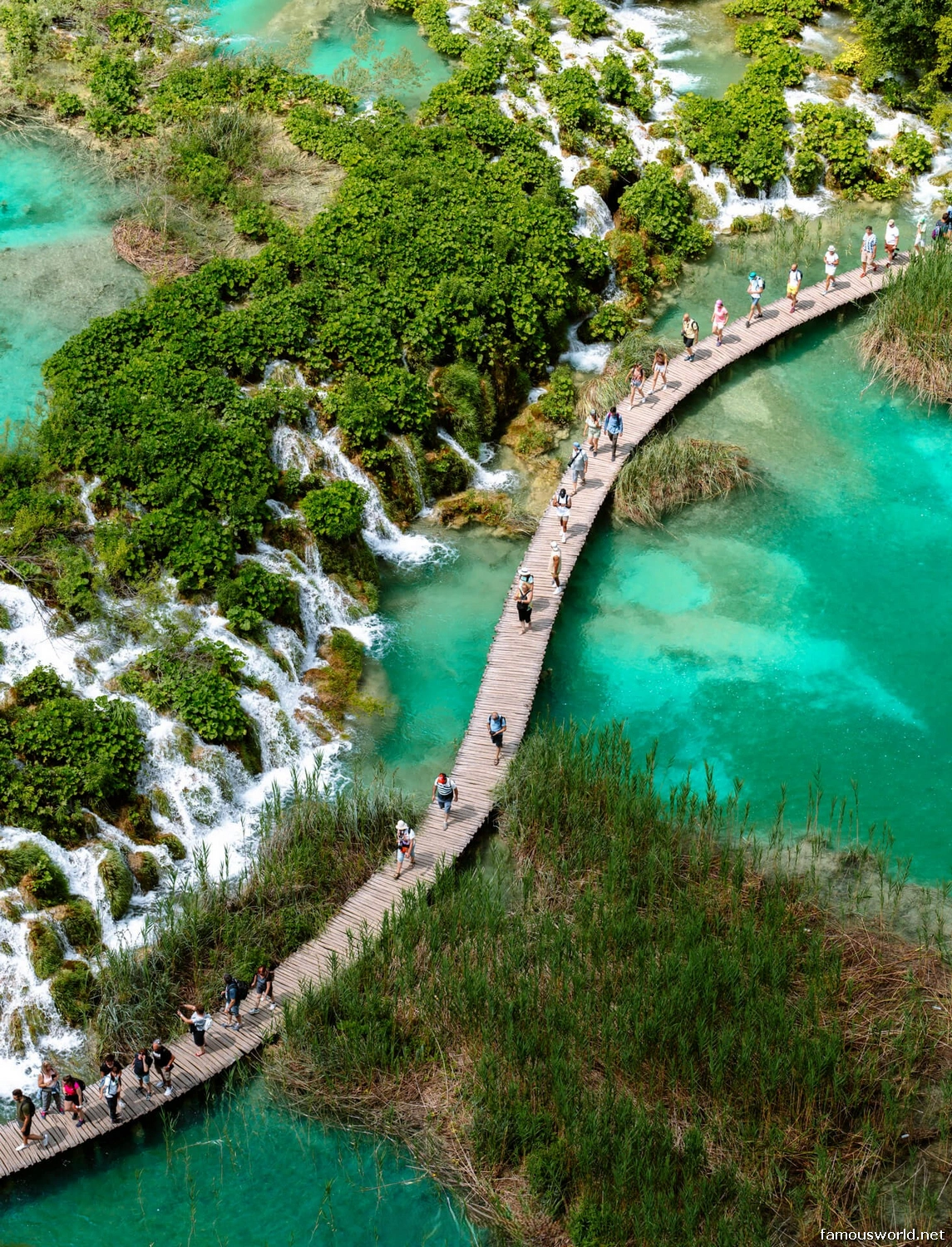

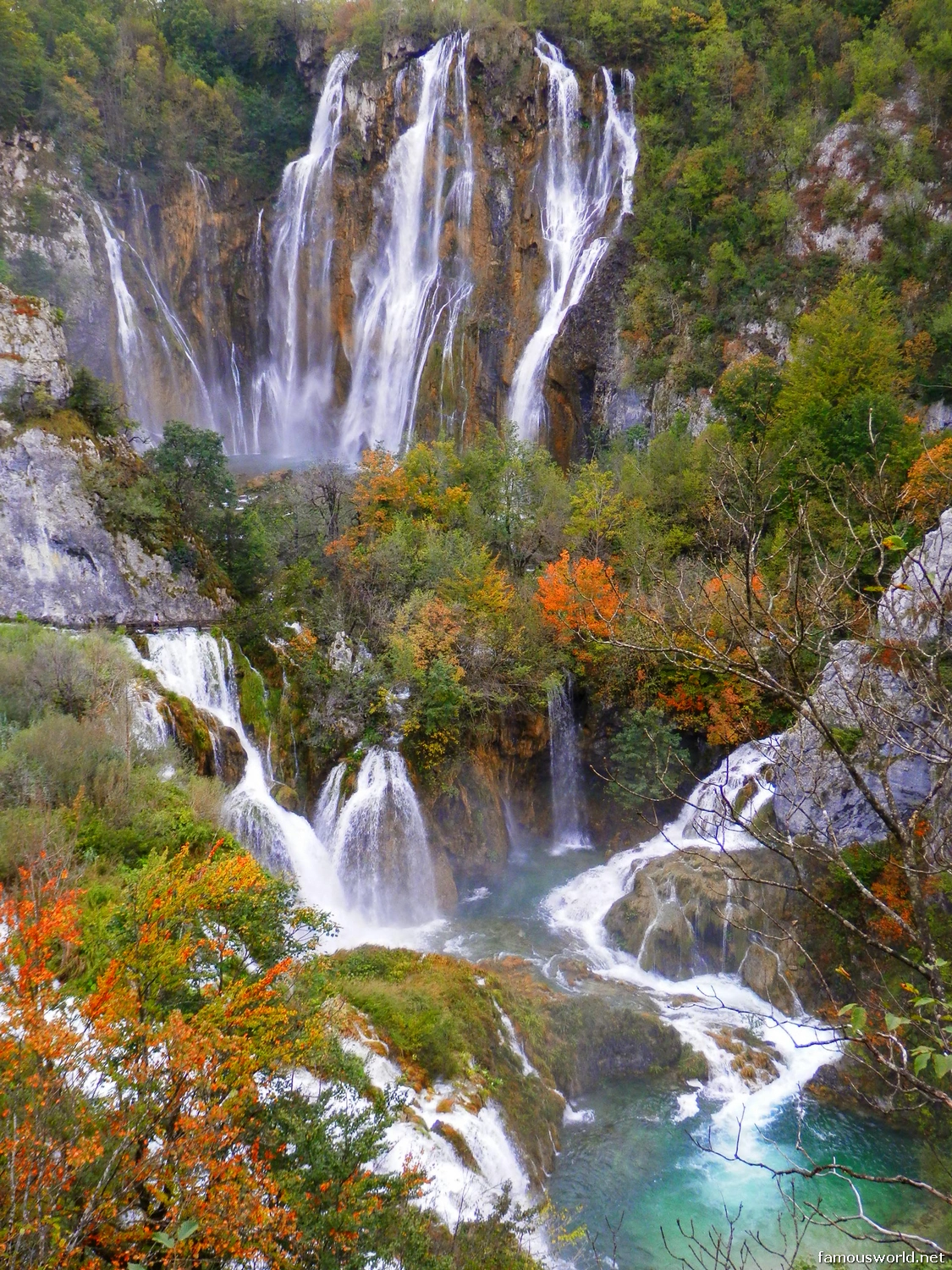


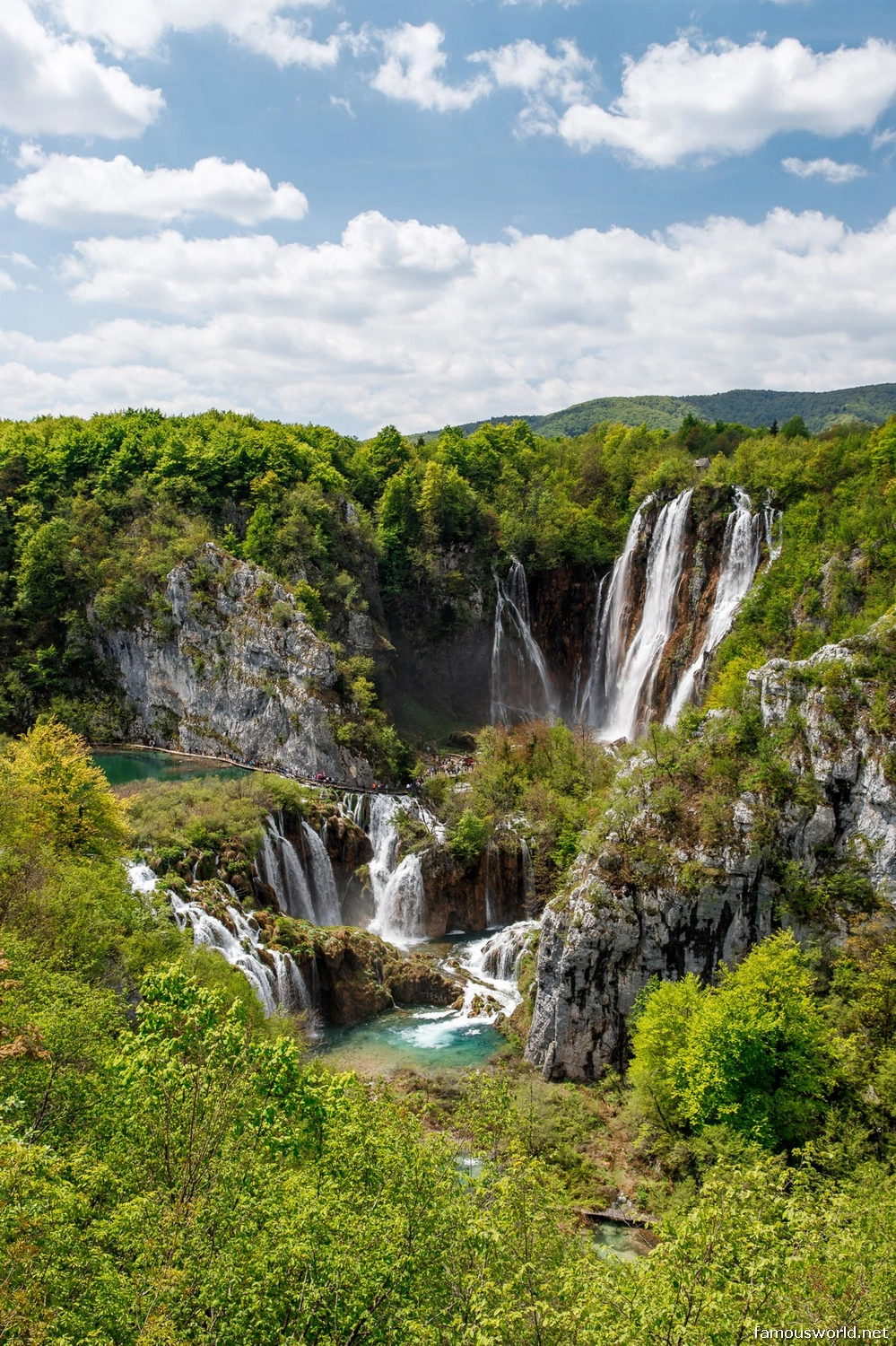
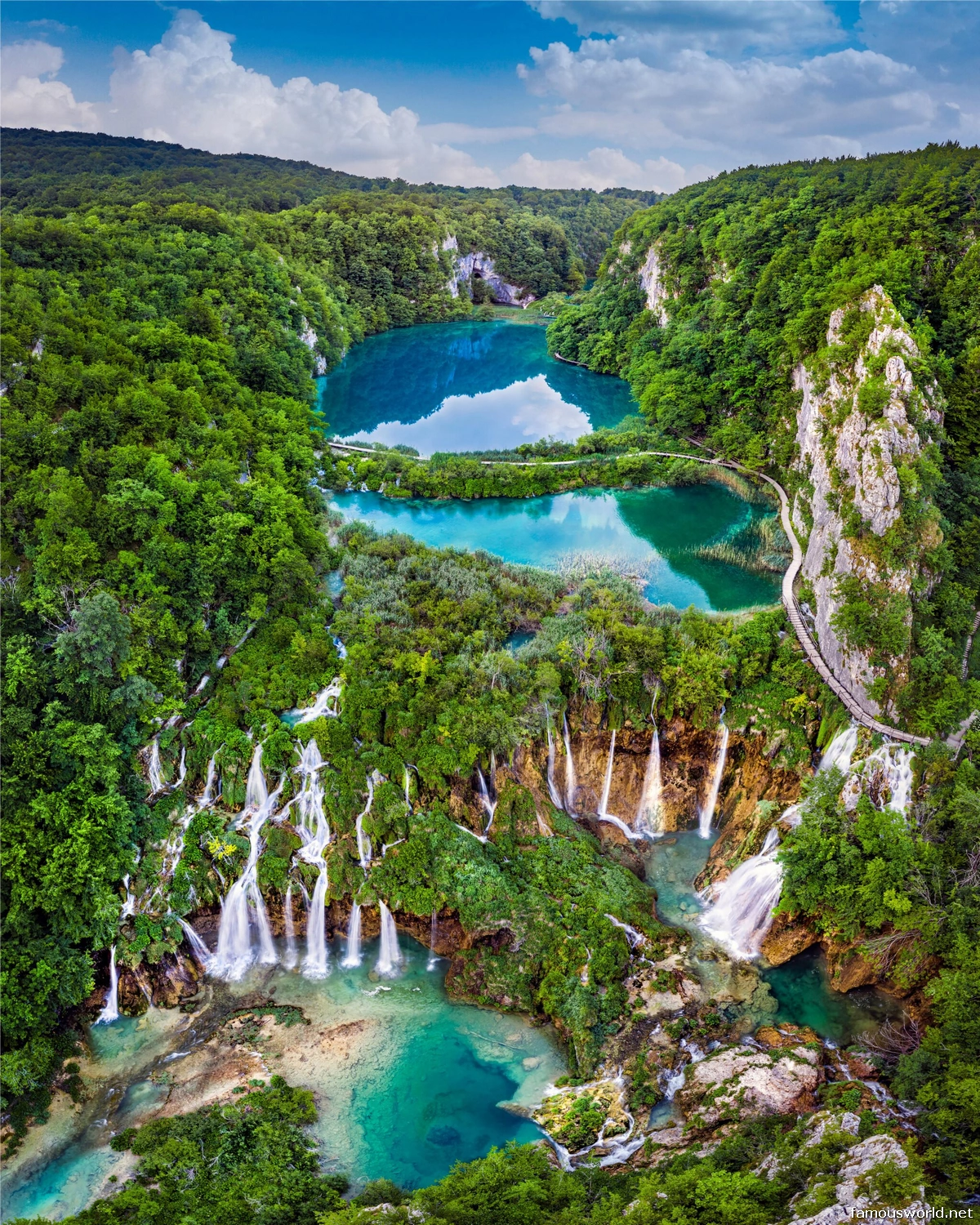


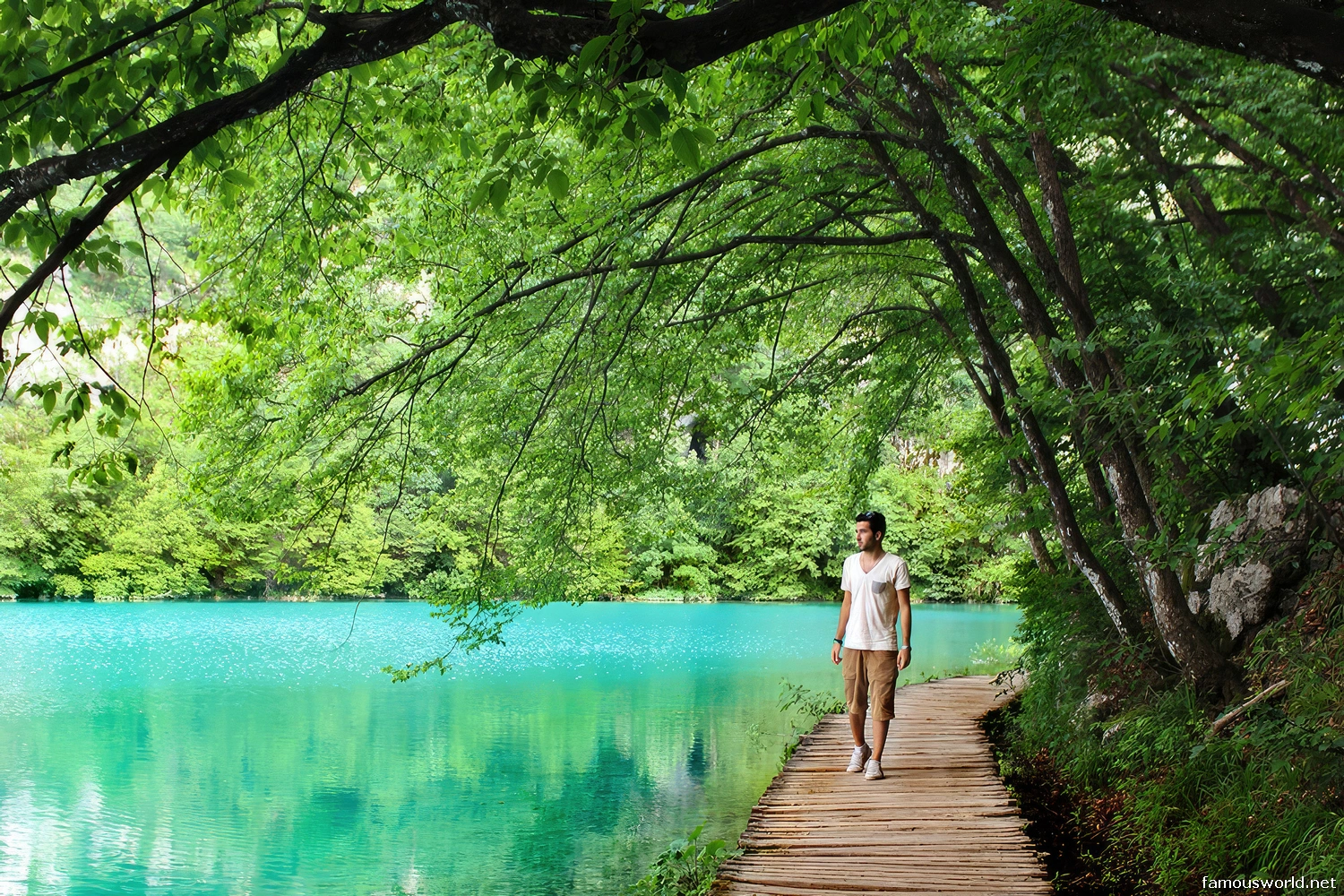

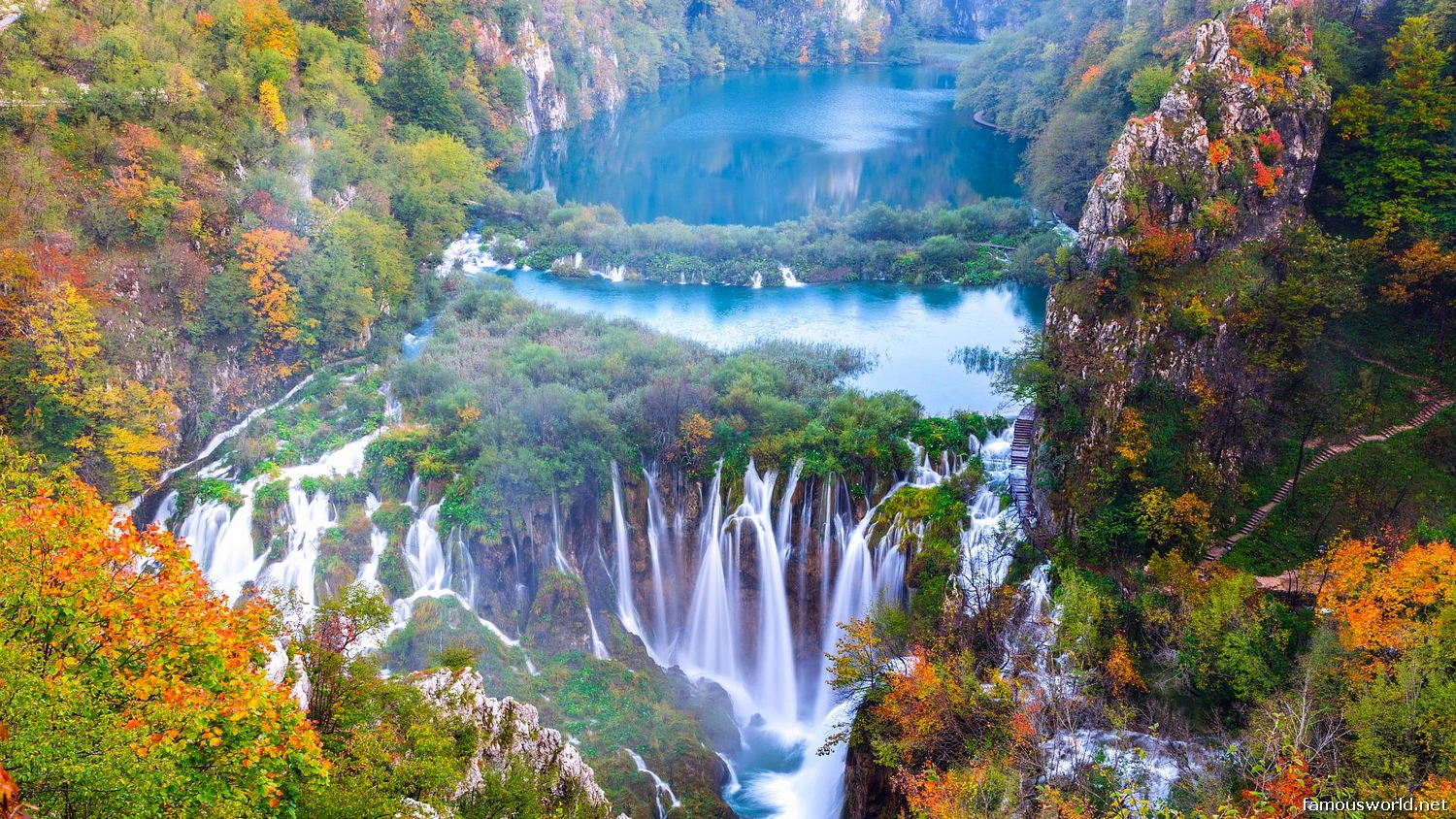


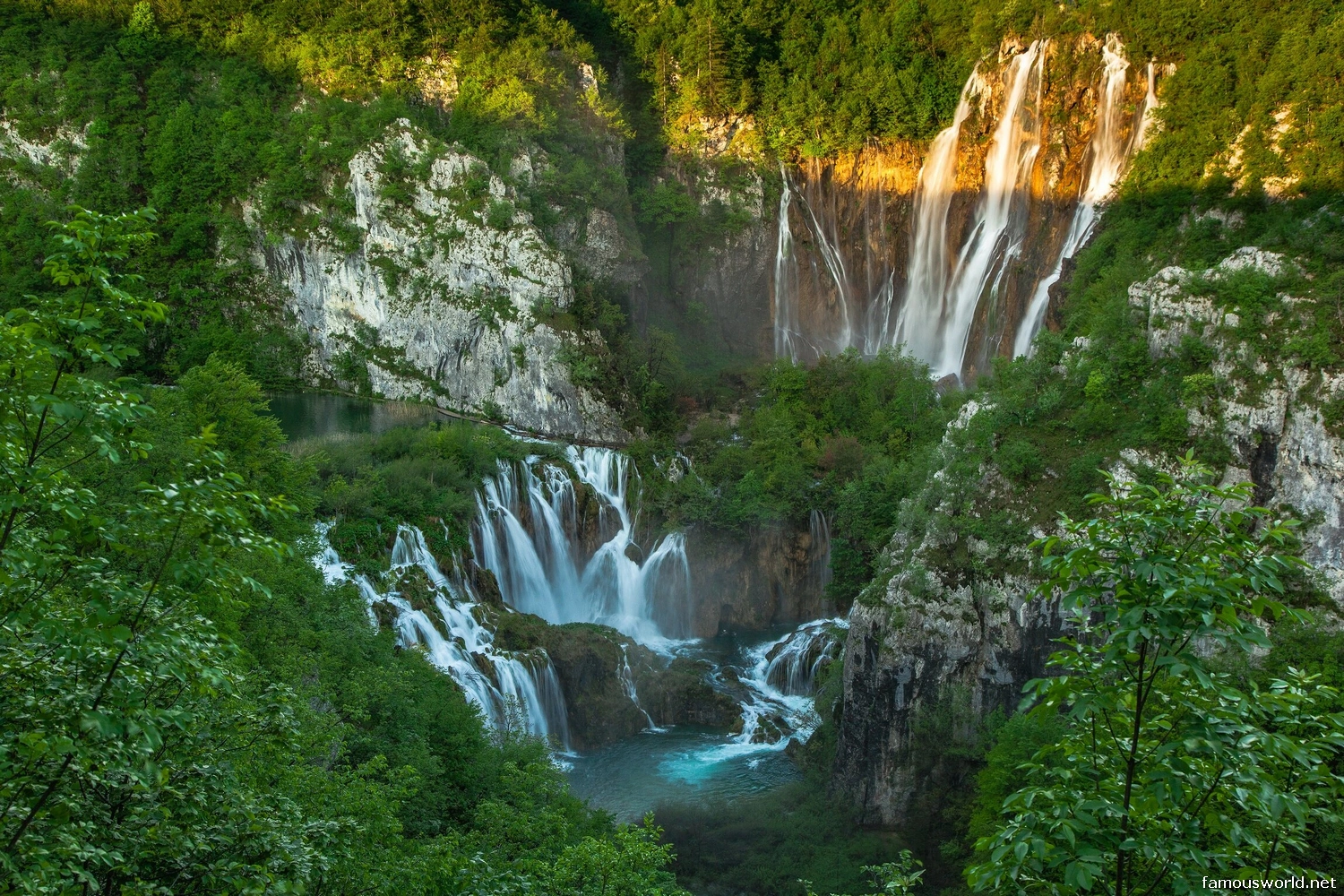

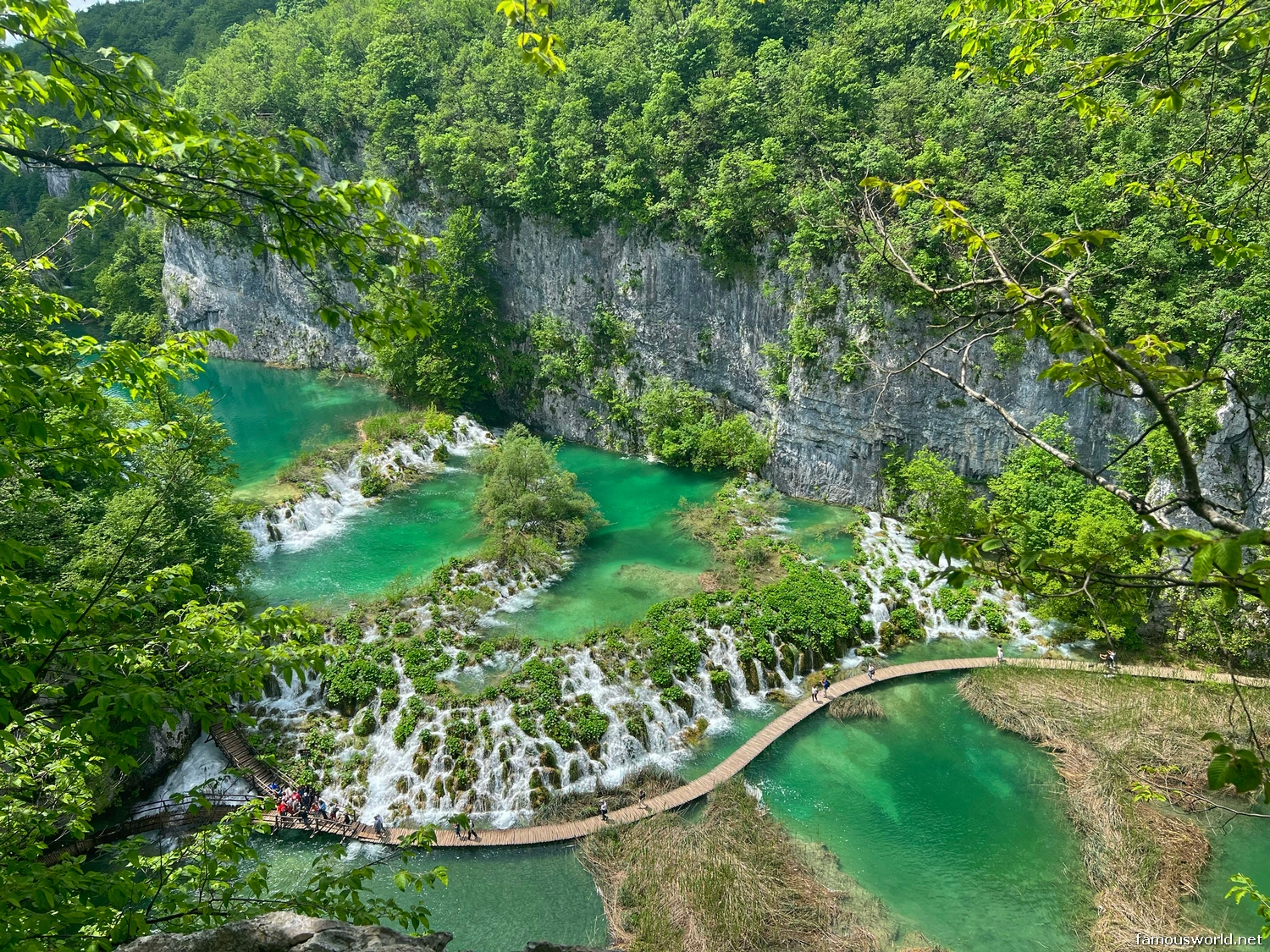
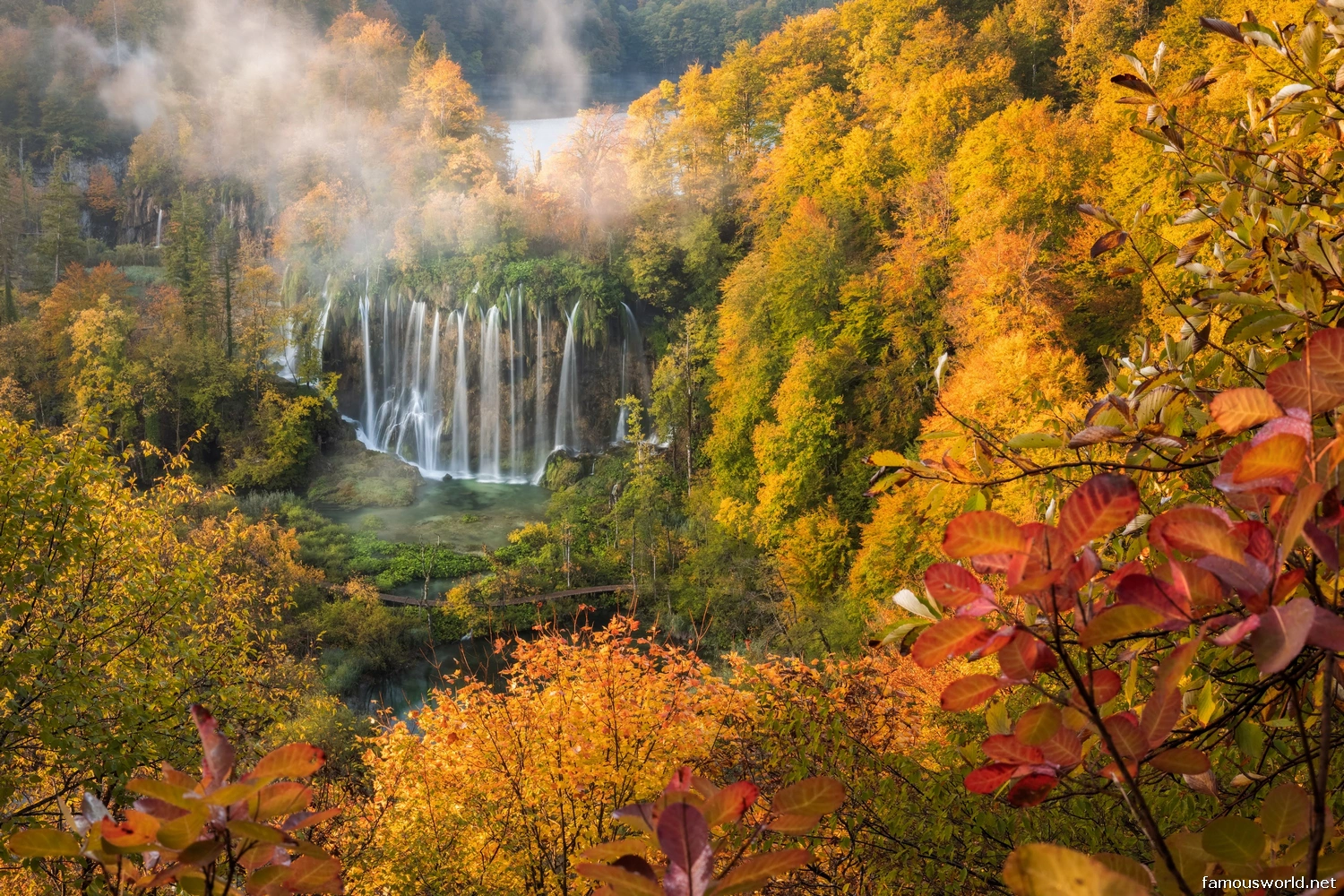

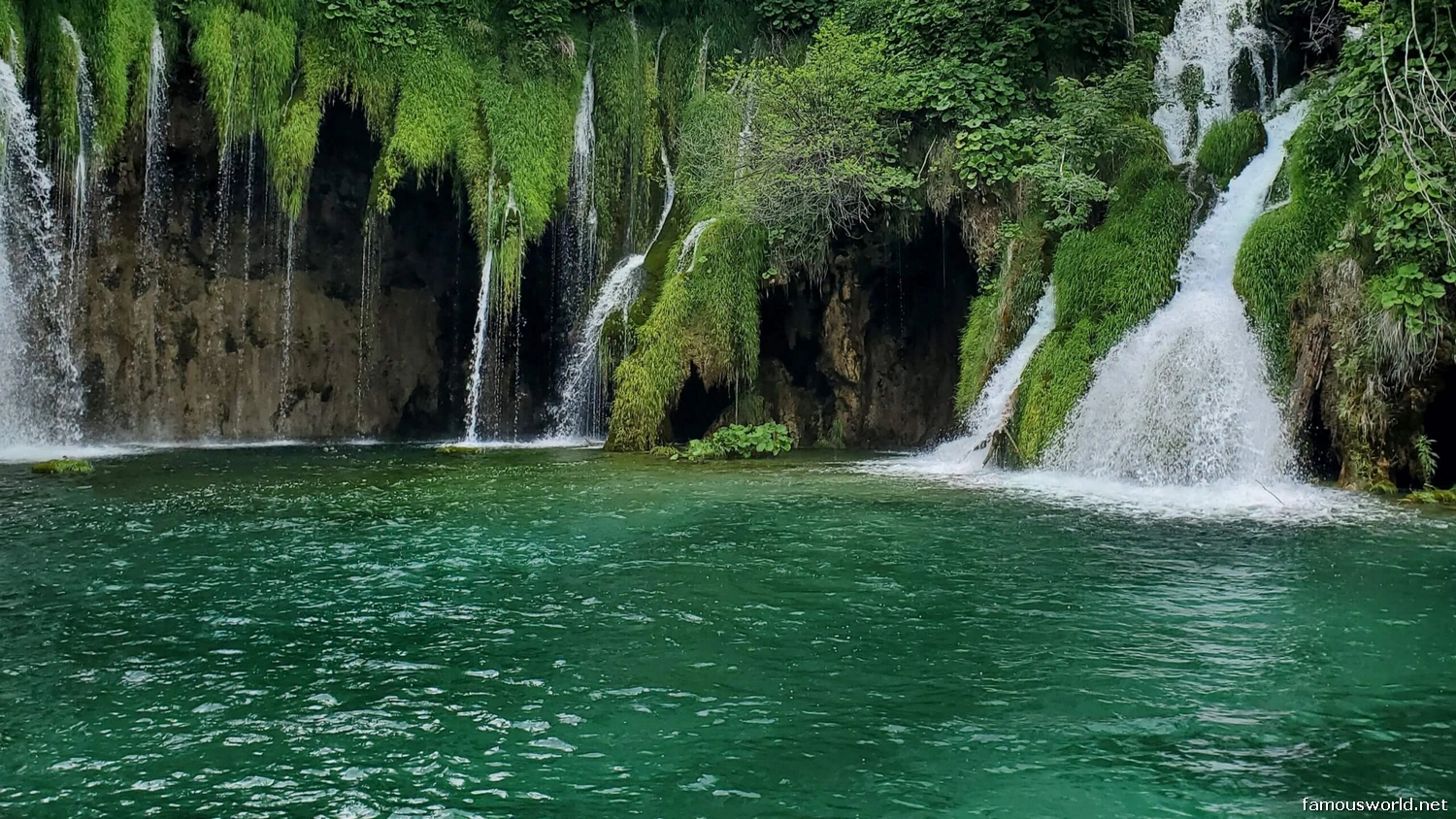


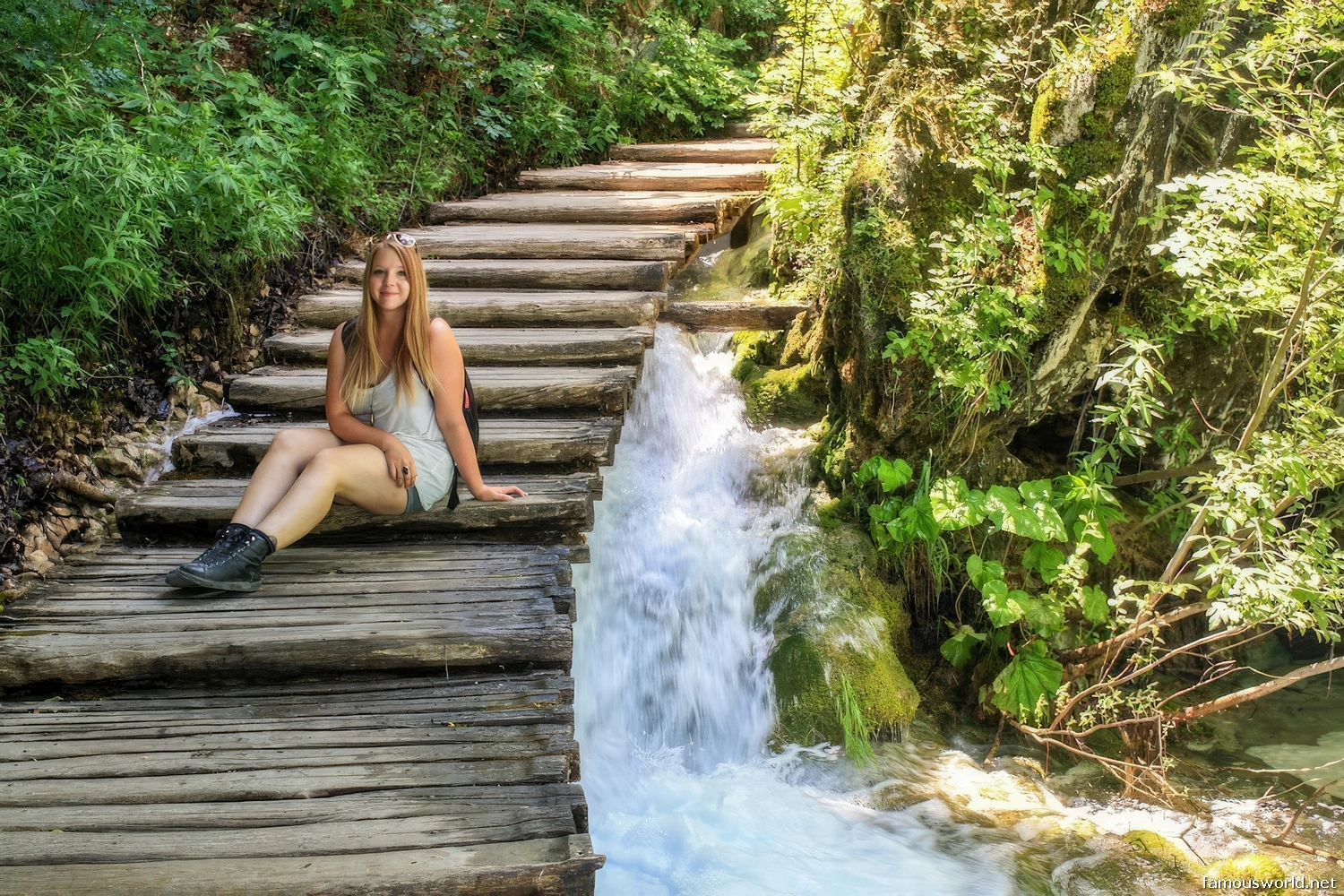

Deep in the mountainous heart of Croatia, Plitvice Lakes National Park is a wonderland of cascading water and vibrant, shifting colors. This UNESCO World Heritage site is a breathtaking chain of 16 terraced lakes, interconnected by a series of stunning waterfalls and cascades. The water, famed for its mesmerizing turquoise, green, and blue hues, flows through a lush forested canyon. A network of wooden footbridges and pathways allows visitors to wander through this dynamic landscape, creating an immersive experience with the pristine, wild beauty of a place shaped entirely by nature.
Listen to an introduction about Plitvice Lakes National Park

Name and Location
- Name: Plitvice Lakes National Park (Nacionalni park Plitvička jezera).
- Location: Located in the mountainous karst region of central Croatia, near the border of Bosnia and Herzegovina. It sits between the capital city, Zagreb, and the coastal city of Zadar.
How to Get There
The park is a popular destination and is well-connected, particularly by road.
- By Air: The closest international airports are Zagreb (ZAG), Zadar (ZAD), and Rijeka (RJK). From the airport, you can rent a car or take a bus to the park.
- By Bus: Frequent bus lines run from major Croatian cities like Zagreb, Zadar, and Split directly to the park’s entrances, making it a very accessible option for travelers without a car.
- By Car: Driving is a convenient way to visit. The park is located just off the main D1 state road, and the A1 motorway provides a fast connection from major cities.
Landscape and Architecture
The park is a masterpiece of natural geology and hydrology, with minimal human construction designed to blend into the environment.
- The Cascading Lakes: The park’s most famous feature is its 16 interconnected lakes, which are divided into the Upper and Lower Lakes. They were formed by the natural deposition of travertine, a type of limestone, which creates natural dams. These dams are constantly growing, changing the shape of the lakes and waterfalls.
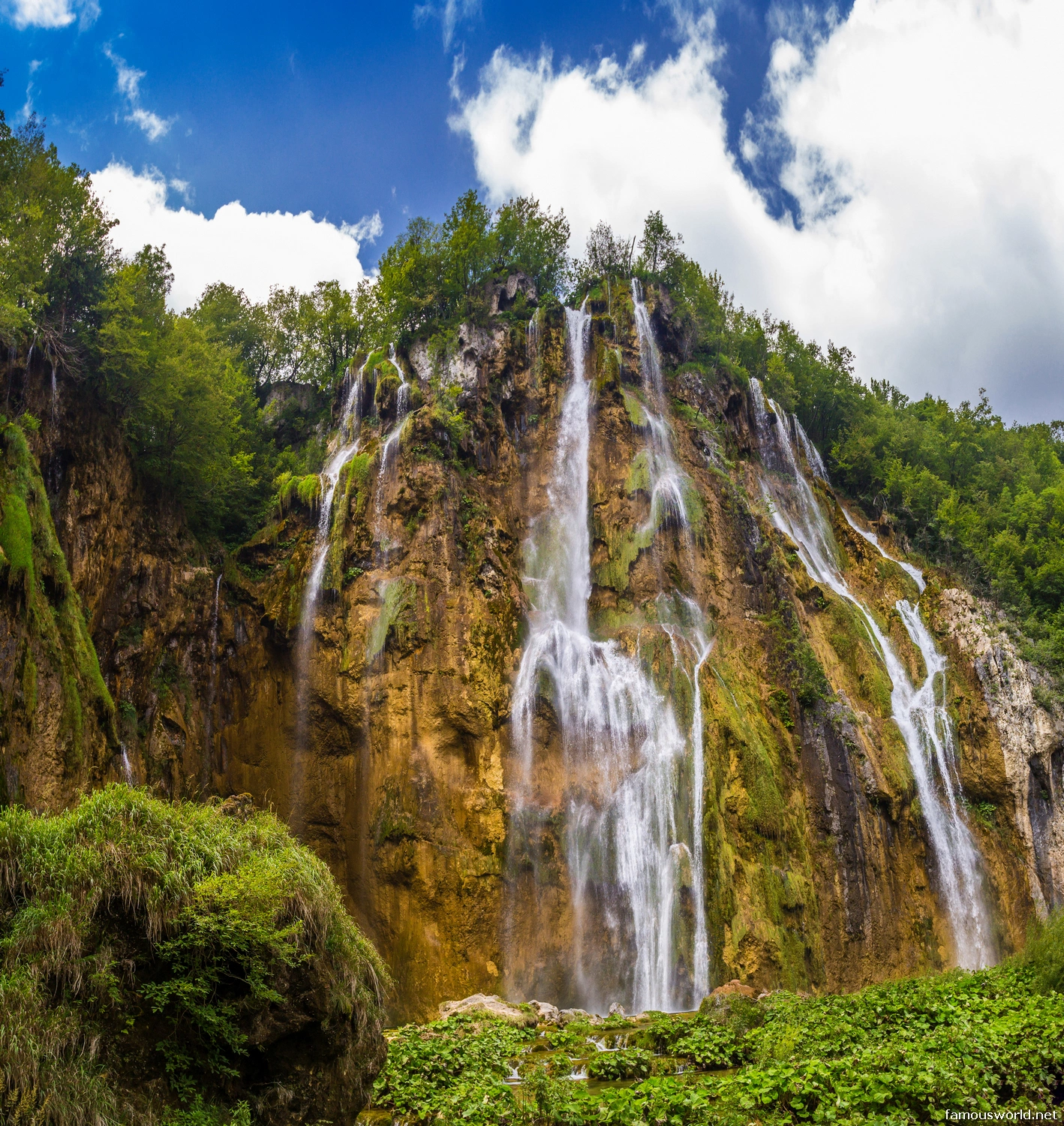
- Waterfalls and Forests: Water flows from one lake to the next over the travertine barriers, creating countless waterfalls of all sizes. The most famous is Veliki Slap (The Great Waterfall), the highest in Croatia. The lakes are surrounded by dense forests of beech, fir, and spruce, home to a wide array of wildlife, including brown bears, wolves, eagles, and owls.
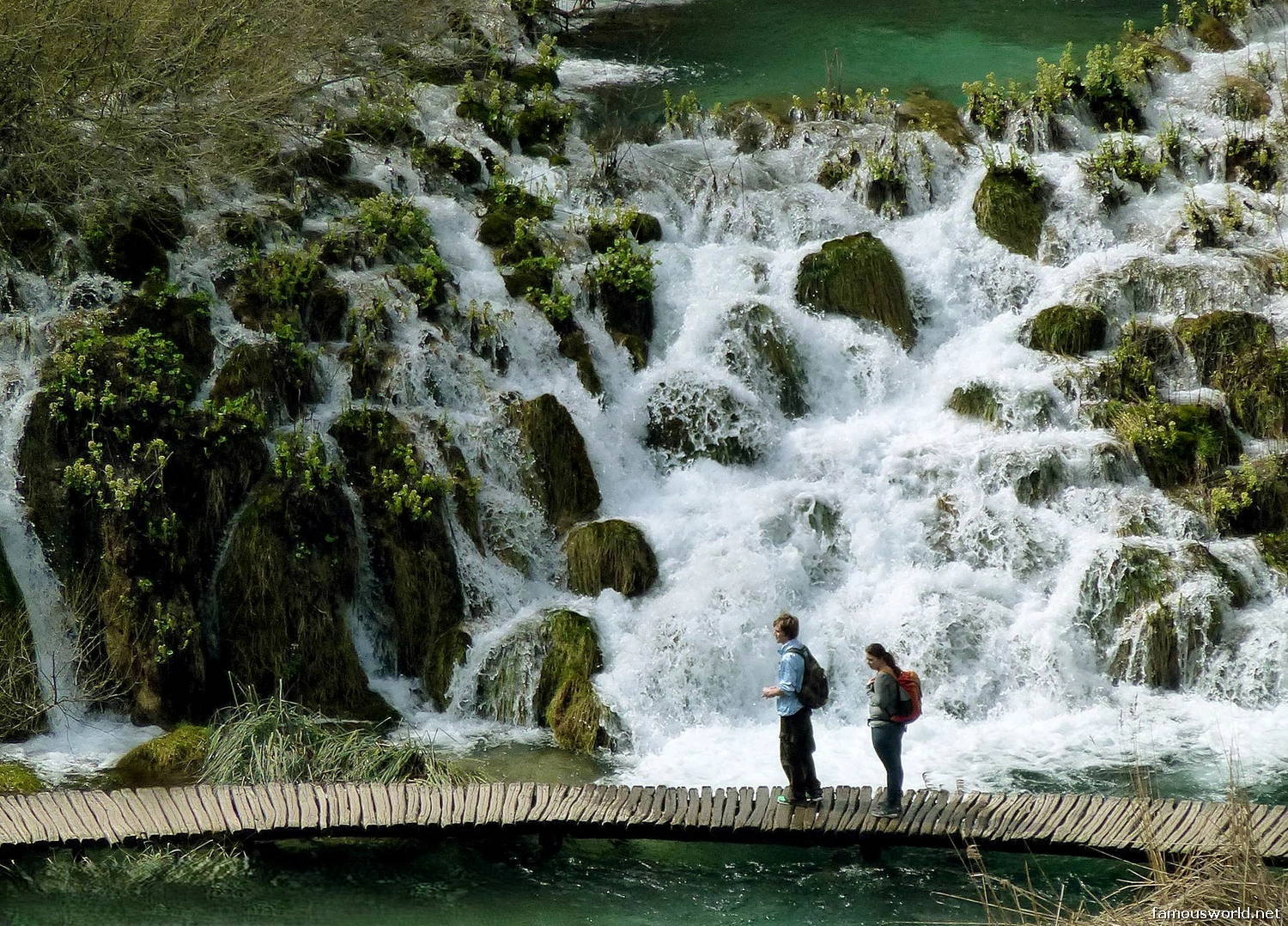
- Pathways: The only “architecture” is a system of rustic wooden walkways and bridges that snake across the lakes, allowing visitors to experience the water and falls up close without disturbing the delicate travertine formations.
What Makes It Famous
Plitvice Lakes is world-renowned for its unique geology and exceptional natural beauty.
- UNESCO World Heritage Site: It was one of the first natural sites to be added to the UNESCO World Heritage list (in 1979), recognized for its outstanding geological processes and pristine beauty.
- The Ever-Changing Lakes: The vibrant and changing colors of the water—ranging from deep blue to brilliant turquoise and green—are a key attraction. The colors are determined by the mineral content, organisms, and angle of sunlight.
- Dynamic Travertine Dams: The park is a rare example of an active, ongoing geological process. The travertine barriers that create the lakes grow at a rate of about 1 cm per year, meaning the landscape is constantly, if subtly, evolving.
Differences from Other Wonders
The wild, natural identity of Plitvice Lakes offers a stark contrast to the cultivated, man-made elegance of Bordeaux and its Vineyards.
- Environment (Pristine Wilderness vs. Cultivated Landscape): Plitvice is a protected natural reserve where human intervention is minimized to preserve its wild state. Bordeaux is a landscape shaped and manicured by centuries of agriculture and urban development.
- Core Story (Natural Geological Processes vs. Human Culture & Commerce): The story of Plitvice is one of water, limestone, and time, showcasing the power of nature to create beauty. The story of Bordeaux is one of human history, trade, and the art of winemaking.
- Primary Attraction (Natural Phenomena vs. Human Creations): The main attraction of Plitvice is its natural system of lakes, forests, and waterfalls. The primary attraction of Bordeaux is the combination of its neoclassical city and its world-famous wine estates.
- Atmosphere (Wild and Serene vs. Elegant and Cosmopolitan): A visit to Plitvice inspires a sense of awe and tranquility in the face of untouched nature. A visit to Bordeaux evokes a feeling of sophisticated, cosmopolitan culture and agricultural prestige.
Location on world map