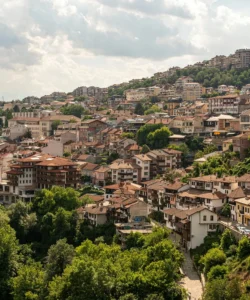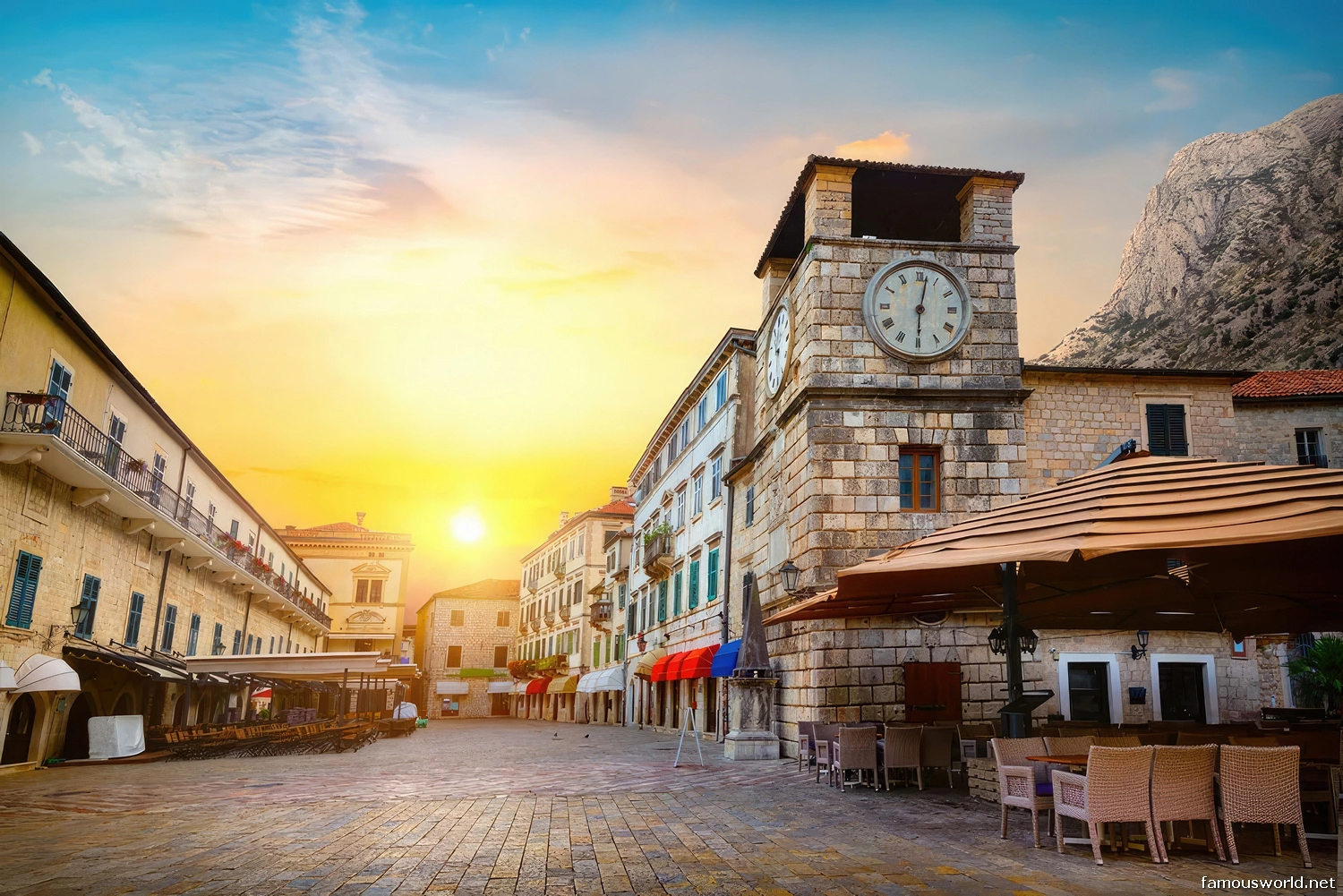
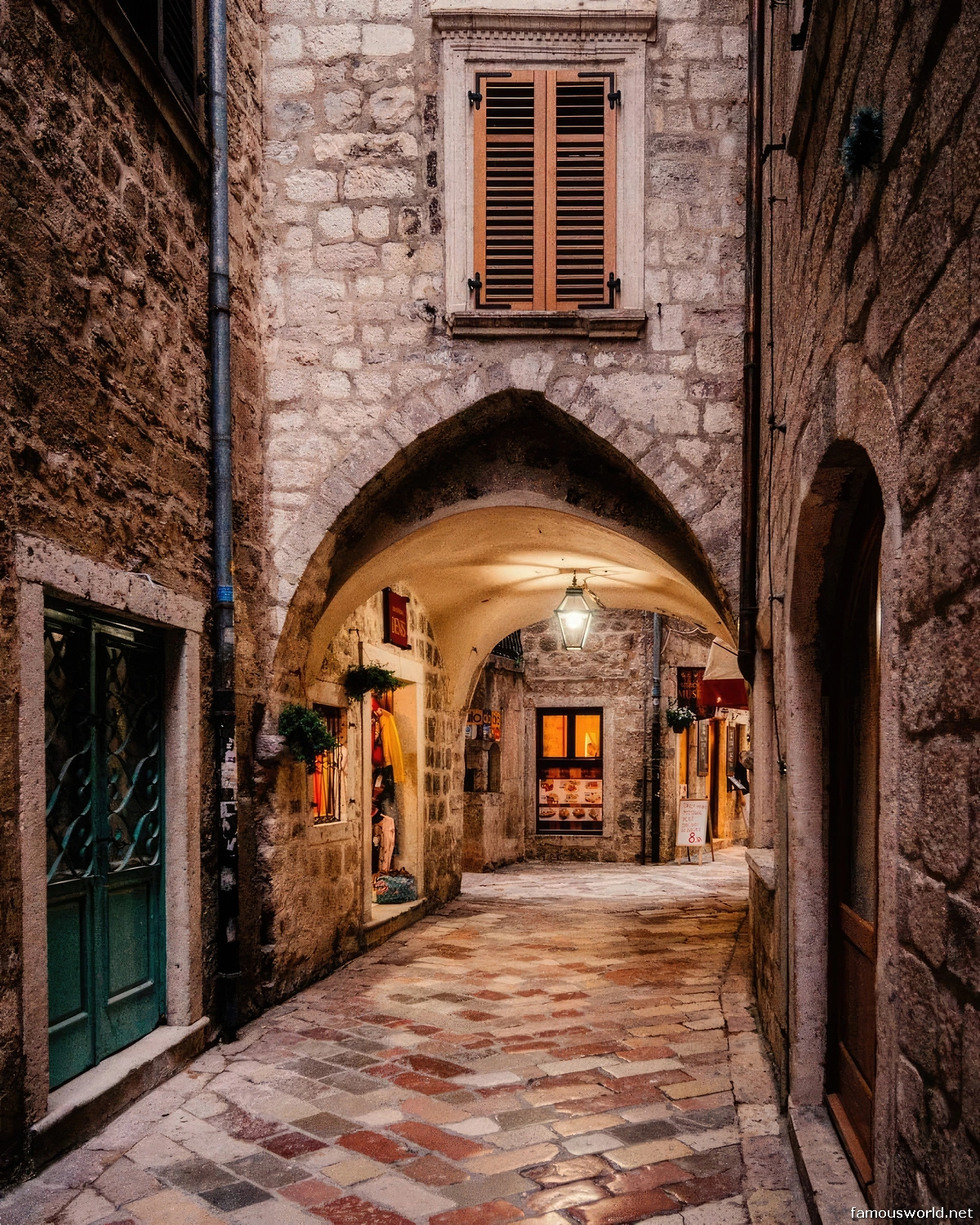
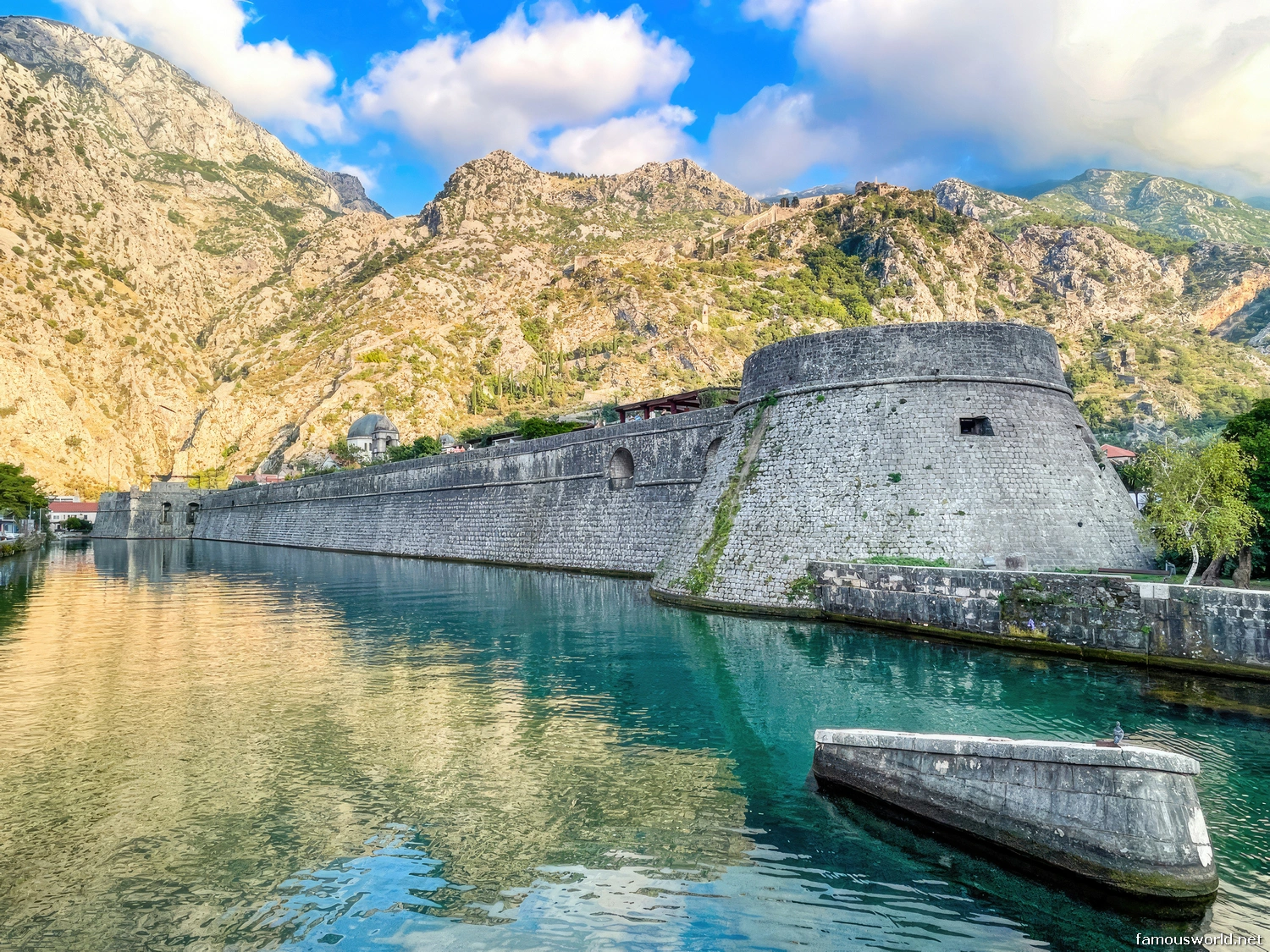
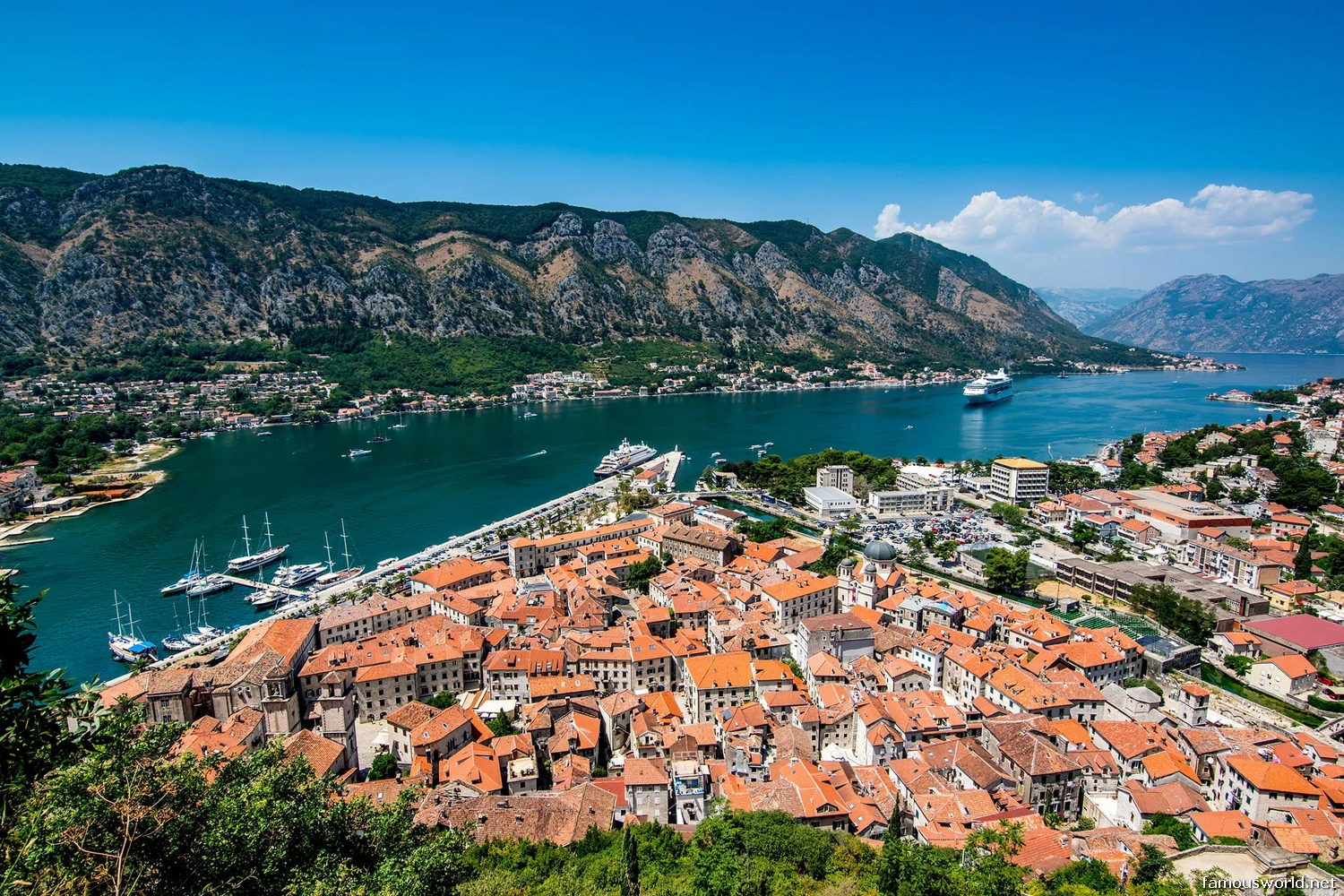
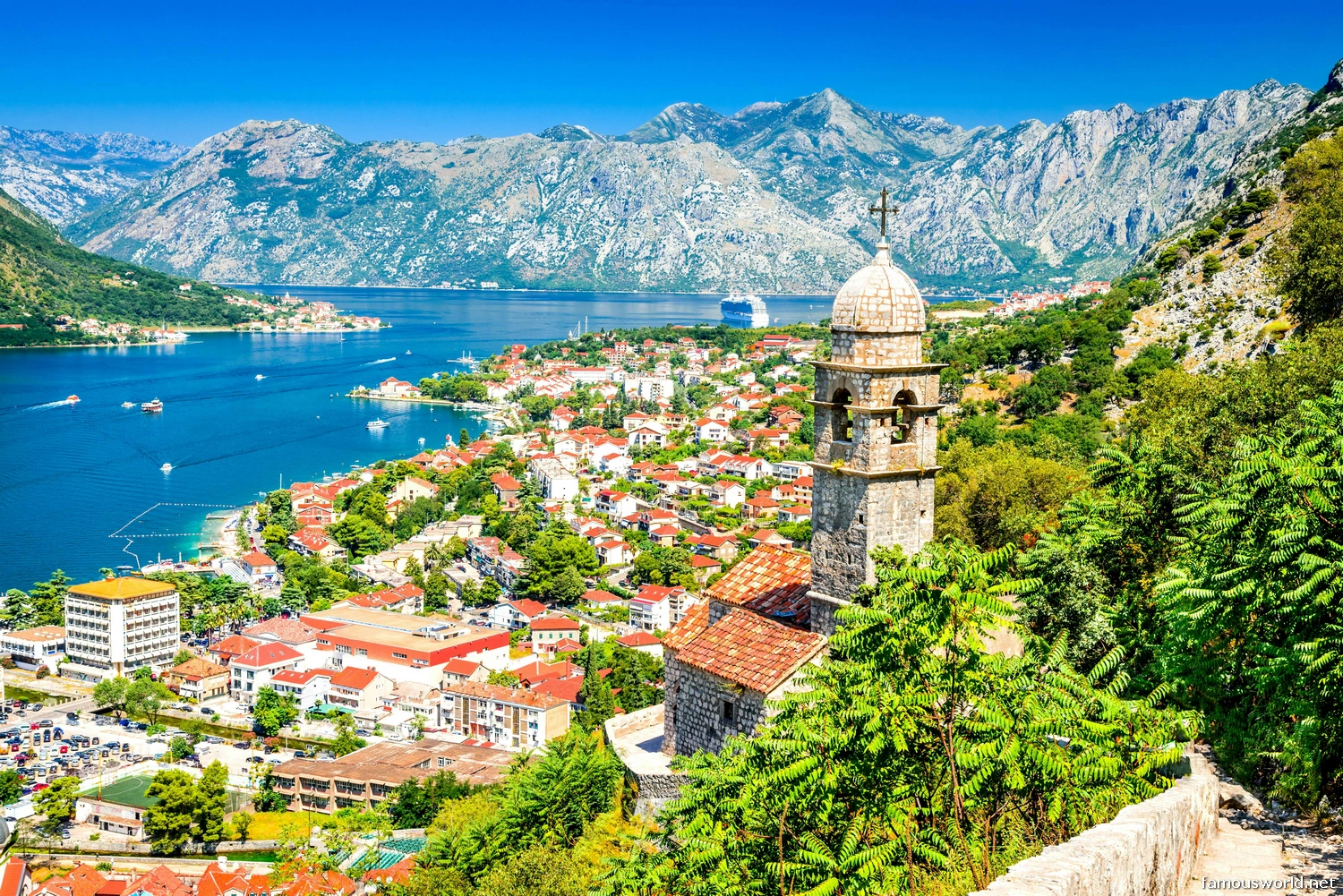
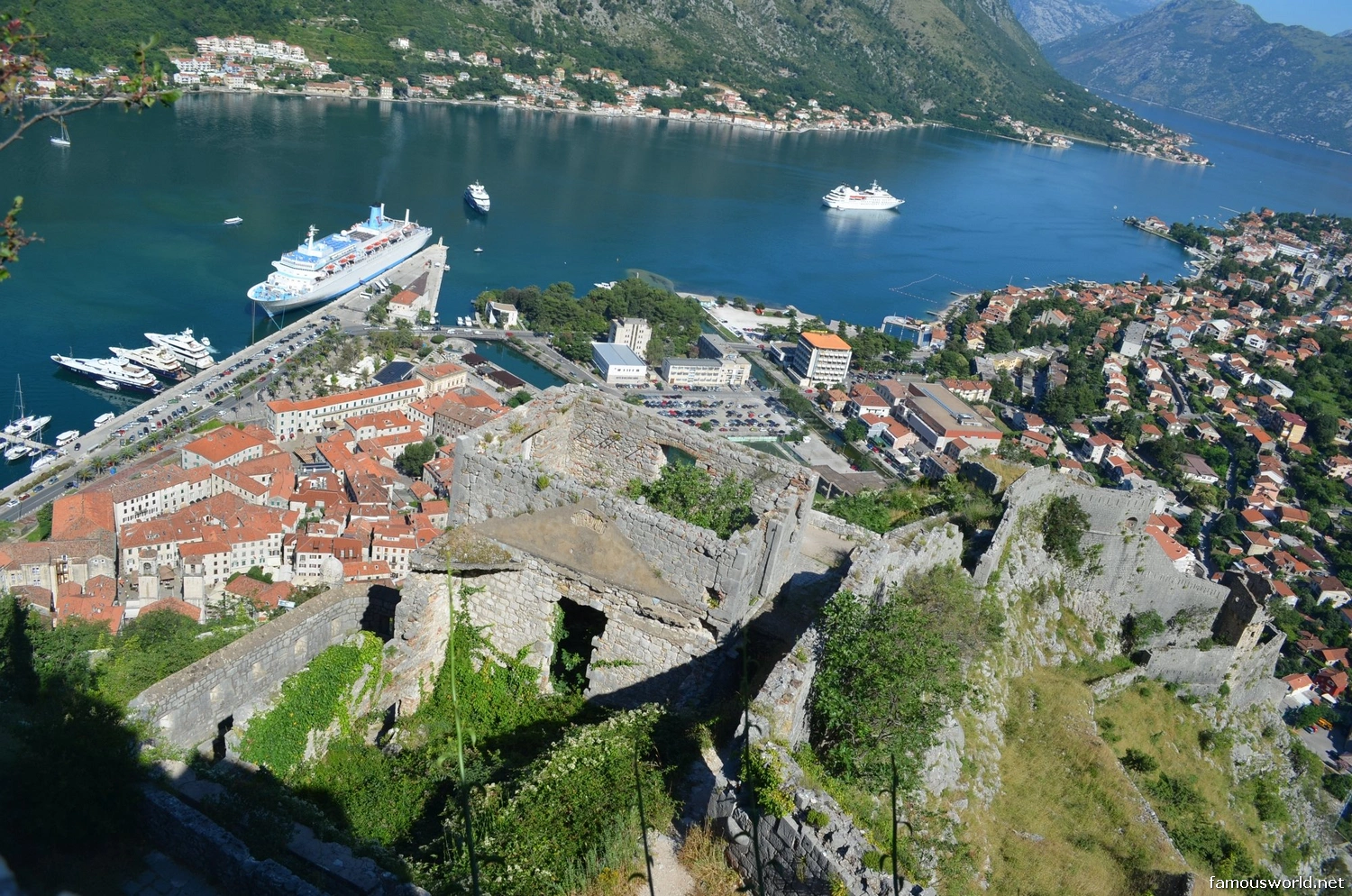
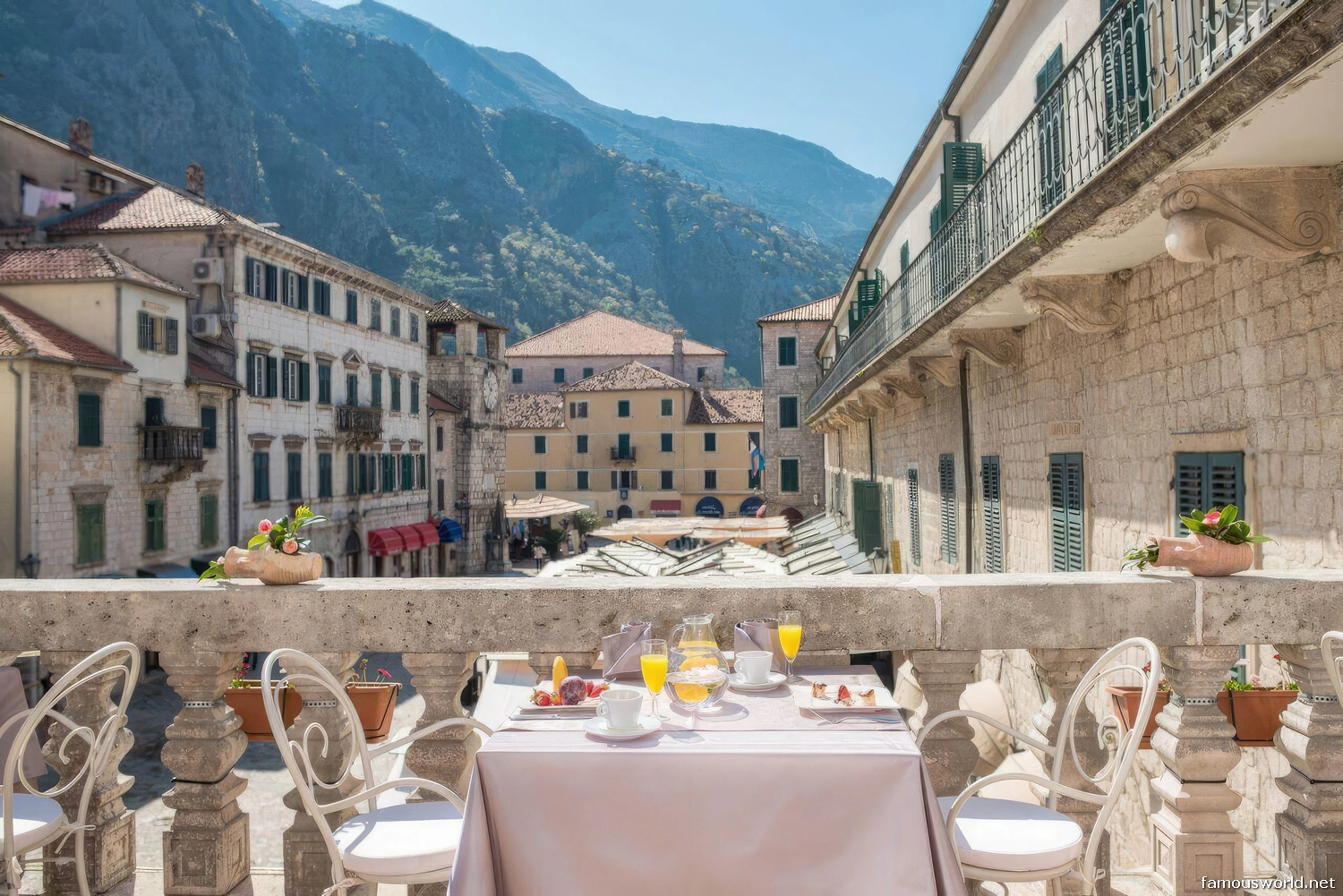
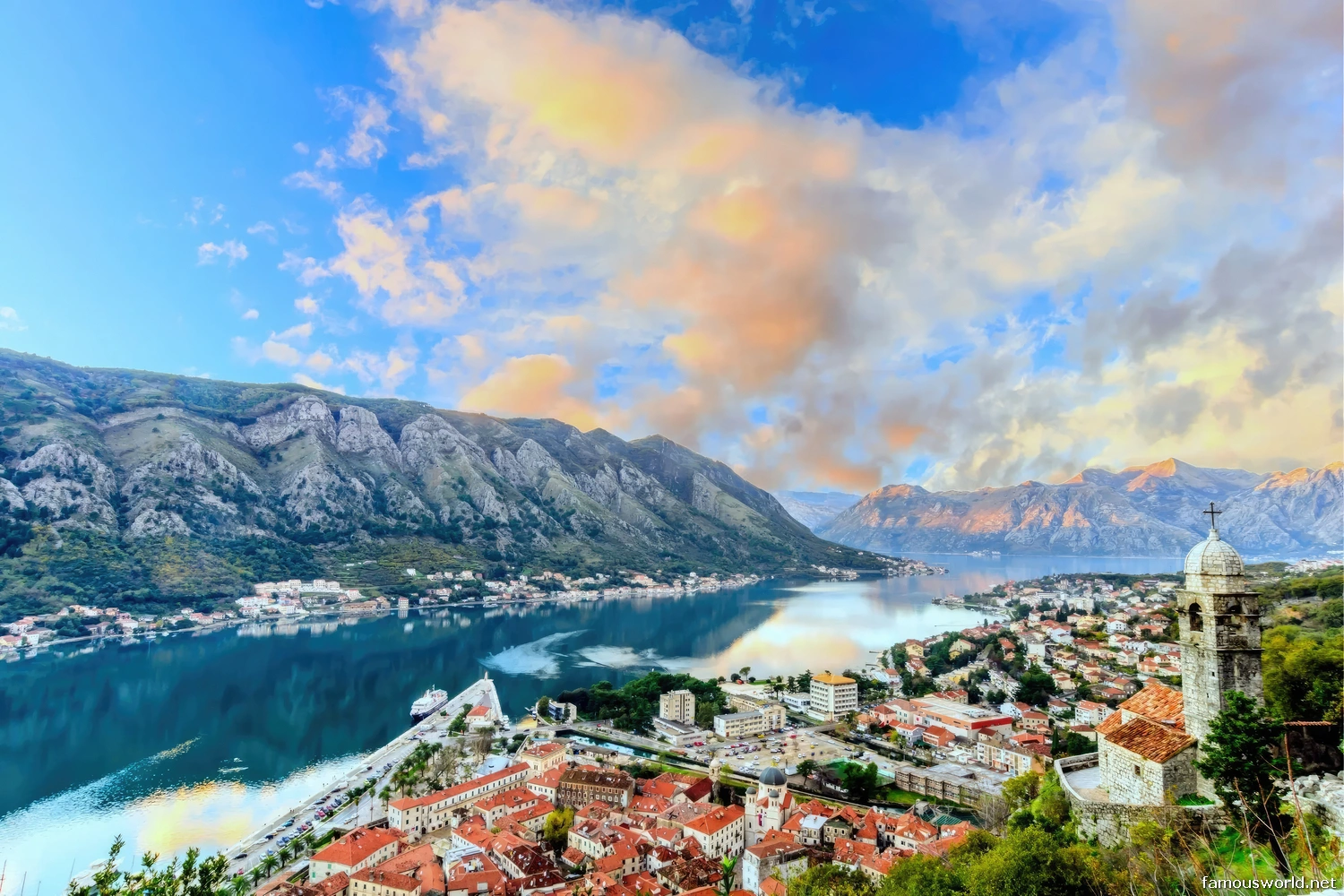
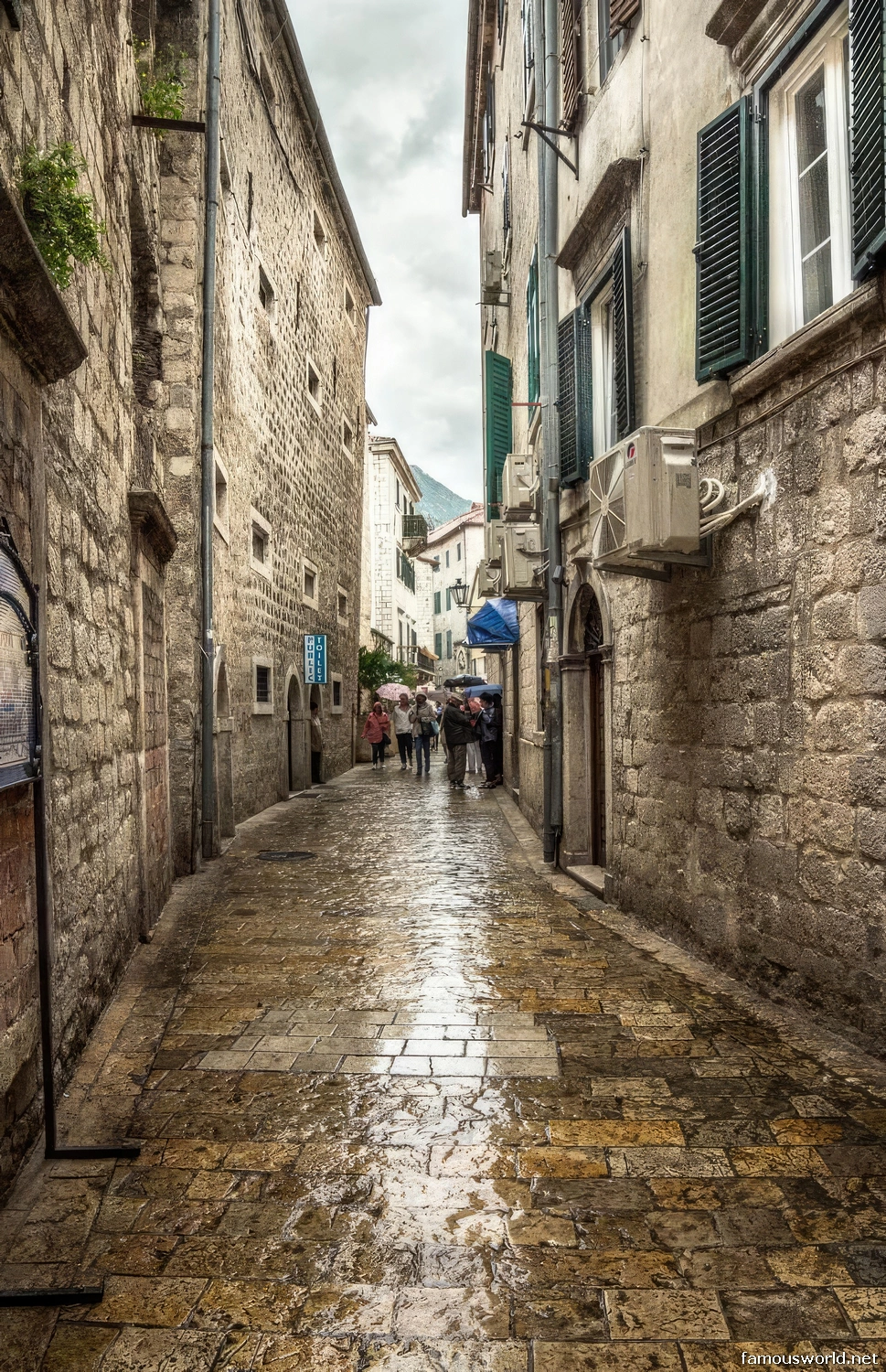
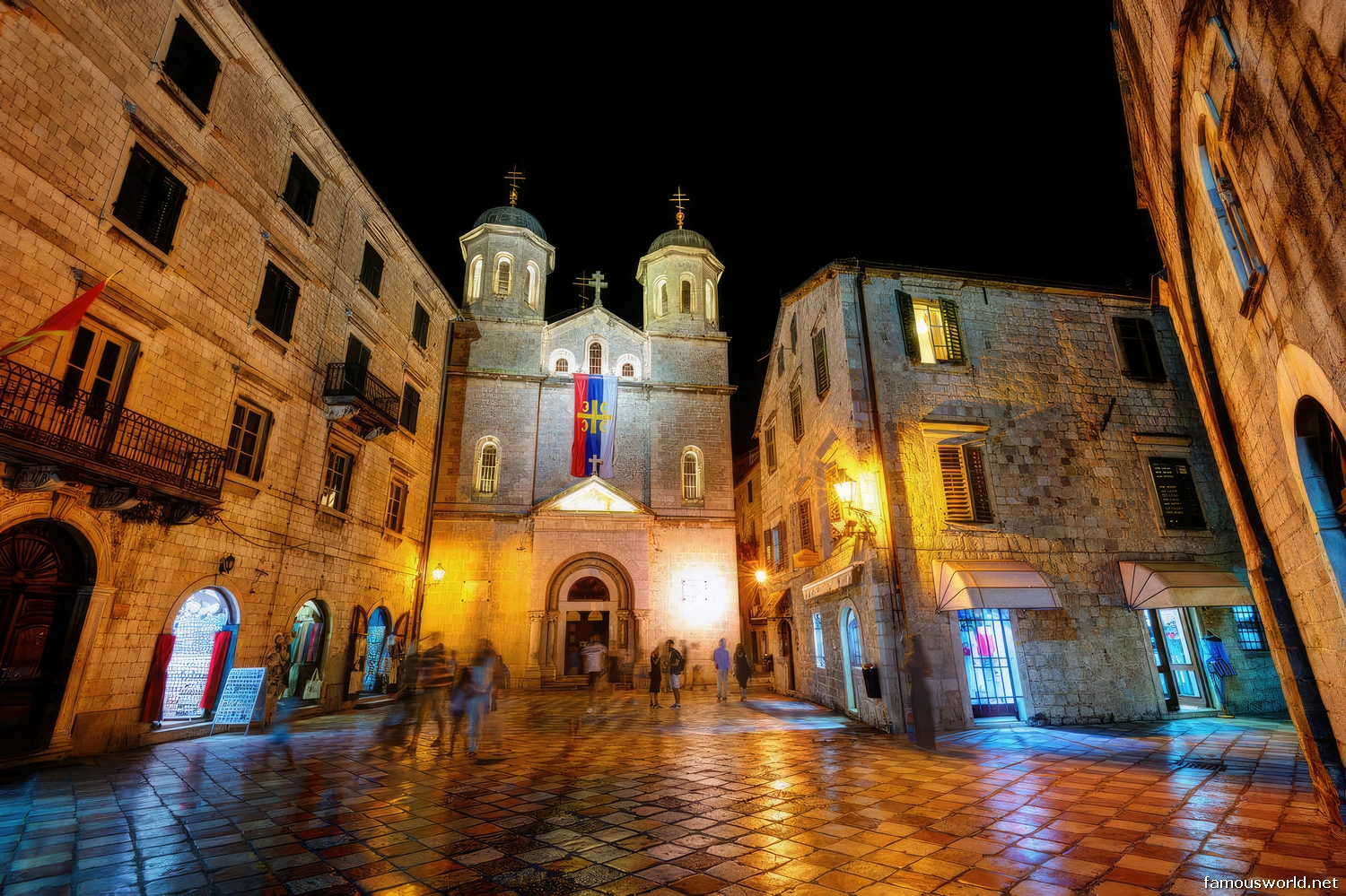
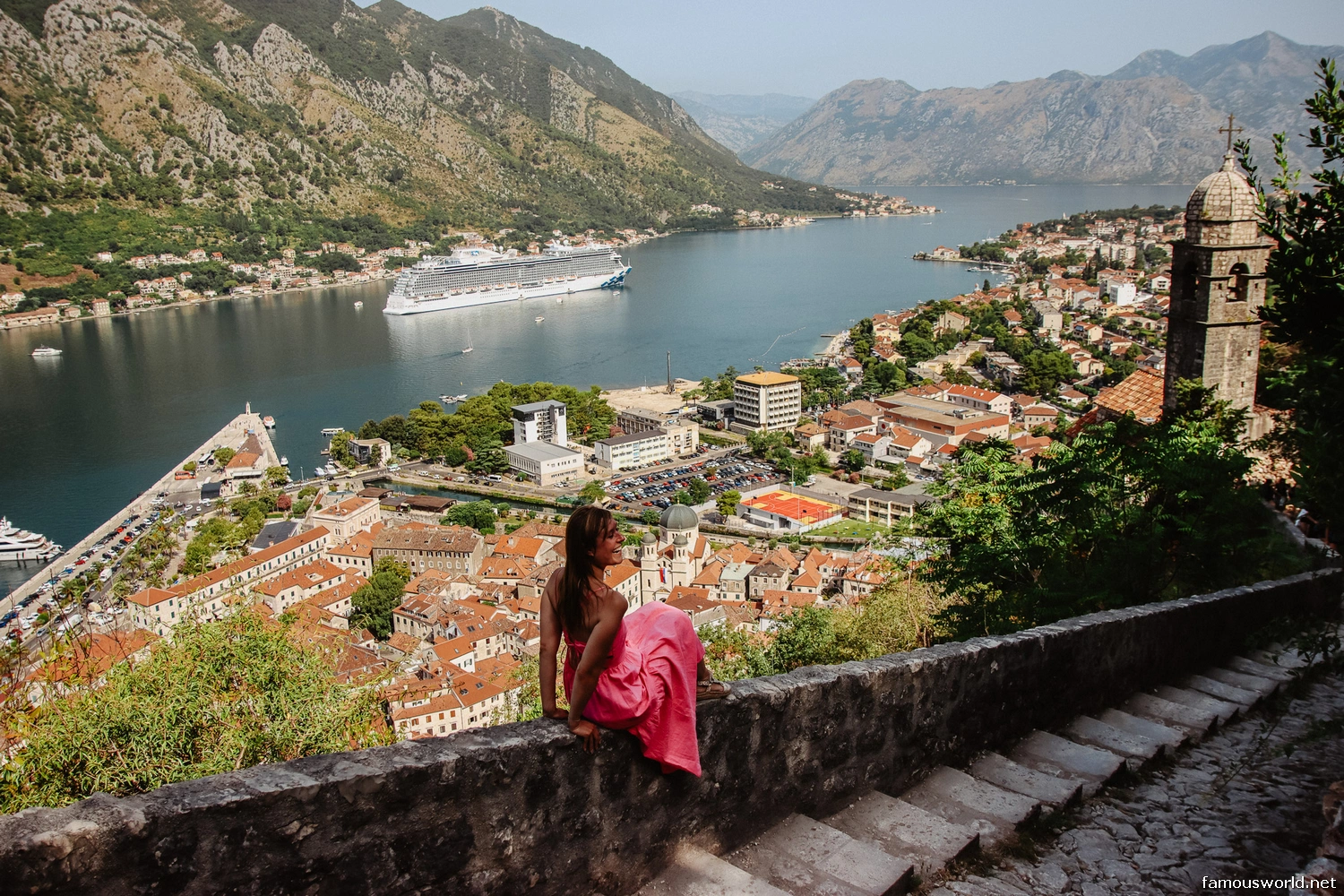



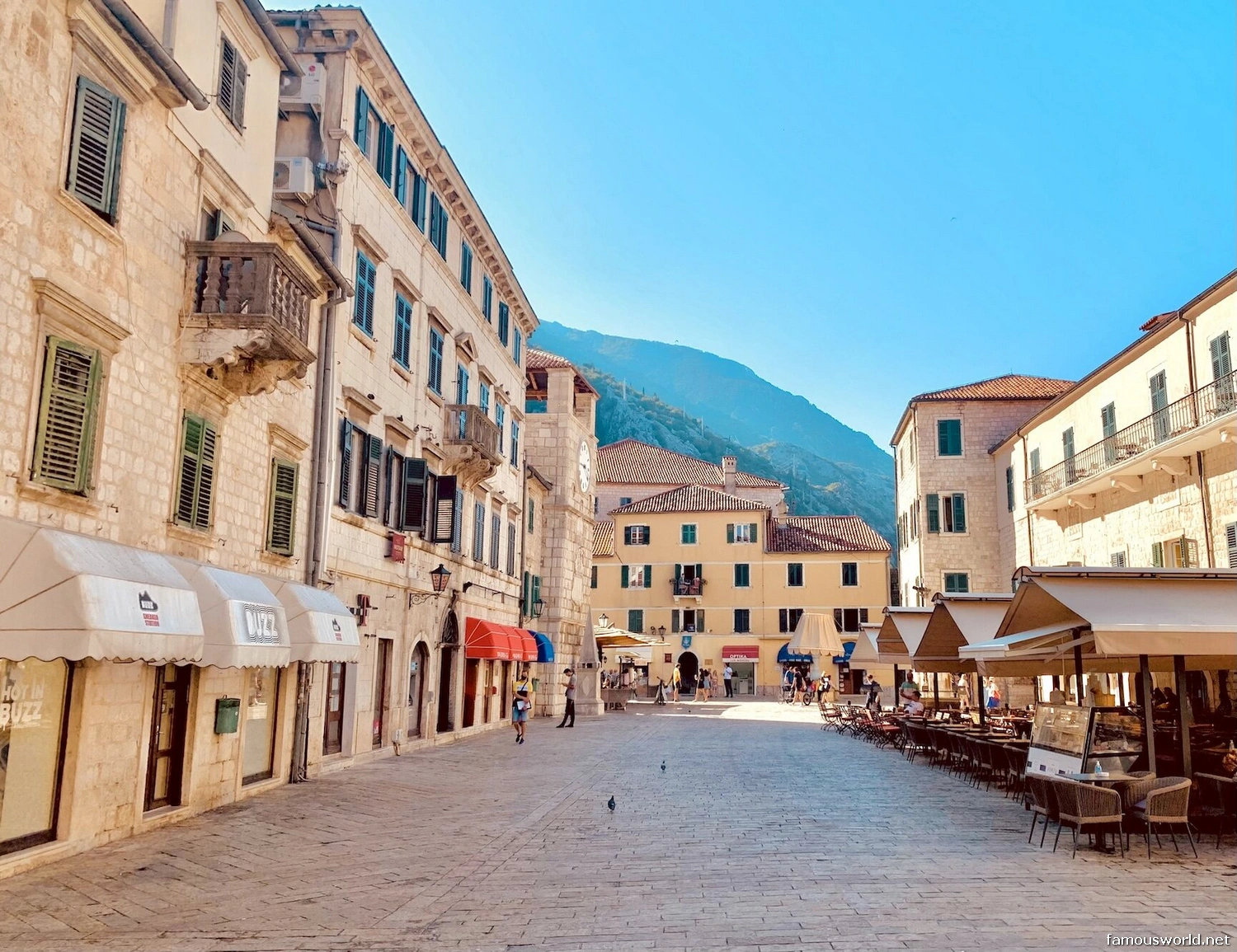
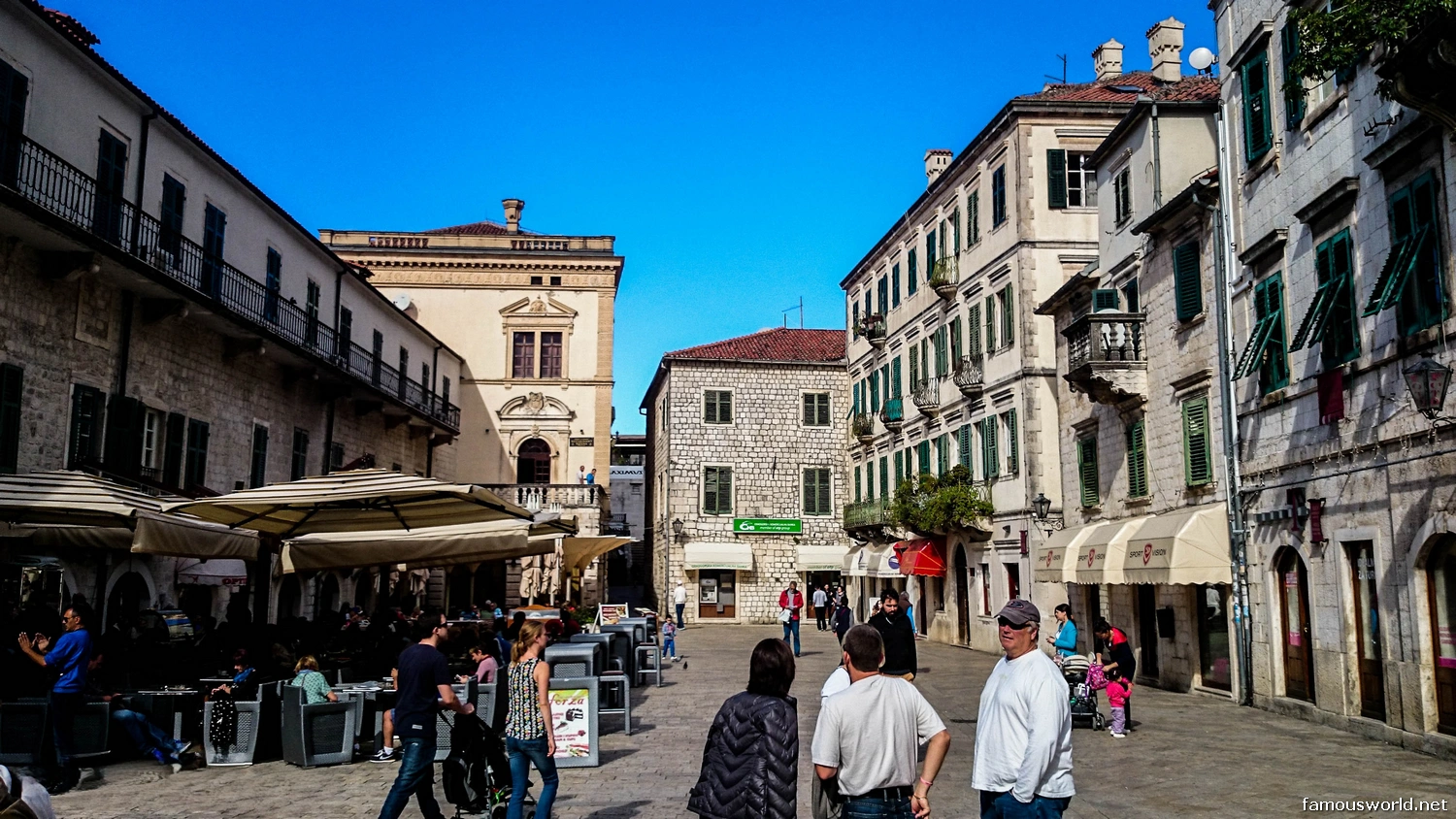


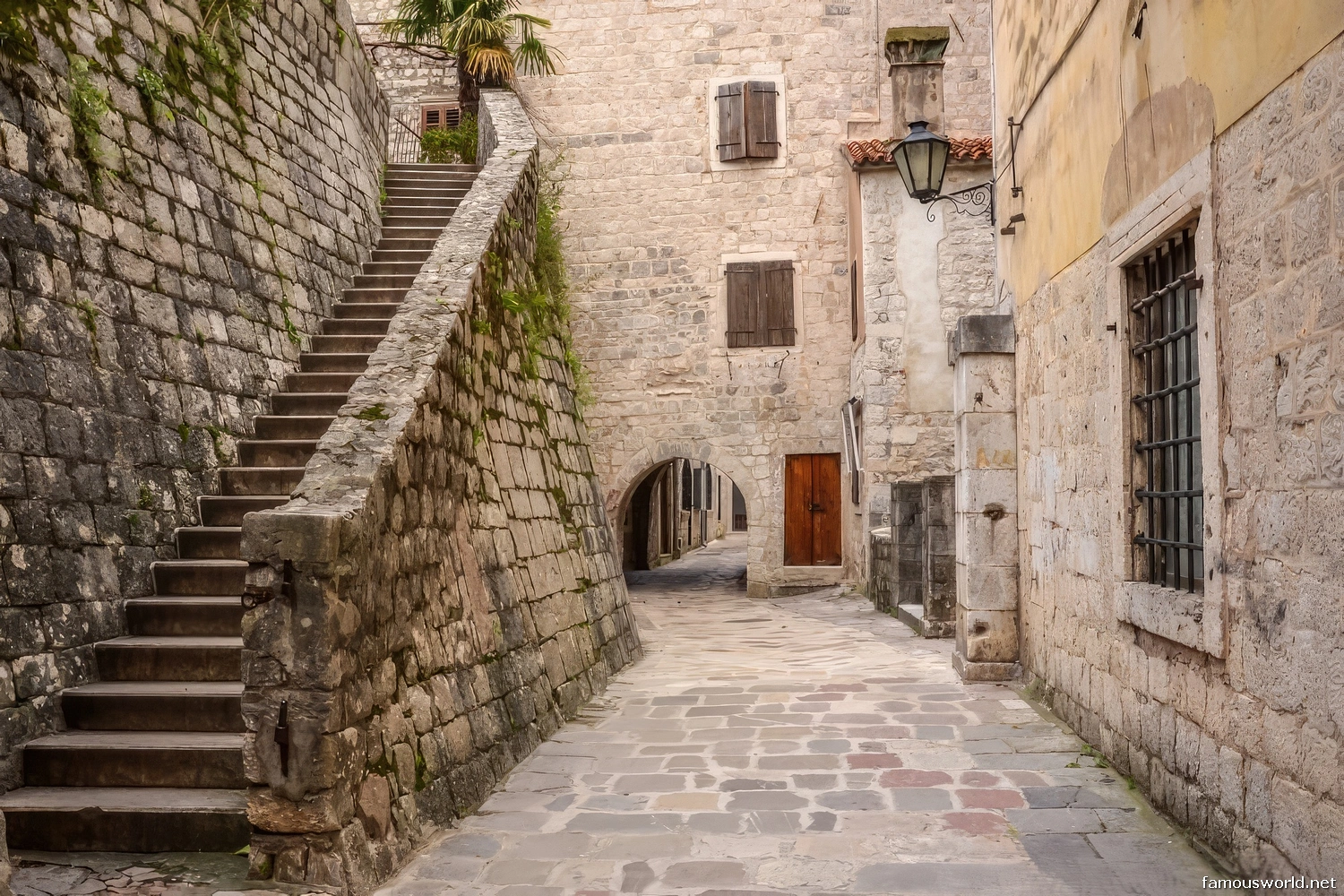
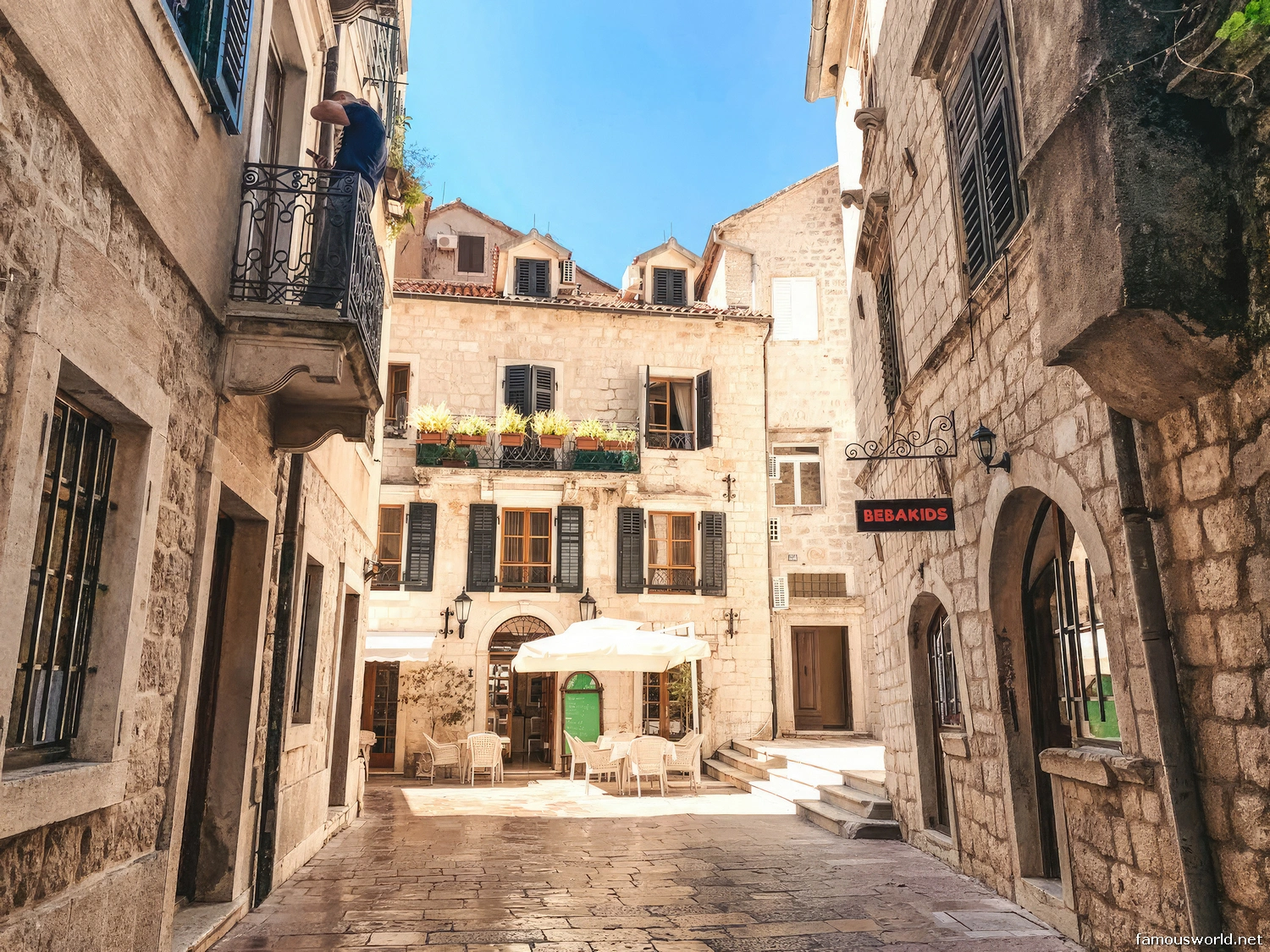
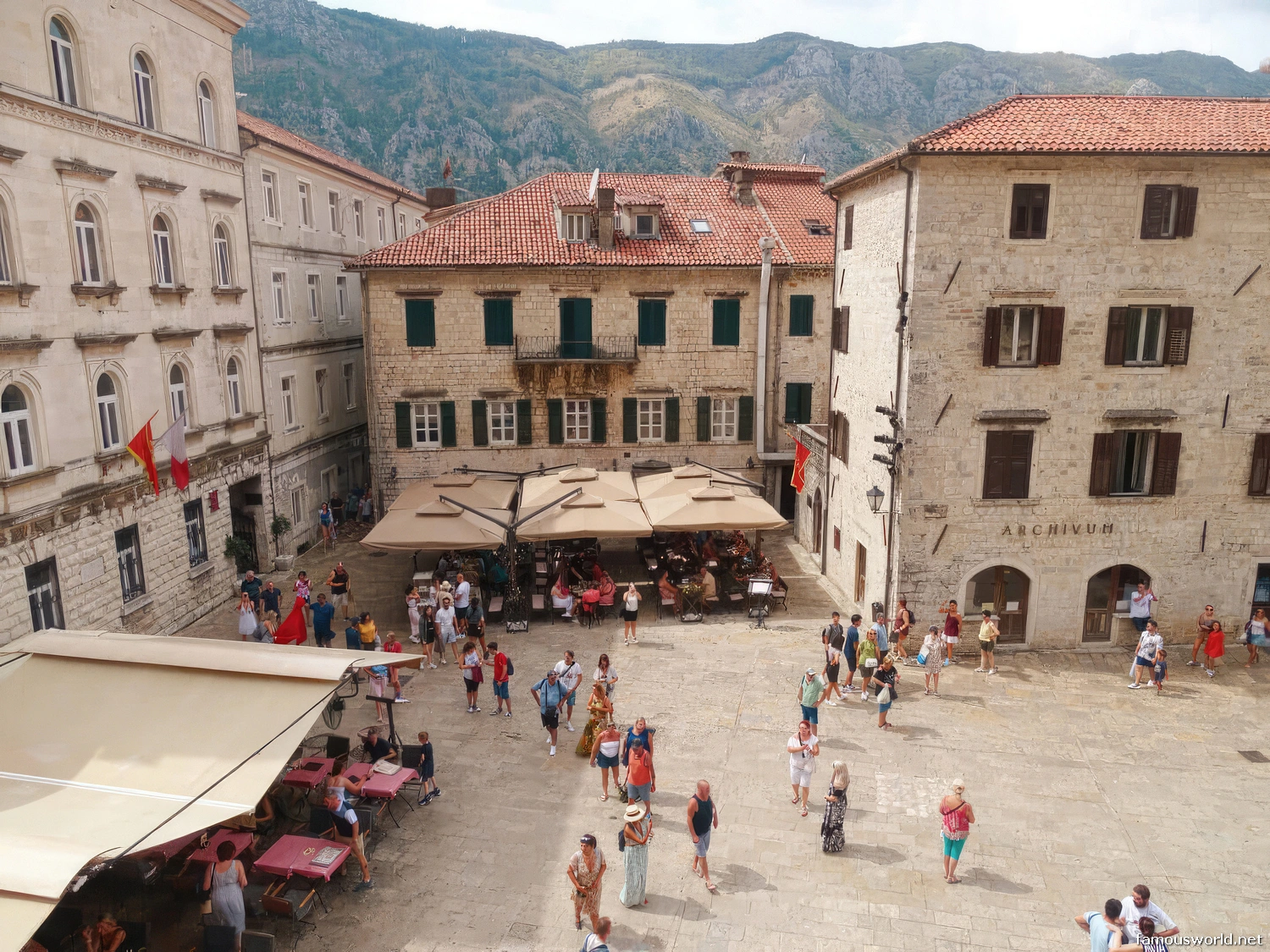

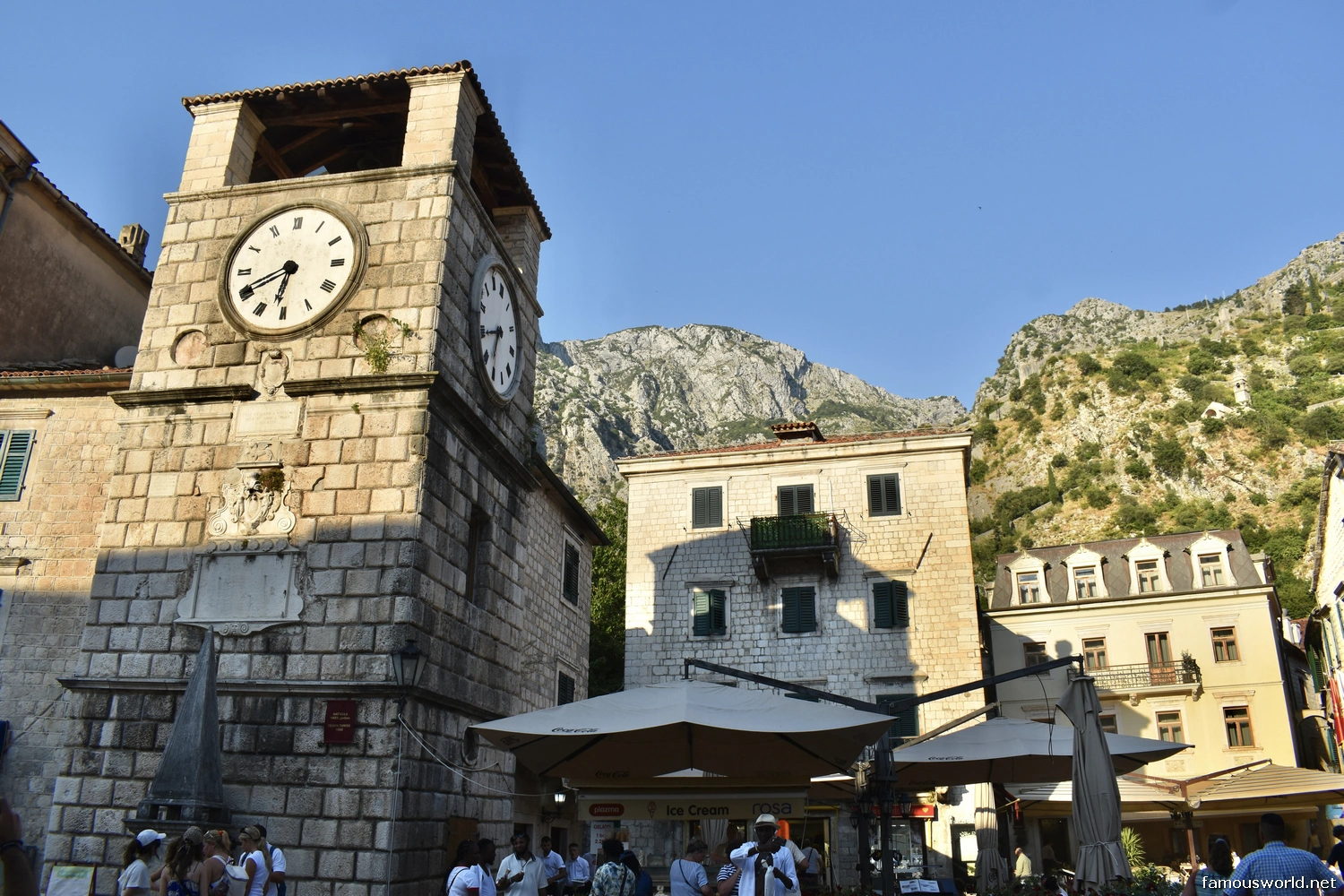

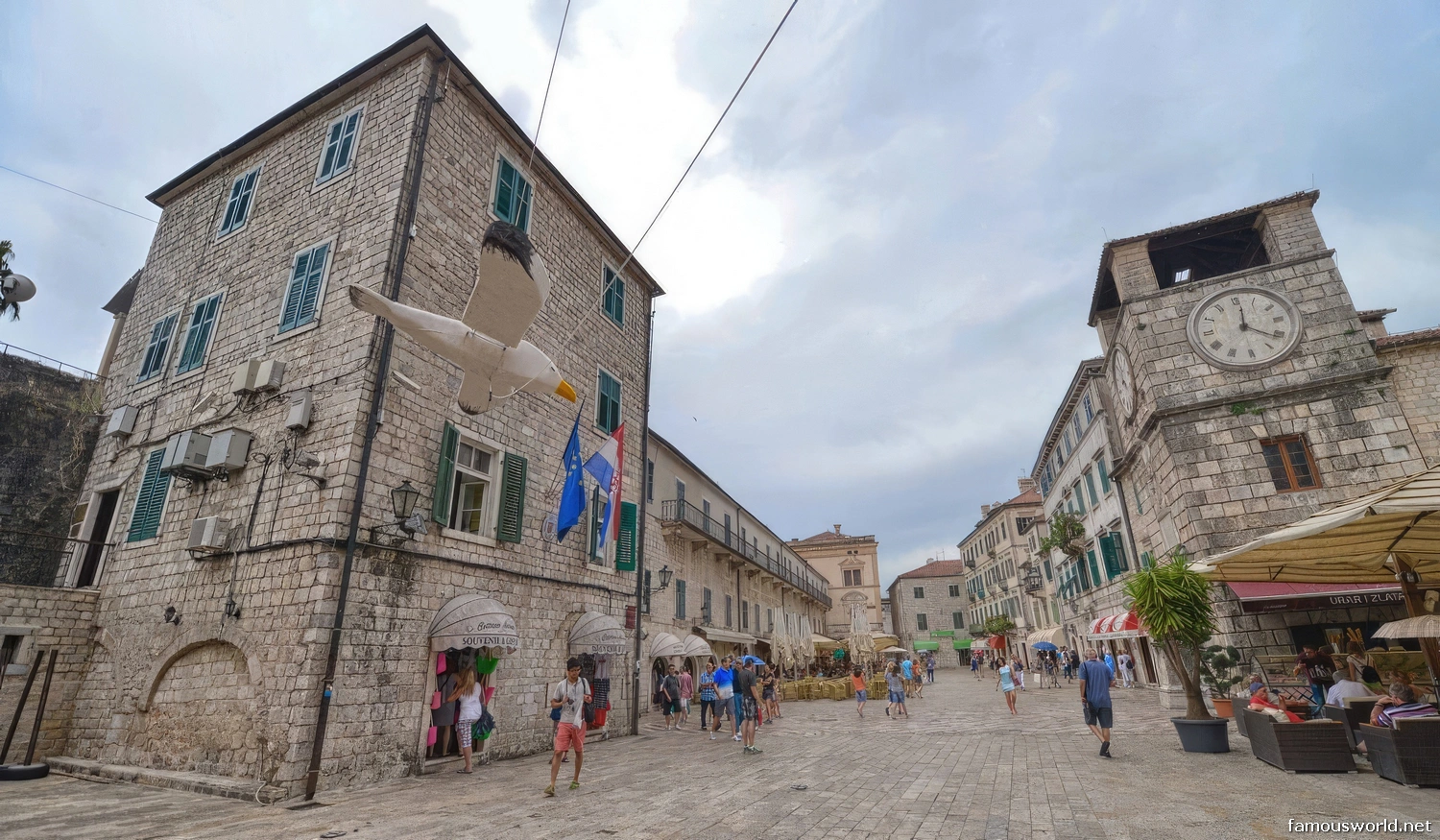
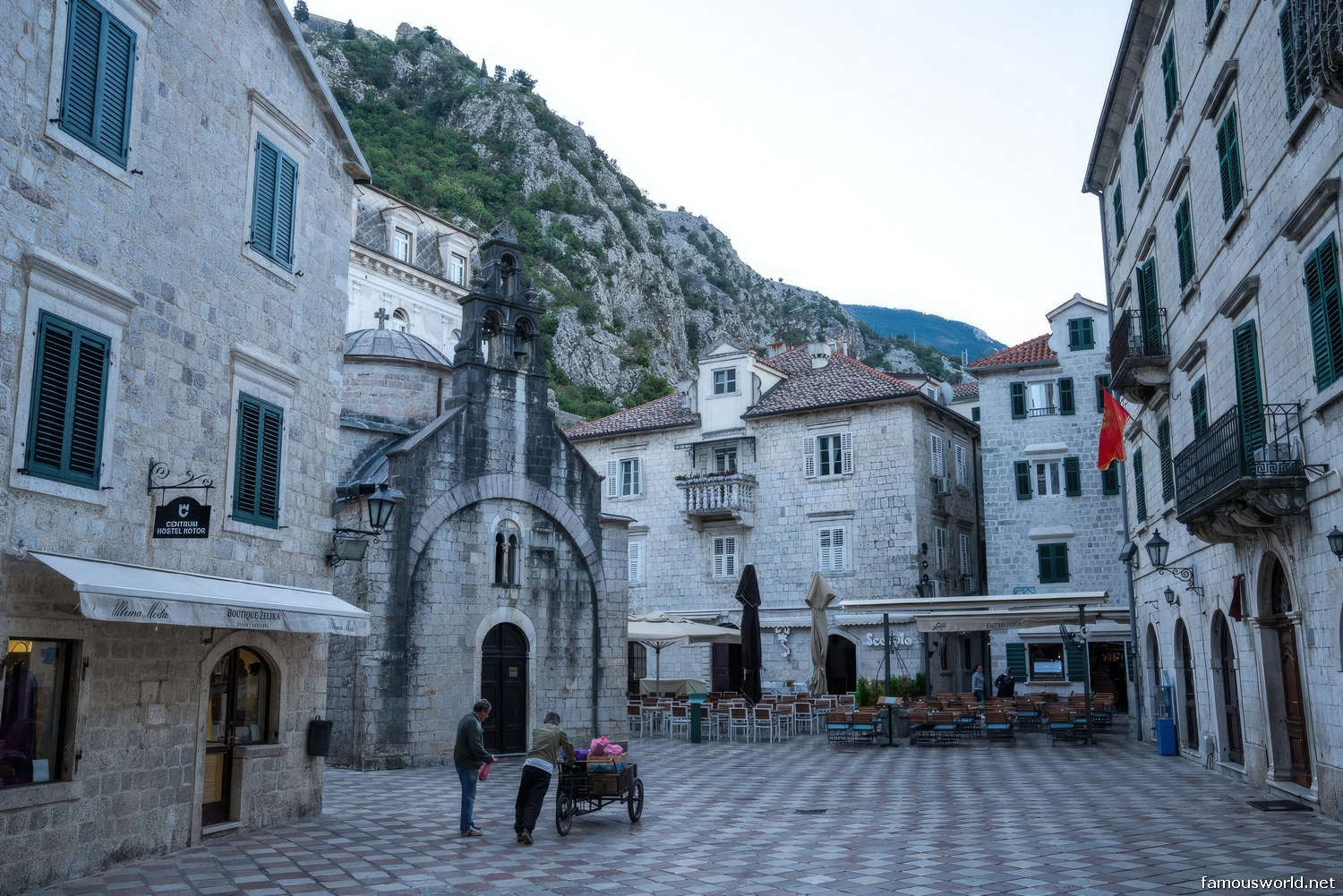

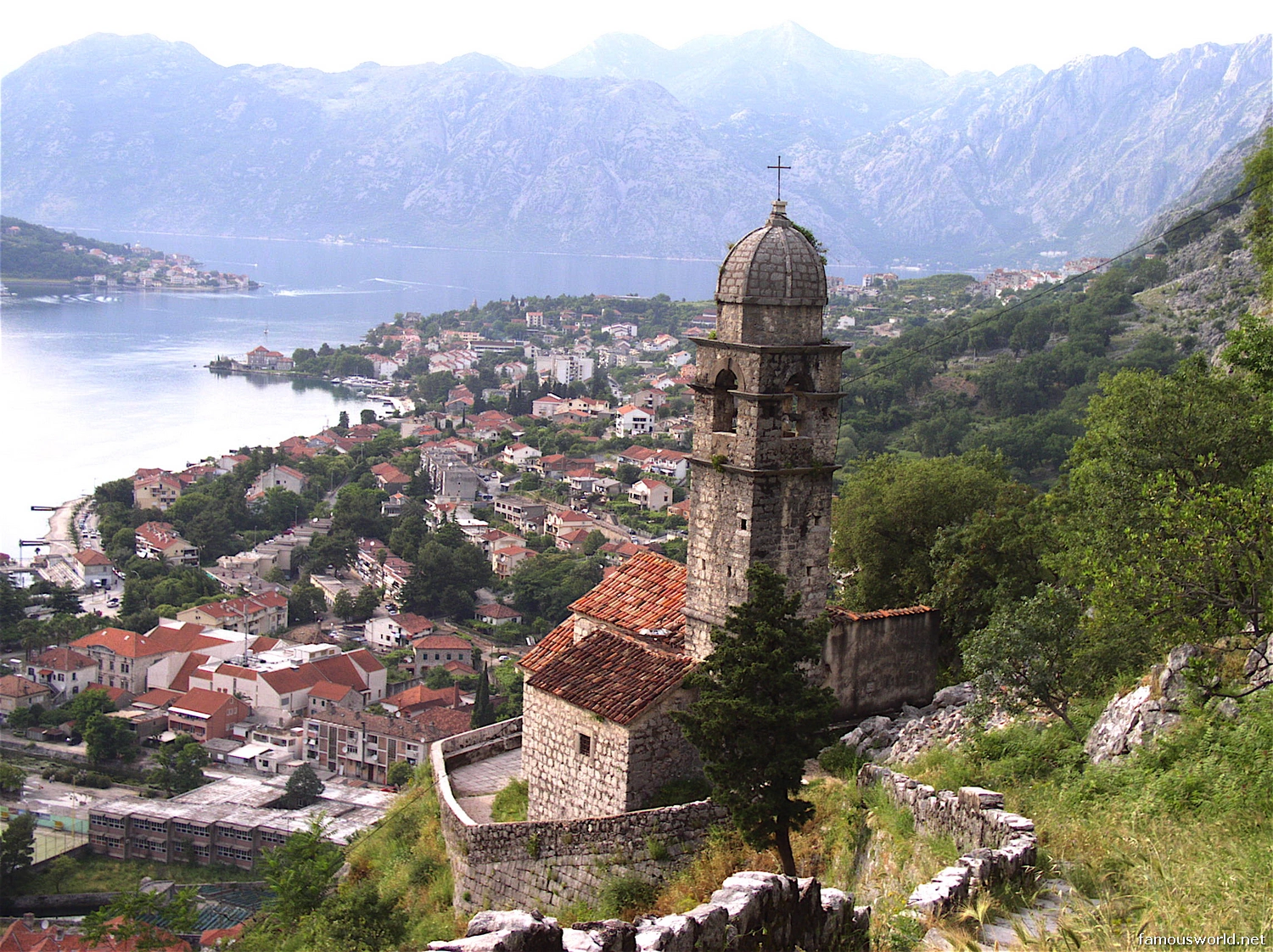
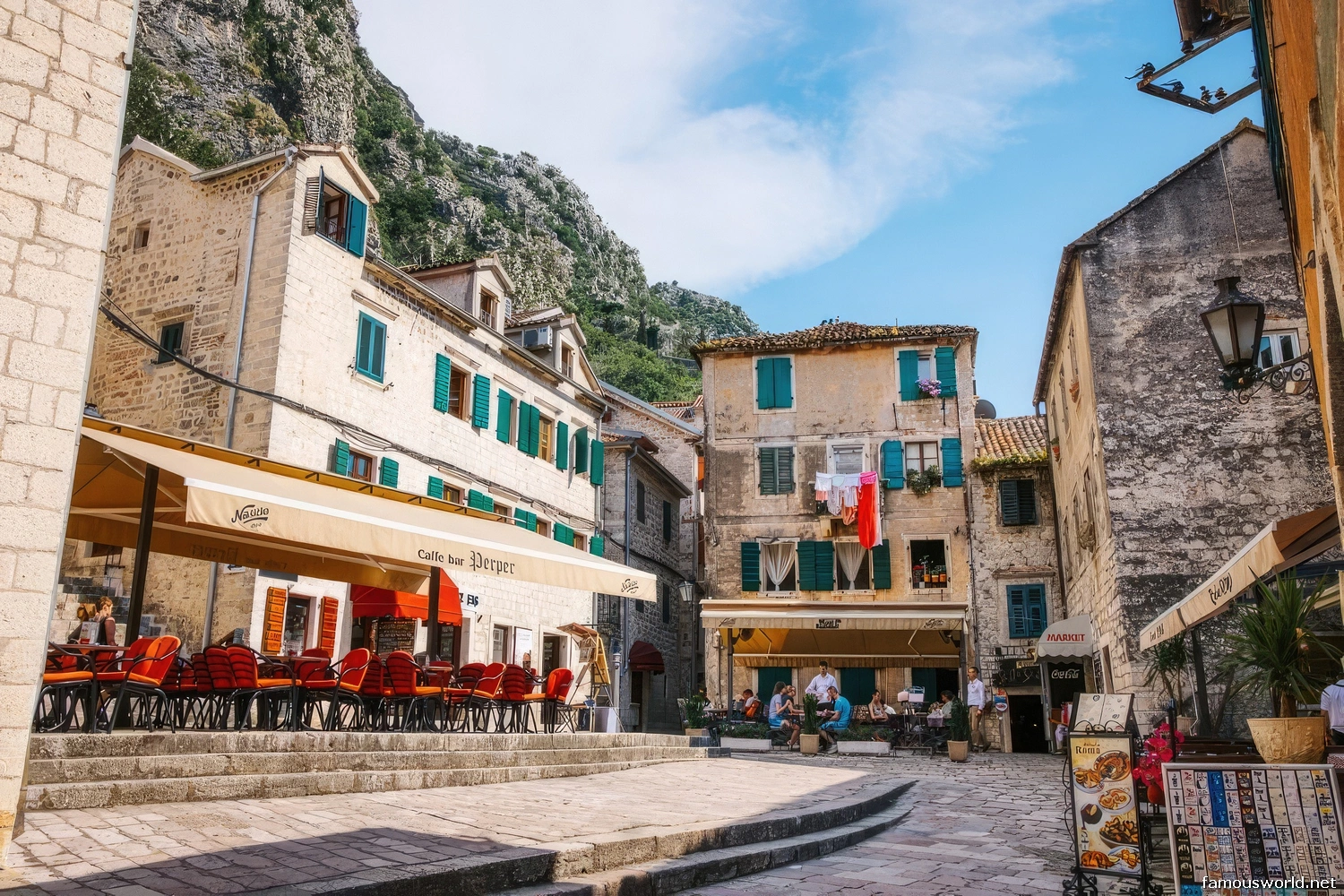
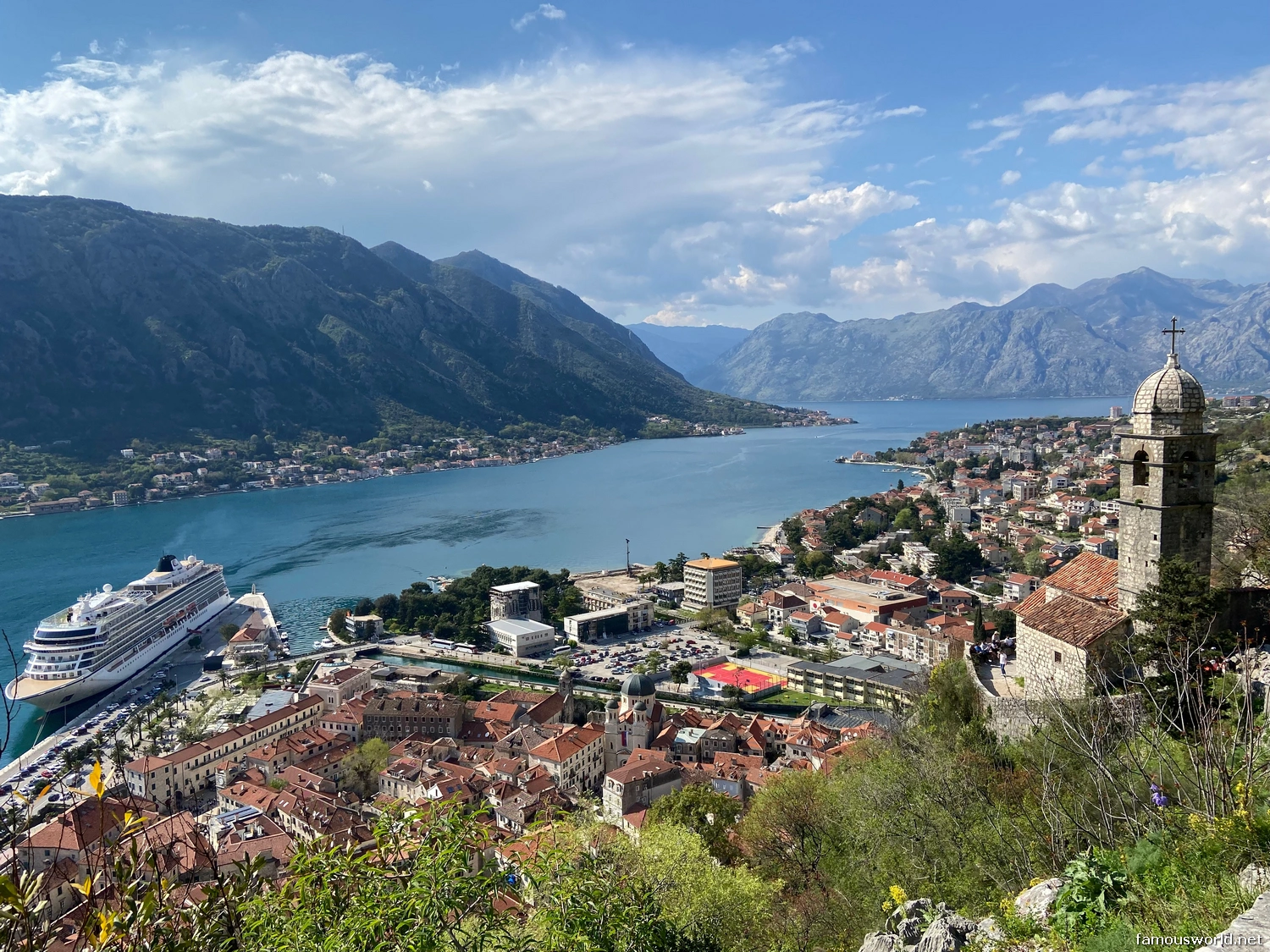
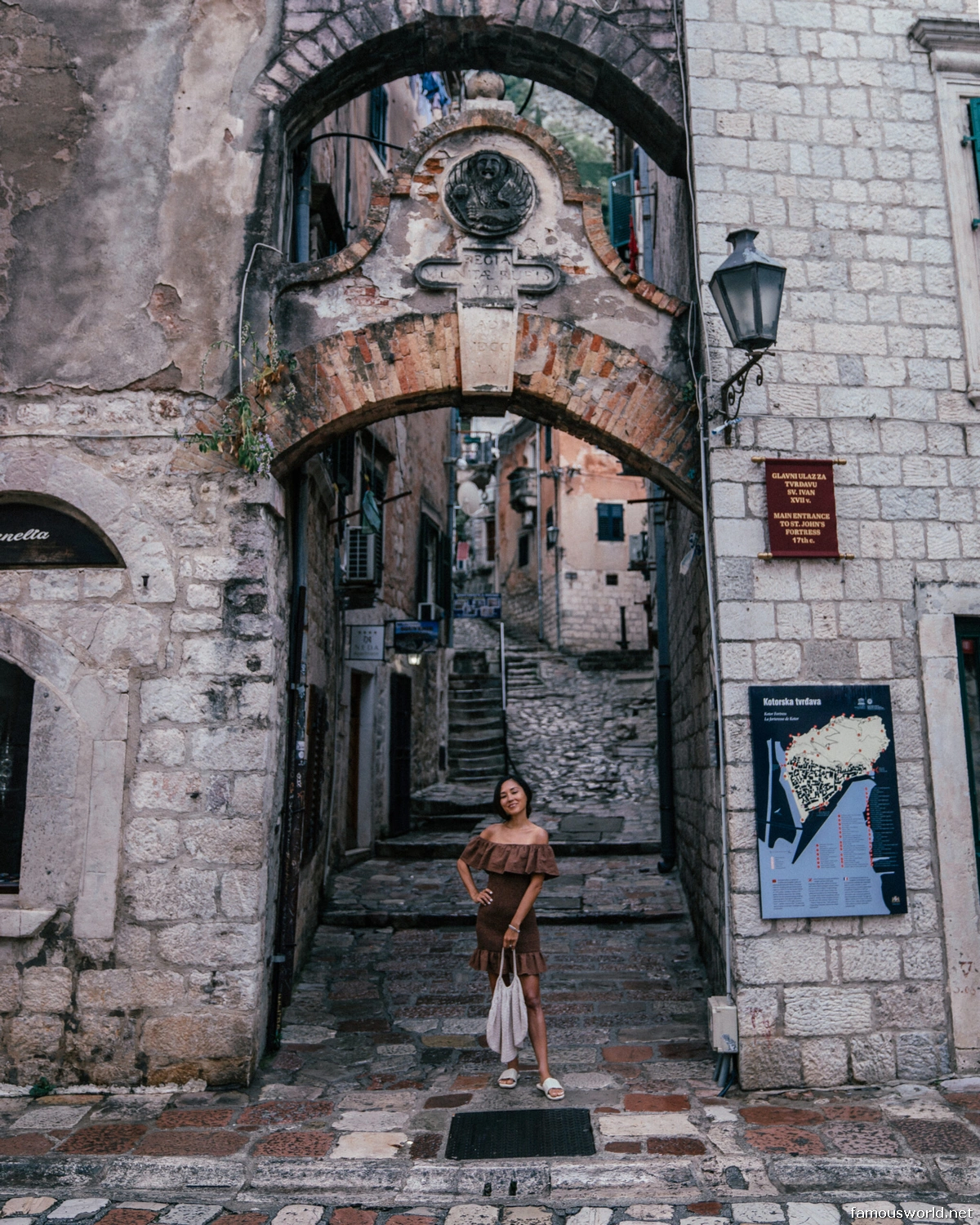


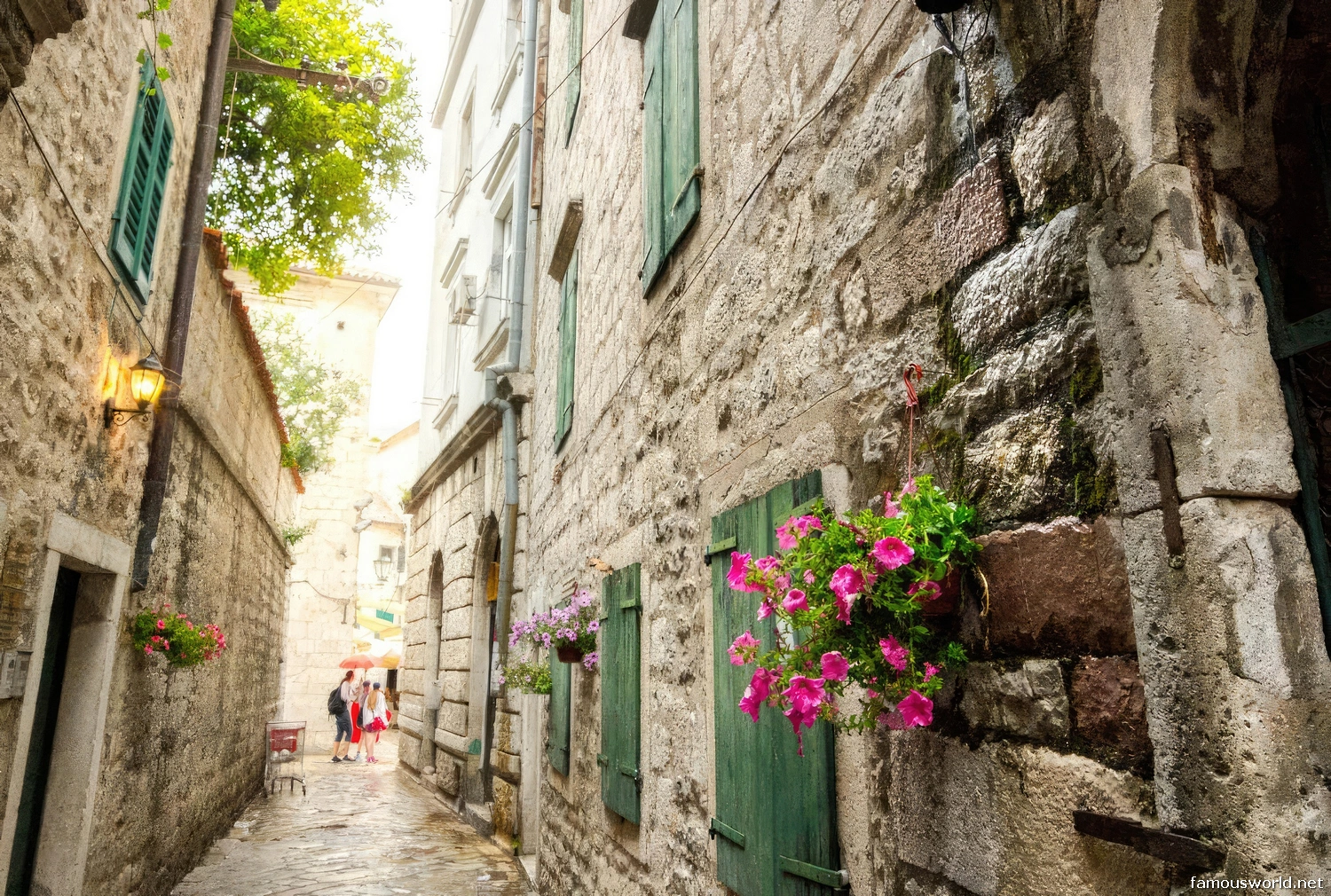
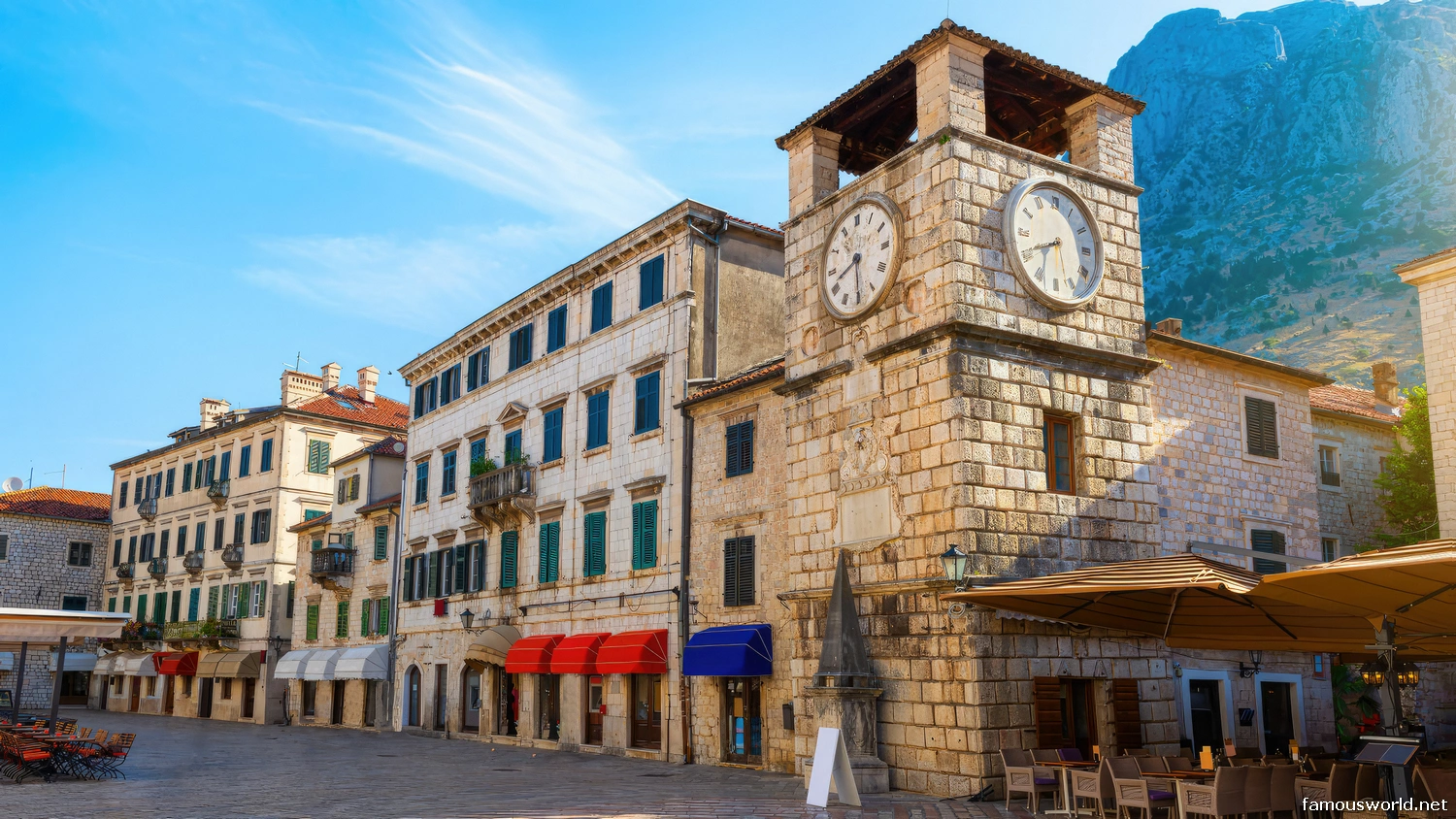
Tucked away at the innermost point of the spectacular Bay of Kotor, the Old Town of Kotor is one of the most perfectly preserved medieval fortified towns on the entire Adriatic coast. A true labyrinth of narrow cobblestone streets, hidden piazzas, and ancient stone buildings, the town is squeezed between the sheer, dark slopes of Mount Lovćen and the tranquil, deep blue waters of the bay. Its architecture is a stunning testament to four centuries of Venetian rule, creating a romantic and unforgettable atmosphere. Enclosed within a formidable ring of defensive walls that crawl dramatically up the mountainside, Kotor is a living museum and the heart of a UNESCO World Heritage Site.
Listen to an introduction about Kotor Old Town

Name and Location
- Name: Kotor Old Town (Montenegrin: Stari Grad Kotor).
- Location: At the head of the Bay of Kotor, on the Adriatic coast of Montenegro.
How to Get There
Access to the Old Town is straightforward, as it’s the main destination within the bay.
- By Air: The closest airport is Tivat (TIV), a short drive away. Many visitors also fly into Dubrovnik, Croatia (DBV), and enjoy the scenic one-hour drive down the coast.
- By Sea: The port is located directly adjacent to the Old Town’s main gate, making it an incredibly popular and convenient stop for Mediterranean cruise ships.
- By Road: The main Adriatic highway passes by Kotor, and a scenic road encircles the entire bay, with the Old Town as its primary hub.
Landscape and Architecture
The town’s setting and architecture are a masterclass in medieval defensive and urban planning.
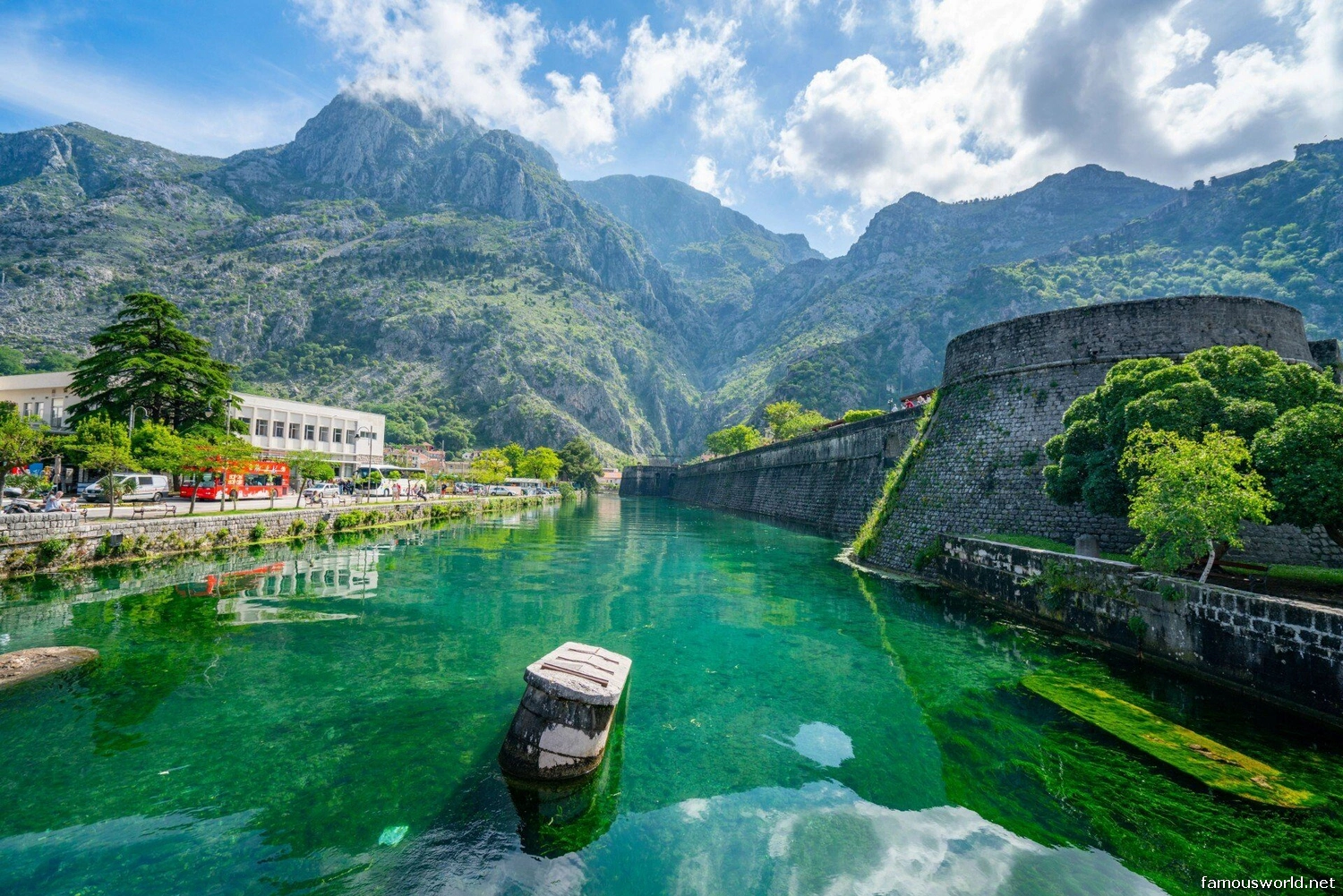
- Fortified Landscape: The town is built on a triangular piece of land, naturally protected by the bay, the Škurda River, and the steep Hill of St. John behind it.
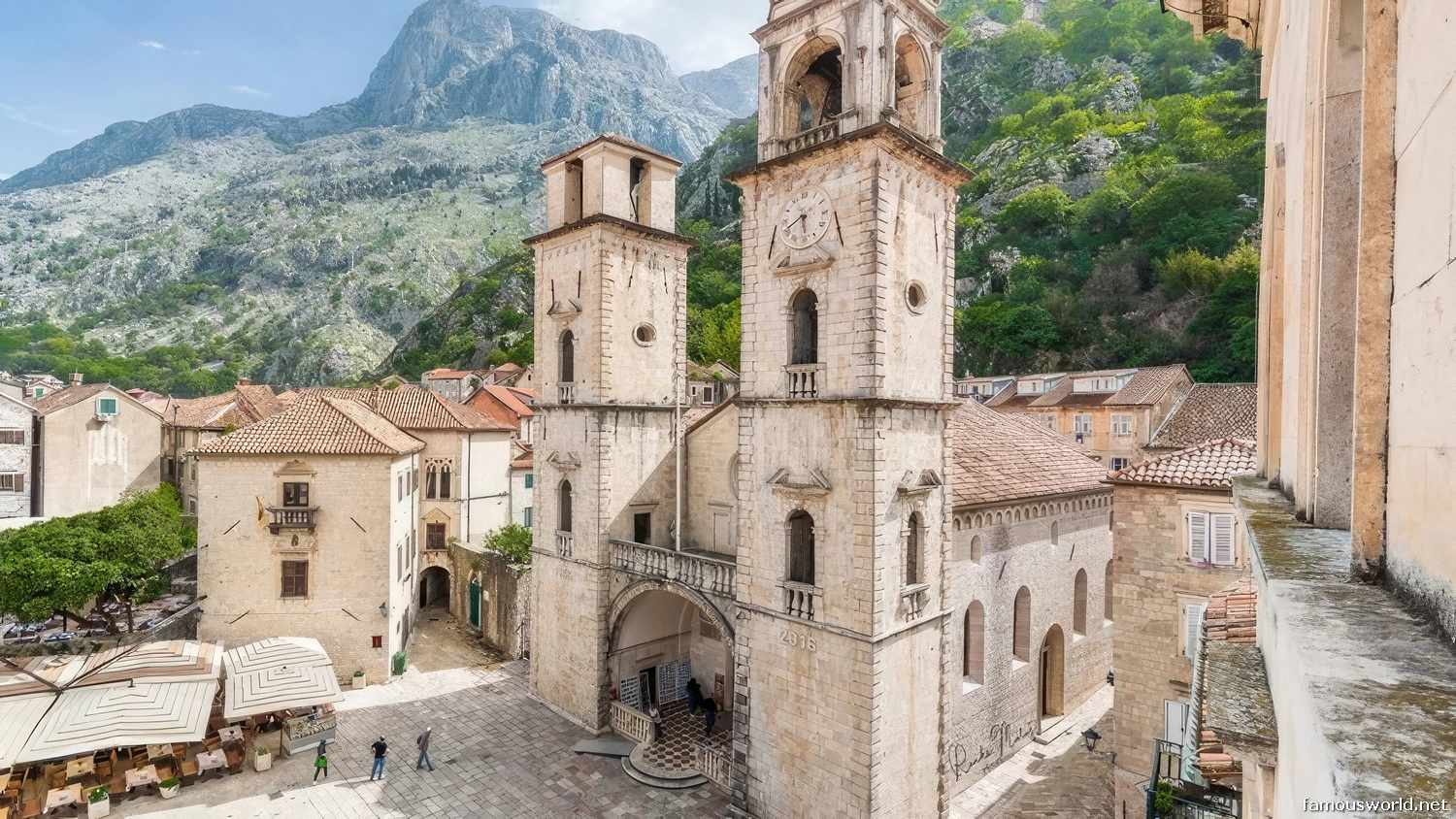
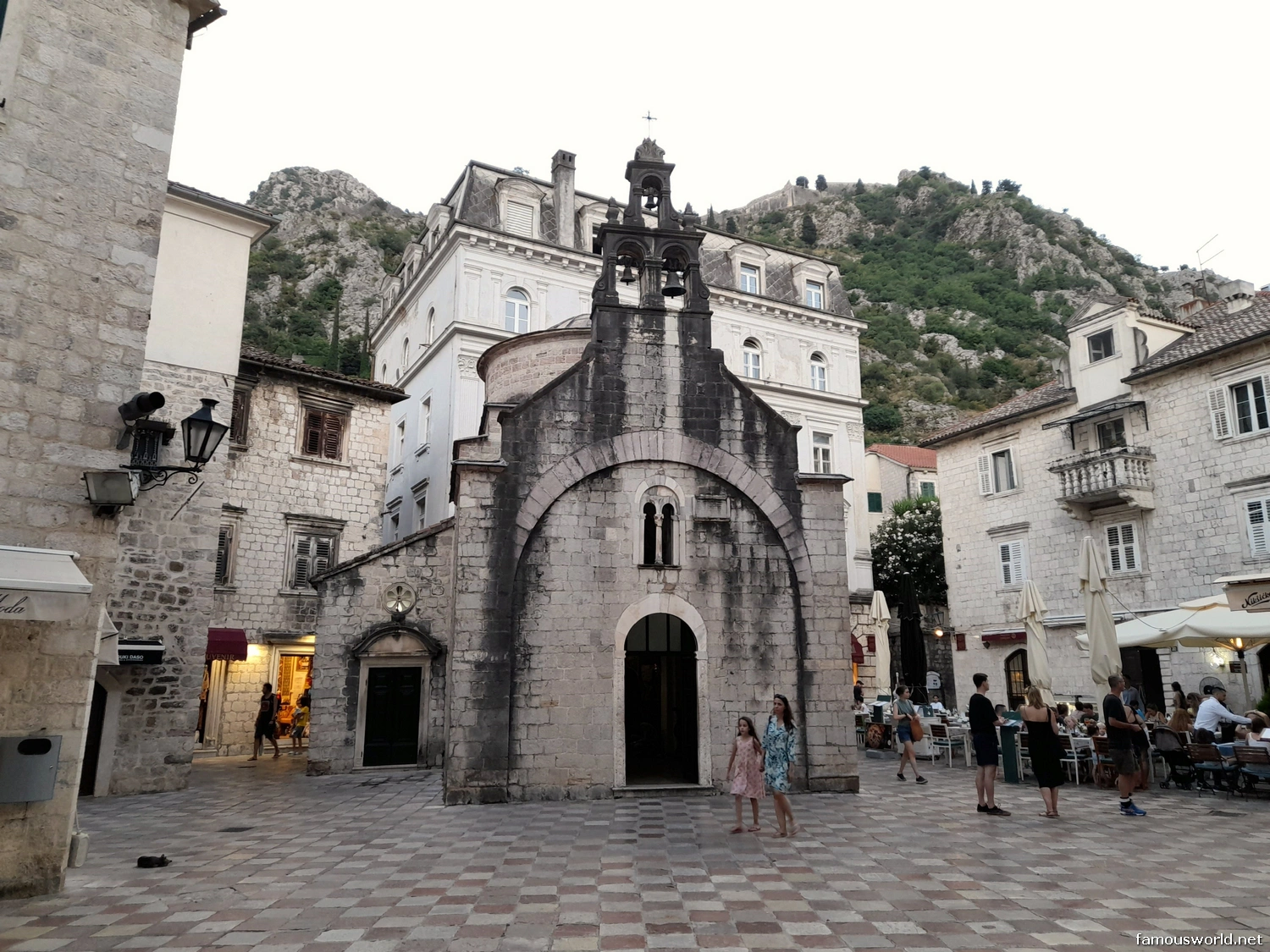
- Venetian Architecture: The town is a harmonious blend of Venetian-style architecture, with stone palaces, Romanesque churches, and characteristic red-tiled roofs. Its maze-like streets were intentionally designed to confuse invaders. The Cathedral of Saint Tryphon, a masterpiece of Romanesque architecture from 1166, is a major landmark.
- The Fortifications: Kotor’s most defining feature is its immense system of defensive walls, built and refined from the 9th to the 19th centuries. The walls run for 4.5 kilometers (2.8 miles), encircling the town and ascending the precipitous hill to the Fortress of St. John (Sveti Ivan) at the top, offering one of the most breathtaking views in Europe.
What Makes It Famous
Kotor’s fame rests on its dramatic setting, its pristine state of preservation, and its formidable fortifications.
- UNESCO World Heritage Site: As the cultural heart of the “Natural and Culturo-Historical Region of Kotor,” its universal value is globally recognized.
- The City Walls: The spectacular circuit of walls and the challenging but rewarding hike up to the Fortress of St. John are the town’s most iconic attraction.
- A Living Medieval Town: Unlike many historical sites, Kotor is not just a relic. It is a vibrant, living town filled with residents, cafes, shops, and a charmingly large population of cats, who have become unofficial symbols of the city.
- The “Labyrinth”: Its winding, seemingly illogical street plan is a perfect example of a medieval urban layout, making it a joy to get lost in and explore.
Differences from Other Wonders
The fortified, historical town of Kotor provides a stark contrast to the wild, natural expanse of South Luangwa National Park in Zambia.
- Environment (Fortified Town vs. Wild River Valley): Kotor is a dense, man-made urban environment of stone and tile, contained by walls and water. South Luangwa is a vast, open wilderness of bush, savanna, and riverine forest.
- Core Story (Human History and Defense vs. The Natural World): The story of Kotor is one of human civilization, maritime trade, and the art of fortification against invaders. The story of South Luangwa is about the raw cycle of nature and the lives of its wild animal inhabitants.
- Primary Attraction (Architecture and History vs. Wildlife): The primary attraction of Kotor is its incredible medieval architecture, fortifications, and historical atmosphere. The primary attraction of South Luangwa is the thrill of seeing Africa’s iconic wildlife, especially its dense population of leopards.
- Atmosphere (Historic and Romantic vs. Wild and Primal): A visit to Kotor feels like stepping back in time into a romantic, historical
Location on world map