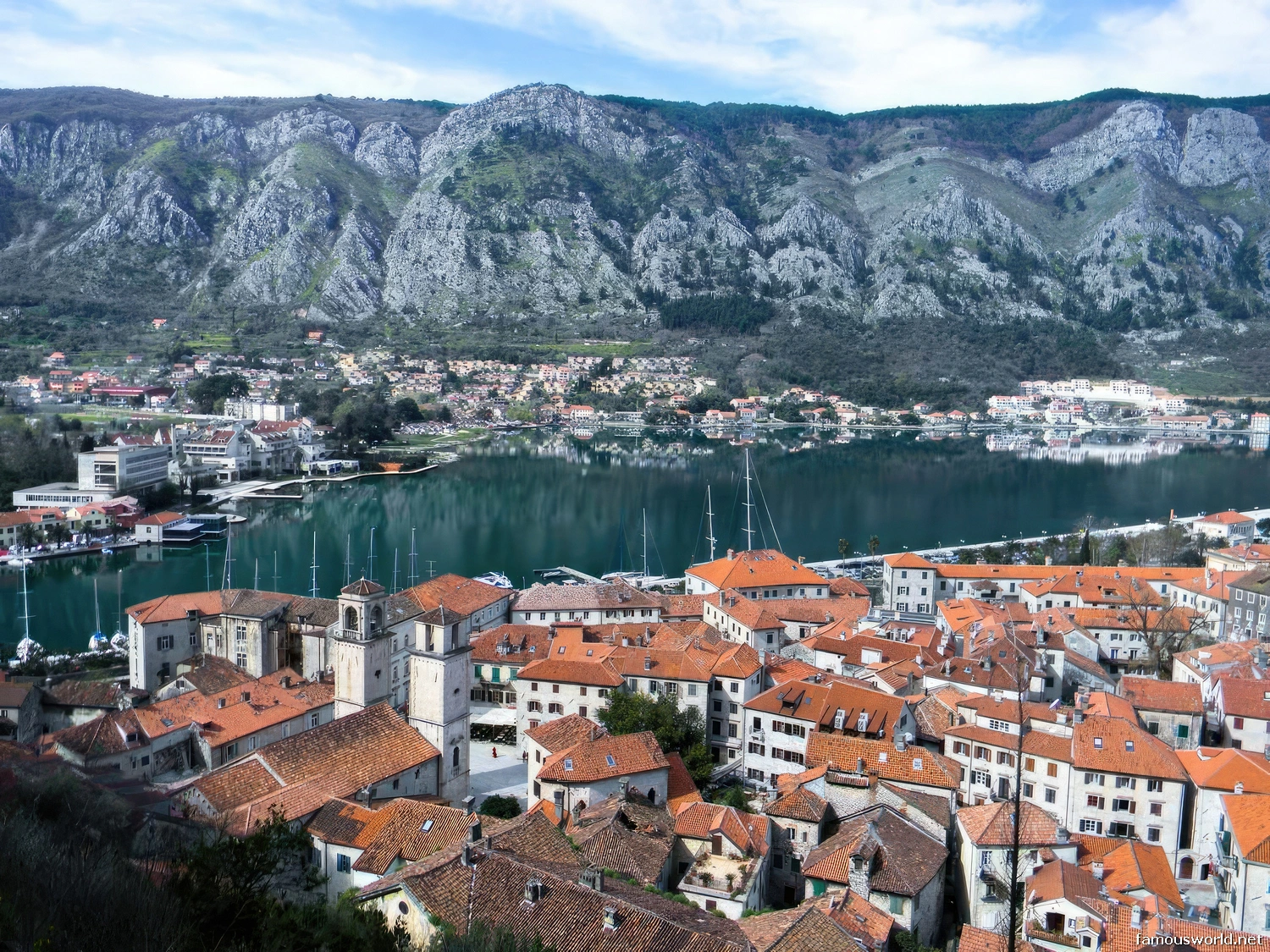
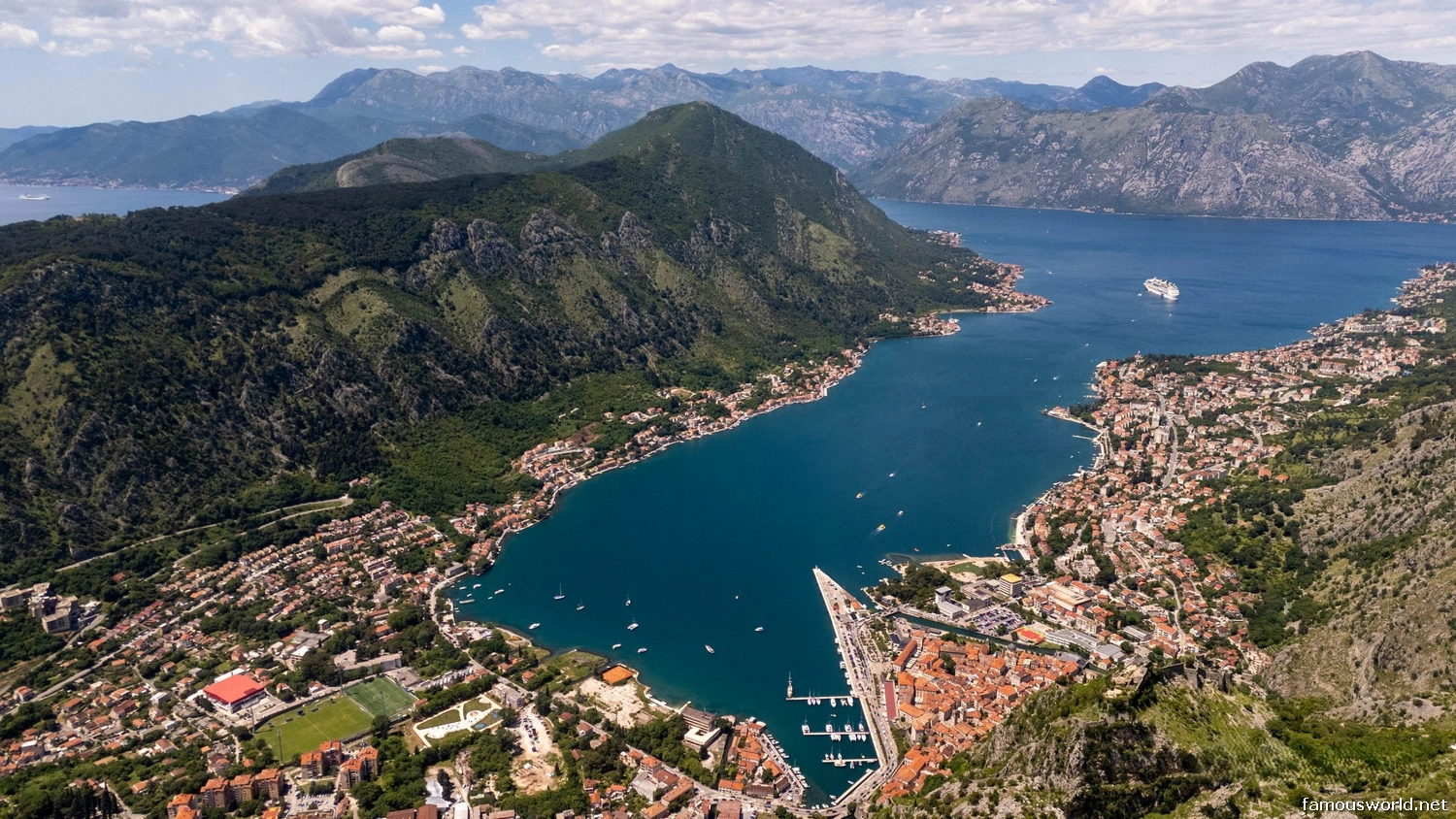
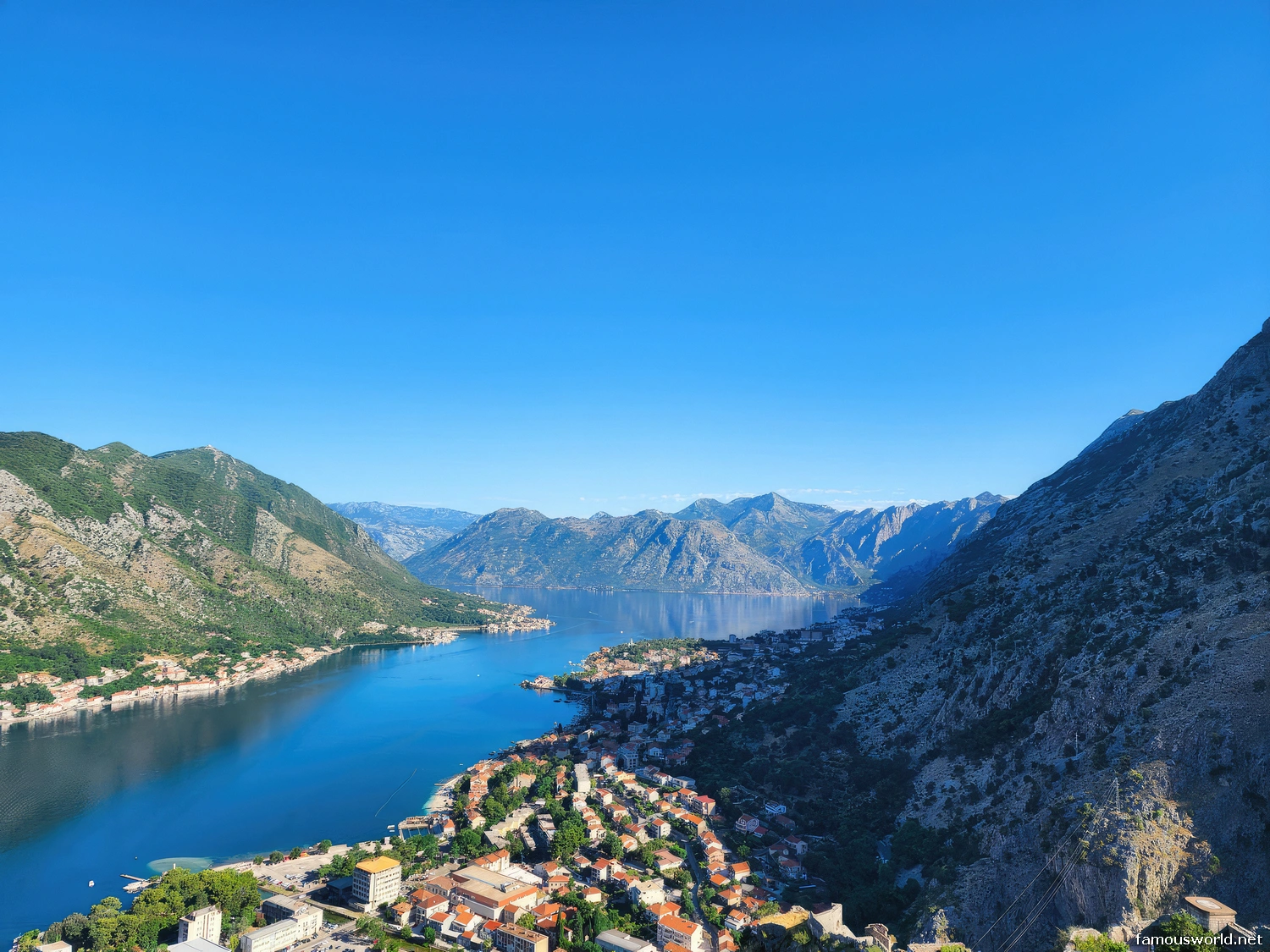
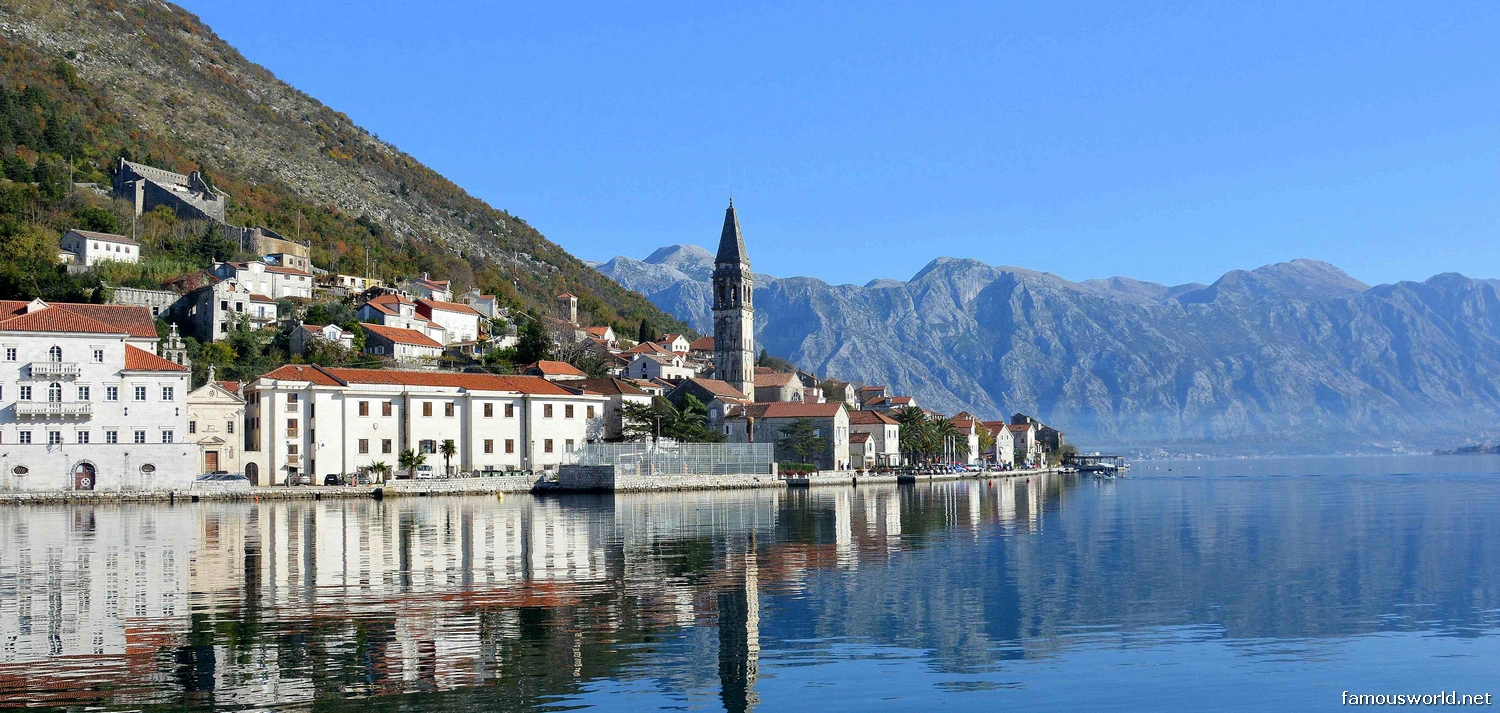
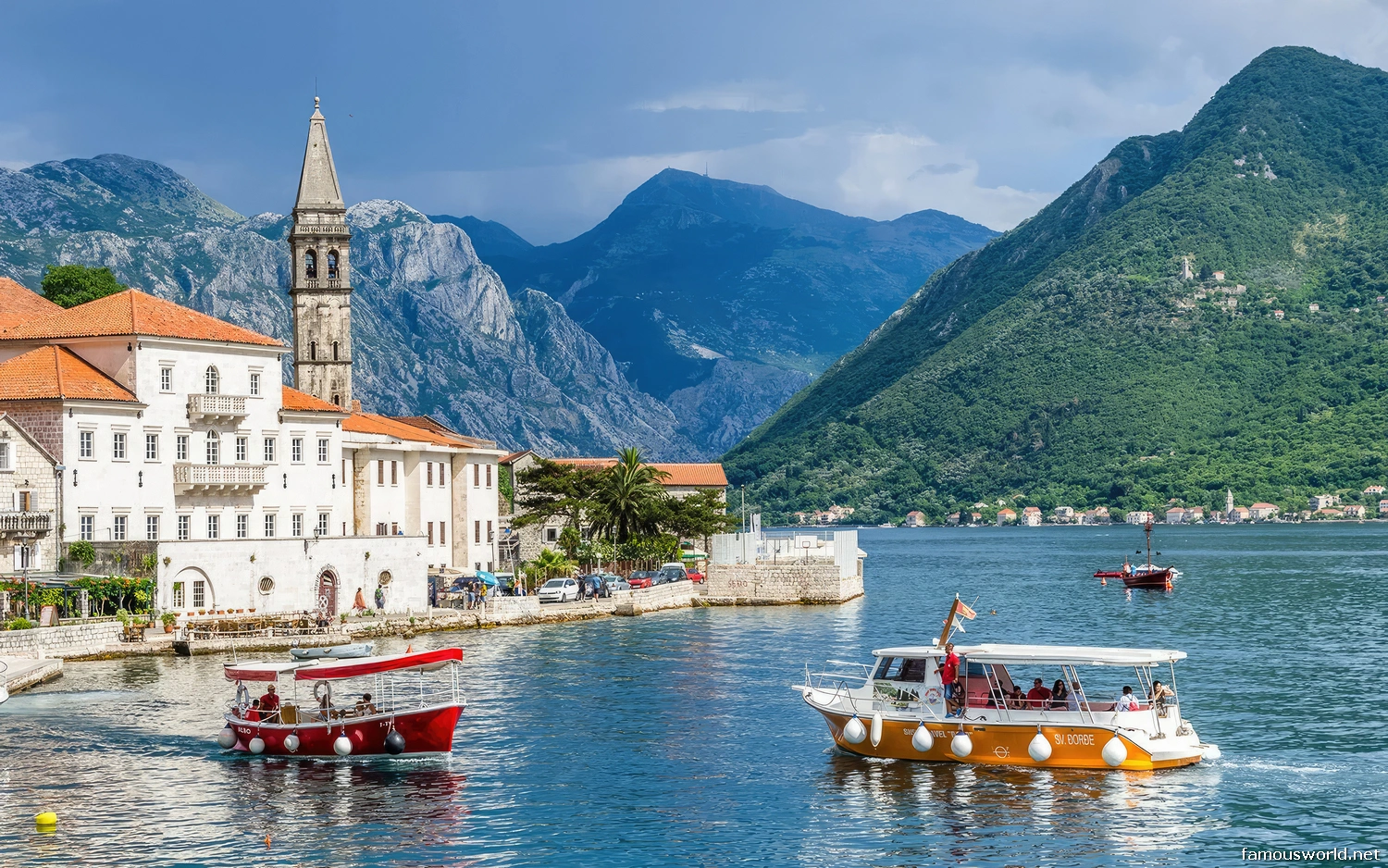

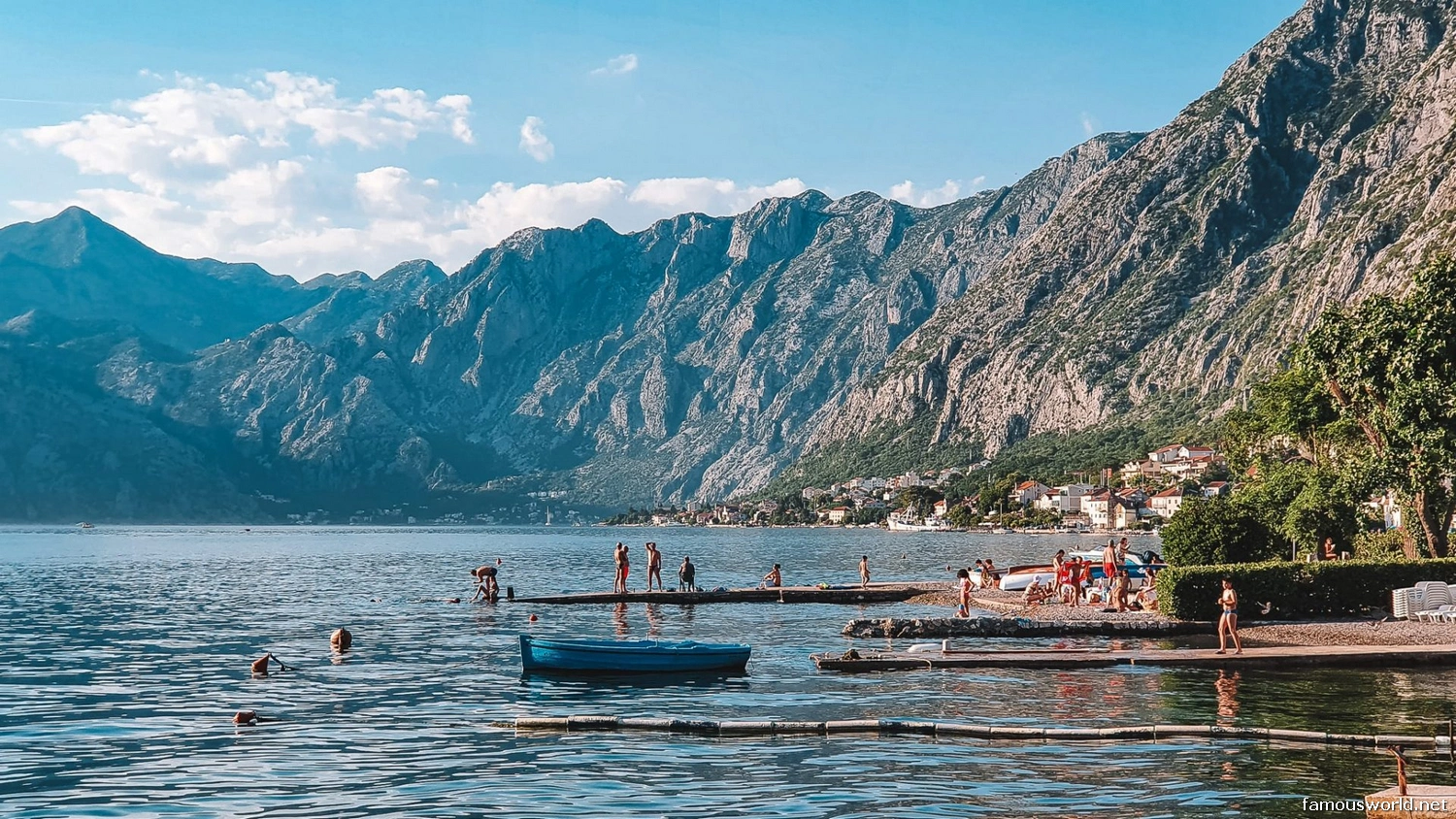
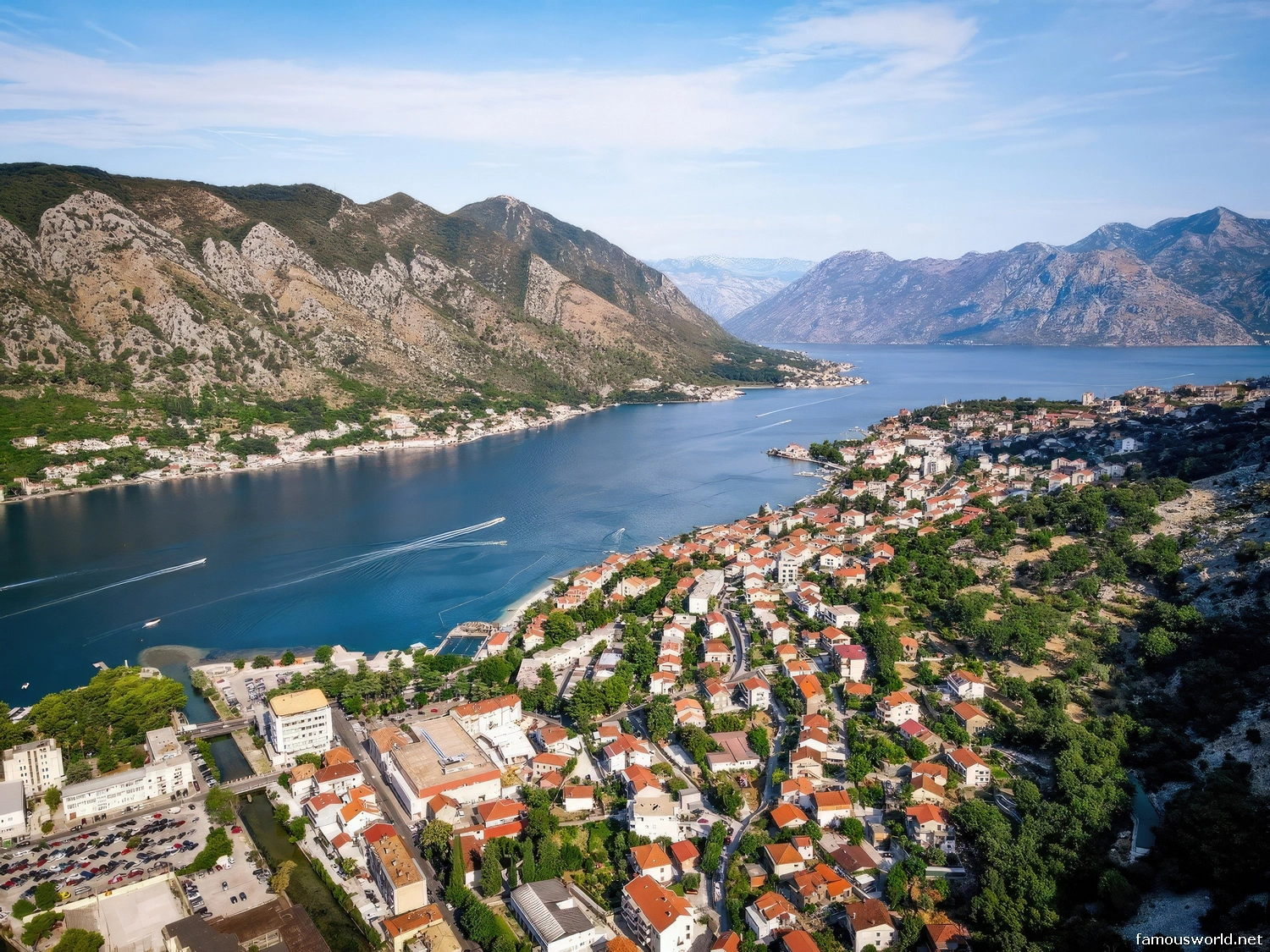
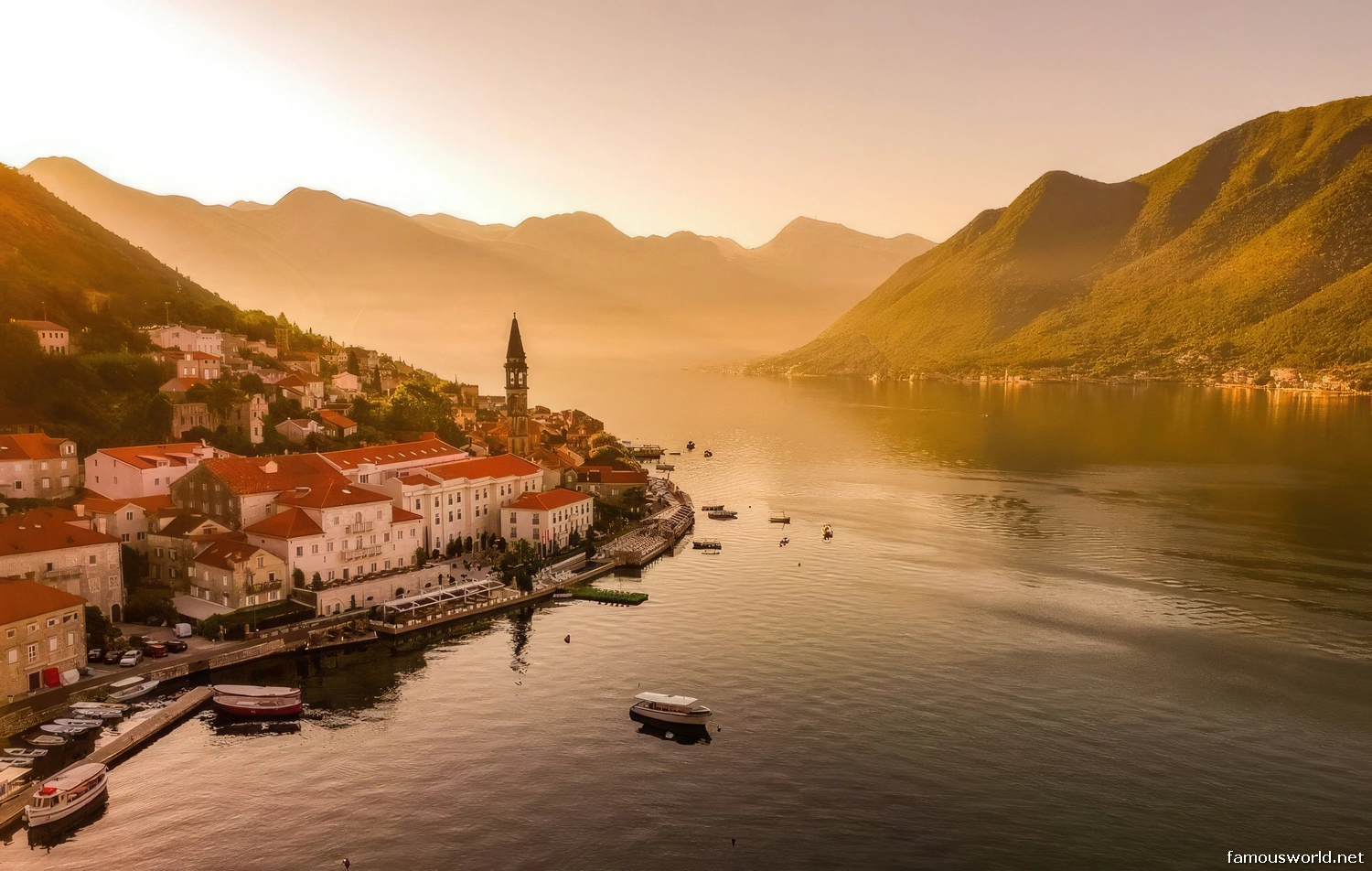
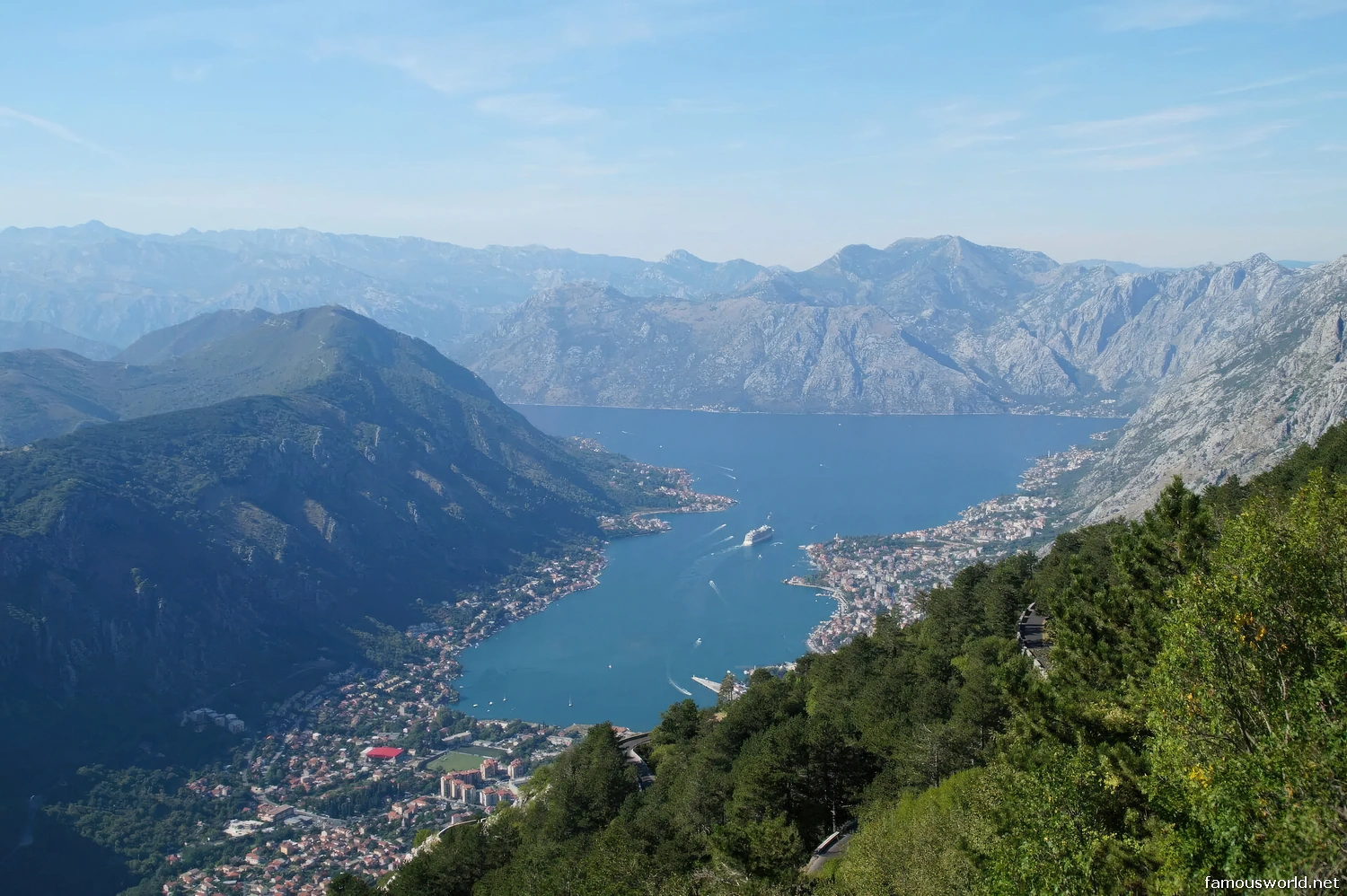

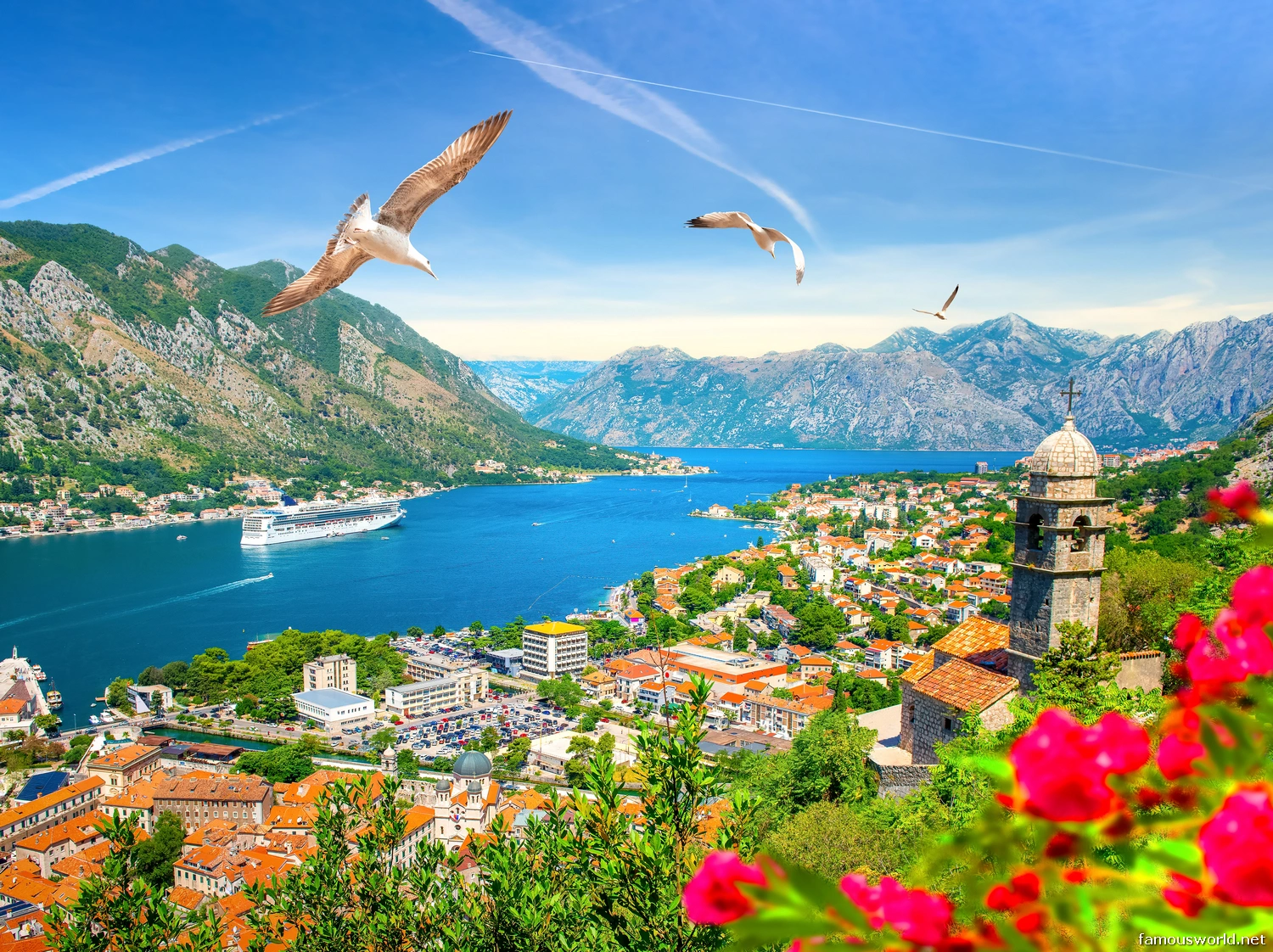
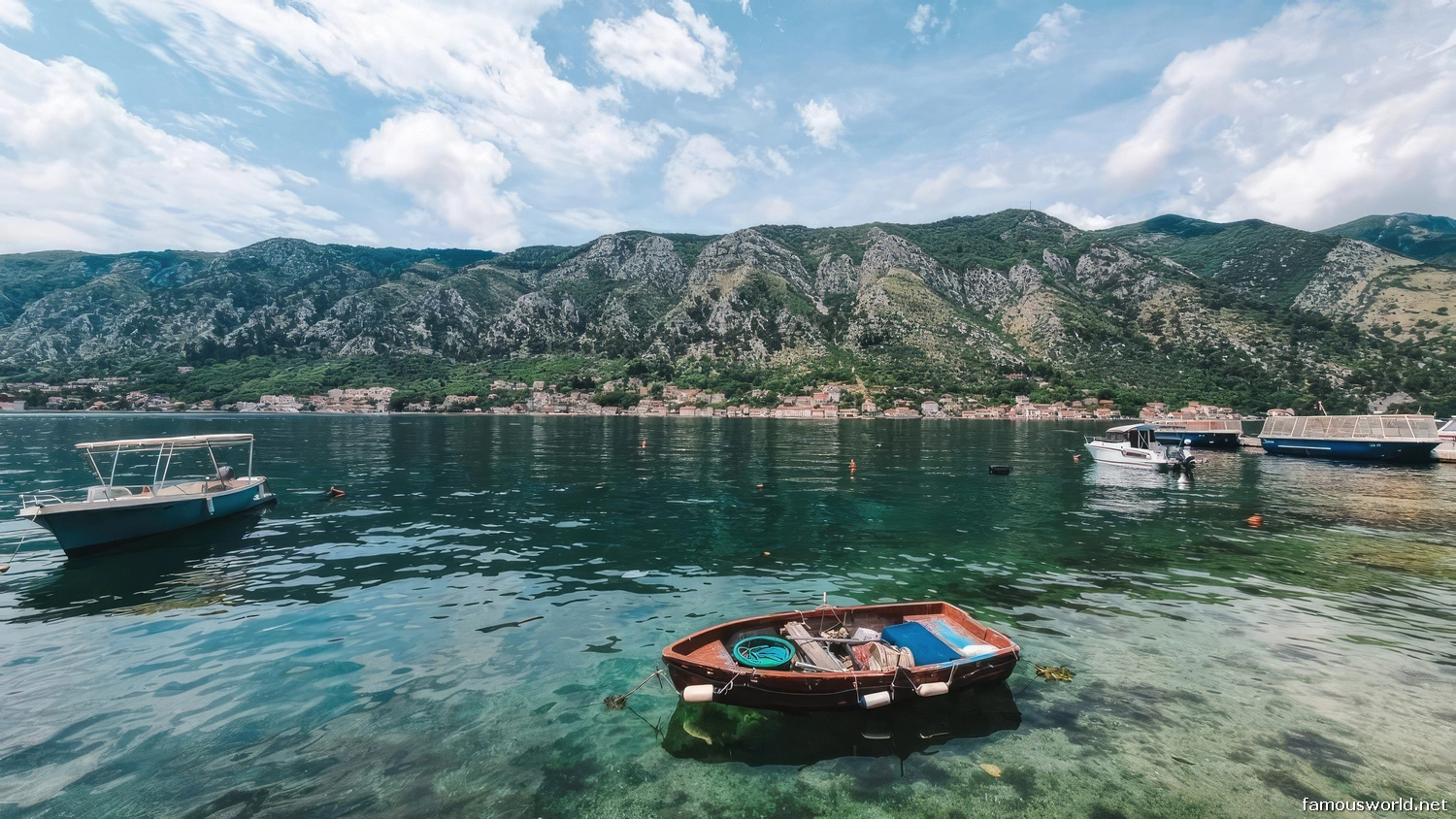

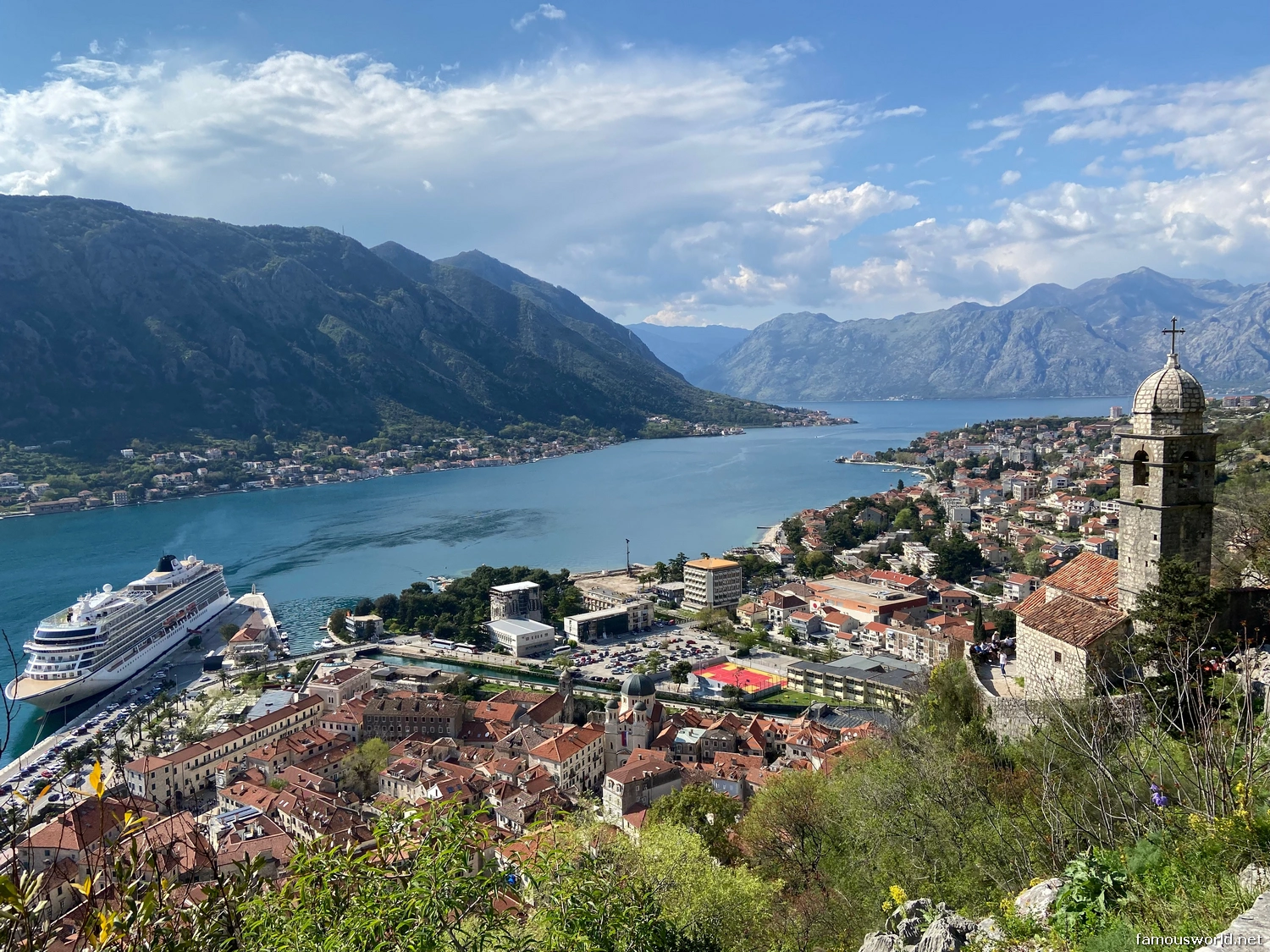
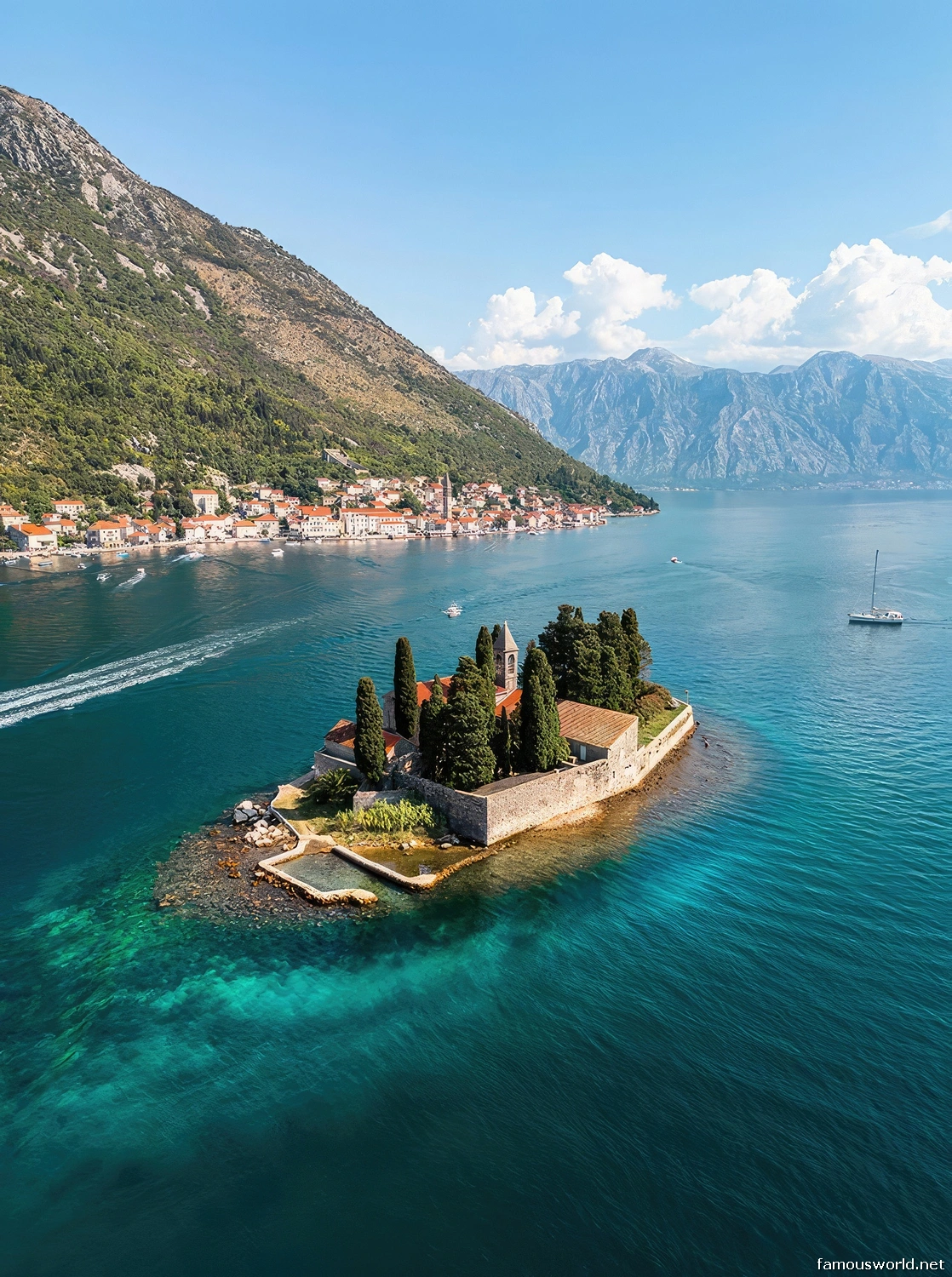

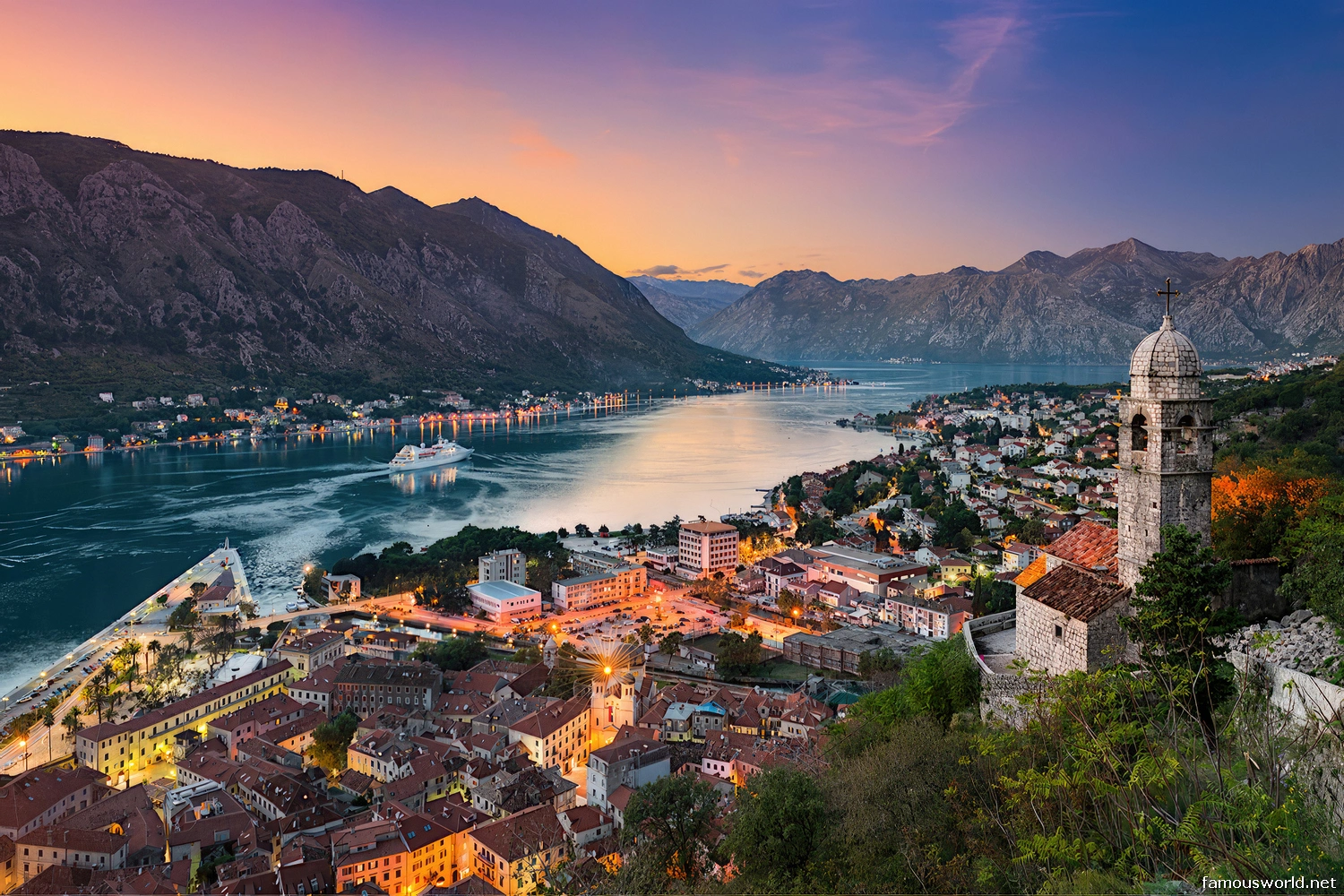
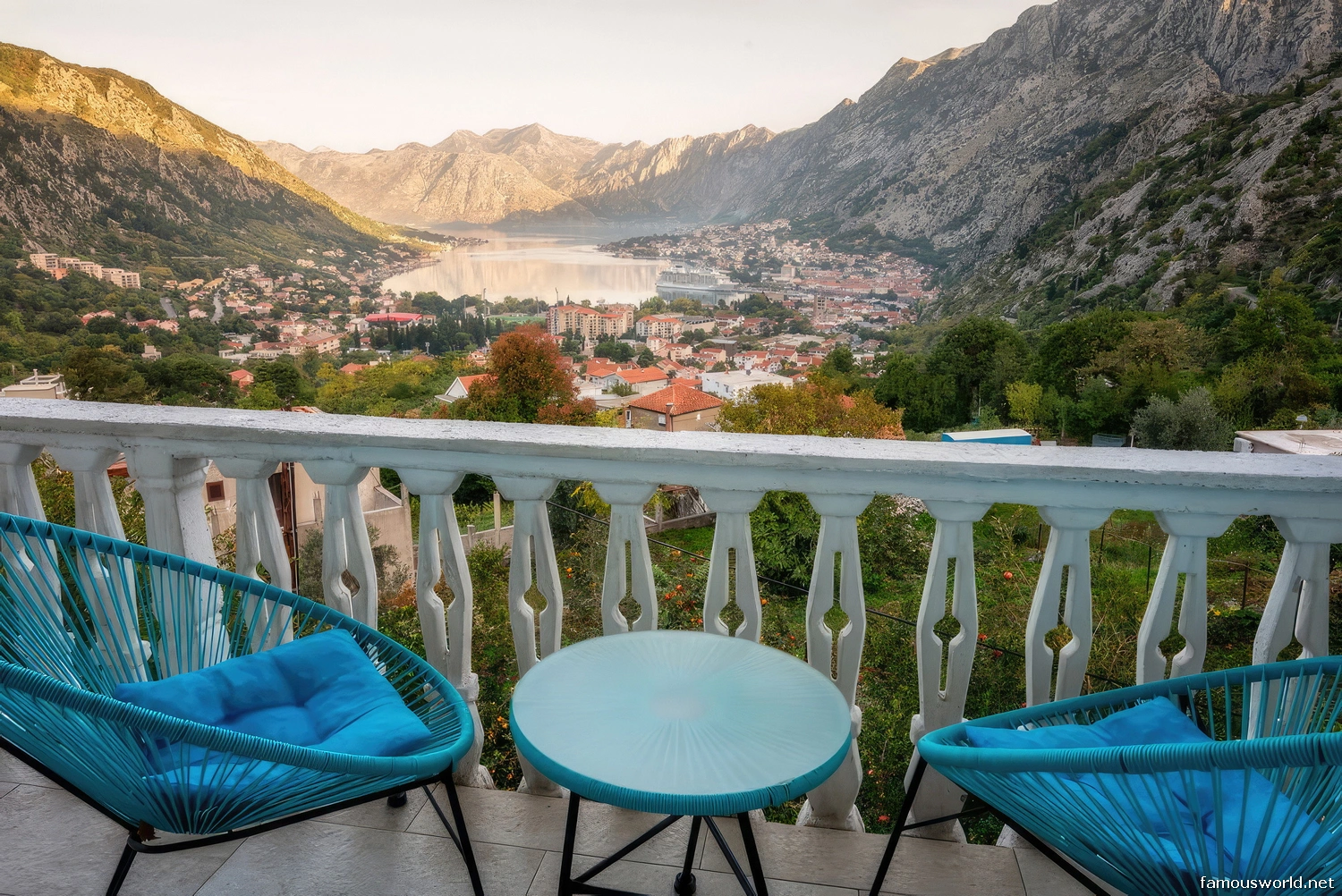
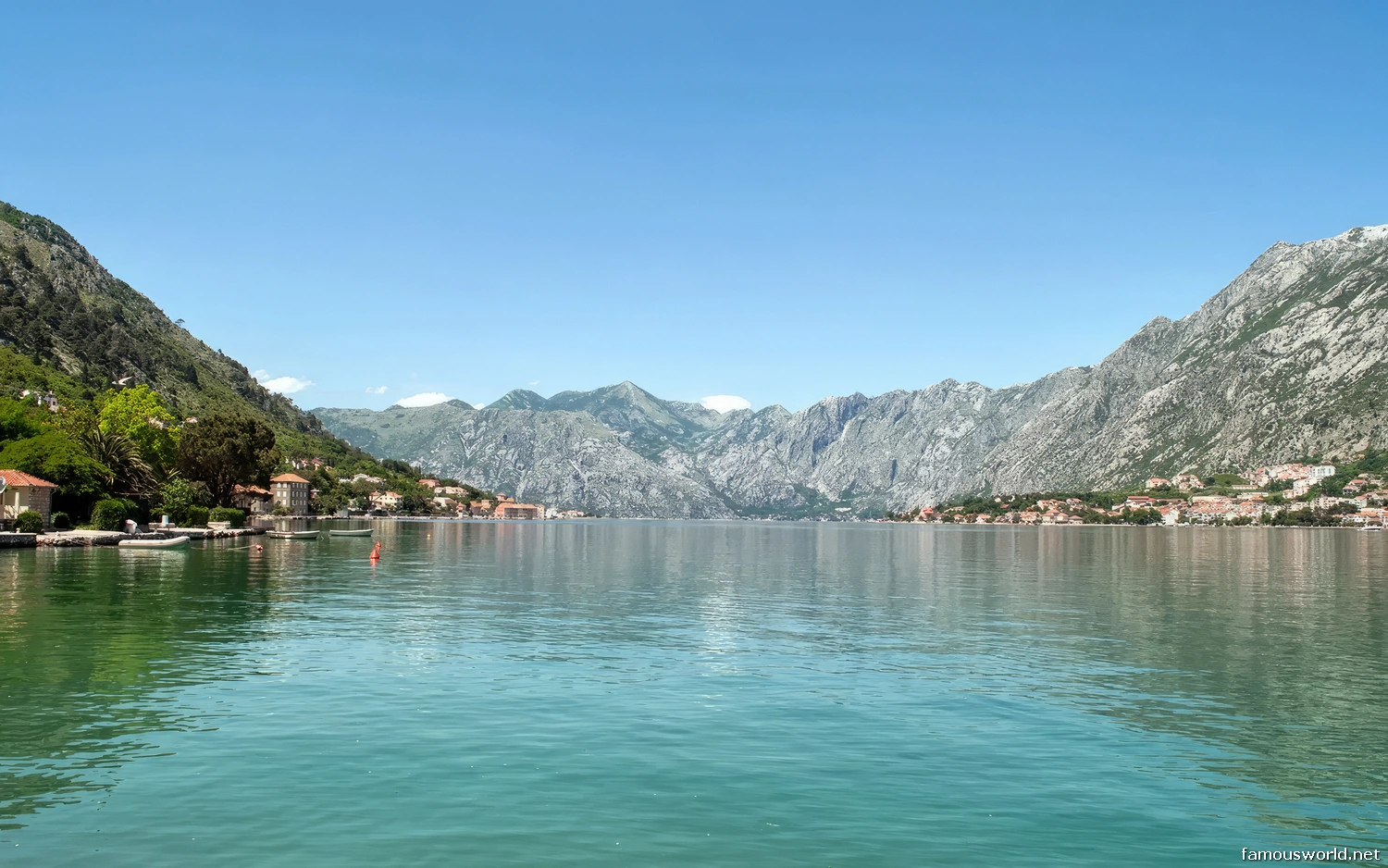
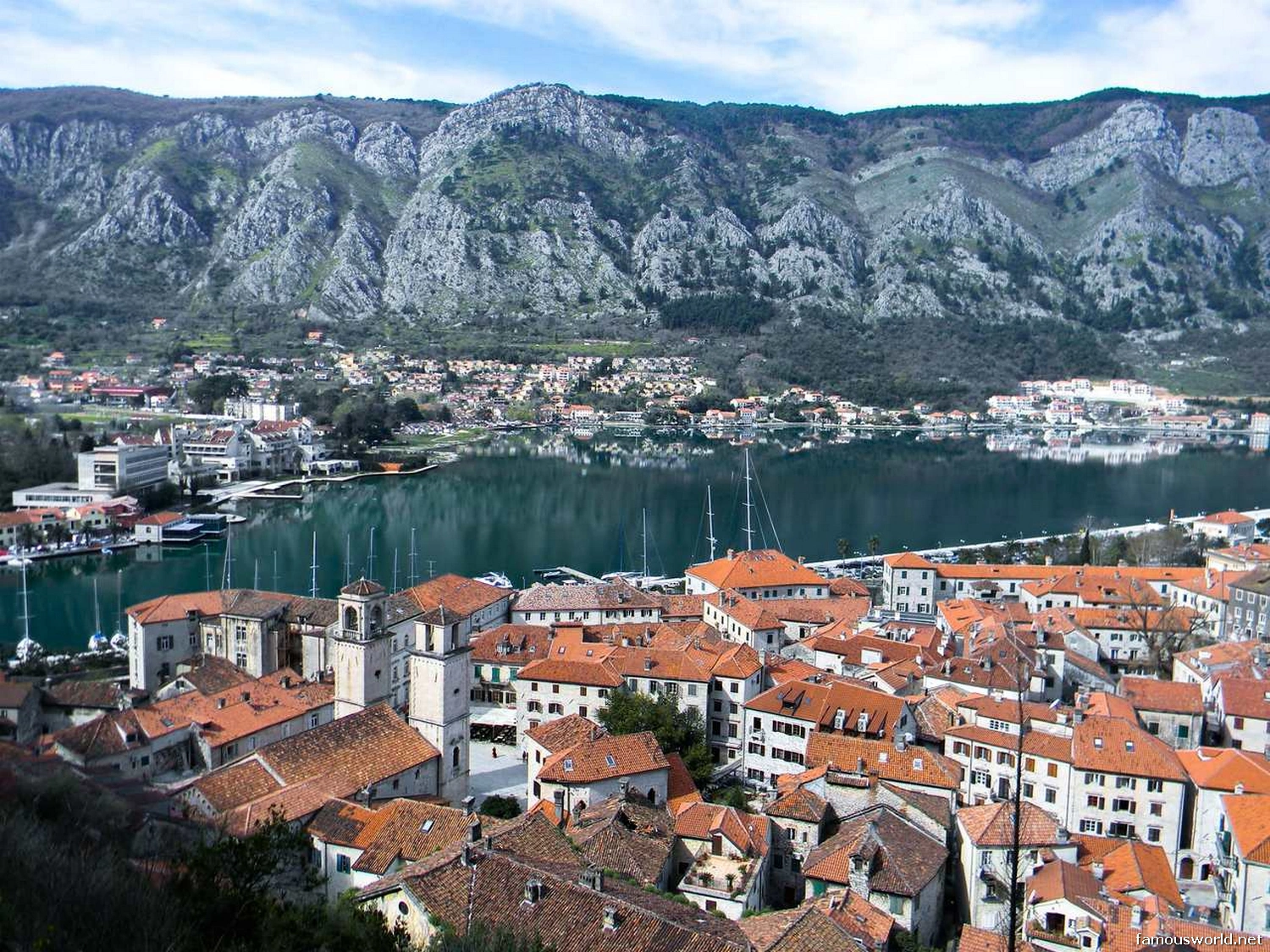

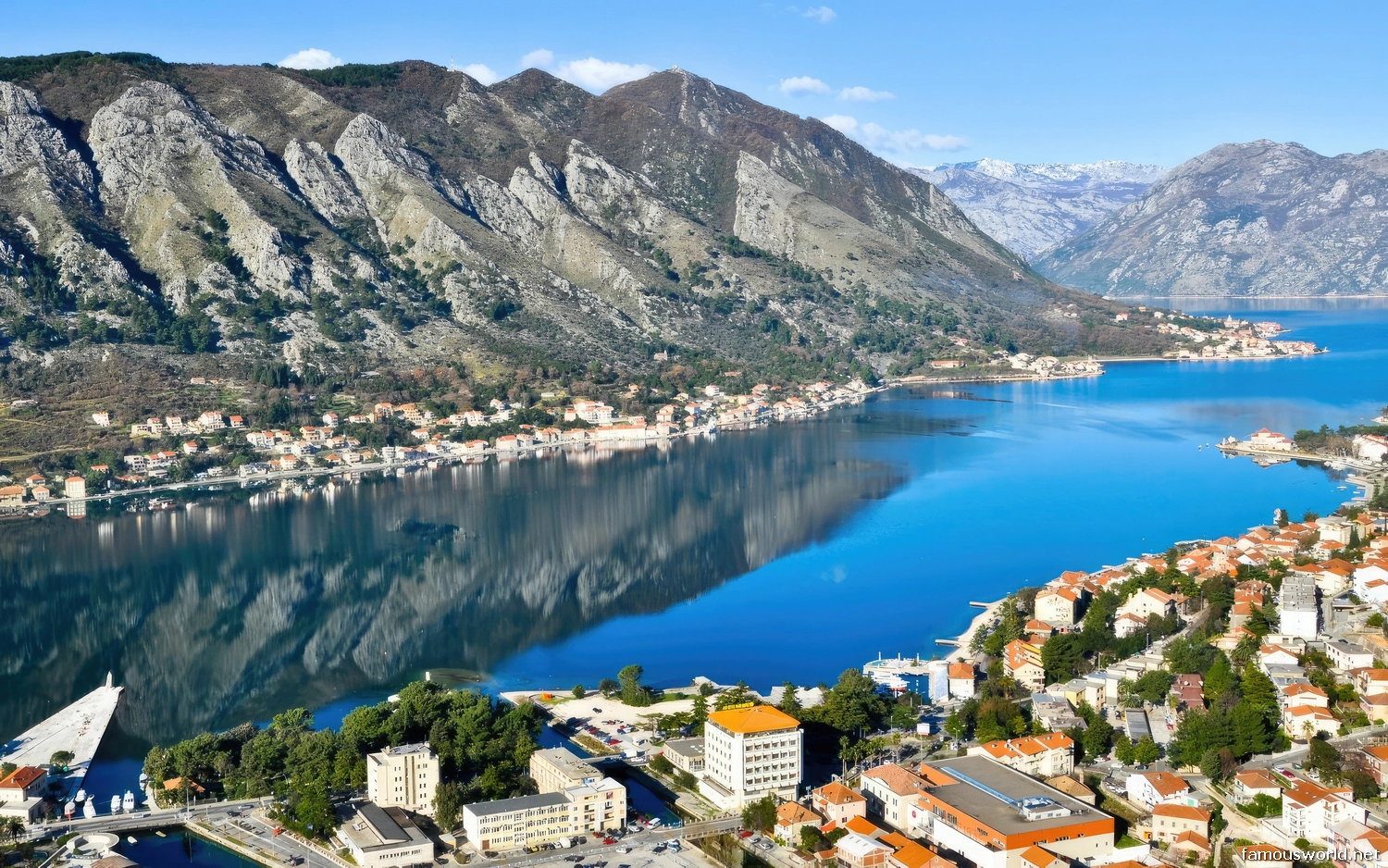

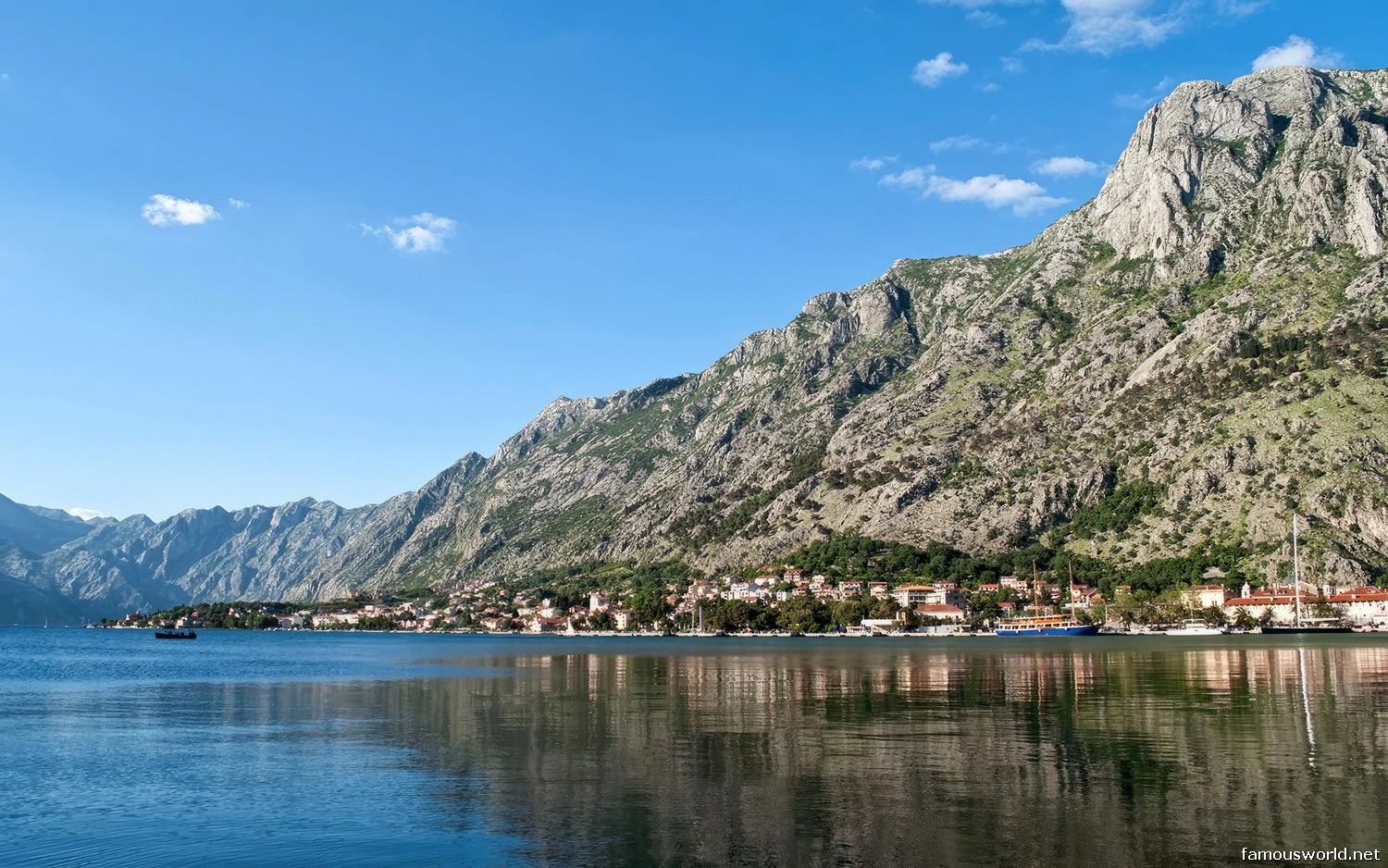
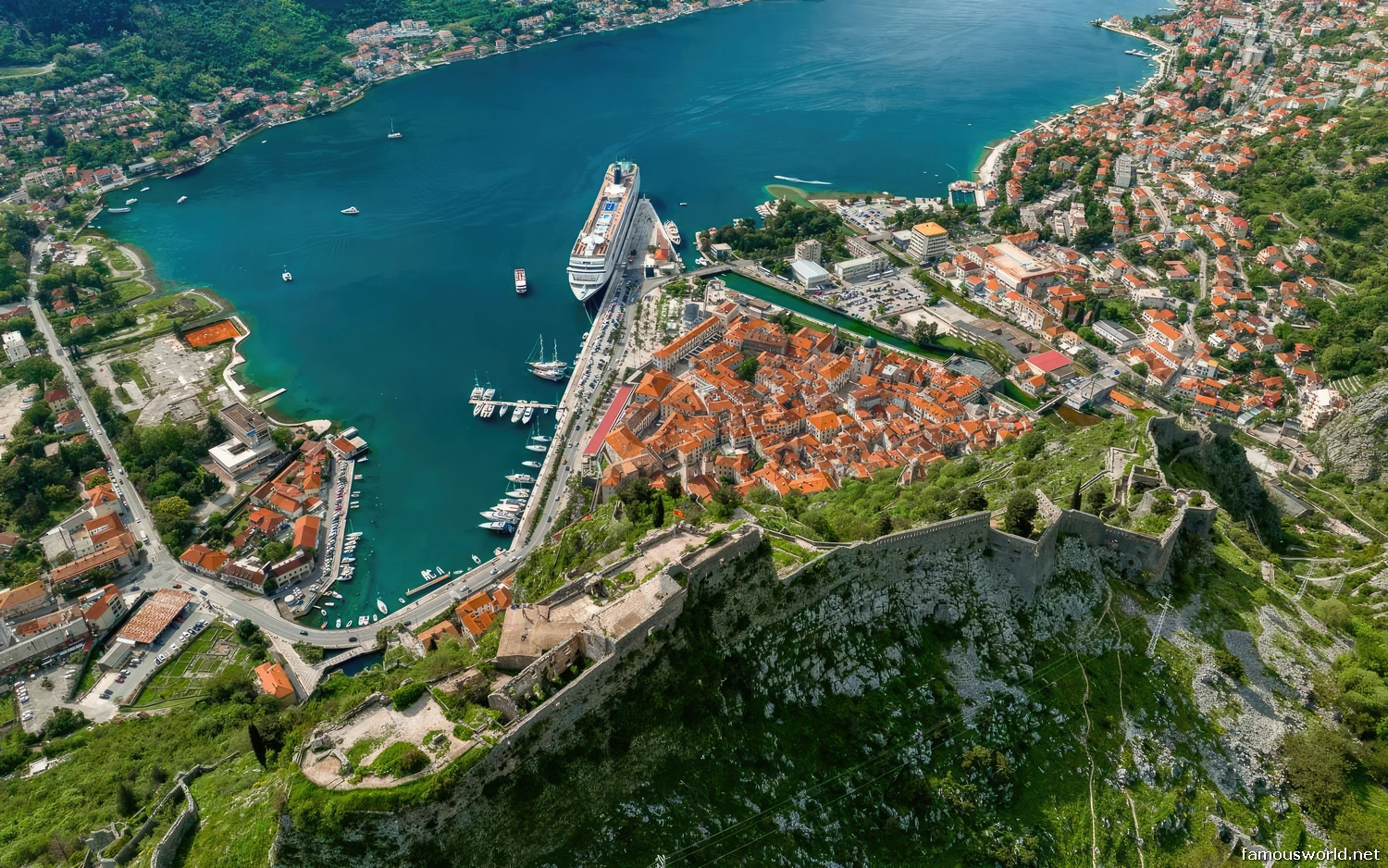
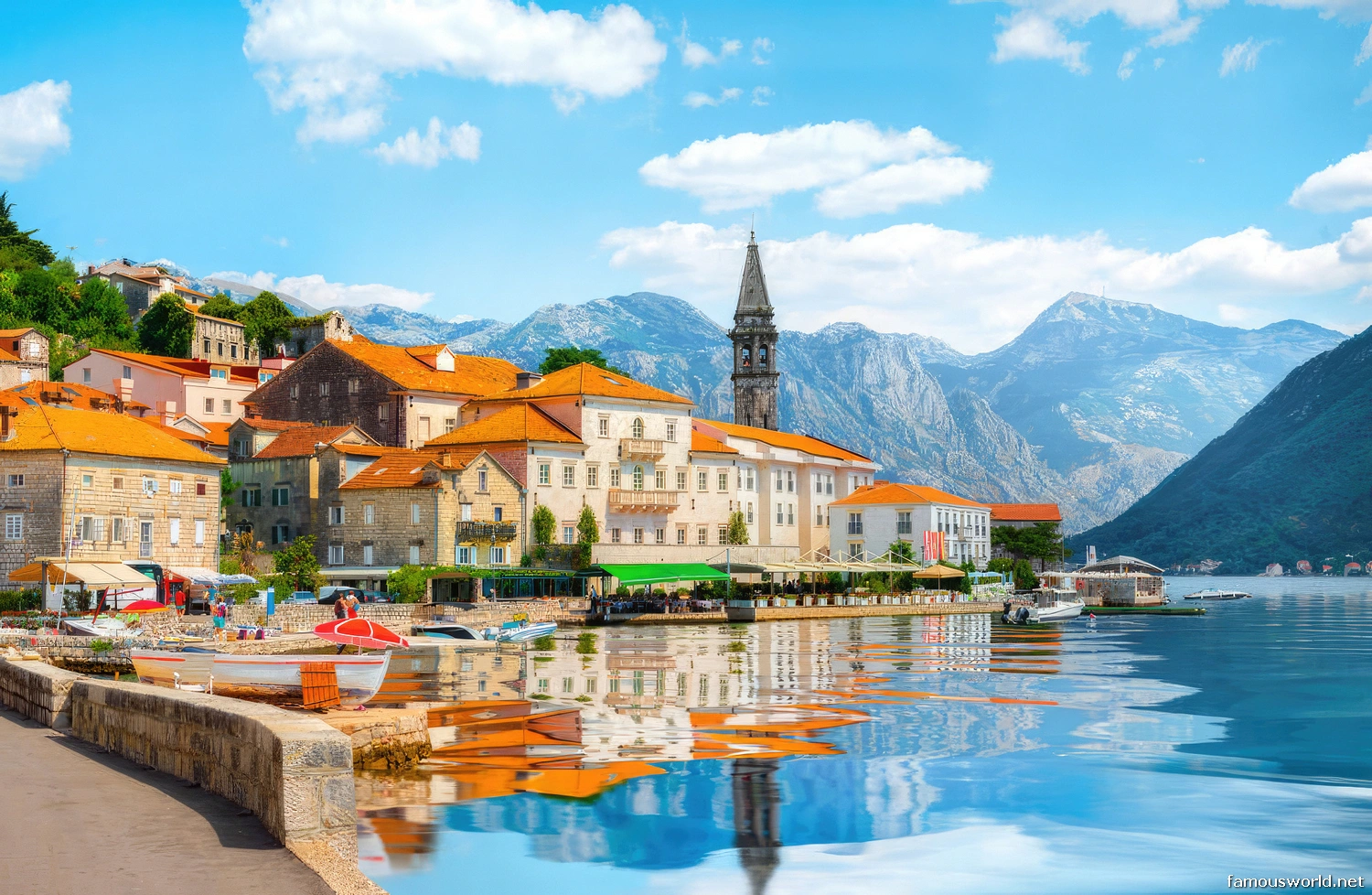
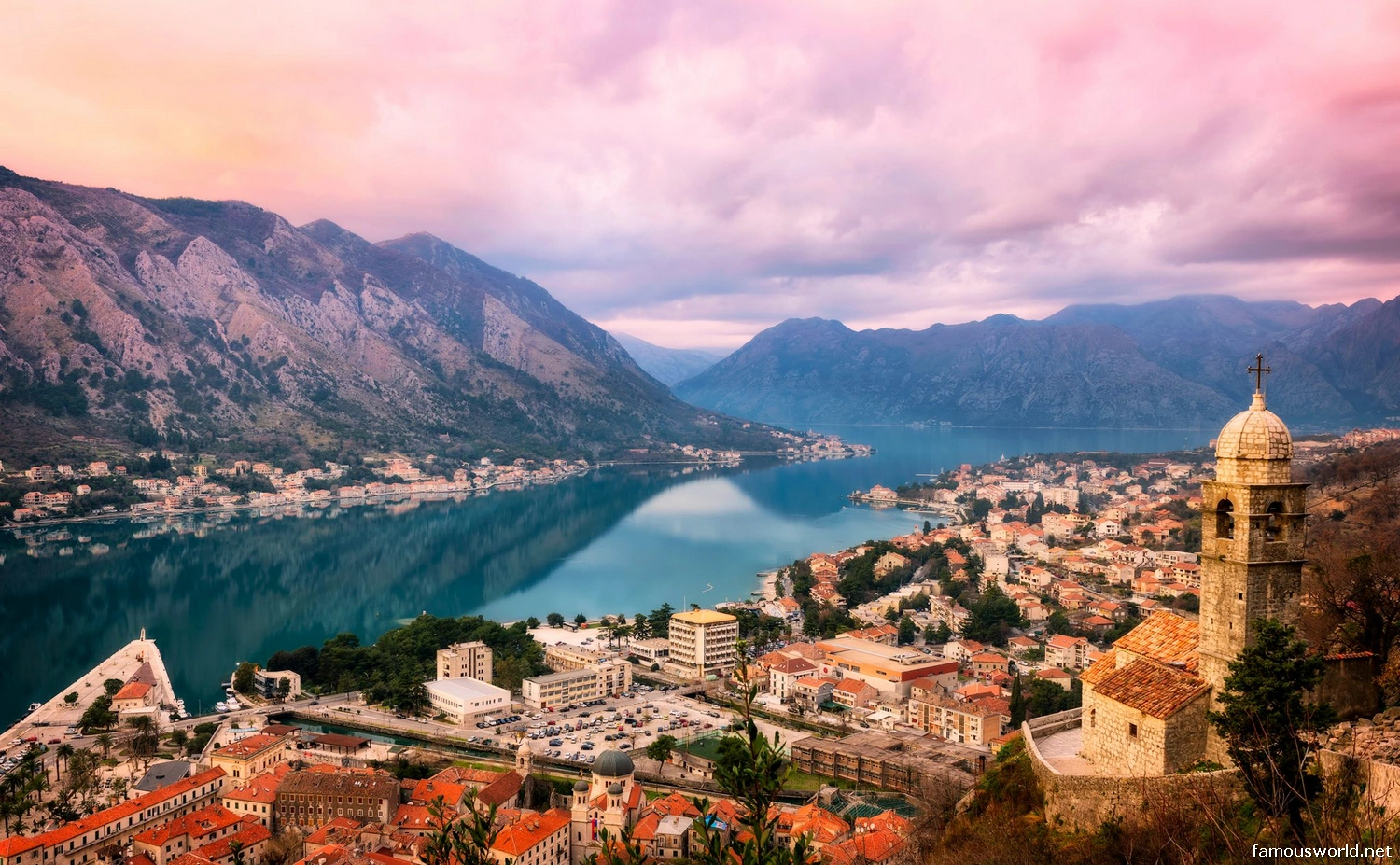
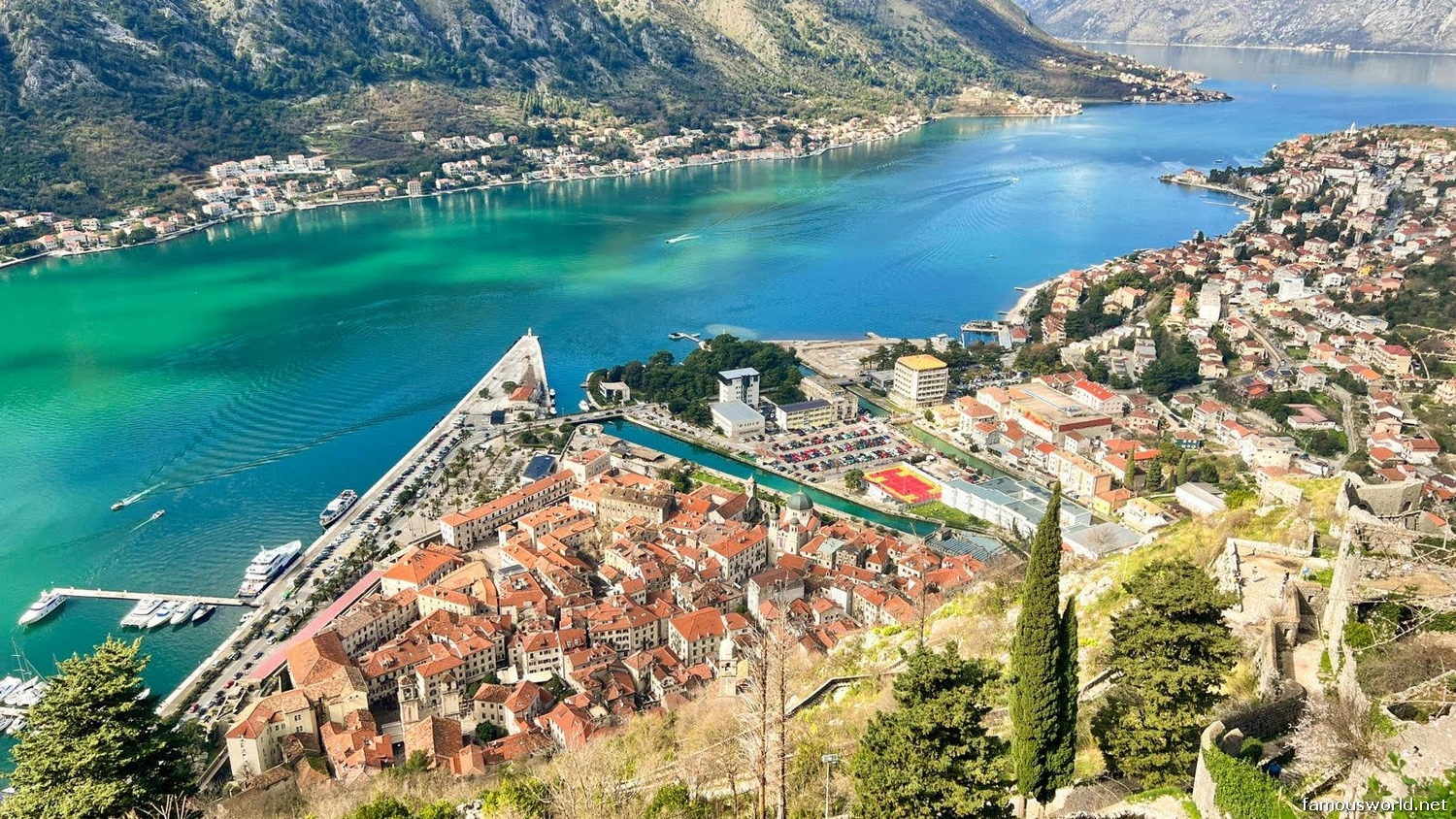
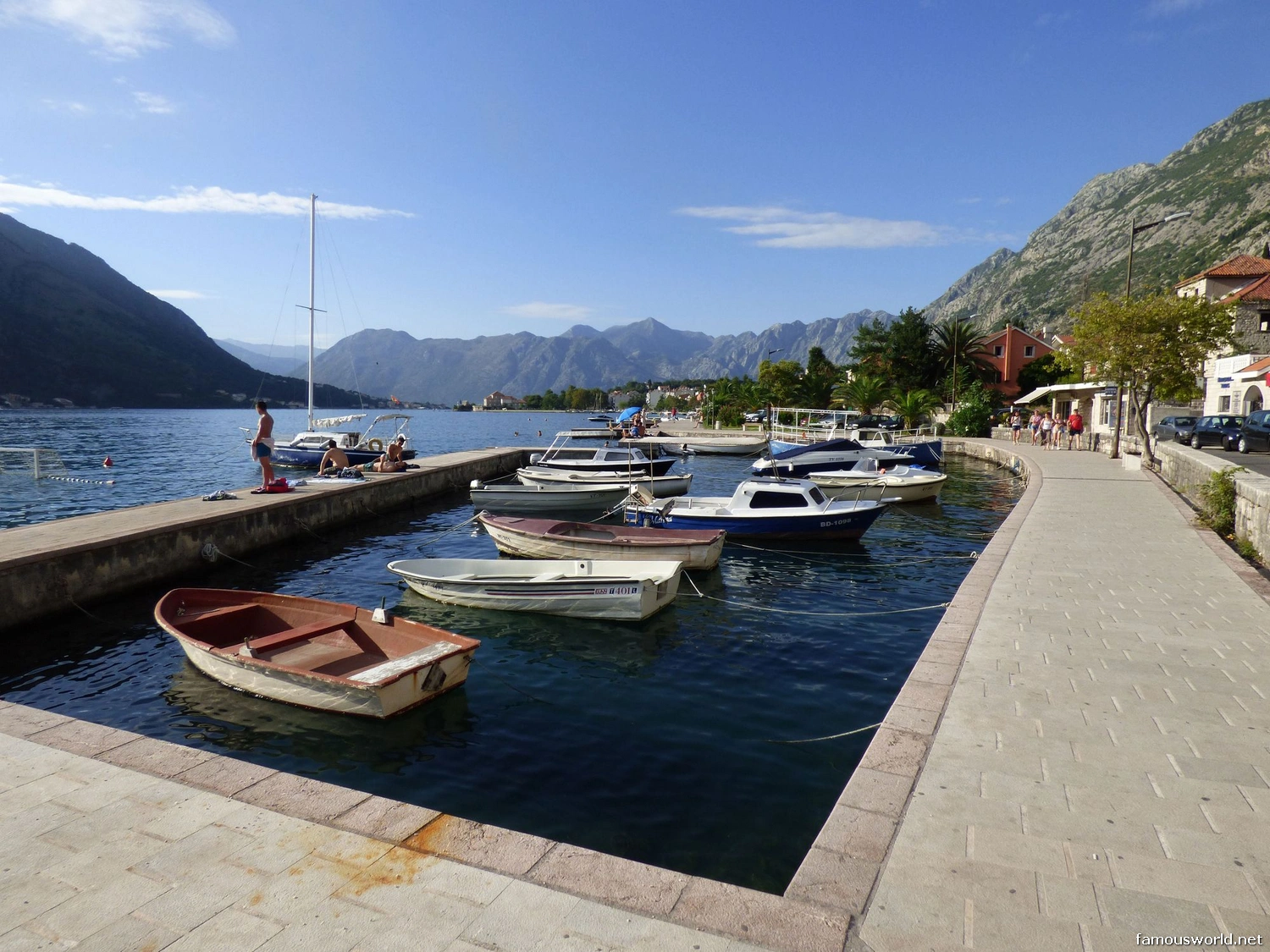
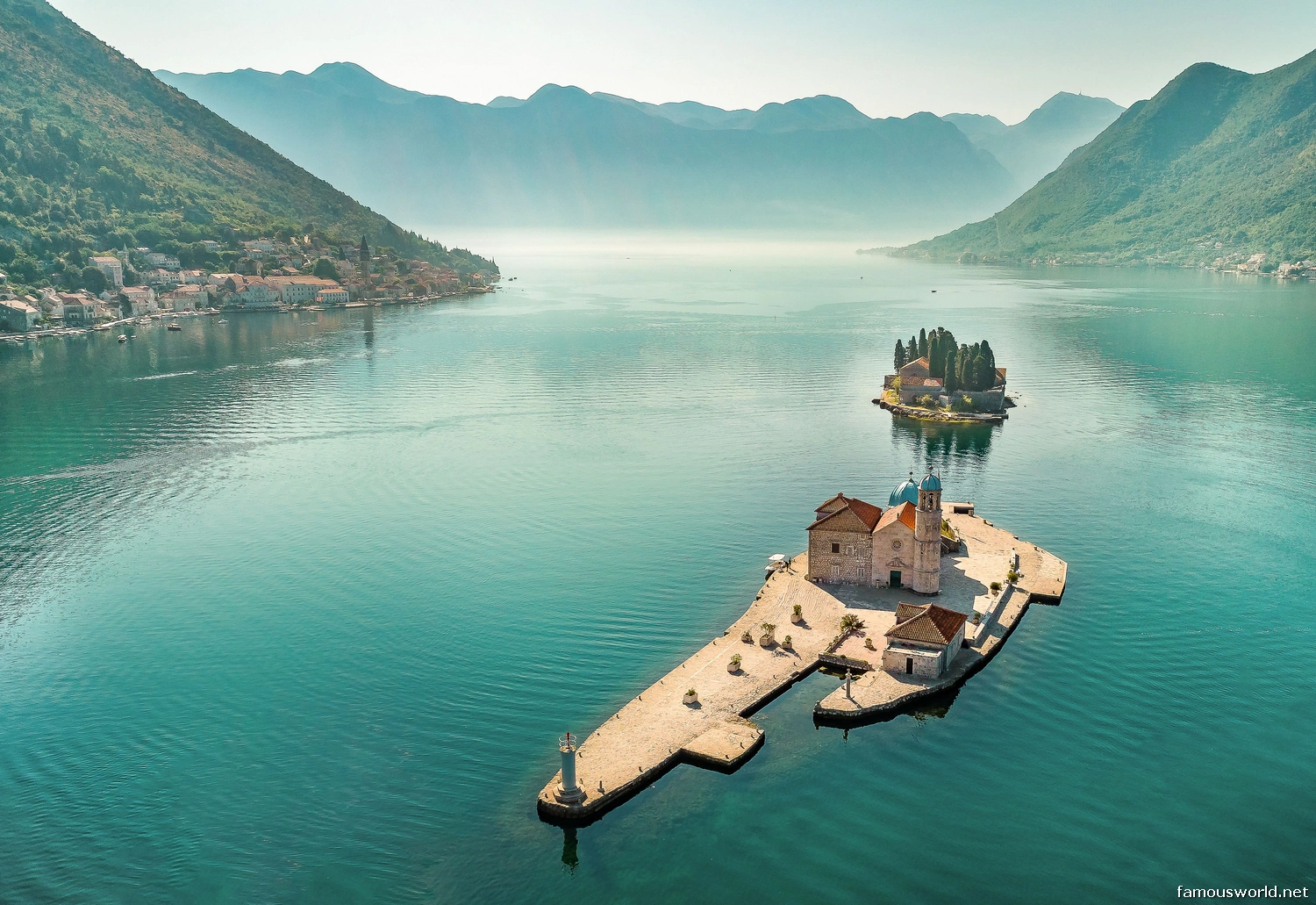
Winding inland from the Adriatic Sea, the Bay of Kotor is a breathtaking natural and historical marvel on the coast of Montenegro. Often referred to as Europe’s southernmost fjord, it is, in fact, a submerged river canyon, creating a dramatic landscape where towering, dark limestone mountains plunge directly into the tranquil, deep blue waters of the bay. Nestled along its shores are a series of immaculately preserved medieval towns, fortified settlements, and ancient monasteries, all bearing witness to the bay’s long and strategic history under Venetian rule. A UNESCO World Heritage Site, the Bay of Kotor is a stunning fusion of natural grandeur and human artistry, where serene waters reflect a rich tapestry of Mediterranean culture.
Listen to an introduction about Bay of Kotor

Name and Location
- Name: Bay of Kotor (Montenegrin: Boka Kotorska).
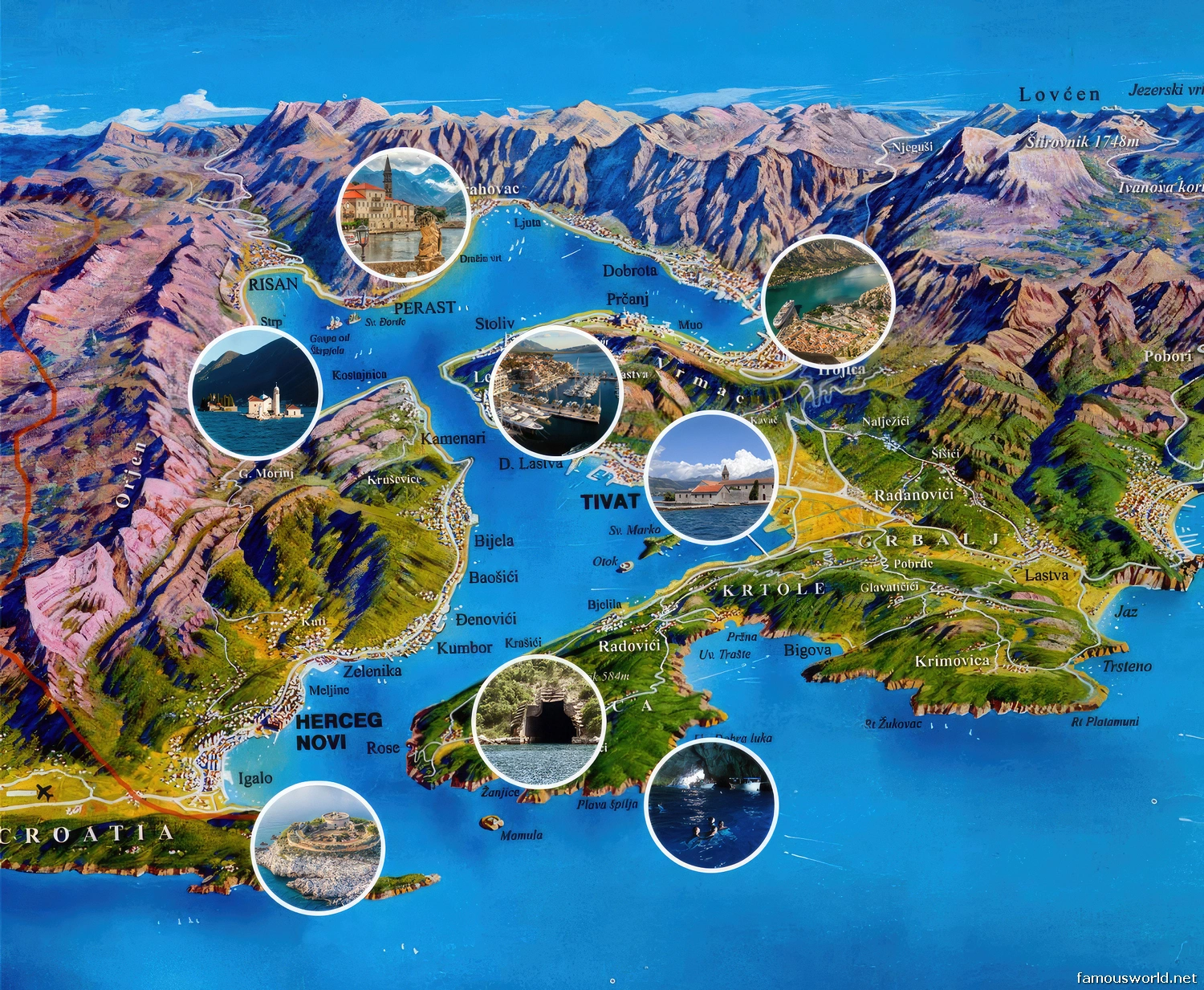
- Location: On the Adriatic coast of southwestern Montenegro.
How to Get There
The bay is a major tourist destination and is easily accessible.
- By Air: The most convenient airport is Tivat Airport (TIV), located right on the edge of the bay. Alternatively, Dubrovnik Airport (DBV) in neighboring Croatia is a popular entry point, offering a scenic coastal drive of about an hour to reach the bay.
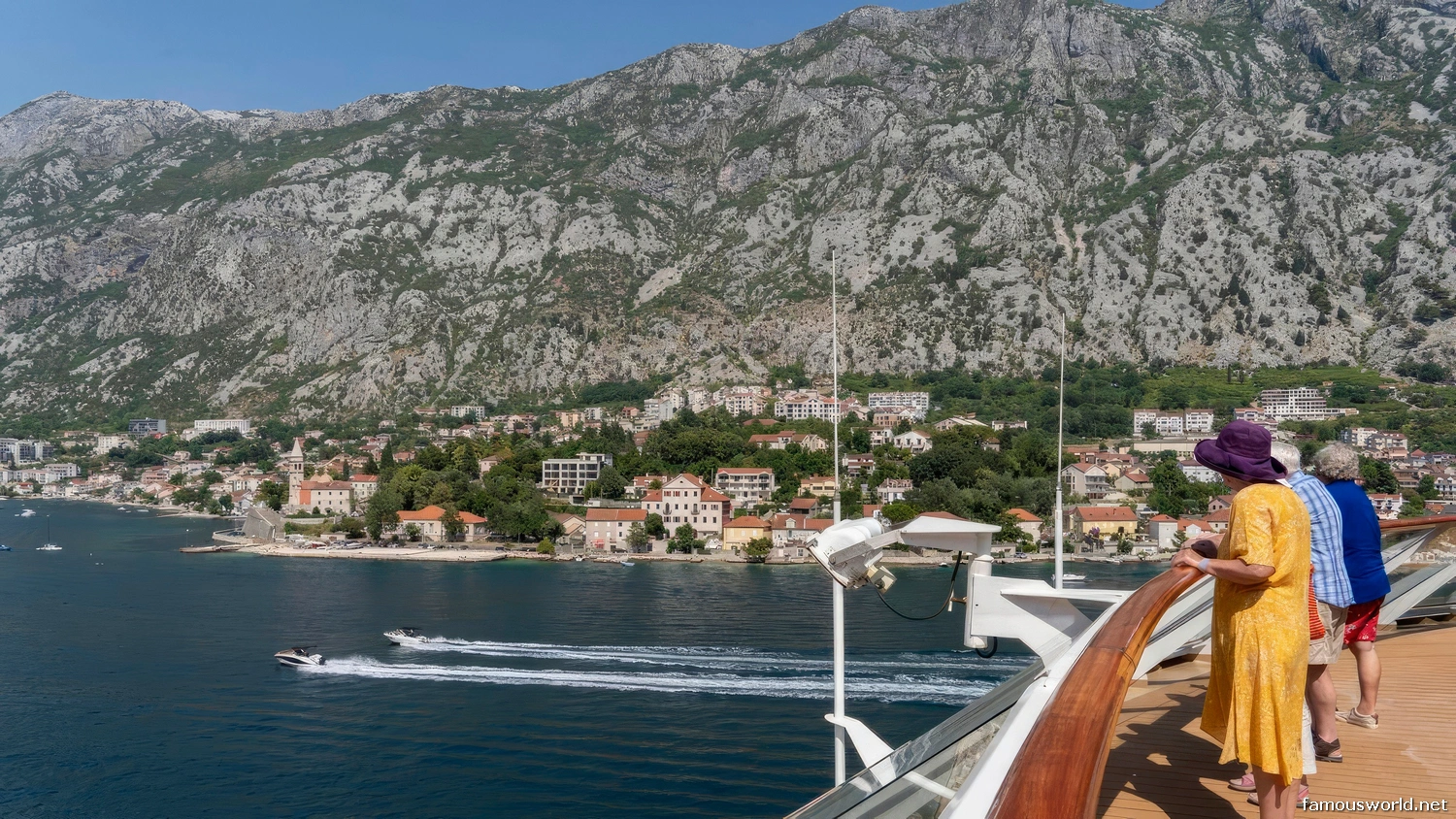
- By Sea: The Port of Kotor is a popular stop for Mediterranean cruise ships, which sail directly into the dramatic inner part of the bay.
- By Road: A well-maintained road encircles the entire bay, connecting all its towns and villages and offering spectacular views at every turn.
Landscape and Architecture
The bay’s landscape is a unique blend of fjord-like geology and Venetian-influenced architecture.
- The “Fjord”: The bay is a complex network of several smaller, interconnected bays, creating a sheltered, winding waterway that penetrates nearly 28 kilometers (17 miles) inland. The sheer limestone cliffs of the Orjen and Lovćen mountains create a stunning, fjord-like setting.
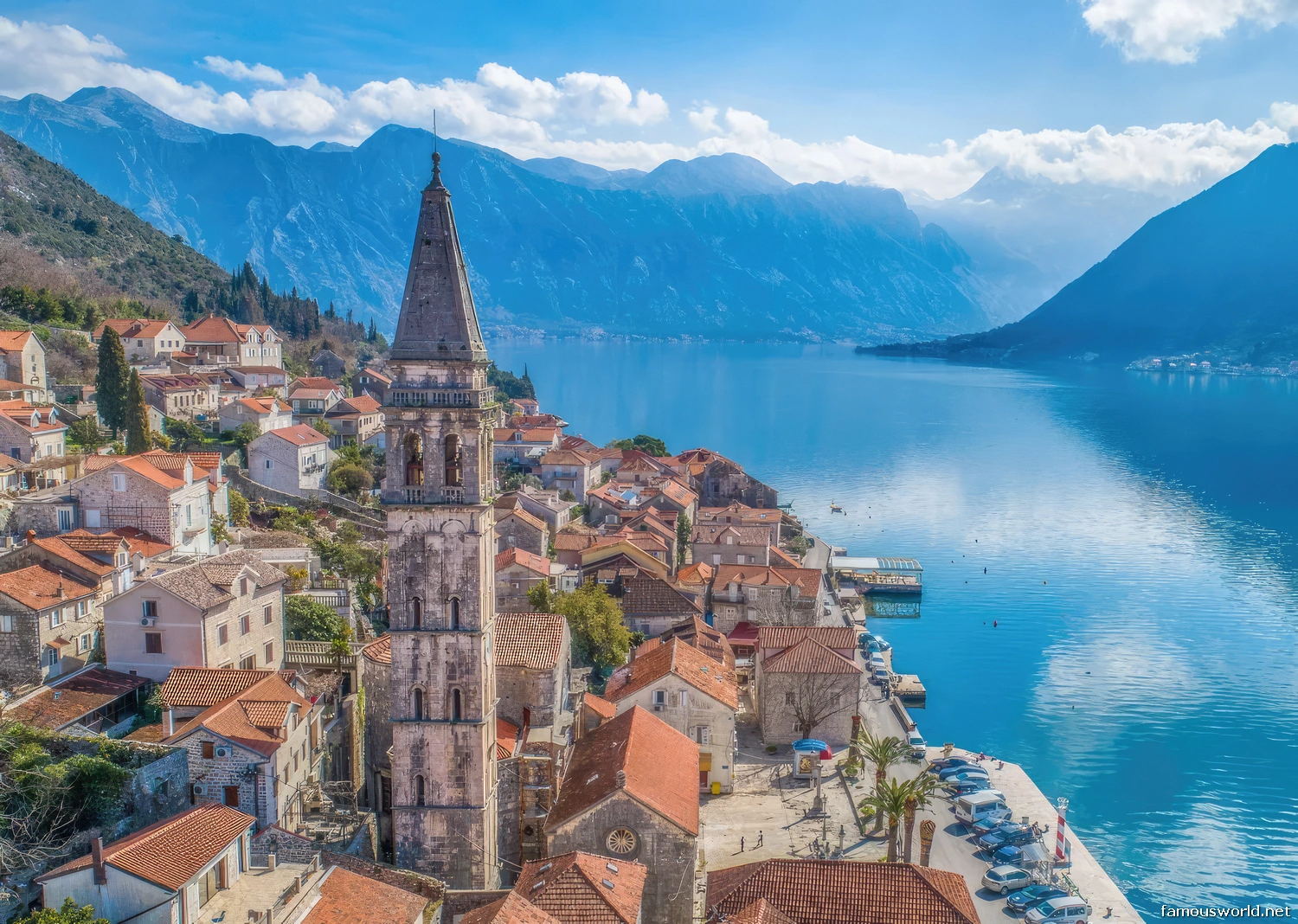
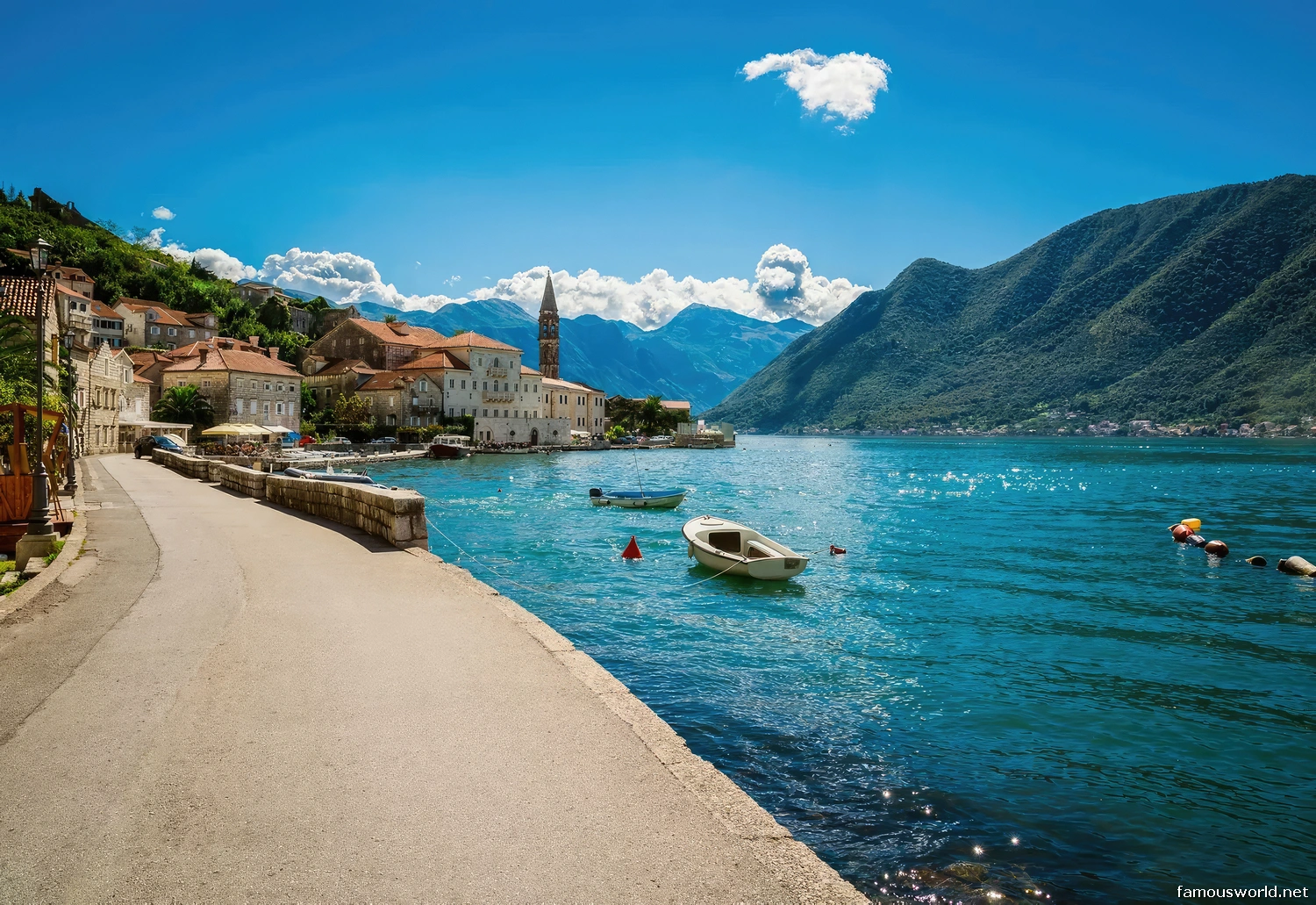
- Venetian Architecture: For four centuries, the bay was part of the Venetian Republic. This legacy is perfectly preserved in the architecture of its main towns, especially Kotor and Perast. Key features include stone palaces, fortified walls, Catholic and Orthodox churches, and red-tiled roofs, creating a harmonious and historically rich townscape.
- The Fortifications of Kotor: The town of Kotor is famous for its immense and well-preserved defensive walls, which stretch for 4.5 kilometers (2.8 miles) from the sea straight up the steep mountainside to the Fortress of St. John, offering incredible views over the bay.
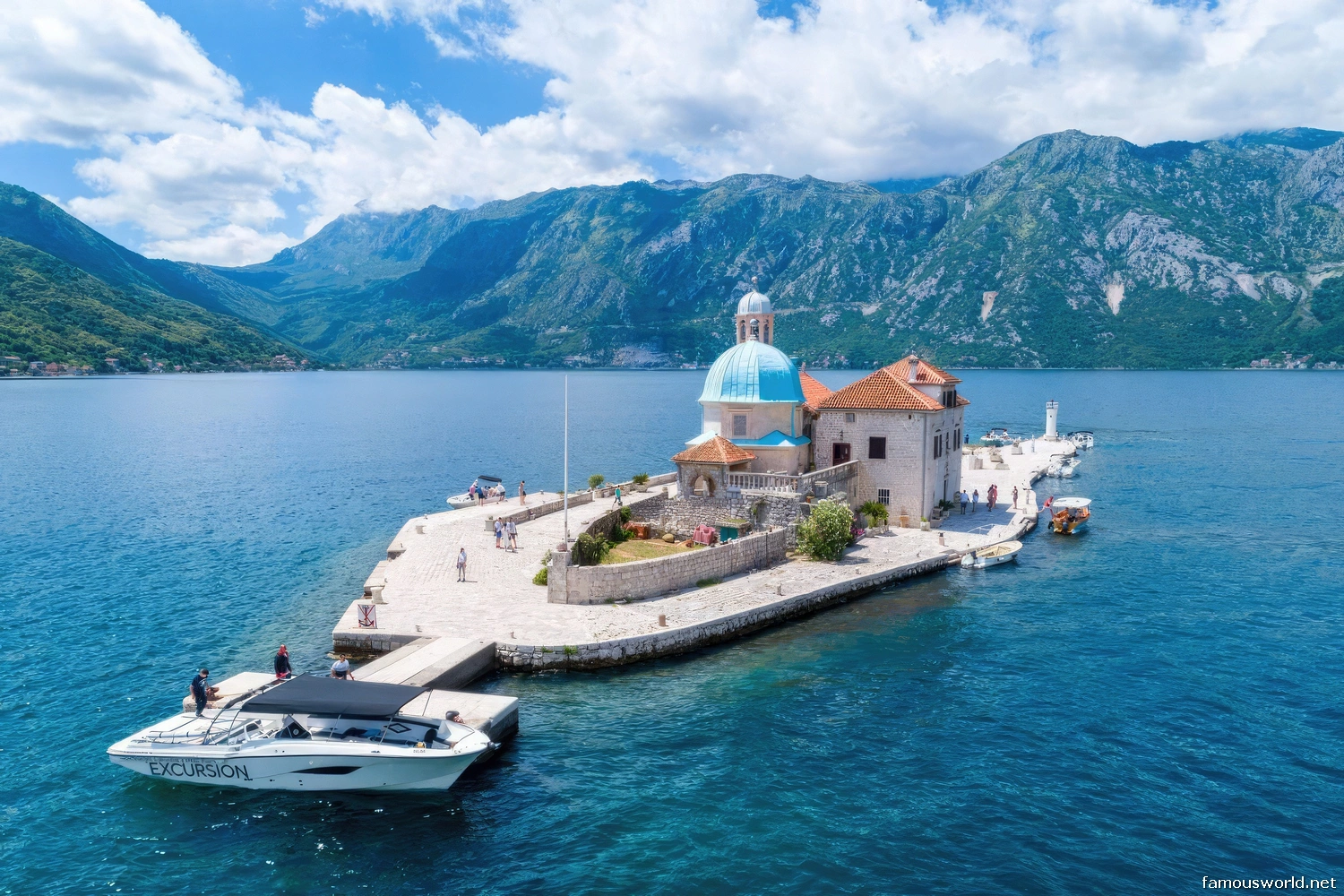
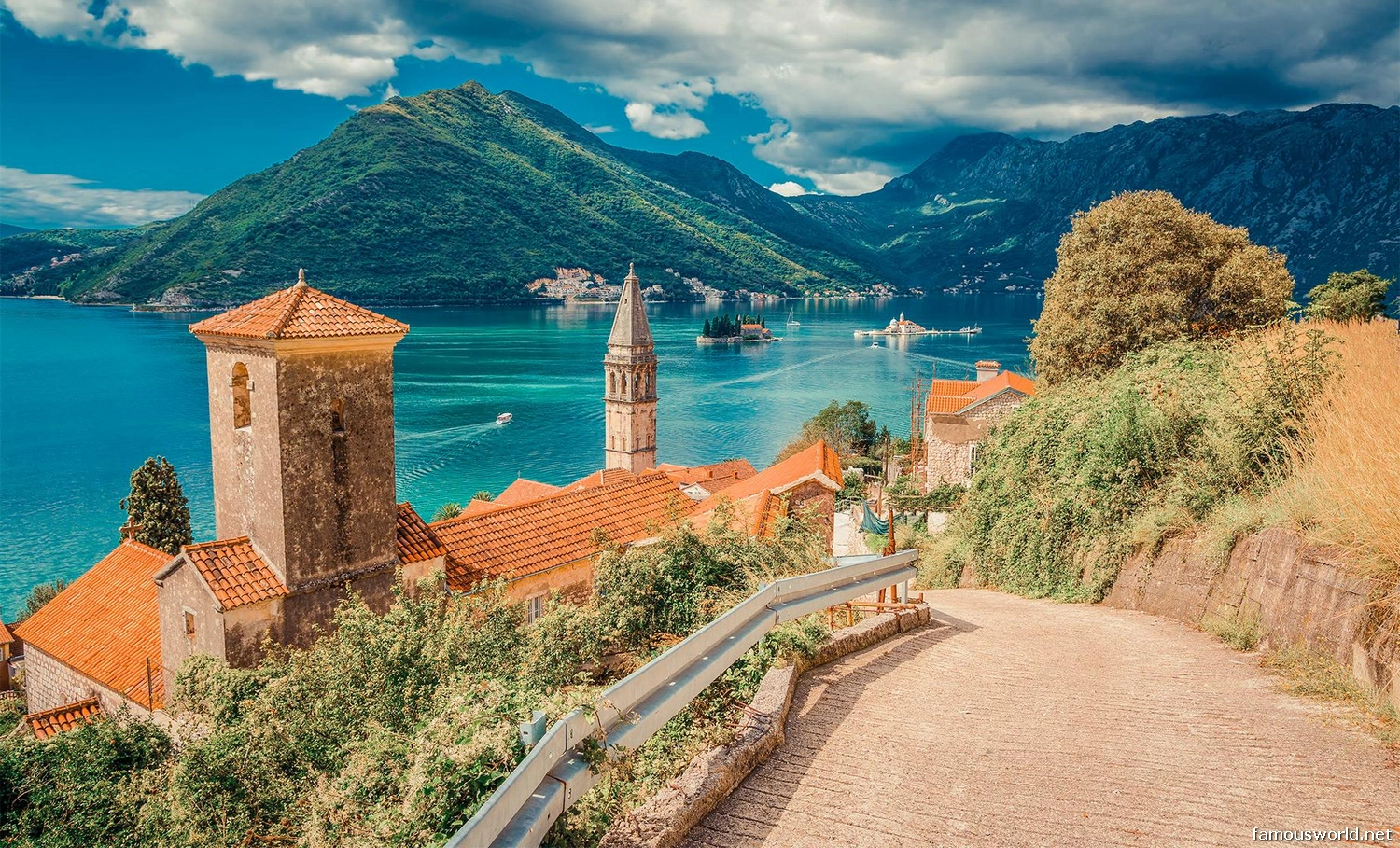
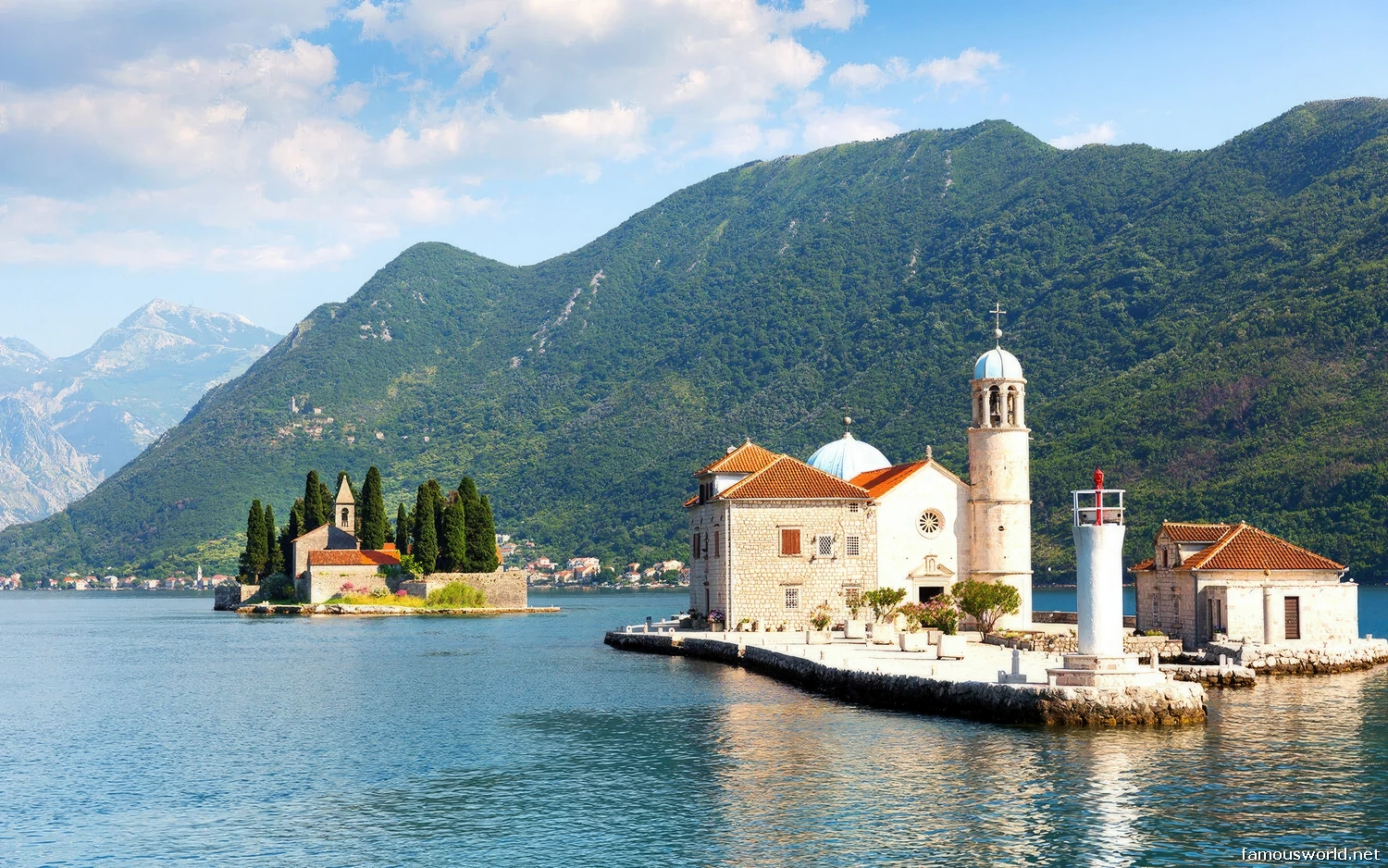
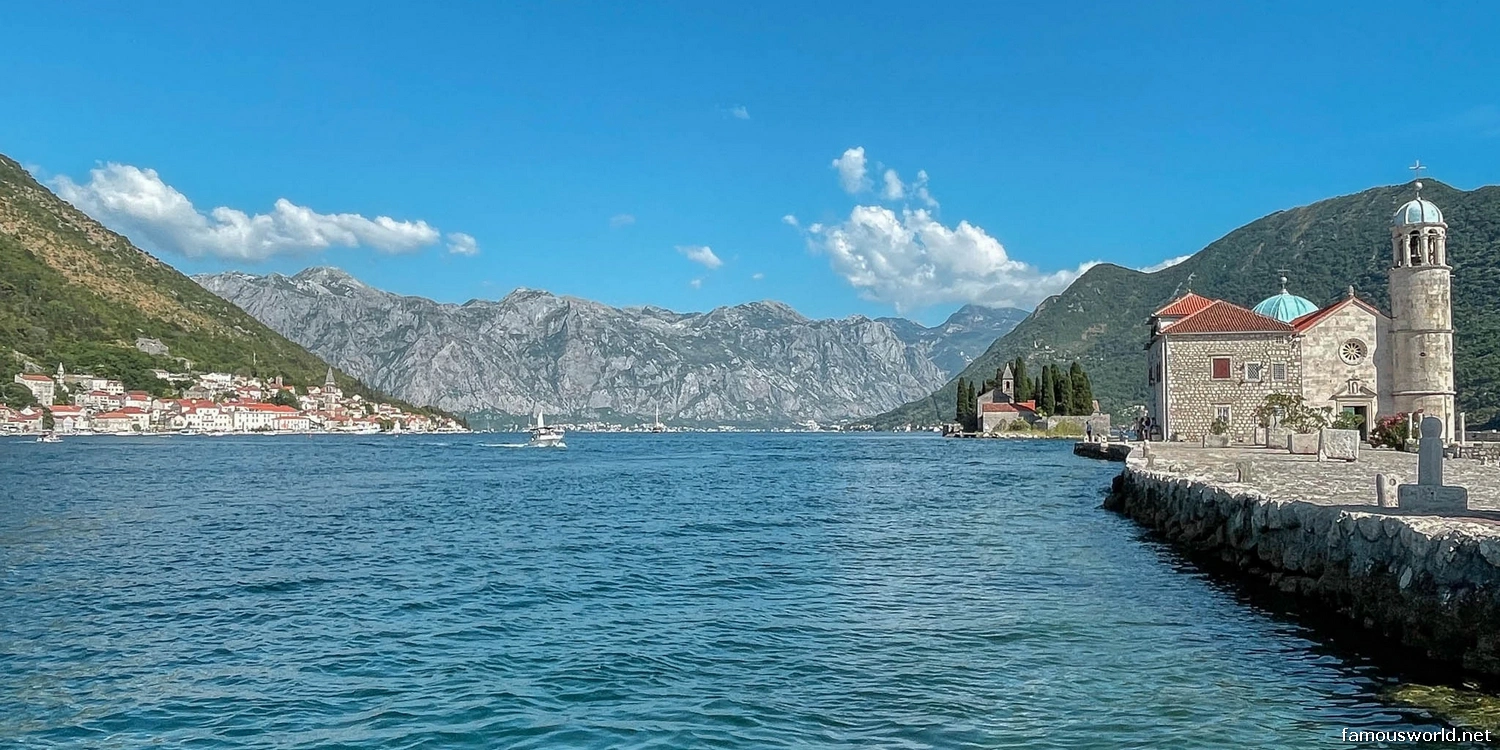
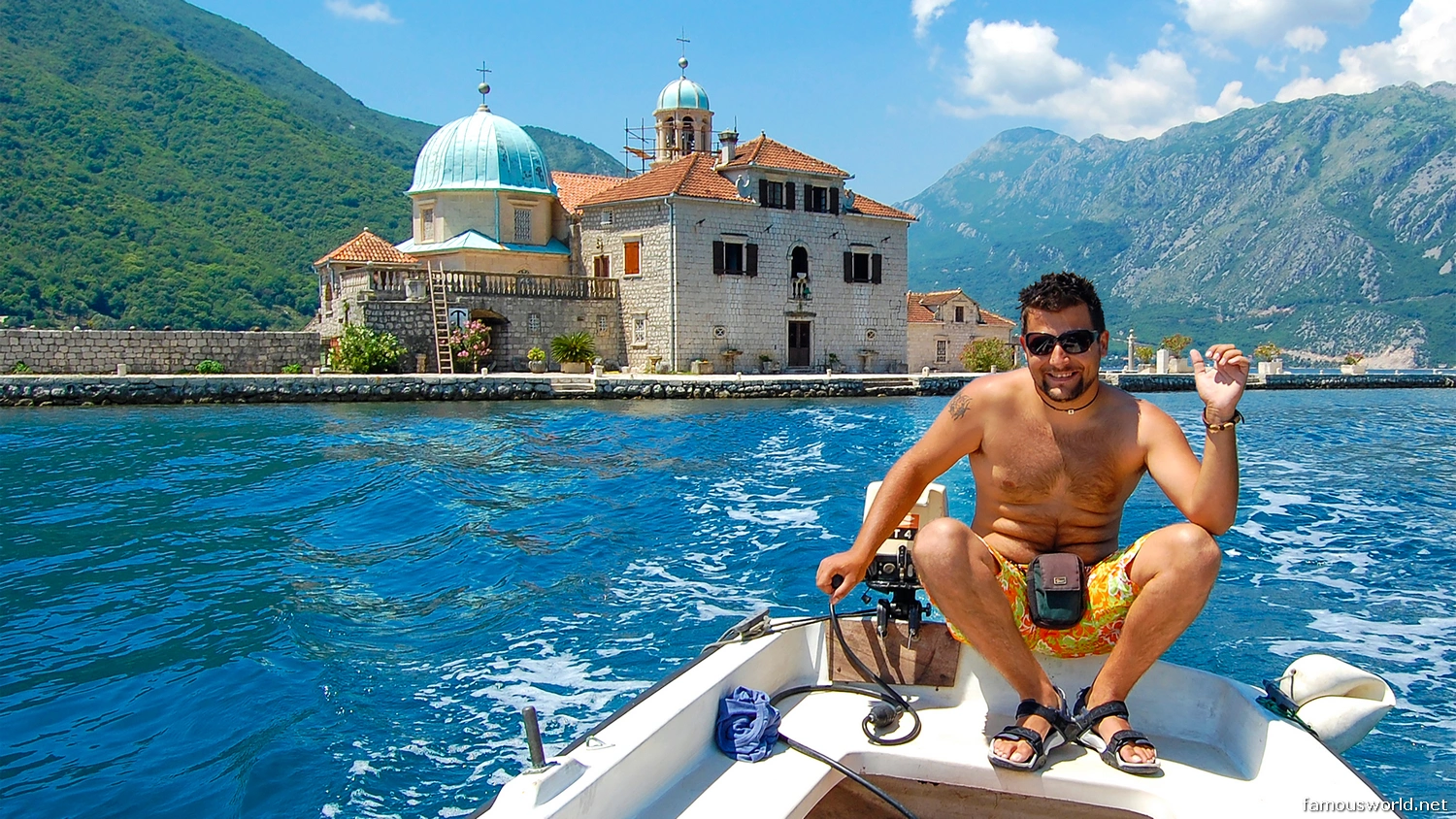
- Our Lady of the Rocks: In the bay off the coast of Perast lies a remarkable man-made island, home to the Church of Our Lady of the Rocks. It was built over centuries by local seamen sinking captured ships and dropping stones at the site.
What Makes It Famous
The Bay of Kotor is famous for its spectacular natural beauty and its collection of perfectly preserved medieval towns.
- UNESCO World Heritage Site: The entire Natural and Culturo-Historical Region of Kotor is recognized by UNESCO for its immense cultural value and the harmonious integration of its towns with the dramatic landscape.
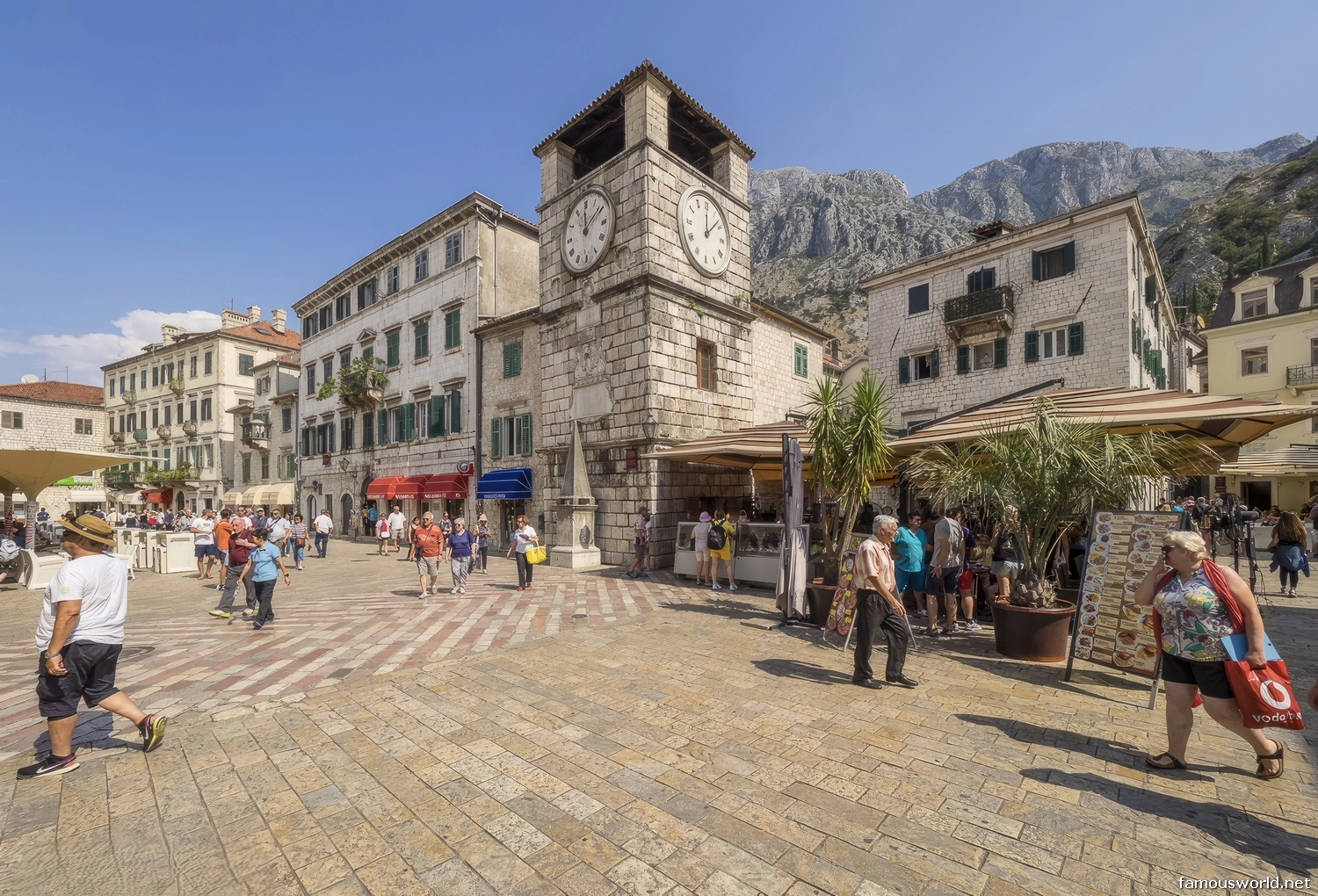
- The Town of Kotor: The old town of Kotor is the jewel of the bay, a labyrinth of narrow cobblestone streets, hidden squares, and ancient buildings, all enclosed within its mighty medieval walls.
- The Town of Perast: This small, elegant town is one of the most beautiful examples of baroque architecture on the Adriatic, famous for its stone palaces and the two picturesque islets that lie just offshore.
- Europe’s Southernmost Fjord: Although technically a submerged river canyon (a ria), its appearance has earned it the popular and evocative title of the southernmost fjord in Europe, highlighting its unique and dramatic scenery.
Differences from Other Wonders
The protected, culturally rich bay of Kotor offers a very different experience from the wild, untamed nature of Niassa Reserve in Mozambique.
- Environment (Coastal Bay vs. Inland Wilderness): The Bay of Kotor is a marine environment, a deep inlet of the Adriatic Sea surrounded by steep mountains and historic towns. Niassa is a vast, land-locked terrestrial wilderness of miombo woodland and savanna.
- Core Story (Maritime History vs. Frontier Conservation): The story of Kotor is one of strategic maritime trade, Venetian culture, and the art of fortification. The story of Niassa is one of raw nature, frontier conservation, and the protection of large-scale wildlife populations.
- Primary Attraction (Historic Towns and Scenery vs. Wildlife): The primary attractions of the Bay of Kotor are its stunning scenery and its beautifully preserved medieval and baroque towns. The primary attraction of Niassa is the opportunity to see terrestrial megafauna like elephants and wild dogs in a truly wild, remote setting.
- Atmosphere (Historic and Picturesque vs. Remote and Untamed): A visit to the Bay of Kotor is a journey through a picturesque, historical landscape that feels like an open-air museum. A visit to Niassa is an adventure into a remote and untamed wilderness, evoking a sense of solitude and raw nature.
Location on world map