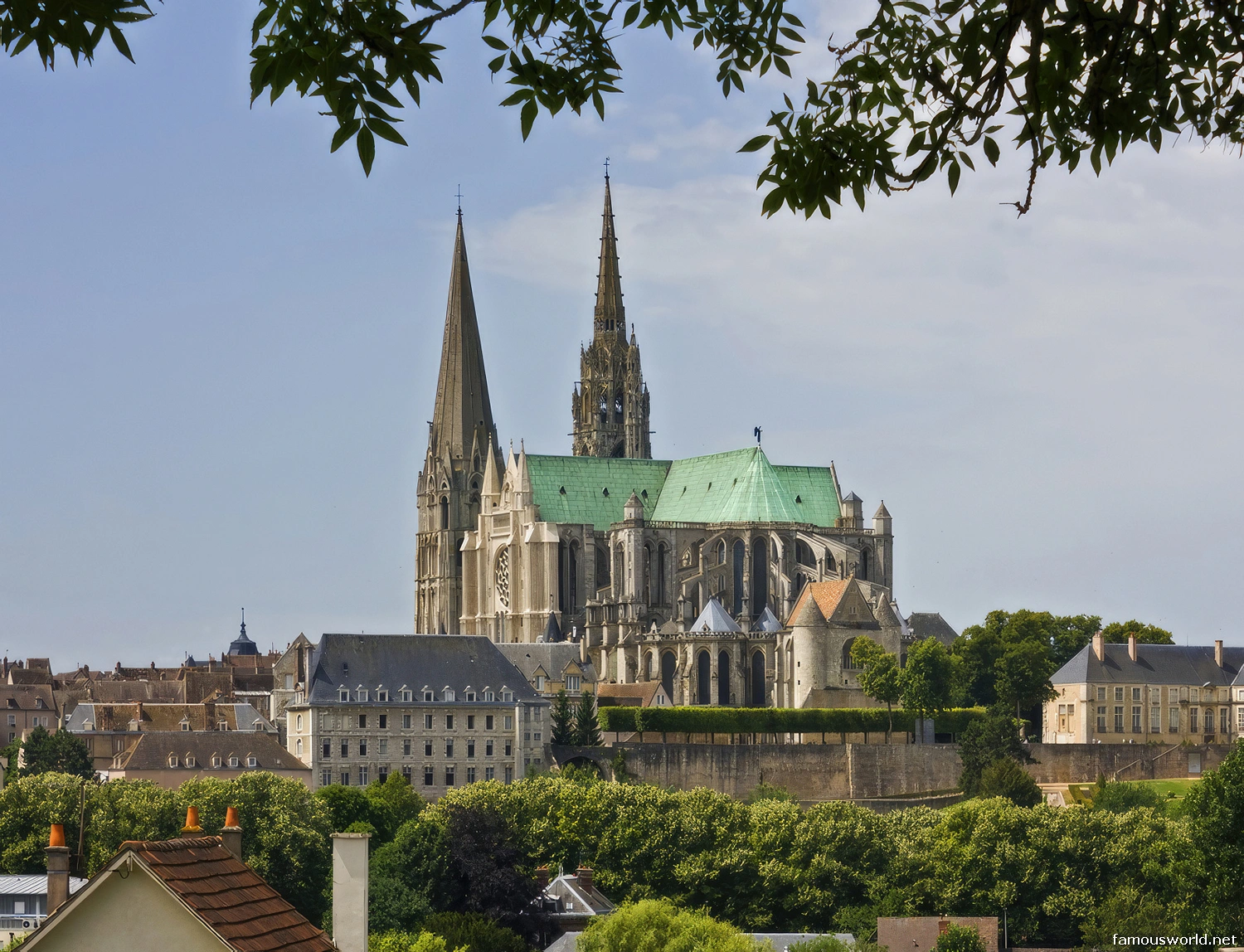
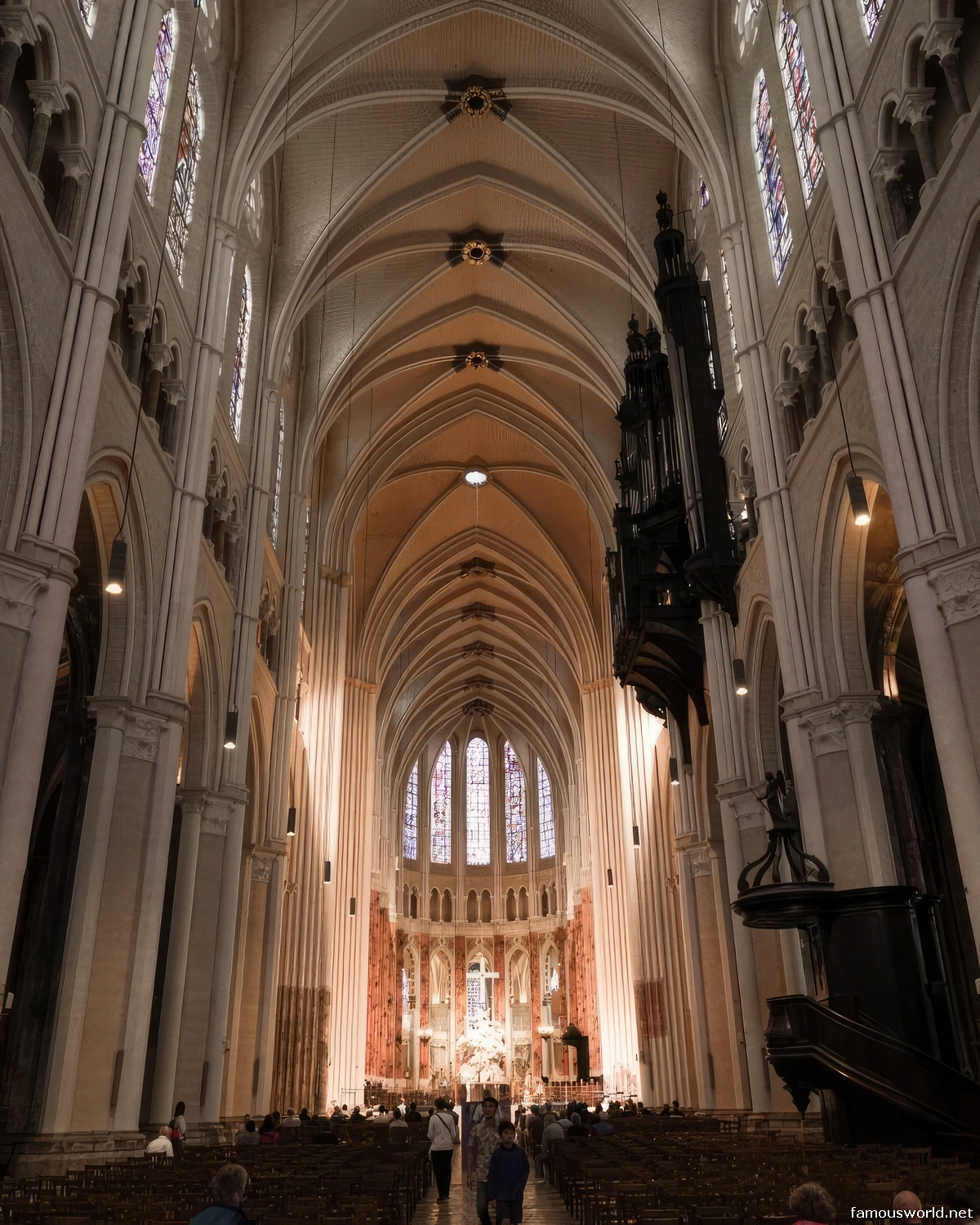
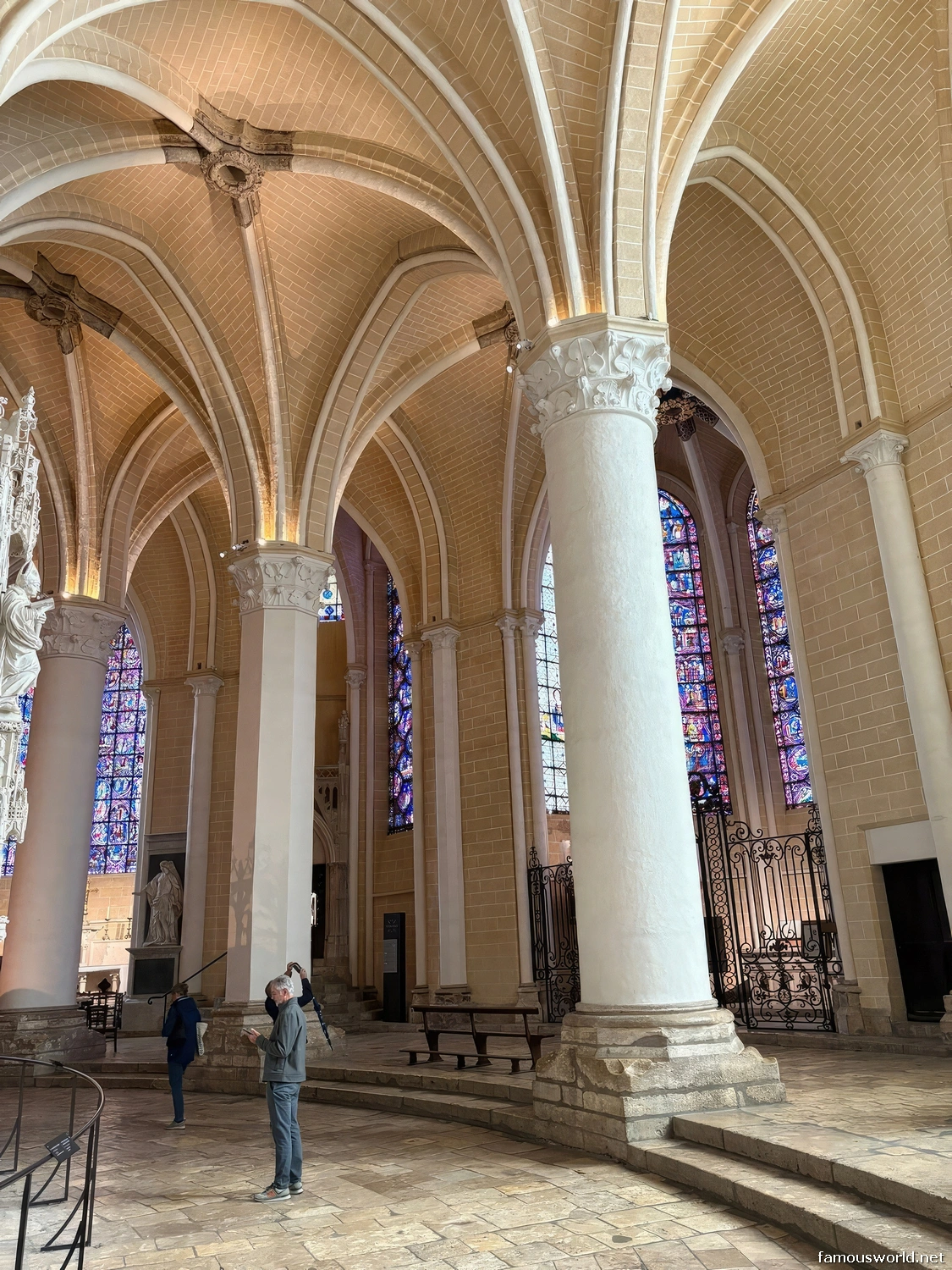
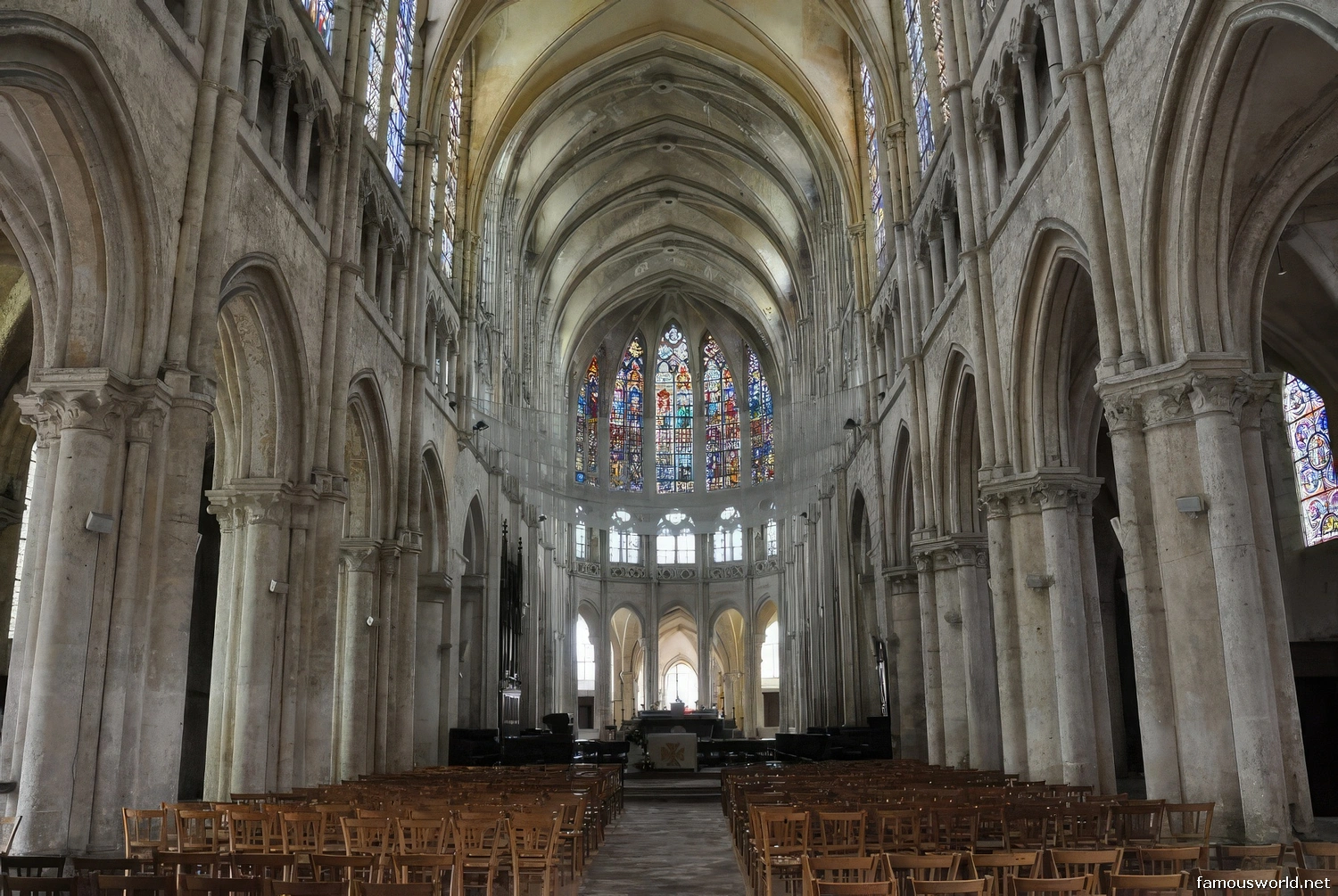
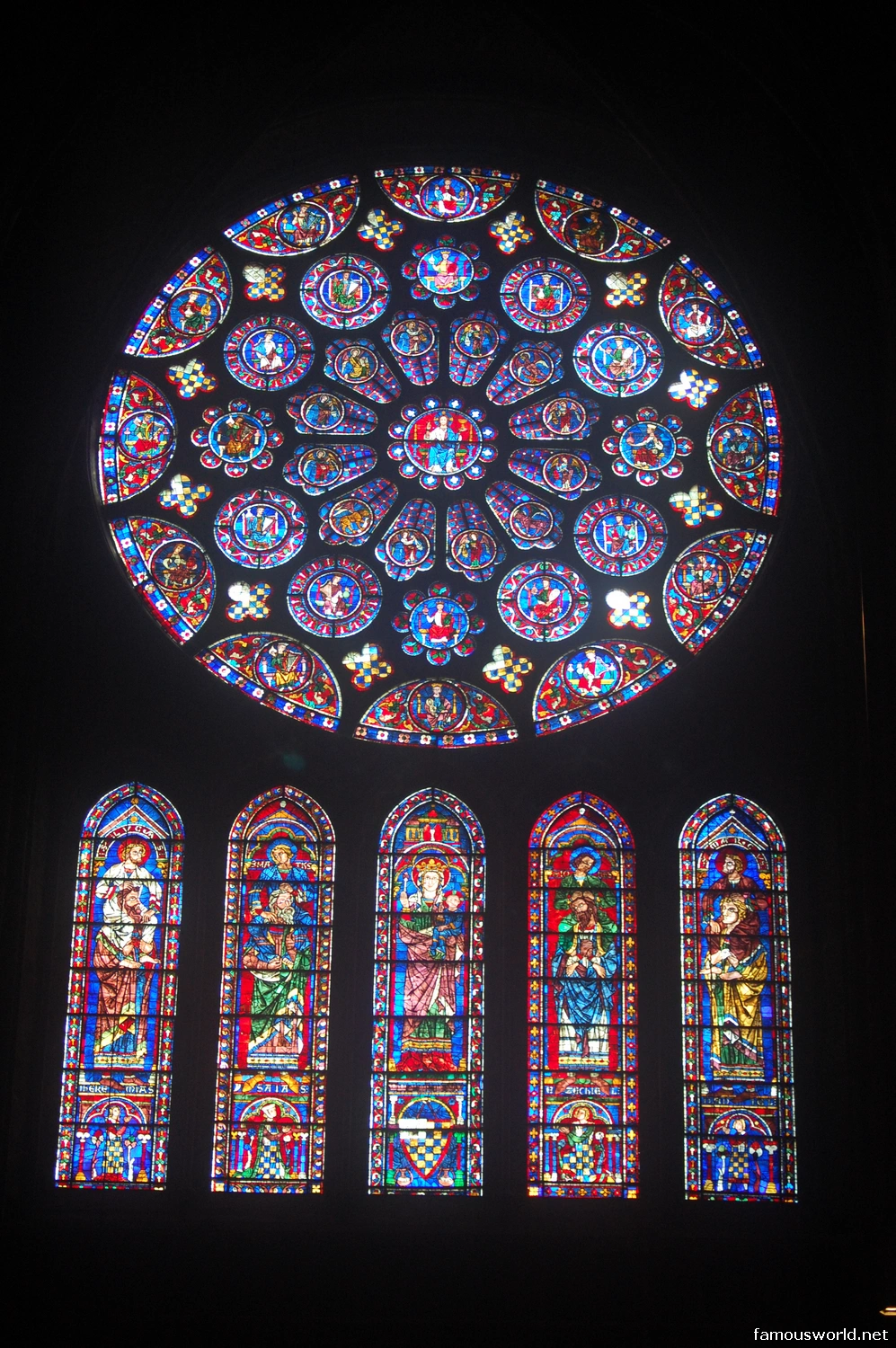




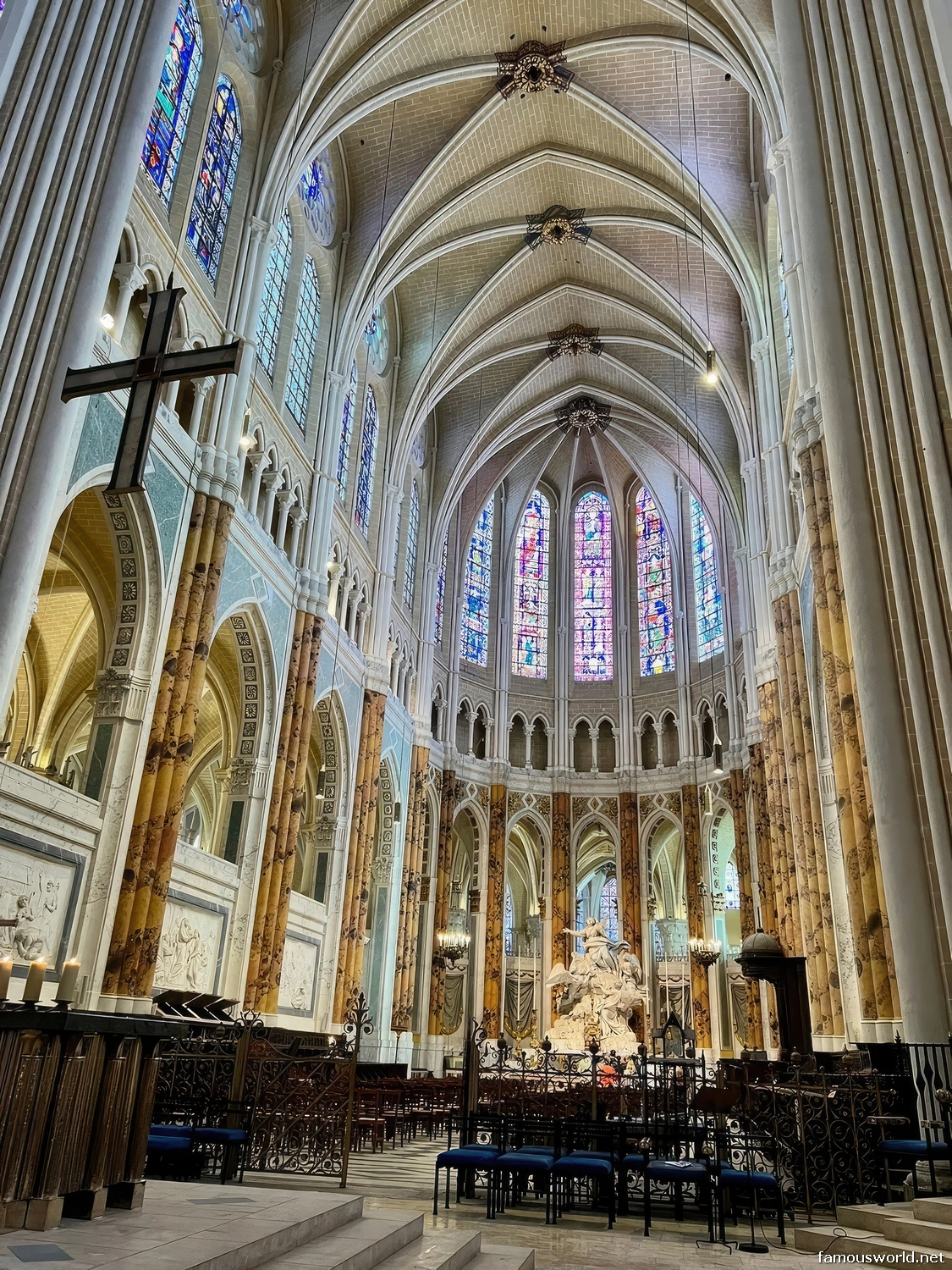
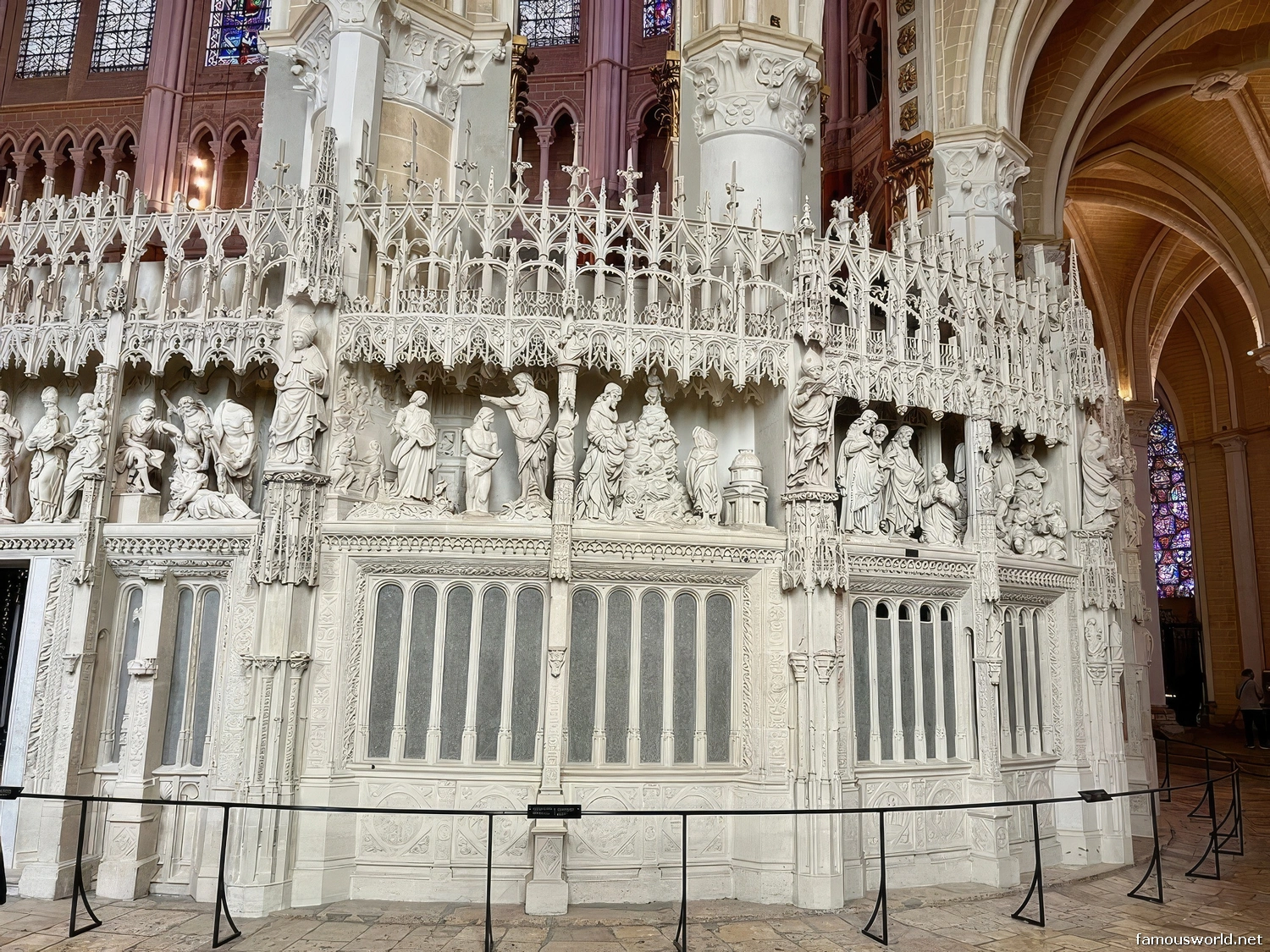



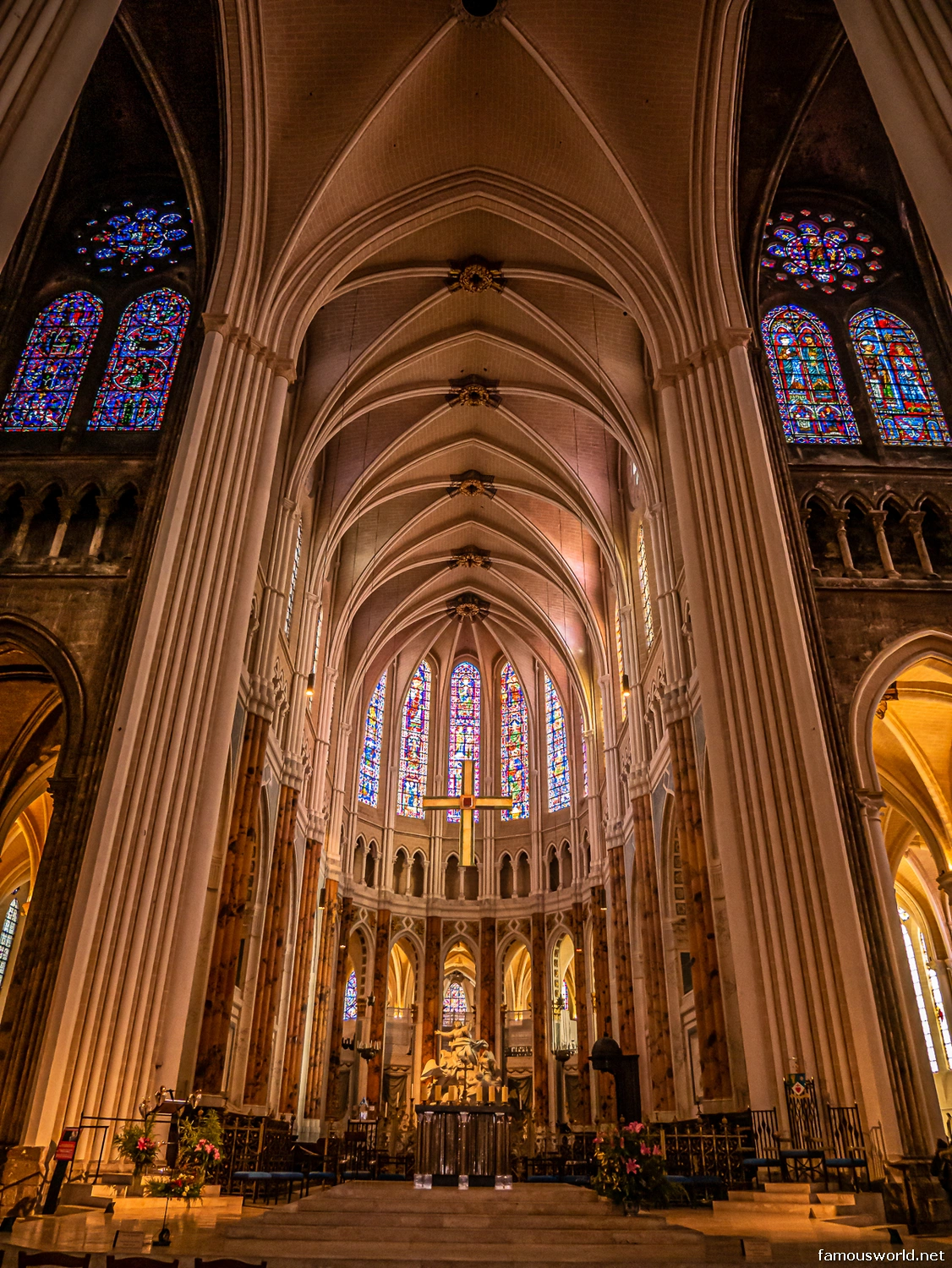

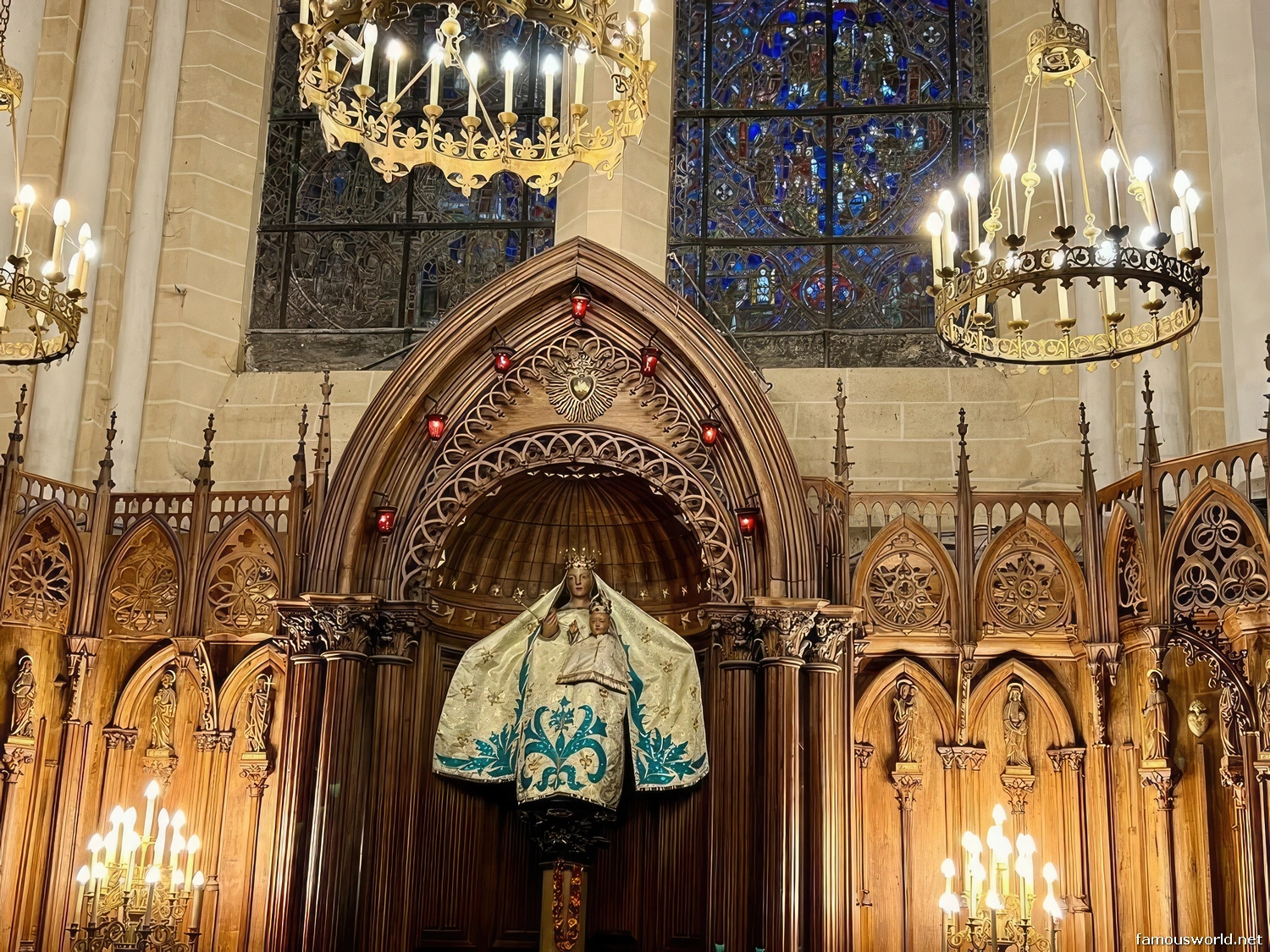


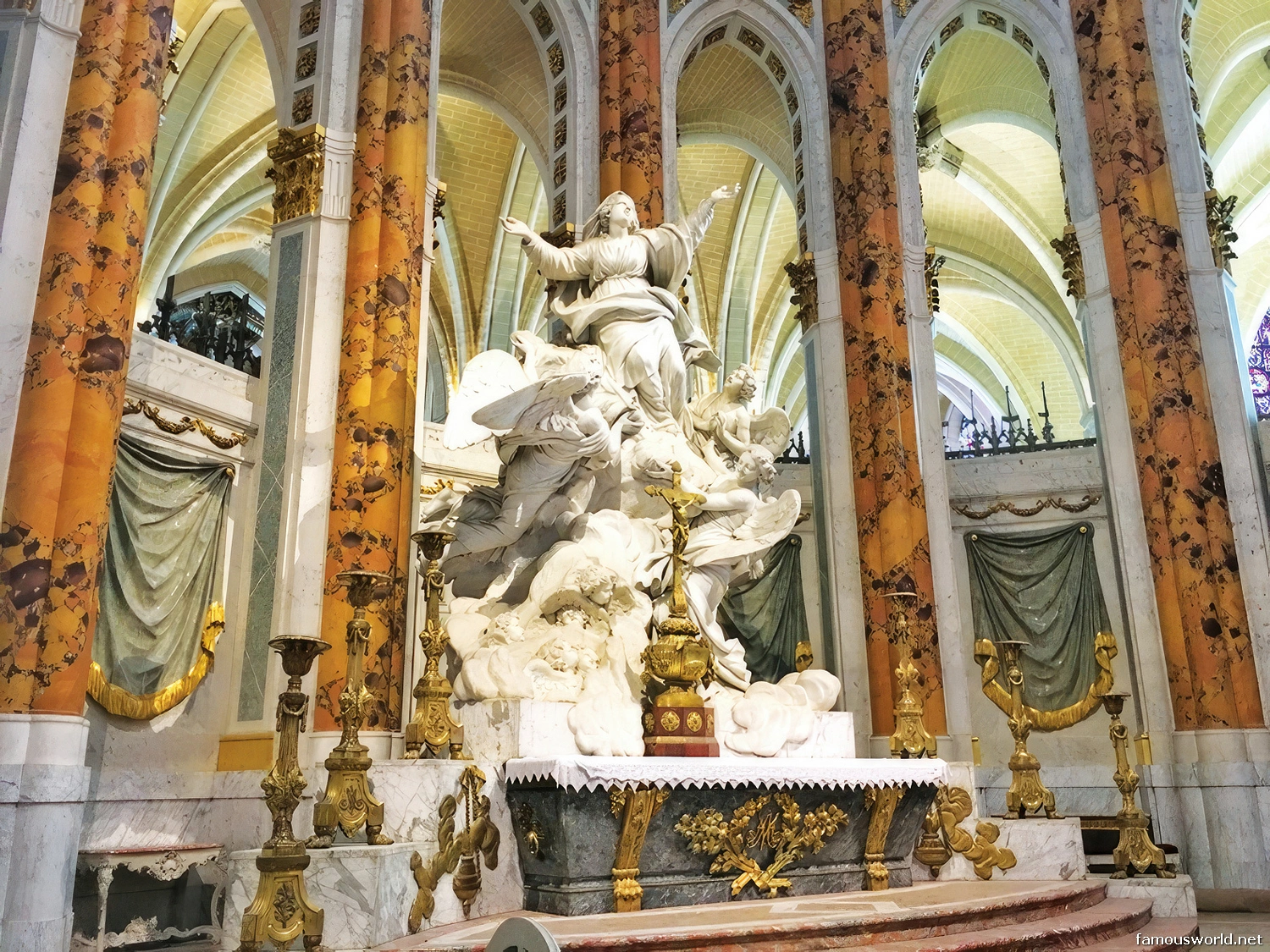
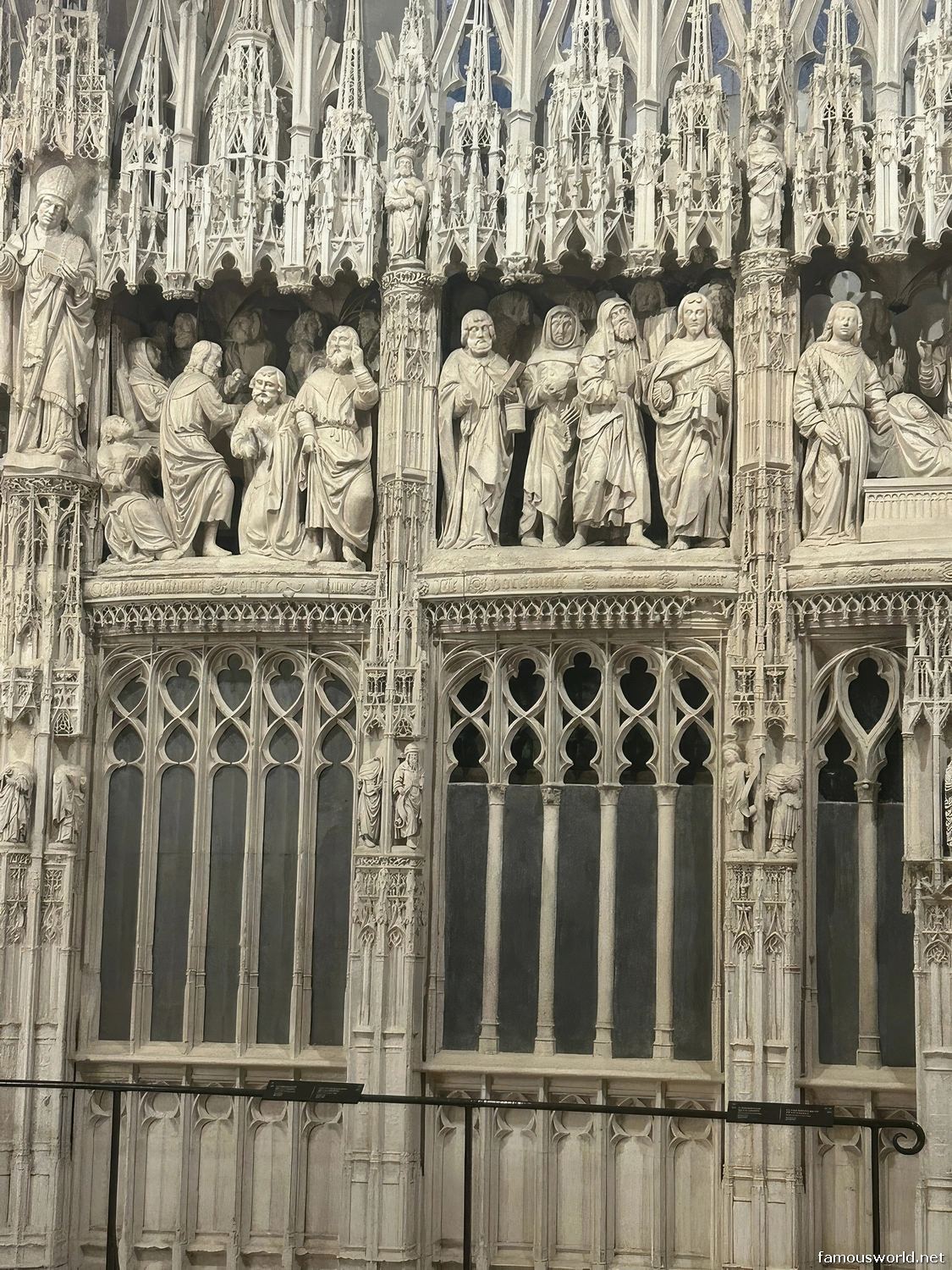
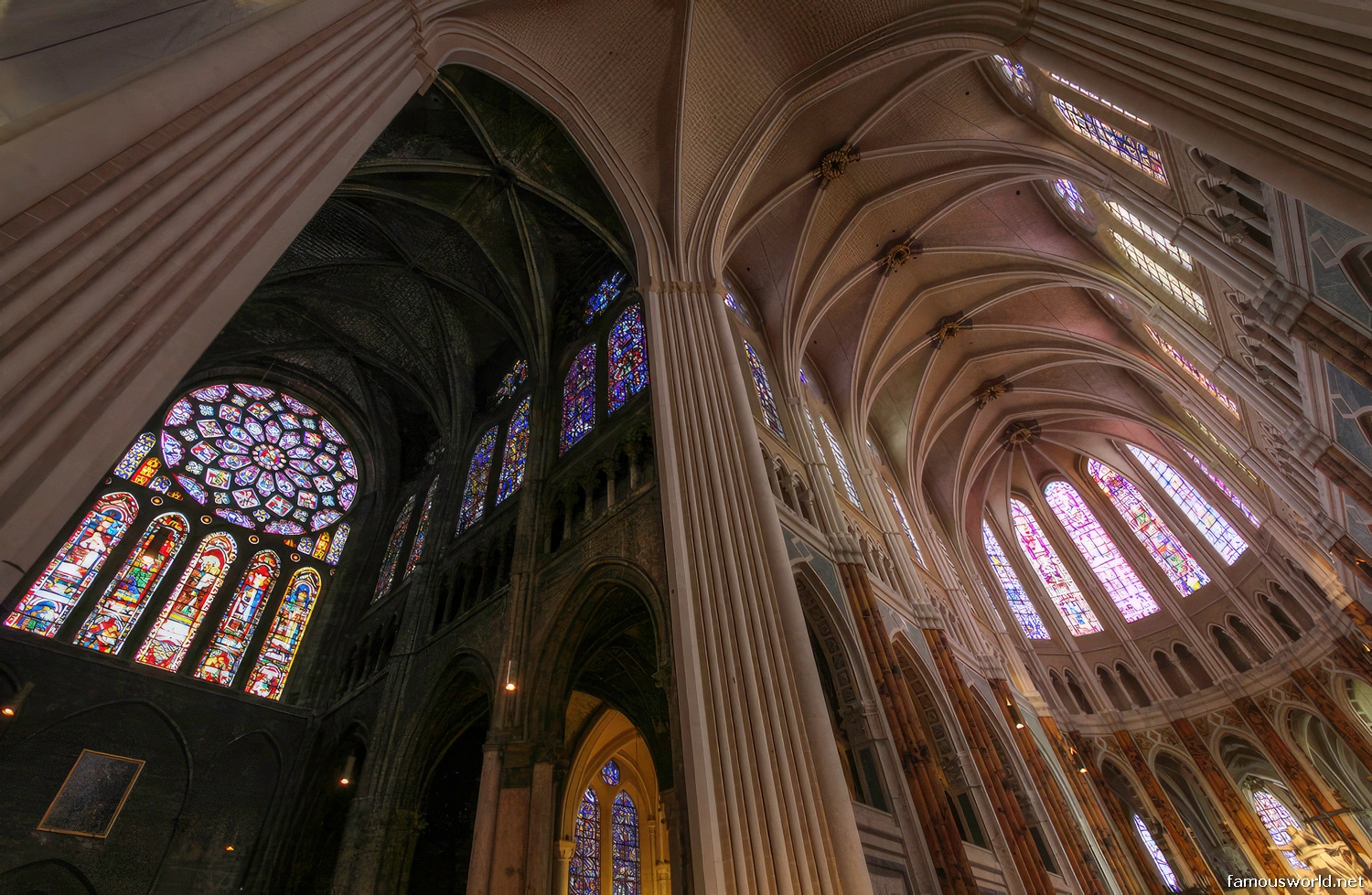
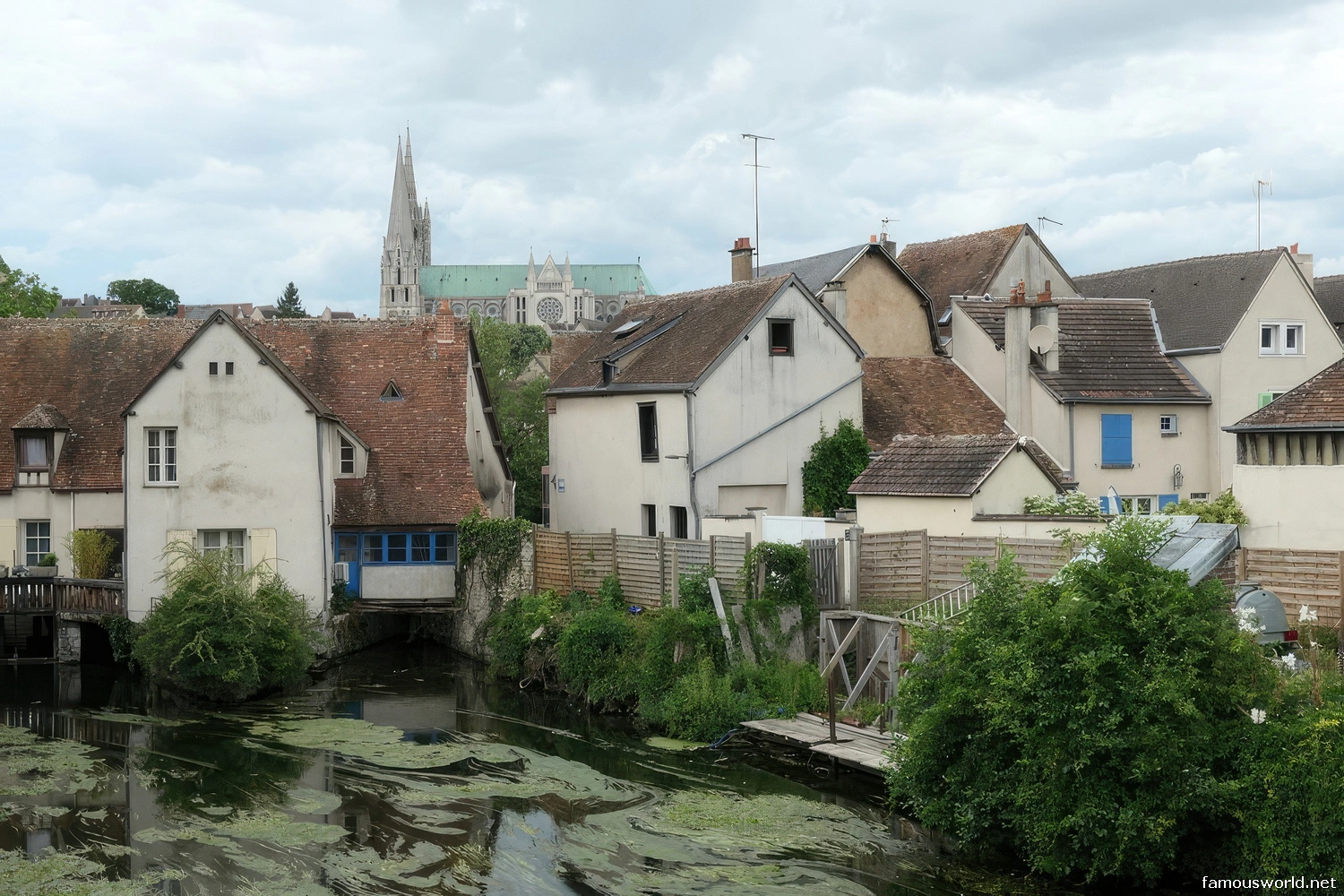
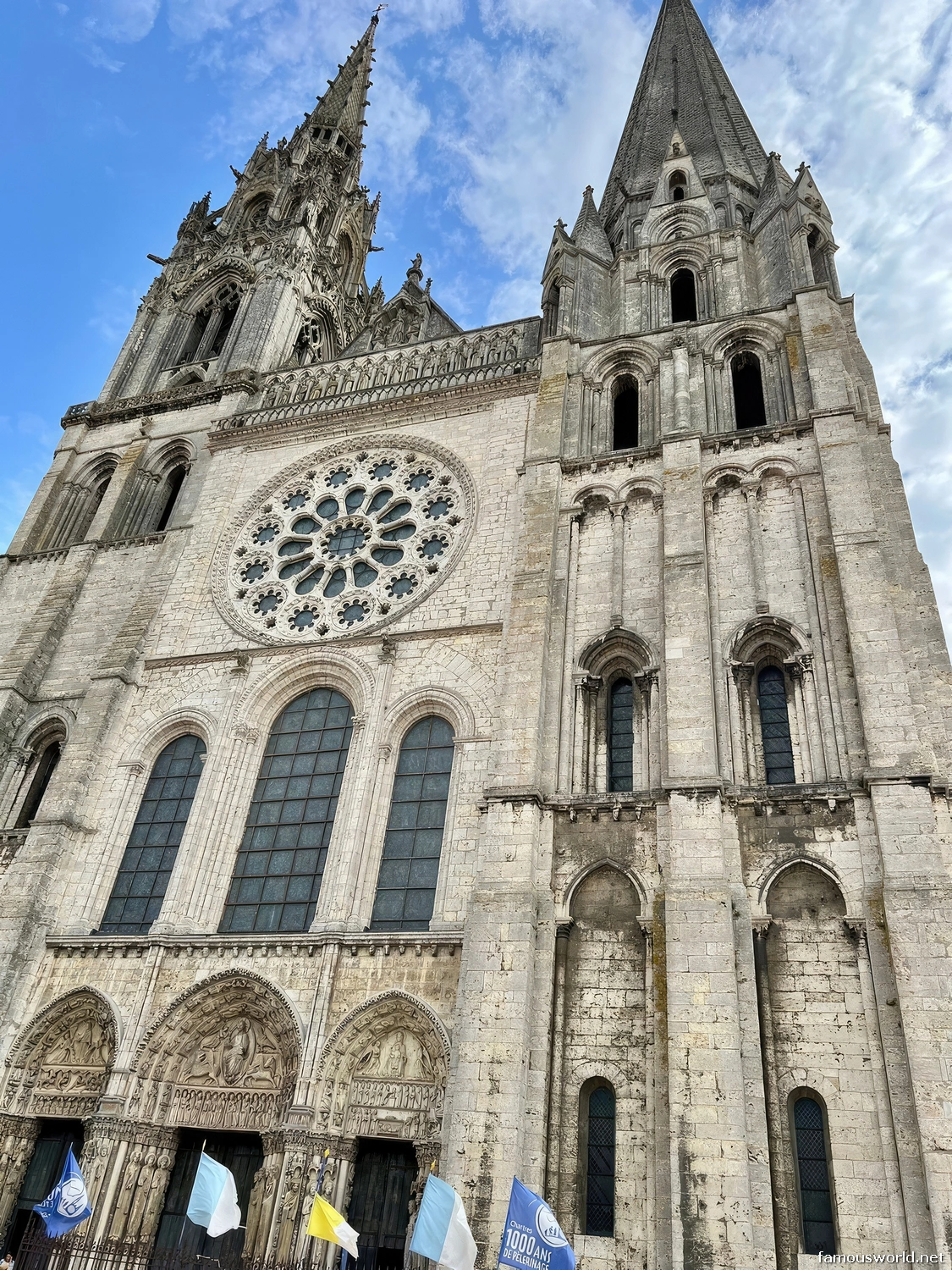



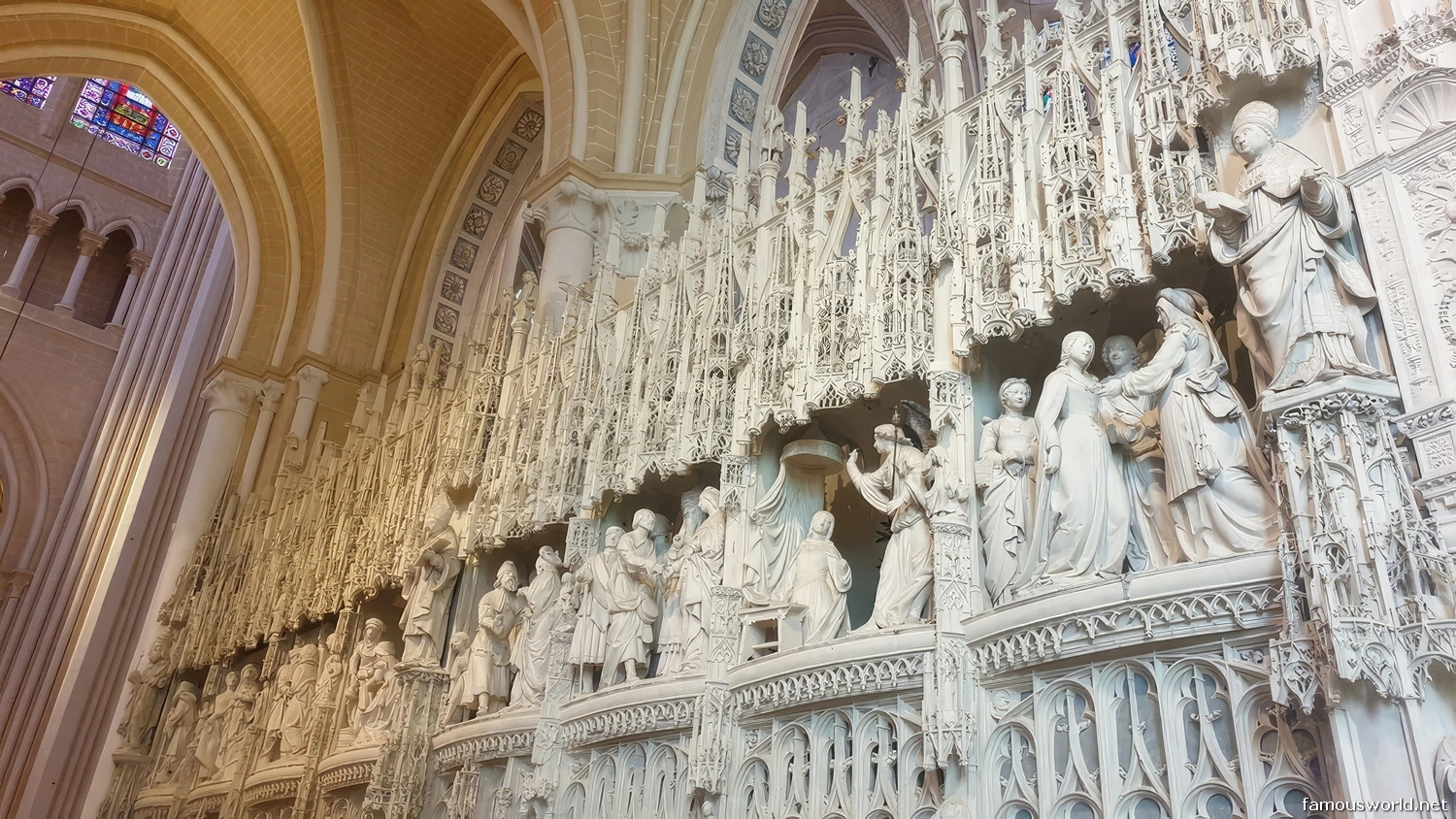
Rising majestically from the plains of the Beauce region, Chartres Cathedral is widely considered to be the high point of French Gothic art and architecture. More than just a church, it is a testament to faith, a miracle of preservation, and a library of medieval theology written in stone and glass. Having survived fires, wars, and revolutions largely intact, it stands today as the most complete and authentic of all of Europe’s great Gothic cathedrals. It is particularly renowned for its vast collection of original stained-glass windows, whose luminous “Chartres blue” has enchanted pilgrims and visitors for centuries. To enter its hallowed, light-filled interior is to step back into the Middle Ages and experience the awe-inspiring power of a sacred space perfected.
Listen to an introduction about Chartres Cathedral

Name and Location
- Name: Chartres Cathedral (French: Cathédrale Notre-Dame de Chartres).
- Location: In the city of Chartres, about 90 kilometers (56 miles) southwest of Paris in the Eure-et-Loir department of France.
How to Get There
Chartres is a very popular day trip from Paris, making it highly accessible.
- By Train: The easiest and most common way to visit is by train. Direct trains run frequently from Paris’s Gare Montparnasse station, with the journey taking approximately one hour. The cathedral is a short, uphill walk from the Chartres train station.
- By Car: Chartres is well-connected by the French motorway system, making it an easy drive from Paris or other parts of the Loire Valley.
Landscape and Architecture
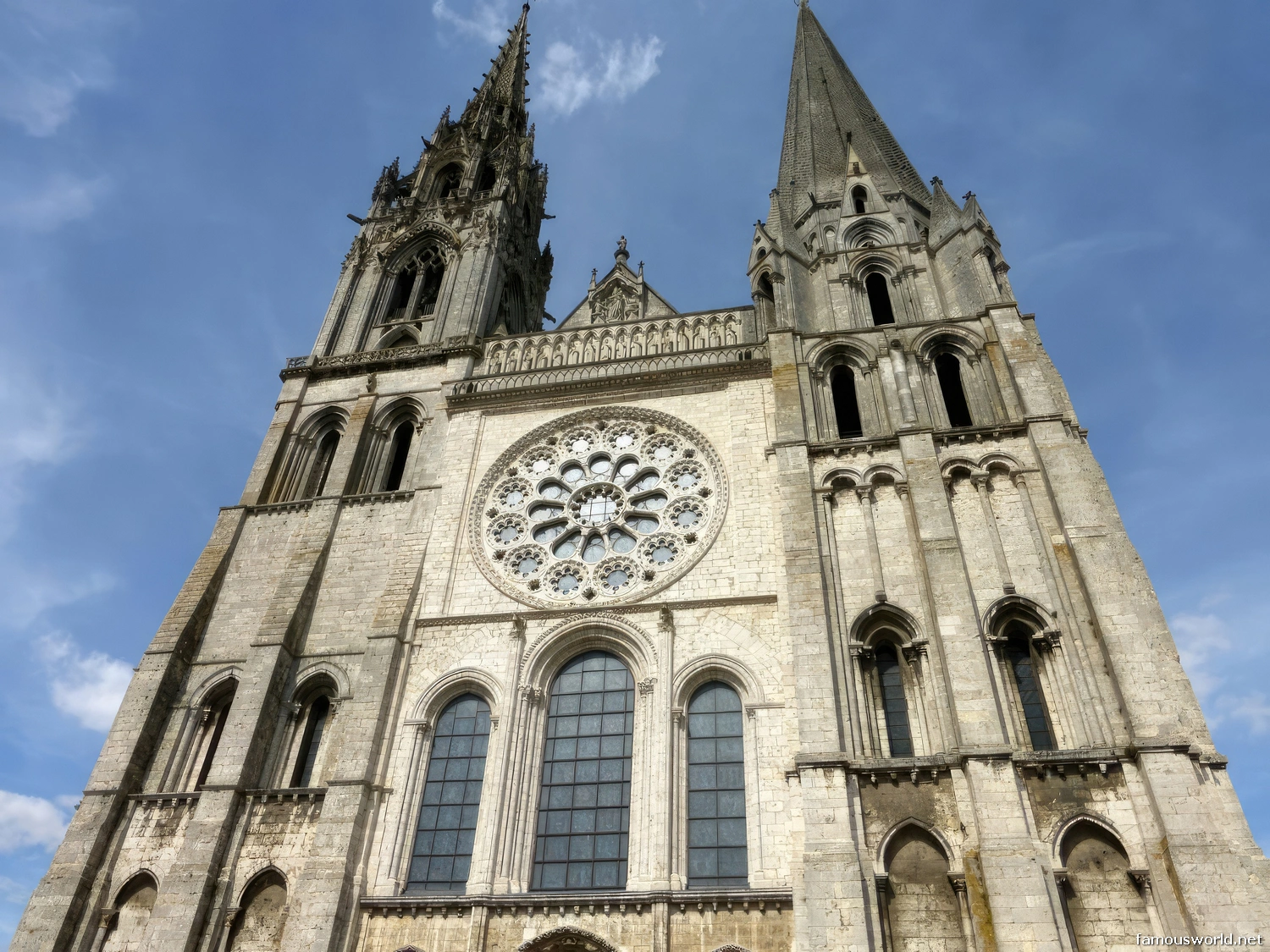
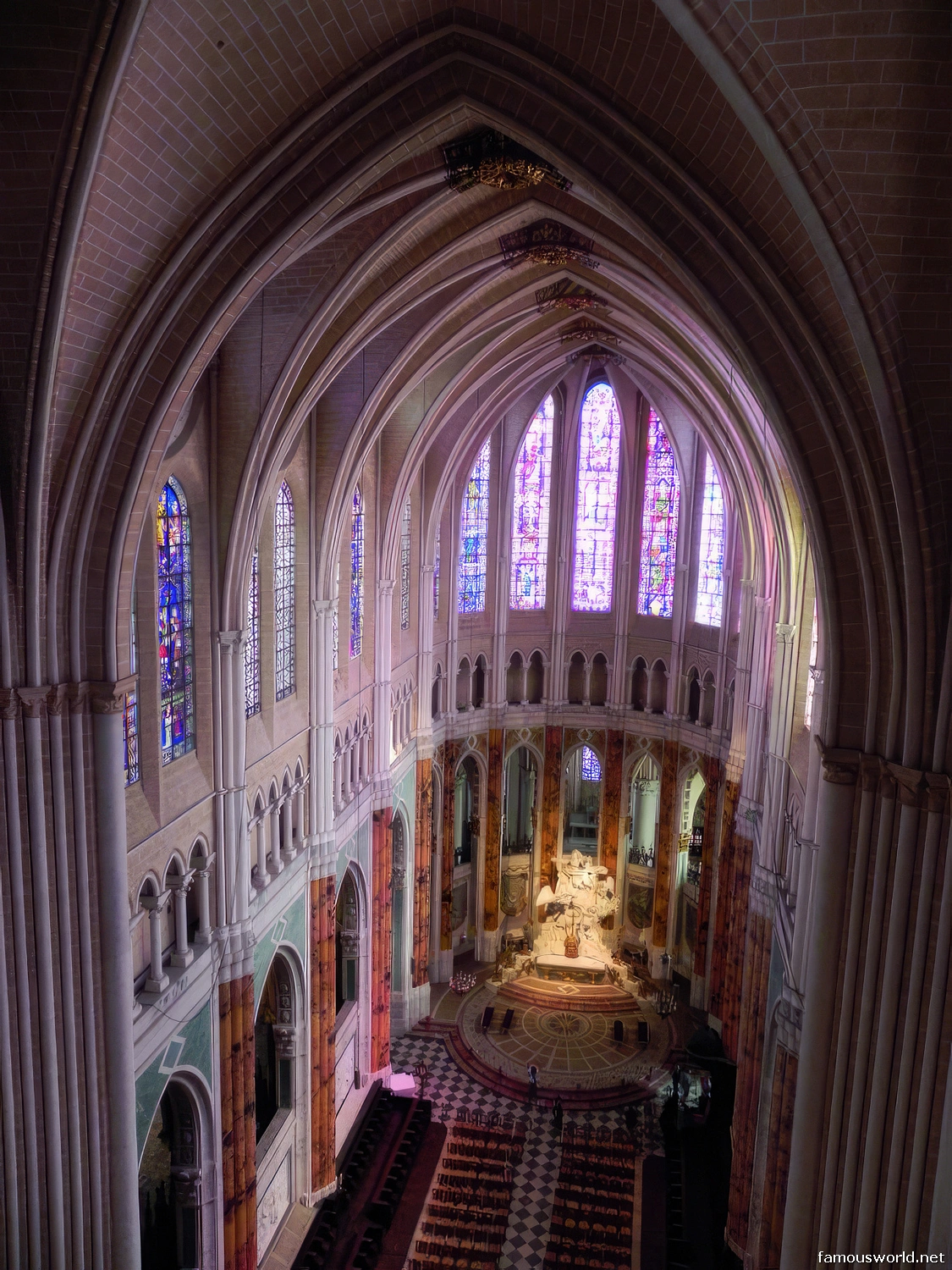
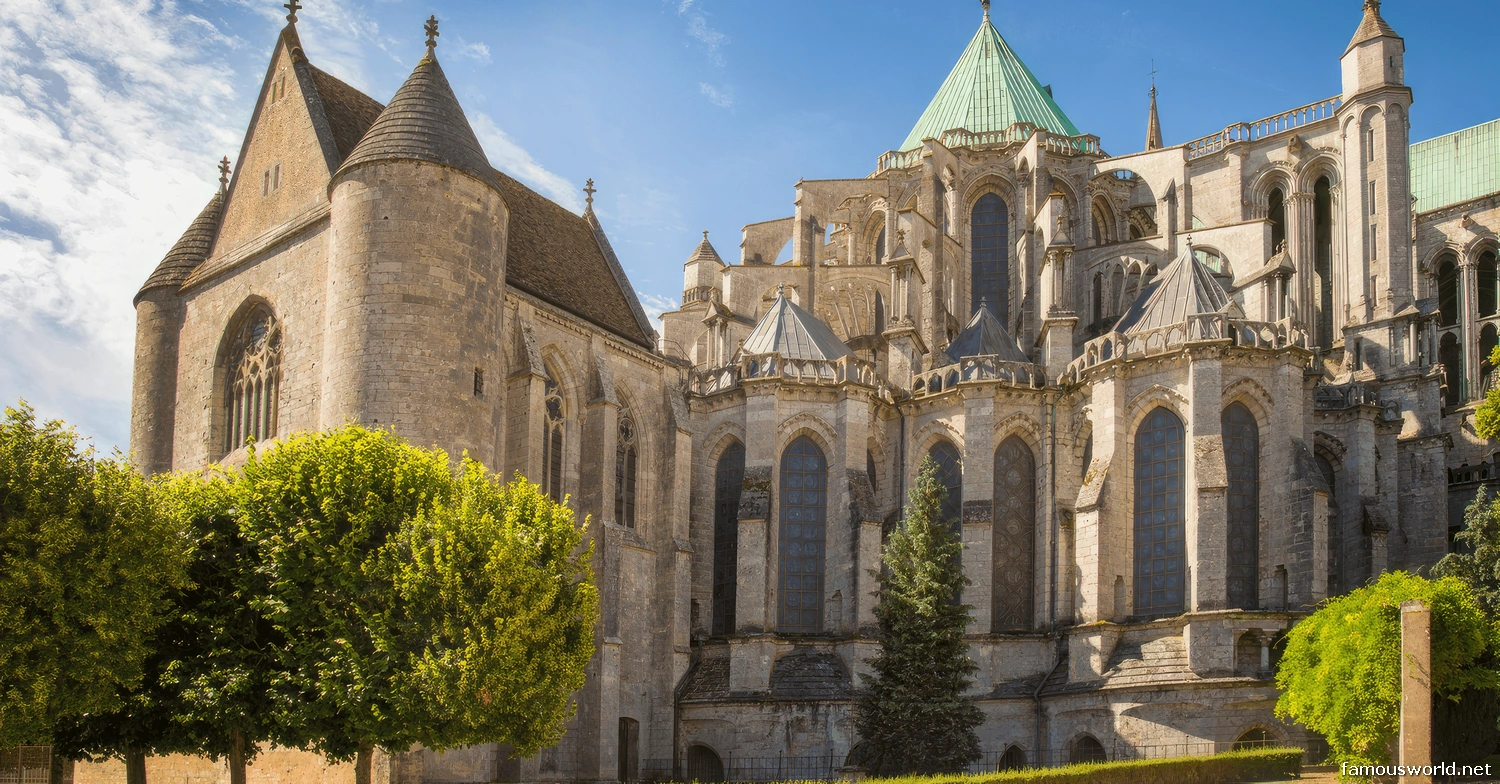
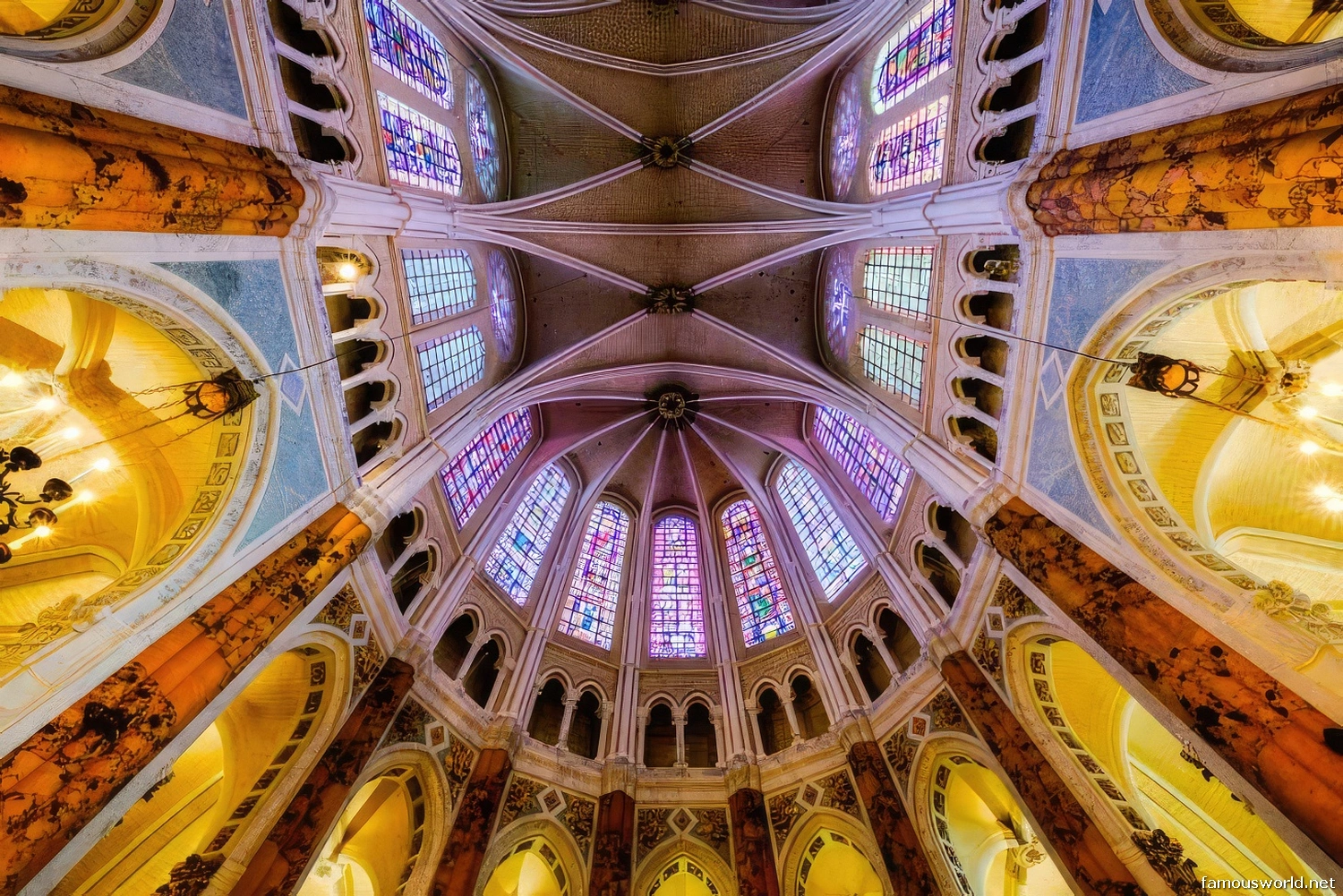
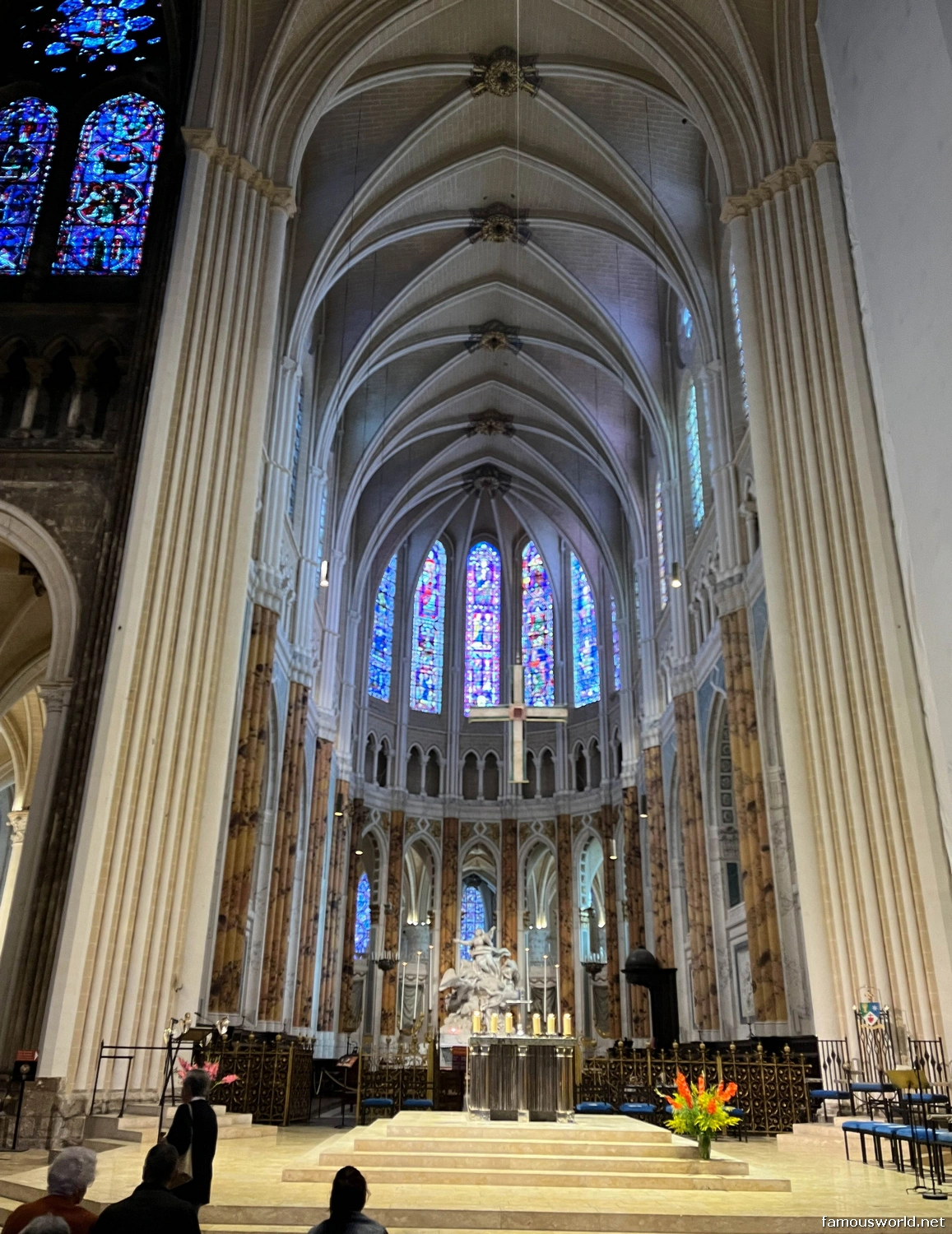
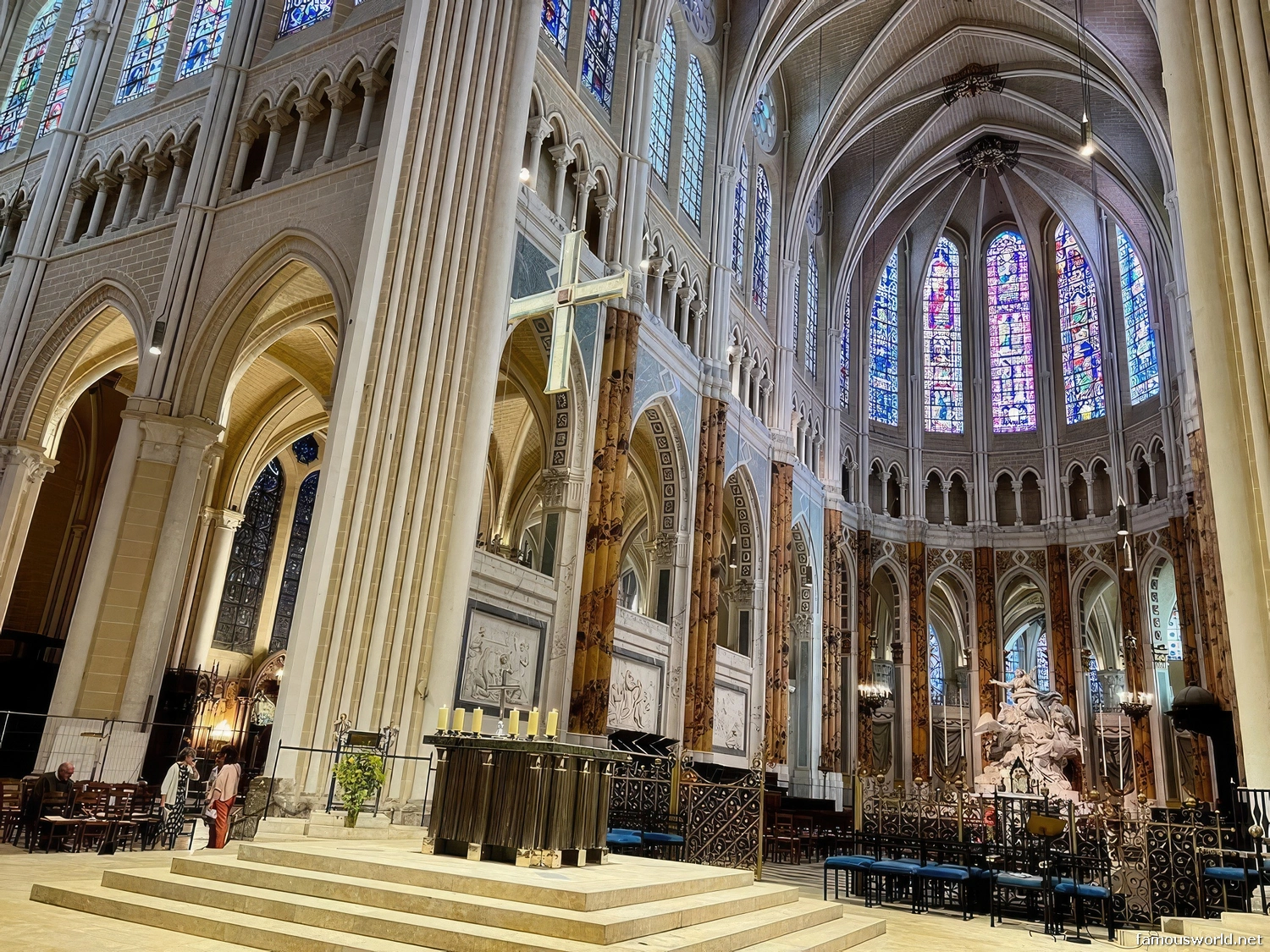
The cathedral’s architecture is a masterclass in the High Gothic style, designed to create an ethereal and uplifting space.
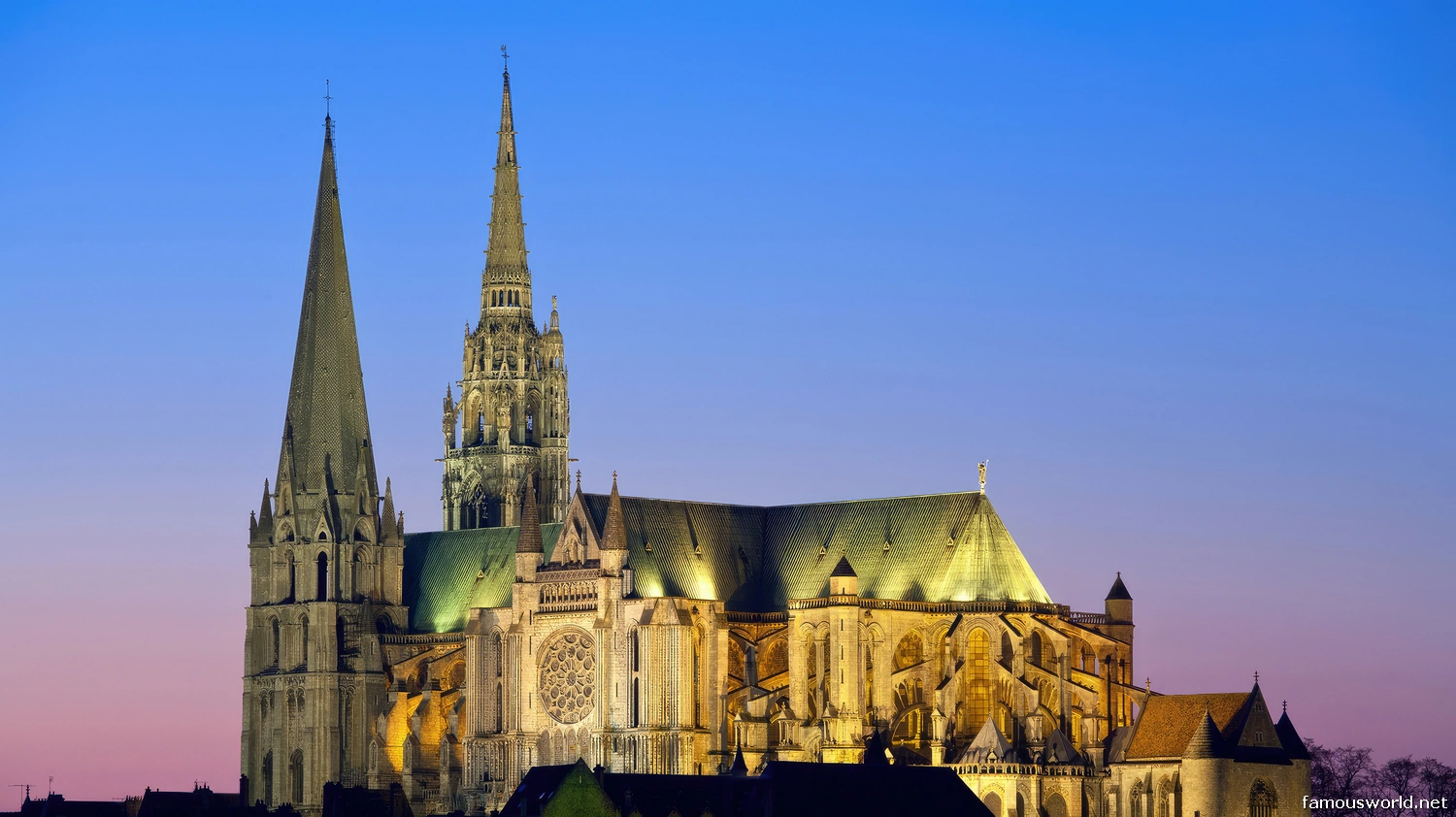
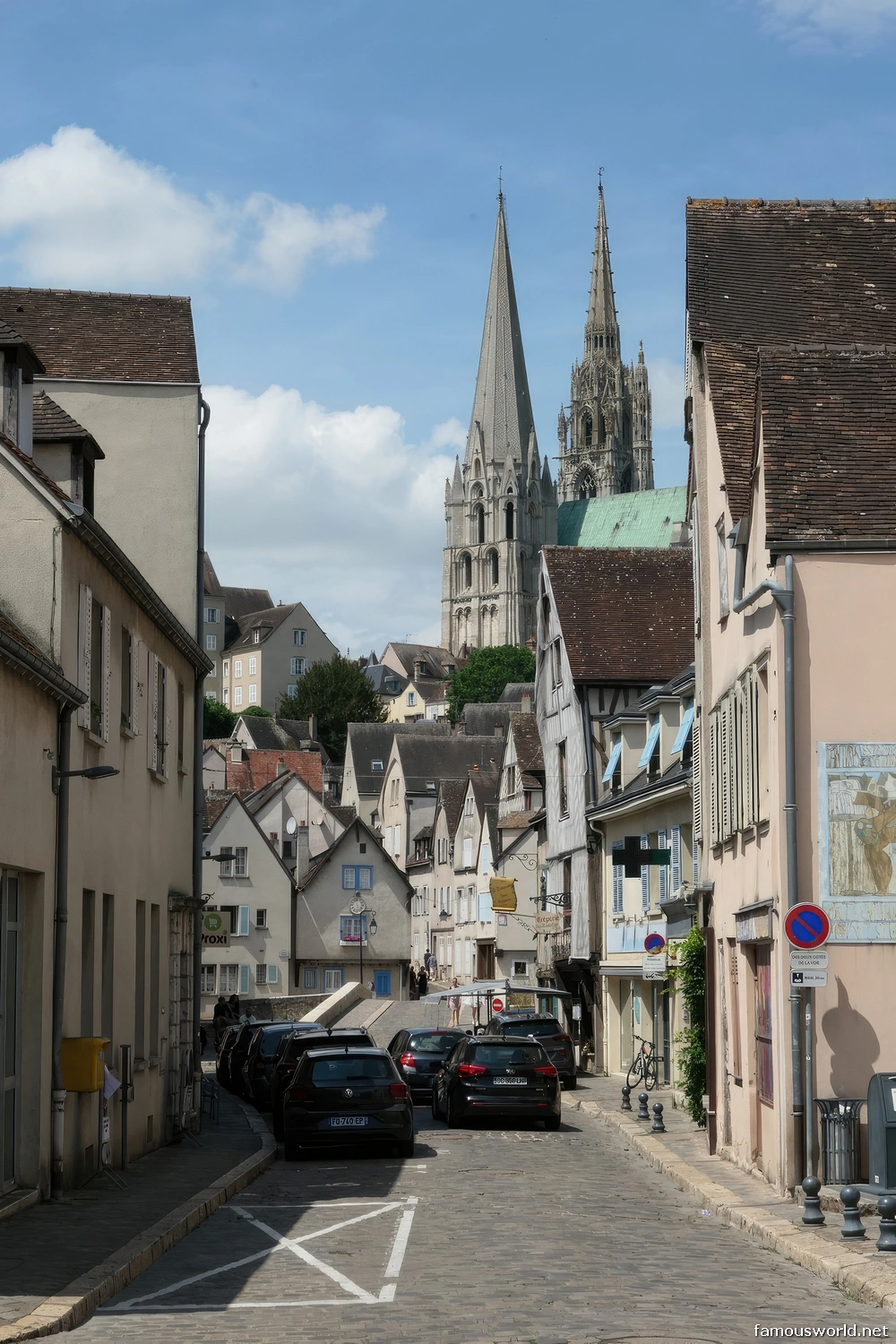
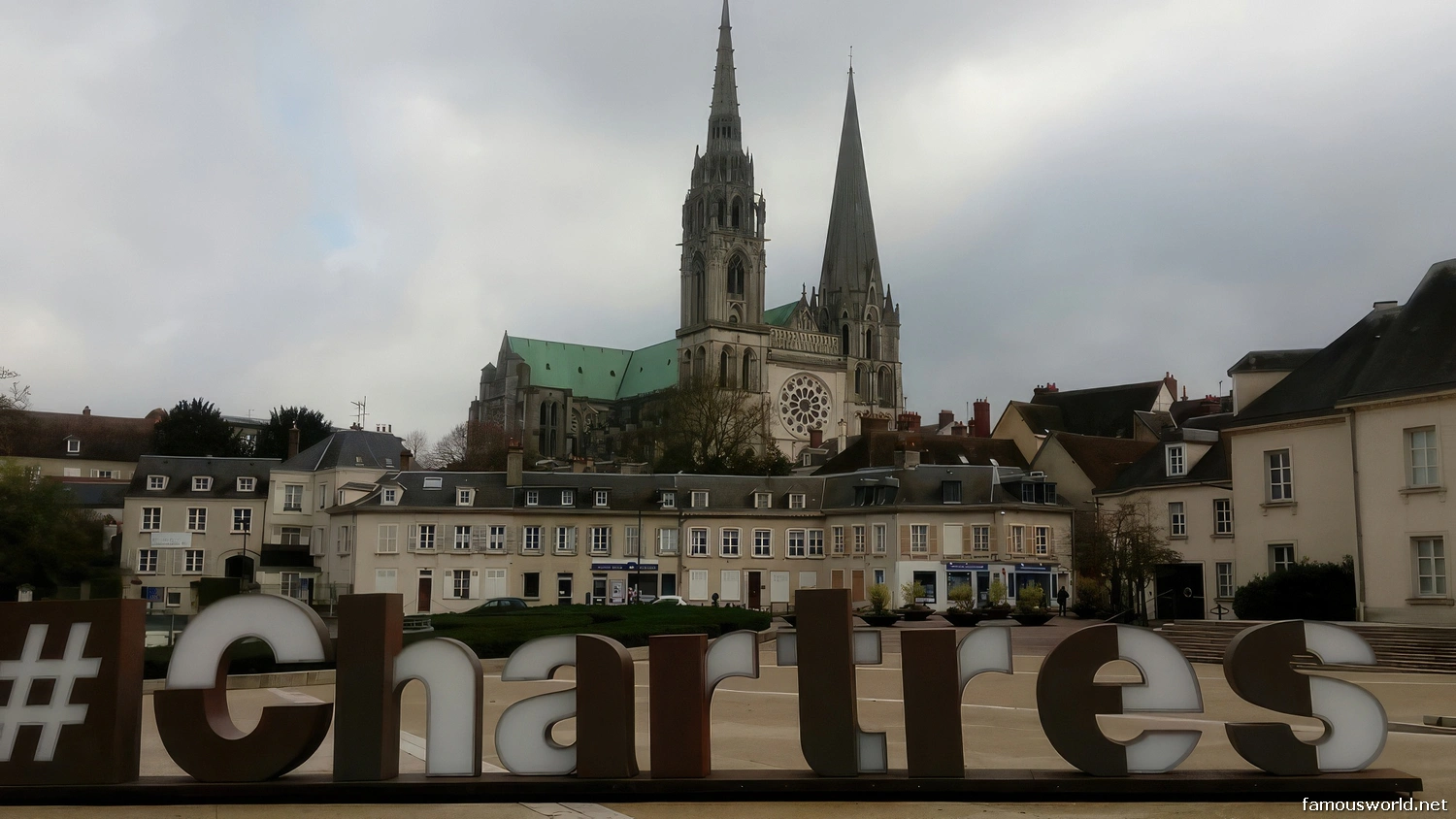
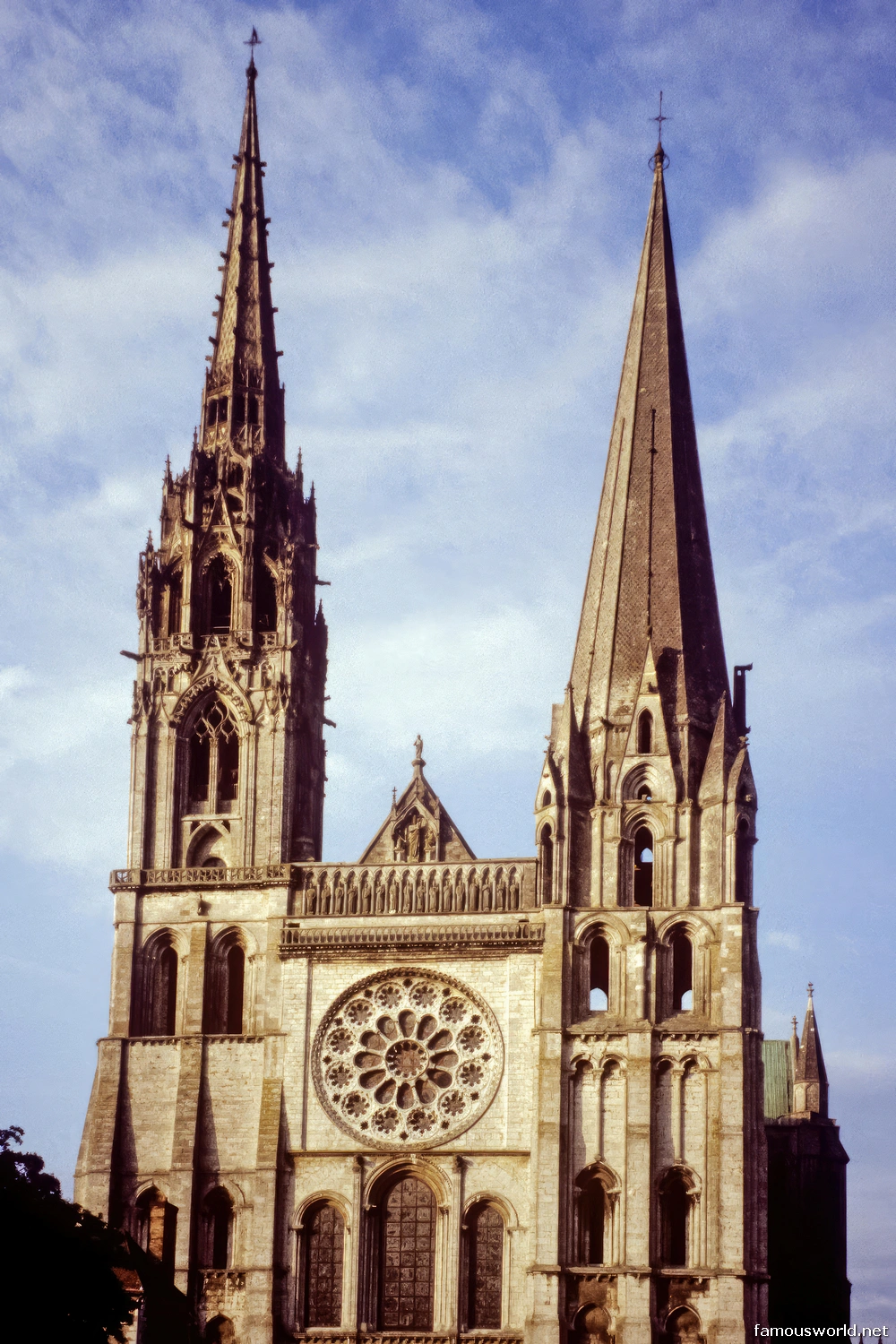
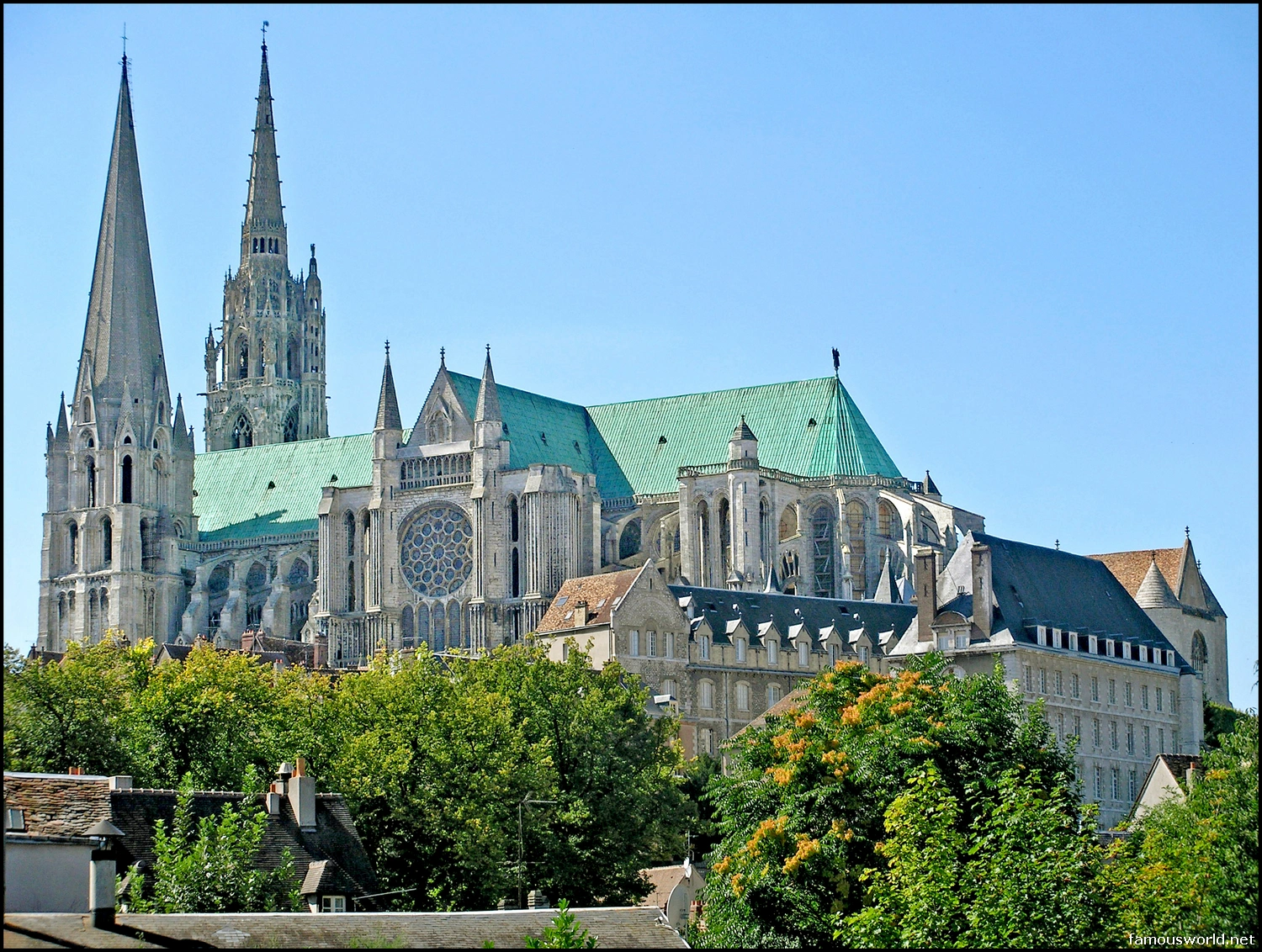
- Dominant Landmark: The cathedral sits on a hill, its two soaring spires dominating the town of Chartres and the surrounding agricultural plains for miles in every direction, serving as a beacon for pilgrims.
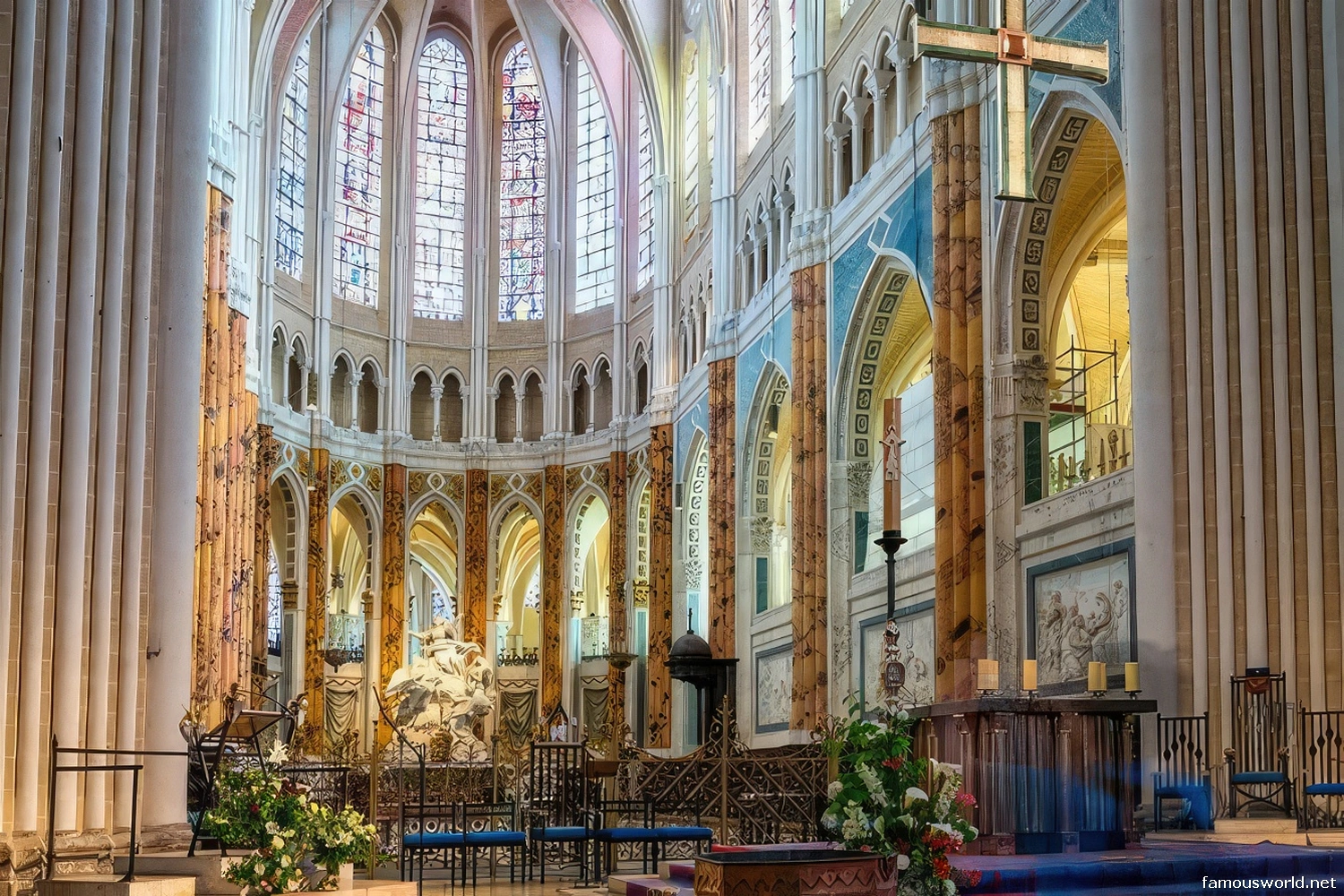
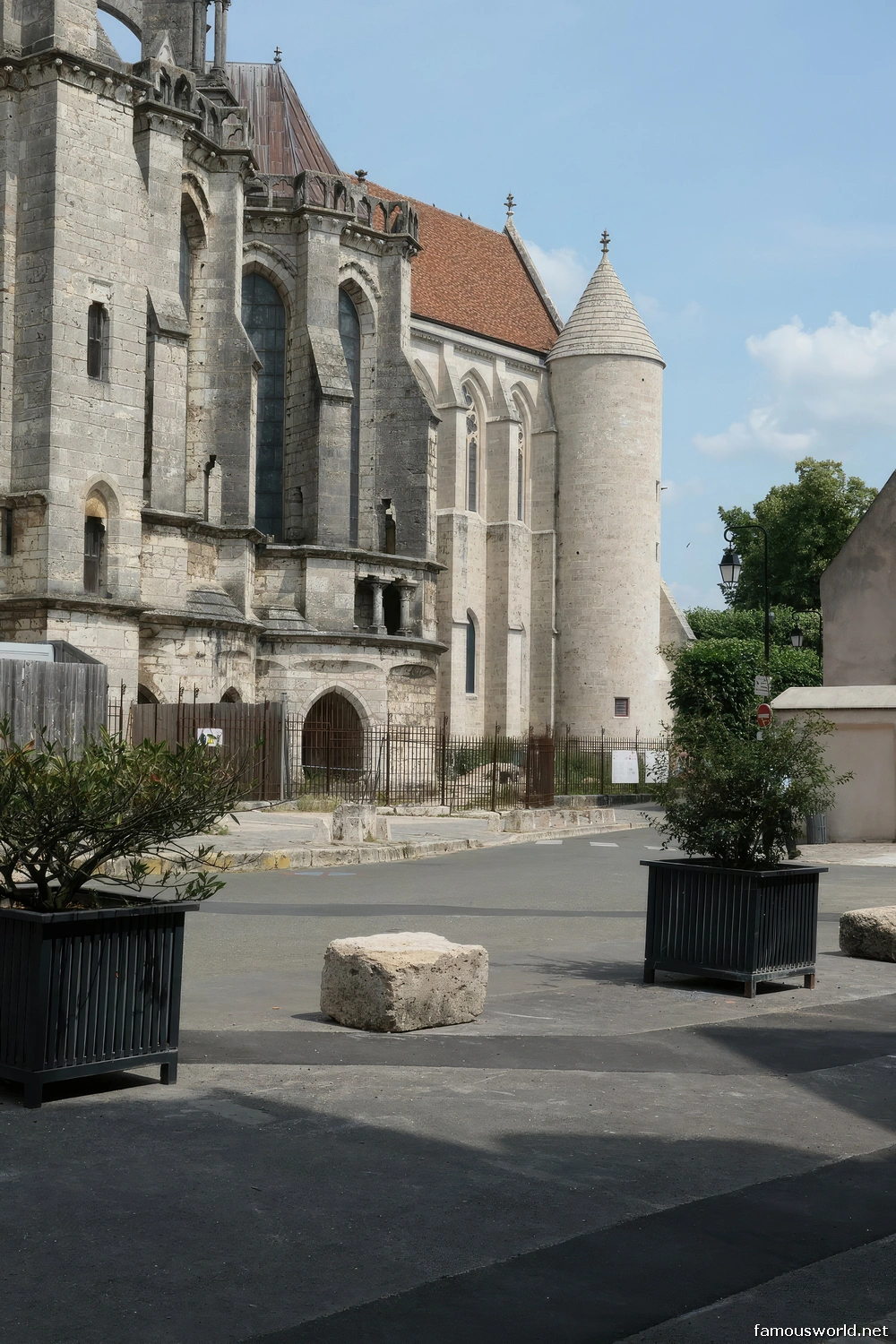
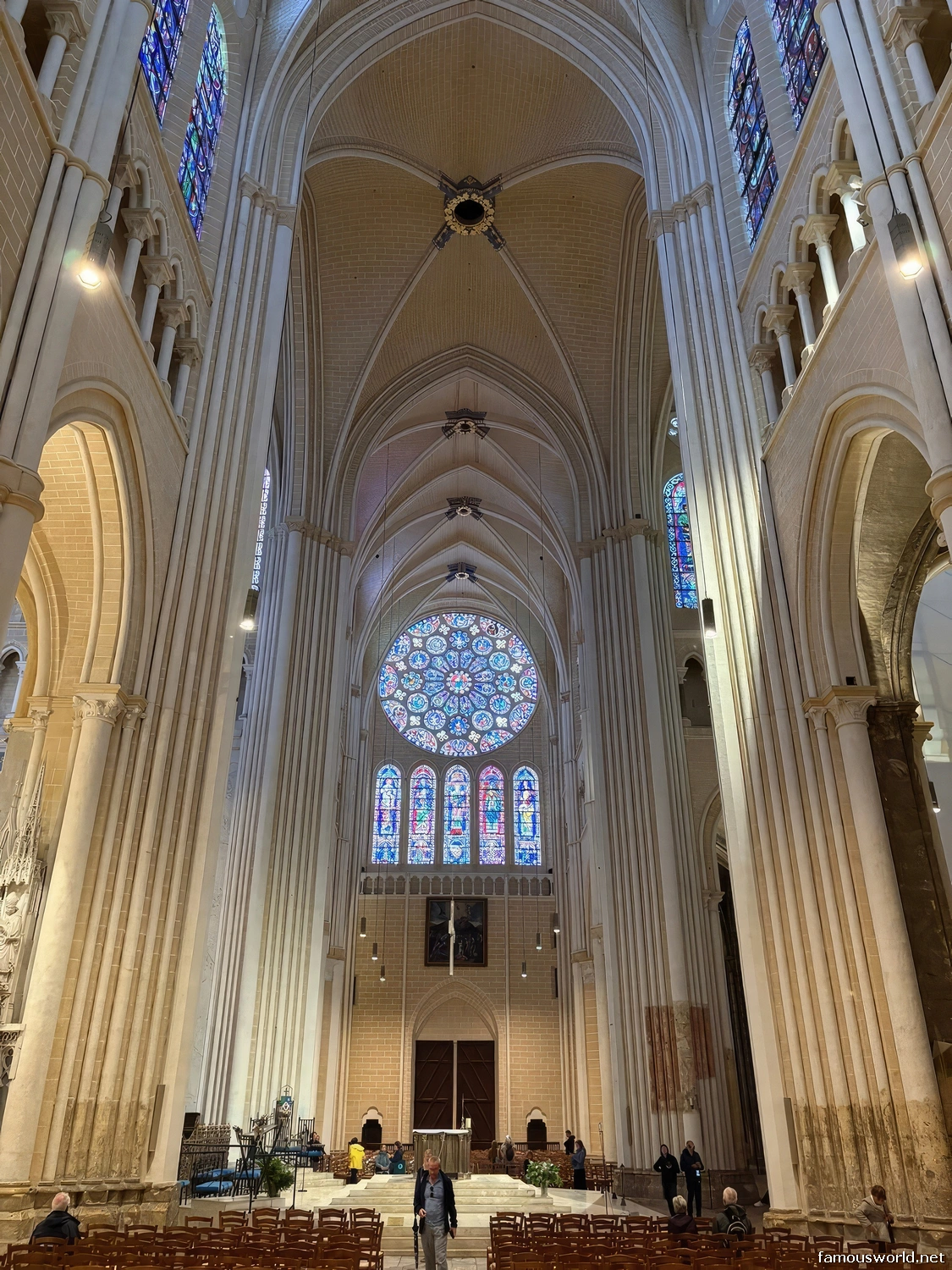
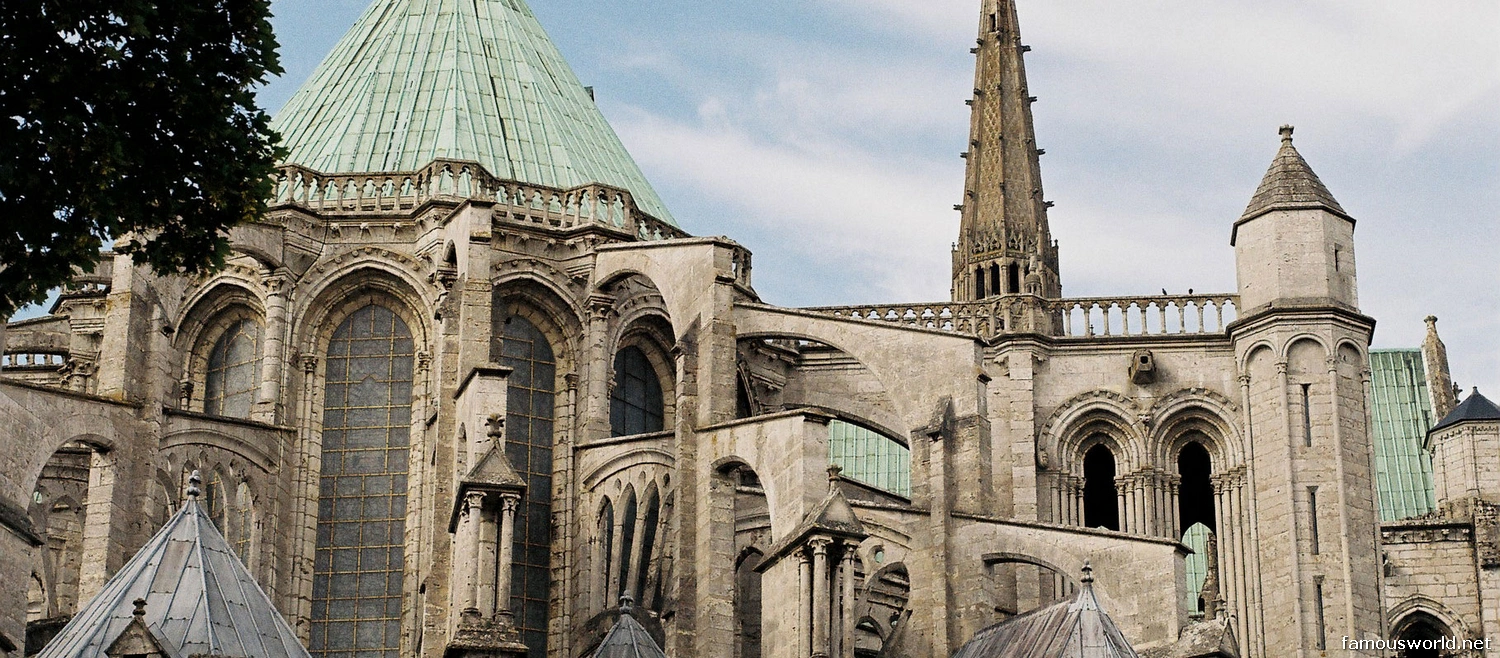
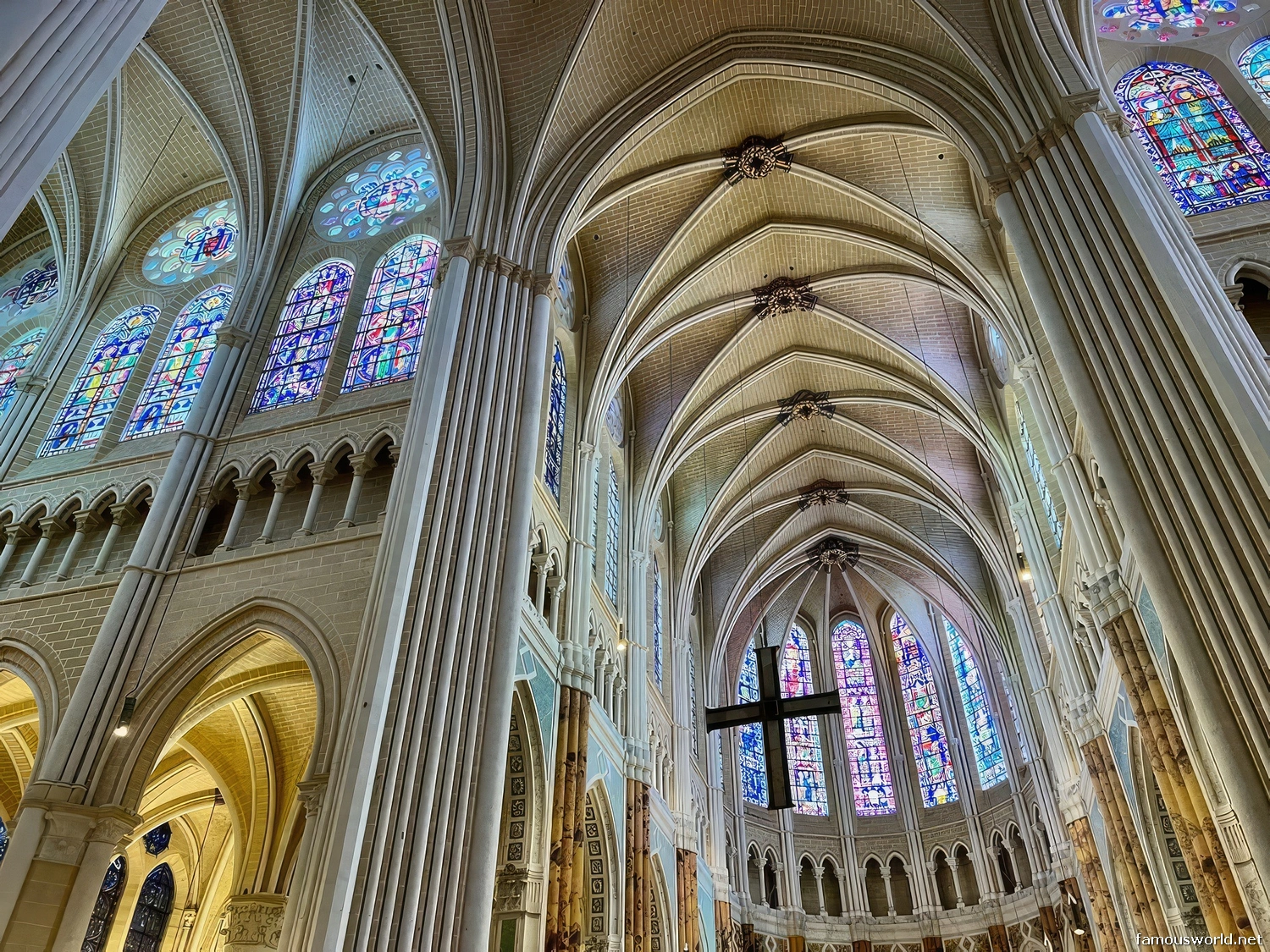
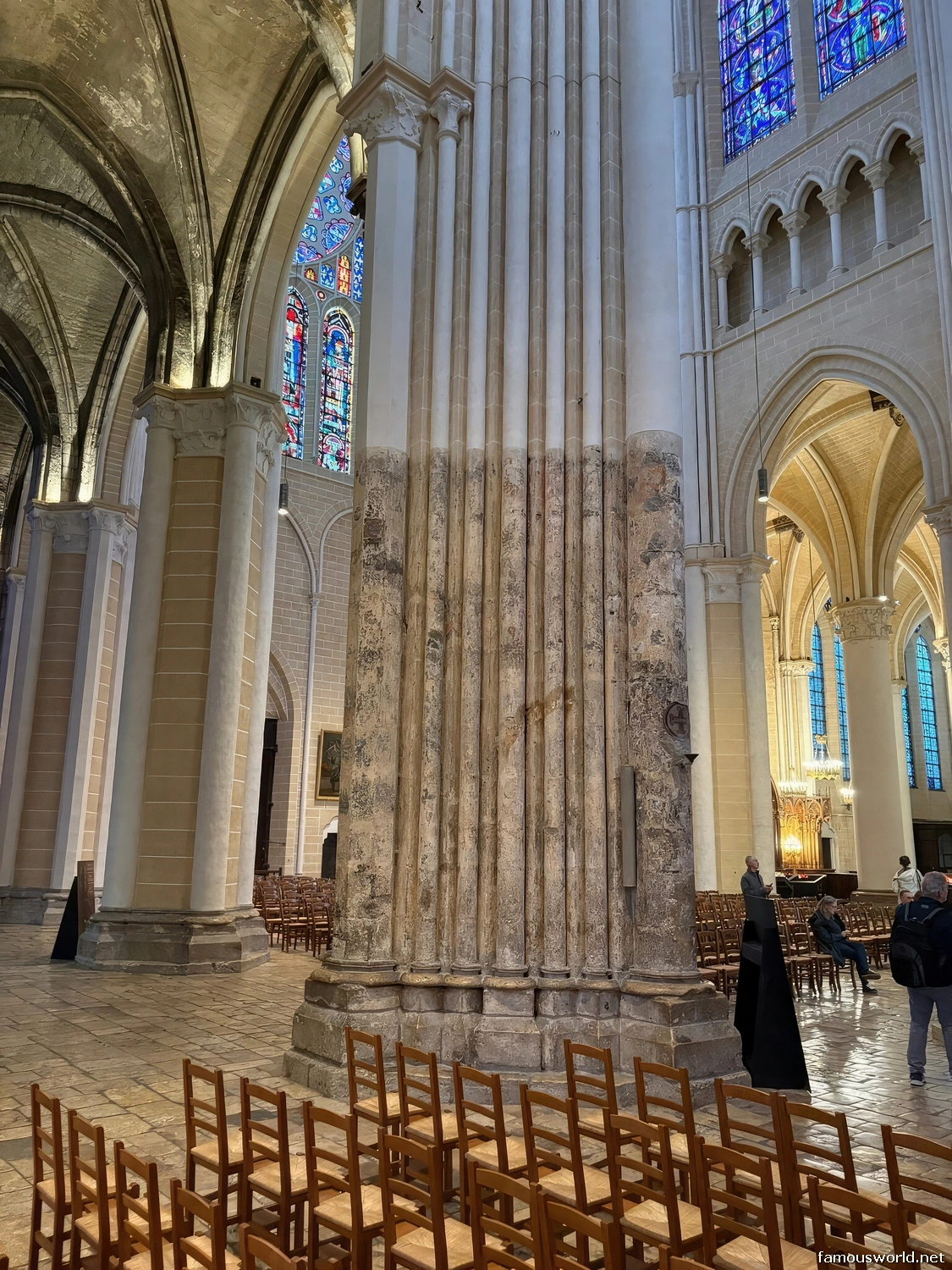
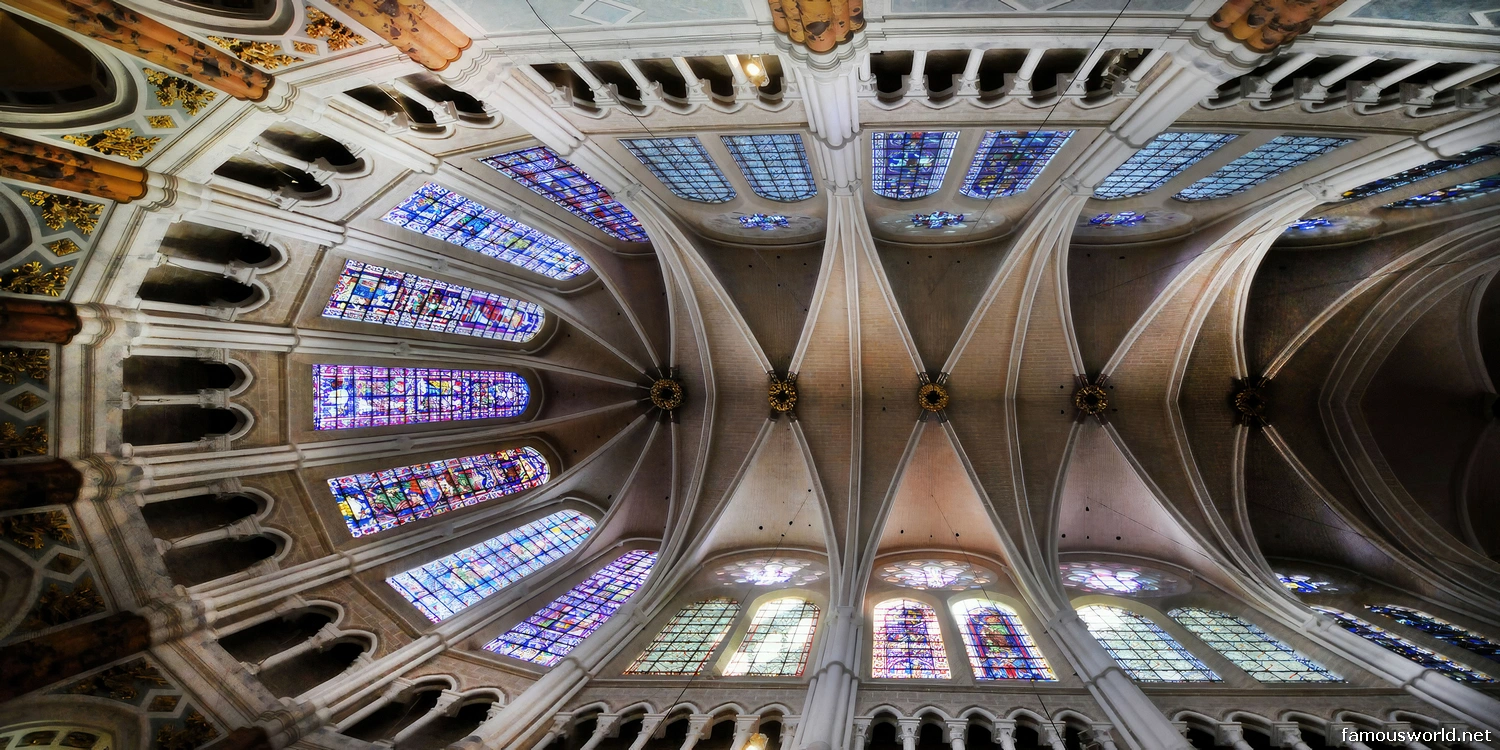
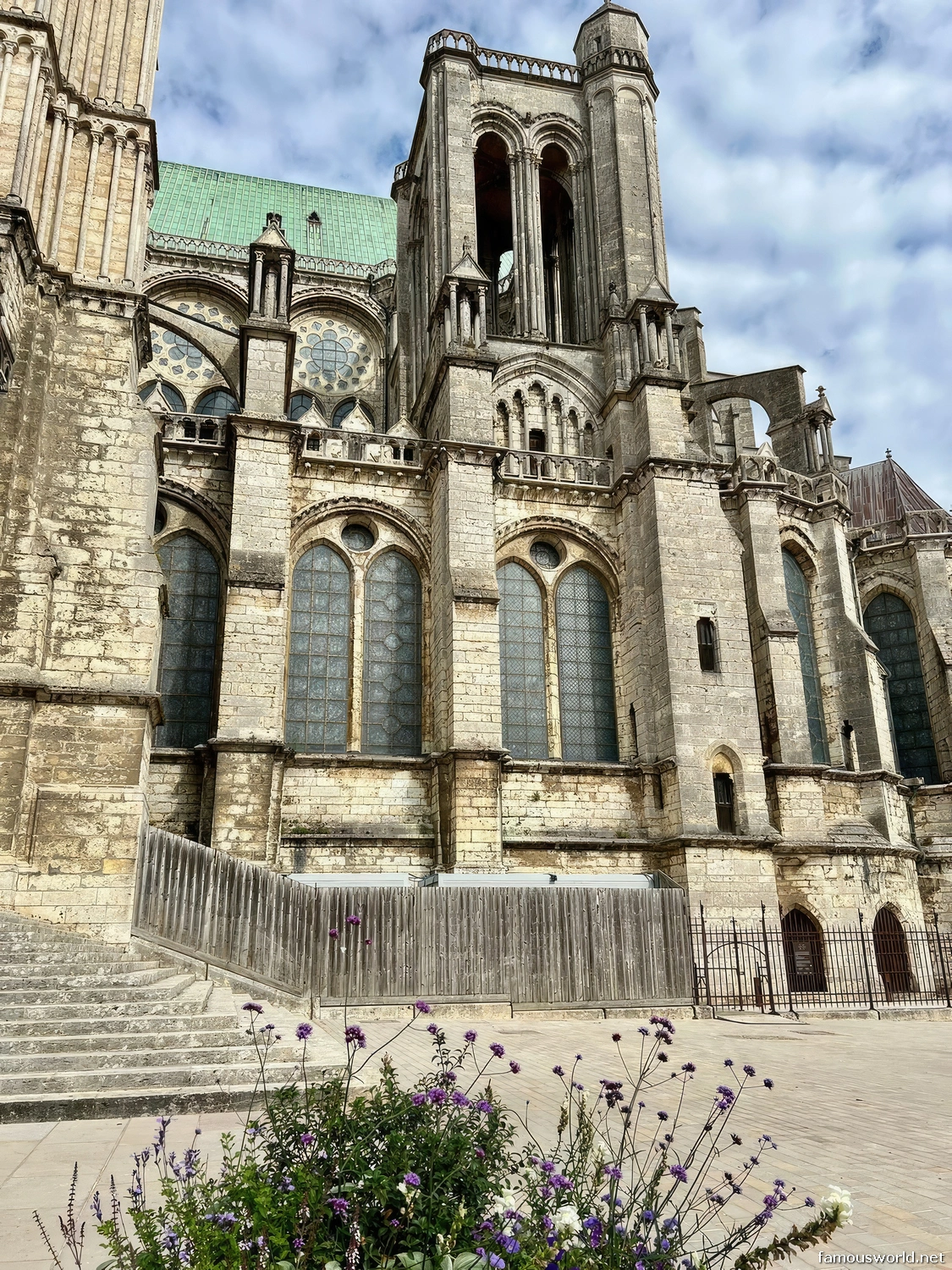
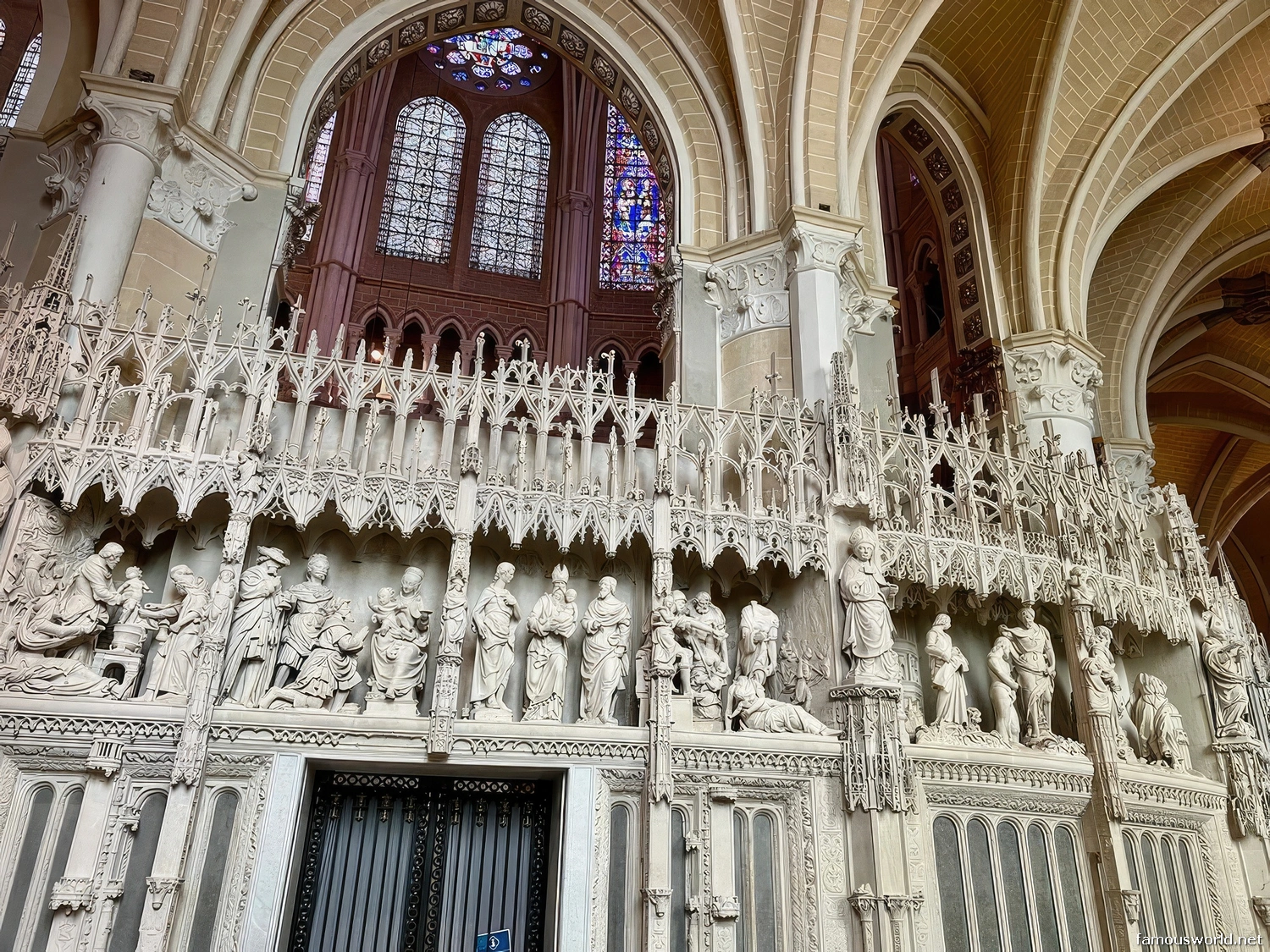
- High Gothic Style: Chartres is the archetypal example of the High Gothic style. Its innovative use of flying buttresses to support the thin stone walls allowed for the inclusion of vast stained-glass windows, filling the interior with divine light. The design is a harmonious blend of pointed arches, ribbed vaults, and a three-story elevation (arcade, triforium, and clerestory).
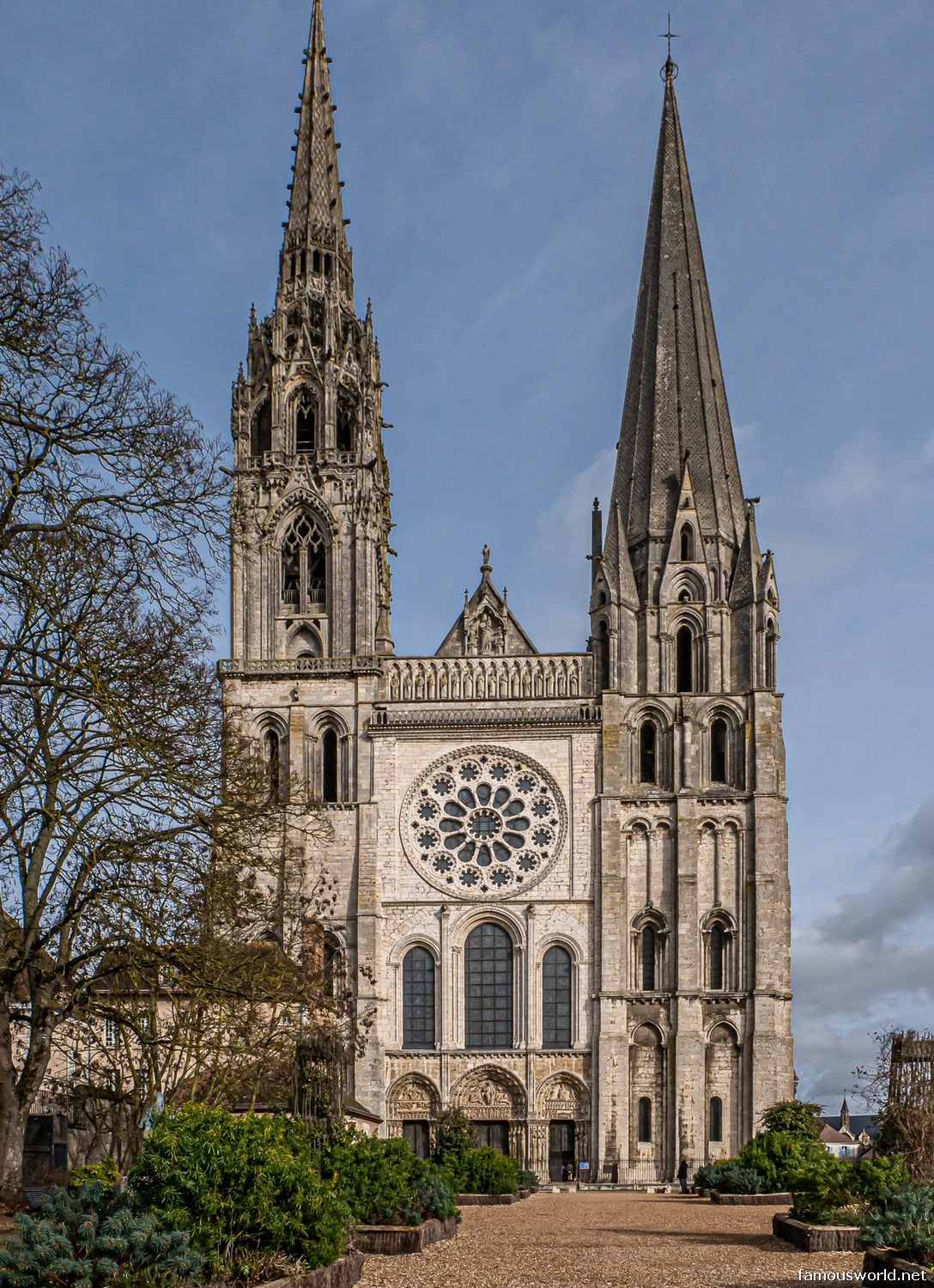
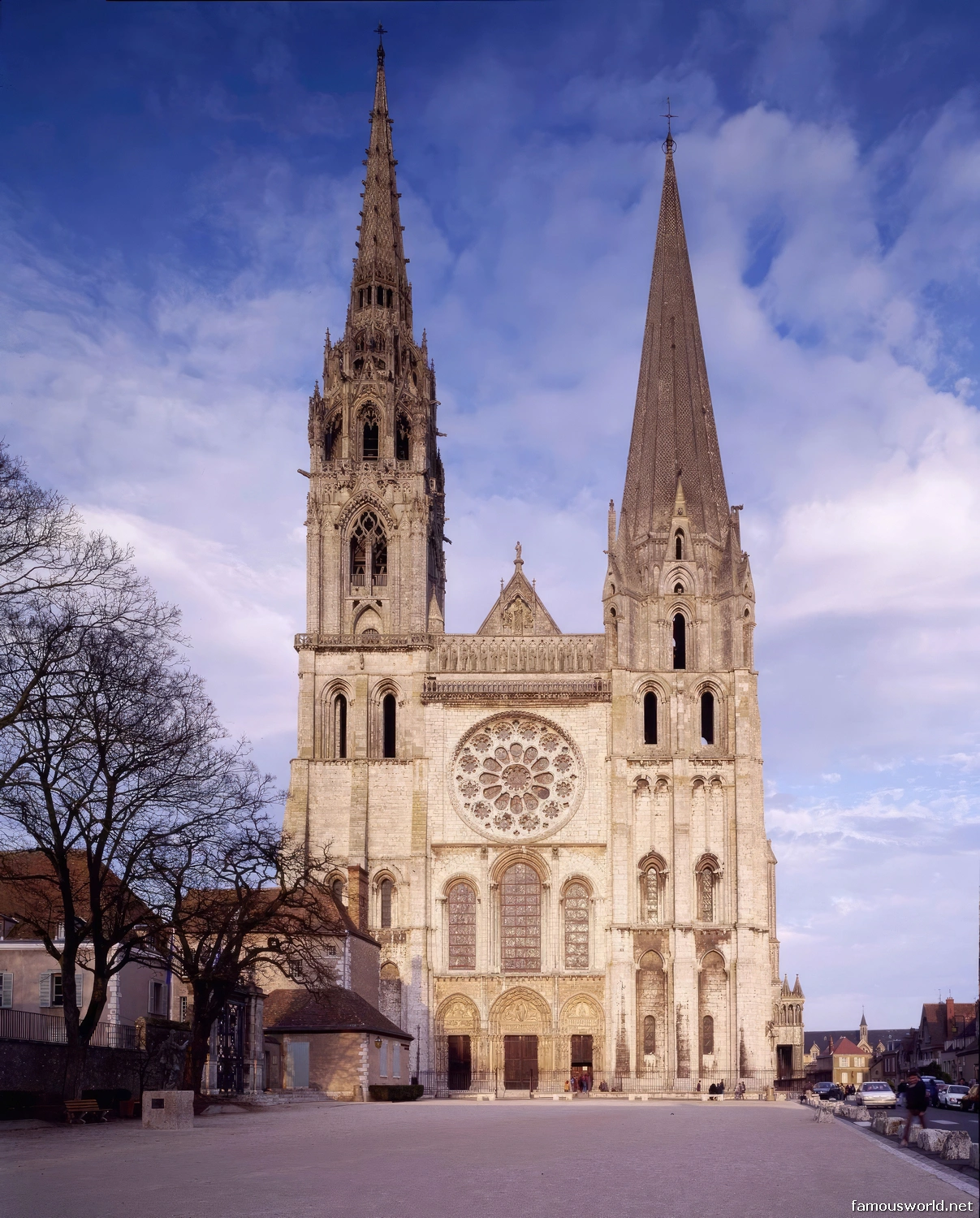
- Asymmetrical Spires: One of the cathedral’s most distinctive features is its pair of mismatched spires. The south spire is a simpler, more austere 12th-century pyramid, while the north spire is a taller, more flamboyant and ornate example from the 16th century.
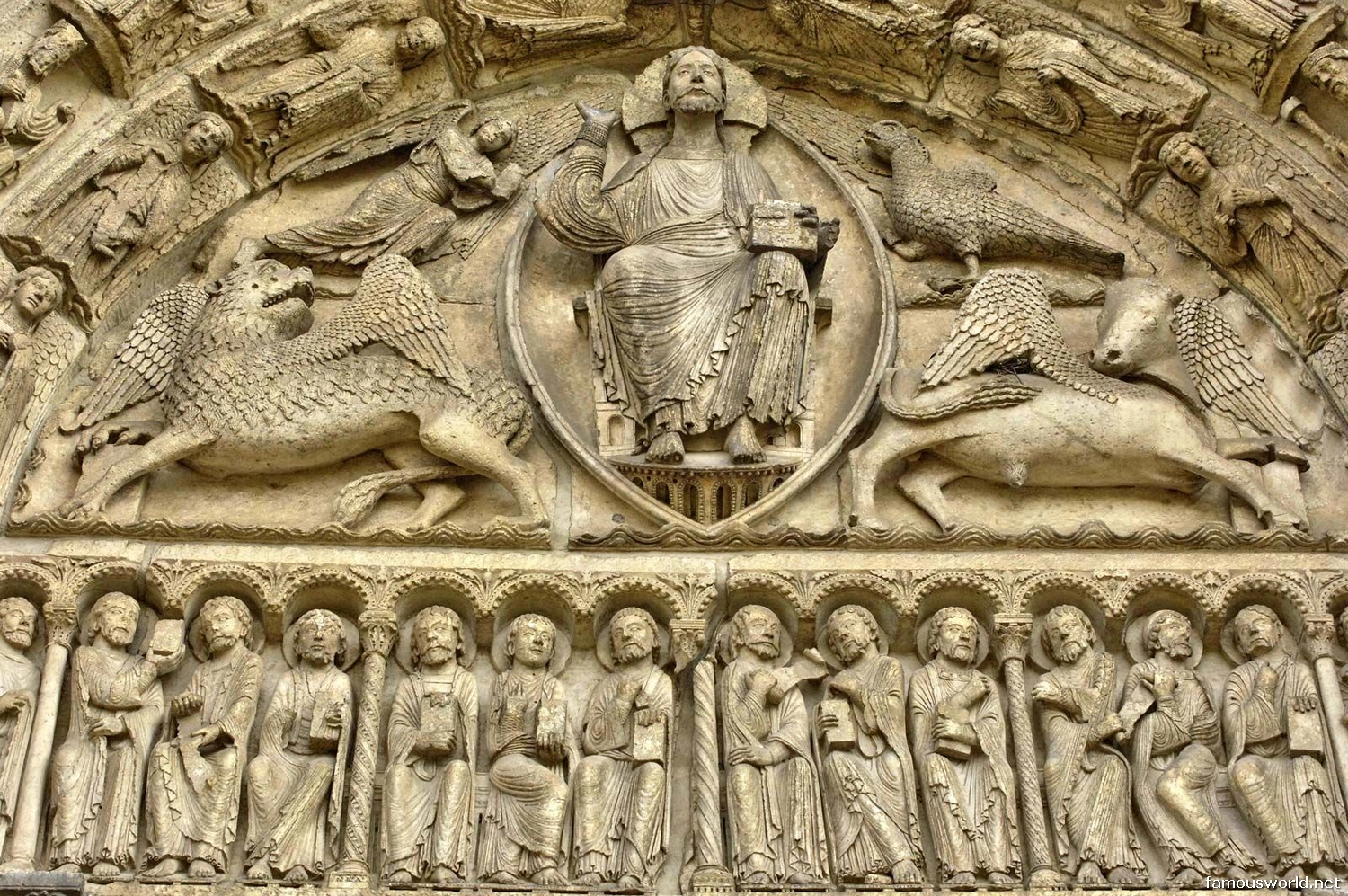
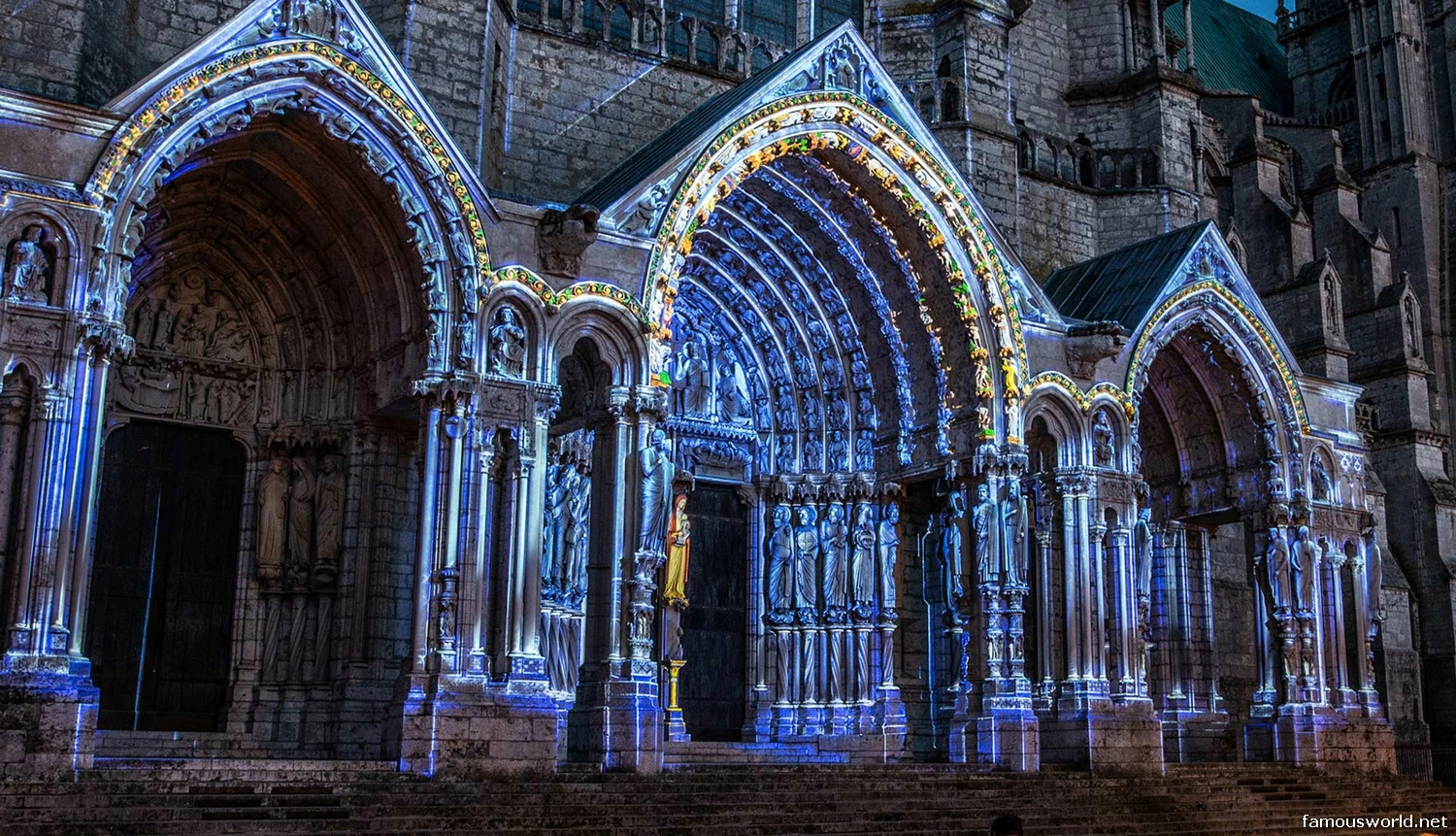
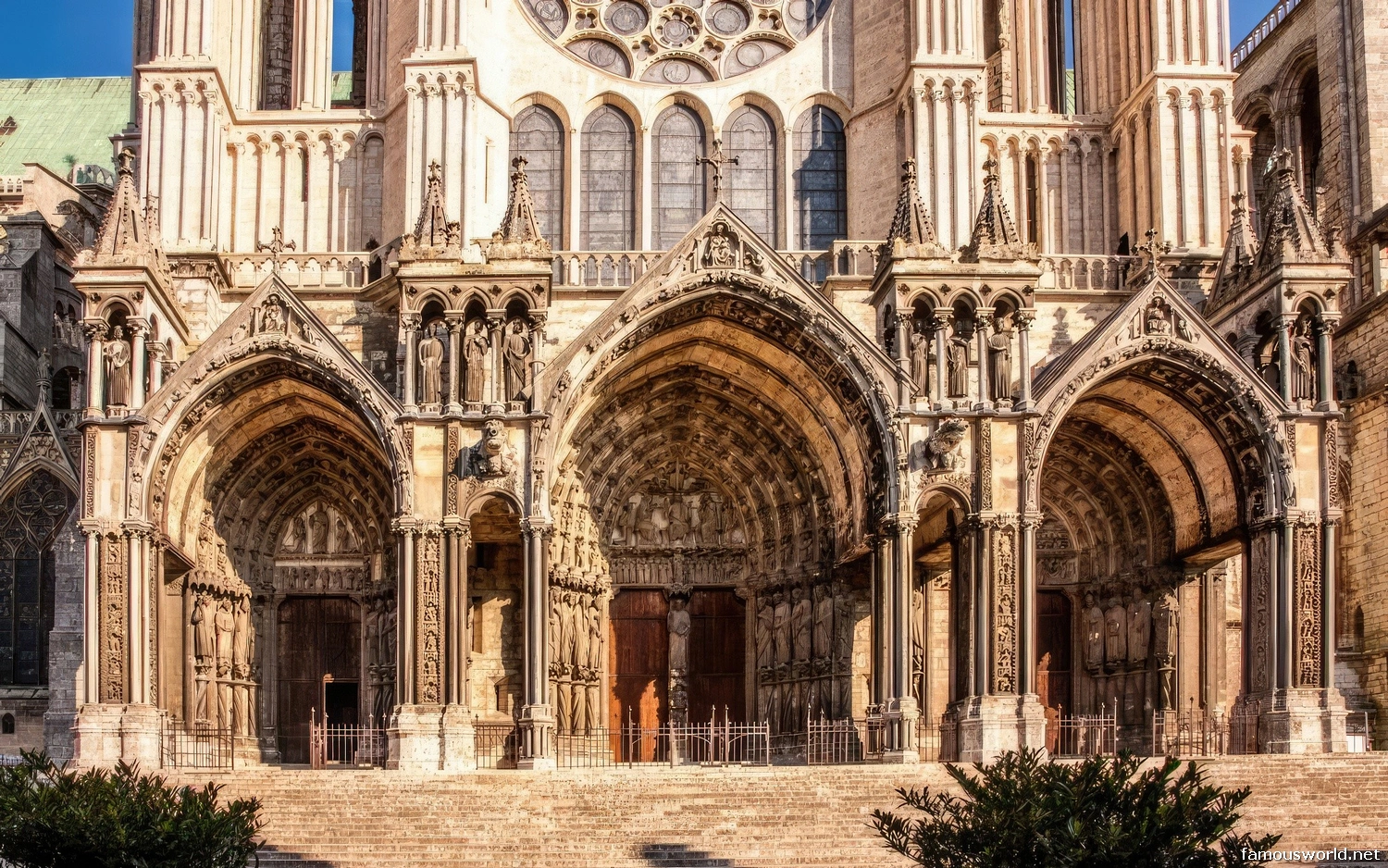
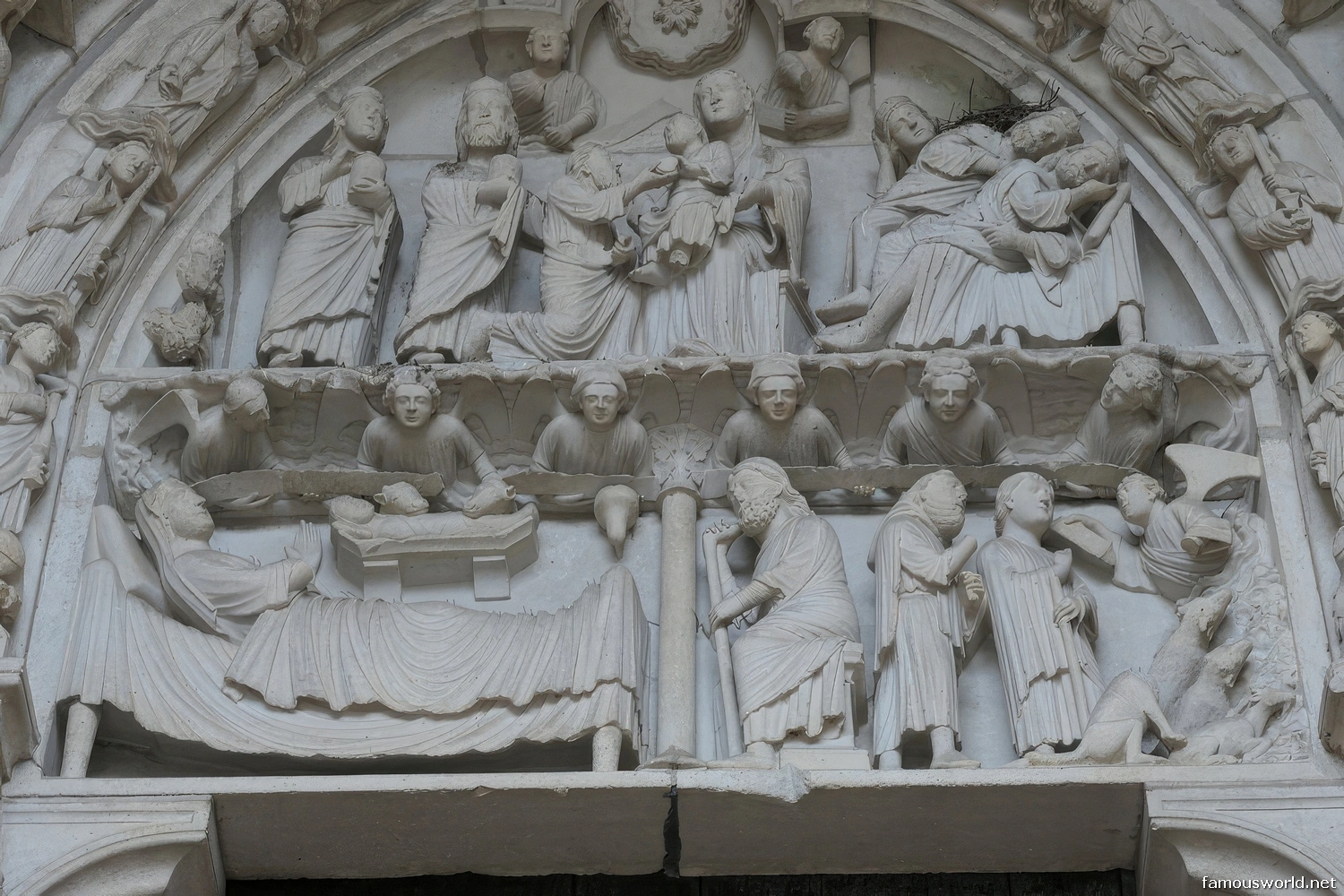
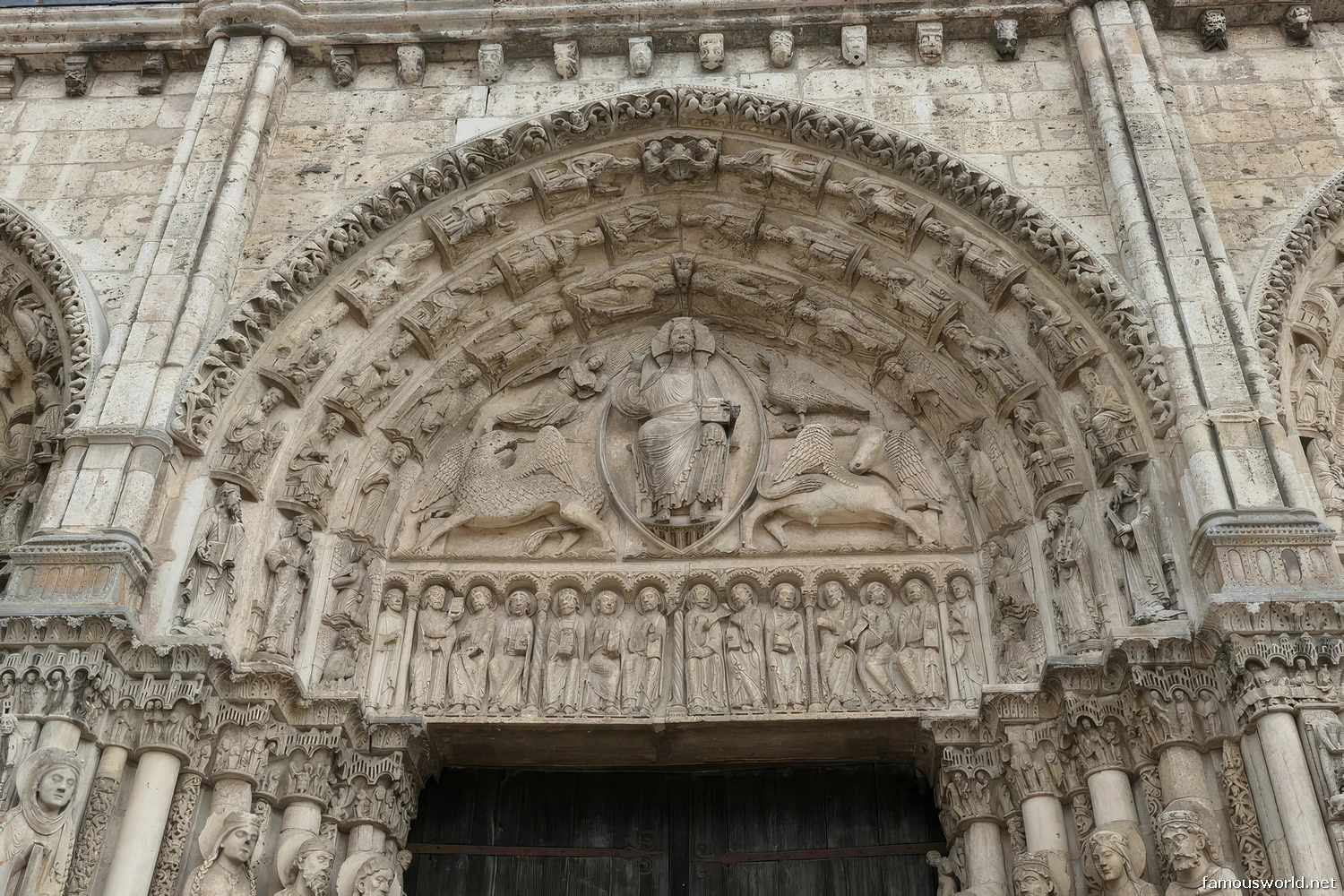
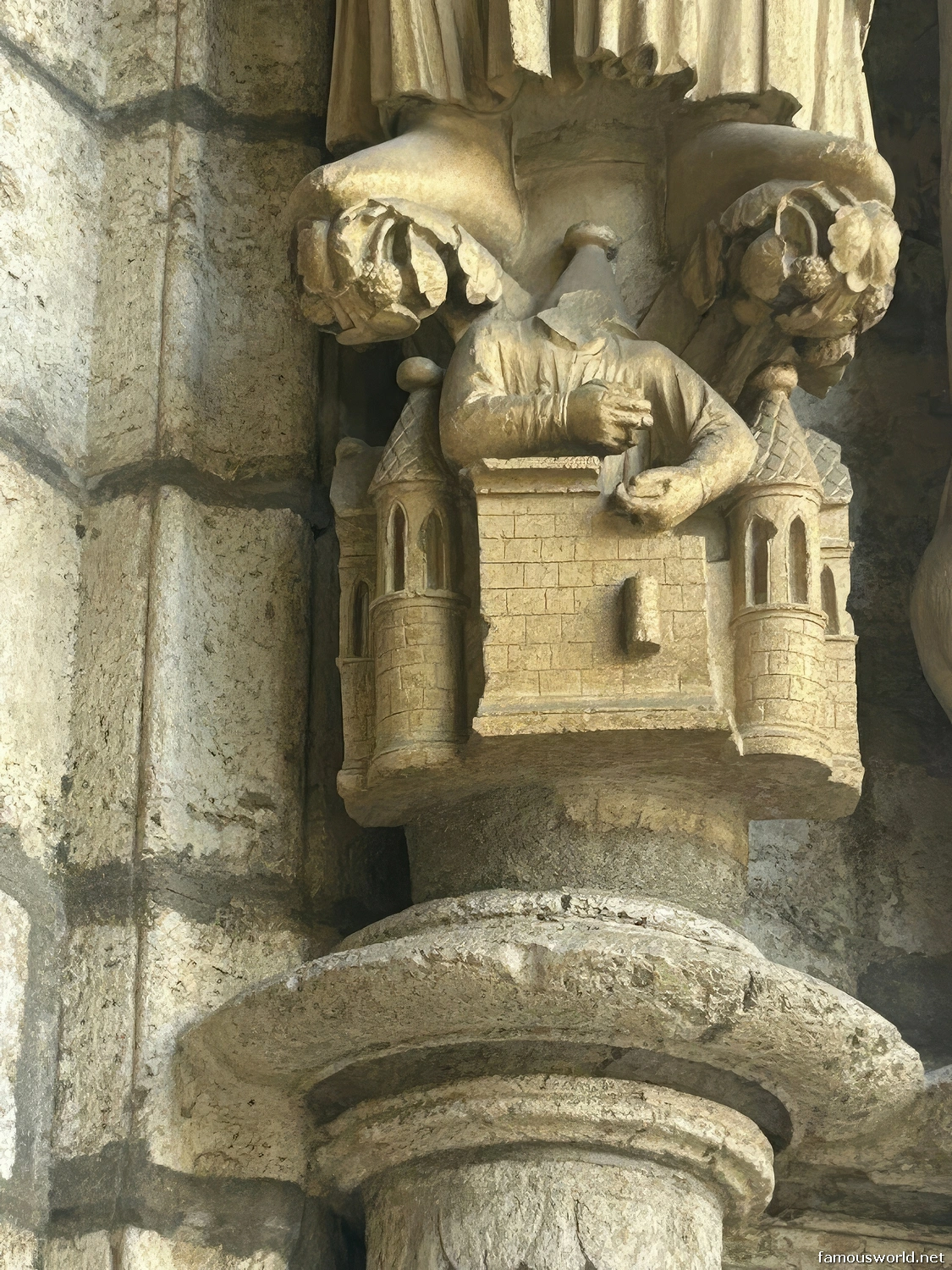
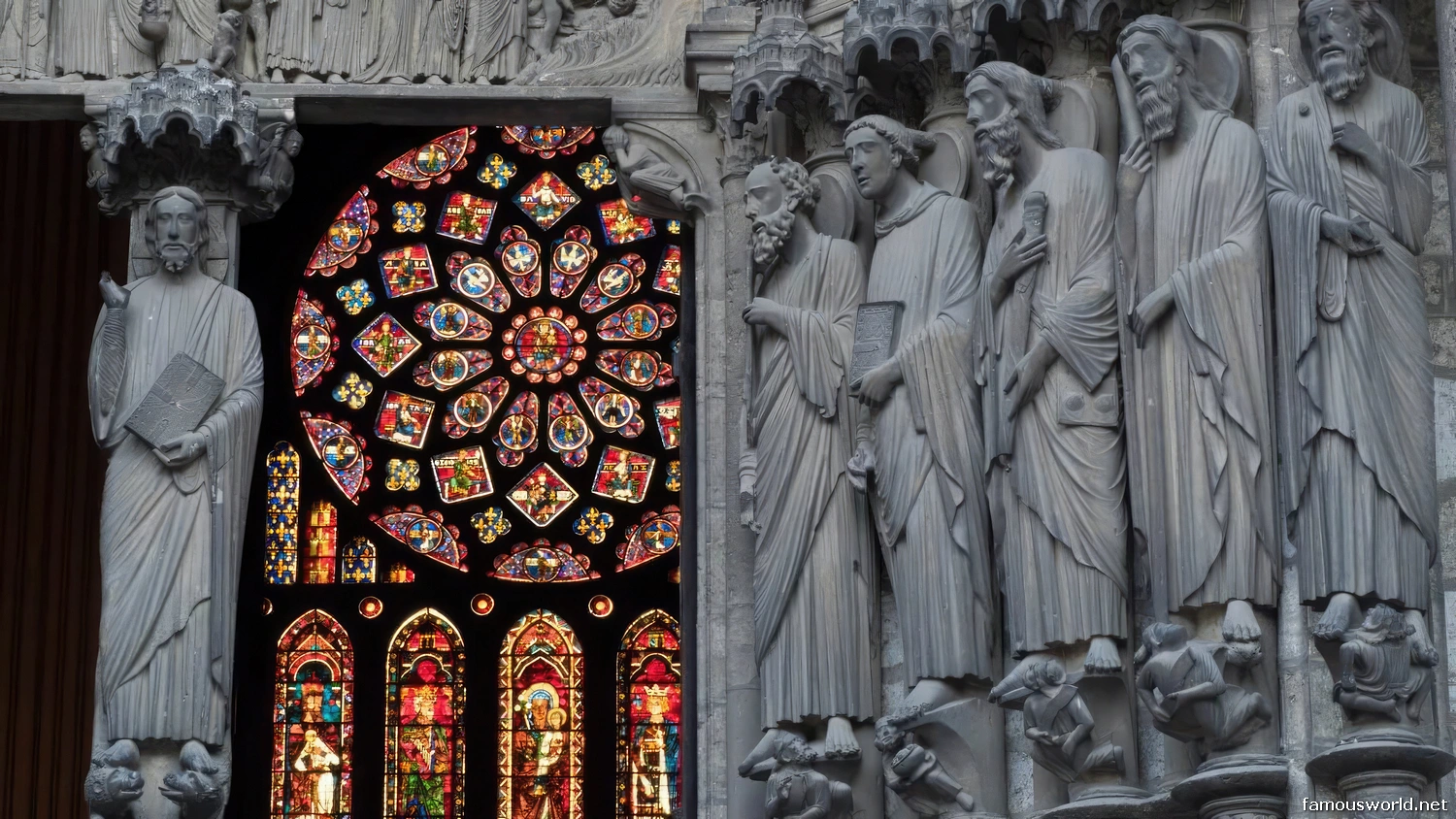
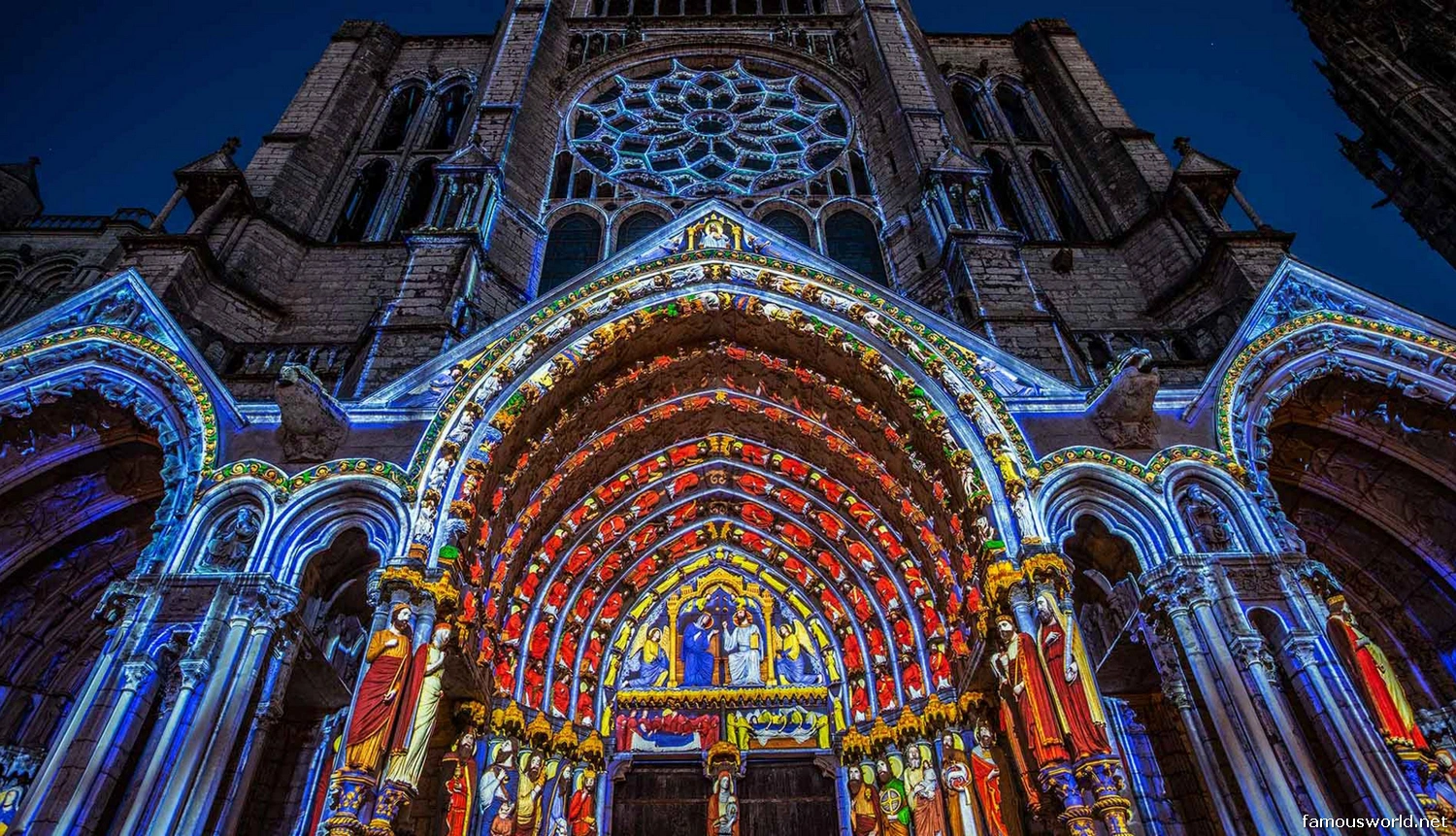
- Sculptural Portals: The cathedral is famous for its three grand portals, which are richly decorated with some of the finest examples of early Gothic sculpture, depicting biblical figures and stories with a remarkable naturalism.
What Makes It Famous
Chartres is famous for its unparalleled state of preservation and the sublime beauty of its stained glass.
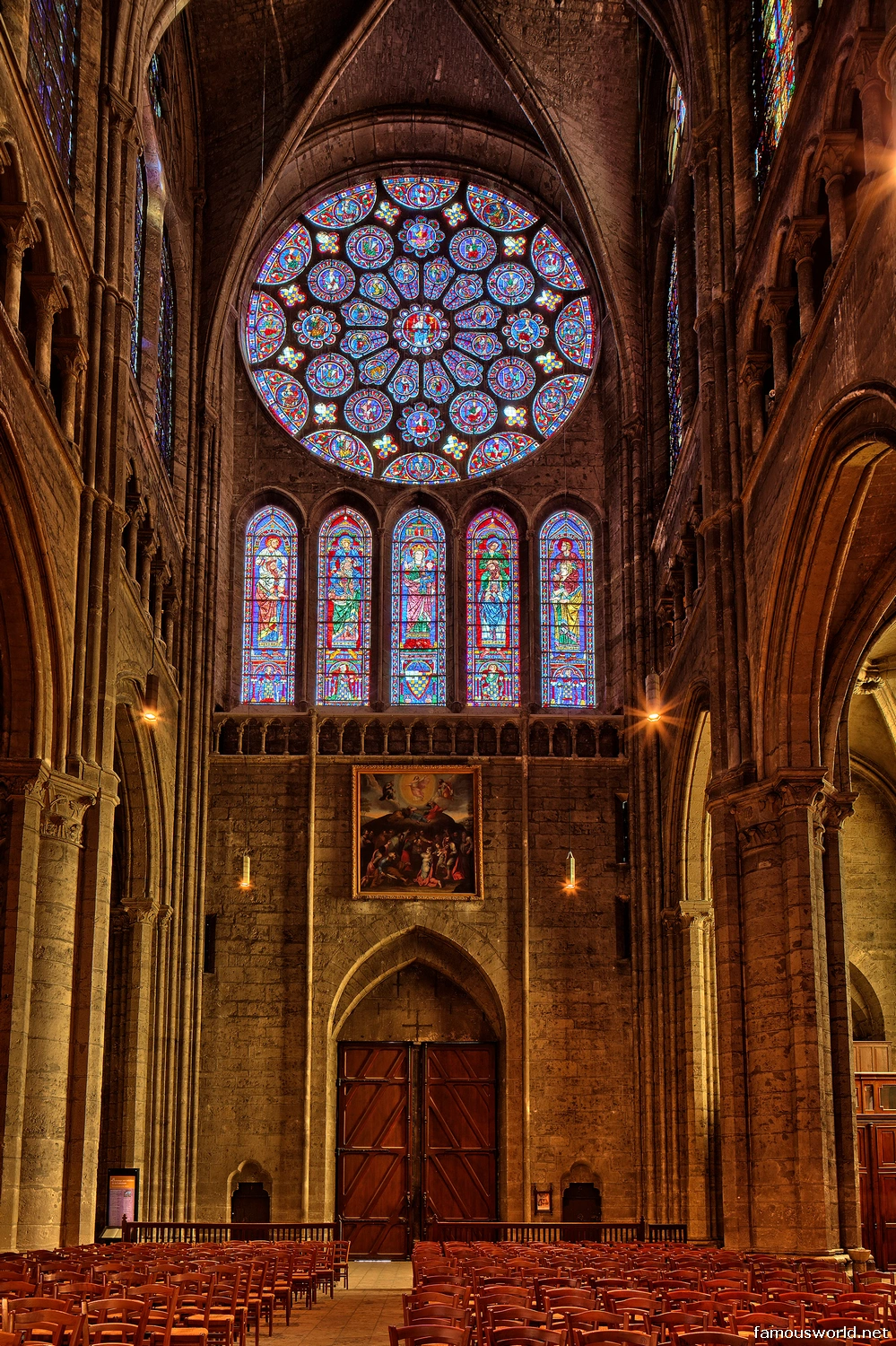
- The Stained Glass: It retains most of its original stained-glass windows from the 12th and 13th centuries. The collection, known for its deep, rich colors and especially the iconic bleu de Chartres, is the most complete surviving example of medieval glass in the world.
- Authenticity: It is the best-preserved medieval cathedral in Europe, having avoided major damage or alterations over the centuries. Its architecture, sculpture, and glass form a single, harmonious whole.
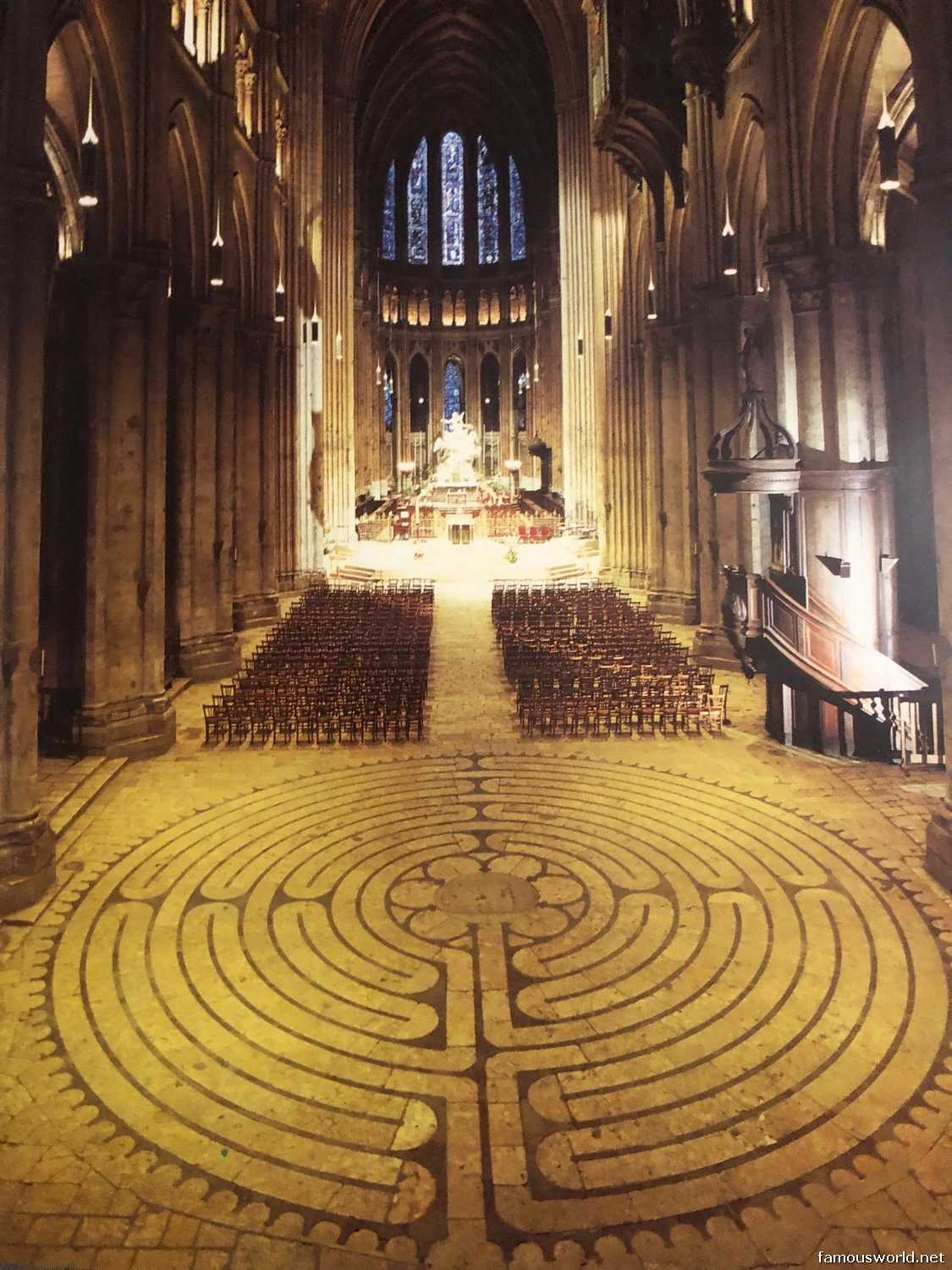
- The Labyrinth: Inlaid on the floor of the nave is a famous circular labyrinth from the early 13th century. Pilgrims would traditionally follow its winding path on their knees as a substitute for a pilgrimage to the Holy Land.
- The Sancta Camisa: For centuries, Chartres has been a major pilgrimage destination because it houses a sacred relic believed to be the tunic worn by the Virgin Mary at the birth of Christ.
Differences from Other Wonders
The singular, sacred monument of Chartres Cathedral offers a different experience from the sprawling, gastronomic city of Lyon.
- Environment (Dominant Cathedral vs. City of Two Rivers): Chartres is a single, monumental cathedral that defines and dominates a small town. Lyon is a large, bustling metropolis whose landscape is shaped by the confluence of two major rivers and two large hills.
- Core Story (Medieval Faith vs. Modern Gastronomy): The story of Chartres is one of religious pilgrimage, divine art, and architectural innovation in the service of God. The story of Lyon is one of culinary excellence, commercial history, and industrial ingenuity.
- Primary Attraction (Architecture and Glass vs. Food and Neighborhoods): The primary attractions of Chartres are the physical building itself—its stone, sculpture, and, above all, its stained glass. The primary attractions of Lyon are its world-famous food scene and its historic neighborhoods like Vieux Lyon.
- Atmosphere (Spiritual and Awe-Inspiring vs. Sophisticated and Vibrant): A visit to Chartres is a deeply spiritual and awe-inspiring experience, evoking a sense of reverence and timelessness. A visit to Lyon is a vibrant and sophisticated urban experience, centered on culture and the enjoyment of life.
Location on world map