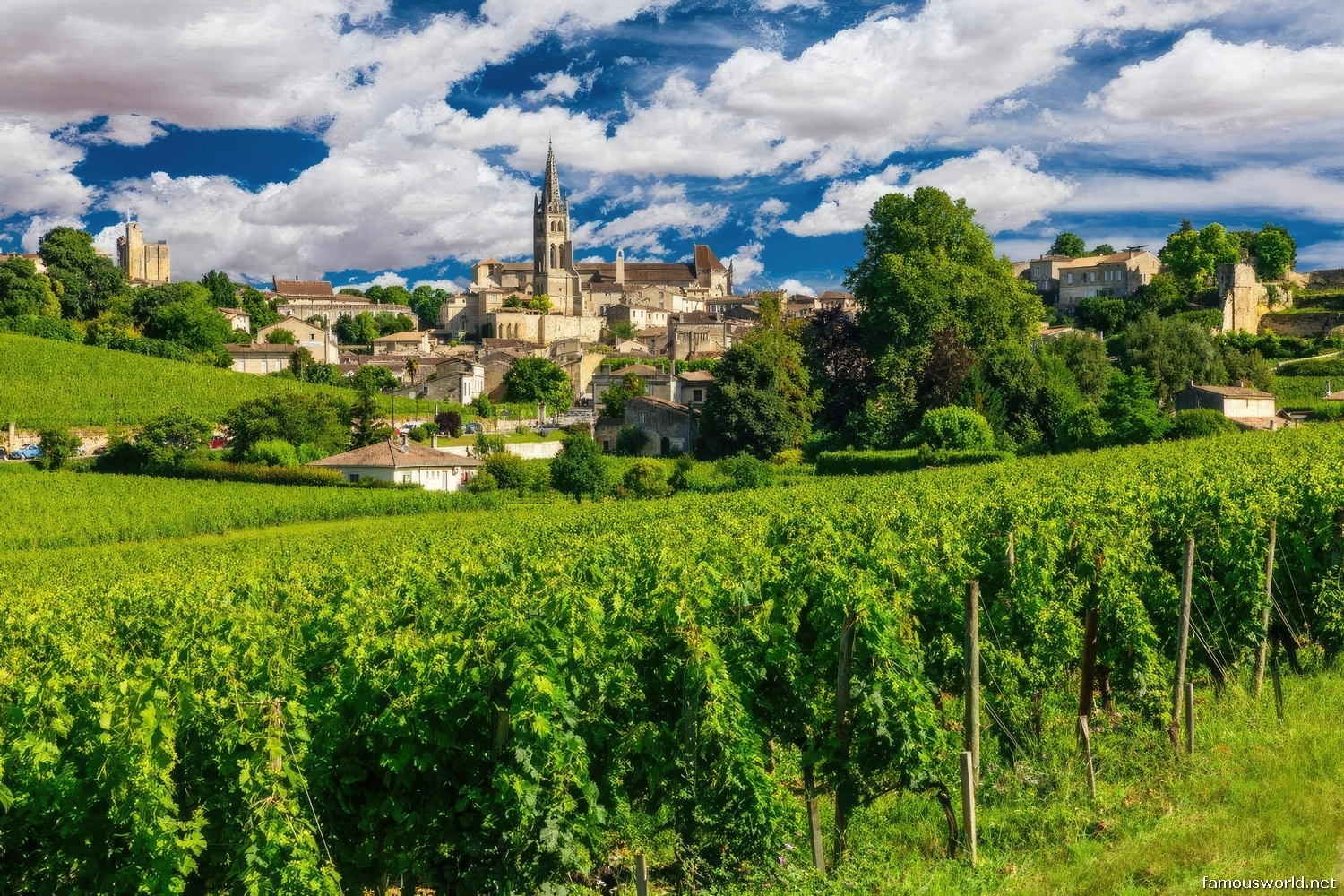
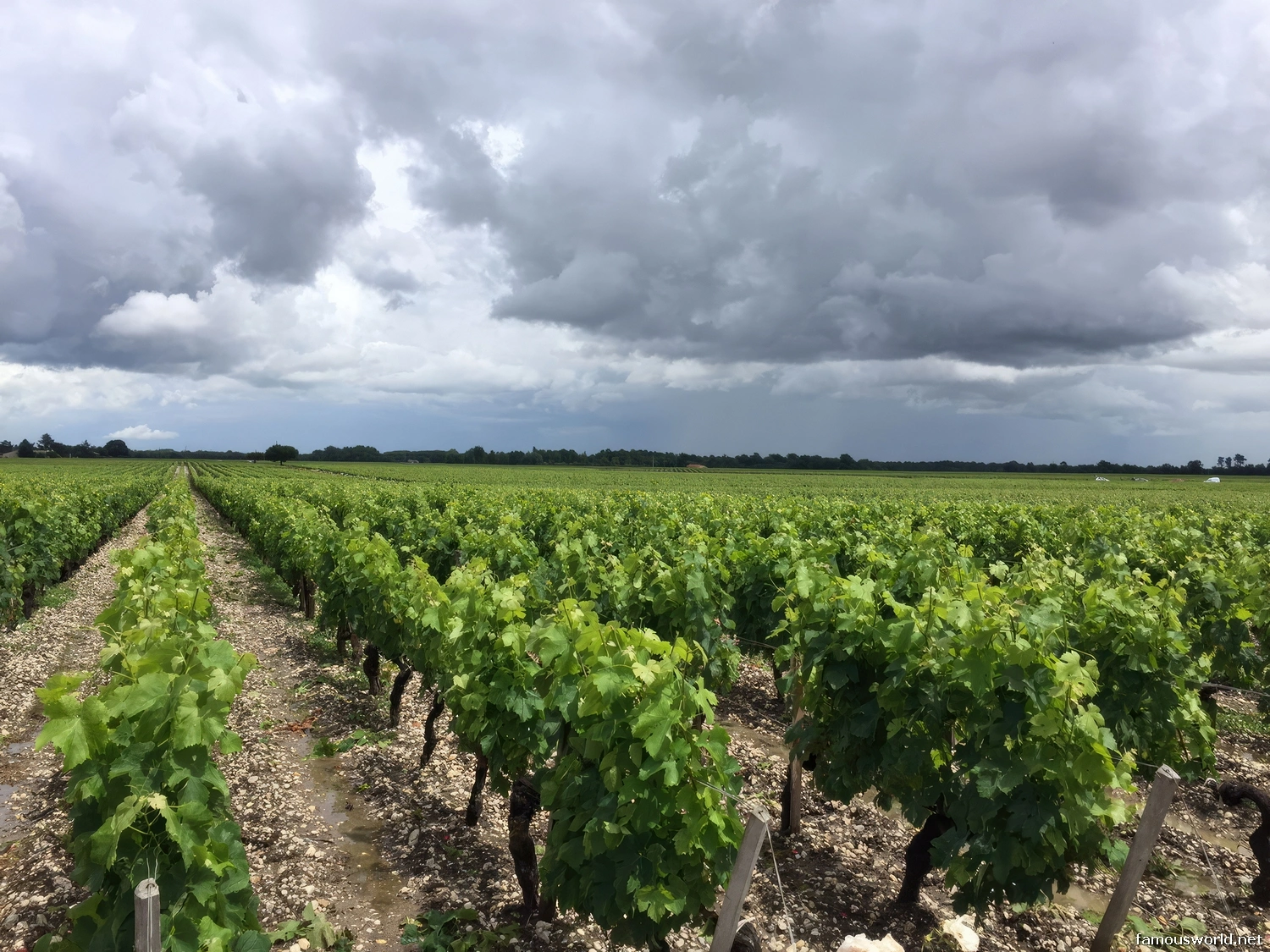
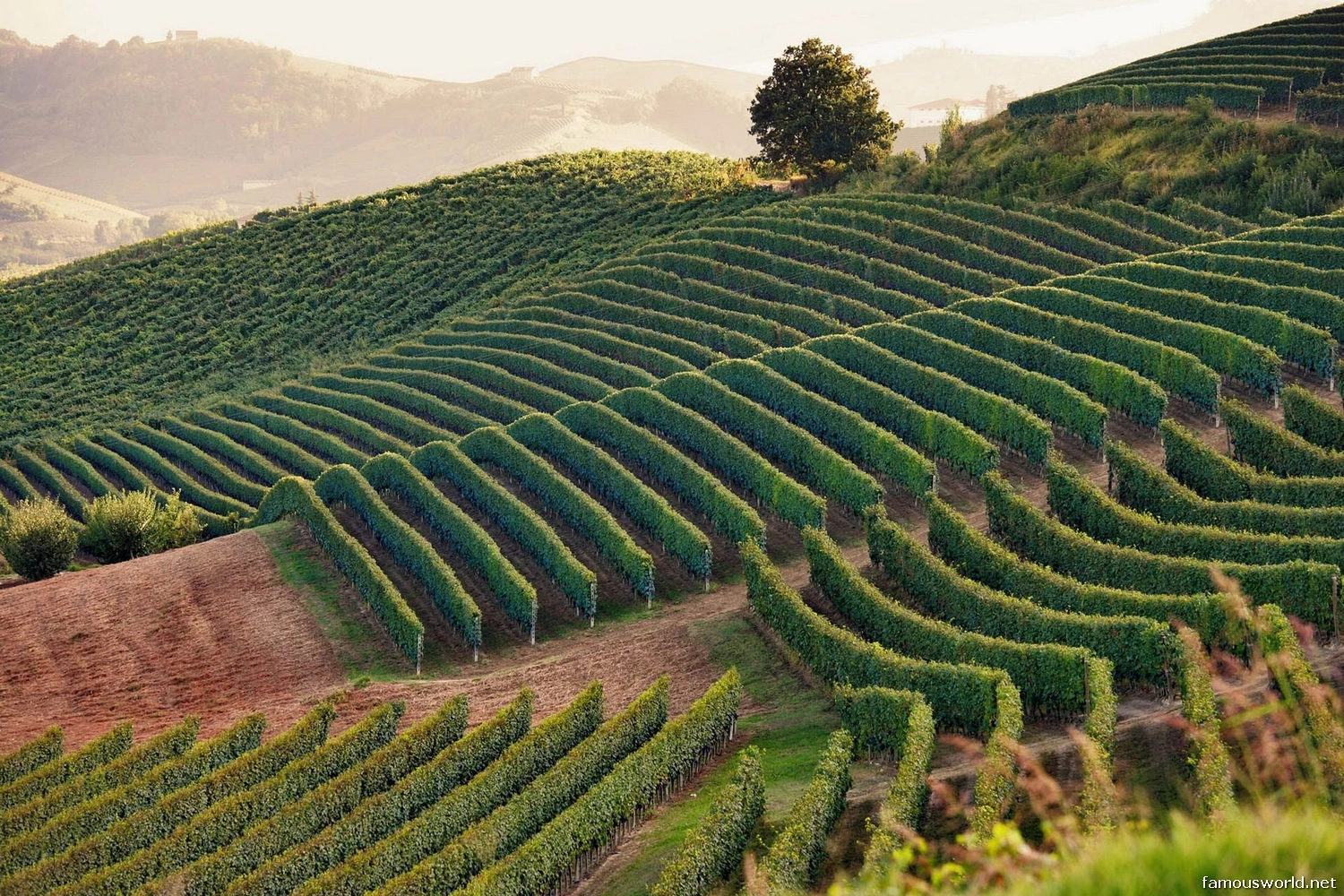
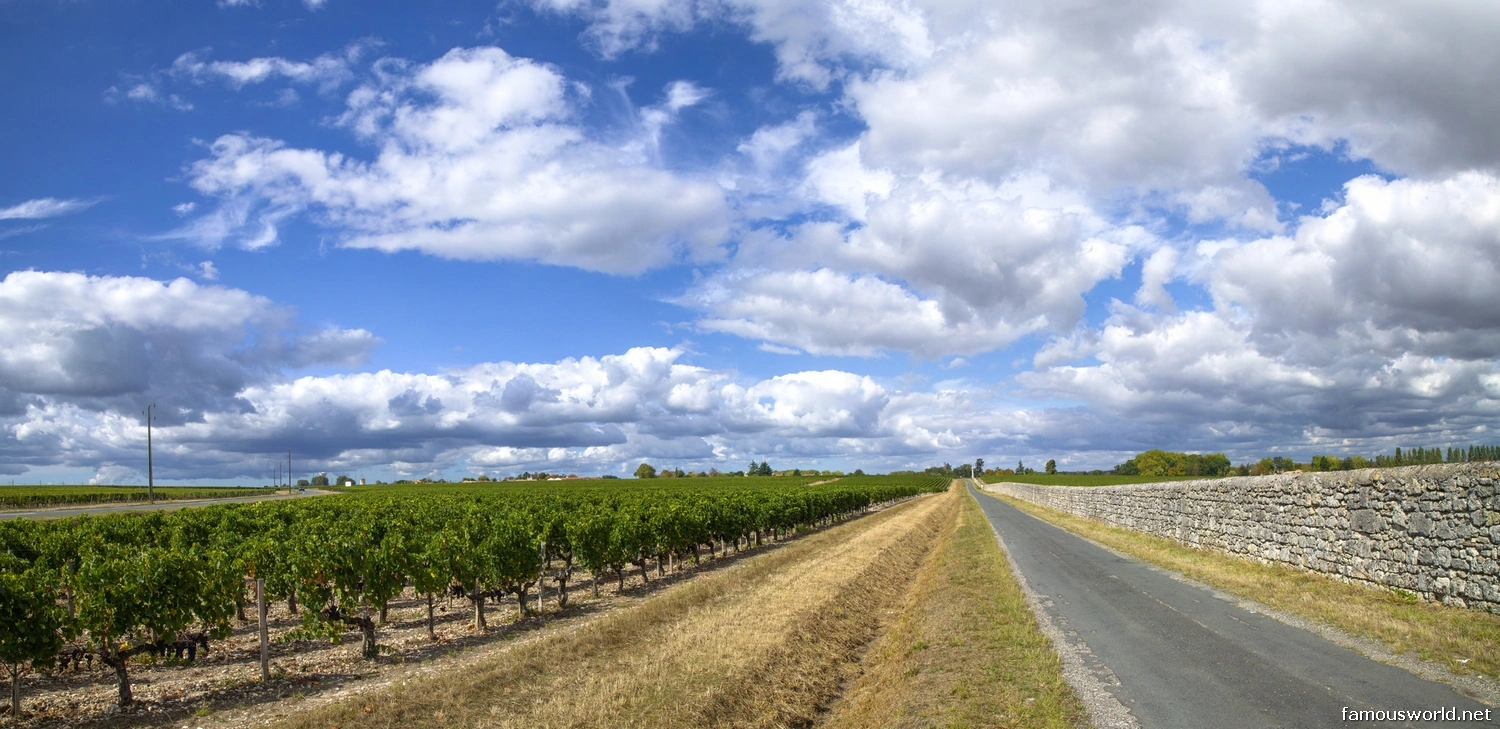
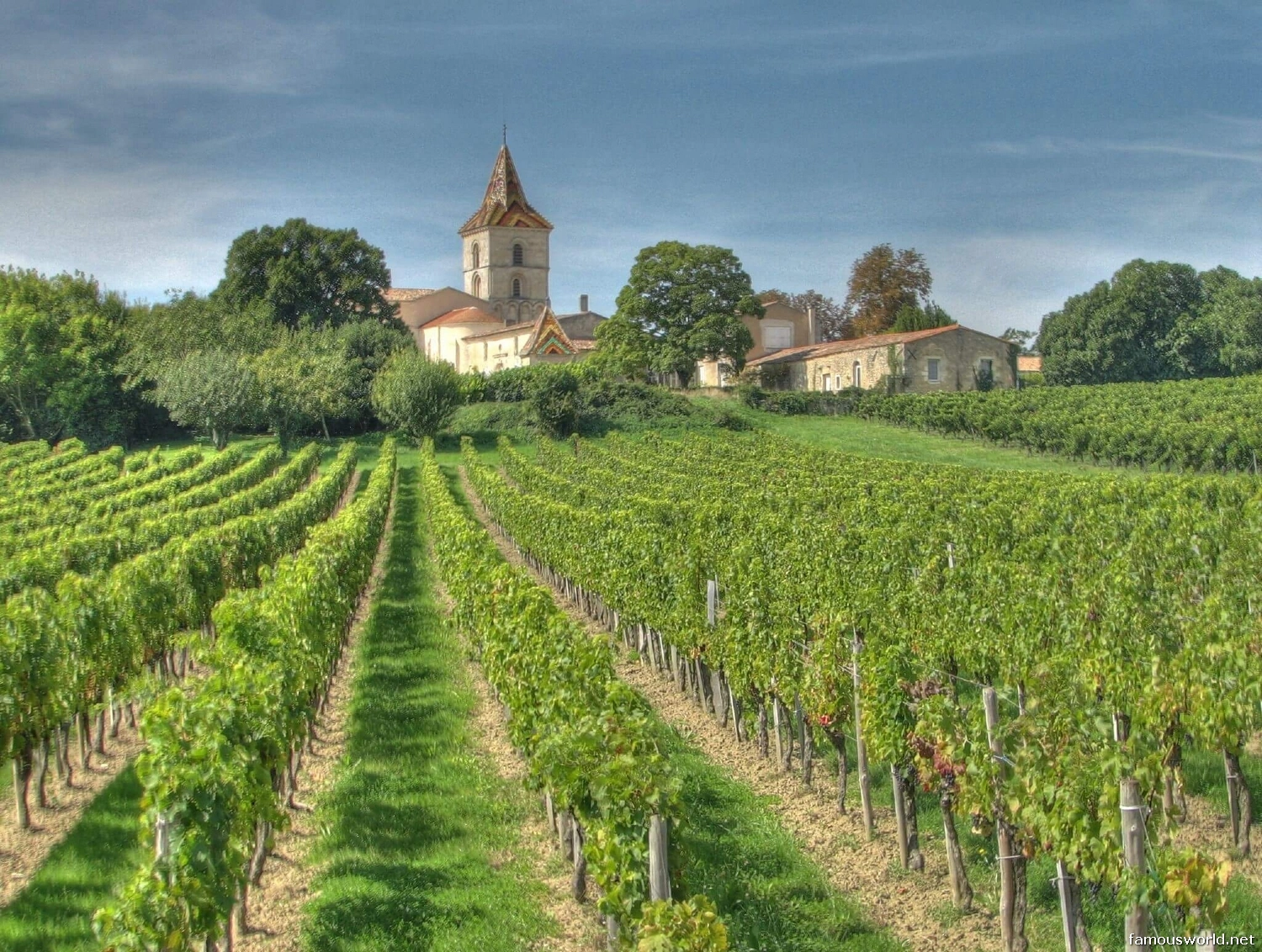
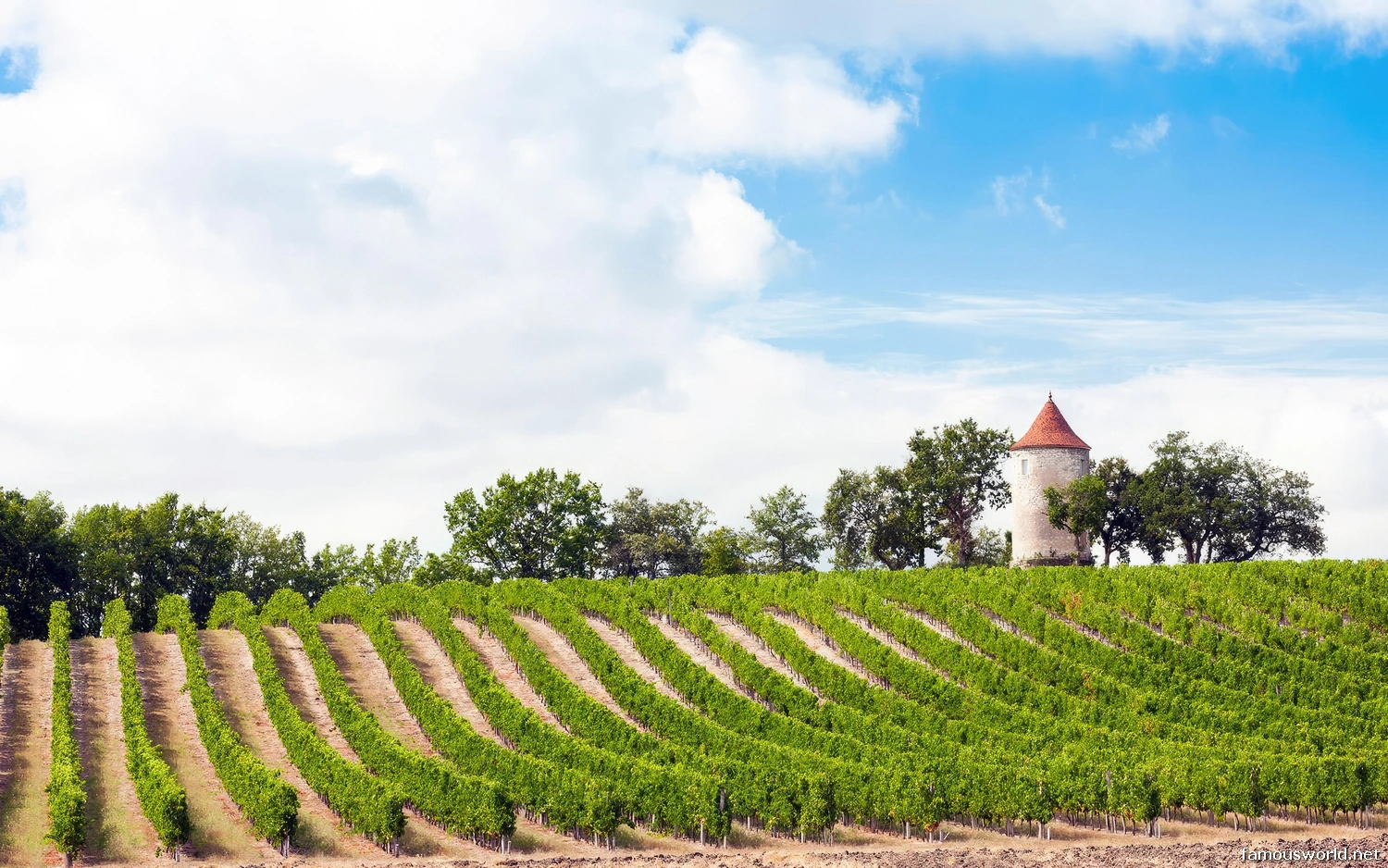
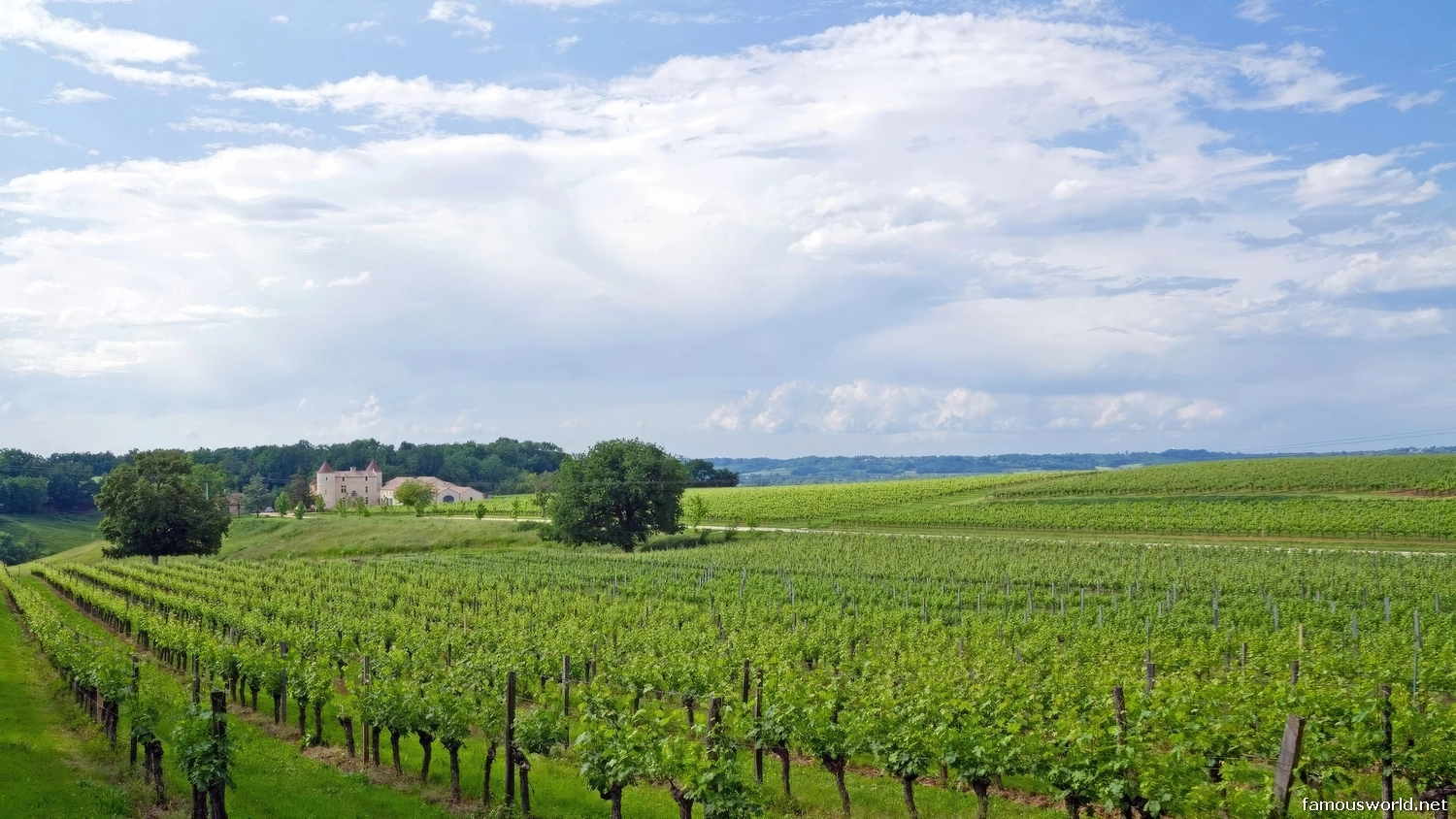
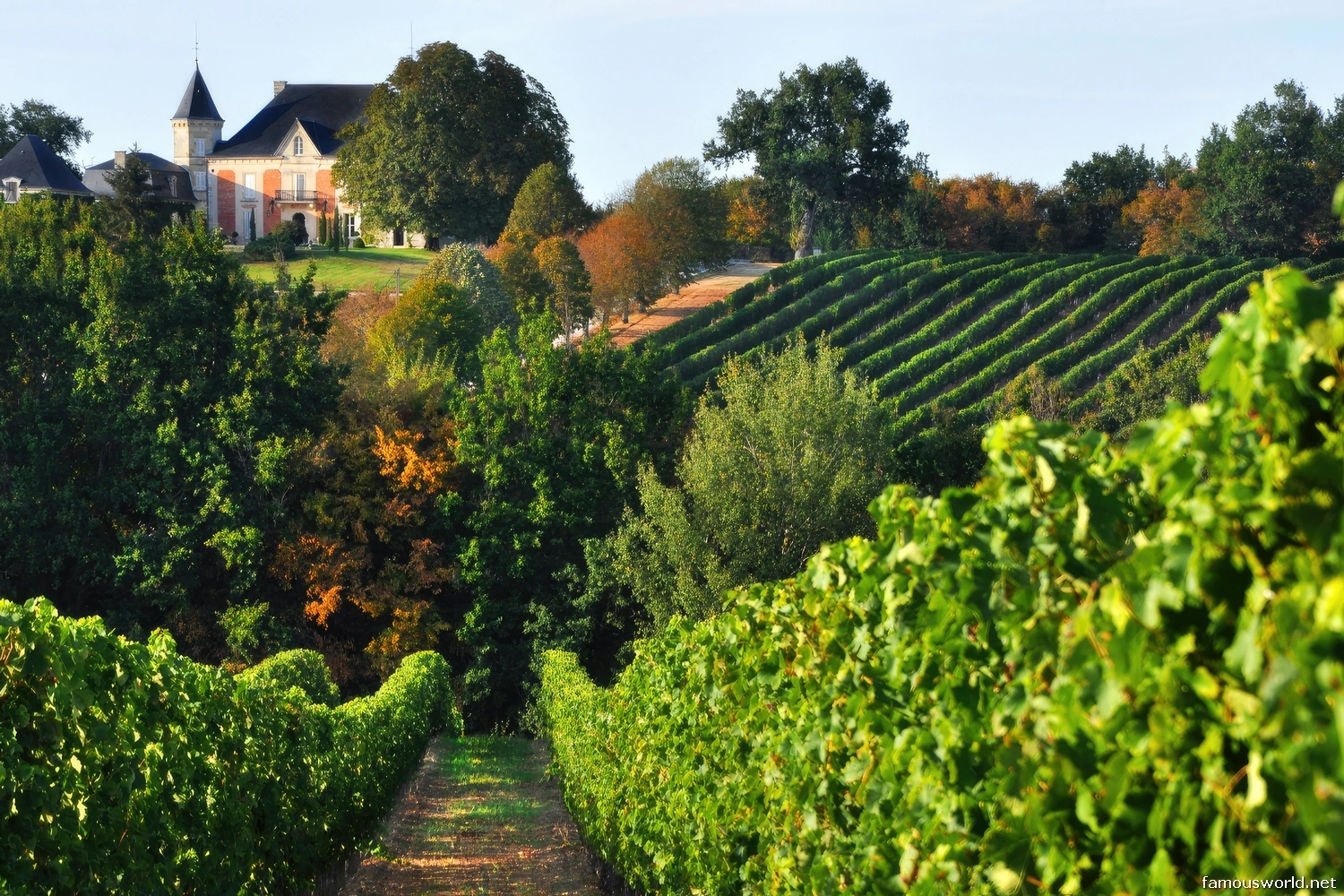
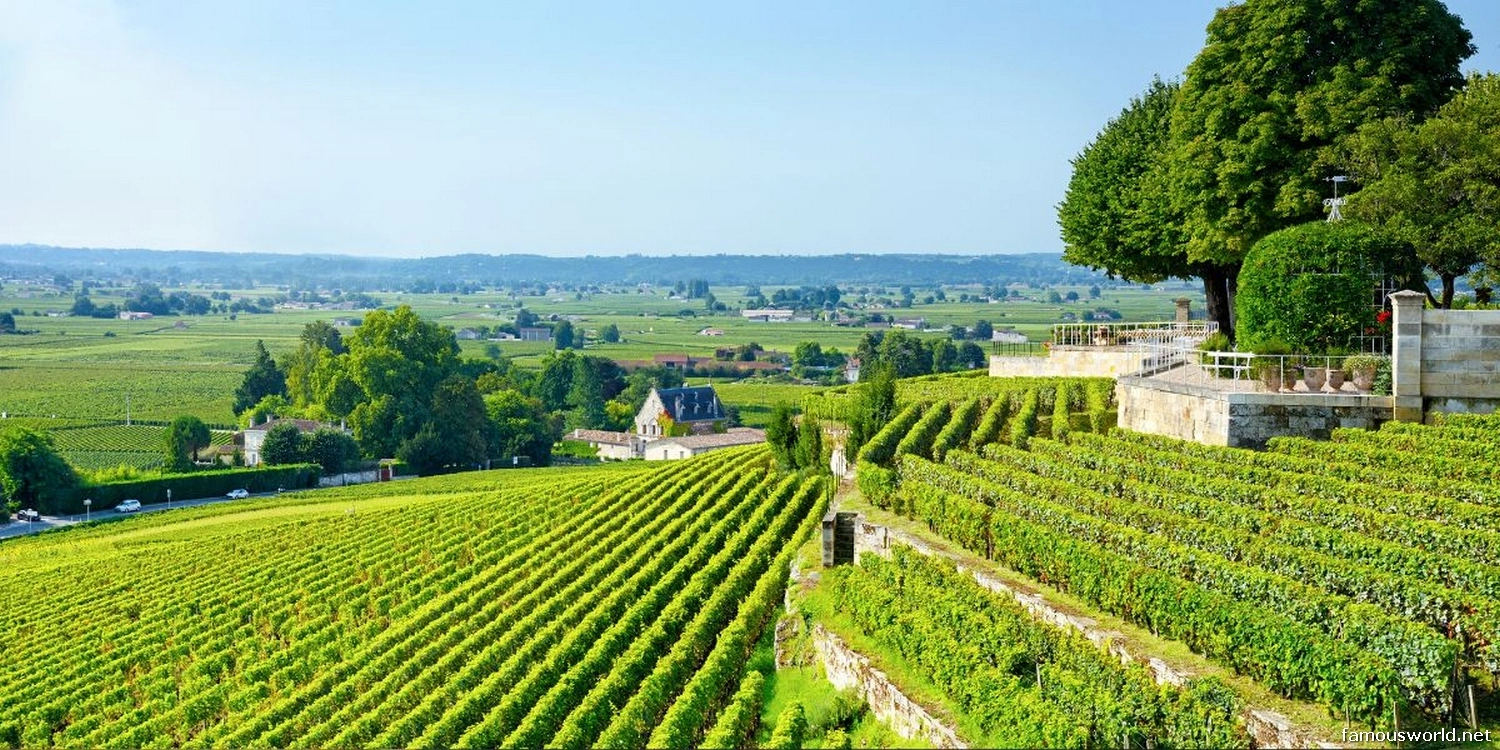
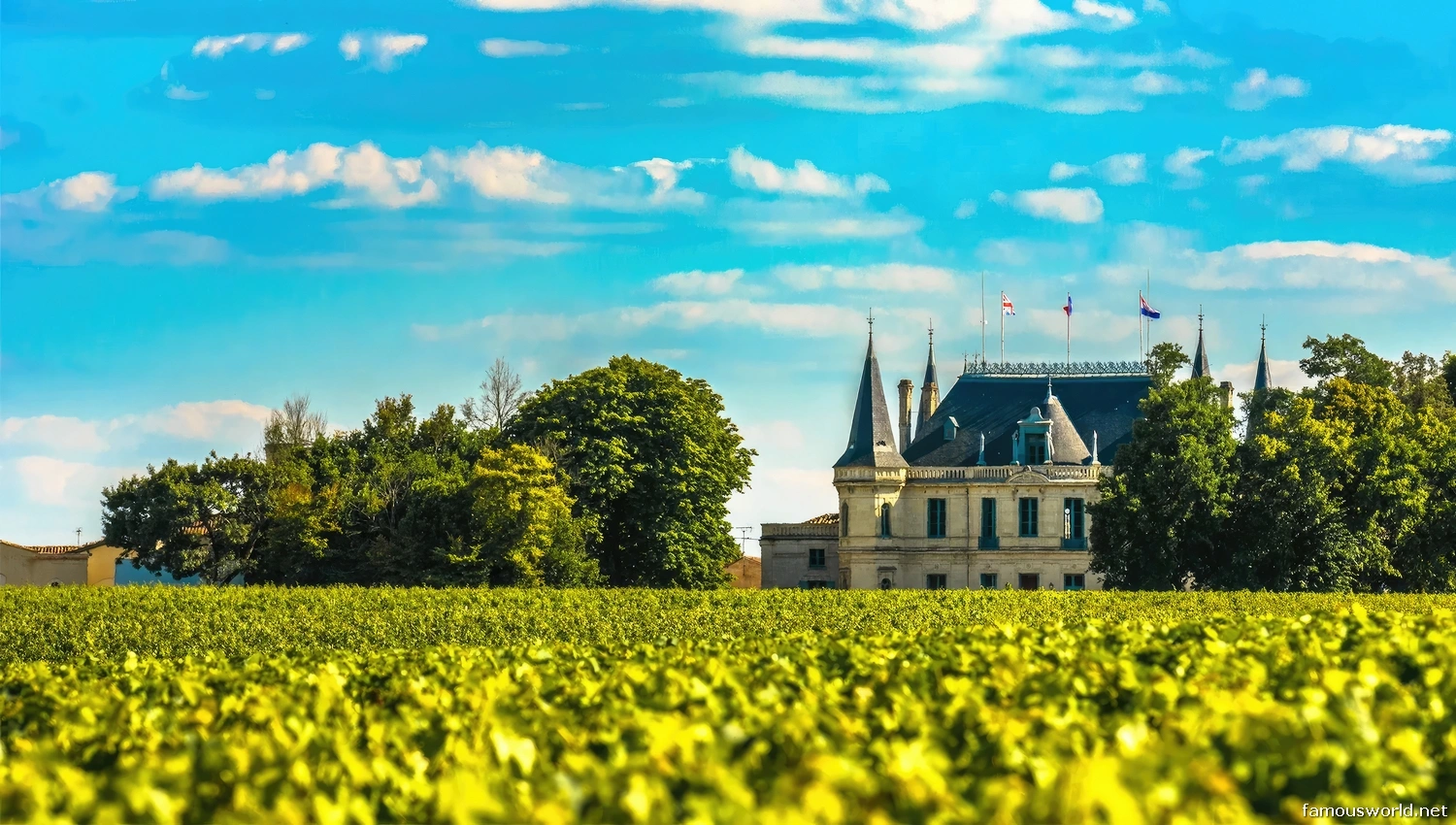
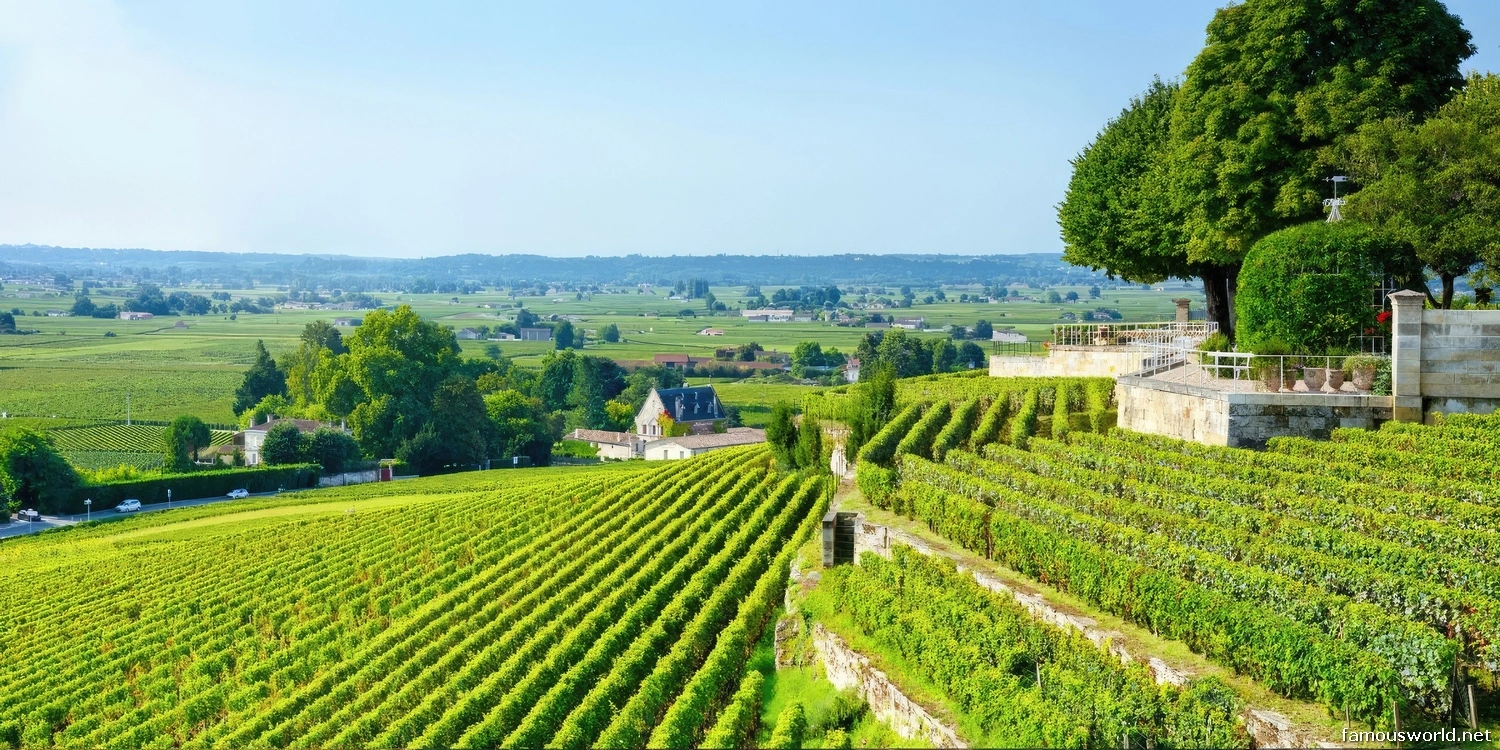
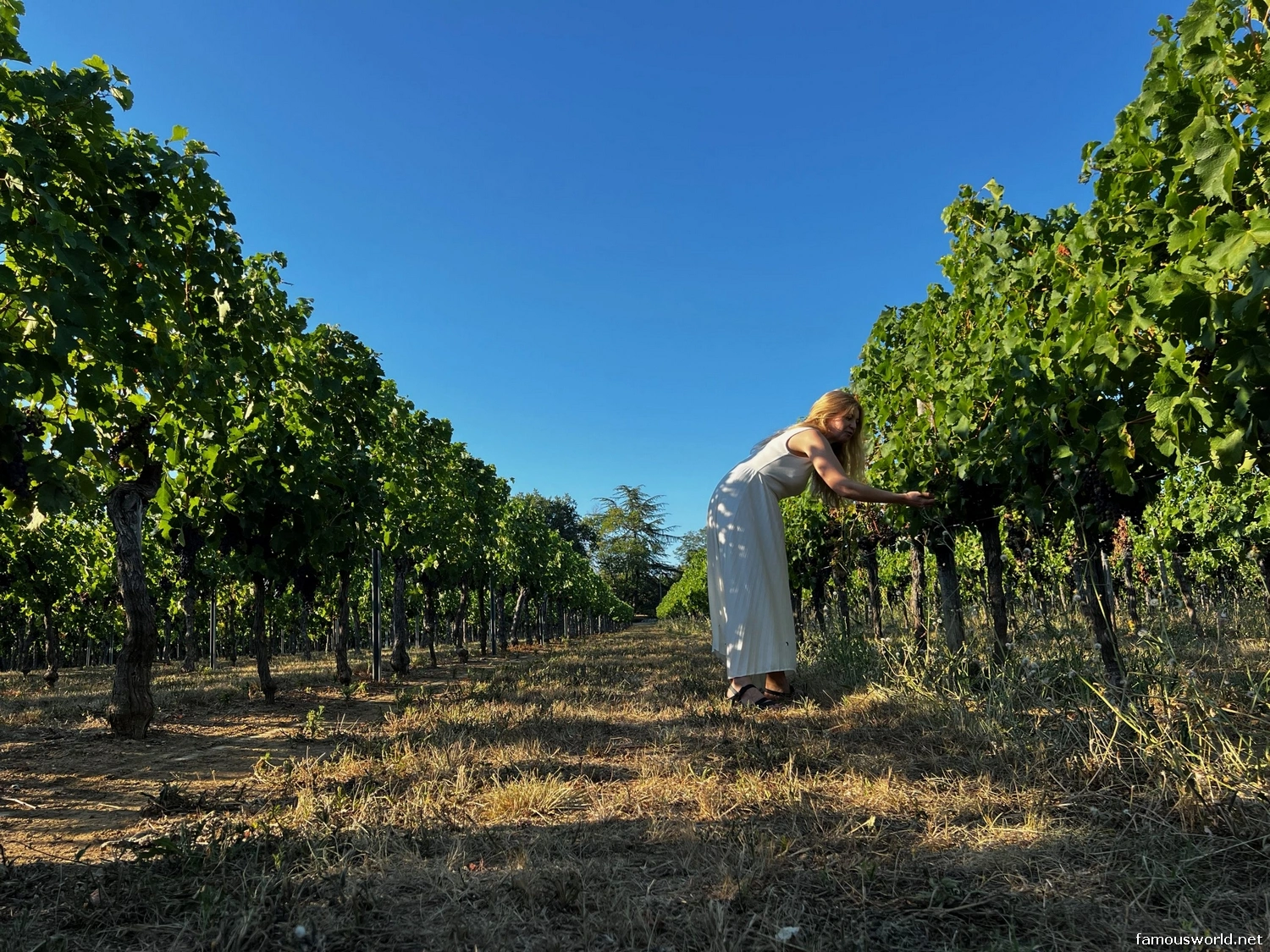
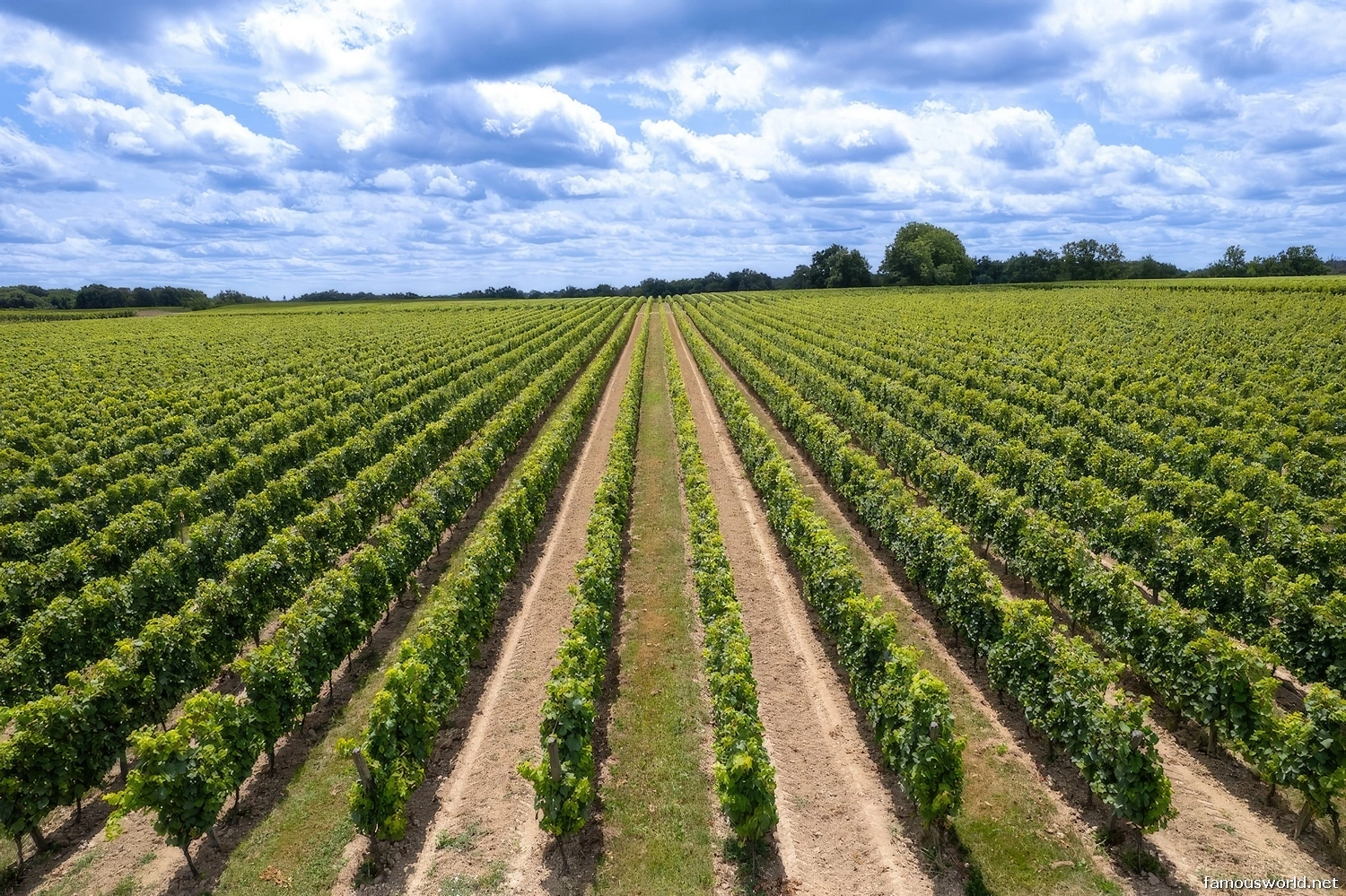
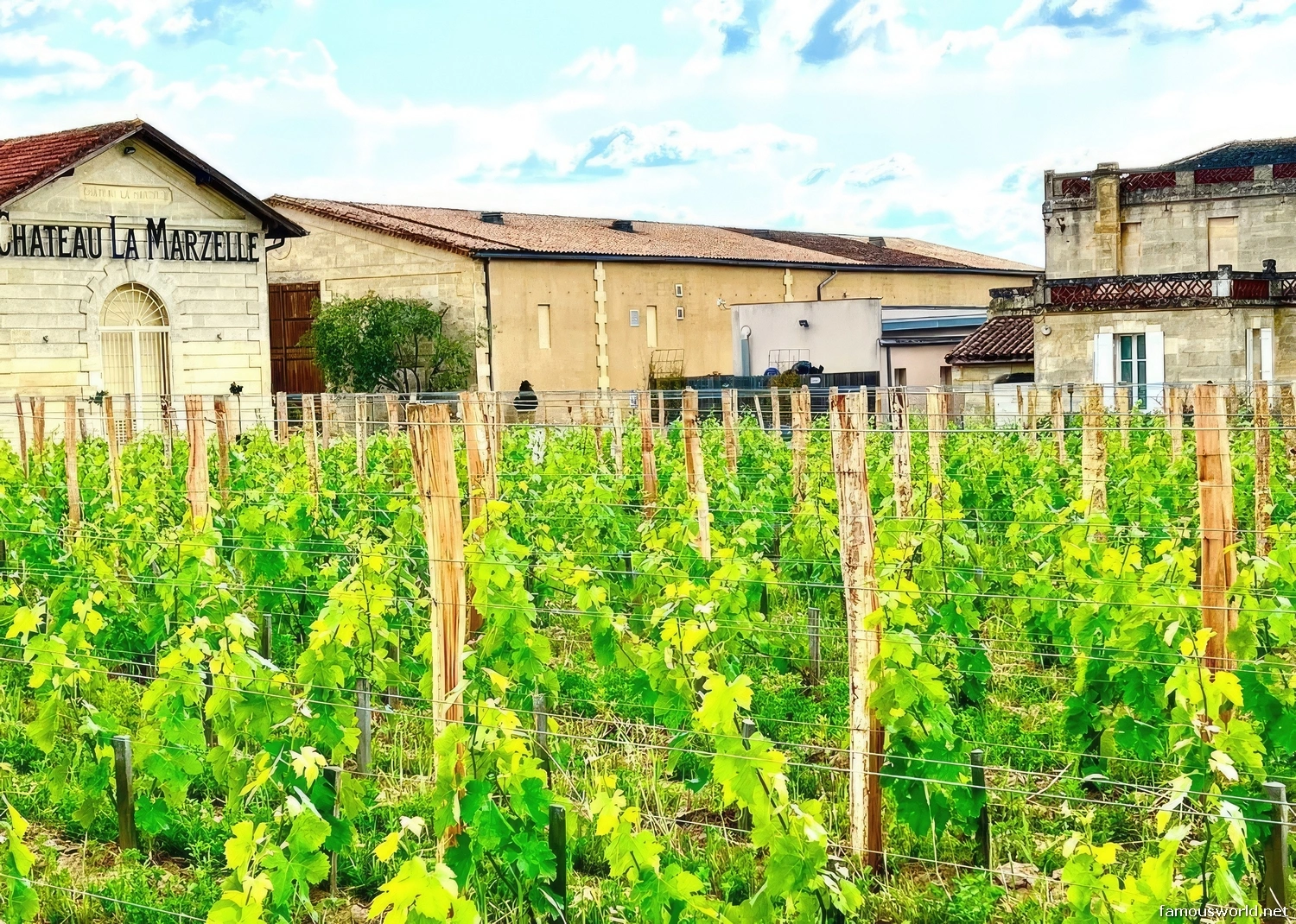
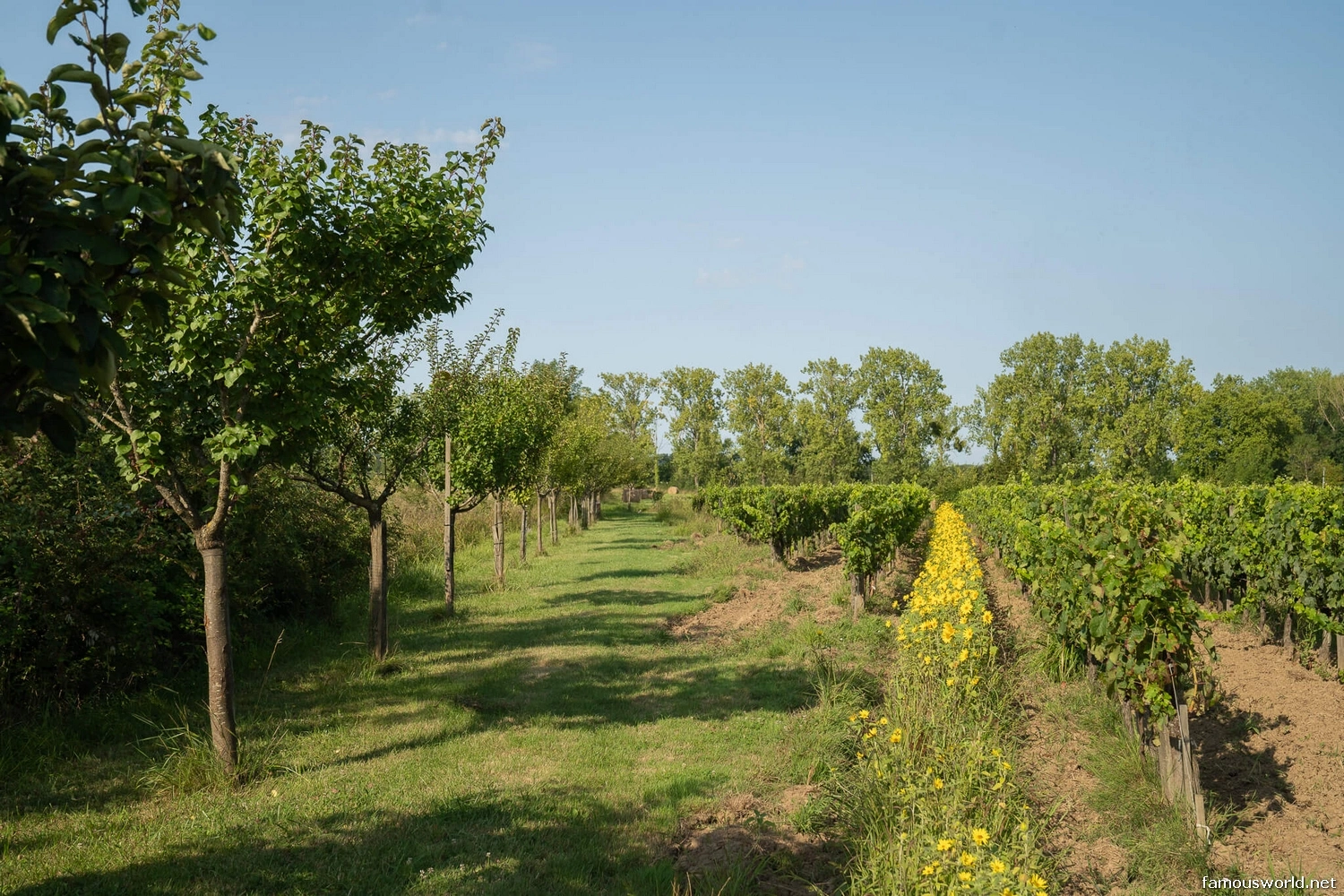
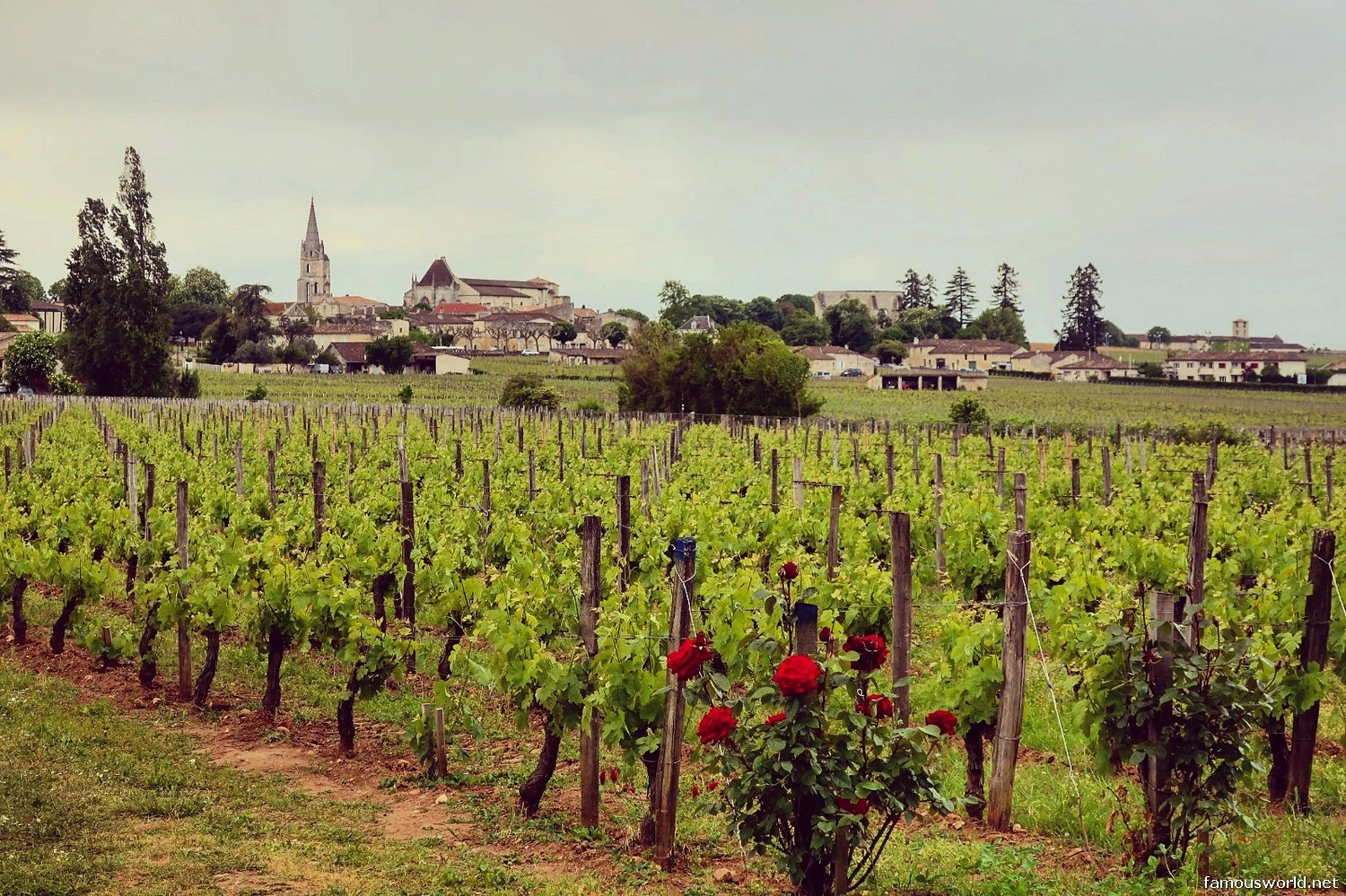
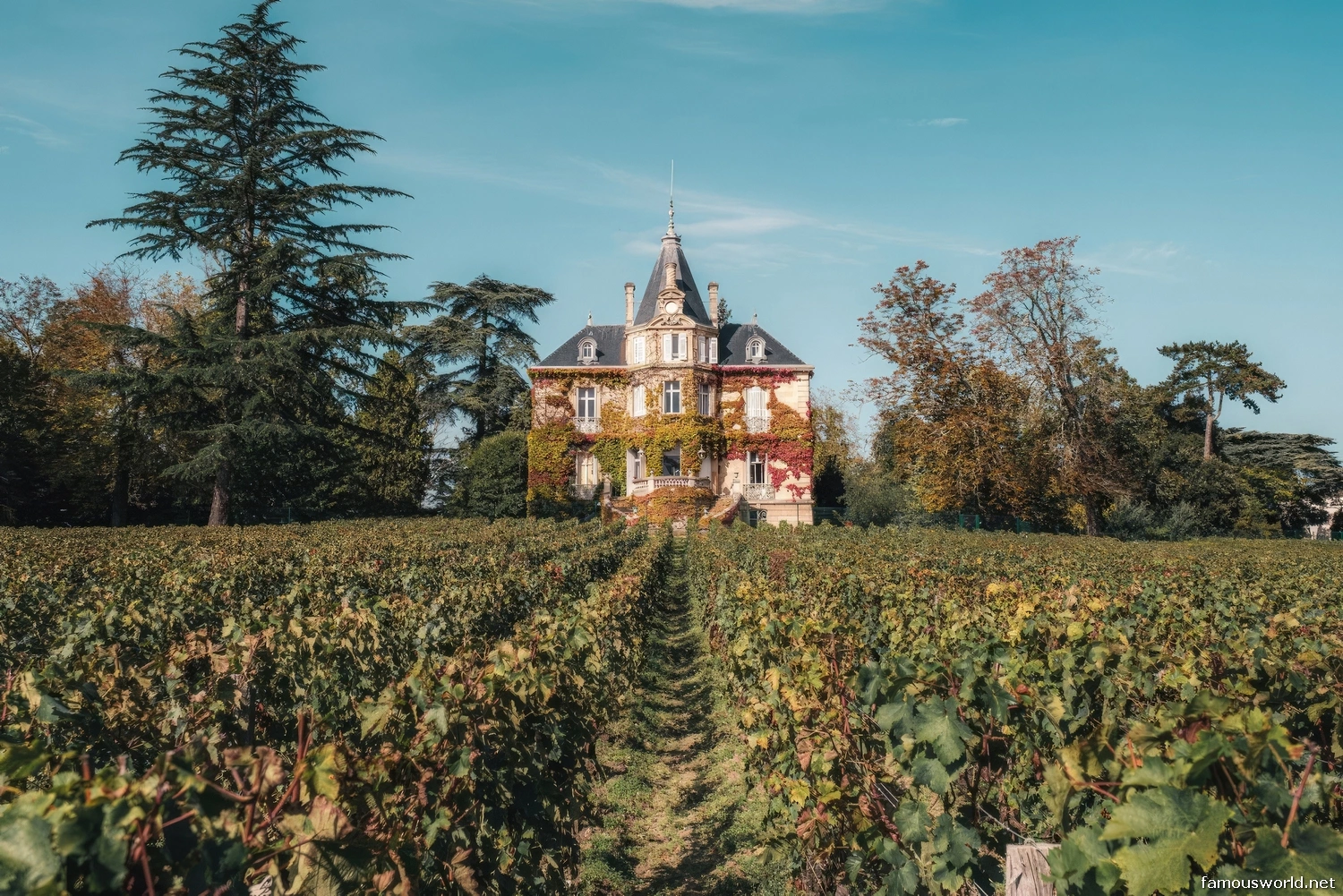
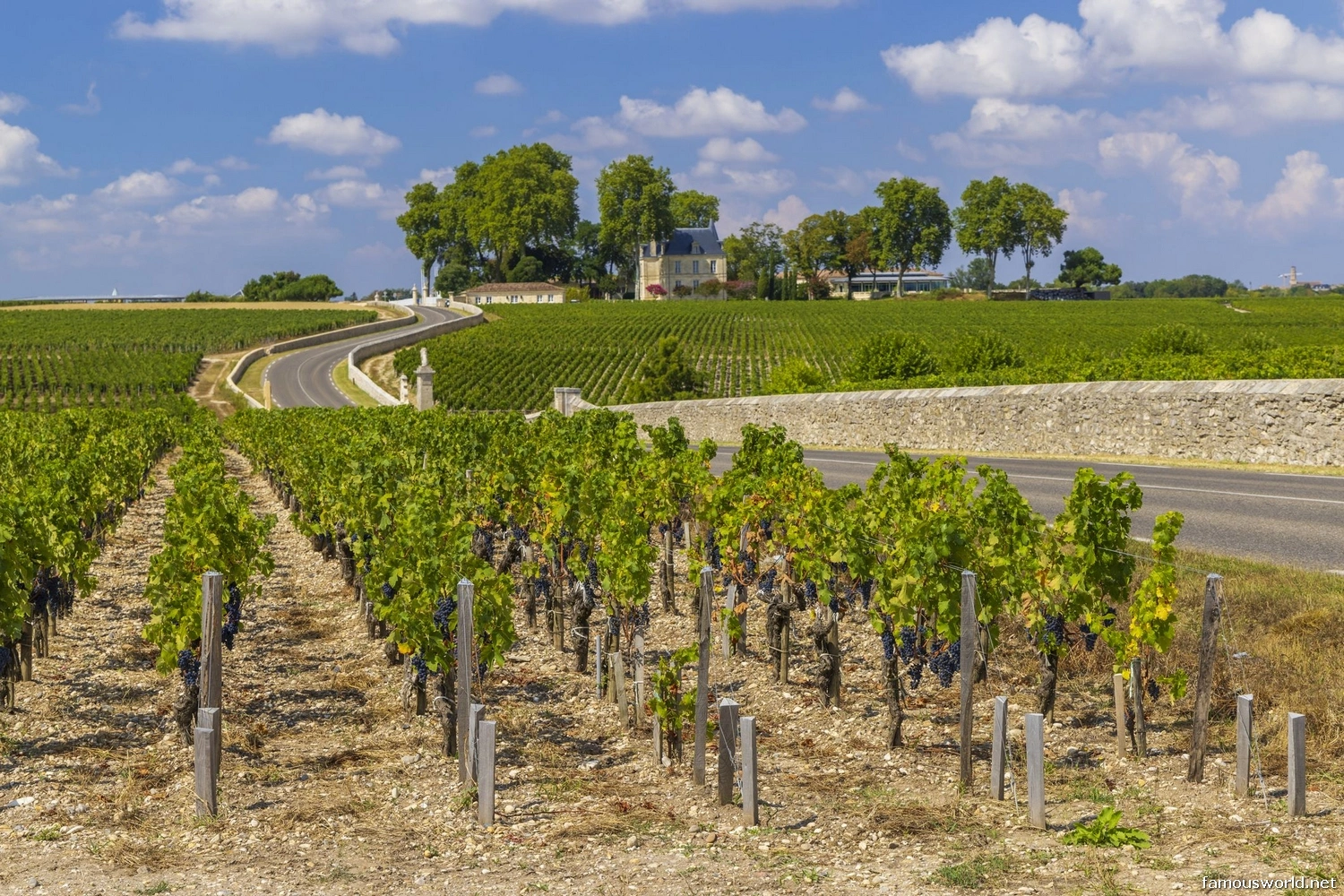
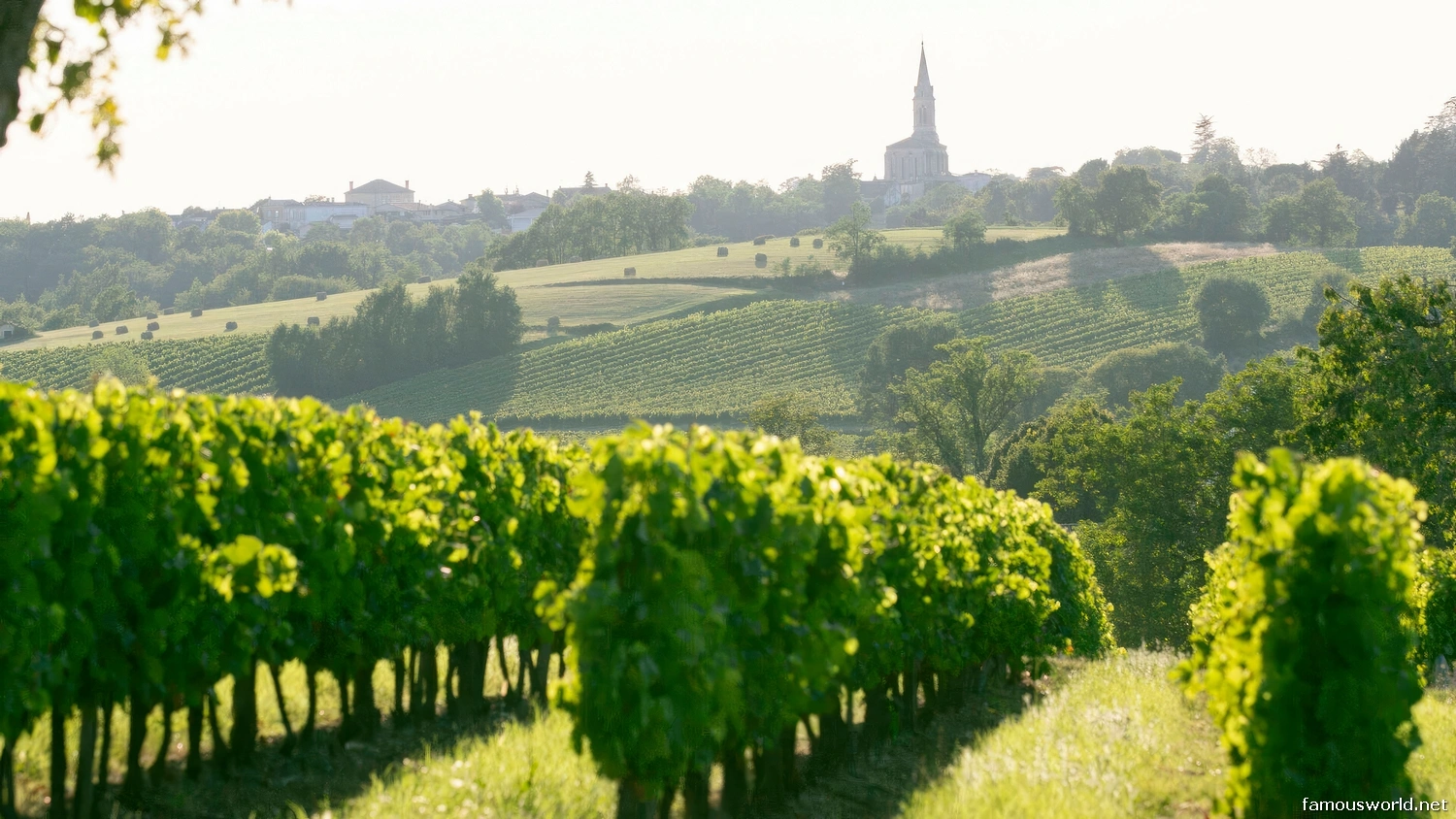
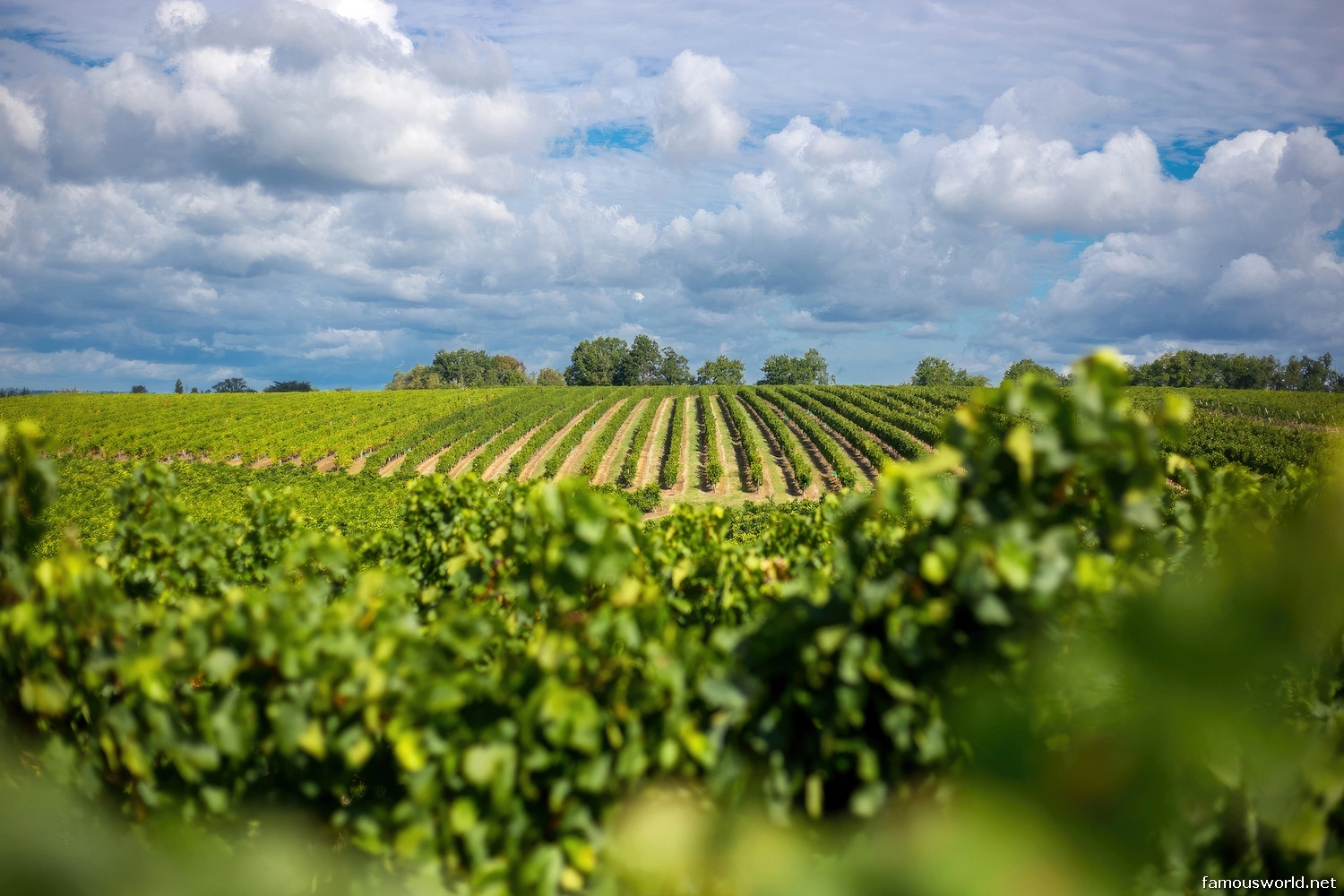
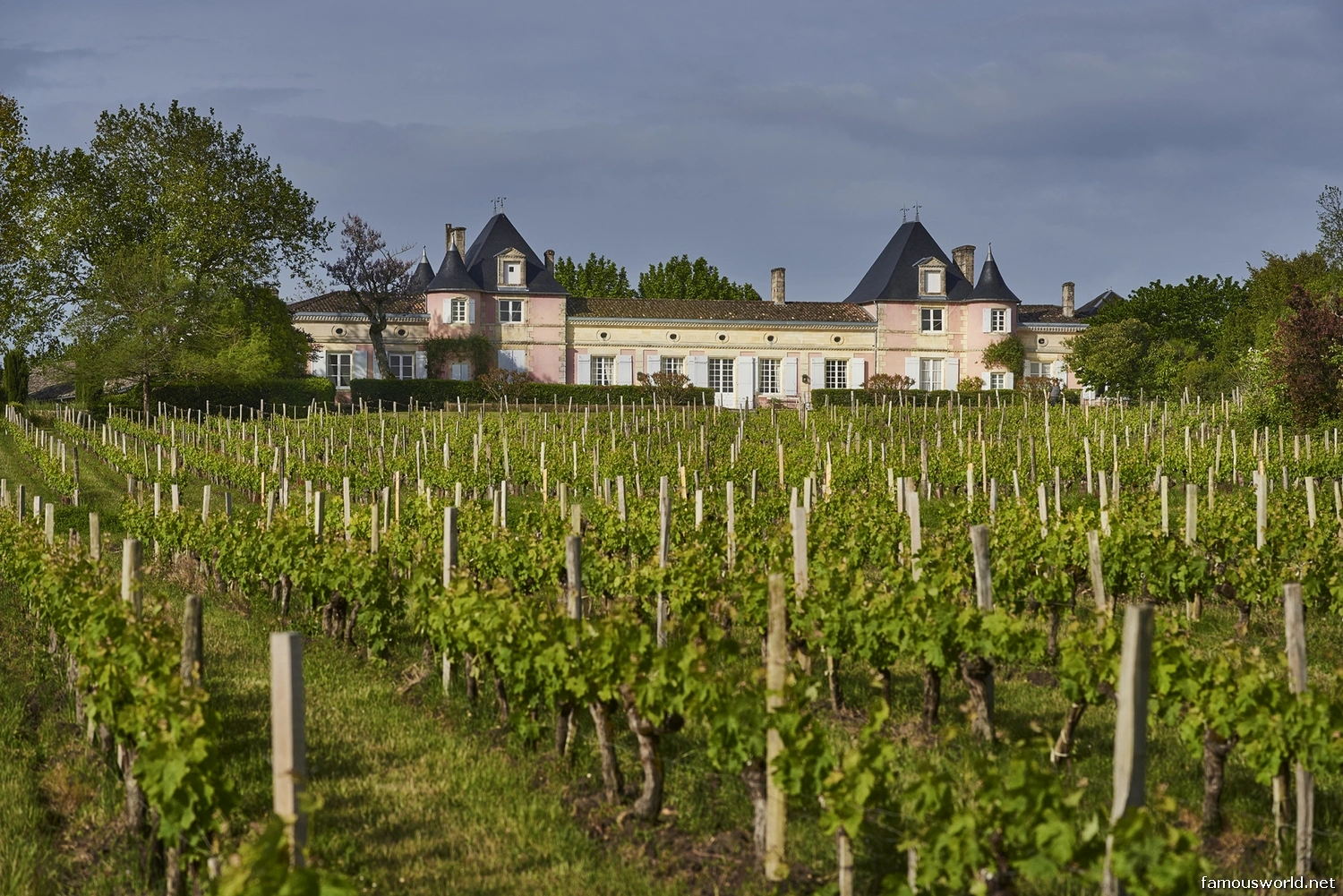
In southwestern France, the city of Bordeaux and its surrounding vineyards form a landscape synonymous with the world’s most prestigious wines. The city itself, a UNESCO World Heritage Site, is a masterpiece of 18th-century neoclassical elegance, its grand stone facades lining the Garonne River. This sophisticated urban heart is the gateway to a legendary countryside, where meticulously tended vineyards stretch for miles, punctuated by magnificent wine estates known as châteaux. Bordeaux is more than just a place; it is the global benchmark for fine wine, a region where history, terroir, and the art of winemaking converge to create a culture of unparalleled refinement and taste.
Listen to an introduction about Bordeaux and its Vineyards

Name and Location
- Name: Bordeaux.
- Location: The capital of the Nouvelle-Aquitaine region and the Gironde department in southwestern France, situated on the Garonne River.
How to Get There
As a major European center for wine and tourism, Bordeaux is highly accessible.
- By Air: Bordeaux-Mérignac Airport (BOD) is a major international airport with flights from across Europe and beyond.
- By Train: The city is a key hub on France’s high-speed TGV network, with frequent trains connecting it to Paris in just over two hours.
- By Car: Major motorways link Bordeaux to Spain, Paris, and other parts of France, making it an excellent base for road trips through the wine regions.
Landscape and Architecture
The region is defined by the elegant interplay between its urban architecture and the pastoral landscape of its vineyards.
- The City of Bordeaux: The historic center, known as the Port of the Moon, is celebrated for its exceptional 18th-century architectural unity. Key features include the Place de la Bourse, with its stunning Miroir d’eau (Water Mirror), and the Grand Théâtre. The city’s layout and honey-colored stone buildings reflect the wealth and ambition of its golden age as a major port.
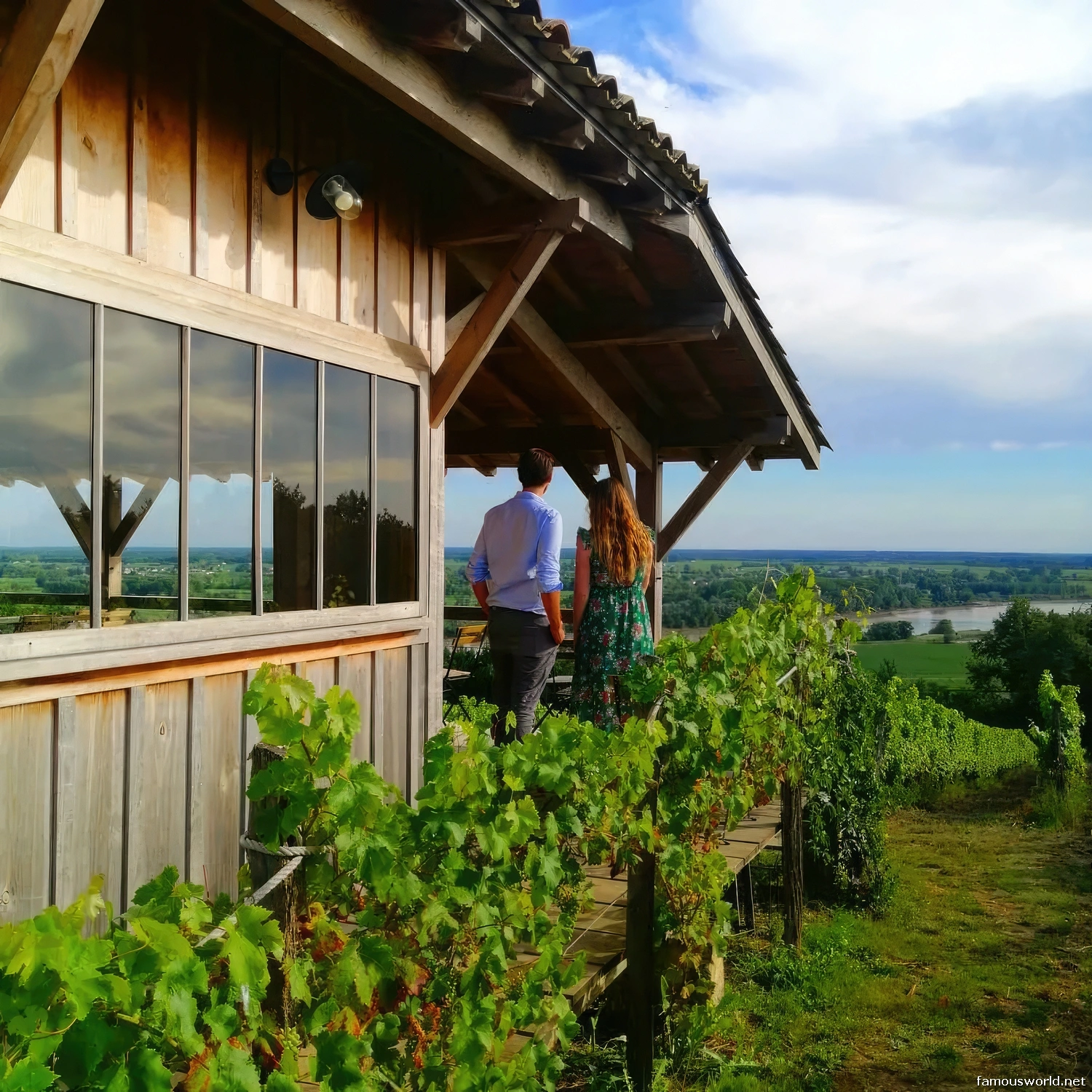
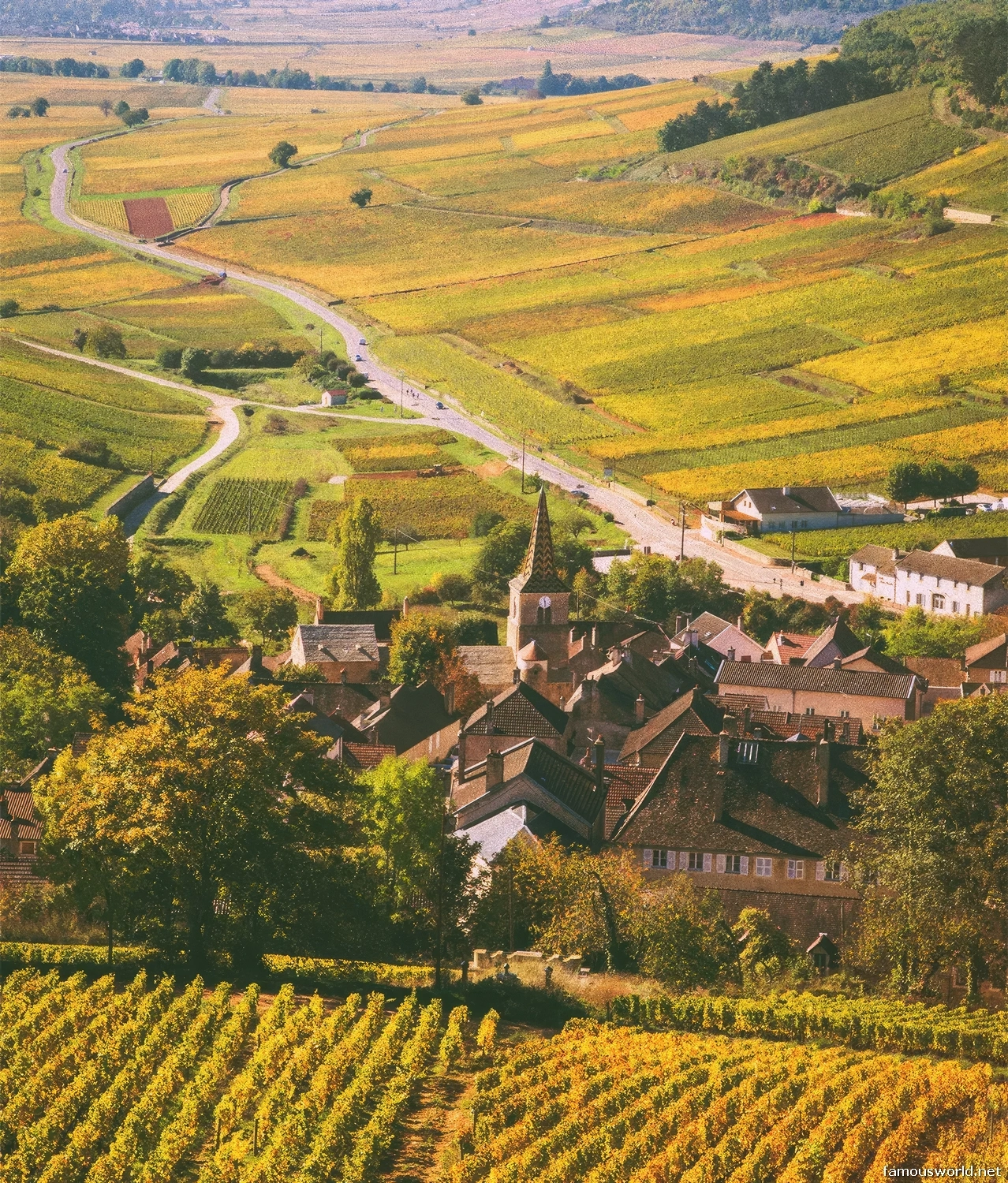
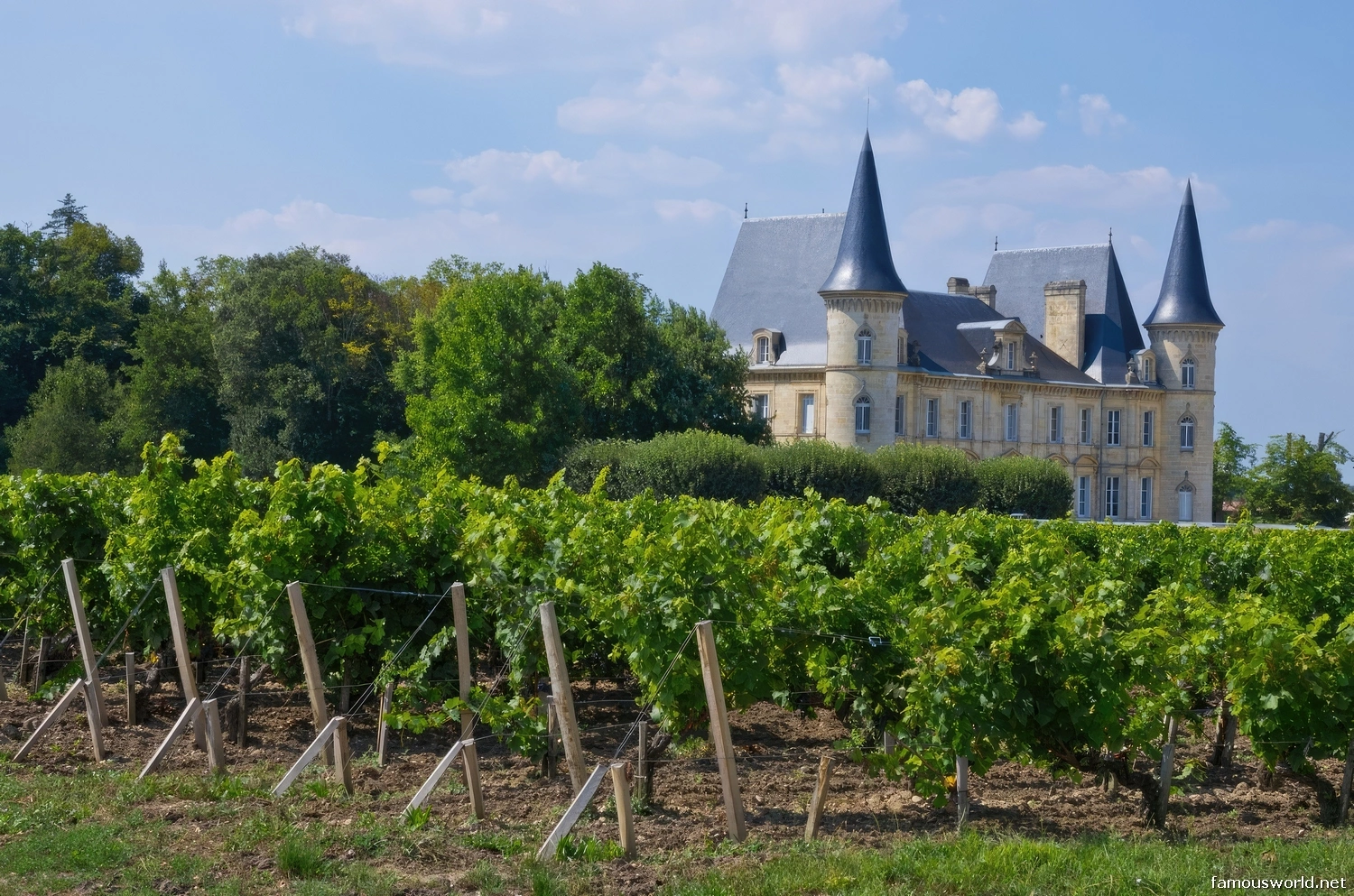
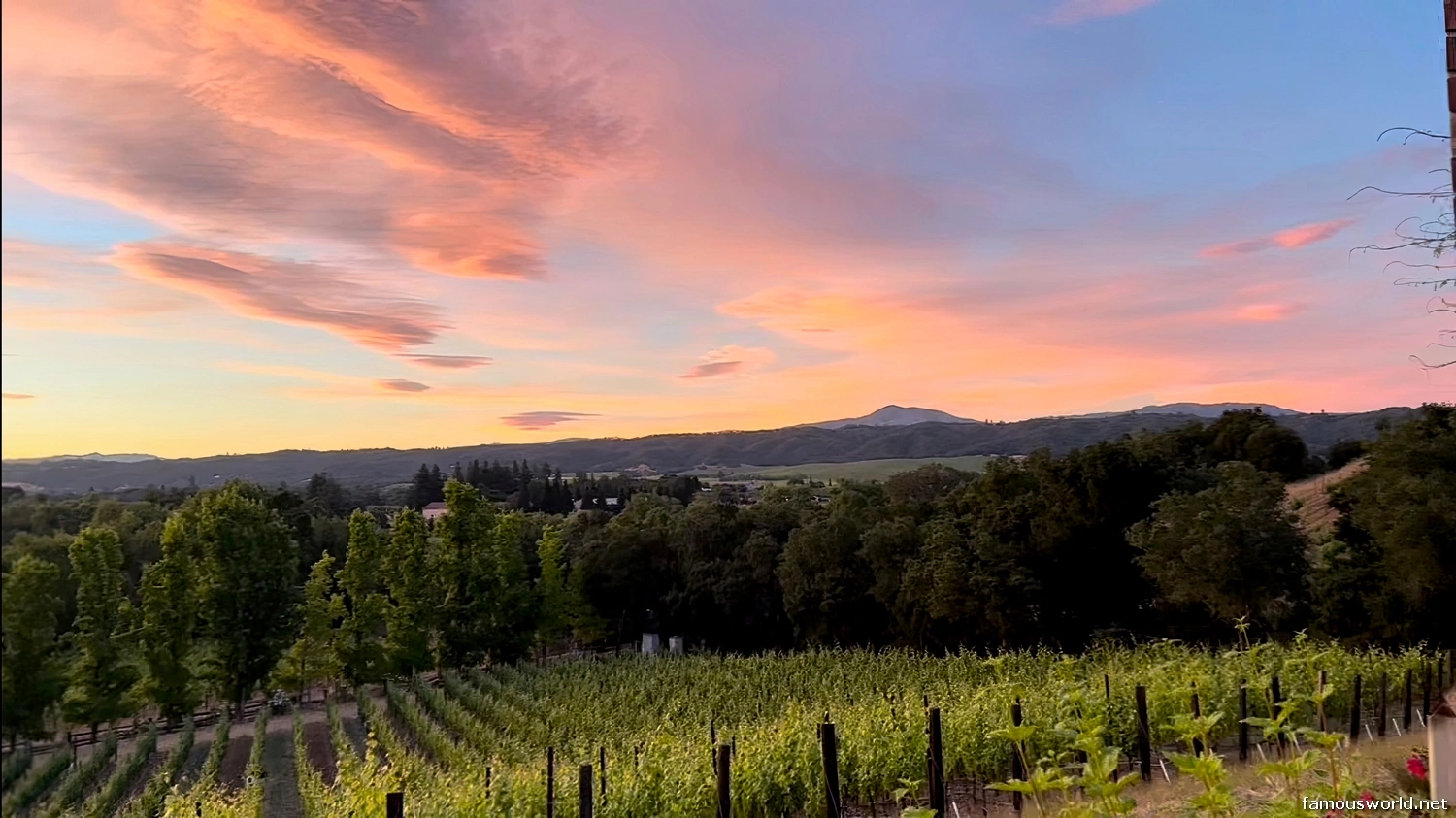
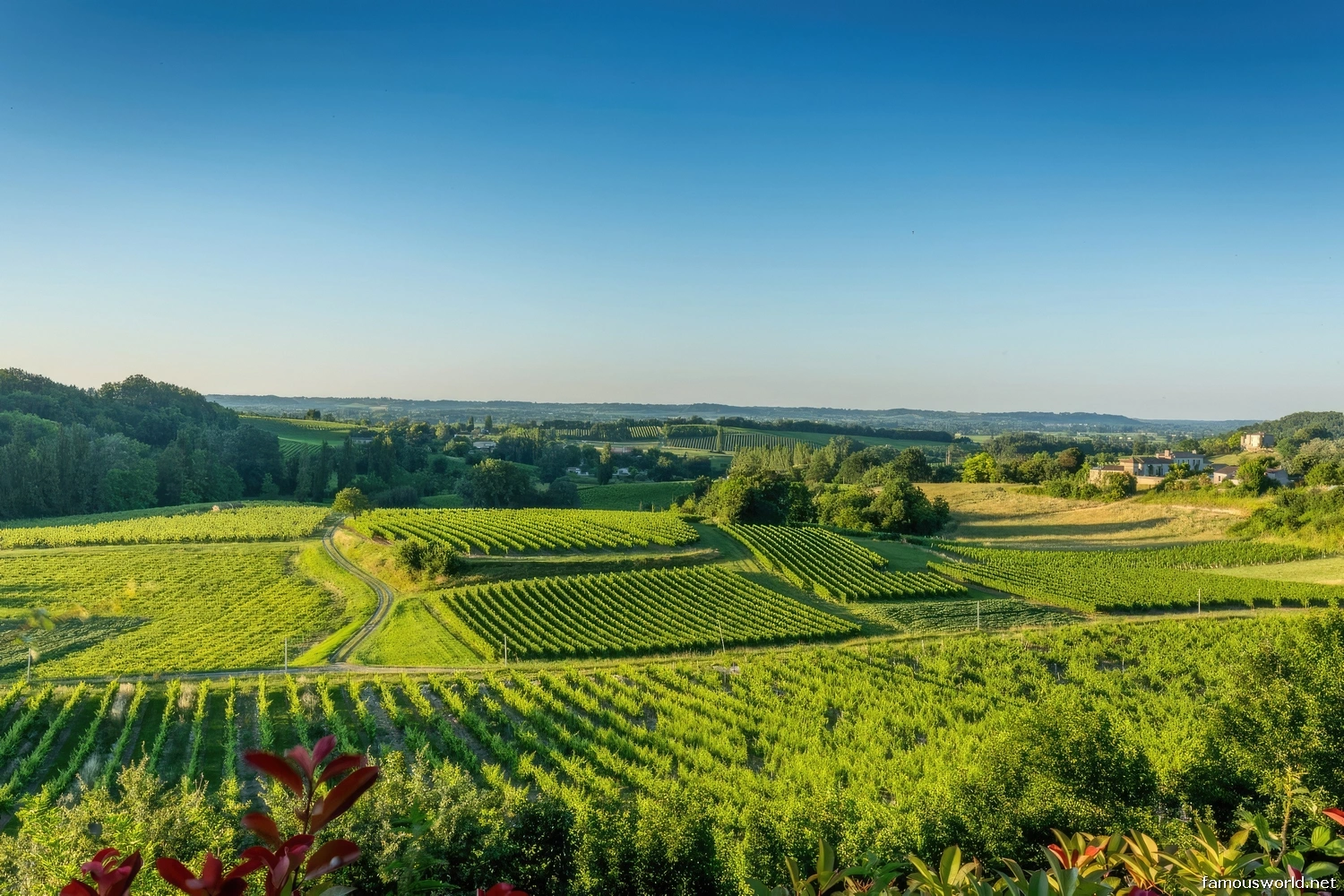
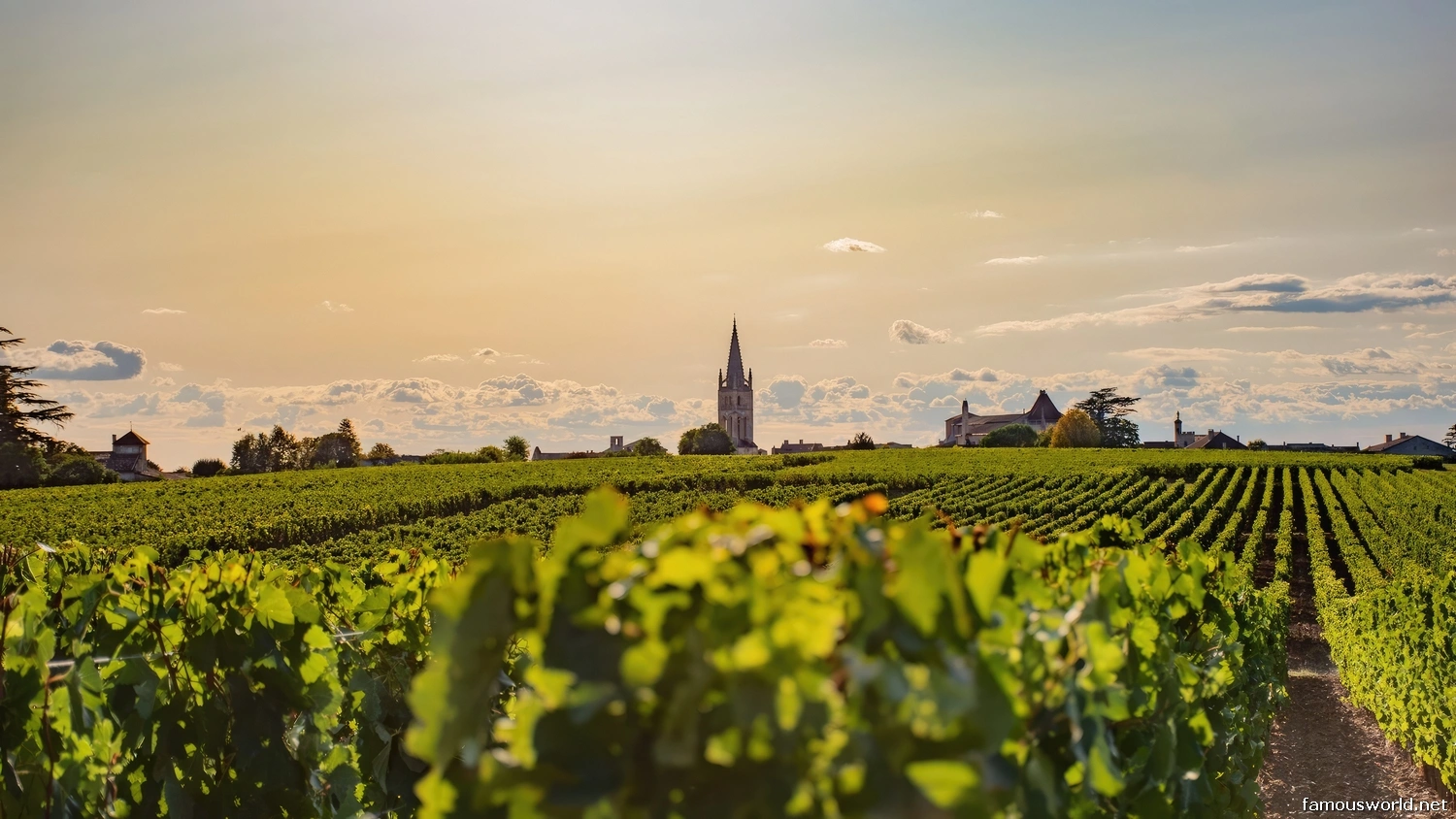
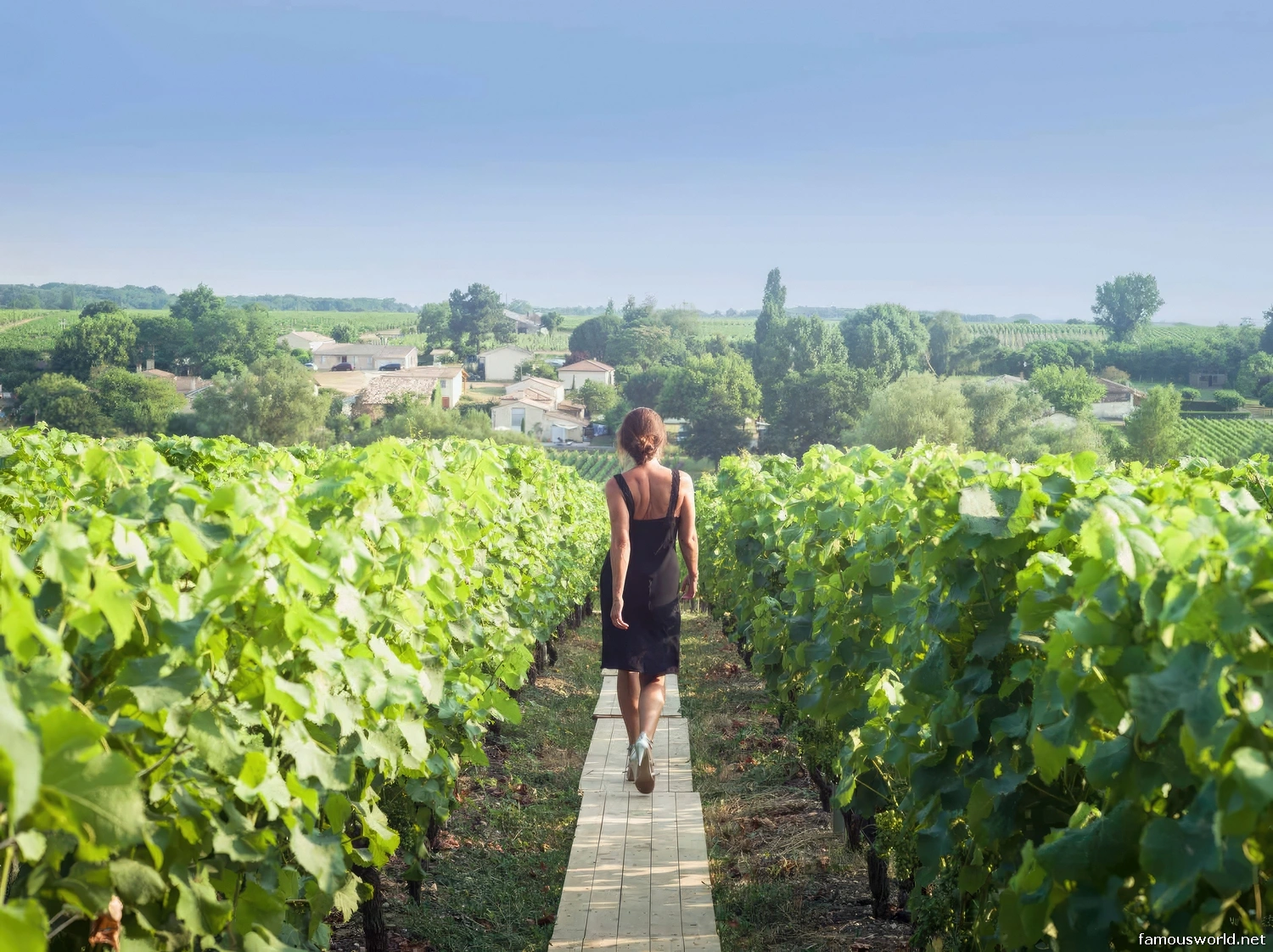
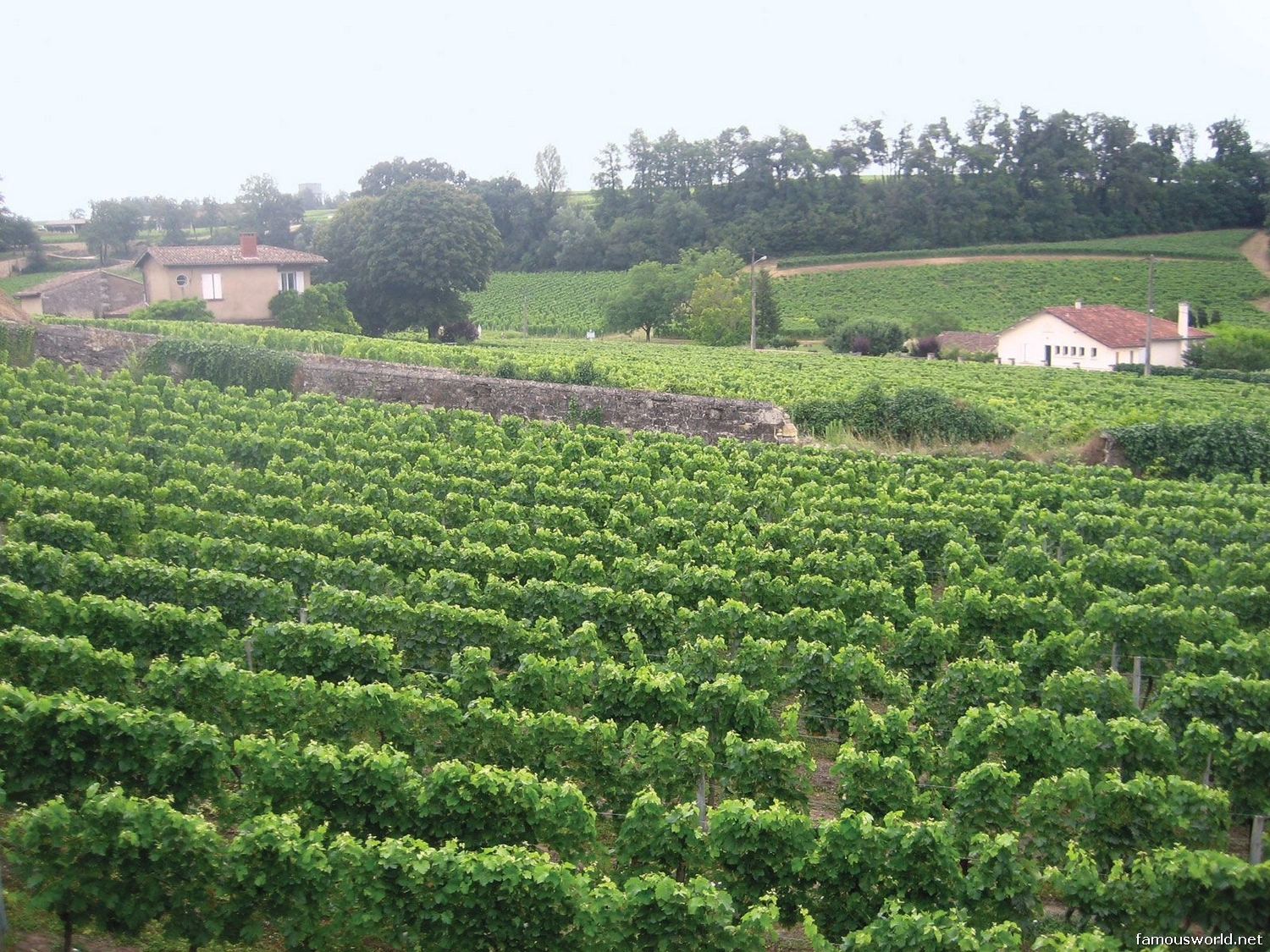
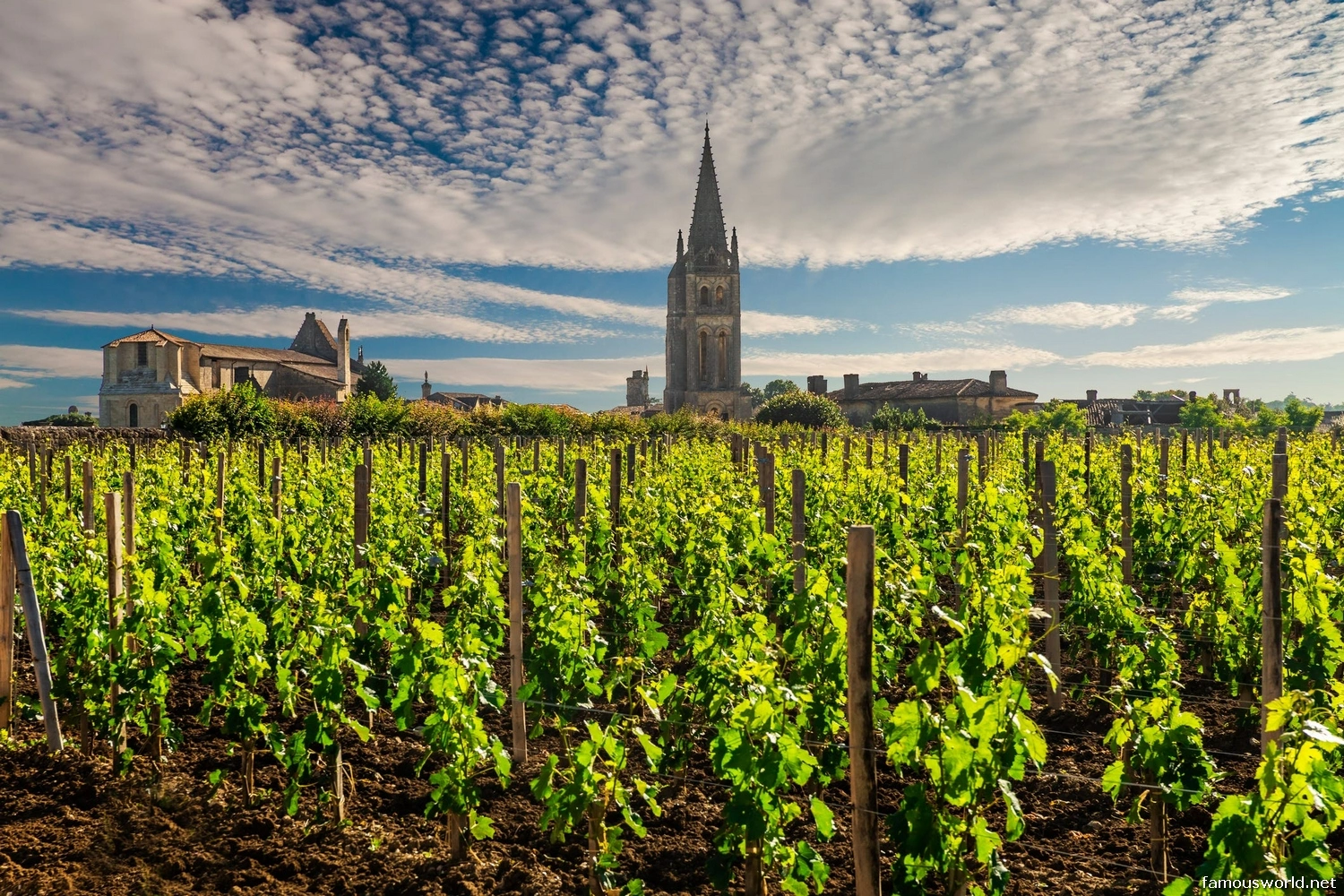
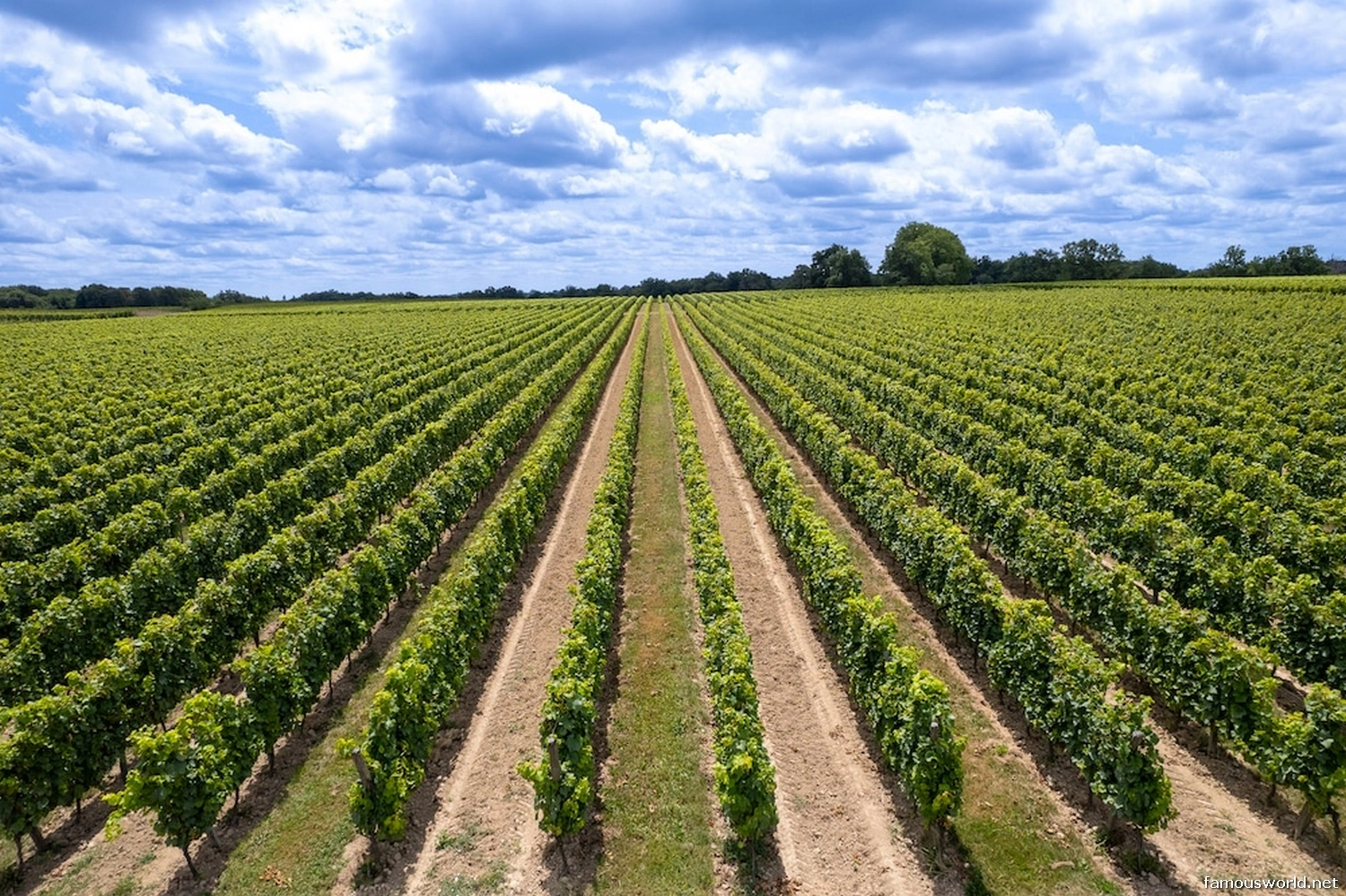
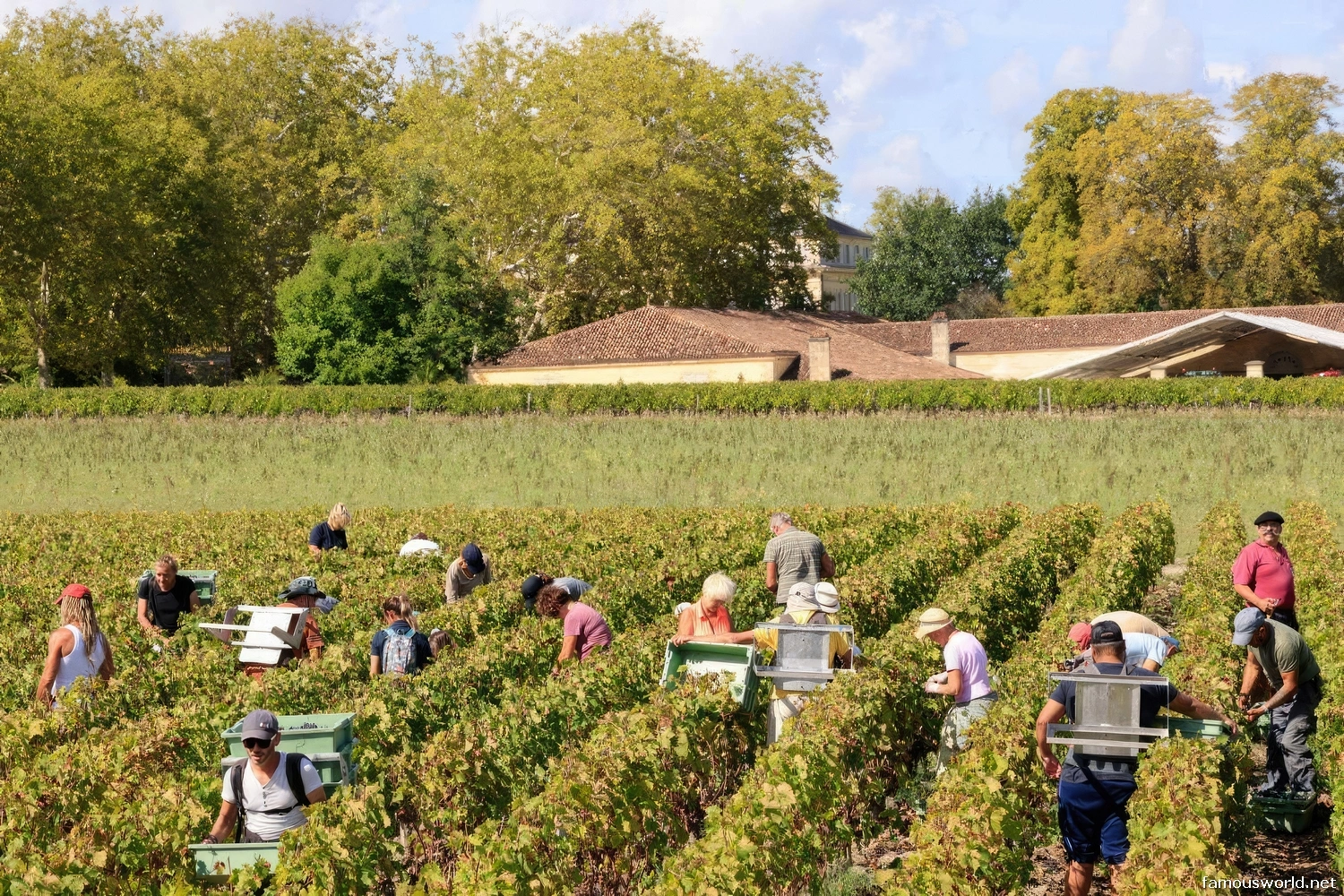
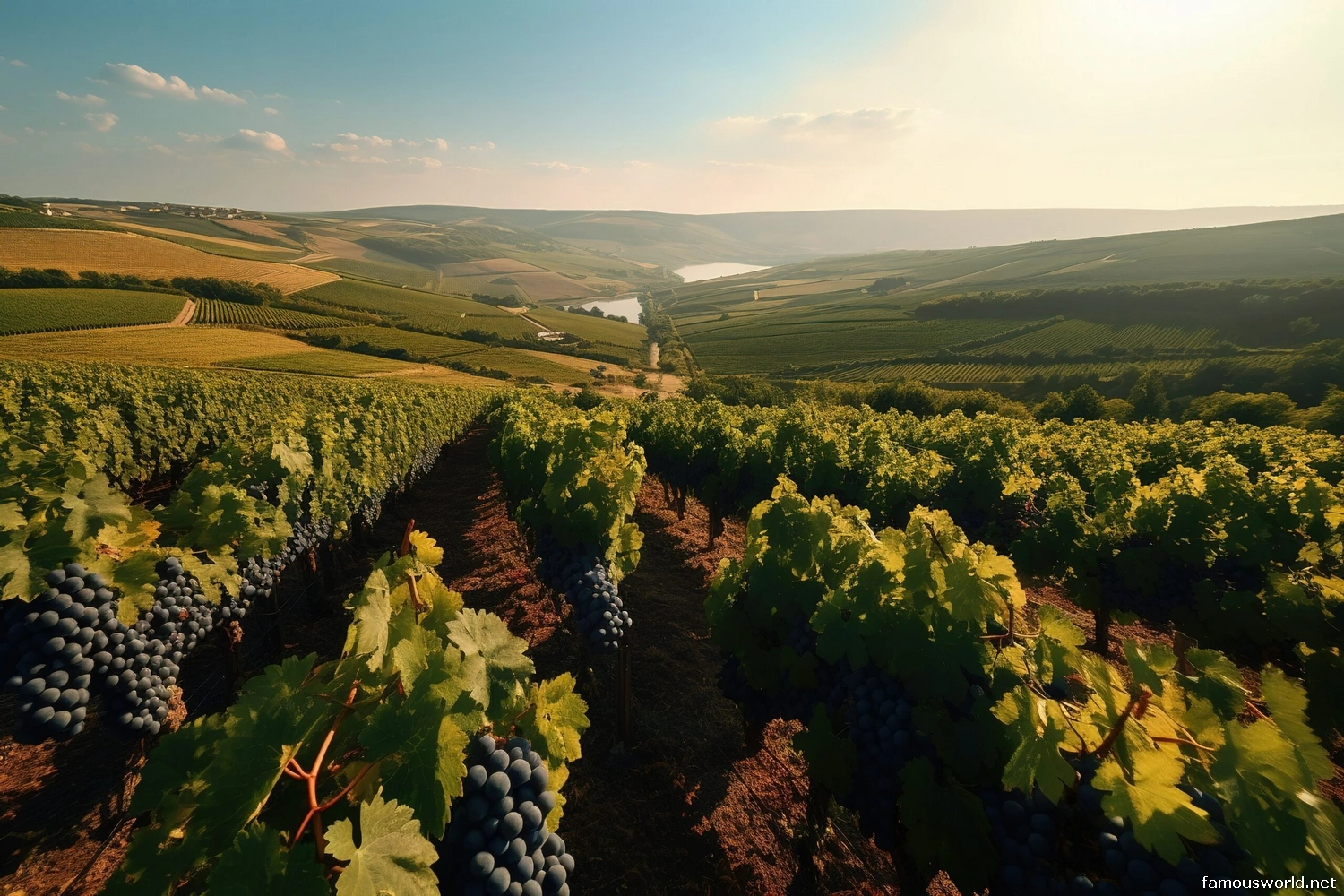
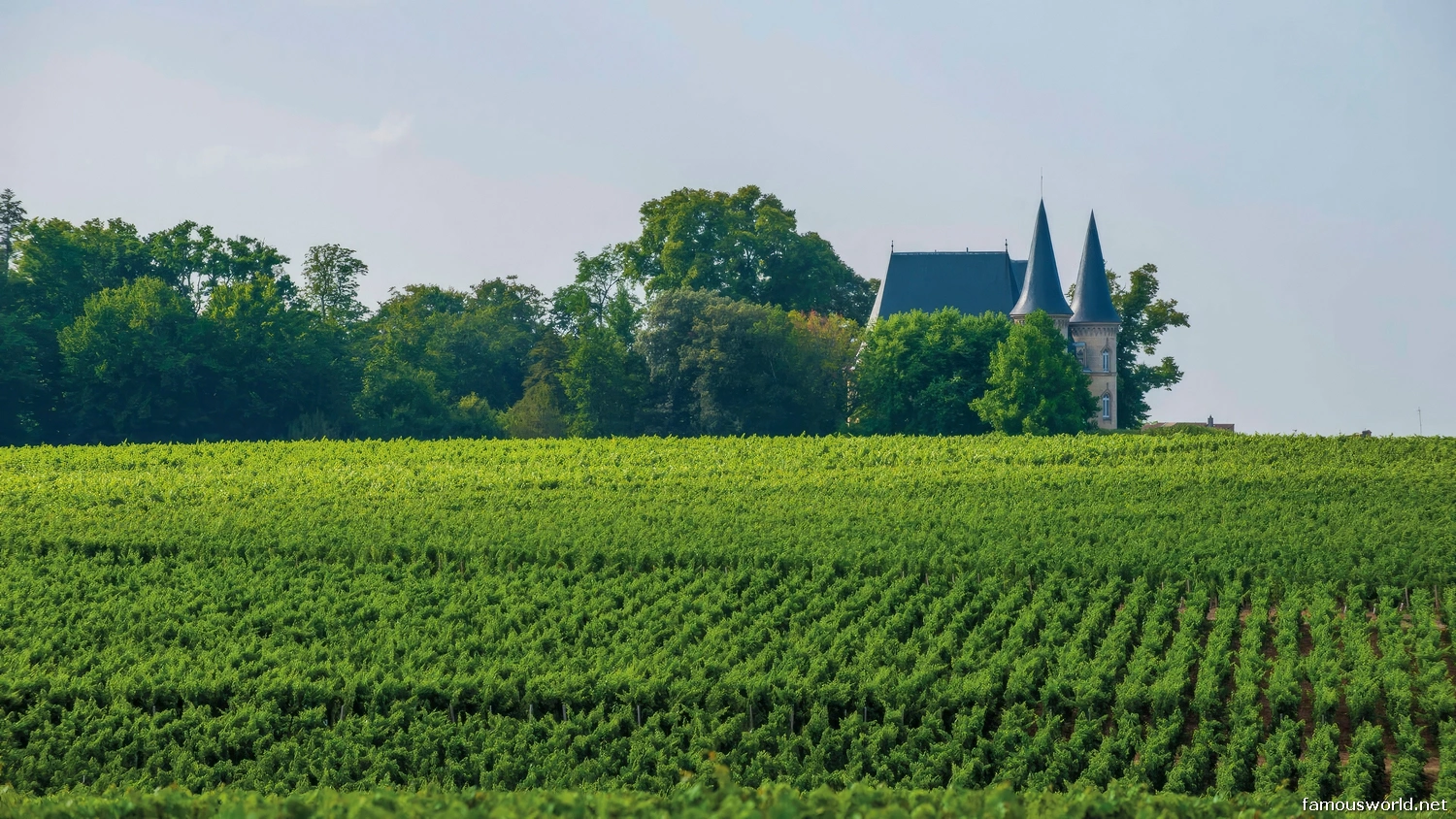
- The Vineyards and Châteaux: The surrounding landscape is a patchwork of famous wine appellations, including the Médoc, Saint-Émilion, Pomerol, and Sauternes. The terrain is largely flat or gently rolling, with gravelly soils on the “Left Bank” of the Garonne and clay-limestone on the “Right Bank” of the Dordogne. The architectural landscape is dominated by the wine châteaux—grand estates that range from historic manors to bold, modern architectural statements, all centered around wine production.
What Makes It Famous
Bordeaux’s fame is built on its unrivaled reputation as the world’s leading fine wine region.
- World-Renowned Wine: Bordeaux is the producer of some of the most sought-after and age-worthy red wines in the world, primarily blends of Cabernet Sauvignon and Merlot. Its classification systems, like the 1855 Classification of the Médoc, are historic and highly influential.
- UNESCO World Heritage City: The city of Bordeaux is recognized by UNESCO as “an outstanding urban and architectural ensemble,” representing a pinnacle of classical and neoclassical trends.
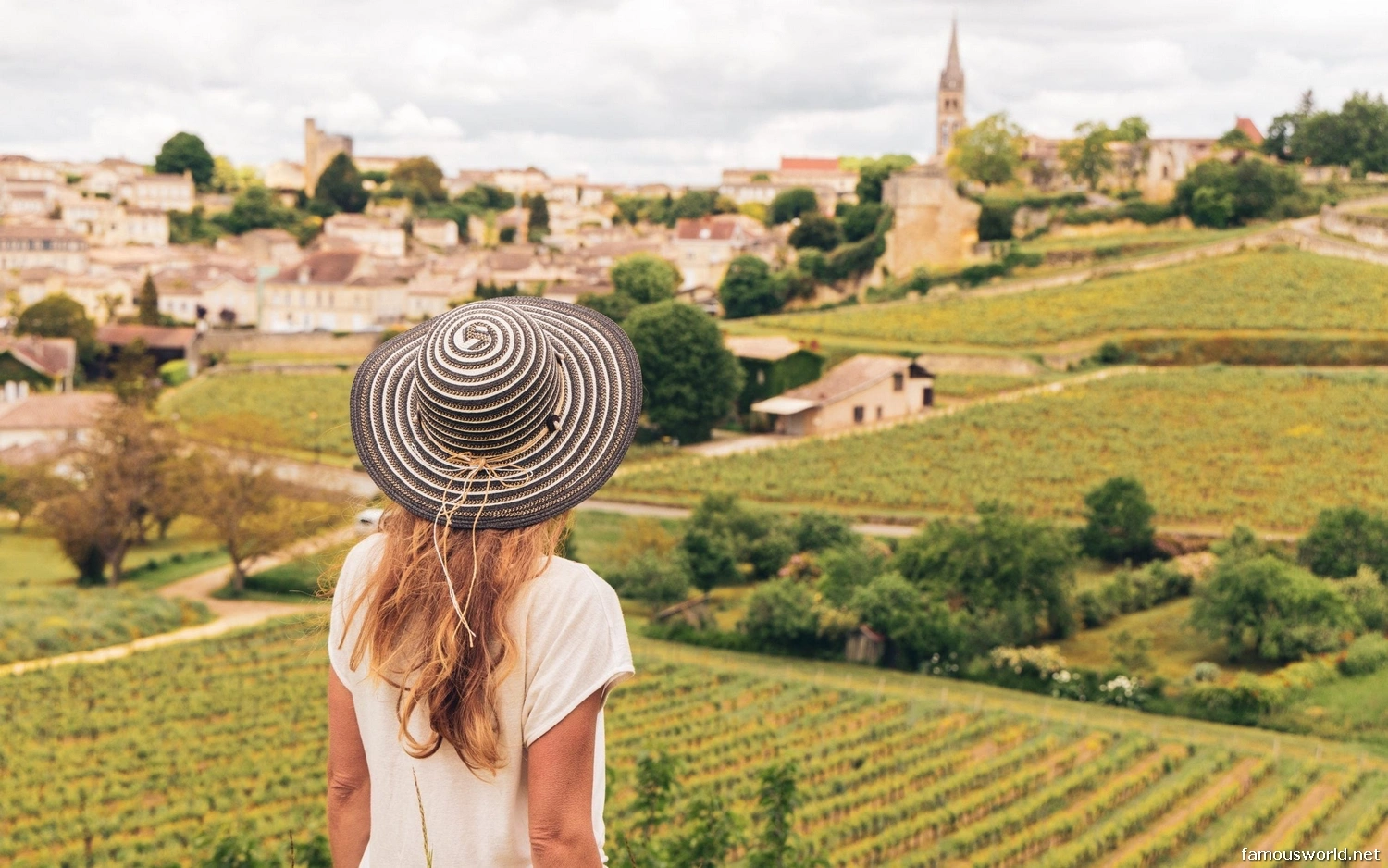
- Saint-Émilion: The jurisdiction of Saint-Émilion is also a UNESCO World Heritage site, honored as a remarkable historical vineyard landscape that has survived intact.
- La Cité du Vin: Bordeaux is home to a spectacular modern museum, La Cité du Vin, an architectural landmark dedicated to exploring the culture of wine throughout the world.
Differences from Other Wonders
The elegant, commerce-driven identity of Bordeaux offers a different experience from the ancient, imperial legacy of Nîmes.
- Environment (Grand Port City vs. Inland Roman City): Bordeaux is a sprawling, elegant port city shaped by its river and the vast agricultural landscape of its vineyards. Nîmes is a more compact, inland city defined by its well-preserved Roman monuments.
- Core Story (The Age of Enlightenment & Wine vs. The Roman Empire): The story of Bordeaux is one of global trade, 18th-century prosperity, and the art of winemaking. The story of Nîmes is centered on its identity as a provincial capital of the Roman Empire.
- Primary Attraction (Urban Ensemble & Vineyards vs. Roman Monuments): The main attraction of Bordeaux is the combination of its grand 18th-century cityscape and its world-famous wine châteaux. The primary attractions of Nîmes are its singular, exceptionally preserved Roman temple and amphitheater.
- Atmosphere (Elegant and Cosmopolitan vs. Imperial and Classical): A visit to Bordeaux evokes a sense of cosmopolitan elegance and agricultural prestige. A visit to Nîmes inspires a sense of classical order and a direct connection to the ancient Roman world.
Location on world map