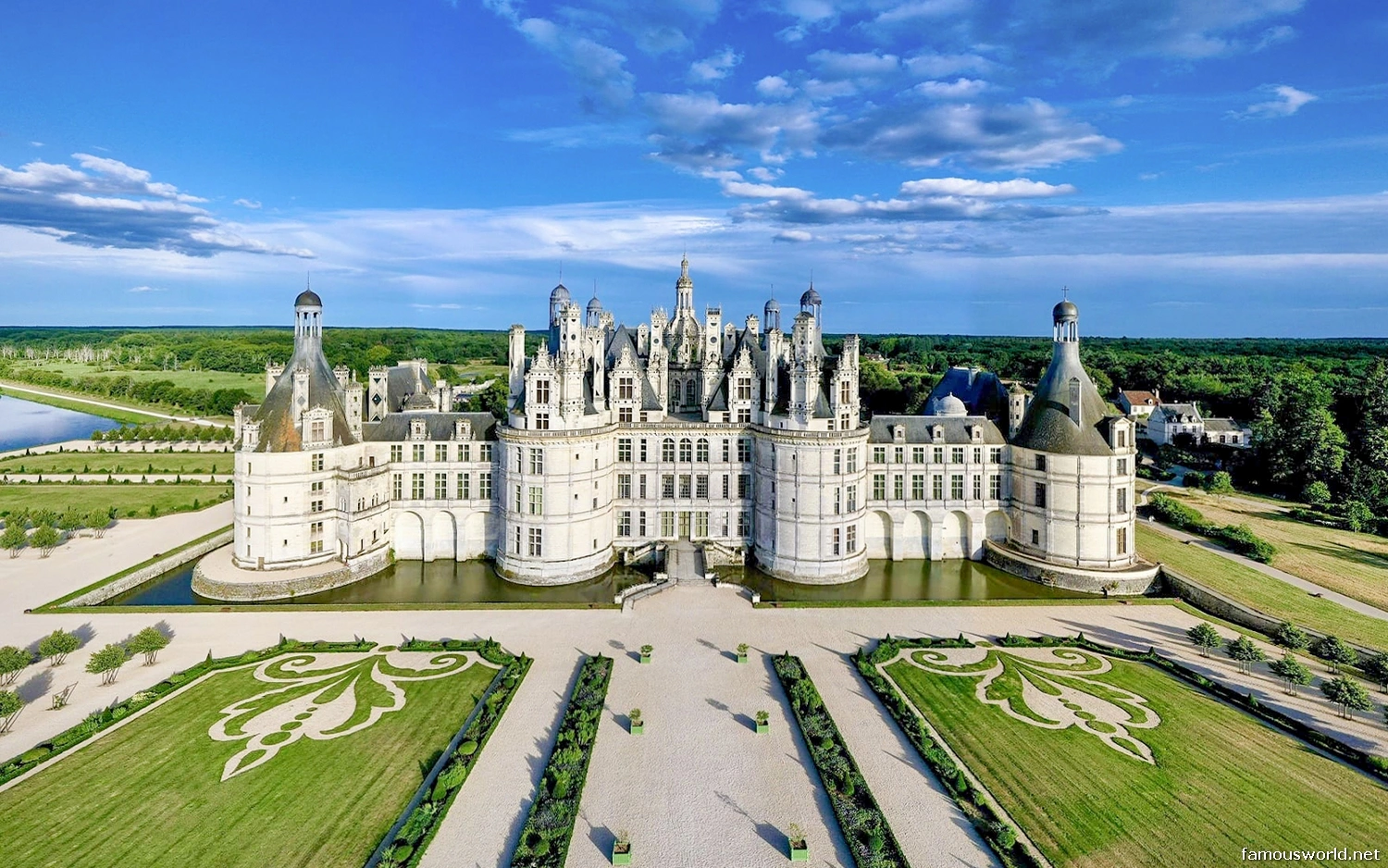




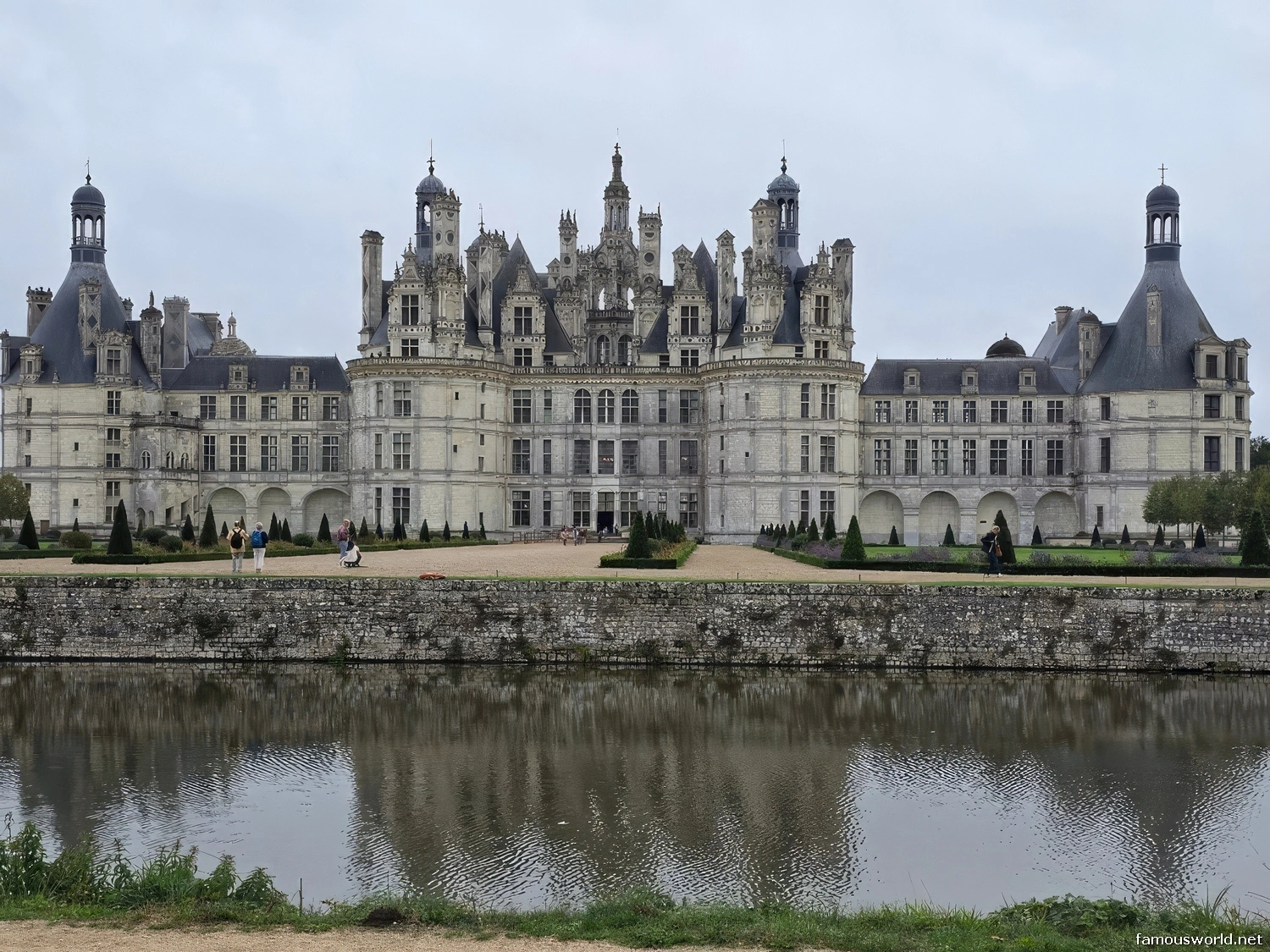
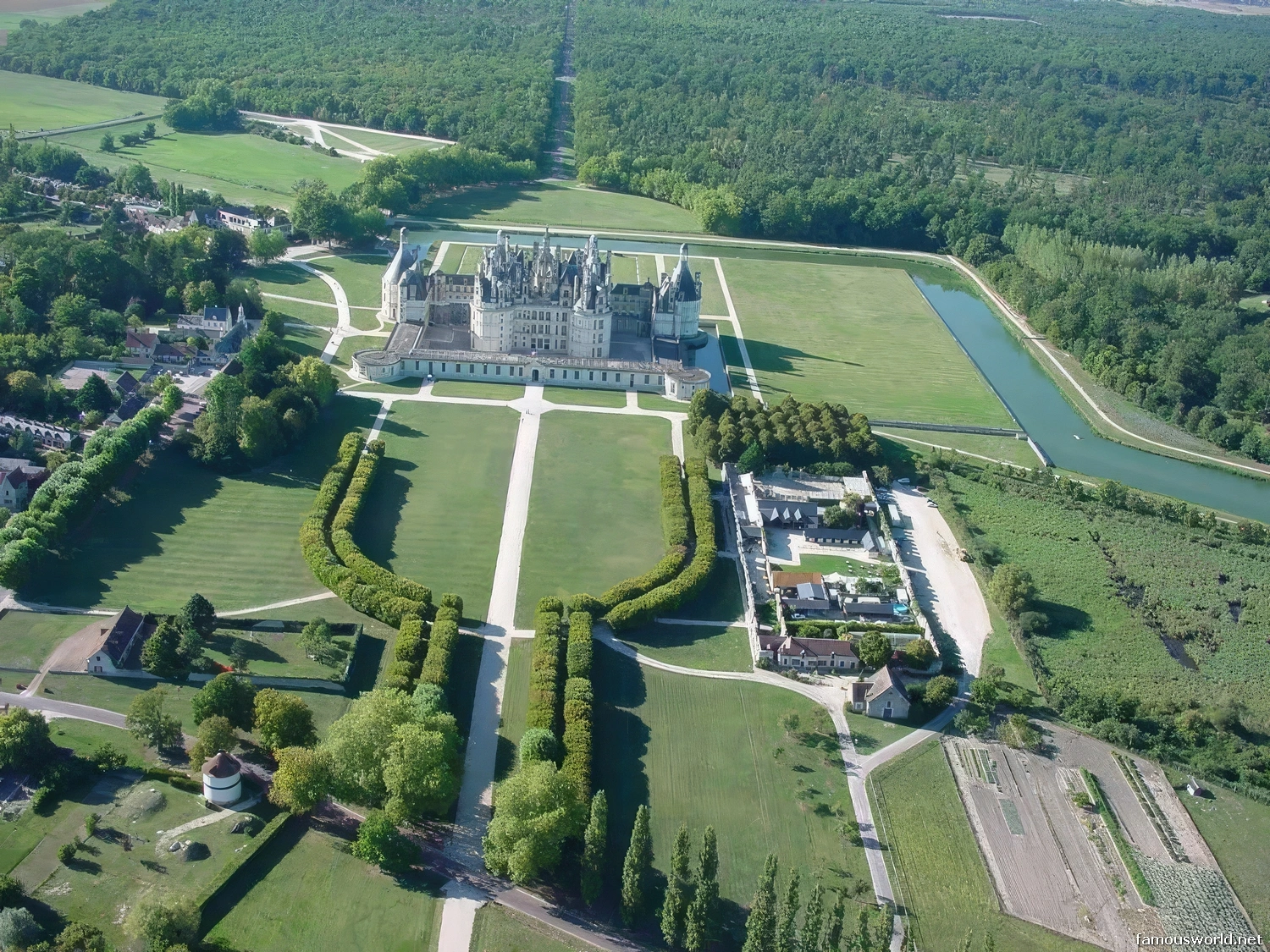
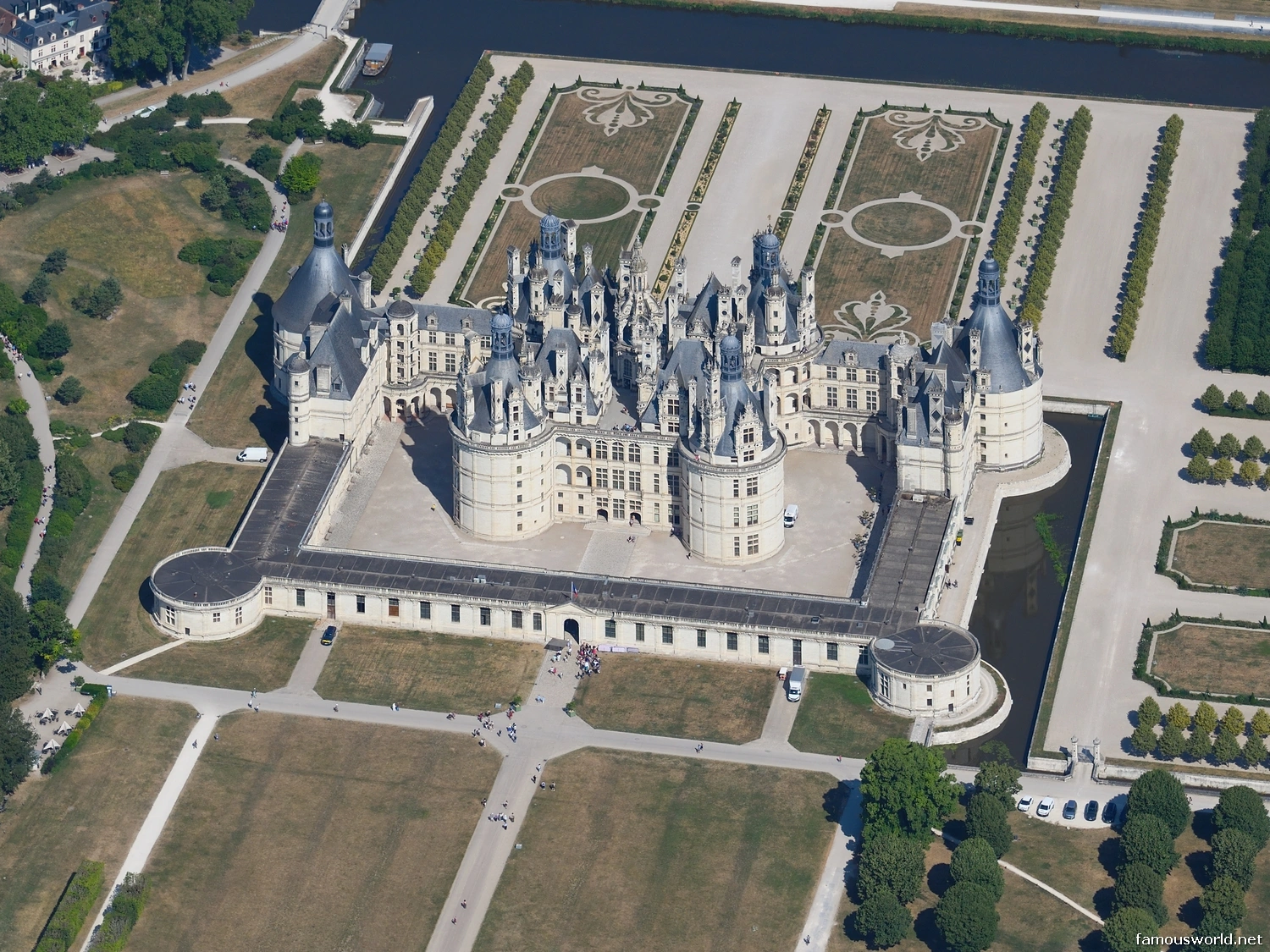
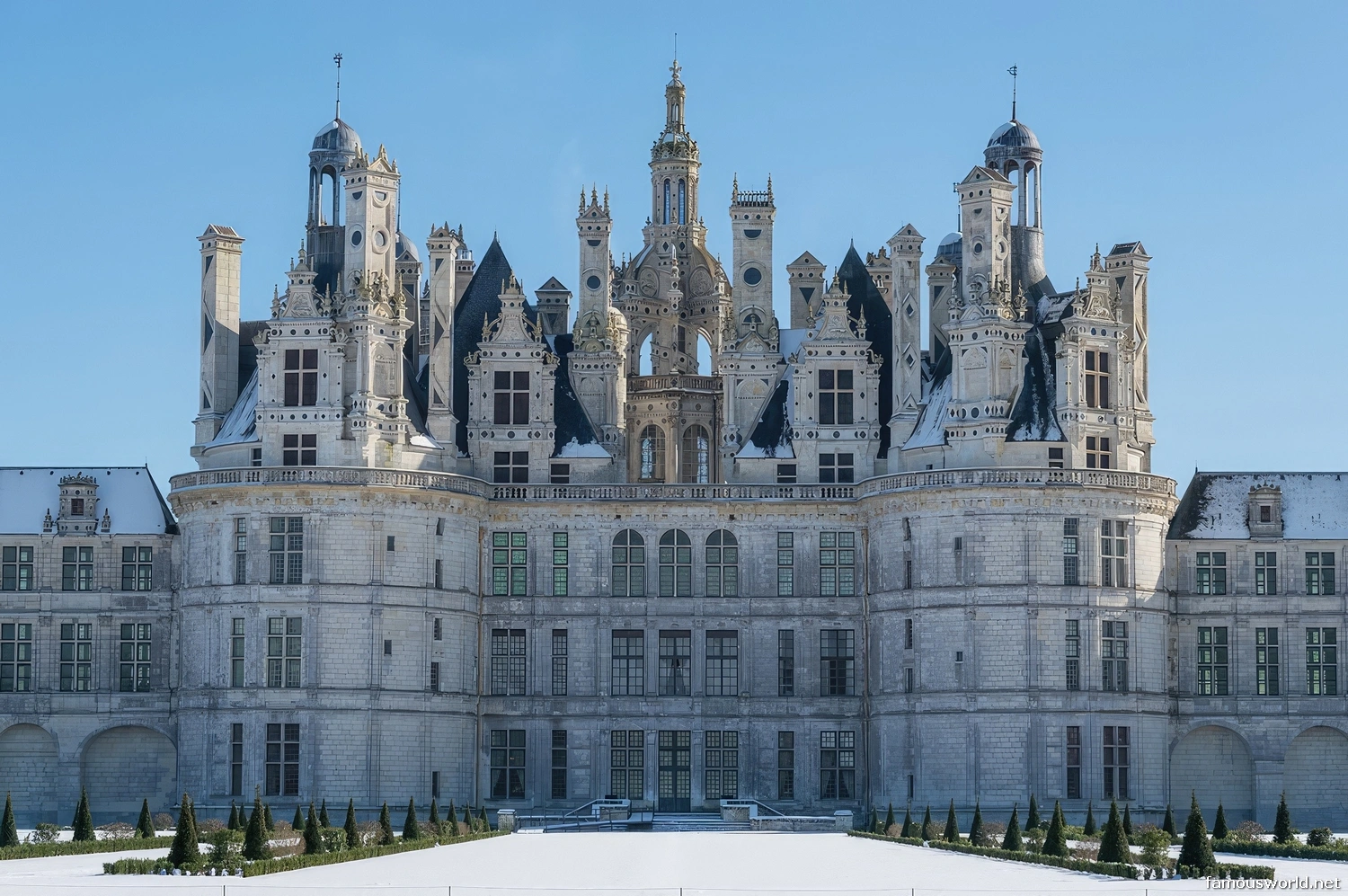
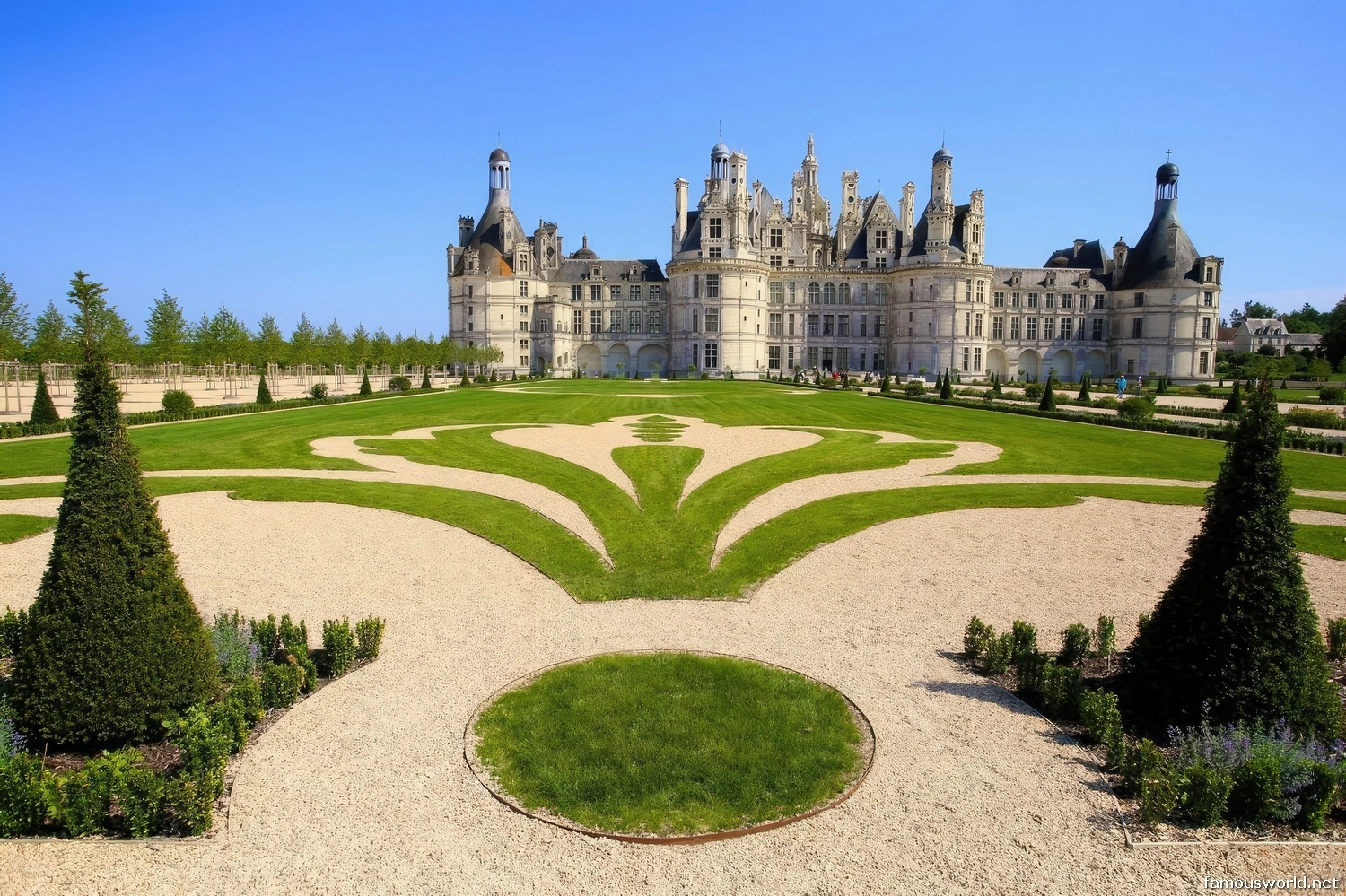
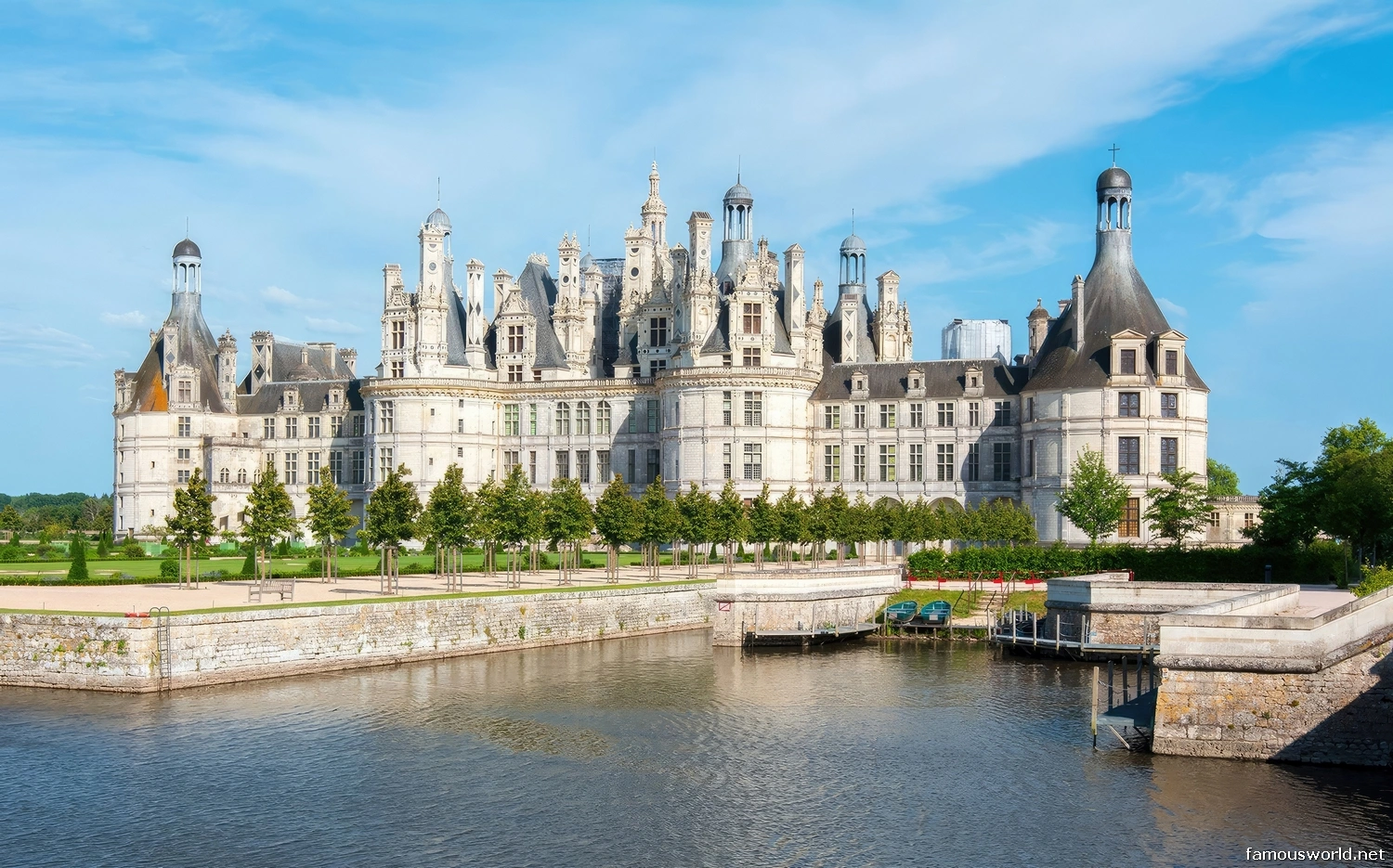
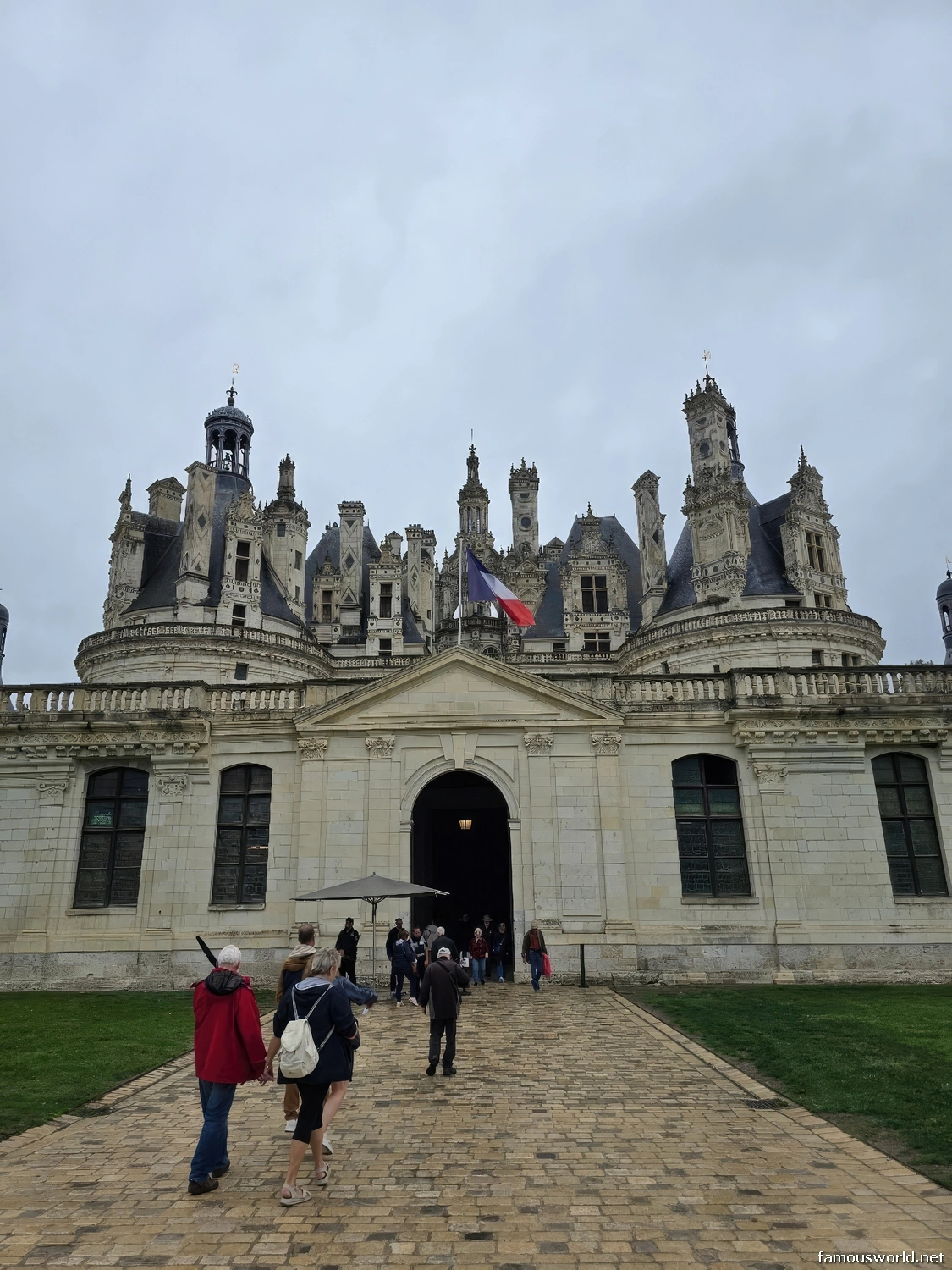


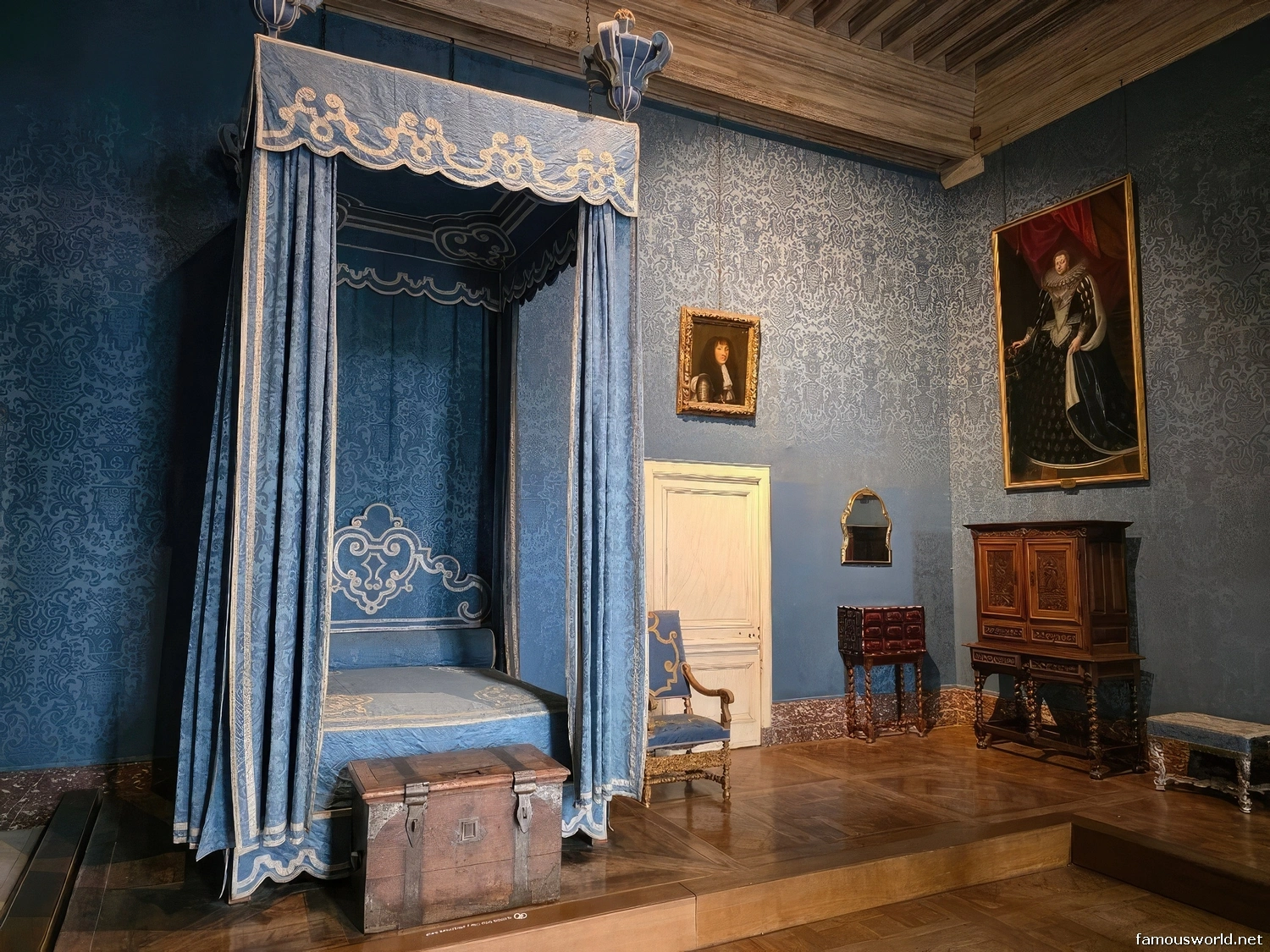
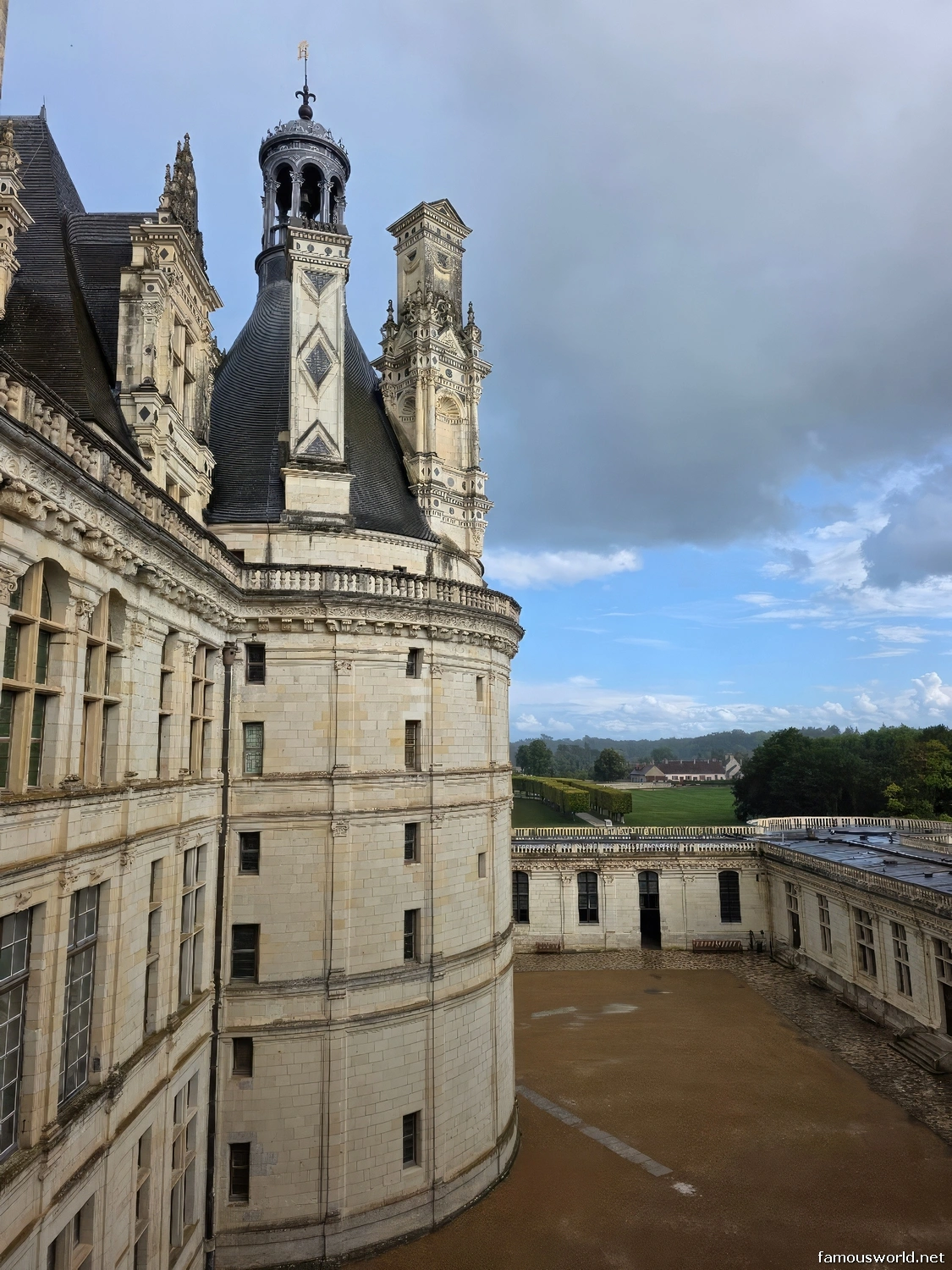
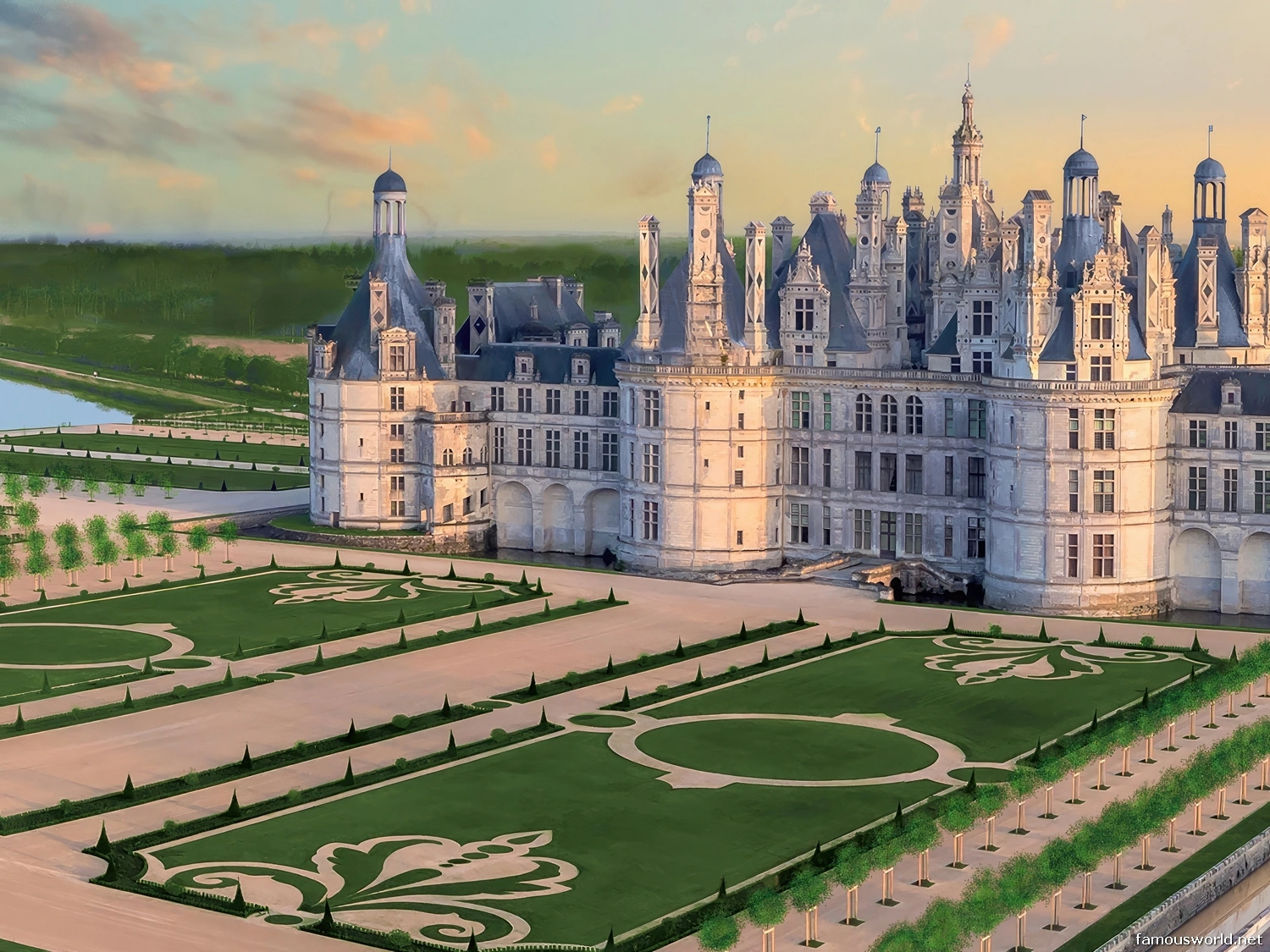
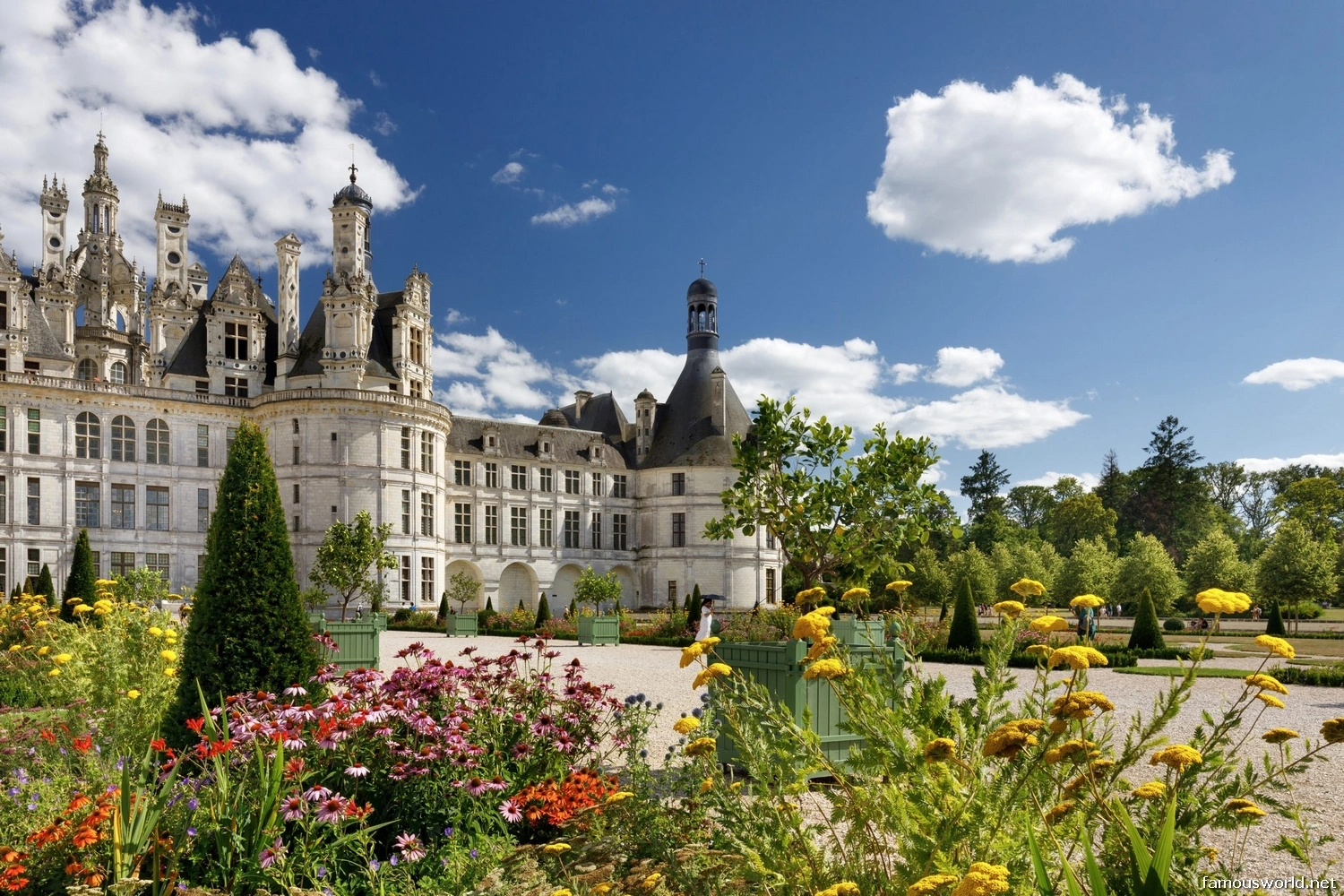



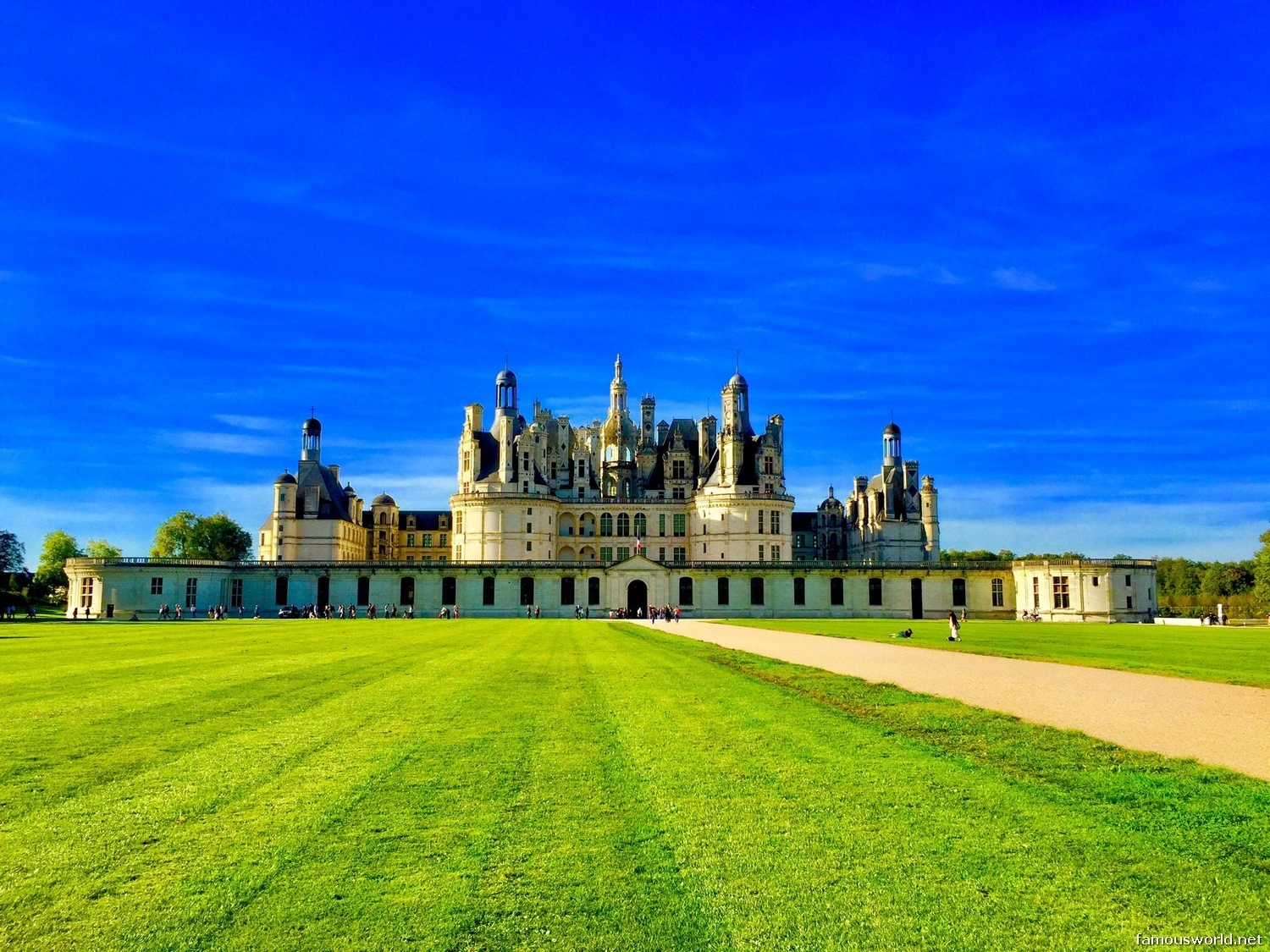

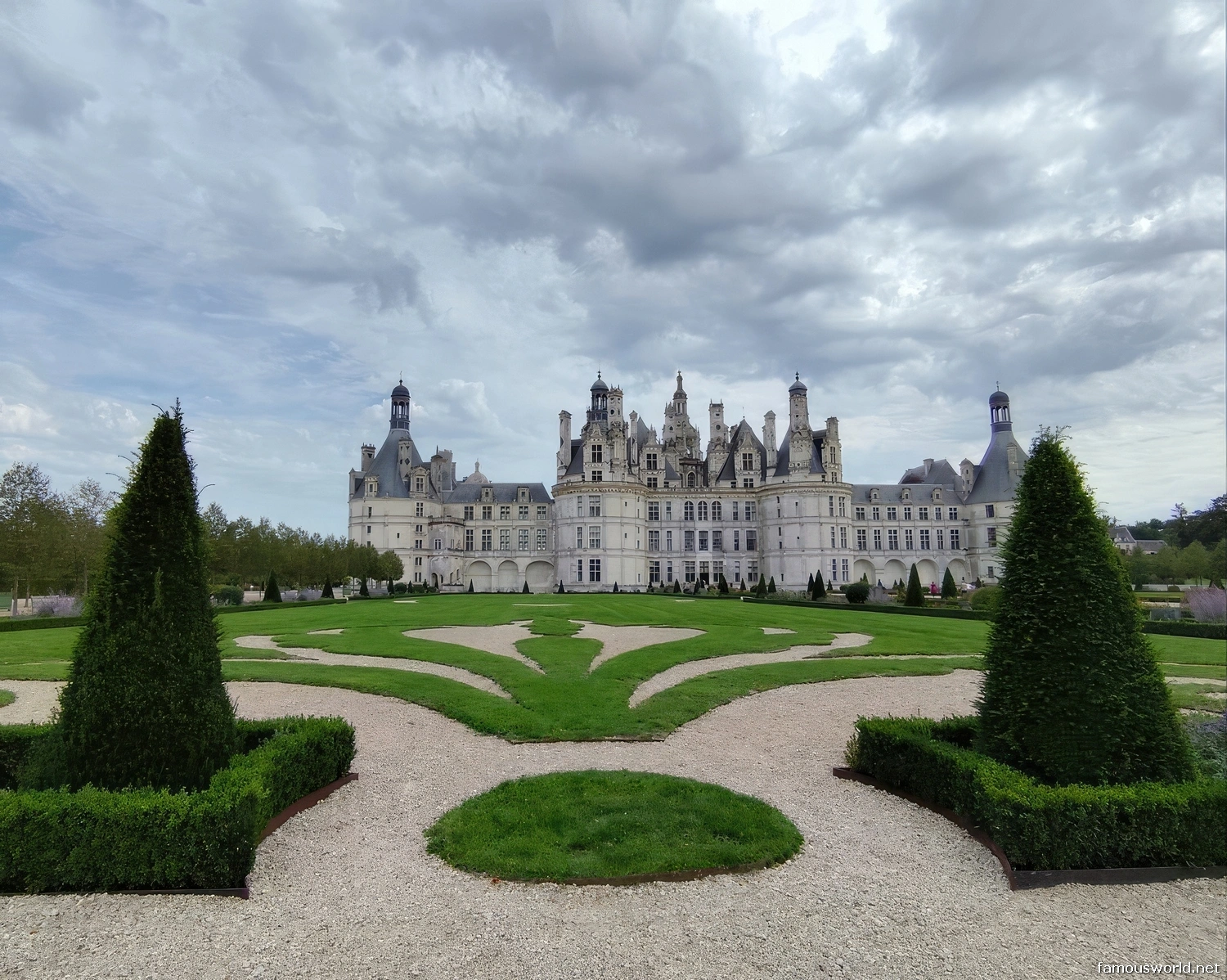
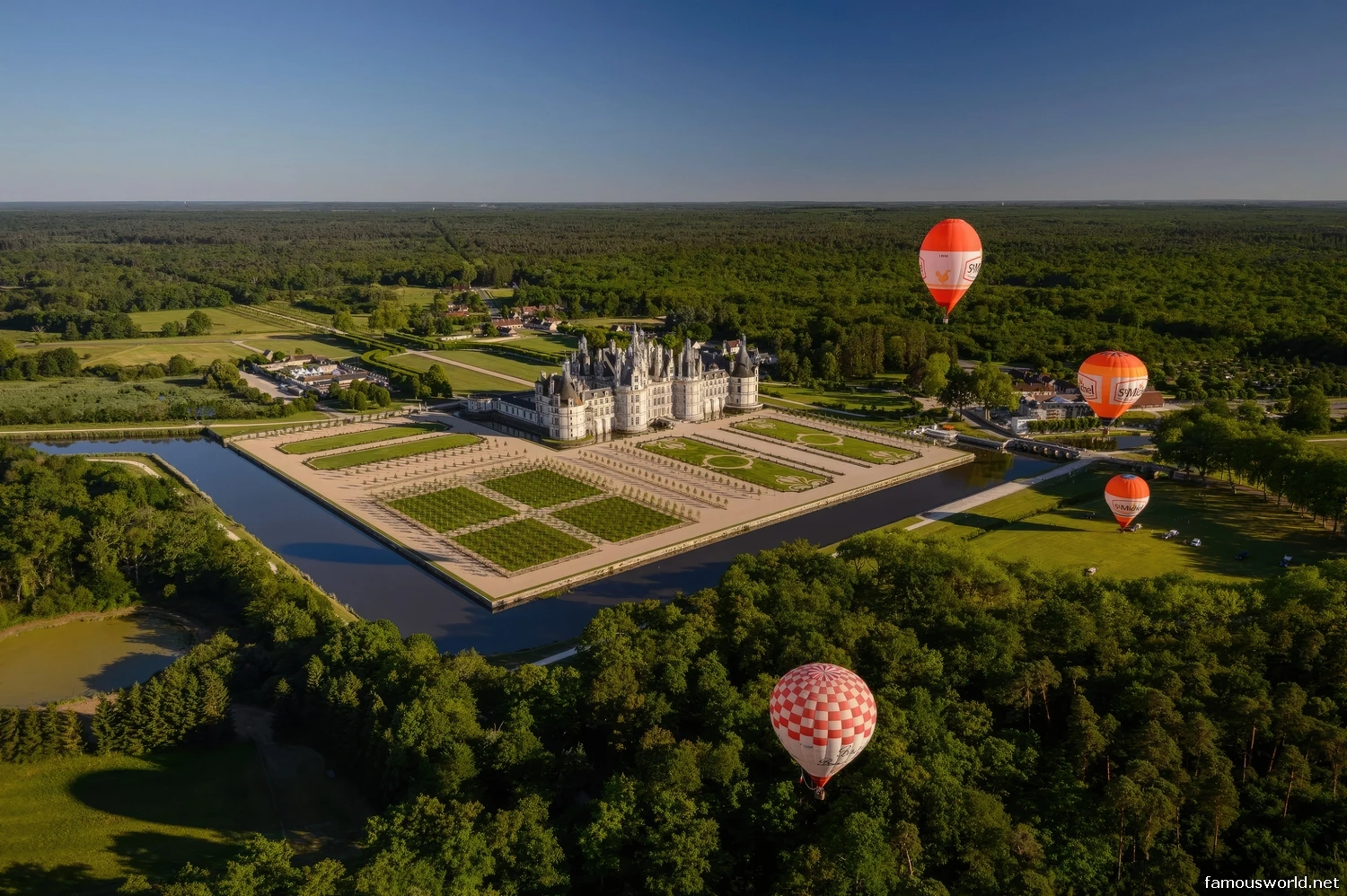
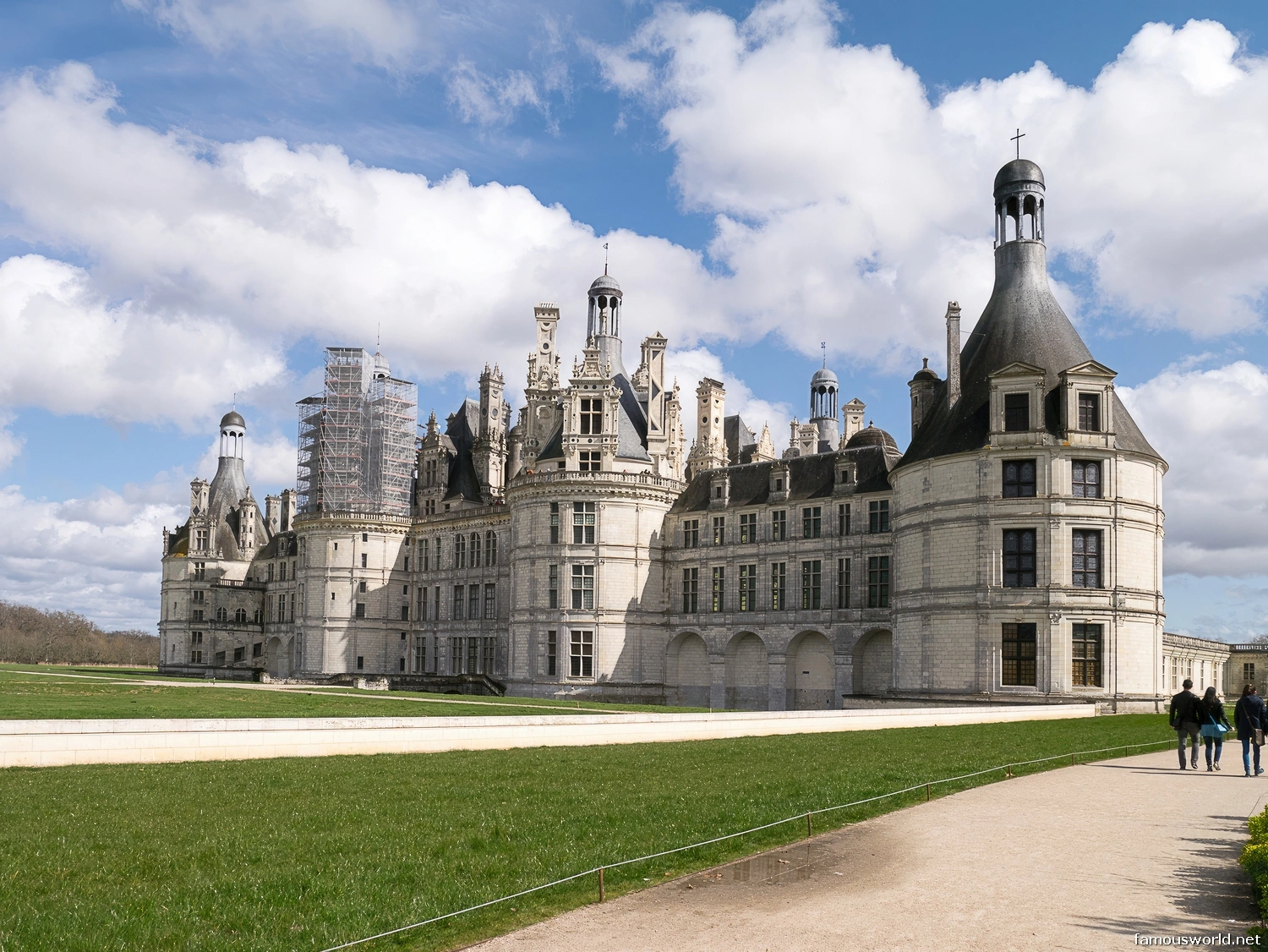
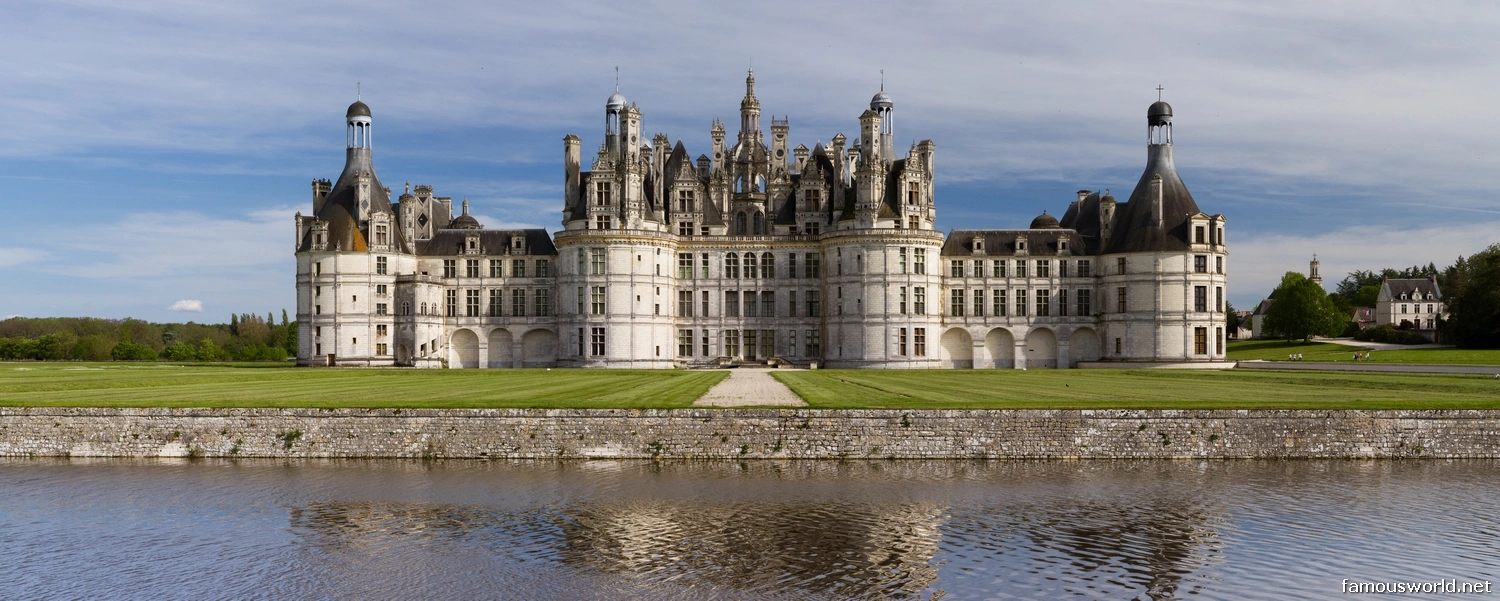


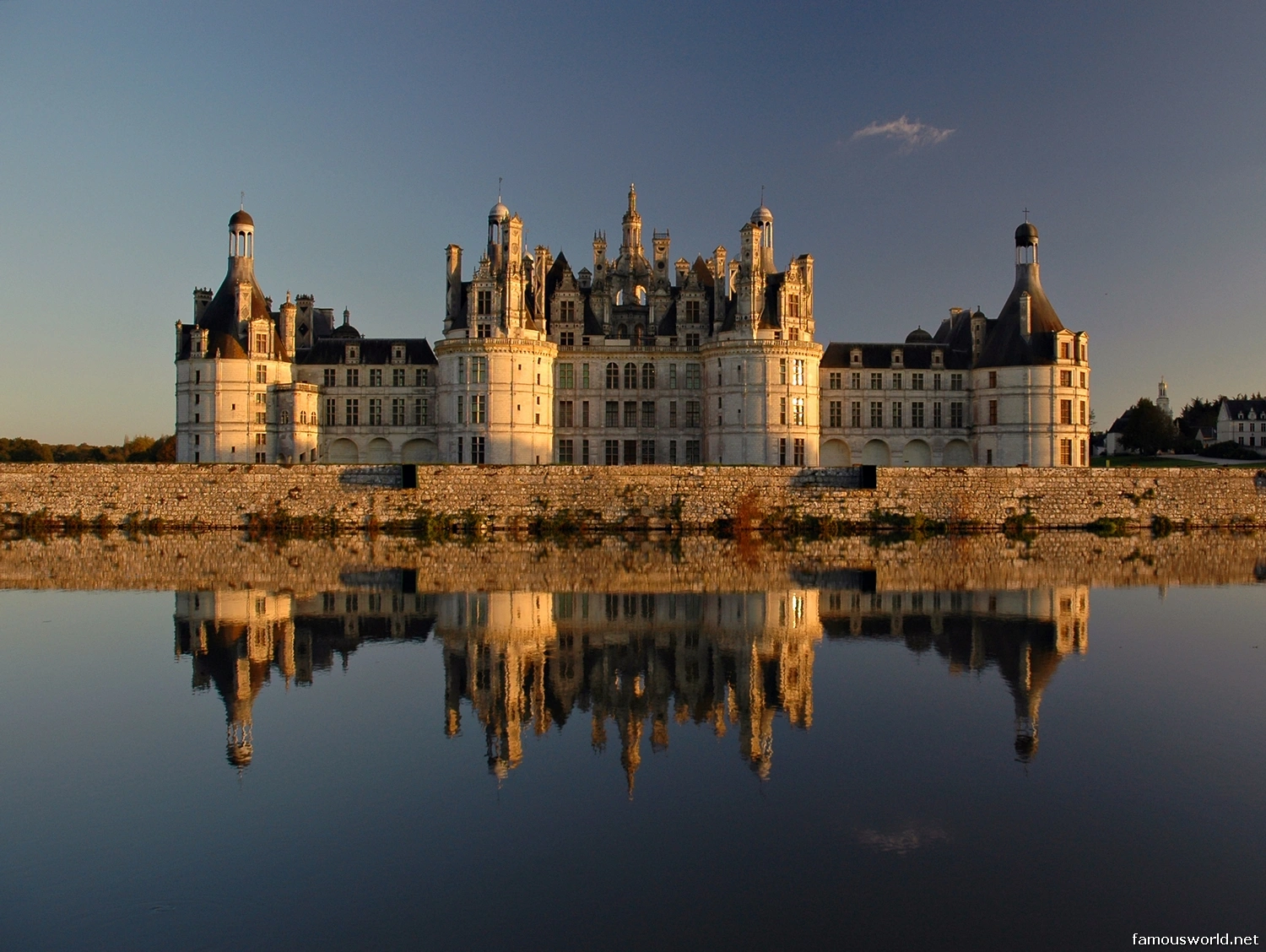
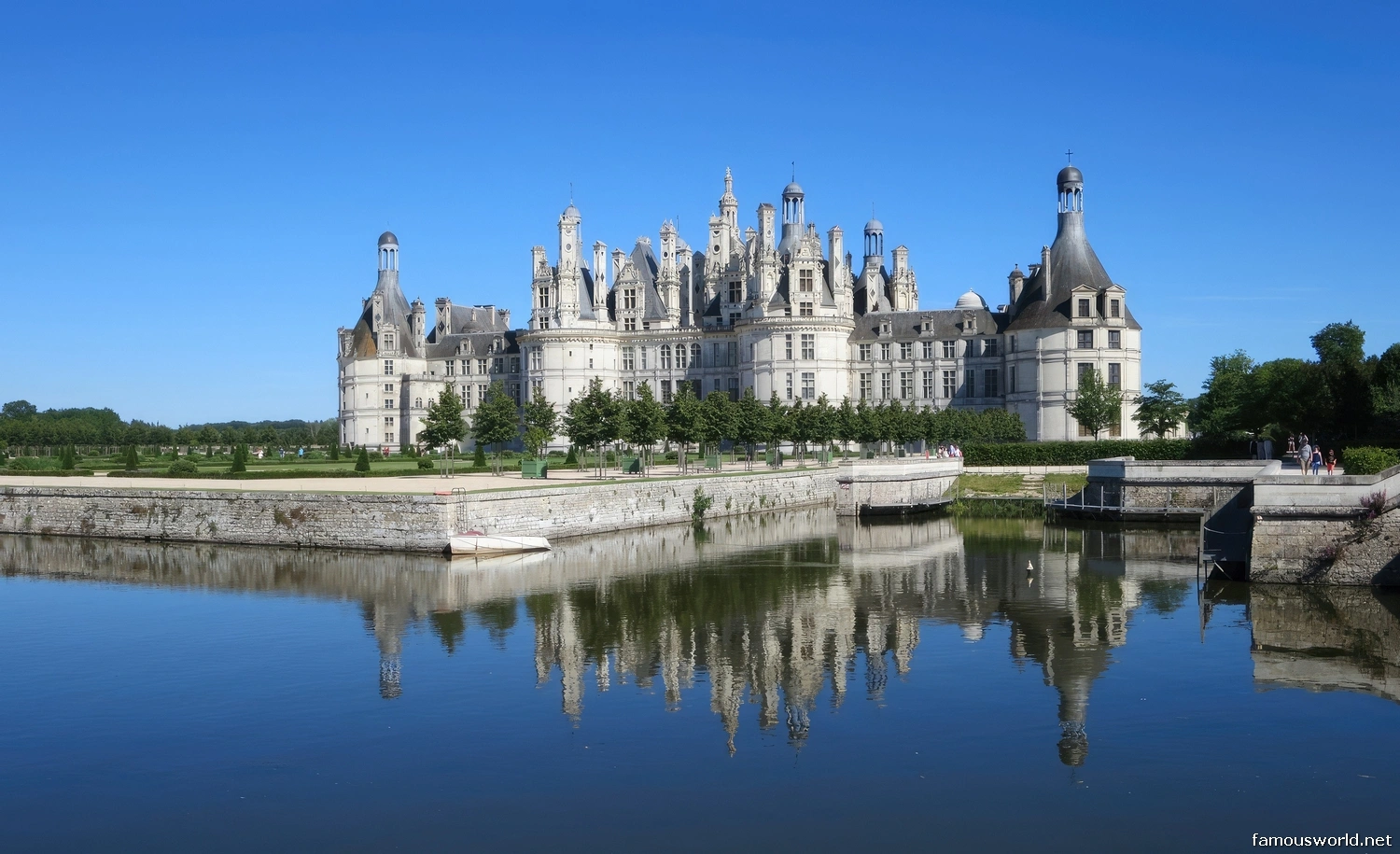

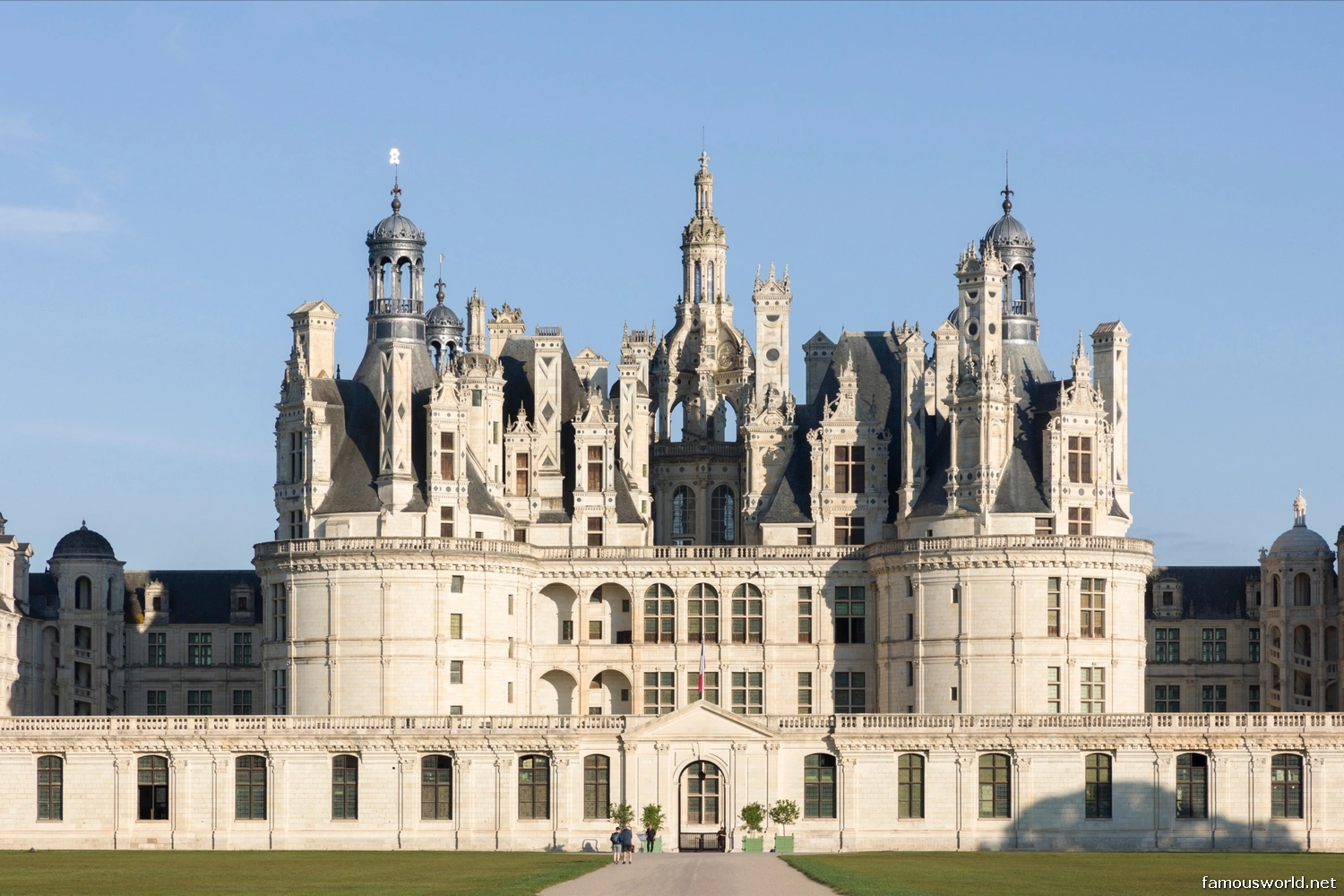
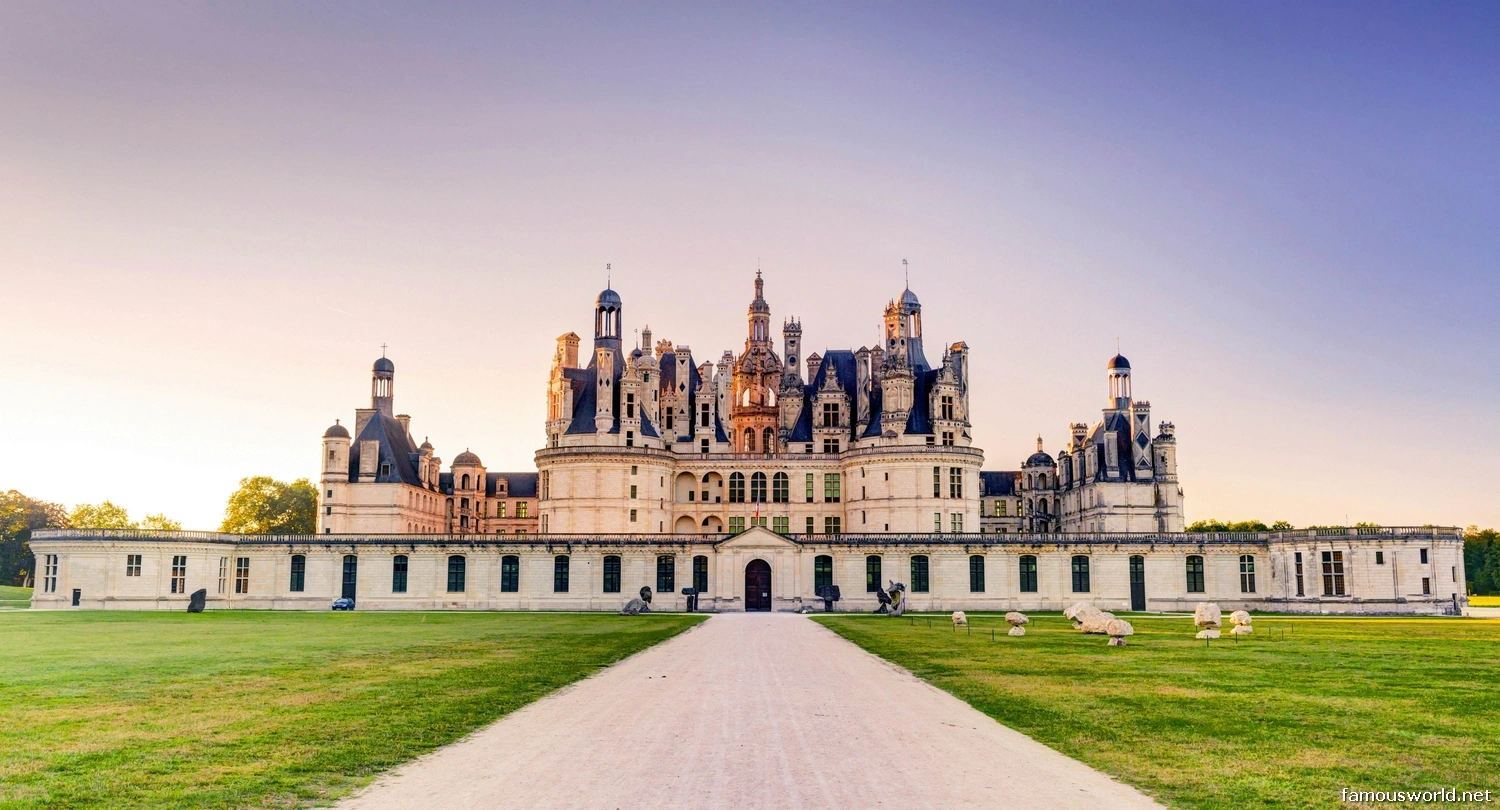

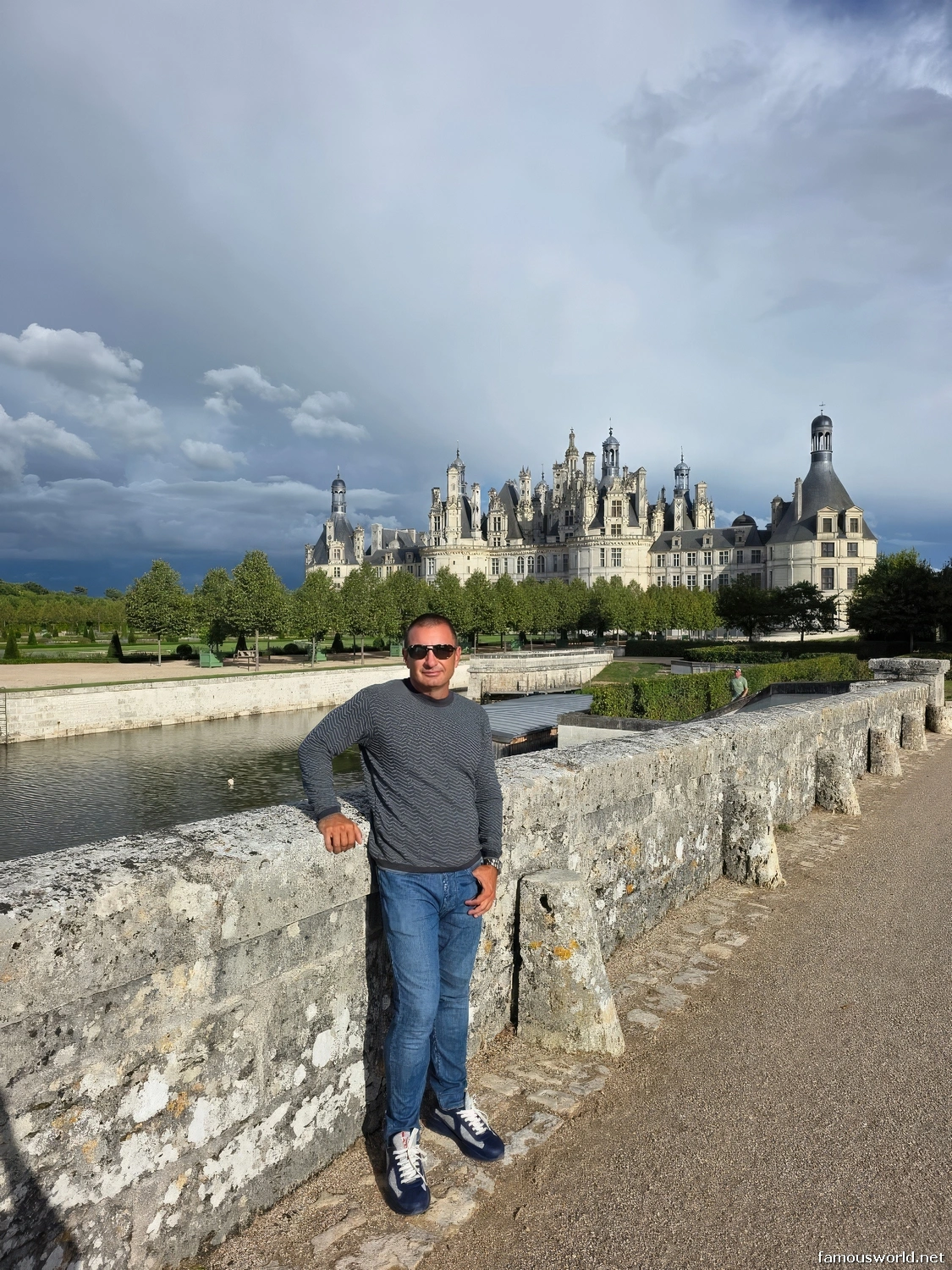
In the heart of a vast, wild forest in the Loire Valley stands a castle of such breathtaking scale and fantastical design that it seems plucked from a dream. The Château de Chambord is the largest and most extravagant château in the Loire, a monumental masterpiece of the French Renaissance. Commissioned by King Francis I to serve as a lavish hunting lodge, it was never intended to be a permanent residence but rather a spectacular architectural statement of royal power and artistic vision. Its most defining feature is a mesmerizing roofline of turrets, cupolas, and chimneys that resembles a crowded city skyline. To visit Chambord is to step into the ambitious imagination of a king, exploring a palace that perfectly blends French medieval tradition with the new ideas of the Italian Renaissance.
Listen to an introduction about Château de Chambord

Name and Location
- Name: Château de Chambord.
- Location: In the heart of the Domaine National de Chambord, near the village of Chambord, Loir-et-Cher, France.
How to Get There
While located in a vast forest, Chambord is a major tourist hub and is relatively easy to reach.
- By Car: Driving is the most convenient option, offering flexibility to explore the vast estate. It is located about 15 kilometers (9 miles) from the city of Blois.
- By Train and Shuttle: The nearest major train station is in Blois, which has high-speed TGV connections. During the tourist season, shuttle buses run regularly from the Blois station to the château.
- By Bicycle: For the adventurous, Chambord is a highlight on the “Loire à Vélo” cycling network, with scenic routes leading through the forest to the castle.
Landscape and Architecture
The château’s grandeur is matched only by the immense natural landscape that surrounds it.
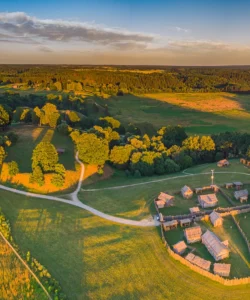
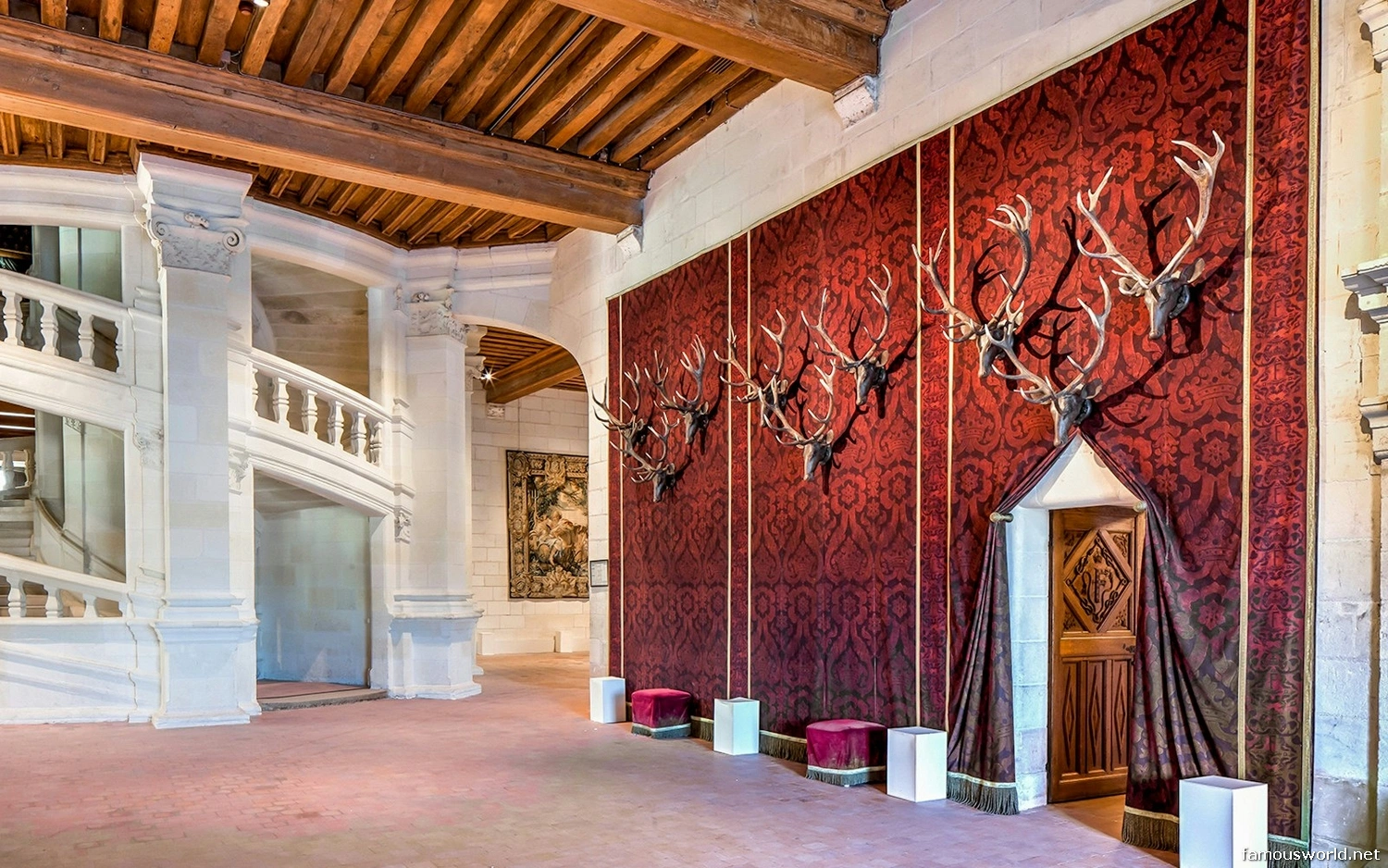
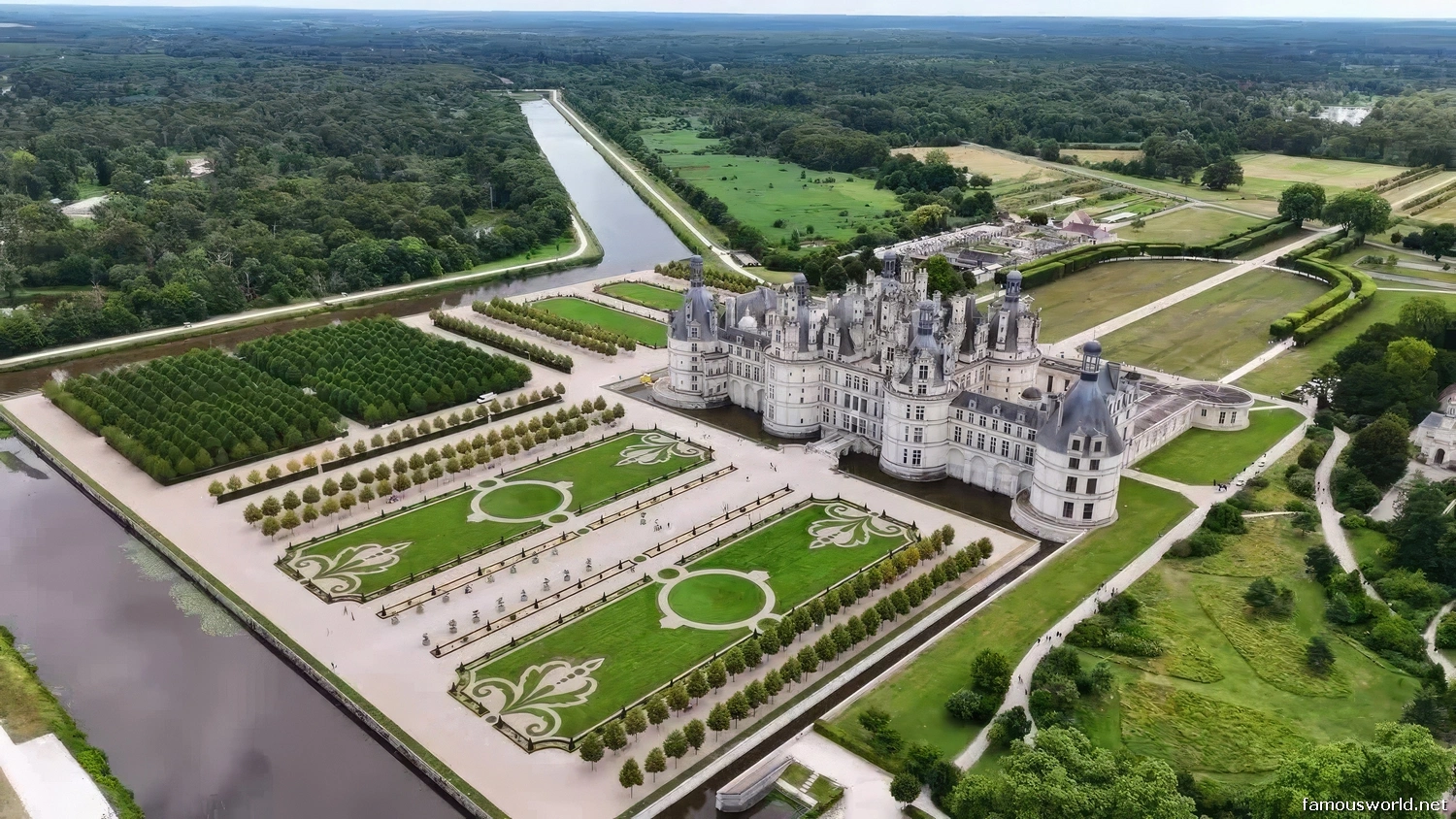
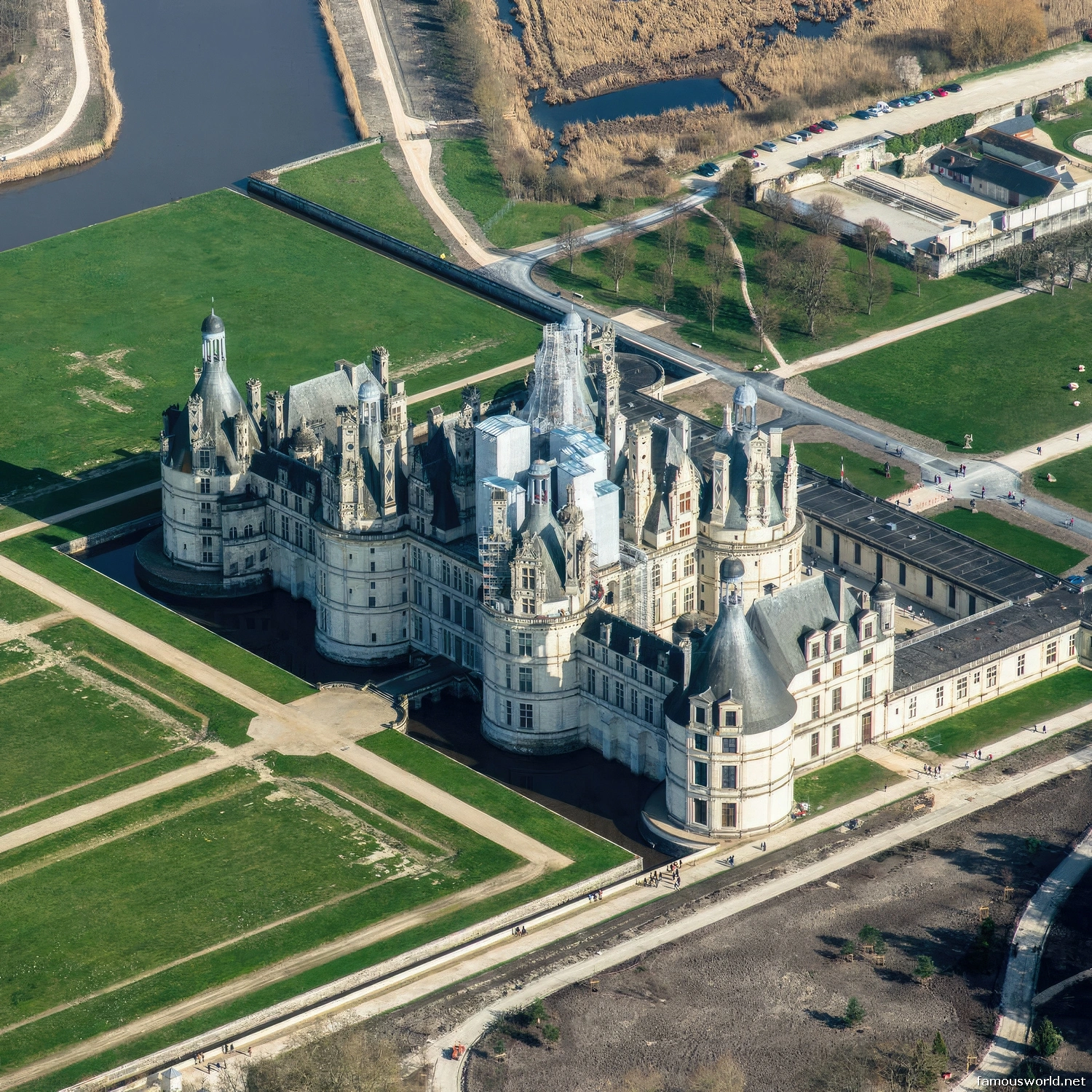
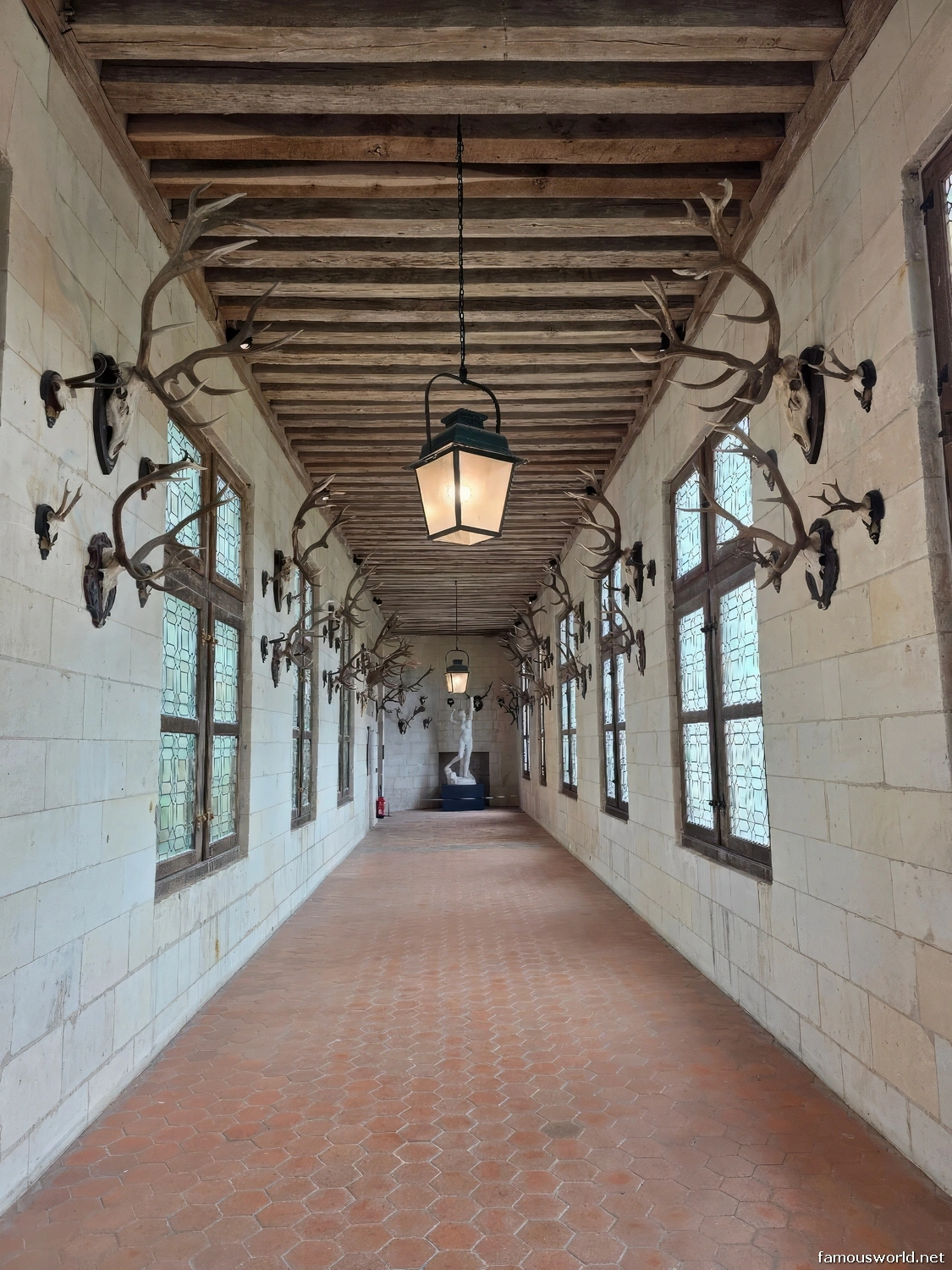
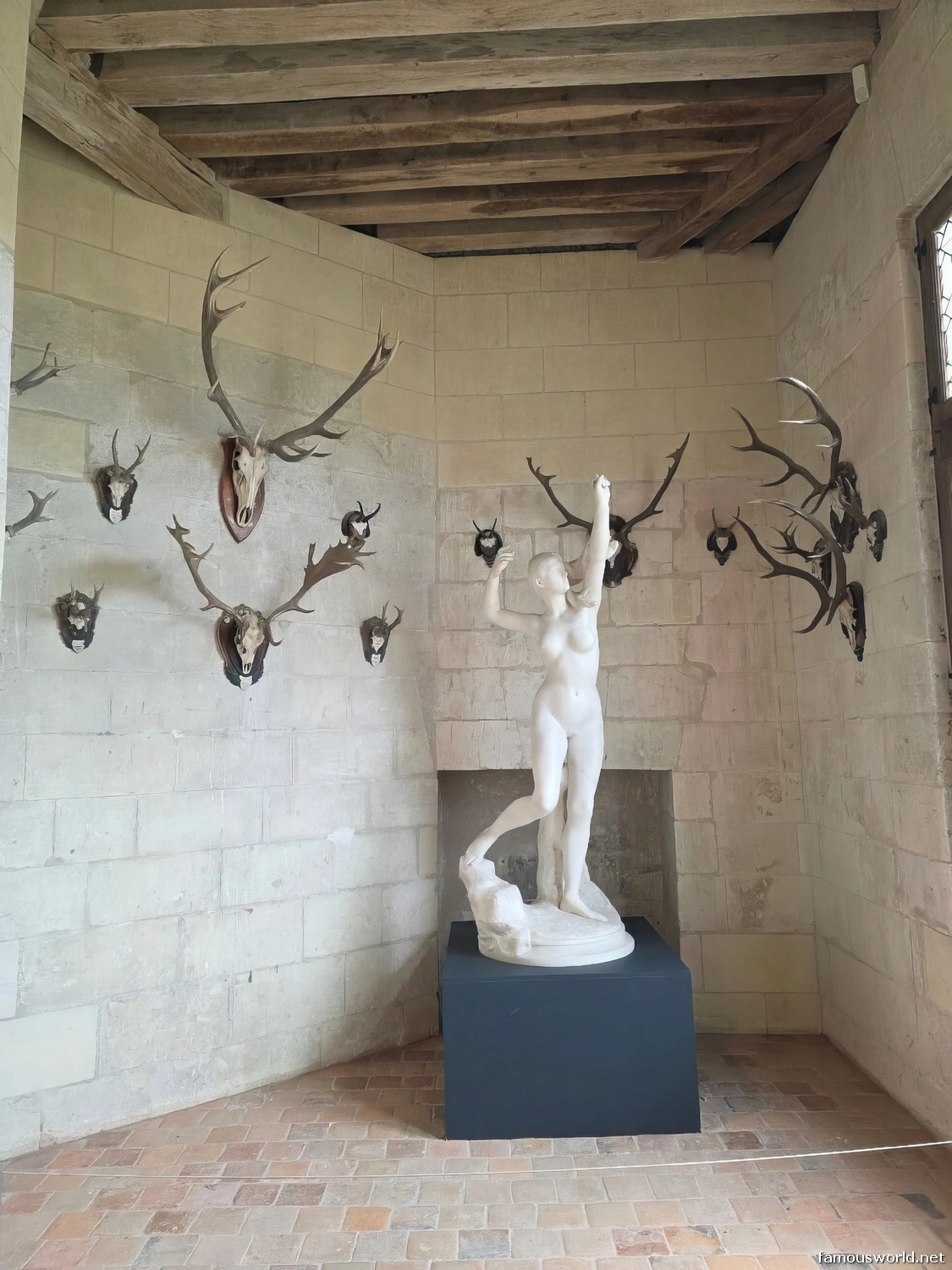
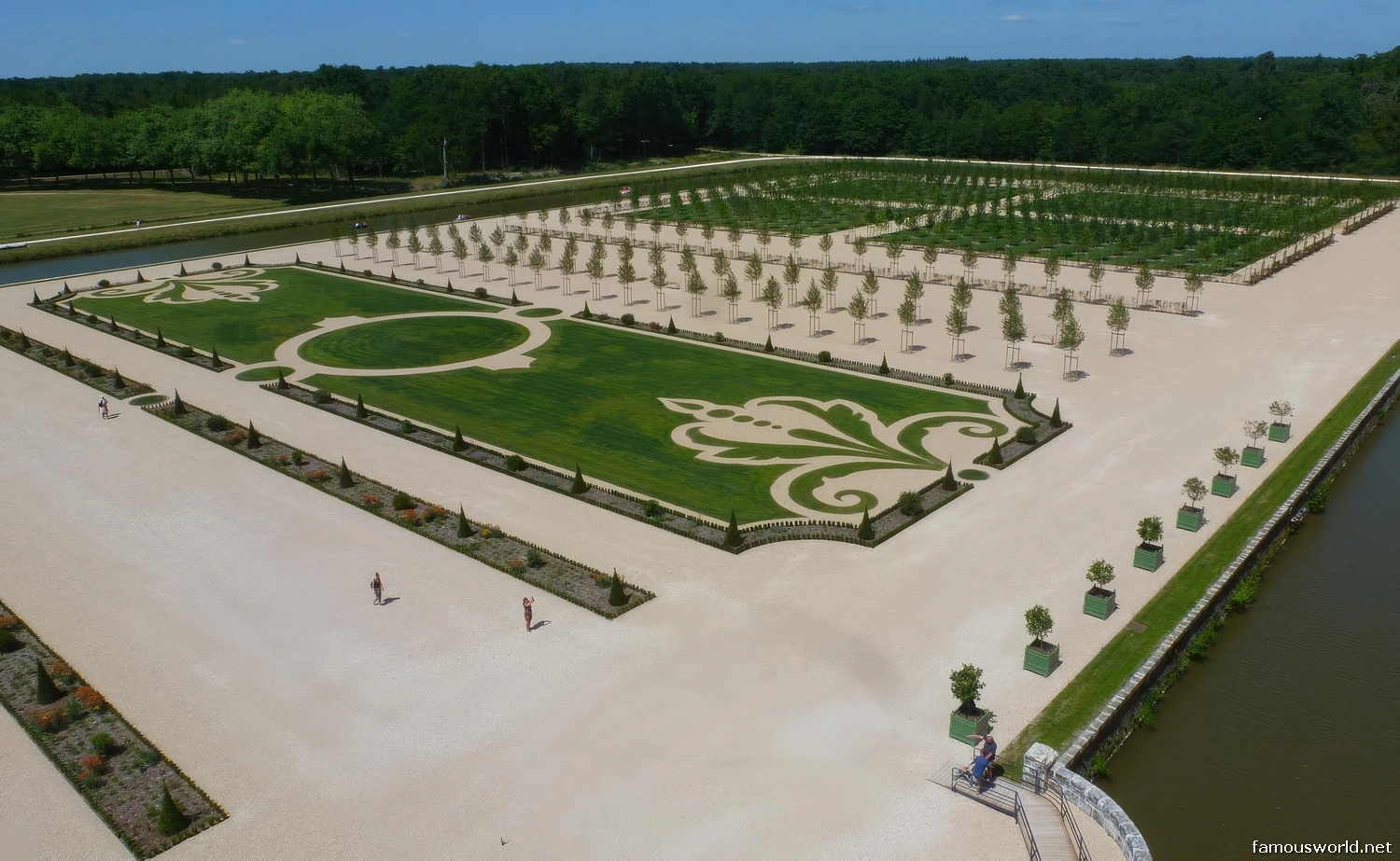
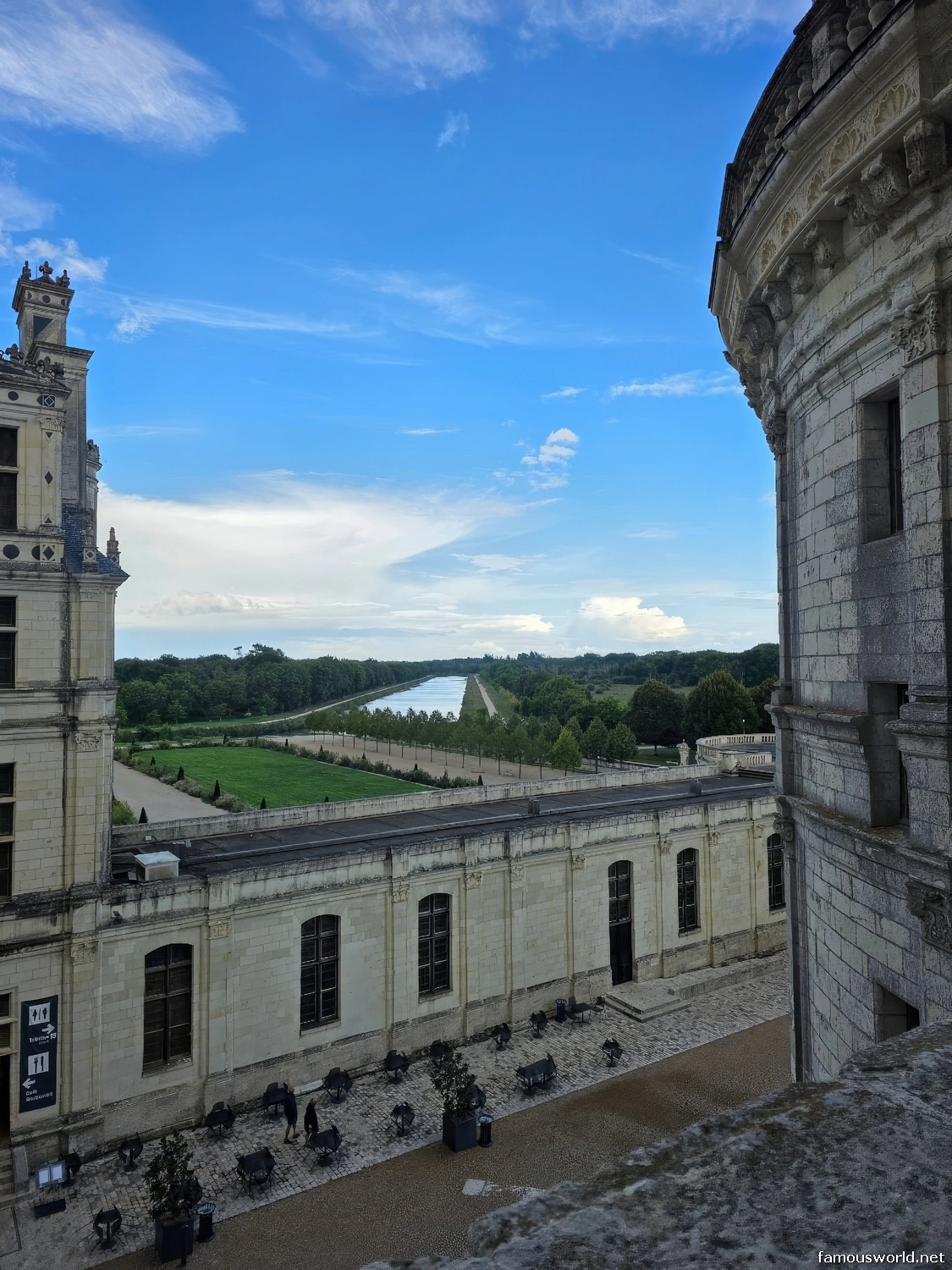
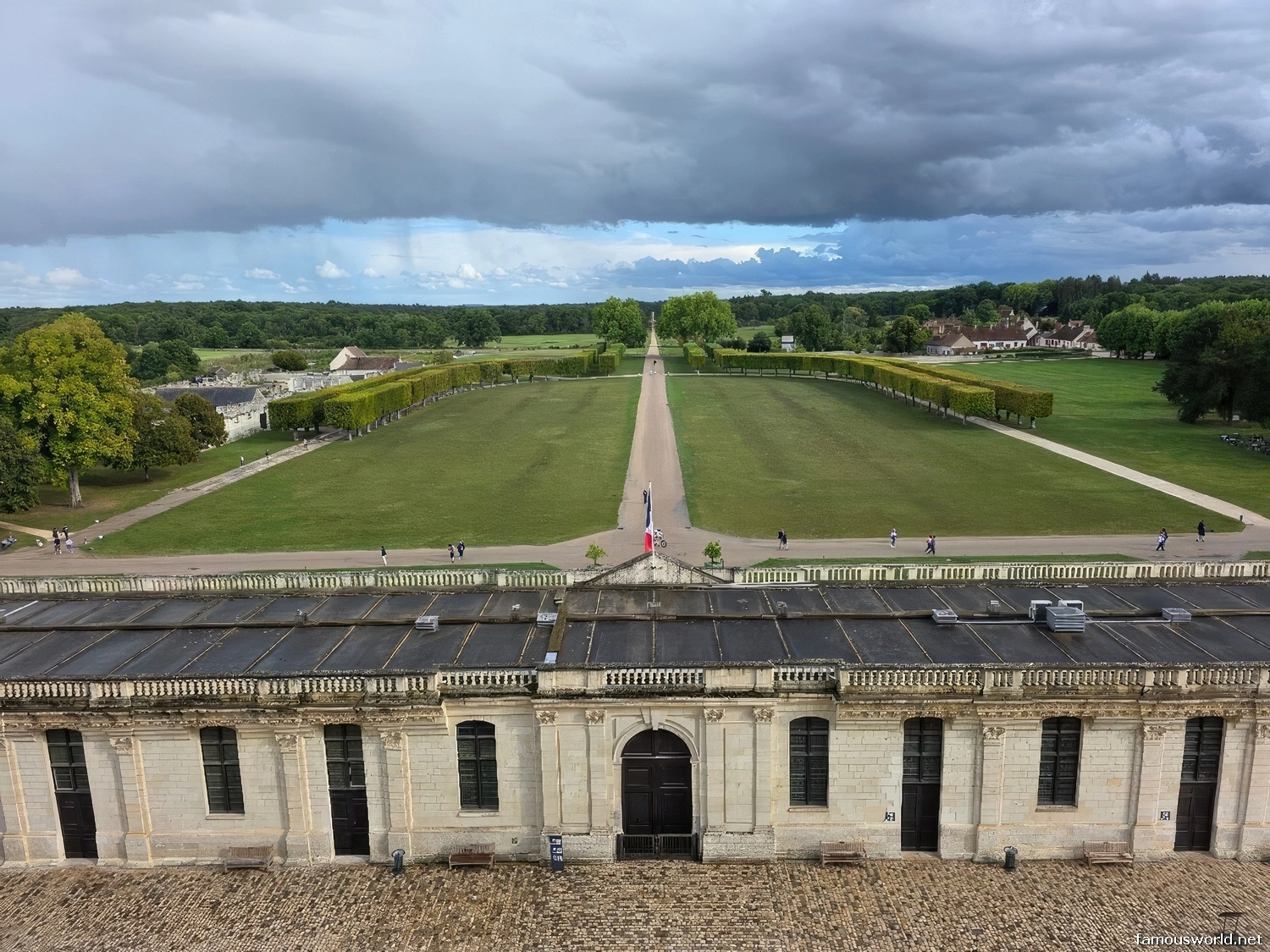
- The Forest Estate: Chambord is set within the largest enclosed forest park in Europe, the Domaine National de Chambord, which covers an area roughly the size of central Paris. This former royal hunting ground is still a thriving nature reserve, home to wild boar and red deer.
- Architectural Style: Chambord is a prime example of French Renaissance architecture, which combines the forms of a traditional French medieval castle (a central keep with corner towers) with the symmetry, proportion, and ornamentation of Italian classical architecture.
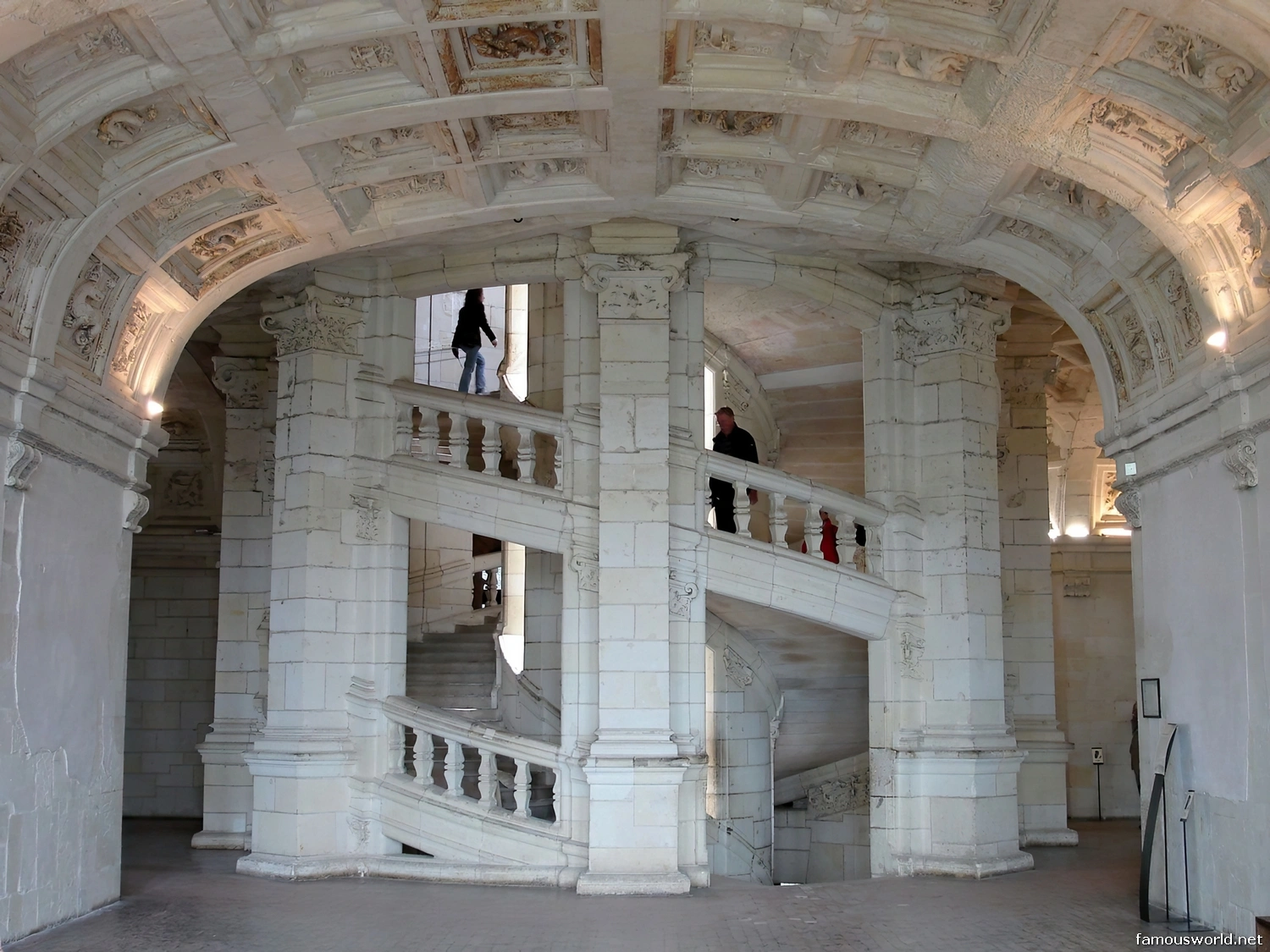
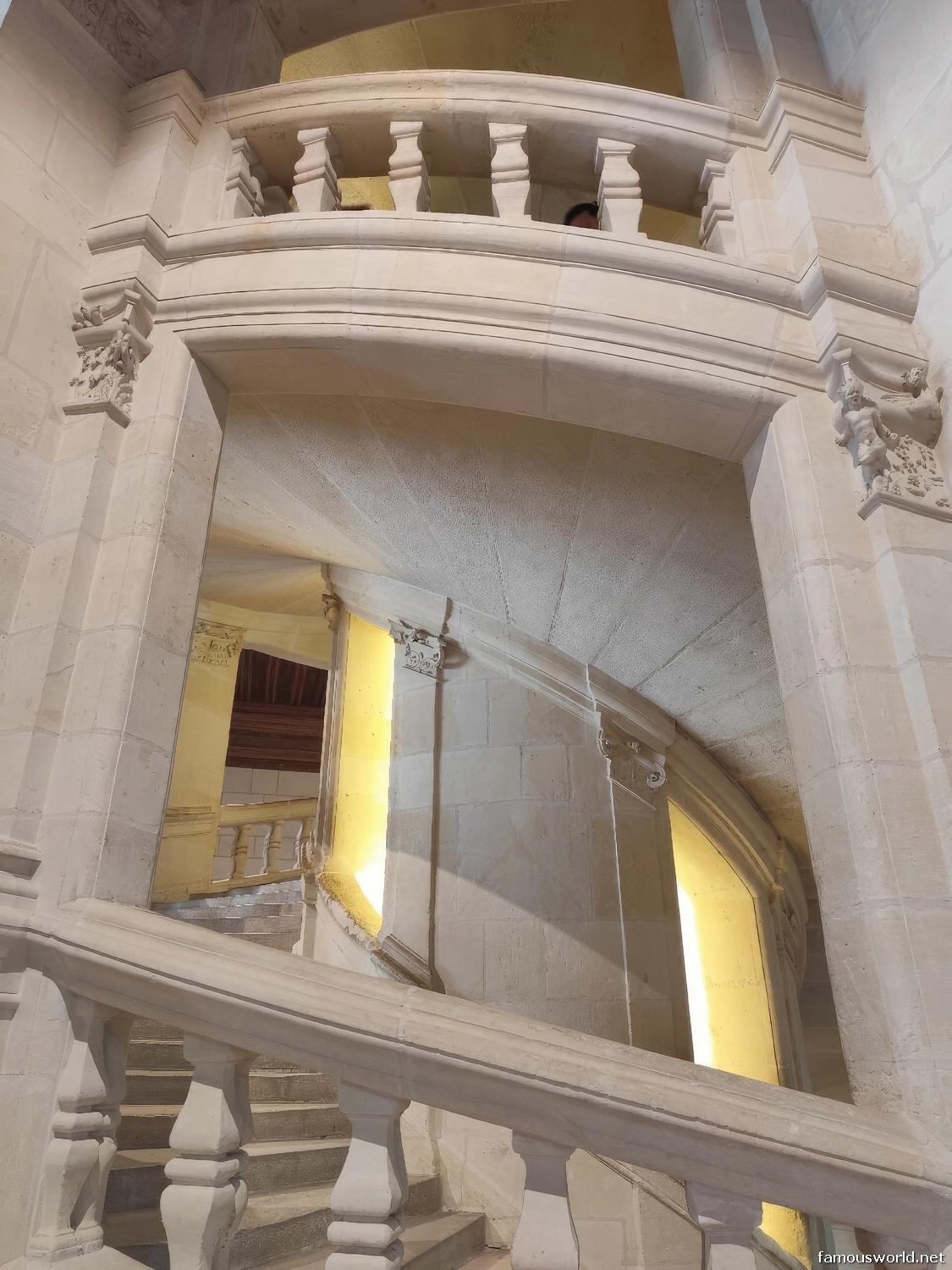
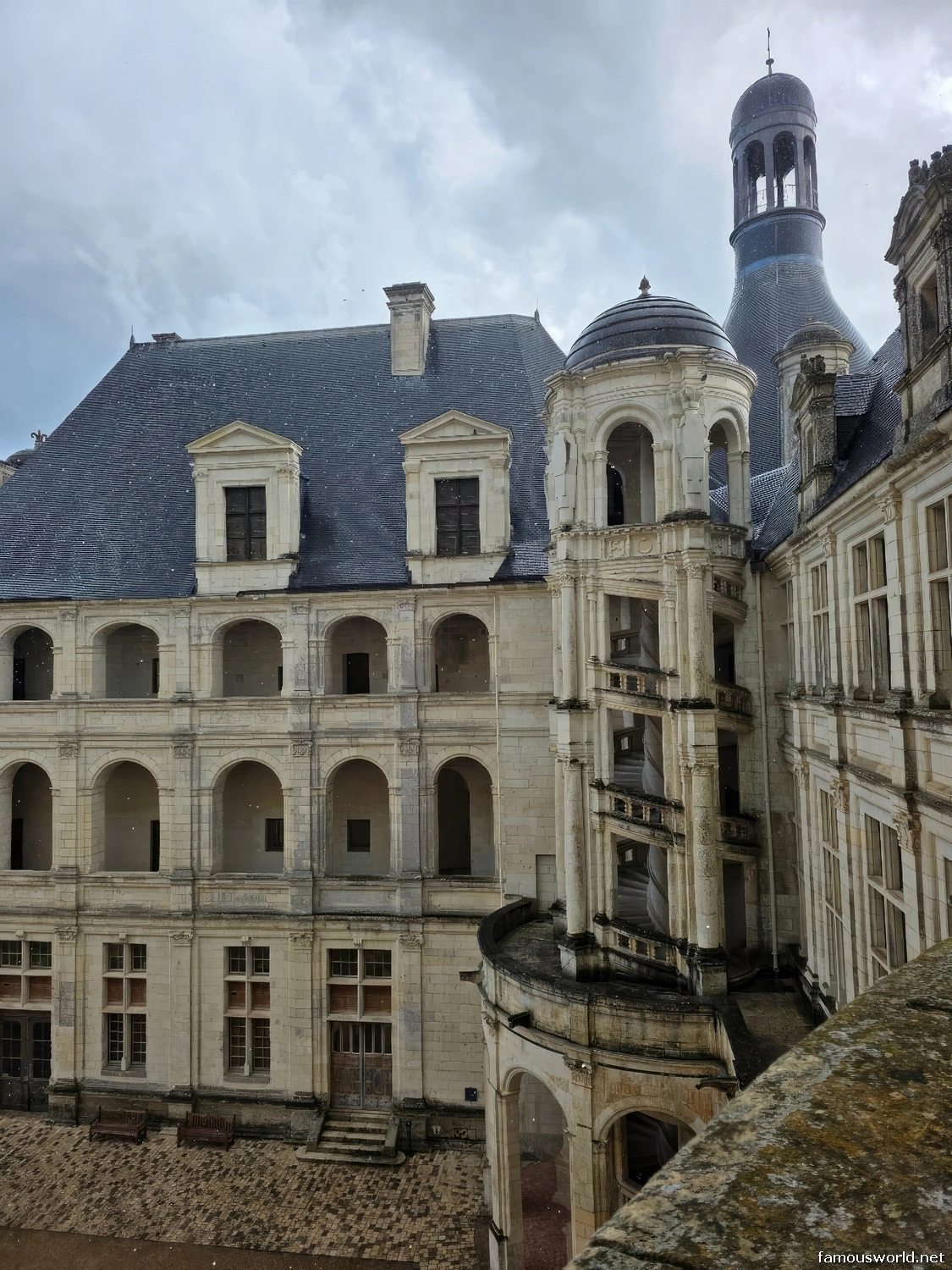
- The Double-Helix Staircase: The château’s centerpiece and most brilliant innovation is a spectacular double-helix staircase, attributed by many to Leonardo da Vinci. Two intertwined spirals ascend three floors without ever meeting, allowing people to see each other through a central column but never cross paths.
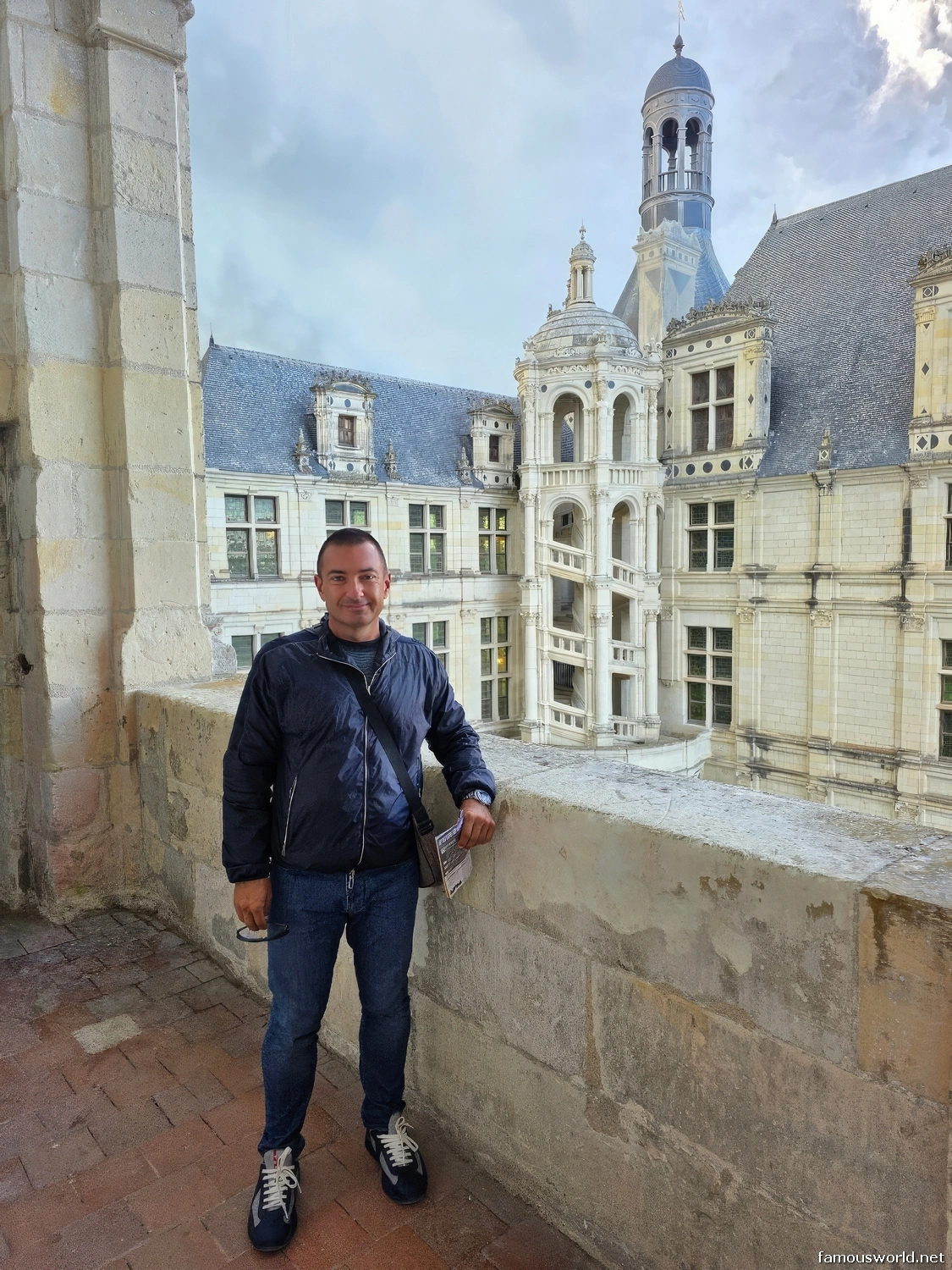
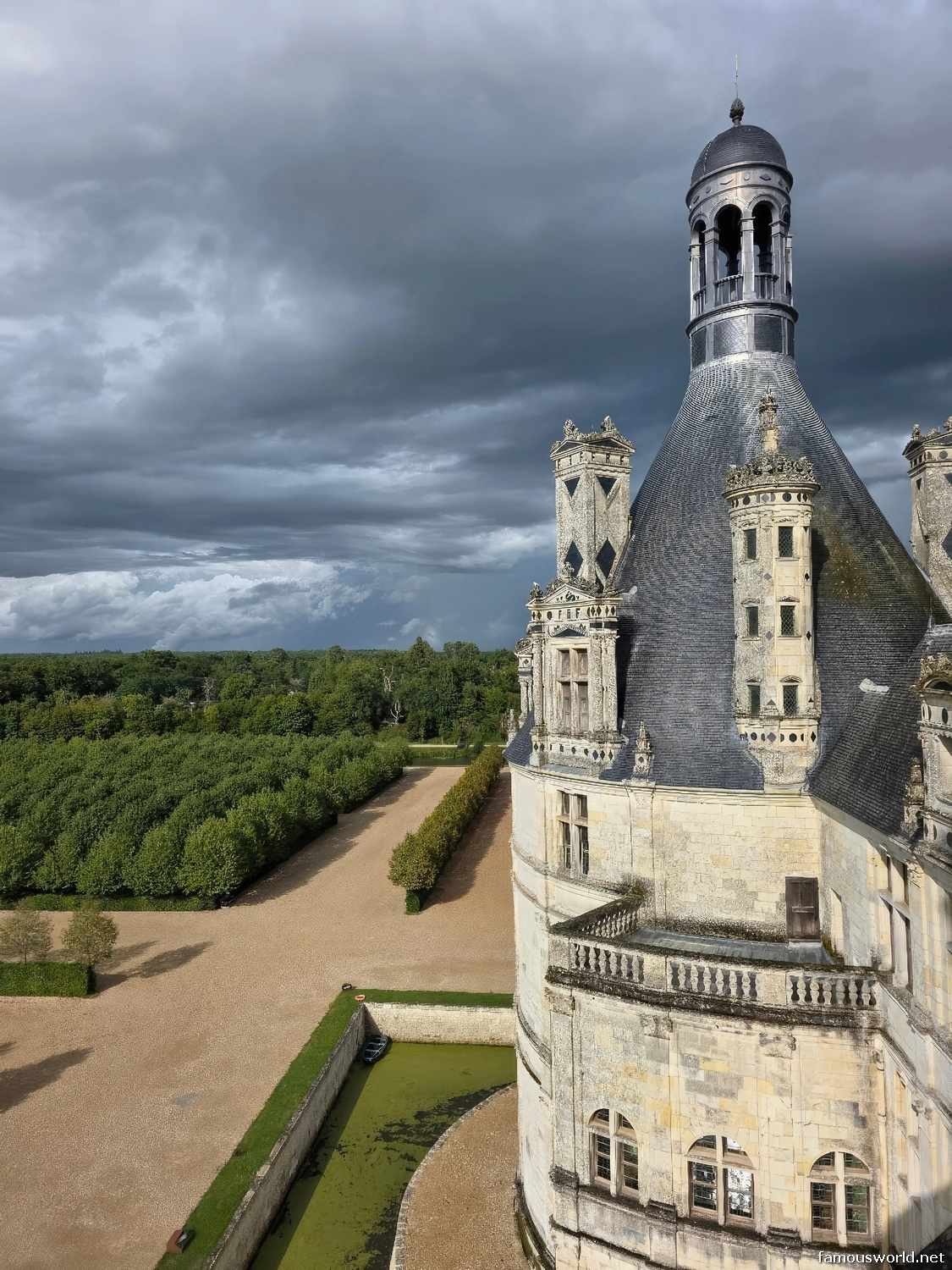
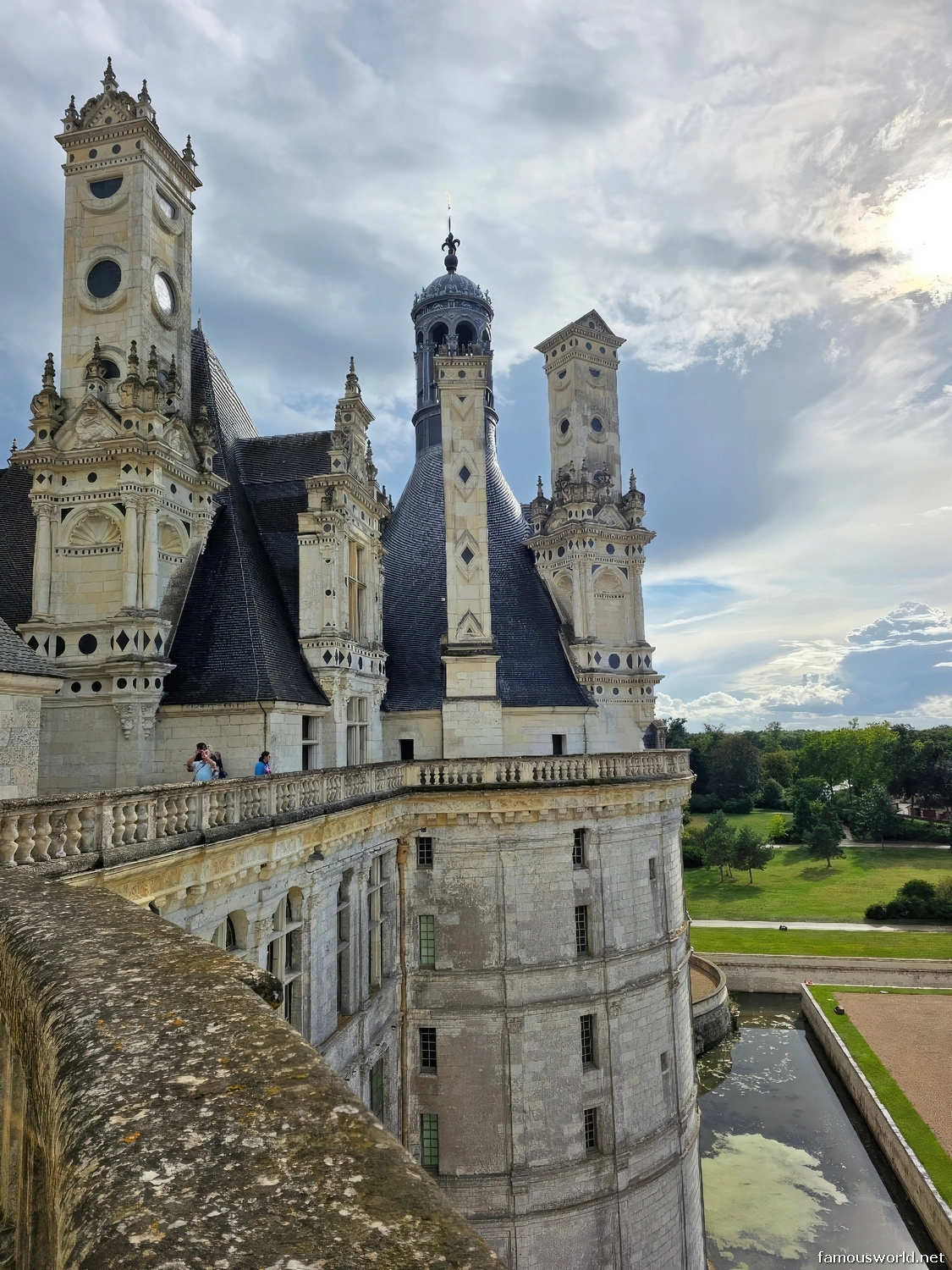
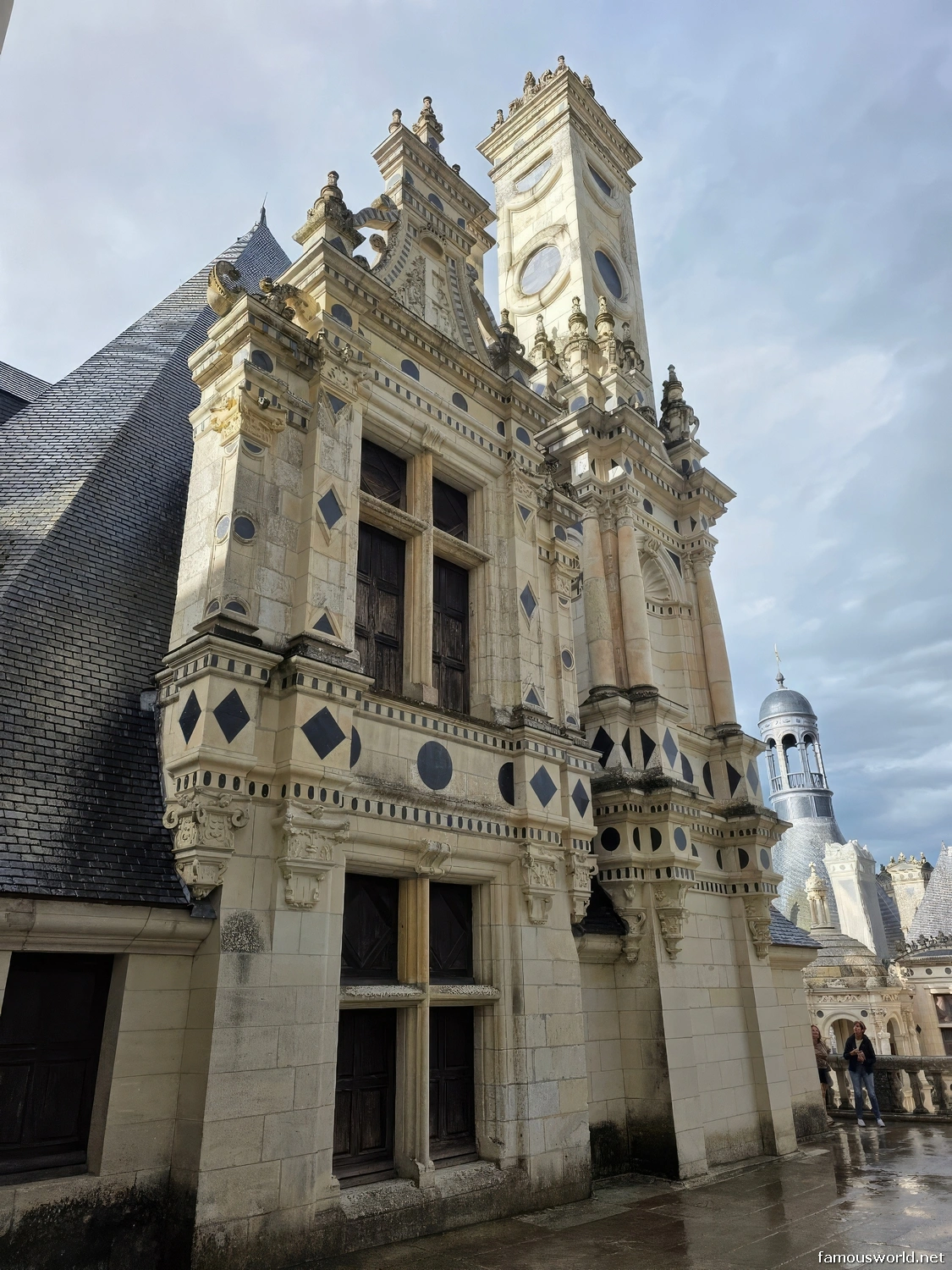
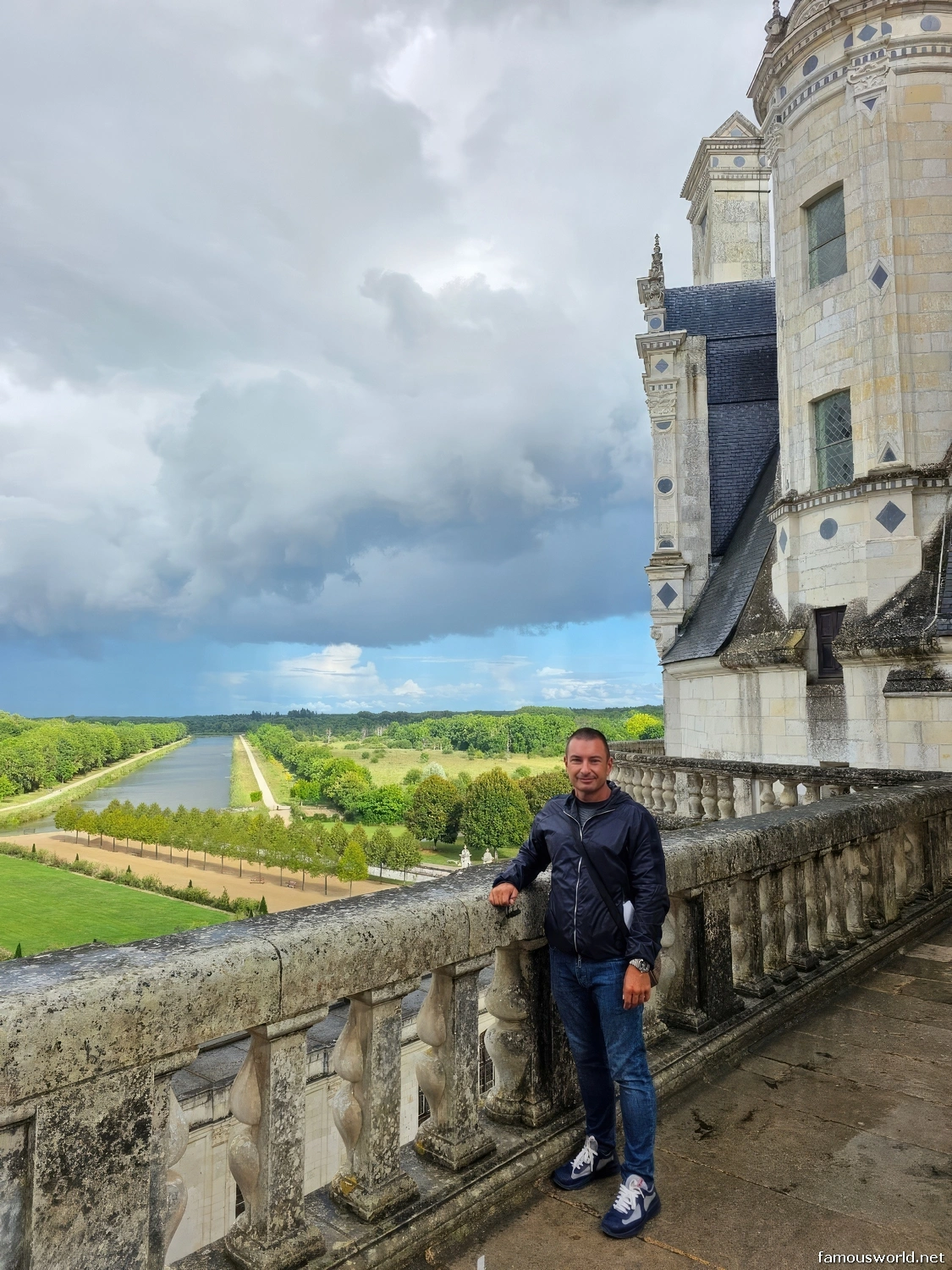
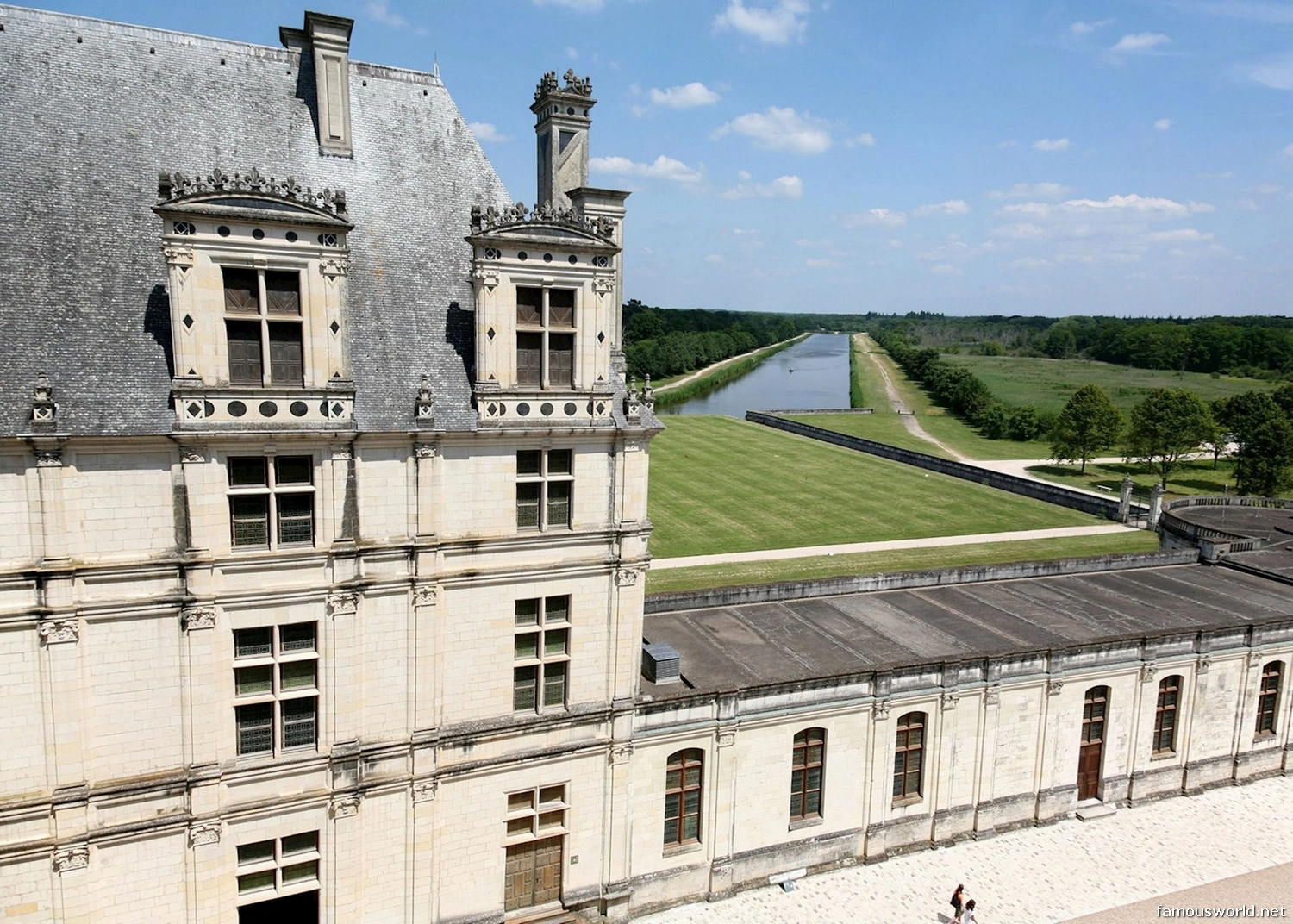
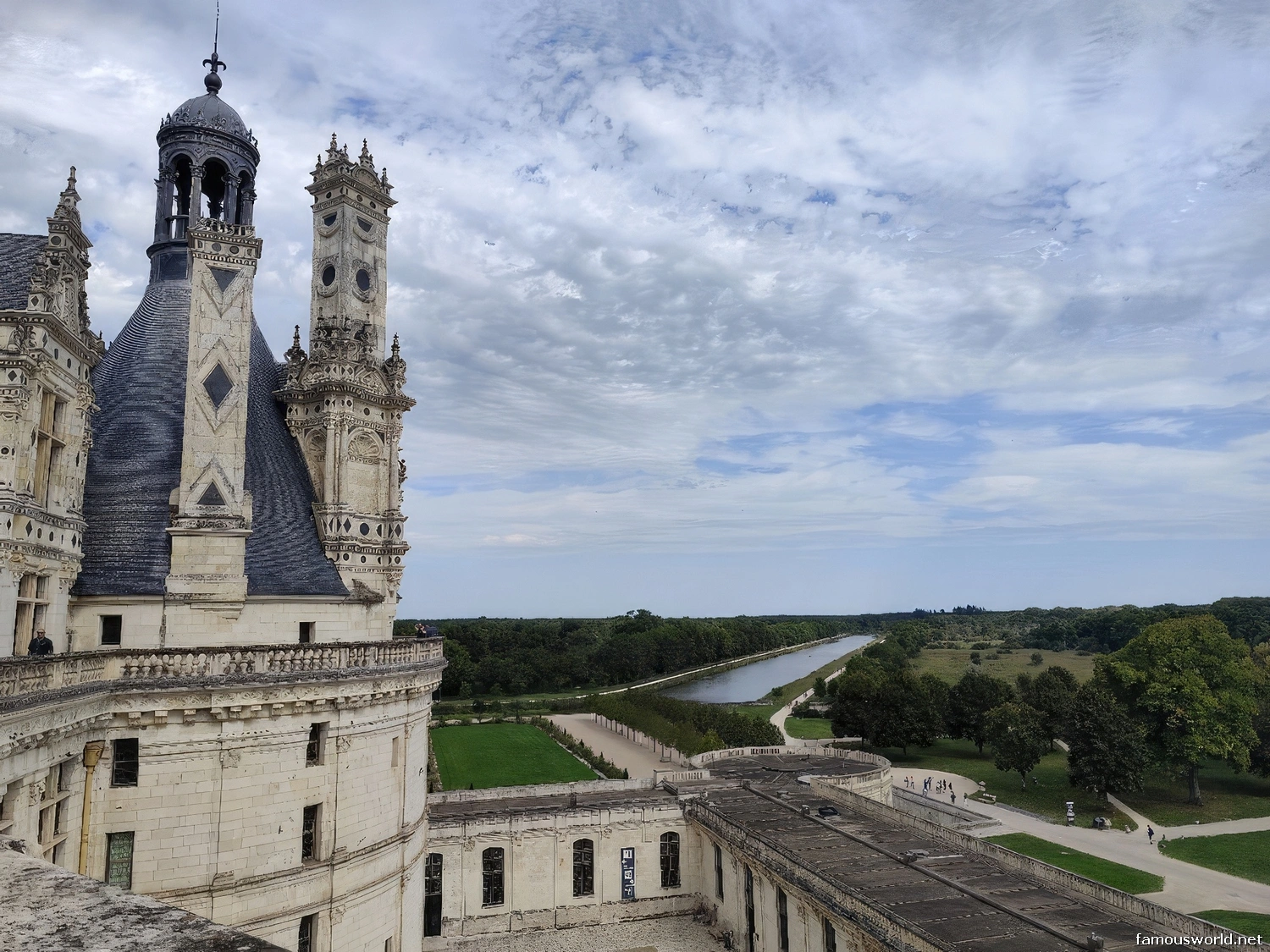
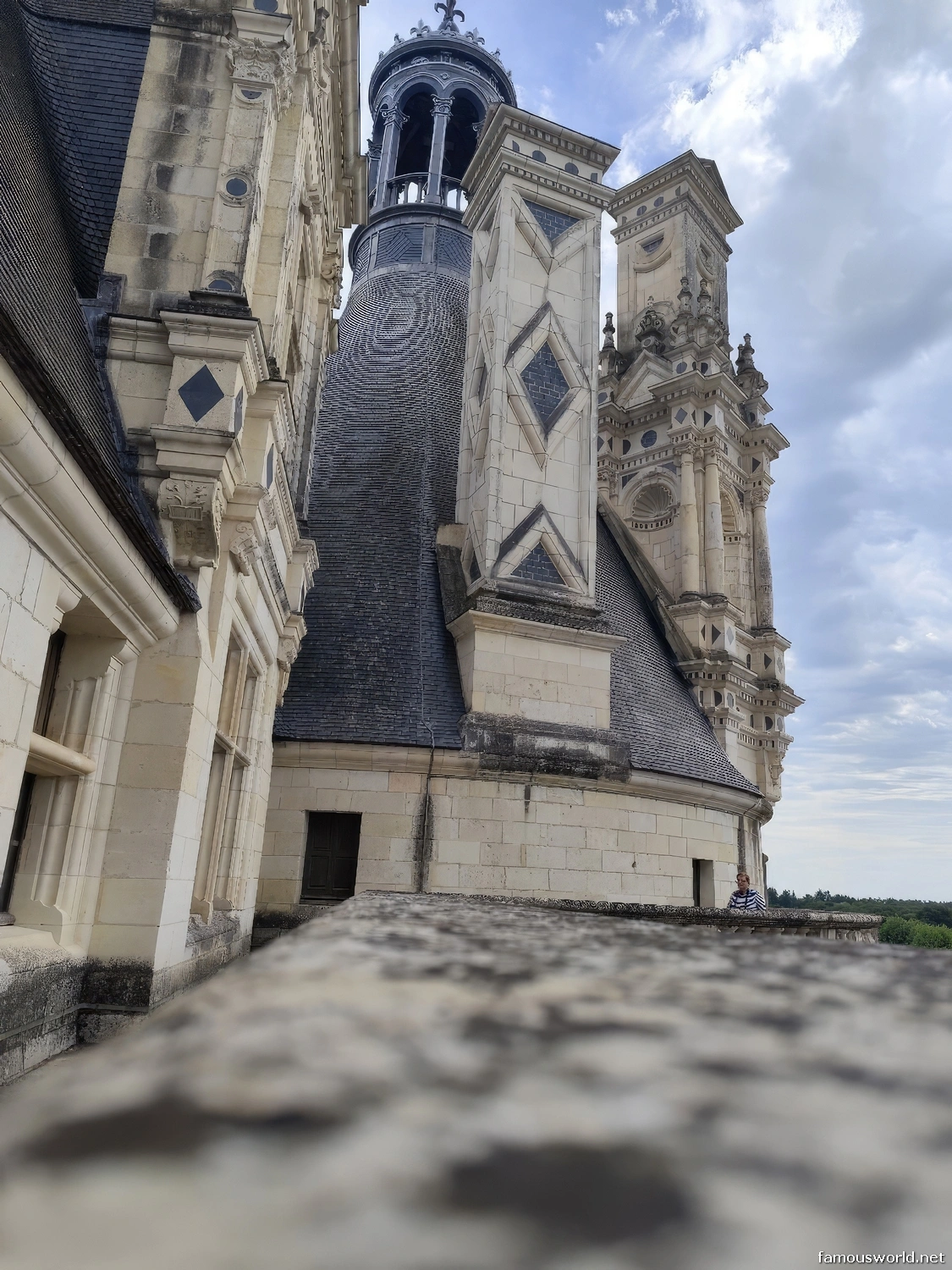
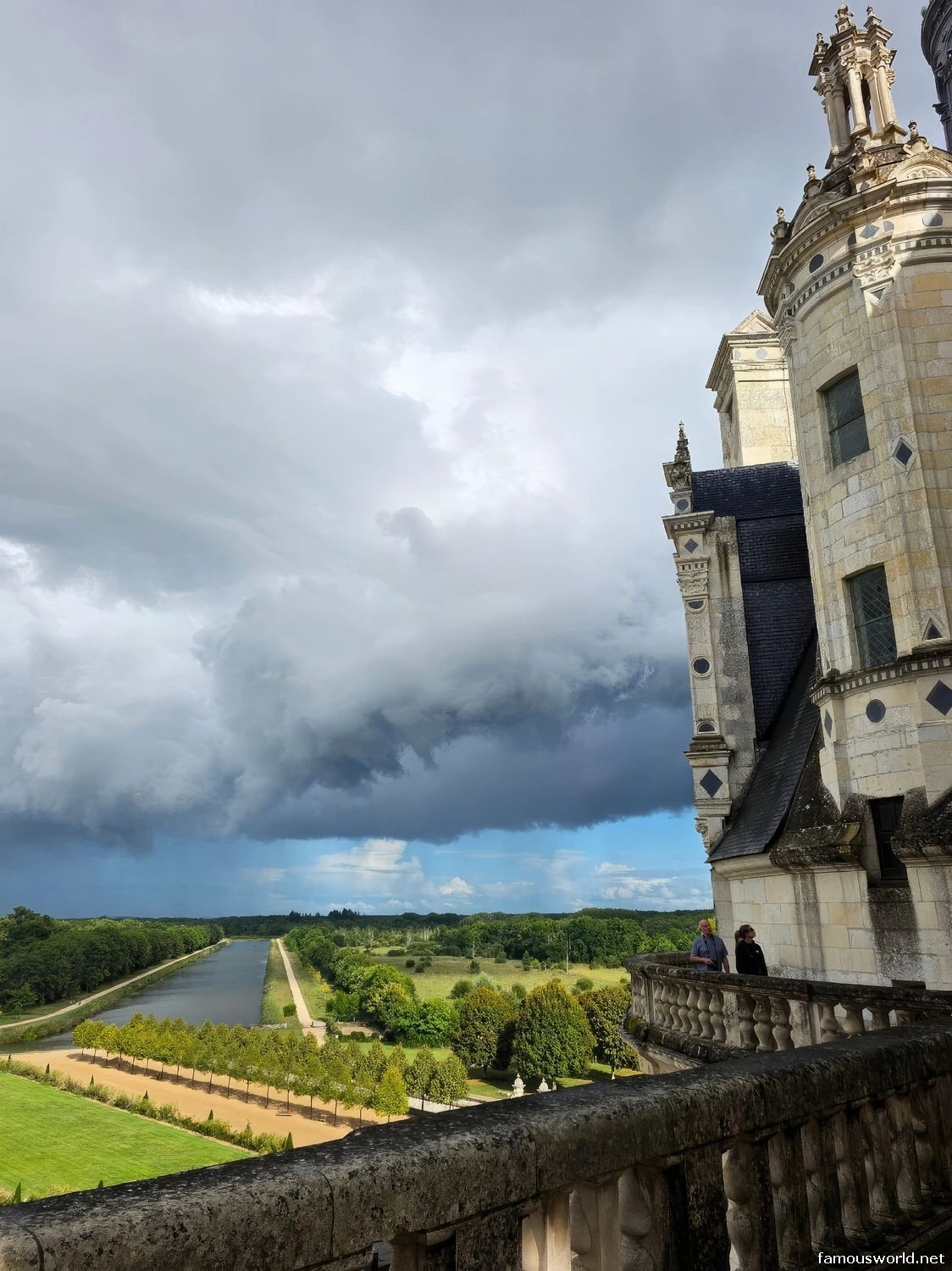
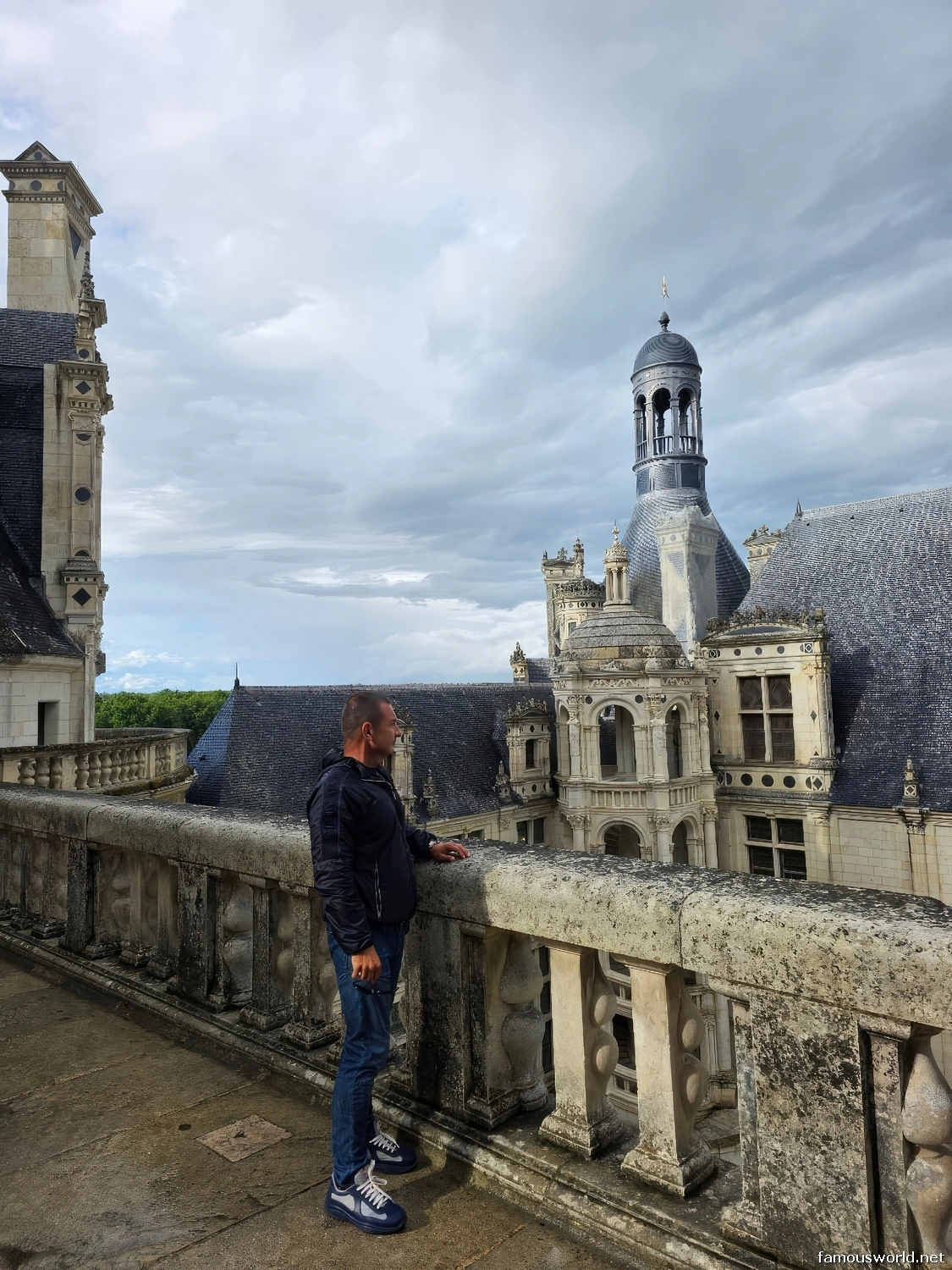
- The Rooftop Terrace: The roof is not merely a covering but a destination in itself. Conceived as a grand viewing platform for the king and his court to watch hunts and military exercises, this terrace offers breathtaking views of the estate and an up-close look at the forest of ornate chimneys and towers.
What Makes It Famous
Chambord’s fame is built on its unparalleled scale, its unique architectural features, and its status as a symbol of royal ambition.
- A Royal Masterpiece: It is the most famous and recognizable of all the Loire Valley châteaux, embodying the height of the French Renaissance.
- The Double-Helix Staircase: This ingenious and theatrical staircase is a one-of-a-kind architectural marvel that continues to fascinate engineers and visitors alike.
- The Fantastical Roofline: Its unique and crowded skyline of chimneys, lanterns, and turrets is unlike any other castle in the world and is one of its most photographed features.
- Symbol of Royal Power: It was built not for defense or even comfort, but as an overwhelming symbol of the wealth and power of King Francis I, a rival to the great works of the Italian princes of his time.
Differences from Other Wonders
As a grand, imposing symbol of royal power in a wild forest, Chambord offers a starkly different experience from the elegant, domestic Château de Villandry and its formal gardens.
- Environment (Vast Forest Park vs. Manicured Gardens): Chambord is a massive, almost fortress-like structure set within a vast, untamed forest. Villandry is a more intimate, elegant château whose identity is inseparable from its meticulously manicured and geometric gardens.
- Core Story (Royal Ambition vs. Horticultural Art): The story of Chambord is one of a king’s ambition and the architectural expression of absolute power. The story of Villandry is one of horticultural passion and the faithful restoration of a lost Renaissance garden ideal.
- Primary Attraction (Unique Architecture vs. Unique Gardens): The primary attractions of Chambord are its internal and external architectural marvels, especially the staircase and the rooftop. The primary and undeniable attraction of Villandry is its series of world-famous gardens.
- Atmosphere (Imposing and Fantastical vs. Orderly and Contemplative): A visit to Chambord evokes a sense of awe at its immense scale and fantastical design. A visit to Villandry inspires a sense of harmony, order, and quiet contemplation.
Location on world map