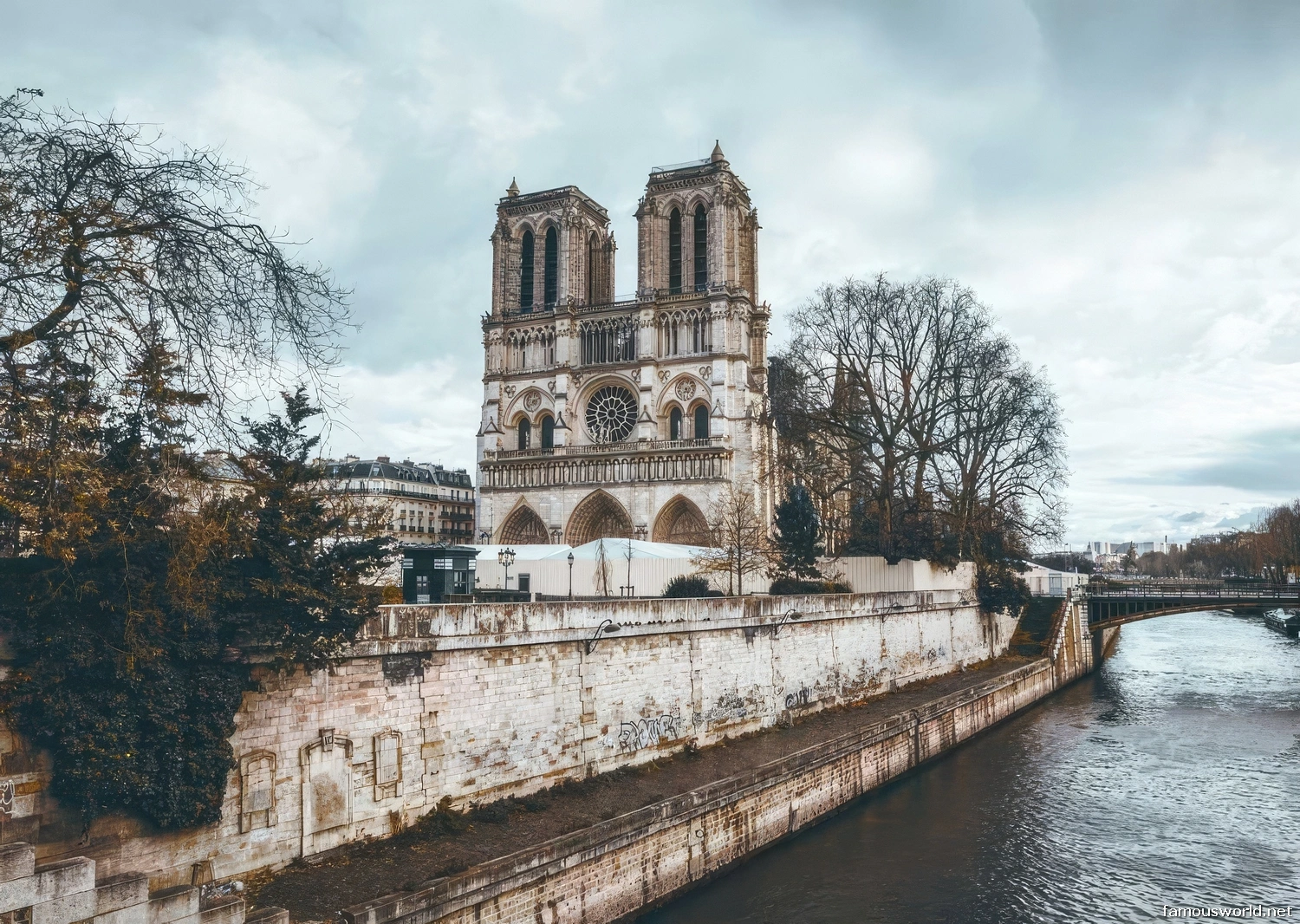
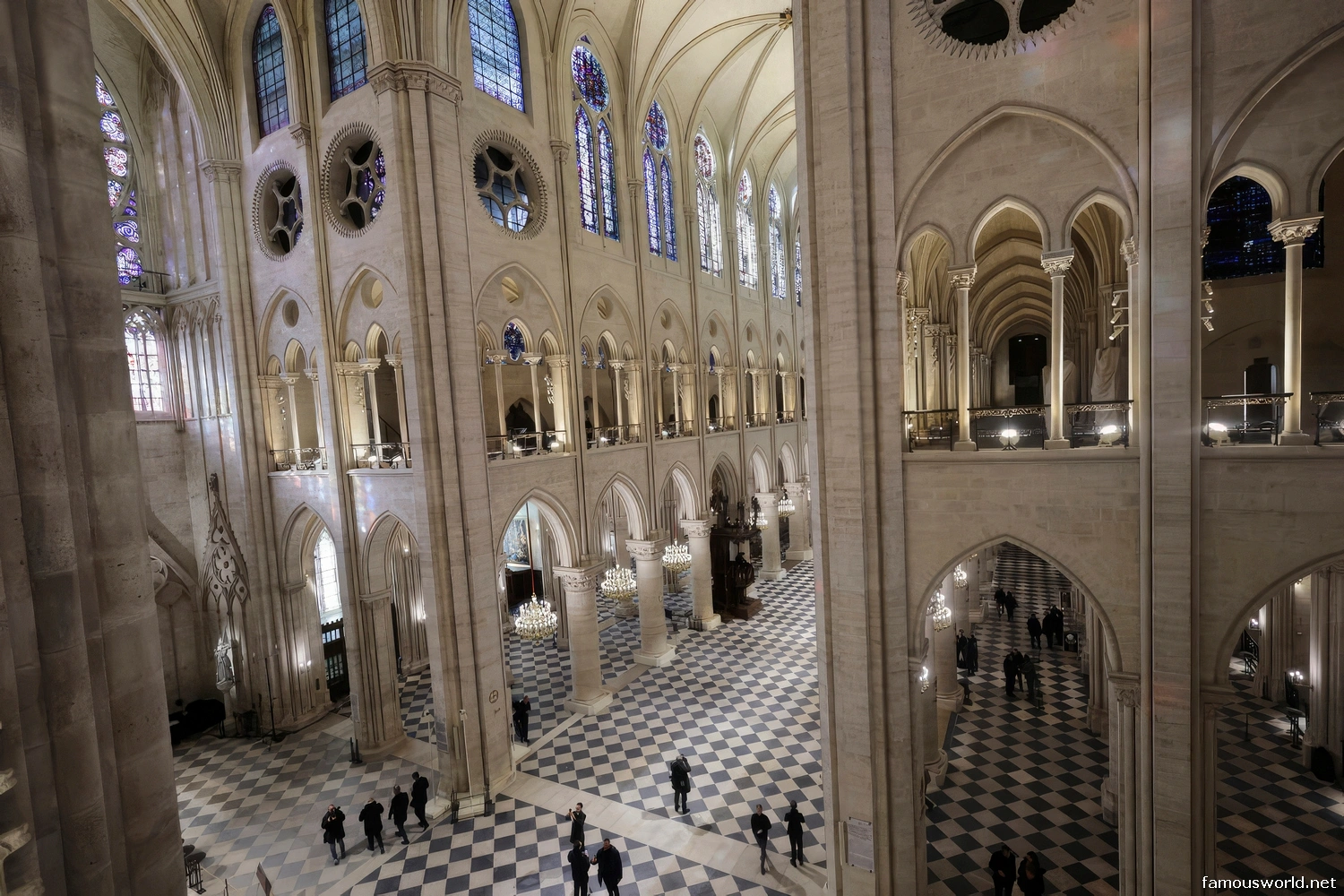
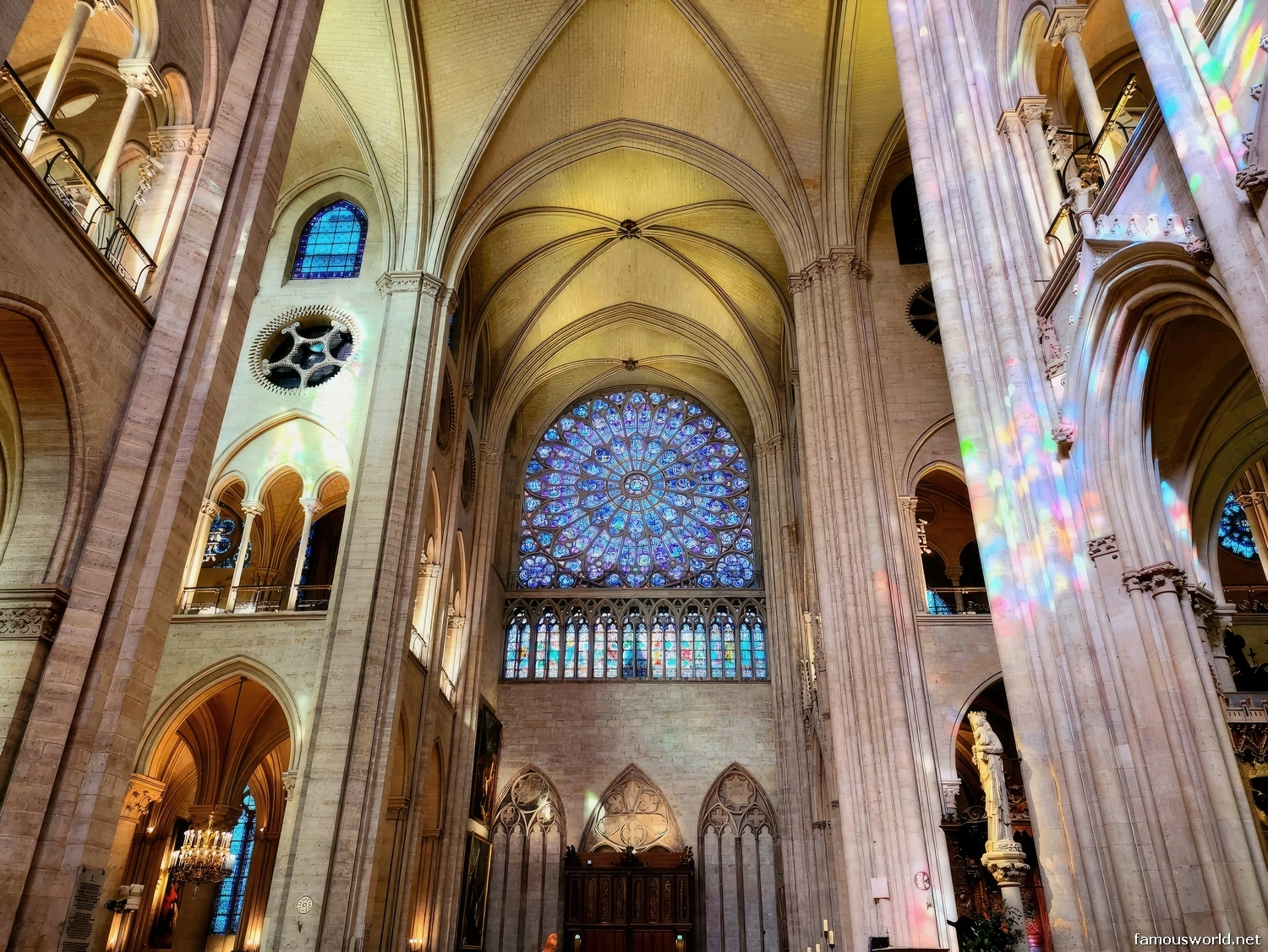
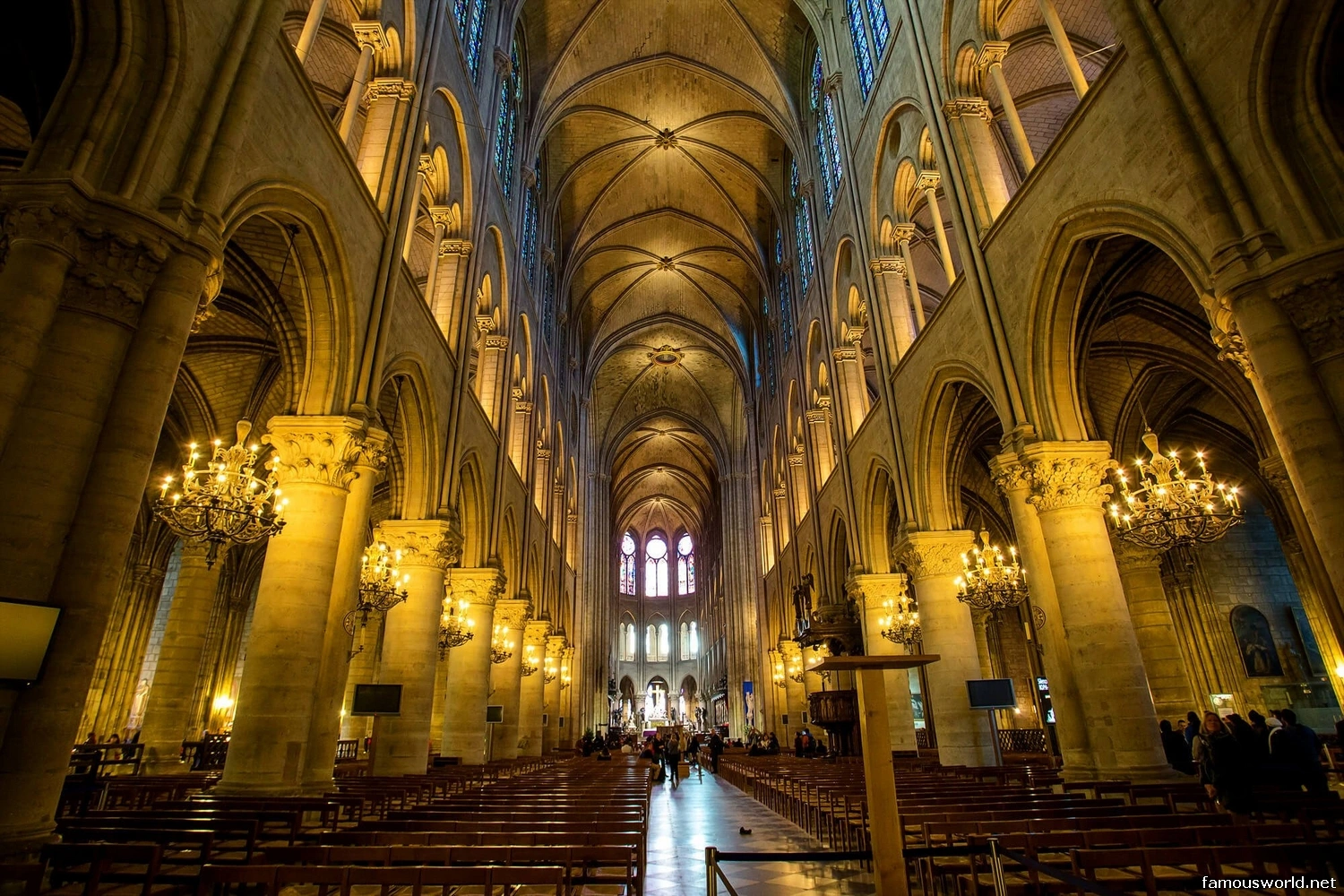

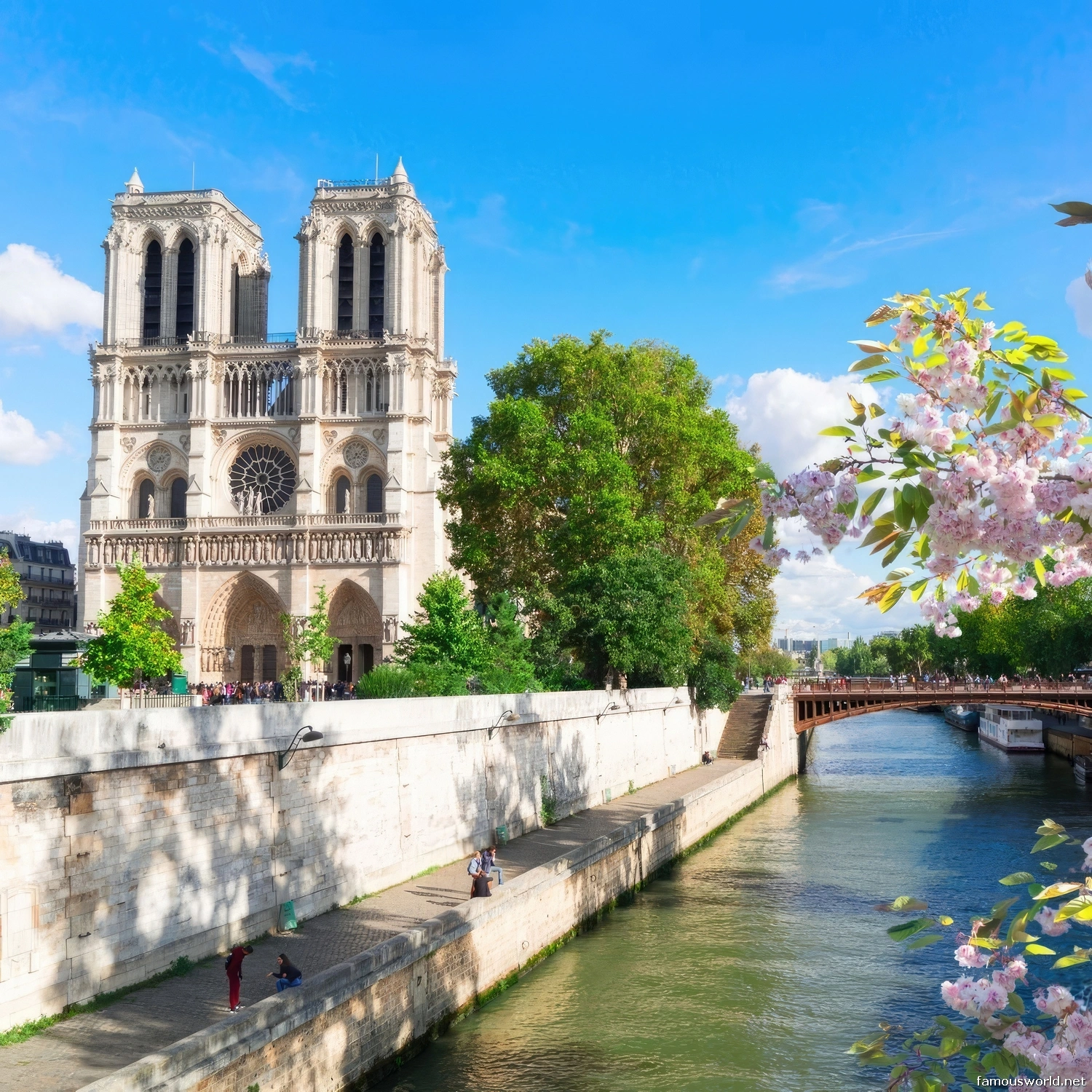
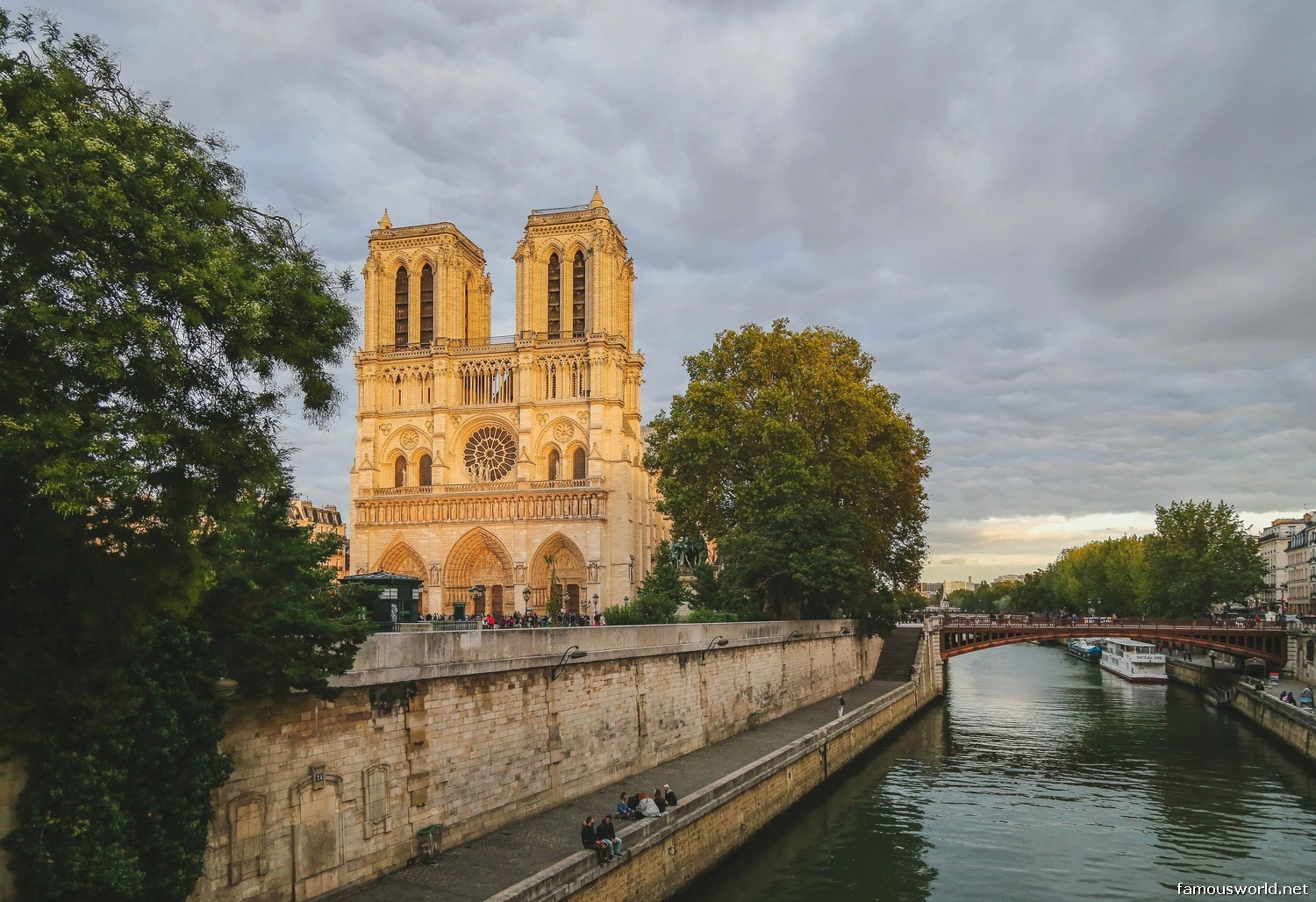
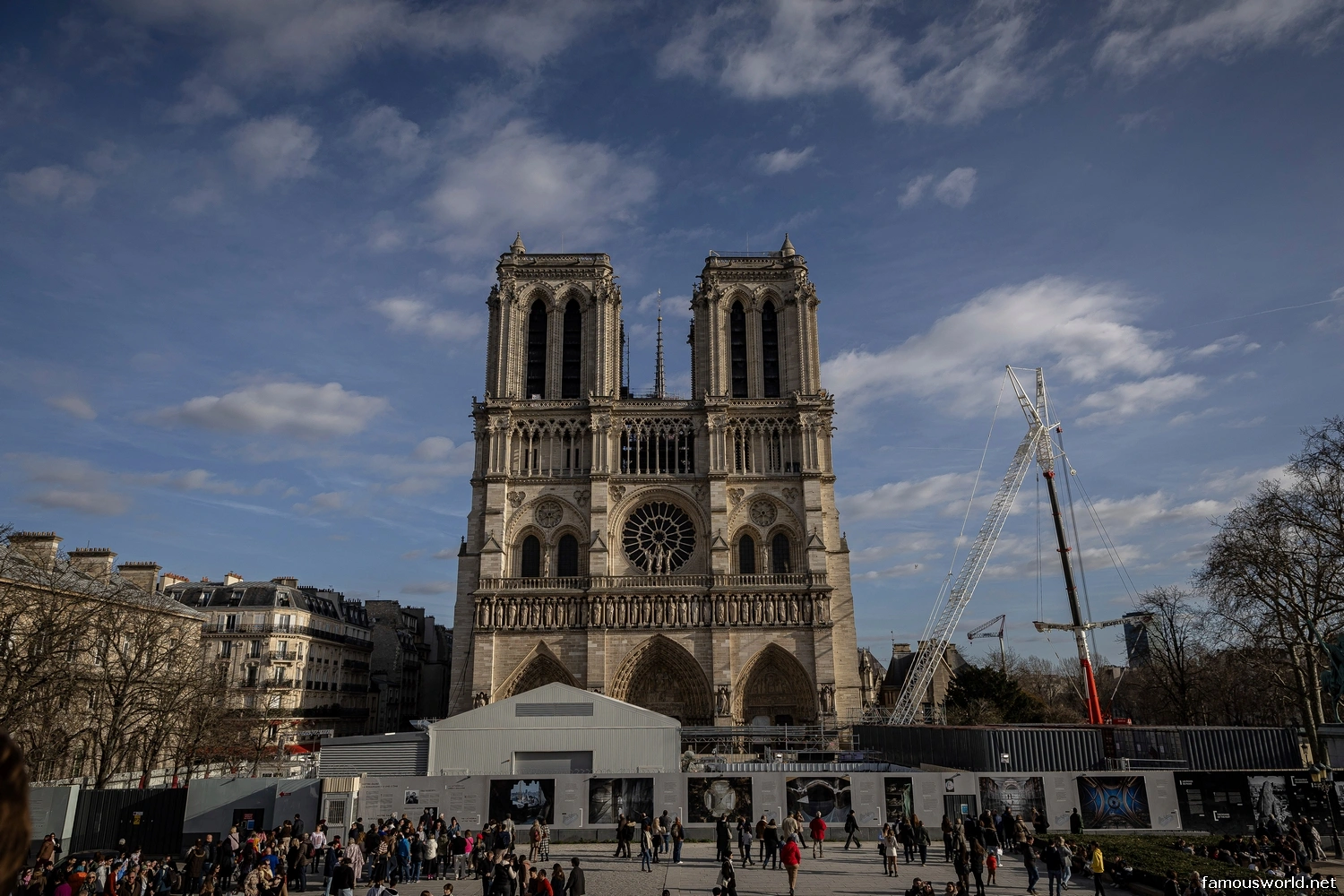
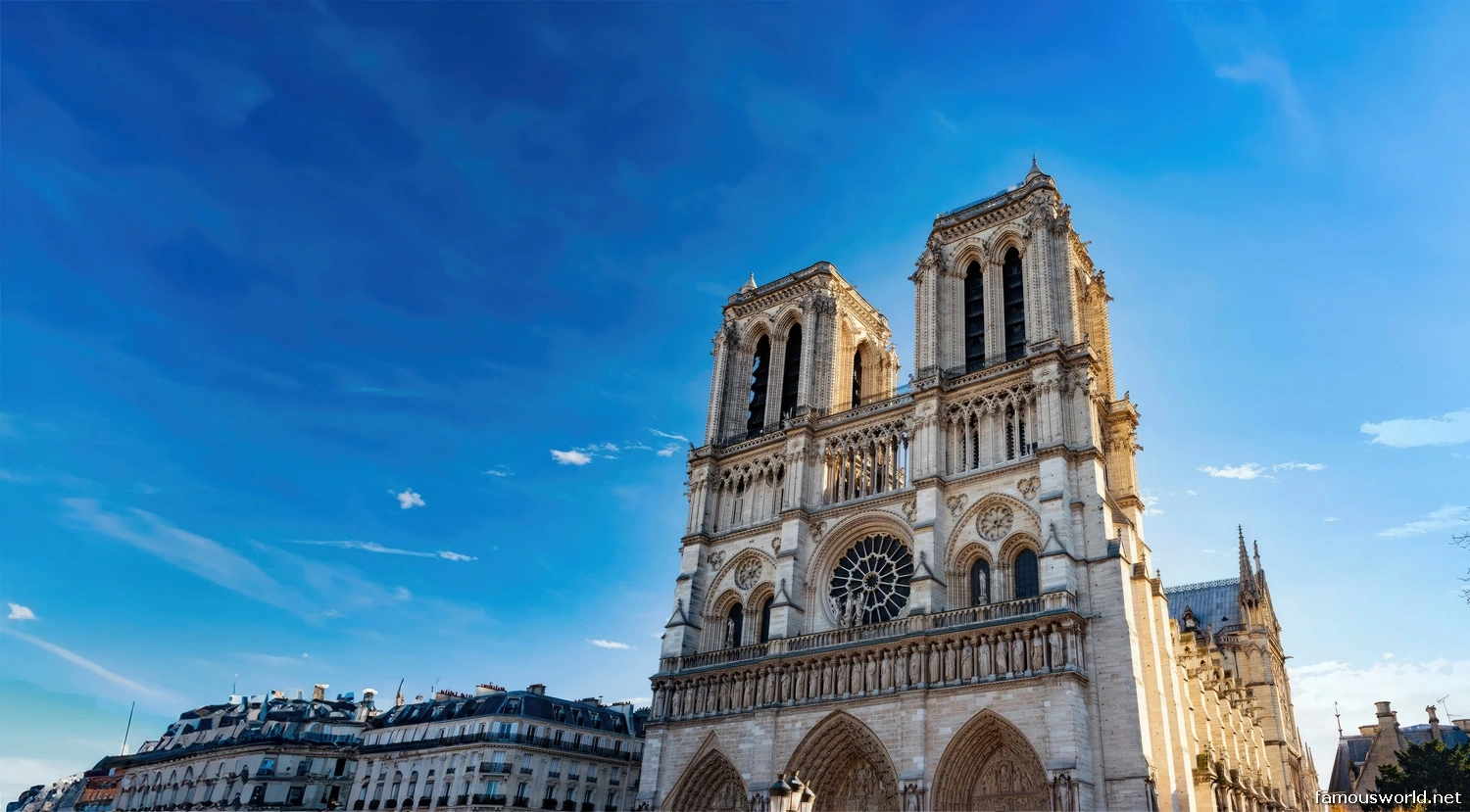
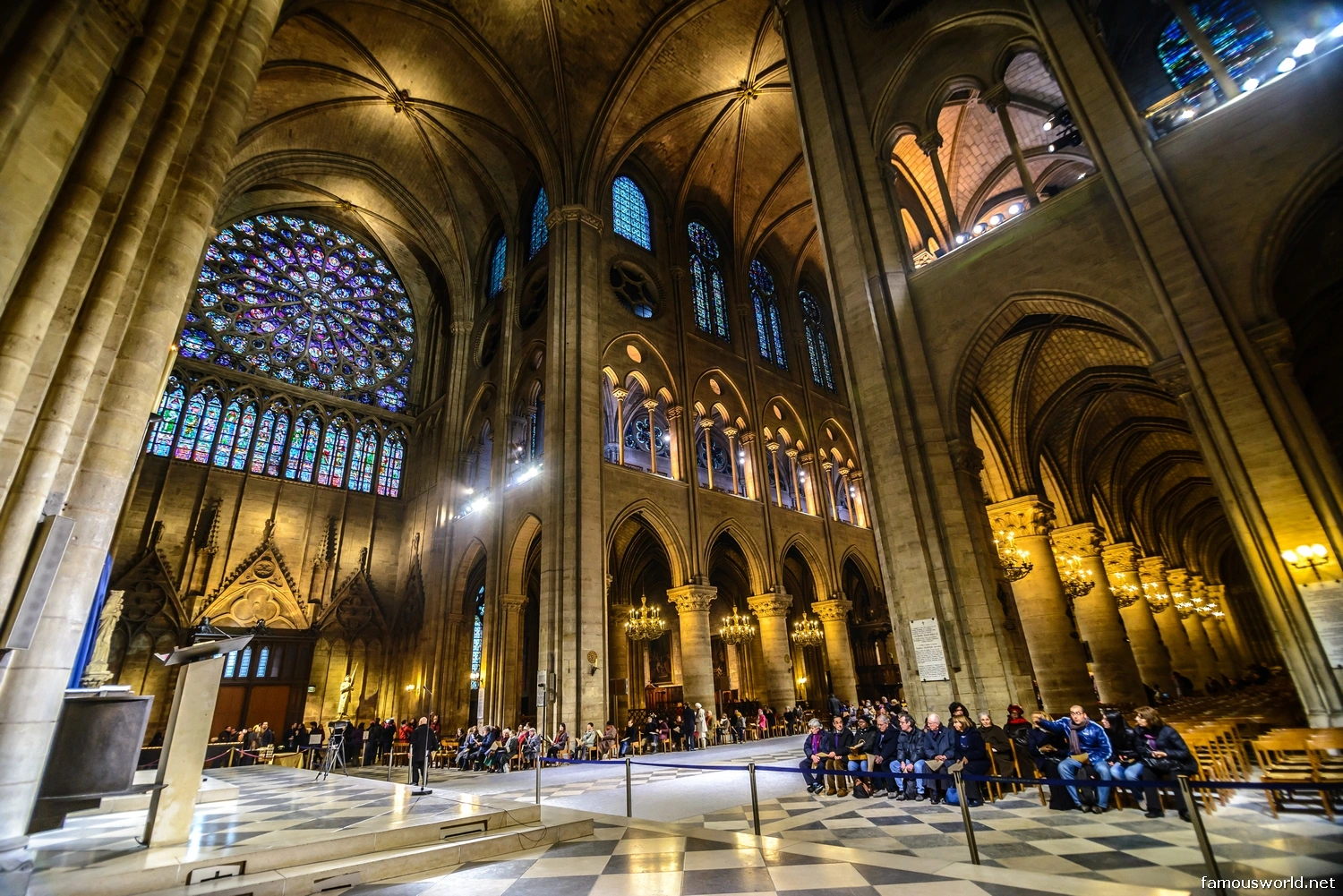
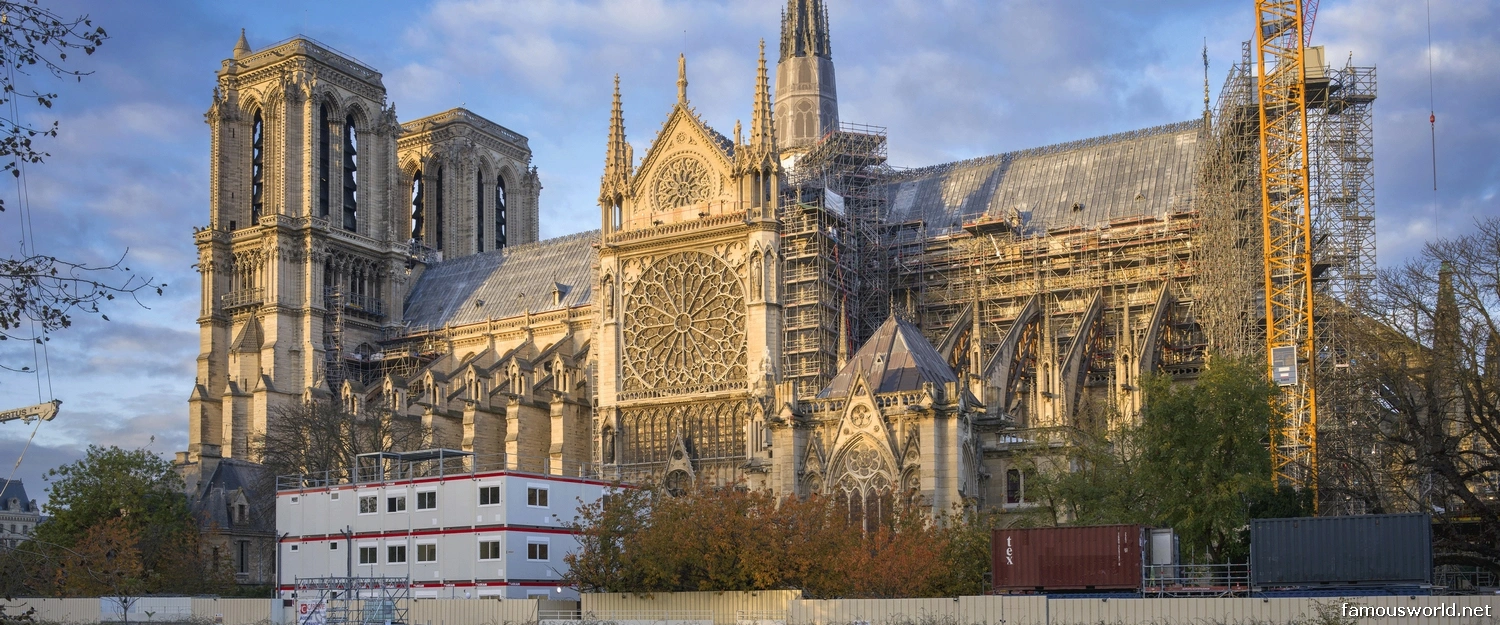
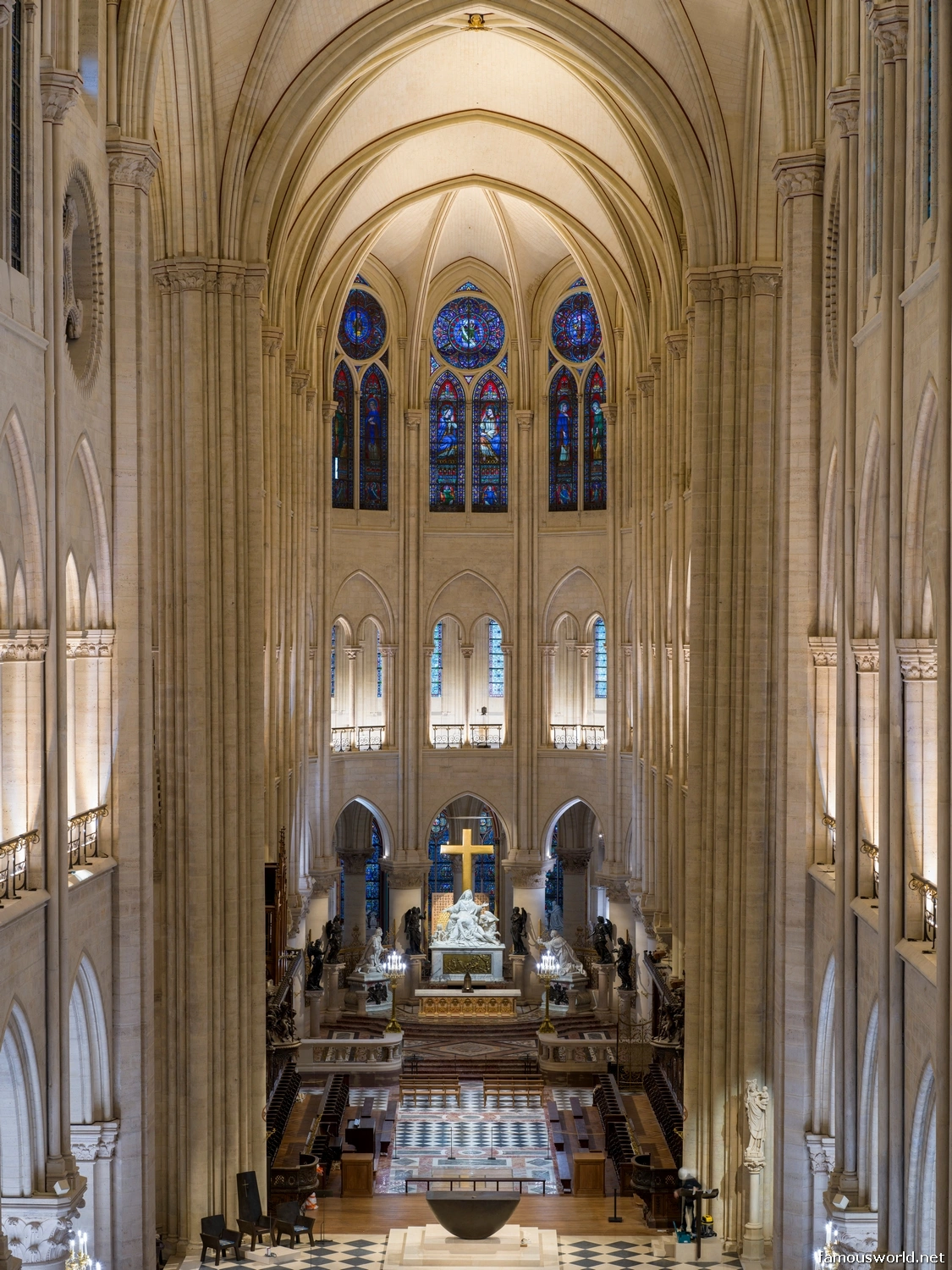
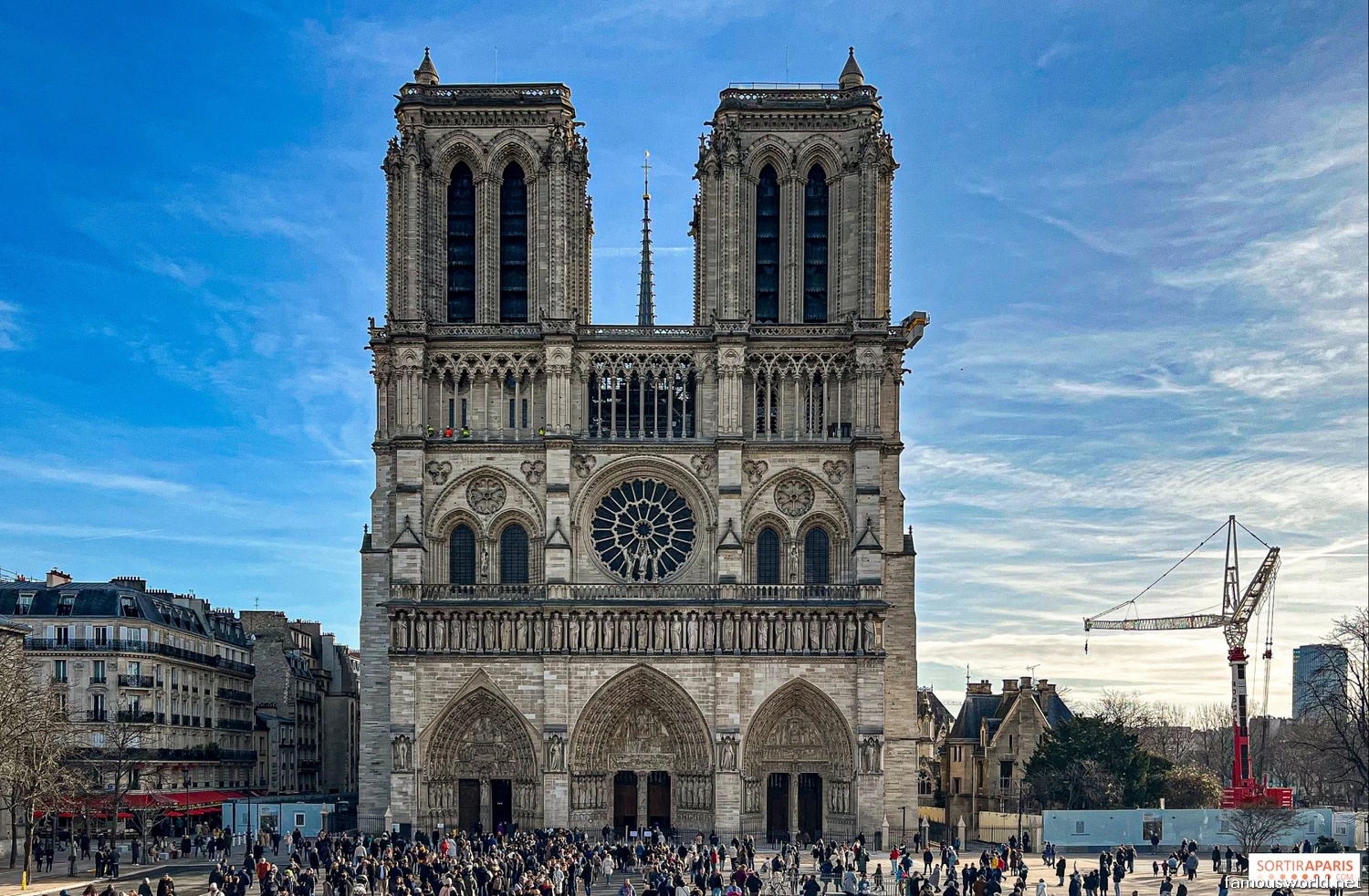
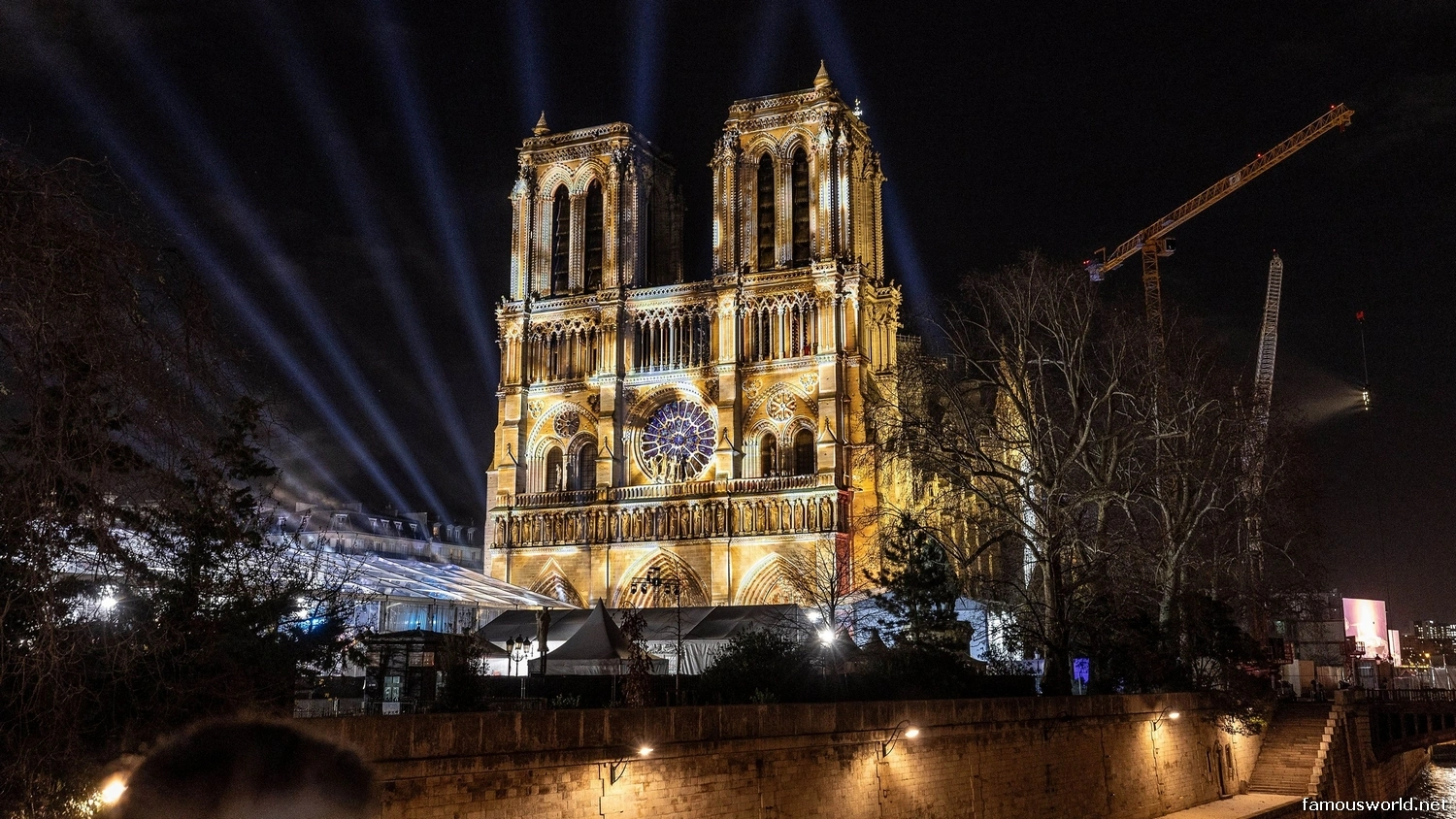
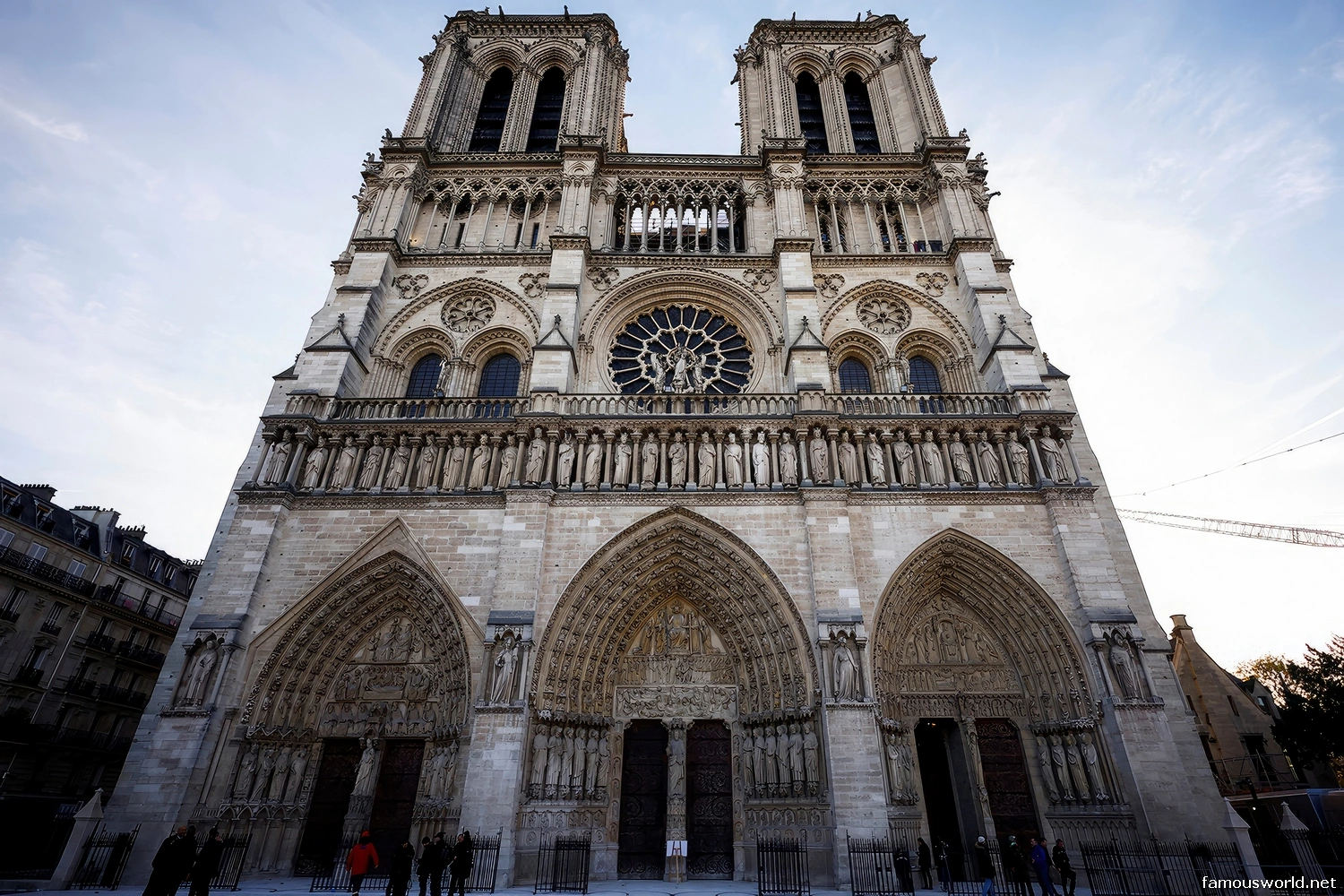
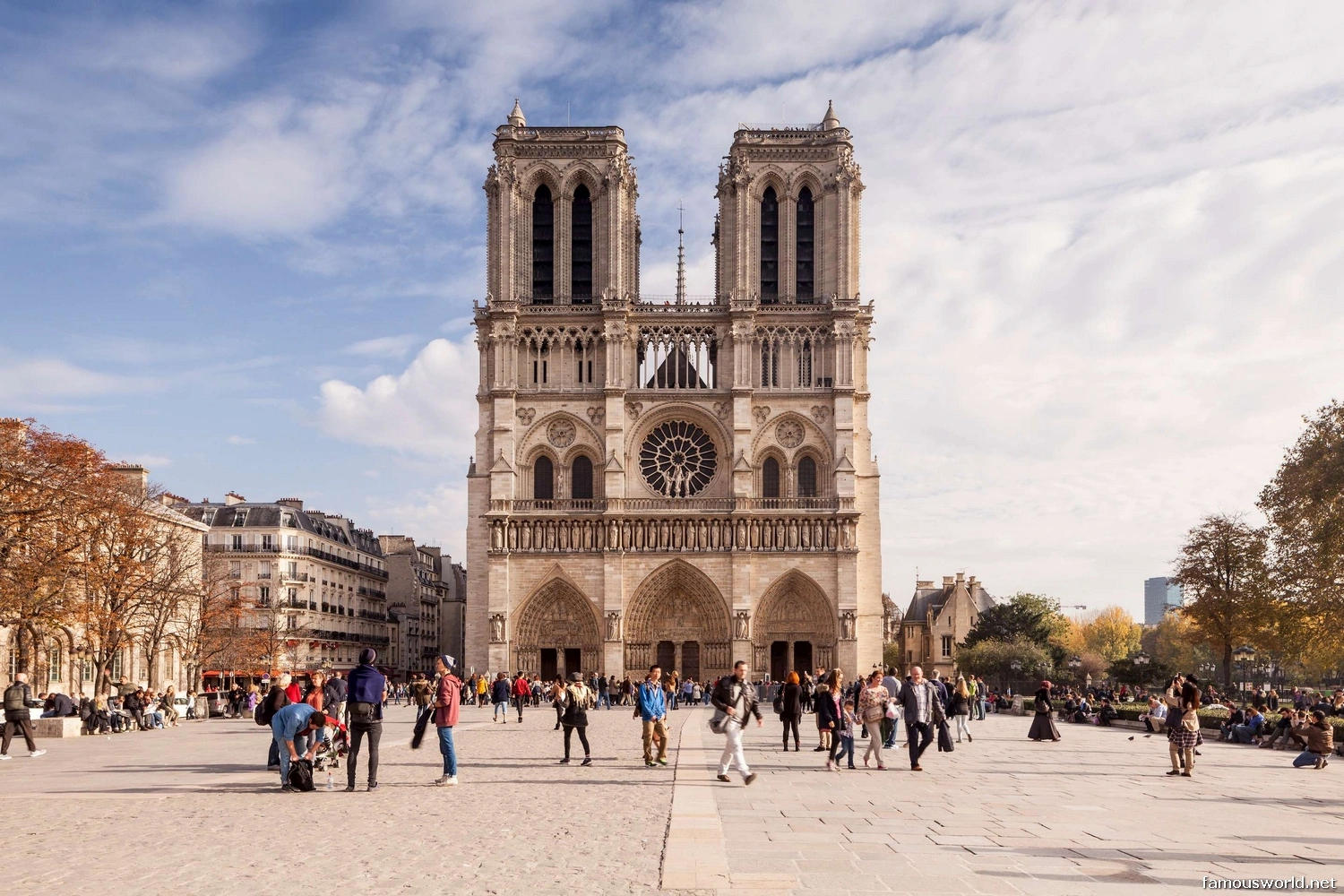
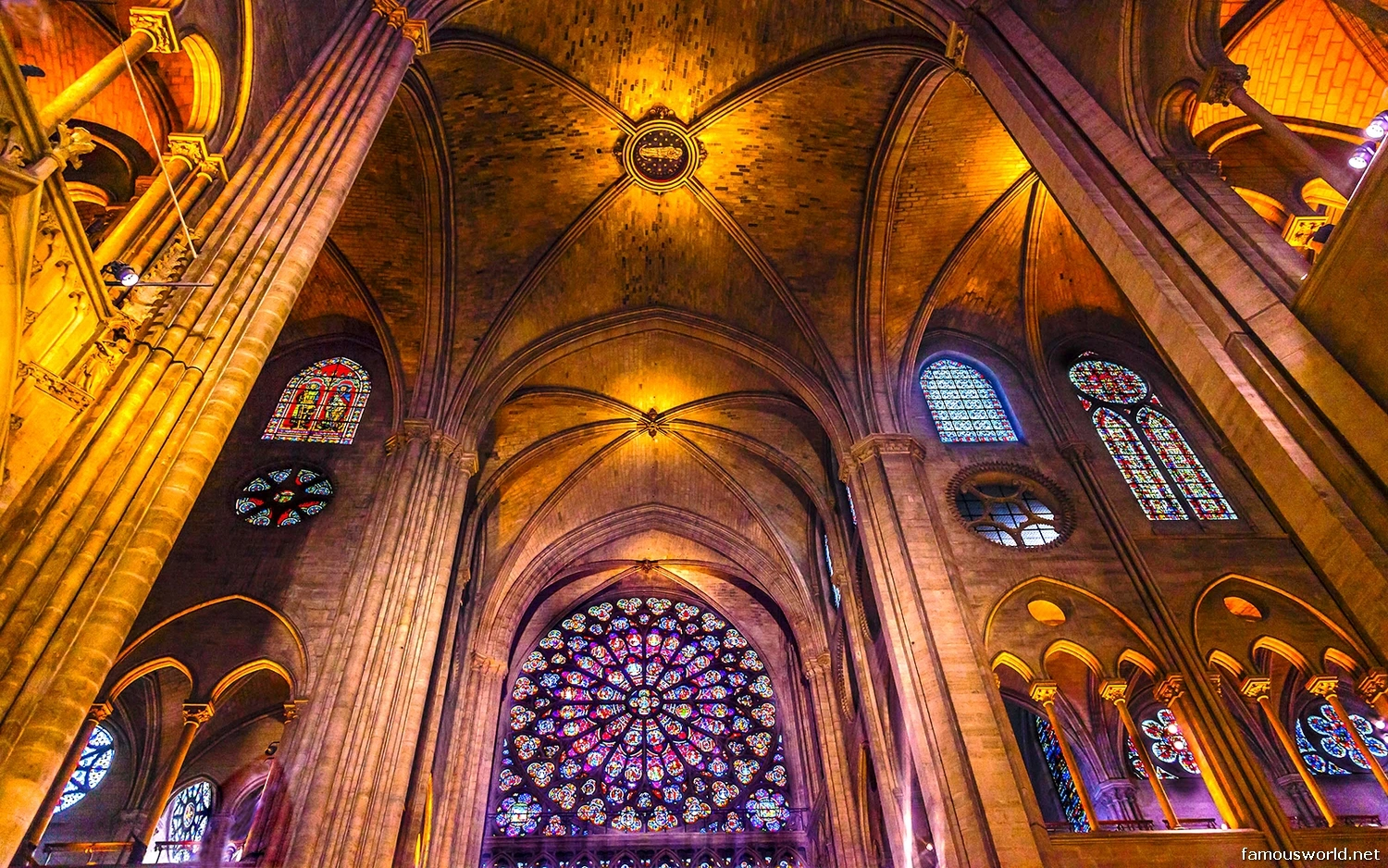
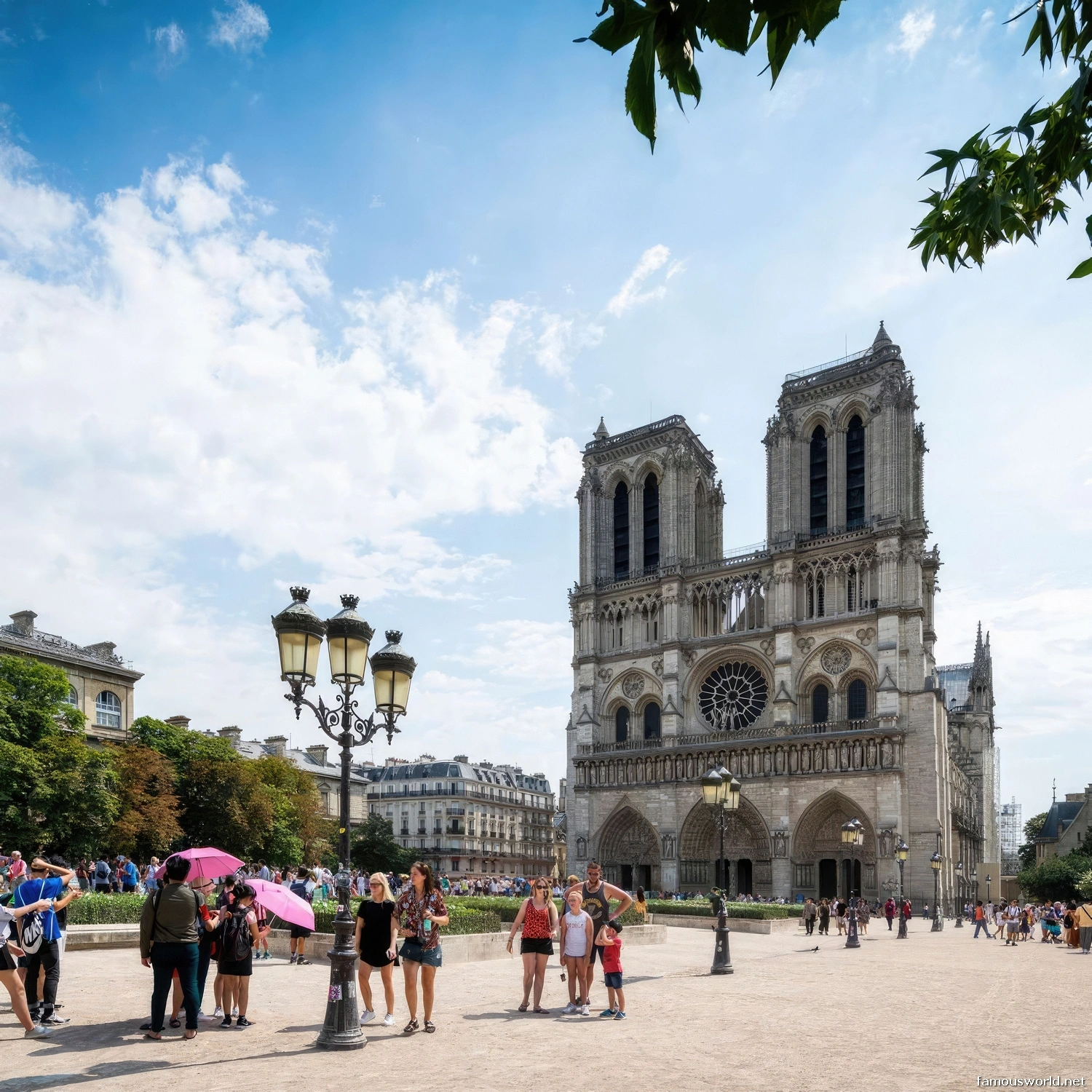

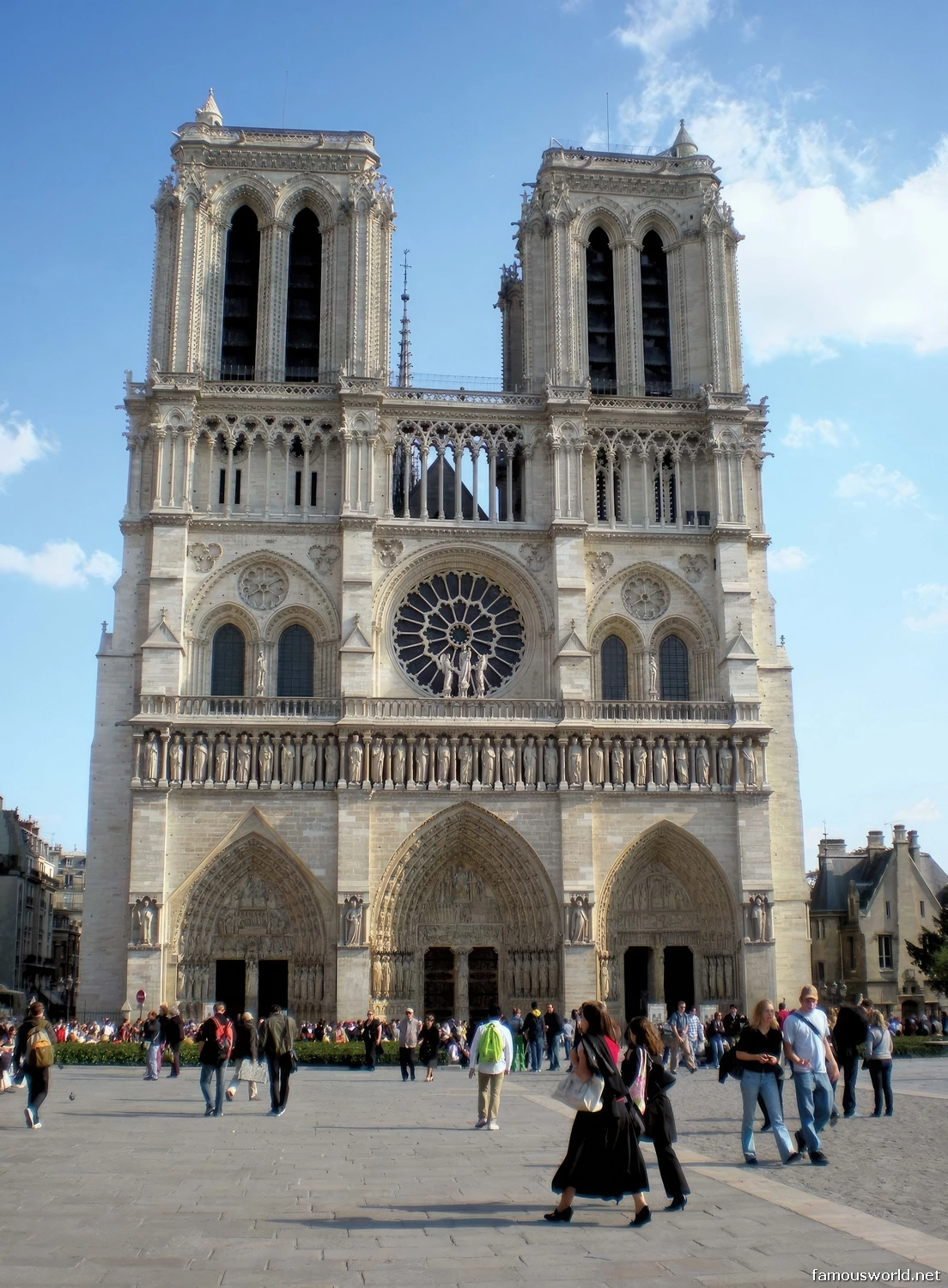
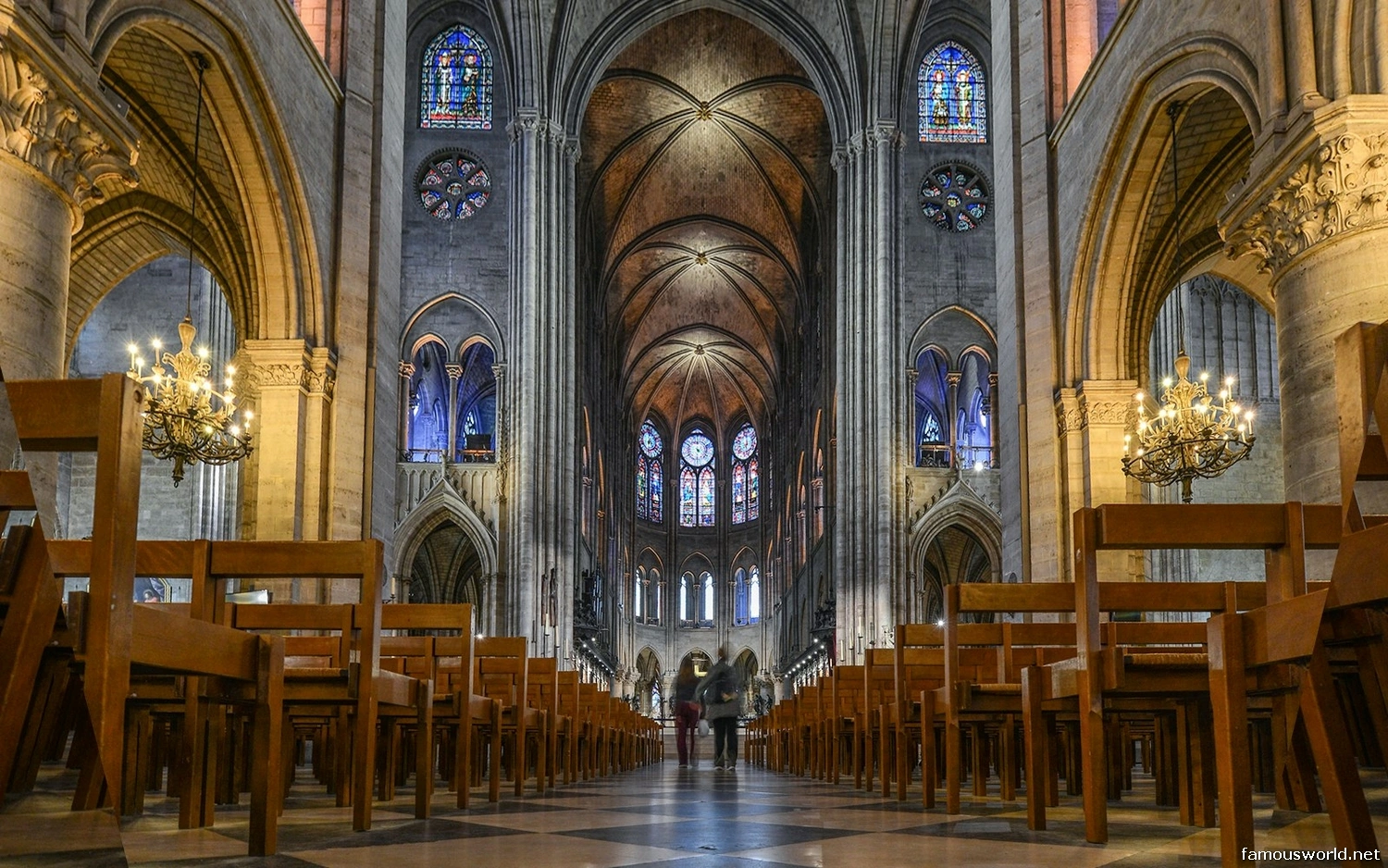
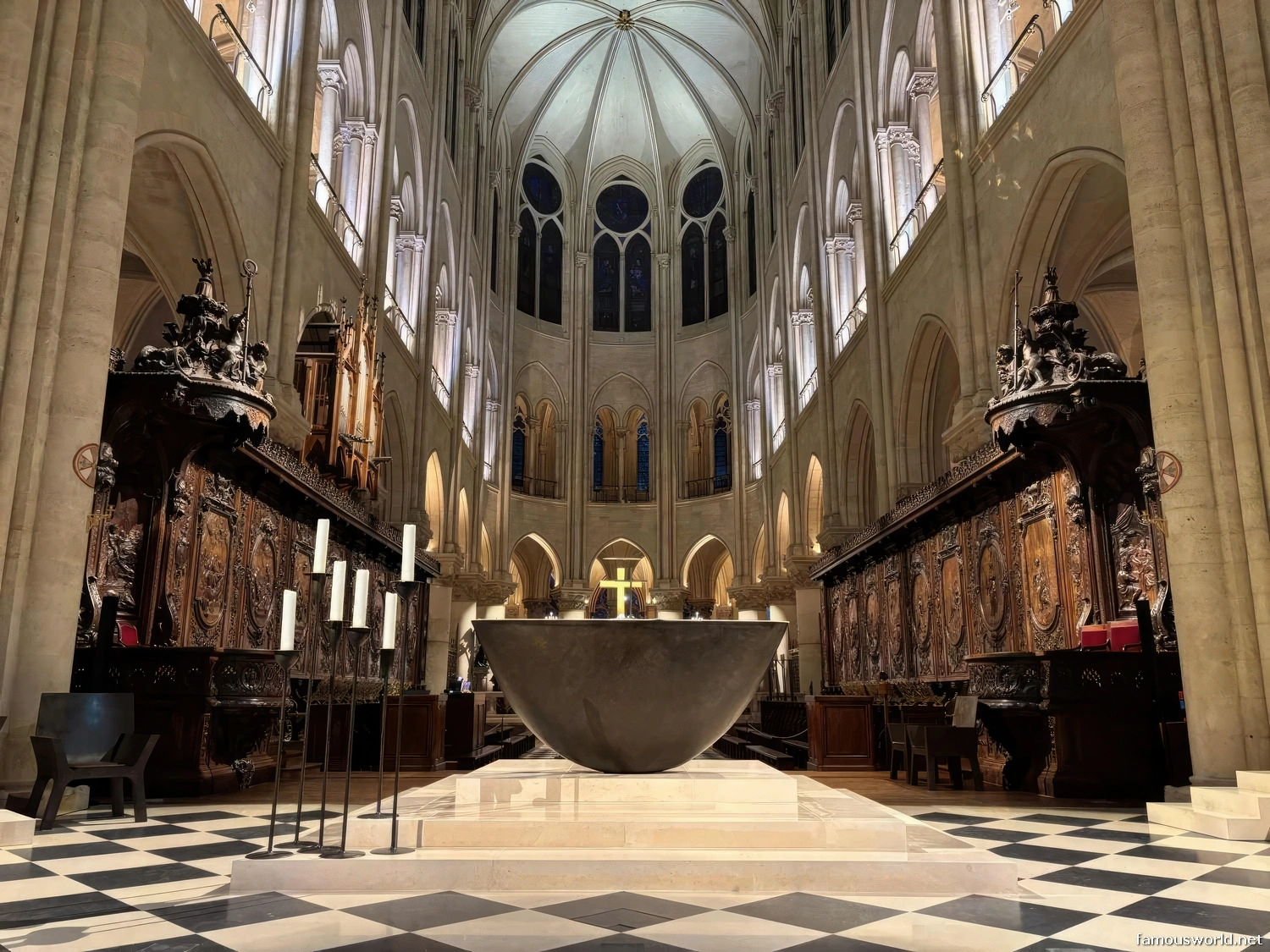
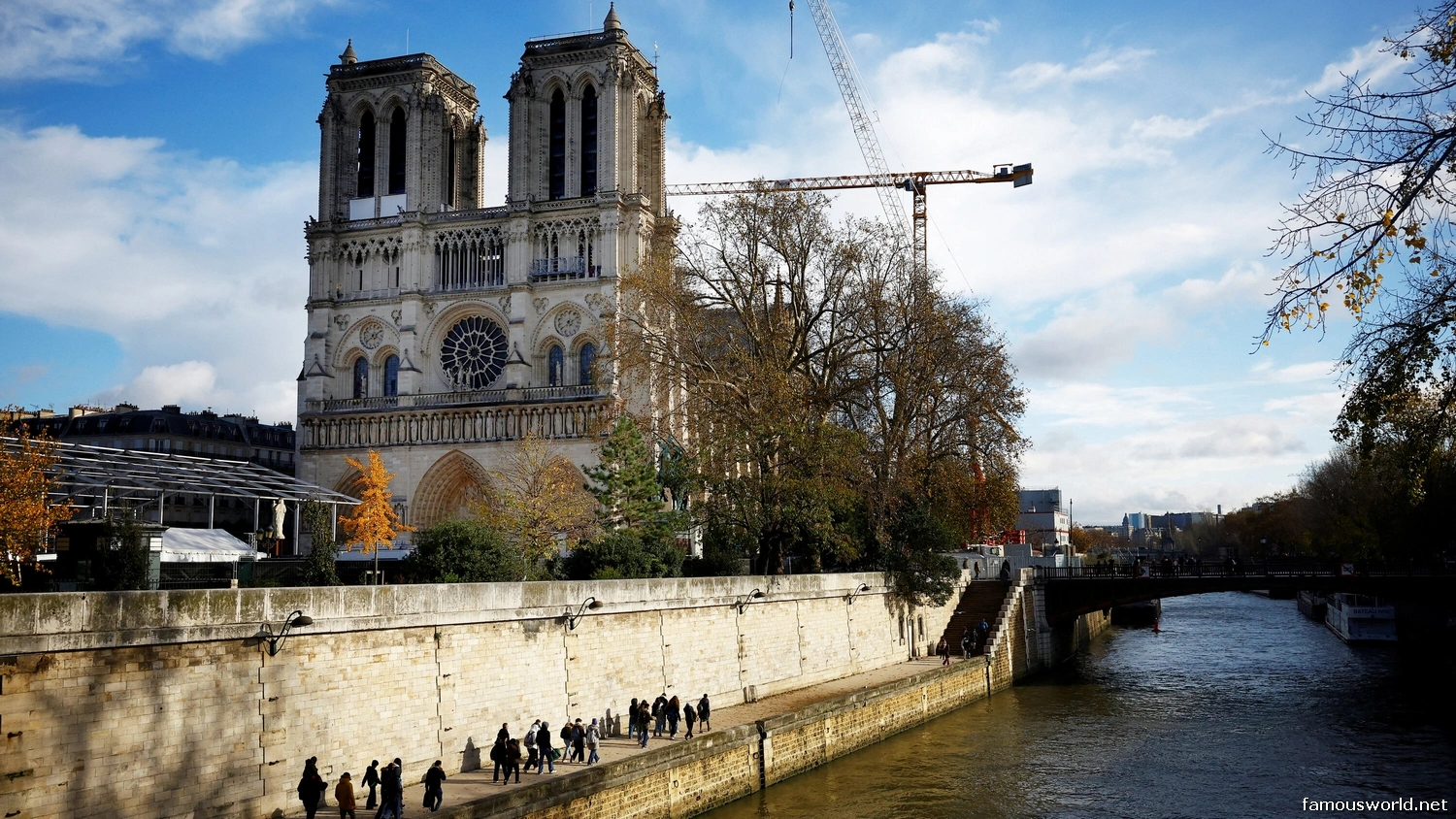
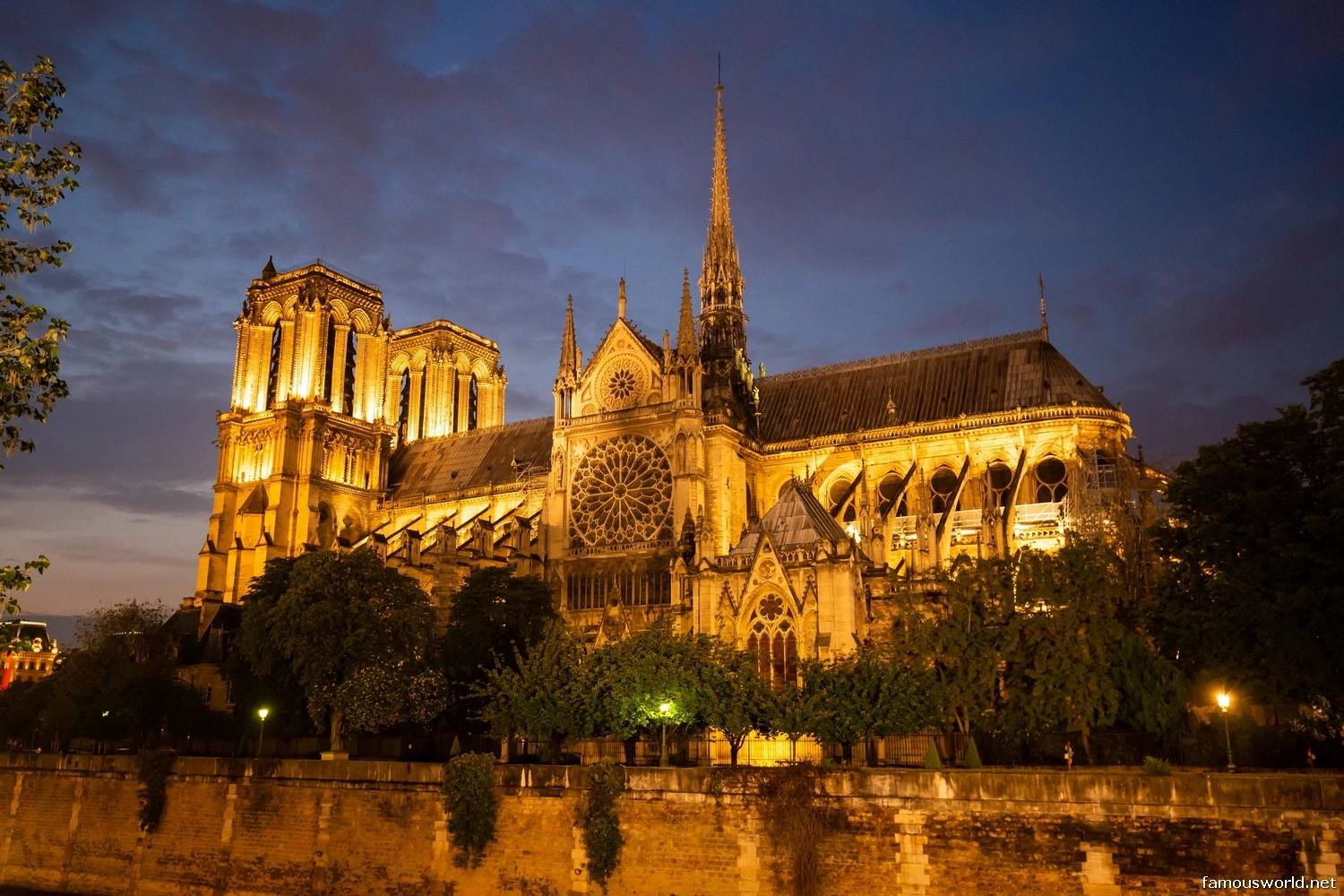
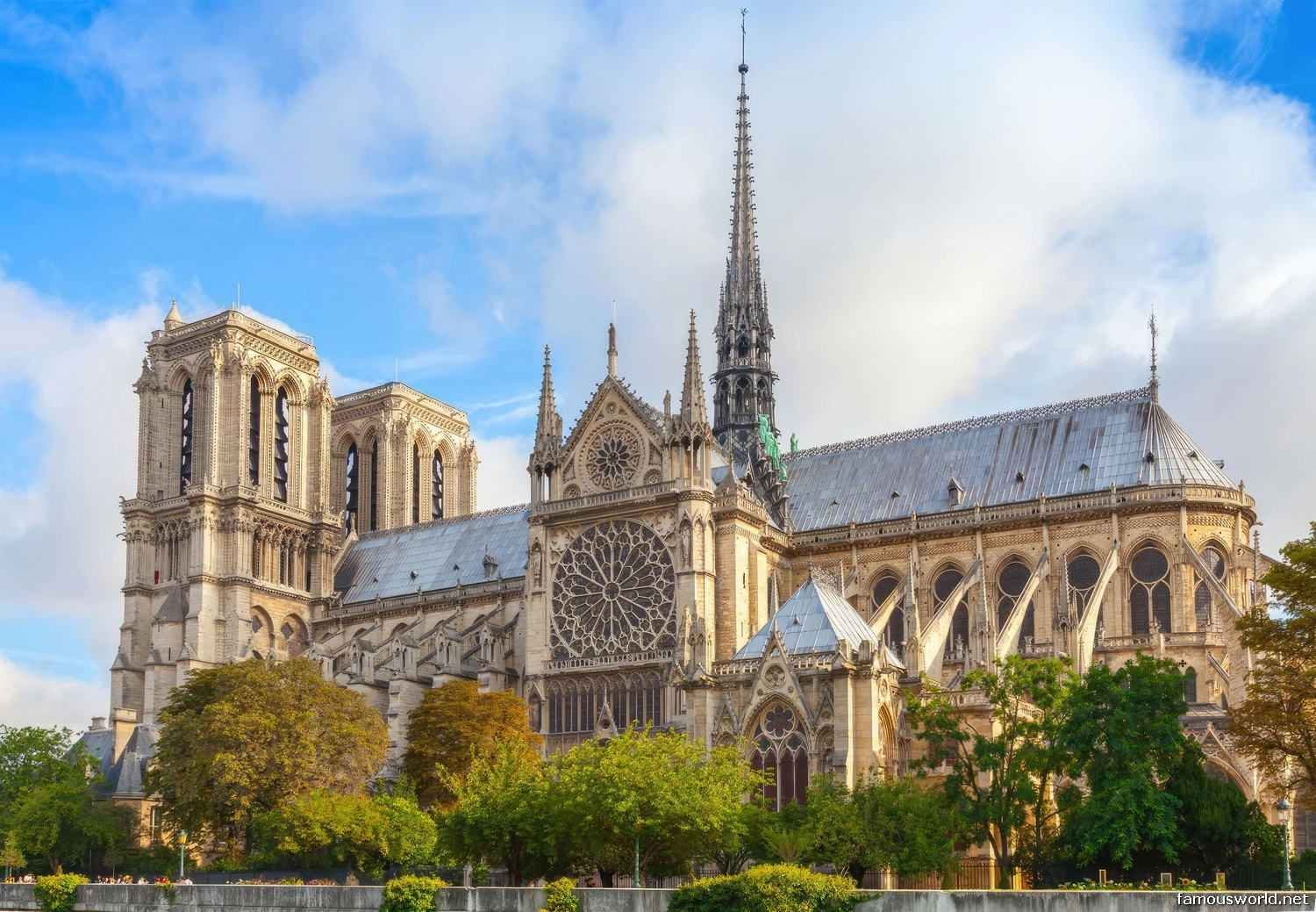
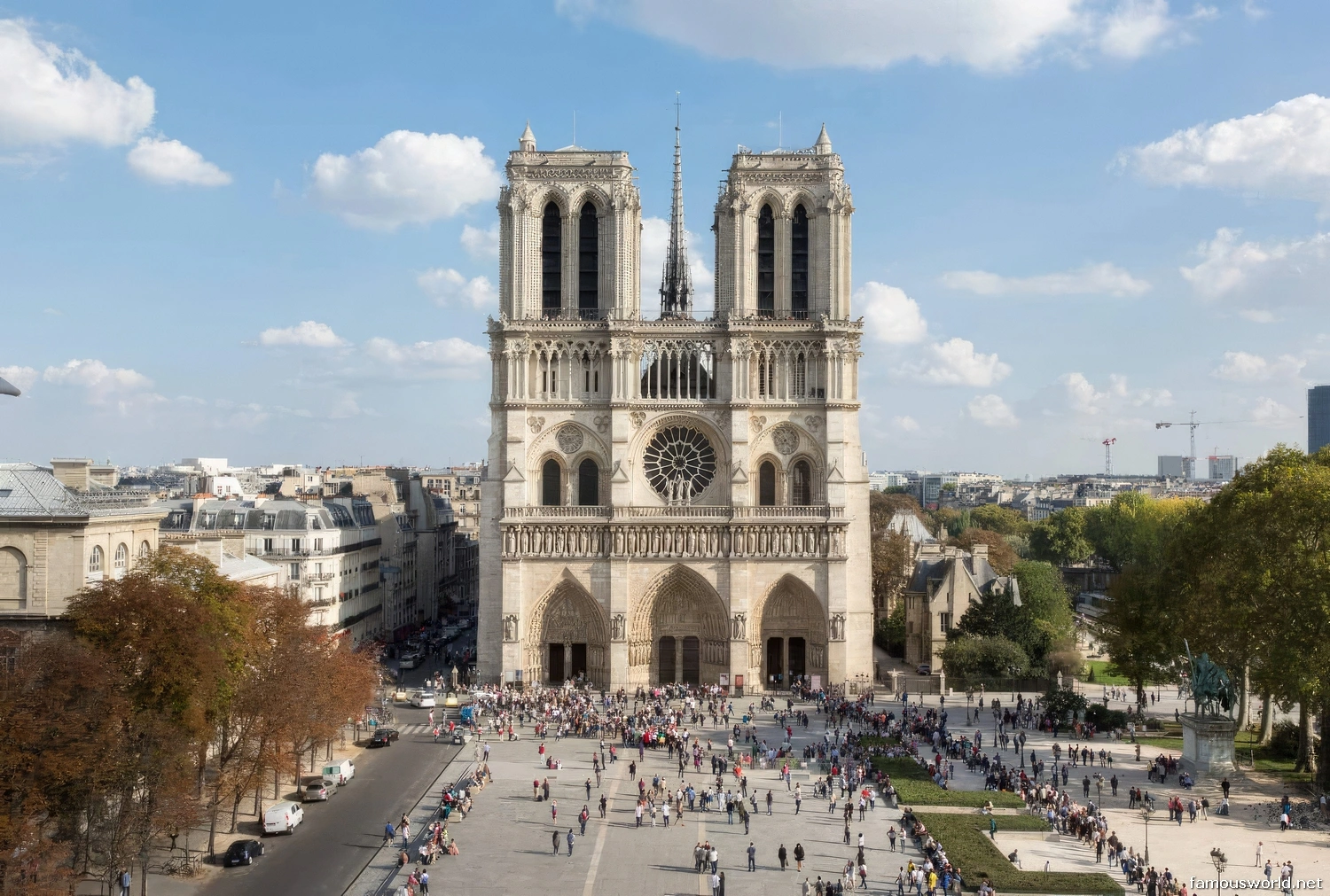
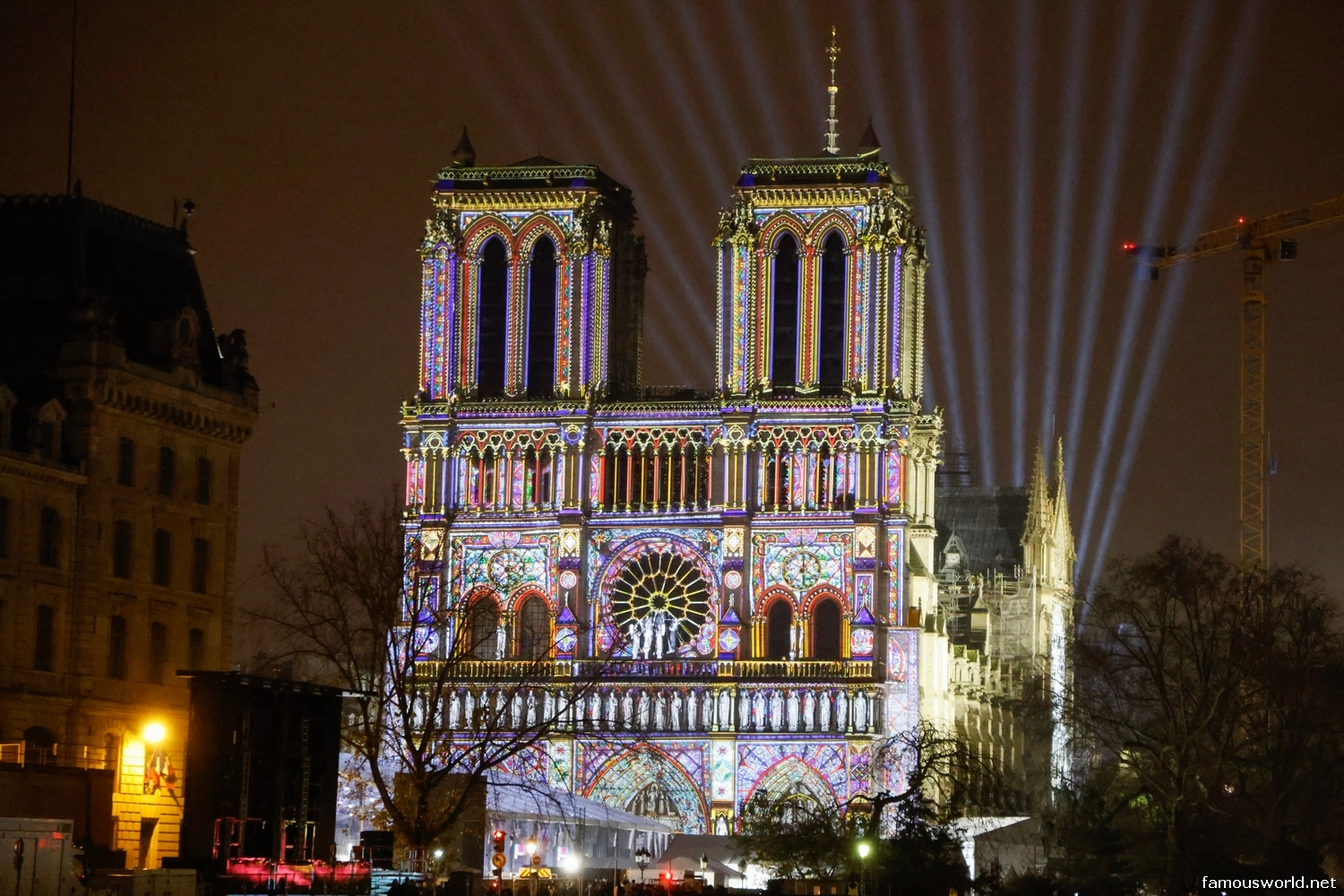
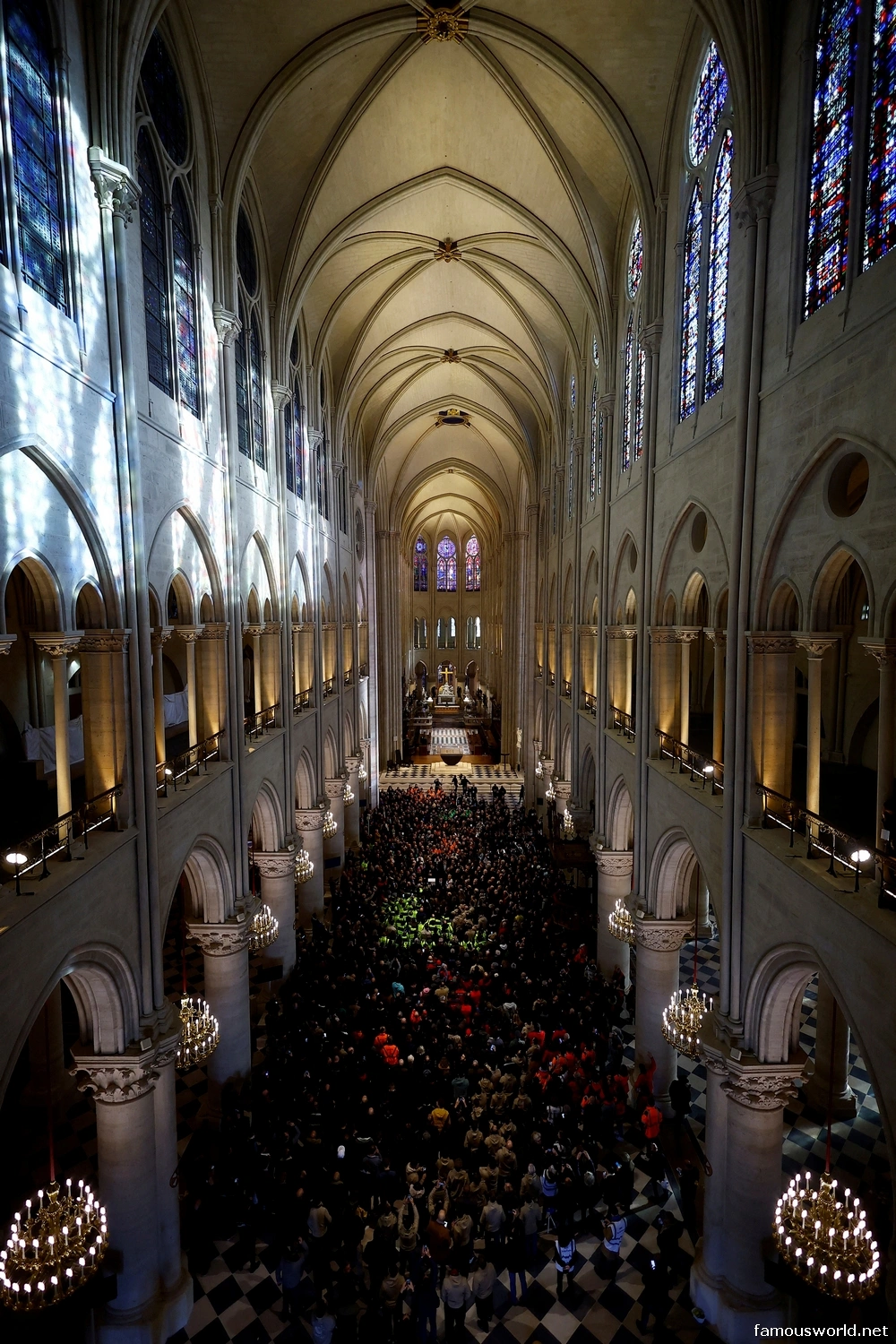
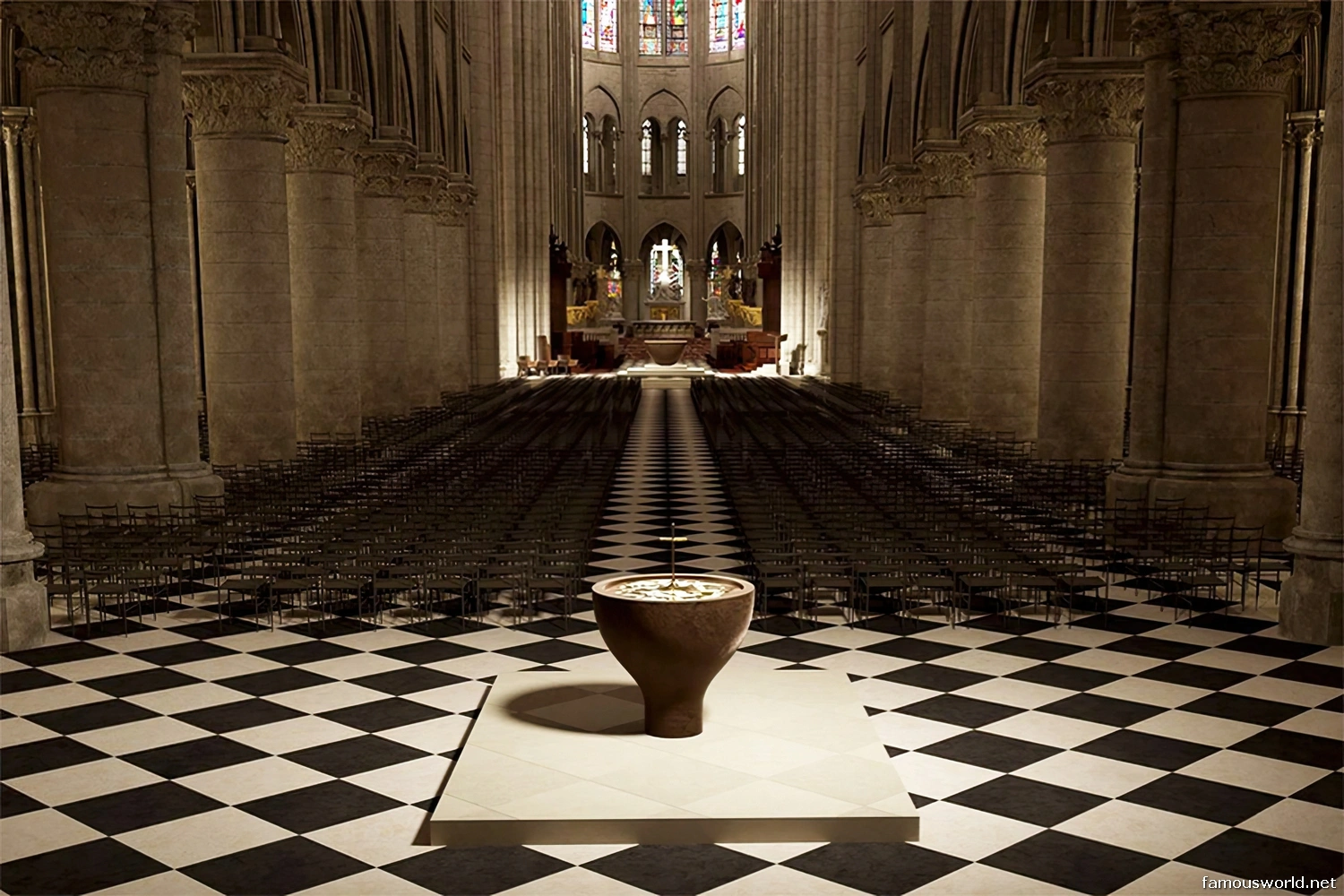
For over 850 years, Notre-Dame Cathedral has stood as the spiritual and historic heart of Paris, a masterpiece of French Gothic architecture that has watched over the city from its island perch in the Seine. More than just a church, it is a national symbol, a repository of priceless relics, and the setting for centuries of French history and literature. Its soaring vaults, magnificent rose windows, and iconic twin towers have inspired awe and reverence in millions. Though tragically damaged by a fire in 2019, the cathedral’s enduring power was revealed in the global effort to restore it, reaffirming its status not just as a Parisian landmark, but as a treasure of world civilization.
Listen to an introduction about Notre-Dame Cathedral

Name and Location
- Name: Notre-Dame Cathedral (French: Cathédrale Notre-Dame de Paris, meaning “Our Lady of Paris”).
- Location: 6 Parvis Notre-Dame – Place Jean-Paul II, 75004 Paris, France, on the Île de la Cité.
How to Get There
Situated in the very center of Paris, Notre-Dame is easily reached by multiple forms of public transport.
- By Métro: Line 4 (Cité or Saint-Michel stations) is the closest. Lines 1, 7, 11, and 14 (Châtelet station) are also a short walk away.
- By RER Train: Line B and Line C (Saint-Michel-Notre-Dame station) have an exit right near the cathedral.
- By Bus: Many bus lines serve the area around the cathedral and the Île de la Cité.
Landscape and Architecture
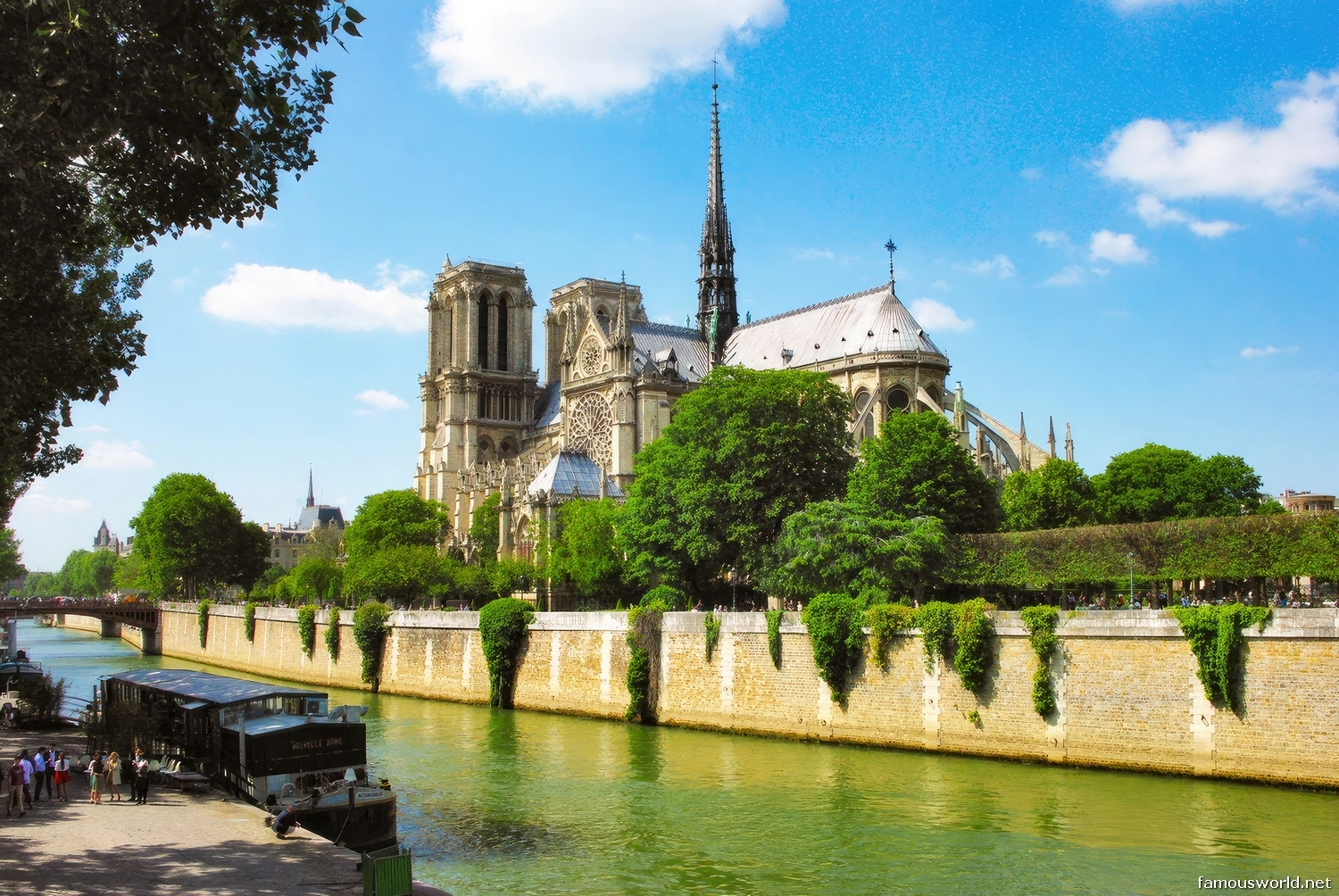
Notre-Dame is a triumph of Gothic design, perfectly situated on an island that is the historical epicenter of Paris.
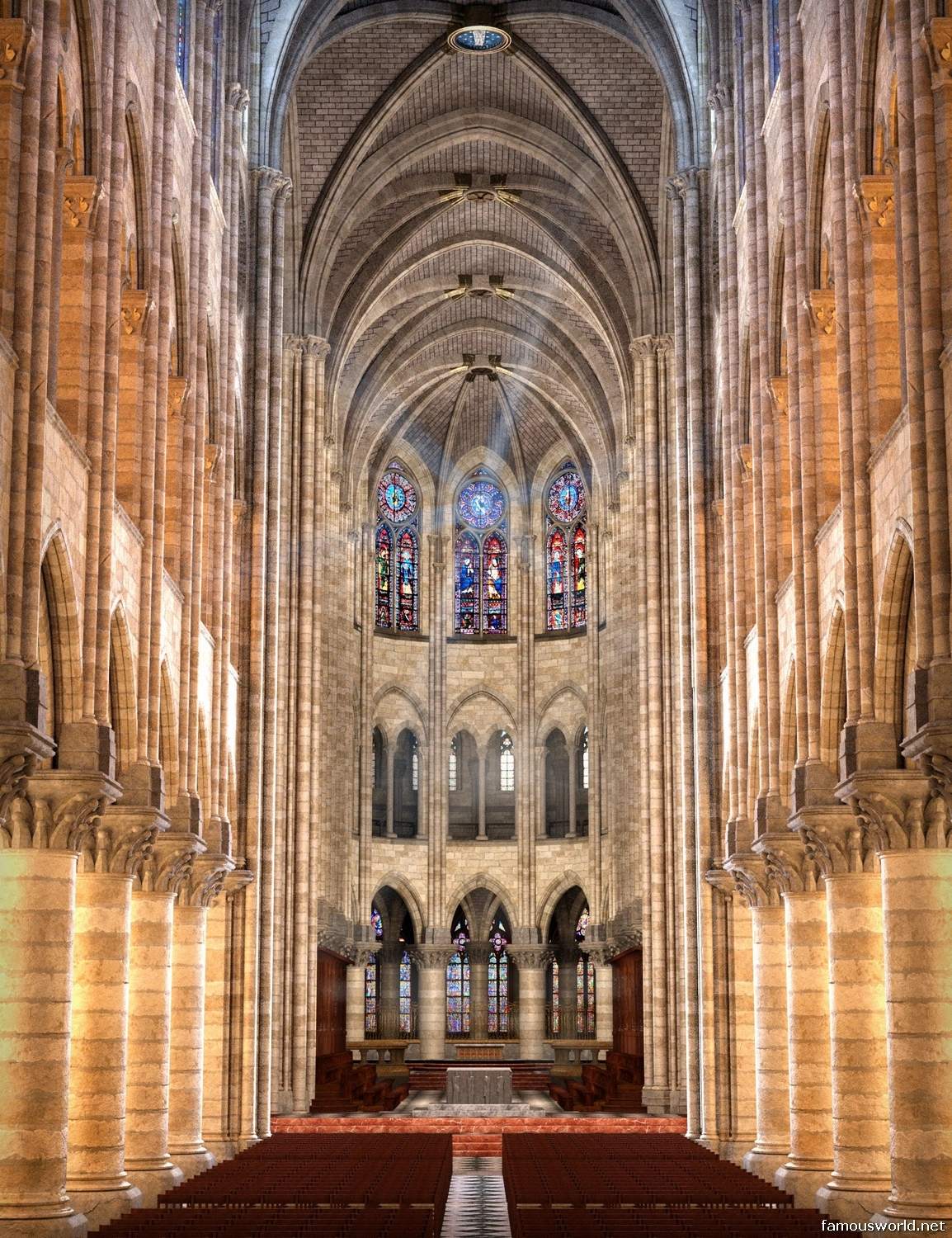
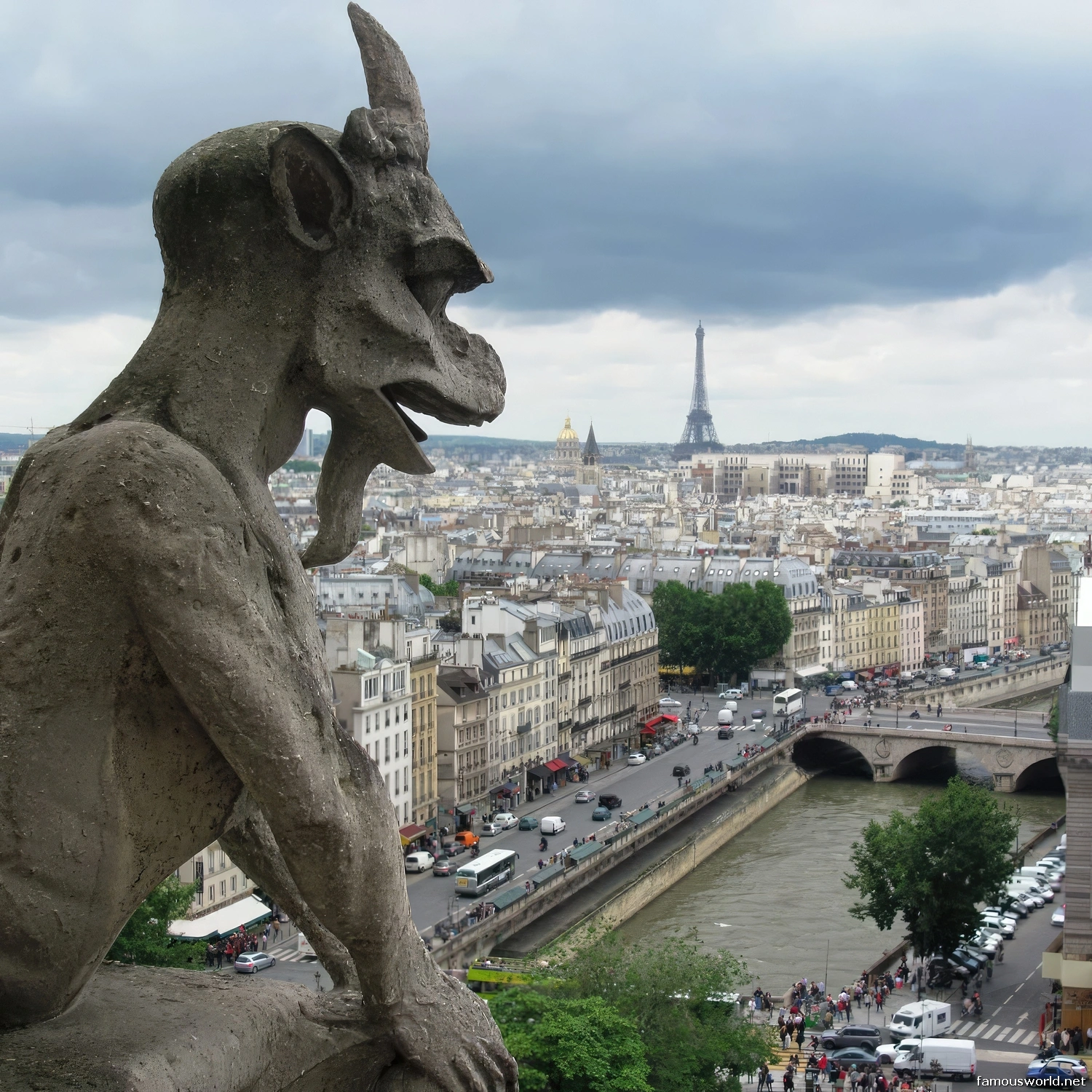
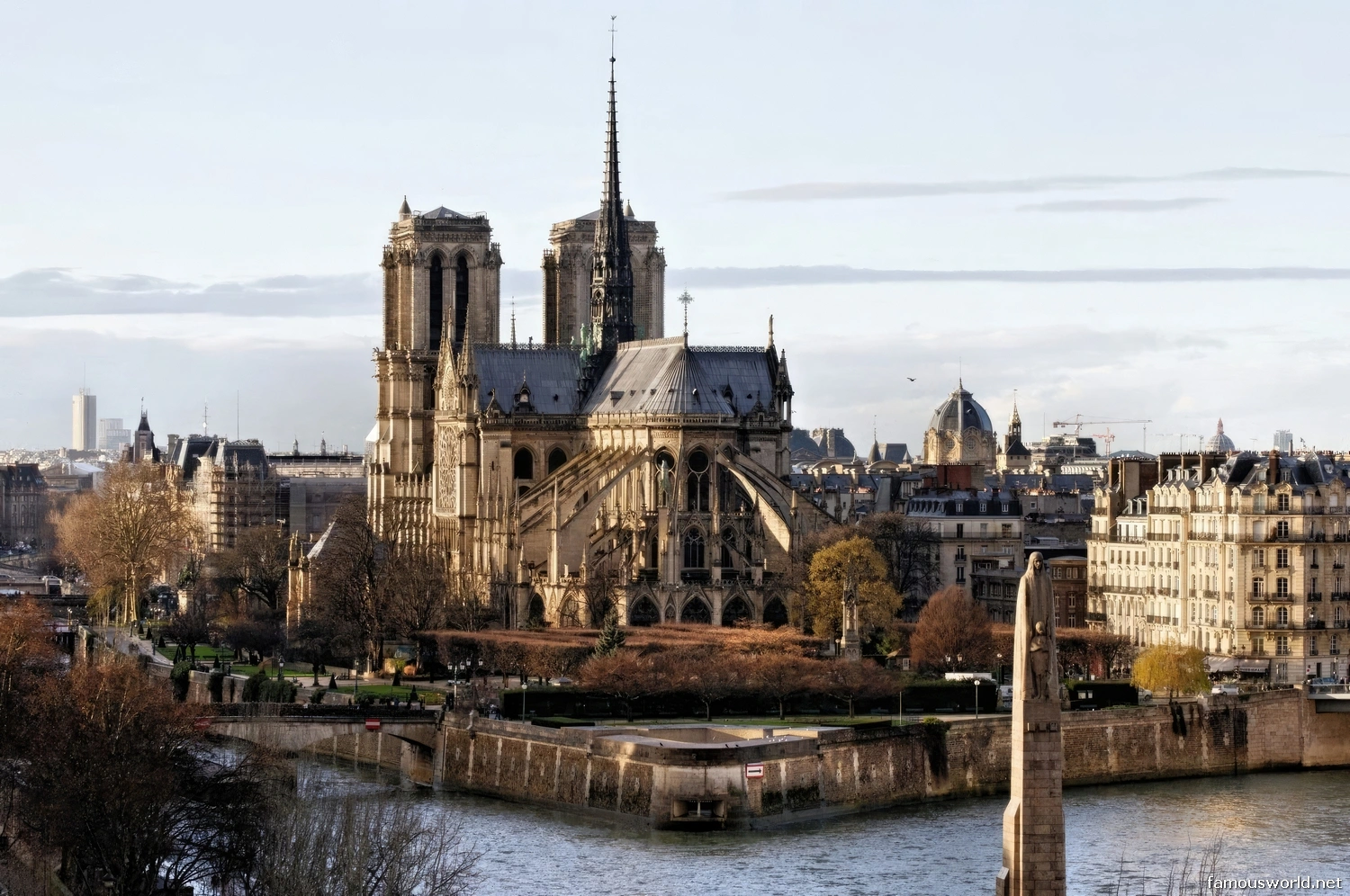
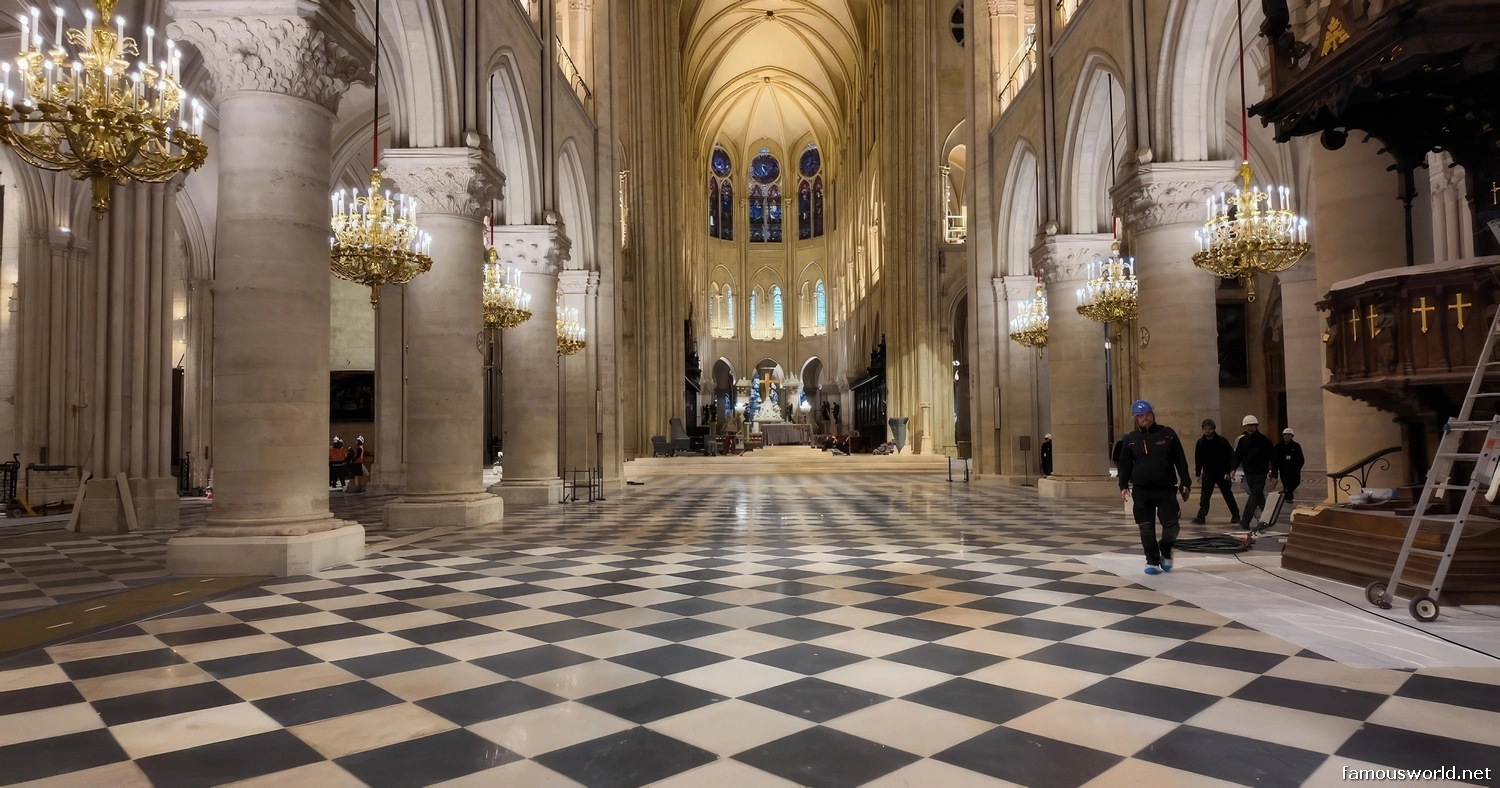
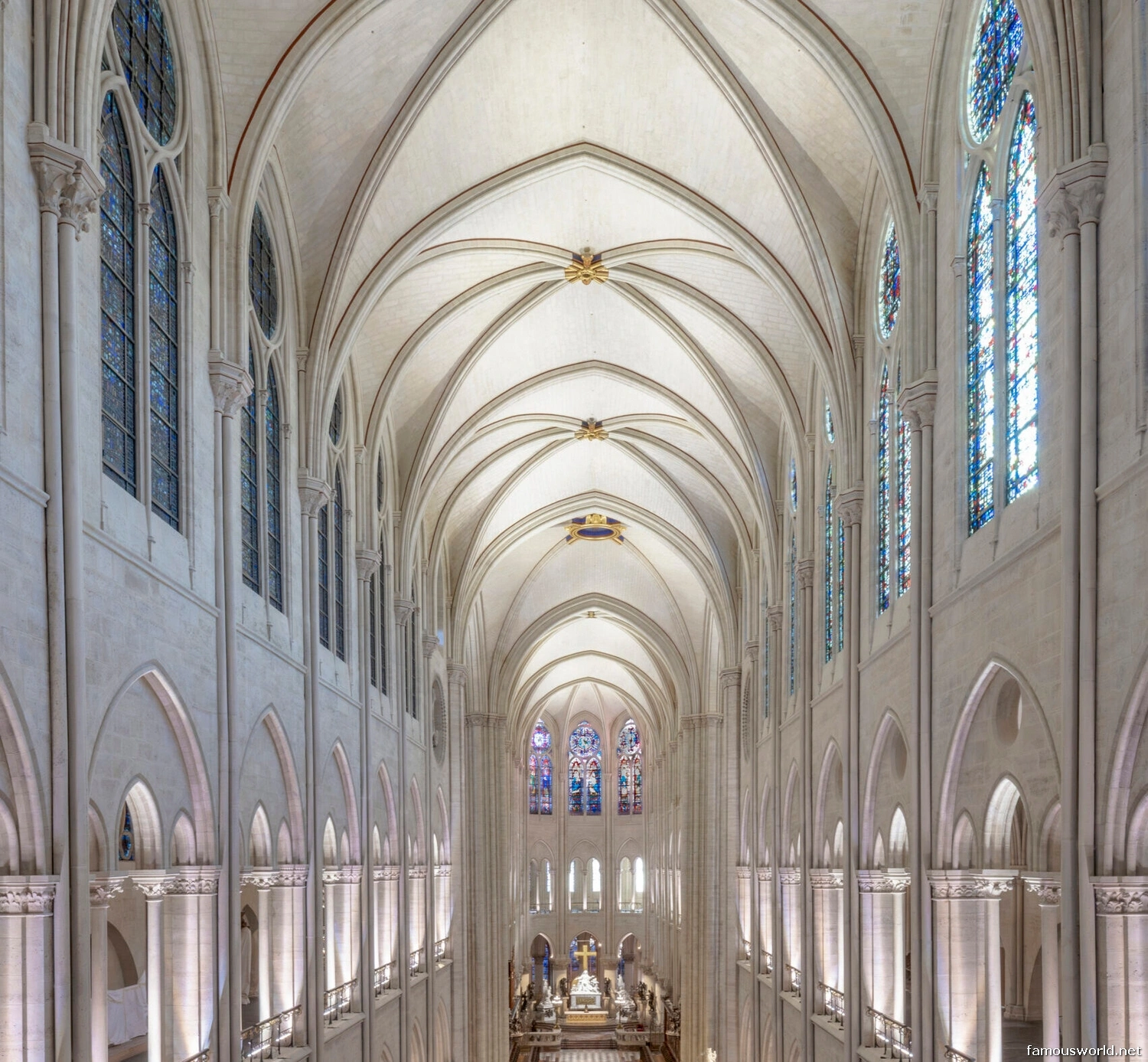
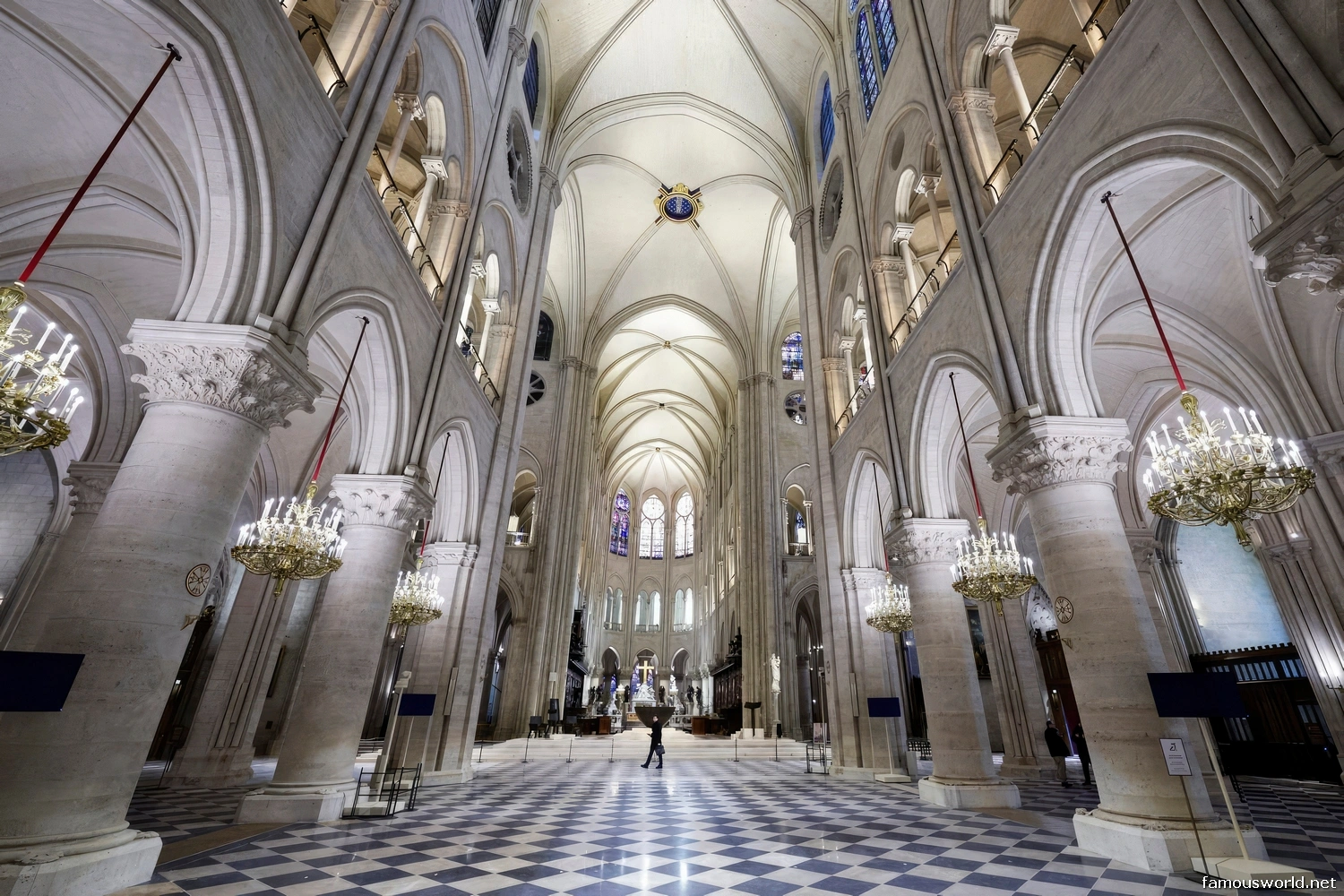
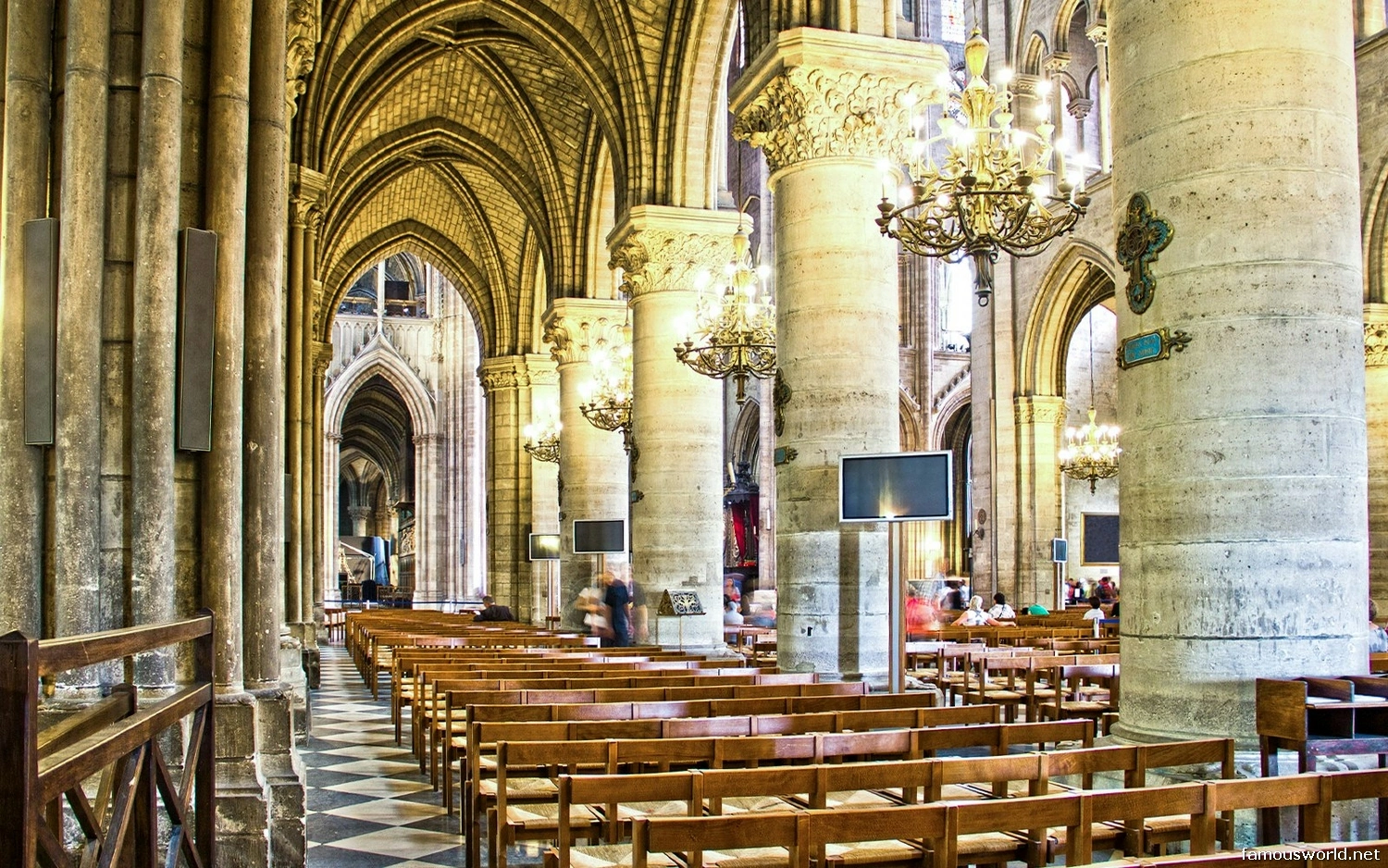
- Architectural Style & Design: The cathedral is one of the finest examples of French Gothic architecture. Its design pioneered the use of the rib vault and the flying buttress, which allowed for thinner walls and the installation of enormous stained-glass windows. This revolutionary structure creates an interior that is both vast in scale and filled with light.
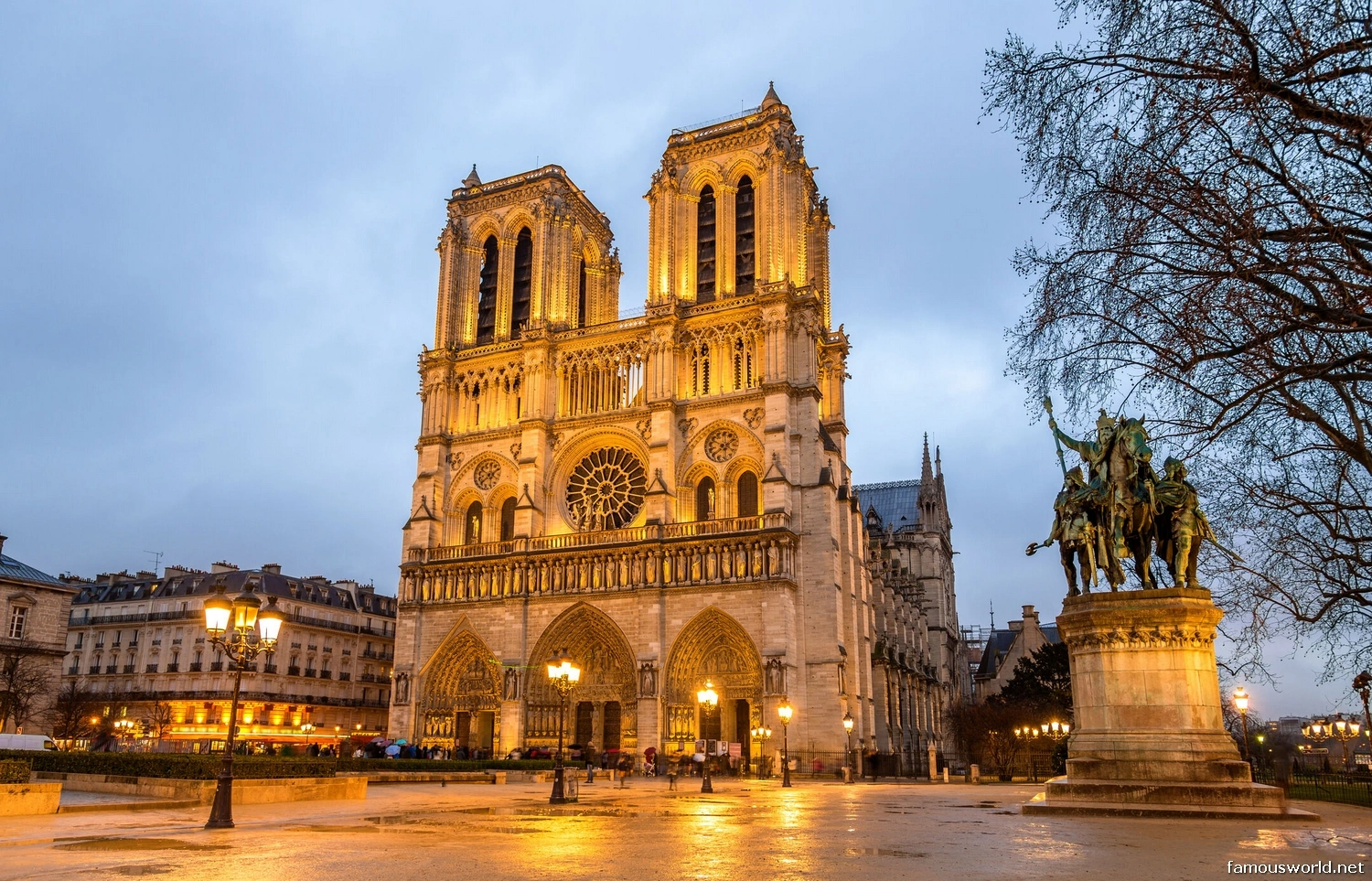
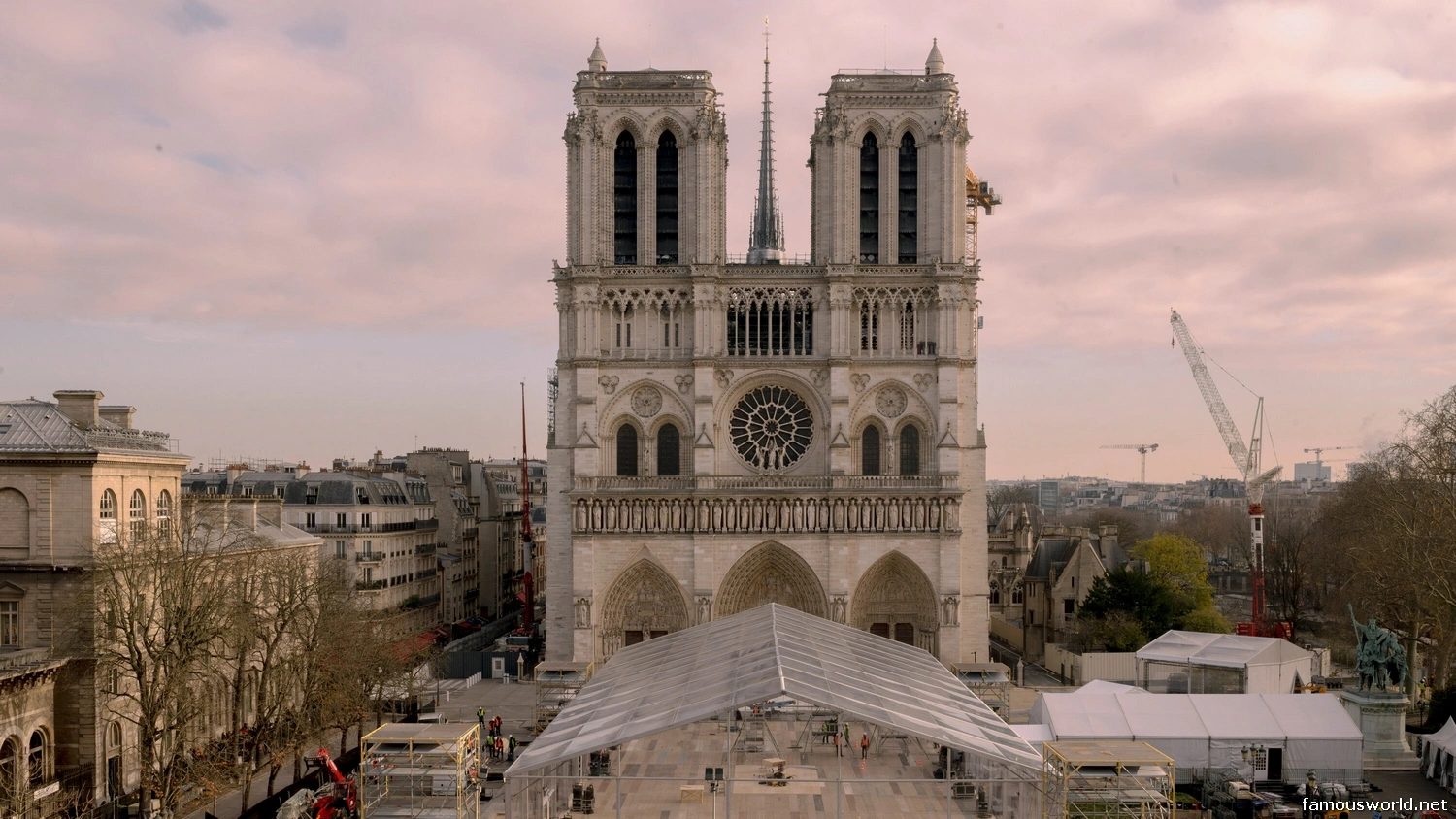
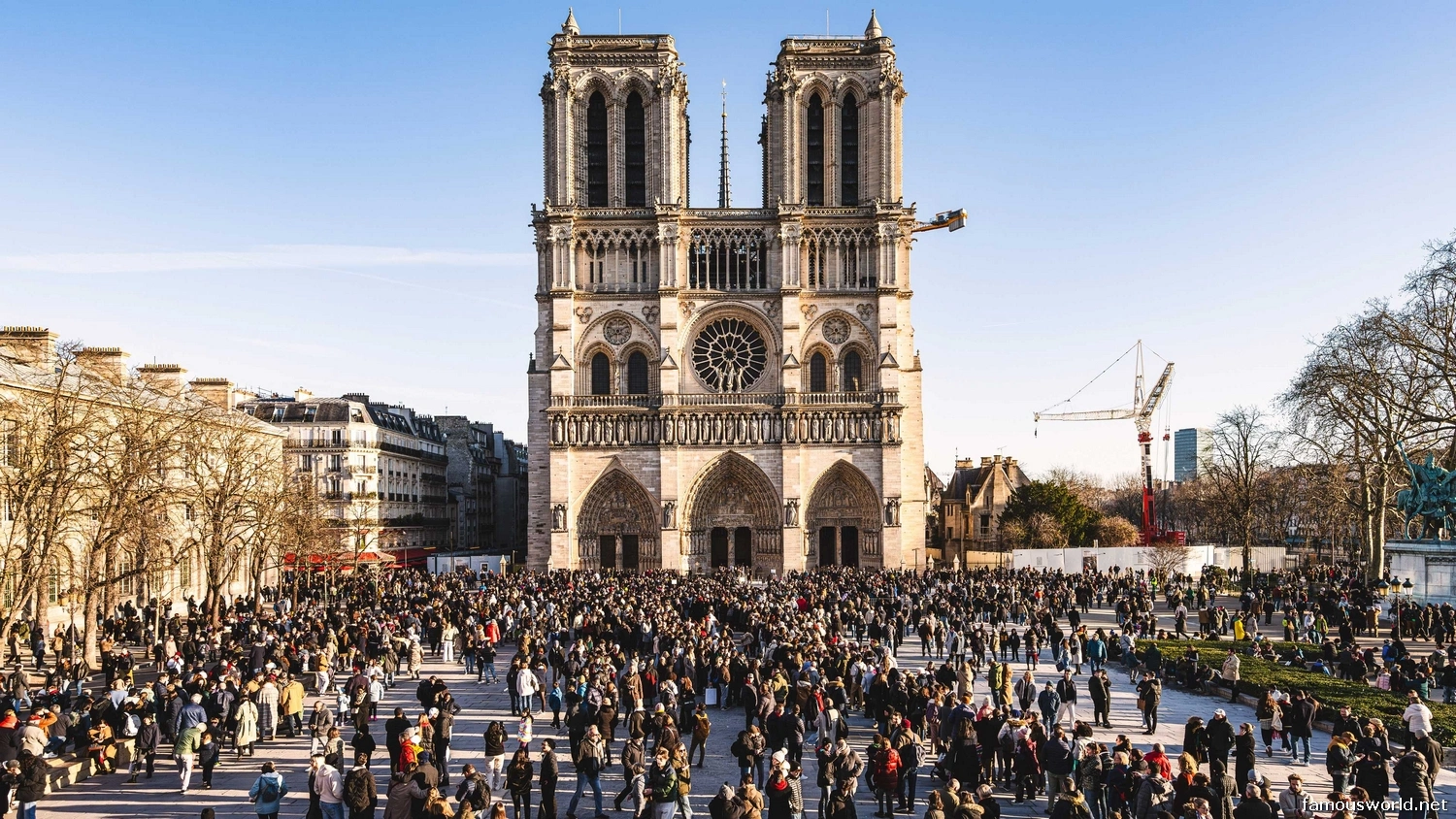
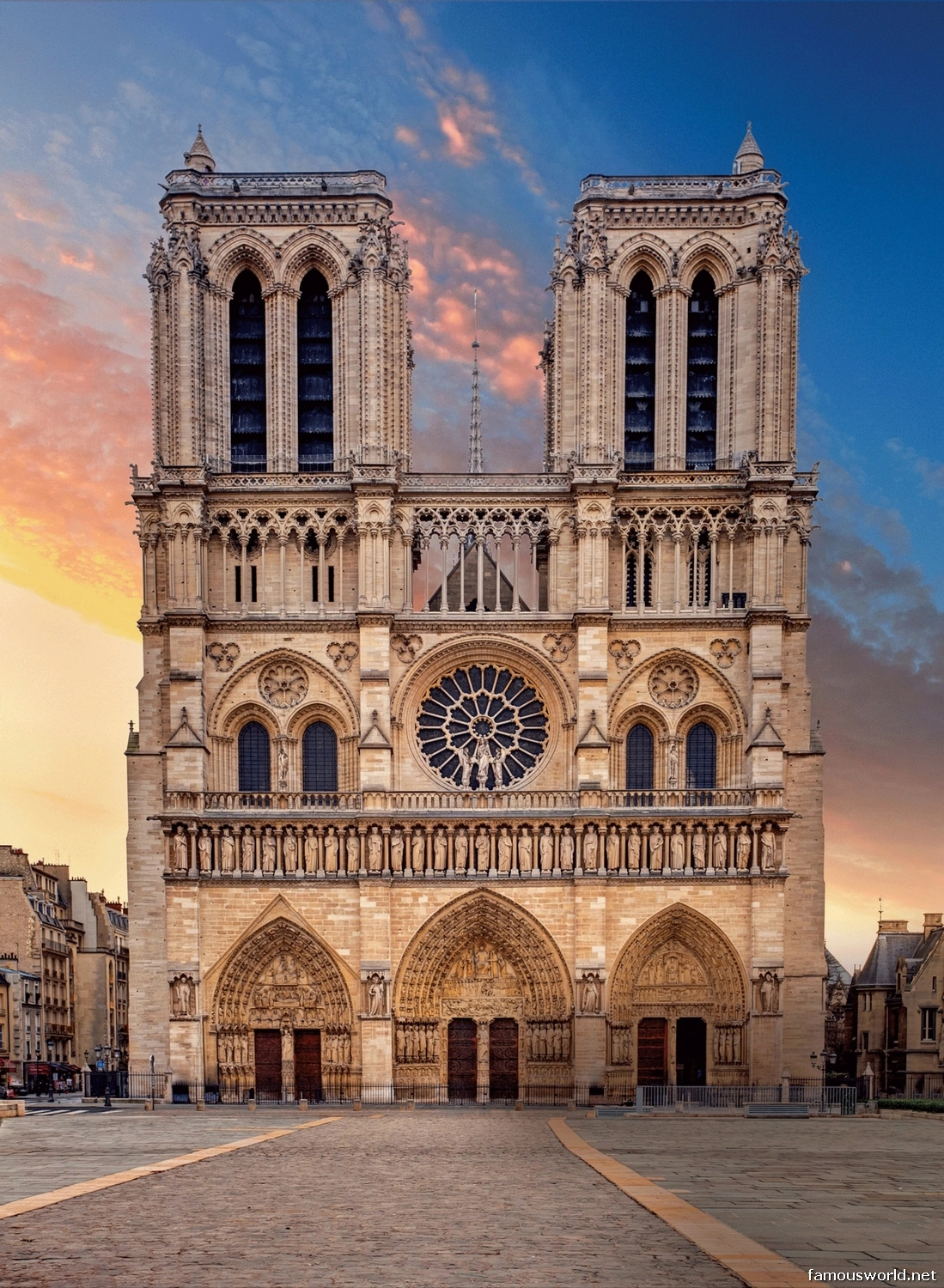
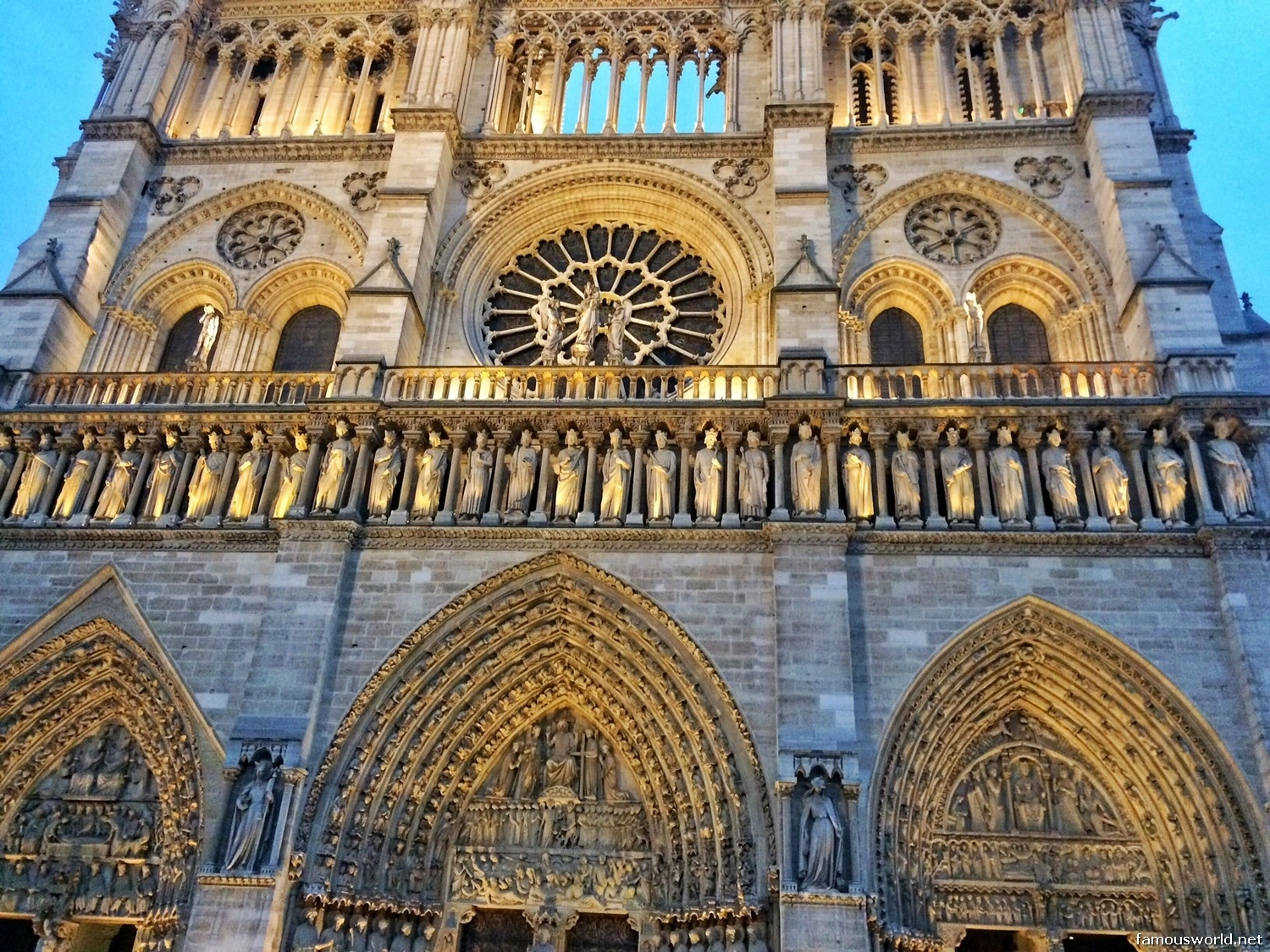
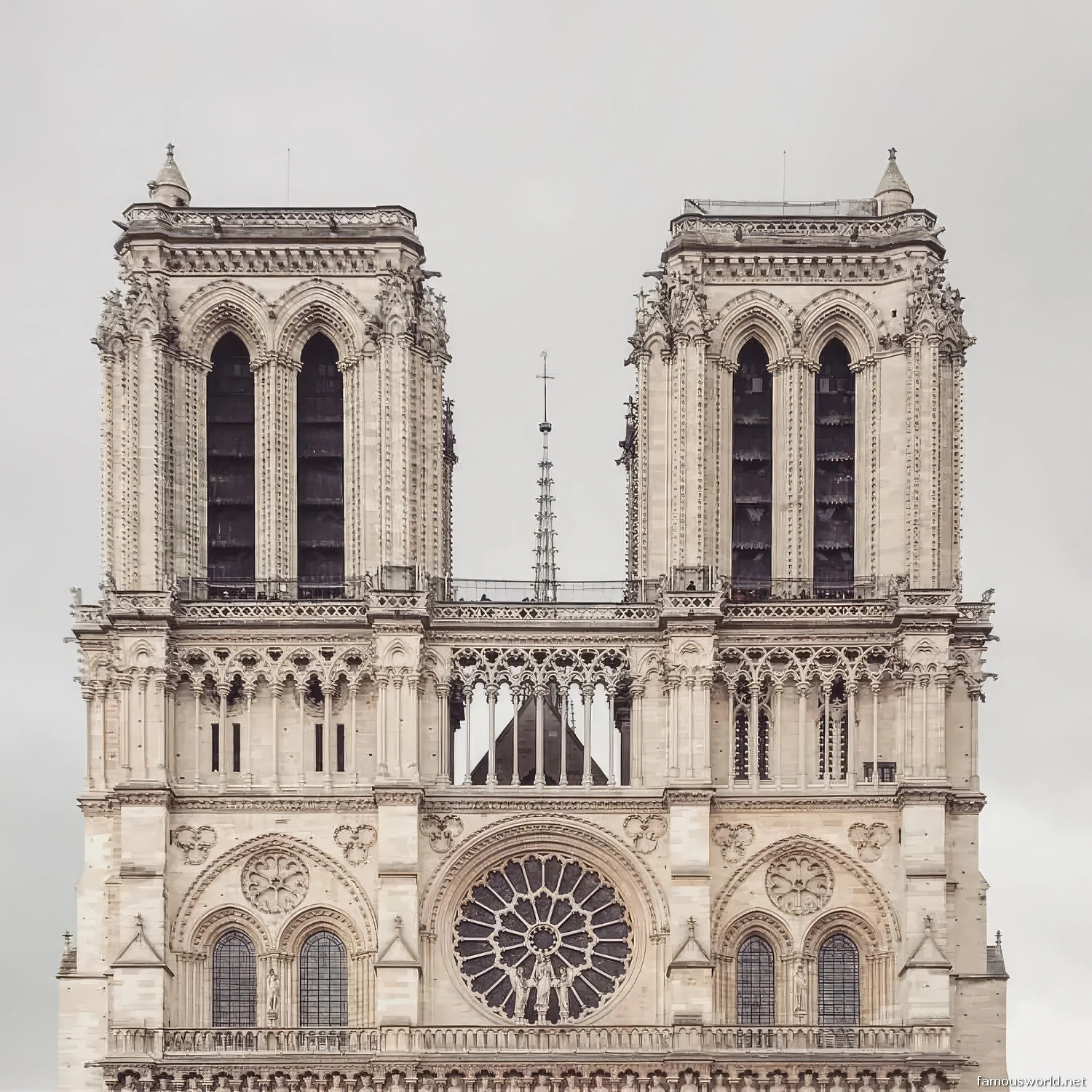
- Iconic Features: The exterior is defined by its two 69-meter (226-foot) flat-topped towers, which offer incredible views of the city. The three ornate portals of the west facade are decorated with elaborate stone sculptures of biblical scenes. Its three spectacular rose windows, particularly the South Rose Window, are masterpieces of medieval craftsmanship. The central spire, which collapsed in the 2019 fire, was a 19th-century addition by architect Eugène Viollet-le-Duc and has been meticulously reconstructed.
- Urban Landscape: Notre-Dame occupies a commanding position on the Île de la Cité, the natural island in the Seine where Paris was born. This central location makes it the geographical and historical nucleus of the city, with “Point Zéro” (the marker from which all road distances in France are measured) located in the square out front.
What Makes It Famous
Notre-Dame’s fame is a powerful blend of its architectural genius, historical significance, and cultural impact.
- A Gothic Masterpiece: It is considered the benchmark against which other Gothic cathedrals are measured, representing the pinnacle of the style’s grace and engineering ambition.
- The Crown of Thorns: For centuries, the cathedral housed some of Christianity’s most sacred relics, including the Crown of Thorns, which was rescued from the 2019 fire.
- “The Hunchback of Notre-Dame”: Victor Hugo’s 1831 novel, featuring Quasimodo and Esmeralda, immortalized the cathedral in popular culture, cementing its persona and sparking a major restoration movement in the 19th century.
- The 2019 Fire: The catastrophic fire on April 15, 2019, shocked the world. The subsequent global outpouring of support and the painstaking, multi-billion-dollar restoration project have become a historic story in their own right.
Differences from Other Wonders
As a sacred place of worship, Notre-Dame offers a profoundly different experience from the Louvre, a palace dedicated to secular art.
- Environment (Active Cathedral vs. Museum Palace): Notre-Dame is first and foremost a consecrated Catholic church and an active place of worship and pilgrimage. The Louvre is a former royal palace repurposed as a secular institution to display art from around the world.
- Core Story (Spiritual History vs. Art History): The story of Notre-Dame is one of faith, religious devotion, and the spiritual history of France. The story of the Louvre is one of human creativity, cultural history, and the political power of French monarchs.
- Primary Attraction (Sacred Architecture vs. Art Collection): The primary attraction of Notre-Dame is the building itself as a sacred space—its awe-inspiring architecture, its spiritual atmosphere, and its religious function. The primary attraction of the Louvre is the priceless collection of art housed within its walls.
- Atmosphere (Sacred and Solemn vs. Cultural and Reverential): A visit to Notre-Dame inspires a sense of the sacred, solemnity, and spiritual contemplation. A visit to the Louvre is a cultural and historical experience, evoking reverence for artistic genius.
Location on world map