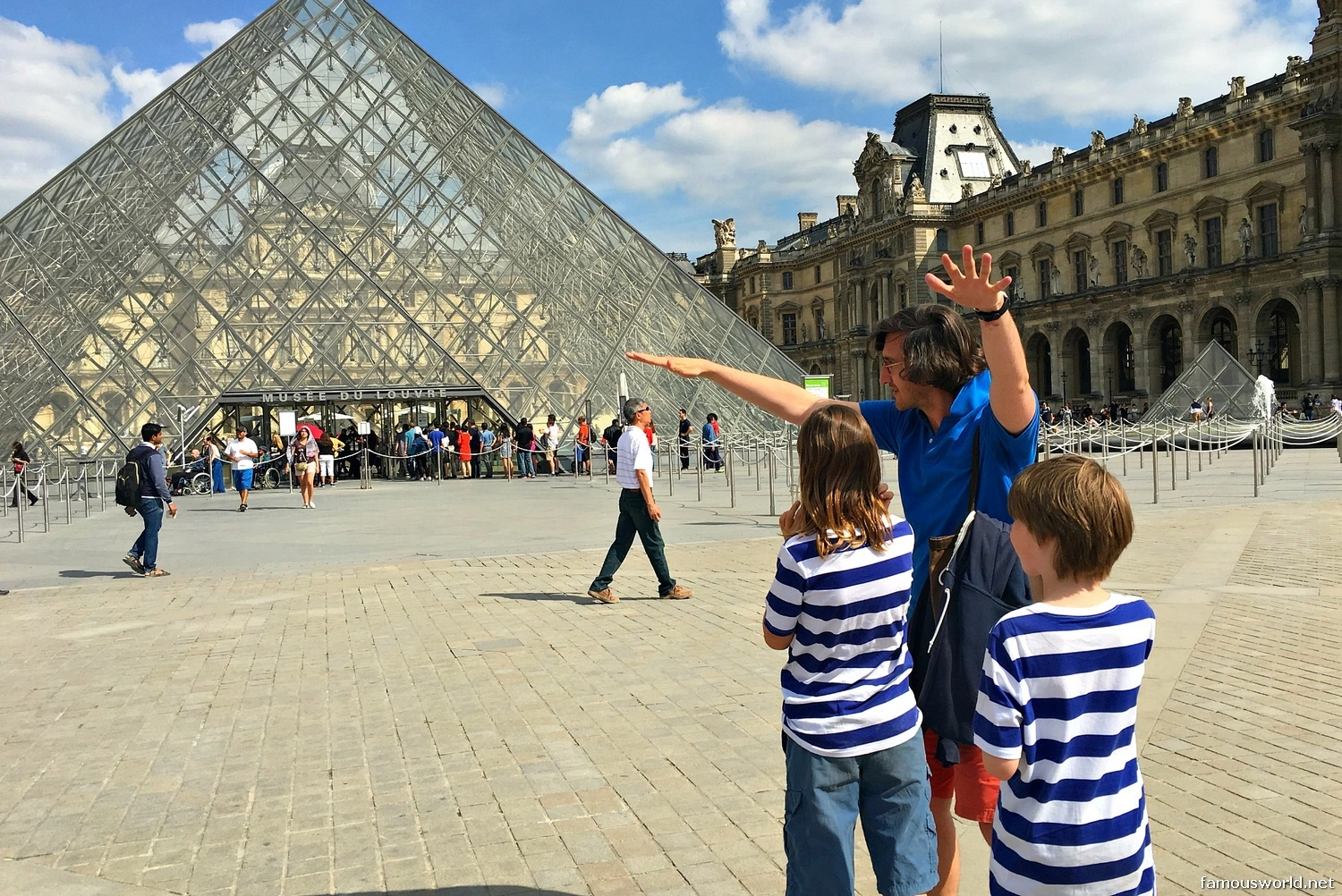



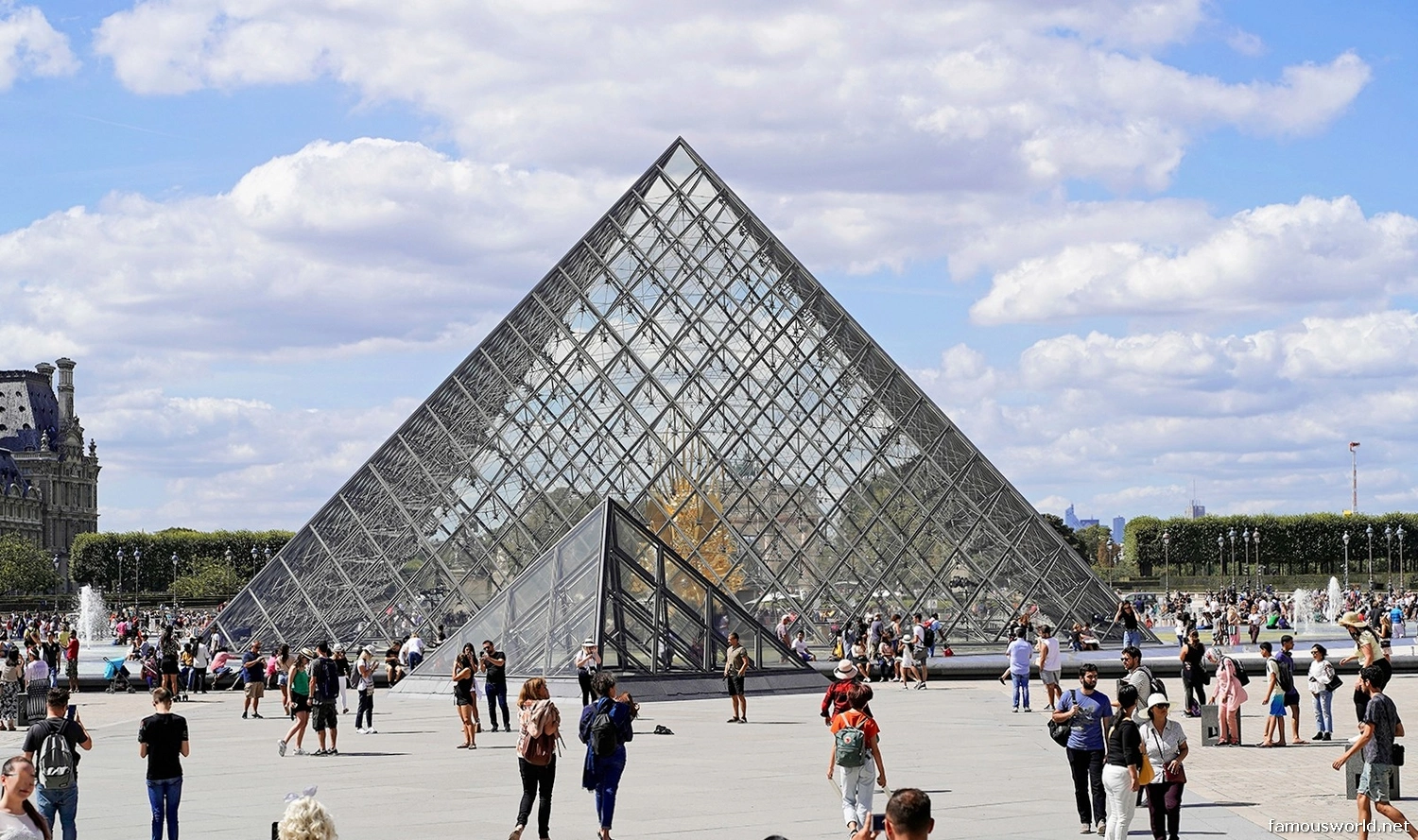
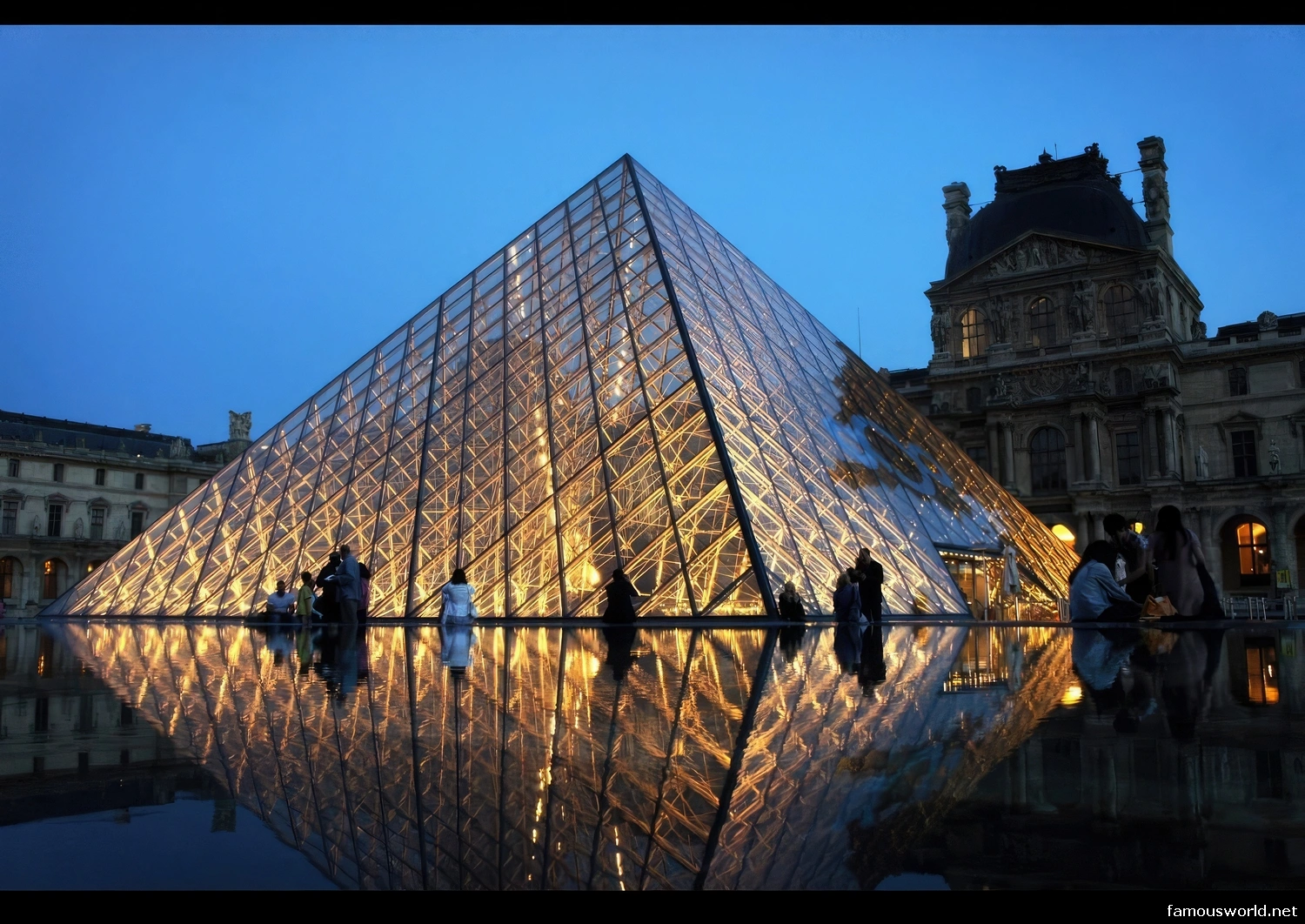

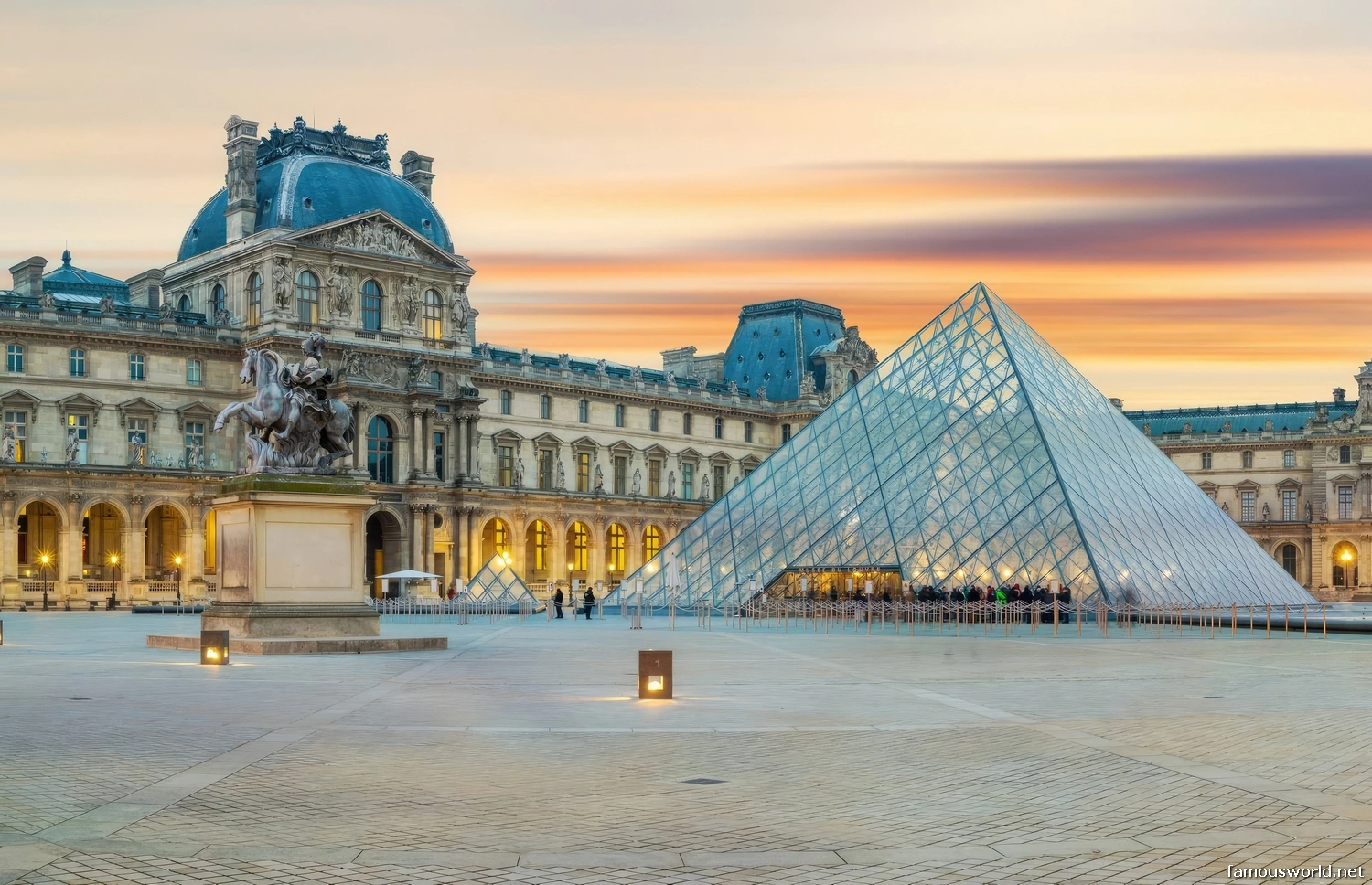
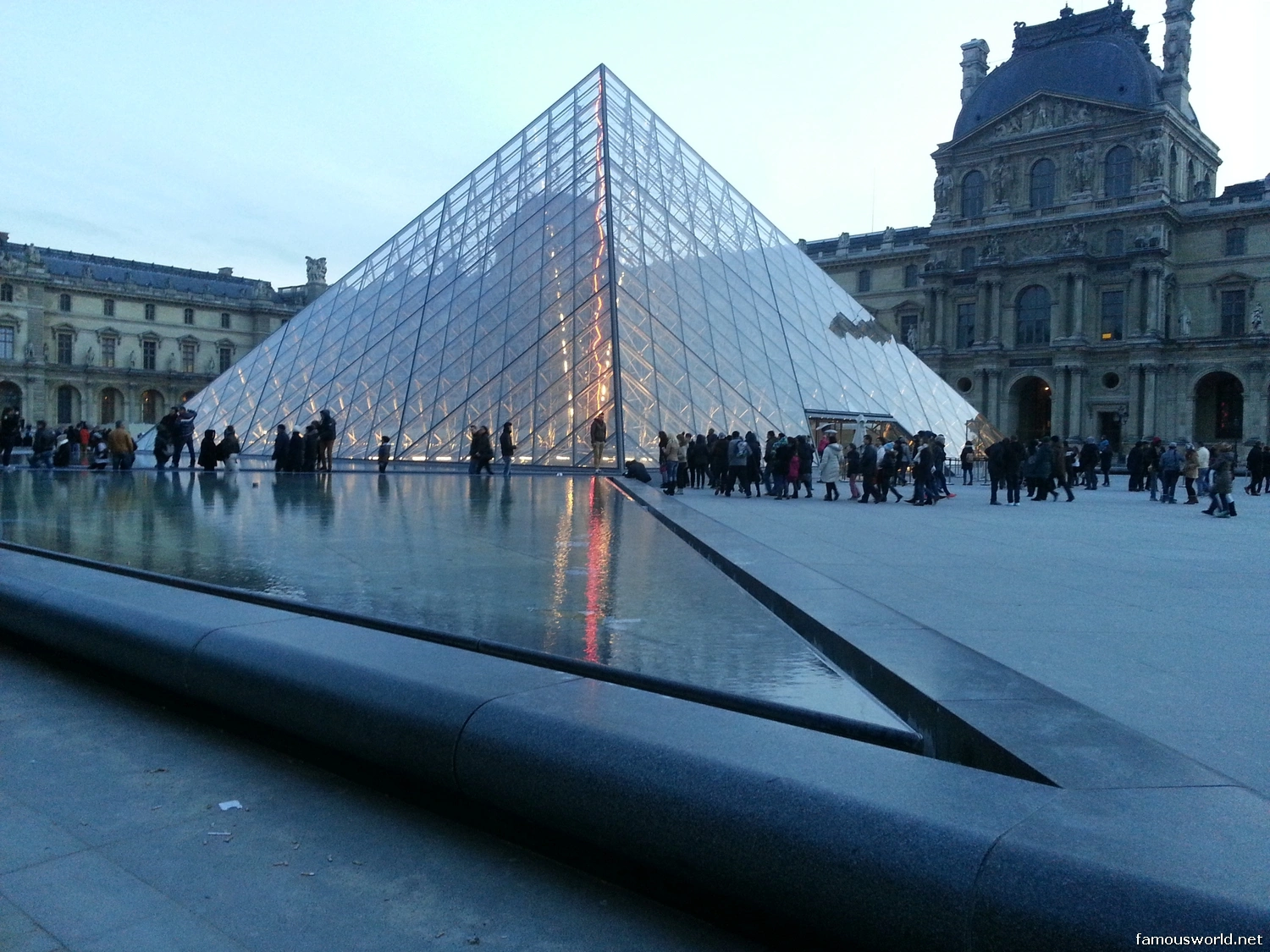


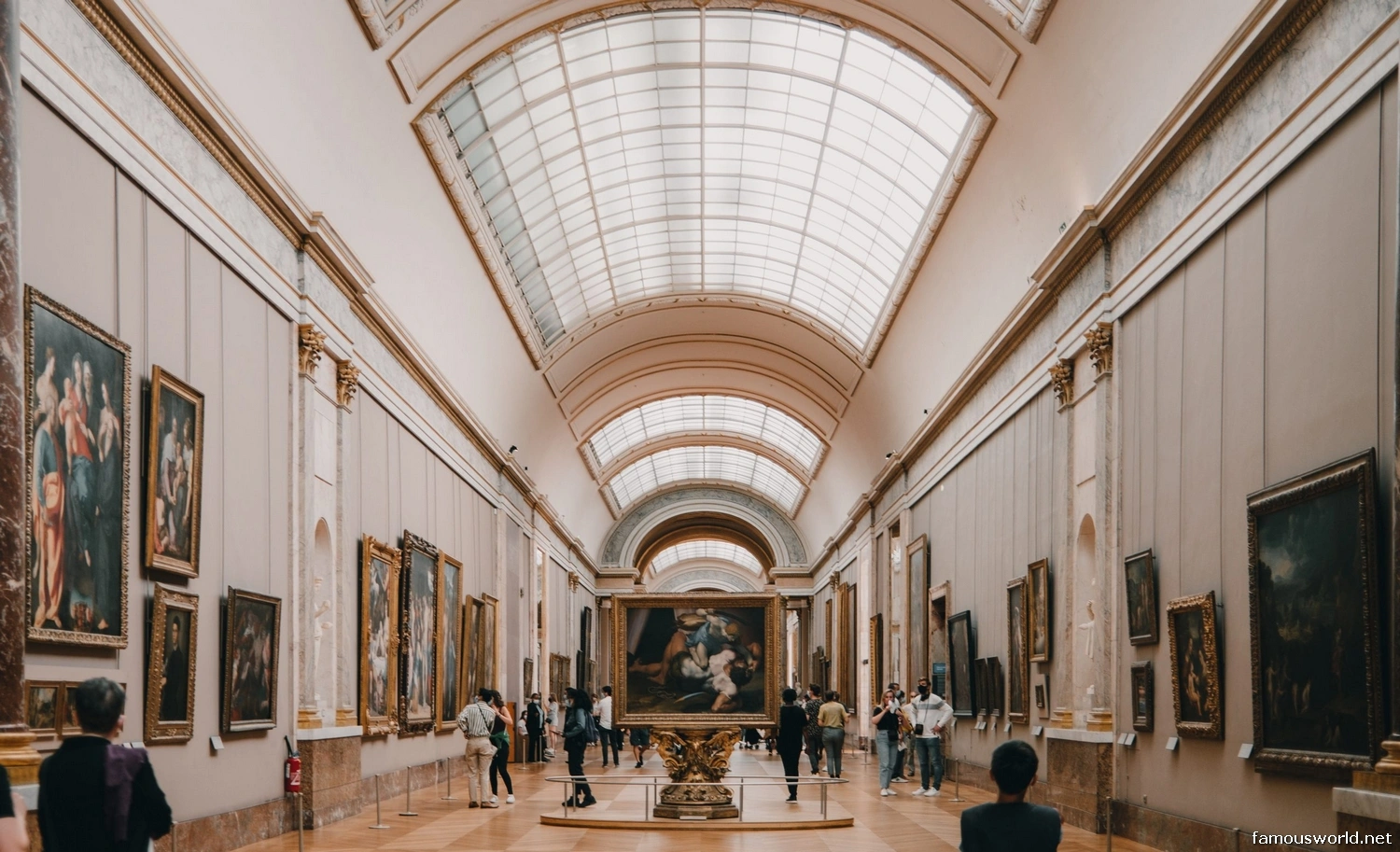
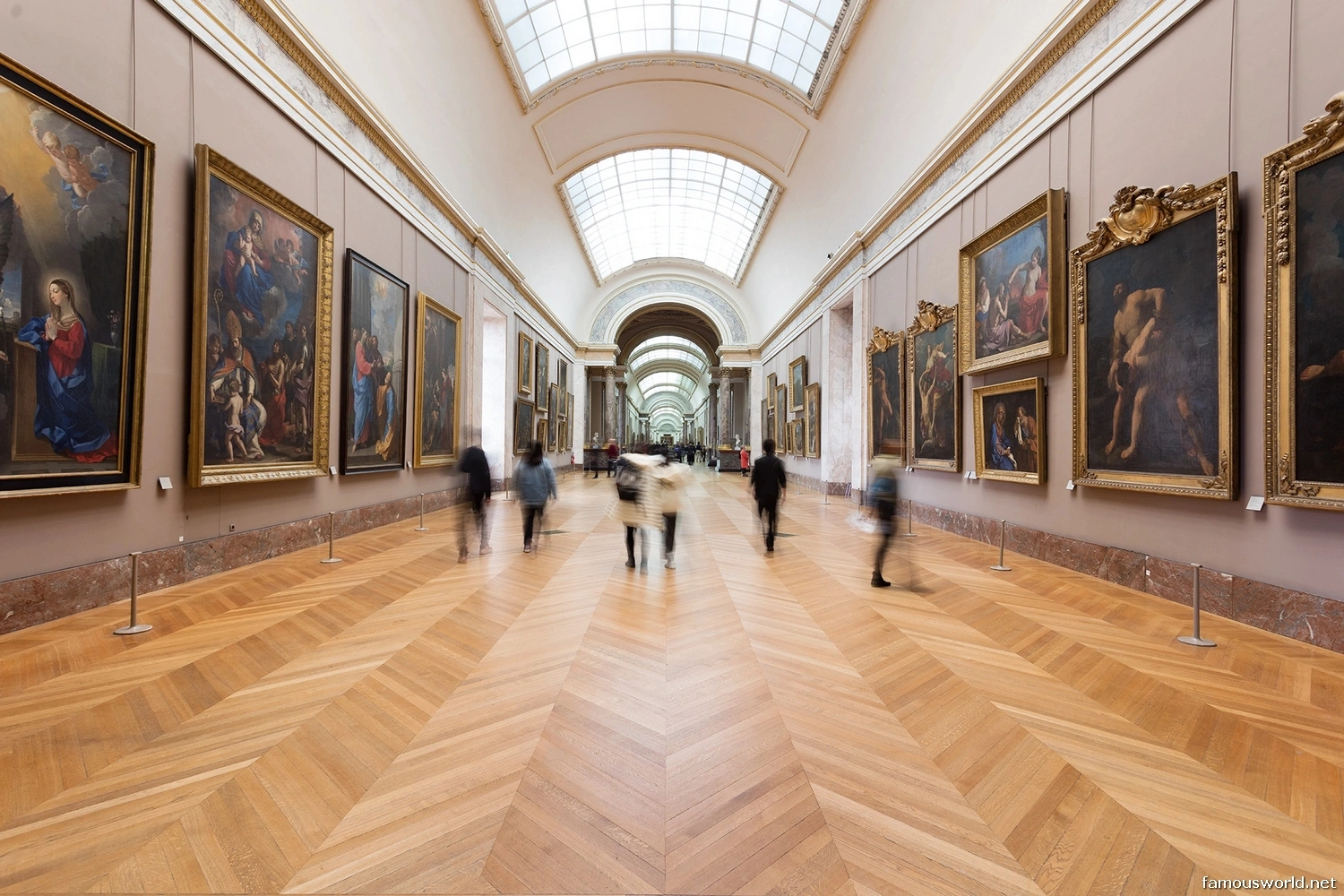


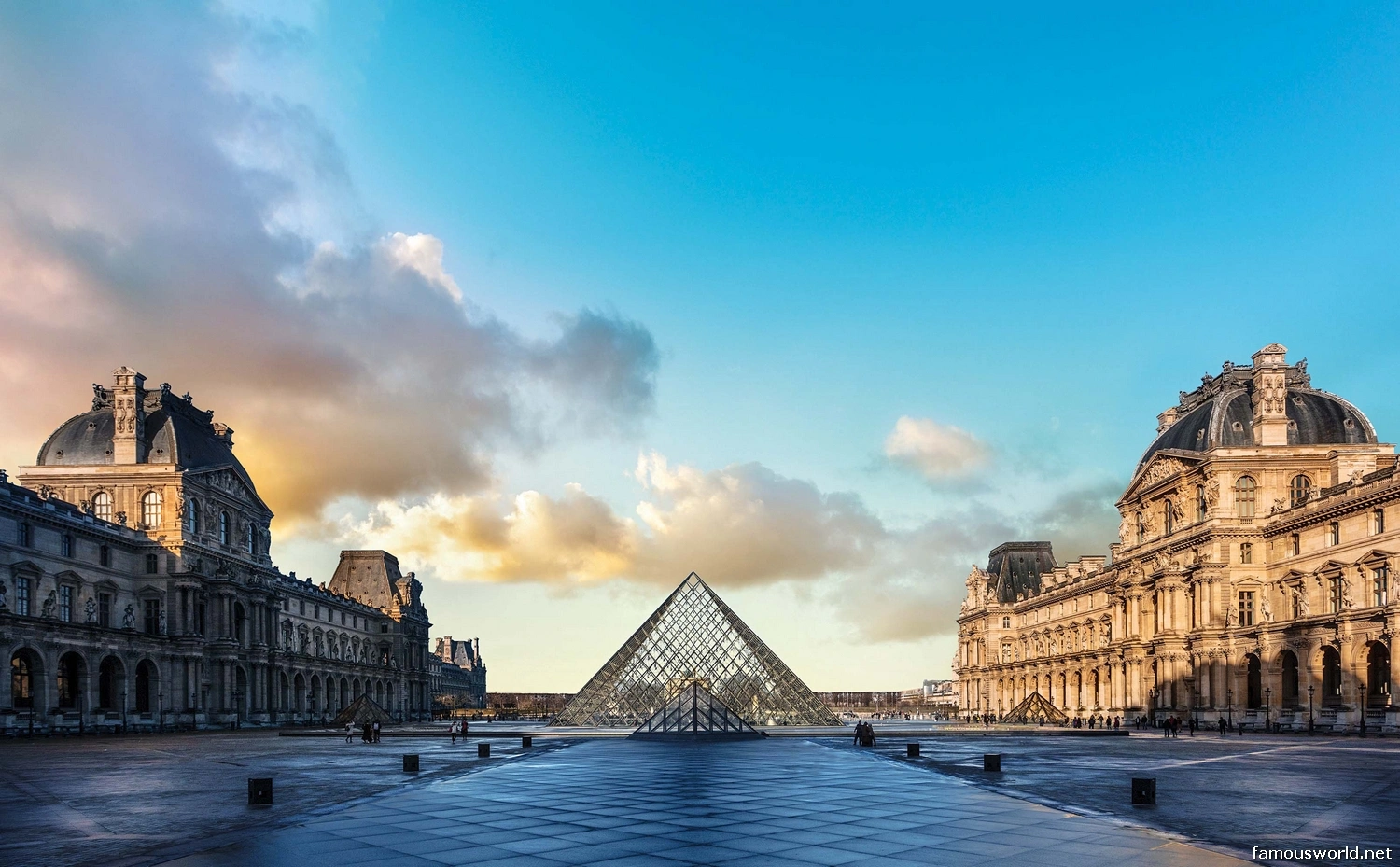

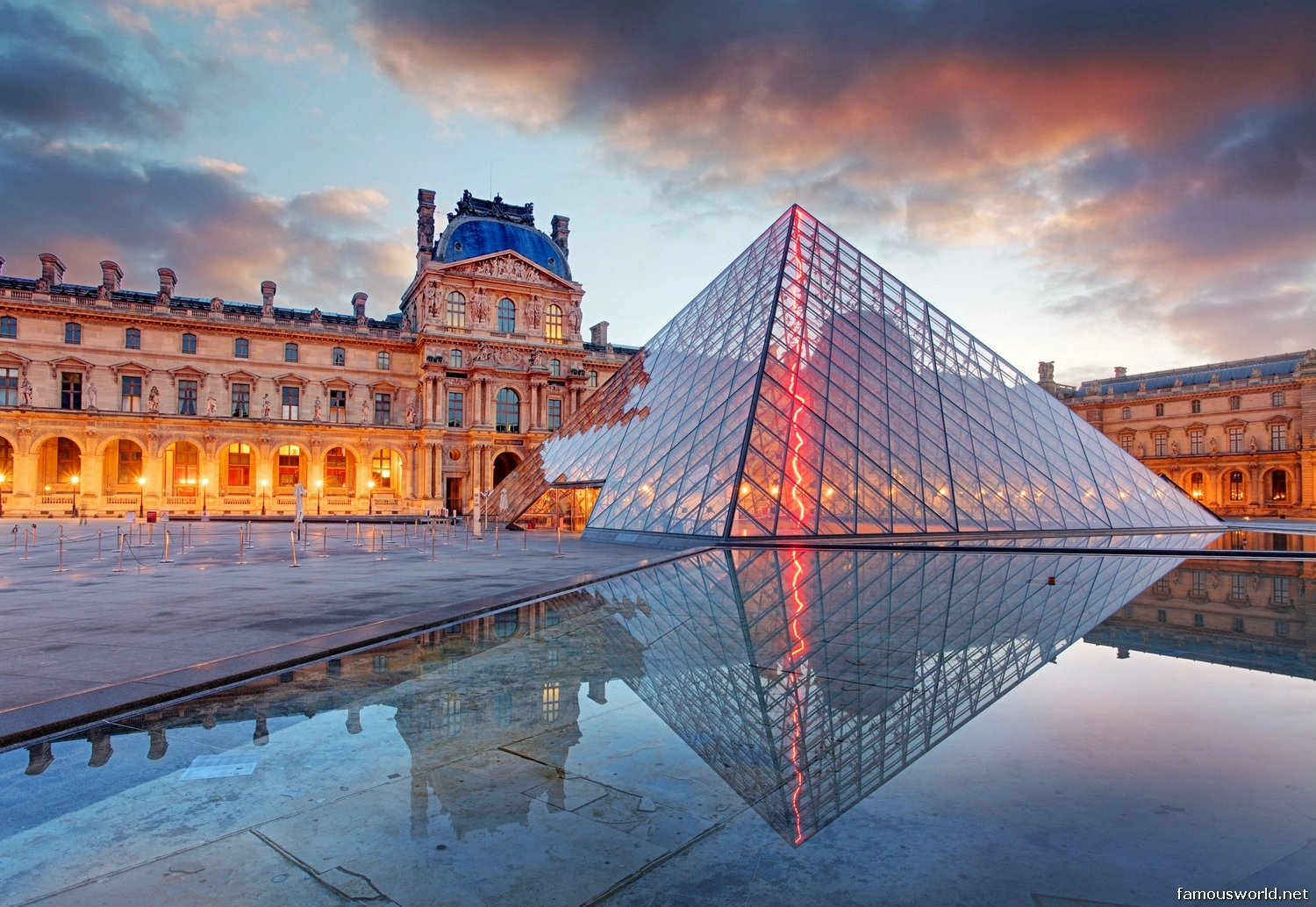
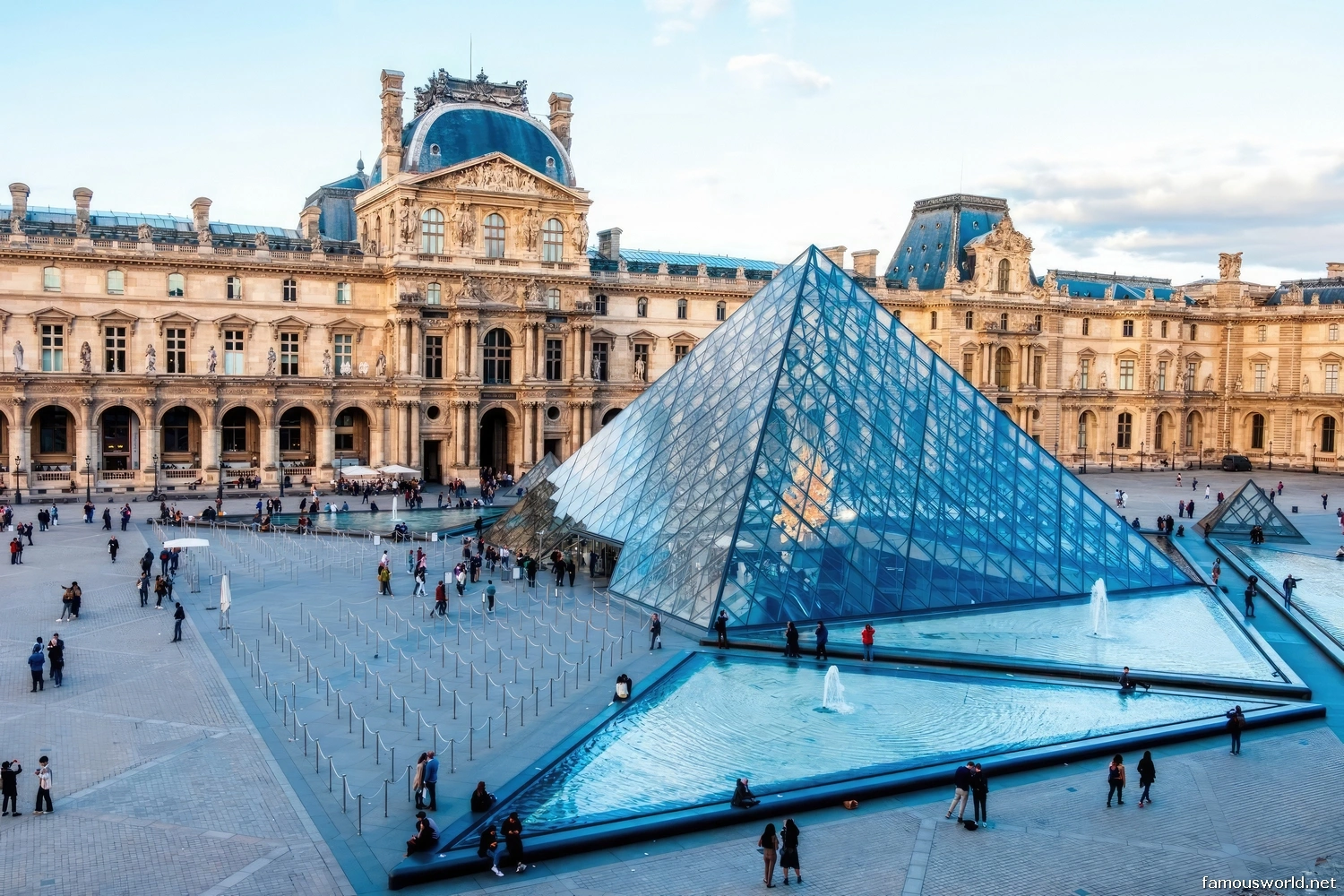

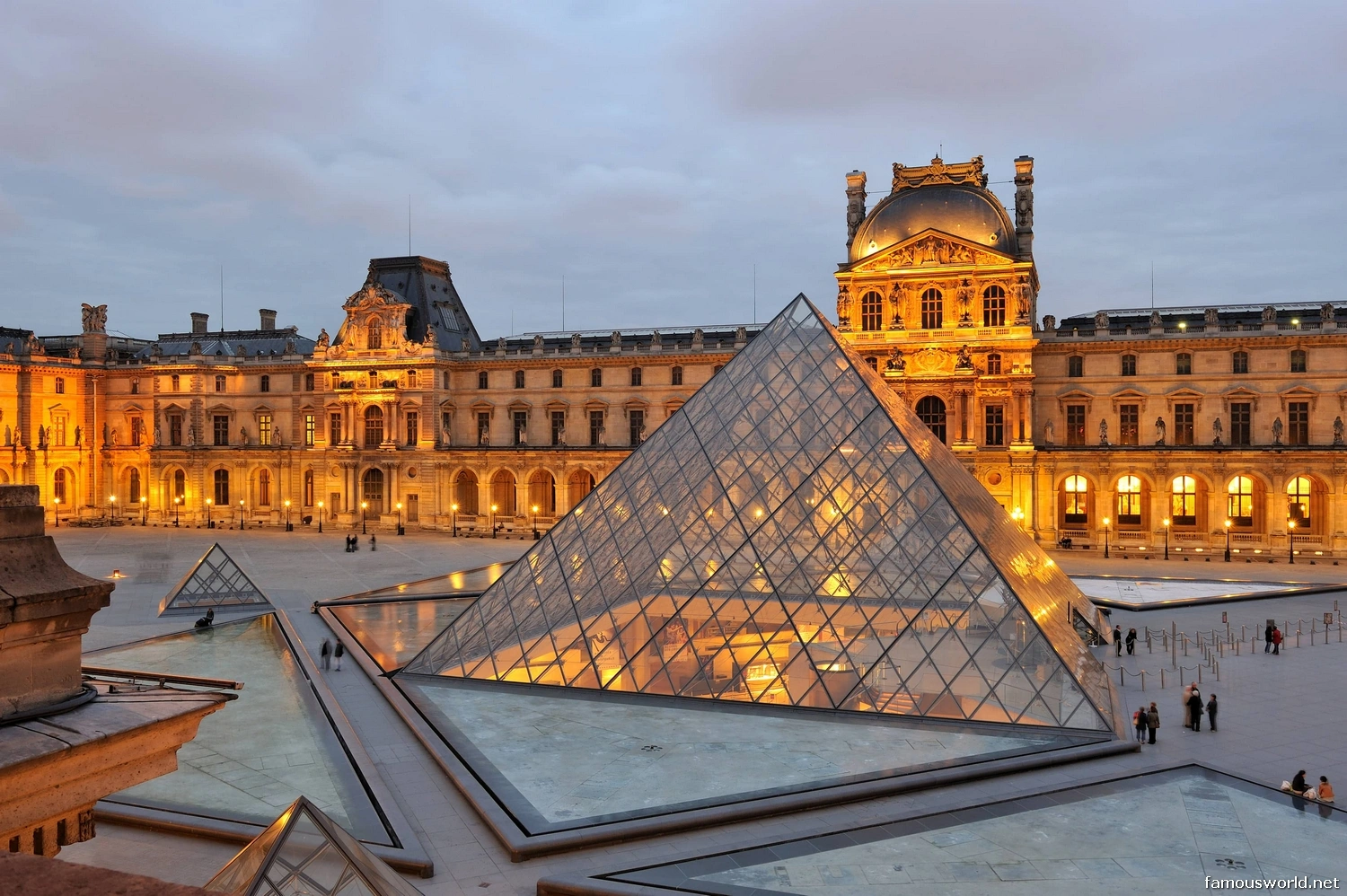
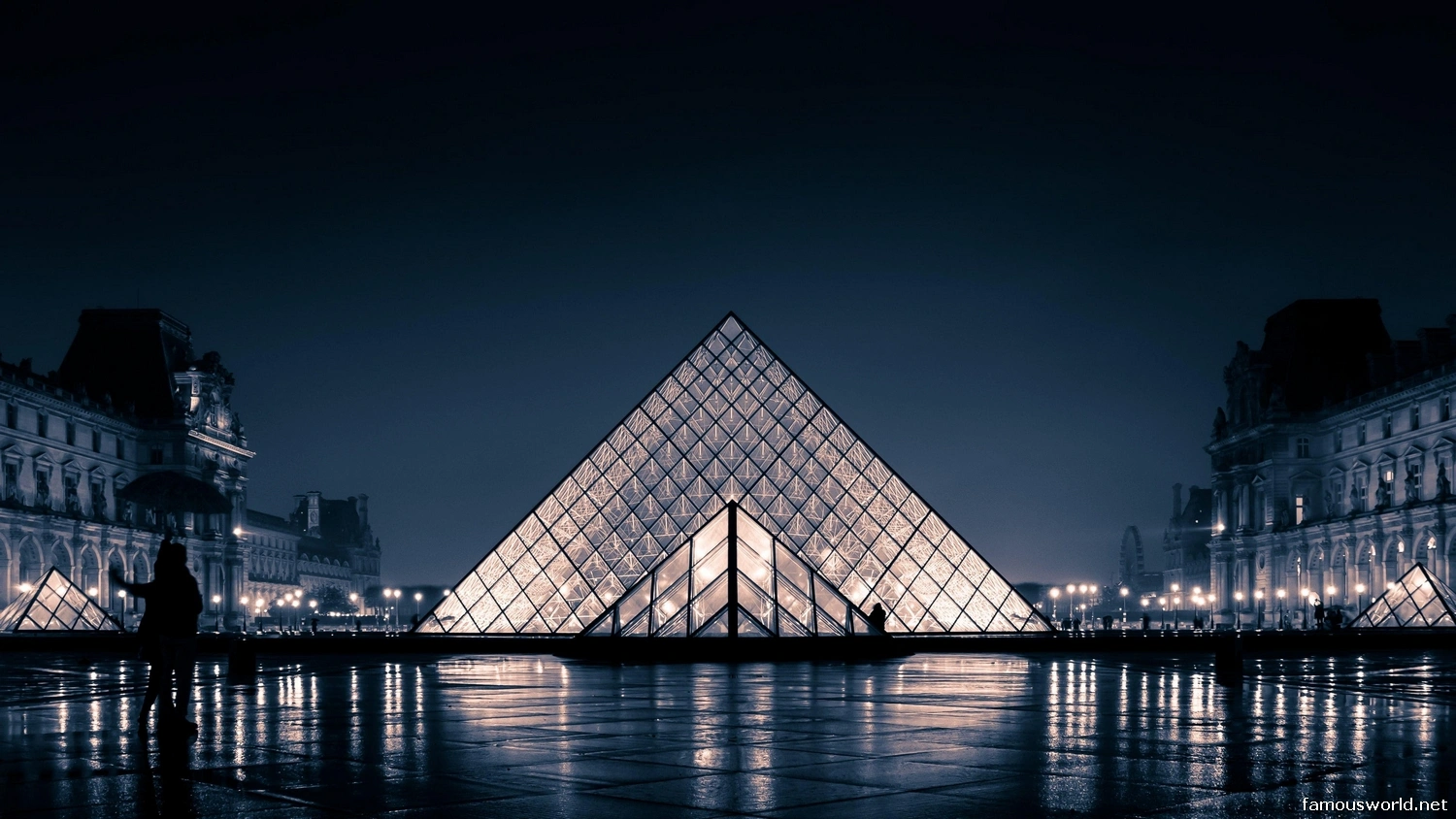
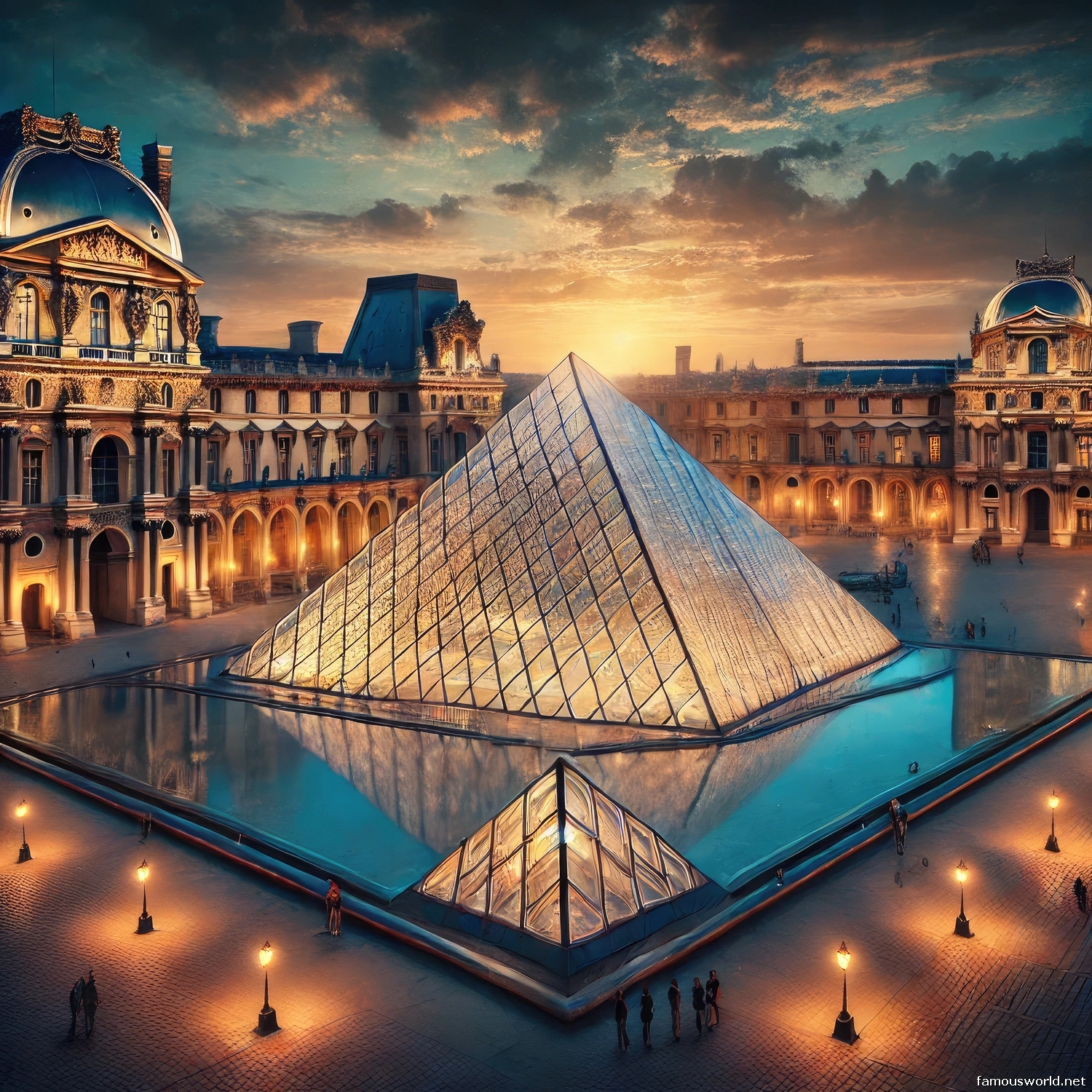
Home to the Mona Lisa, the Venus de Milo, and countless other masterpieces, the Louvre is not just a museum; it is a monumental testament to the history of human creativity. Located in the heart of Paris, it is the world’s largest and most visited art museum, a sprawling former royal palace whose galleries contain some of the most celebrated works in Western civilization. The journey through its vast corridors is a journey through time, from ancient civilizations to the great European masters of the 19th century. The iconic glass pyramid at its entrance, a bold modern statement against the backdrop of a grand Renaissance palace, perfectly symbolizes the Louvre’s status as a timeless bridge between the past and the present.
Listen to an introduction about Louvre Museum

Name and Location
- Name: Louvre Museum (French: Musée du Louvre).
- Location: Rue de Rivoli, 75001 Paris, France.
How to Get There
As a central Parisian landmark, the Louvre is easily accessible.
- By Métro: The most direct route is via Line 1 or Line 7 to the Palais Royal-Musée du Louvre station, which offers direct underground access to the museum’s shopping carousel.
- By Bus: Numerous city bus routes stop directly in front of the museum.
- By Boat: The Batobus river shuttle has a “Louvre” stop at the Quai François Mitterrand.
Landscape and Architecture
The Louvre’s architecture is a stunning chronicle of French history, from medieval fortress to modern marvel.
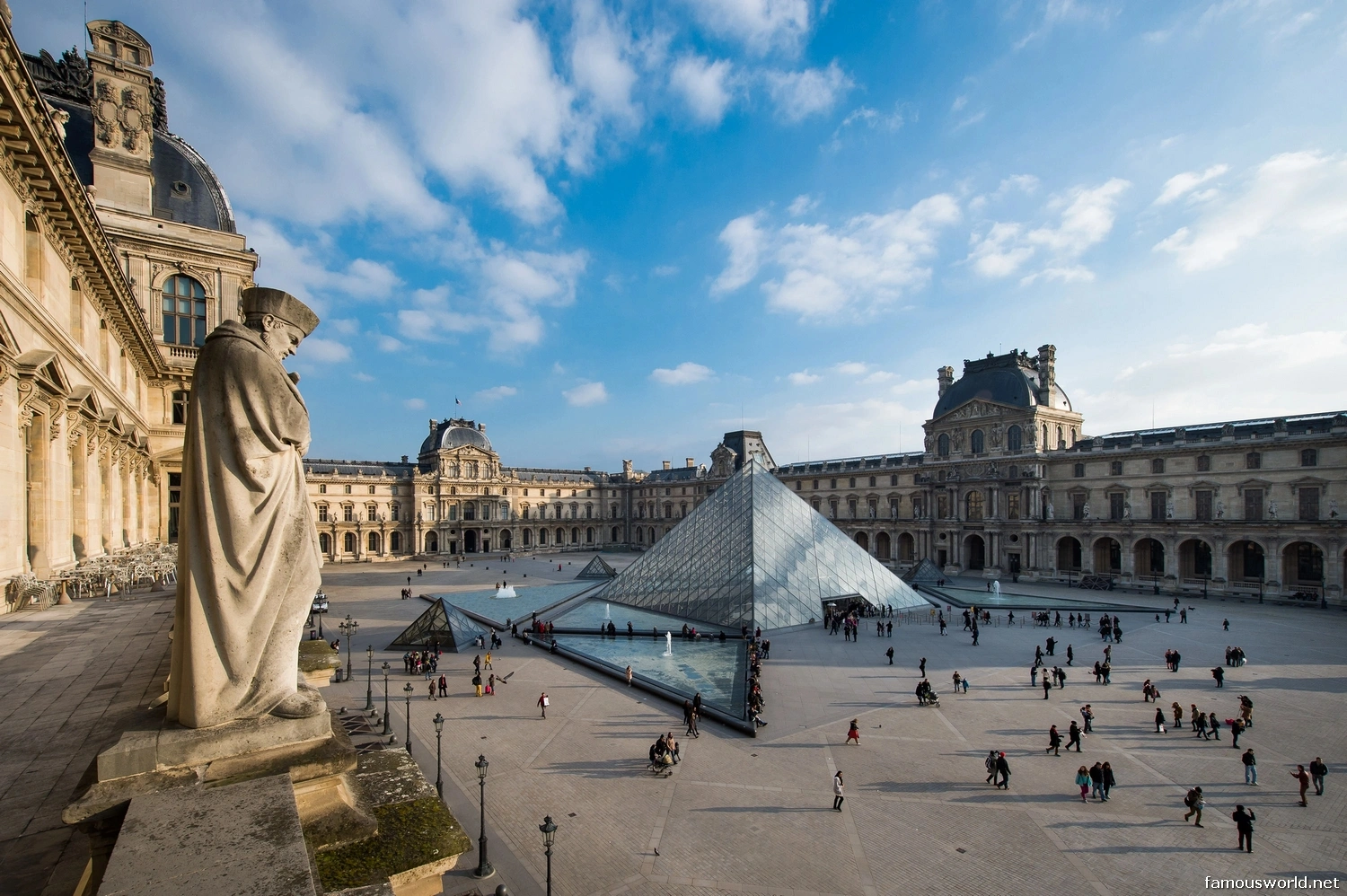
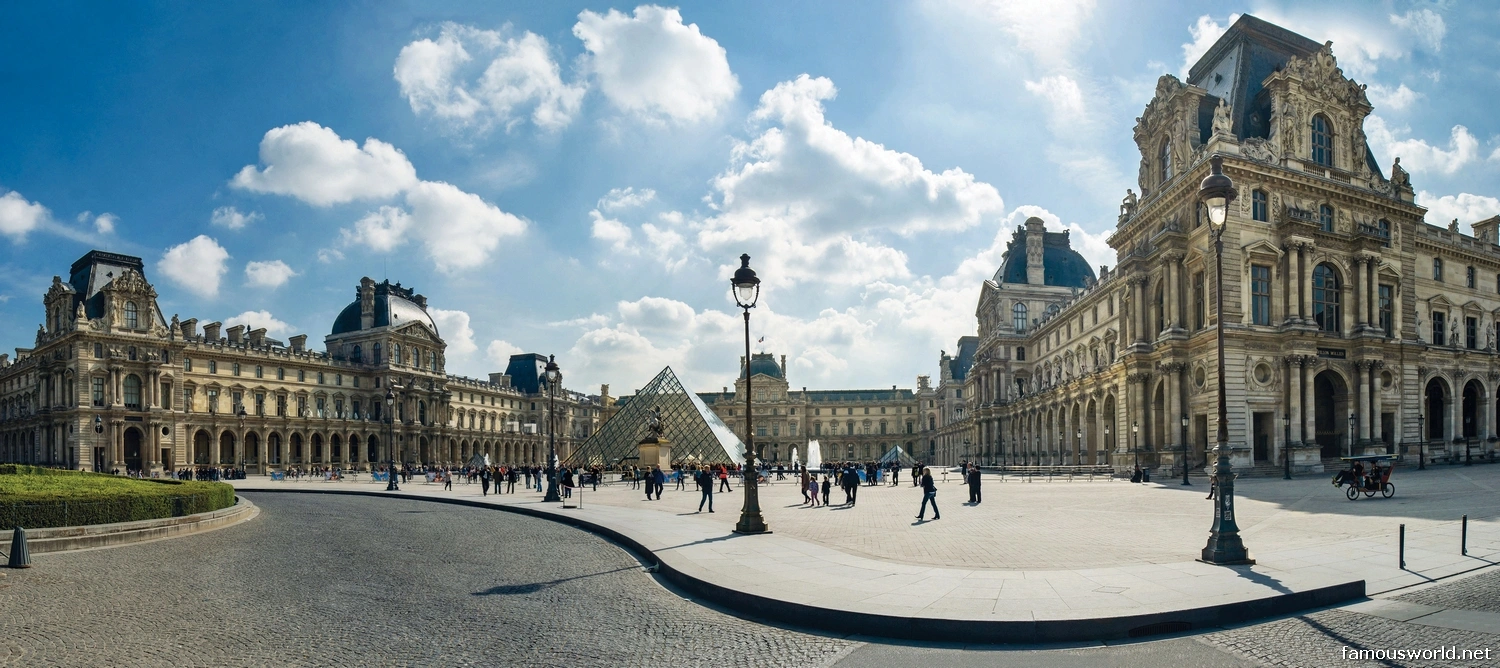
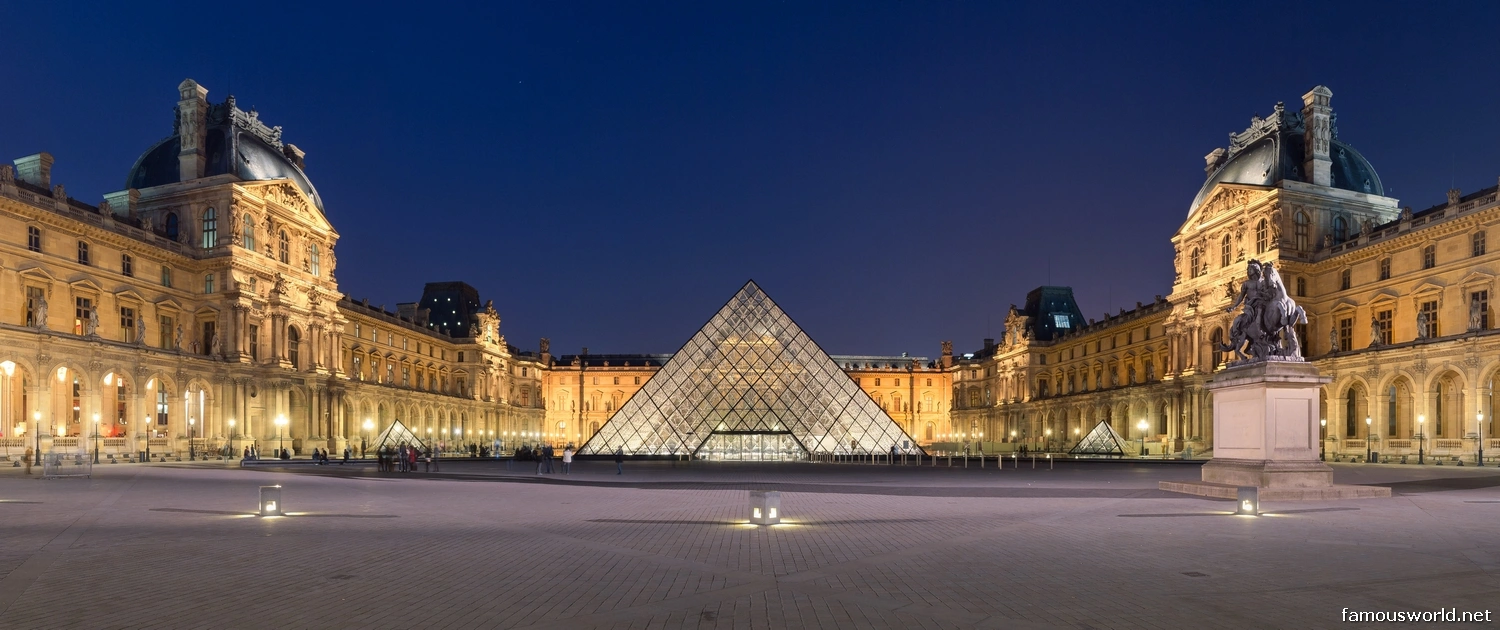
- Architectural Evolution: The building began as a 12th-century fortress, the remains of which are still visible in the museum’s basement. It was converted into a grand royal palace in the 16th century and was expanded by nearly every subsequent French monarch, resulting in a sprawling, U-shaped complex of interconnected wings that showcases centuries of architectural styles.
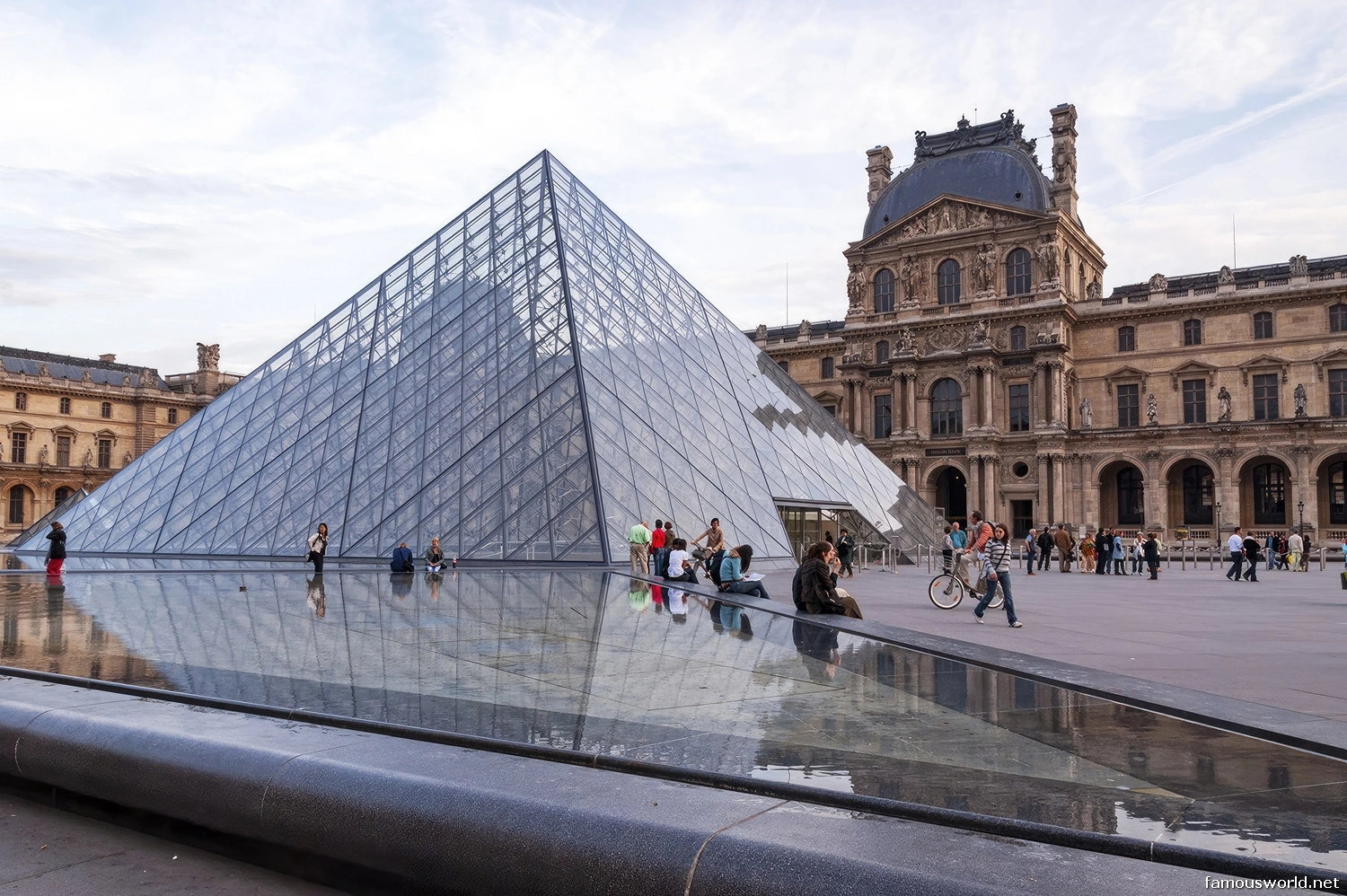
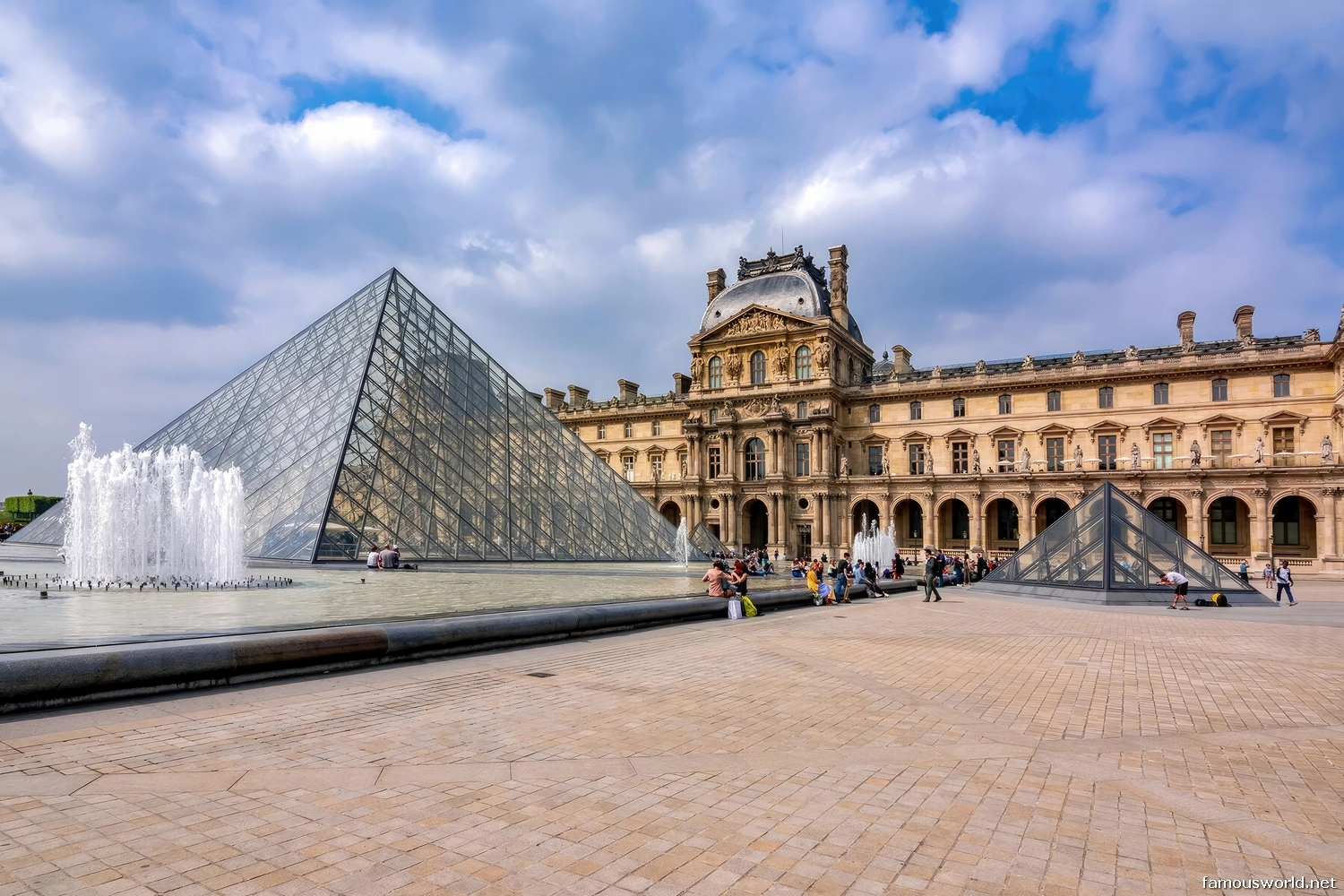
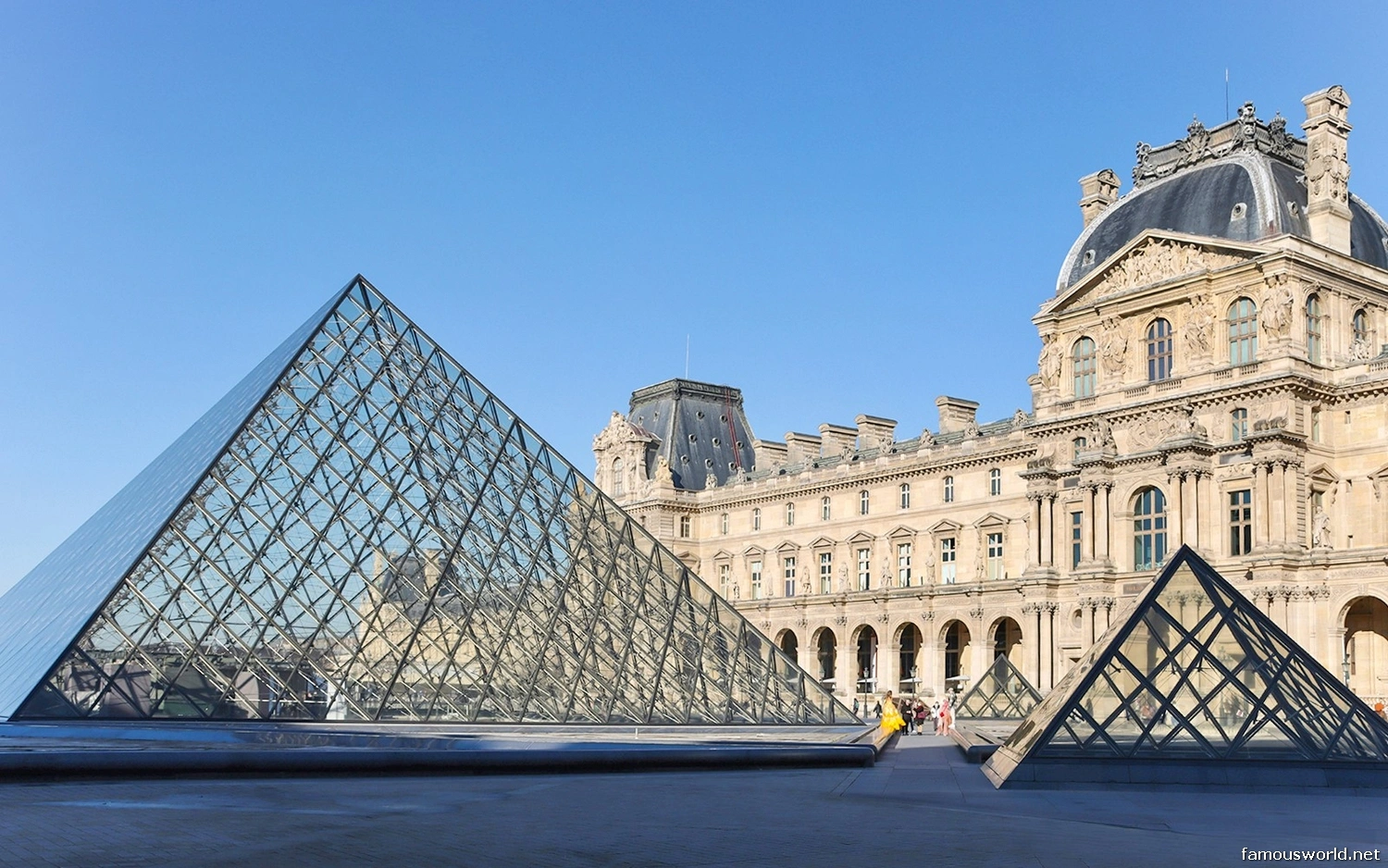
- Cour Napoléon and the Pyramid: The main courtyard, the Cour Napoléon, is the site of the Louvre’s most famous modern feature: the large glass and metal pyramid designed by architect I. M. Pei, which was completed in 1989. While initially controversial, the Pyramid now serves as the museum’s main entrance and is celebrated as a brilliant fusion of classical and modern design.
- Urban Landscape: The Louvre is situated on the Right Bank of the Seine River. It forms the anchor of the Axe Historique (Historic Axis), a line of monuments that runs through the heart of Paris, extending from the museum’s courtyard, through the Tuileries Garden, the Place de la Concorde, and up the Champs-Élysées to the Arc de Triomphe.
What Makes It Famous
The Louvre’s fame rests on the unparalleled quality and breadth of its collection, which includes some of the most iconic works of art ever created.
- The Mona Lisa: The museum is the permanent home of Leonardo da Vinci’s Mona Lisa, arguably the most famous painting in the world, attracting millions of visitors each year.
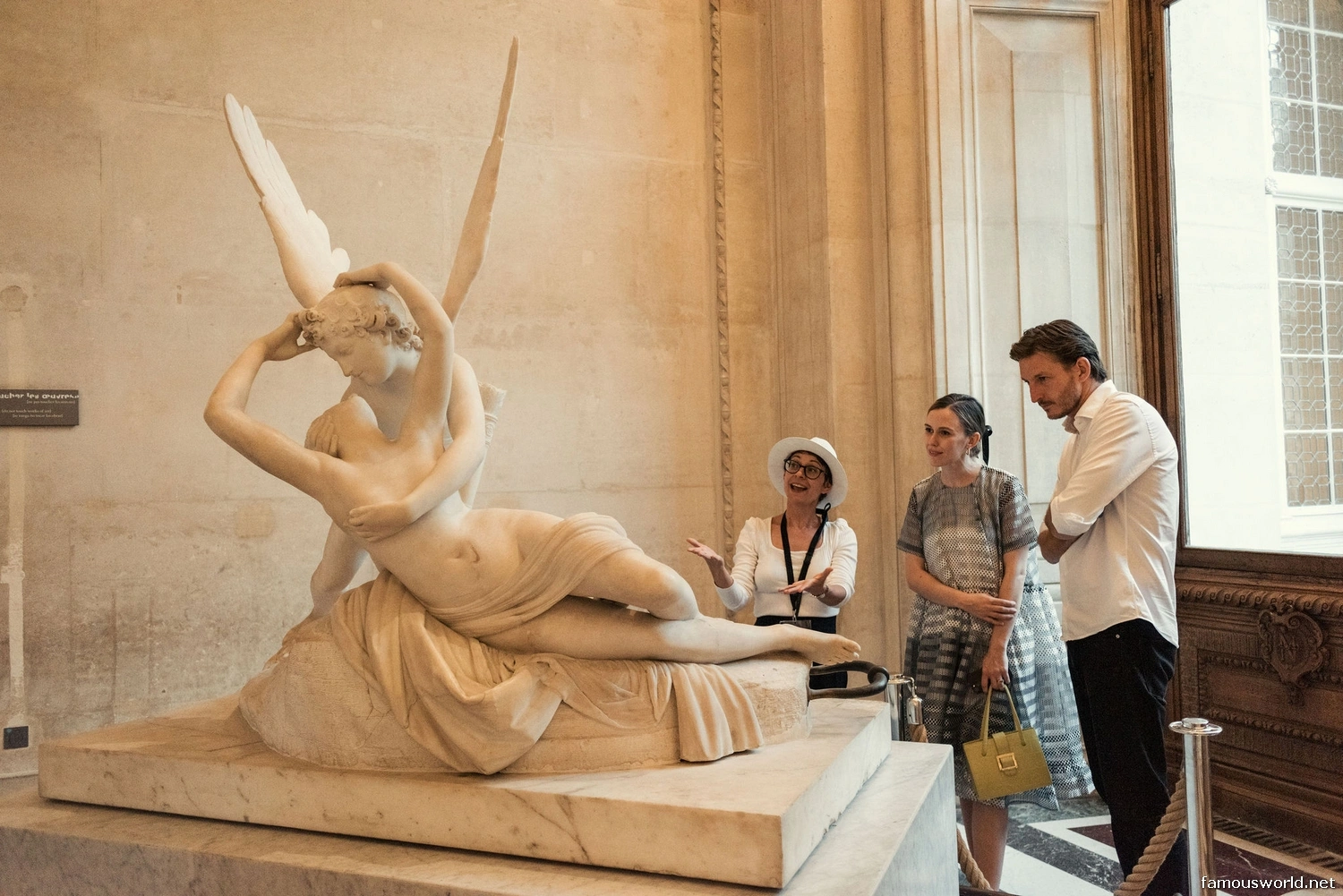
- Masterpieces of Antiquity: It houses two of the most celebrated sculptures from the ancient world: the graceful Venus de Milo and the triumphant Winged Victory of Samothrace, which dramatically greets visitors at the top of the Daru staircase.
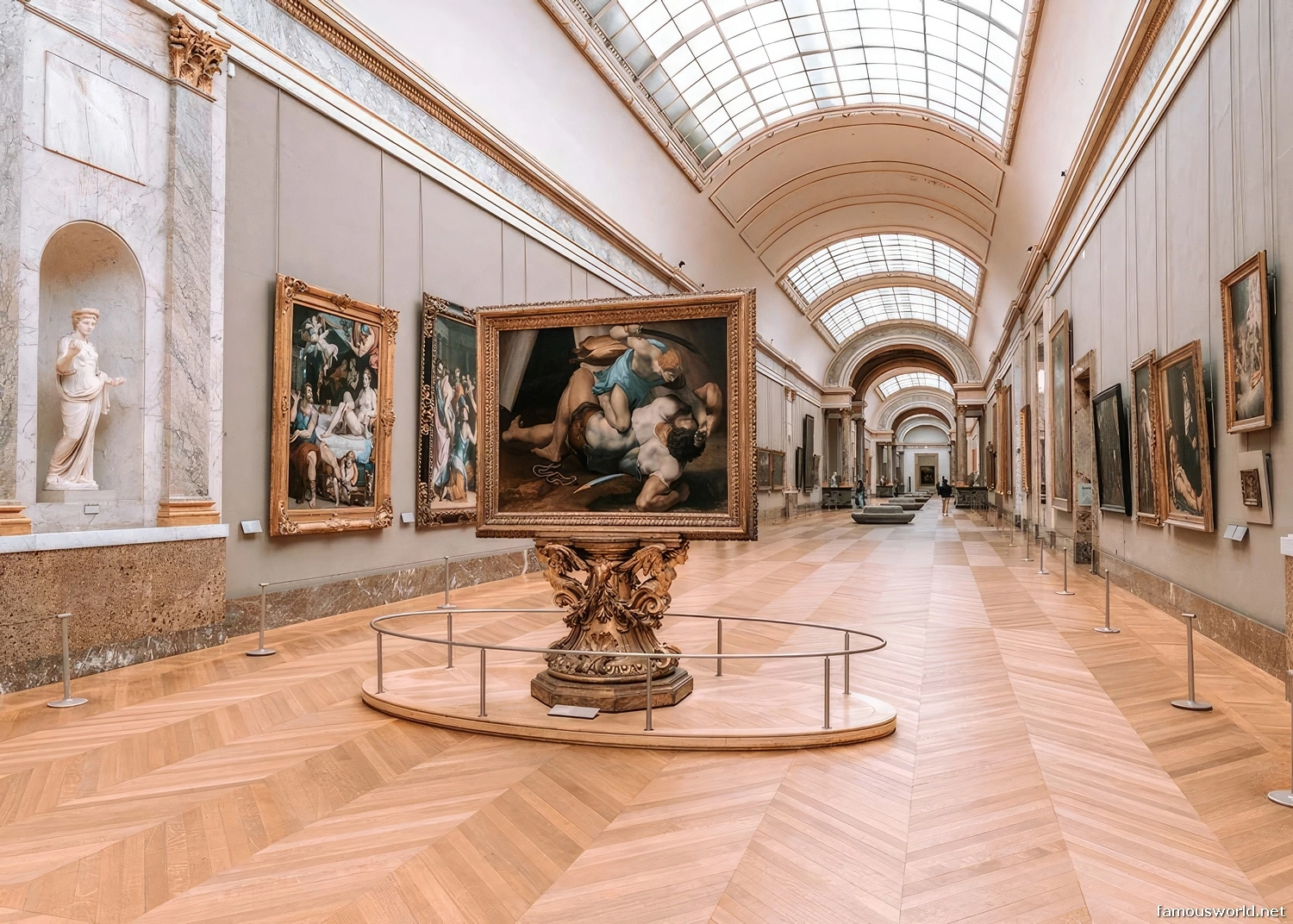
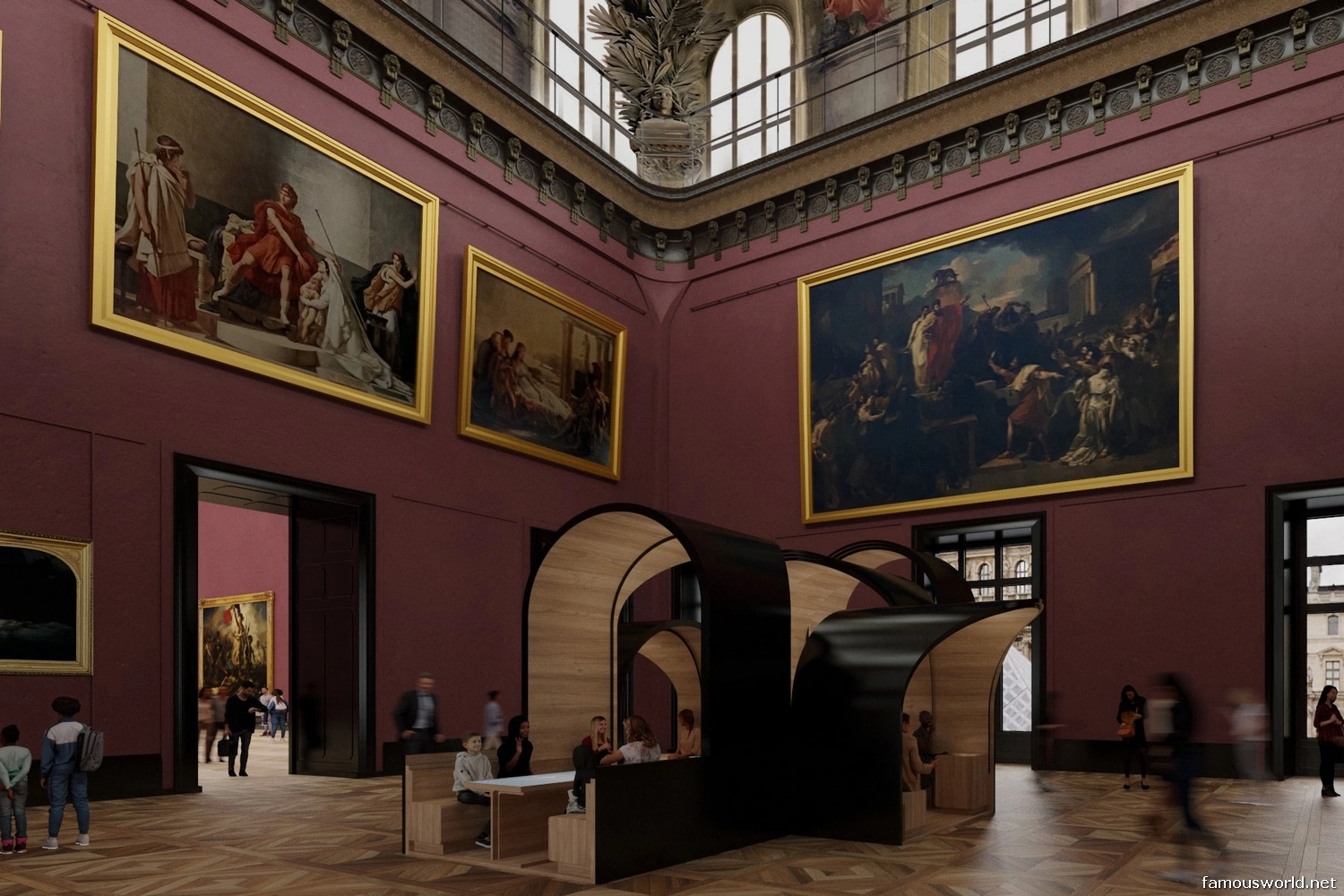
- Vast Collection: The collection spans from antiquity to 1848 and is divided into eight curatorial departments. It includes masterpieces from the Italian Renaissance, French Neoclassicism (including works by Jacques-Louis David), and legendary artifacts like the Code of Hammurabi.
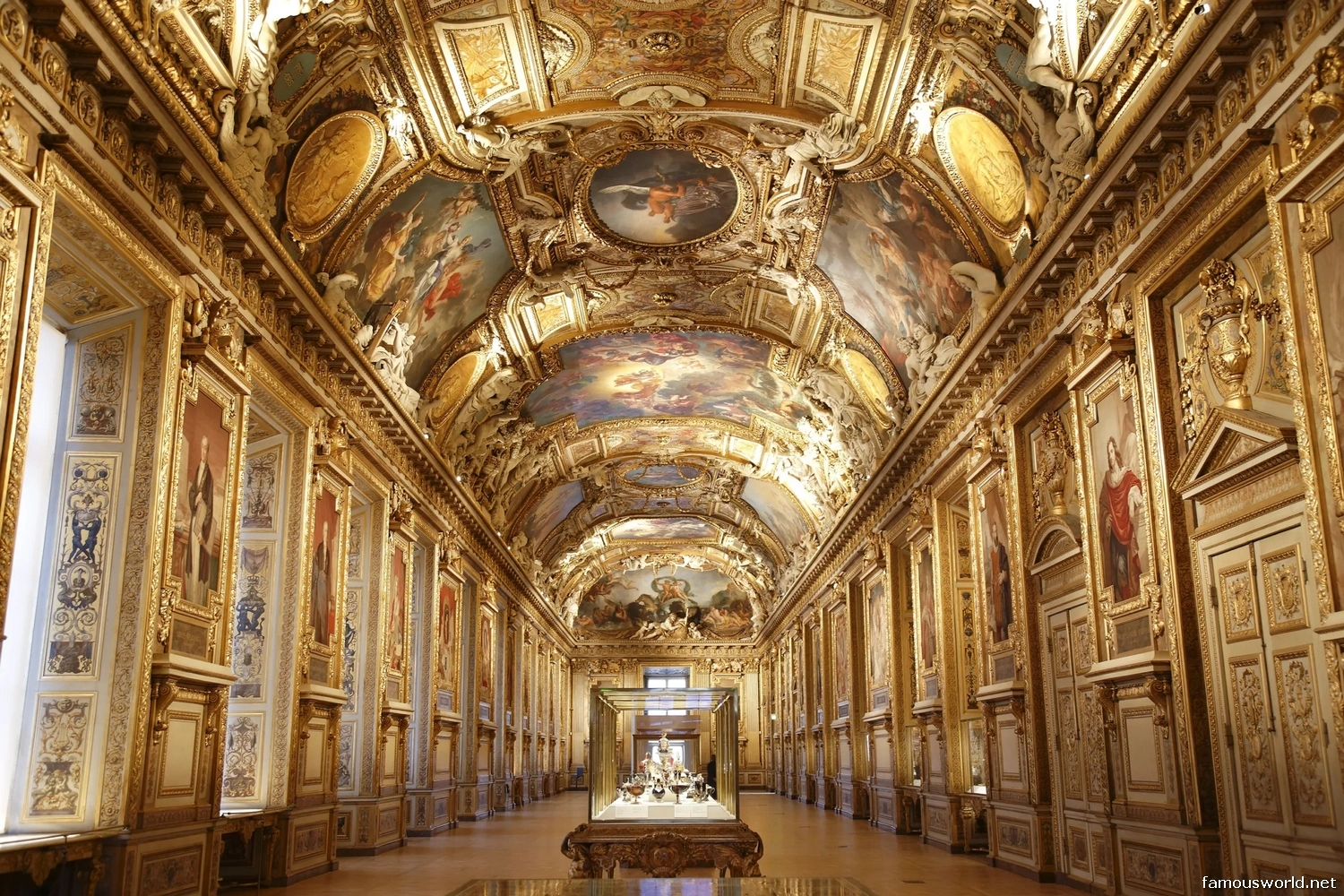
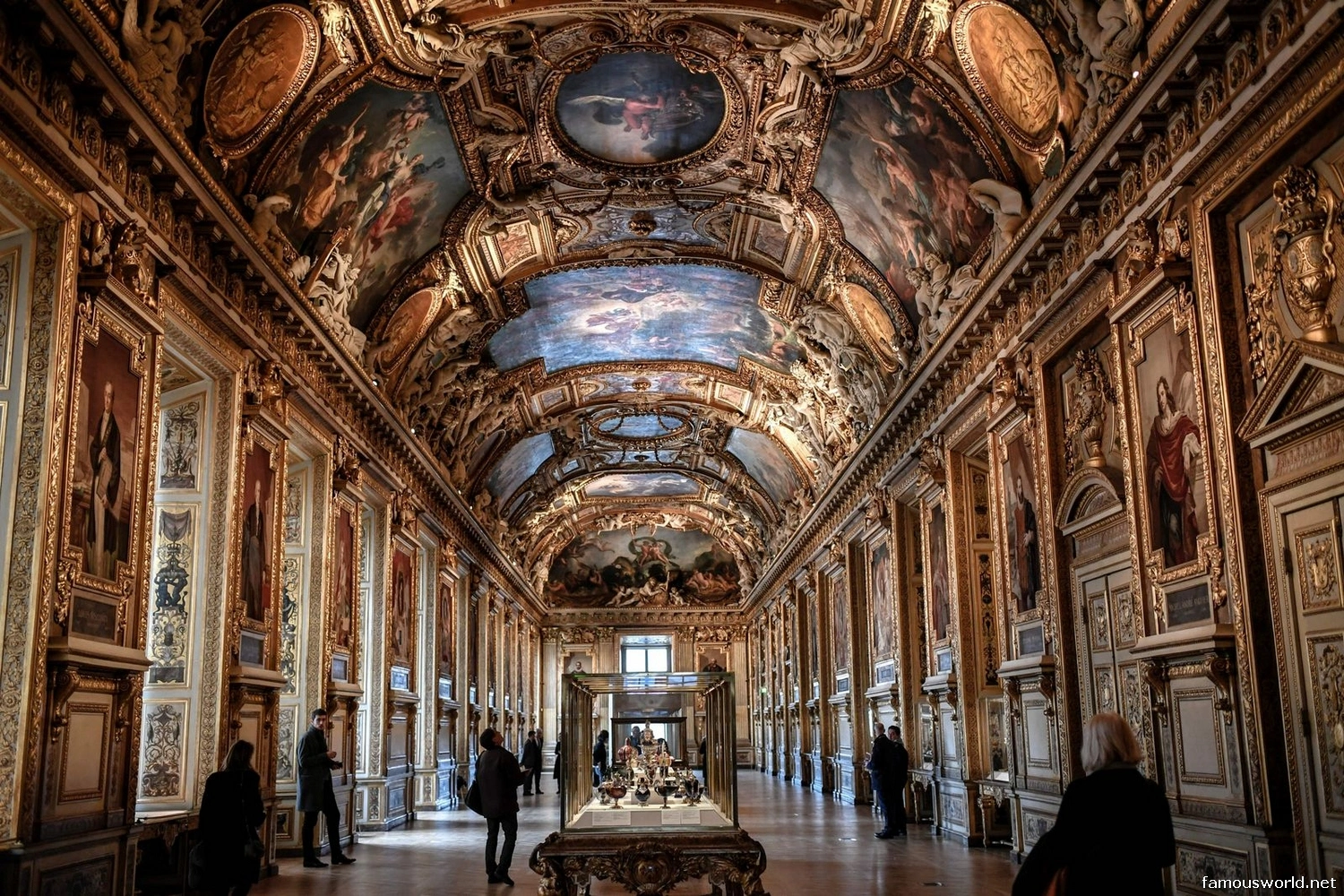
- Former Royal Palace: Part of its allure is its history as the primary residence of French kings, and many of its galleries are architectural marvels in their own right, such as the opulent Apollo Gallery.
Differences from Other Wonders
The purpose and experience of the Louvre, a palace dedicated to housing art, is fundamentally different from that of the Eiffel Tower, an iconic structure designed for observation.
- Environment (Enclosed Palace vs. Open-Air Tower): The Louvre is an immense, enclosed palace complex where the experience is internal, focused on the art within its walls. The Eiffel Tower is an open-air iron lattice structure where the experience is external, focused on the tower itself and the panoramic views it provides.
- Core Story (History of Art vs. History of Engineering): The story of the Louvre is the story of human creativity and art history, as well as the history of French royal power. The story of the Eiffel Tower is a celebration of the Industrial Revolution, modern engineering, and French ingenuity.
- Primary Attraction (The Collection Within vs. The Structure Itself): While the Louvre’s architecture is magnificent, its primary attraction is the priceless art collection it contains. The primary attraction of the Eiffel Tower is the architectural marvel of the tower itself and the experience of ascending it.
- Atmosphere (Cultural and Reverential vs. Civic and Romantic): A visit to the Louvre is a cultural pilgrimage, evoking a sense of reverence for history and art. A visit to the Eiffel Tower is a civic and romantic experience, offering spectacular views and a sense of Parisian celebration.
Location on world map