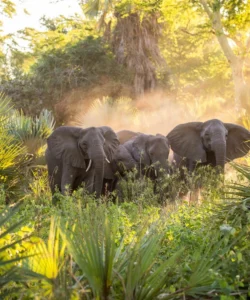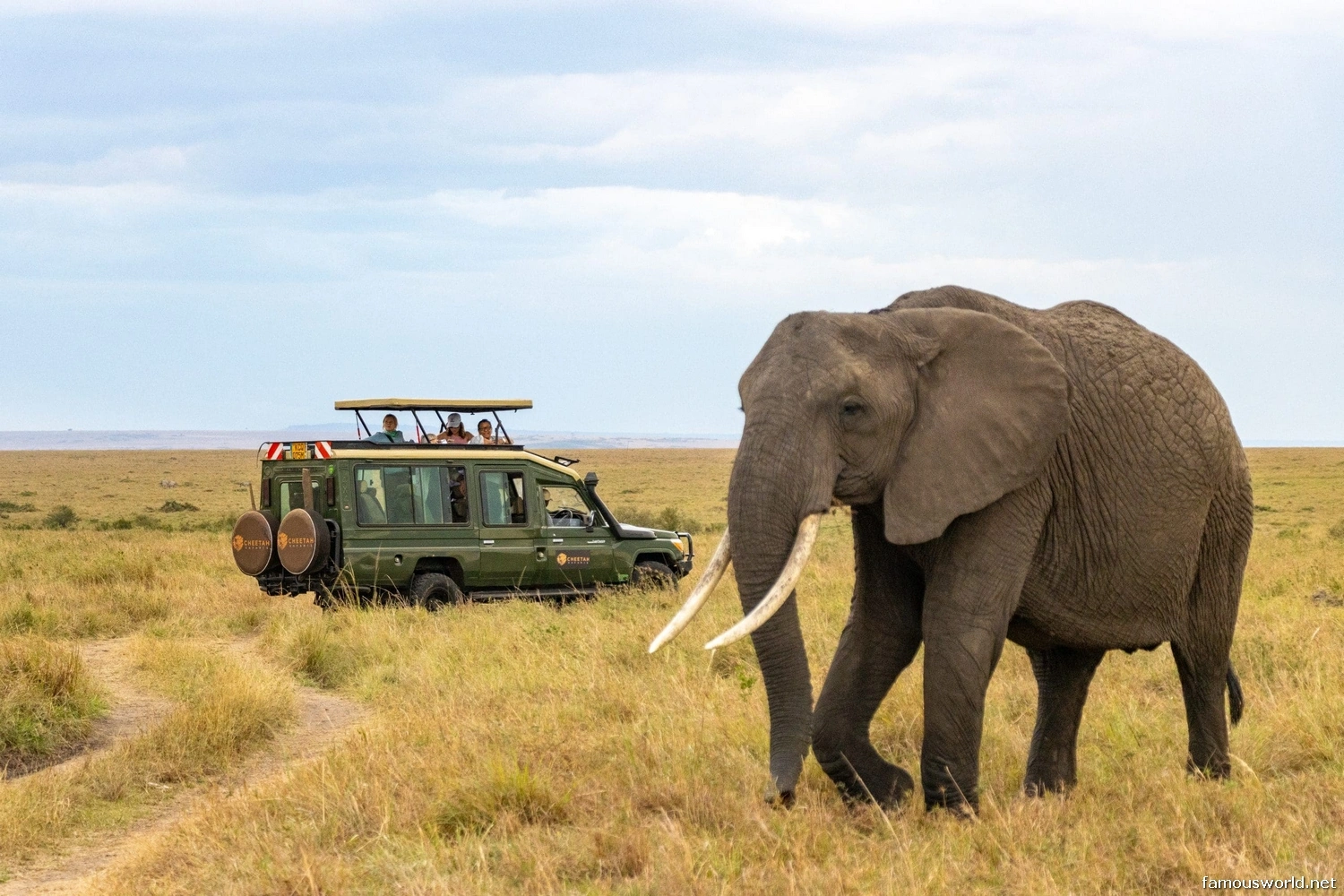
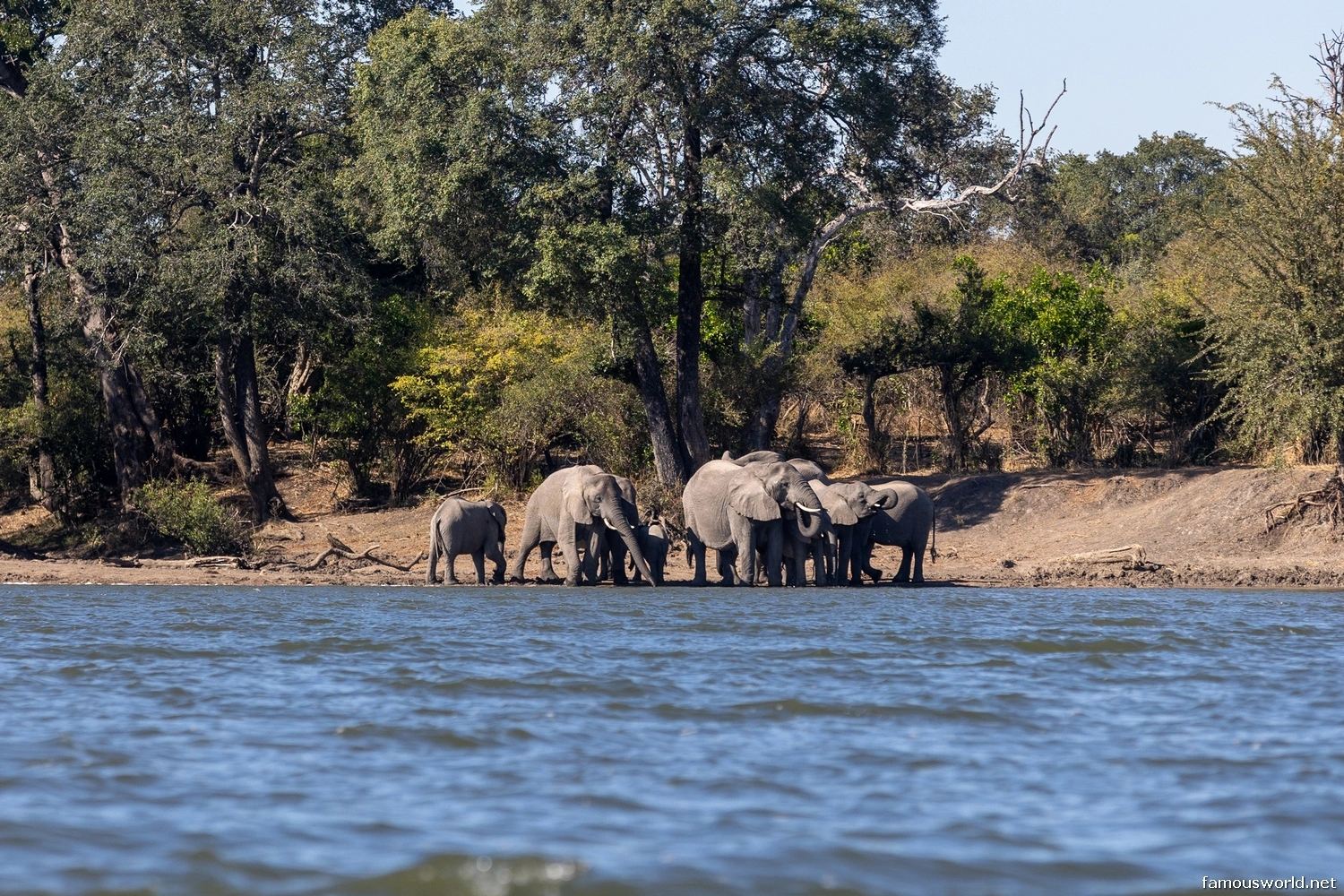
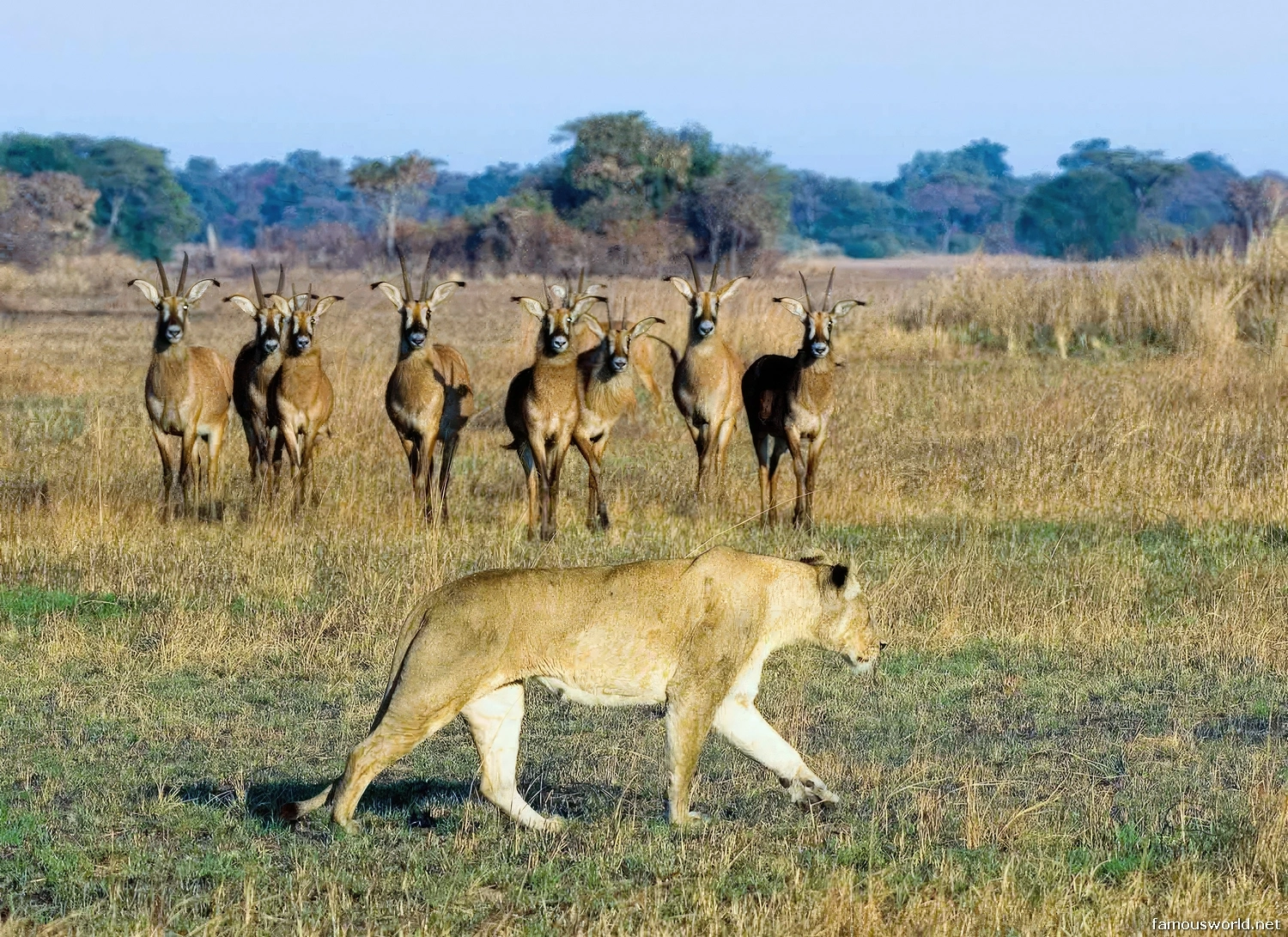
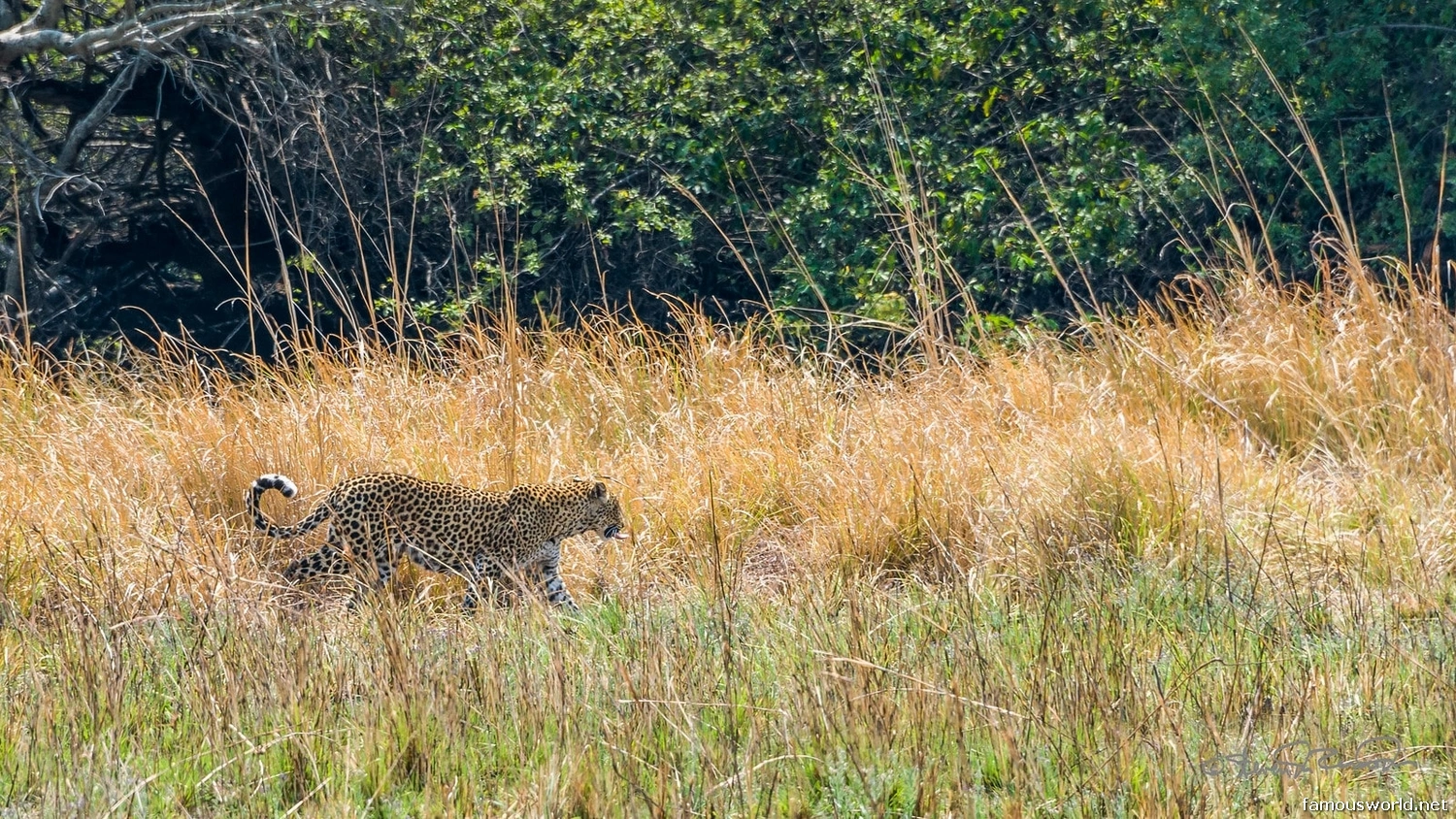
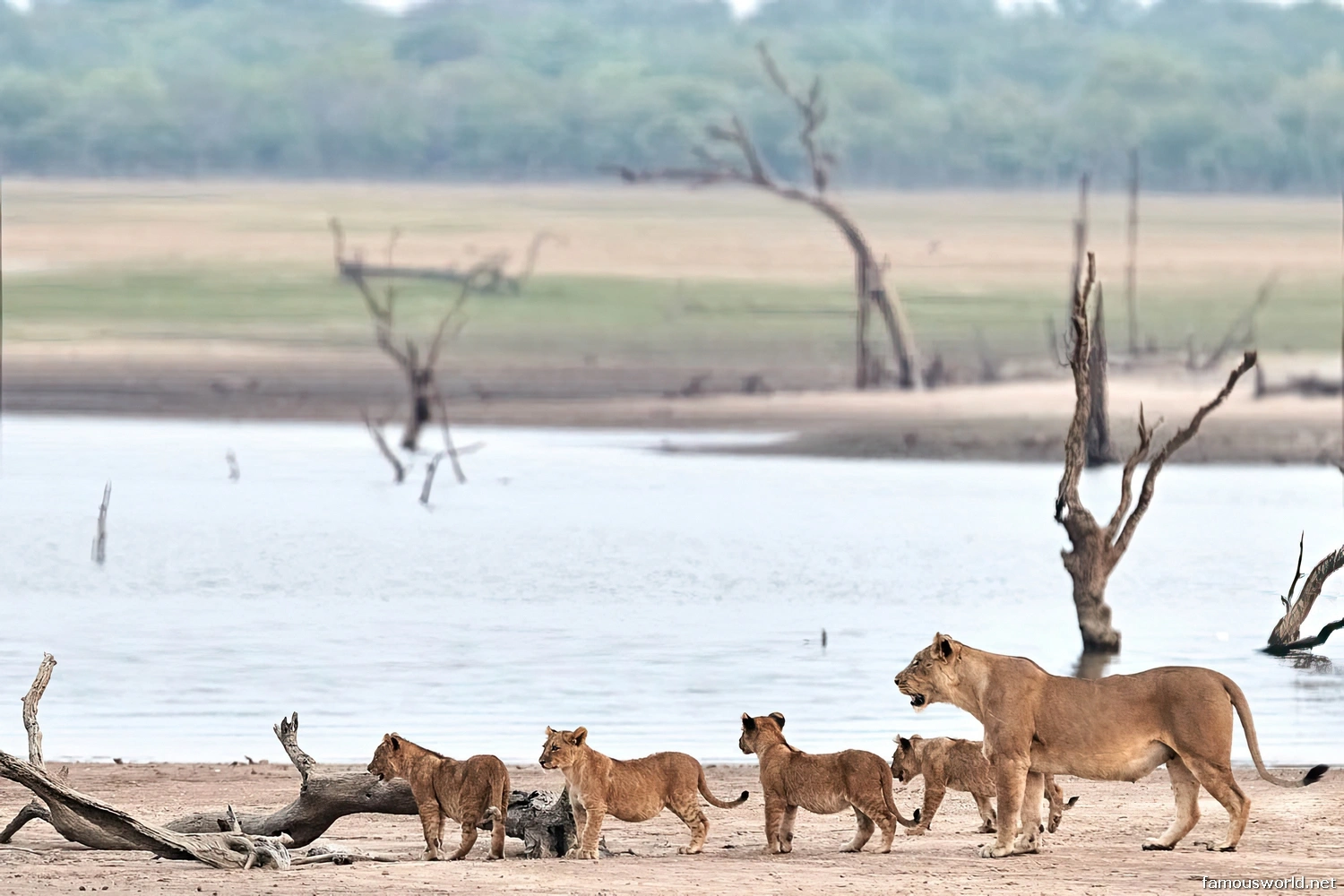
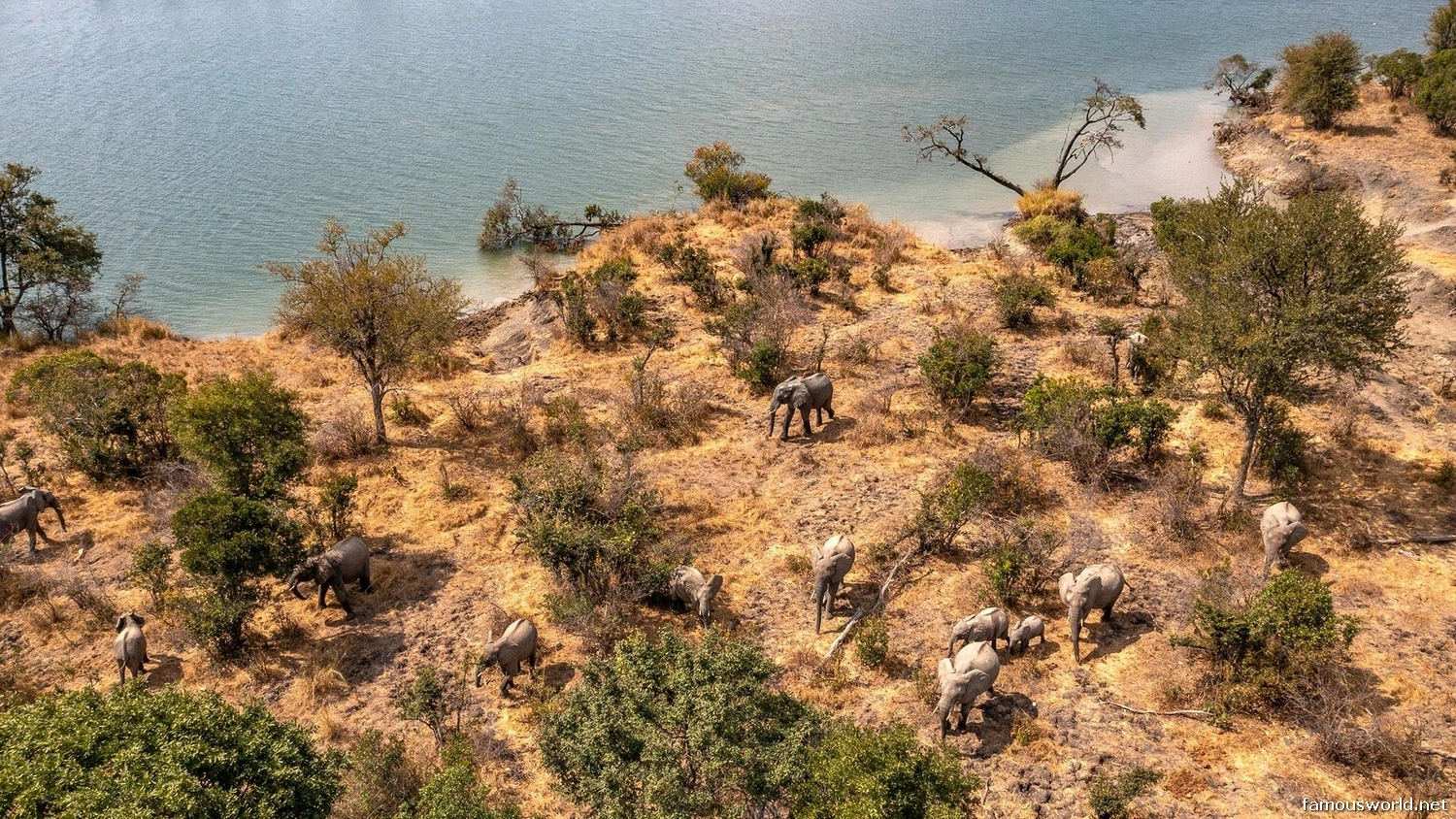
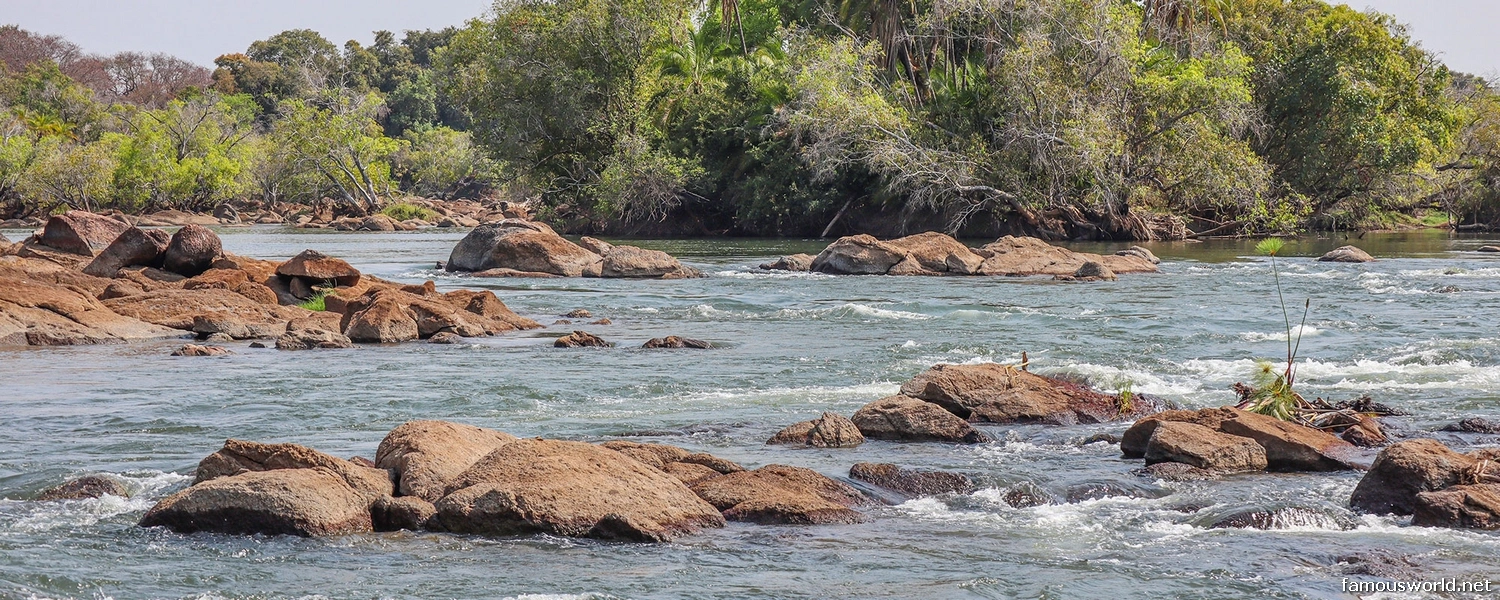
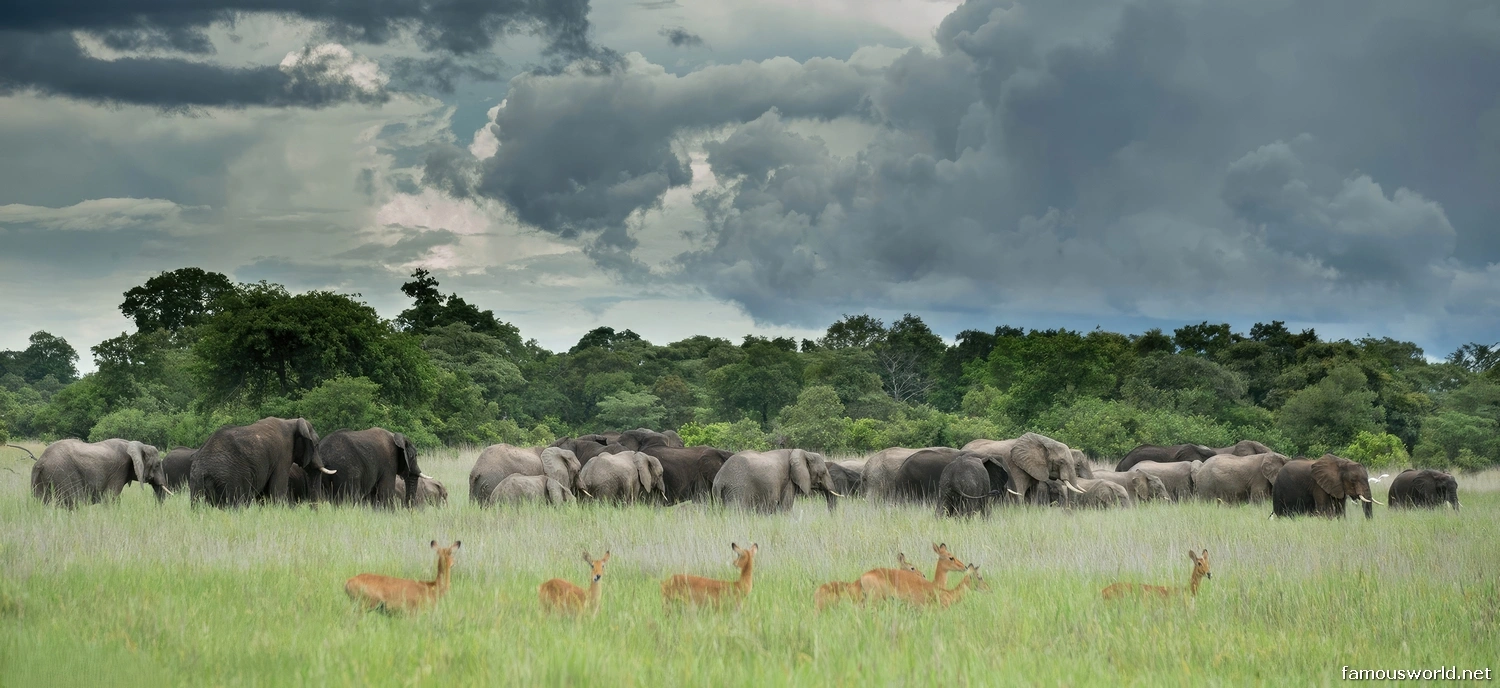
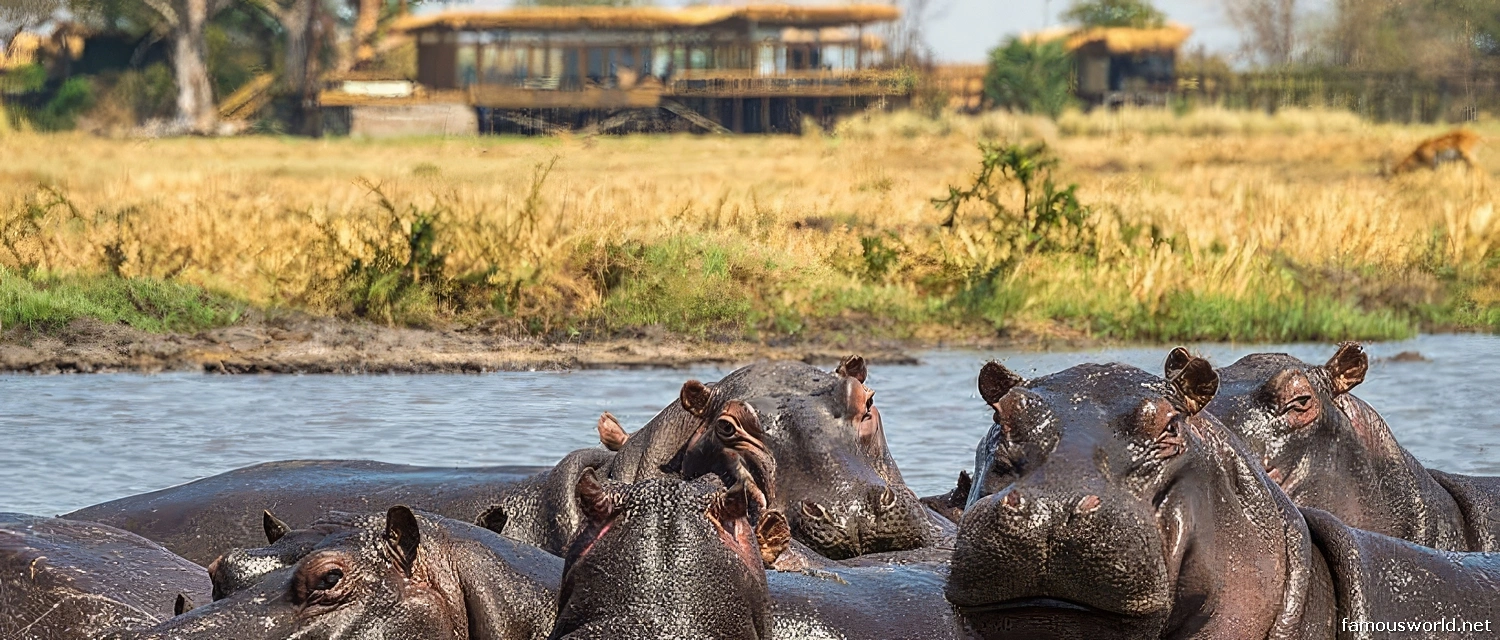
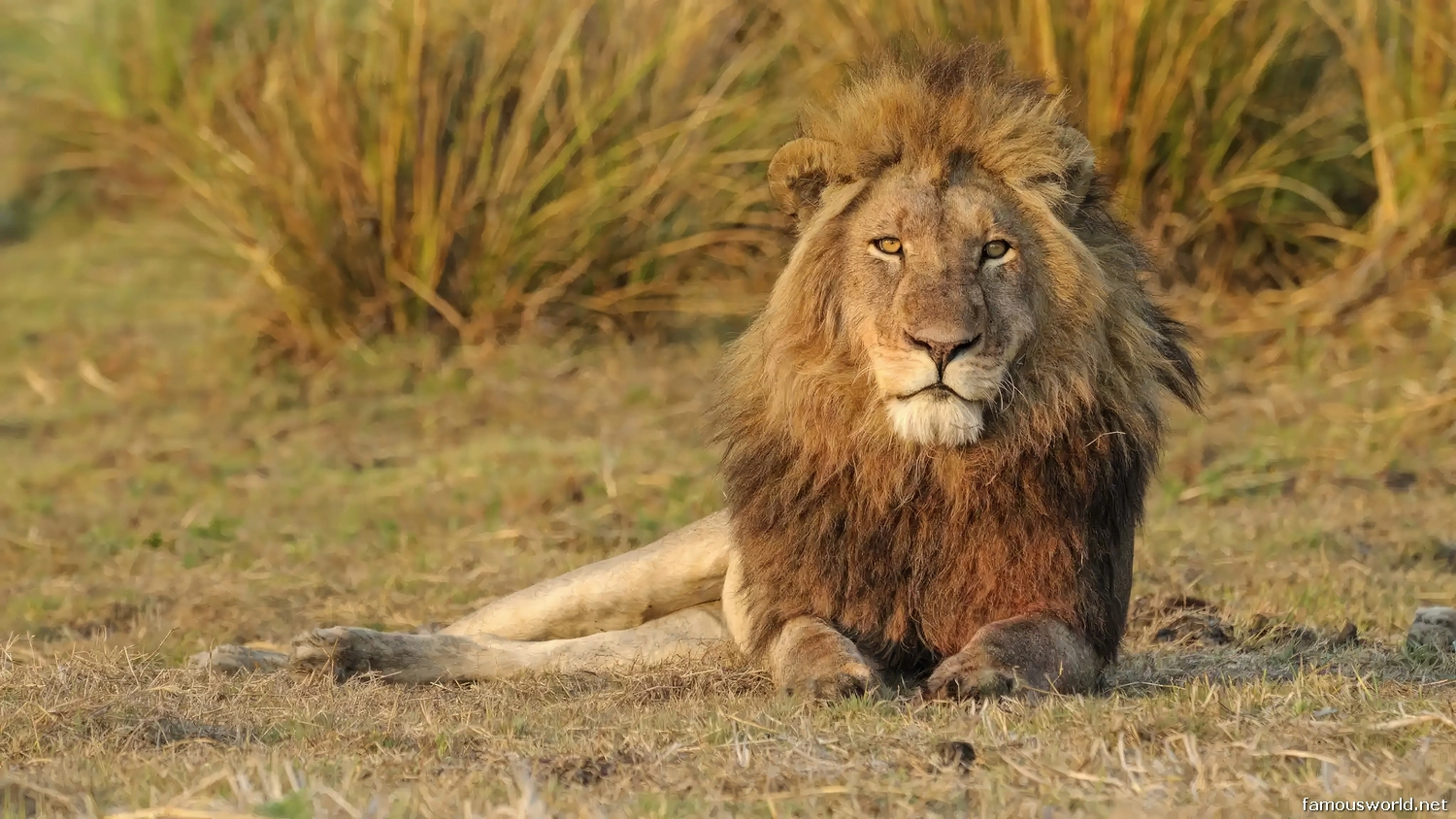
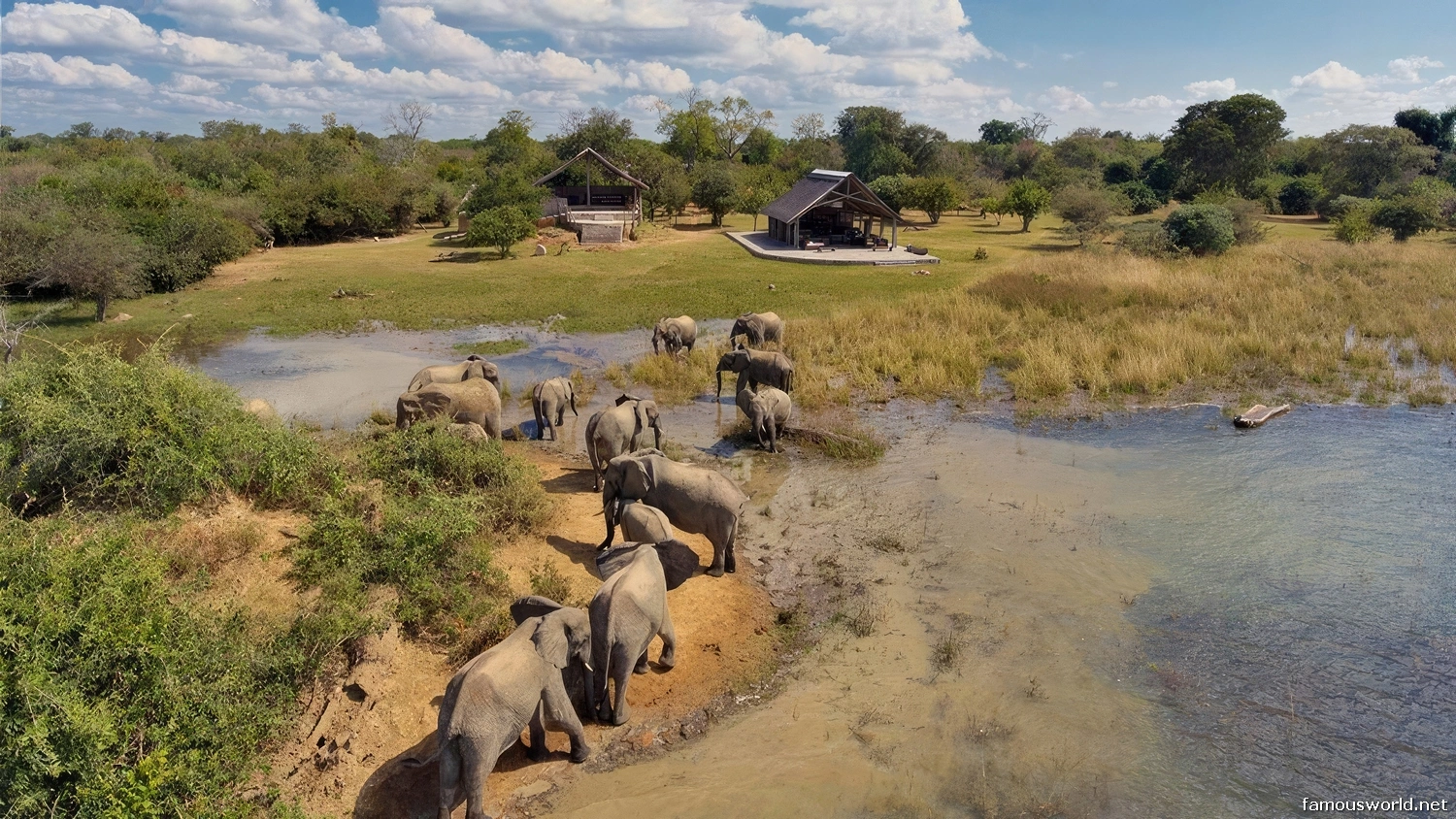
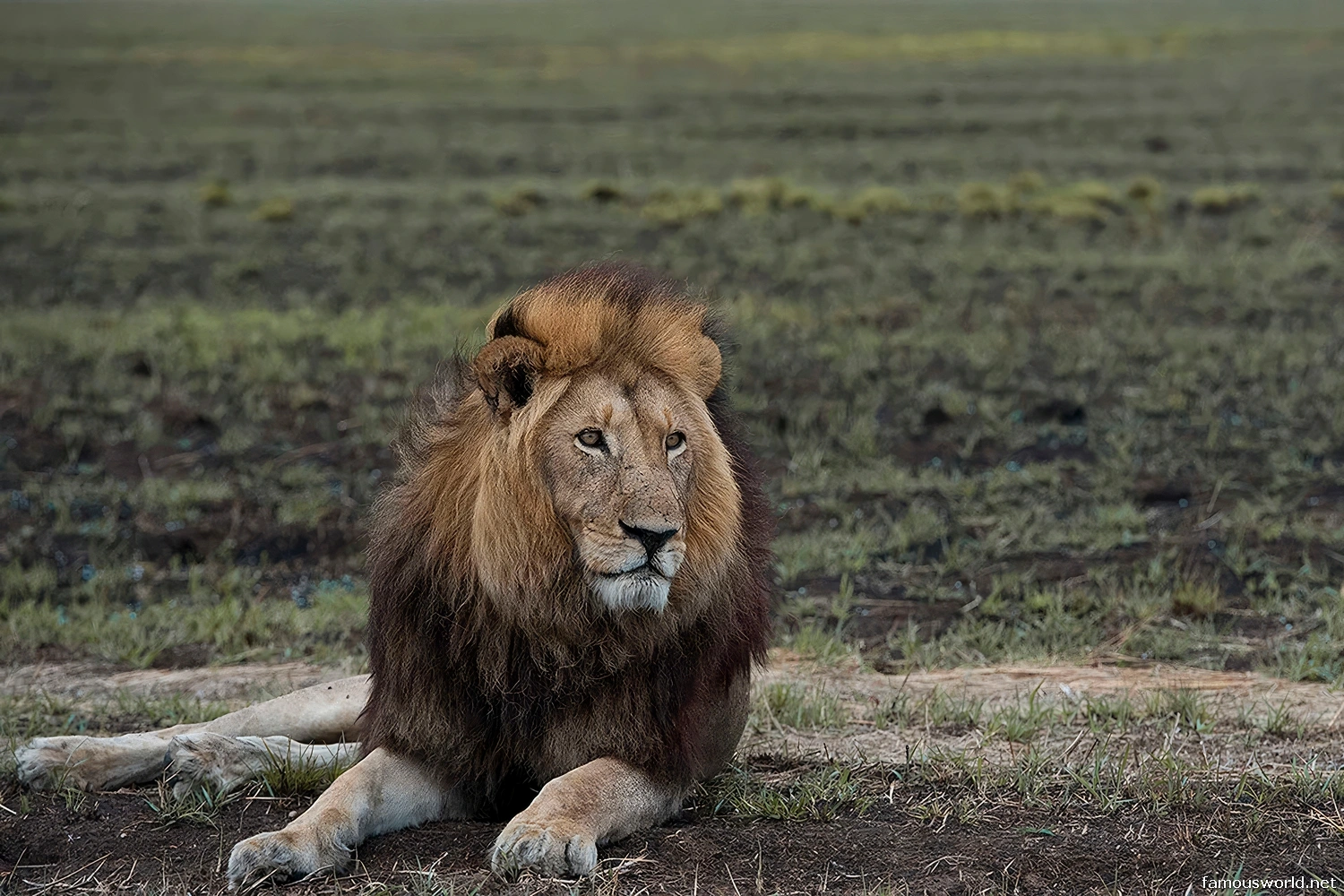
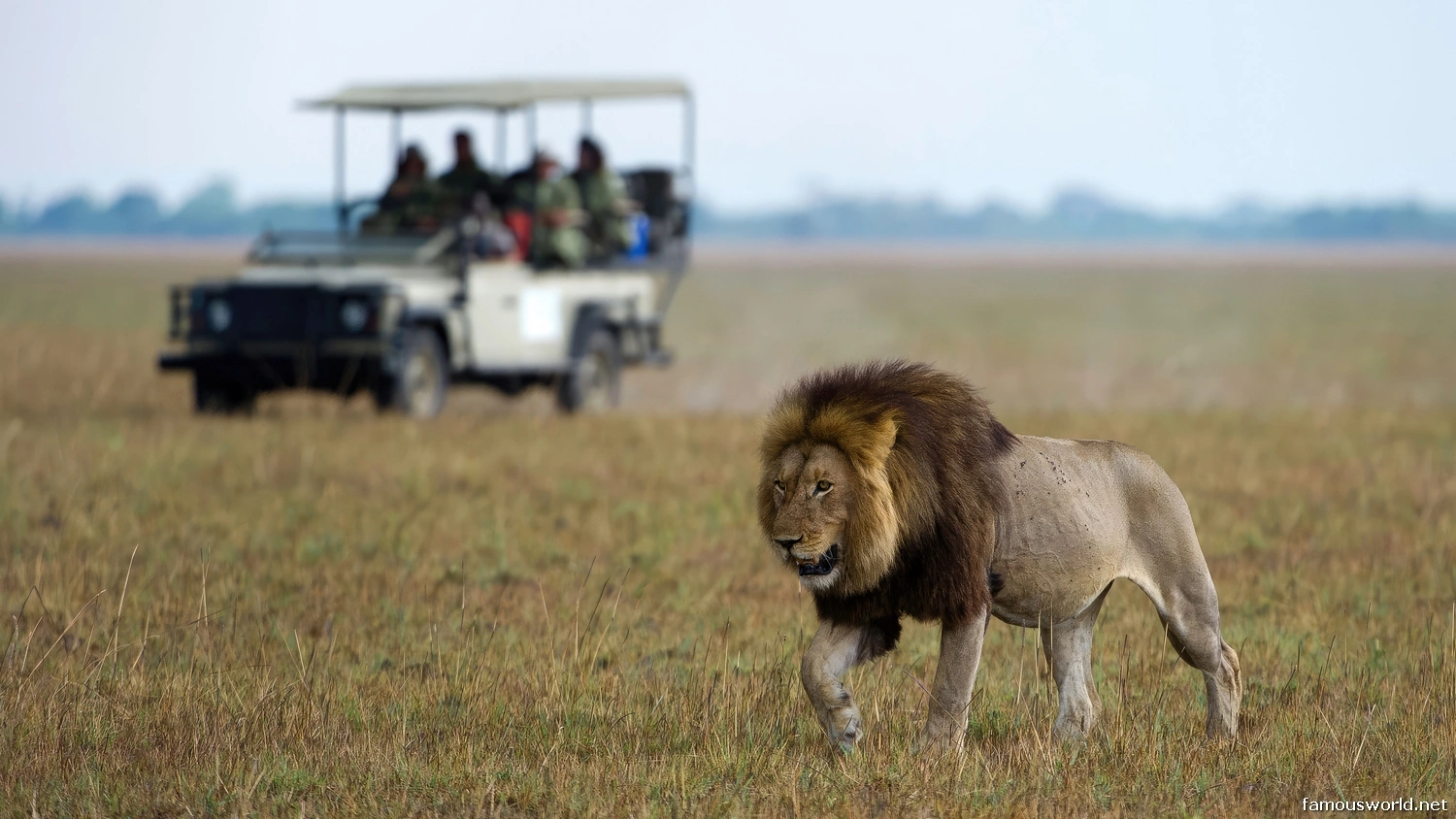
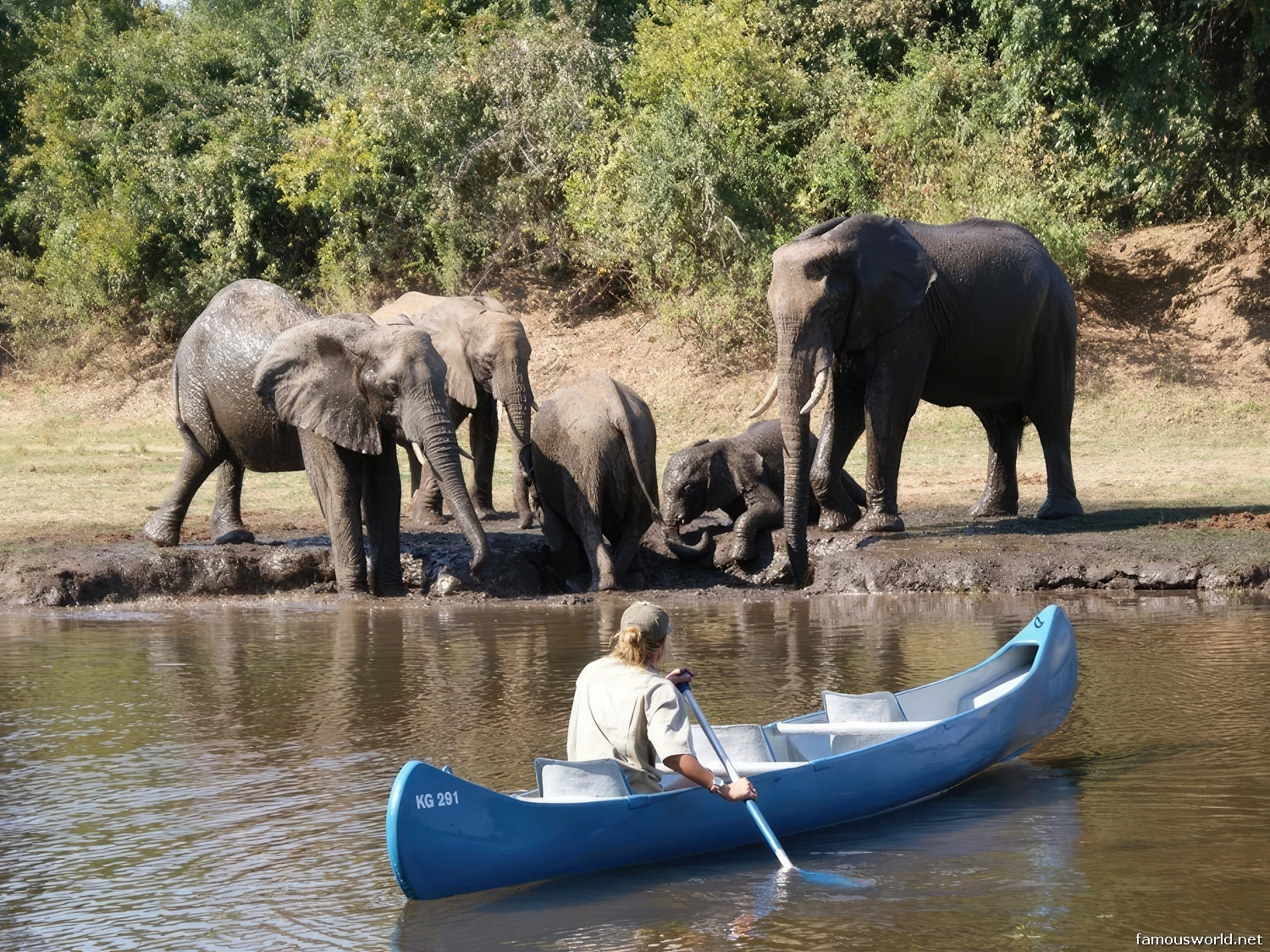
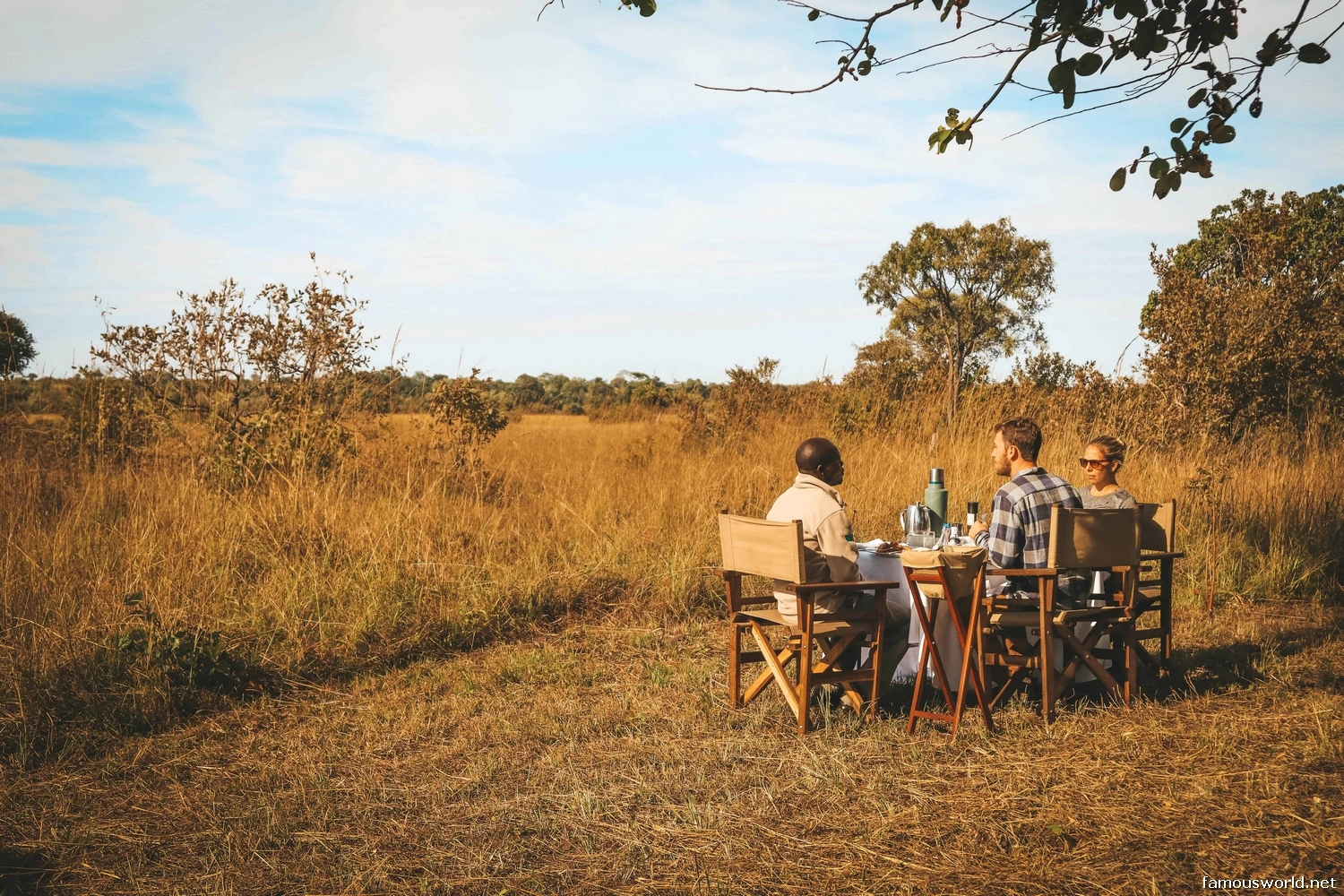
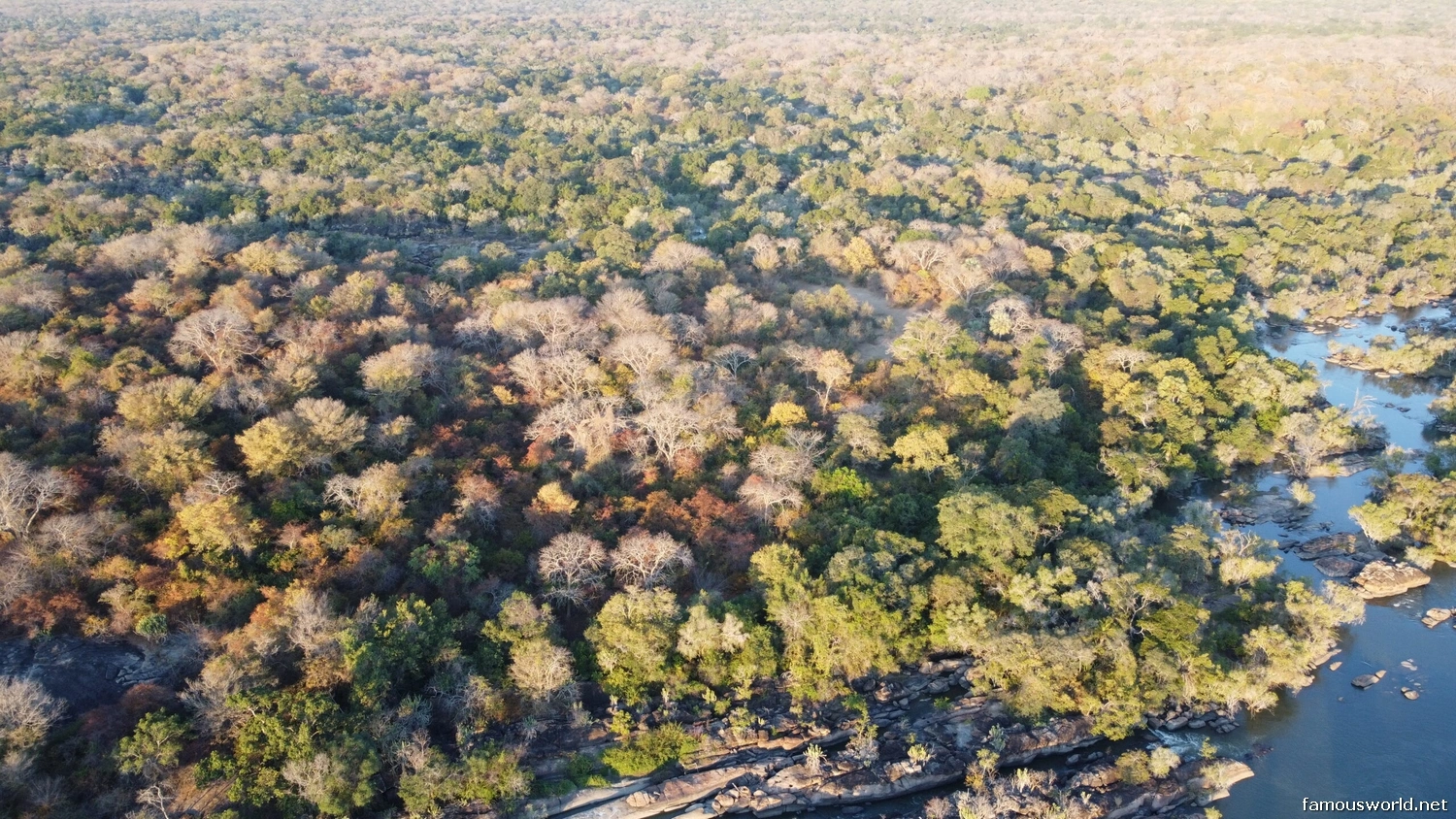
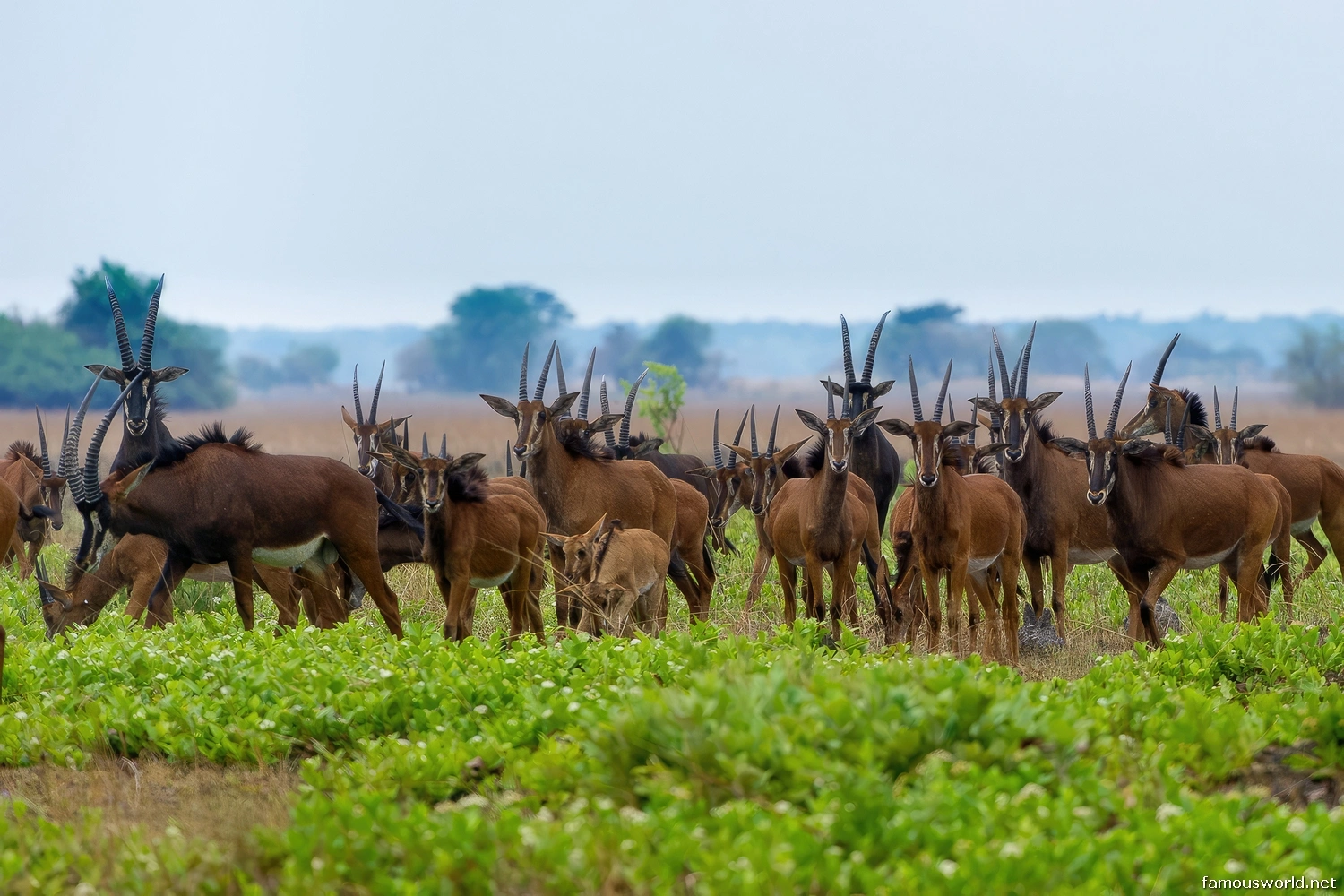
Covering a staggering portion of western Zambia, Kafue National Park is one of Africa’s oldest, largest, and most significant protected areas. This is a wilderness on an epic scale, a vast and varied landscape defined by the life-giving Kafue River and its countless tributaries. The park’s sheer size fosters an incredible diversity of habitats, from the immense, seasonally flooded Busanga Plains in the north to the dense miombo woodlands of the south. As a result, it is home to a breathtaking variety of wildlife, including an exceptional diversity of antelope species and formidable predator populations. Less frequented than its more famous counterparts, Kafue offers a sense of pioneering exploration and the profound solitude of a truly untamed Africa.
Listen to an introduction about Kafue National Park

Name and Location
- Name: Kafue National Park.
- Location: Spanning three provinces in central-western Zambia.
How to Get There
The park’s immense size means access varies depending on the region you intend to visit.
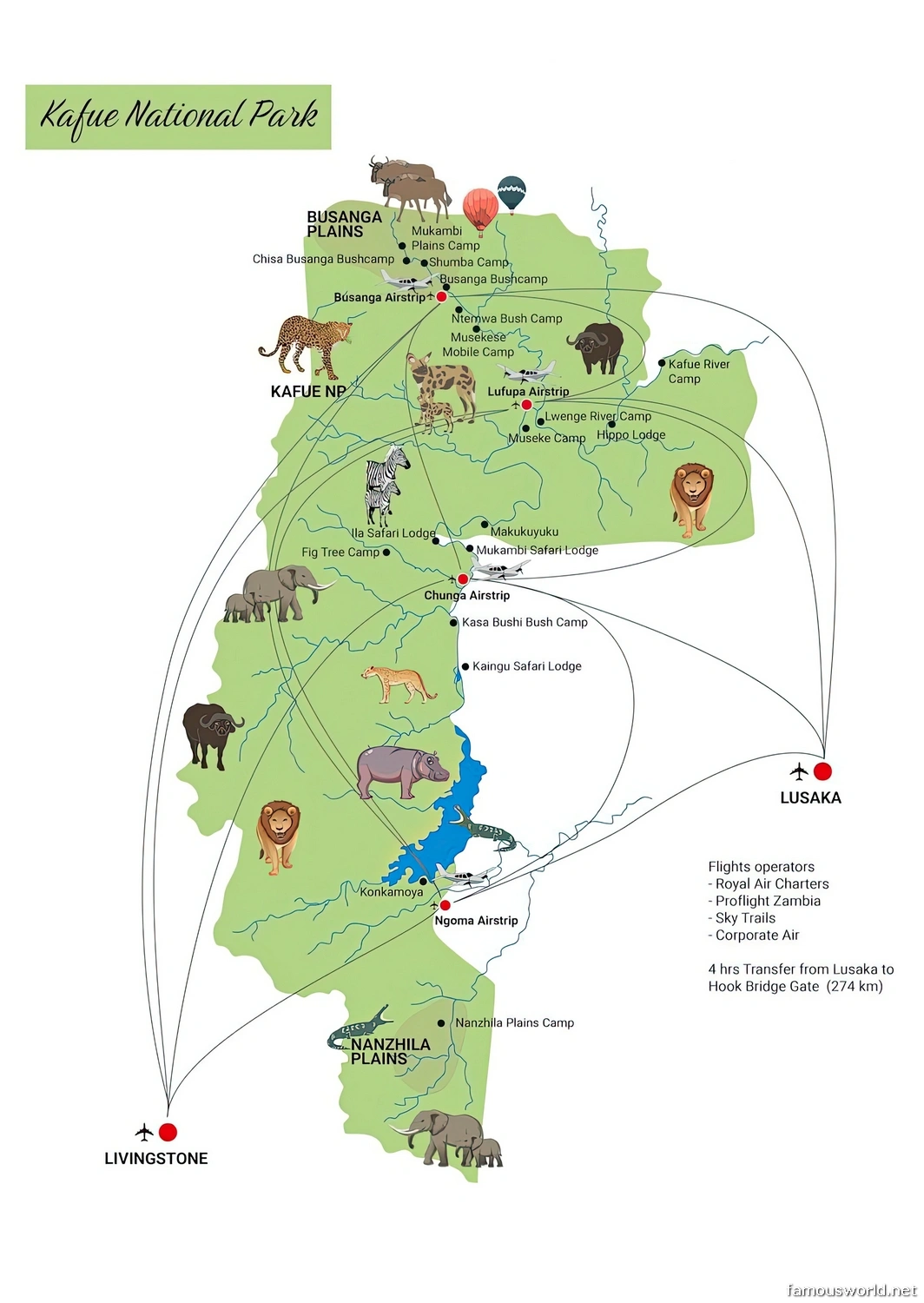
- By Air: The most efficient way to access the prime game-viewing areas is via charter flight from Lusaka or Livingstone into one of the park’s numerous airstrips, such as Chunga in the central section or Busanga in the north.
- By Road: The main road between Lusaka and Mongu bisects the park, making the central and northern sections relatively accessible for self-drivers and road transfers, though a 4×4 is essential. The southern section is more remote and challenging to access.
Landscape and Ecosystems
Kafue is a microcosm of nearly every habitat type found in Zambia.
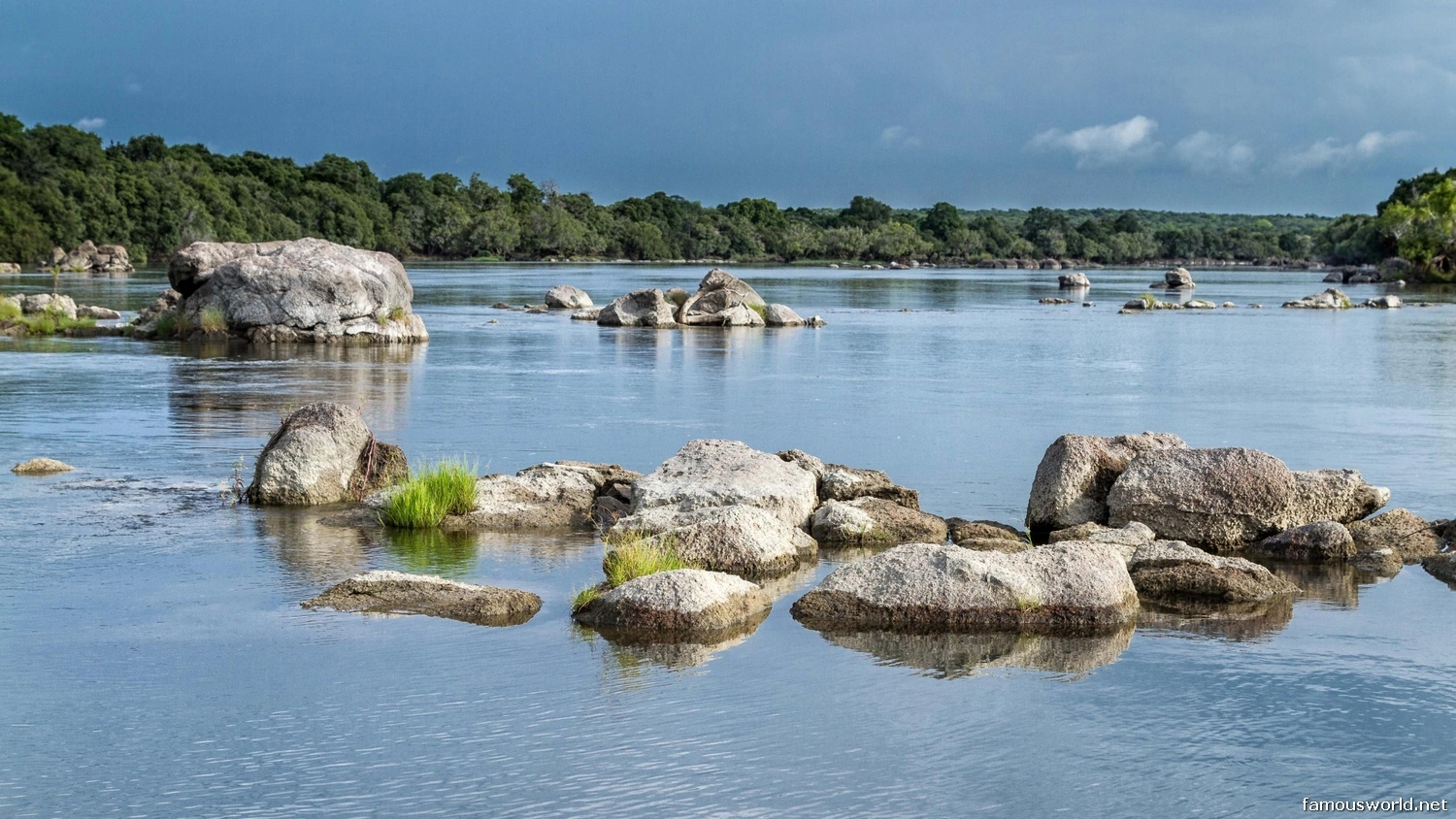
- The Kafue River: The park’s namesake and dominant feature, this enormous river system, along with its tributaries like the Lunga and Lufupa, creates a network of channels, floodplains, and riverine forests that are the heart of the ecosystem.
- The Busanga Plains: In the far north lies Kafue’s most famous feature: a vast, seasonal floodplain that is inundated for much of the year. As the waters recede in the dry season, it transforms into a rich grassland, attracting huge herds of grazers and their predators.
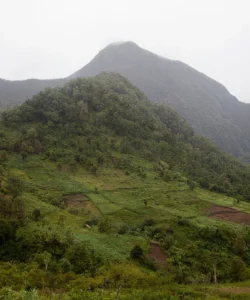
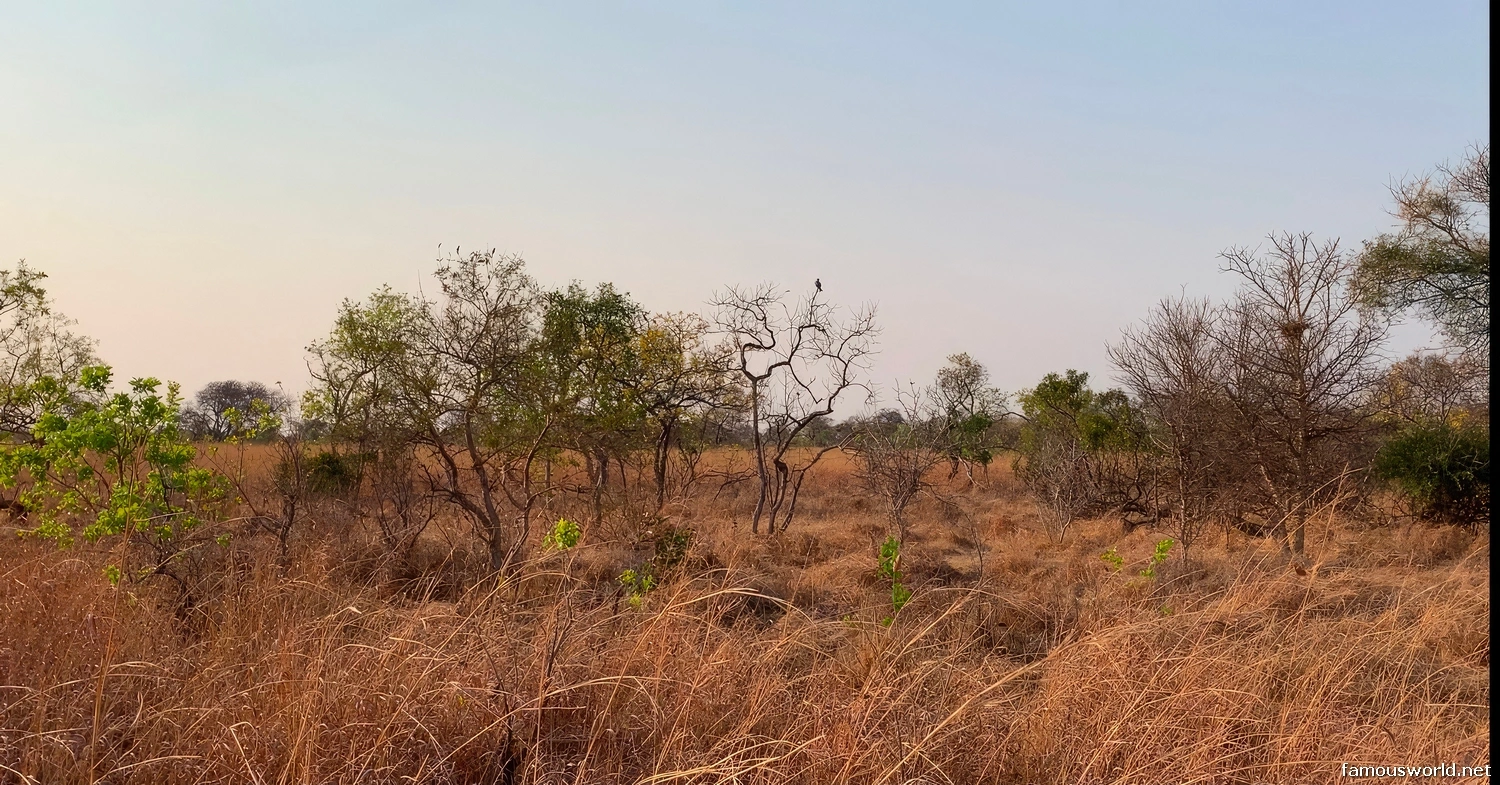
- Miombo Woodlands: The southern and central parts of the park are dominated by vast tracts of miombo woodland, a classic African savanna landscape characterized by broad-leafed trees, interspersed with open grassy areas known as dambos.
What Makes It Famous
Kafue’s renown comes from its colossal size, its exceptional biodiversity, and the unique ecosystems within it.
- Zambia’s Oldest and Largest Park: Established in the 1950s, it covers over 22,400 square kilometers (8,650 square miles), making it one of the largest national parks in Africa.
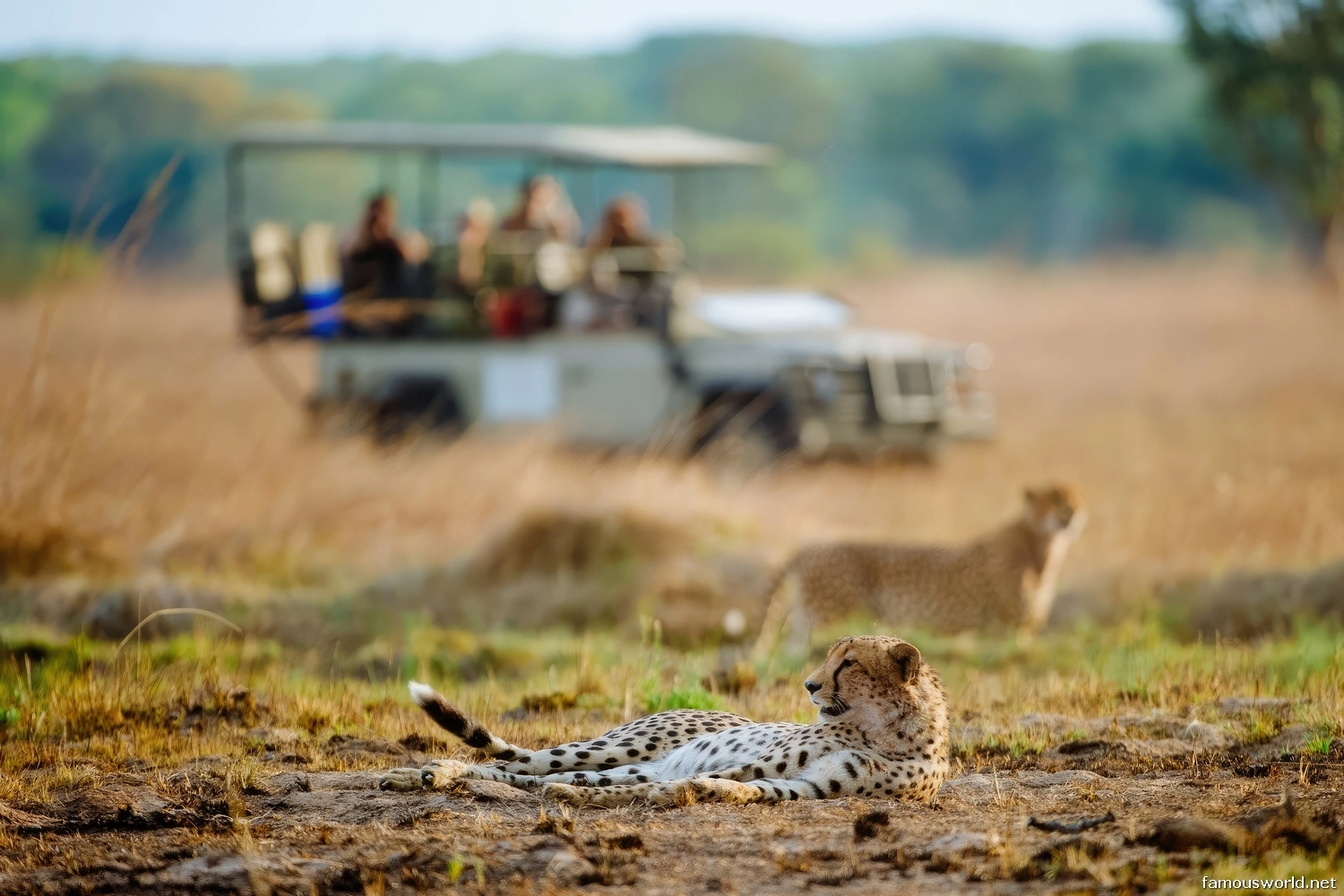
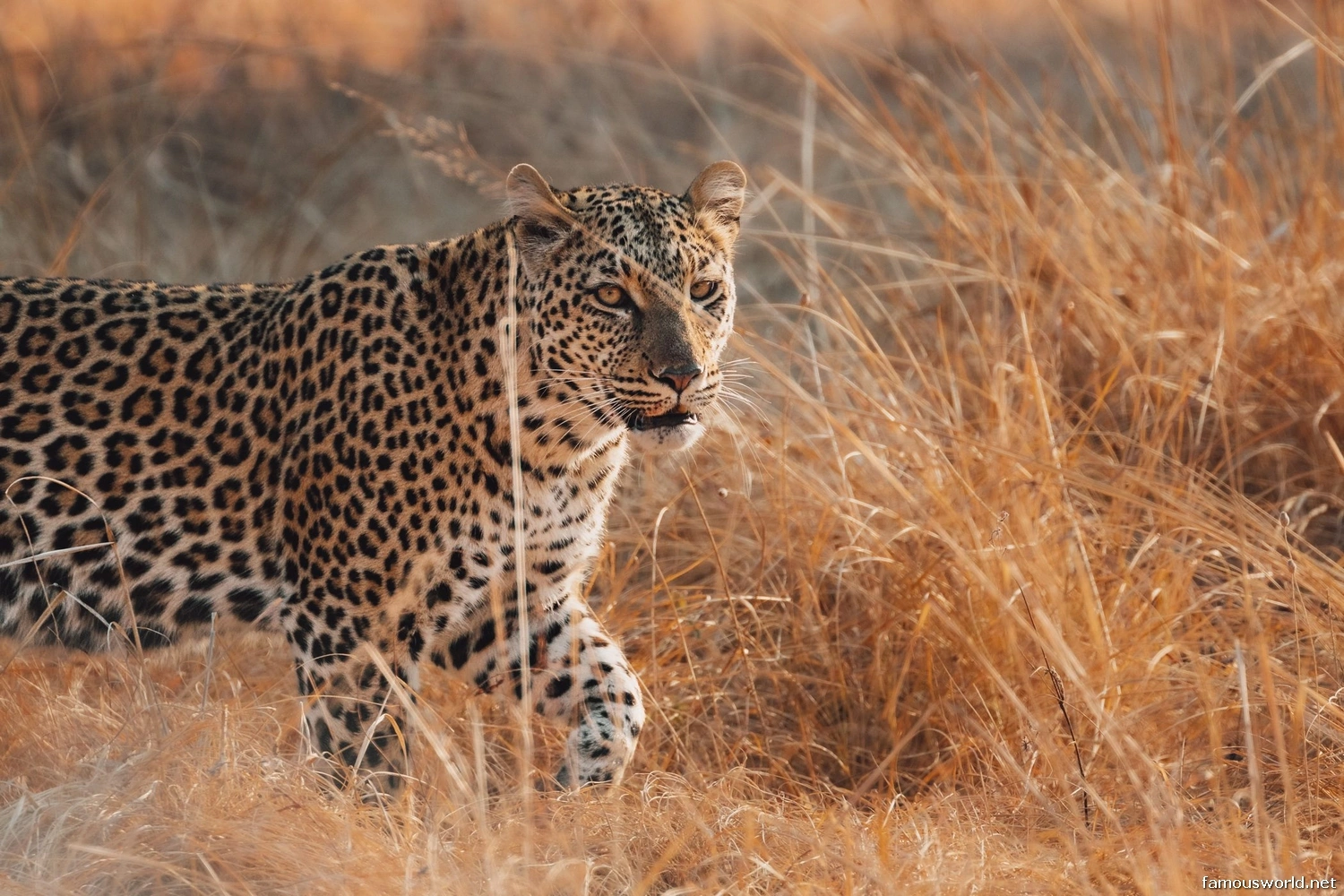
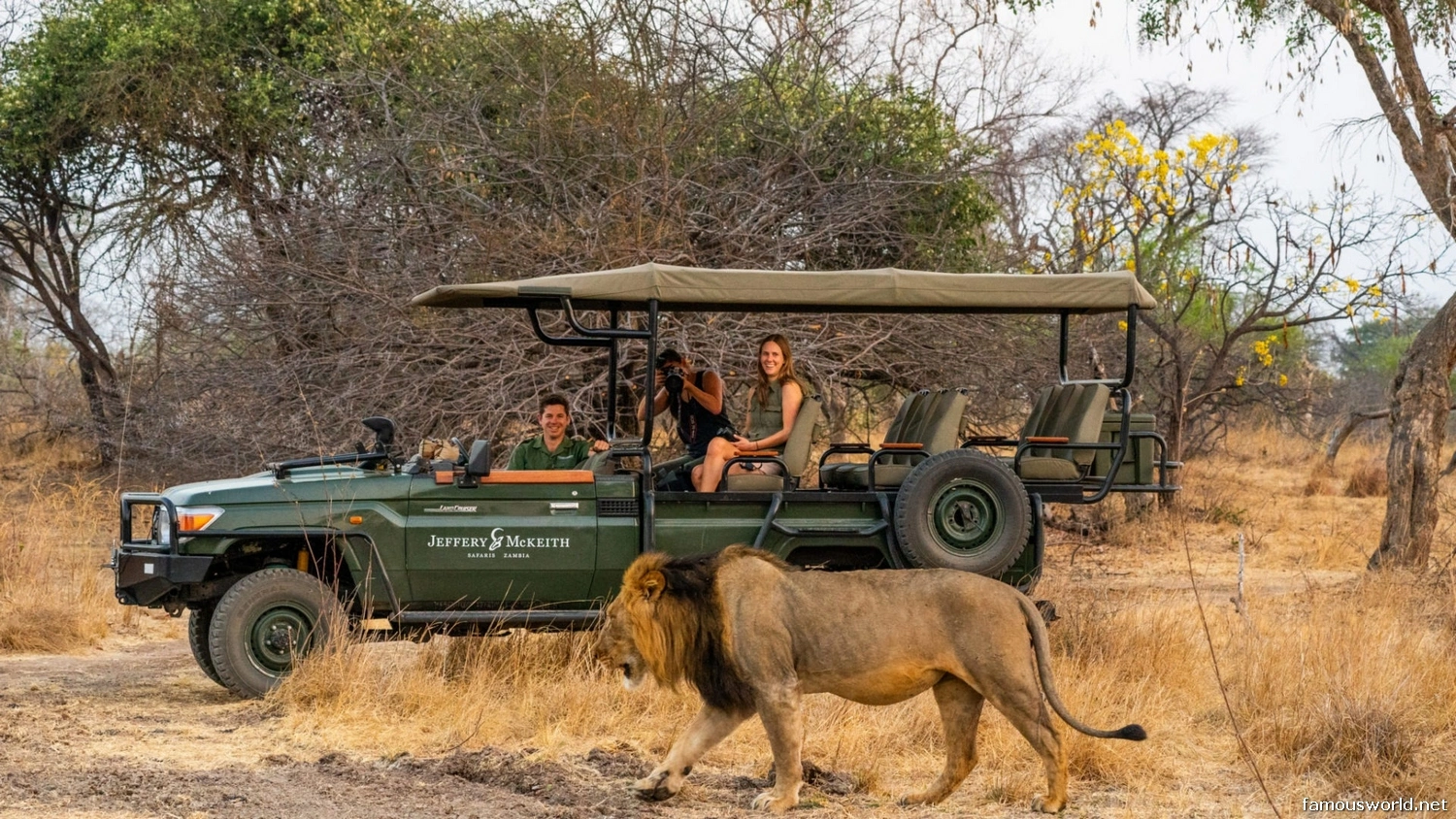
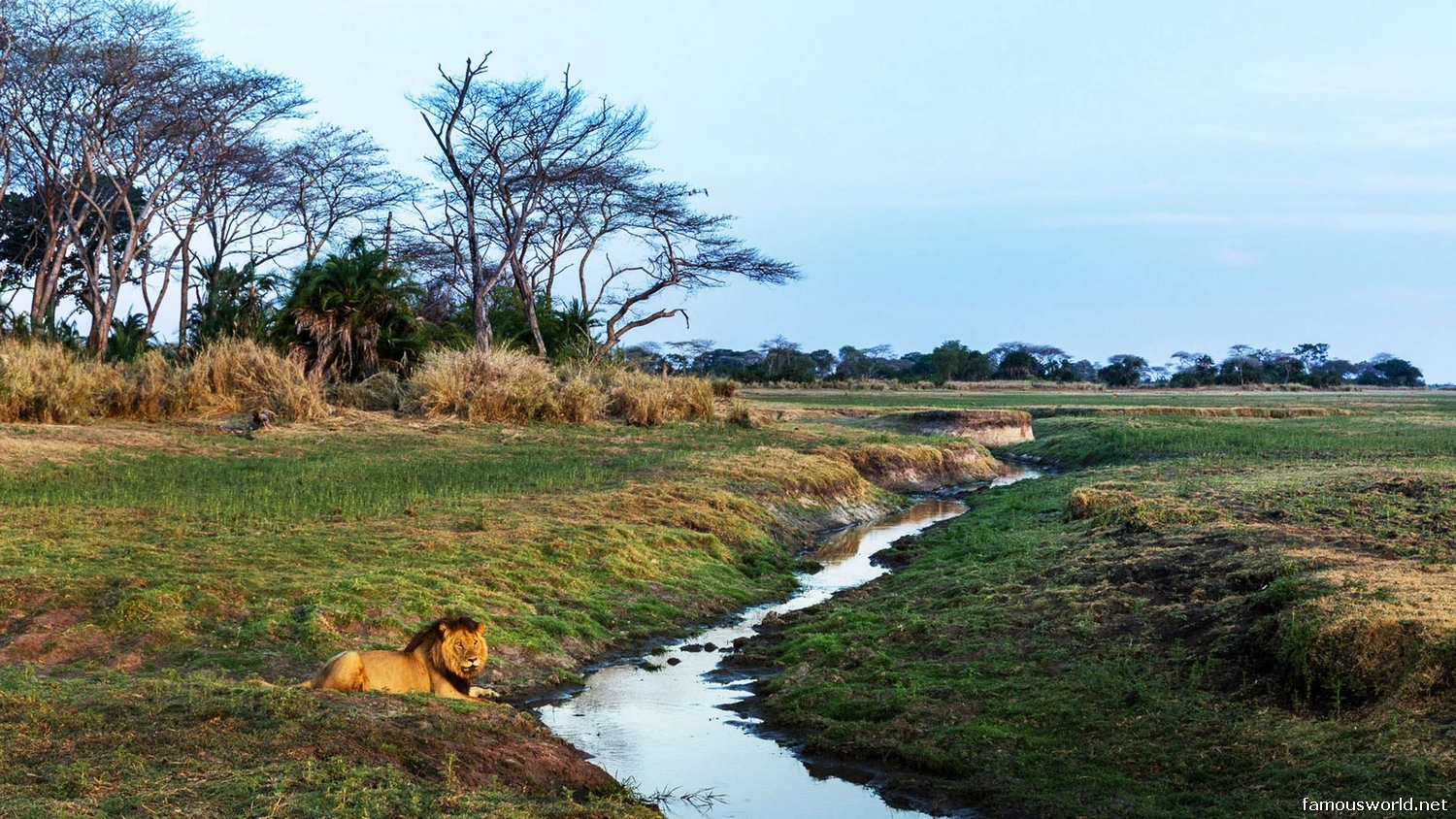
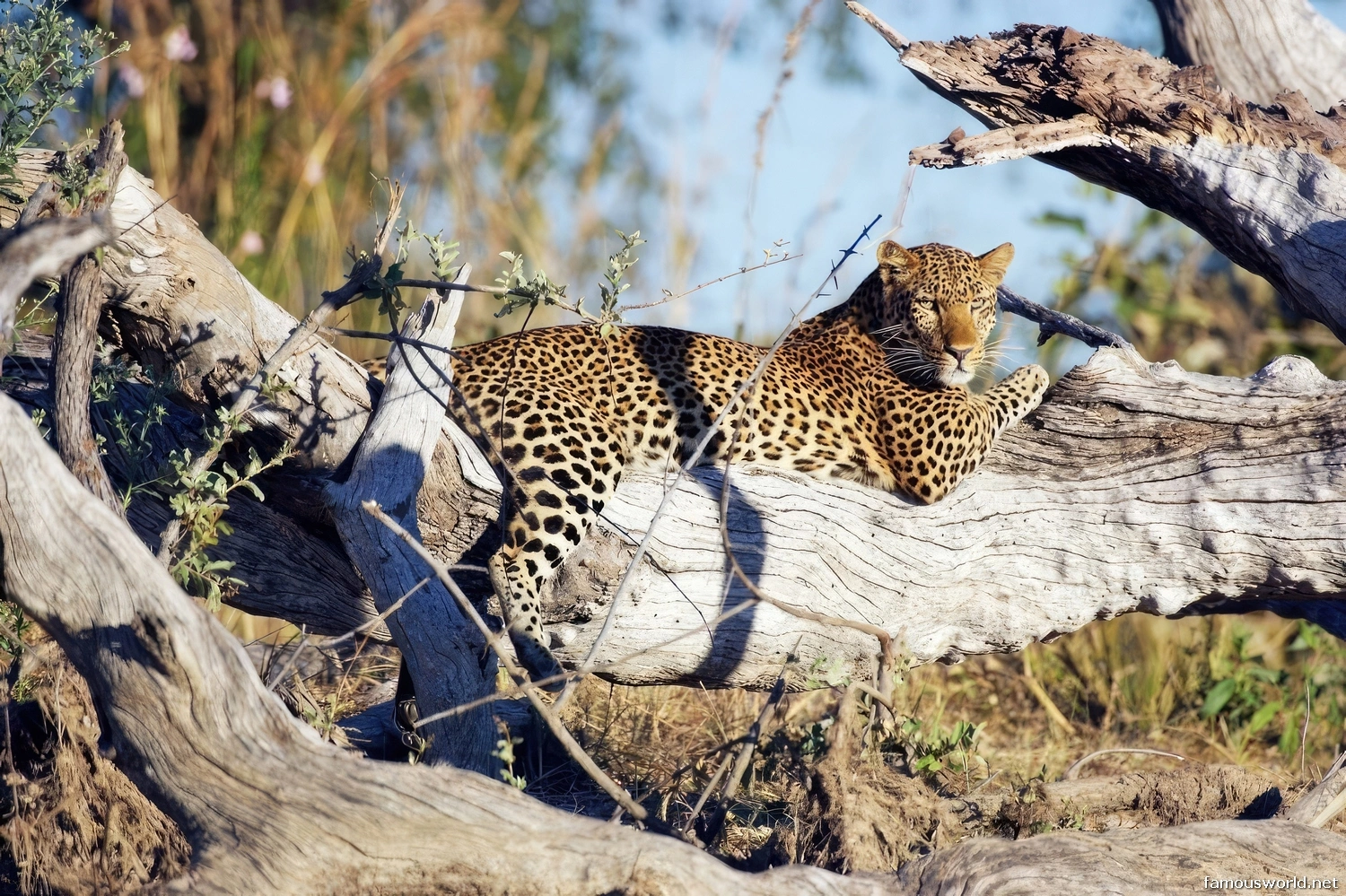
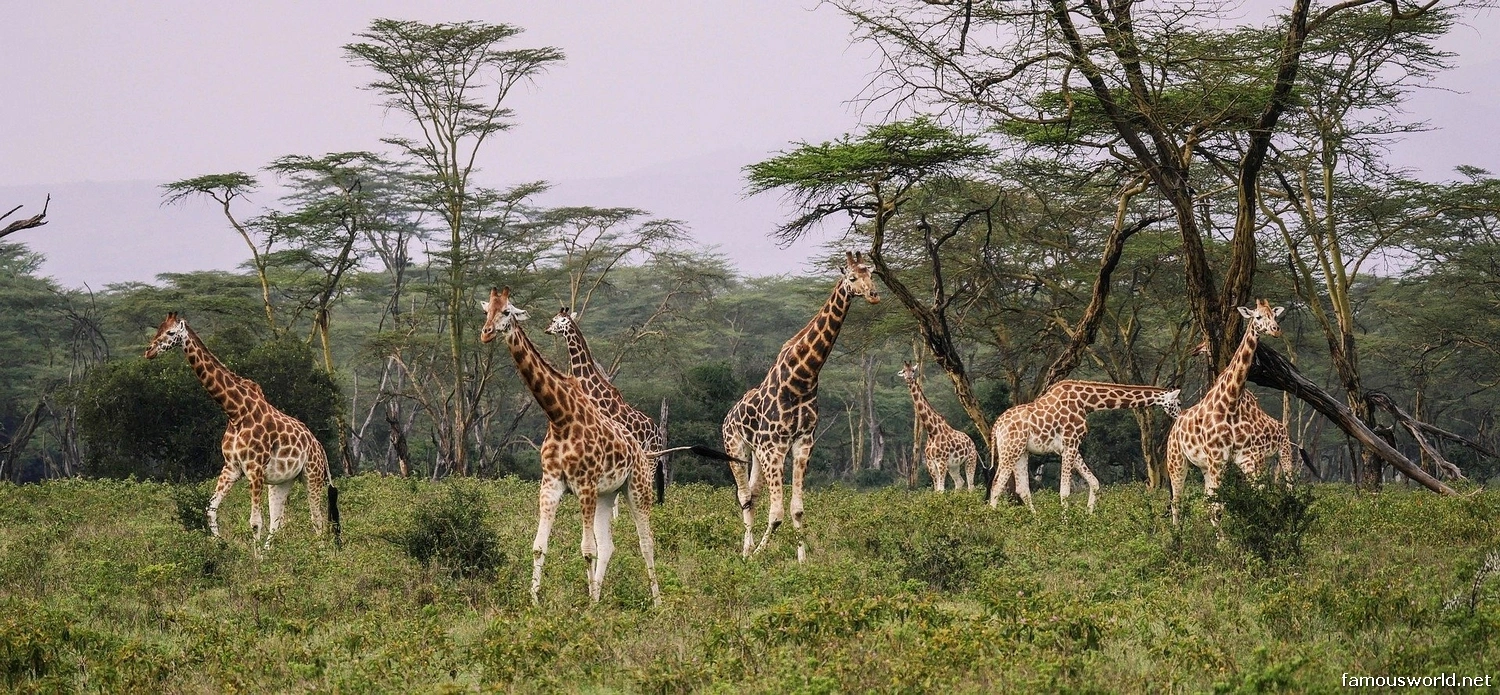
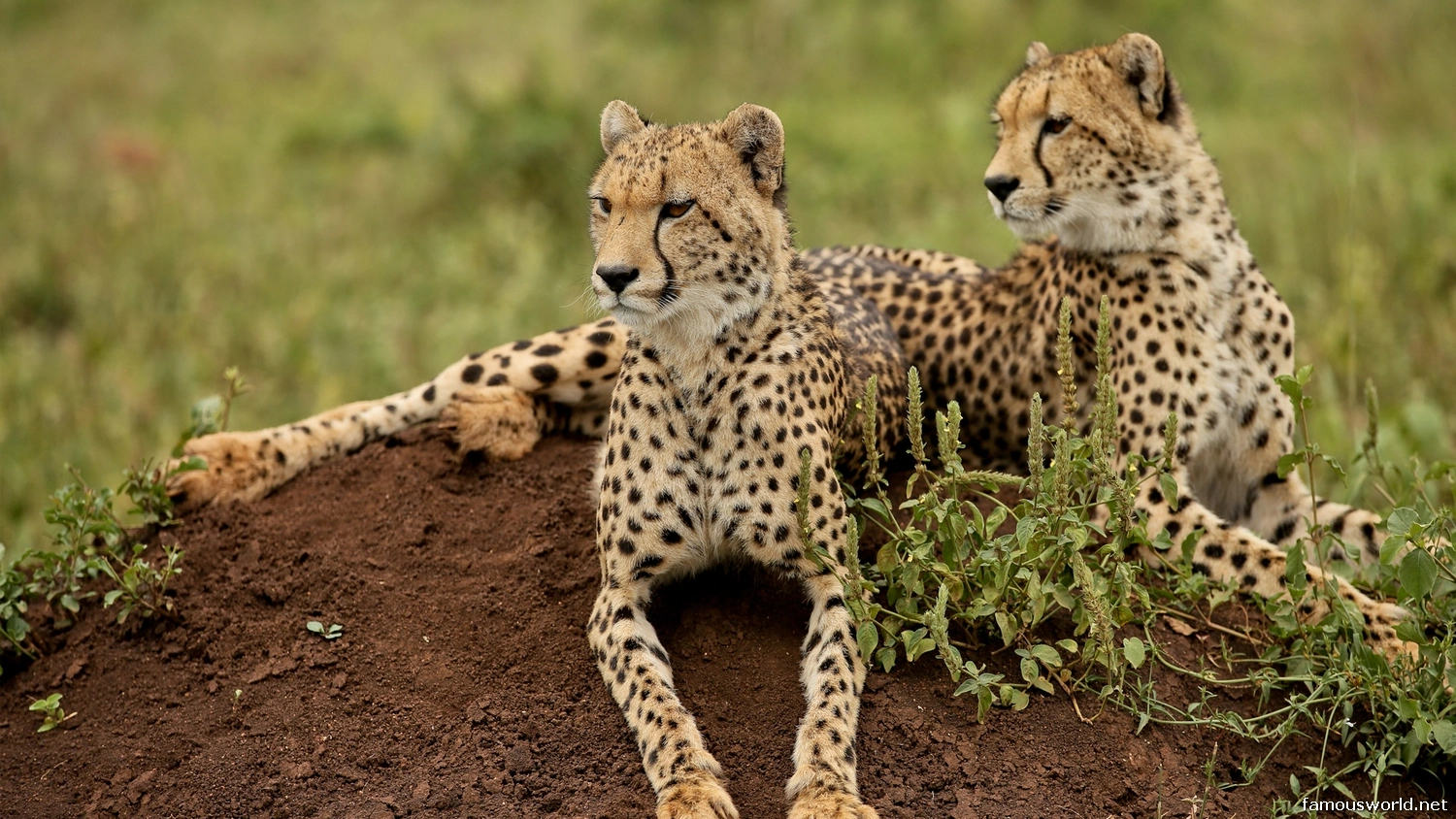
- Incredible Species Diversity: The park boasts one of the highest diversities of antelope species on the continent. It is also a stronghold for lions (including the famous tree-climbing lions of Busanga), leopards, cheetahs, and endangered African wild dogs.
- The Busanga Plains: This spectacular seasonal wetland is often compared to the Serengeti for its wide-open vistas and exceptional game viewing, particularly for its large prides of lions that hunt buffalo and lechwe in the open.
- Birding Paradise: With over 500 recorded bird species, including the endemic Chaplin’s Barbet, it is a world-class destination for birdwatchers.
Differences from Other Wonders
The vast, diverse landscape of Kafue offers a different experience from the more concentrated, valley-focused South Luangwa National Park.
- Environment (Diverse Ecosystems vs. River Valley Focus): Kafue is a mosaic of vastly different ecosystems, from the immense Busanga floodplains in the north to extensive miombo woodlands in the south. South Luangwa’s ecosystem is more singularly focused on the dynamics of the Luangwa River and its associated oxbow lagoons.
- Core Story (A Story of Scale vs. A Story of Density): Kafue’s story is about the sheer scale and variety of its wilderness. South Luangwa’s story is about the incredible density and concentration of wildlife supported by its river valley.
- Primary Attraction (Habitat Variety vs. Safari Style): The primary draw of Kafue is its ecological diversity and the unique spectacle of the Busanga Plains. The primary attraction of South Luangwa is its reputation as the home of the walking safari and its unparalleled density of leopards.
- Atmosphere (Vast and Pioneering vs. Intimate Wilderness): A visit to Kafue feels like an exploration of a vast, continent-sized park with a pioneering spirit. A visit to South Luangwa, while wild, offers a more intimate and focused immersion into a single, incredibly rich river system.
Location on world map