


In the remote heart of central Tanzania exists a vast and rugged wilderness that feels like a world apart: Ruaha National Park. As the nation’s largest park, it offers a safari experience of unparalleled exclusivity and raw authenticity, far from the well-trodden tourist paths. This is Africa at its most untamed, a land defined by the Great Ruaha River, a dramatic, semi-arid landscape studded with ancient baobab trees, and a reputation as a predator stronghold. It stands at a unique ecological crossroads where the savannas of eastern Africa merge with the woodlands of the south, creating a tapestry of biodiversity that is as rich as it is wild.
Listen to an introduction about Ruaha National Park

Name and Location
- Name: Ruaha National Park.
- Location: In the center of Tanzania, about 130 kilometers (81 miles) west of Iringa.
How to Get There
The park’s profound remoteness is central to its allure, making fly-in safaris the preferred method of access.
- By Air: The most efficient way to reach Ruaha is by scheduled or charter light aircraft from Dar es Salaam, Arusha, or the Serengeti. The park is serviced by several airstrips, with Msembe being the primary hub.
- By Road: While driving is possible, it is a long and arduous journey over challenging roads, often taking a full day from major hubs. This route is typically only suitable for the most adventurous self-drive travelers with fully equipped 4×4 vehicles.
Landscape and Ecosystems
Ruaha’s landscape is a masterpiece of dramatic and diverse natural features.
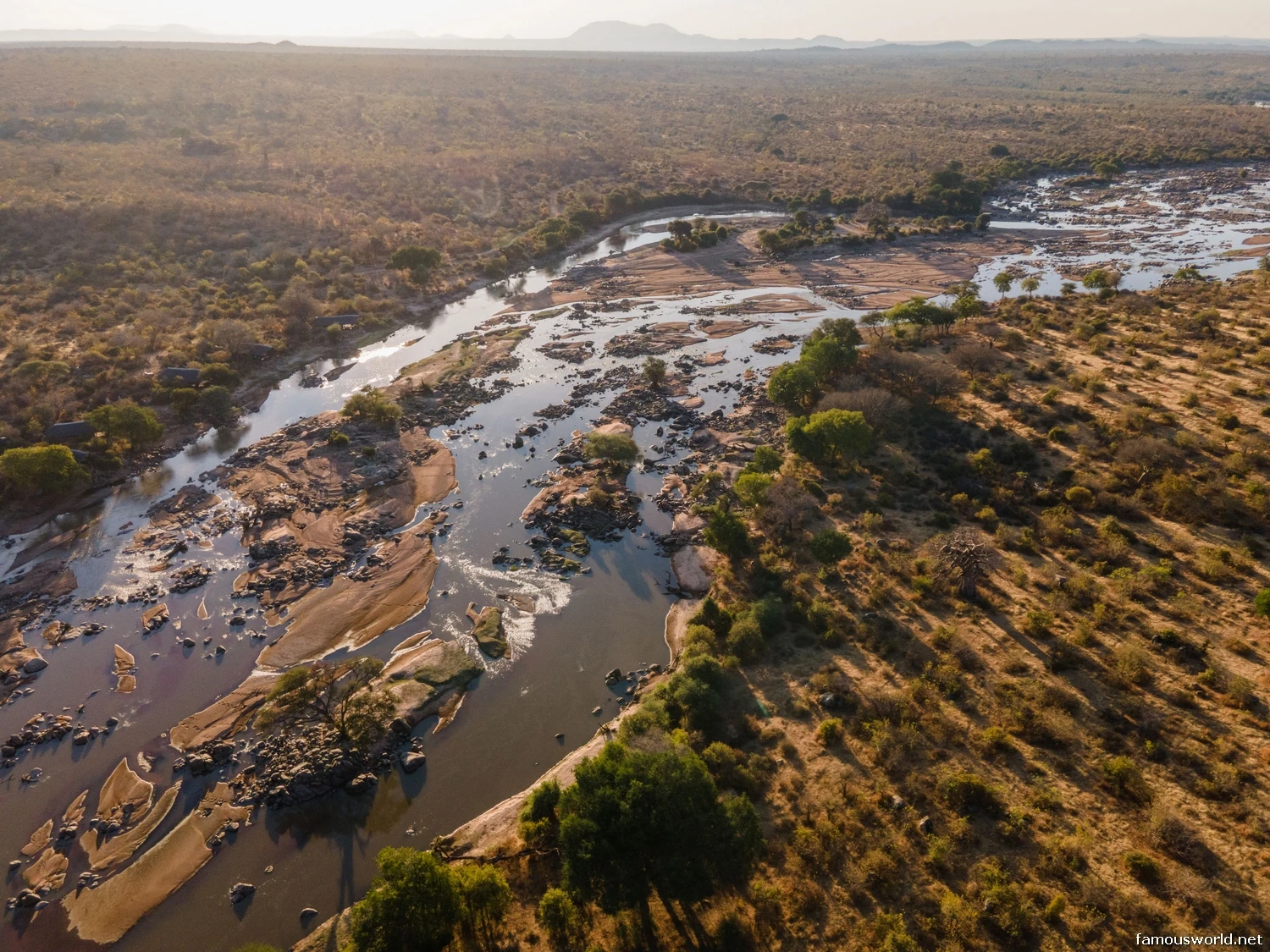
- The Great Ruaha River: This is the park’s lifeline and dominant geographical feature. The river carves a lush, green corridor through the dry bush, and in the dry season, its shrinking pools and sand rivers become a critical gathering point for immense concentrations of wildlife.
- Dramatic Topography: The park’s terrain is a stunning mix of rolling hills, vast open plains, and rugged escarpments. Giant granite outcrops, or kopjes, punctuate the landscape, serving as natural observation posts for the park’s predators.
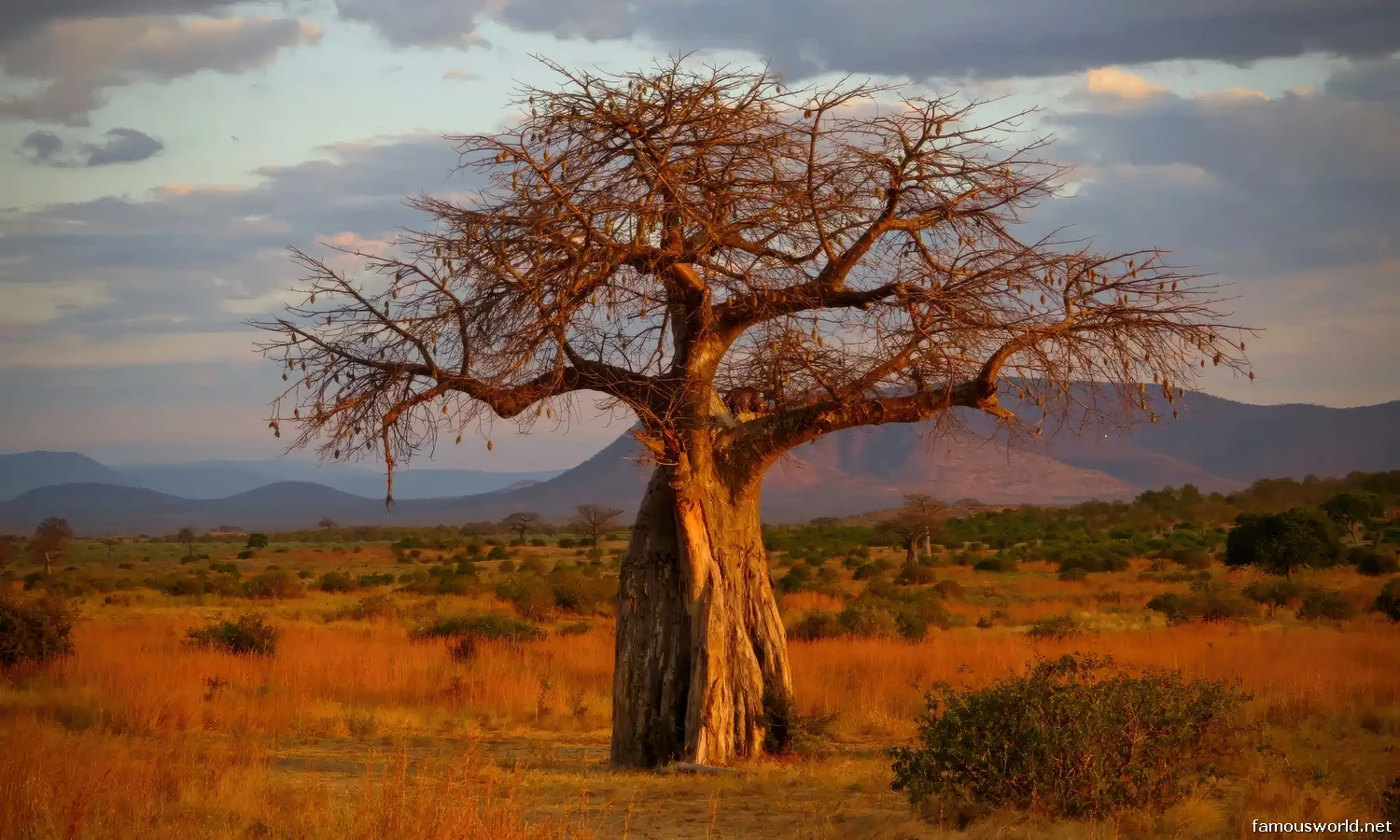
- Forests of Baobabs: Ruaha is synonymous with the iconic baobab tree. These ancient, massive trees stand like sentinels across the savanna, creating a primeval and unforgettable silhouette, especially at sunrise and sunset.
- Unique Ecological Crossroads: The park is a rare transition zone where eastern Africa’s acacia-dotted savannas converge with the miombo woodlands of southern Africa. This overlap results in an extraordinary mix of both flora and fauna not found together elsewhere.
What Makes It Famous
Ruaha’s renown stems from its immense scale, its phenomenal predator concentrations, and its truly authentic wilderness experience.
- A Truly Vast Wilderness: As Tanzania’s largest national park, its immense scale—over 20,000 square kilometers (7,800 square miles)—ensures a sense of profound isolation and discovery.
- Land of Elephants: Ruaha supports one of East Africa’s largest and most significant elephant populations, and sightings of large breeding herds are common.
- A Predator Paradise: The park is legendary for its predator density. It is home to famously large lion prides, a healthy leopard population, and is one of the most important sanctuaries in Africa for the highly endangered African wild dog.
- Unmatched Biodiversity: Its position as an ecological transition zone means it hosts an unusual diversity of antelope, including both the greater and lesser kudu, as well as the majestic sable and roan antelopes, which are rarely seen in northern Tanzania.
- Authentic Safari Experience: With a fraction of the visitors of the Serengeti or Ngorongoro, Ruaha offers a safari experience that is both intimate and wild, defined by solitude and a feeling of being completely immersed in nature.
Differences from Other Wonders
The raw, living wilderness of Ruaha provides a powerful contrast to the ancient, human-focused narrative of the Niassa Reserve.
- Environment (Semi-Arid Savanna vs. Miombo Woodland): Ruaha is characterized by its semi-arid climate with acacia savannas and iconic baobab trees. Niassa is dominated by the vast, uniform miombo woodland typical of south-central Africa.
- Core Story (Predator Stronghold vs. Conservation Frontier): Ruaha is famous as an established predator hotspot, particularly for its large lion prides. Niassa’s story is one of a vast, remote conservation frontier focused on protecting massive landscapes and key elephant and wild dog populations from threats.
- Primary Attraction (Lion Prides vs. Sheer Scale): While both are wild, a key draw for Ruaha is the high probability of seeing its famous large lion prides. The primary attraction for Niassa is its almost unimaginable scale and the feeling of being in one of Africa’s last truly untouched wildernesses.
- Atmosphere (Dramatic and Varied vs. Vast and Remote): Ruaha’s landscape feels dramatic and varied, with its river, kopjes, and open plains creating diverse scenes. Niassa’s atmosphere is defined by its overwhelming vastness, remoteness, and the profound solitude it offers.
Location on world map