





Hidden among the granite hills of central Tanzania lies one of Africa’s most extensive and important collections of ancient art. The Kondoa Irangi Rock-Art Sites are a scattered gallery of natural rock shelters and overhangs, their surfaces adorned with thousands of paintings created over millennia. This is not a single location but a vast cultural landscape, recognized as a UNESCO World Heritage Site for its outstanding testimony to the long history of human creativity and spiritual belief in the region. The vibrant, stylized images of people, animals, and abstract symbols provide a rare and direct link to the hunter-gatherer and pastoralist societies that once thrived on the Maasai Steppe. A visit here is a journey into a sacred, ancient world, offering a profound connection to the artistic soul of humanity’s past.
Listen to an introduction about Kondoa Irangi Rock-Art Sites

Name and Location
- Name: Kondoa Irangi Rock-Art Sites (or simply Kondoa Rock Paintings).
- Location: Spread across the Kondoa District in the Dodoma Region of central Tanzania, along the eastern slopes of the Maasai Escarpment of the Great Rift Valley.
How to Get There
Reaching the sites is more challenging than visiting the main Northern Safari Circuit parks, which helps preserve their serene and remote character.
- By Road: The sites are best accessed by a sturdy 4×4 vehicle. The journey typically starts from the town of Kondoa, which is a several-hour drive from major centers like Arusha or the capital, Dodoma. From Kondoa town, local guides are essential to navigate the rough tracks leading to the various rock shelters.
Landscape and Architecture
The “architecture” of these sites is entirely natural, shaped by geology and time.
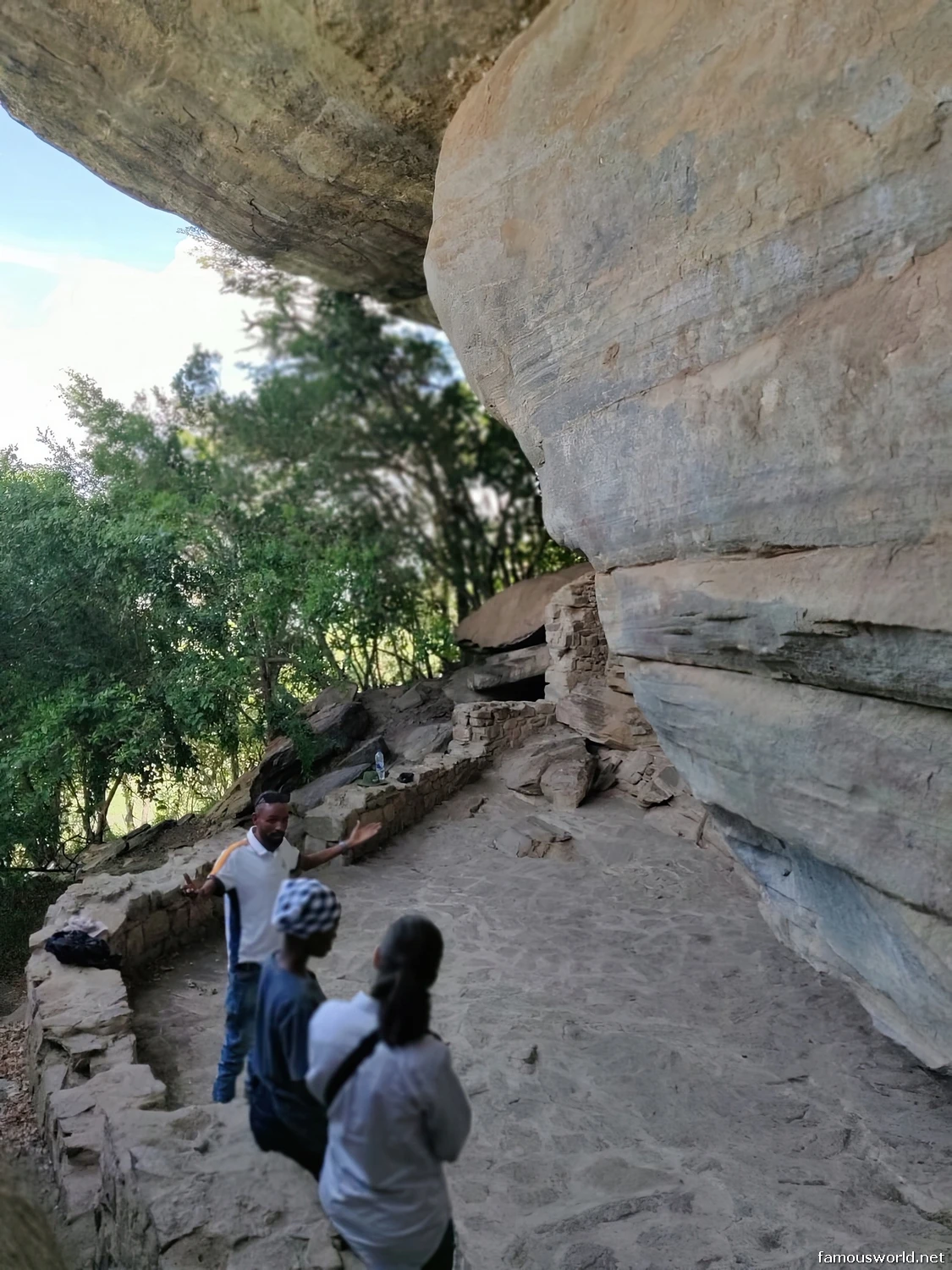
- Rock Shelters: The paintings are found on the protected vertical surfaces of granite rock overhangs and shelters (known locally as mwankos). These natural formations provided ideal canvases, shielding the art from the elements for thousands of years.
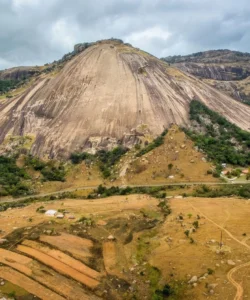
- Rift Valley Landscape: The sites are set within a dramatic landscape of semi-arid acacia scrubland and rolling hills characteristic of the Great Rift Valley. This environment provided the resources—animals to hunt, plants to gather—that are so vividly depicted in the art.
What Makes It Famous
The sites are famous for the sheer volume, quality, and immense time span of their rock paintings.
- UNESCO World Heritage Status: Their global significance is recognized by UNESCO for providing a spectacular and exceptionally well-preserved record of the socio-economic and ideological evolution of humanity in East Africa.
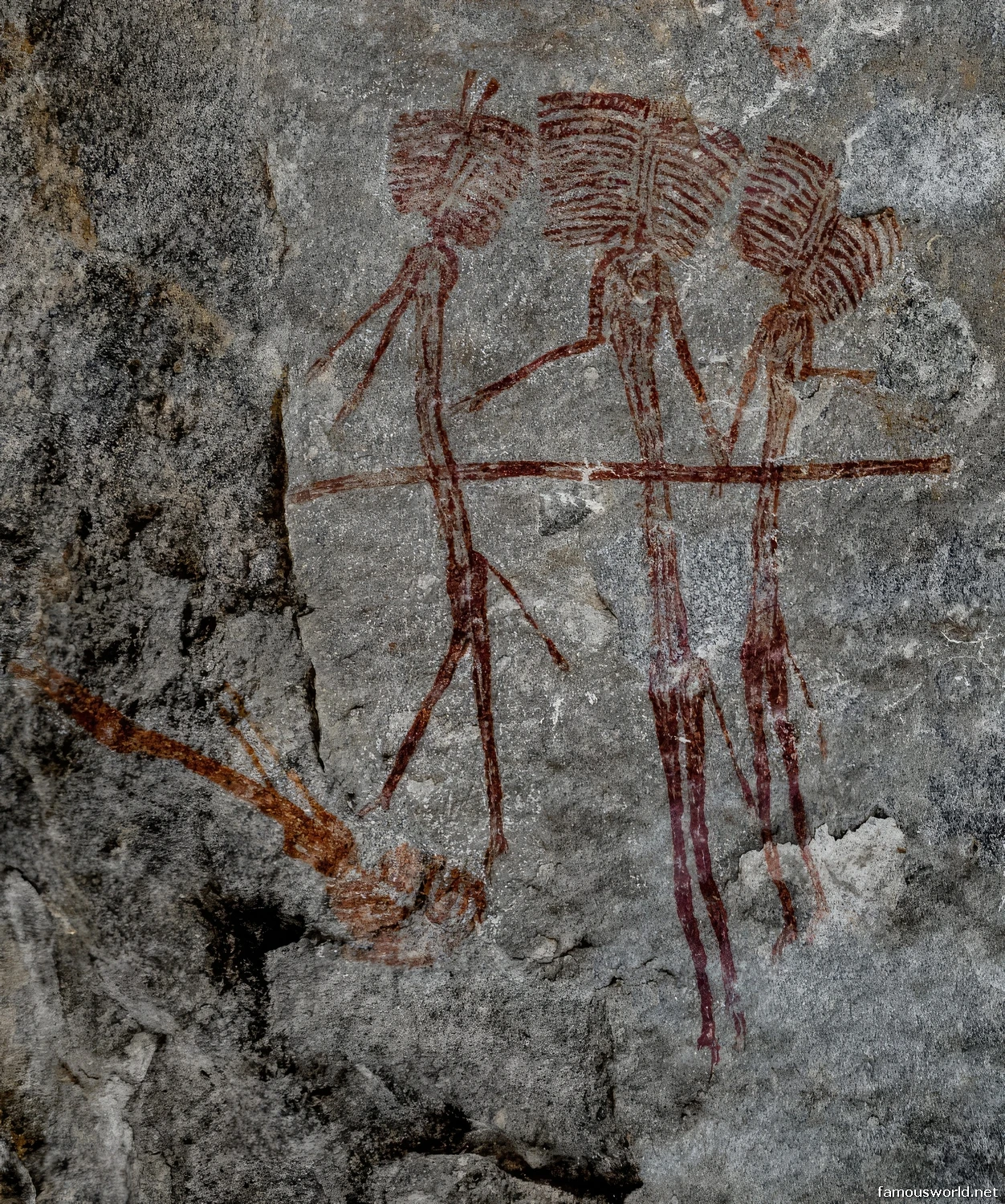
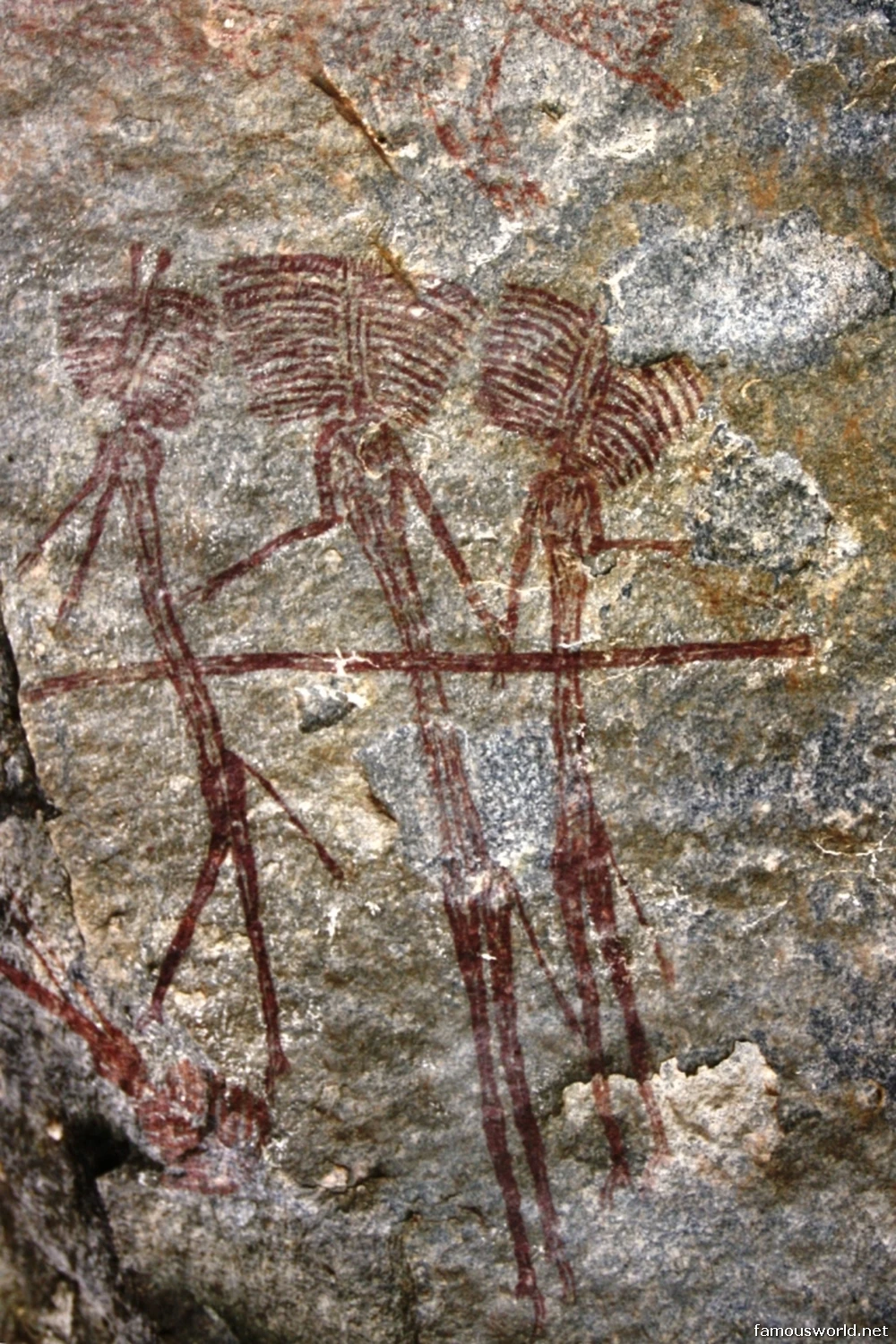
- Hunter-Gatherer Art: The oldest paintings, some potentially dating back over 2,000 years, were created by hunter-gatherer communities. They are characterized by thin, red, elongated human figures, often shown in motion, alongside detailed depictions of the animals they hunted, such as giraffes, elands, and elephants. These depictions are believed to hold deep symbolic or shamanic meaning, possibly related to hunting rituals, spiritual trances, or the mythology of these ancient people.
- Pastoralist Art: Later paintings, made by pastoralist groups, introduce domesticated cattle, new geometric symbols, and a different artistic style, often in white or black pigment. This layering of art styles documents the cultural shift from foraging to herding.
- Living Tradition: Uniquely, some of the sites are still considered to have spiritual or ritual significance by local communities, making this a living cultural landscape, not just a historical one.
Differences from Other Wonders
The artistic and spiritual nature of the Kondoa sites offers a different window into the past than the scientific, fossil-based story of Olduvai Gorge.
- Environment (Bushland Shelters vs. Arid Ravine): Kondoa’s art is found in natural rock shelters within a wooded, hilly landscape. Olduvai is a stark, arid, and deeply eroded geological ravine.
- Core Story (Artistic Expression vs. Biological Evolution): Kondoa tells the story of the inner world of ancient peoples—their beliefs, rituals, and way of seeing the world, expressed through art. Olduvai tells the story of the physical evolution of hominids, documented by fossilized bones and tools.
- Primary Attraction (Ancient Paintings vs. Ancient Fossils): The main draw of Kondoa is aesthetic and cultural—viewing ancient paintings as a form of communication and spiritual expression. The primary attraction of Olduvai is scientific—examining the fossil and tool evidence of our earliest ancestors.
- Atmosphere (Spiritual and Artistic vs. Scientific and Contemplative): A visit to Kondoa feels like stepping into a sacred gallery, inspiring a connection to the artistic spirit of the past. A visit to Olduvai inspires a more intellectual and contemplative sense of deep time and our own evolutionary journey.
Location on world map