



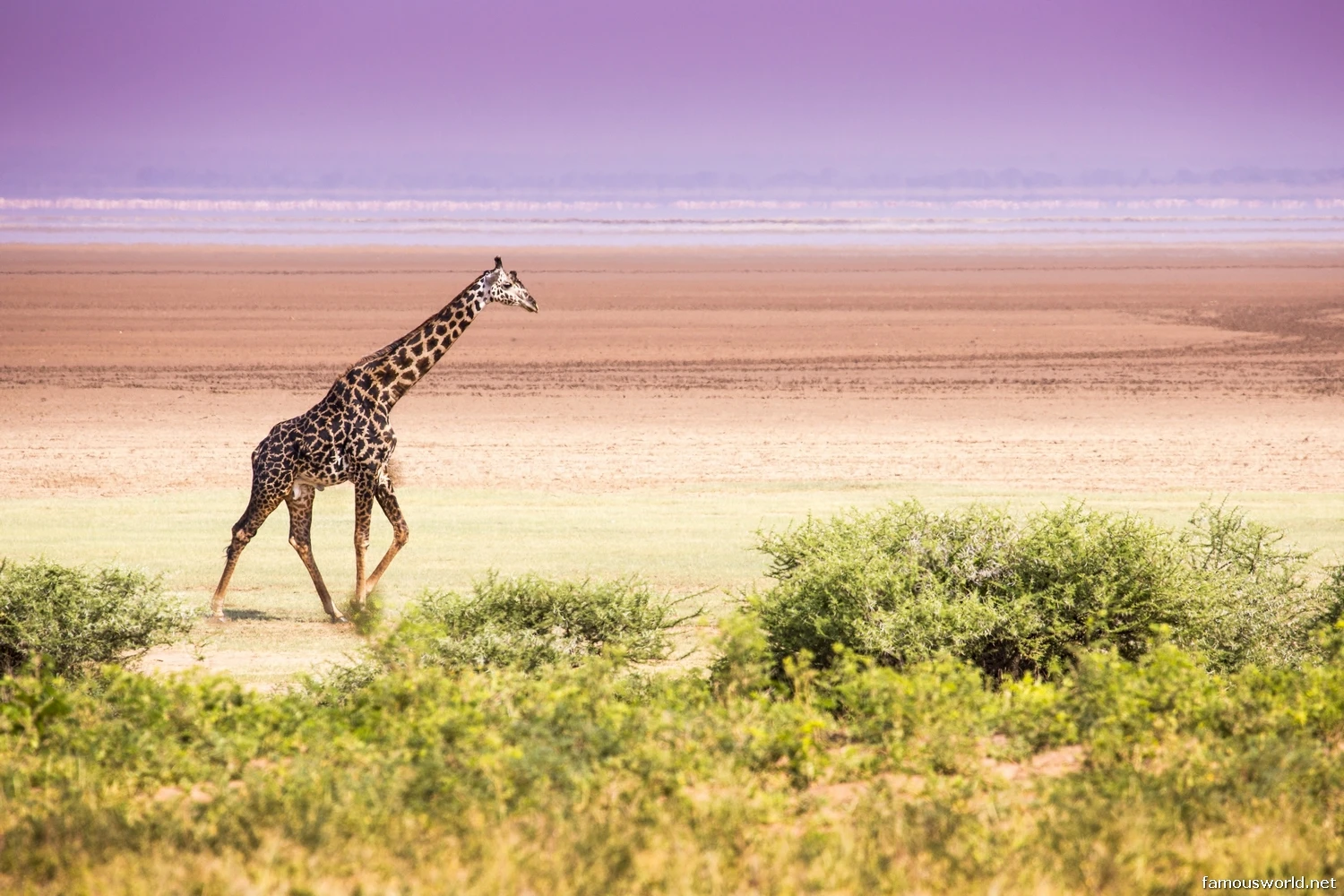


Nestled at the base of the Great Rift Valley’s dramatic western escarpment, Lake Manyara National Park is a compact and incredibly diverse gem of Tanzania’s Northern Safari Circuit. Though small, it boasts a remarkable variety of ecosystems, from lush groundwater forests to acacia woodlands, and the vast, shimmering soda lake from which it takes its name. The park is a world of contrasts, famous for the spectacle of thousands of pink flamingos lining the shore and the legendary, yet elusive, tree-climbing lions that have adapted to its unique environment. It is an ecological microcosm, offering a rich and scenic introduction to the natural wonders of the region.
Listen to an introduction about Lake Manyara National Park

Name and Location
- Name: Lake Manyara National Park.
- Location: Northern Tanzania, situated between the Great Rift Valley escarpment and Lake Manyara, near the town of Mto wa Mbu.
How to Get There
As a popular stop on the Northern Circuit, Lake Manyara is very accessible.
- By Road: The park is easily reached by a 4×4 safari vehicle from the city of Arusha, a journey of about 1.5 to 2.5 hours. It is conveniently located on the main route to the Ngorongoro Crater and the Serengeti.
- By Air: The nearest airport is Lake Manyara Airport (LKY), which receives scheduled domestic flights from Arusha and other safari destinations, making fly-in safaris a convenient option.
Landscape and Ecosystems
The park’s dramatic setting creates a mosaic of distinct and beautiful habitats.
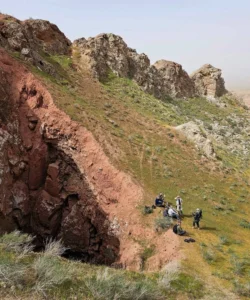
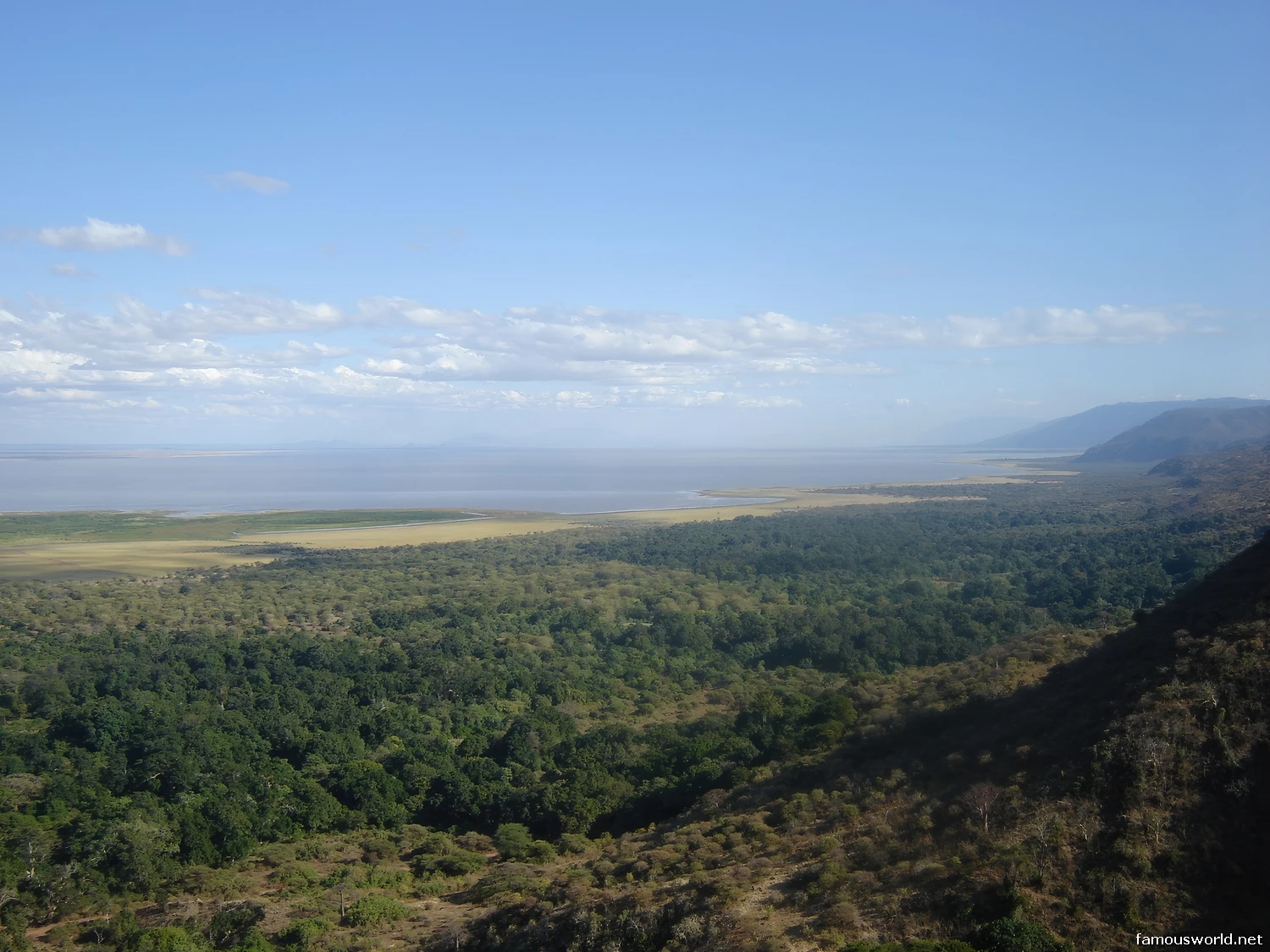
- Rift Valley Escarpment: The park’s western boundary is the towering wall of the Great Rift Valley, creating a stunning backdrop and feeding the park with perennial springs and streams.
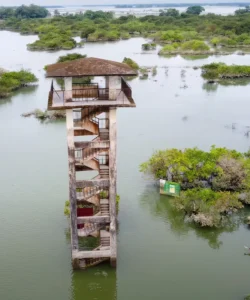
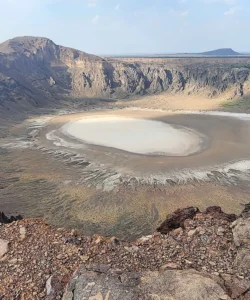
- Alkaline Lake: The shallow, alkaline Lake Manyara dominates the park, covering about two-thirds of its total area. The water level fluctuates significantly with the seasons, and its mineral-rich content attracts vast numbers of water birds.
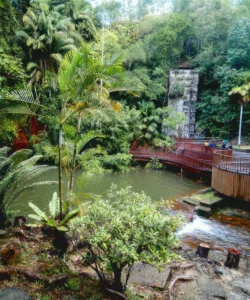
- Groundwater Forest: At the park’s entrance lies a dense, jungle-like forest sustained by underground springs. This lush environment is famous for its large troops of baboons and blue monkeys.
- Acacia Woodlands and Grasslands: Further from the forest, the terrain opens up into classic acacia woodlands and grassy floodplains, which are home to elephants, giraffes, buffaloes, and the park’s famous tree-climbing lions.
What Makes It Famous
Lake Manyara is renowned for its unique wildlife behaviors and birdlife against a stunning geological backdrop.
- Tree-Climbing Lions: The park is one of the few places in Africa where lions have developed the habit of resting in the branches of acacia trees, a behavior that has made them legendary.
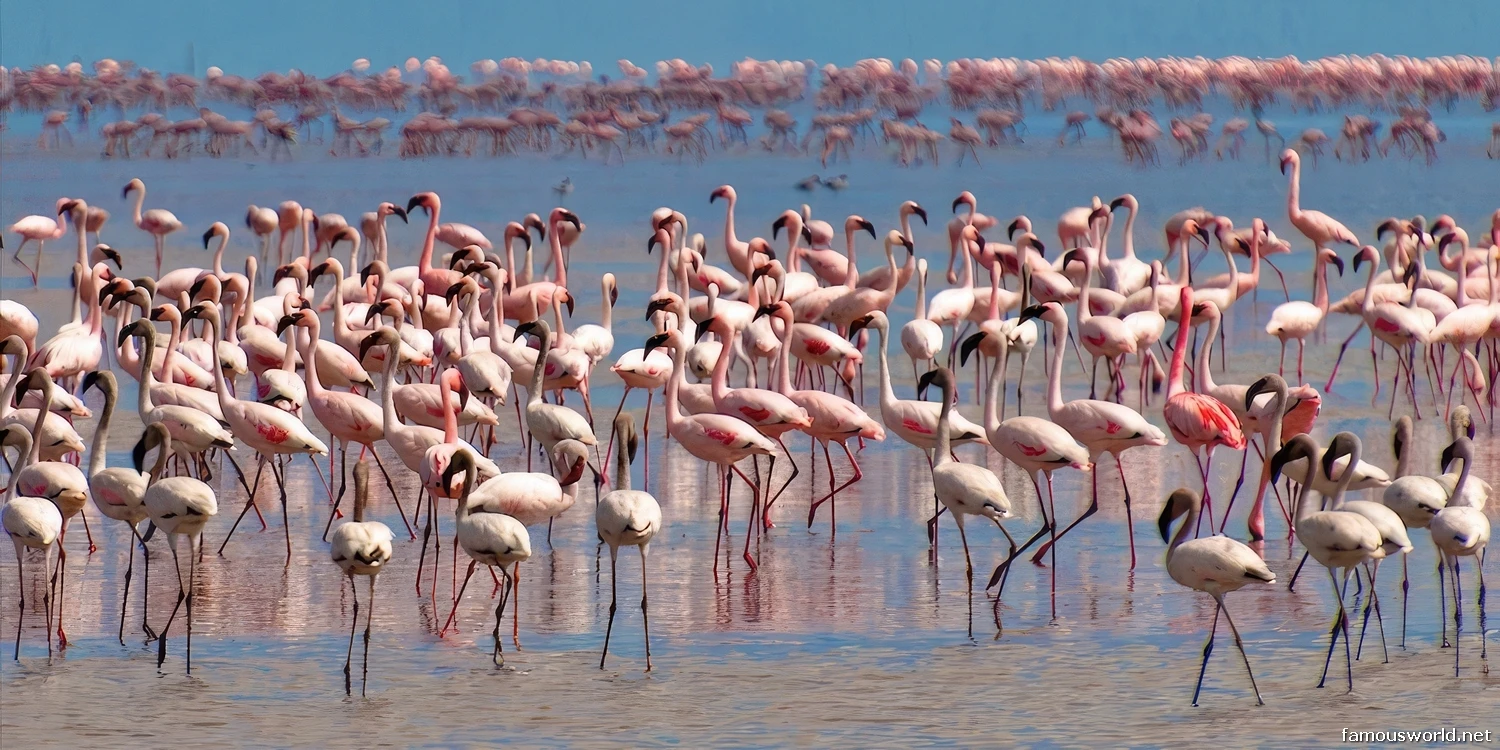
- Flamingo Flocks: The alkaline lake is a critical feeding ground for huge flocks of lesser flamingos, which can carpet the shoreline in a breathtaking sea of pink, particularly during the wet season.
- Rich Birdlife: With over 400 species recorded, it’s a fantastic destination for birdwatching, known for its water birds, forest species, and birds of prey.
- Large Baboon Troops: Lake Manyara is home to some of the largest troops of baboons in Africa, offering fascinating opportunities to observe their complex social interactions.
Differences from Other Wonders
The lush, compact, and diverse environment of Lake Manyara contrasts sharply with the vast, dry savanna of its neighbor, Tarangire National Park.
- Environment (Alkaline Lake and Forest vs. Dry Savanna and River): Manyara is defined by its large soda lake, lush groundwater forests, and the dramatic Rift Valley escarpment. Tarangire is defined by its seasonal river, ancient baobab trees, and vast, rolling savanna.
- Core Story (Geological Microcosm vs. Seasonal Animal Refuge): Manyara’s story is that of a diverse ecosystem thriving in the unique geological setting of the Rift Valley. Tarangire’s story is one of a seasonal refuge where wildlife congregates from a huge surrounding area to survive the dry season.
- Primary Attraction (Unique Behaviors vs. Immense Herds): The star attractions in Manyara are specific and unique animal behaviors—tree-climbing lions and flamingo flocks. The main draw of Tarangire is the sheer scale and concentration of its massive elephant herds.
- Atmosphere (Lush and Intimate vs. Vast and Primeval): Manyara offers a more intimate safari experience through its varied and lush landscapes. Tarangire provides a sense of vast, raw, and primeval wilderness.
Location on world map