




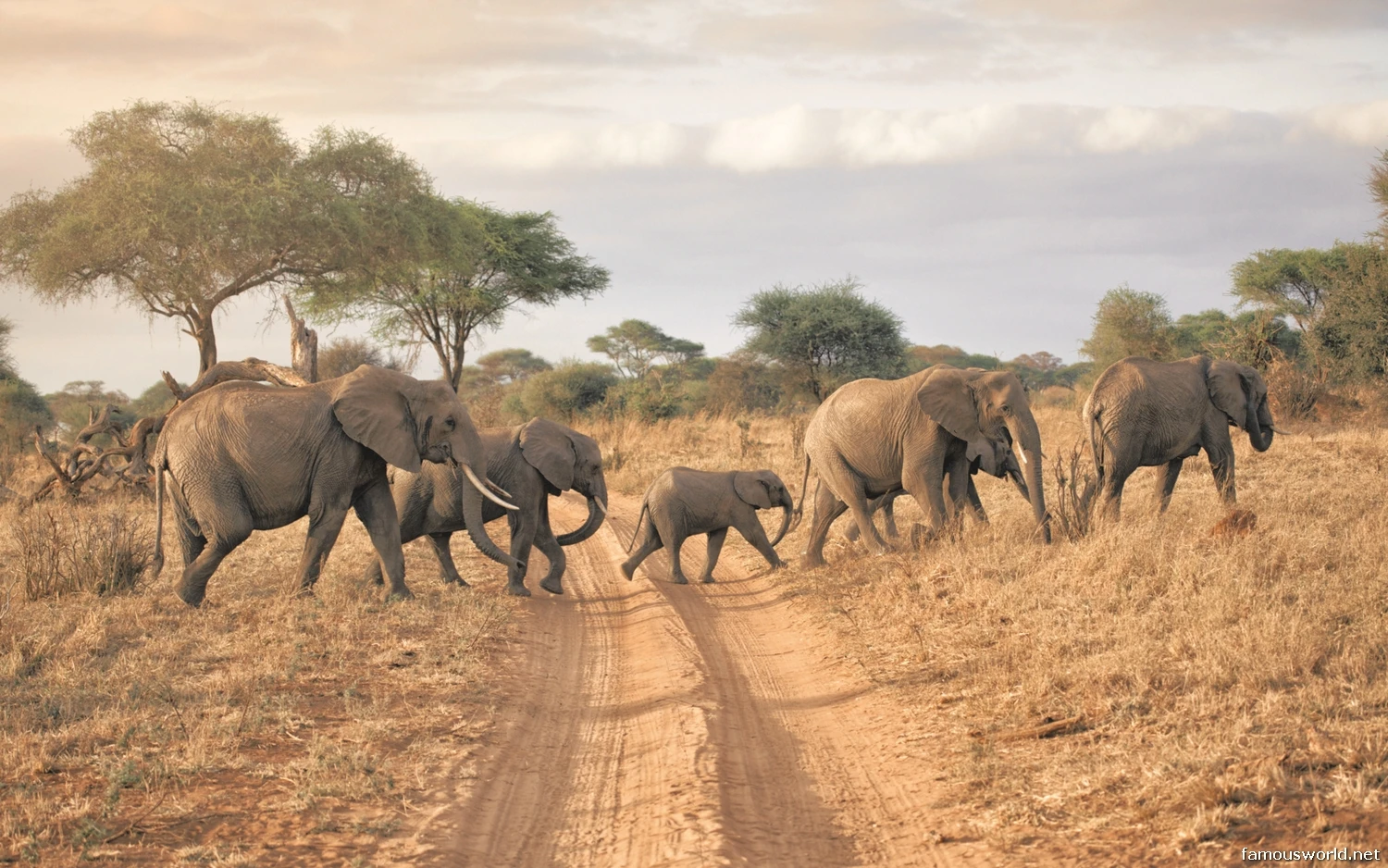


Tarangire National Park is the undisputed “Land of Giants.” Famous for the ancient, massive baobab trees that dominate its landscape and the colossal herds of elephants that roam beneath them, this park offers one of the most classic and scenic safari experiences in Tanzania. While part of the popular Northern Safari Circuit, it has a distinct character defined by the Tarangire River, which acts as a lifeline during the dry season, drawing an incredible concentration of wildlife from the surrounding Maasai Steppe. It is a place of dramatic landscapes, exceptional birdlife, and an atmosphere of raw, unspoiled wilderness, providing a stunning spectacle of nature’s resilience and scale.
Listen to an introduction about Tarangire National Park

Name and Location
- Name: Tarangire National Park.
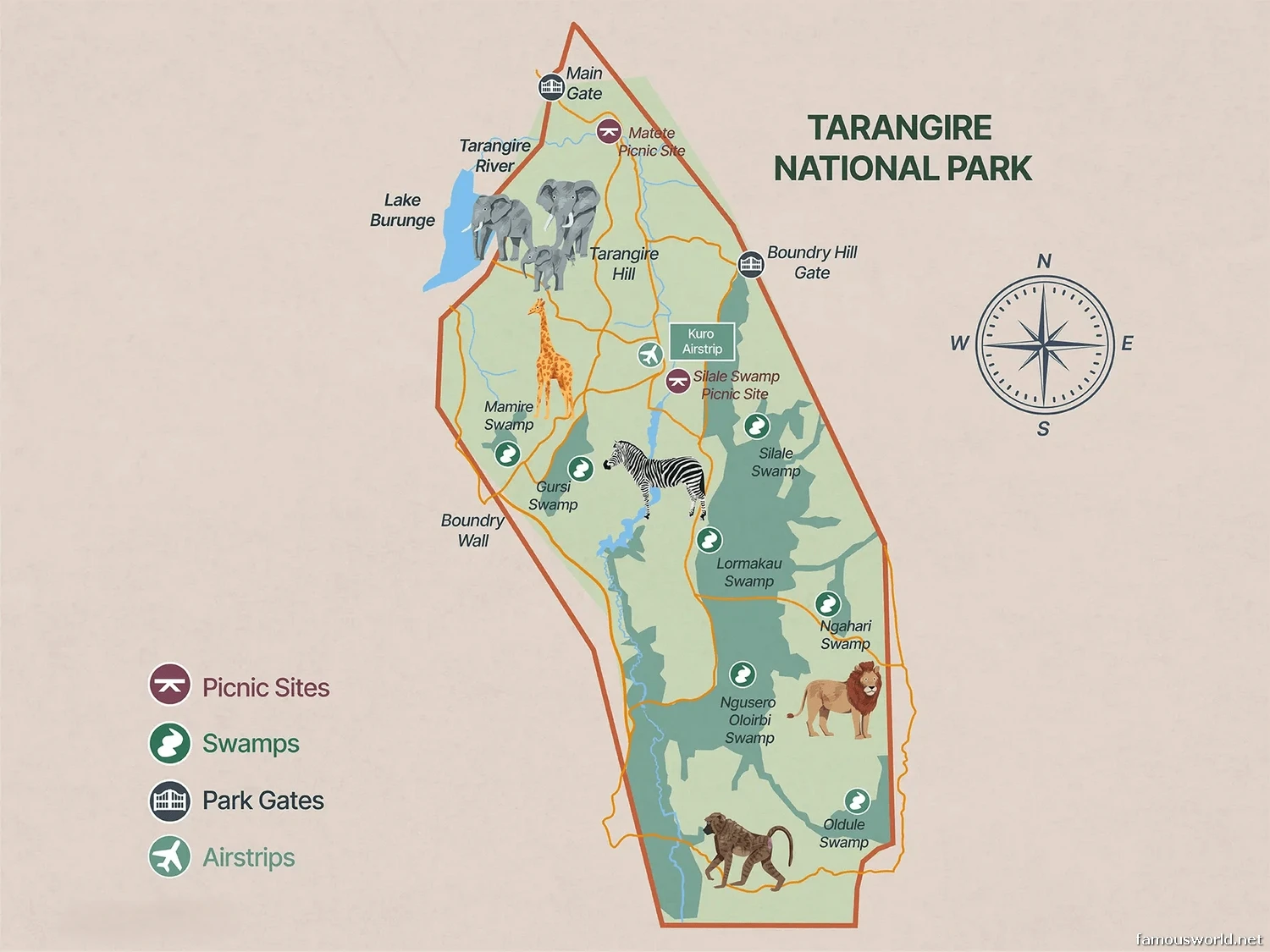
- Location: Northern Tanzania, southwest of the city of Arusha and south of Lake Manyara National Park.
How to Get There
Tarangire is a key and easily accessible part of the Northern Circuit itinerary.
- By Road: The most common way to visit is by 4×4 safari vehicle from Arusha, a drive of approximately 2-3 hours. It is often the first or last stop on a circuit that includes Lake Manyara, Ngorongoro Crater, and the Serengeti.
- By Air: The park is served by several airstrips, allowing for fly-in safaris from Arusha Airport (ARK) or Kilimanjaro International Airport (JRO), connecting seamlessly with other parks.
Landscape and Ecosystems
The park’s environment is shaped by its river, unique vegetation, and seasonal changes.
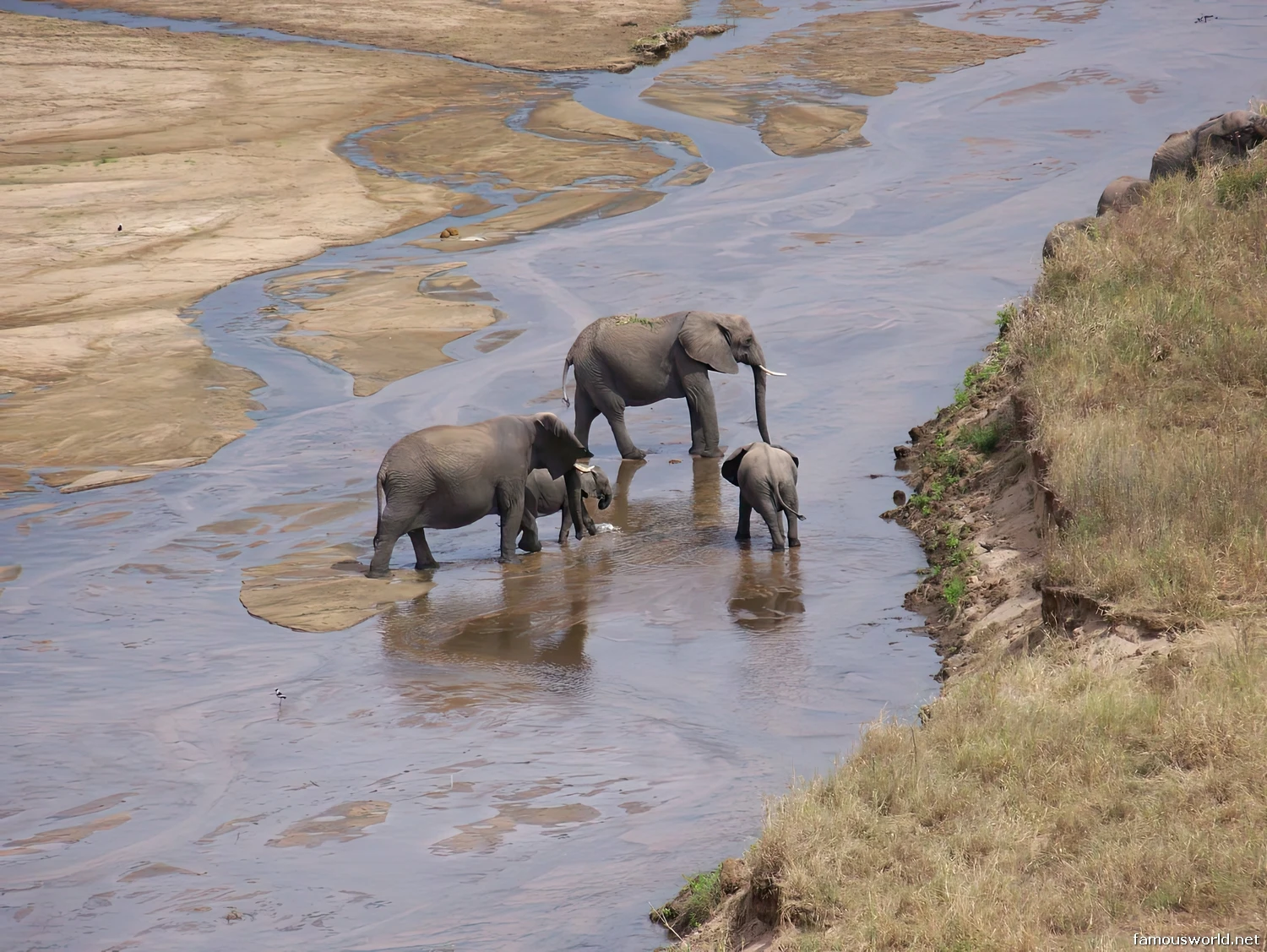
- Tarangire River: The permanent Tarangire River is the park’s heart and soul. During the dry season (June to October), it becomes the only significant water source in the region, attracting thousands of animals.
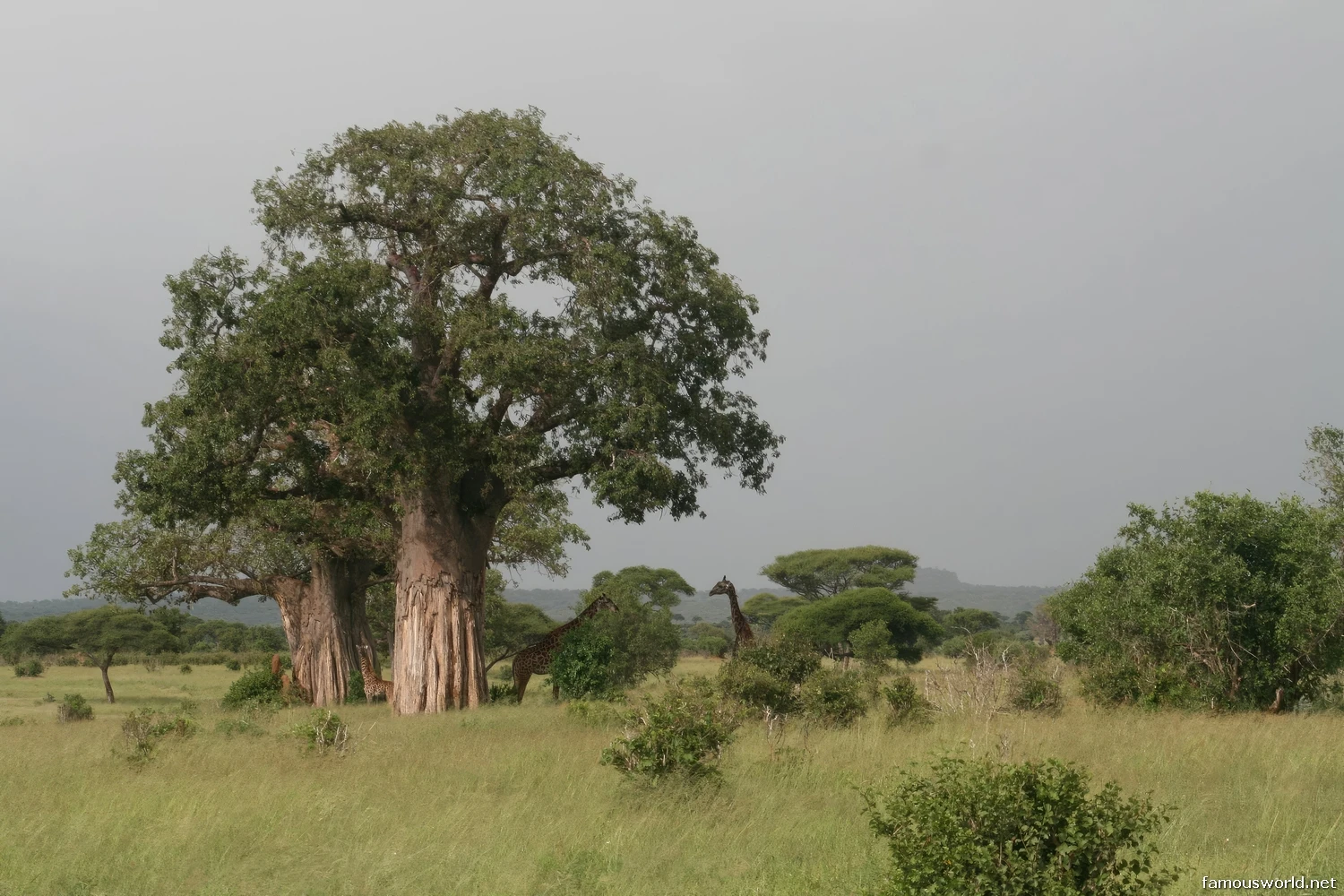
- Baobab Trees: The park is famous for its dense population of majestic baobab trees, some of which are centuries old. These iconic “upside-down trees” create a unique and primeval-feeling landscape.
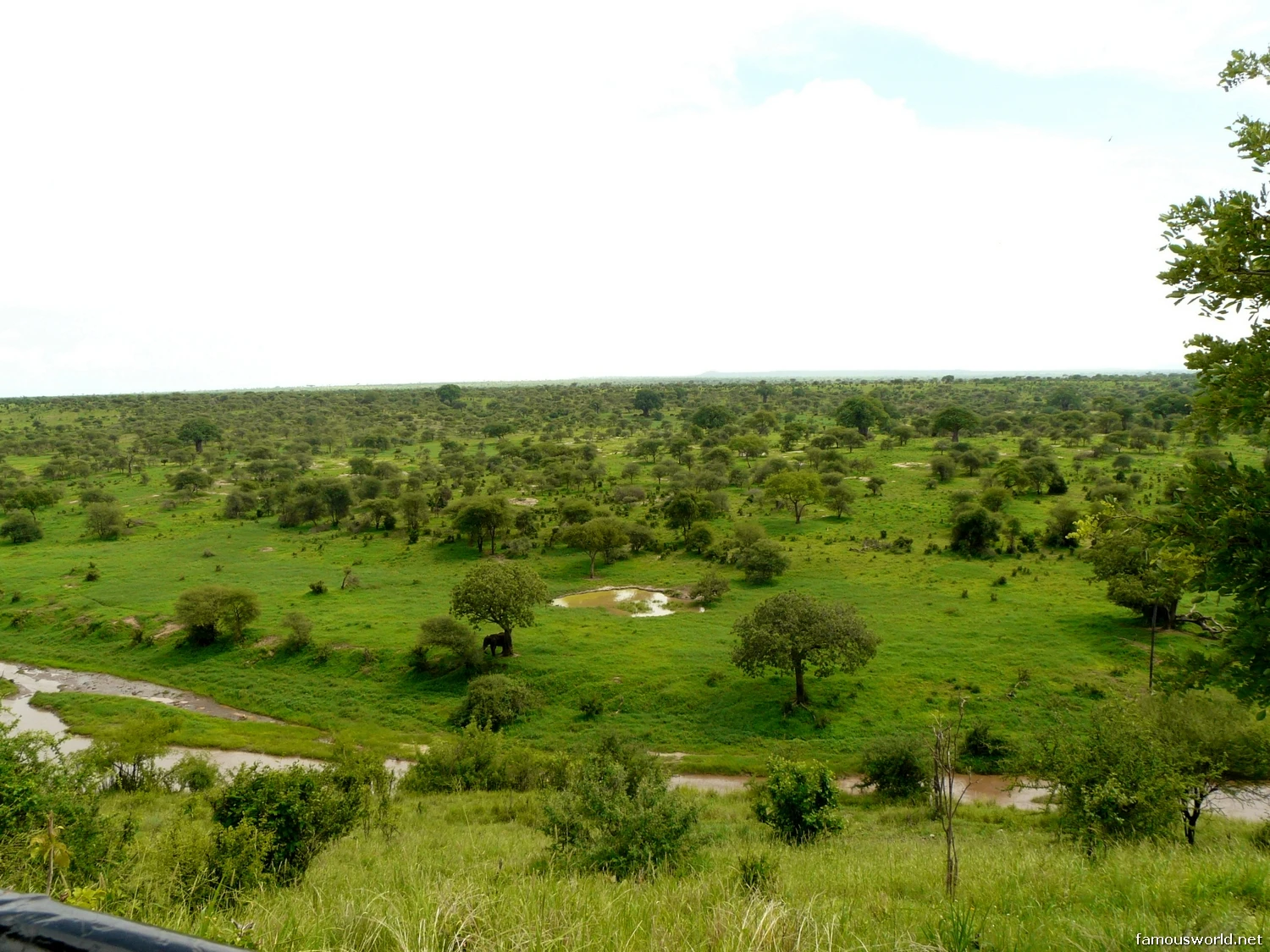
- Diverse Terrain: Beyond the river and baobabs, the park features a variety of habitats, including rolling acacia woodlands, open grasslands, vast swamps, and riverine forests, supporting a wide range of wildlife.
What Makes It Famous
Tarangire’s reputation is built on its massive elephant herds and its role as a crucial dry-season refuge.
- Spectacular Elephant Concentrations: The park is renowned for hosting one of the largest elephant populations in Tanzania. During the dry season, herds of up to 300 elephants can be seen digging for water in the dry riverbed.
- The Baobab Kingdom: The sheer number and size of the baobab trees are a unique and defining feature, making the park’s landscape instantly recognizable.
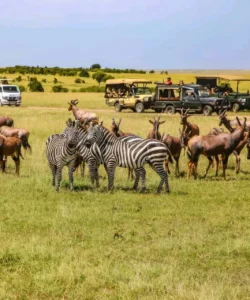
- Dry Season Wildlife Magnet: It offers phenomenal game viewing from June to October when vast numbers of wildebeest, zebras, buffaloes, giraffes, and other plains game migrate to the park for the water of the Tarangire River.
- Birding Paradise: With over 550 recorded bird species, Tarangire is a premier destination for birdwatchers, home to many dry-country specials and endemic species.
Differences from Other Wonders
The dry, seasonal savanna of Tarangire offers a classic safari experience that is very different from the vast, aquatic world of Lake Victoria.
- Environment (Dry Savanna vs. Freshwater Sea): Tarangire is a classic terrestrial park defined by its river, woodlands, and seasonal savanna. Lake Victoria is a massive freshwater inland sea.
- Core Story (Seasonal Animal Refuge vs. Continental Lifeblood): Tarangire’s story is one of seasonal migration and survival, centered on the animals that depend on its river during the dry months. Lake Victoria’s story is that of a vital, year-round resource for water, fishing, and transport that supports millions of people.
- Primary Attraction (Elephants and Baobabs vs. Lake Scale and Culture): The main draws of Tarangire are its giant elephant herds and iconic baobab trees. The primary attractions of Lake Victoria are its immense scale, its role as the source of the Nile, and the cultures of its island communities.
- Atmosphere (Classic Safari Park vs. Working Waterway): Tarangire provides a quintessential wild safari atmosphere, focused on game drives and observing animal behavior. Lake Victoria has the feel of a powerful, working natural feature, integrated into the daily economic and social life of three nations.
Location on world map