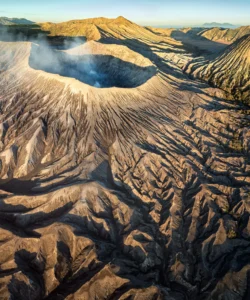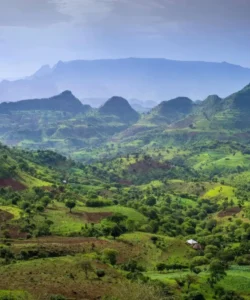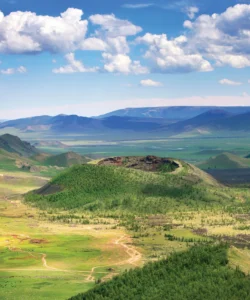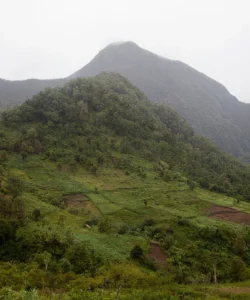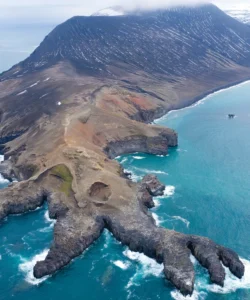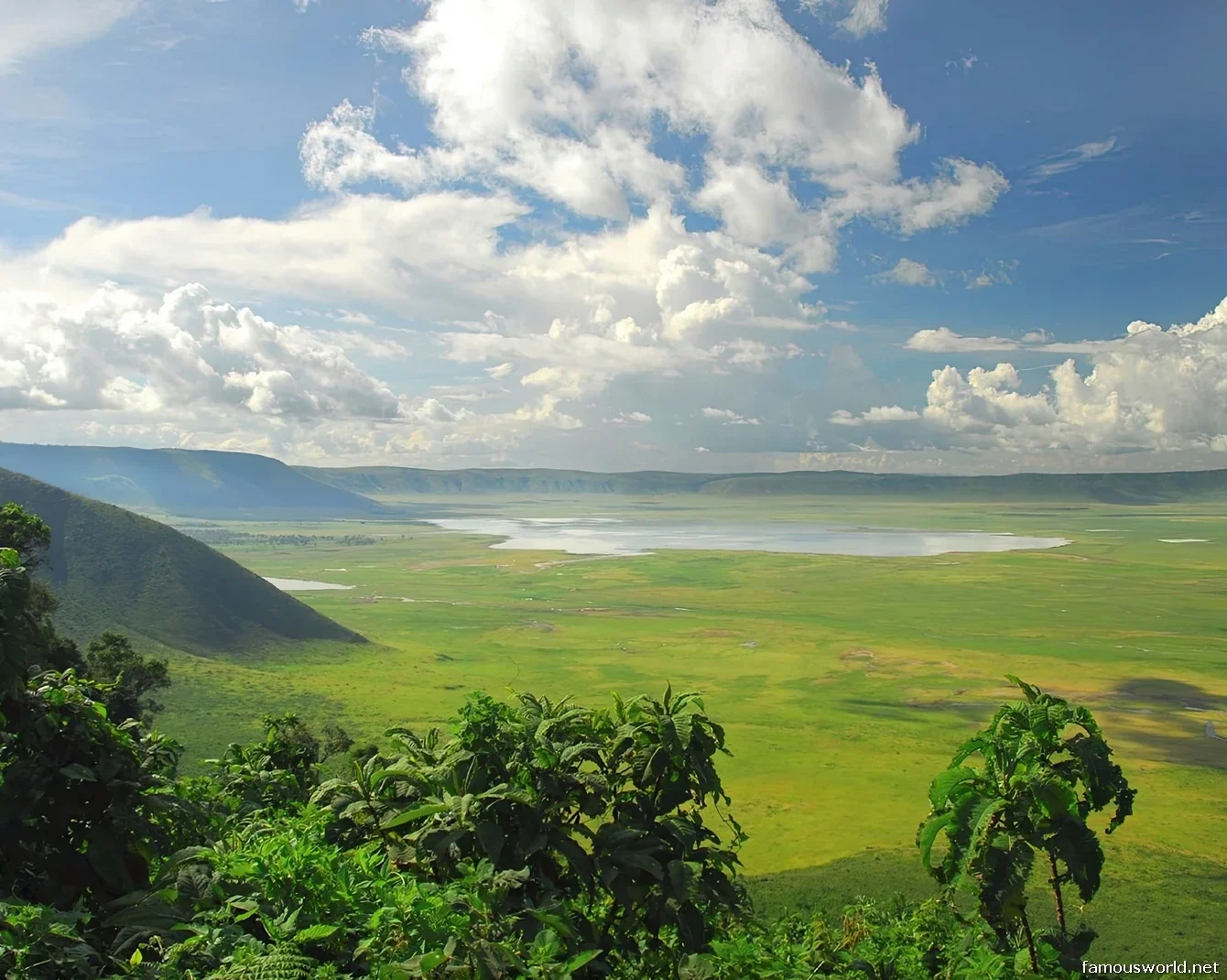


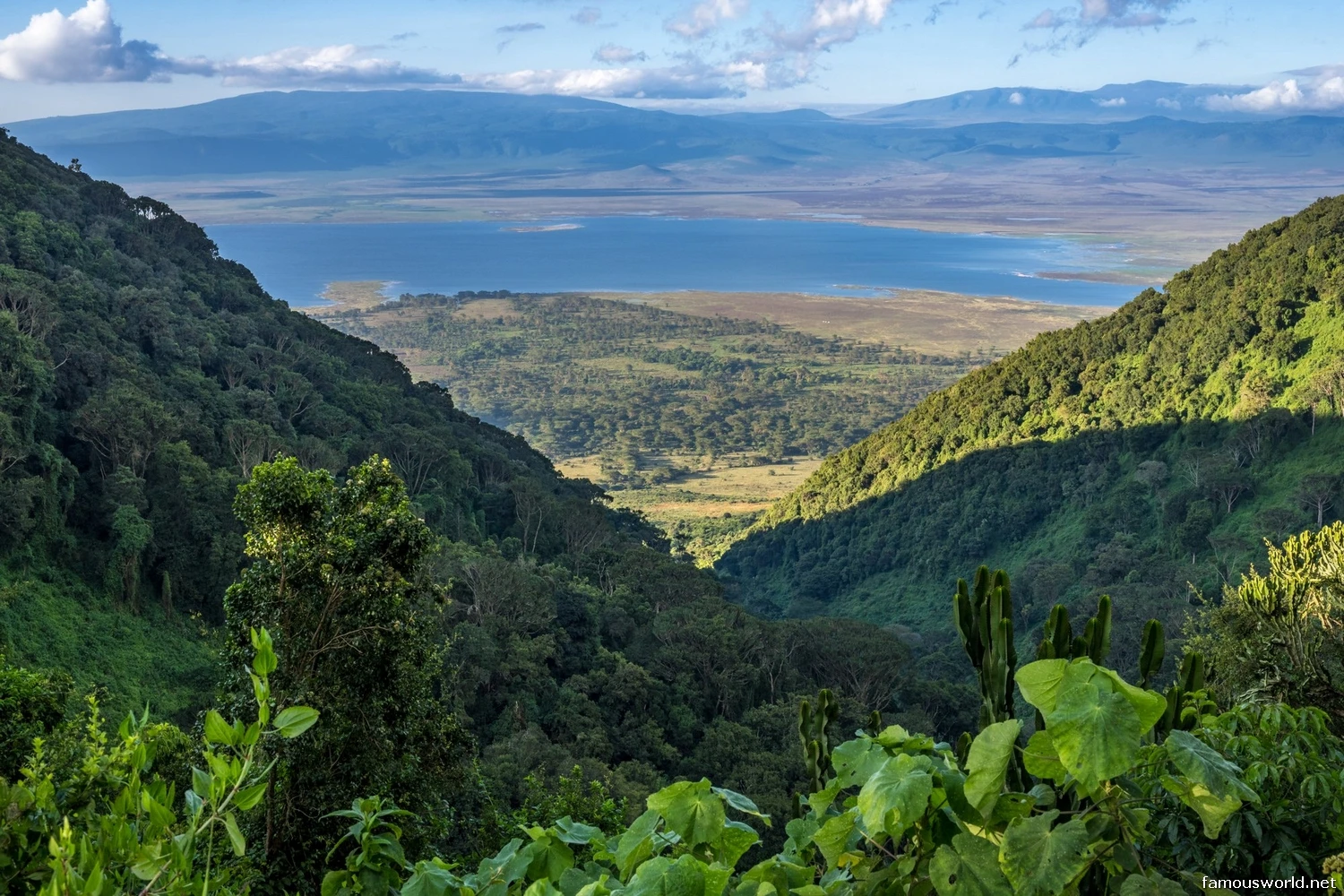

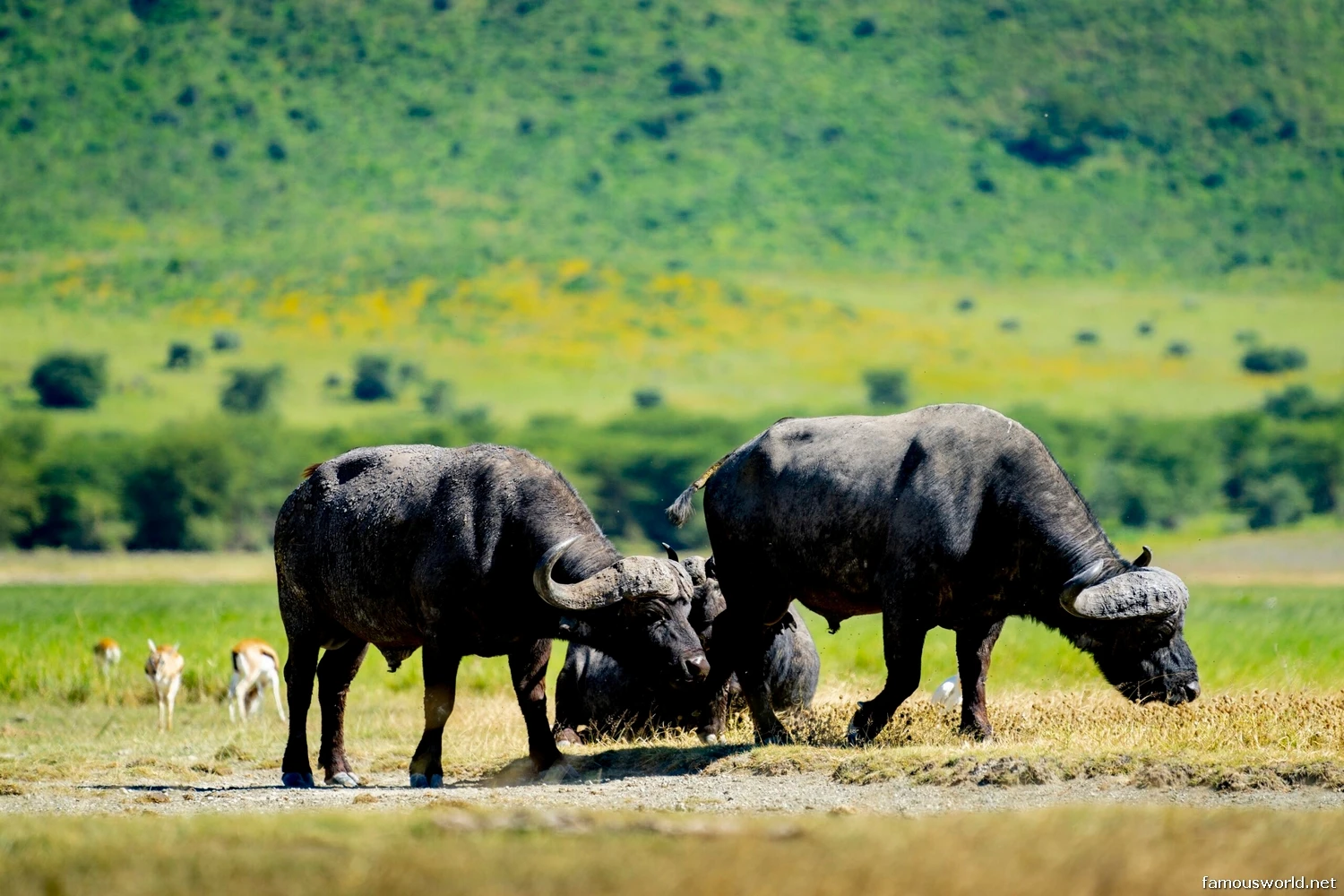

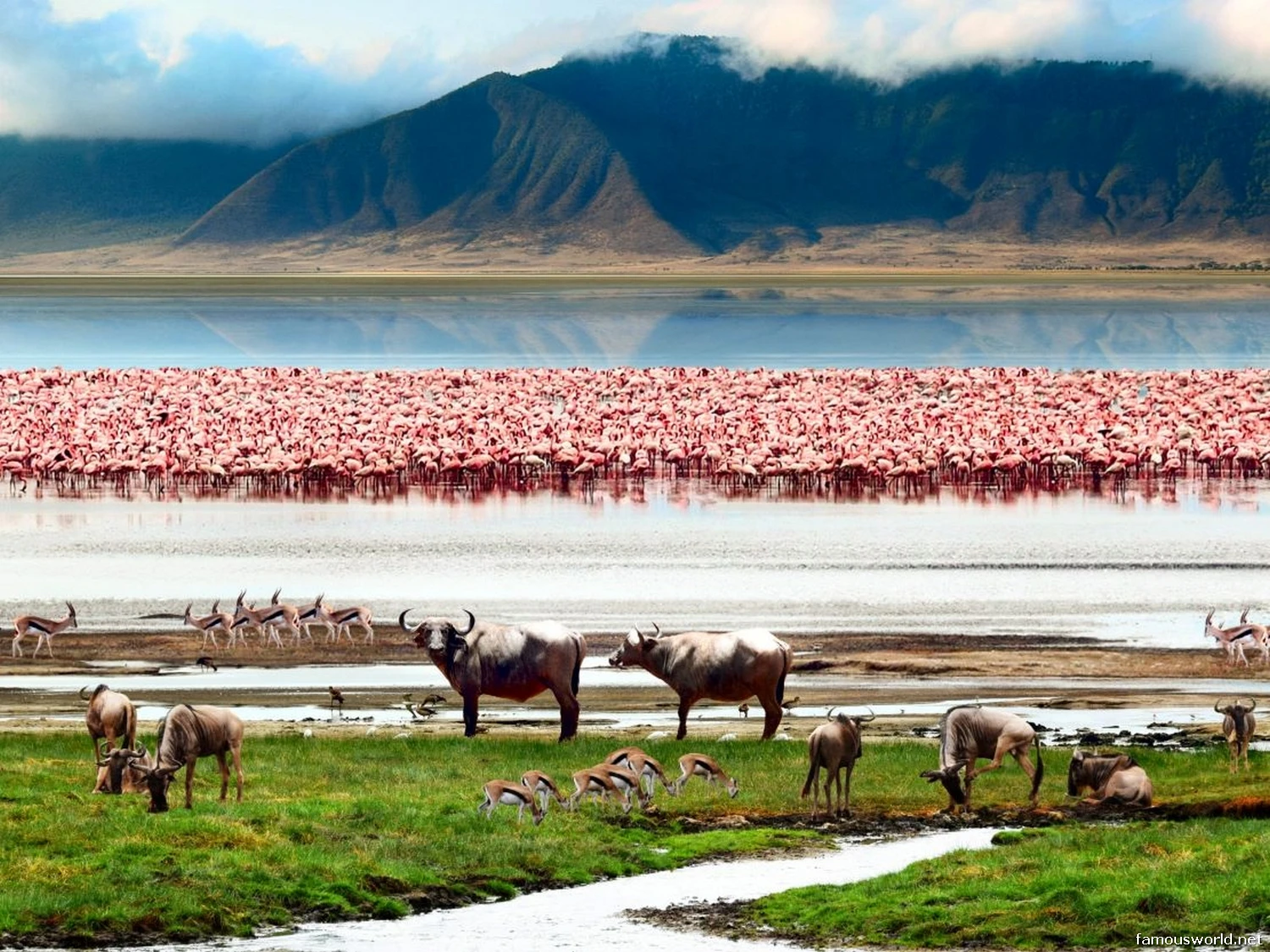

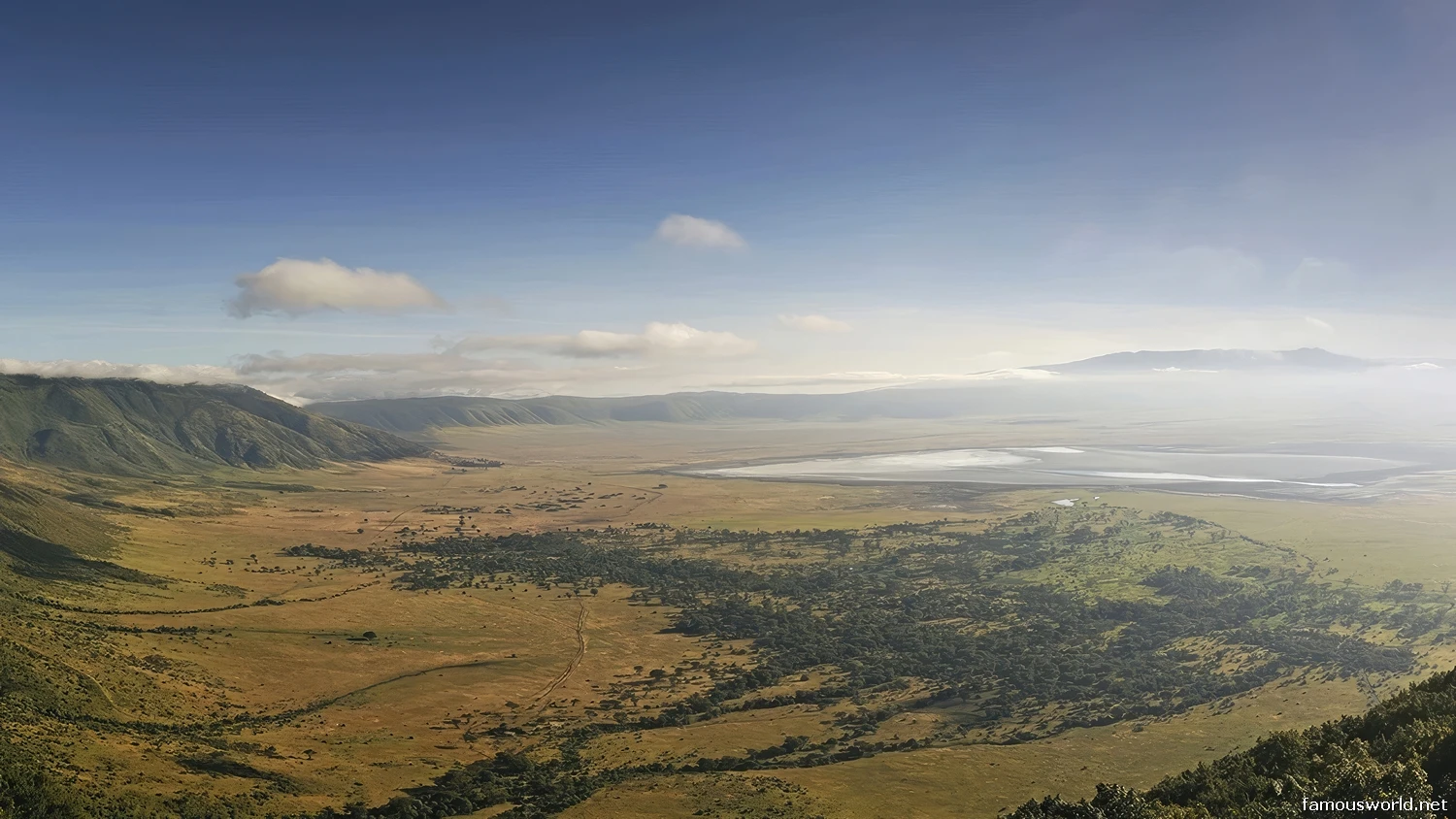
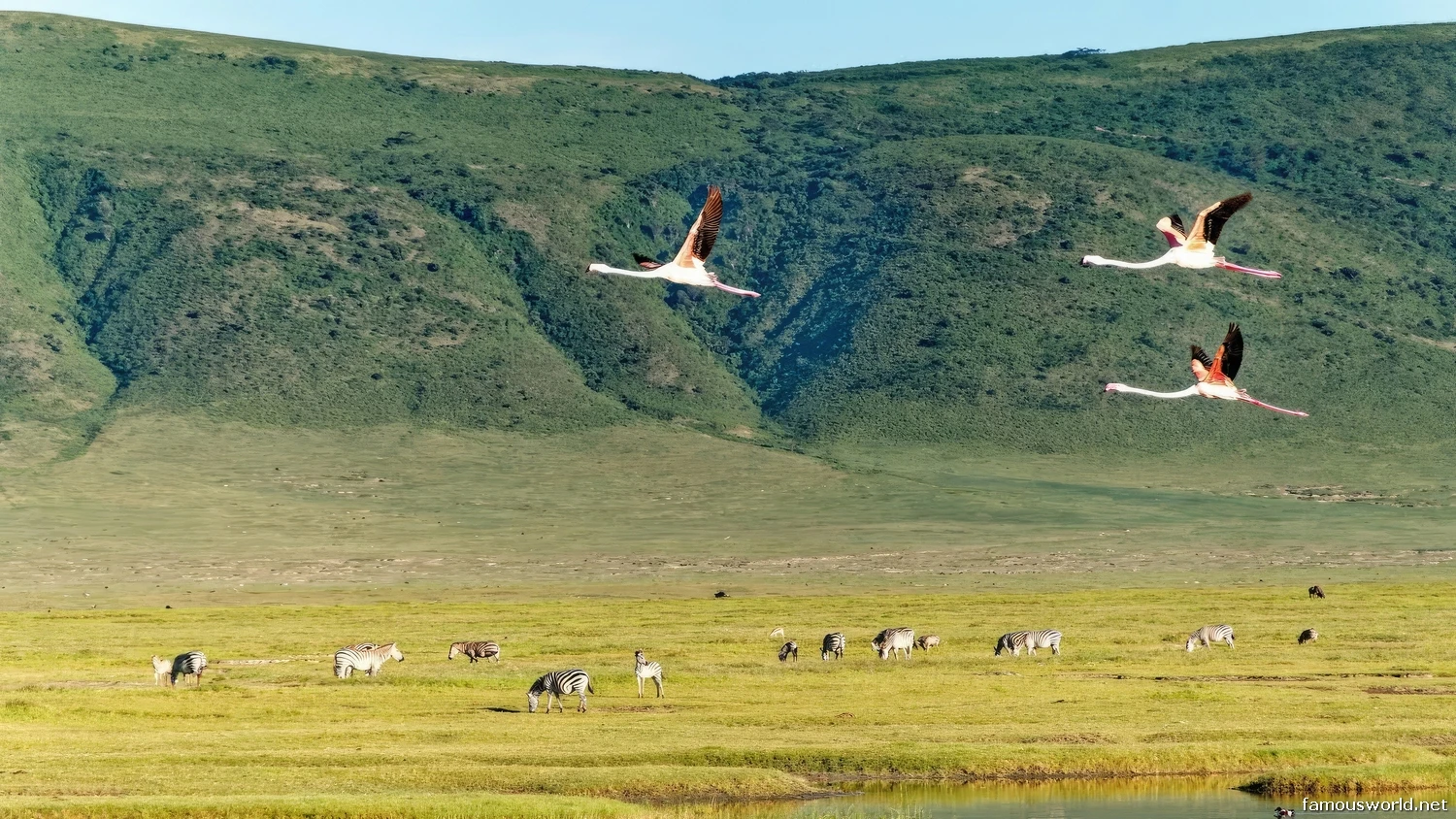

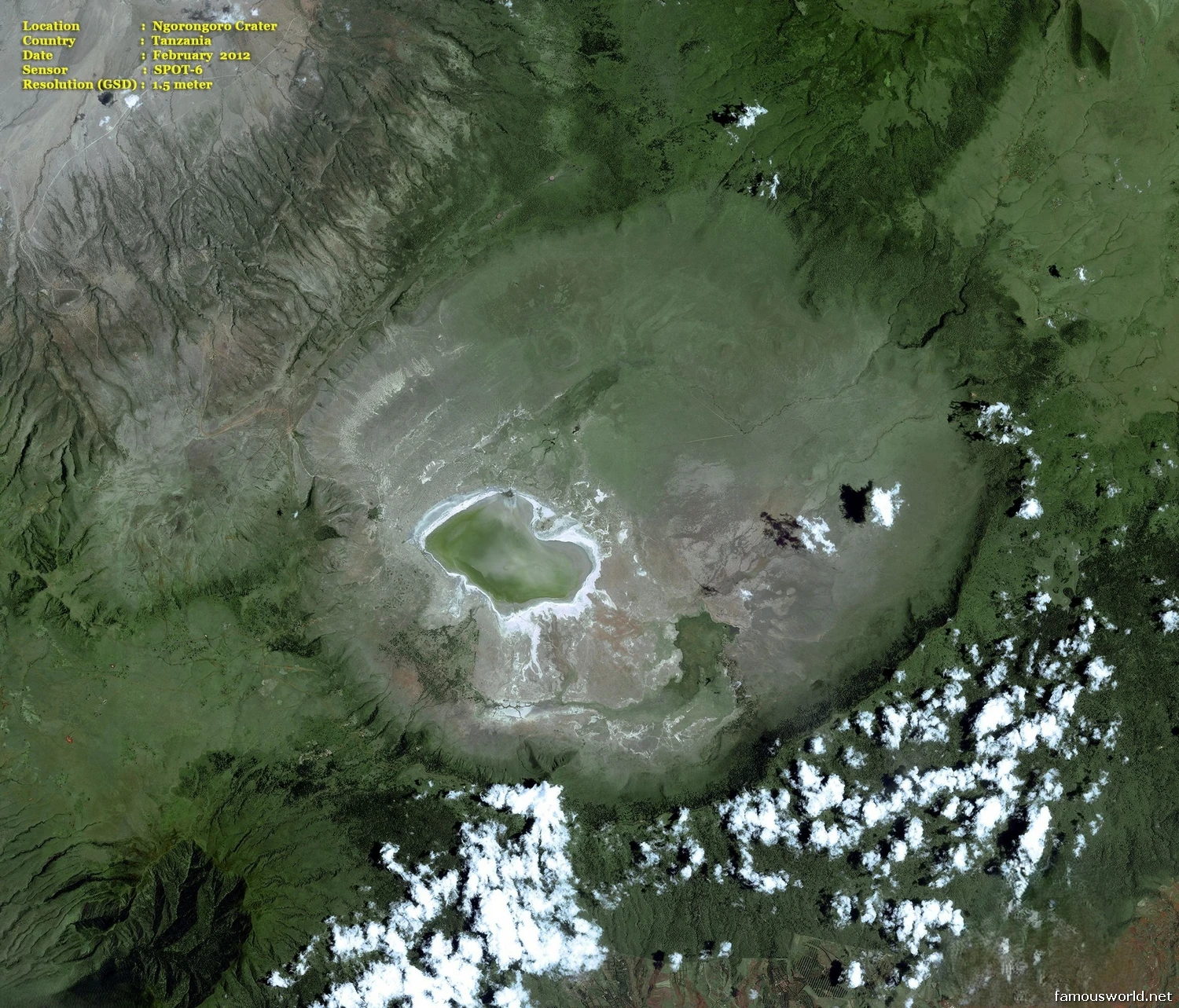

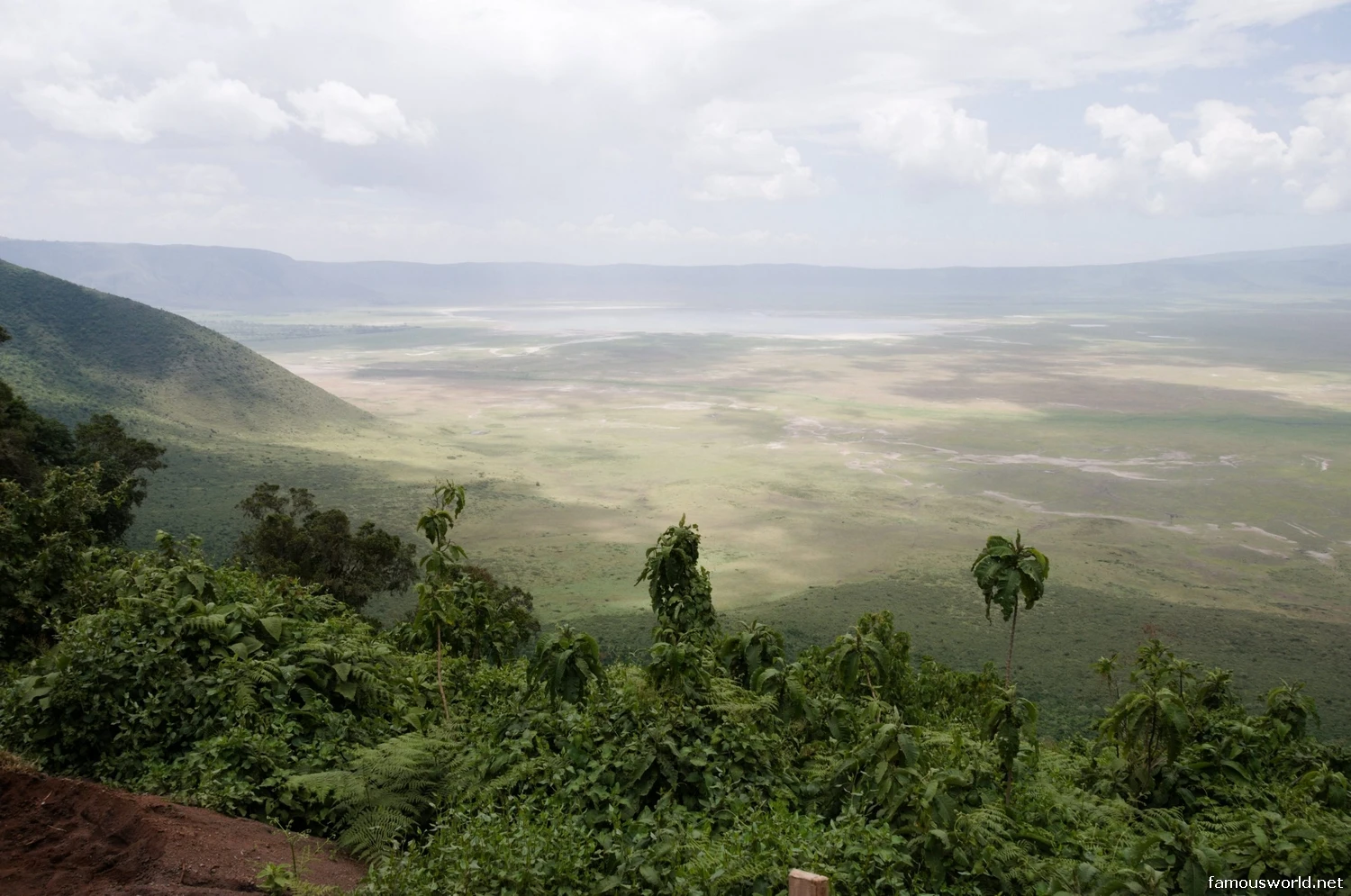

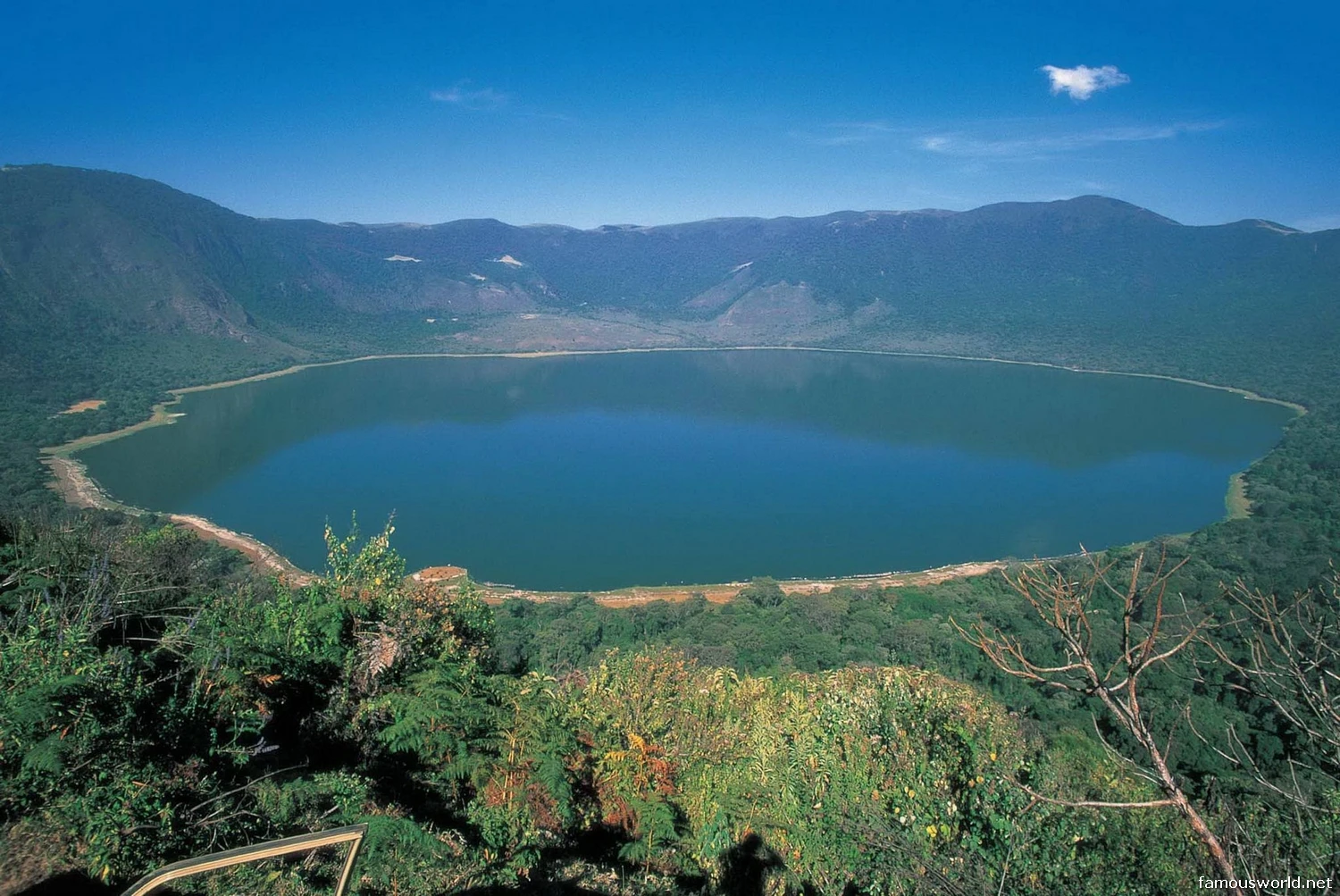
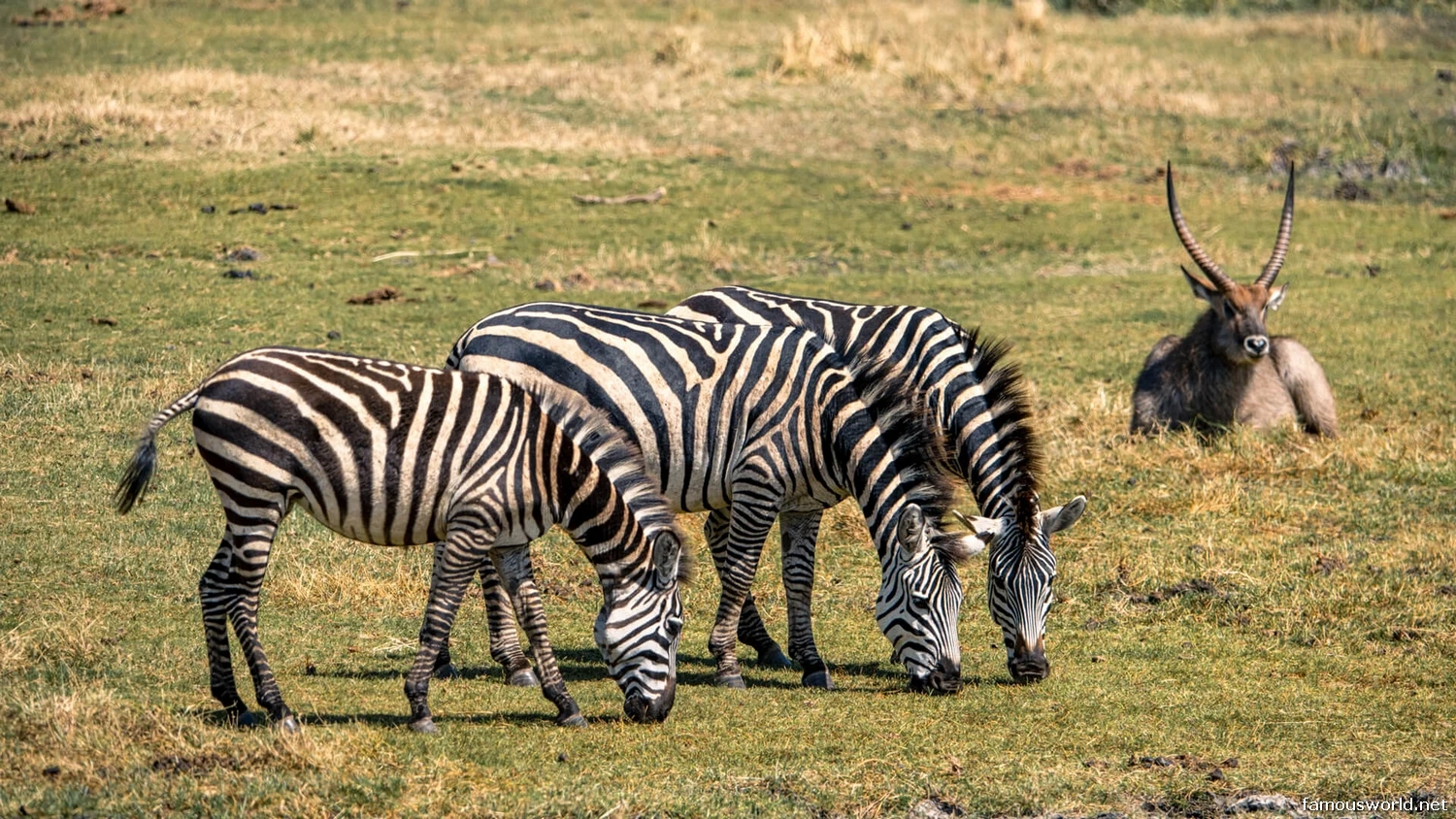


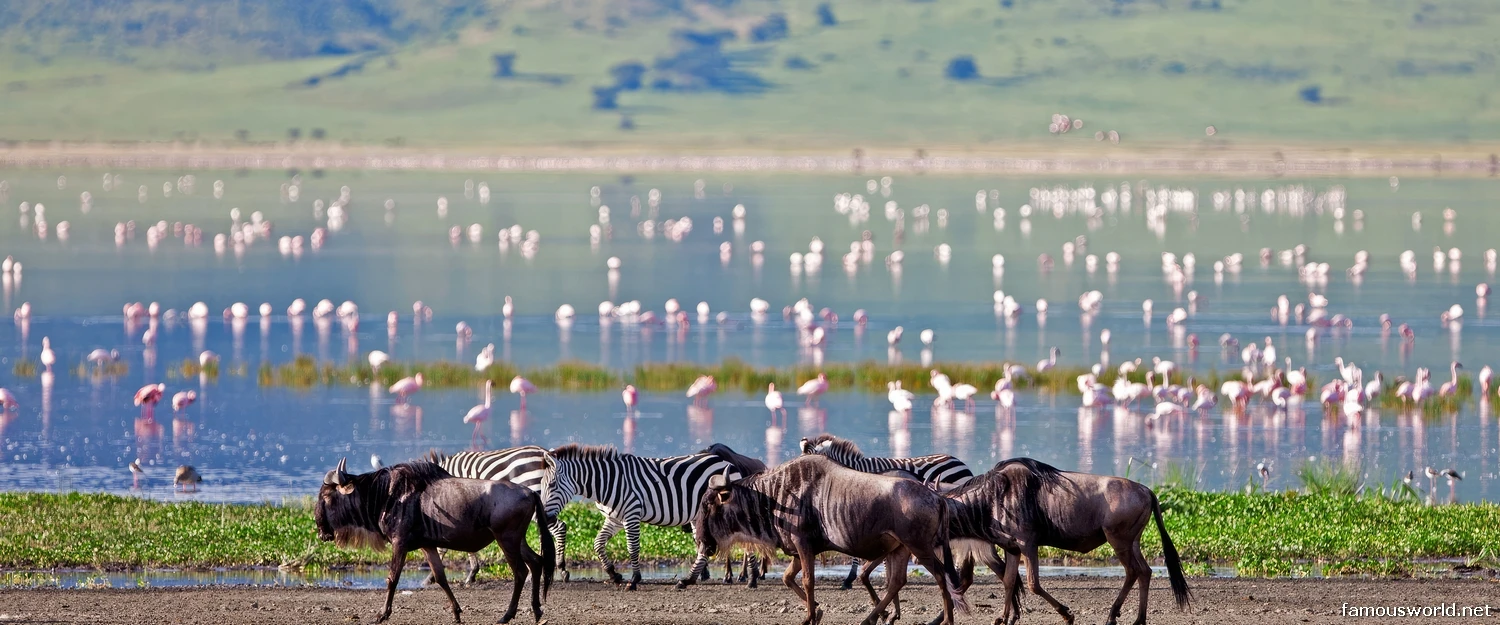
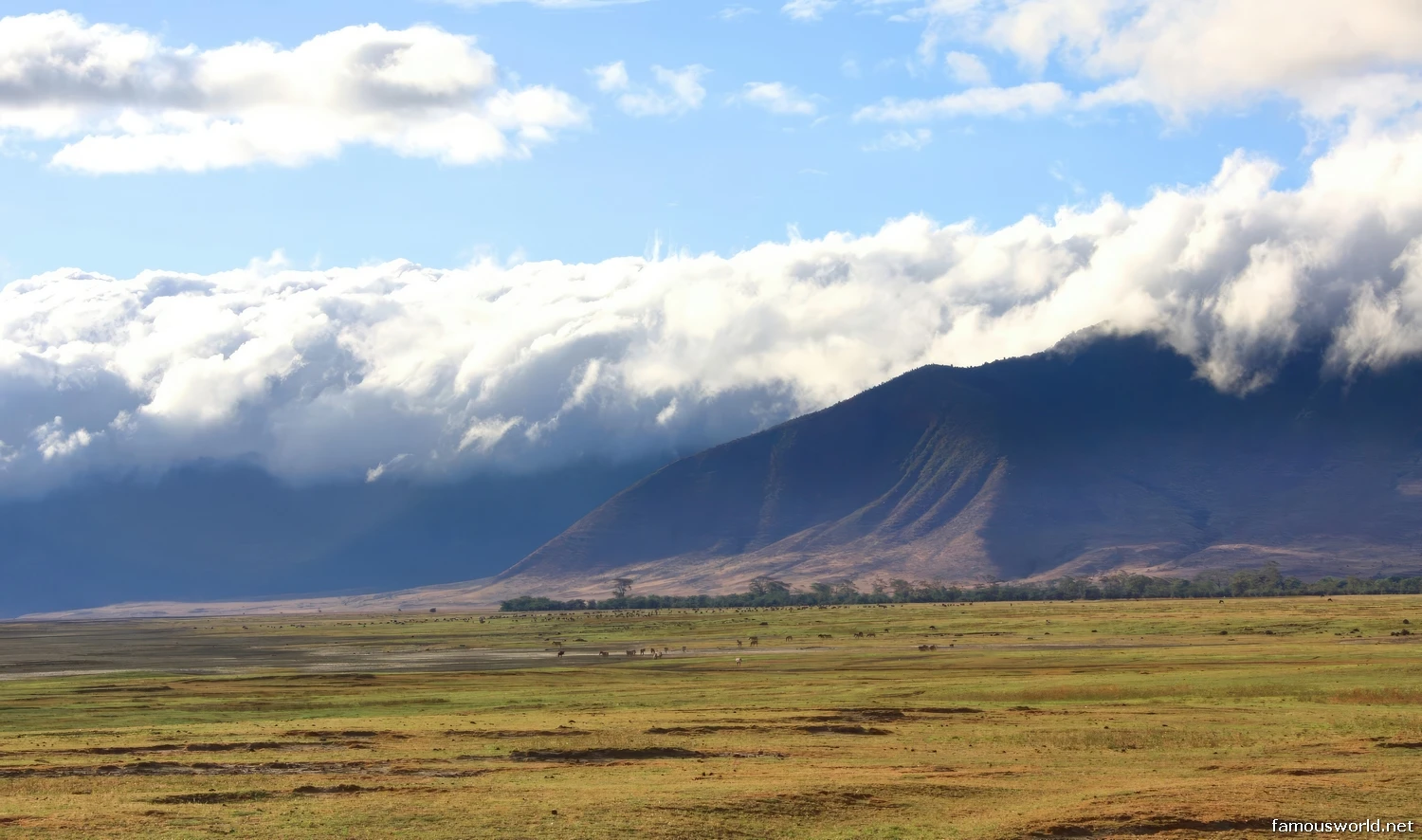

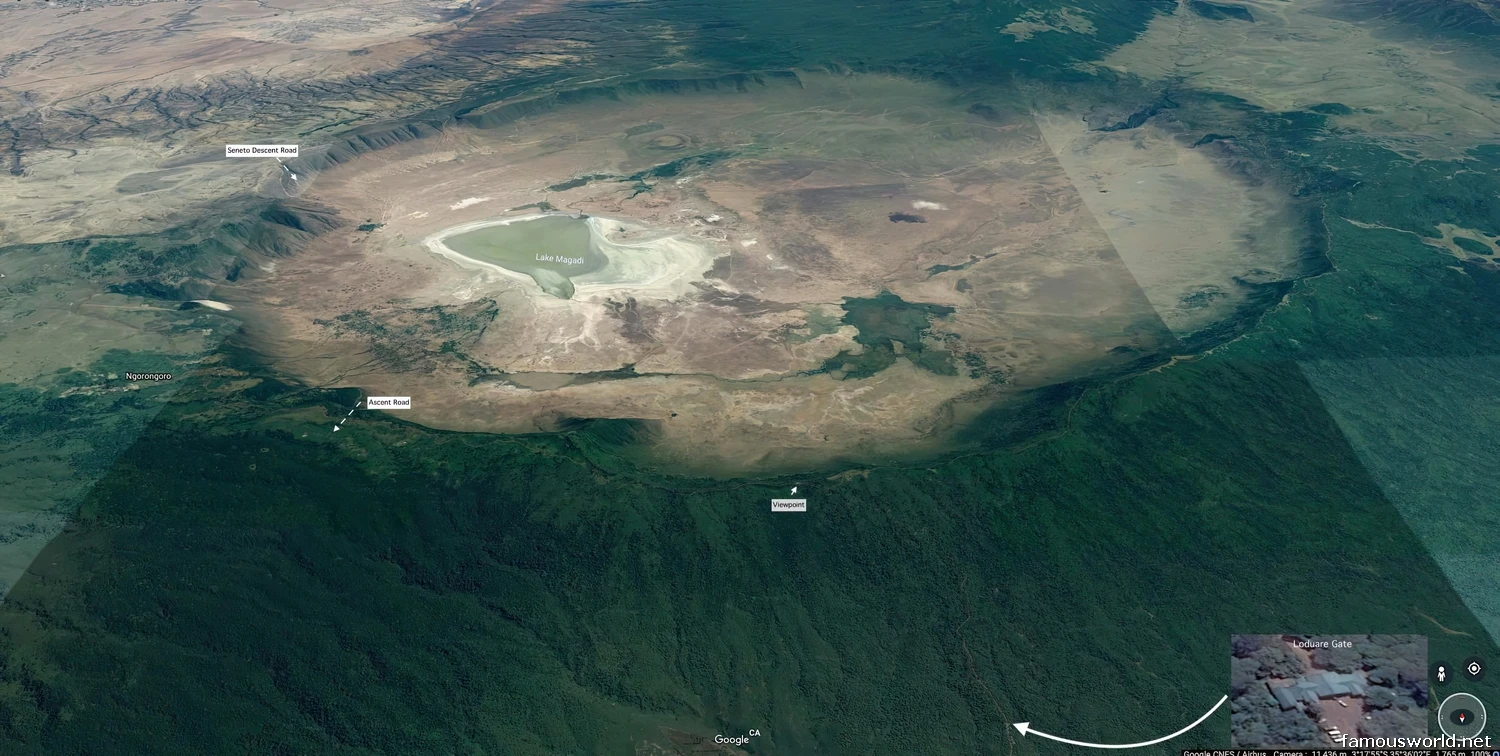


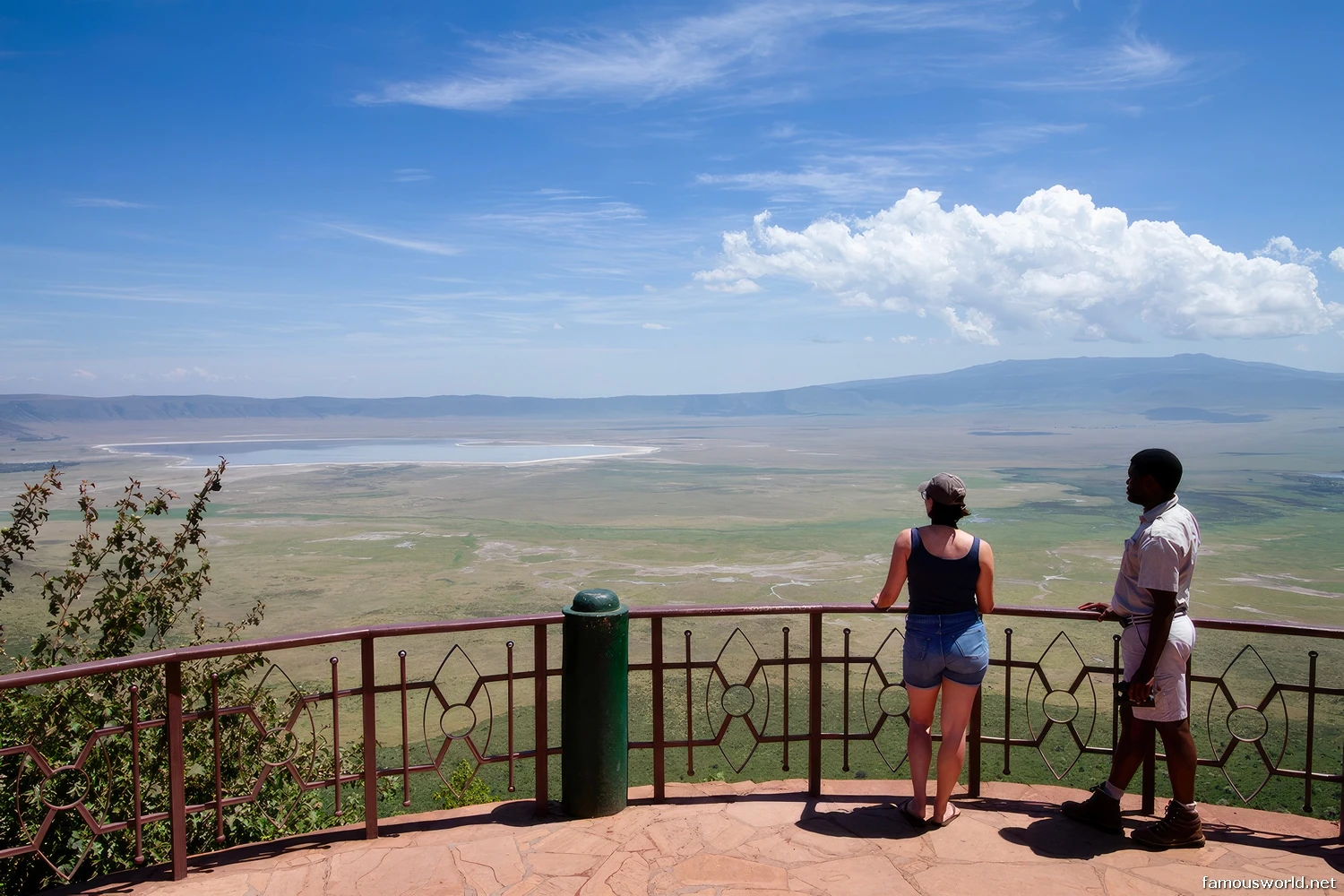


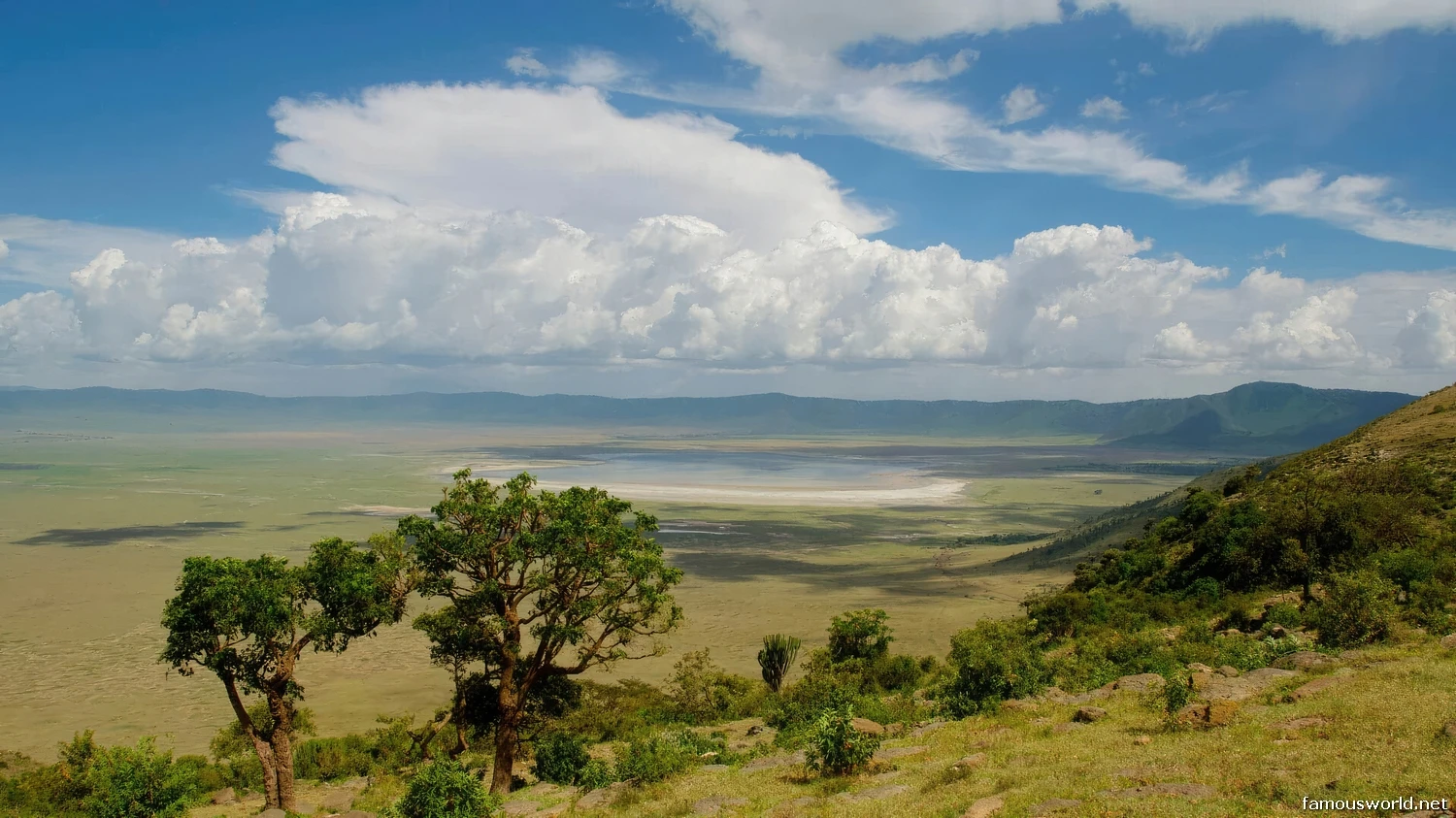


The Ngorongoro Crater is a breathtaking natural wonder, often called “Africa’s Garden of Eden.” A UNESCO World Heritage Site, it is the world’s largest intact, unfilled volcanic caldera, formed when a giant volcano exploded and collapsed on itself some two to three million years ago. This colossal natural amphitheater, 610 meters (2,000 feet) deep and covering 260 square kilometers (100 square miles), has created a self-contained ecosystem with one of the highest densities of wildlife on the continent. The crater floor is a microcosm of East Africa’s savanna landscape, hosting an unparalleled concentration of predators and plains game that live year-round in this stunningly beautiful and protected bowl, offering one of the most reliable and rewarding safari experiences in the world.
Listen to an introduction about Ngorongoro Crater

Name and Location
- Name: Ngorongoro Crater (part of the Ngorongoro Conservation Area).
- Location: Northern Tanzania, southeast of Serengeti National Park. It is a key destination on Tanzania’s “Northern Safari Circuit.”
How to Get There
The crater is a very accessible and popular safari destination.
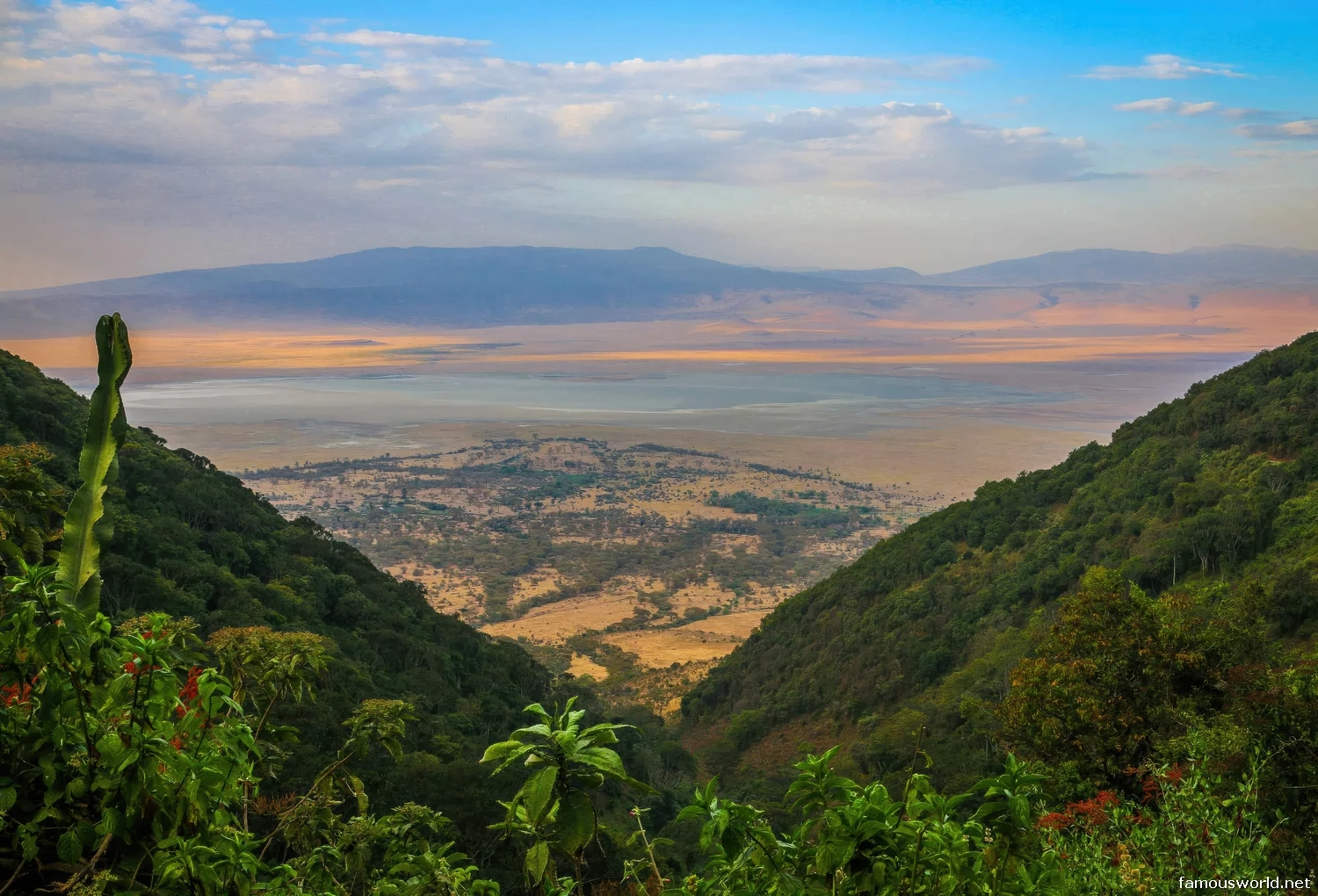
- By Road: The primary means of access is by road from the town of Arusha, a journey of a few hours. A visit is almost always combined with trips to the Serengeti and Lake Manyara National Park. Vehicles enter the Ngorongoro Conservation Area, ascend the lushly forested outer rim, and then descend onto the crater floor via designated access roads.
Landscape and Ecosystems
The crater is a unique, self-contained world with a remarkable diversity of habitats.
- The Caldera: The defining feature is the massive caldera itself. The high, forested walls create a natural enclosure, with the vast, open floor visible from the rim in a spectacular panorama.
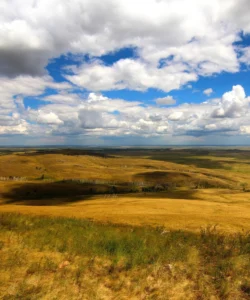
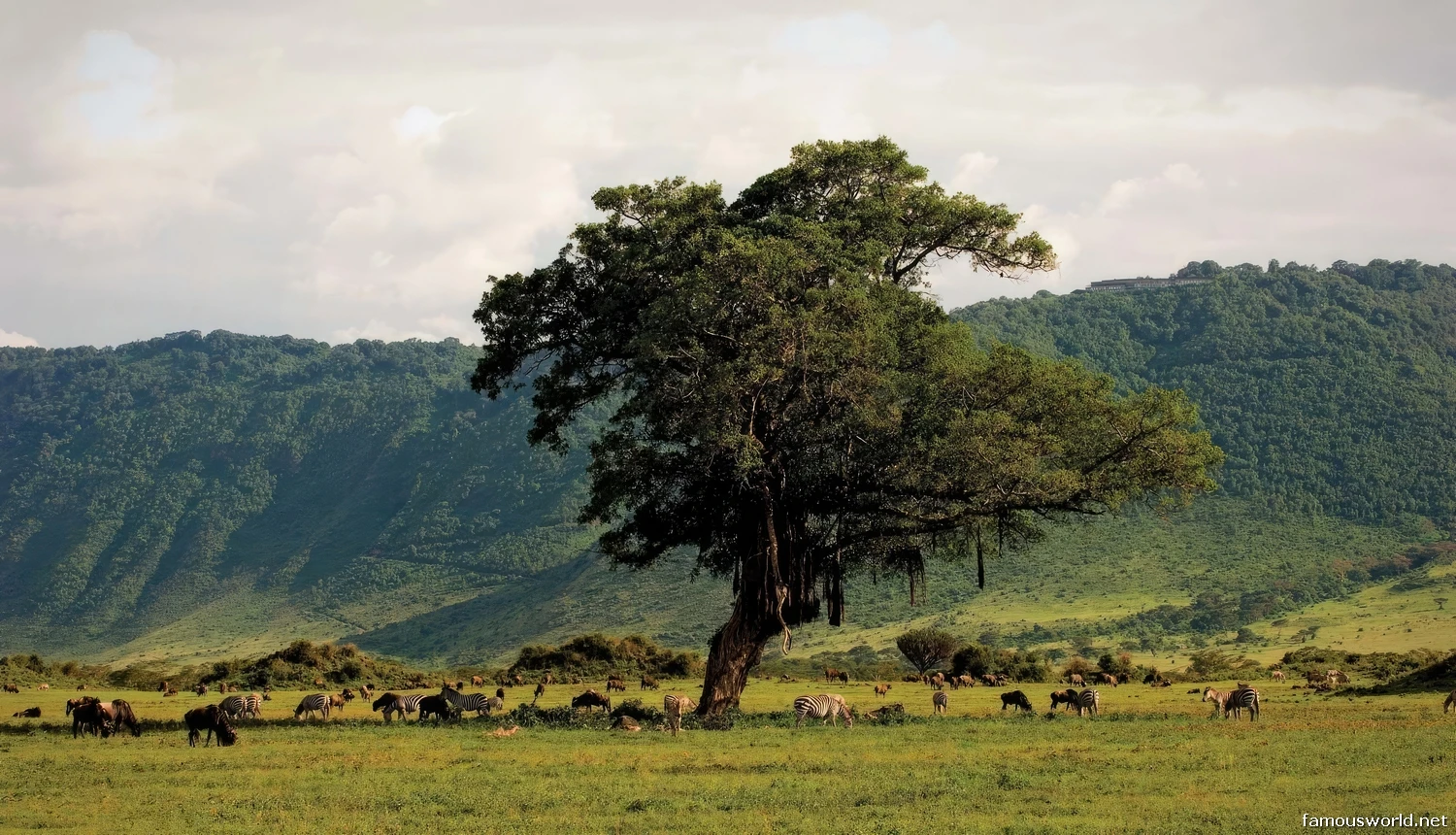
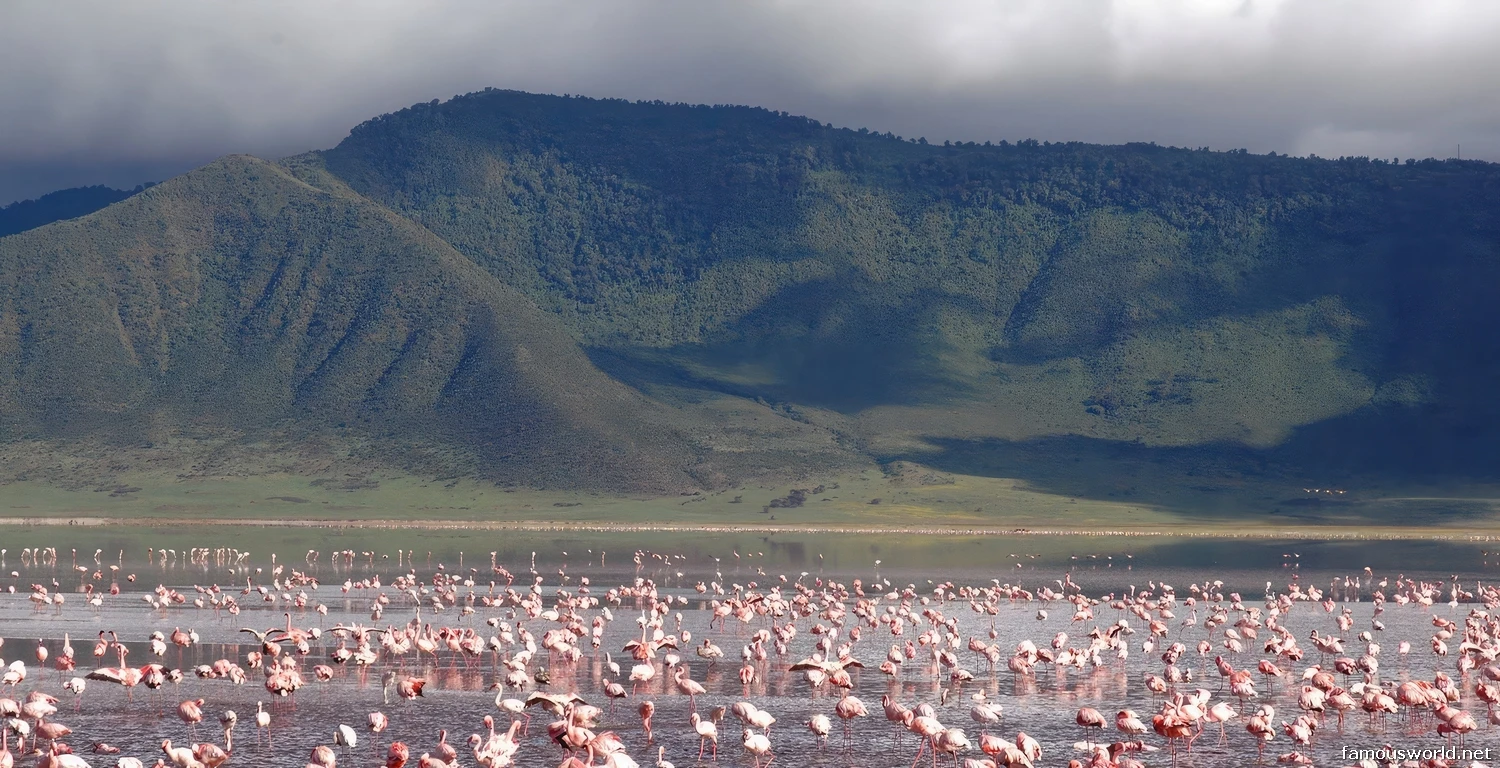
- Diverse Habitats: The crater floor is a mosaic of different environments. It includes expansive open grasslands perfect for grazing animals, acacia woodlands, the hippo-filled Ngoitokitok Springs, and Lake Magadi, a shallow soda lake that attracts flamingos. The Lerai Forest provides a haven for elephants and elusive leopards.
- Crater Highlands: The surrounding conservation area, known as the Crater Highlands, is a landscape of rolling hills, smaller volcanoes, and forests where the local Maasai people live and graze their livestock.
What Makes It Famous
Ngorongoro’s fame rests on its unique geology and its extraordinary concentration of wildlife.
- World’s Largest Intact Caldera: Its status as a geological marvel makes it a wonder of the natural world.
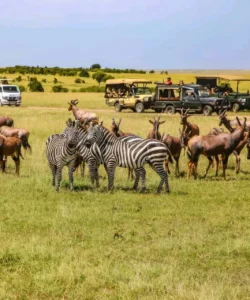
- Unrivaled Wildlife Density: The crater supports an estimated 25,000 large animals, including some of the densest predator populations in Africa. It is common to see lions, hyenas, and jackals.
- The “Big Five” in One Place: It is one of the few places in Africa where it is possible to see all of the “Big Five” (lion, leopard, elephant, buffalo, and rhinoceros) in a single day’s game drive.
- Black Rhino Sanctuary: The crater floor is one of the most reliable places to see the critically endangered black rhinoceros, which is protected within the caldera’s natural enclosure.
- Human and Wildlife Coexistence: It is part of a pioneering conservation area where semi-nomadic Maasai pastoralists are permitted to live and co-exist with the wildlife.
Differences from Other Wonders
The contained, high-density wildlife experience of Ngorongoro Crater differs greatly from the vast, migratory theater of the Serengeti.
- Scale (Contained vs. Expansive): The crater is a compact, contained ecosystem defined by its caldera walls. The Serengeti is a massive, unfenced landscape of seemingly endless plains.
- Wildlife (Resident vs. Migratory): Ngorongoro’s animal populations are largely resident, remaining in the crater year-round. The Serengeti is defined by the Great Migration, the constant movement of over a million animals across the ecosystem.
- Safari Experience (A Day’s Game Drive vs. Multi-Day Exploration): The crater can be thoroughly explored in a single, full-day game drive. The Serengeti is so vast that it requires several days to explore different regions.
- Landscape (Natural Amphitheater vs. Endless Plains): The crater offers a unique “top-down” perspective from the rim and a “bowl-like” experience on the floor. The Serengeti provides the classic “big sky” African savanna experience.
Location on world map