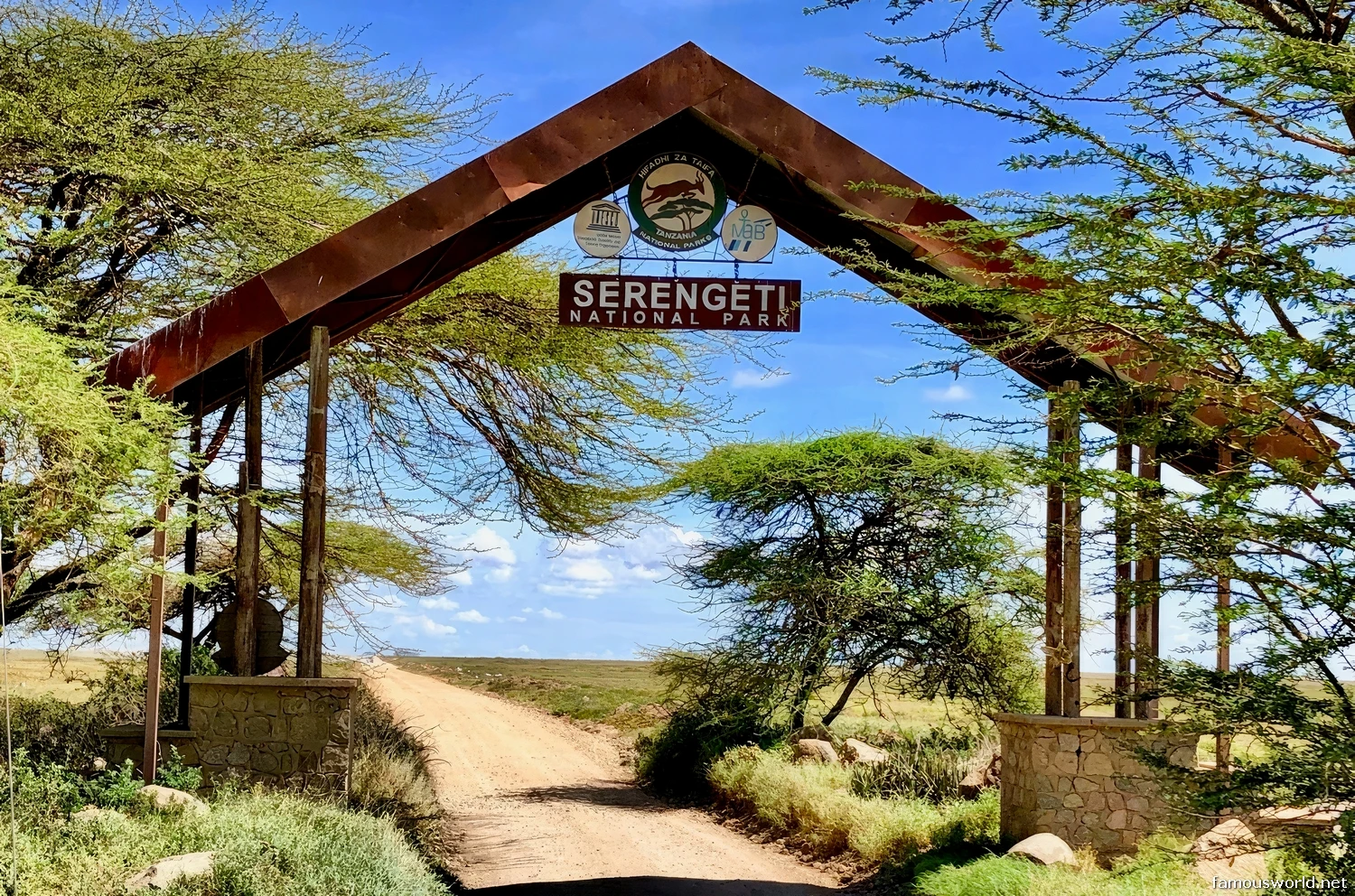
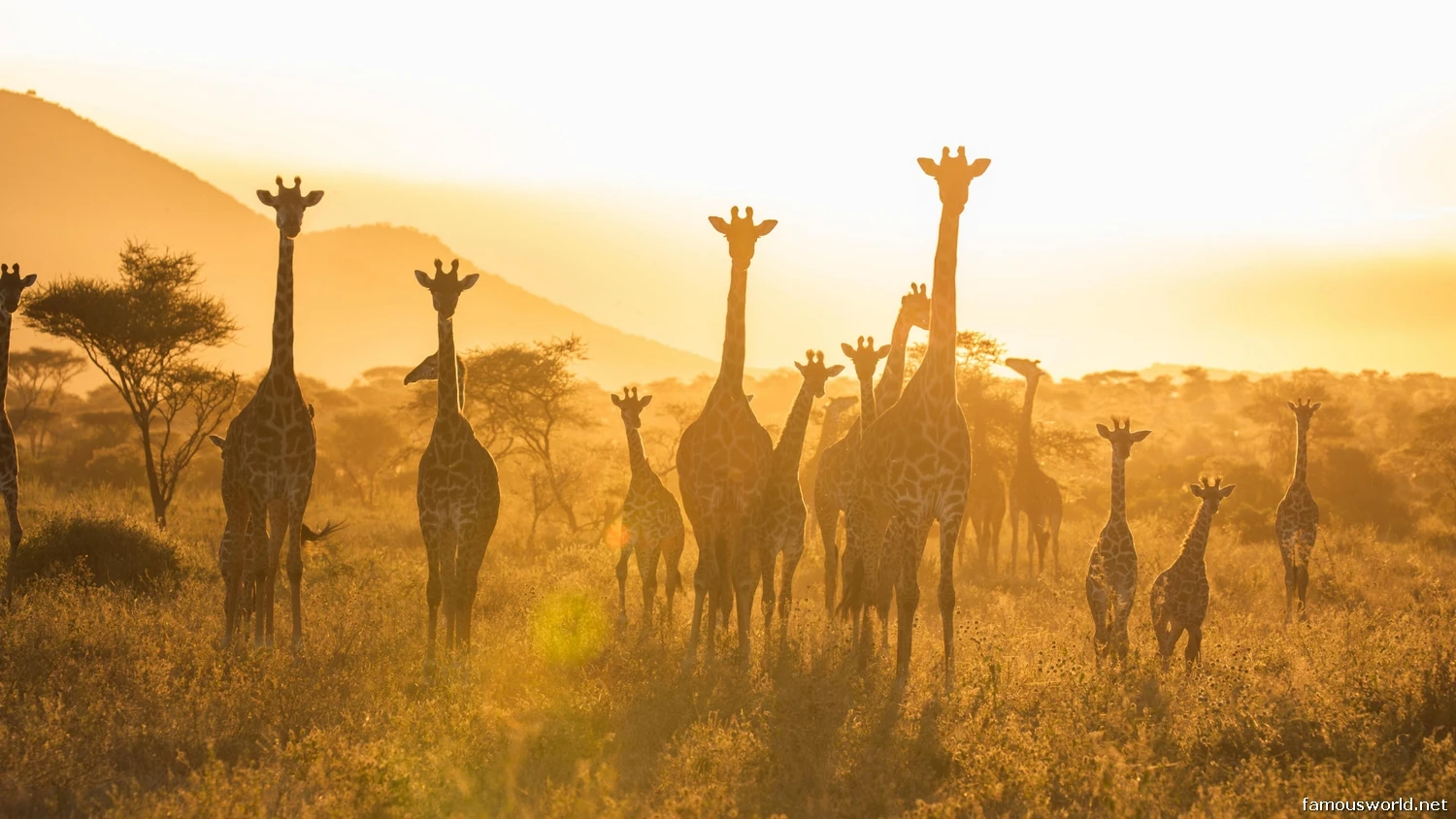
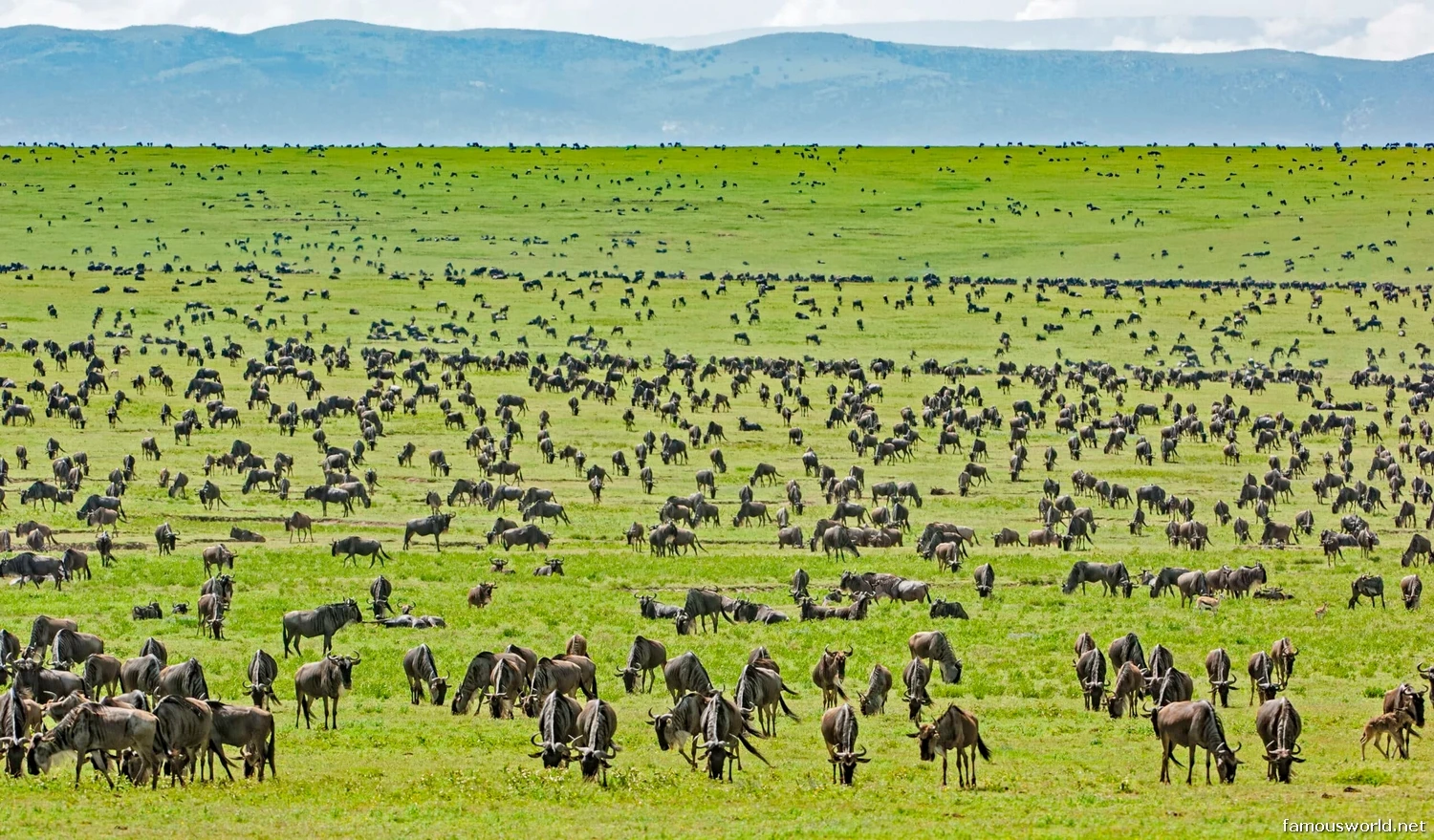
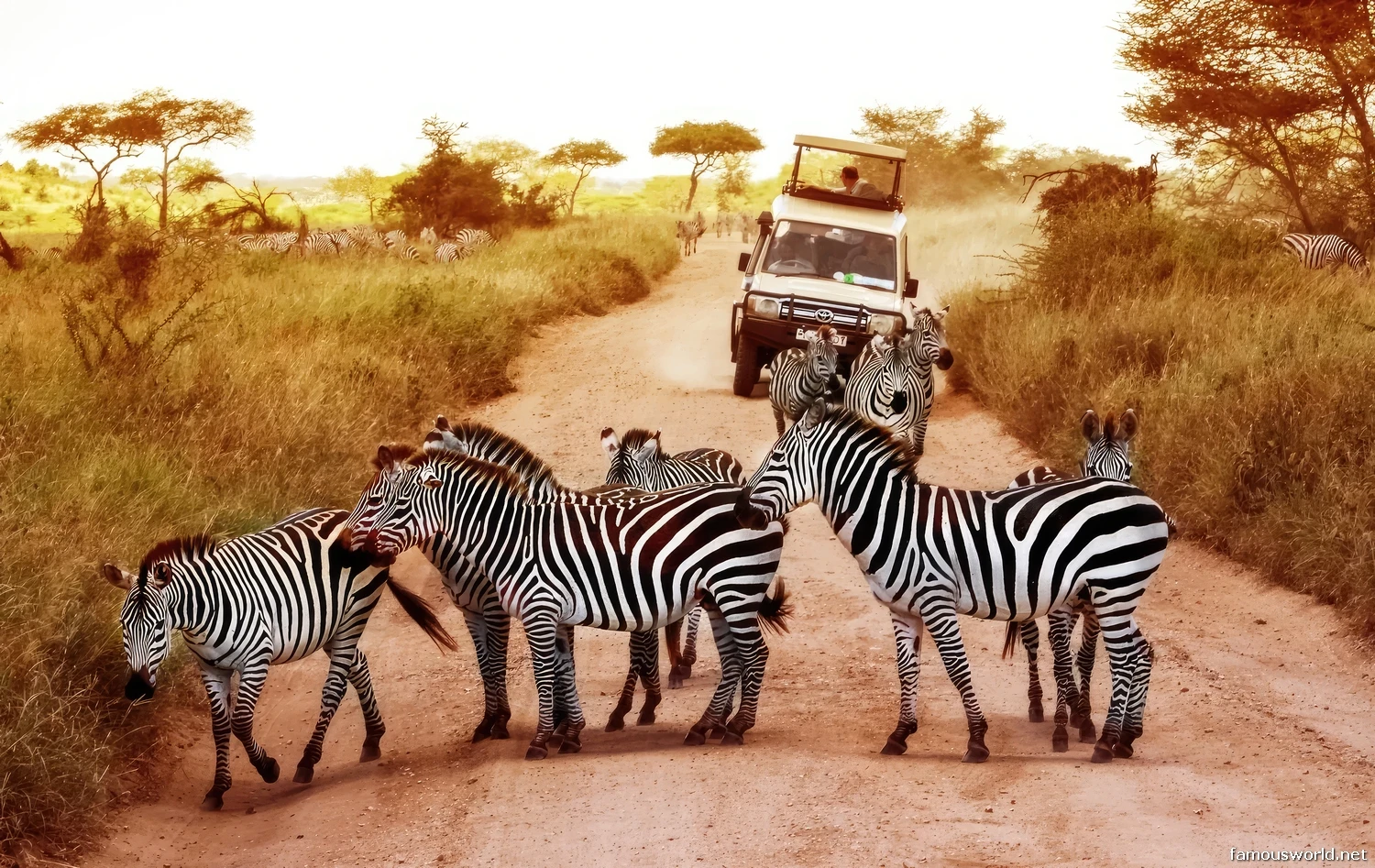
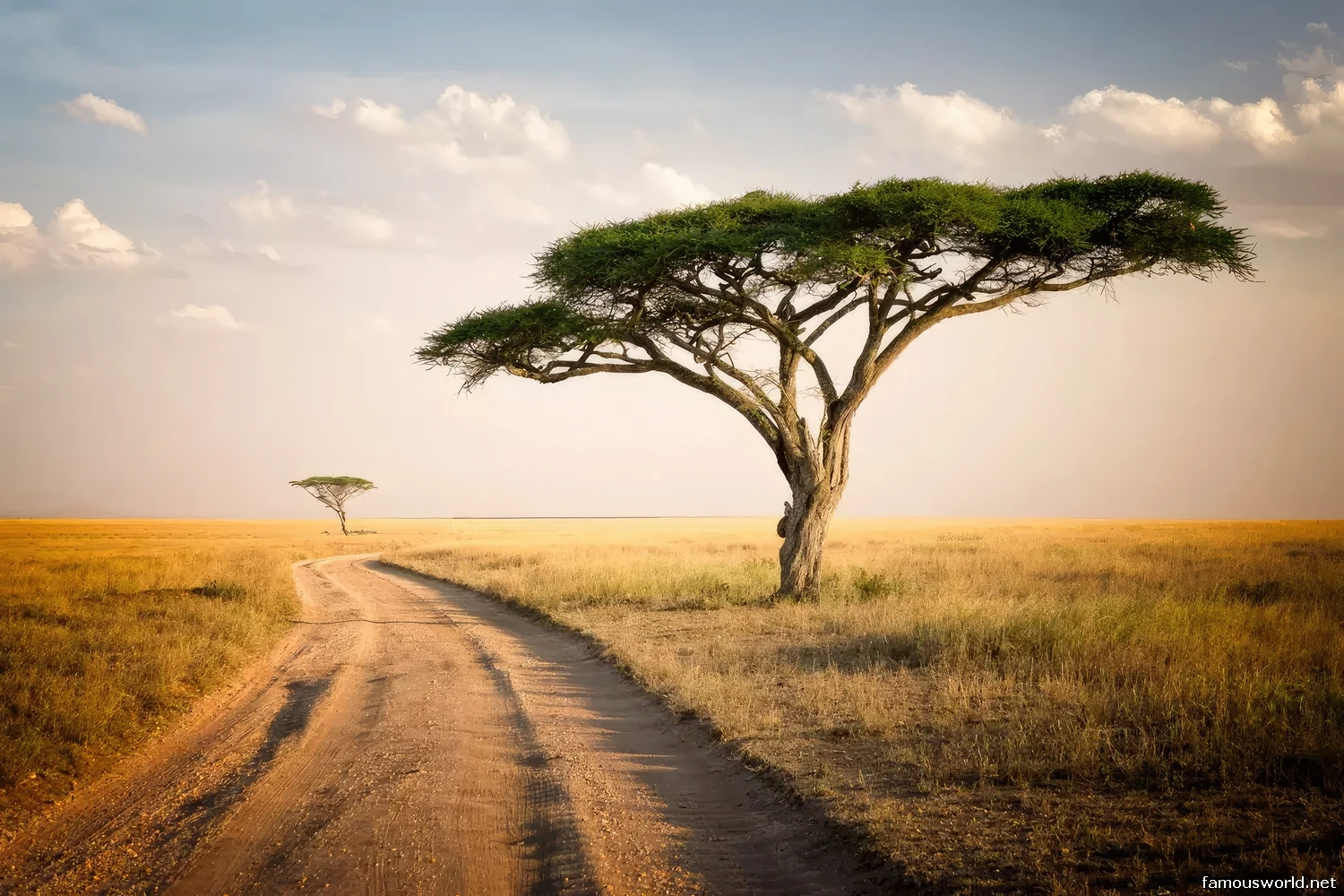
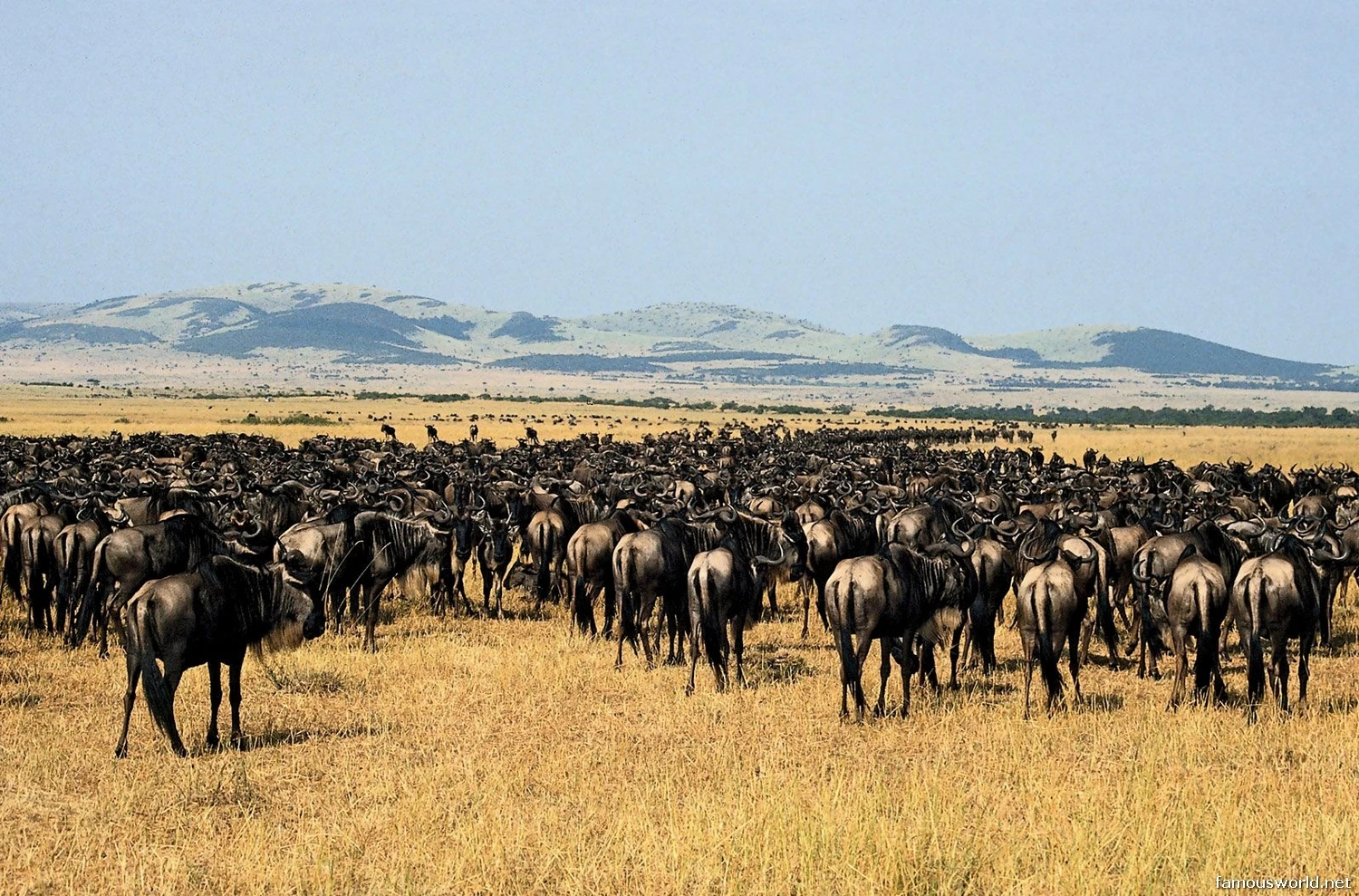

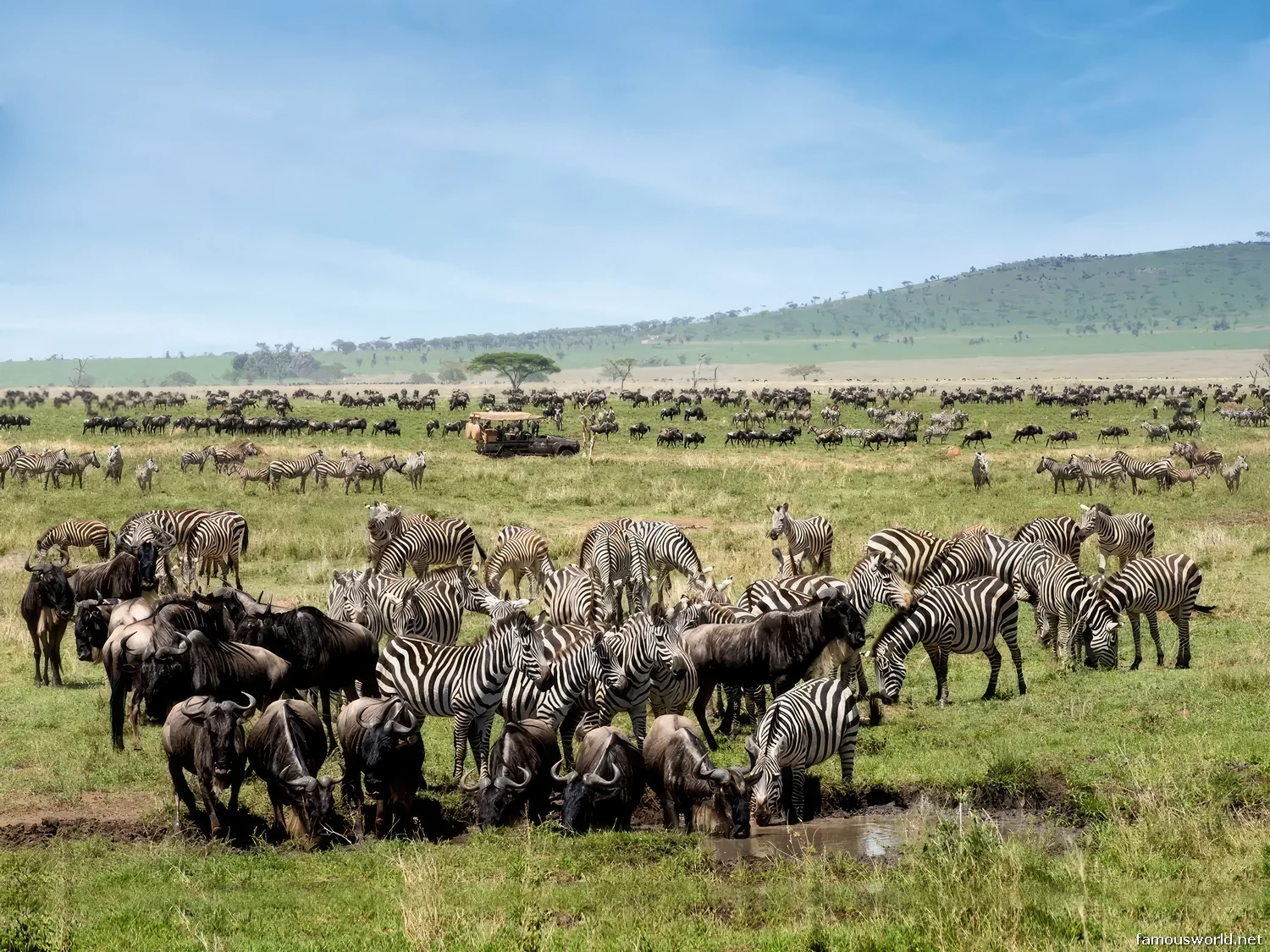
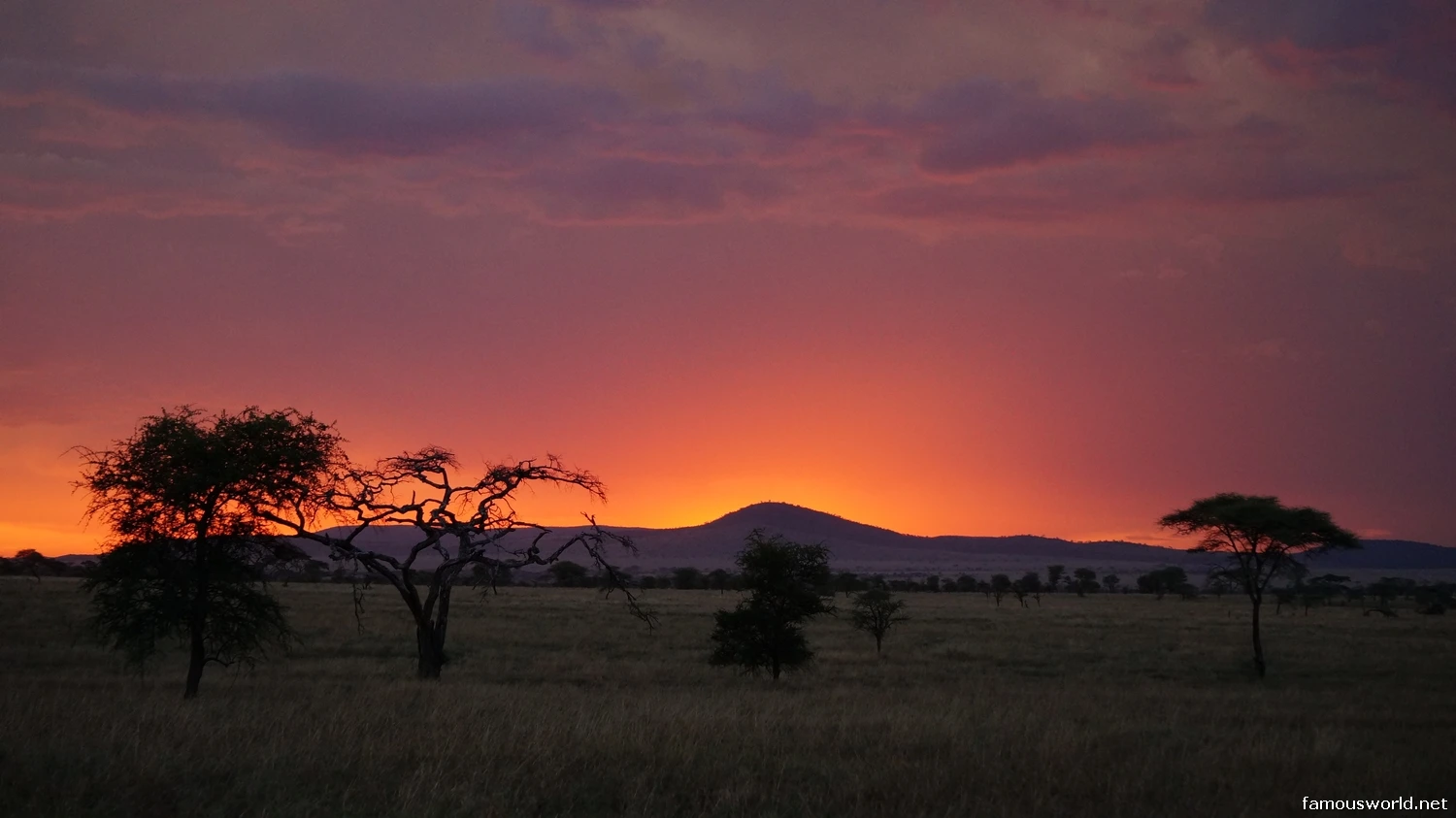

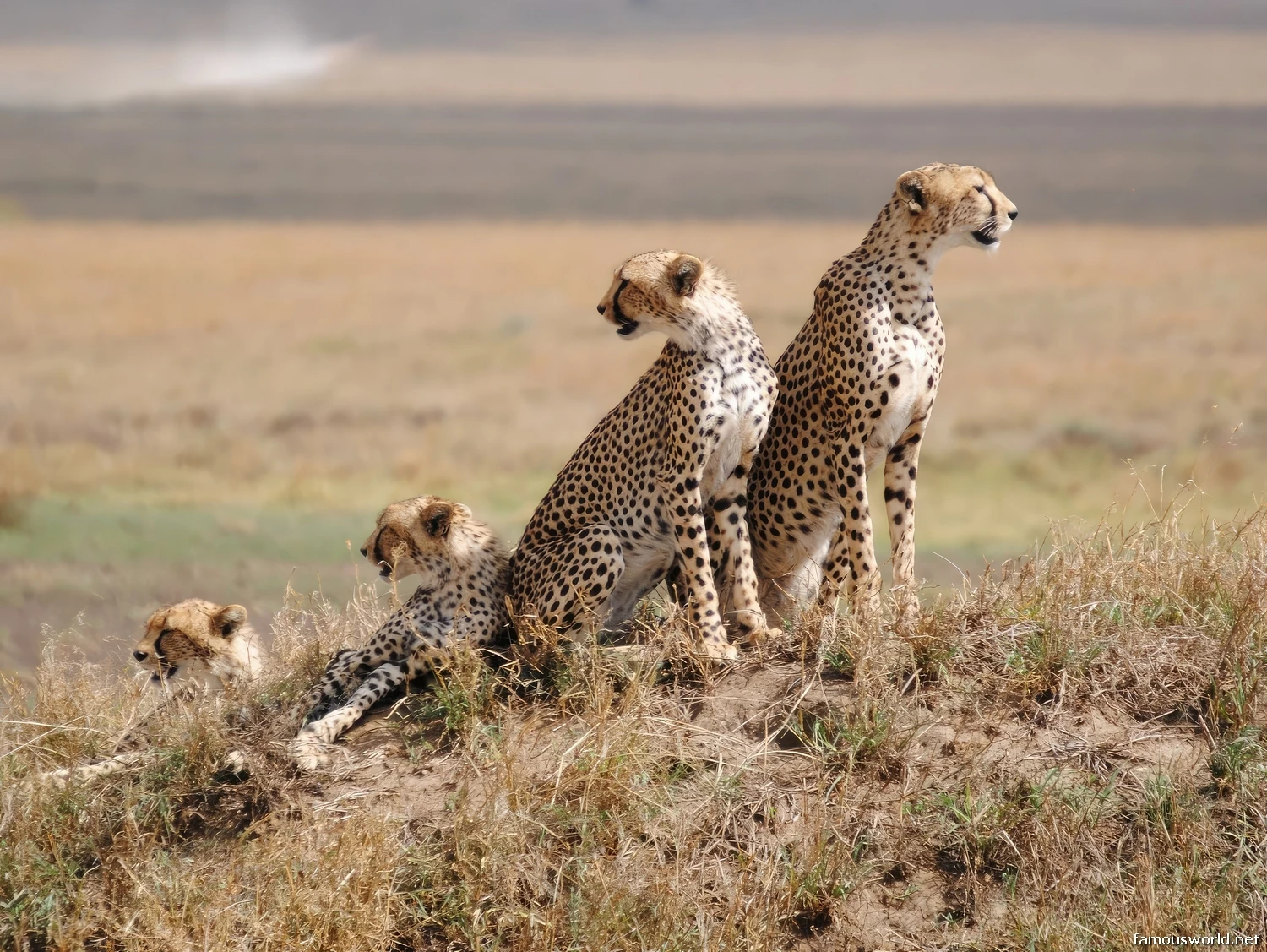
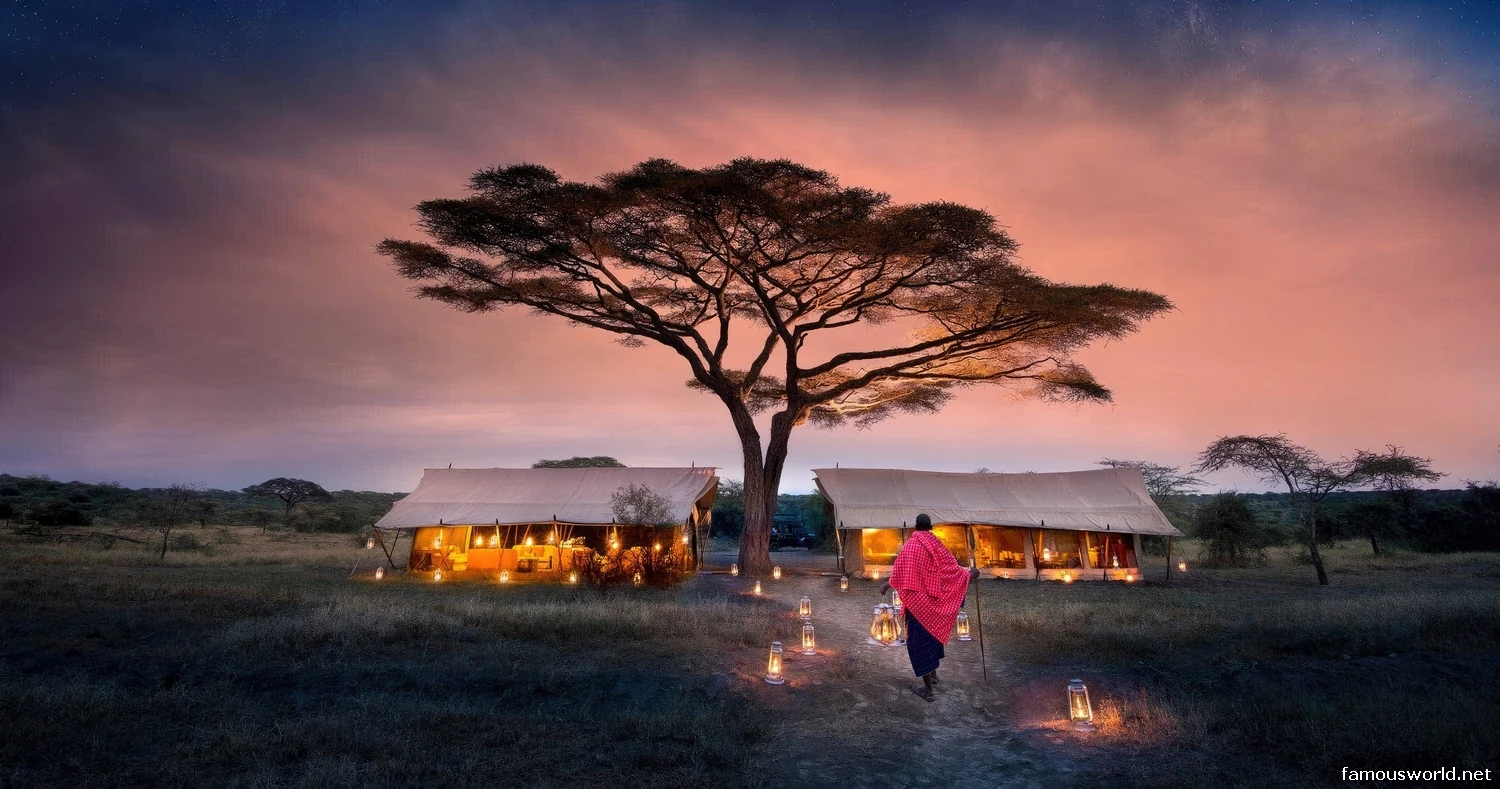


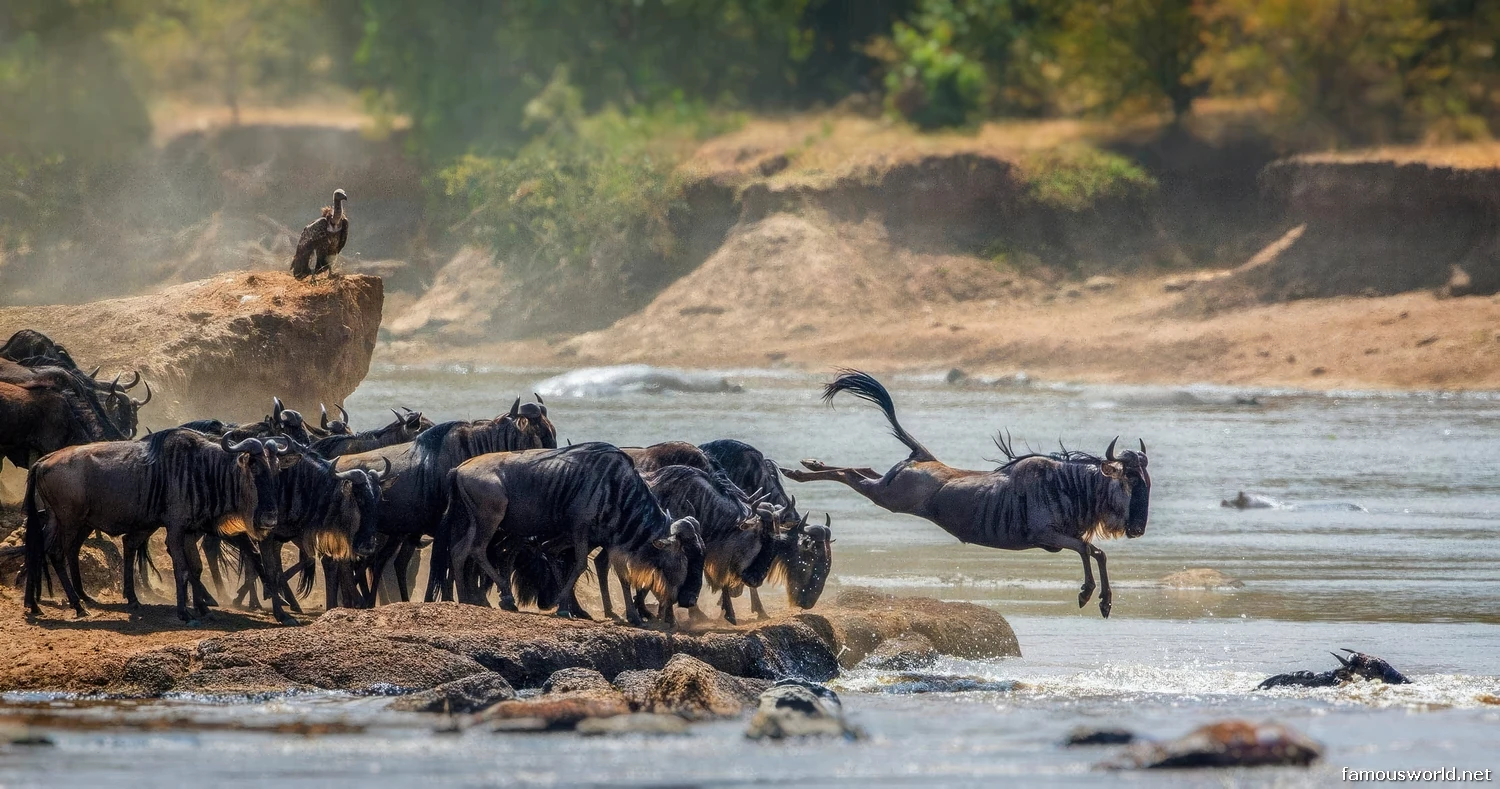
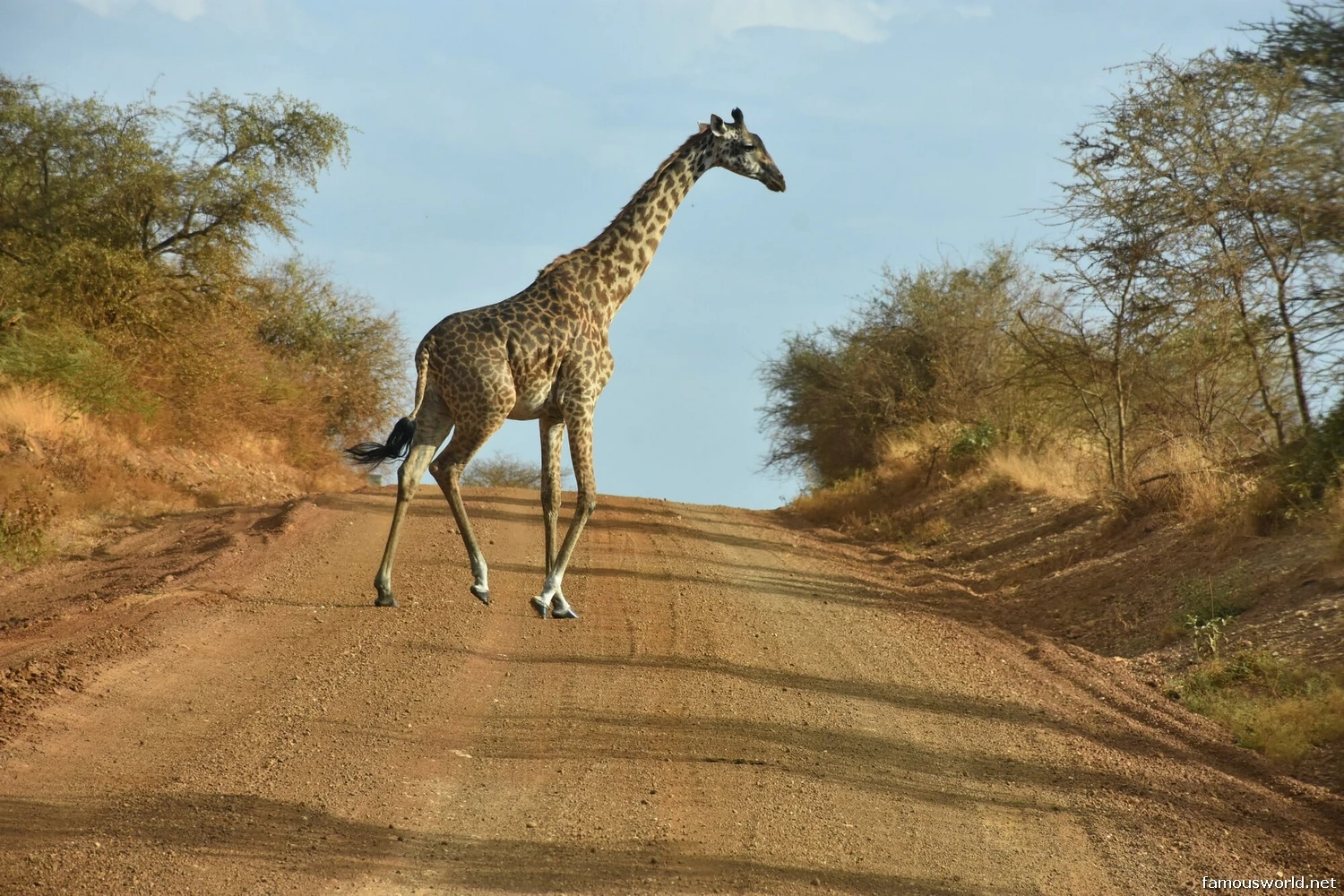
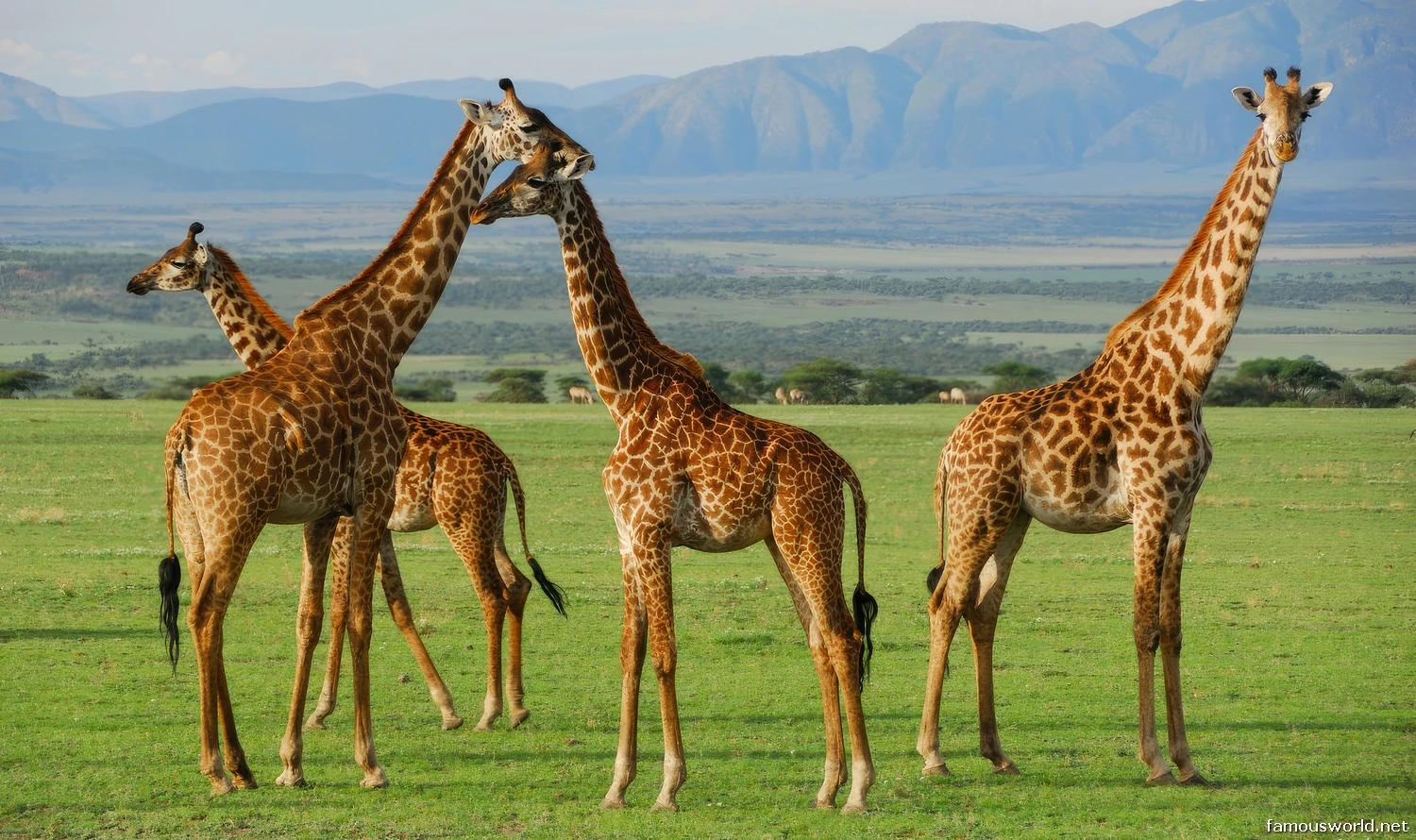
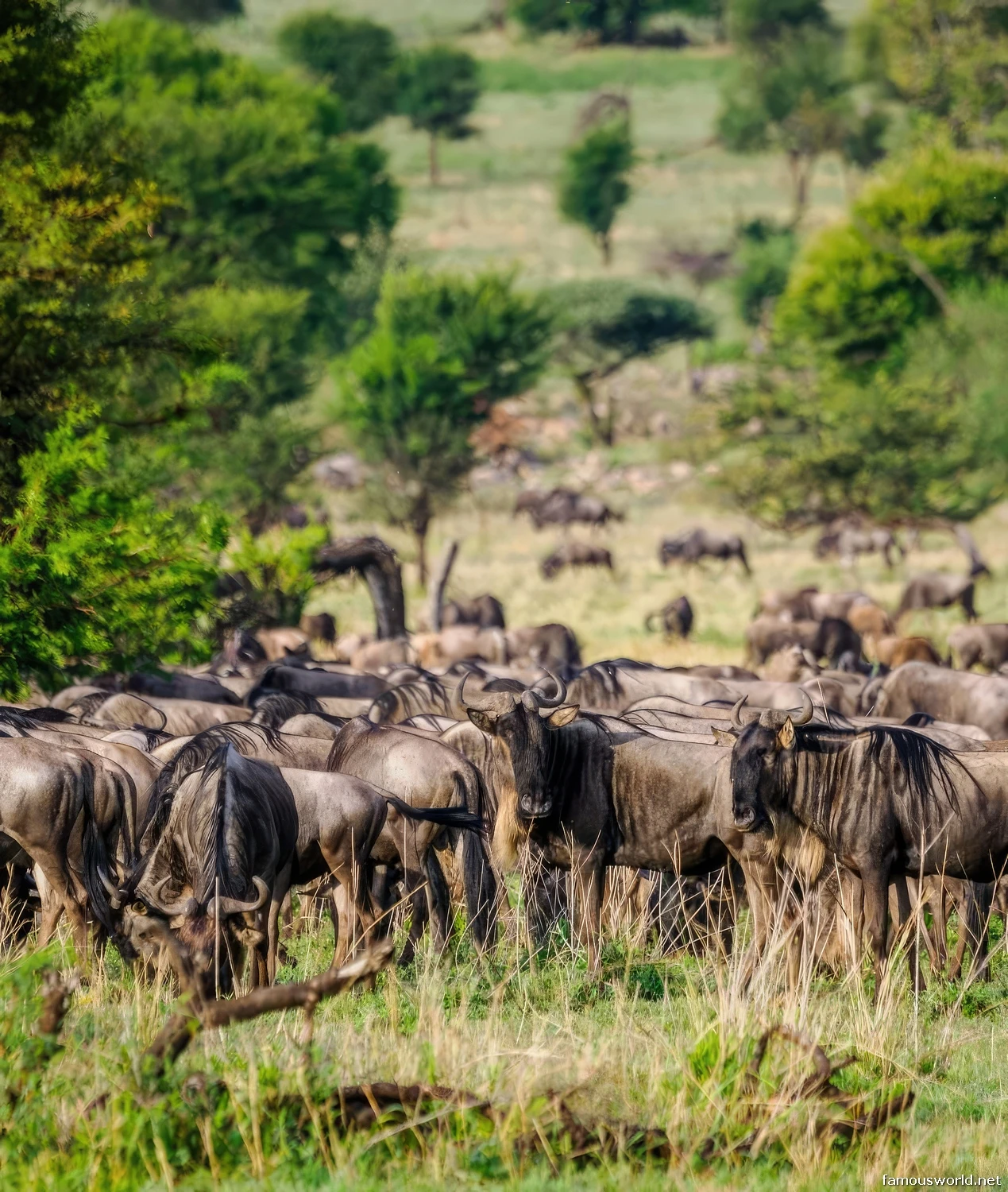

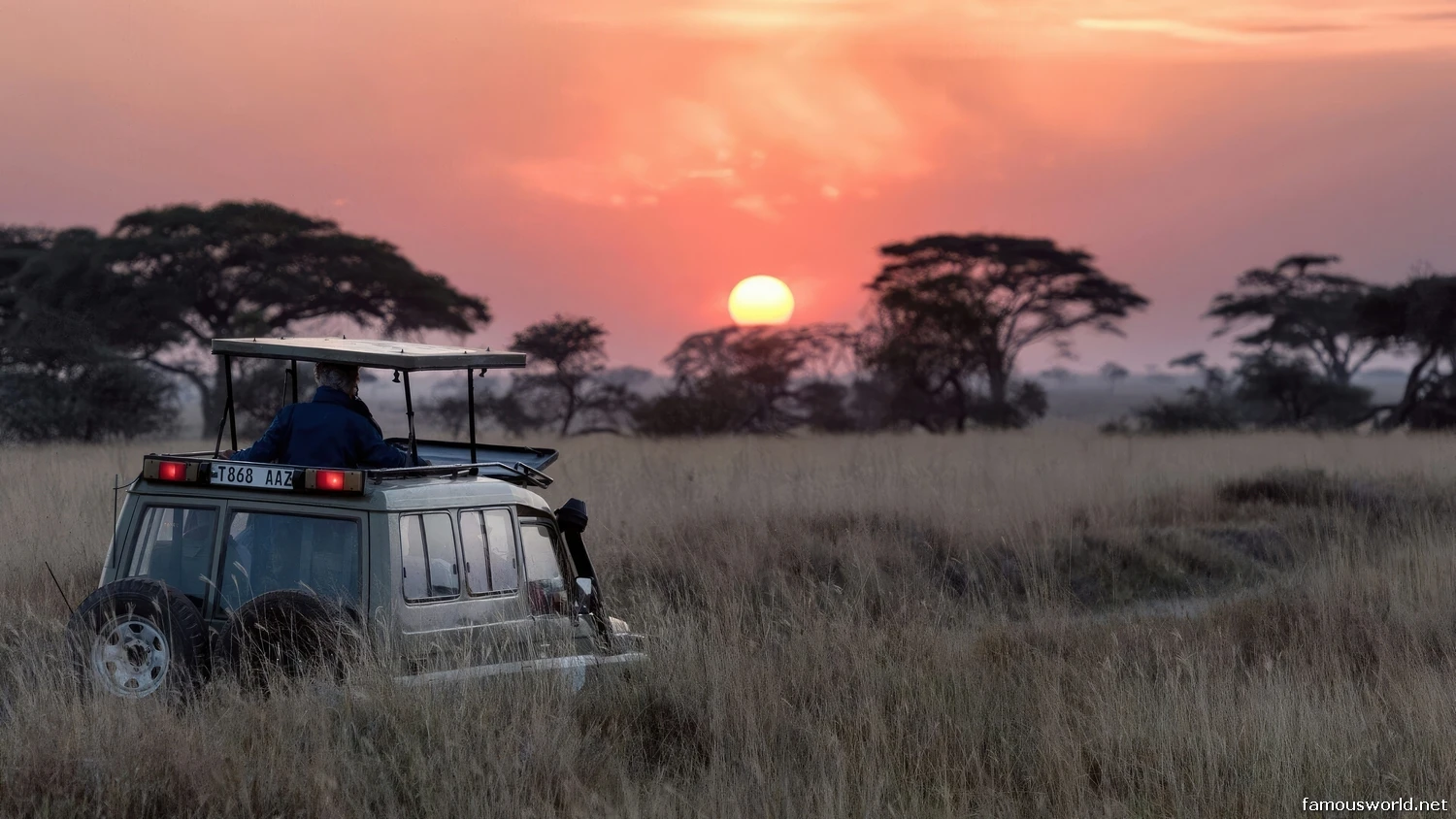
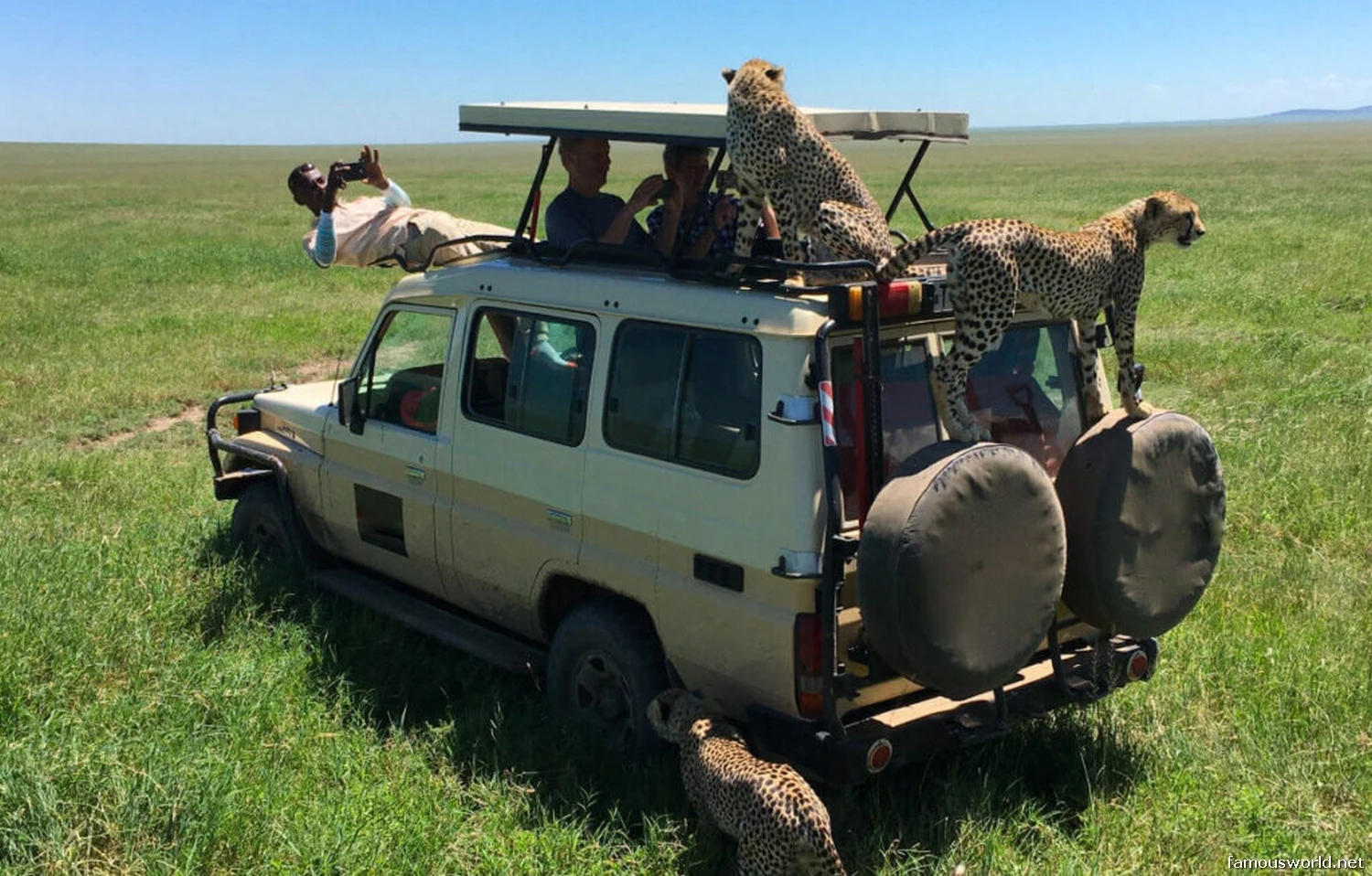
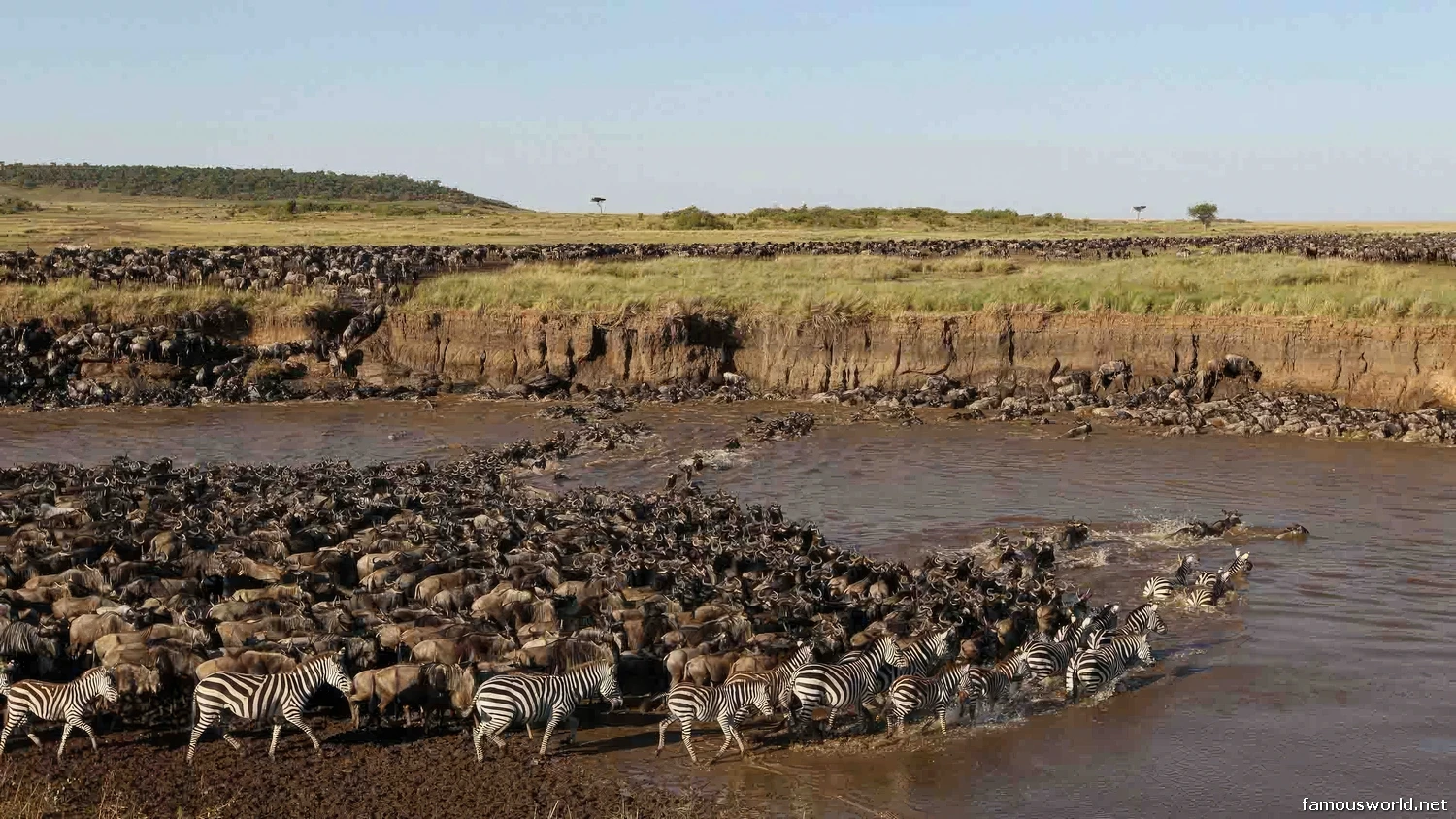
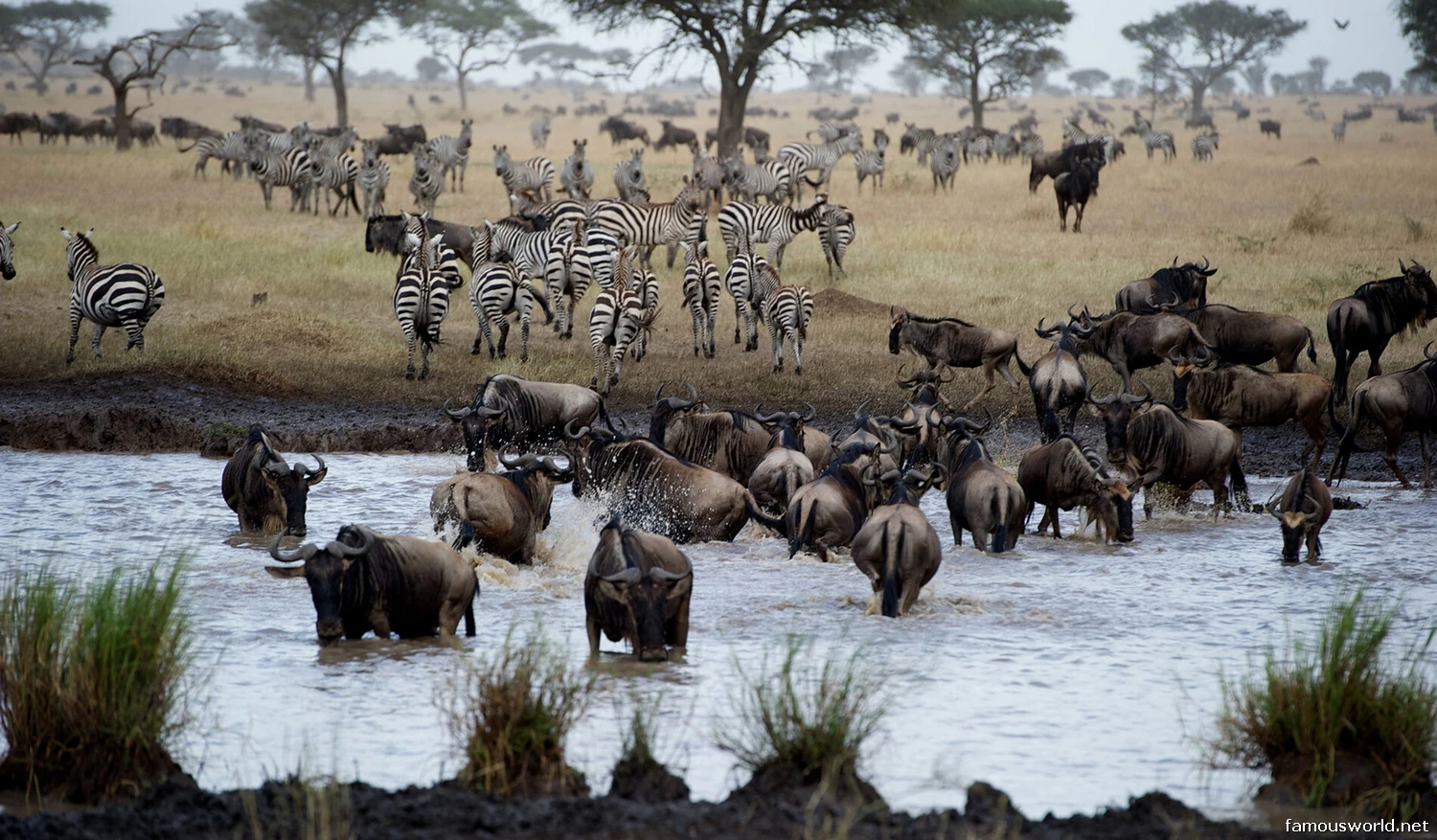
The Serengeti National Park is Africa’s most famous safari destination, a vast and iconic ecosystem that embodies the continent’s wild spirit. A UNESCO World Heritage Site in northern Tanzania, its name, derived from the Maasai word siringet, means “the place where the land runs on forever”—a perfect description for its seemingly endless grasslands. The Serengeti is not just a park but the heart of a larger ecosystem that hosts the Great Migration, one of the most awe-inspiring natural spectacles on Earth. Home to the highest concentration of large predators in the world and an unparalleled density of plains game, it offers a timeless safari experience, presenting a vision of Africa that is both raw and profoundly beautiful.
Listen to an introduction about Serengeti National Park

Name and Location
- Name: Serengeti National Park.
- Location: Northern Tanzania. It is bordered by the Ngorongoro Conservation Area to the southeast, other game reserves to the west, and Kenya’s Maasai Mara National Reserve to the north.
How to Get There
The Serengeti is a remote but well-serviced safari destination.
- By Air: The most common approach is to fly into Kilimanjaro International Airport (JRO). From there, visitors can take a small charter flight to one of the many airstrips located inside the park, such as Seronera Airstrip in the central region. This is the quickest way to access the park’s heart.
- By Road: It is also possible to drive from the town of Arusha. The journey takes several hours and is often part of a longer safari itinerary that includes other parks in Tanzania’s “Northern Circuit,” such as Lake Manyara and the Ngorongoro Crater.
Landscape and Ecosystems
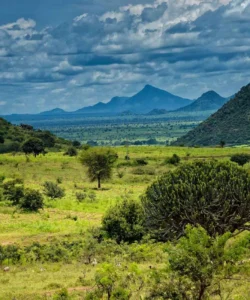
The Serengeti is a diverse landscape of classic African savanna.
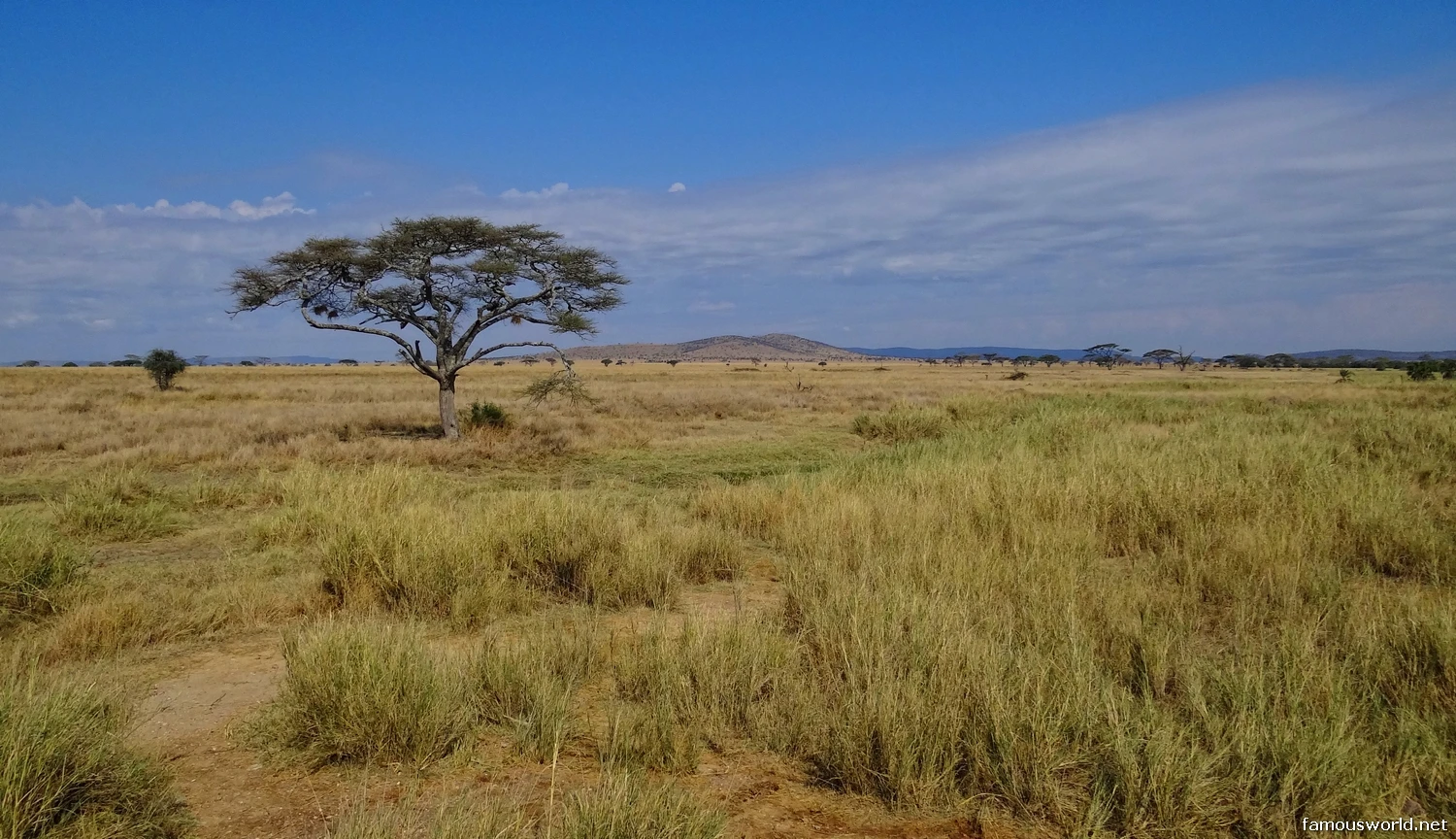
- Vast Plains: The park is most famous for its southern short-grass plains, which are vast, treeless, and rich in nutrients, providing crucial grazing for the wildebeest herds during the calving season.
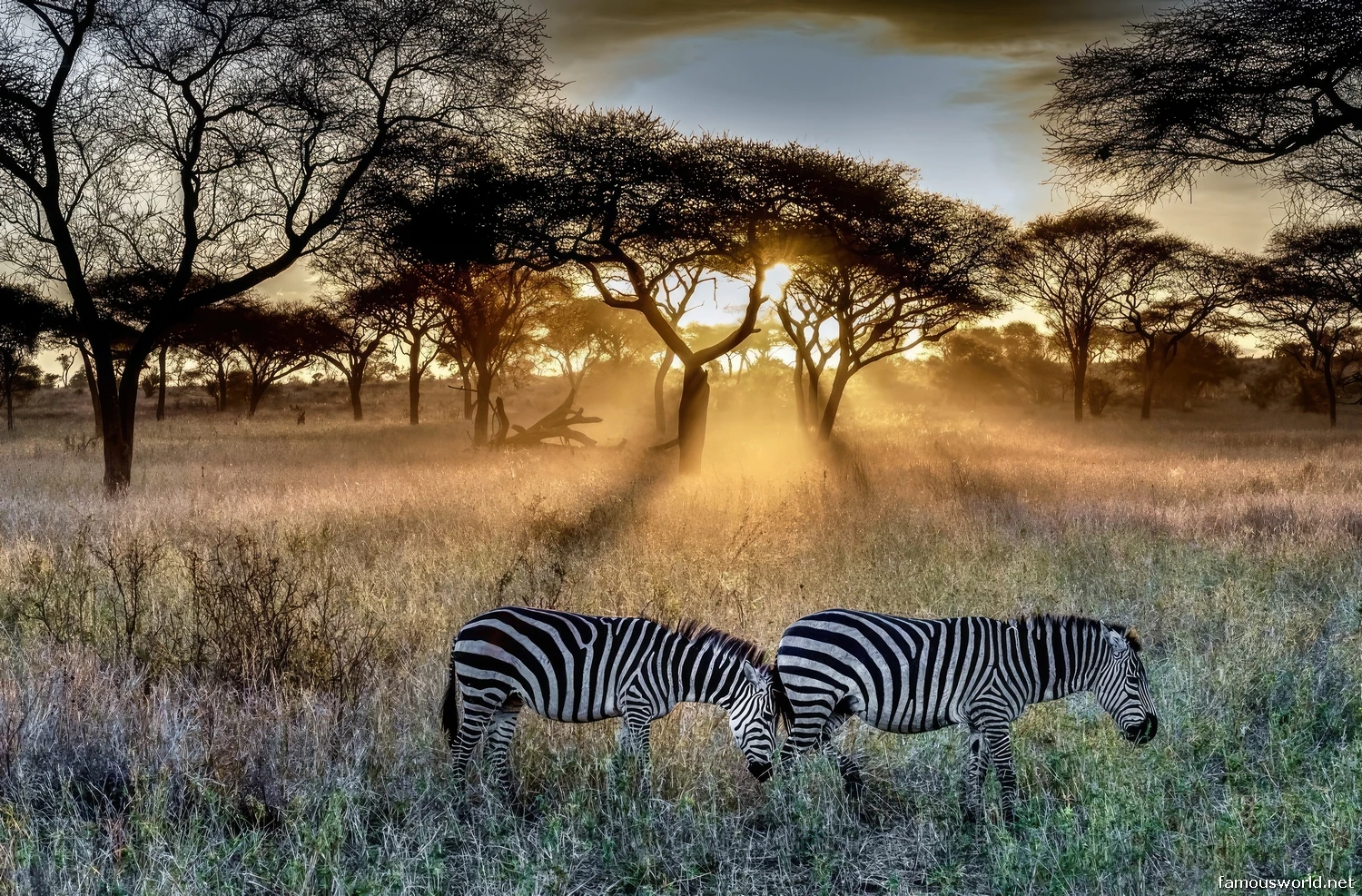
- Savanna and Woodlands: The central Seronera Valley features classic savanna dotted with acacia trees and is known for its excellent resident wildlife. The northern and western corridors are more wooded and hilly.
- Kopjes: A defining feature of the landscape is the presence of kopjes, ancient granite outcrops that rise from the plains like rocky islands. These unique micro-habitats are favored shelters for predators, especially lions.
- Rivers: The Grumeti and Mara Rivers flow through the park, creating vital riverine forests and providing dramatic obstacles for the migrating herds.
What Makes It Famous
The Serengeti’s global fame is built on its role as the stage for the greatest wildlife show on Earth.
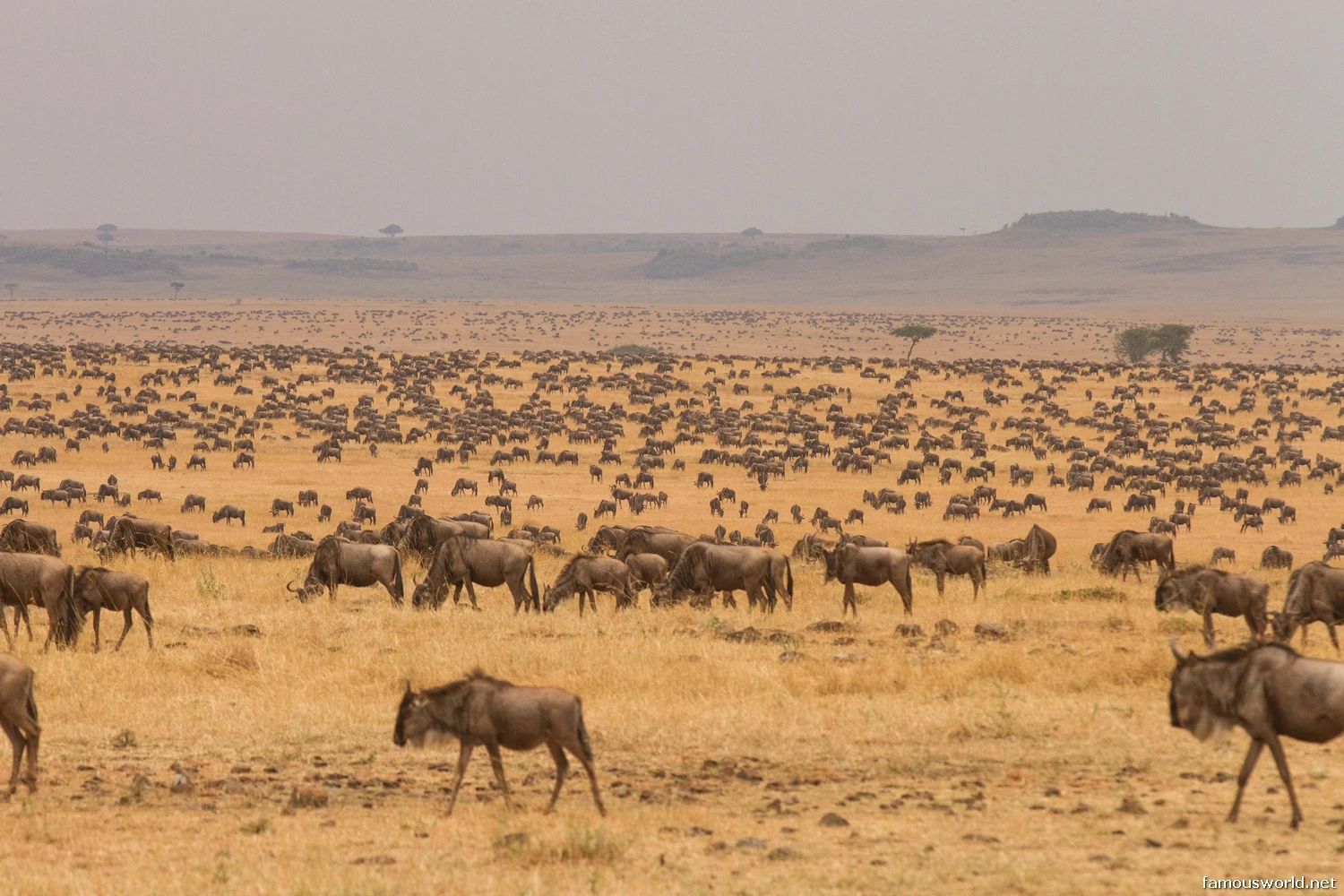
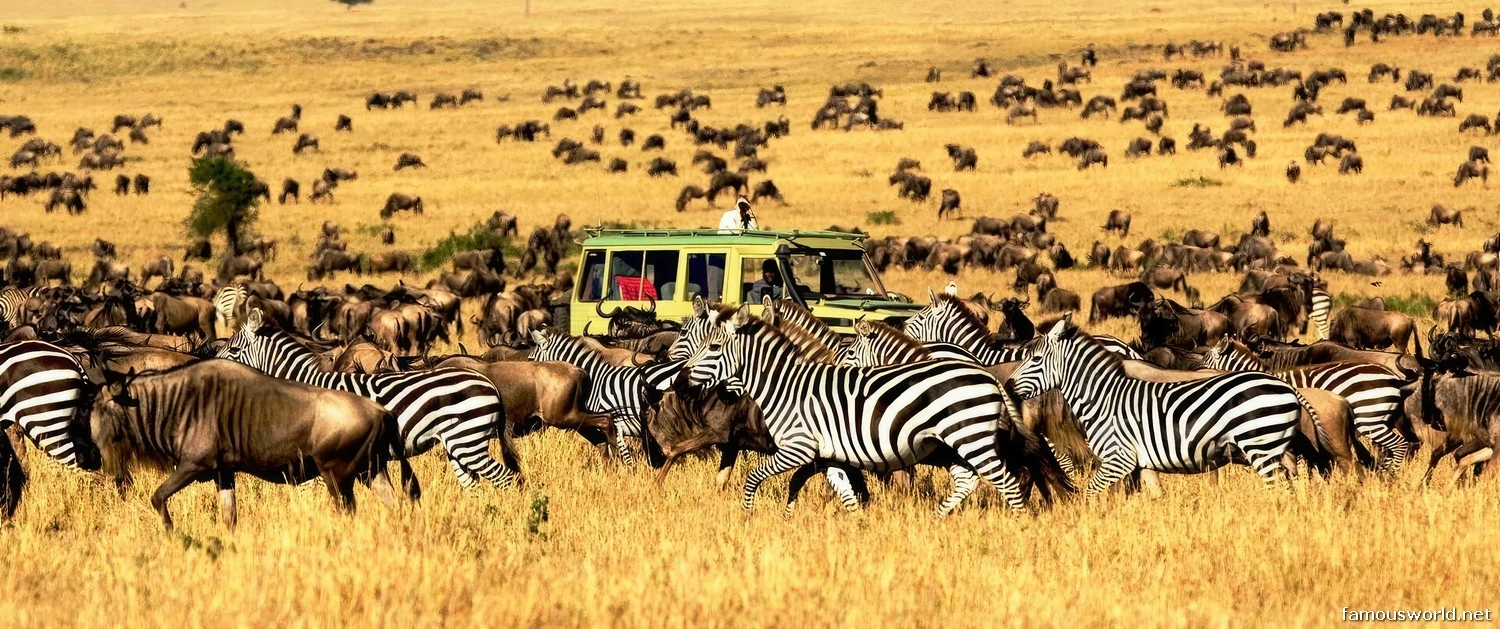
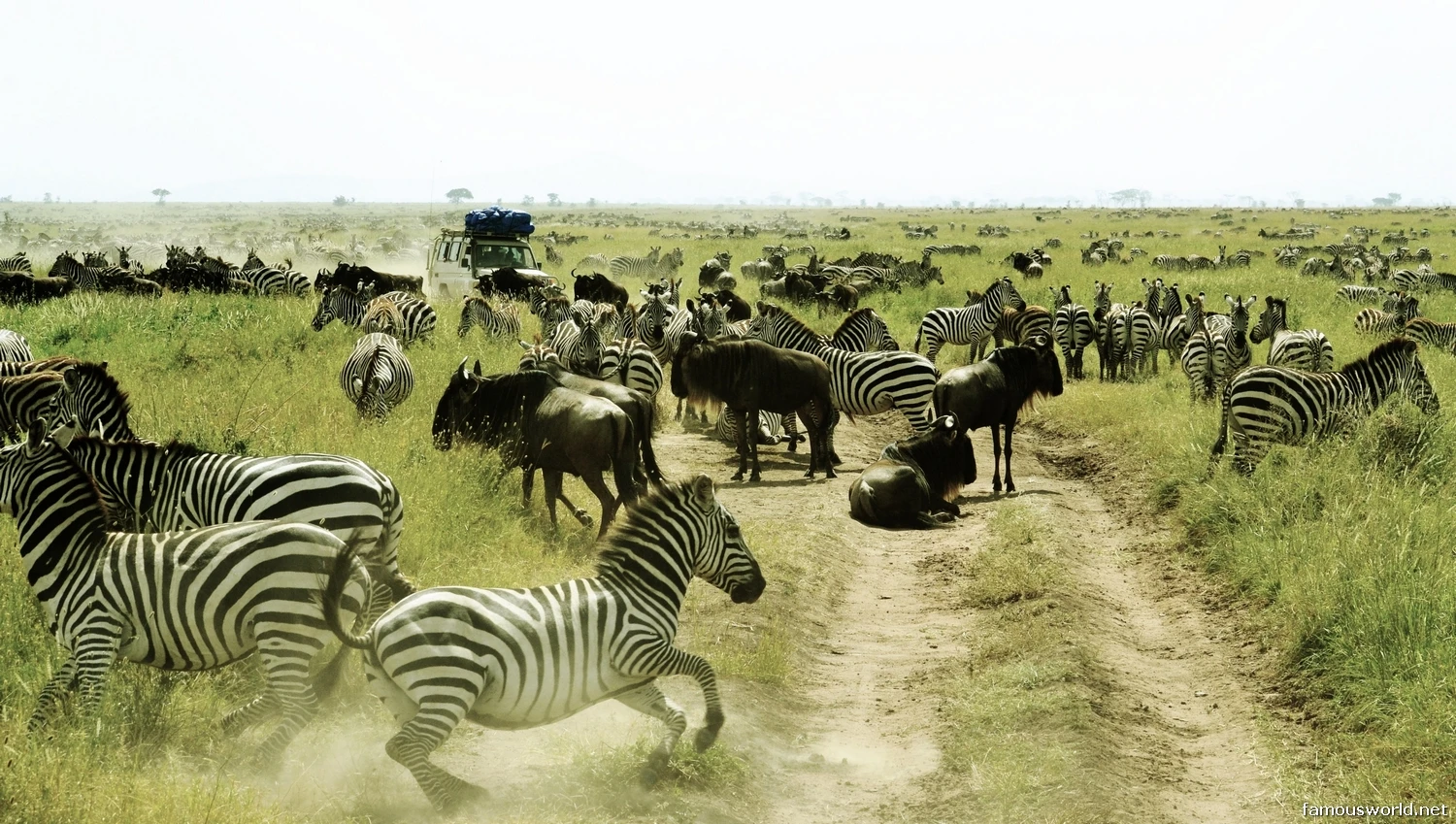
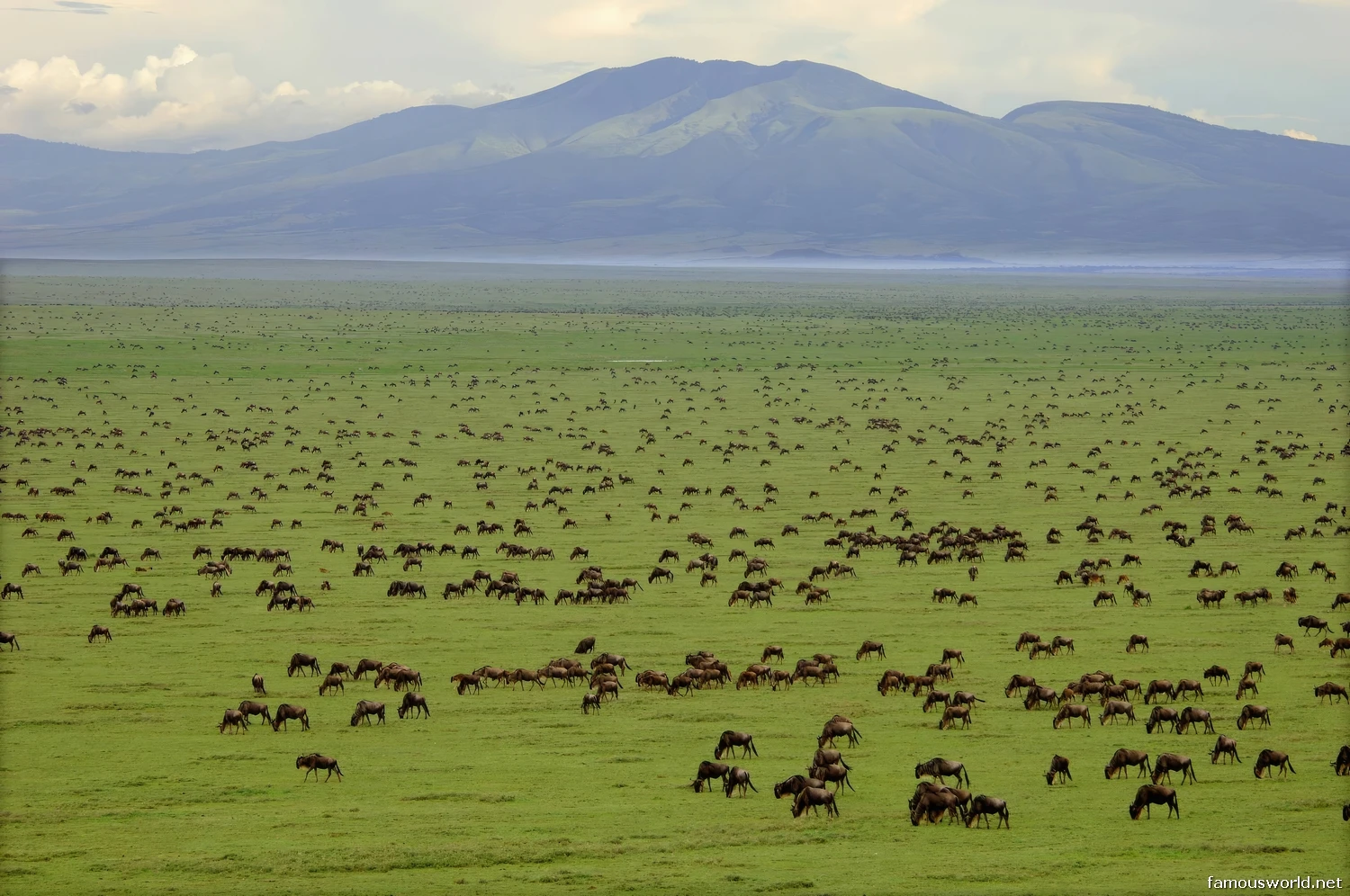
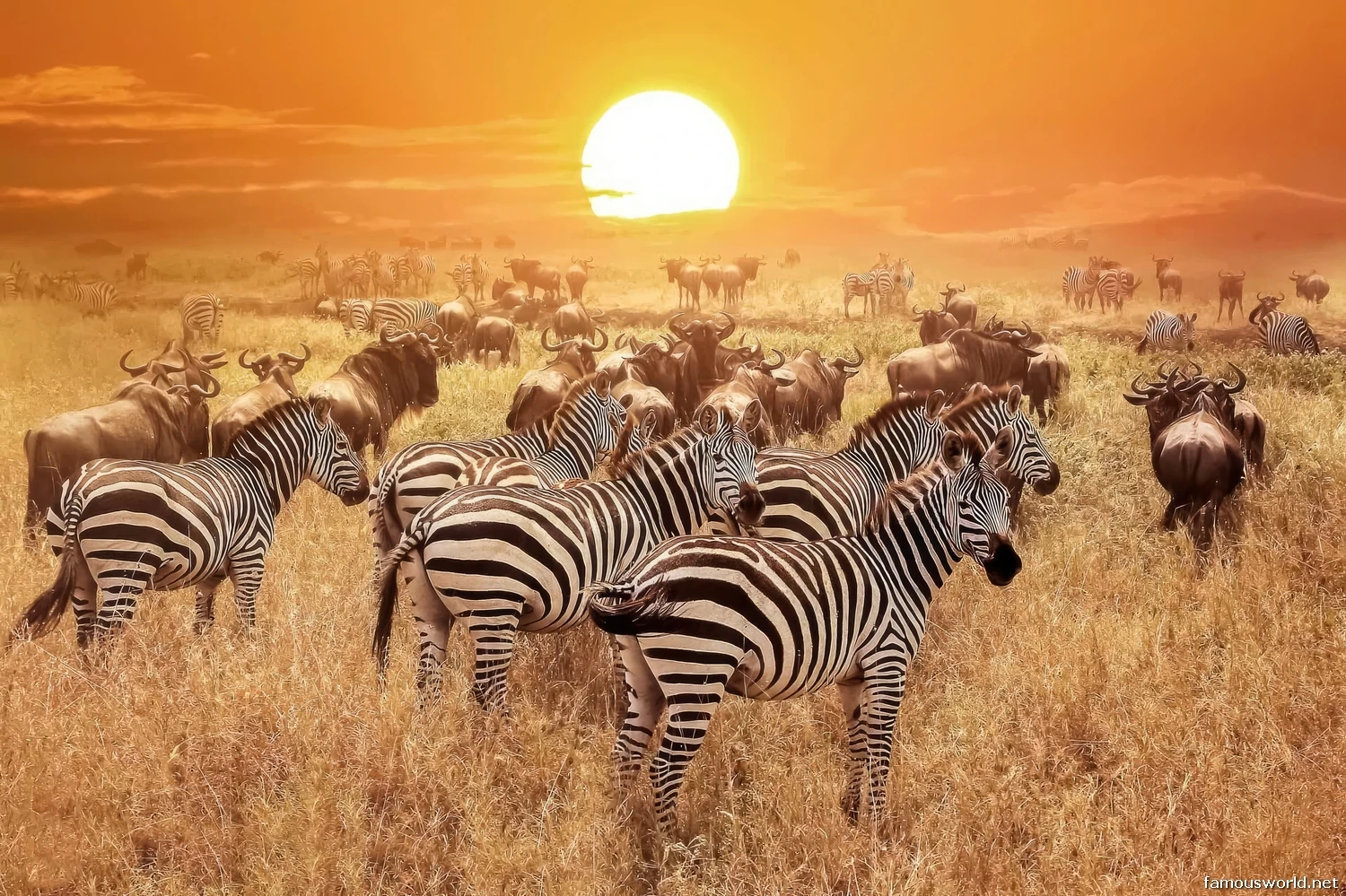
- The Great Migration: The park is world-renowned for hosting the annual migration of over 1.5 million white-bearded wildebeest and hundreds of thousands of zebras and gazelles. This circular journey in search of fresh grazing and water is the largest overland migration in the world.
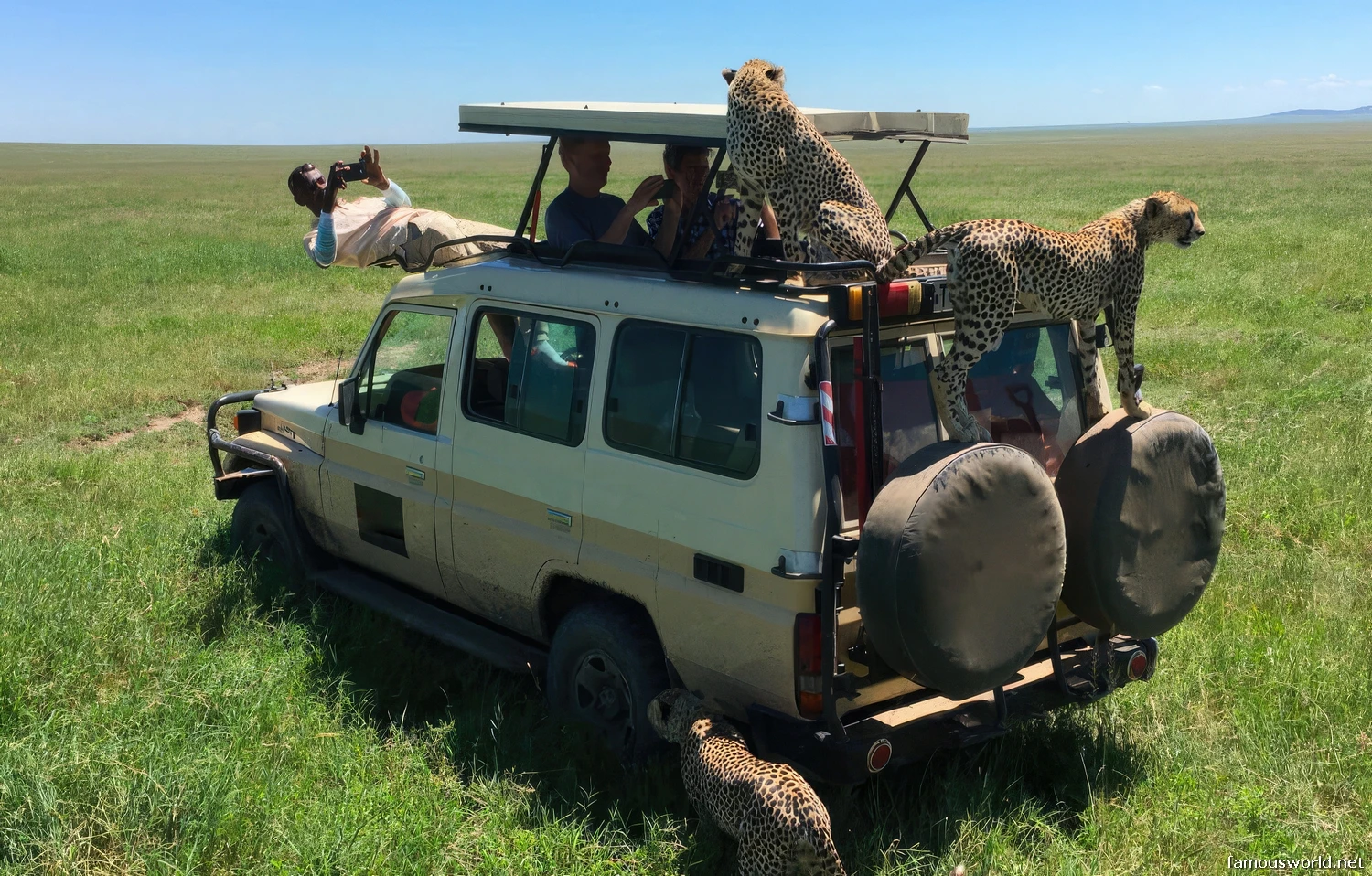
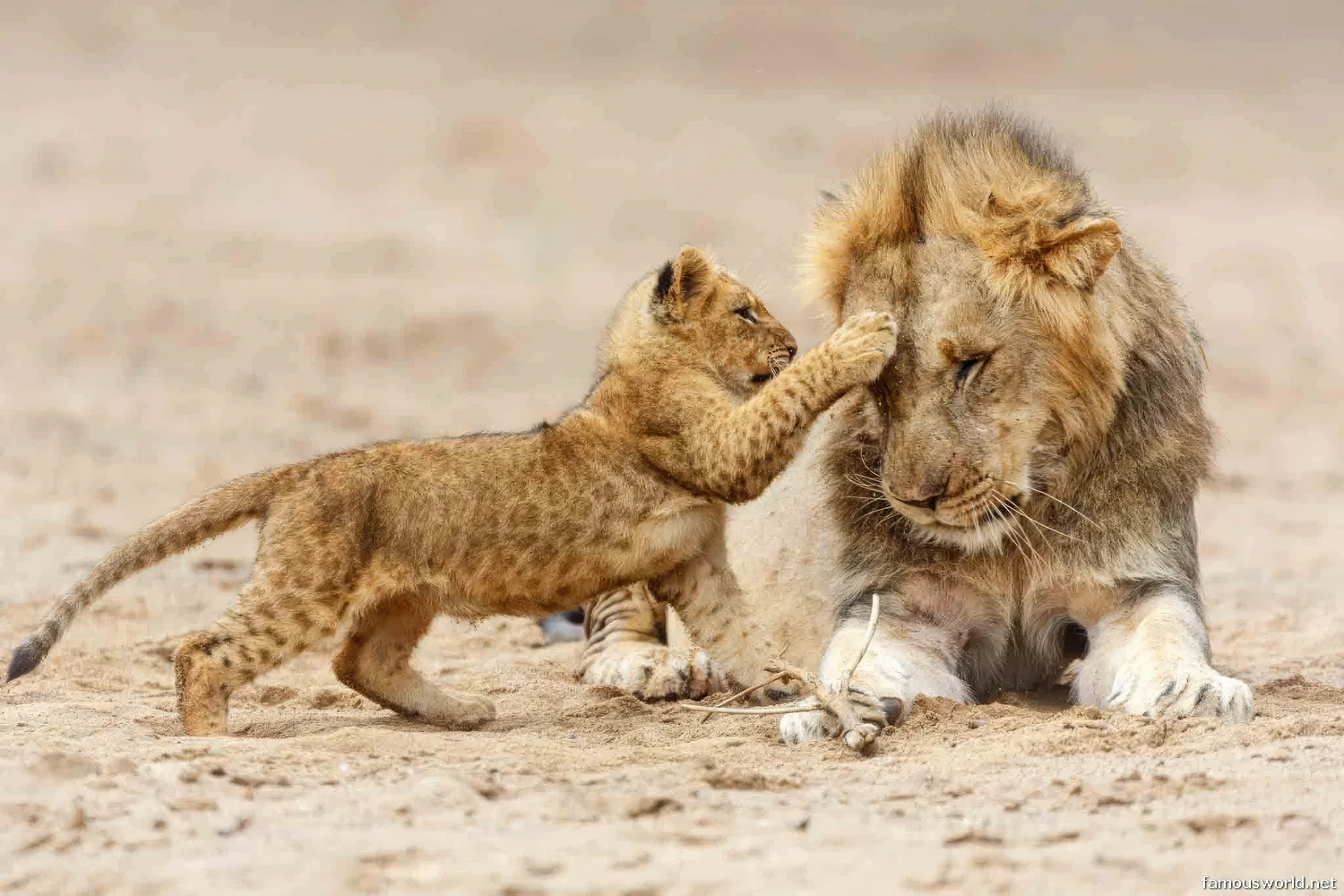
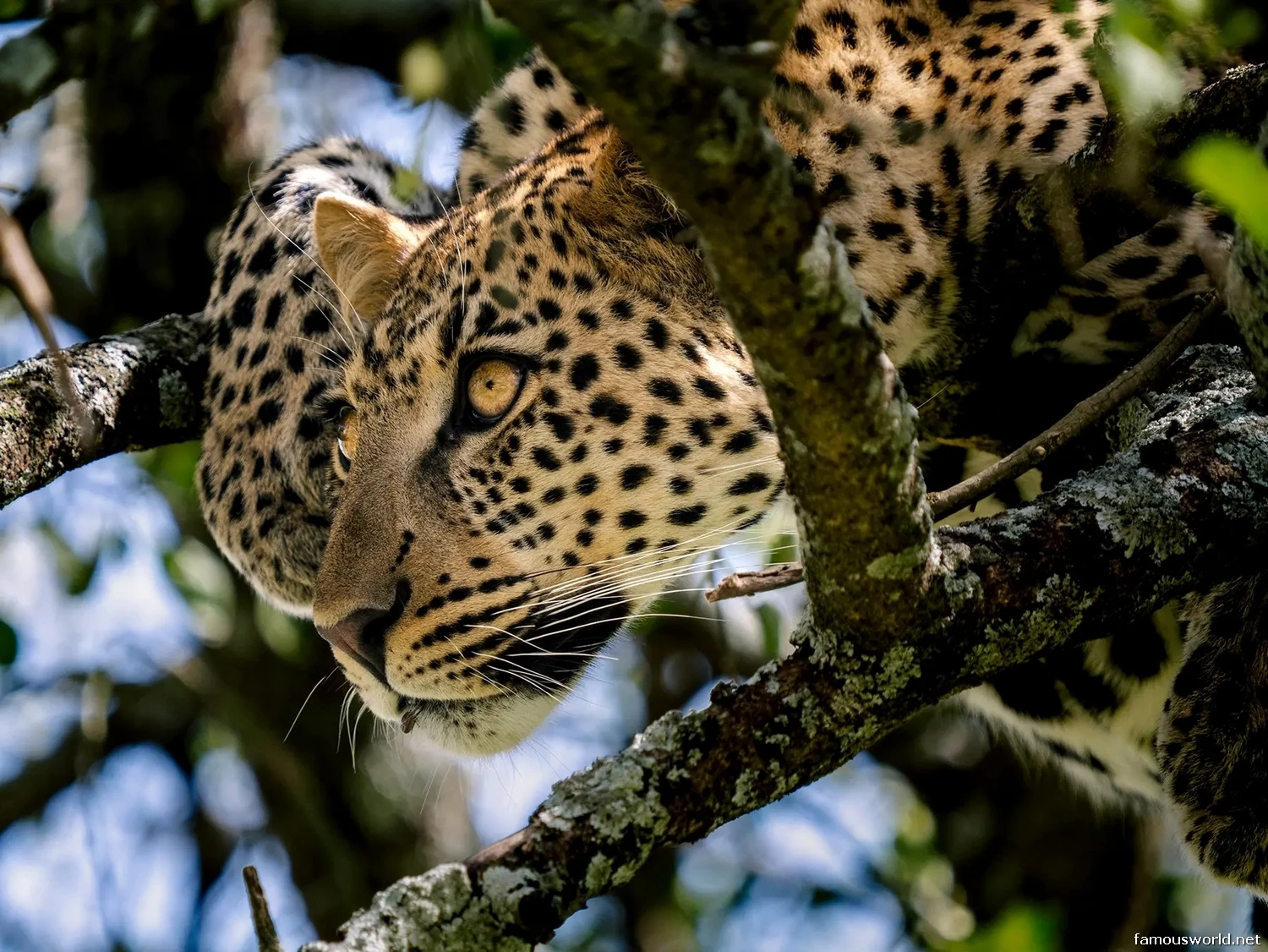
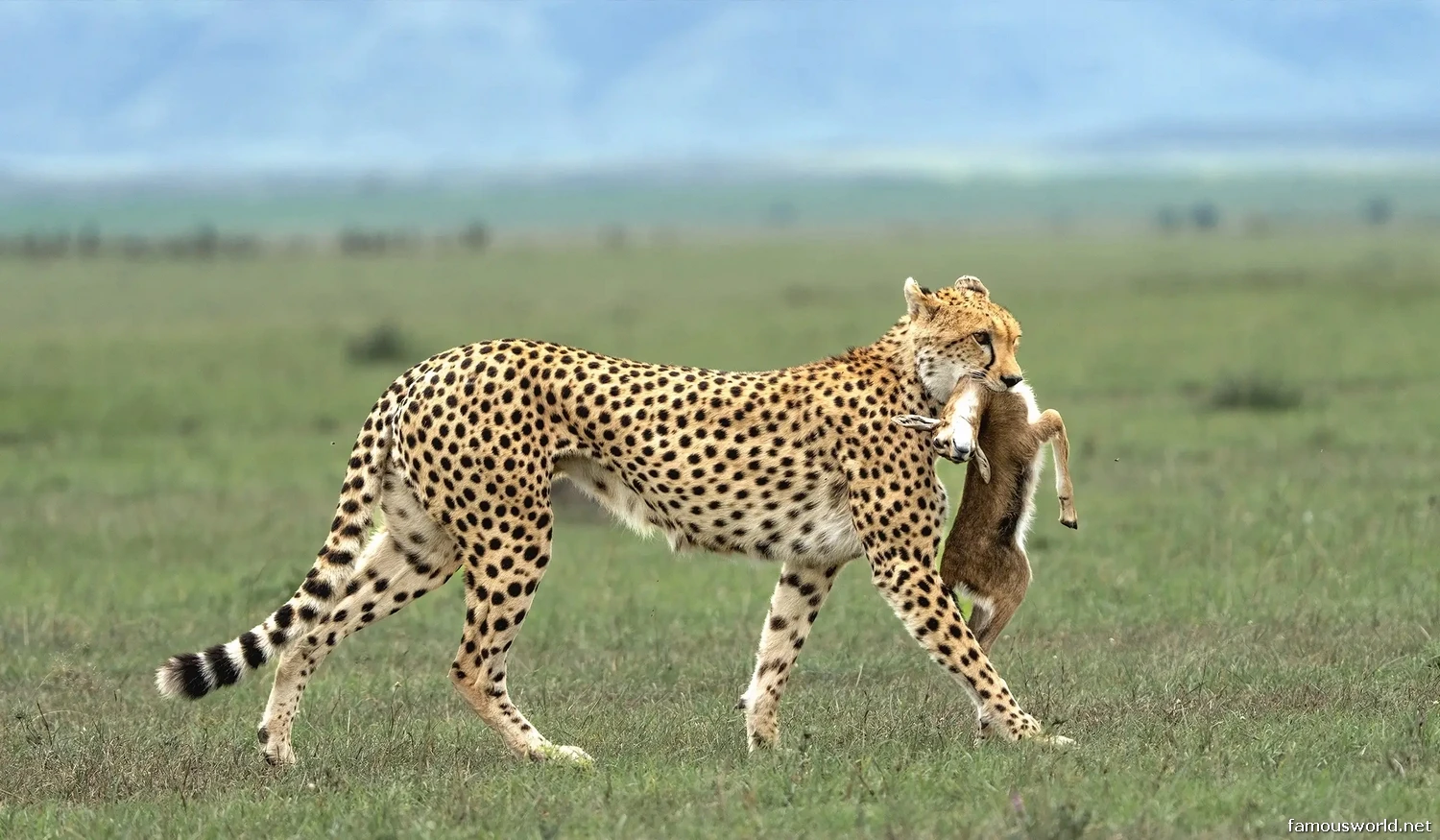
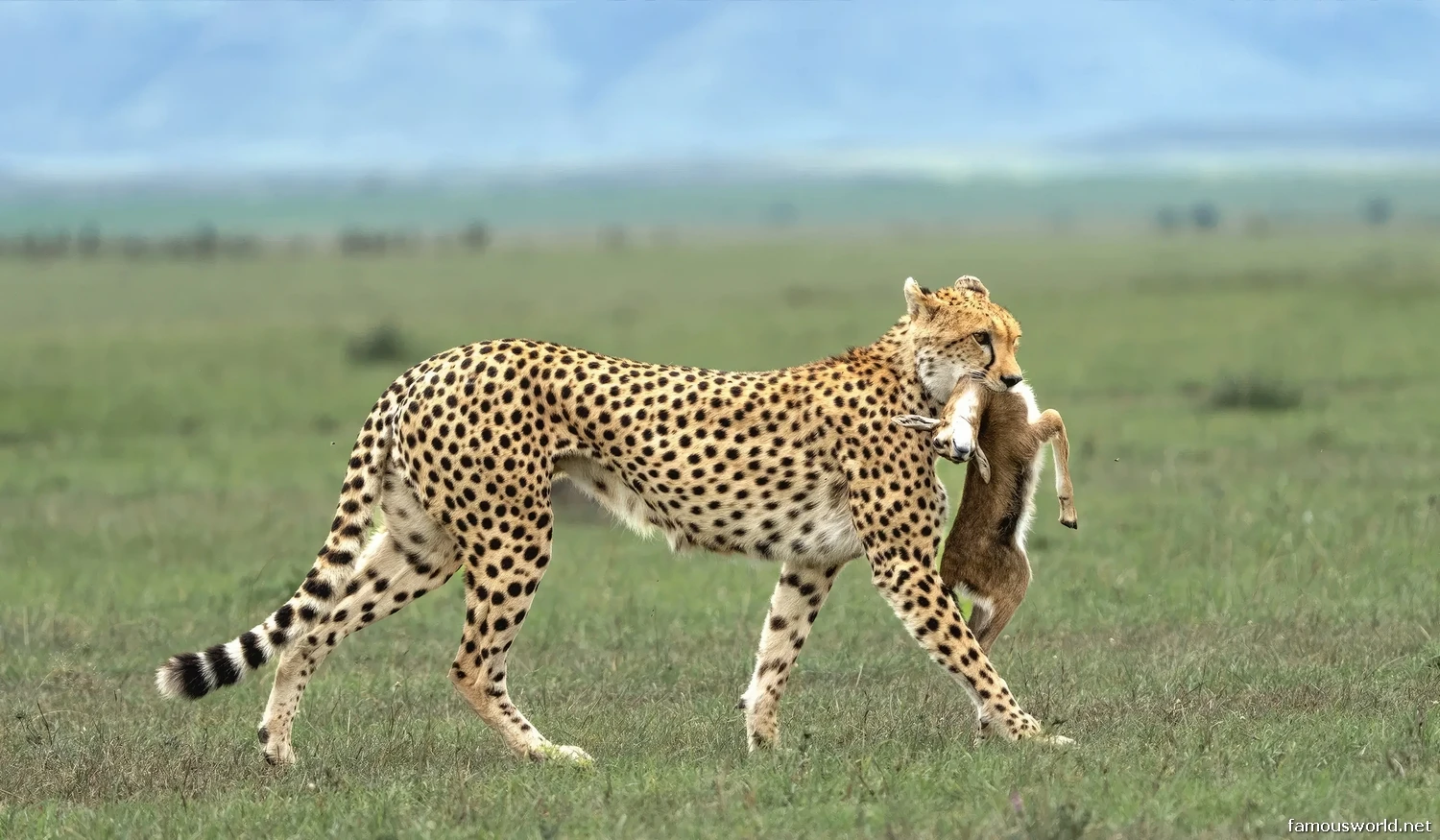
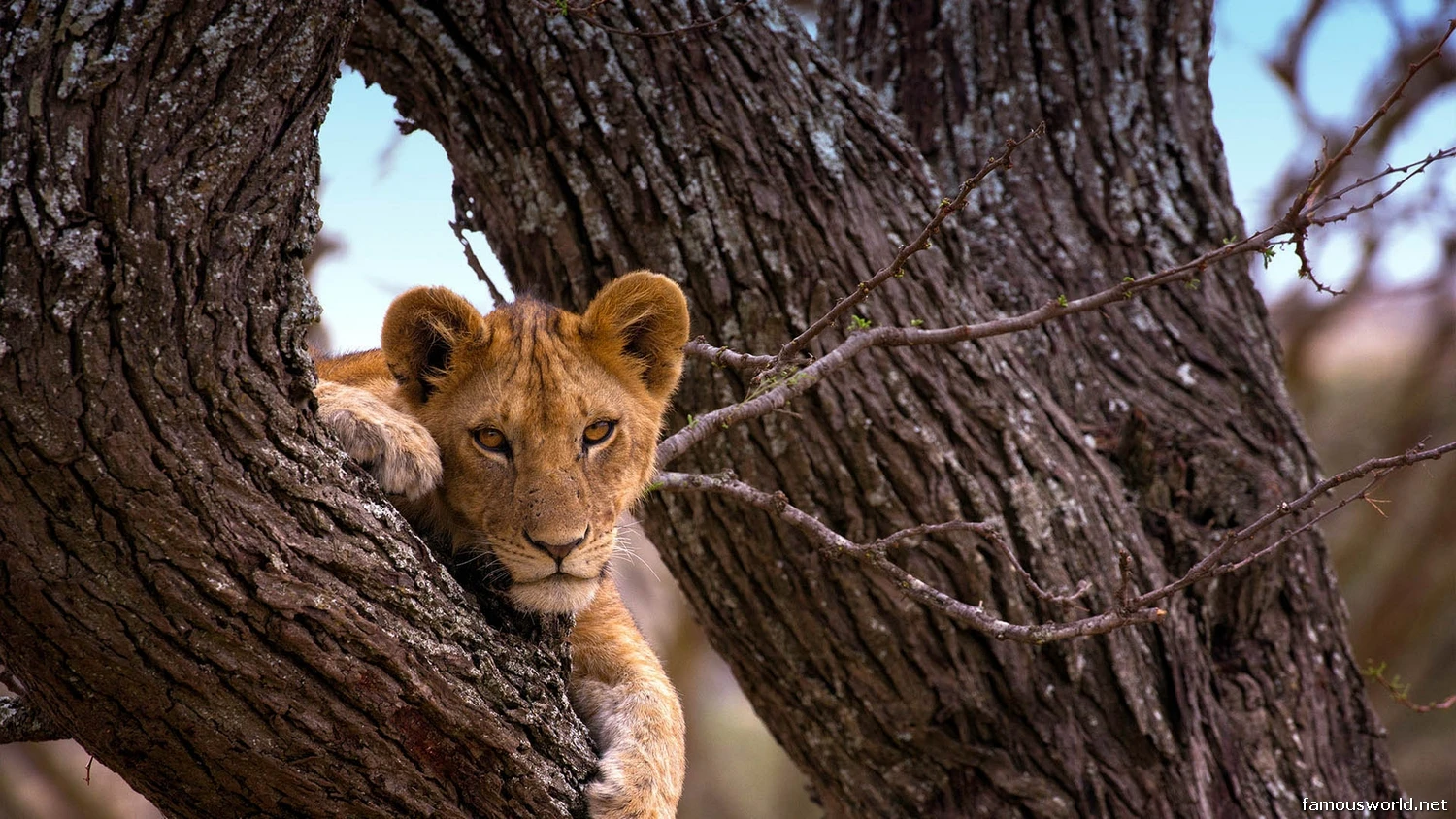
- Predator Capital: The Serengeti has an exceptionally high density of predators. It is one of the best places in Africa to see large lion prides, leopards, and cheetahs in action on the open plains.
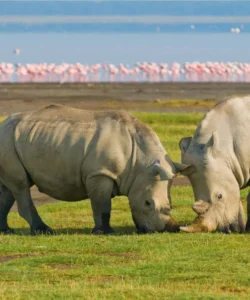
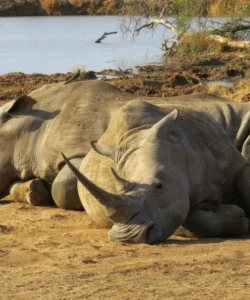
- The “Big Five”: The park is a reliable destination for spotting the “Big Five”: lions, leopards, elephants, and Cape buffalo are abundant, while the black rhinoceros is present but critically endangered and rarely seen.
- Vast, Intact Ecosystem: The sheer scale of the unfenced Serengeti ecosystem, which includes neighboring reserves, is what allows the migration and its incredible biodiversity to thrive.
Differences from Other Wonders
The Serengeti’s focus on a vast, dynamic wildlife spectacle contrasts sharply with the vertical, personal challenge of climbing Mount Kilimanjaro.
- Focus (Wildlife Spectacle vs. Personal Ascent): The Serengeti is about witnessing the massive, horizontal movement of wildlife across a vast landscape. Kilimanjaro is about the personal, vertical journey of ascending a single mountain.
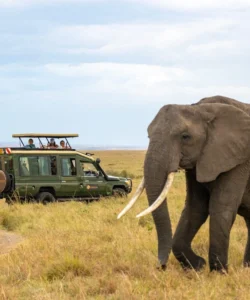
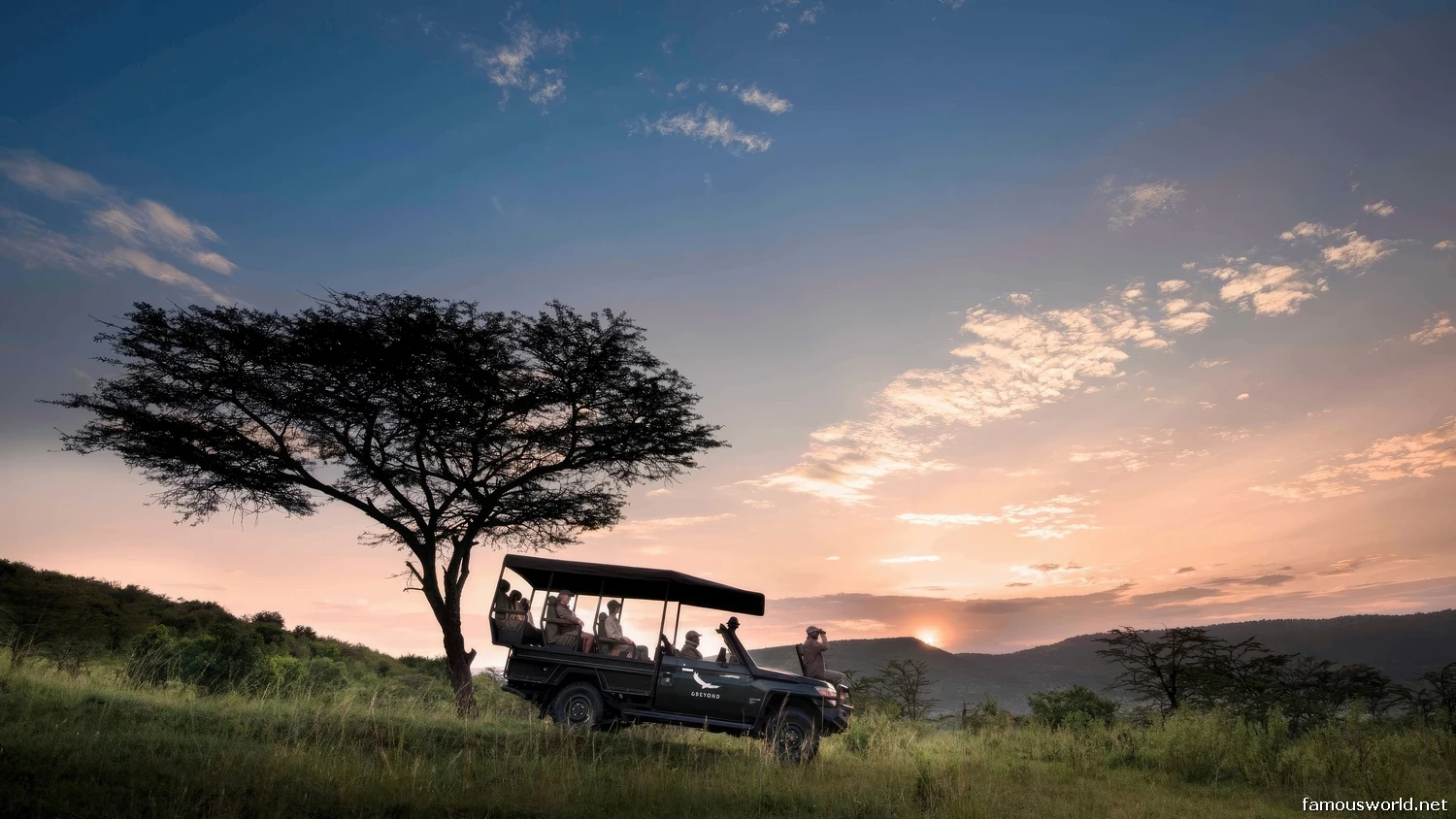
- Primary Experience (Game Drives and Observation vs. Trekking and Endurance): The main activity in the Serengeti is observing wildlife from a safari vehicle. The main activity on Kilimanjaro is multi-day trekking and camping.
- Landscape (Expansive Savanna vs. Vertical Climate Zones): The Serengeti is a massive savanna ecosystem with subtle variations. Kilimanjaro’s landscape changes dramatically with altitude, from rainforest at its base to an arctic summit.
- Goal (Witnessing the Migration vs. Reaching the Summit): The ultimate goal for many Serengeti visitors is to witness the Great Migration. The ultimate goal for Kilimanjaro climbers is to stand on the summit of Uhuru Peak.
Location on world map