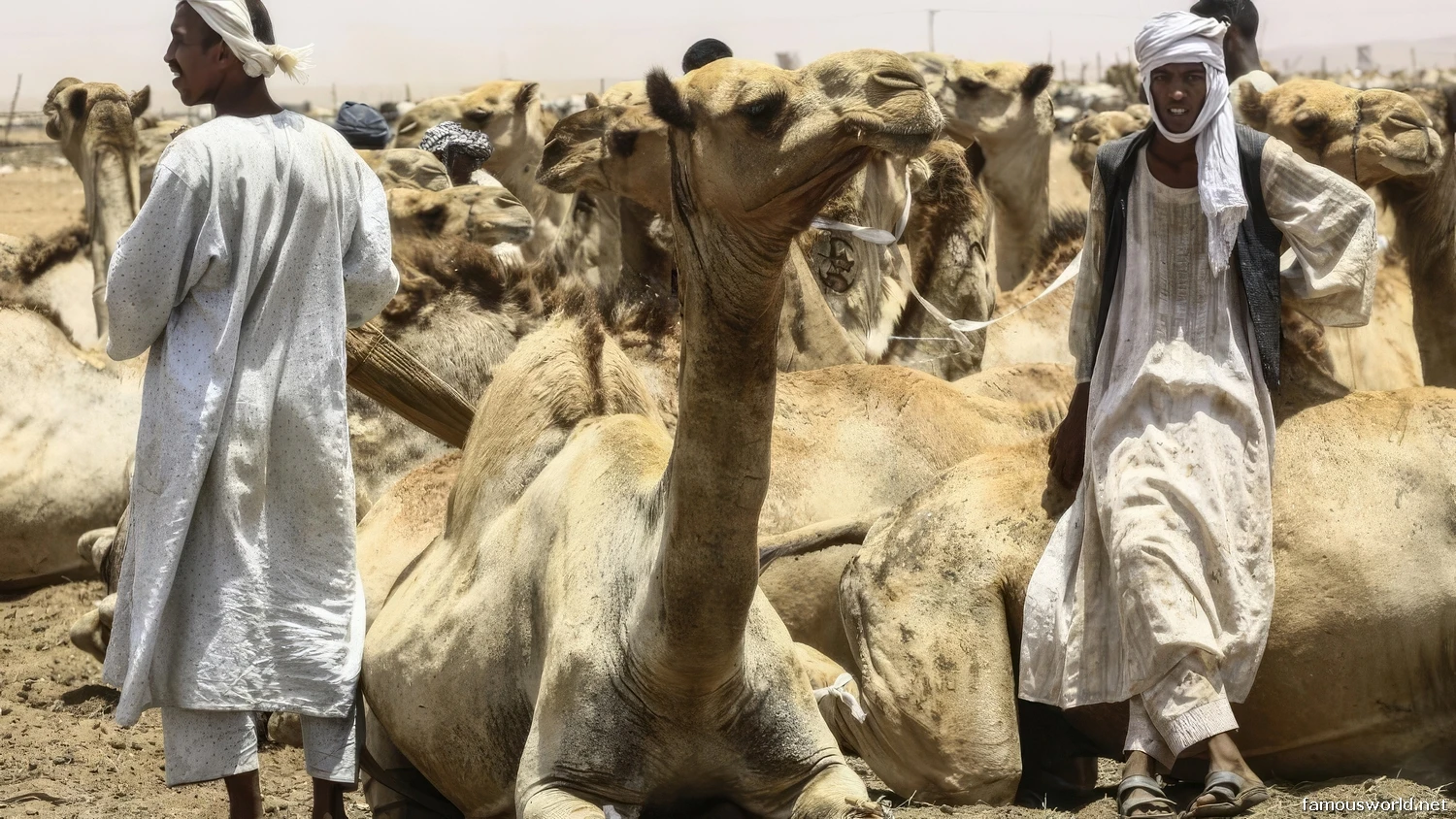
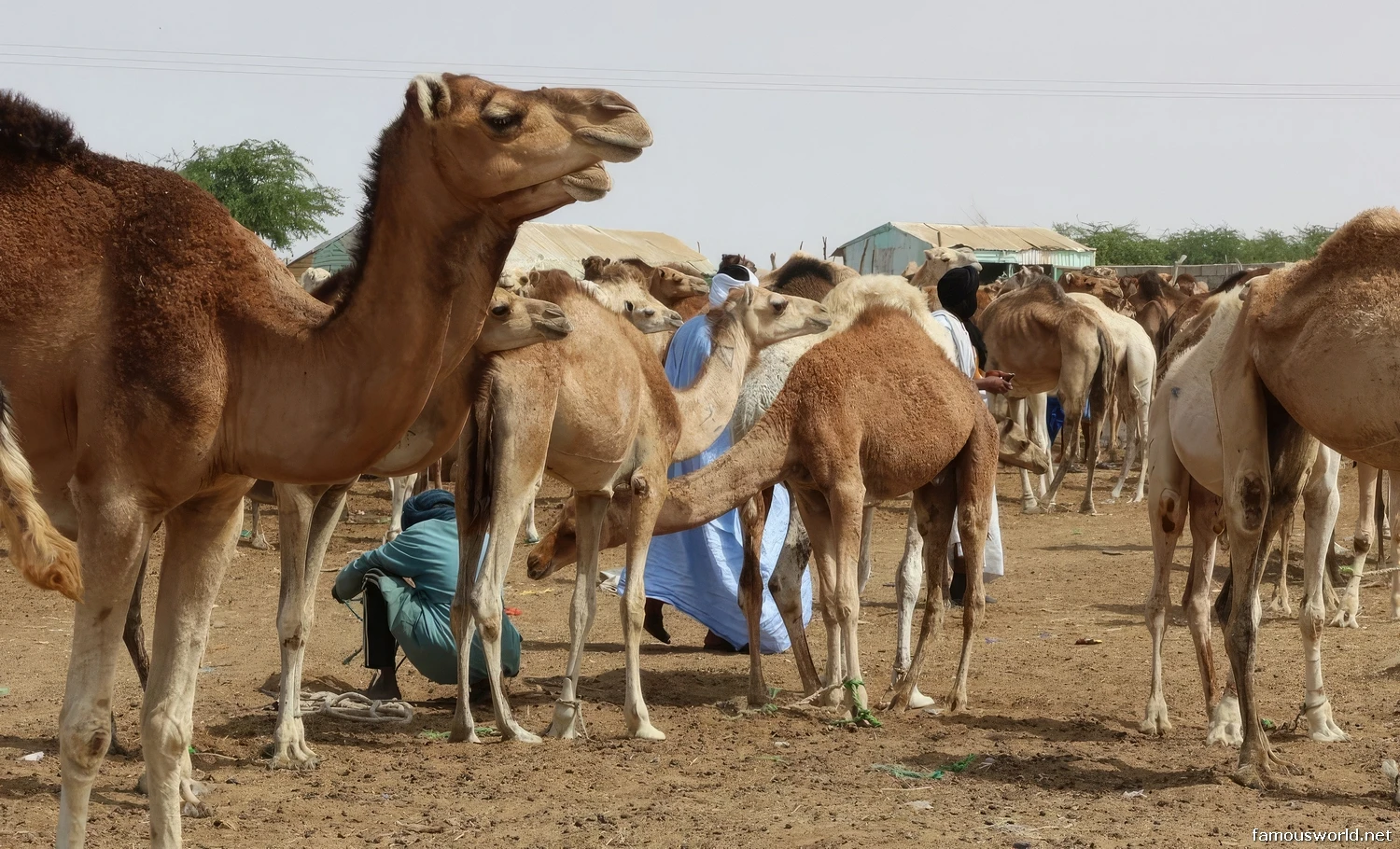
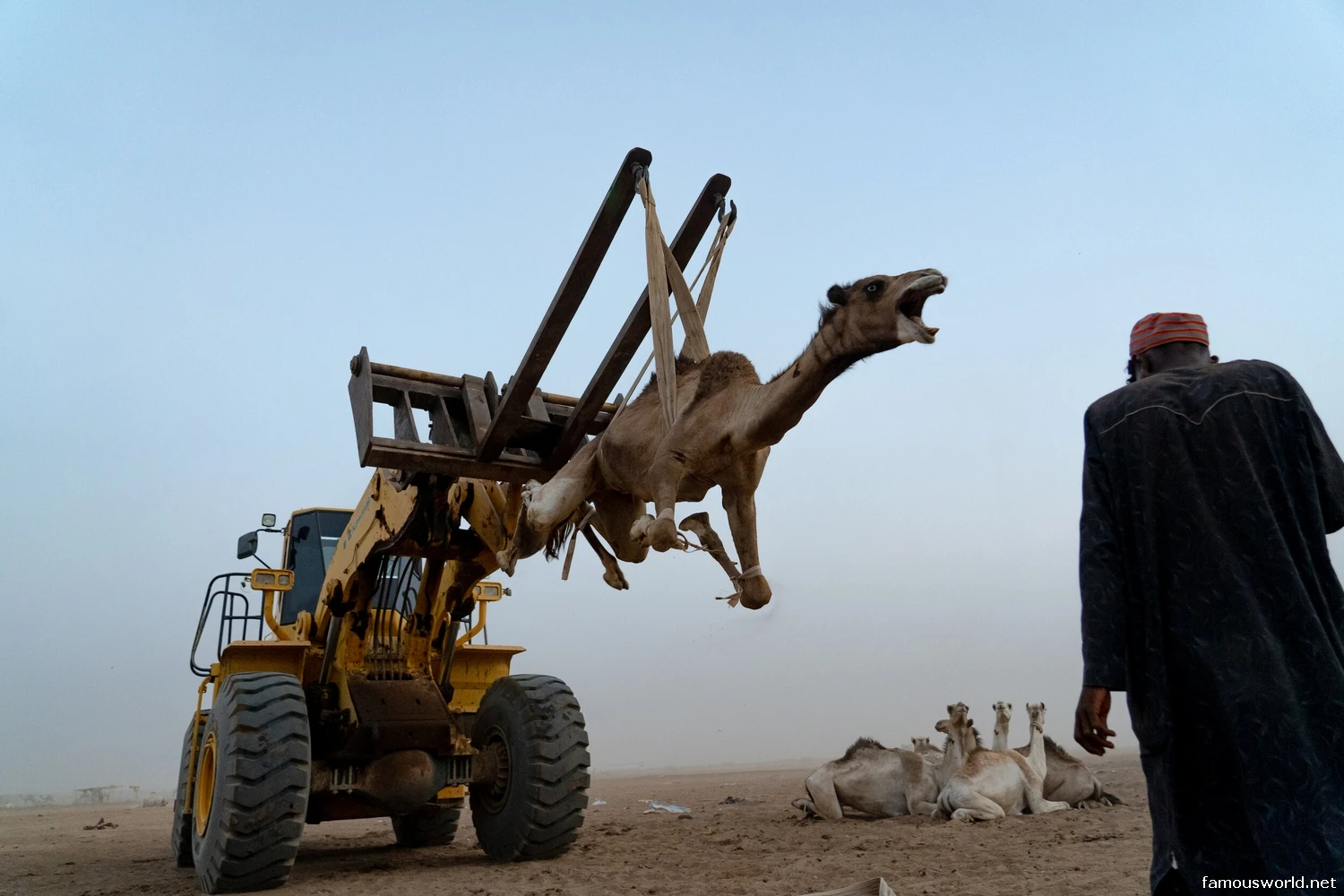
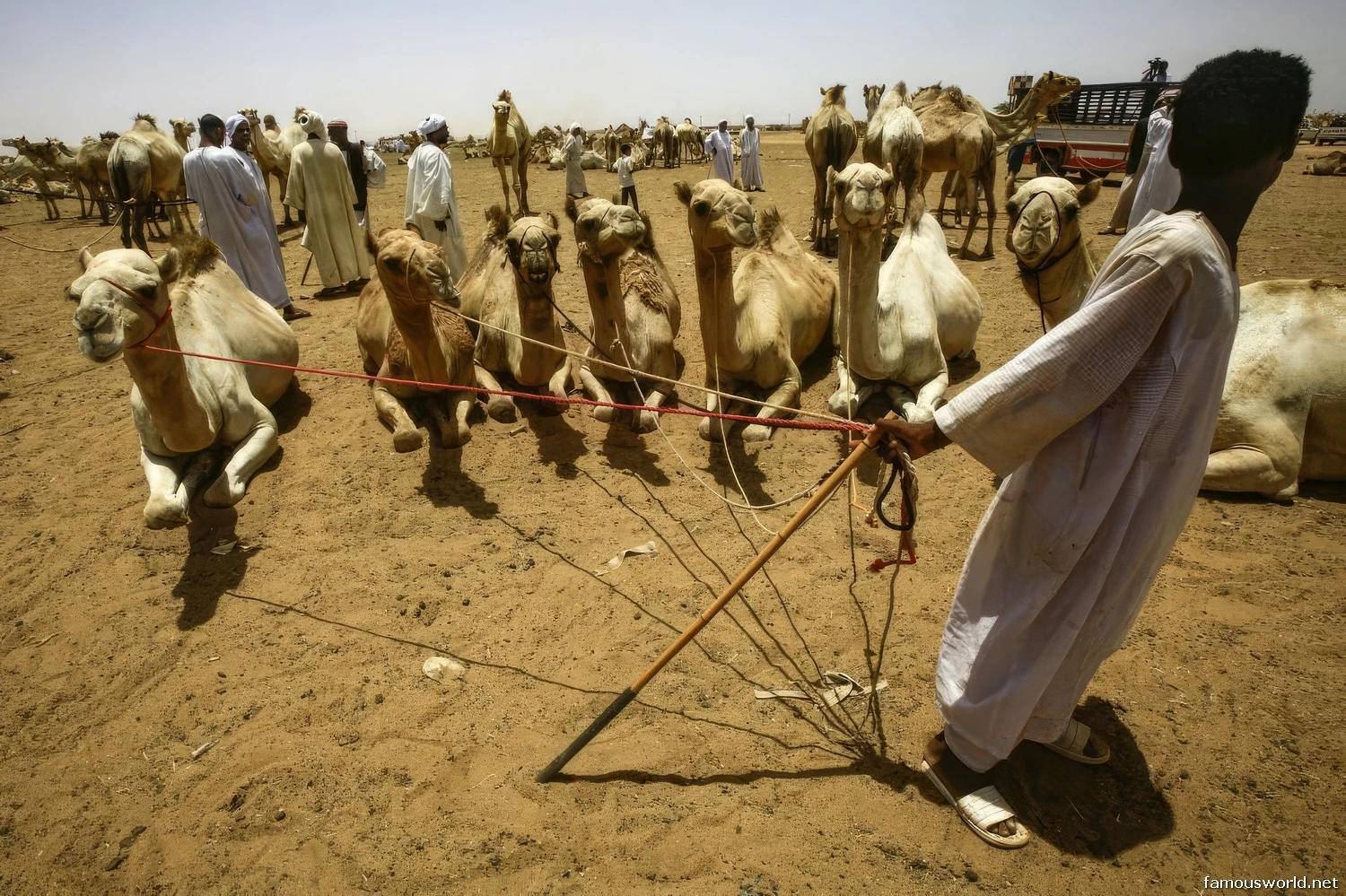
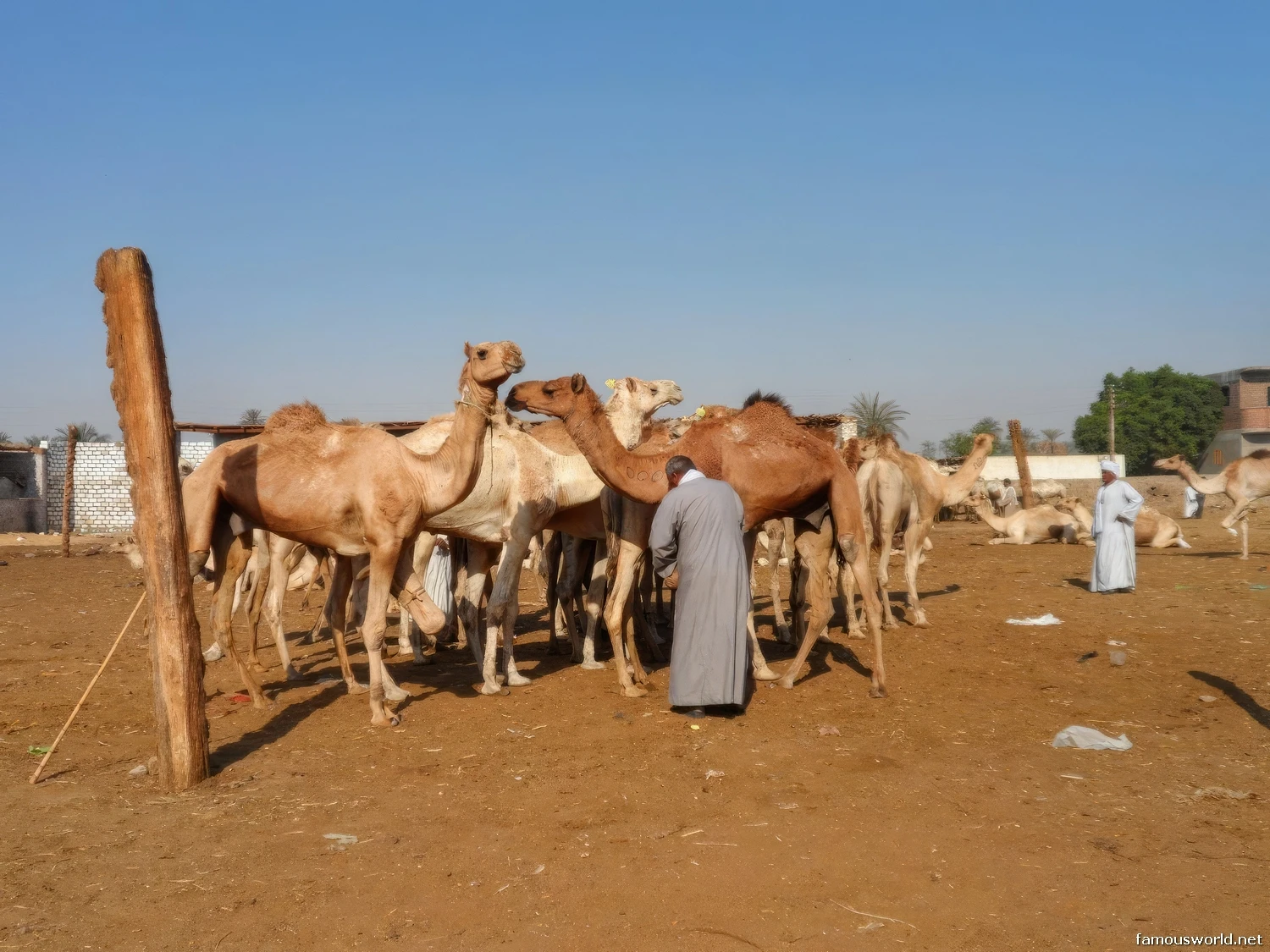
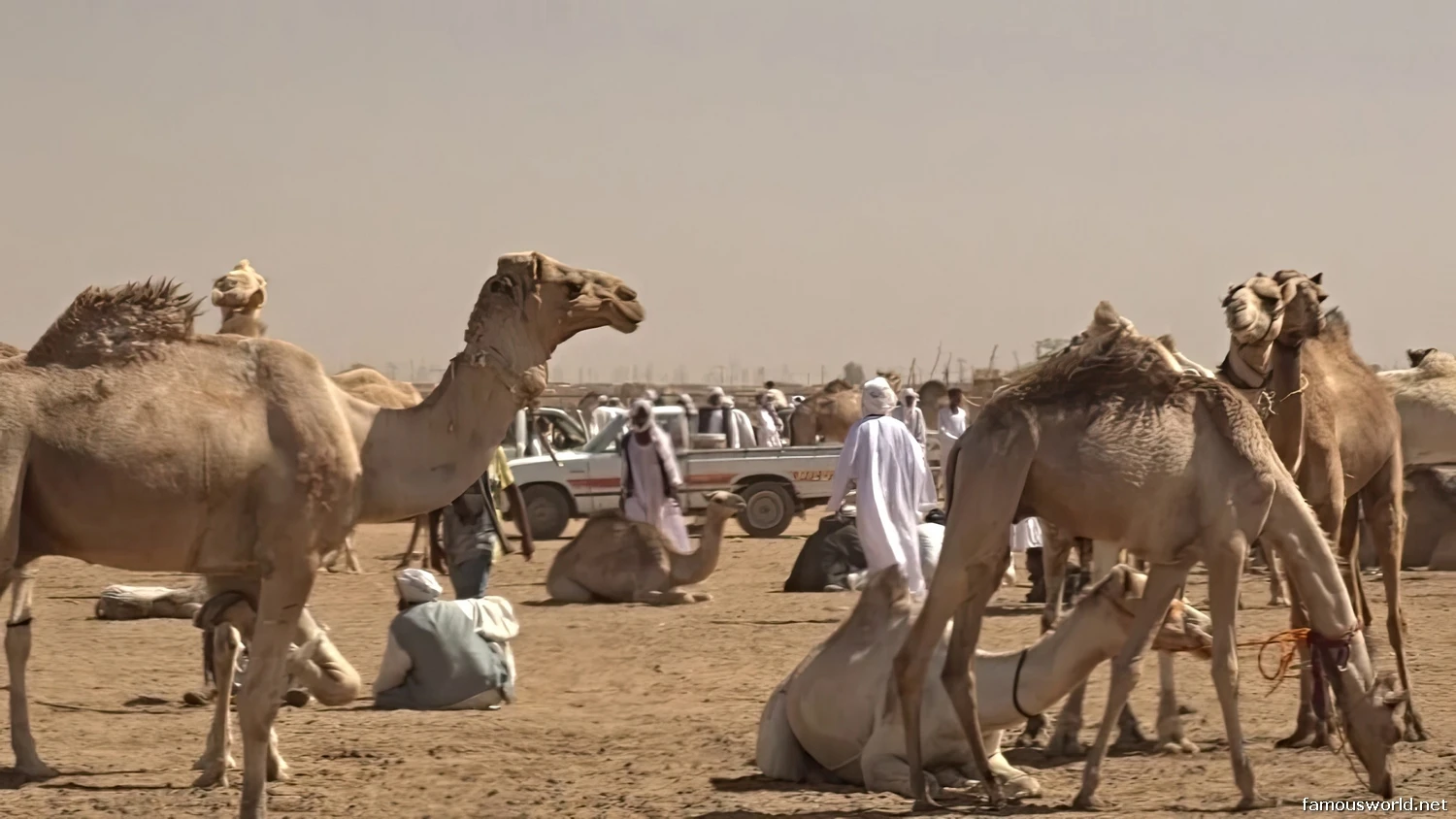
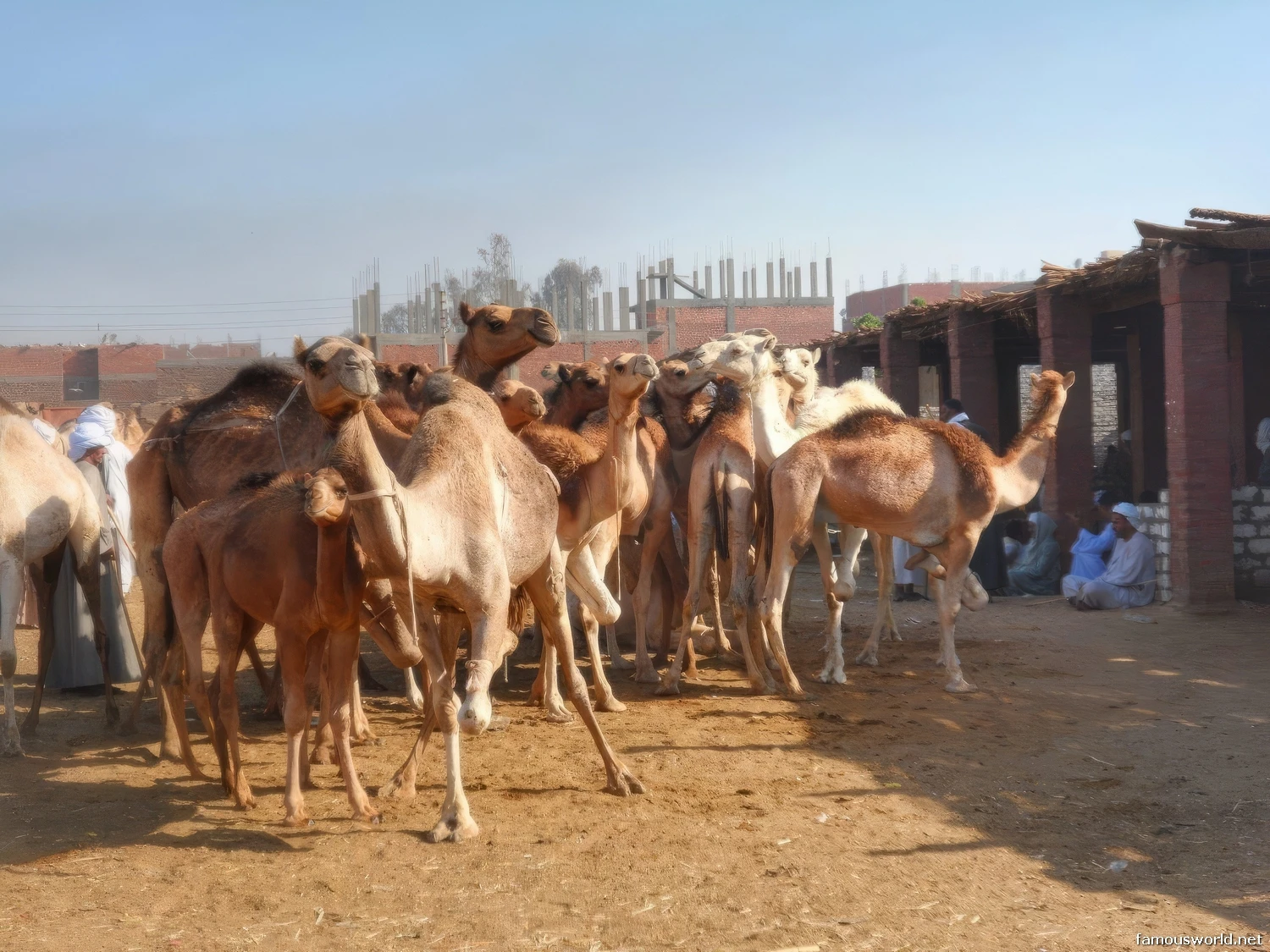
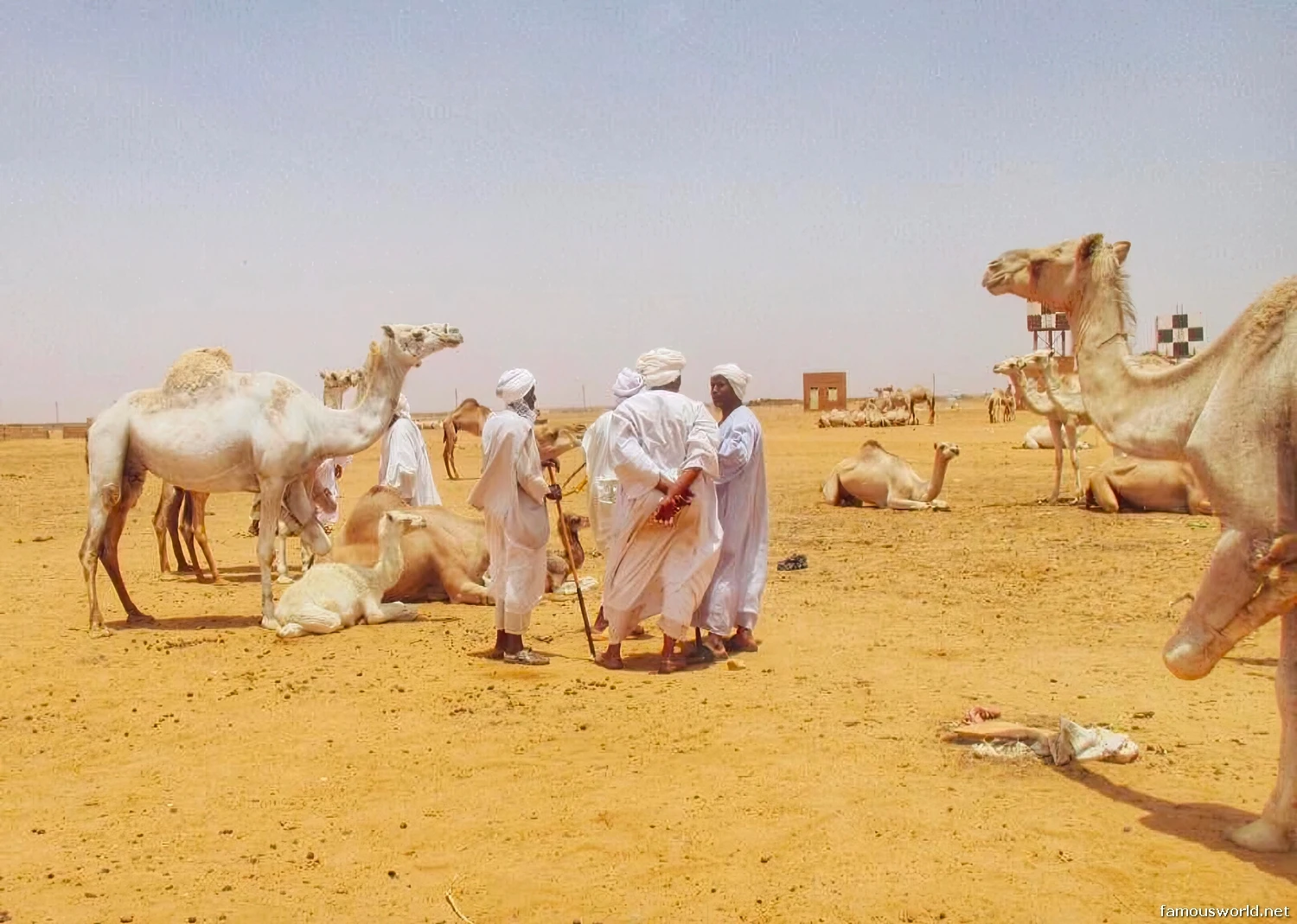
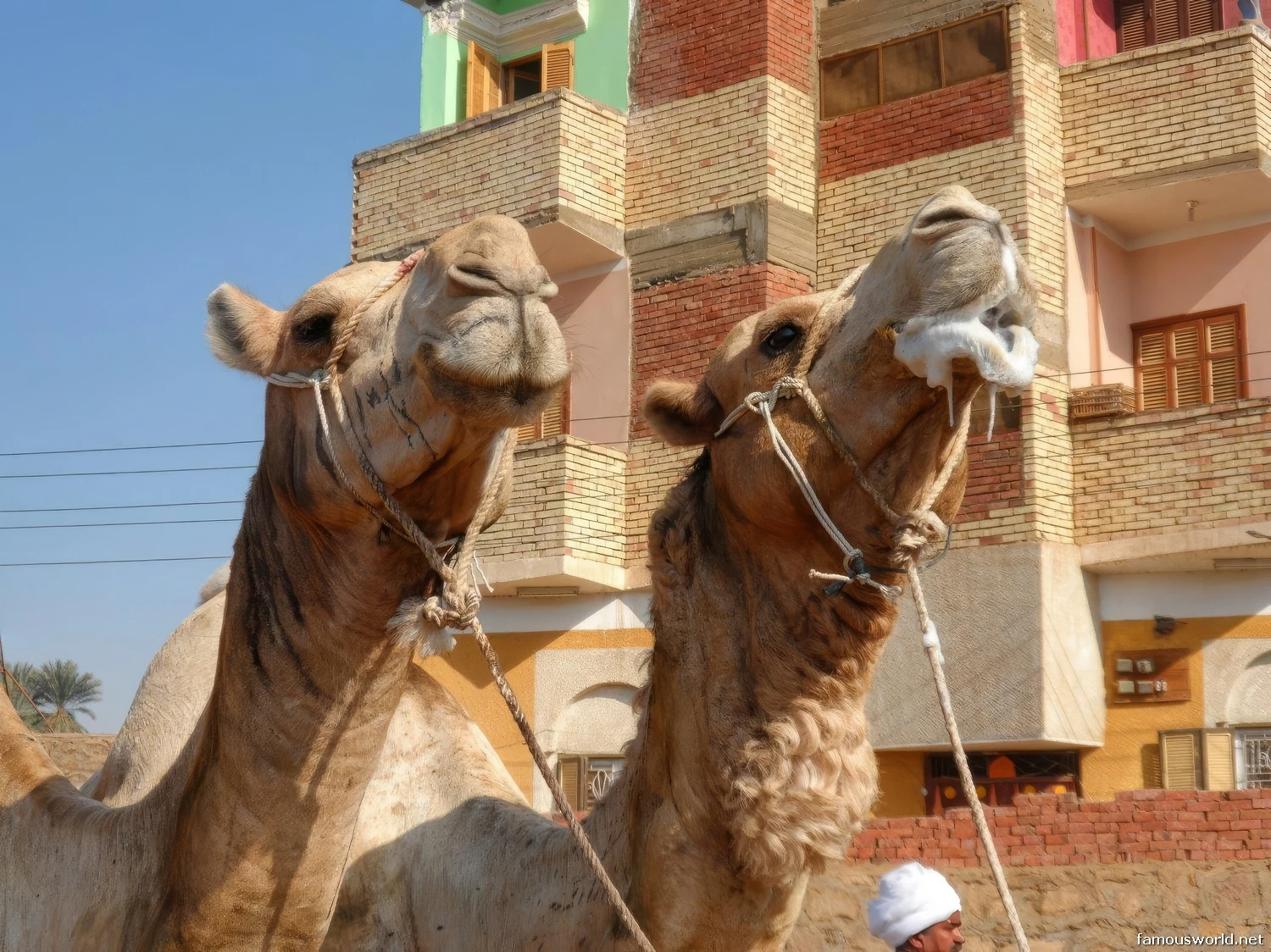
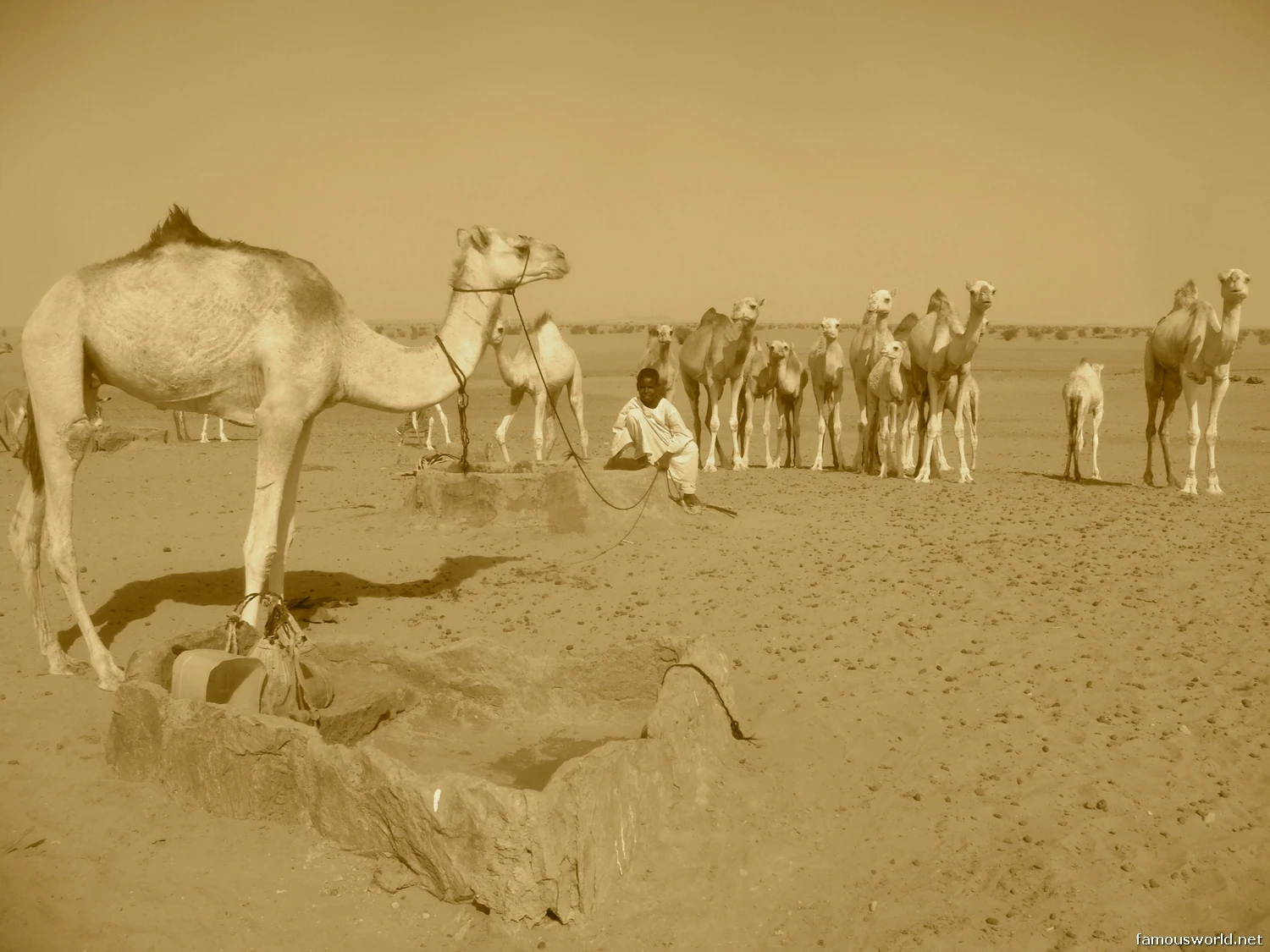
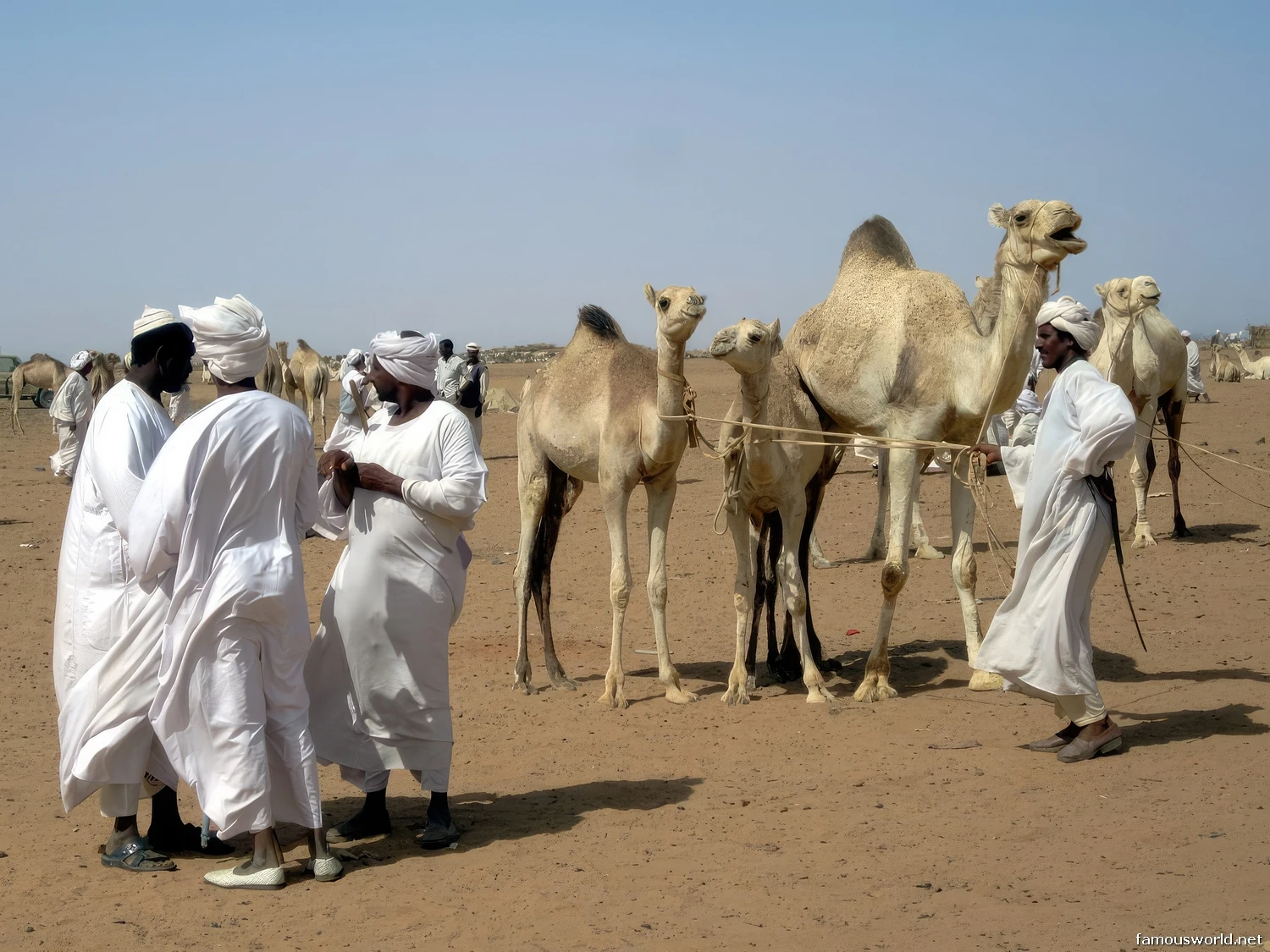
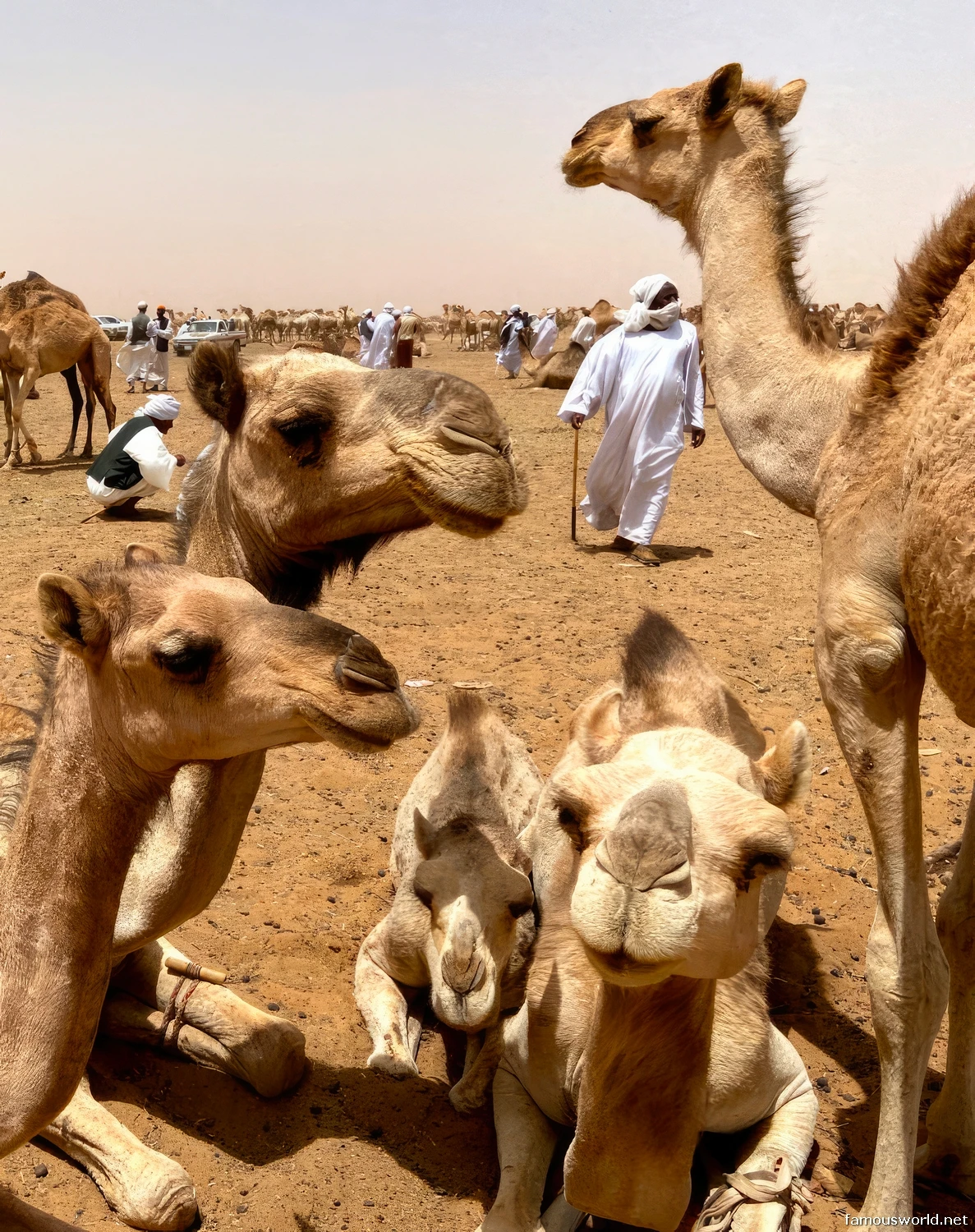
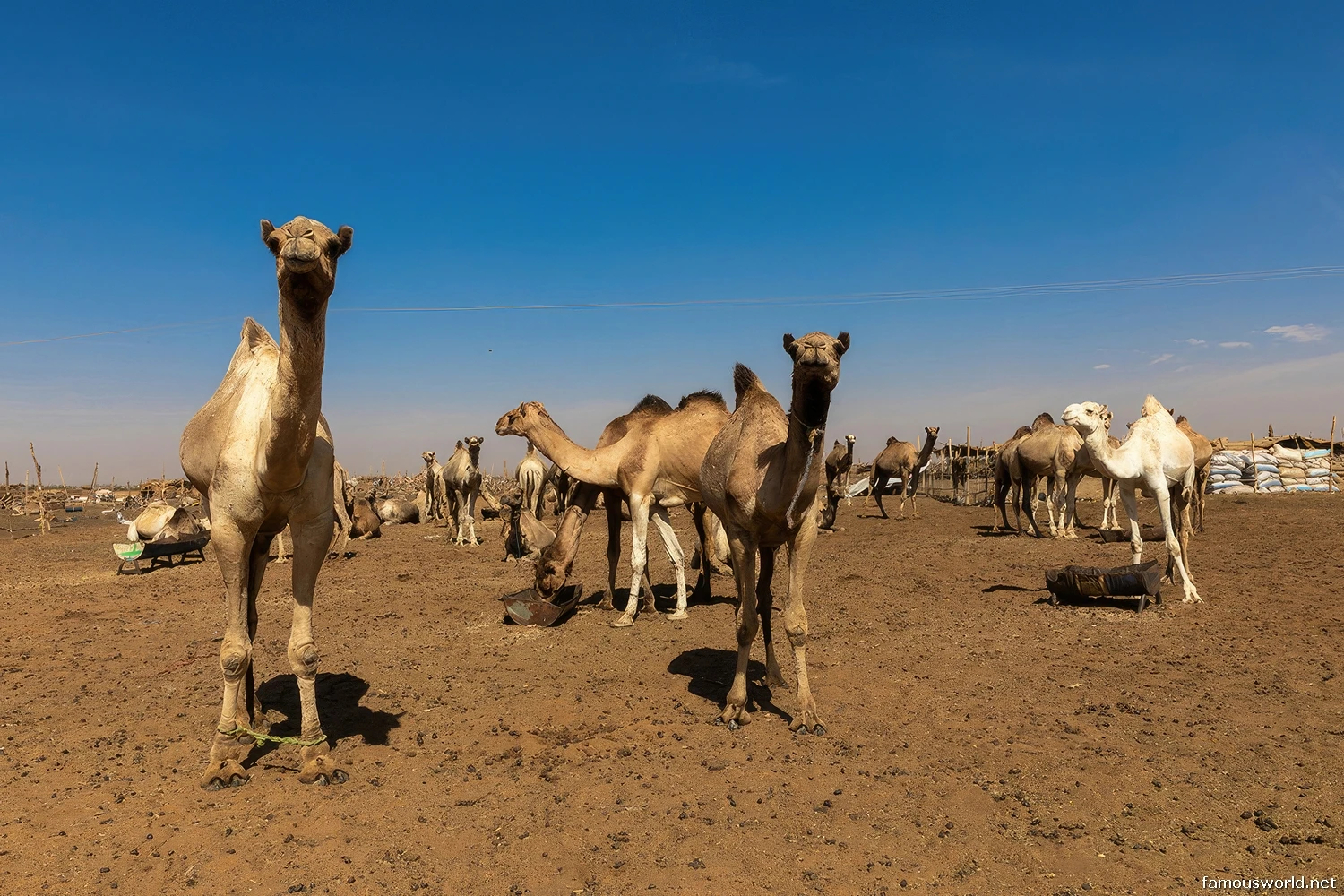
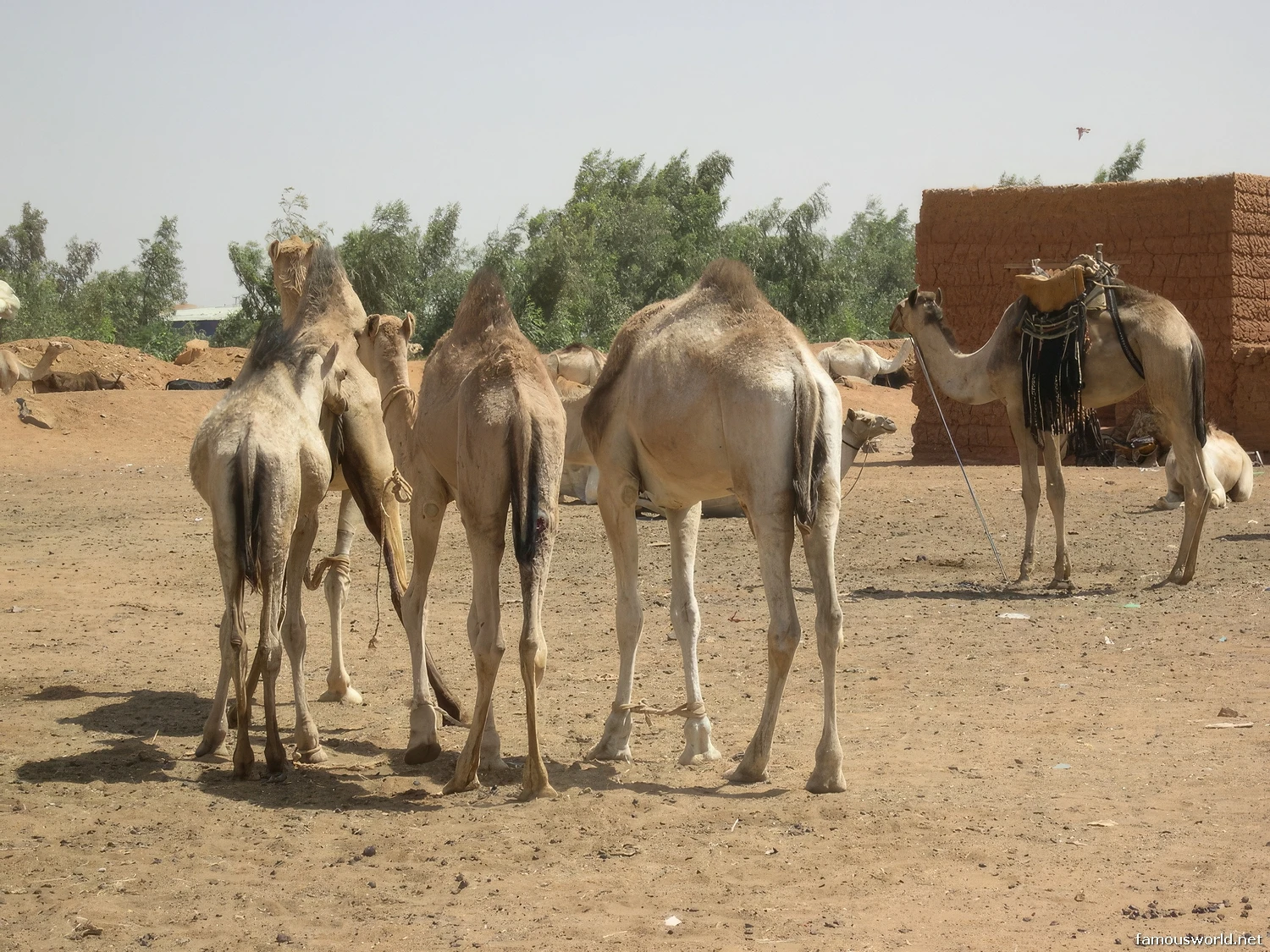
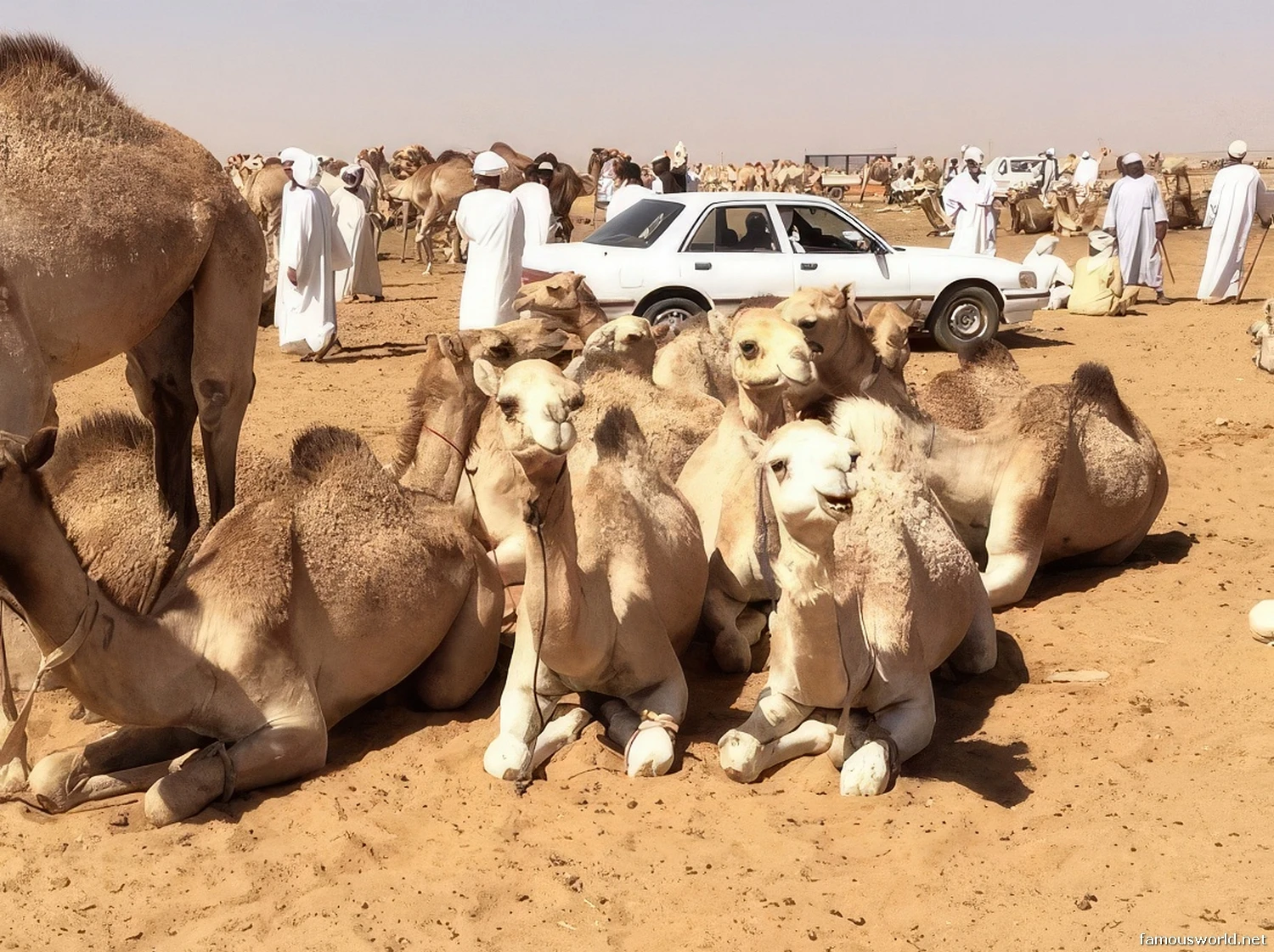
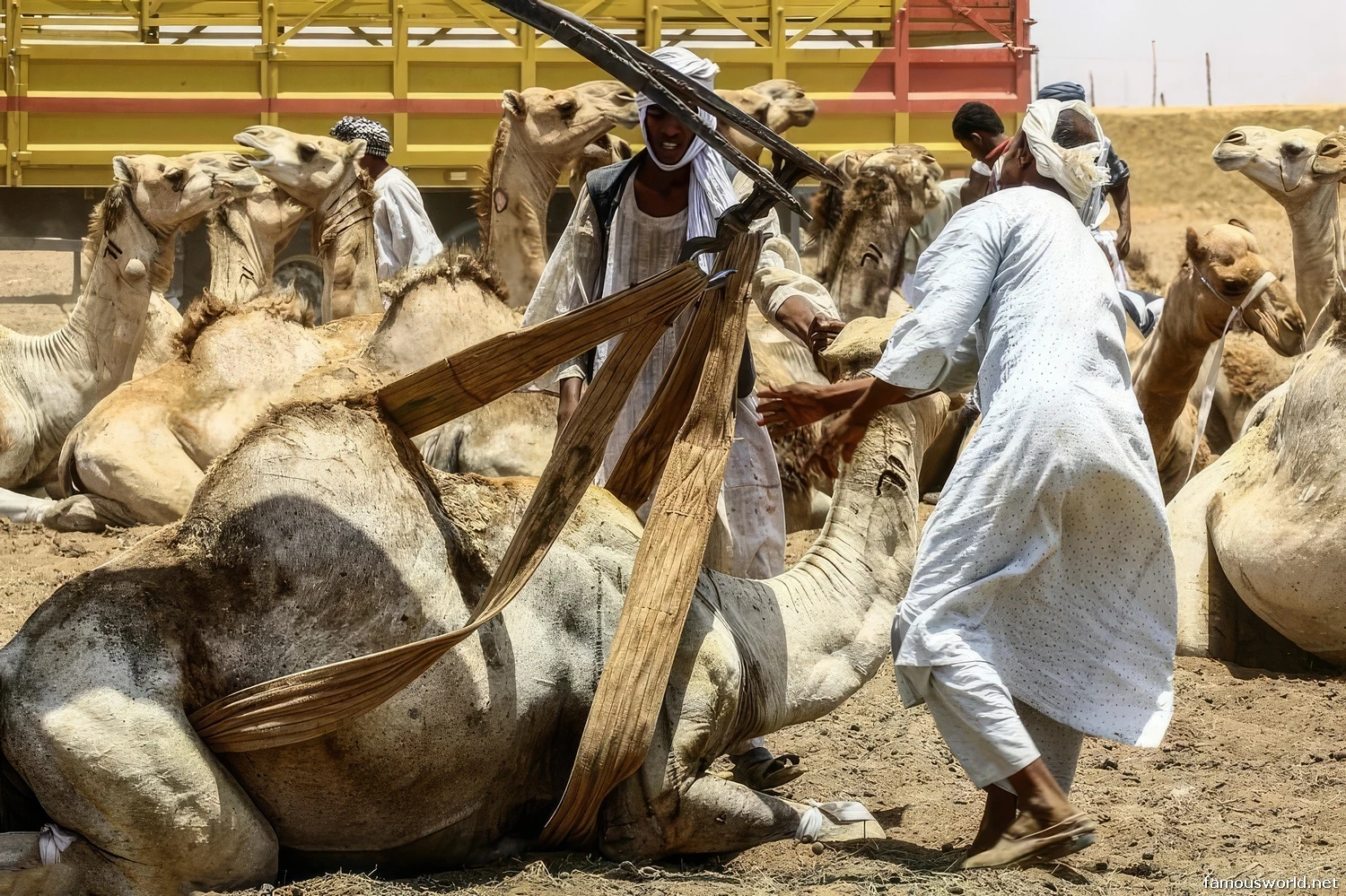
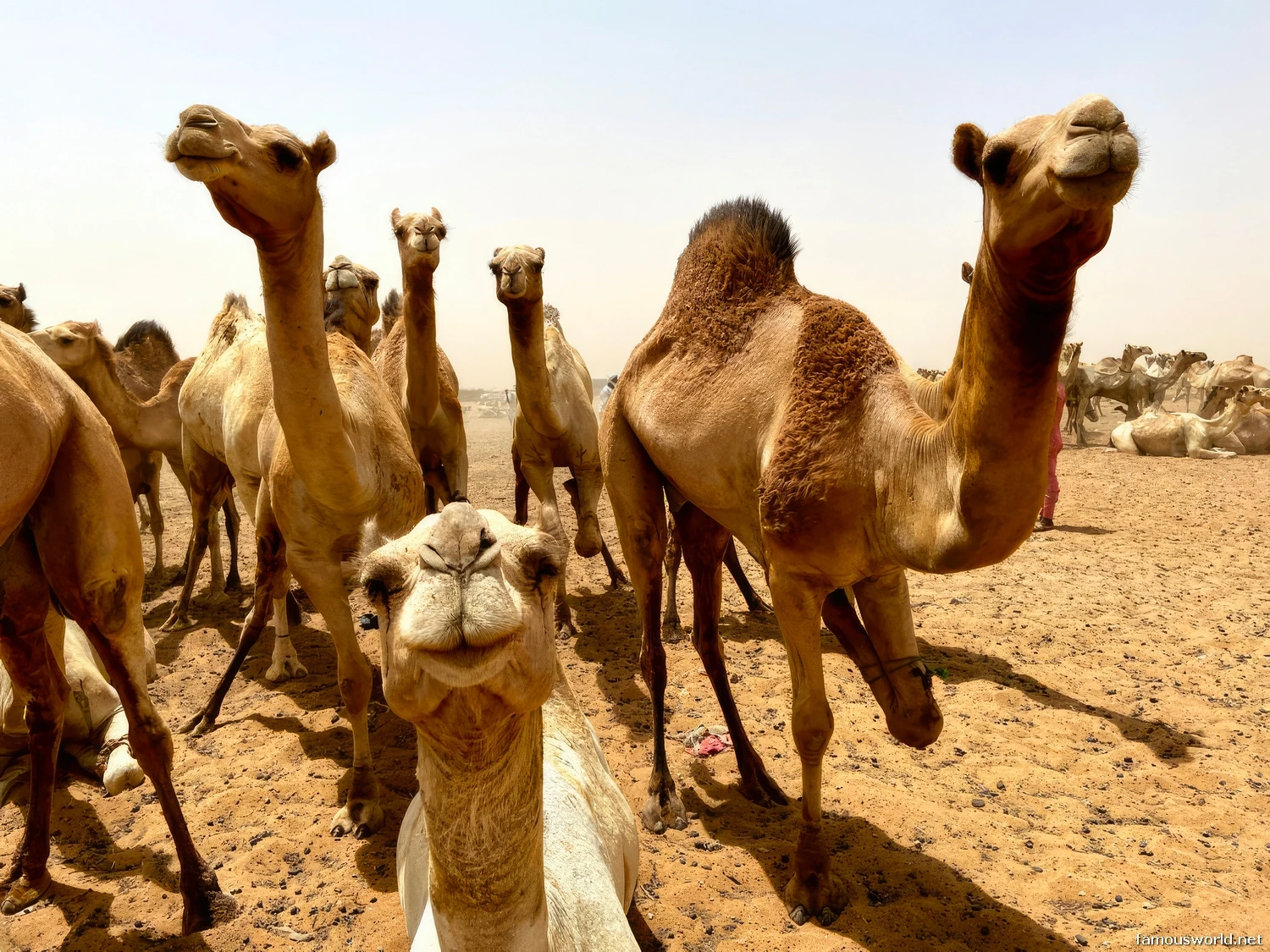
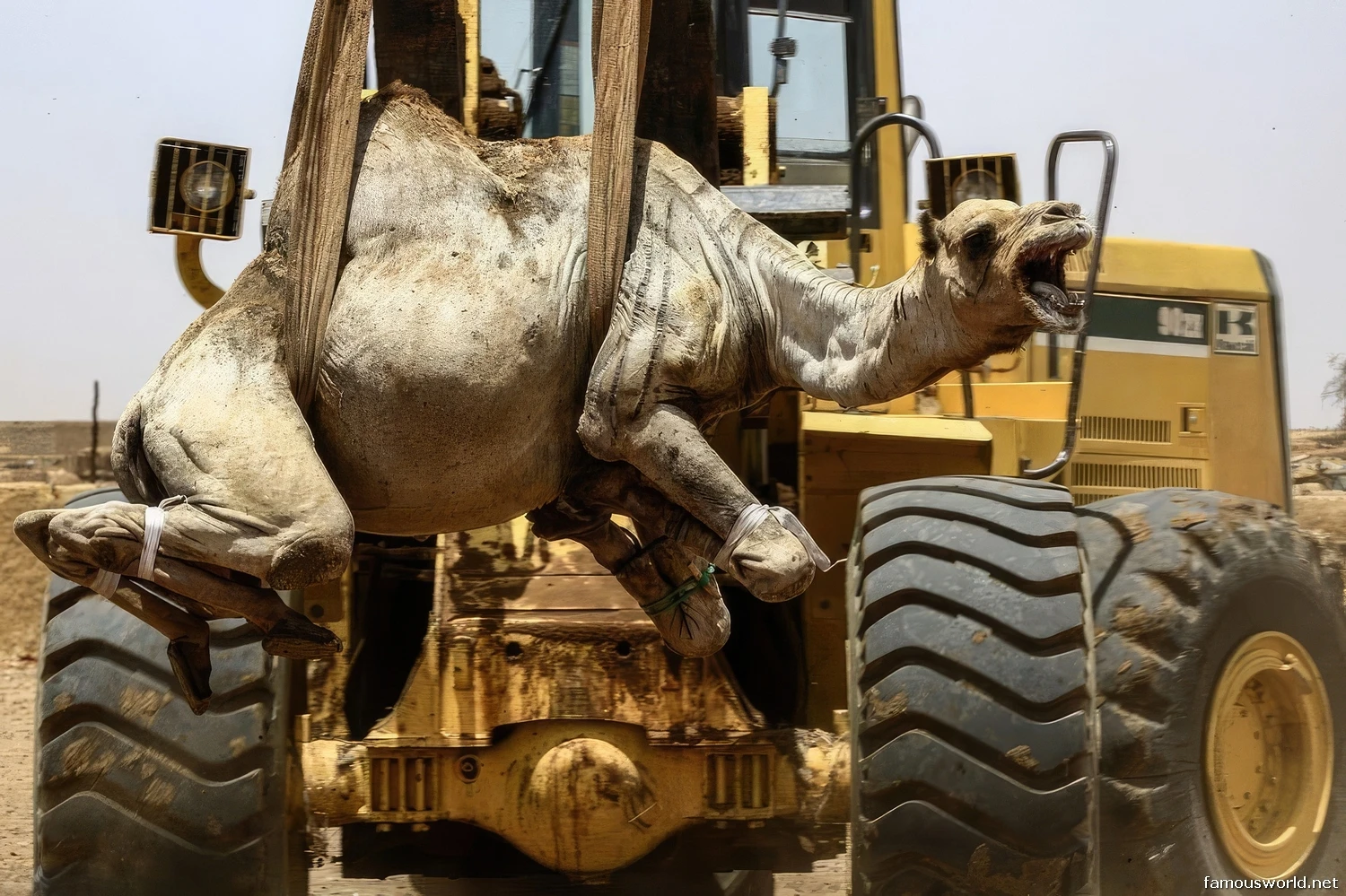
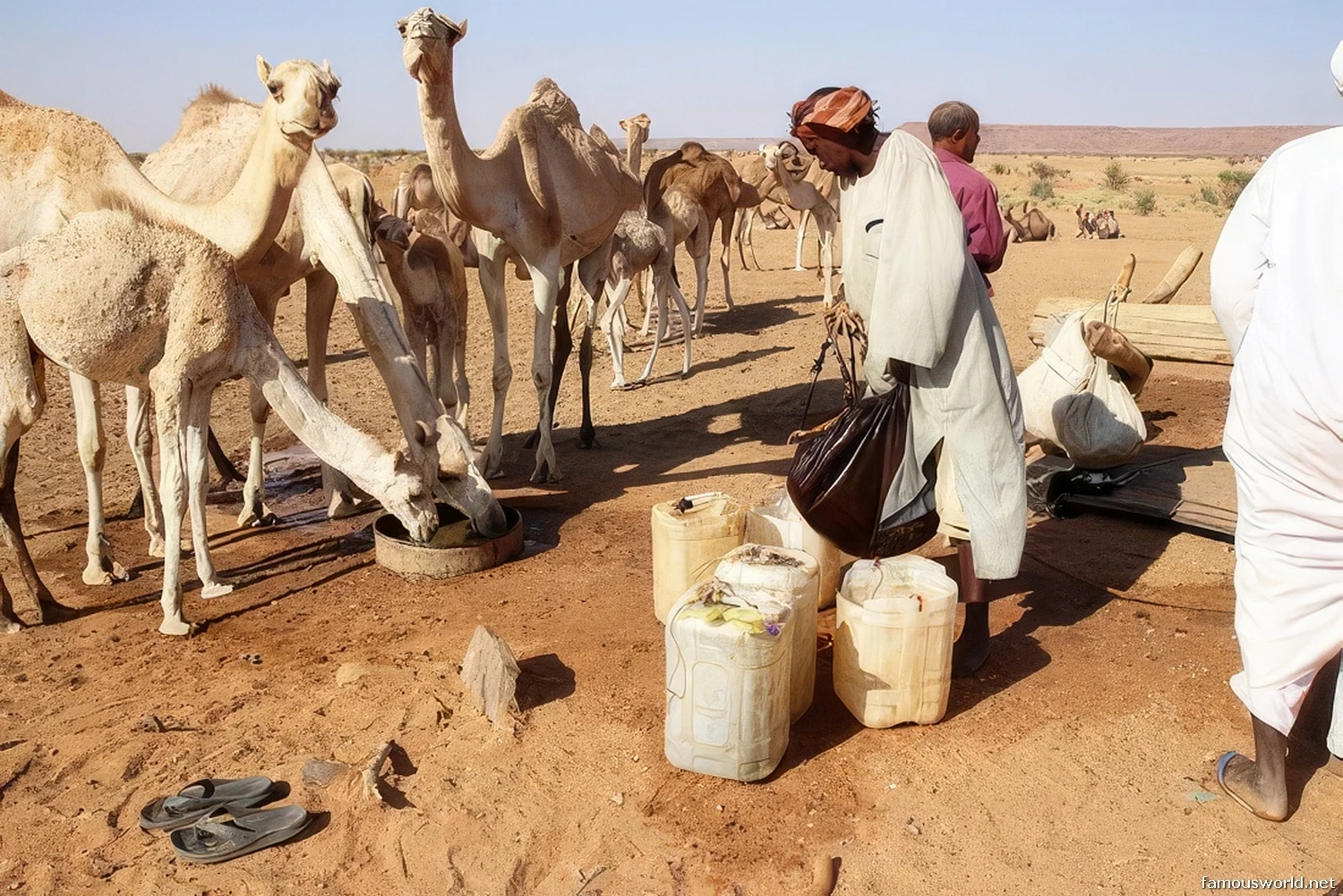
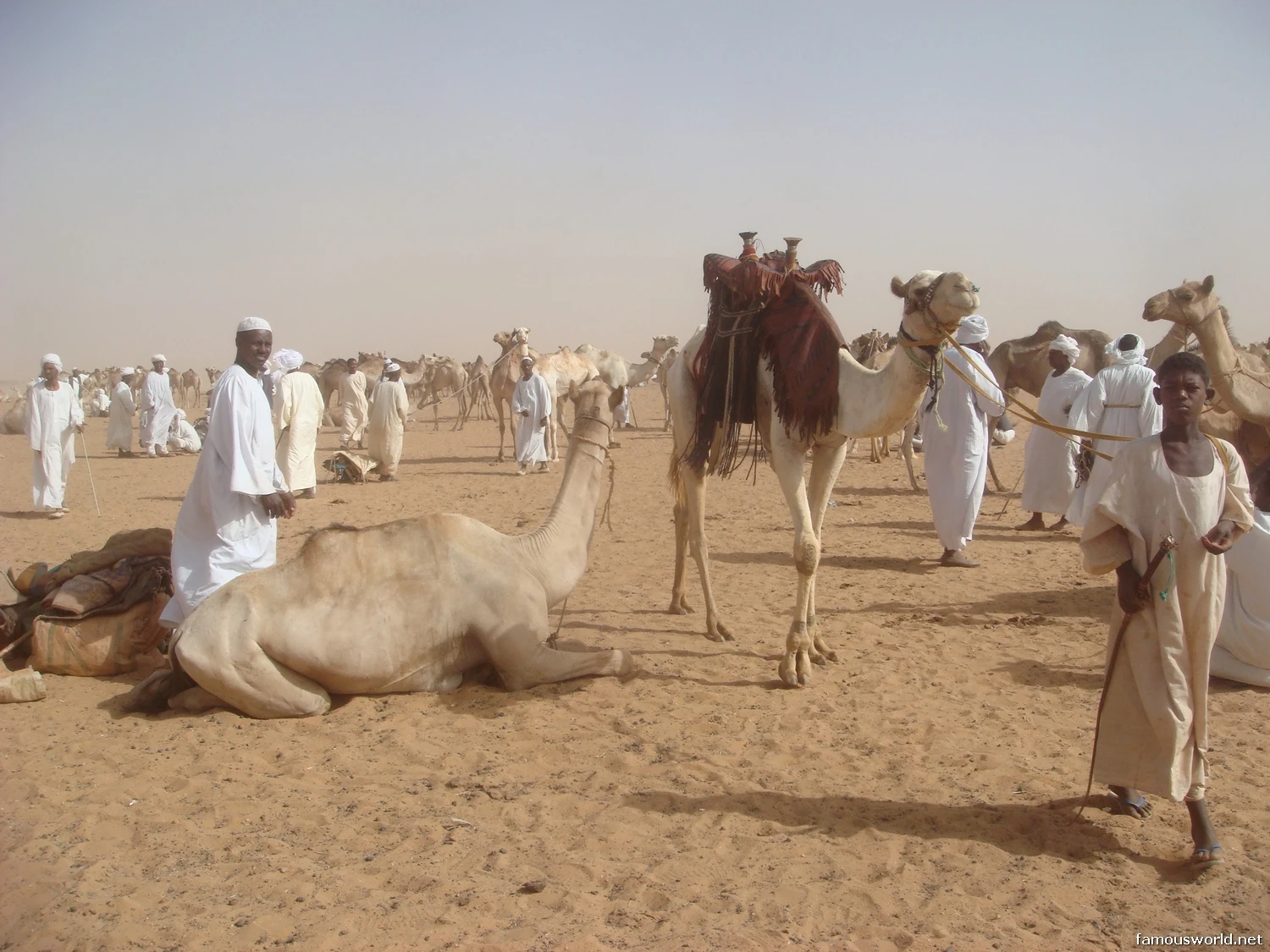
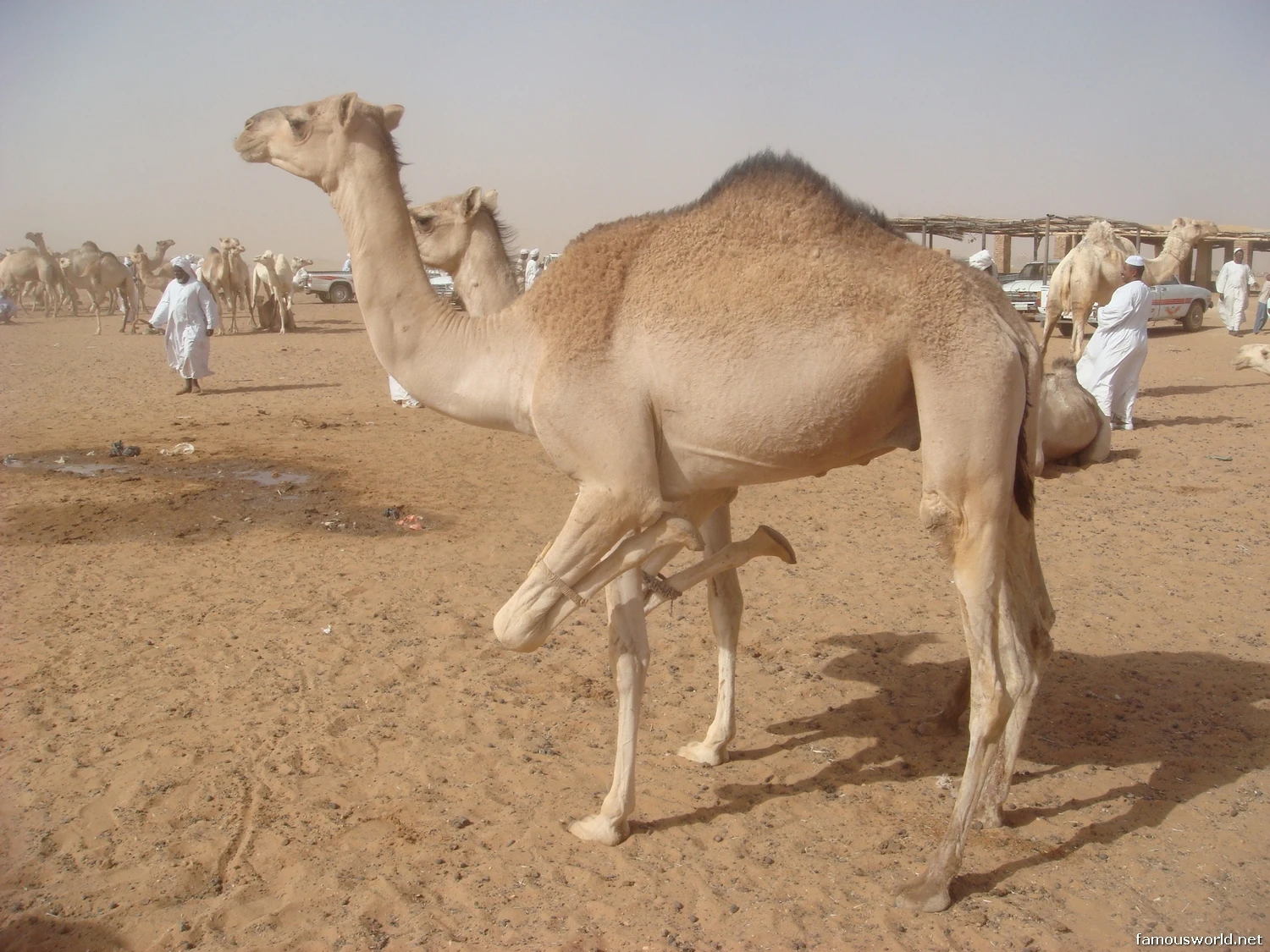
The Omdurman Camel Market (Souk Libia) is one of Africa’s largest and most authentic livestock markets, a raw and chaotic spectacle of commerce that feels unchanged by time. Located on the dusty outskirts of Sudan’s largest city, this is not a tourist attraction but a vital, functioning hub where traders from across Darfur, Kordofan, and neighboring countries converge to buy and sell thousands of camels. The air is thick with the sounds of intense negotiations, the sight of hundreds of camels being corralled, and the palpable energy of a tradition that has sustained desert peoples for millennia. It offers a powerful, unfiltered glimpse into the enduring rhythm of pastoral life and the ancient caravan trade that still thrives in the heart of modern Sudan.
Listen to an introduction about Omdurman Camel Market

Name and Location
- Name: Omdurman Camel Market (Also known locally as Souk Libia or Souk el-Gimal).
- Location: On the western outskirts of Omdurman, Sudan.
How to Get There
The market is situated away from the city center, requiring dedicated transport.
- By Car/Taxi: The most common way to visit is by hiring a car or taxi for a few hours. The journey from central Omdurman or Khartoum takes you through the city’s sprawling suburbs to the desert’s edge, adding to the sense of leaving the modern world behind.
Layout and Atmosphere
The market is a vast, open-air expanse of desert, organized into sections for different animals, primarily camels and goats.
- Natural Landscape: The setting is a flat, dusty plain under the hot Sudanese sun. There is little formal infrastructure; the market consists of makeshift pens, small tea stalls (chai khanas), and open areas where traders gather.
- Atmosphere: The experience is a full sensory immersion. It is chaotic, noisy, and bustling with activity. Herders in traditional white jalabiyas and turbans expertly manage their animals, while buyers inspect camels for health and strength. The atmosphere is one of serious, high-stakes business, but it is also a social hub where news is exchanged over endless glasses of sweet tea.
What Makes It Famous
The market is renowned for its sheer scale and its unvarnished authenticity.
- One of Africa’s Largest Camel Markets: The immense number of camels gathered in one place is a breathtaking sight, solidifying its reputation as a major node in the regional livestock trade.
- Authentic Cultural Experience: It provides a rare window into a traditional way of life that is disappearing elsewhere. This is not a performance for visitors but a real economic and cultural institution.
- The “Fighting Camels”: The market is particularly famous for its prized racing camels, often brought from the western regions of Darfur and Kordofan. These magnificent animals are the market’s most valuable assets and a source of great pride for their owners.
Differences from Other Wonders
The living, chaotic commerce of the Camel Market provides a stark contrast to the preserved history of the Khalifa House Museum, also in Omdurman.
- Focus (Living Commerce vs. Preserved History): The Camel Market is a place of dynamic, living culture and trade happening in real-time. The Khalifa House is a static historical site, preserving a specific period that has passed.
- Primary Experience (Sensory Immersion vs. Intellectual Engagement): A visit to the market is an immersive sensory experience—defined by sights, sounds, and smells. A visit to the museum is an intellectual engagement with the past through curated artifacts and exhibits.
- Atmosphere (Chaotic and Raw vs. Quiet and Orderly): The market is dusty, loud, and unpredictable. The museum is a quiet, orderly, and reflective space.
- Subject (Traditional Economy vs. Political History): The market tells the story of the region’s enduring pastoral economy and the importance of livestock. The museum tells the story of a specific political and religious leader and the state he governed.
Location on world map