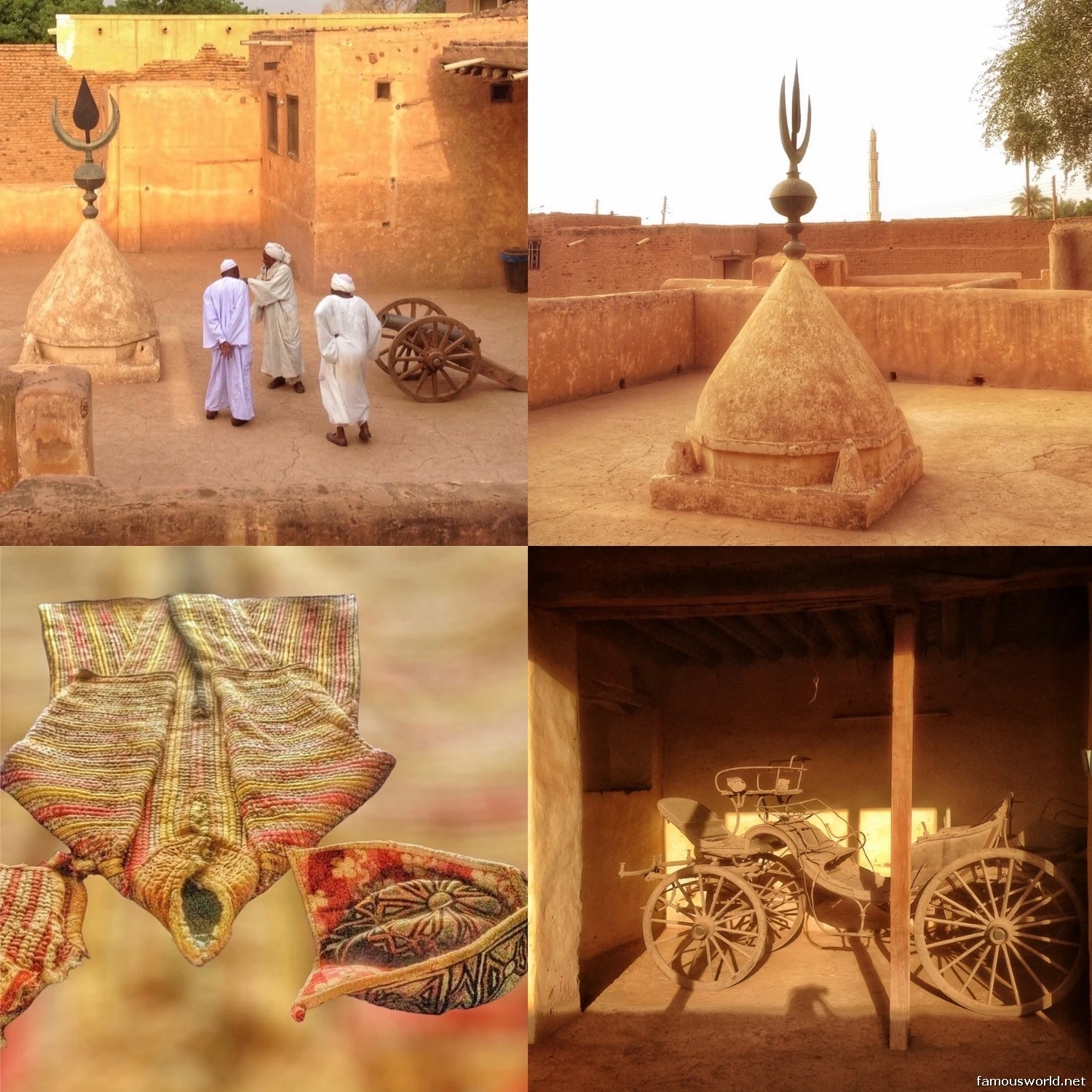
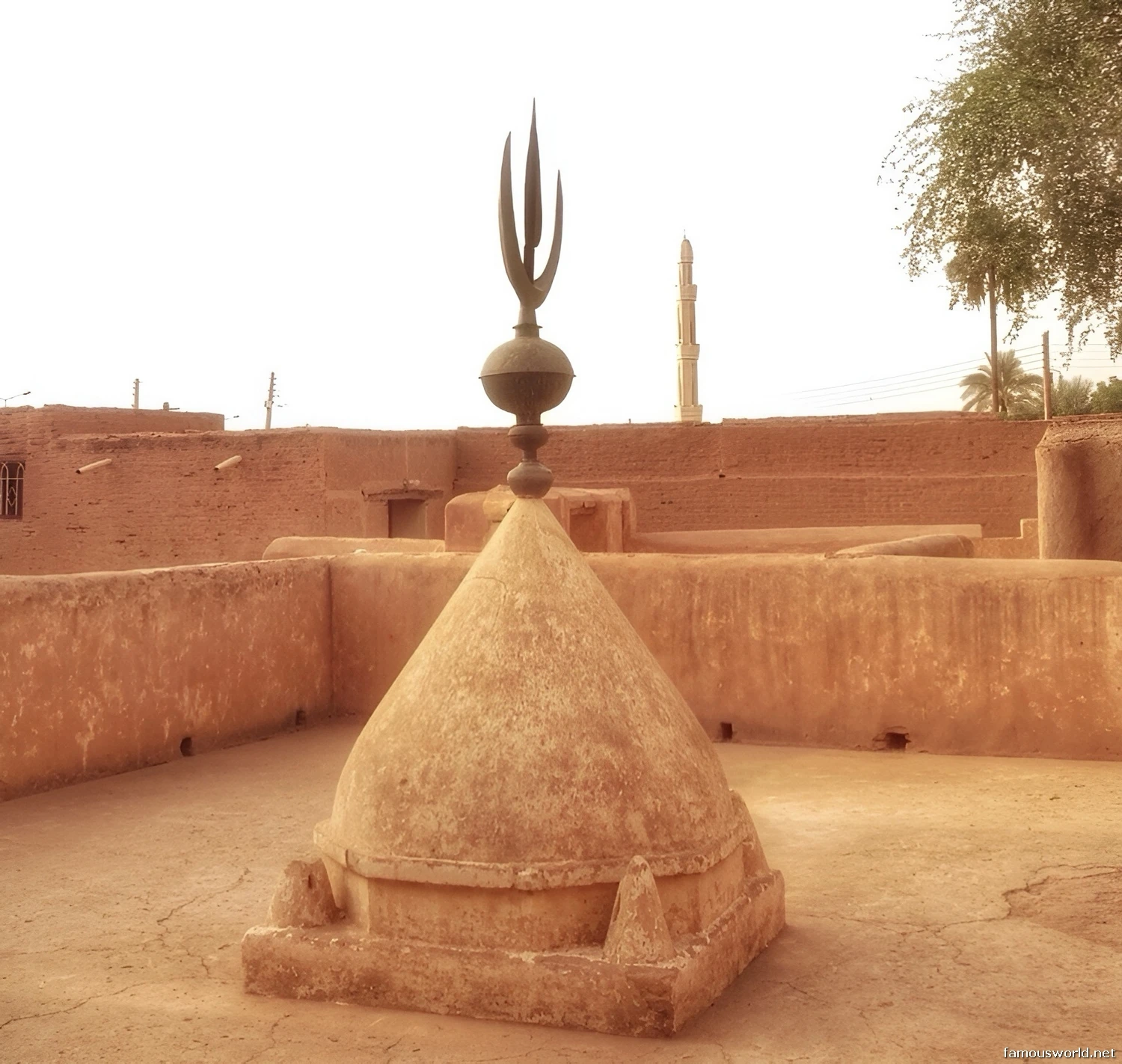
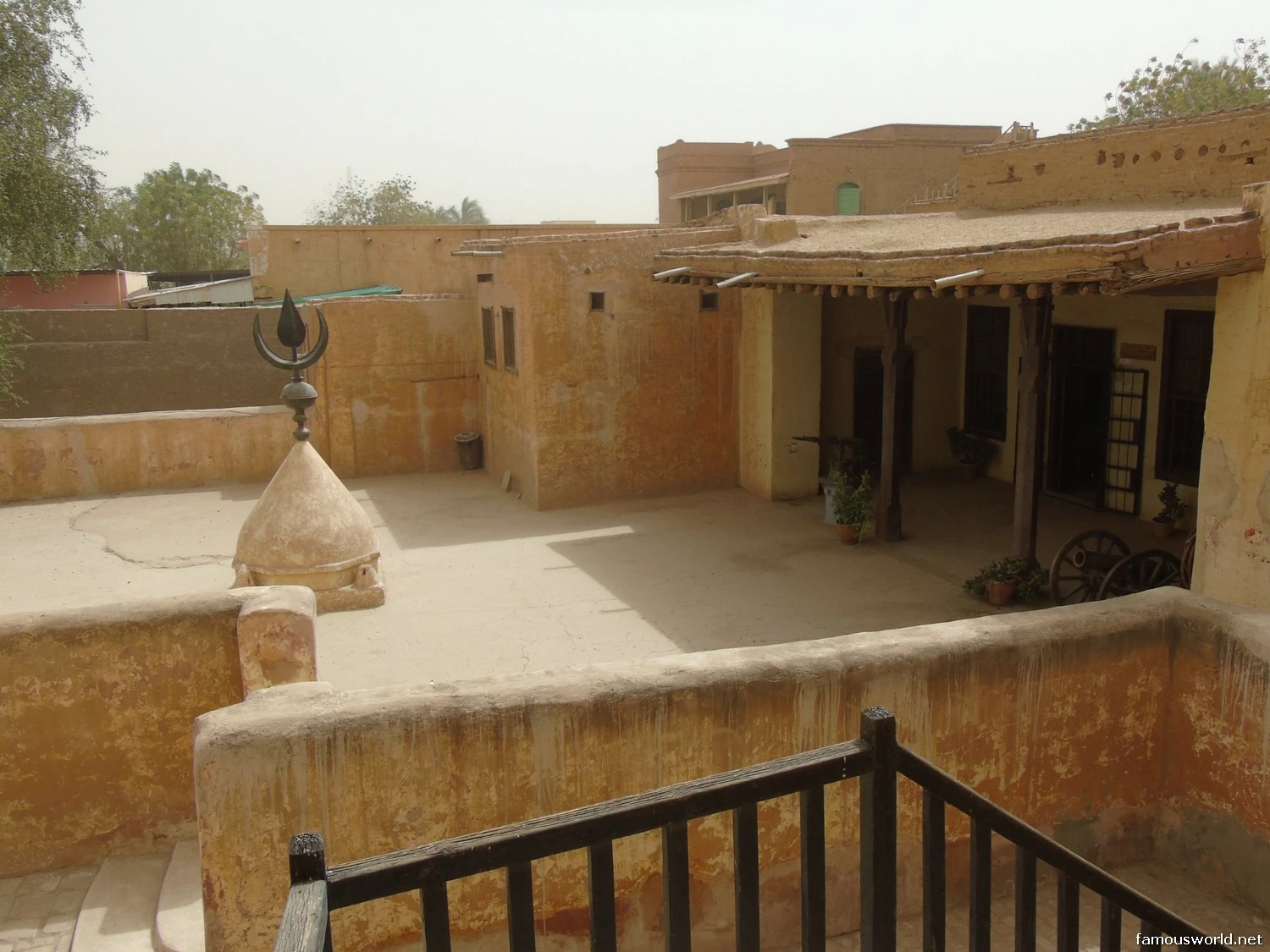

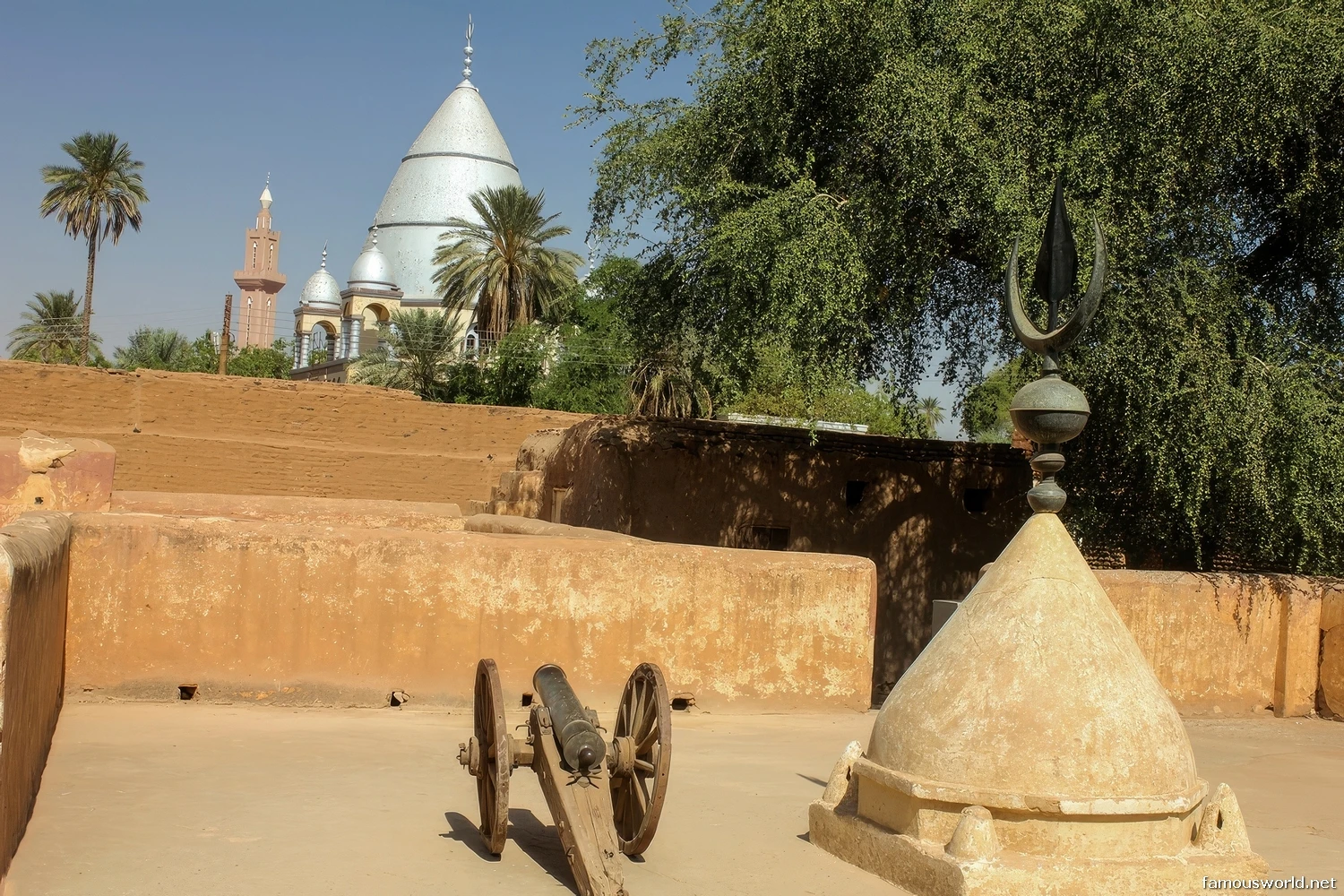
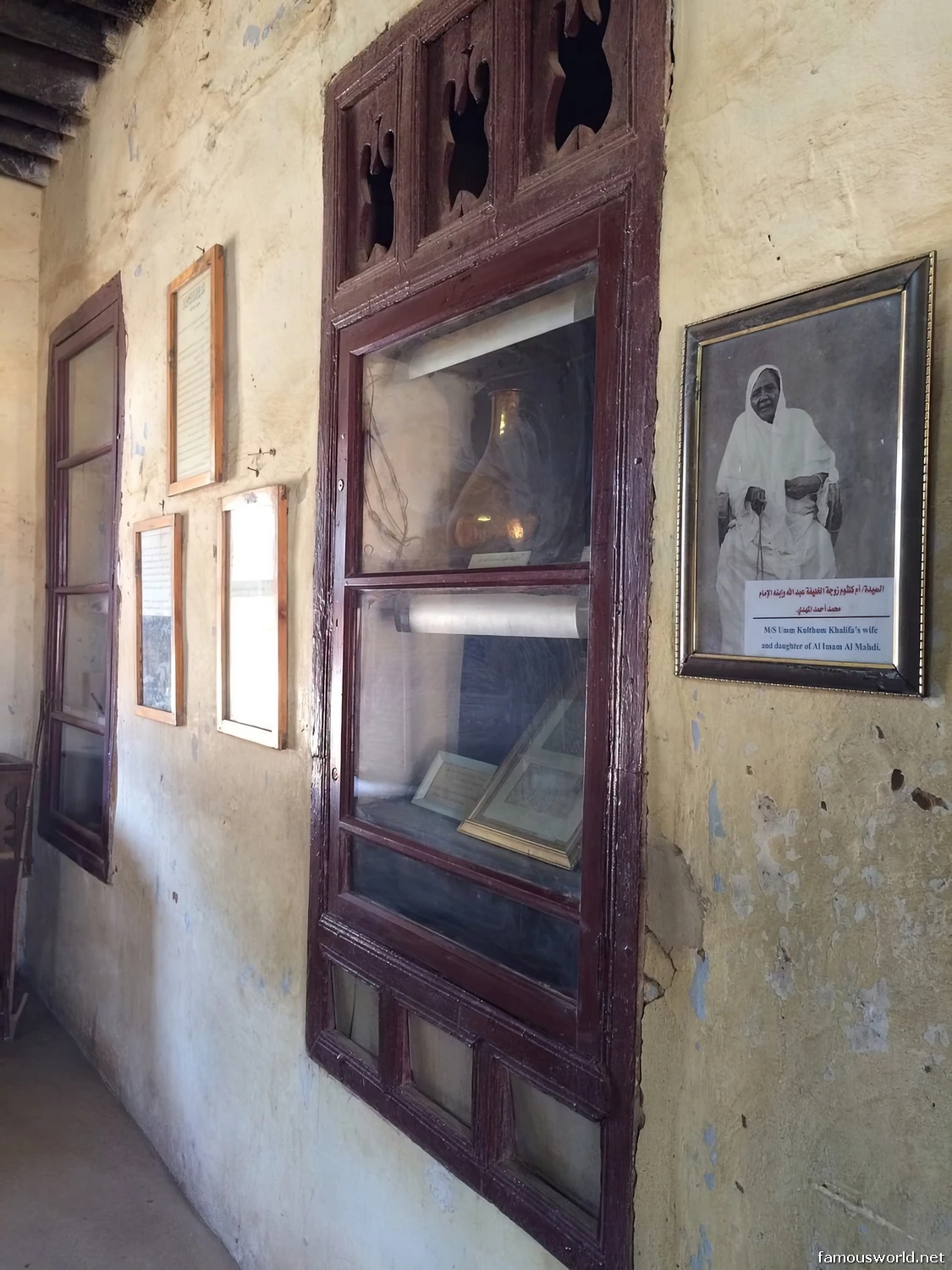
The Khalifa House Museum is a historic landmark and one of Sudan’s most significant cultural sites, offering a tangible connection to one of the most transformative periods in the nation’s history: the Mahdist State (1885-1898). Located in Omdurman, directly opposite the Mausoleum of the Mahdi, the house itself is an artifact. It was the residence of Khalifa Abdallahi ibn Muhammad, the successor to Muhammad Ahmad, the self-proclaimed Mahdi (“the Guided One”). The building’s humble yet strategic design and the collection of personal belongings, weapons, and state documents within its walls provide a rare and intimate glimpse into the life of the Khalifa and the administration of the Mahdist empire that once ruled a vast territory from its capital in Omdurman.
Listen to an introduction about Khalifa House Museum

Name and Location
- Name: Khalifa House Museum.
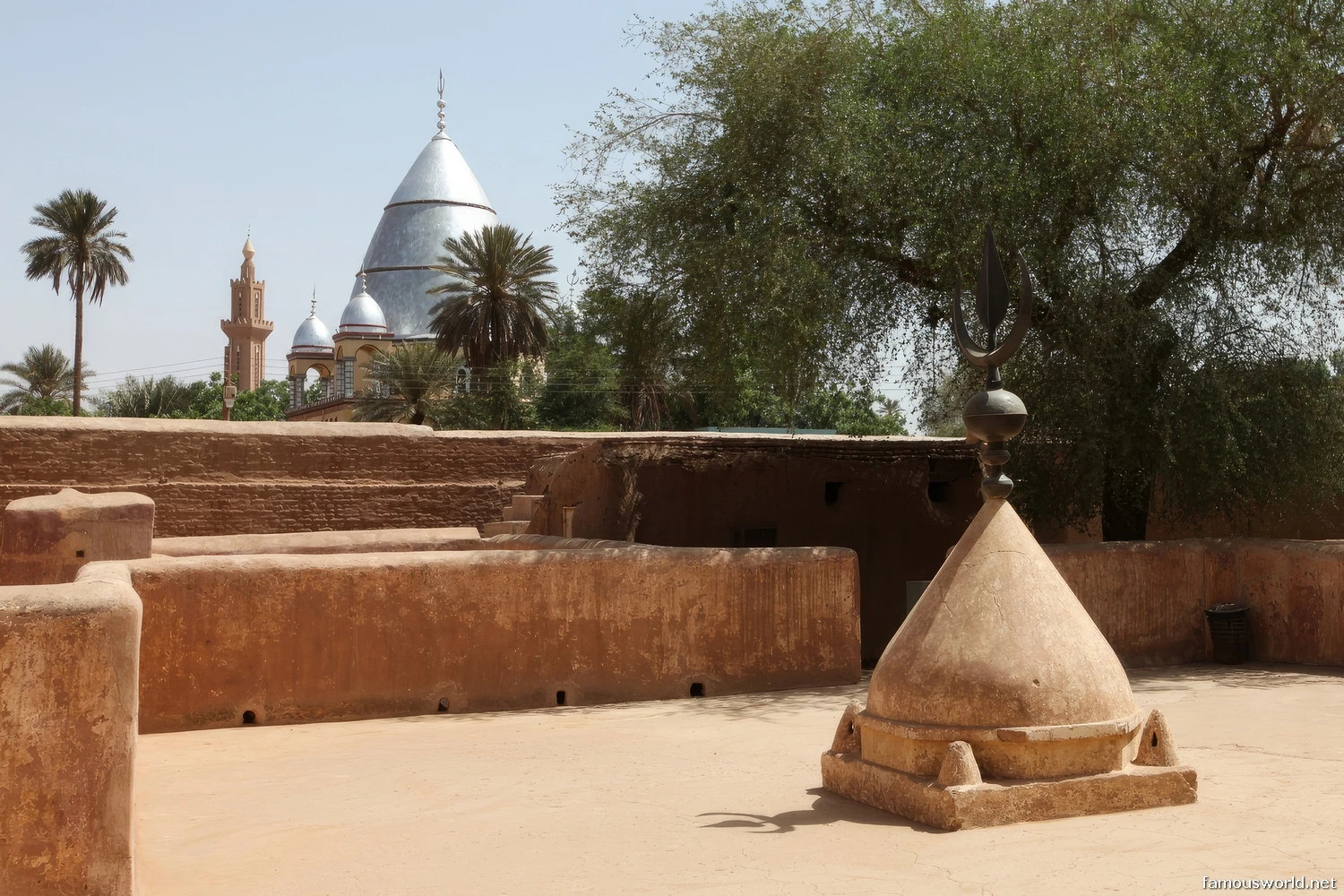
- Location: Omdurman, Sudan. It is situated in a historic square opposite the Tomb of the Mahdi.
How to Get There
The museum is located in the historic heart of Omdurman, which is part of the greater Khartoum metropolitan area.
- By Car/Taxi: The easiest way to reach the museum is by car or taxi from Khartoum. Omdurman is a short drive across the White Nile, and the museum is a well-known local landmark.
Layout and Architecture
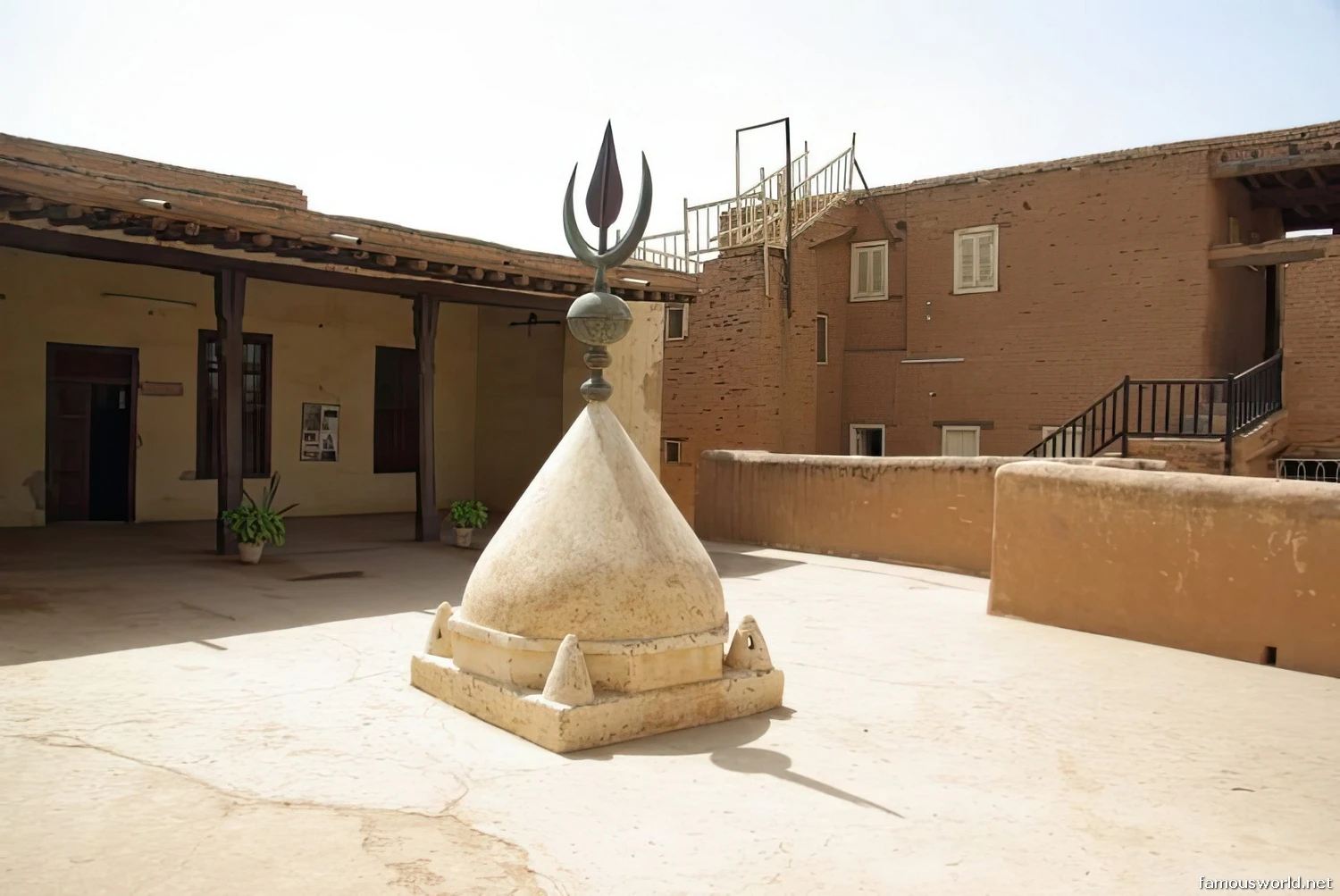
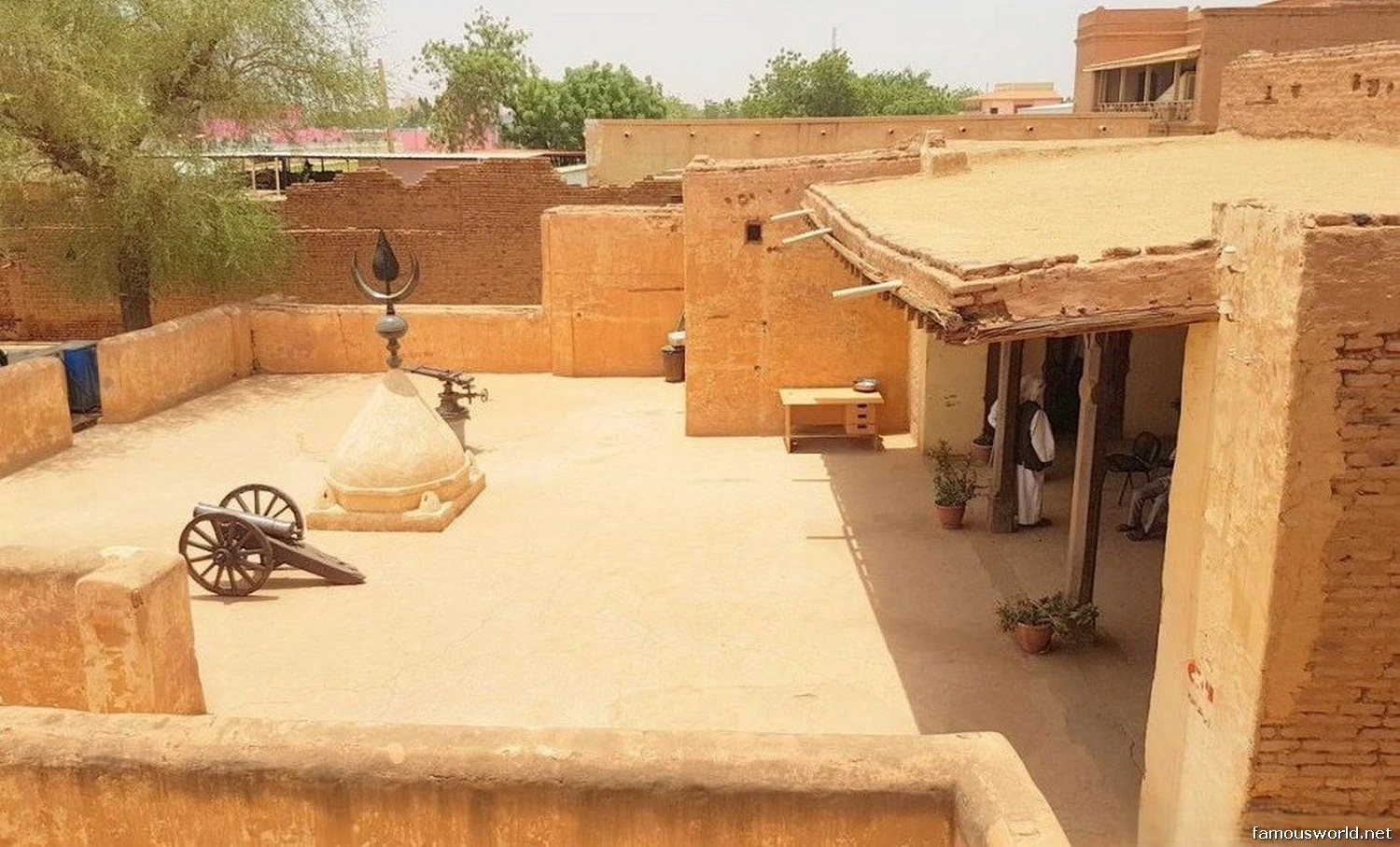
The museum is the preserved two-story residence of the Khalifa, built using traditional mud-brick construction.
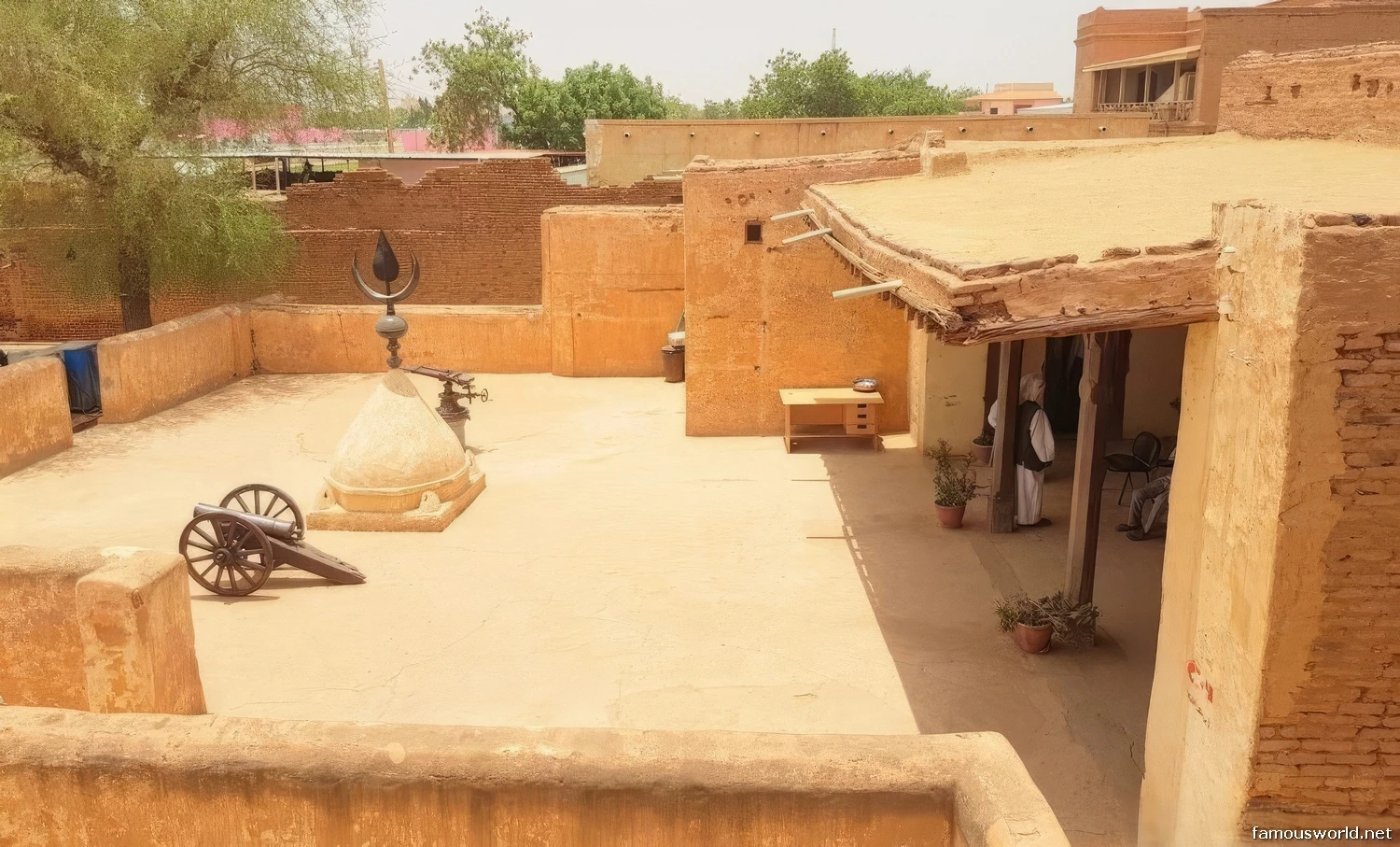
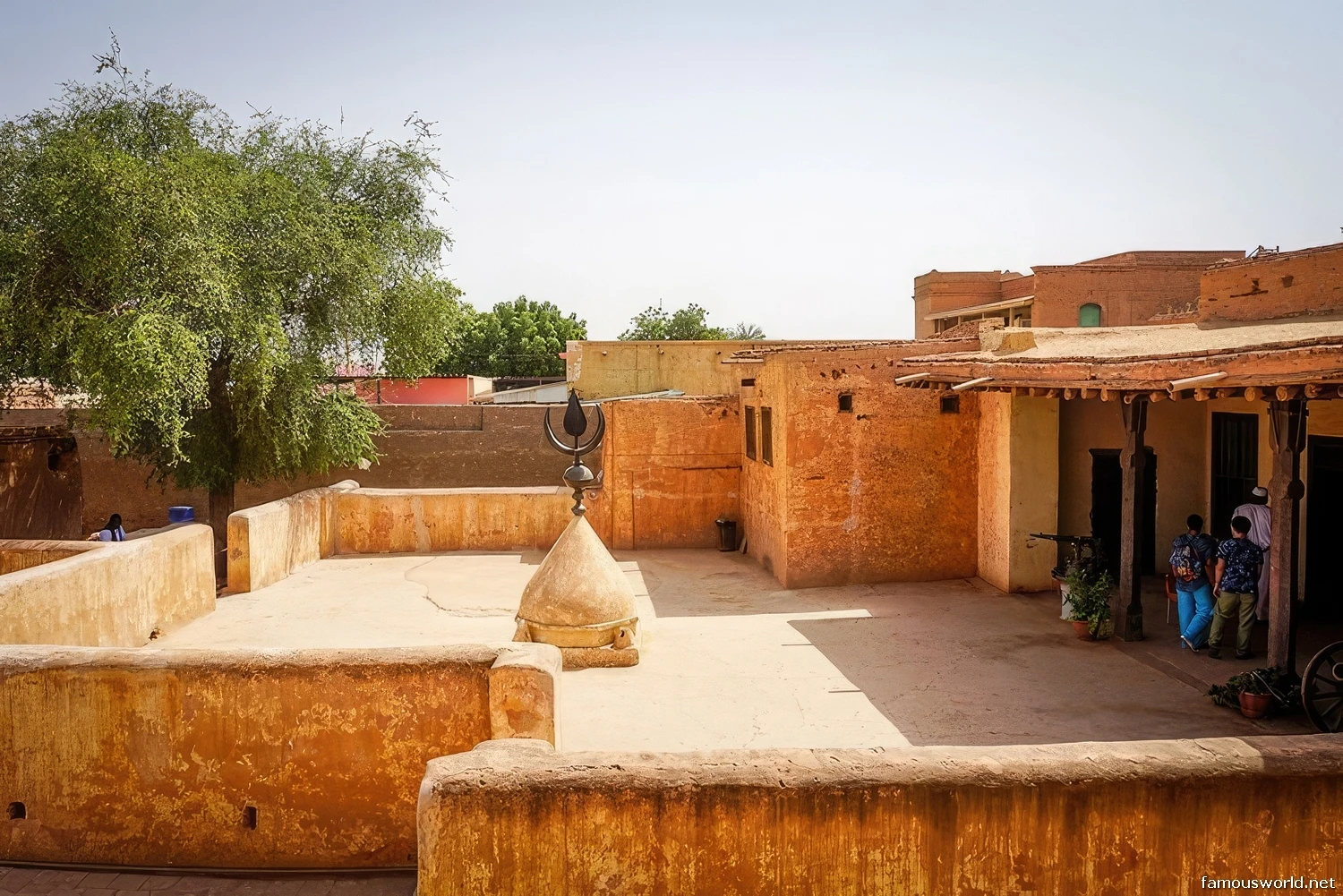
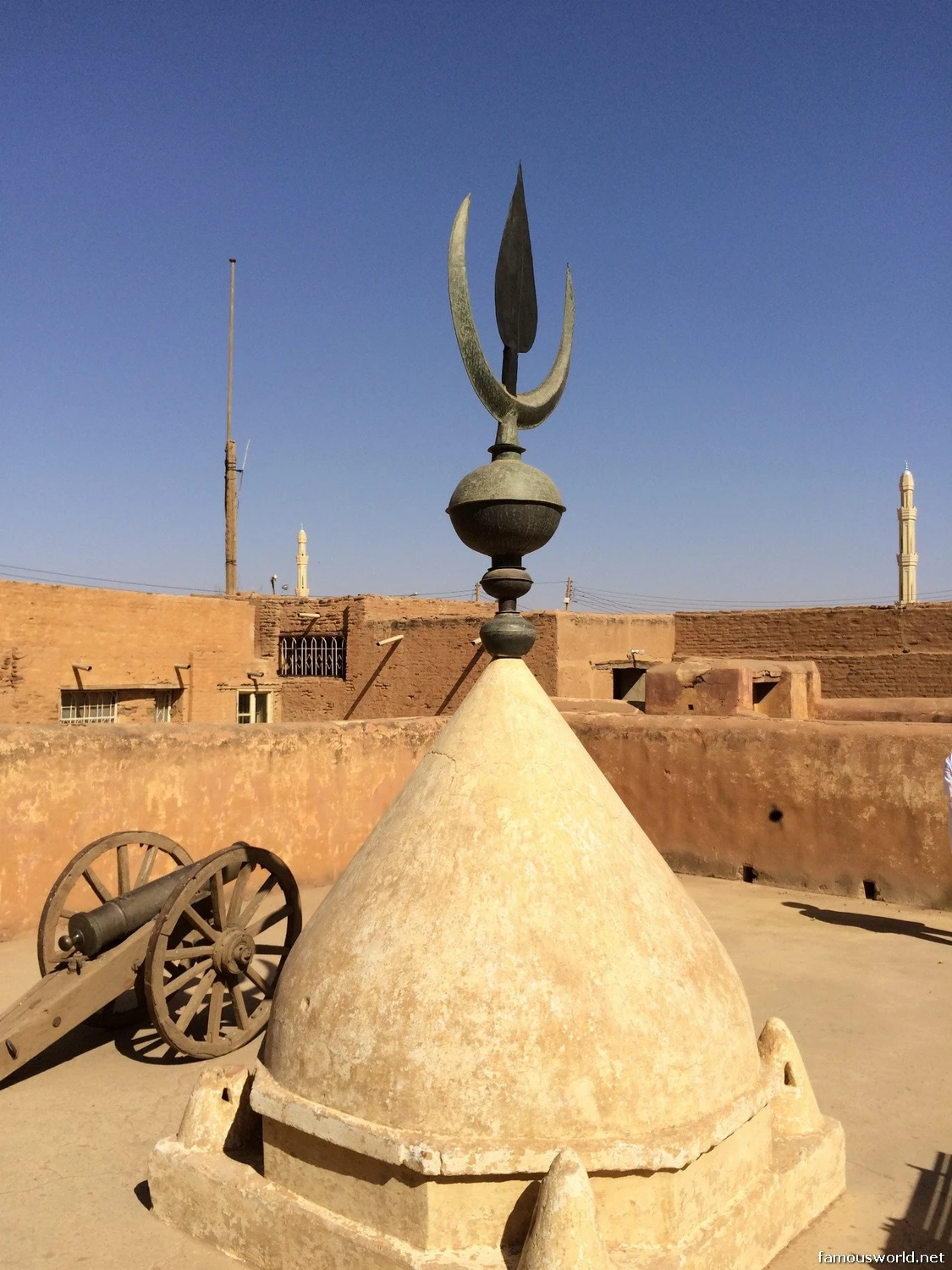
- Architectural Style: The house is an excellent example of traditional Sudanese architecture, characterized by thick mud-brick walls, small windows to keep the interior cool, and a series of interconnected courtyards and rooms. The design reflects both the simplicity of the Mahdist movement and the practical needs of a residence that also served as a center of government.
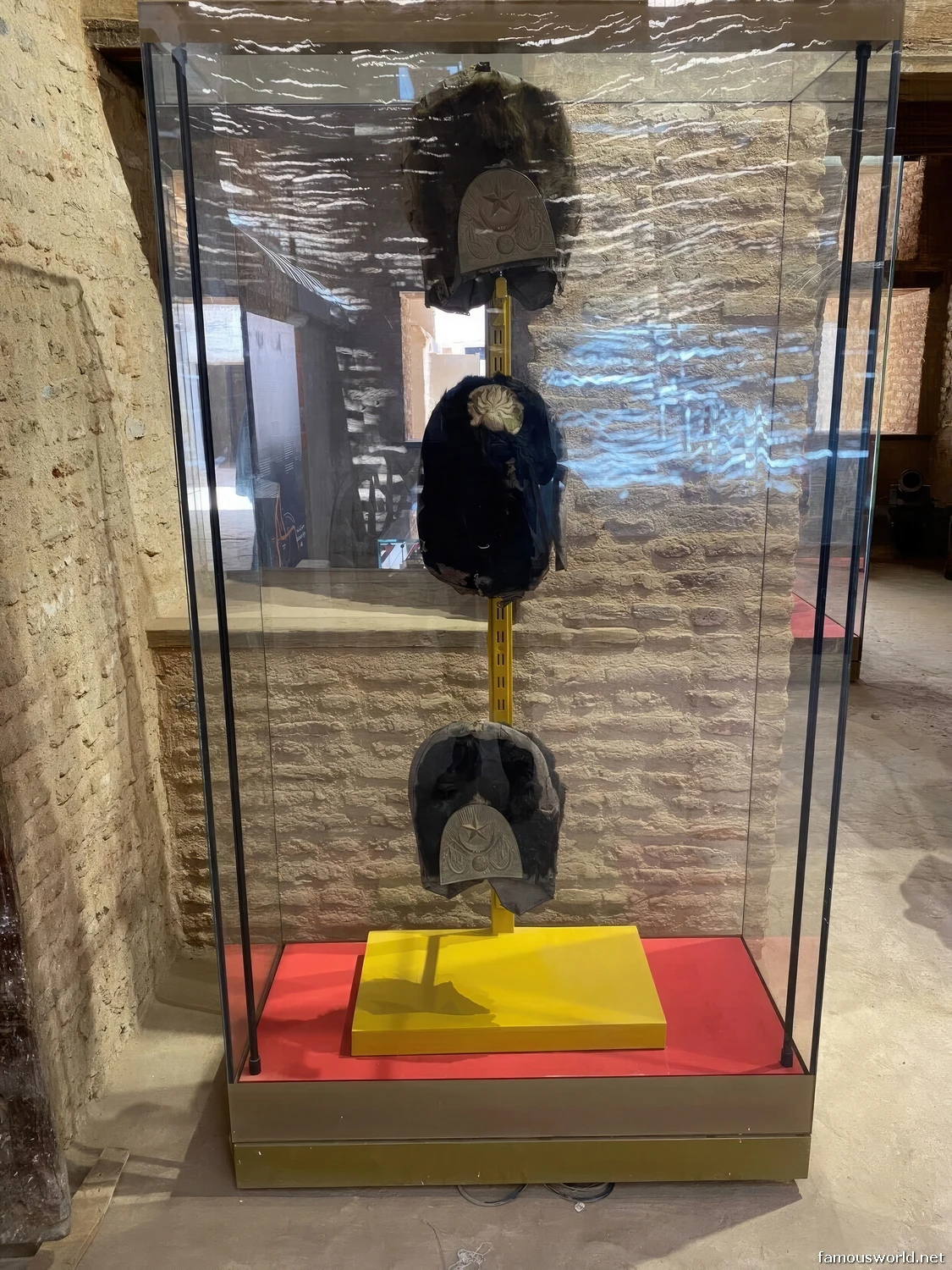
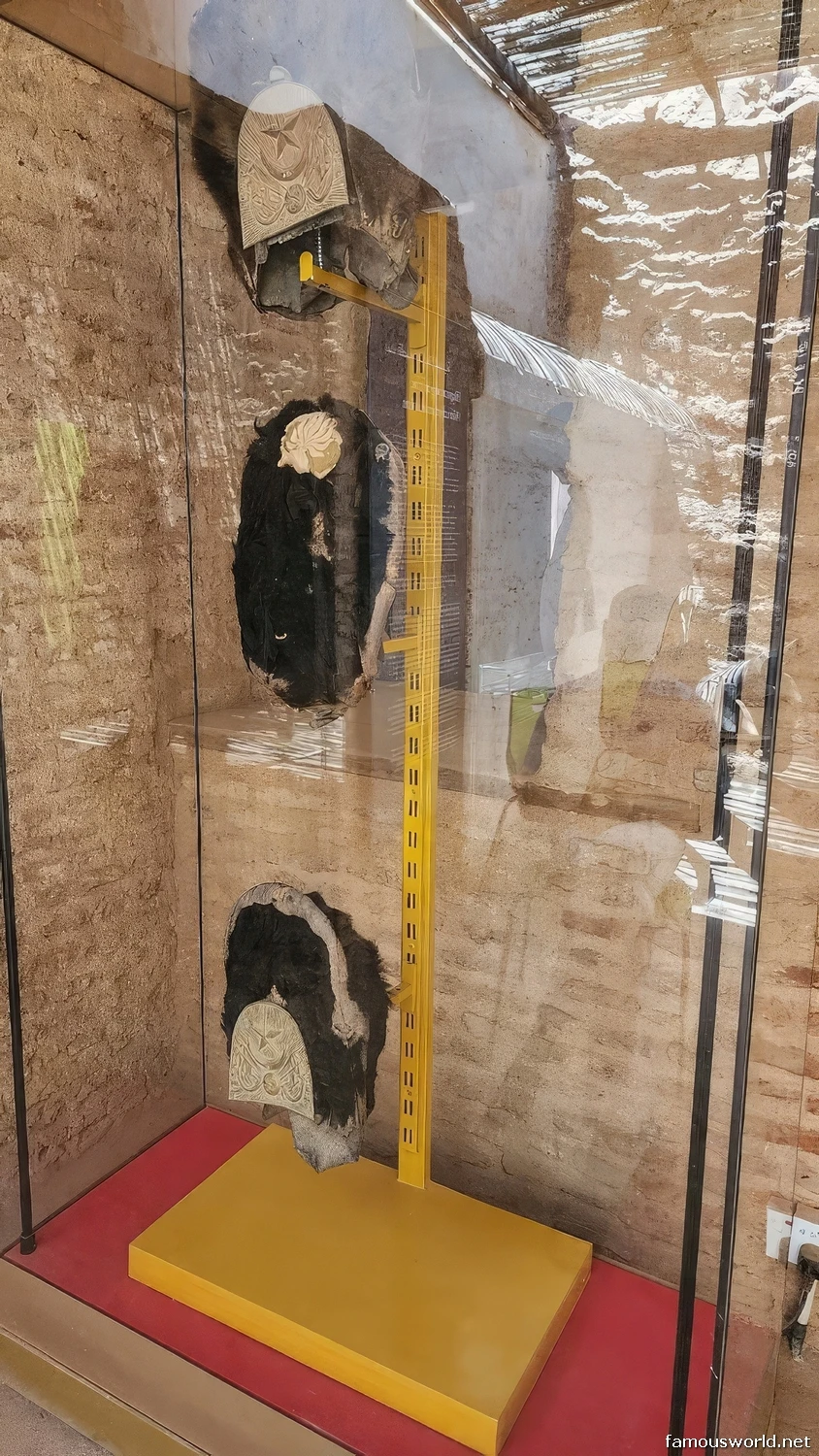
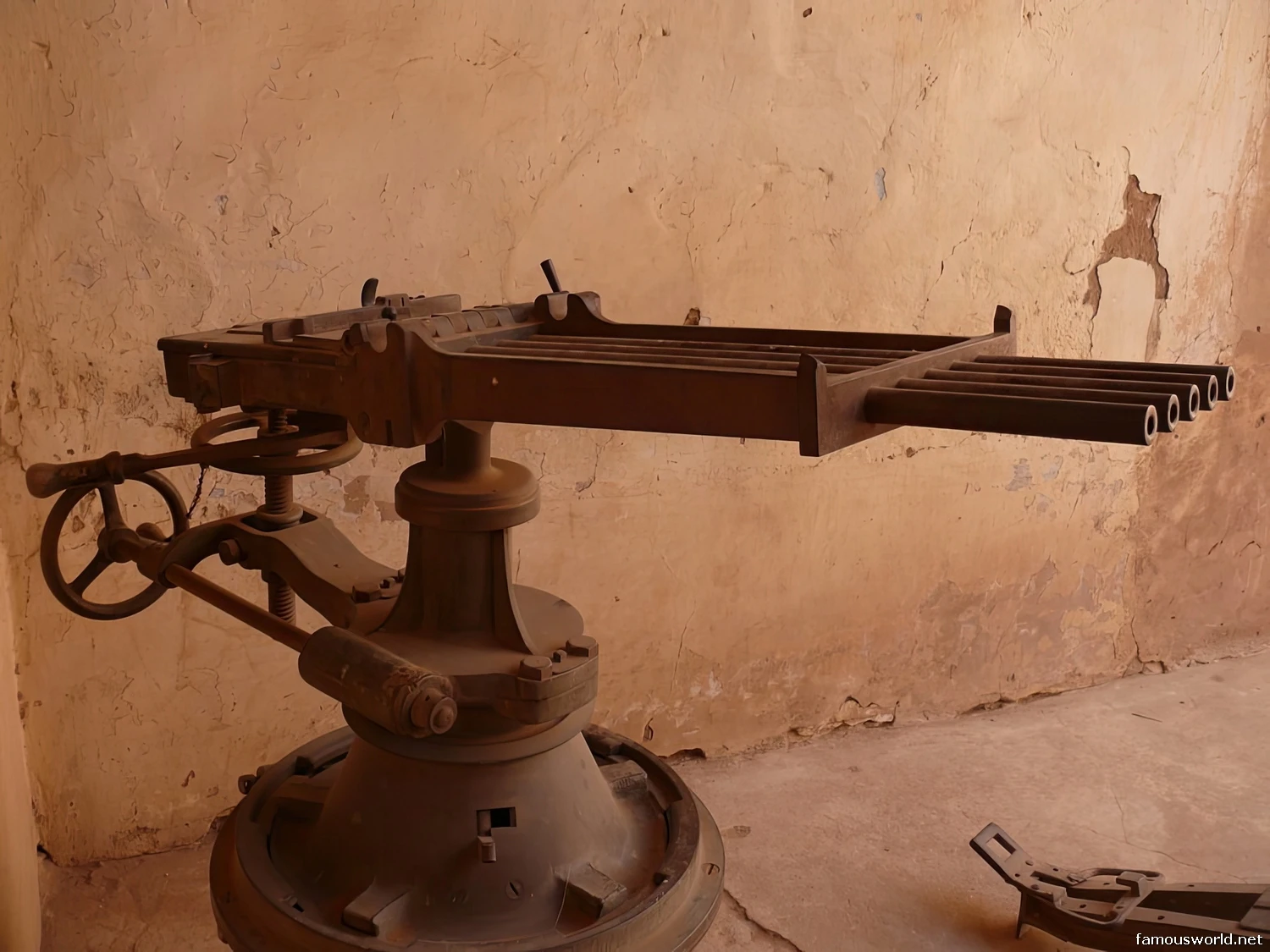
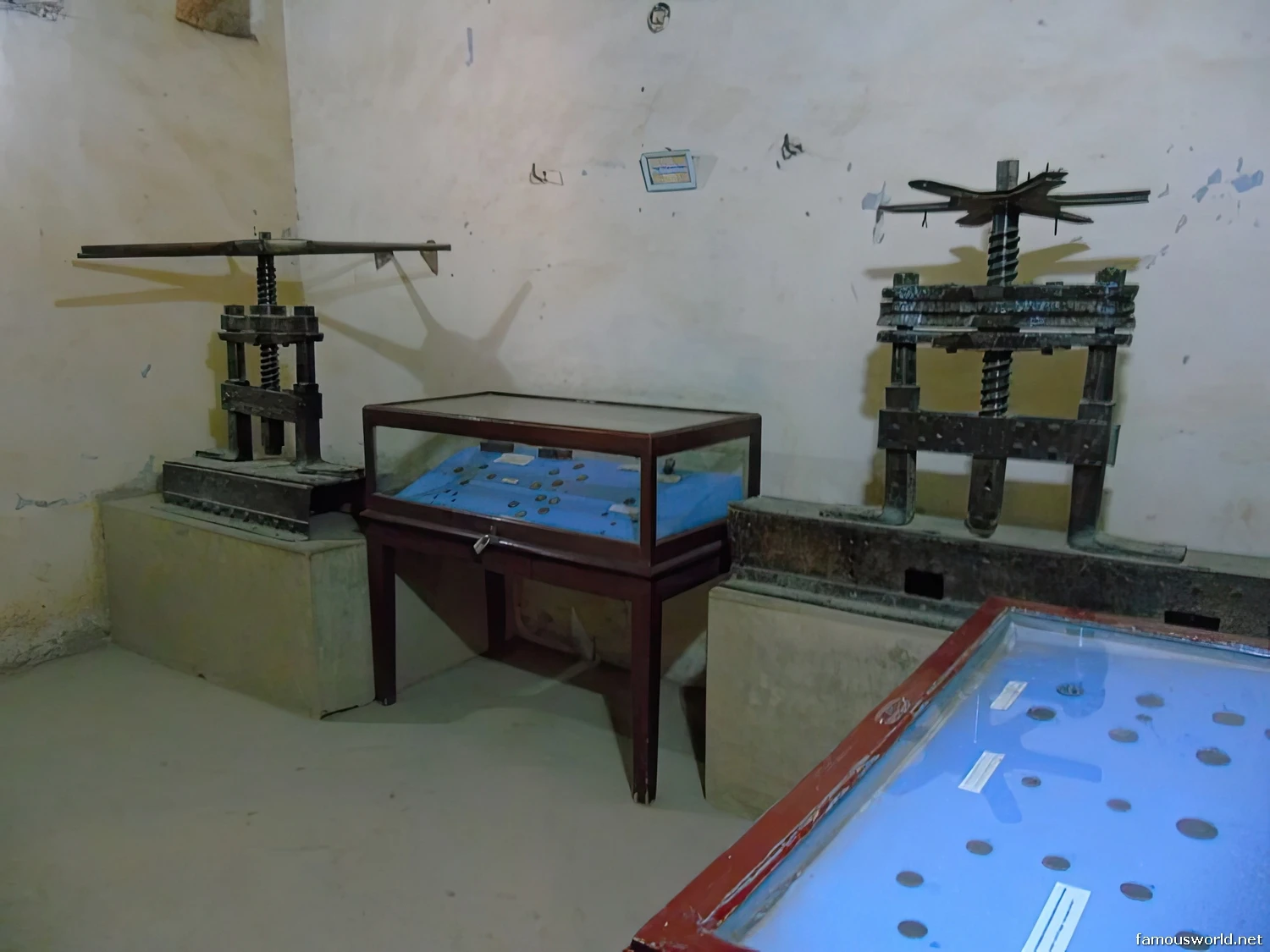
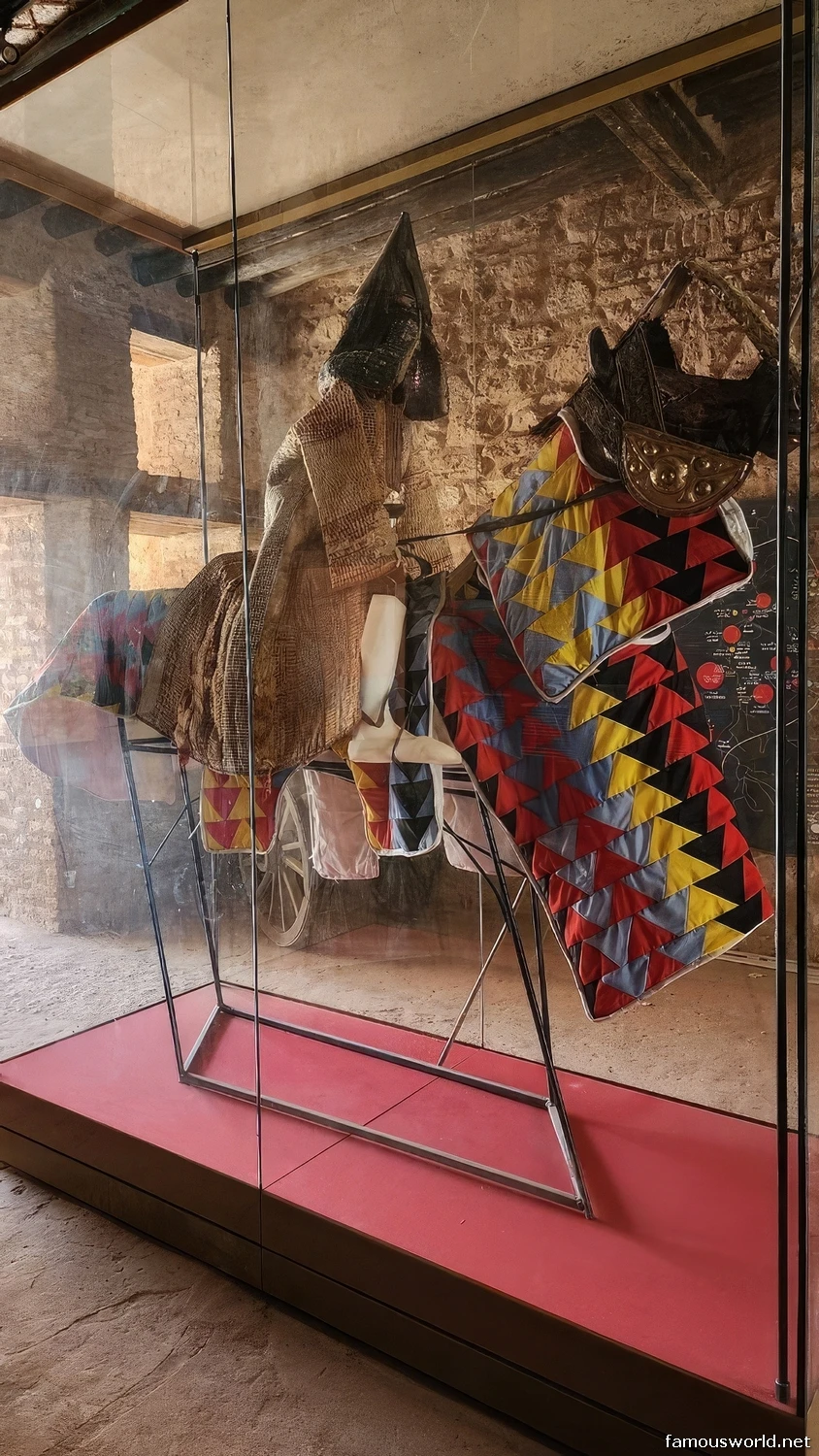
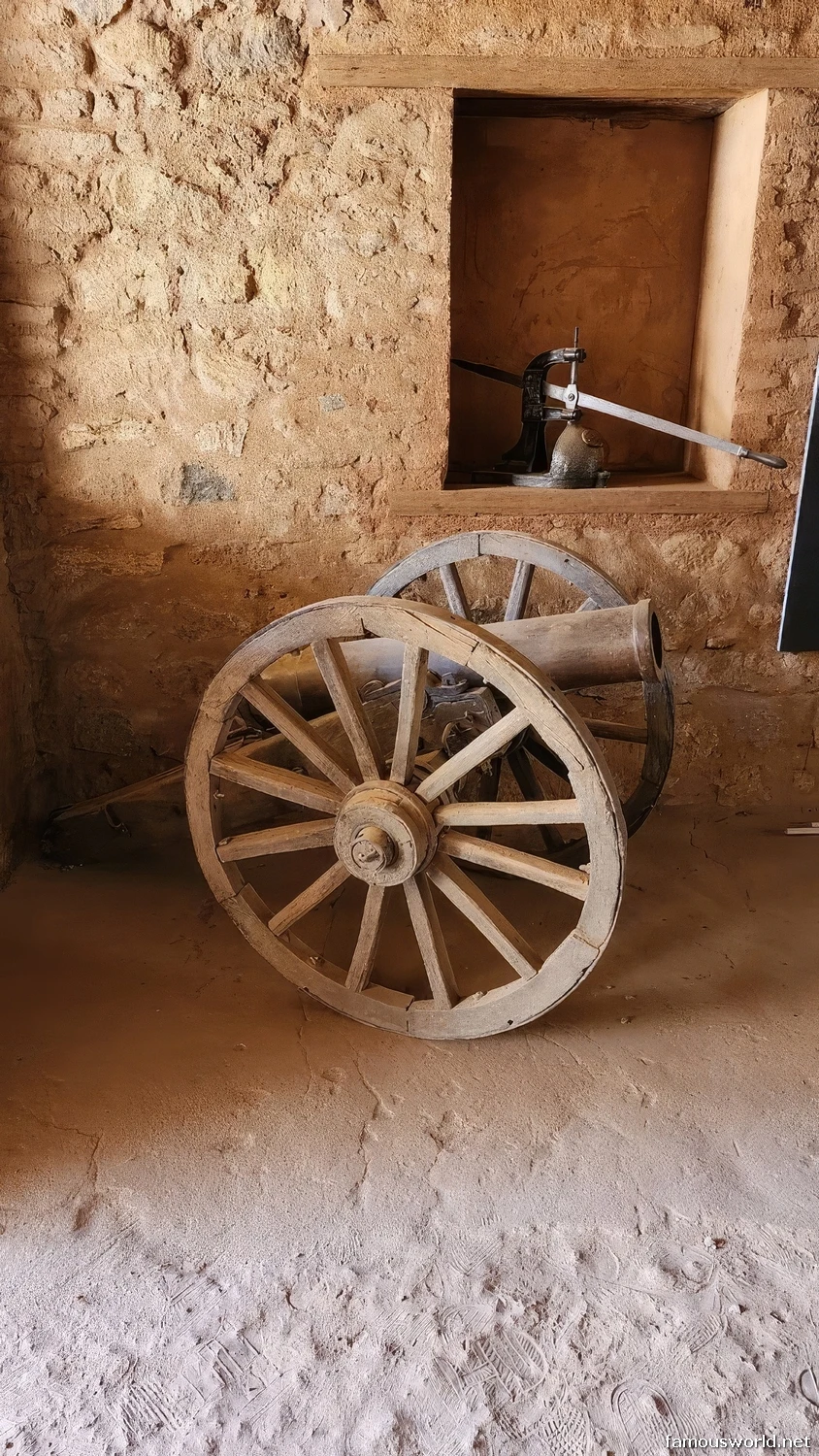
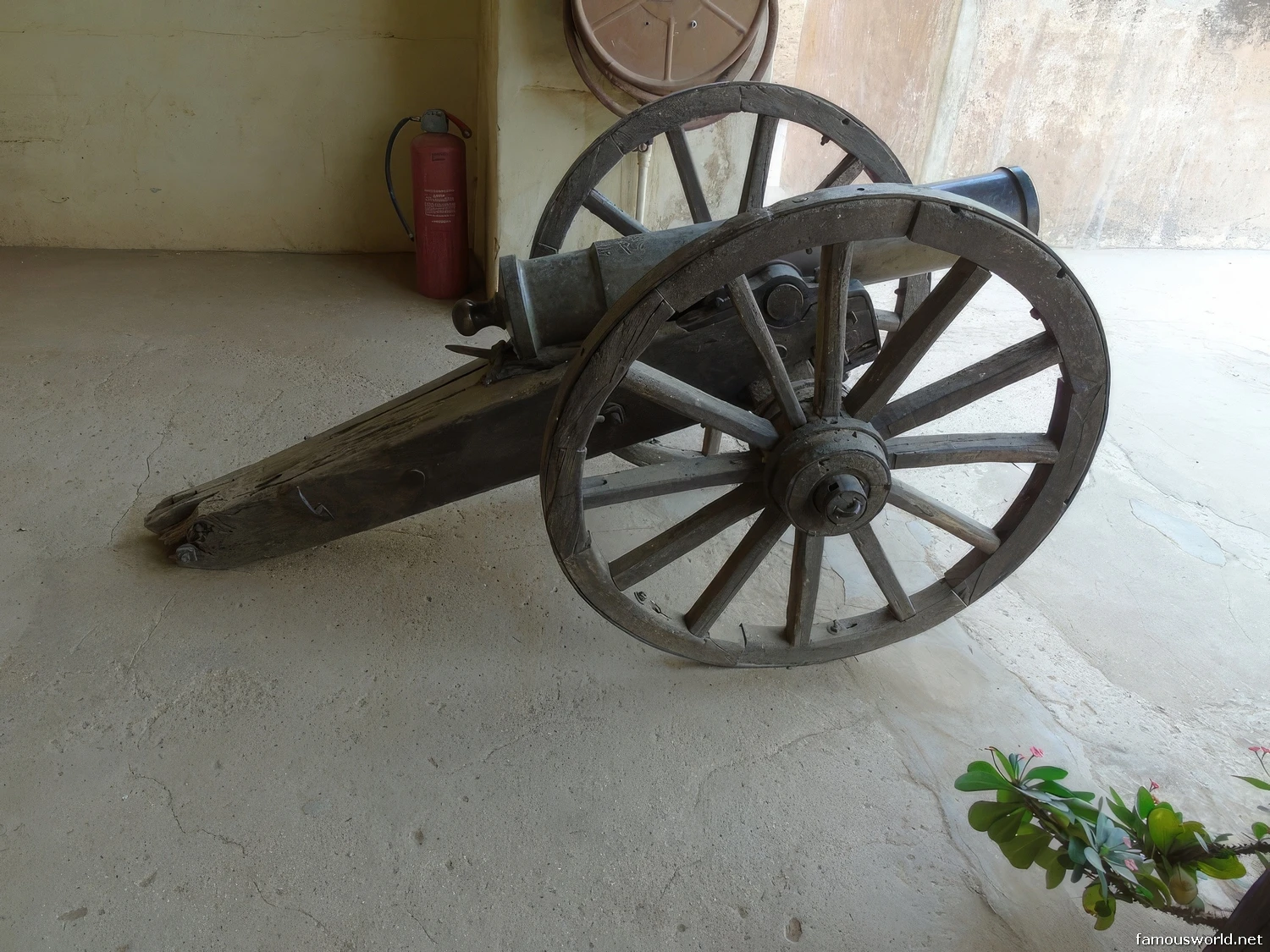
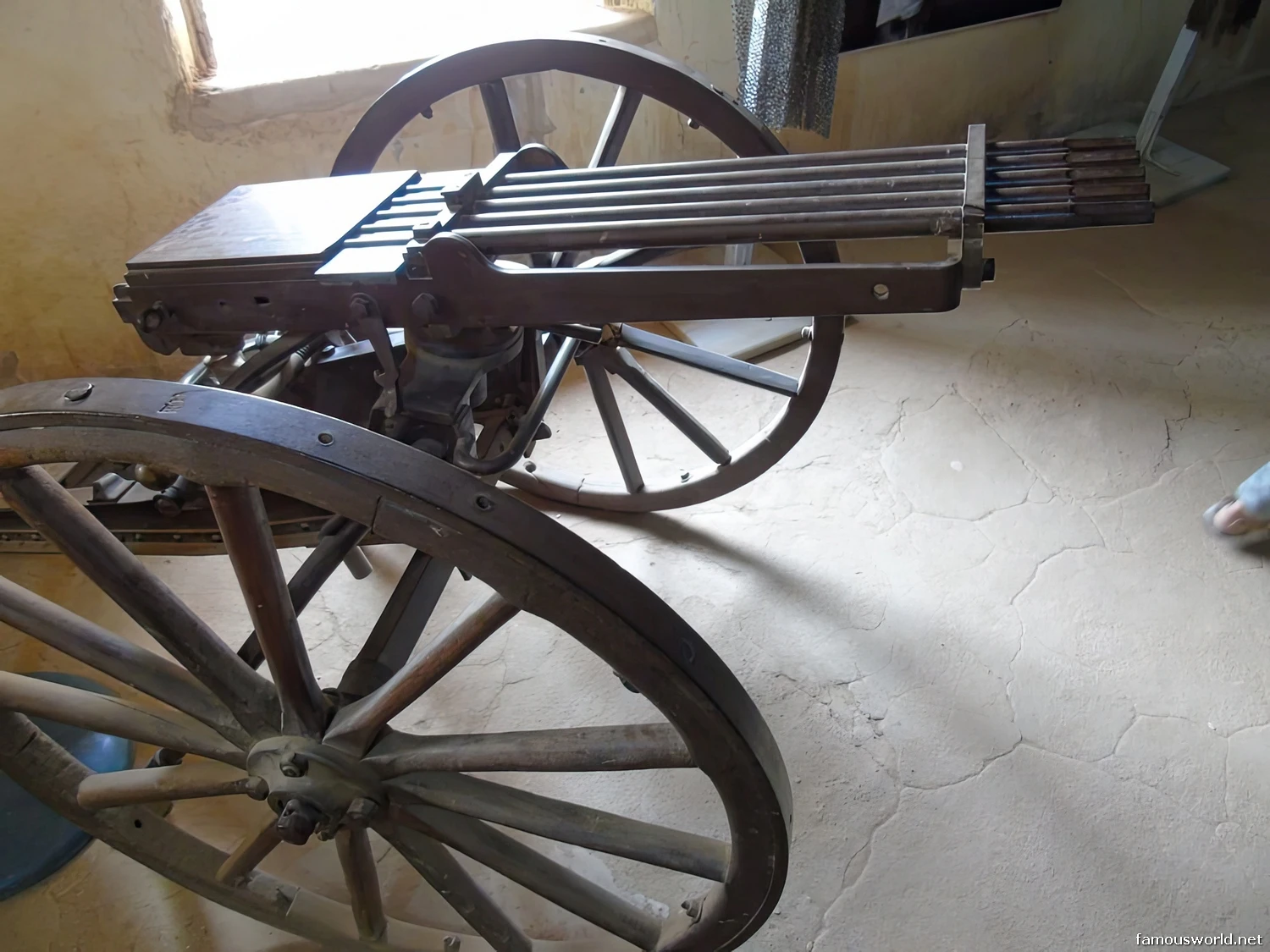
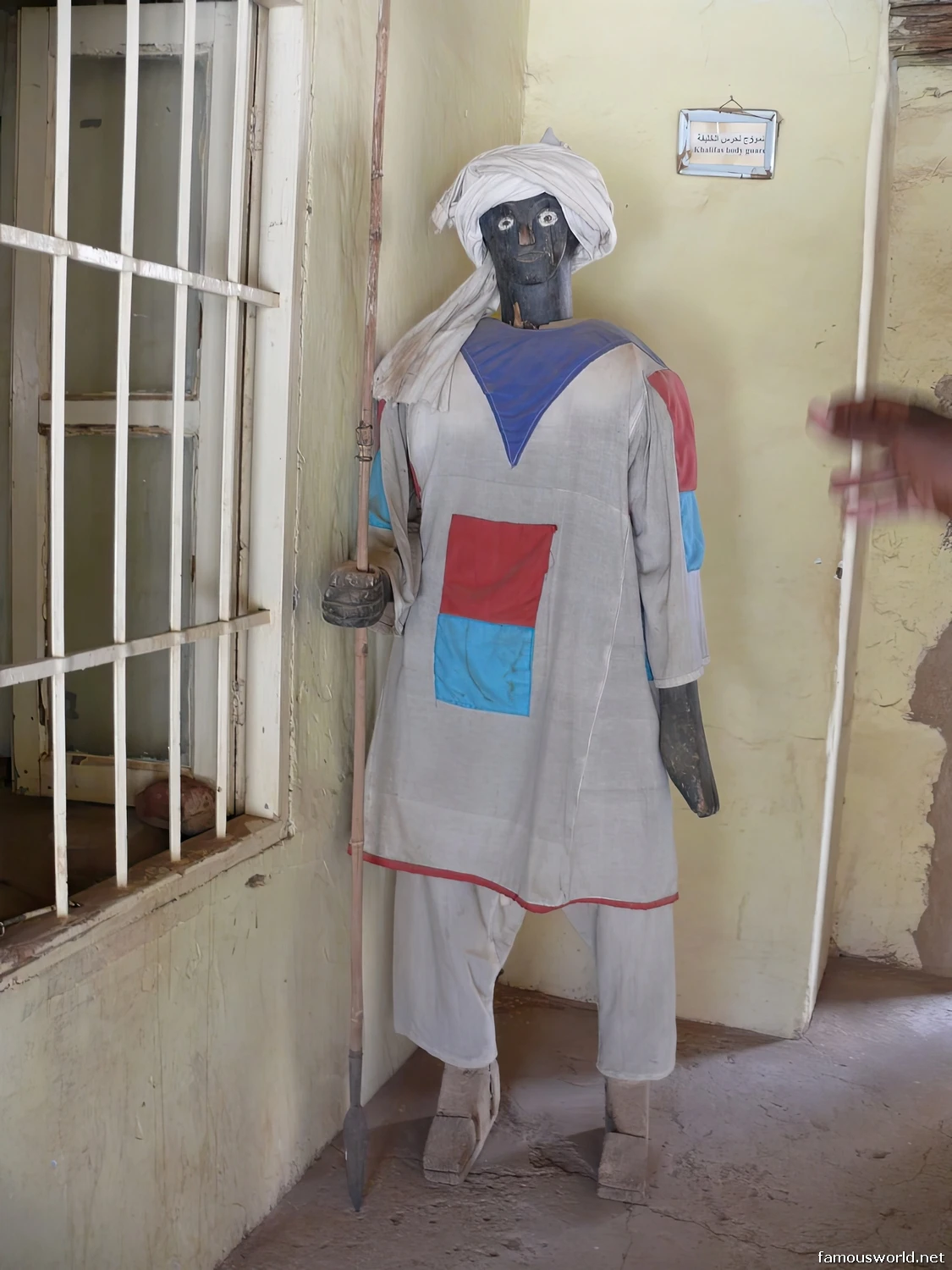
- Ground Floor: The rooms on the ground floor display a wide range of artifacts from the Mahdist period. This includes weapons used by the Mahdist forces (Ansar), such as swords, spears, and early firearms, as well as banners, coins, and official documents from the state treasury.
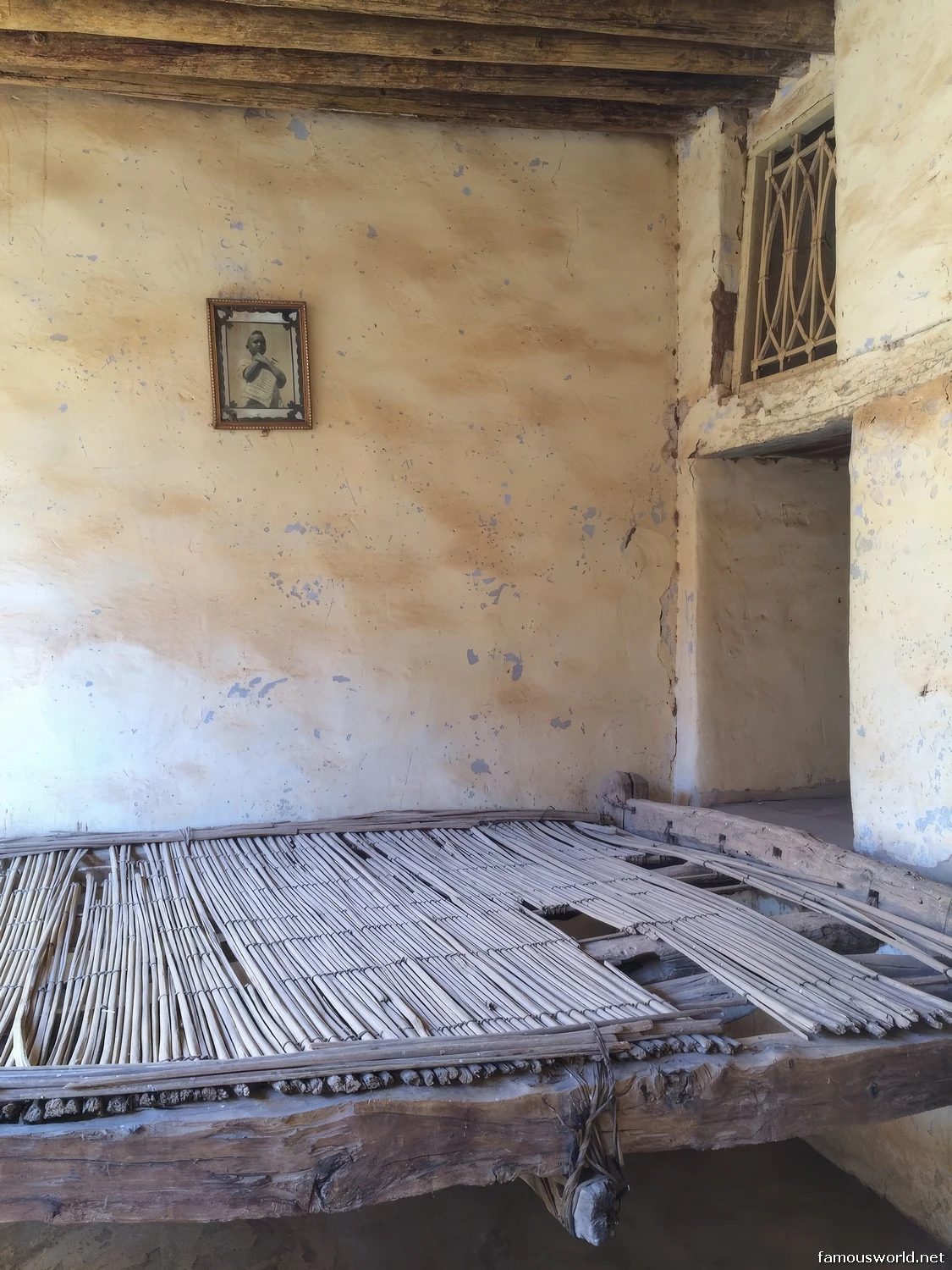
- Upper Floor: The upper floor contains the private living quarters of the Khalifa and his family, showcasing personal items that offer insight into his daily life.
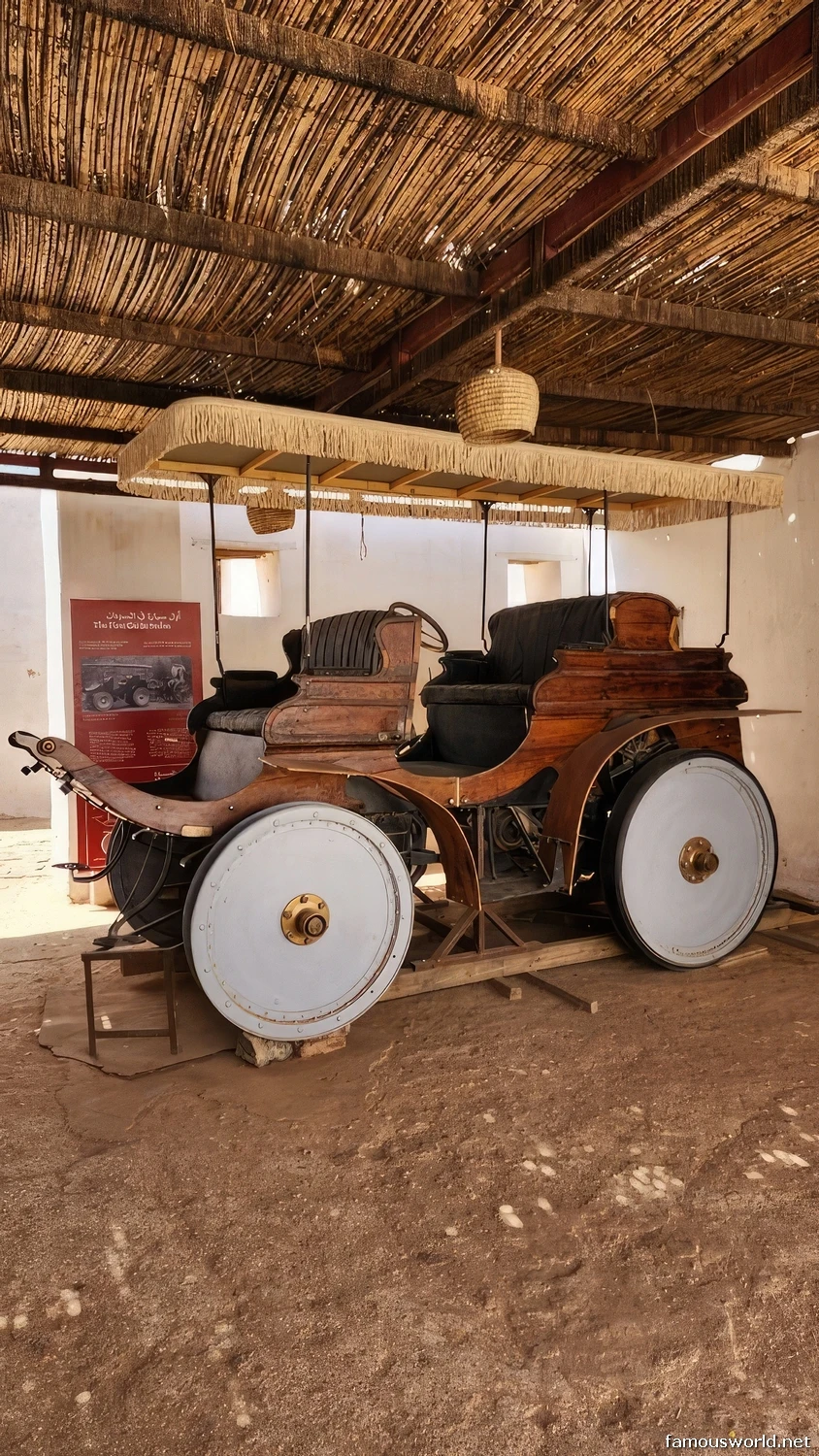
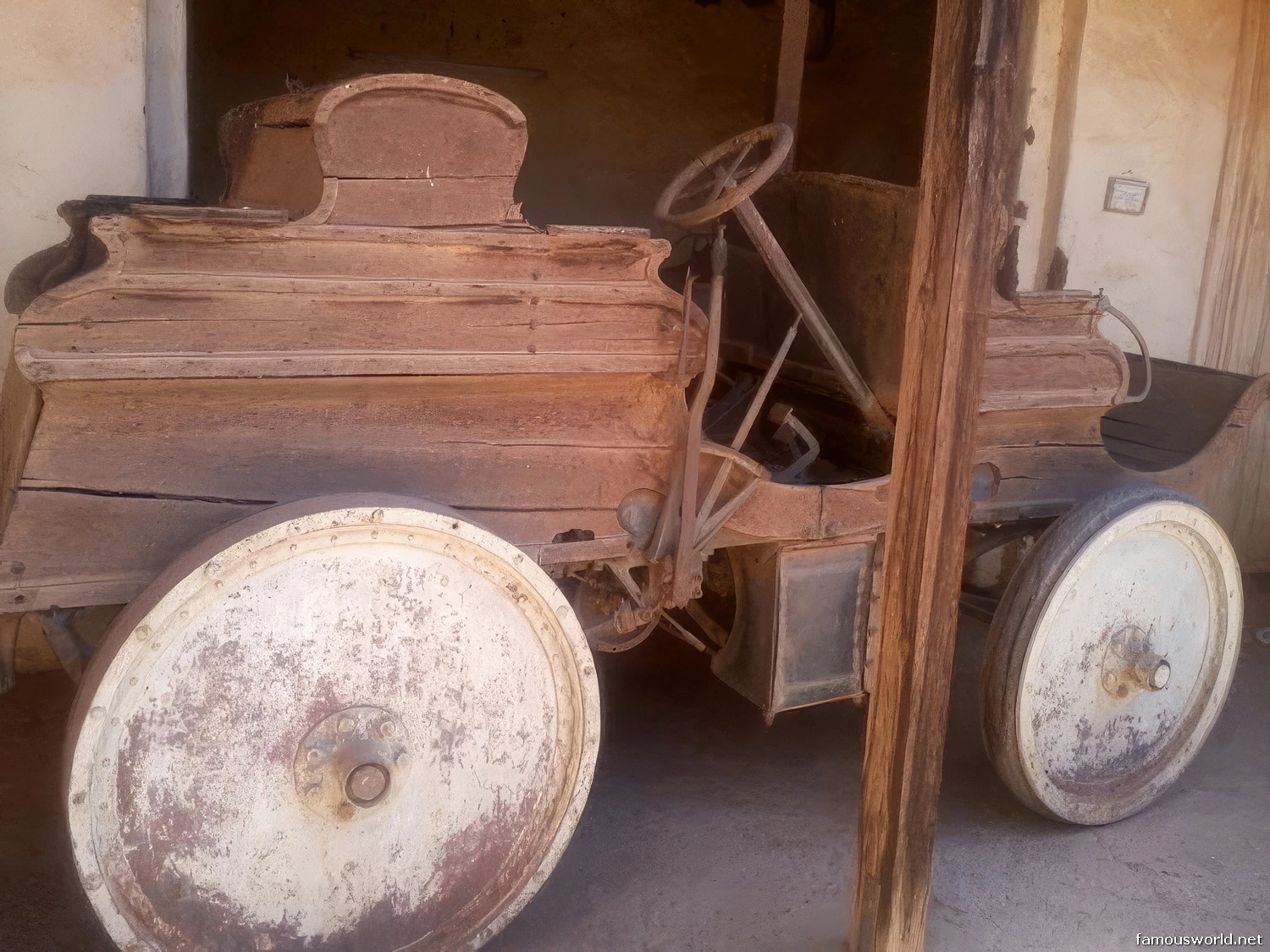
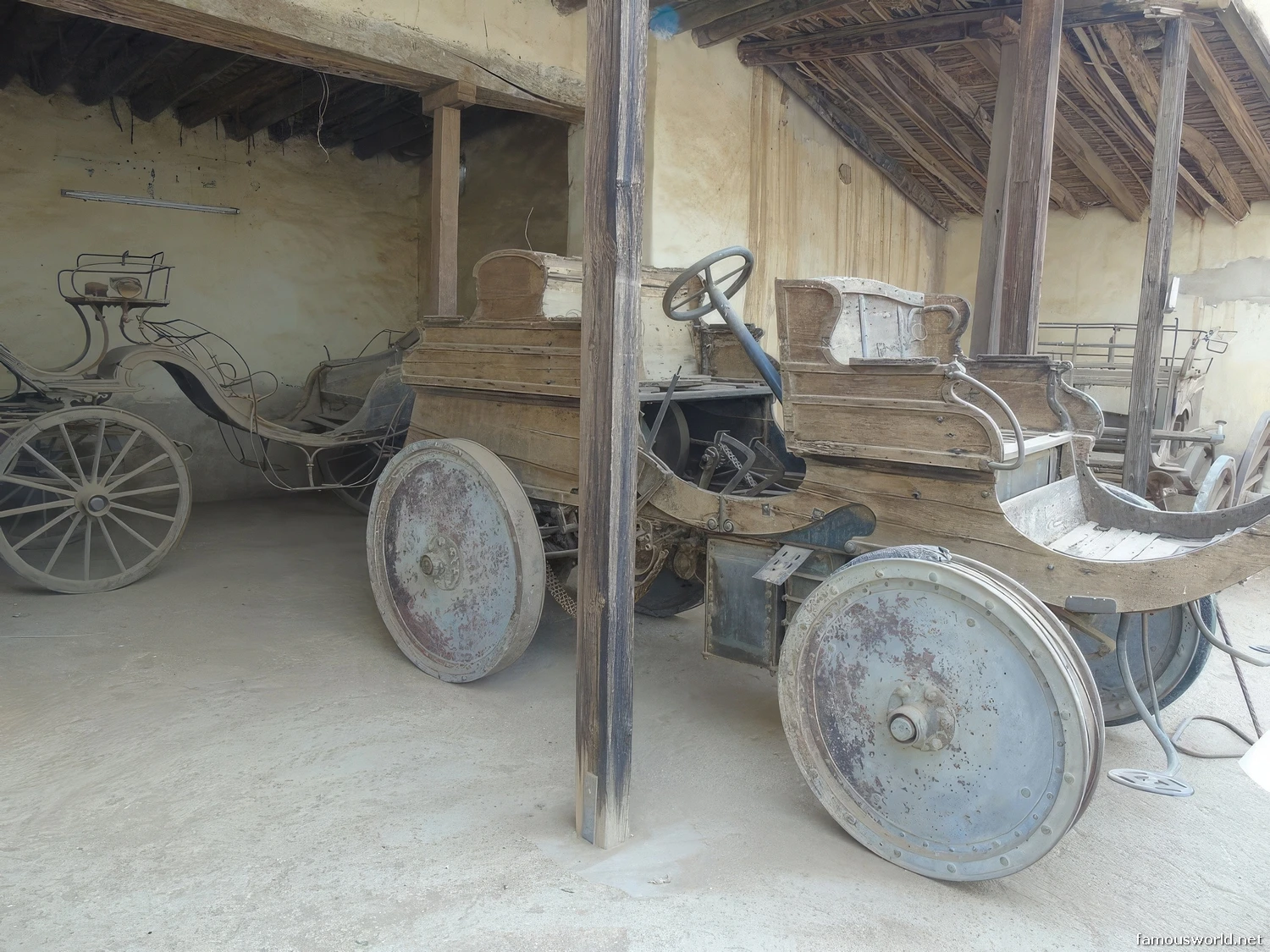
- Courtyards: The house is built around several open-air courtyards, which were used for receiving visitors, holding meetings, and for domestic activities. One courtyard displays larger items, including one of the first automobiles in Sudan, belonging to a later leader.
What Makes It Famous
The Khalifa House Museum is famous for being a perfectly preserved window into the Mahdist era.
- Historic Residence: It is not a modern building constructed to be a museum; it is the history. Visitors walk through the actual rooms and courtyards where the Khalifa lived, ruled, and made decisions that shaped the region.
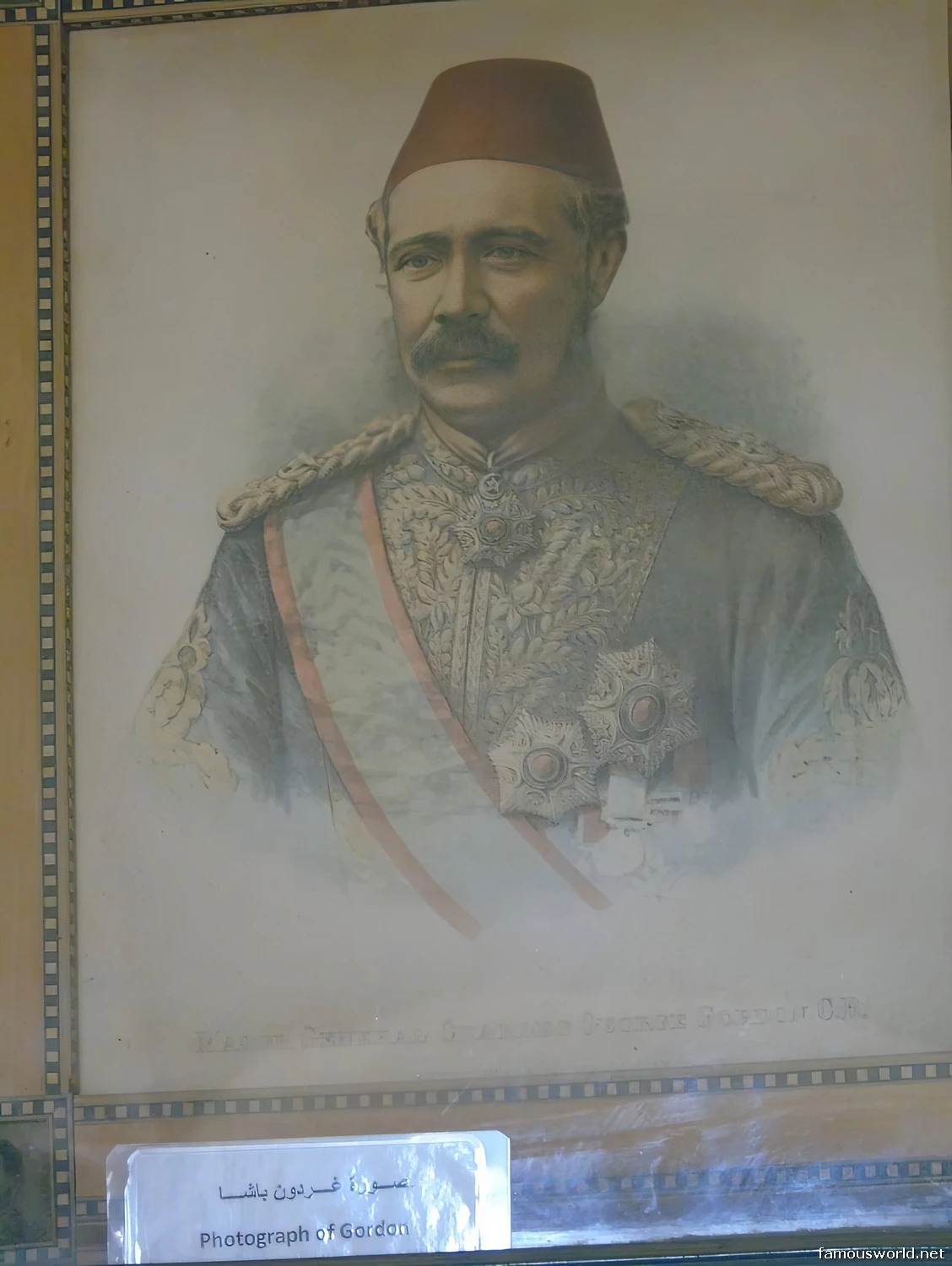
- Authentic Mahdist Artifacts: The museum holds a unique collection of objects directly associated with the Mahdi and the Khalifa, from the patchwork tunics (jibbas) worn by Ansar warriors to the personal effects of the Khalifa himself.
- Center of Mahdist Power: The house, along with the nearby Mahdi’s Tomb, formed the administrative and spiritual heart of the Mahdist State, making it a site of immense historical importance.
Differences from Other Wonders
The Khalifa House Museum offers a focused, biographical experience that contrasts with the broad, civilizational scope of the National Museum of Sudan.
- Focus (Specific Historical Period vs. Entire National History): The Khalifa House Museum is intensely focused on a single, dramatic thirteen-year period—the Mahdist State. The National Museum of Sudan covers the entire sweep of Sudanese history, from prehistory through the Christian kingdoms.
- Core Story (Personal Residence of a Ruler vs. Curated National Collection): The Khalifa House tells the personal story of the Khalifa and his government through his actual home. The National Museum tells the broader story of a nation and its successive civilizations through a curated collection of artifacts rescued from across the country.
- Primary Experience (Intimate and Atmospheric vs. Grand and Educational): Visiting the Khalifa House feels intimate and atmospheric, like stepping back in time into a specific, personal space. Visiting the National Museum is a grand, educational journey through millennia of artistic and cultural achievements.
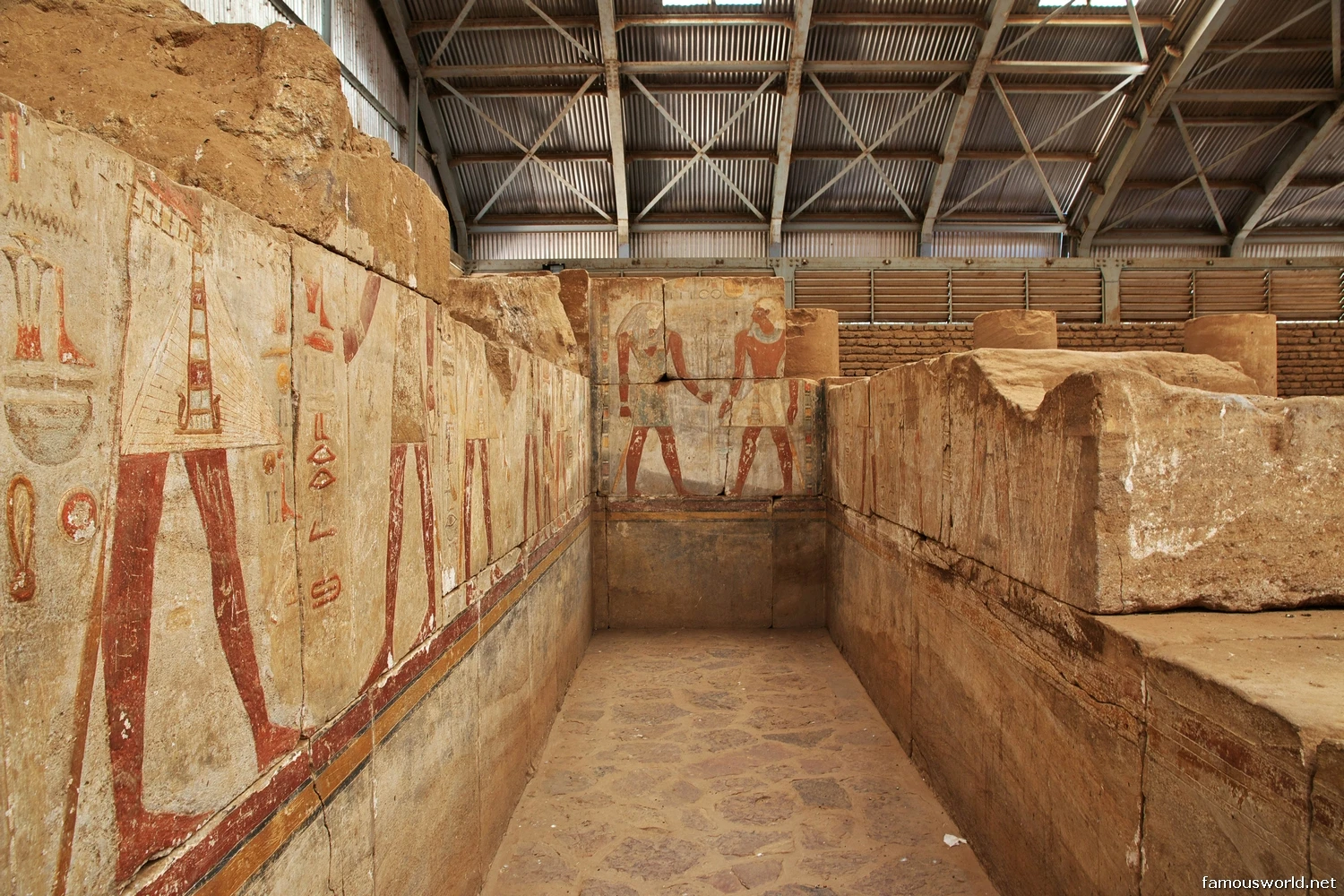
- Key Exhibits (Personal Artifacts and Architecture vs. Rescued Temples and Statues): The key exhibits at Khalifa House are the building itself and the personal and military items of the Mahdist era. The key exhibits at the National Museum are the monumental rescued temples in its garden and the grand statues of ancient kings.
Location on world map