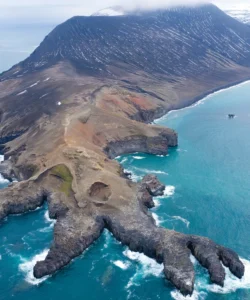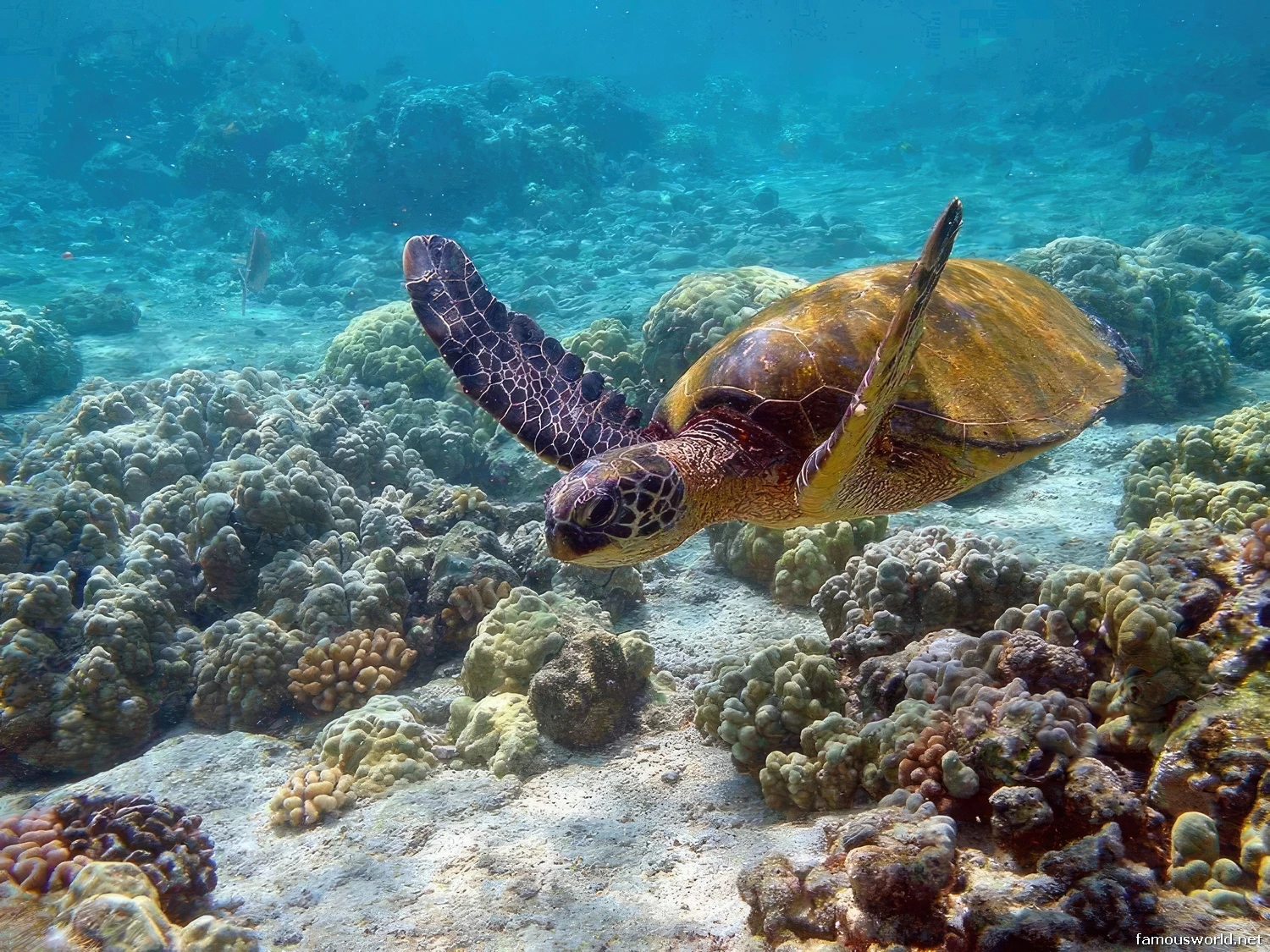
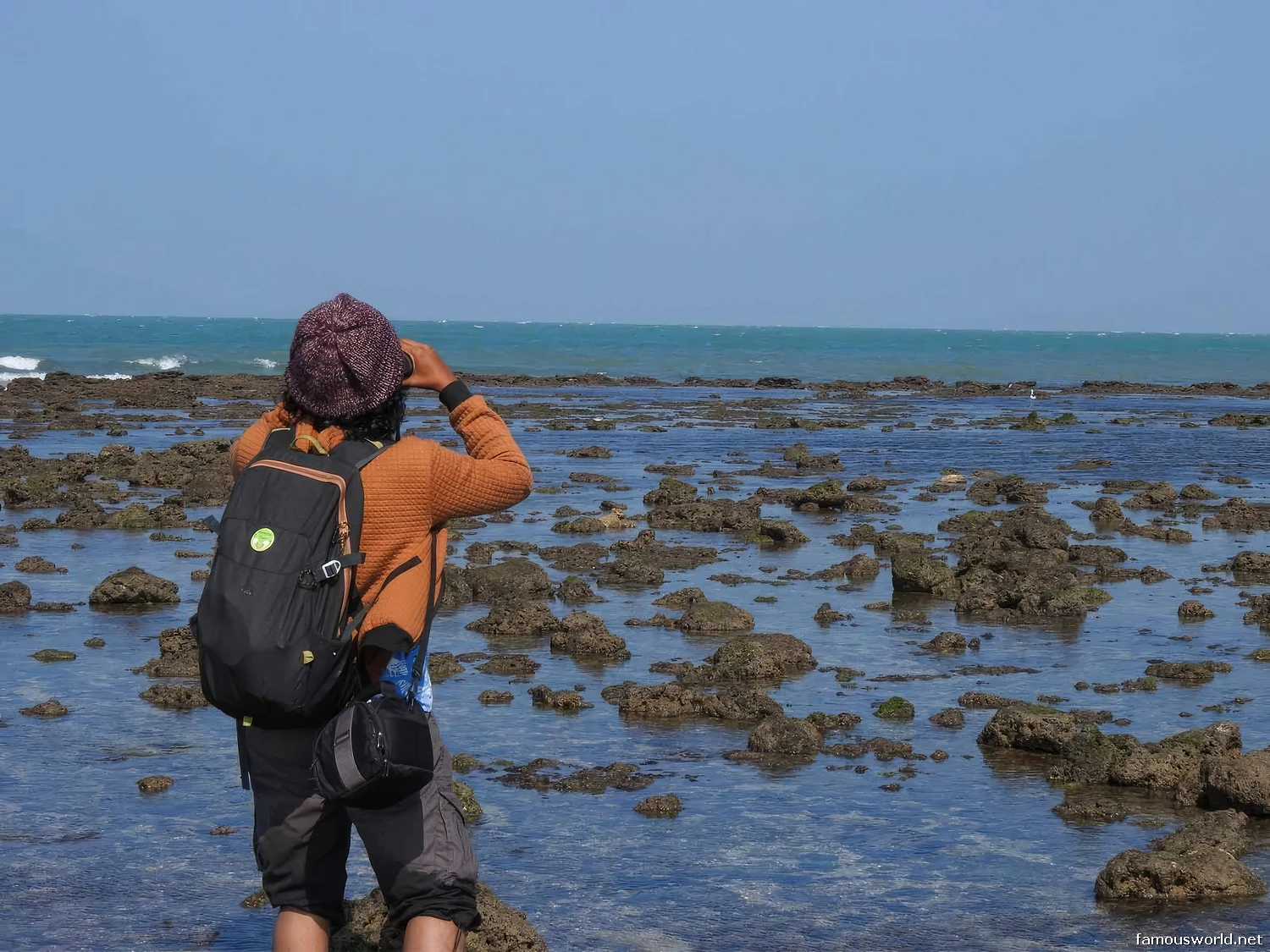
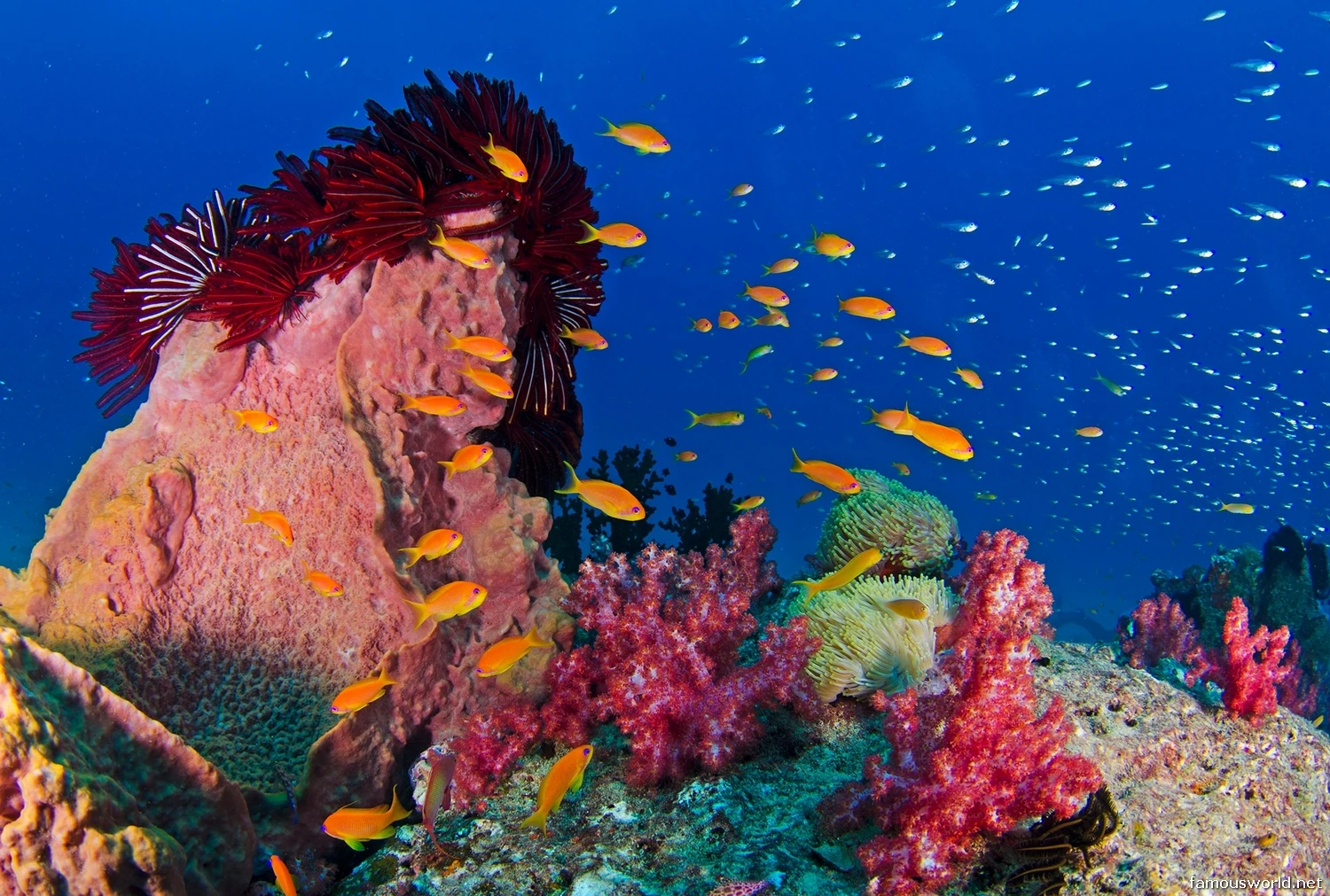
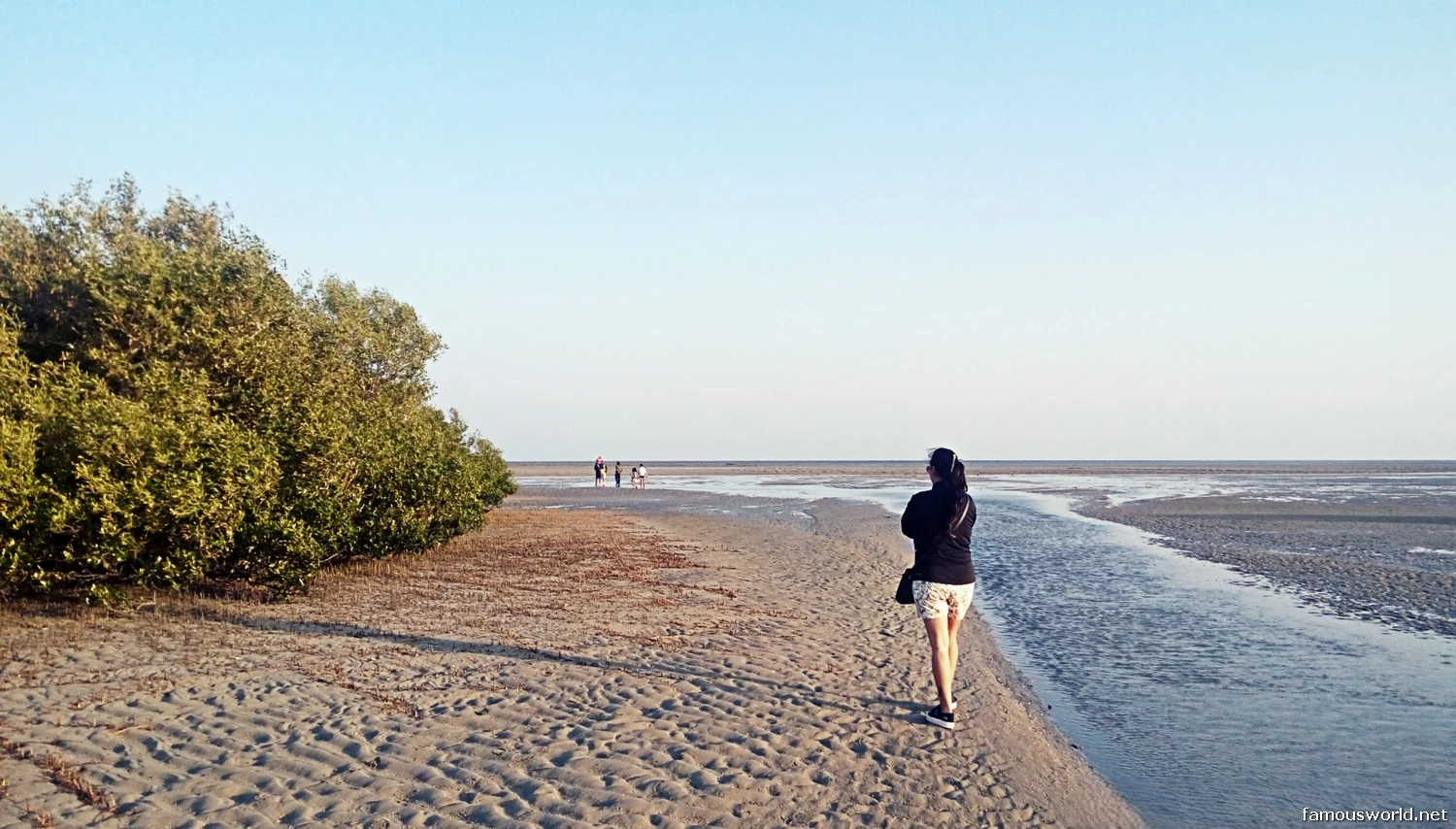
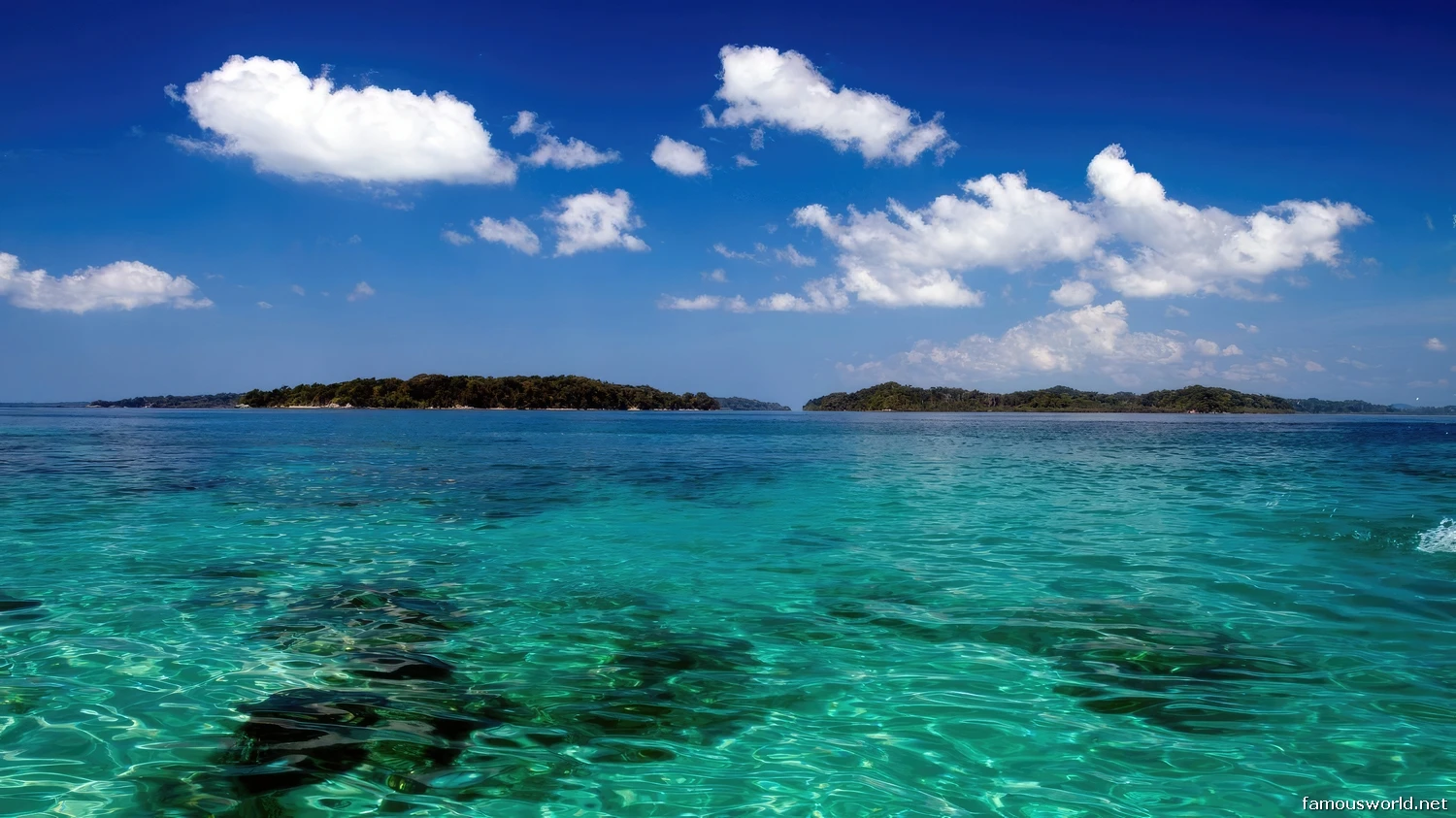
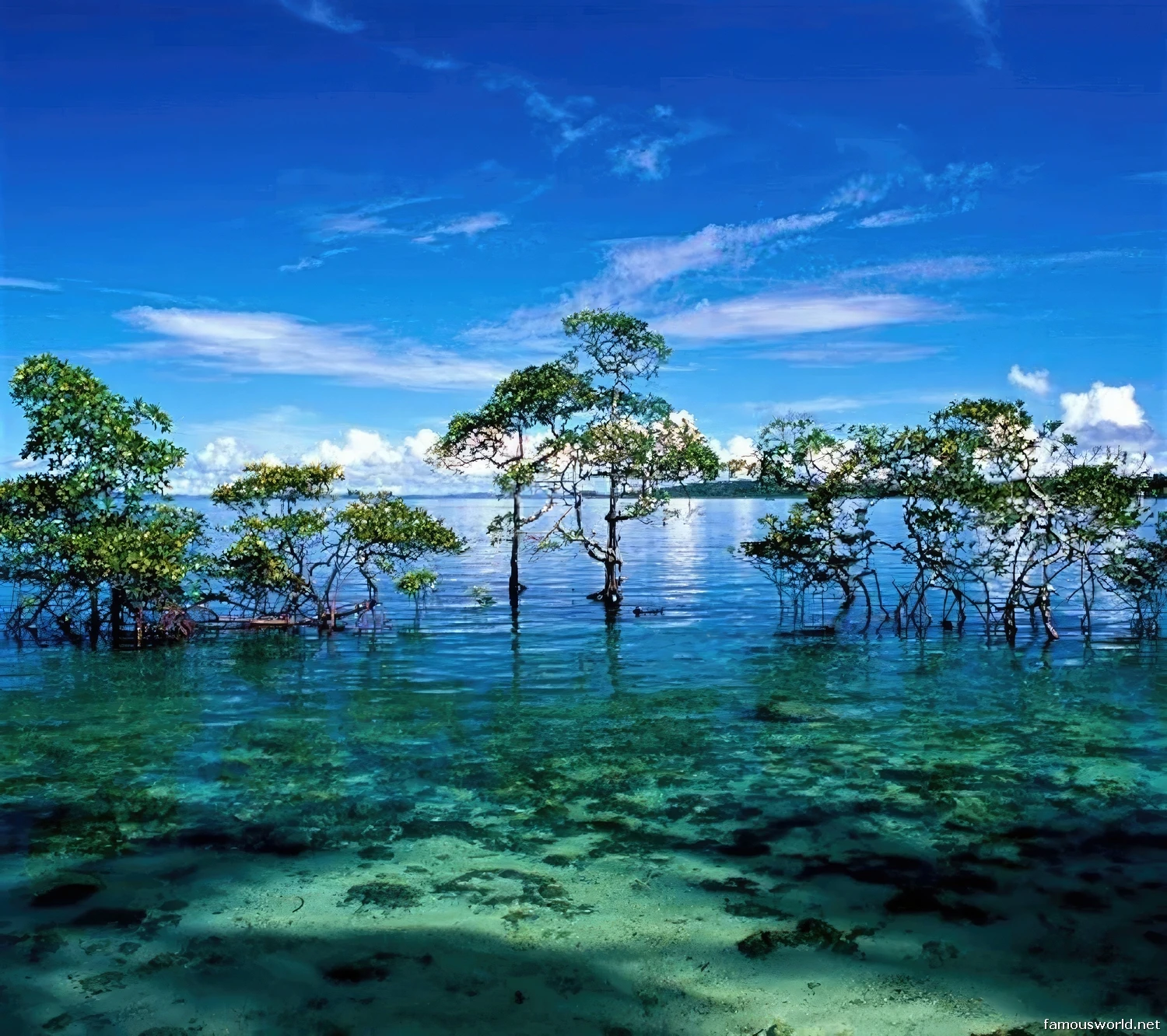
The Marine National Park in the Gulf of Kutch is a pioneering conservation area and India’s first marine sanctuary. Established in 1982, it protects a fragile and incredibly diverse coastal ecosystem spread across an archipelago of 42 islands. Unlike a typical marine park centered on deep-water reefs, its most remarkable feature is a vast intertidal zone. At low tide, the sea recedes for miles, exposing a hidden world of coral reefs, mudflats, and mangrove forests, allowing visitors the unique opportunity to literally walk on the seabed. This natural marvel is a critical habitat for a wide array of marine life, from colorful corals and sponges to sea turtles and dolphins, making it one of the most unique coastal reserves in Asia.
Listen to an introduction about Marine National Park, Gulf of Kutch

Name and Location
- Name: Marine National Park, Gulf of Kutch.
- Location: In the Devbhumi Dwarka district of Gujarat state, on the southern shore of the Gulf of Kutch, India.
How to Get There
Access to the park’s islands is coordinated from the city of Jamnagar.
- By Air/Rail/Road: The nearest major hub is Jamnagar, which has an airport (JGA), a railway station, and robust bus connections to the rest of Gujarat.
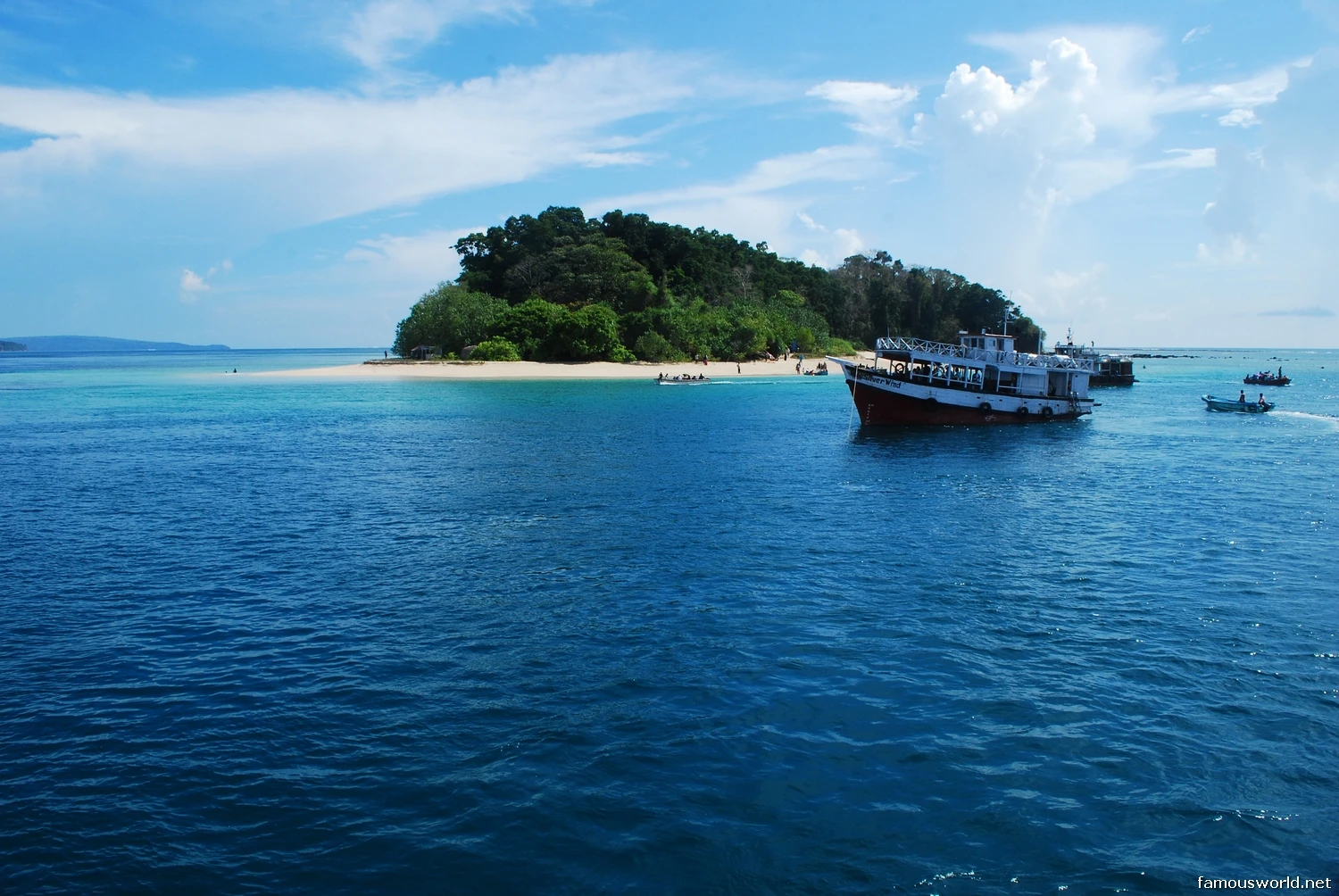
- By Boat: To visit the islands and coral reefs, visitors must hire a boat from ports like Bedi Port or Nava Port near Jamnagar. All visits must be timed with the tides and require permits from the local Forest Department.
Landscape and Ecosystems
The park is a rich mosaic of coastal and marine habitats defined by extreme tidal fluctuations.
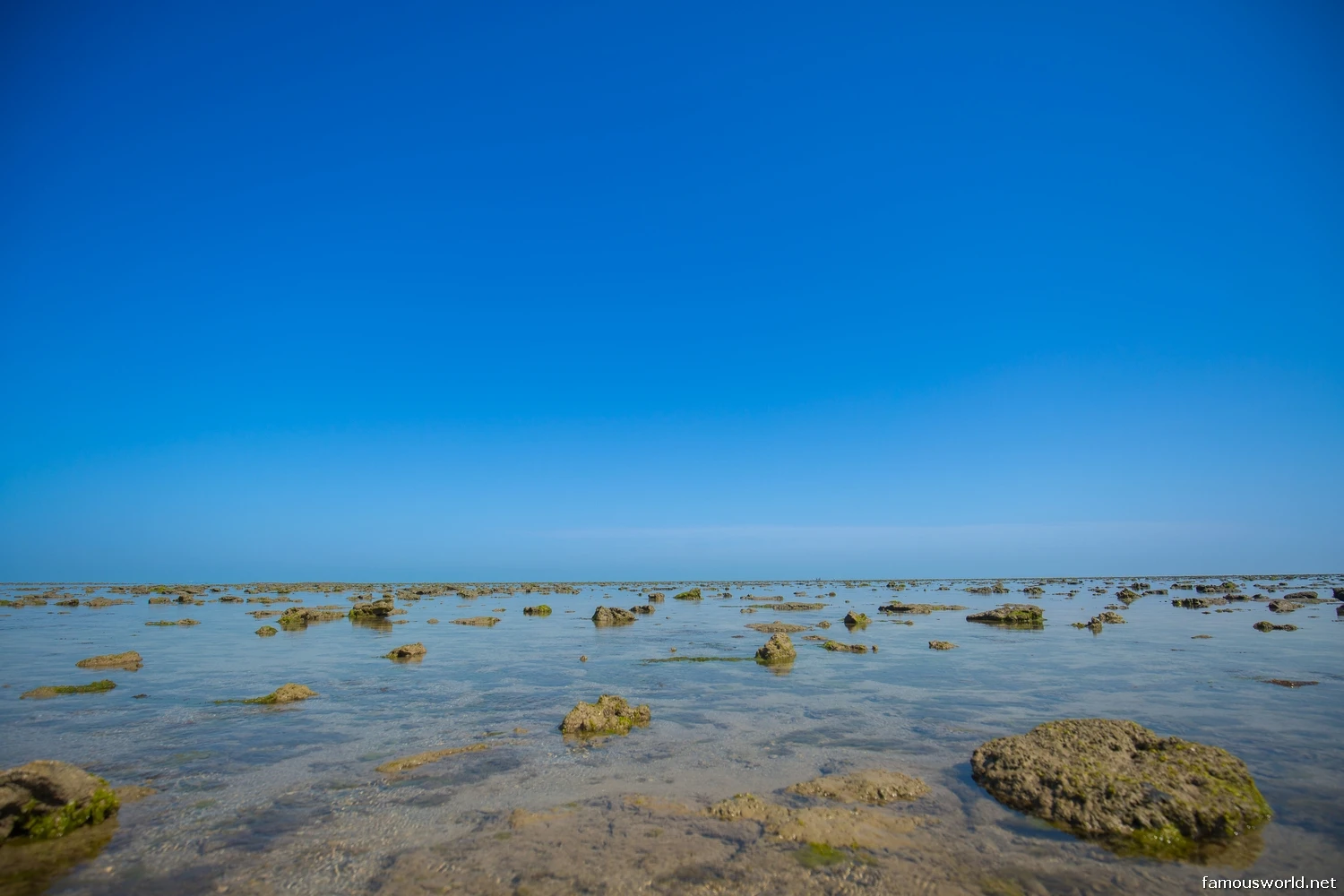
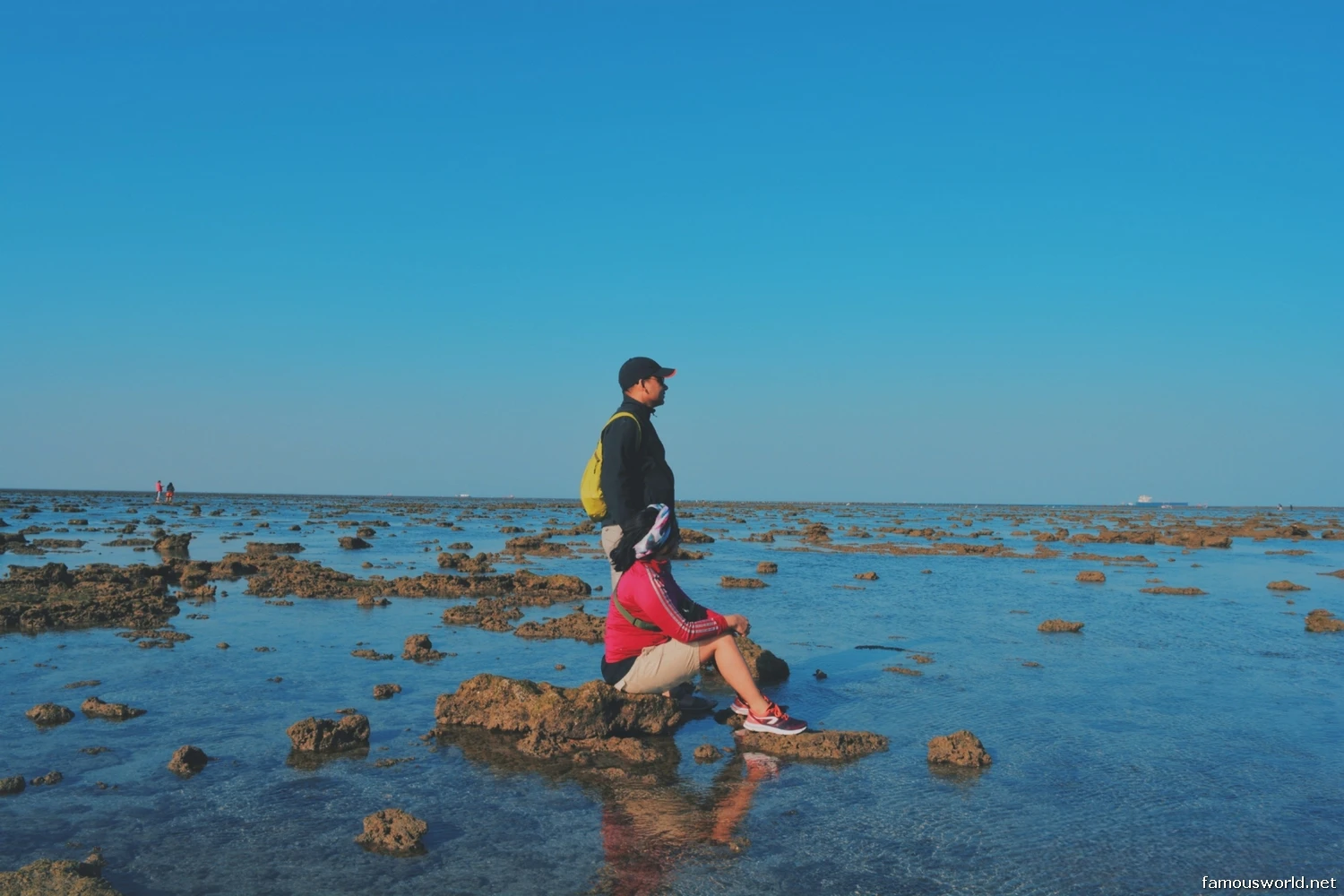
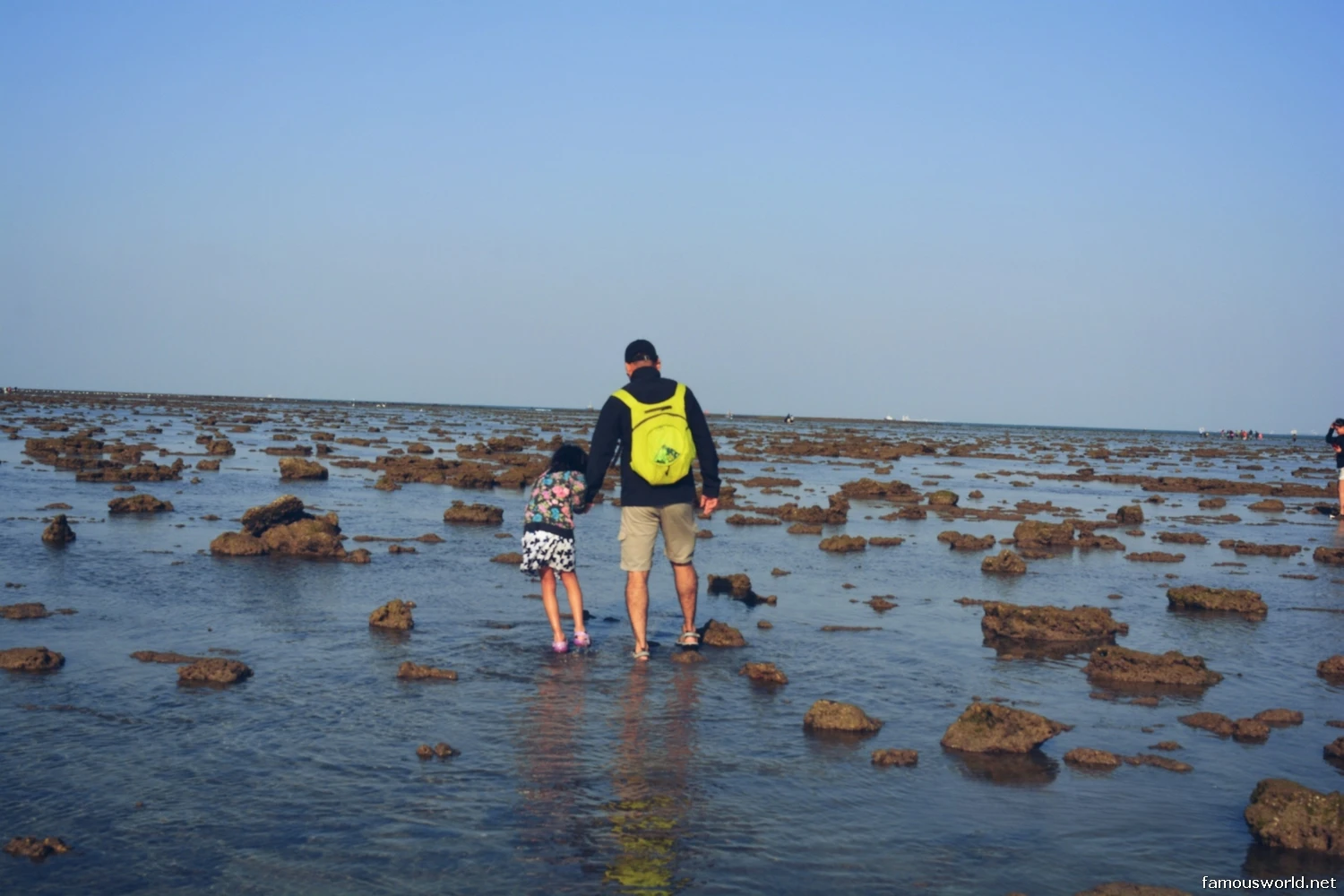
- Natural Landscape: The park encompasses 42 islands, most of which are fringed by coral reefs. The defining characteristic is the massive intertidal zone. During low tide, the water withdraws several kilometers, making the coral reefs and marine life accessible on foot.
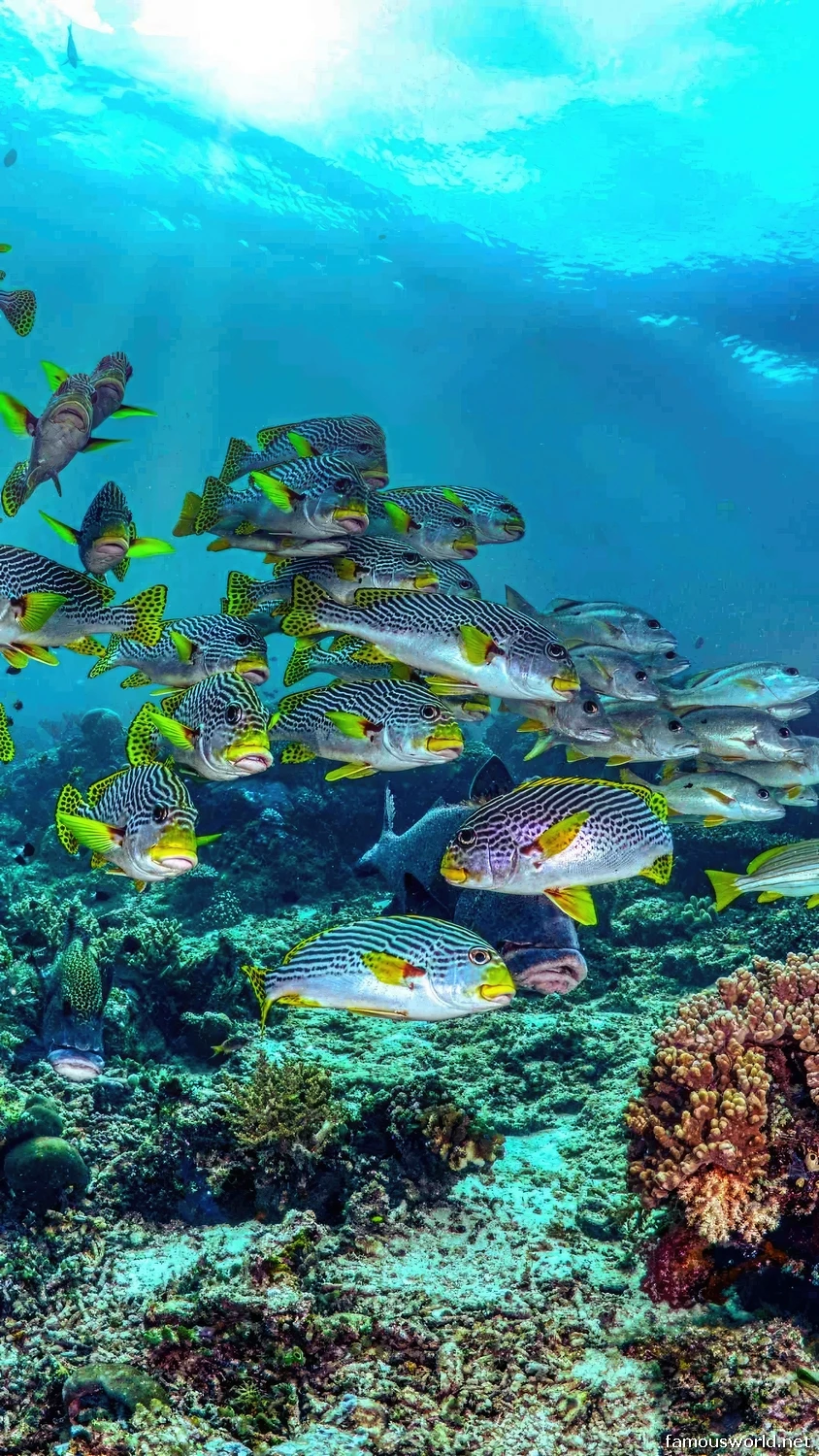
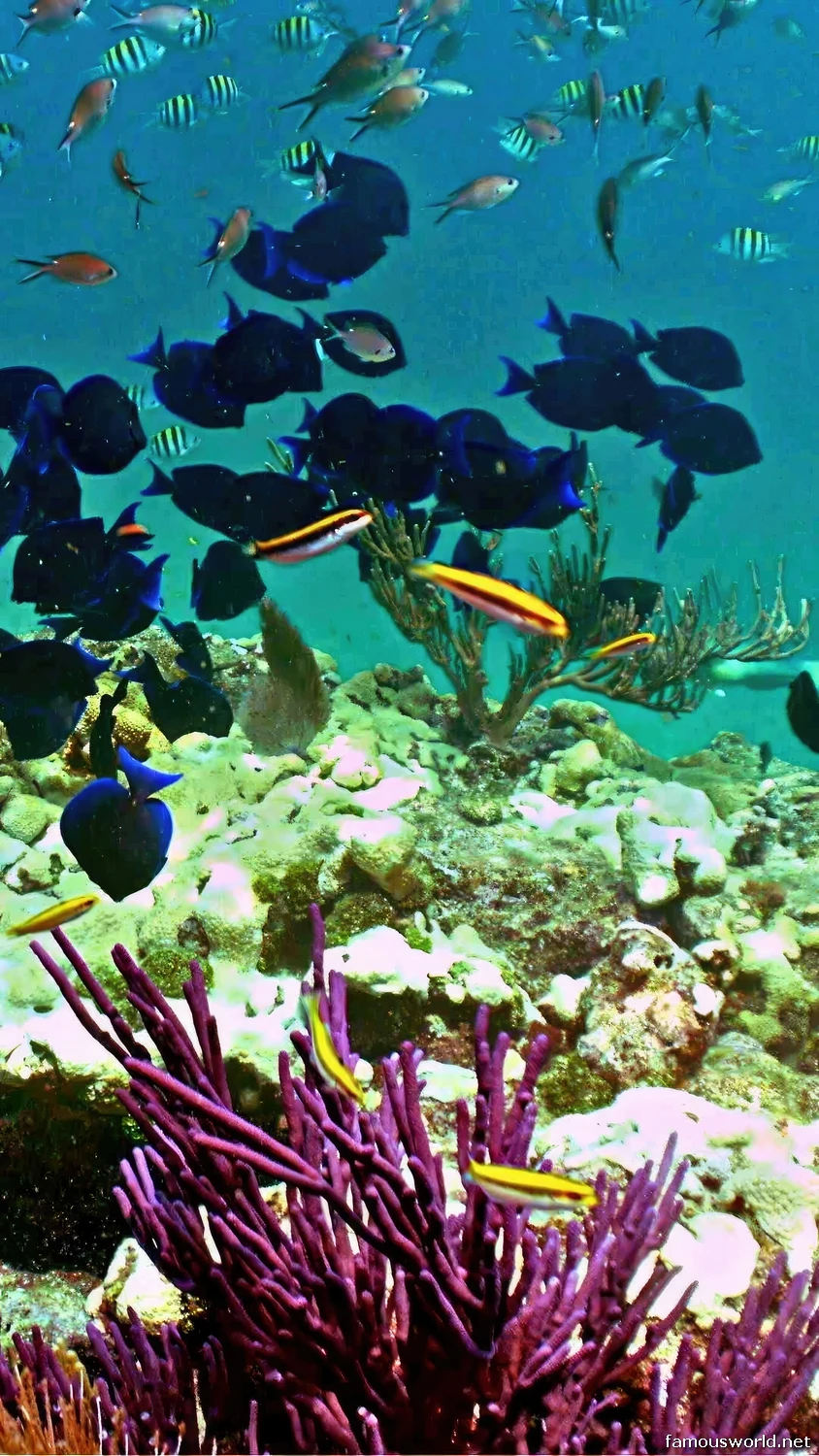
- Diverse Ecosystems: The park protects a variety of interconnected ecosystems. These include extensive mangrove forests, which act as vital nurseries for fish; shallow-water coral reefs (home to over 50 species of hard and soft corals); vast mudflats rich in invertebrates; and coastal salt marshes. This variety supports a complex and productive food web.
What Makes It Famous
The park is renowned for being India’s first marine protected area and for its unique tidal-flat exploration.
- India’s First Marine National Park: It holds a special place in the history of Indian conservation as the first area designated to protect marine biodiversity.
- Walking on the Reef: It is one of the few places in the world where you don’t need to dive or snorkel to see coral reefs. During low tide, visitors can walk in ankle-deep water to observe the corals and other marine creatures in their natural habitat.
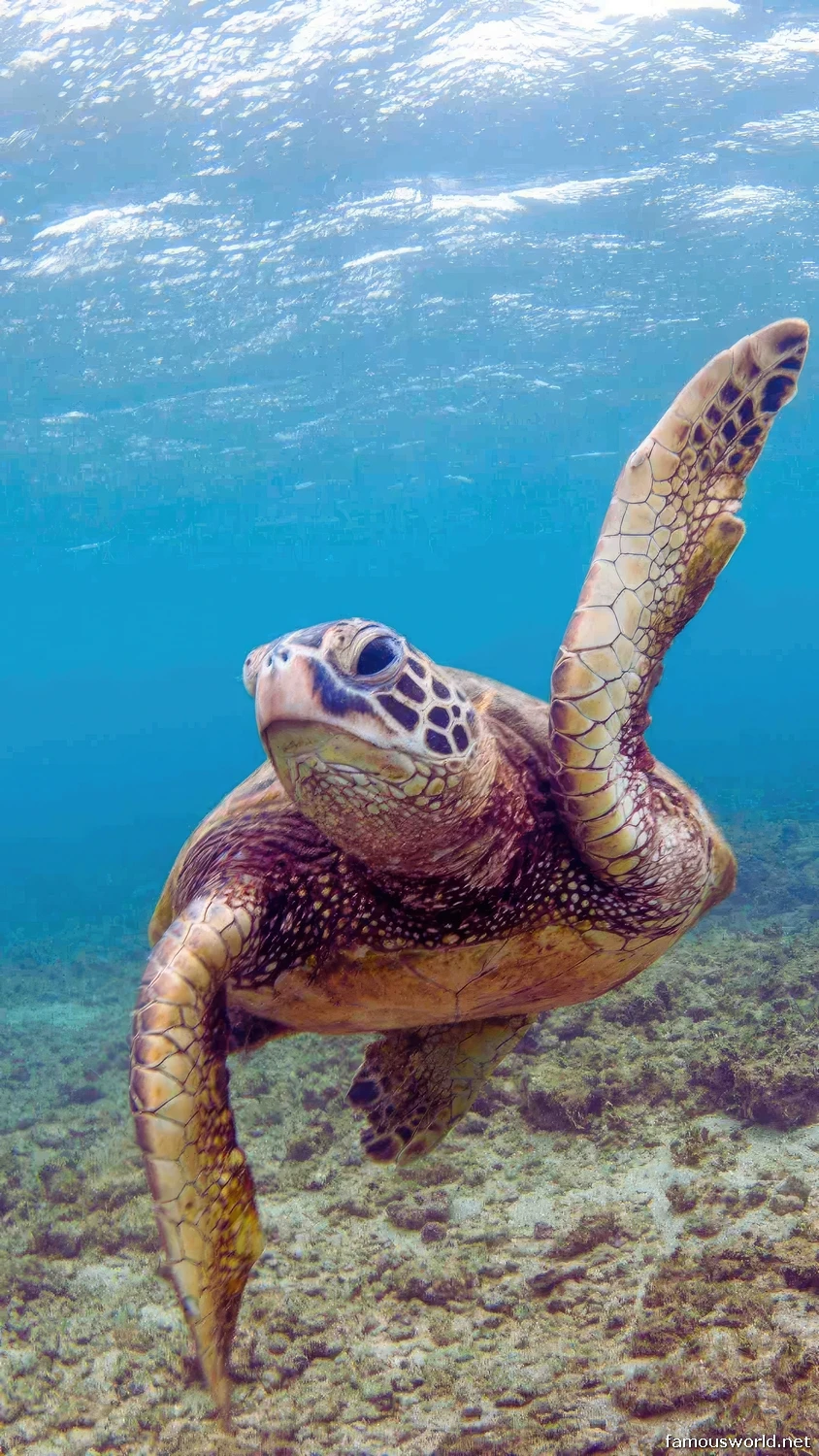
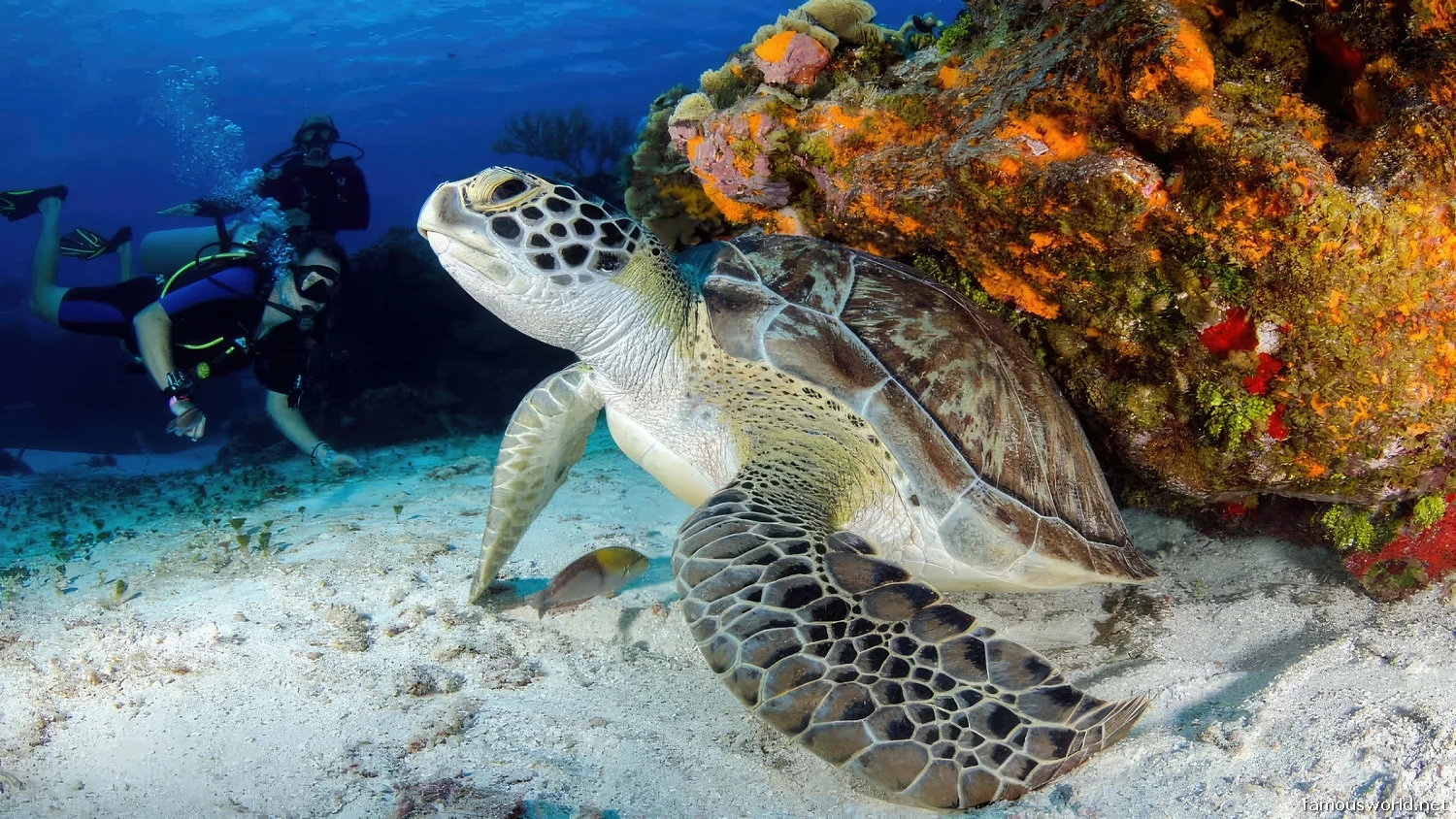
- Rich Biodiversity: The park is a haven for wildlife, including endangered sea turtles like the Green Sea Turtle and Olive Ridley, numerous species of sponges and crustaceans, pufferfish, octopuses, and dolphins. The endangered Dugong can also be found in the wider Gulf.
- Birdwatching Destination: The coastal wetlands and mudflats attract a huge diversity of resident and migratory birds, including painted storks, darters, and various wading birds.
Differences from Other Wonders
The shallow, accessible ecosystem of the Gulf of Kutch differs greatly from the deep oceanic atoll of Sanganeb.
- Environment (Shallow Intertidal Zone vs. Deep Oceanic Atoll): The Gulf of Kutch park is a shallow coastal environment on a continental shelf, defined by its extreme tides. Sanganeb is a deep-water oceanic atoll that rises from the abyss in the middle of the Red Sea.
- Primary Experience (Reef Walking vs. Scuba Diving): The signature experience in the Gulf of Kutch is walking on the exposed reef flats during low tide. The signature experience at Sanganeb is world-class scuba diving on dramatic, deep-water walls.
- Geology (Coastal Archipelago vs. Volcanic Seamount): The park’s islands are part of a coastal archipelago. Sanganeb is a classic ring-shaped coral reef that has grown on top of a submerged volcano.
- Atmosphere (Accessible Natural Classroom vs. Remote Diving Mecca): The Gulf of Kutch offers the feel of an accessible outdoor classroom, where marine life is revealed by the tide. Sanganeb projects an aura of remote, pristine wilderness, a legendary destination for serious divers seeking large pelagic life.
Location on world map