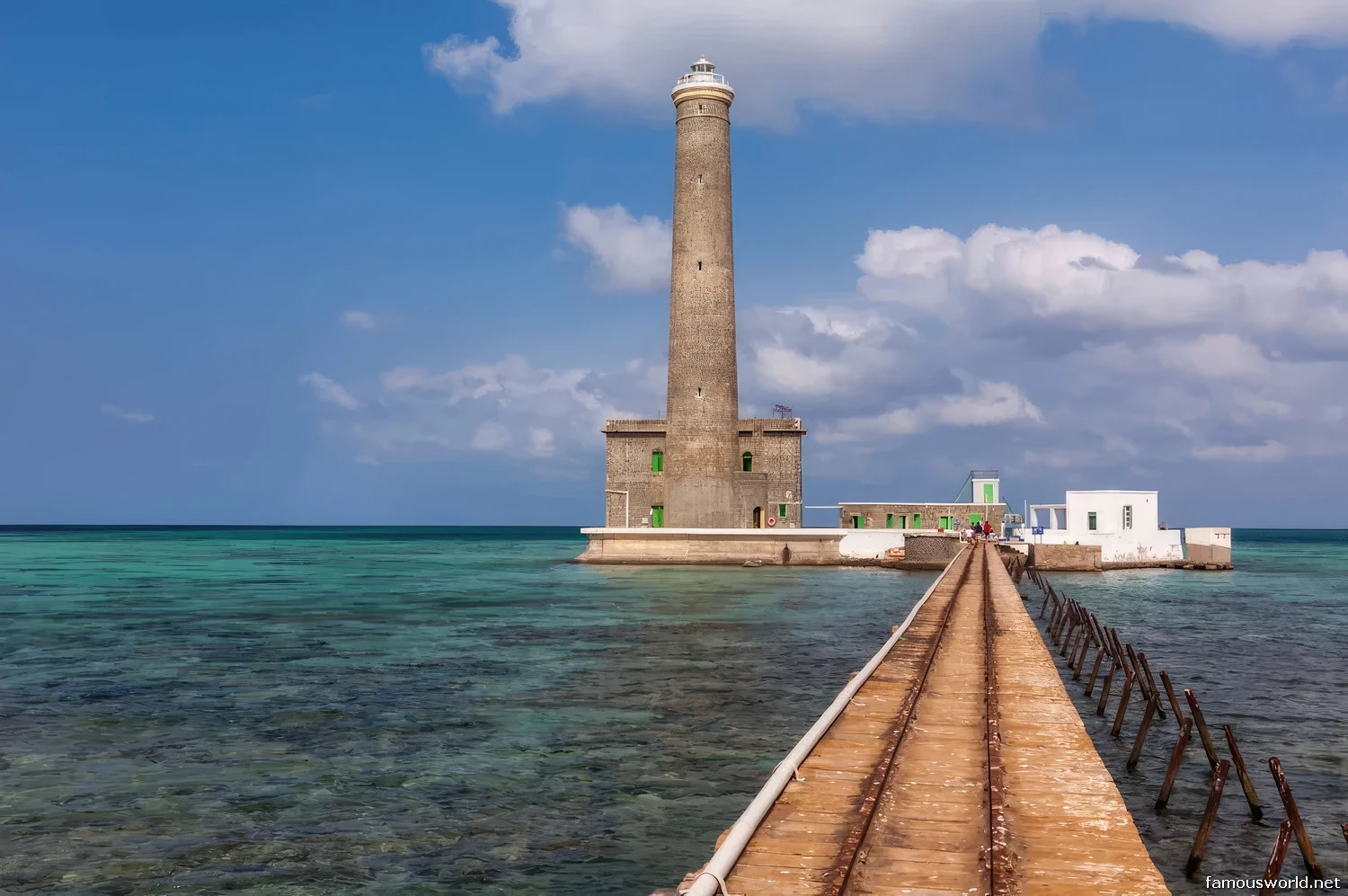
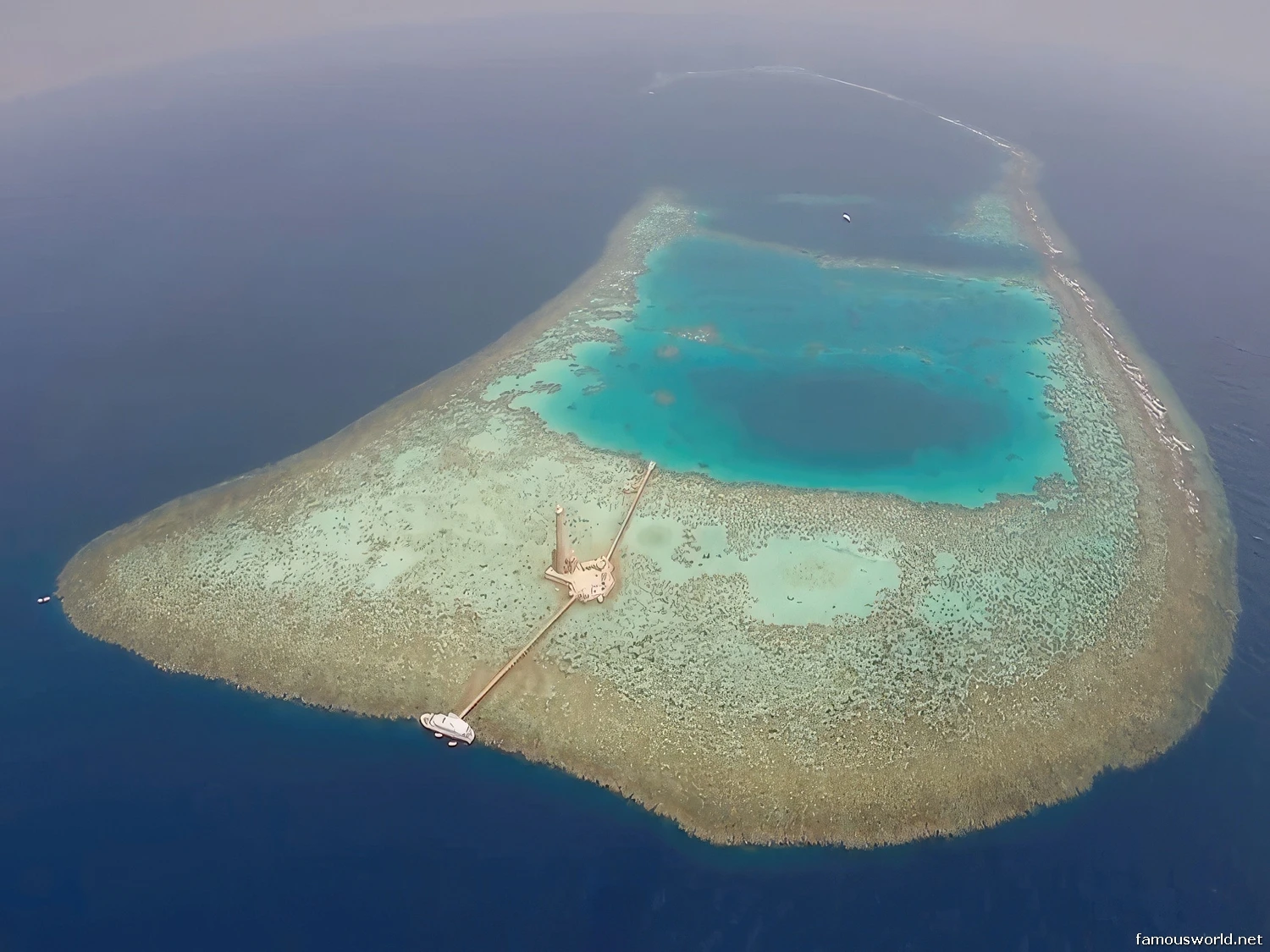
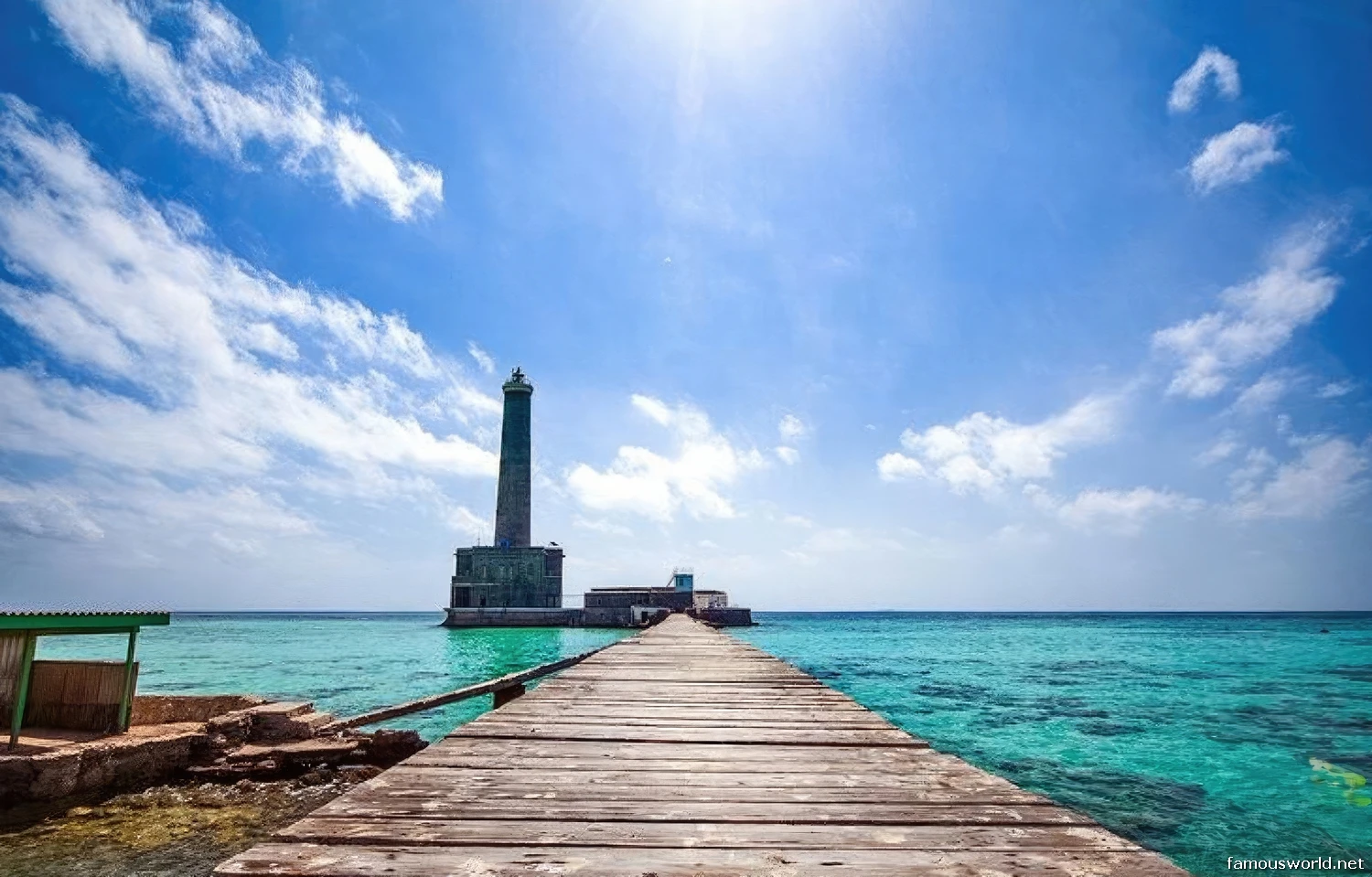
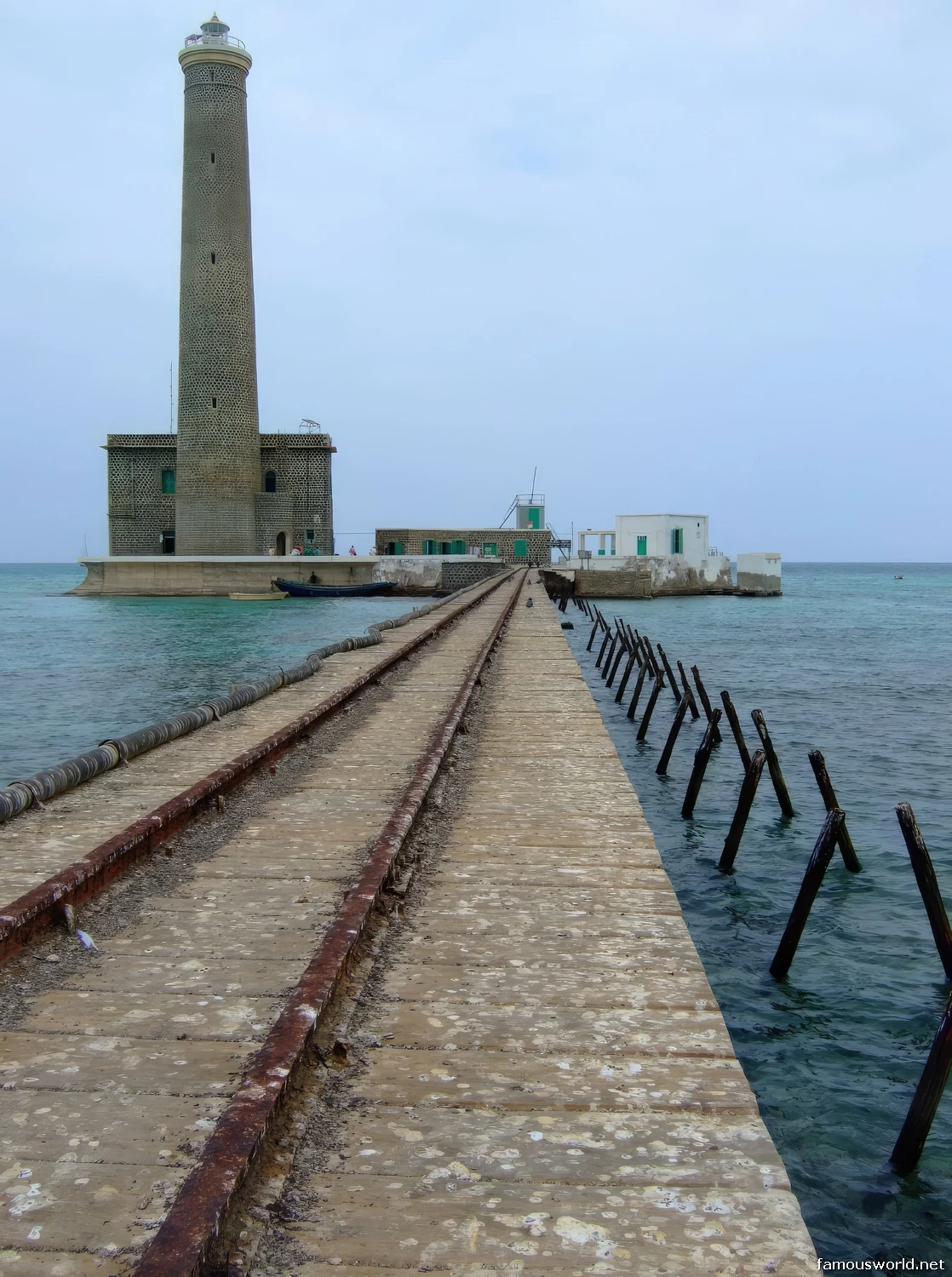
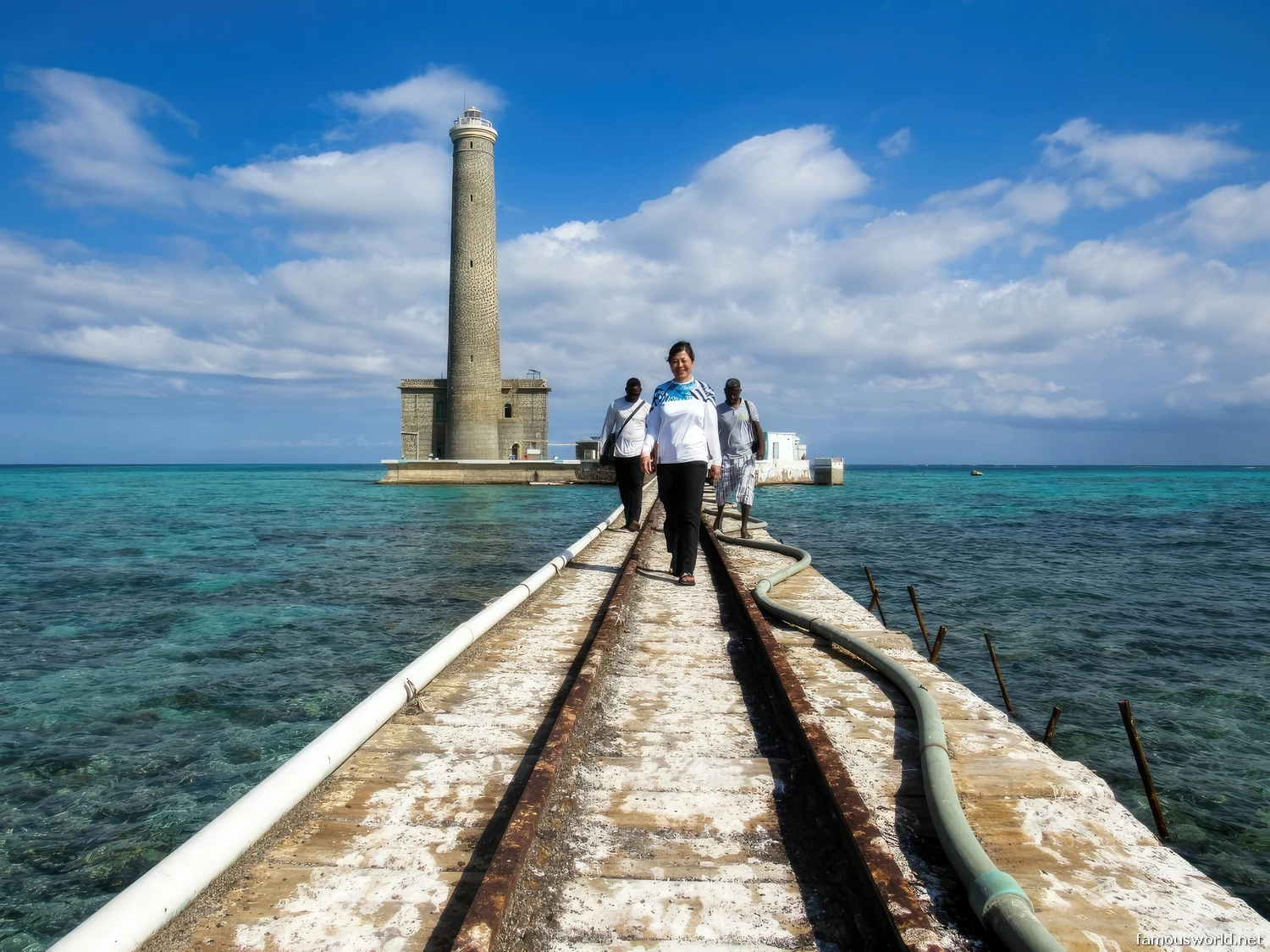

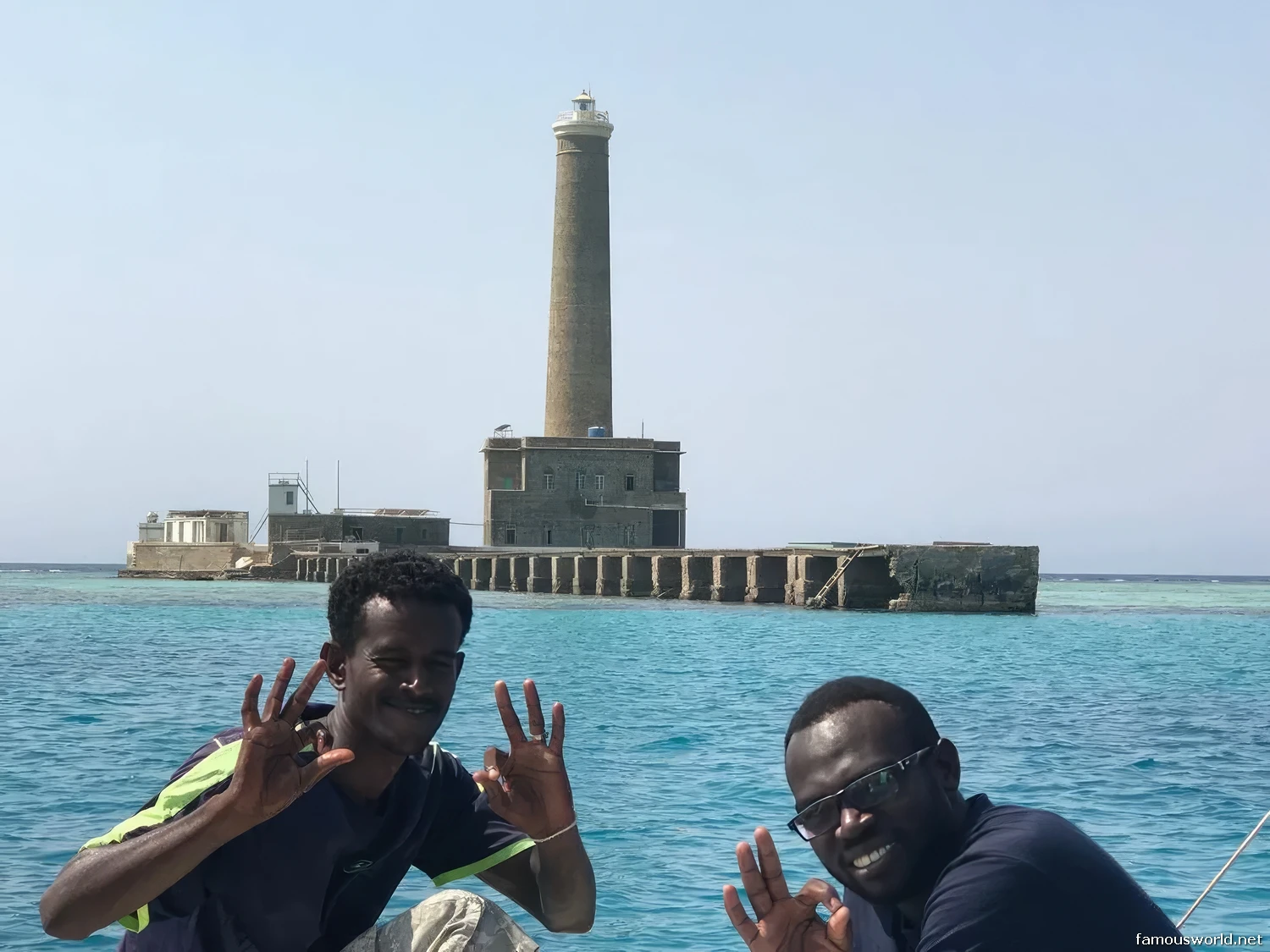

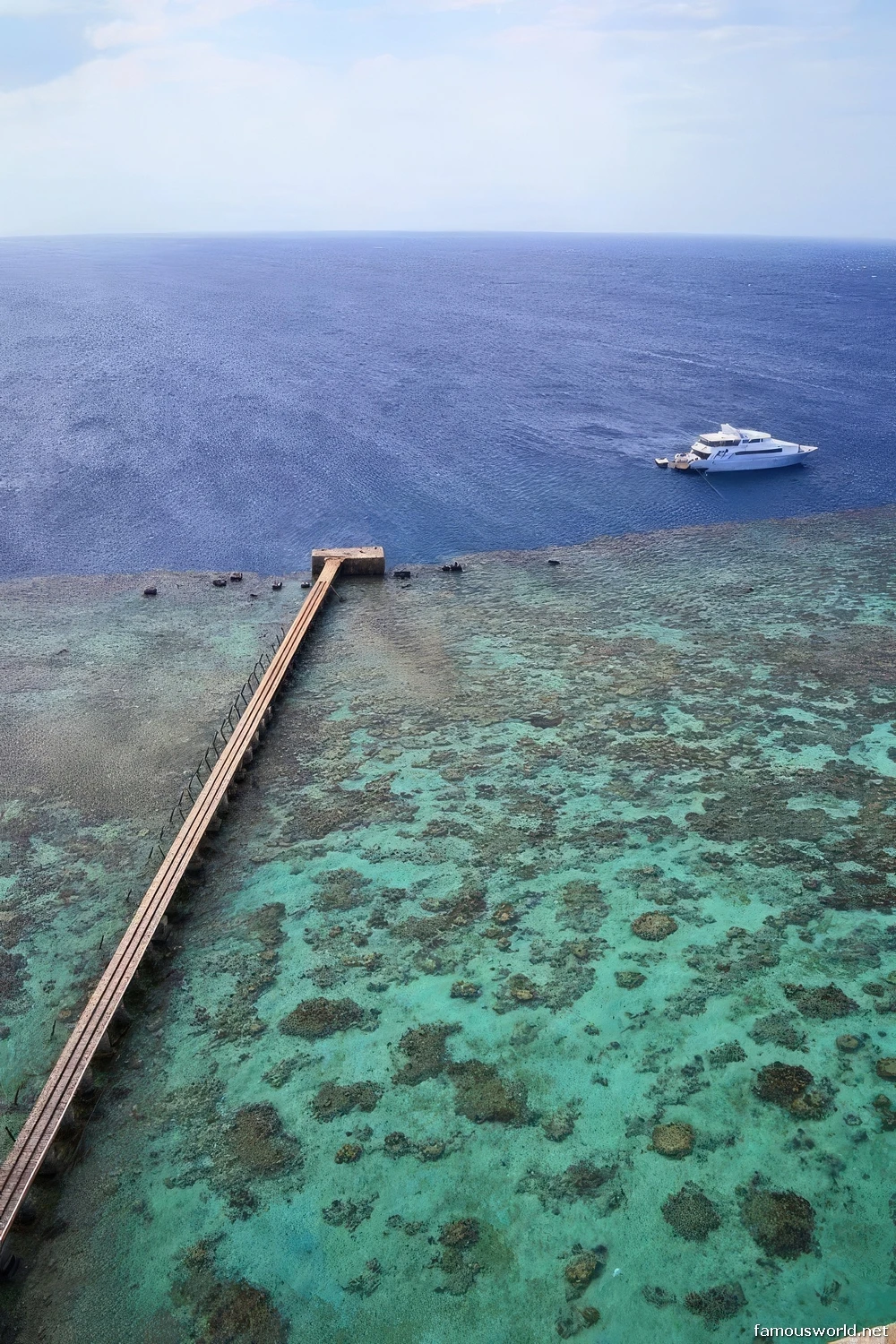
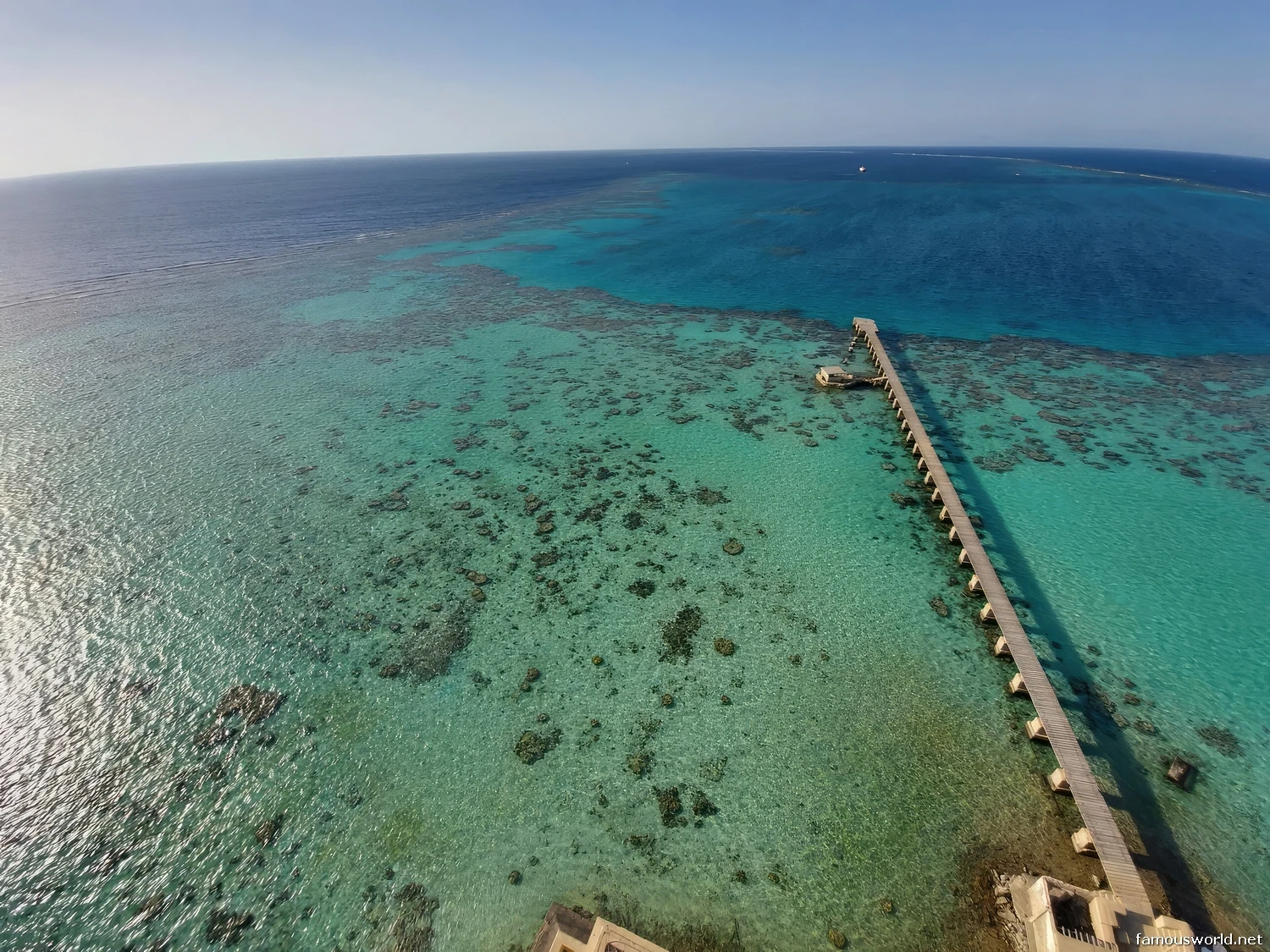
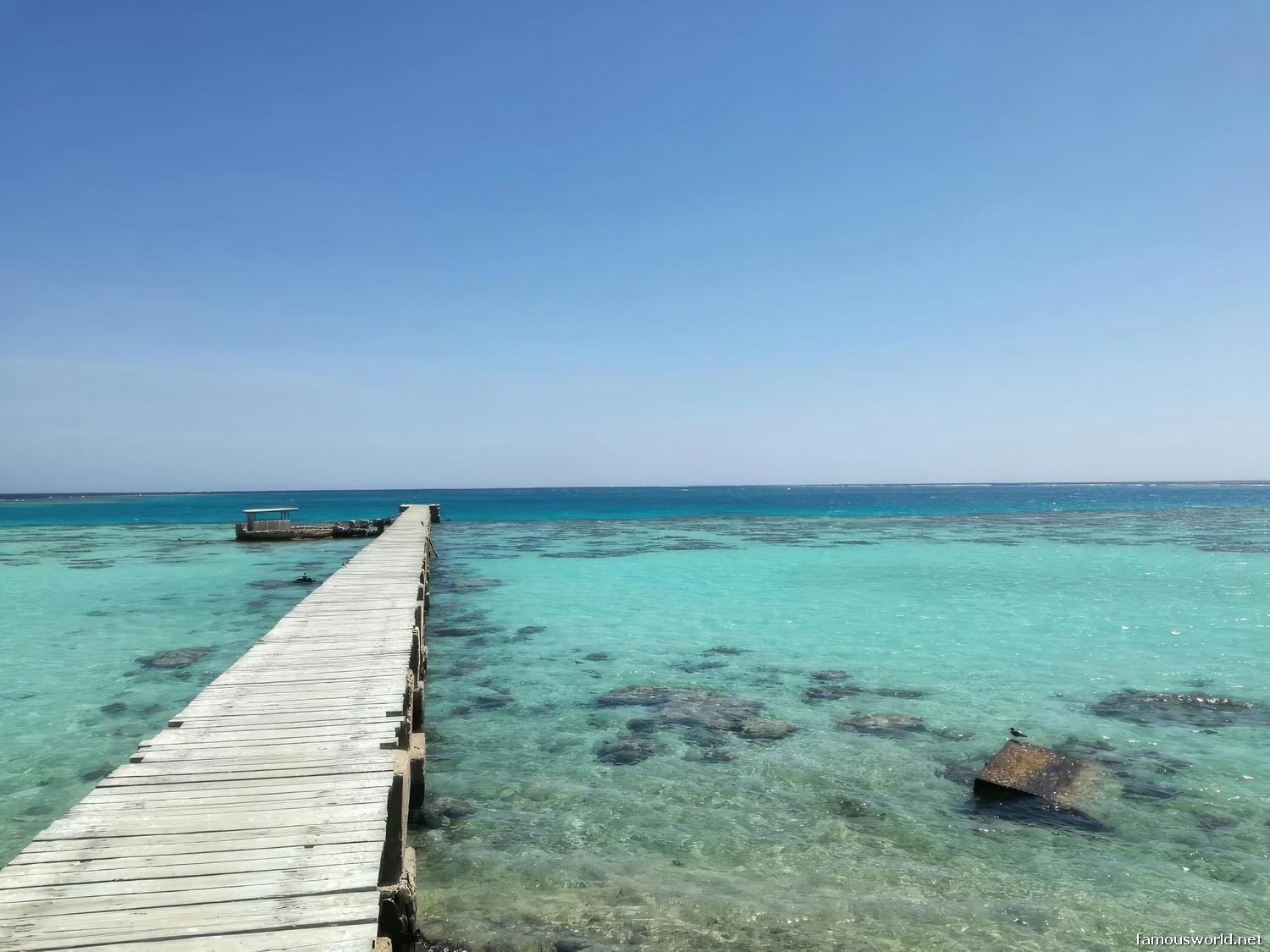
Sanganeb National Park is a pristine and isolated coral atoll rising from the depths of the Red Sea, representing one of the world’s most spectacular underwater ecosystems. As part of a UNESCO World Heritage site, this unique oceanic atoll is a jewel of marine biodiversity, renowned for its untouched coral reefs, dramatic underwater drop-offs, and abundant pelagic life. The only visible landmark is a historic, British-built lighthouse that stands as a lonely sentinel over the vibrant marine world below. For scuba divers and marine biologists, Sanganeb is a legendary destination, offering a glimpse into the raw, untamed beauty of the Red Sea far from the crowded shores of more famous resorts.
Listen to an introduction about Sanganeb National Park

Name and Location
- Name: Sanganeb National Park and Dungonab Bay.
- Location: In the Red Sea, approximately 25 kilometers (16 miles) off the coast of Port Sudan, Sudan.
How to Get There
Access to this remote atoll is exclusively by sea, requiring specific arrangements.
- By Boat: The only way to reach Sanganeb is by boat from Port Sudan. This is typically done as part of a multi-day scuba diving liveaboard trip that explores various Red Sea sites. Dedicated day trips for diving or snorkeling can also be arranged from Port Sudan, but liveaboards are the most common method for international visitors.
Landscape and Ecosystems
The park is a stunning example of a classic oceanic atoll formation.
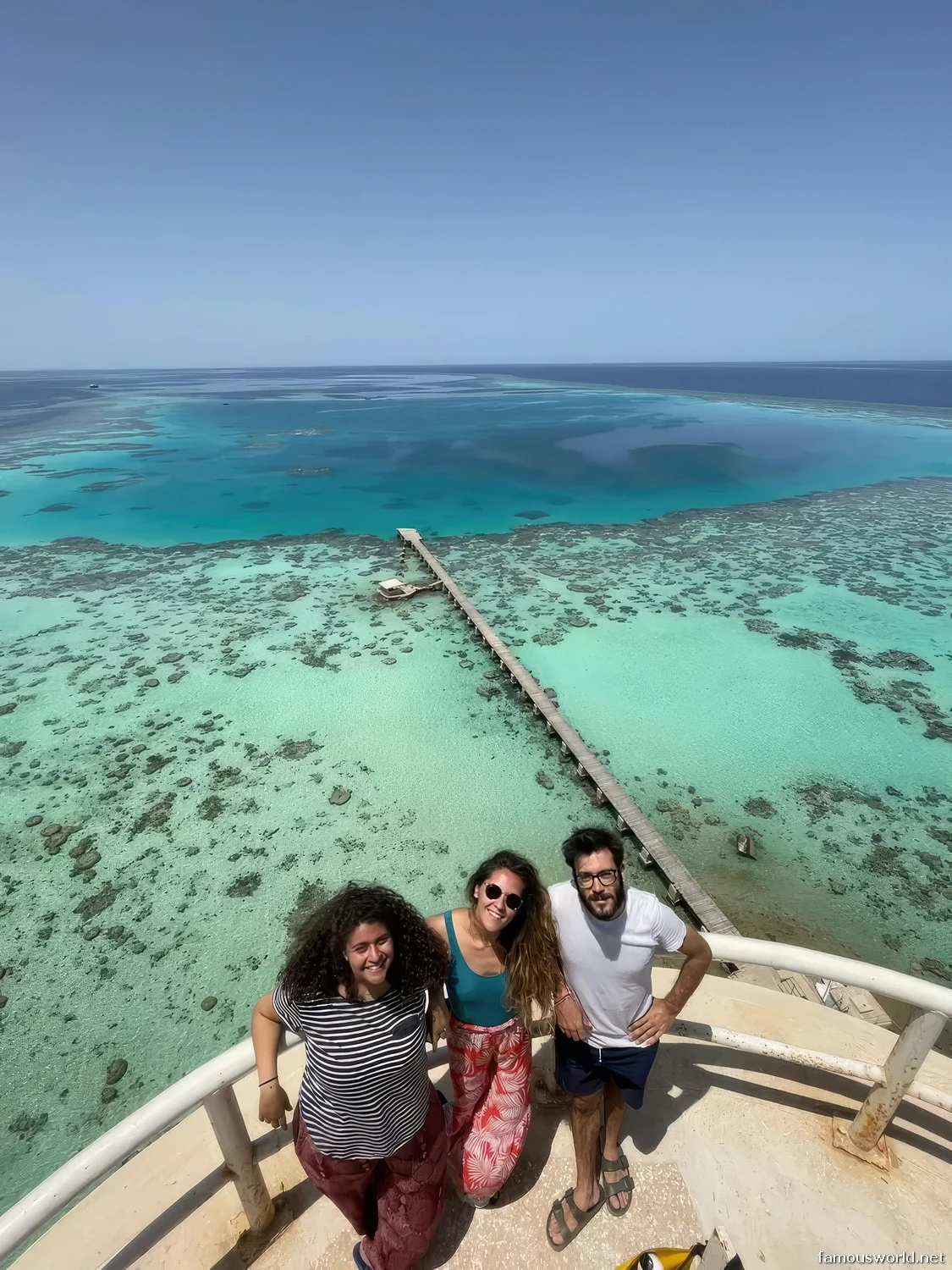
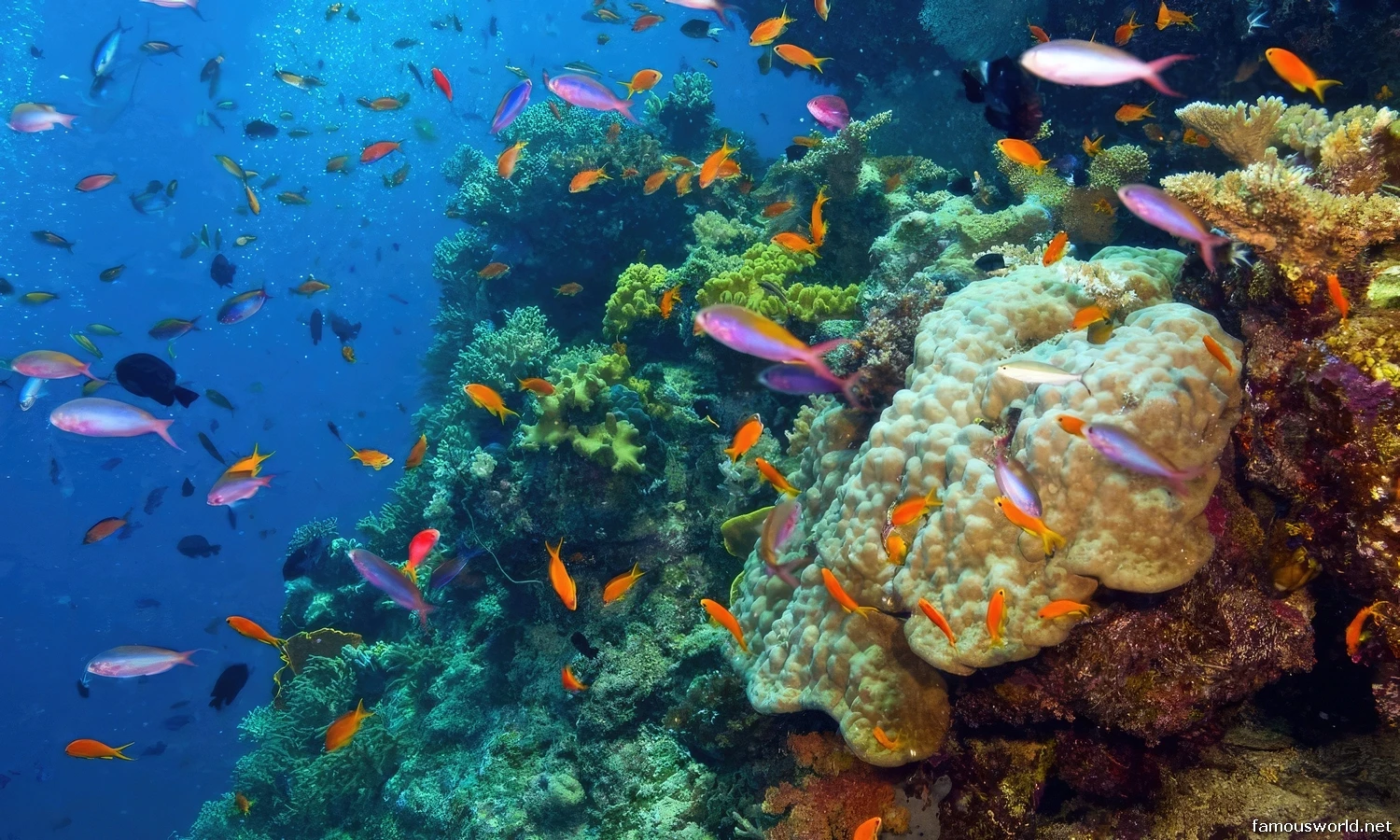
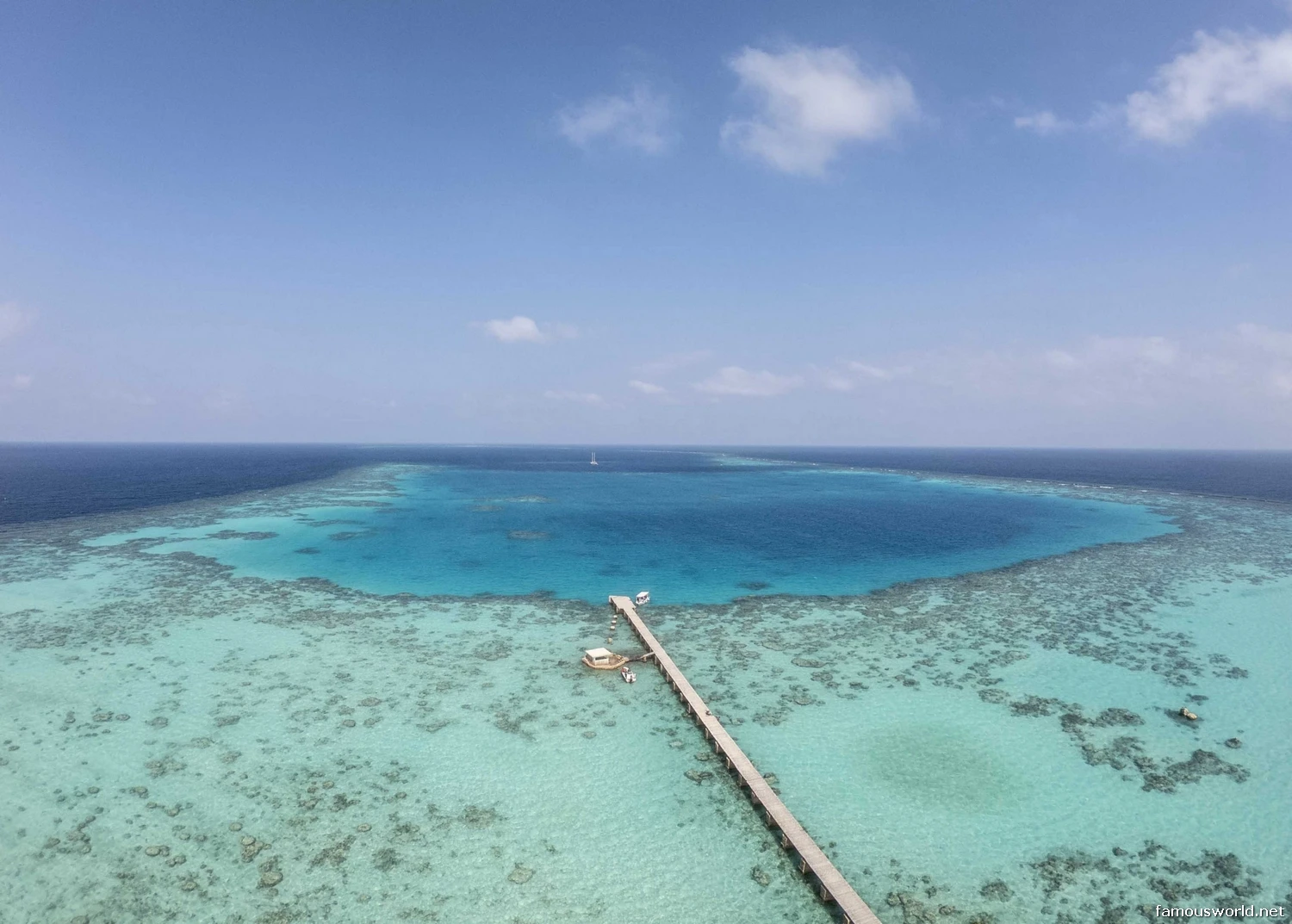
- Natural Landscape: Sanganeb is a true atoll—a ring-shaped coral reef that has grown up from a submerged volcanic base. The reef encloses a deep central lagoon, with steep outer walls that plummet thousands of feet into the abyss. The ecosystem includes shallow reef flats, sheltered lagoons, and dramatic vertical “drop-offs” that attract large marine creatures.
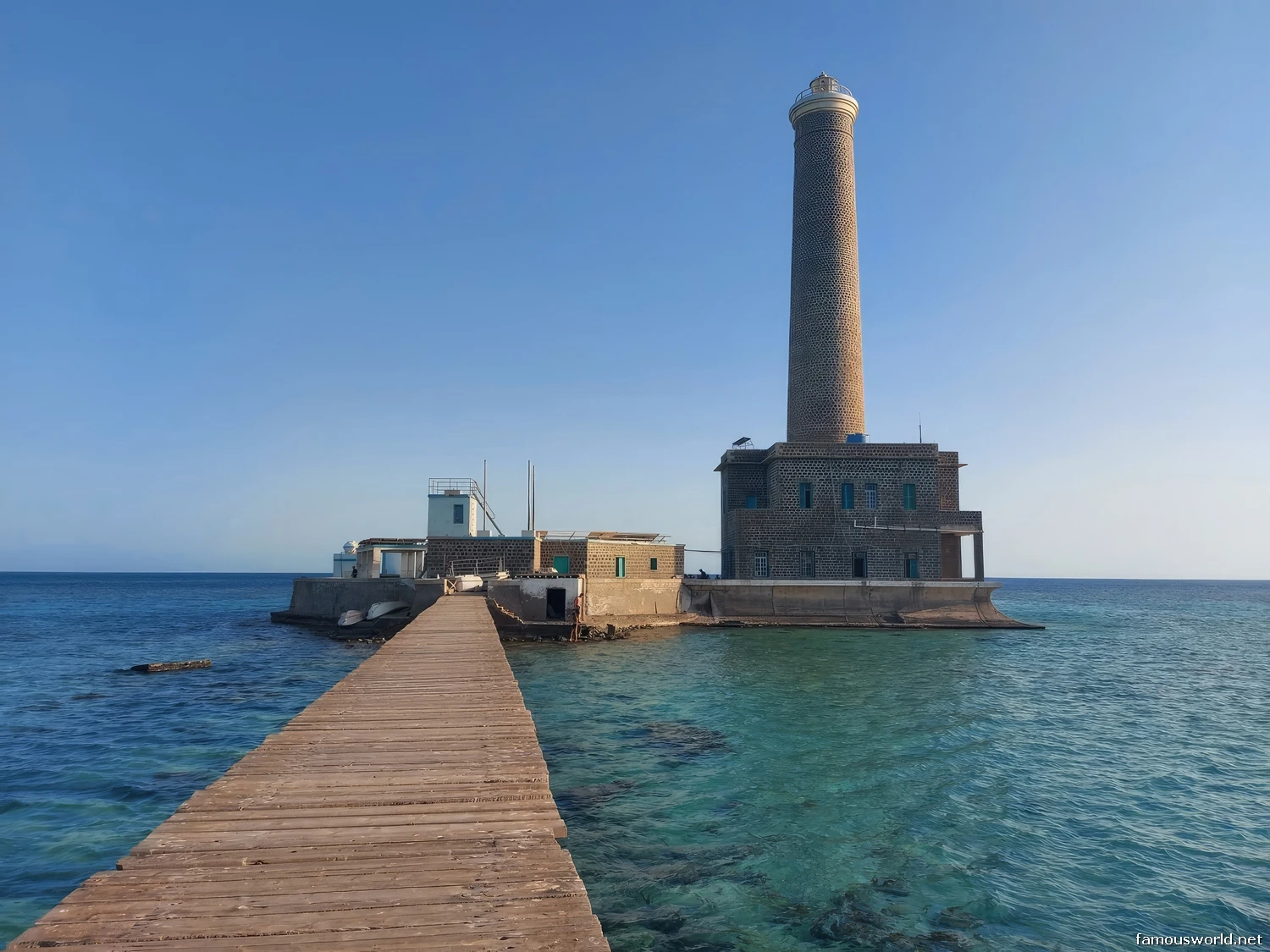
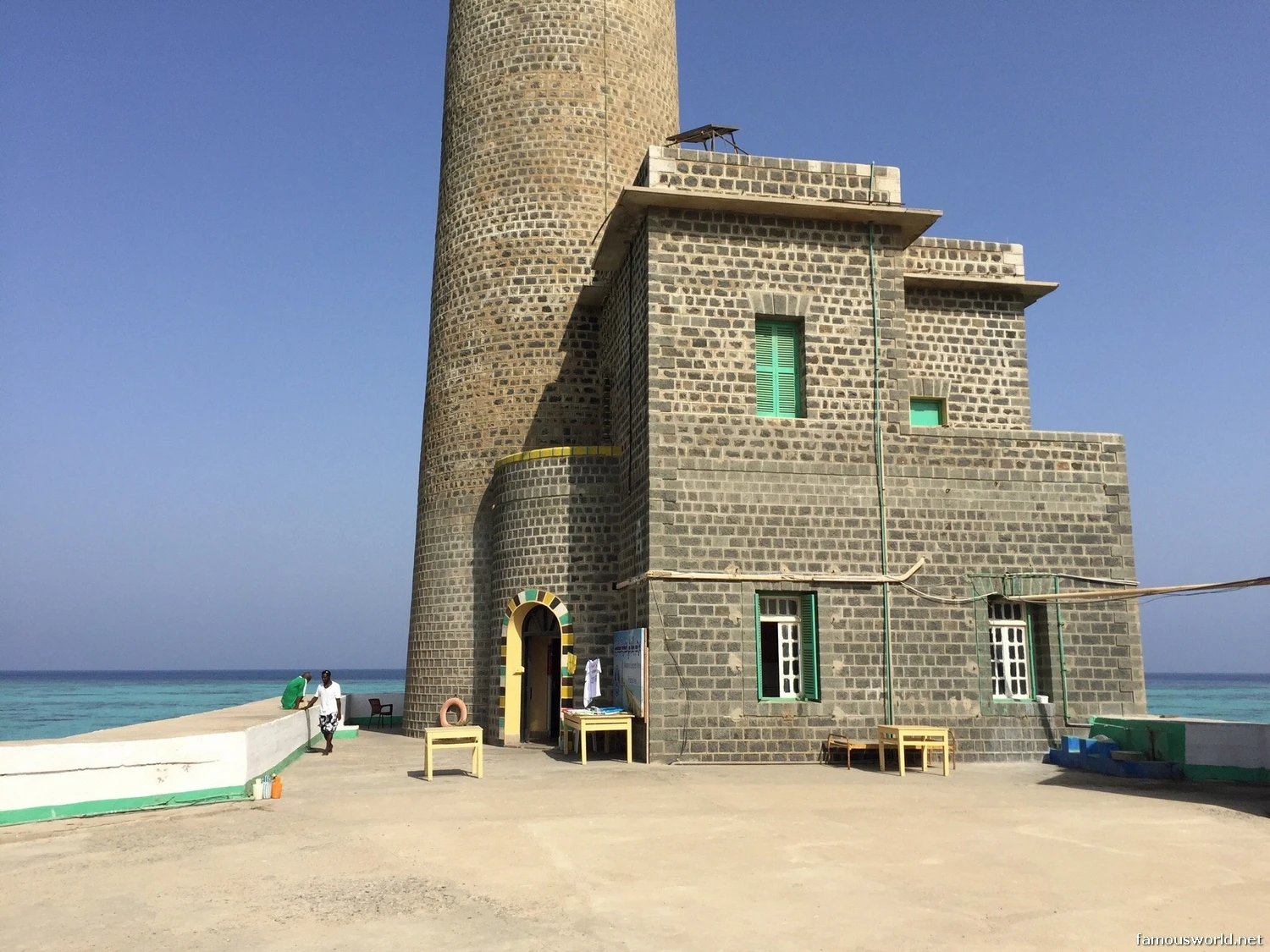
- Man-Made Feature: The most iconic feature above water is the Sanganeb Lighthouse, a tall, gray stone tower built by the British in the early 20th century. Climbing the lighthouse offers breathtaking 360-degree views of the atoll and the surrounding deep blue sea.
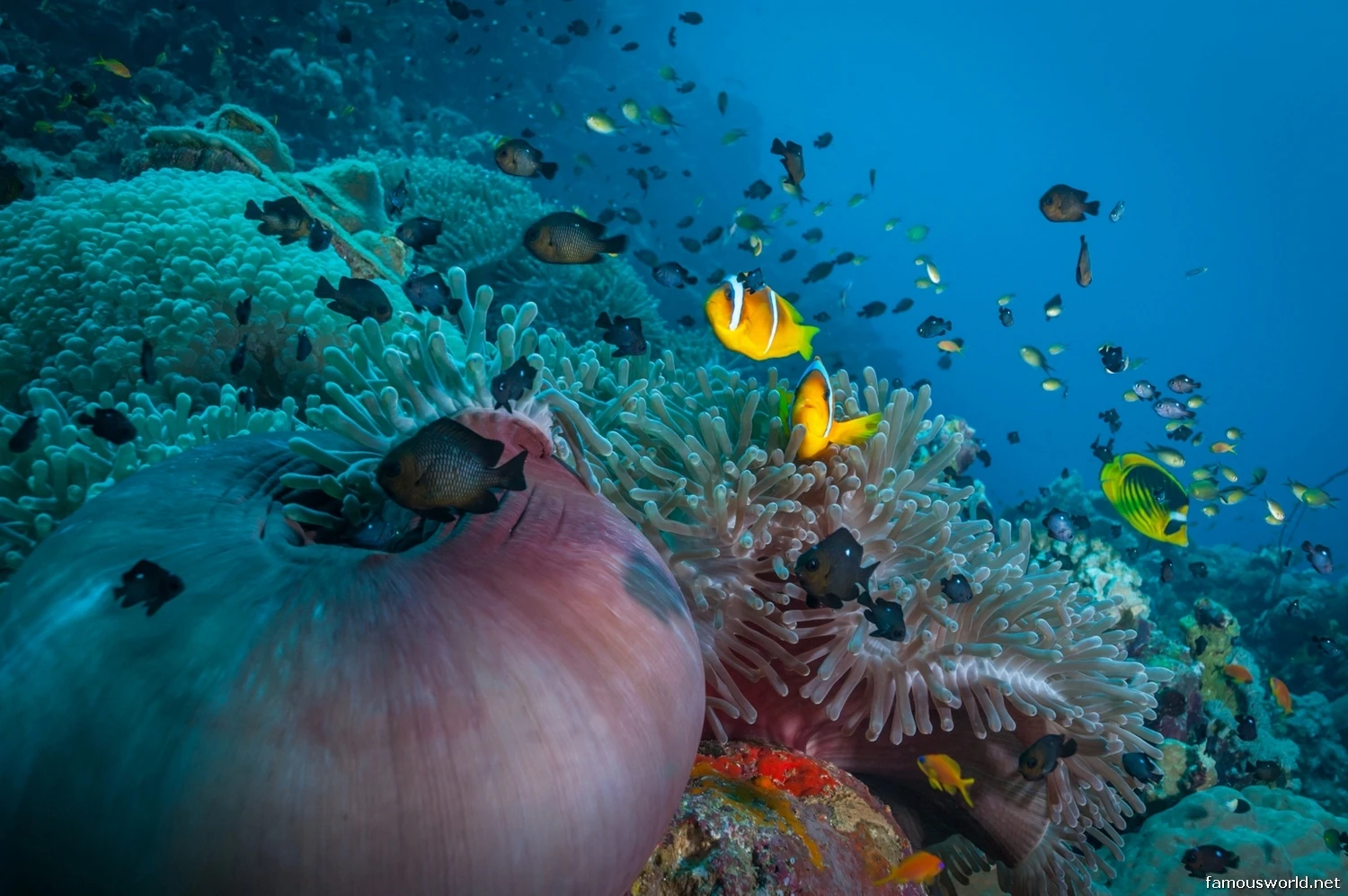
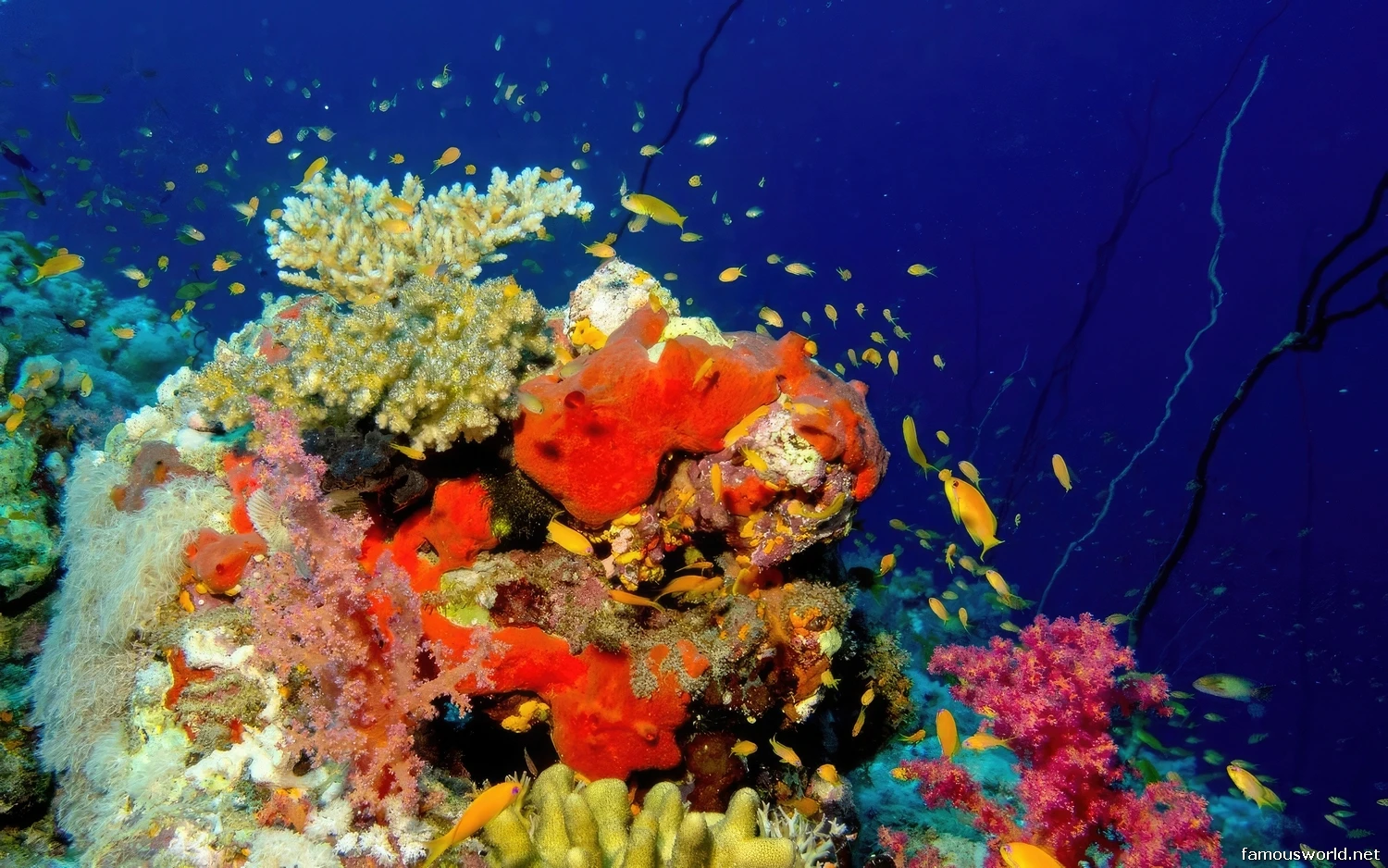
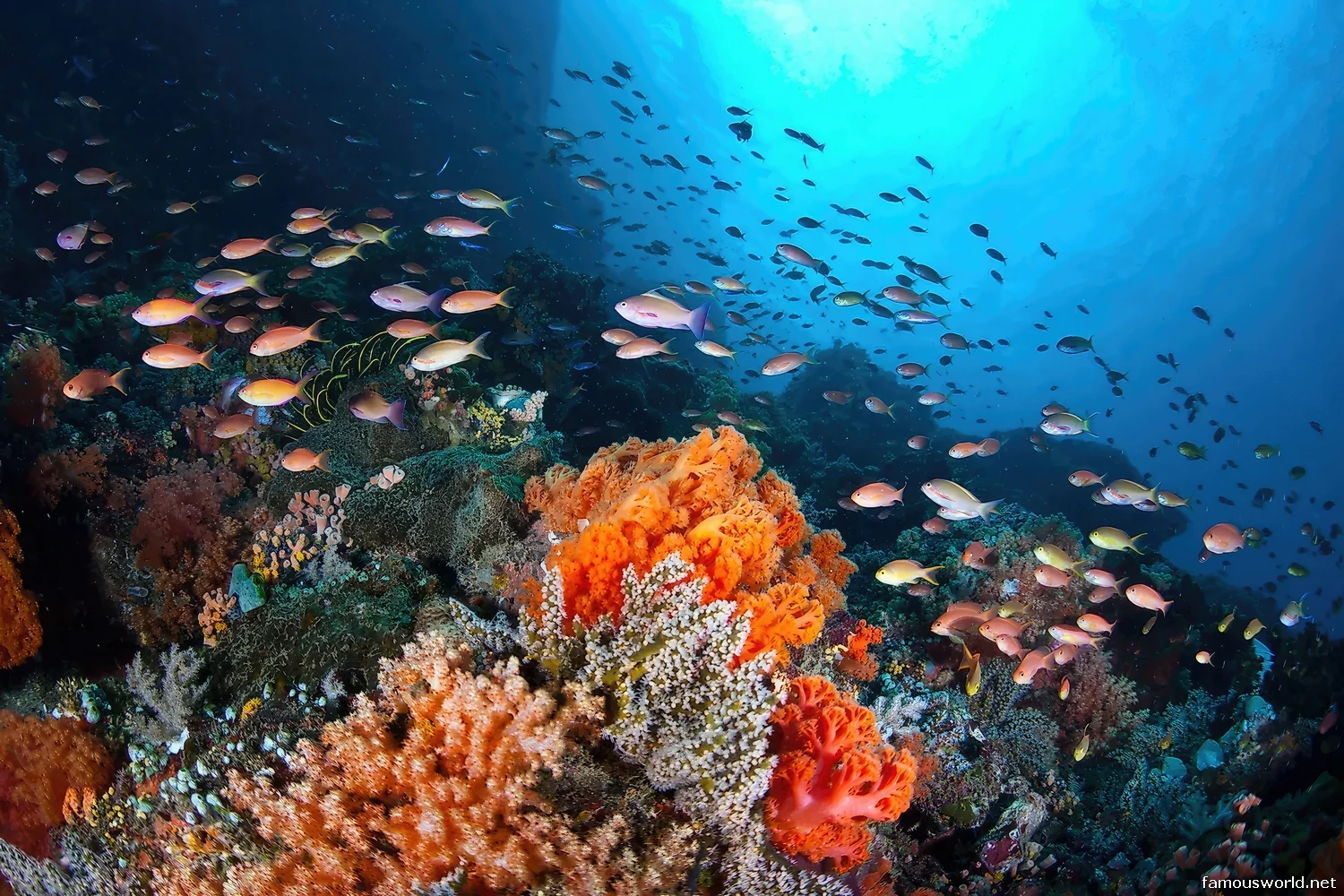
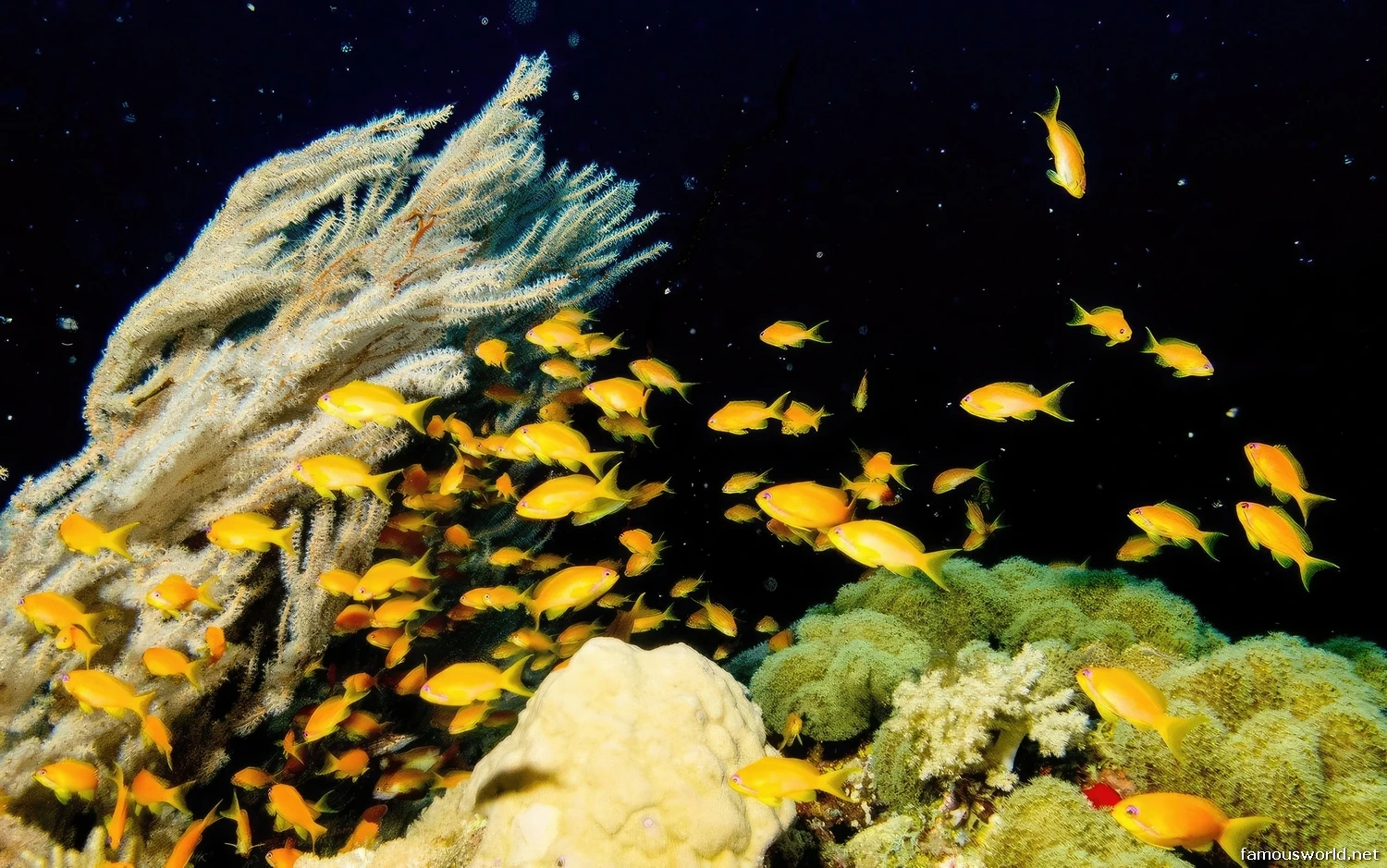
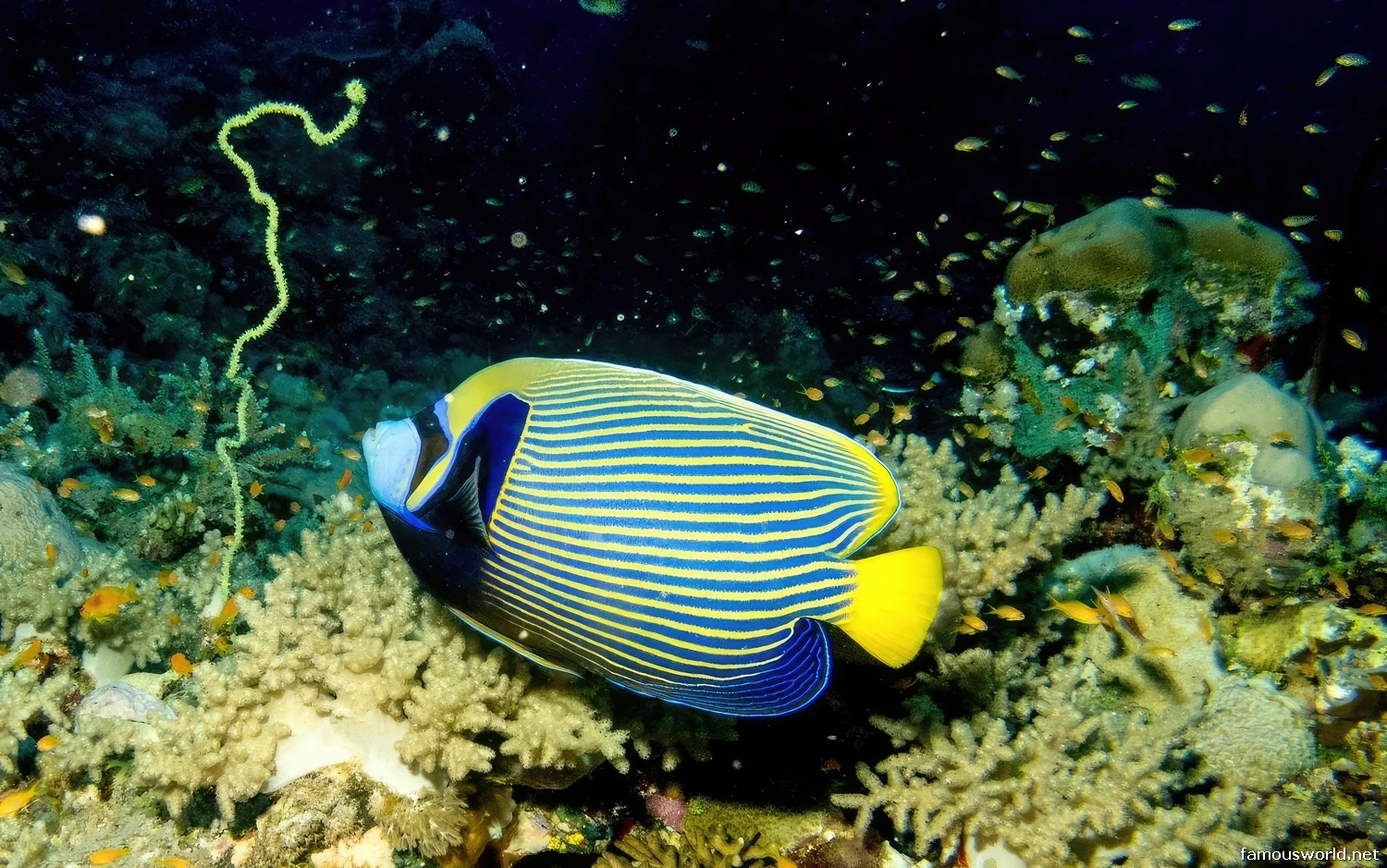
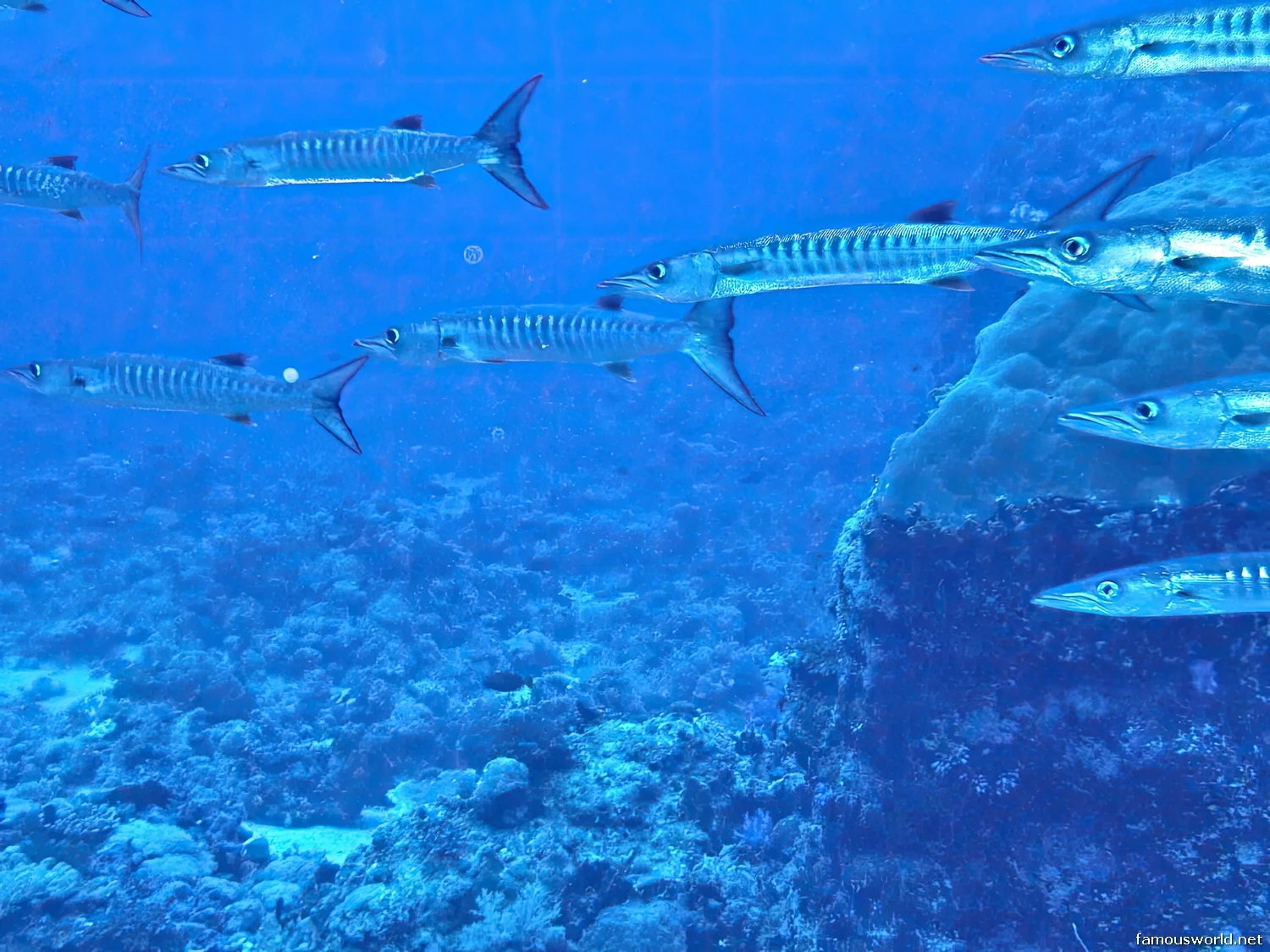
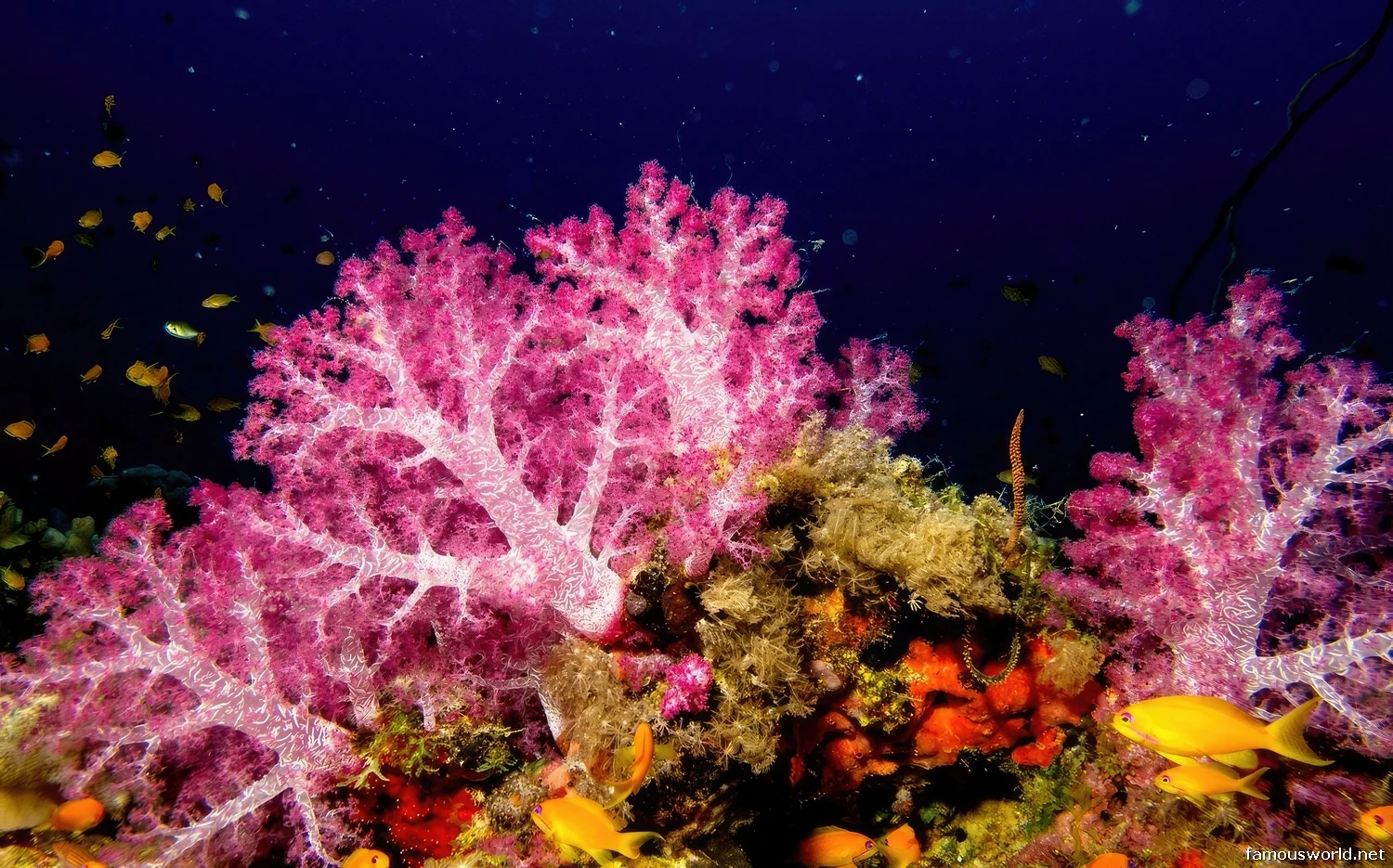
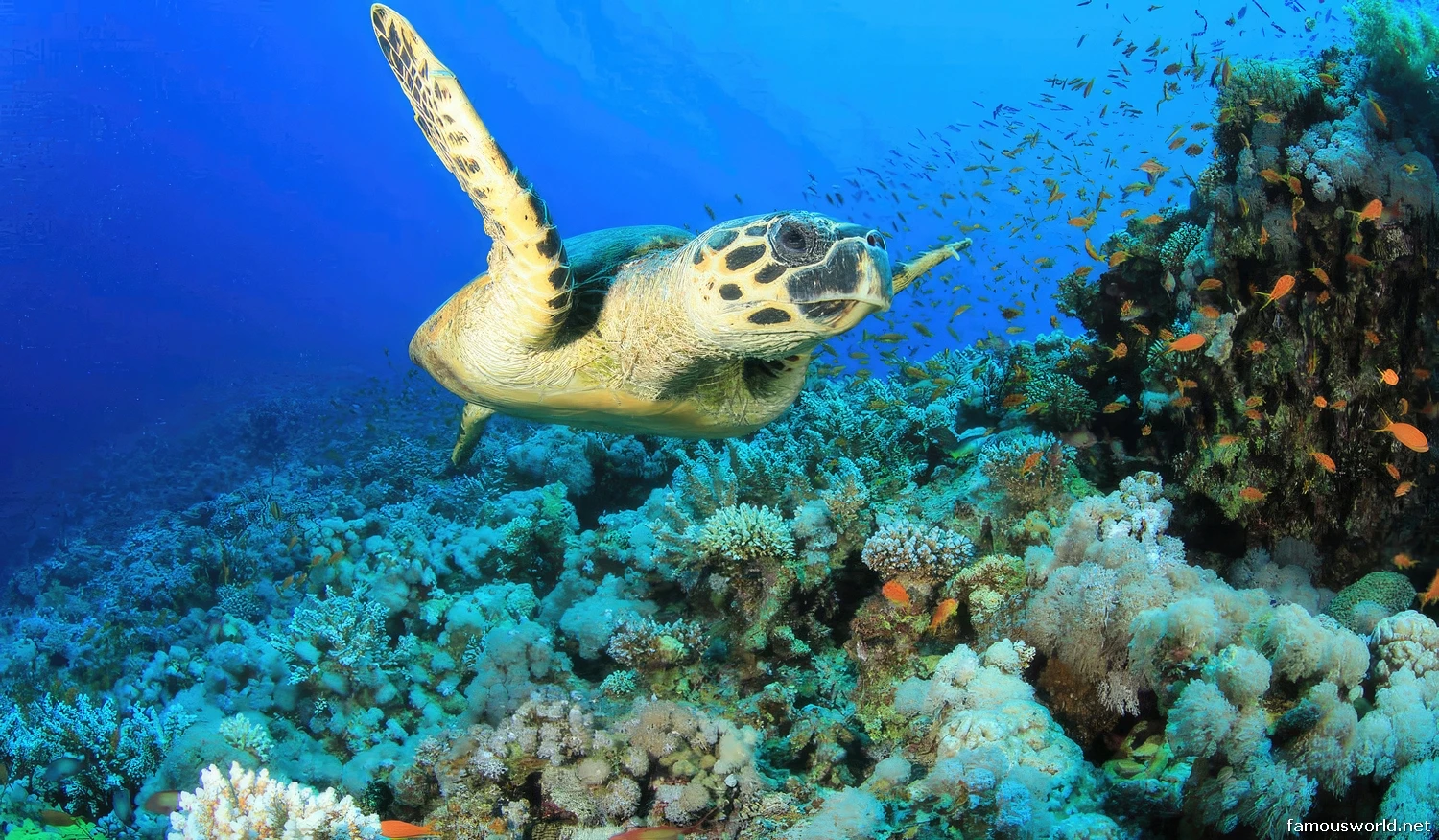
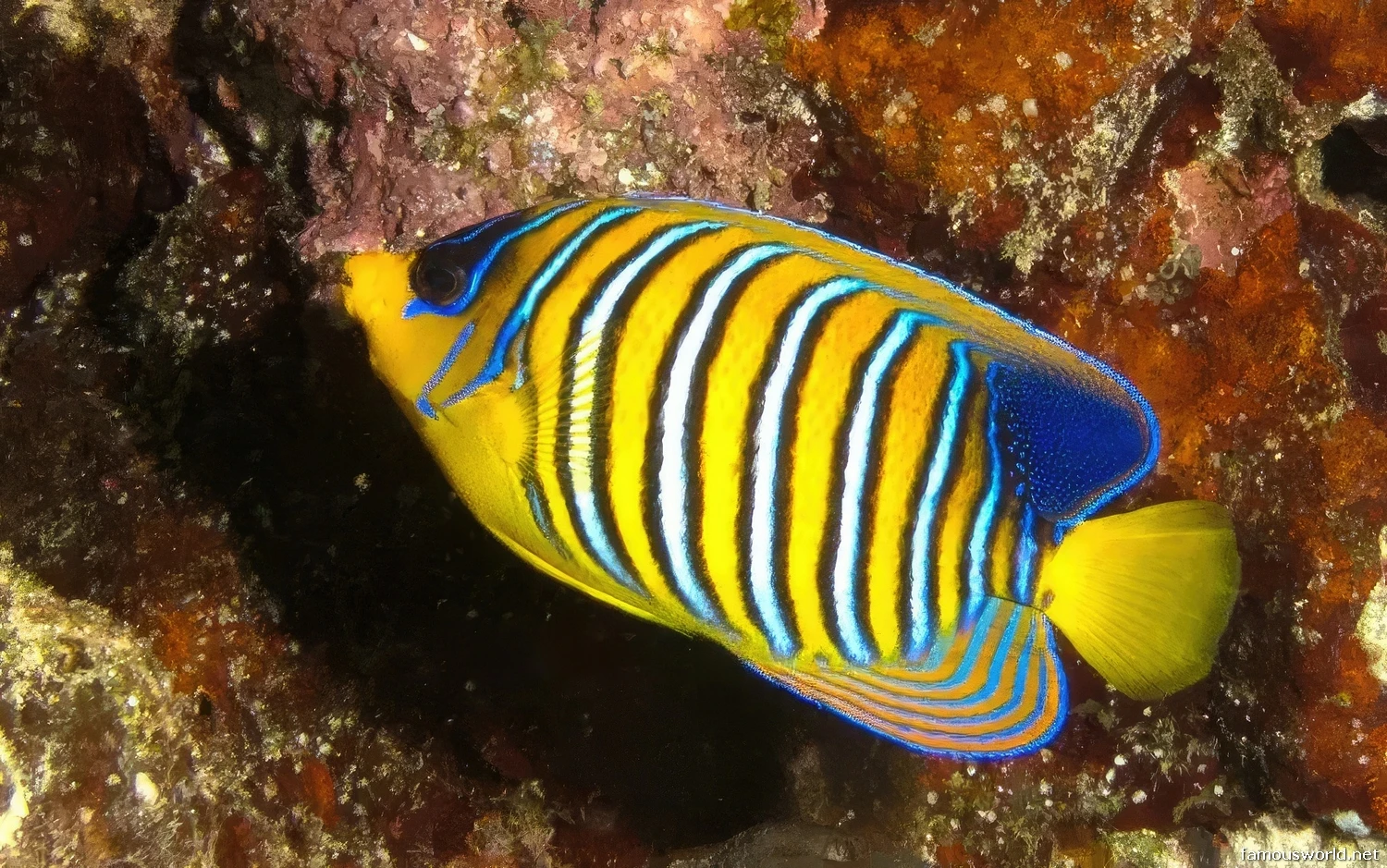
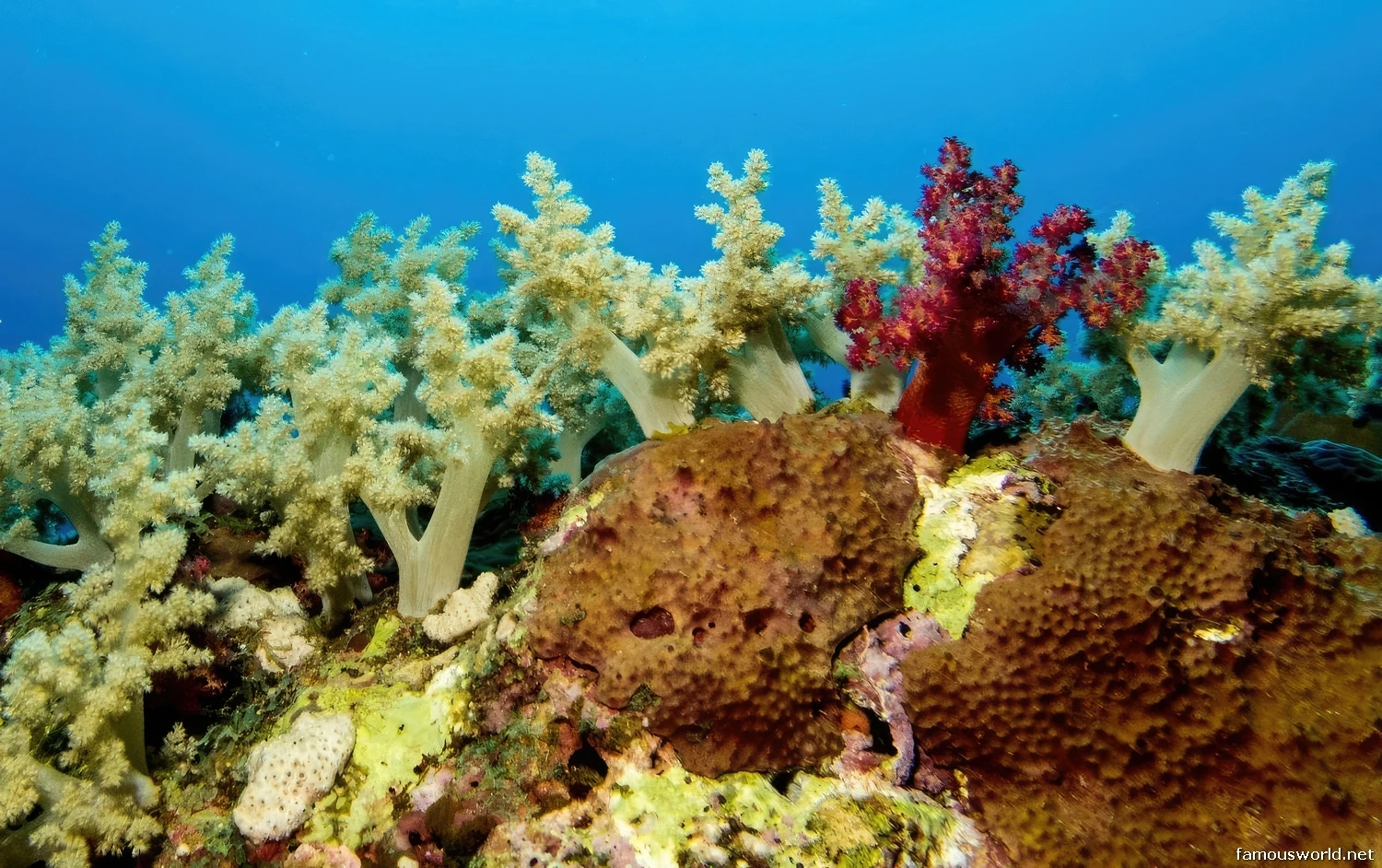
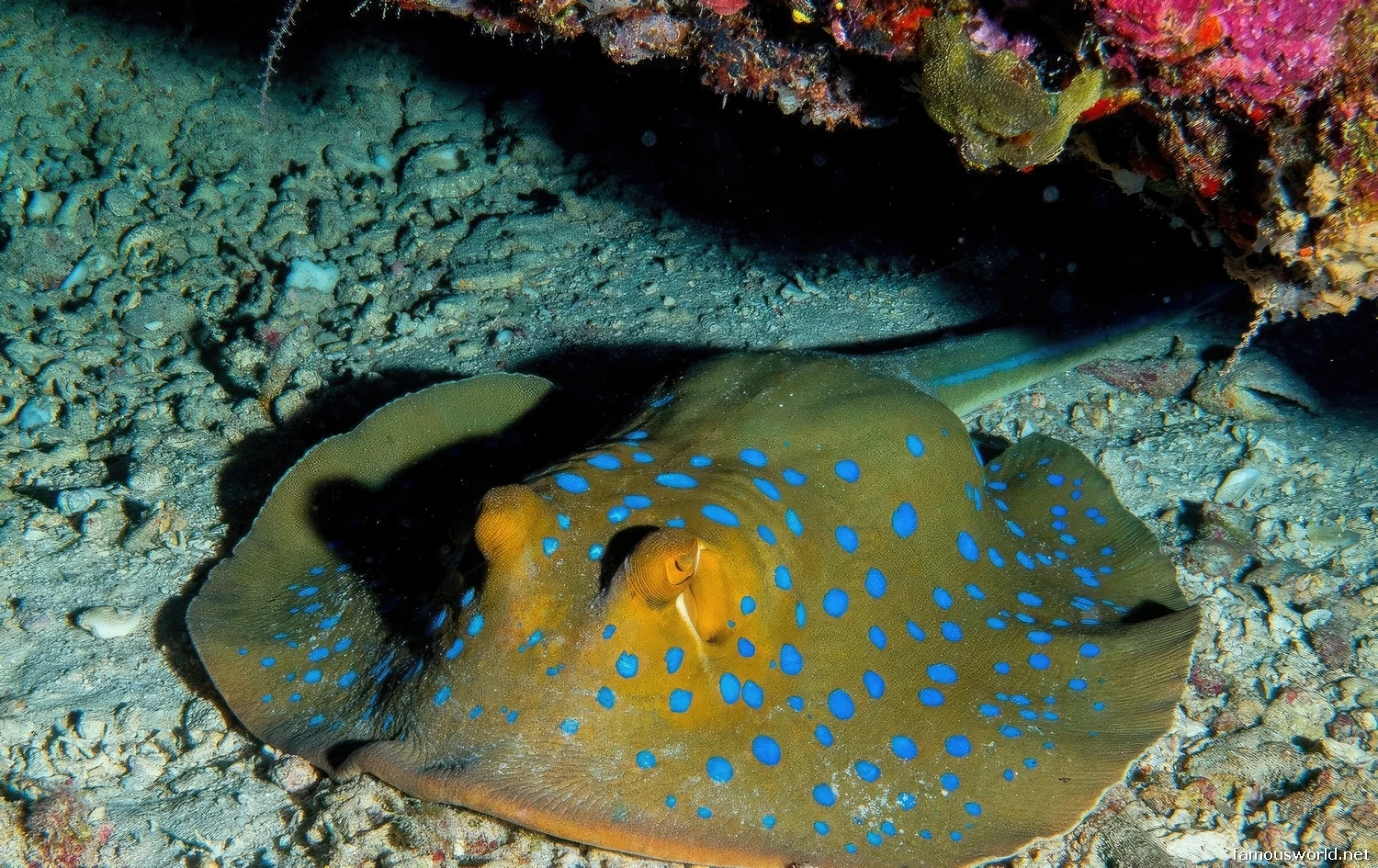
- Marine Biodiversity: The park boasts an incredibly healthy and diverse coral reef system with over 250 species of coral. It is a critical habitat for numerous fish species and is particularly famous for its healthy populations of sharks, including hammerheads, grey reef sharks, and whitetip reef sharks, as well as dolphins, manta rays, and turtles.
What Makes It Famous
Sanganeb is famous for its unique geology, pristine condition, and world-class diving.
- Red Sea’s Only True Atoll: It is the only classic, ring-shaped oceanic atoll in the entire Red Sea, making it a geological marvel.
- UNESCO World Heritage Site: Its outstanding universal value for marine biodiversity and its pristine condition earned it a place on the UNESCO World Heritage list.
- Legendary Scuba Diving: It is consistently ranked among the best dive destinations in the world, known for its sheer walls, healthy corals, excellent visibility, and reliable sightings of large pelagic species.
- The Lighthouse: The historic lighthouse serves as an iconic symbol of the atoll, offering a unique opportunity to view a coral reef system from above.
Differences from Other Wonders
The marine wilderness of Sanganeb provides a stark contrast to the terrestrial wilderness of Dinder National Park.
- Environment (Oceanic Atoll vs. Inland Wetland/Savanna): Sanganeb is a completely marine environment, centered on a coral reef ecosystem in the middle of the ocean. Dinder is a land-locked park defined by a mosaic of savanna woodlands and seasonal freshwater wetlands.
- Core Story (Pristine Underwater World vs. Seasonal Terrestrial Oasis): Sanganeb’s story is about the vibrant, complex life hidden beneath the waves of a pristine oceanic reef. Dinder’s story is about the dramatic concentration of terrestrial life around its seasonal “maya” wetlands during the harsh dry season.
- Primary Attraction (Sharks and Coral vs. Mammals and Birds): The main draw for visitors to Sanganeb is the world-class scuba diving to see sharks, coral reefs, and other large marine life. The primary attraction of Dinder is game viewing for terrestrial mammals like buffalo and lions, and its spectacular birdlife.
- Atmosphere (Underwater Serenity vs. Terrestrial Survival): Sanganeb evokes a sense of wonder, exploration, and the serene beauty of the underwater world. Dinder evokes the raw drama of survival on the African savanna, dictated by the cycles of rain and drought.
Location on world map