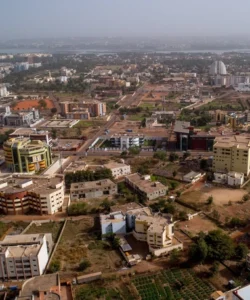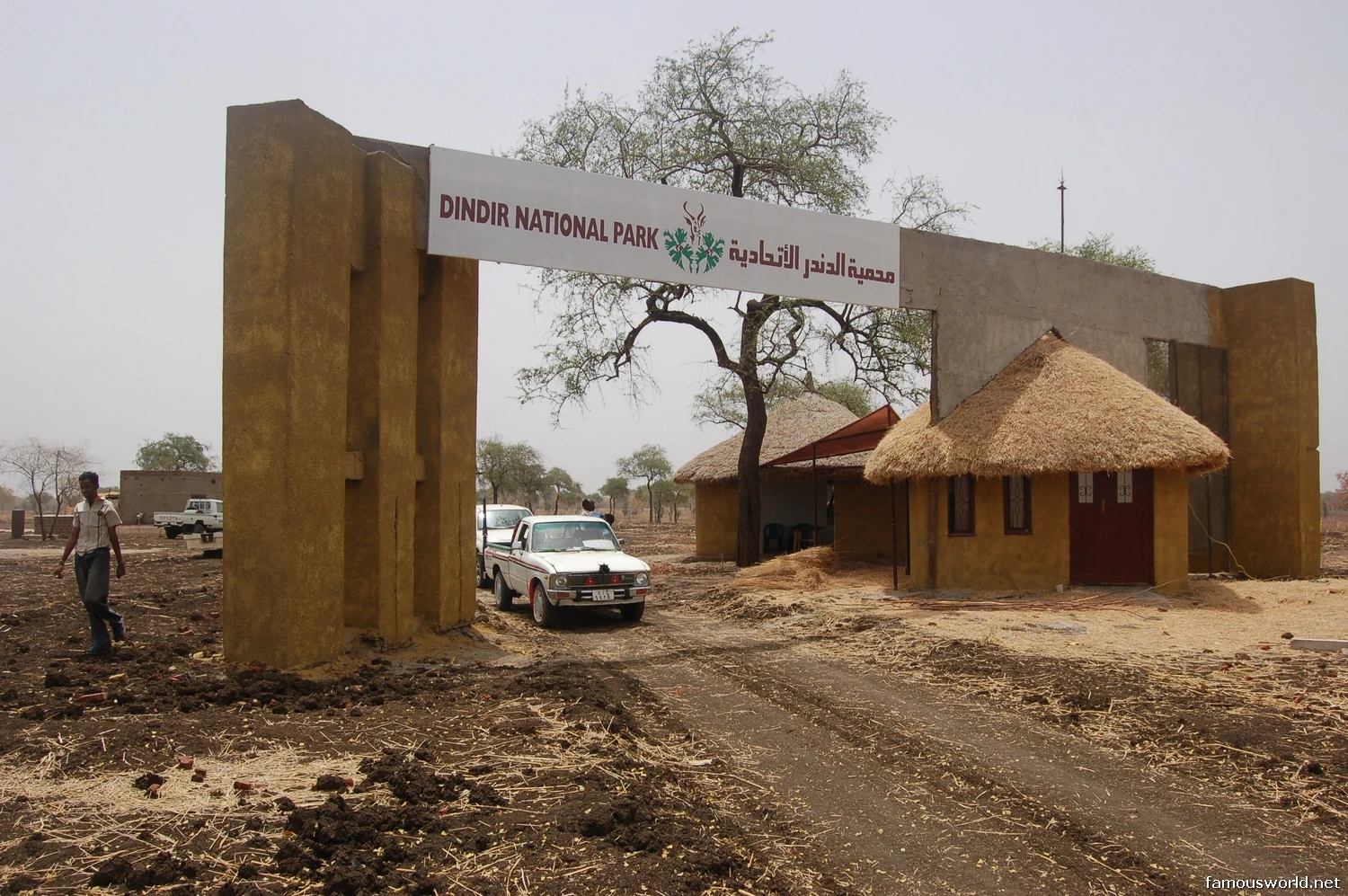
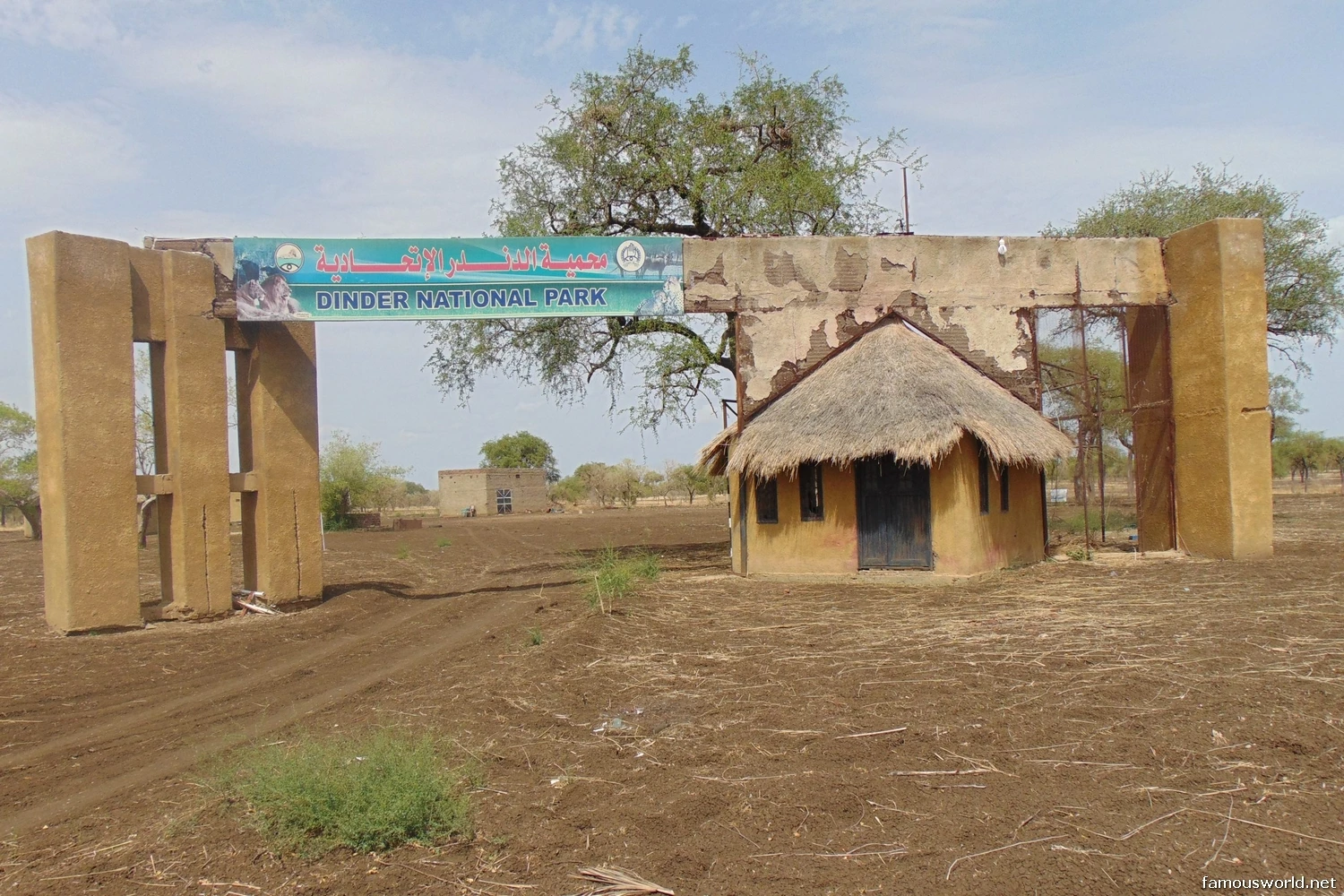
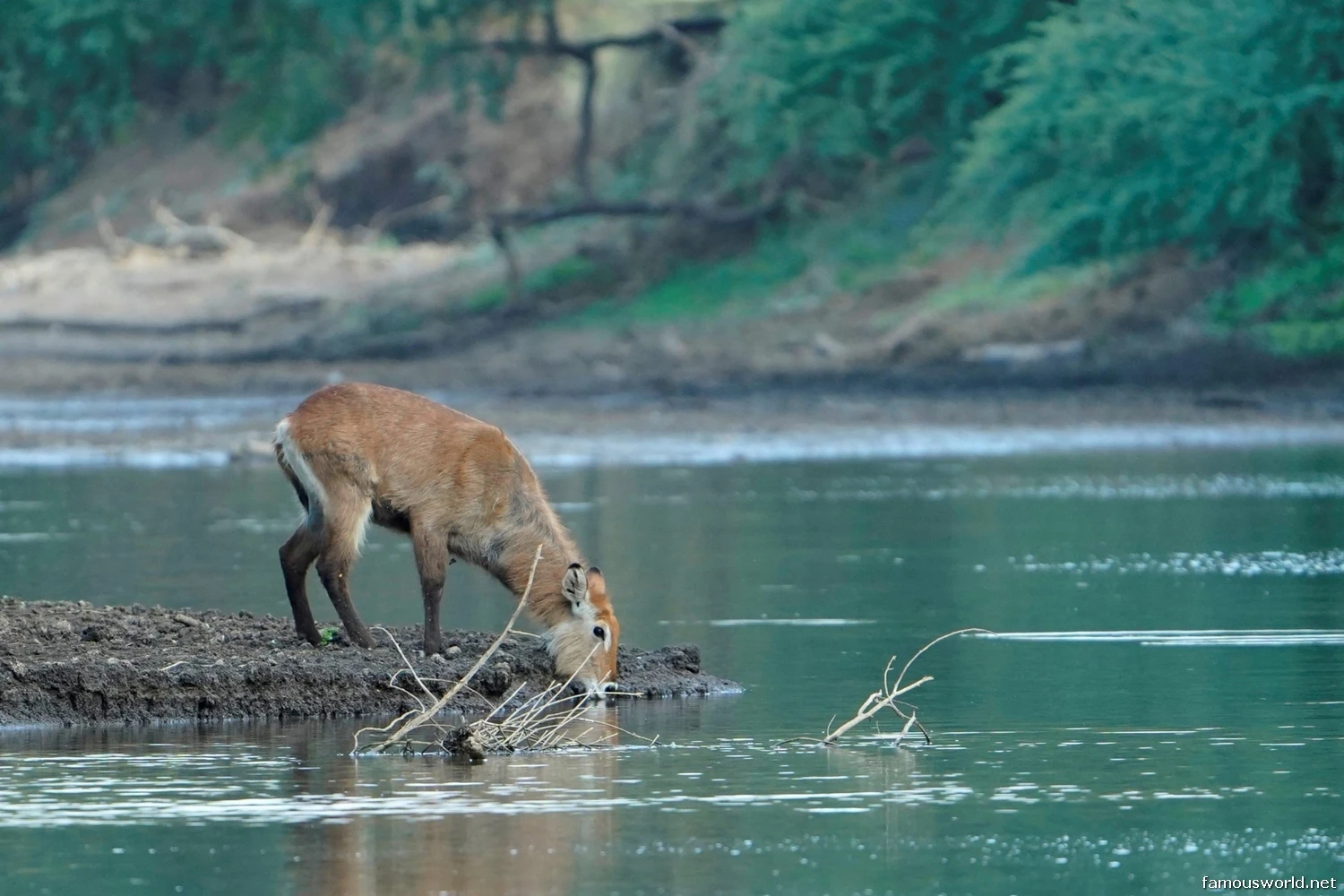
Dinder National Park is a vast and vital wildlife sanctuary in southeastern Sudan, representing one of the most ecologically important and diverse areas in the country. Established in 1935, it is a UNESCO Biosphere Reserve and a Ramsar site, recognized for its unique combination of ecosystems where the Sahel meets the Ethiopian highlands. The park is characterized by its seasonal rivers and a network of oxbow lakes, known locally as “mayas,” which create a critical refuge for a rich array of wildlife during the harsh dry season. As a transboundary park connected to Ethiopia’s Alatash National Park, Dinder is a cornerstone of regional conservation and a testament to the wild heritage of the savanna belt.
Listen to an introduction about Dinder National Park

Name and Location
- Name: Dinder National Park.
- Location: In Sennar State, southeastern Sudan, on the border with Ethiopia.
How to Get There
Accessing Dinder National Park is challenging and highly seasonal, reserved for well-prepared expeditions.
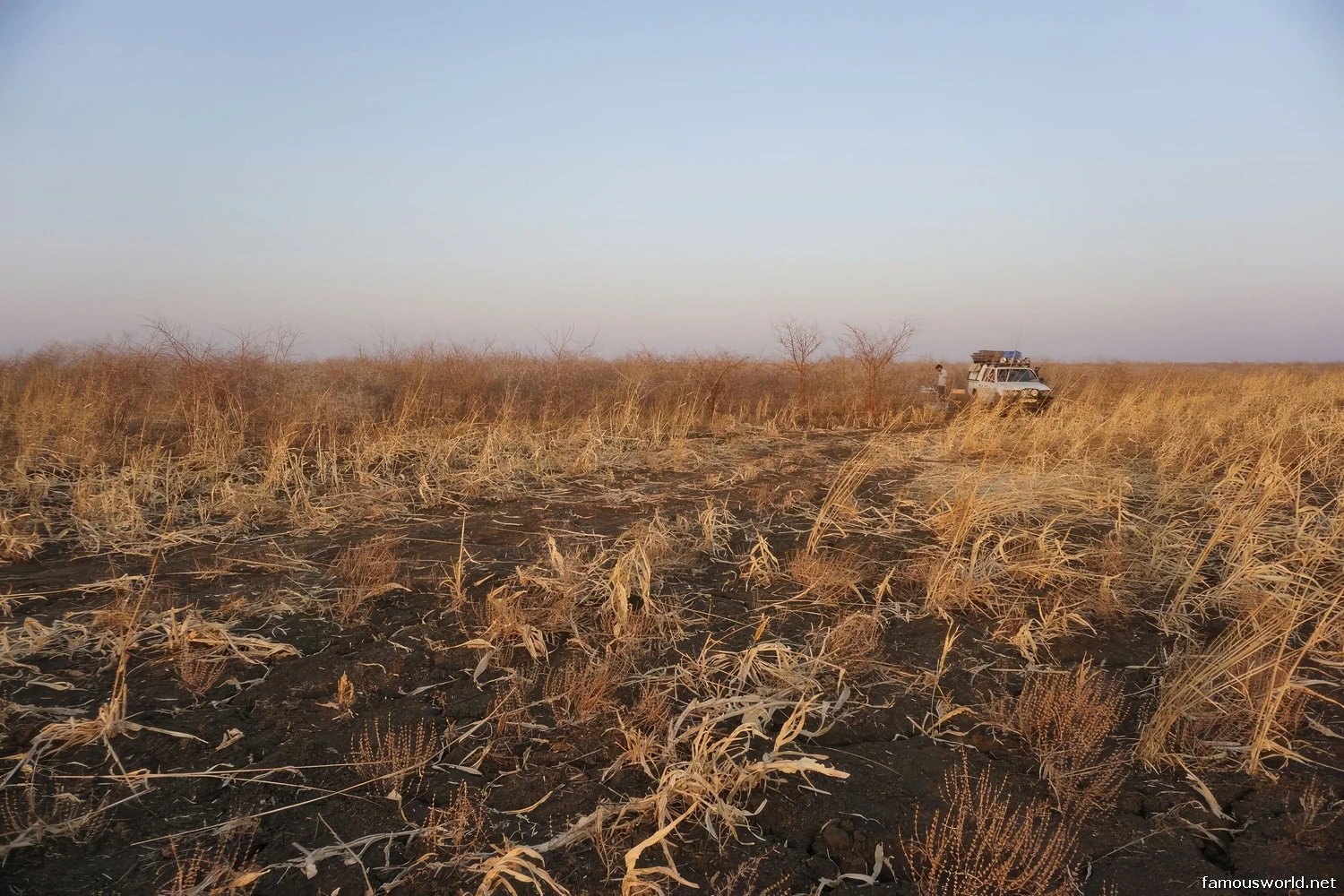
- By Road: The only way to access the park is by 4×4 vehicle. The journey is typically undertaken from Khartoum via the town of Sennar. The park is only accessible during the dry season (roughly December to April) when the internal tracks are passable. During the wet season, the area becomes a vast, impassable floodplain.
Landscape and Ecosystems
The park is a unique mosaic of riverine and savanna habitats.
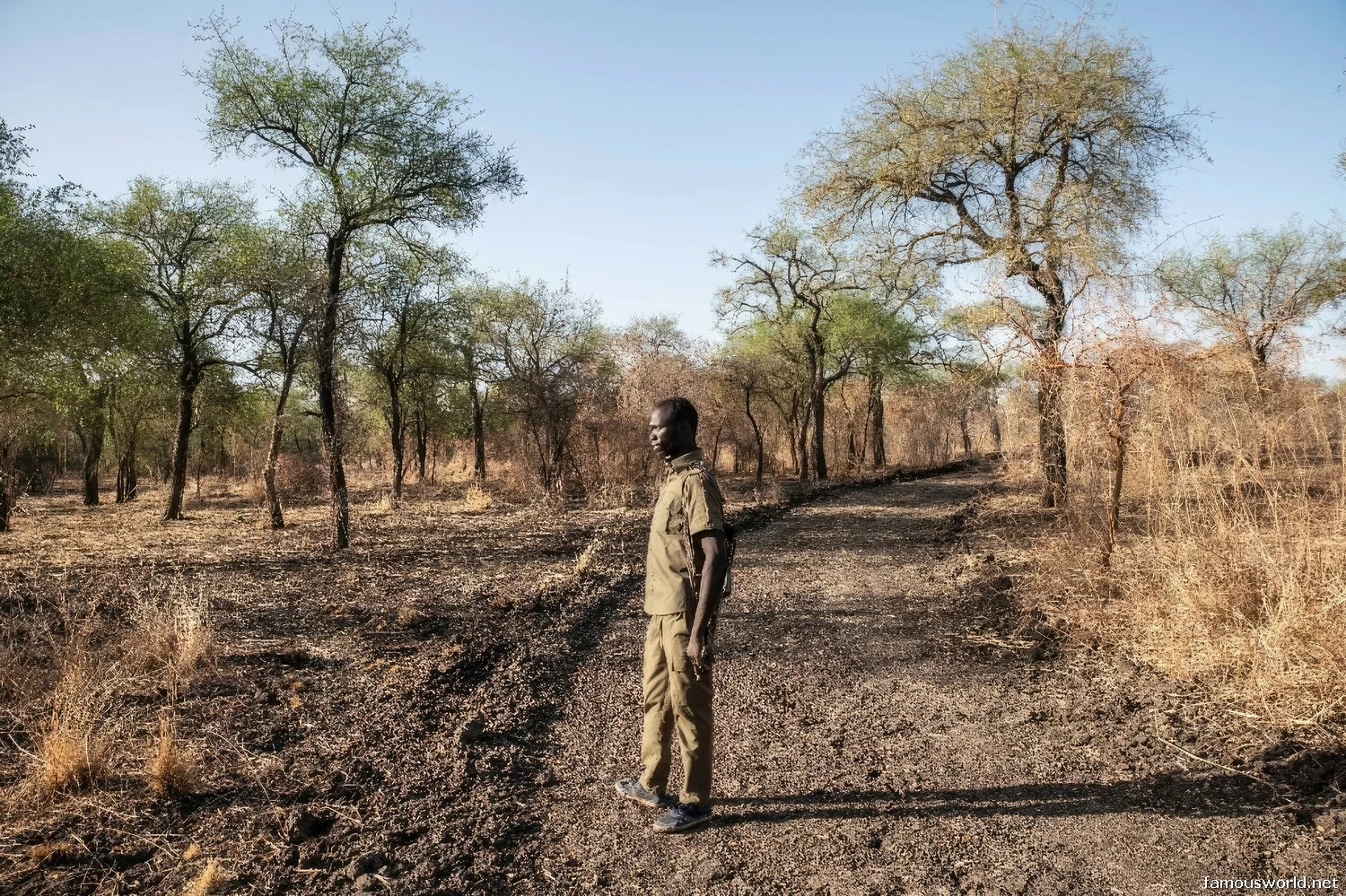
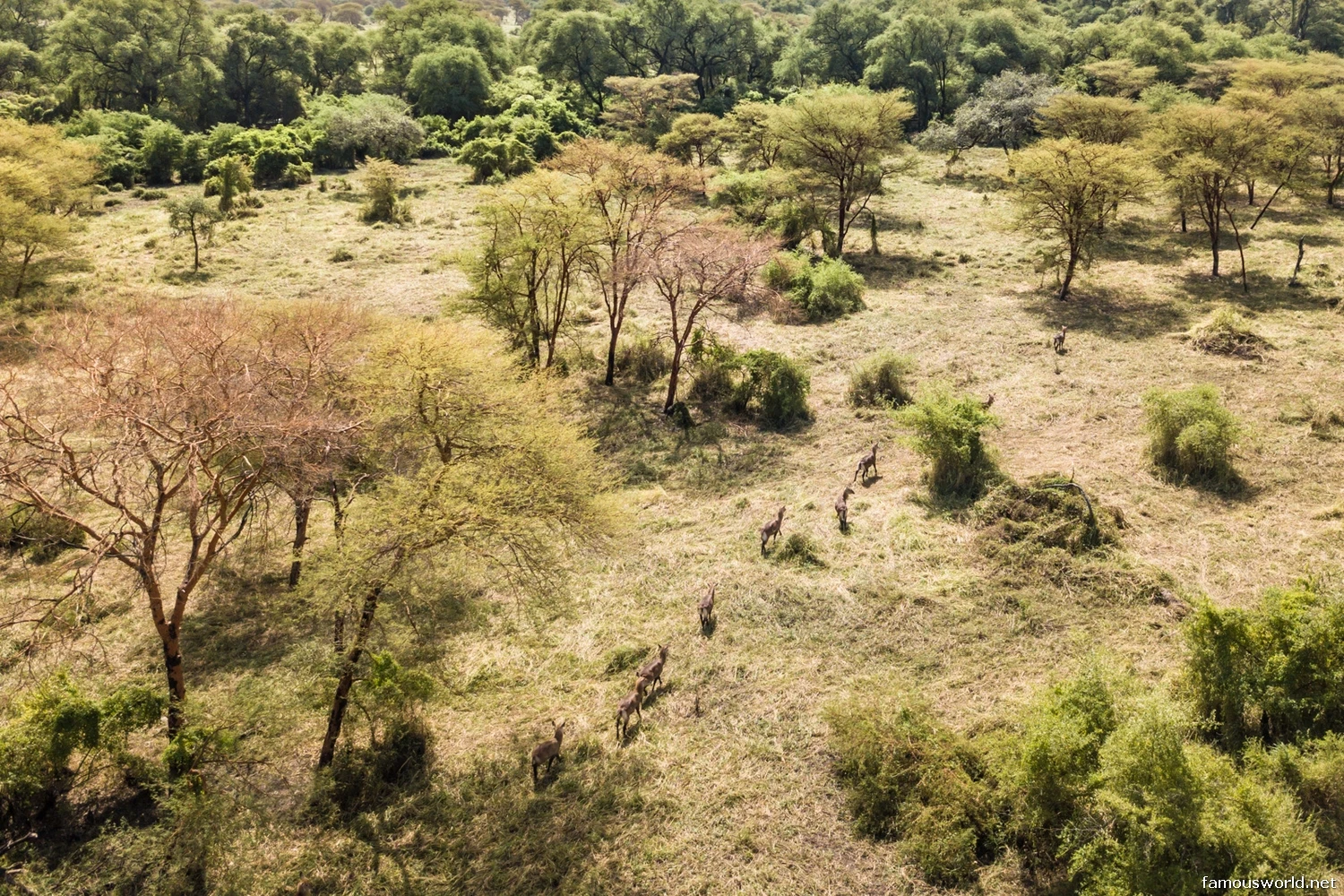
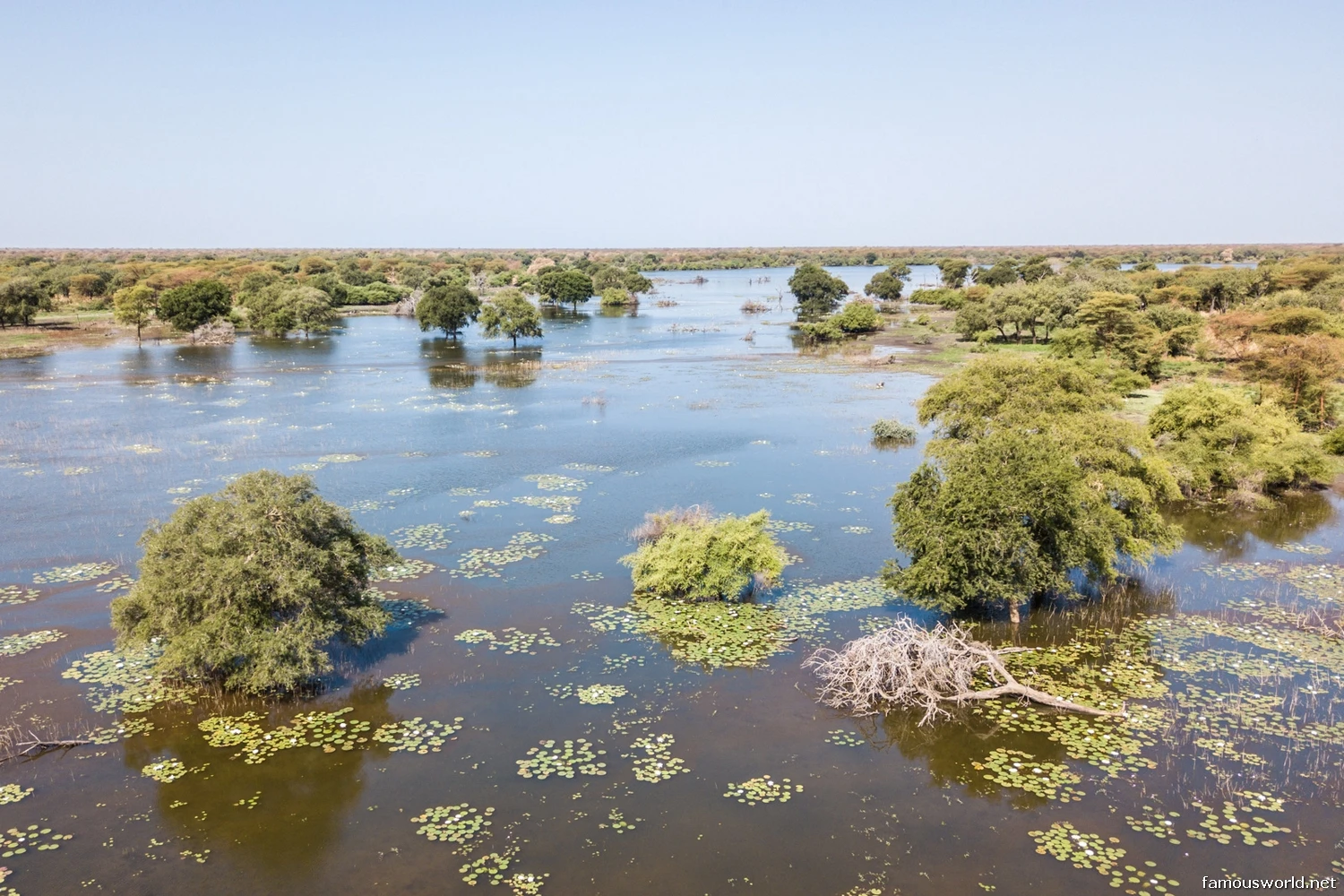
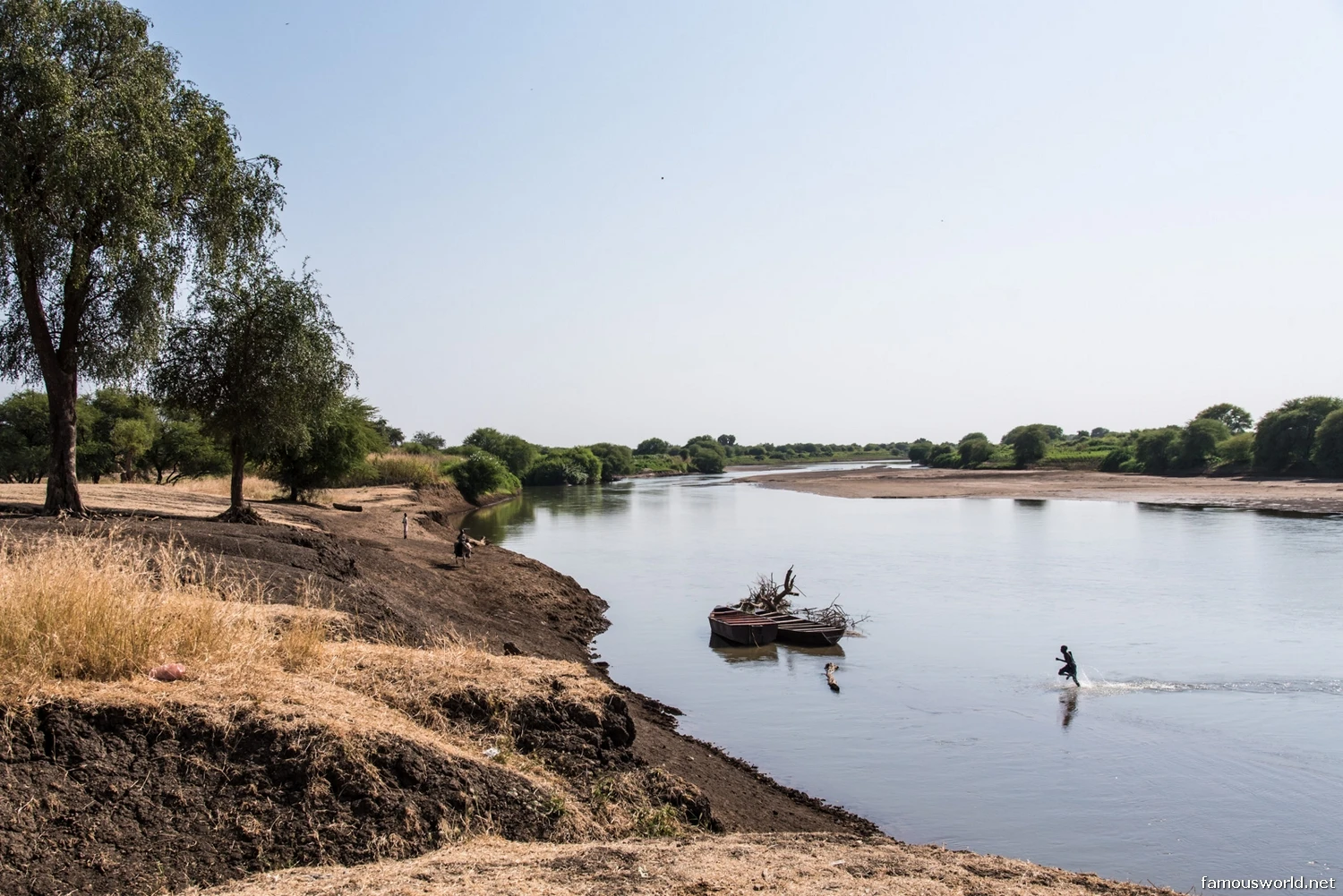
- Natural Landscape: Dinder is defined by three distinct ecosystems. The first is dense riverine dome forest along the banks of the Dinder and Rahad rivers. The second is savanna woodland dominated by various species of acacia trees. The third, and most critical, is a system of “mayas”—oxbow lakes and wetland depressions that hold water long into the dry season, becoming magnets for wildlife.
- Ecological Importance: As a designated Biosphere Reserve, the park protects a crucial transition zone between two major bioregions. Its wetlands are vital for both resident wildlife and countless species of migratory birds that use it as a stopover point on their intercontinental flyways.
What Makes It Famous
Dinder is renowned for its biodiversity and its unique wetland system.
- Sudan’s Premier National Park: It is the oldest and most famous national park in Sudan, long recognized for its conservation value.
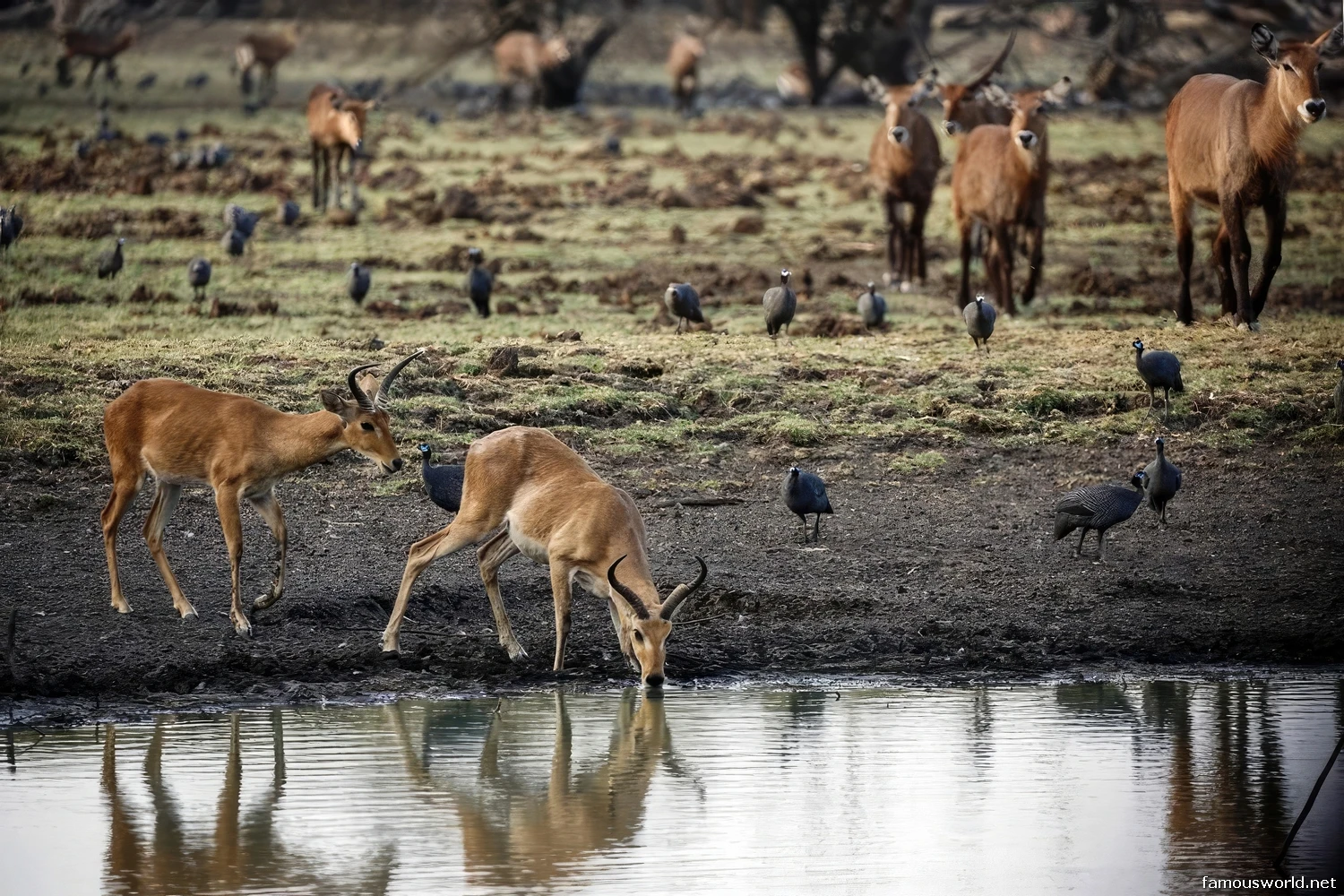
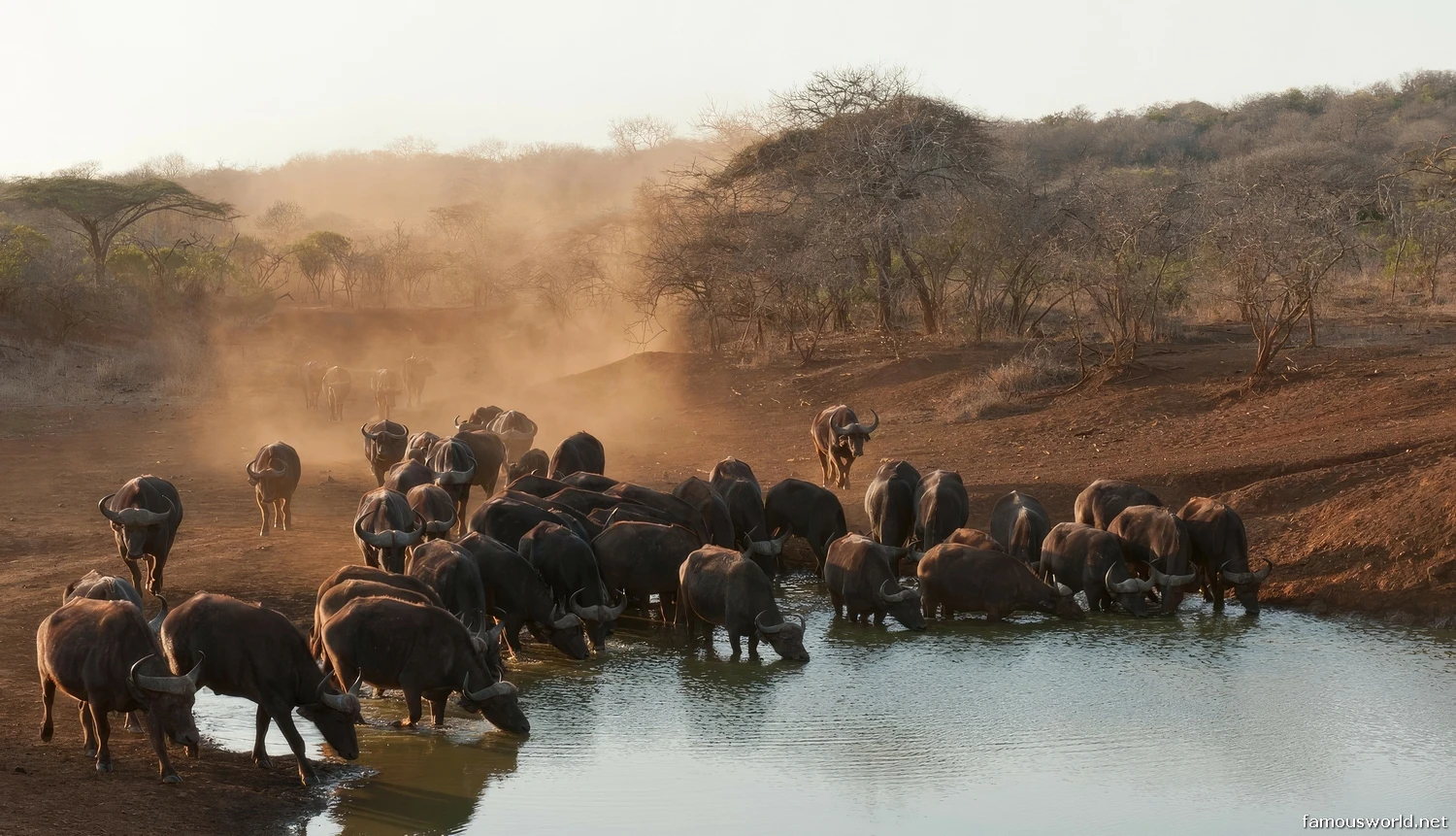
- The “Mayas”: The park’s system of oxbow lakes is its defining feature, creating spectacular wildlife concentrations and supporting a rich ecosystem that would otherwise not survive the dry season.
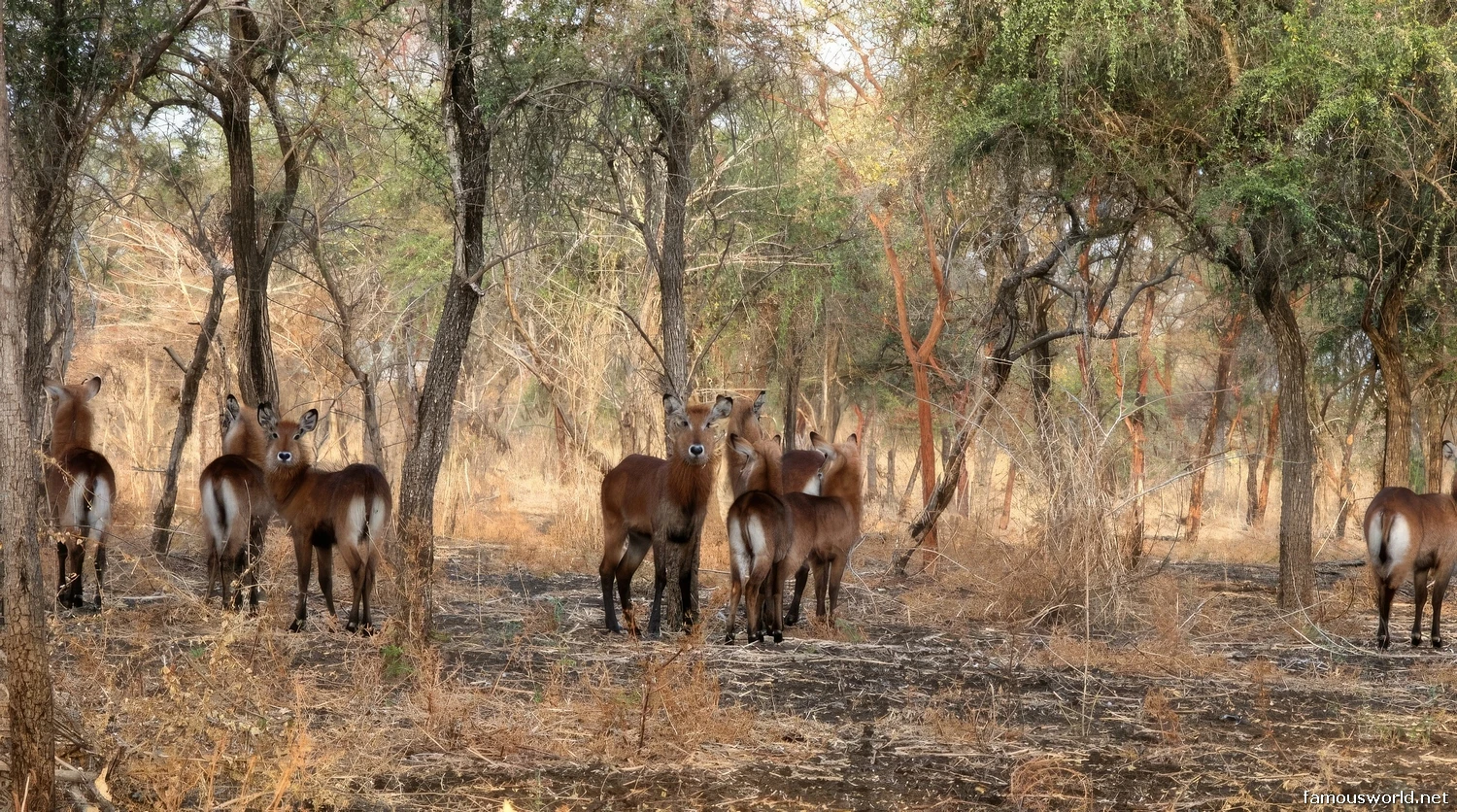
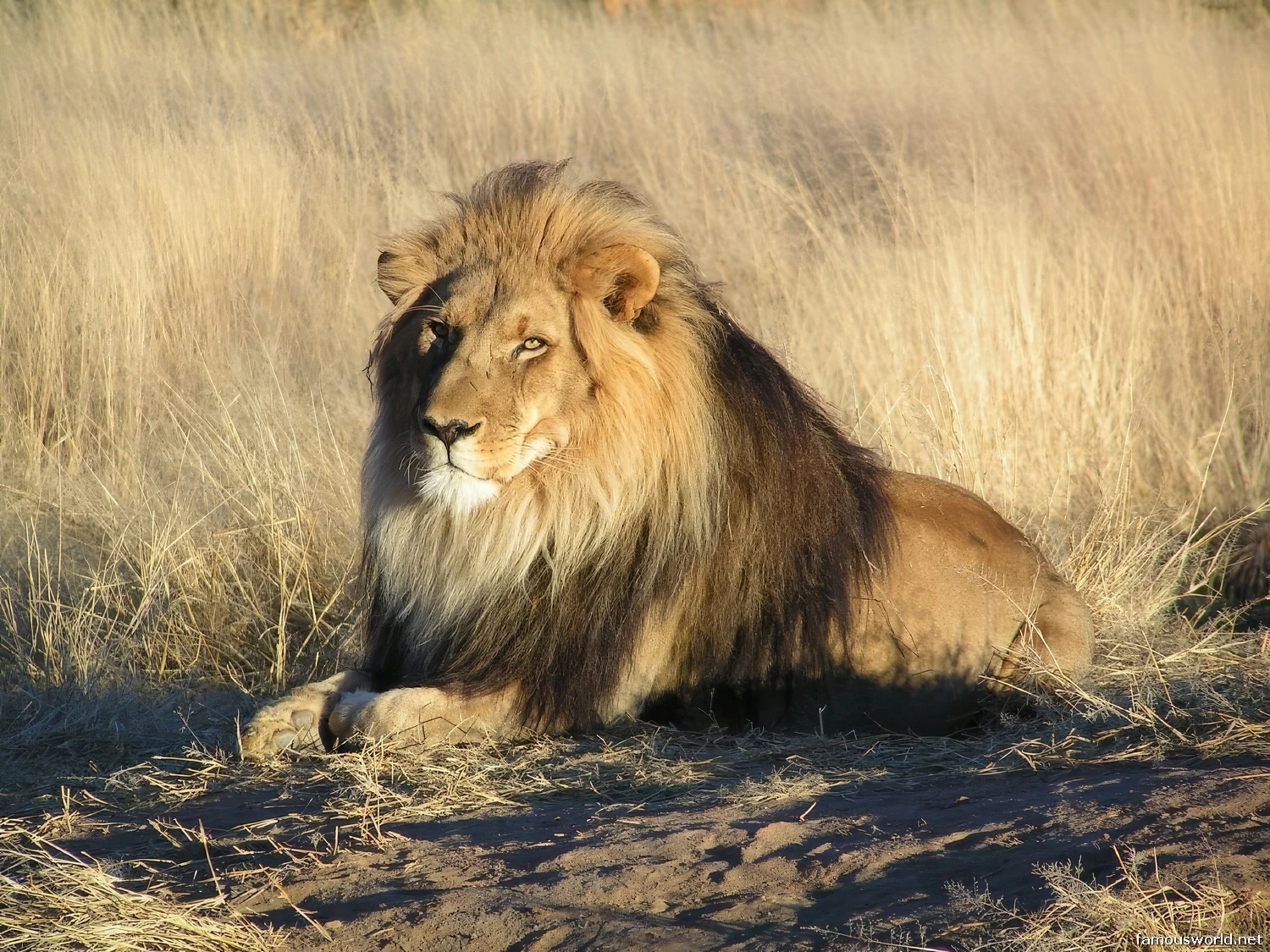
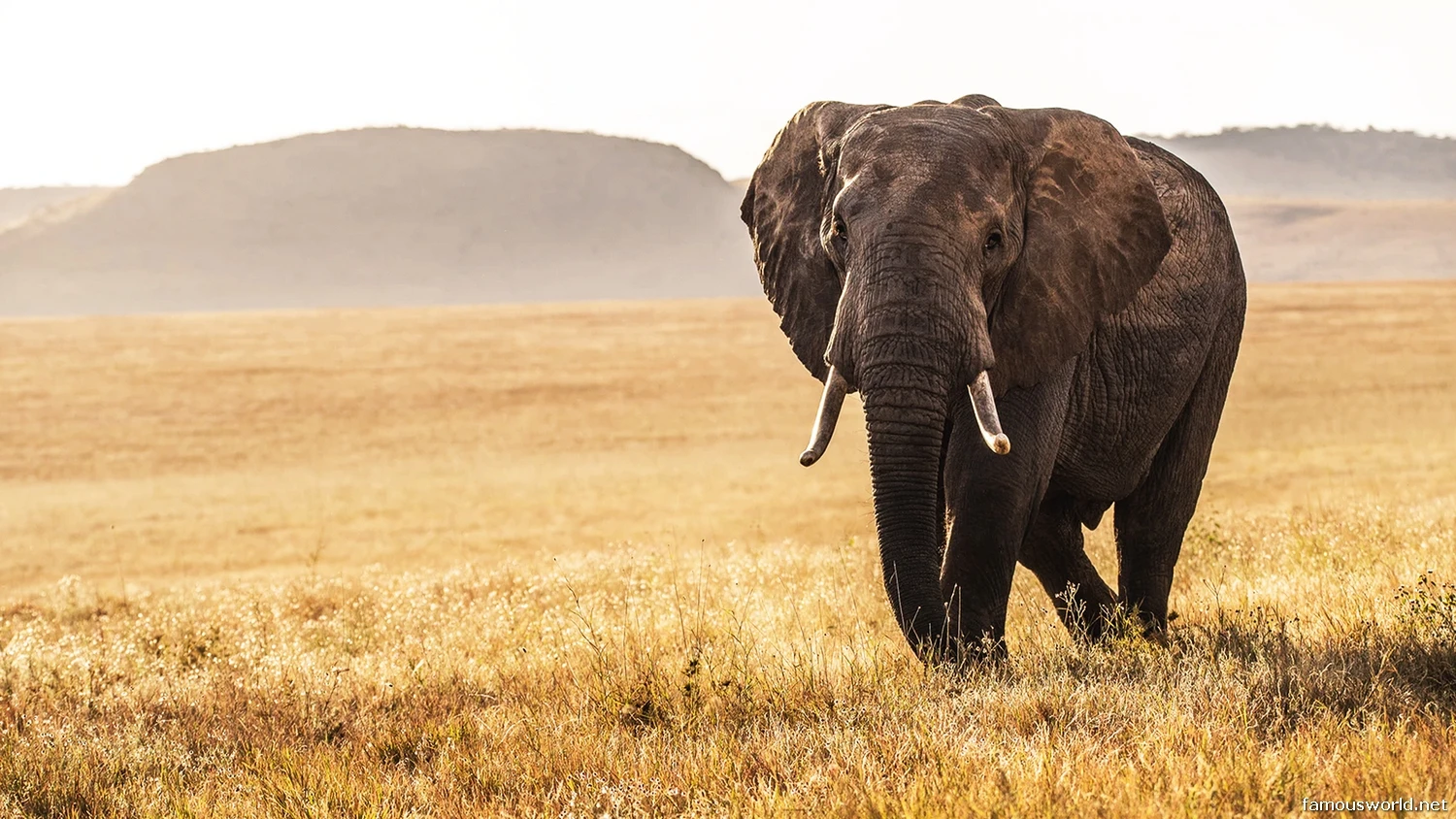
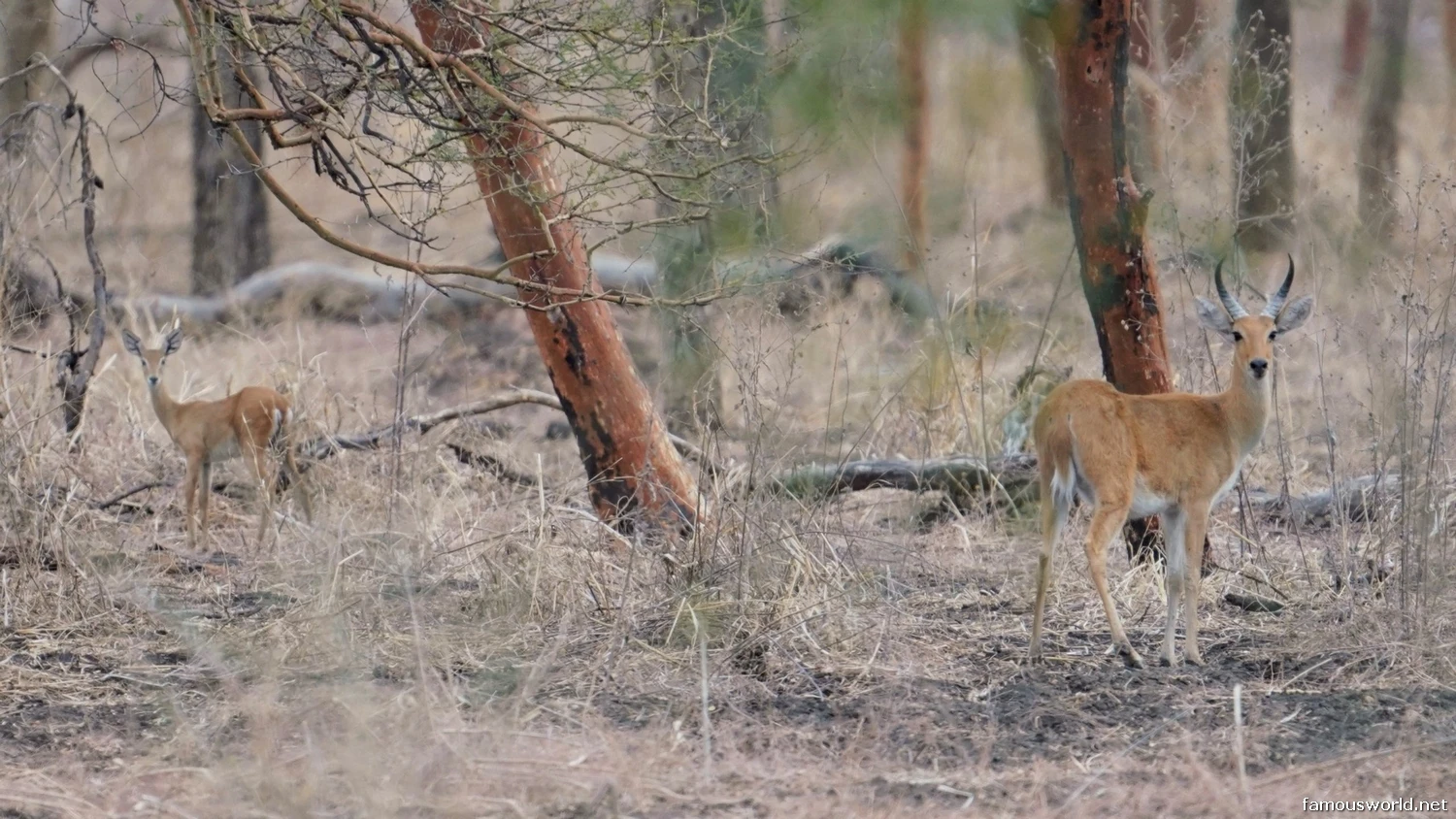
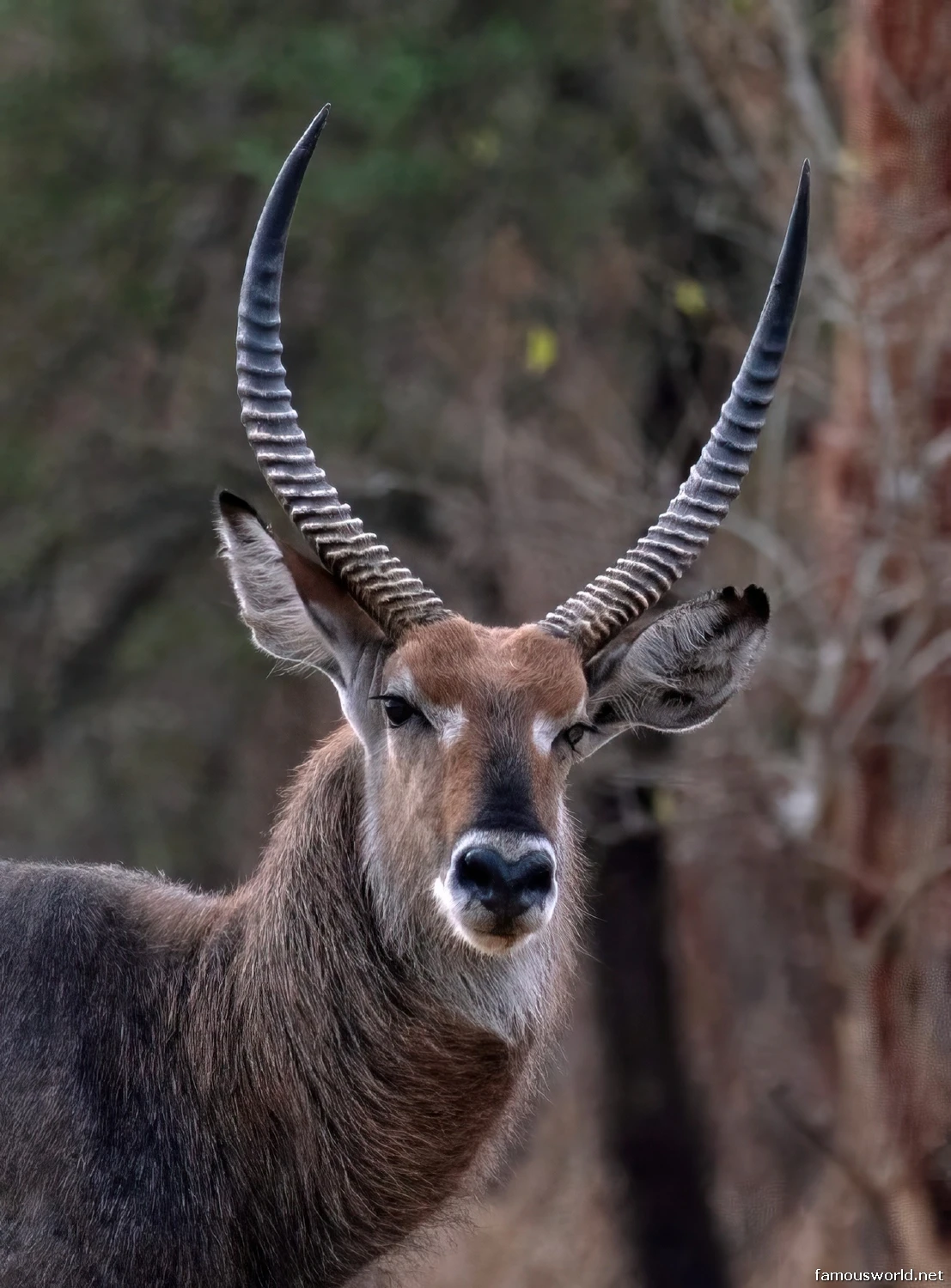
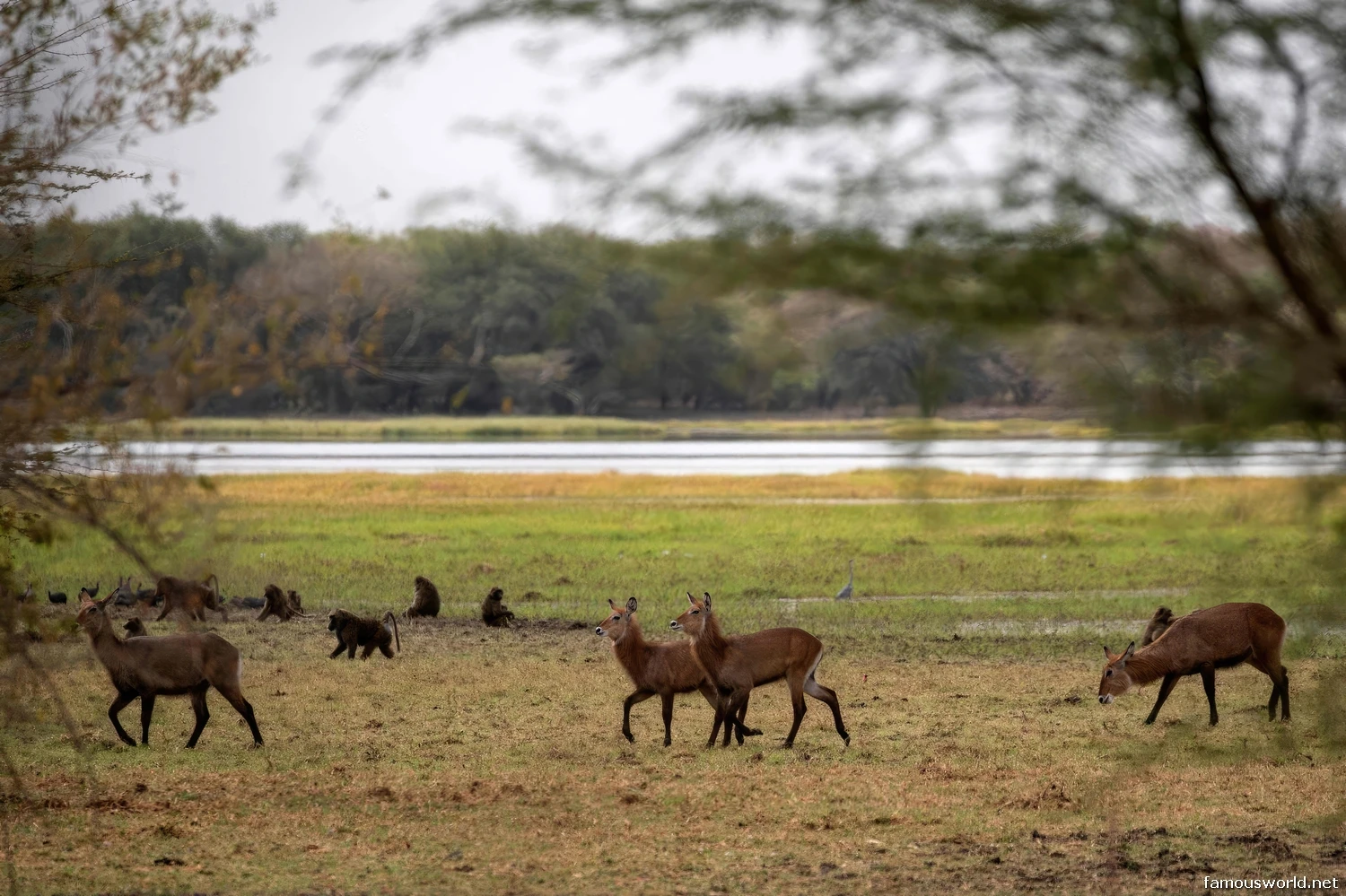
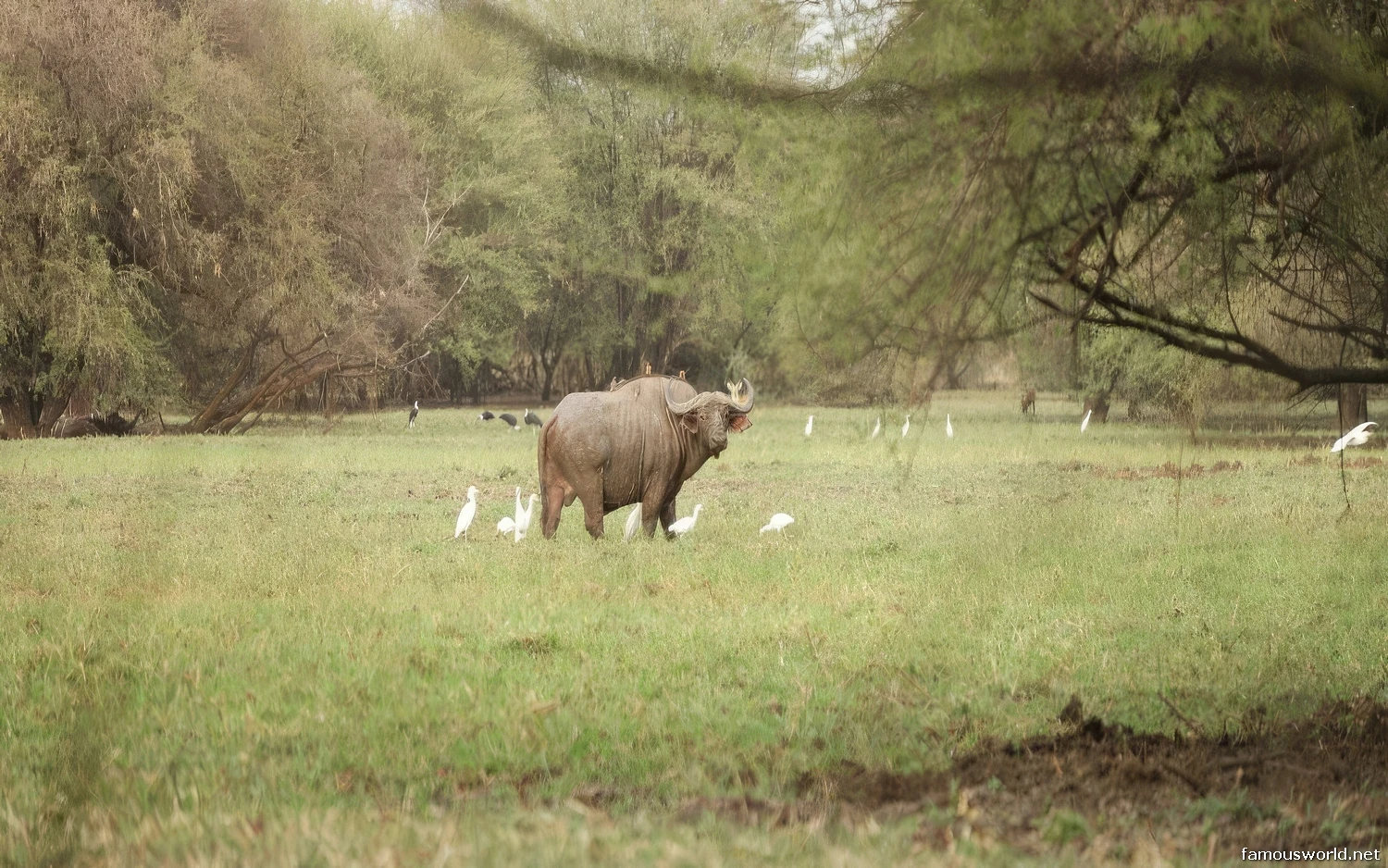
- Wildlife Haven: It is home to significant populations of buffalo, roan antelope, waterbuck, tiang, and various smaller mammals. It also supports important predator populations, including lions and leopards.
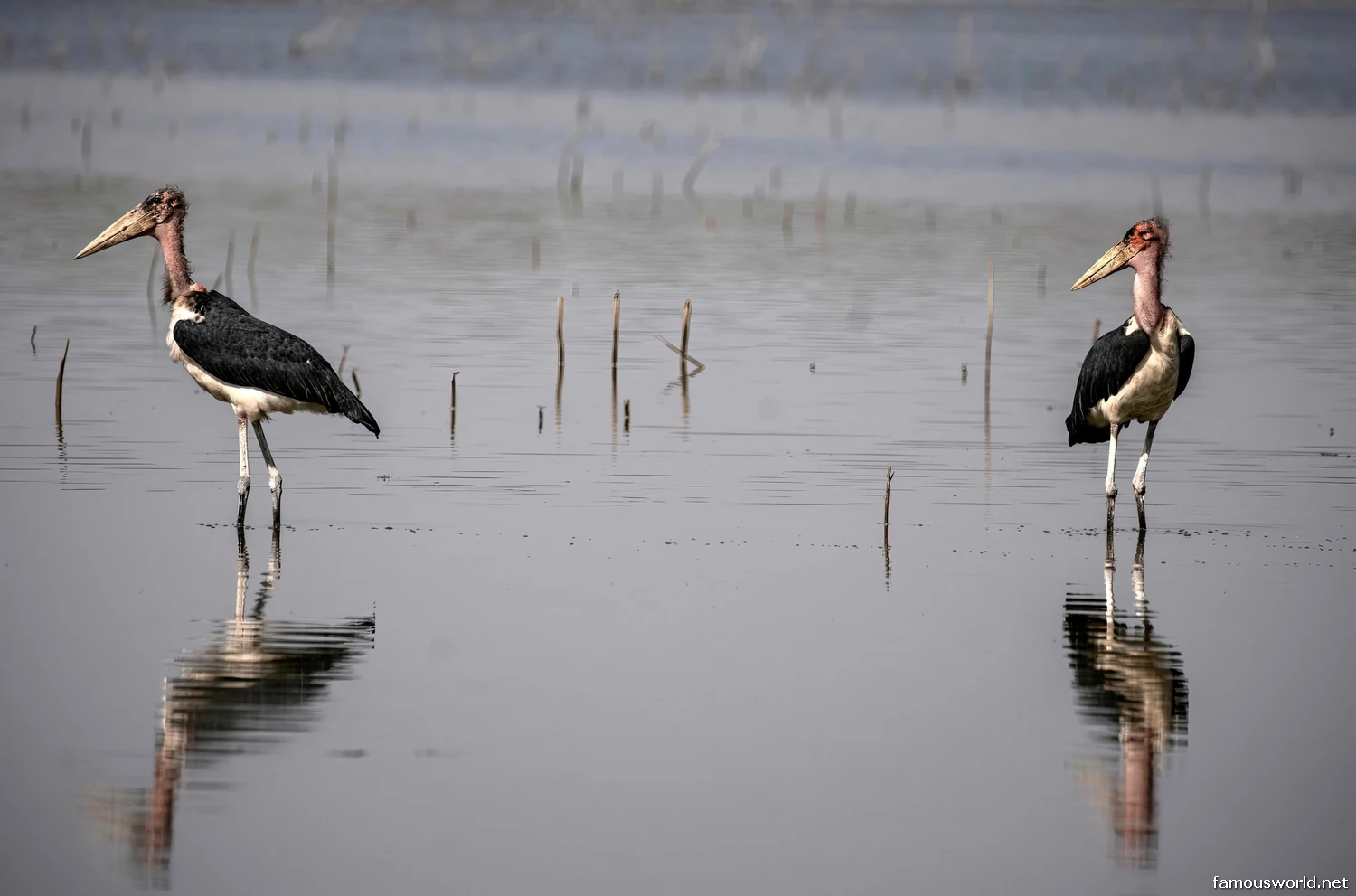
- Birdwatcher’s Paradise: The park is a globally important area for birds, with hundreds of species recorded, including vast flocks of waterfowl that congregate at the mayas.
Differences from Other Wonders
Dinder National Park’s wetland ecosystem offers a different experience from the vast woodlands of Niassa Reserve.
- Environment (Wetland/Savanna Mosaic vs. Miombo Woodland): Dinder is a unique mosaic of riverine forests, acacia savanna, and crucial “maya” wetlands. Niassa is a much larger and drier landscape dominated by a vast, contiguous miombo woodland.
- Core Story (Seasonal Oasis vs. Untamed Frontier): Dinder’s identity is that of a seasonal oasis, where life is dictated by the annual flood and concentrates around its life-giving wetlands. Niassa’s identity is that of a vast, remote, and untamed wilderness frontier.
- Primary Attraction (Birdlife and Wetland Concentrations vs. Elephants and Wild Dogs): While both host large mammals, Dinder is especially renowned for its spectacular concentrations of birdlife and wildlife around the mayas. Niassa is famous for holding globally significant populations of elephants and African wild dogs across an immense woodland territory.
- Atmosphere (Seasonal Abundance vs. Raw Isolation): Dinder evokes a feeling of seasonal abundance and the drama of survival in a landscape defined by water. Niassa projects a sense of profound scale, raw isolation, and the solitude of a truly immense wilderness.
Location on world map