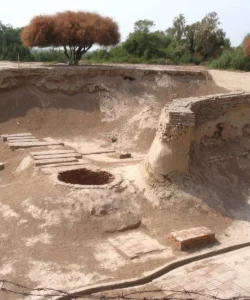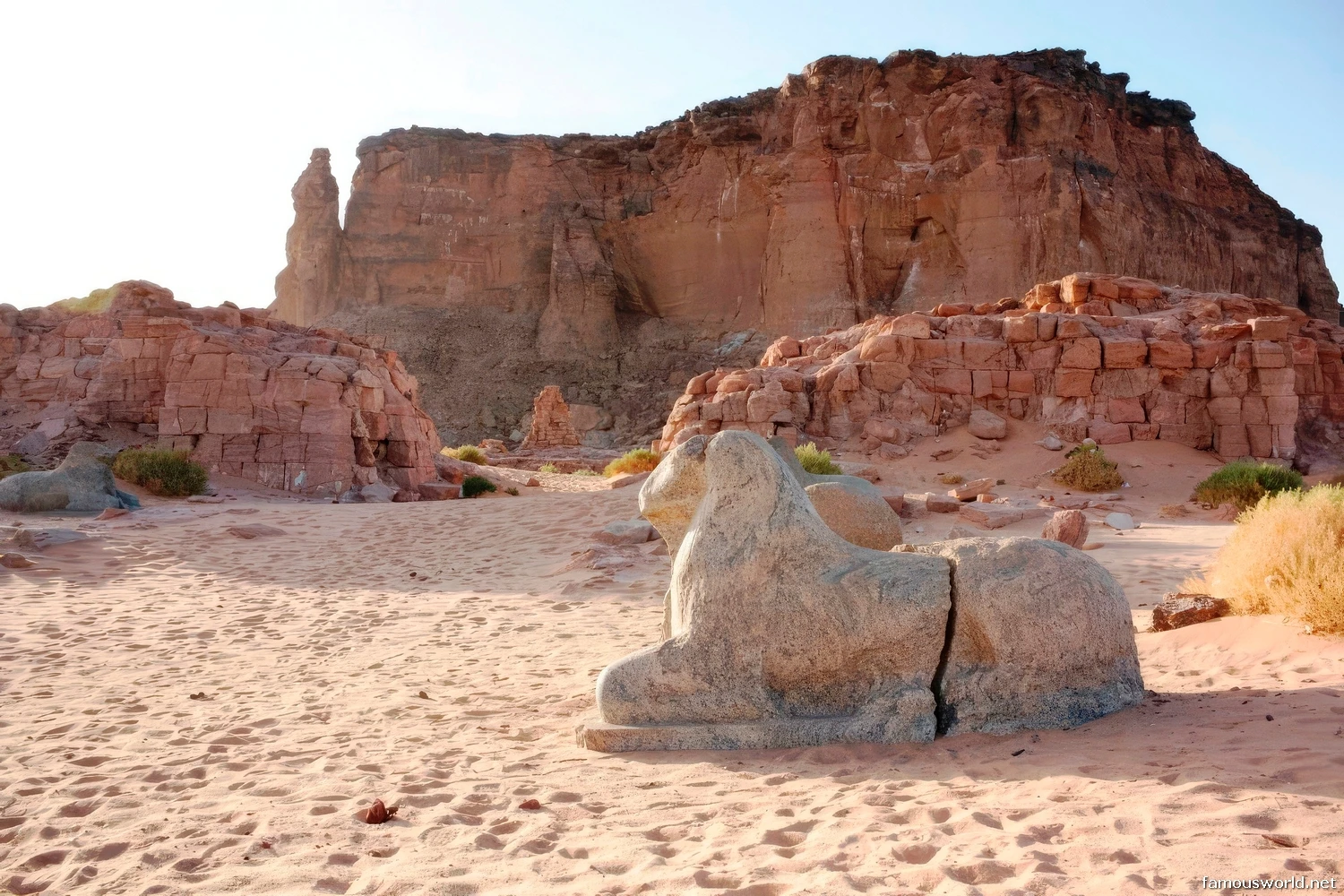
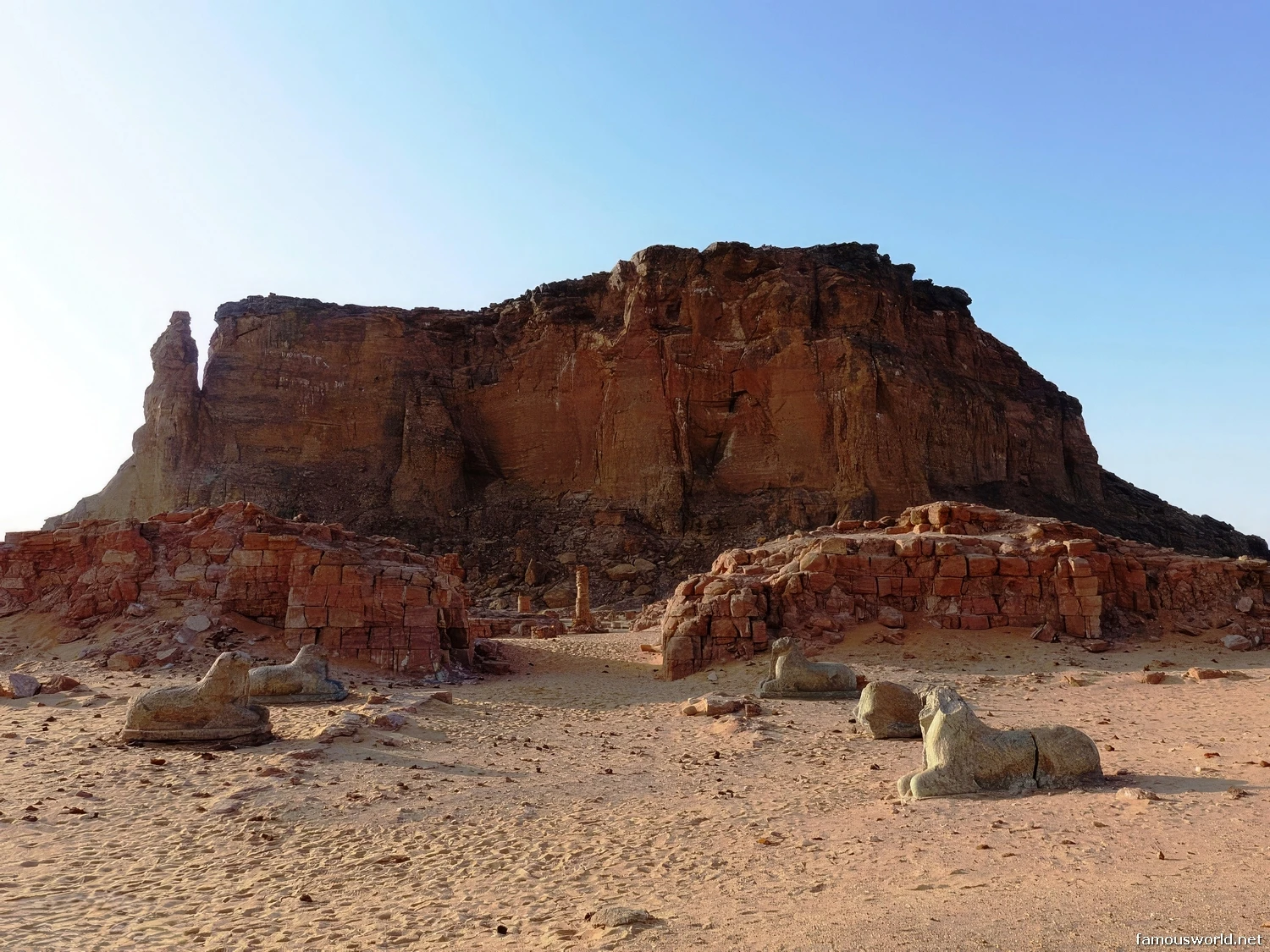
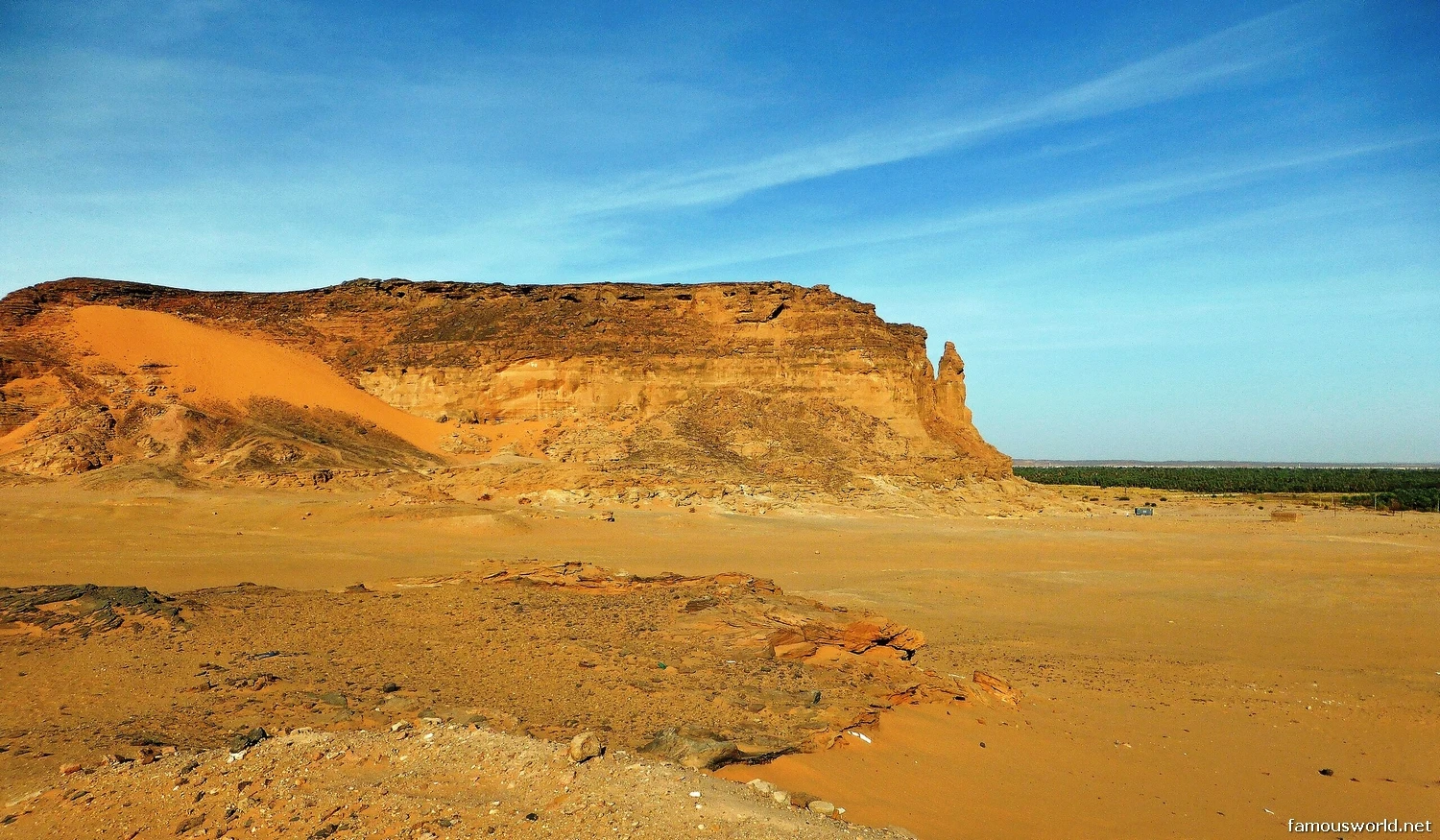

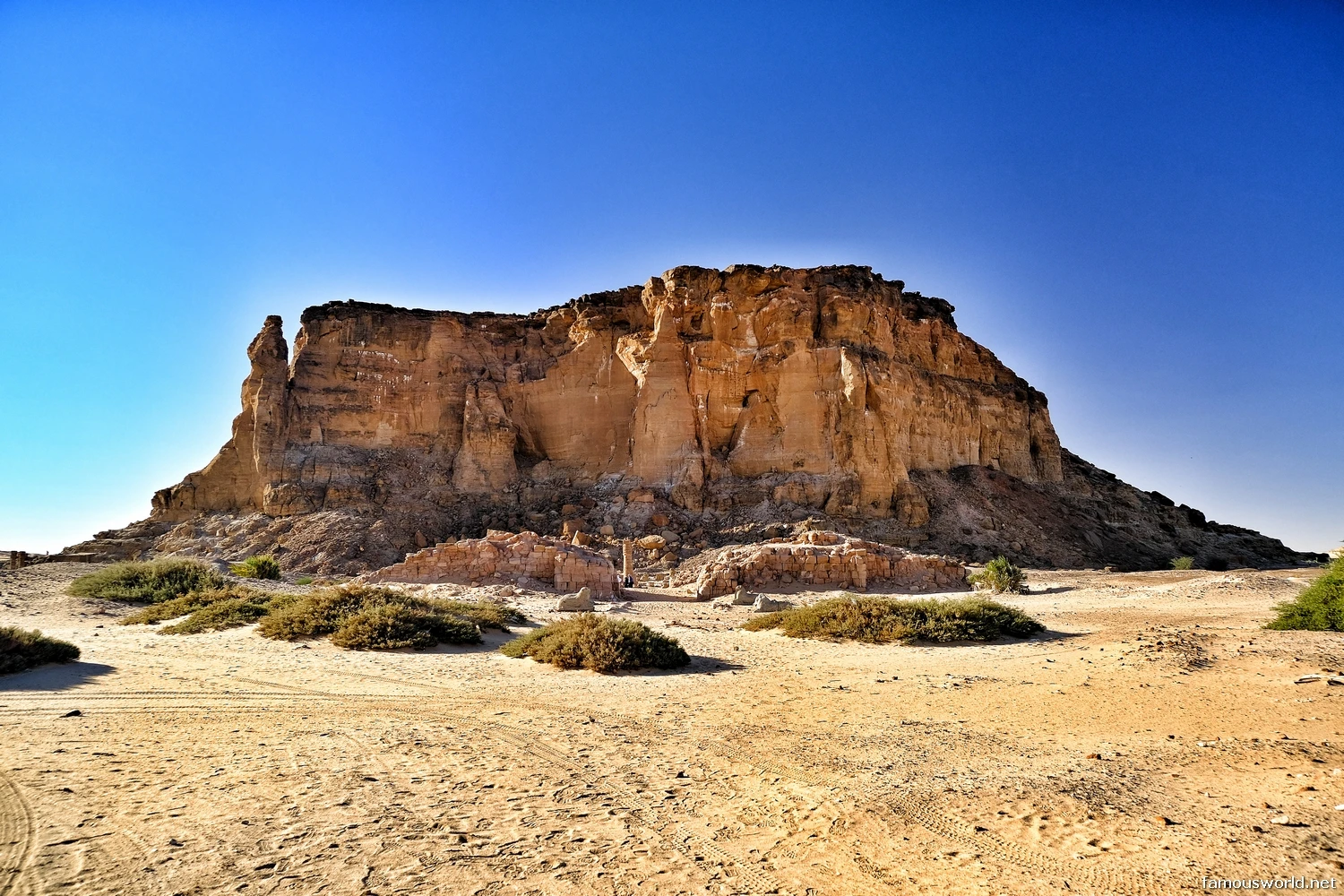
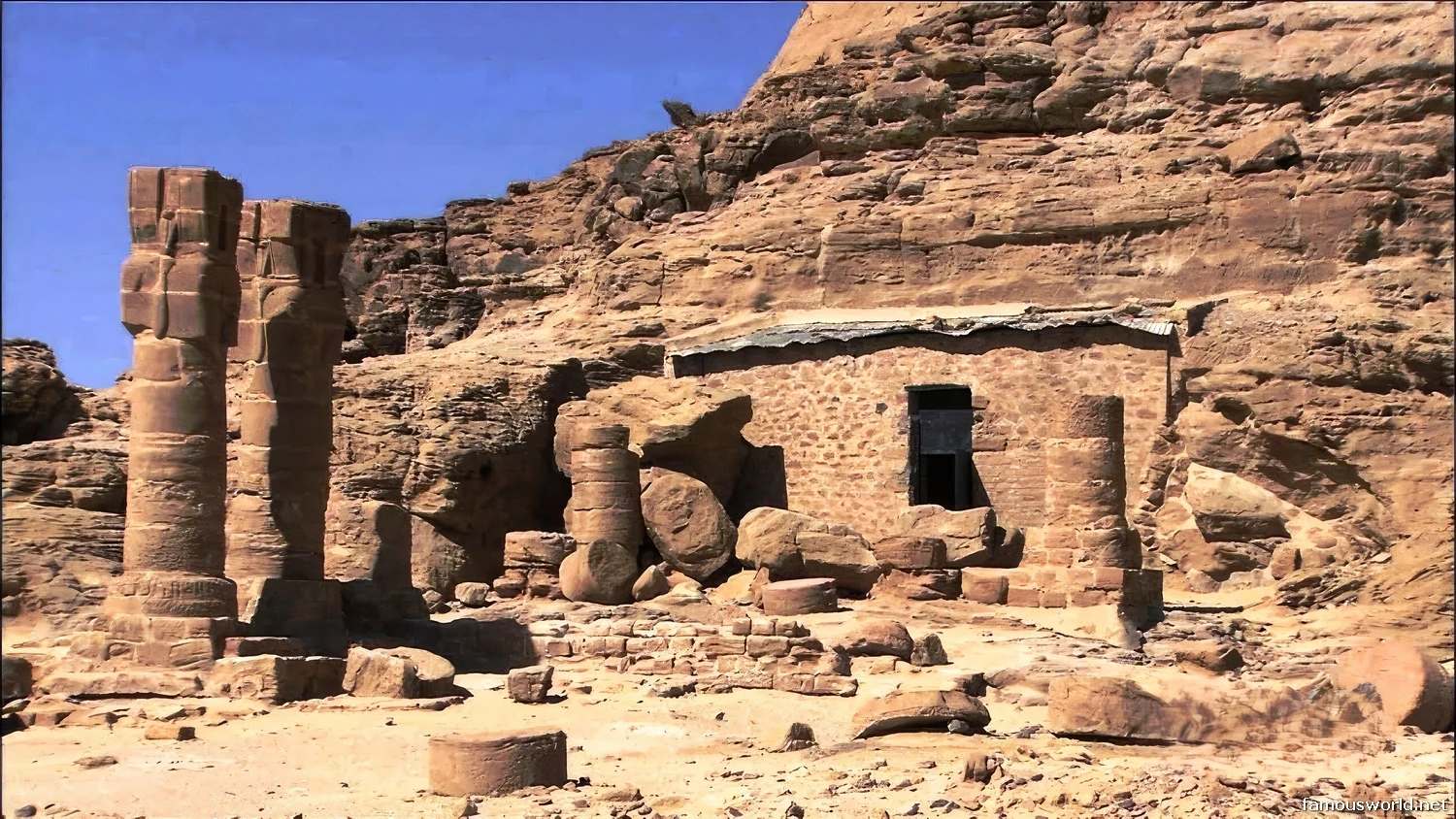
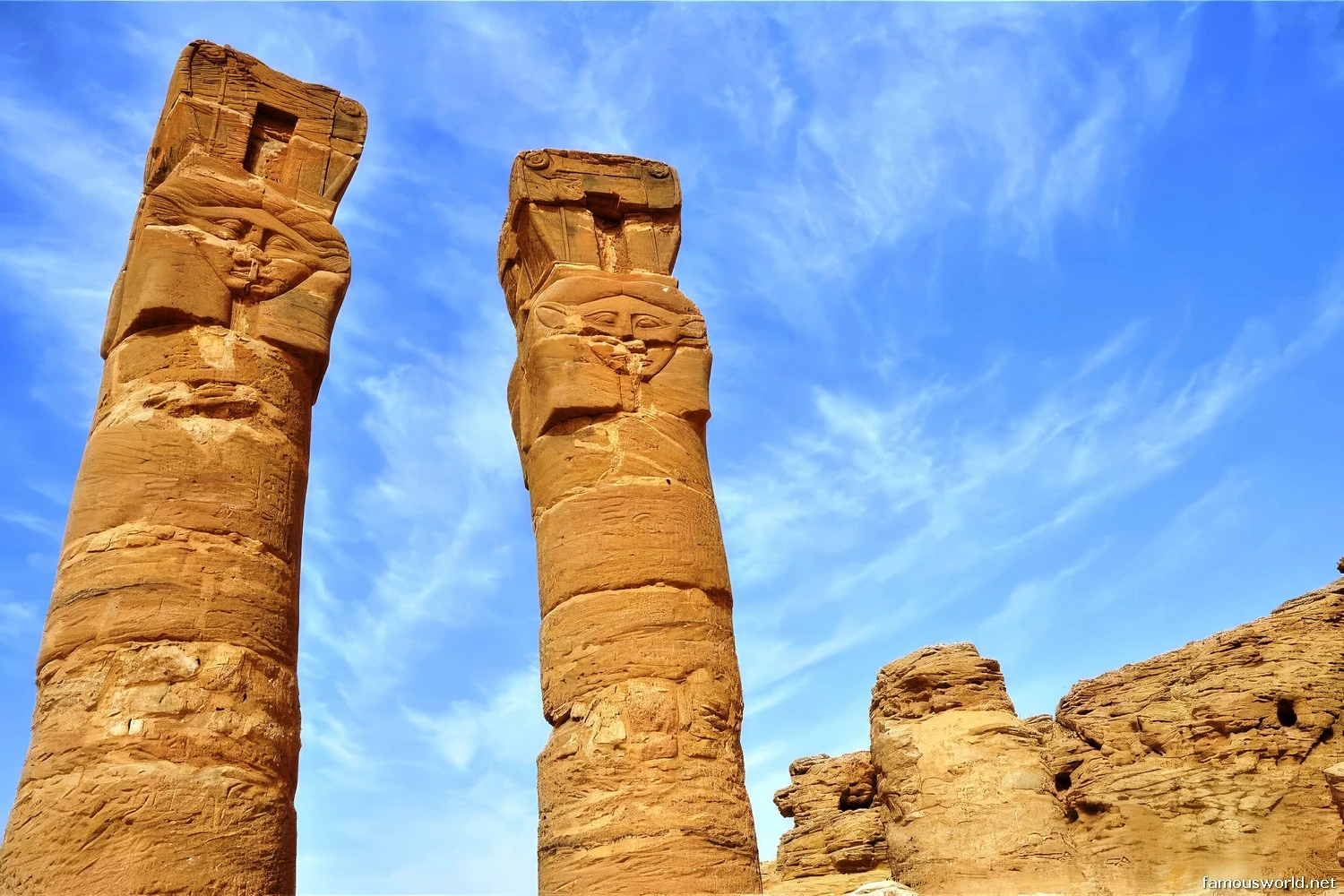
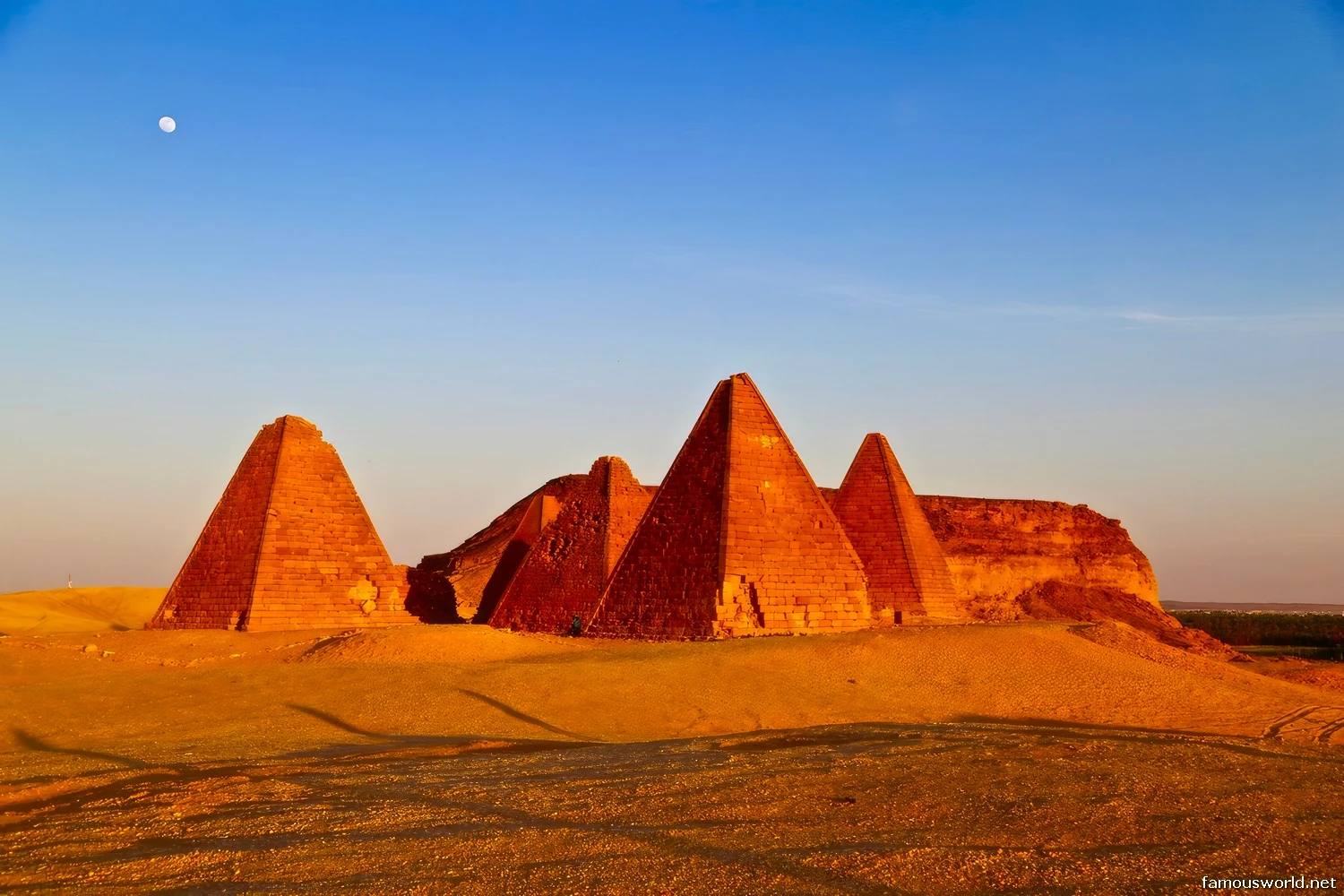
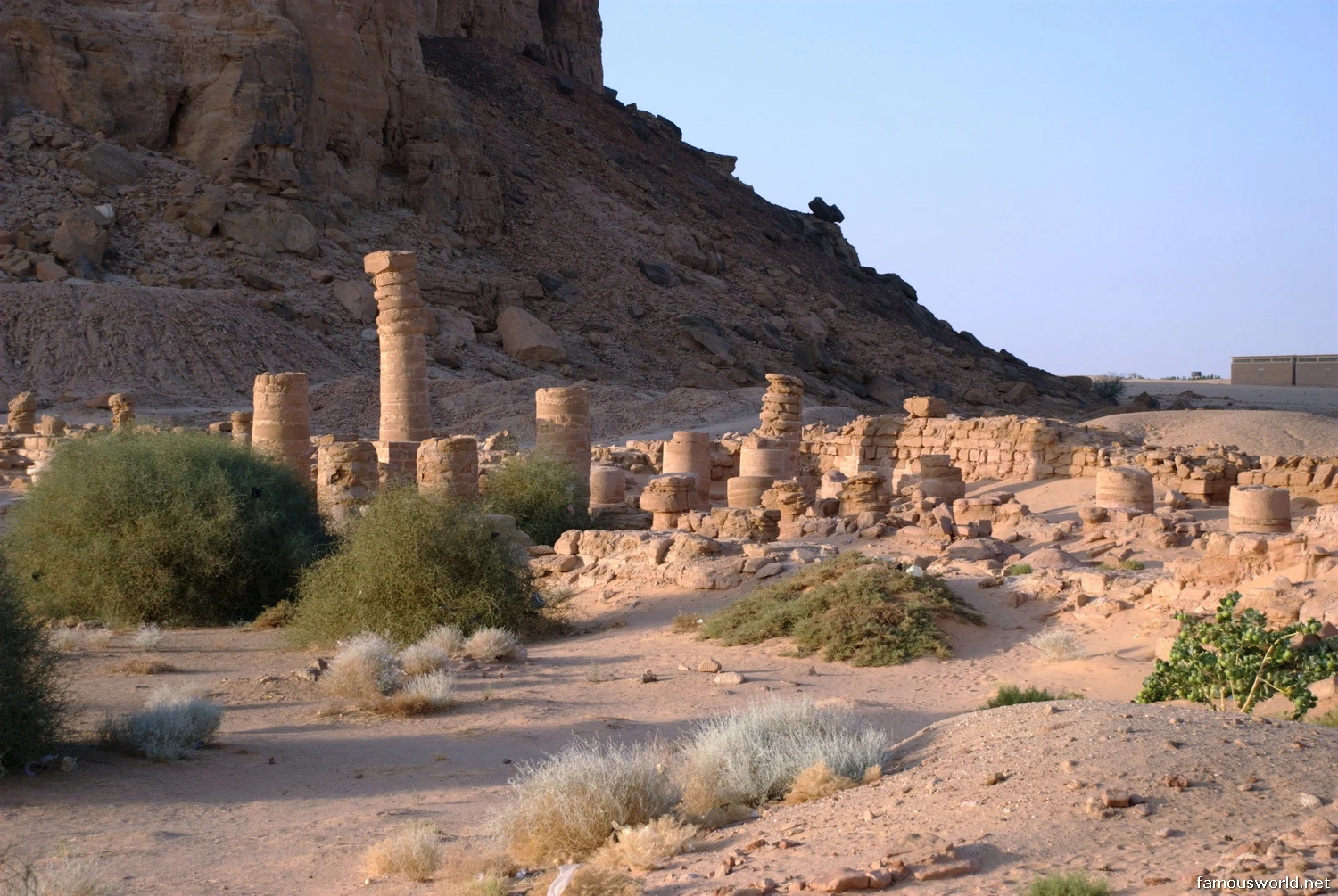
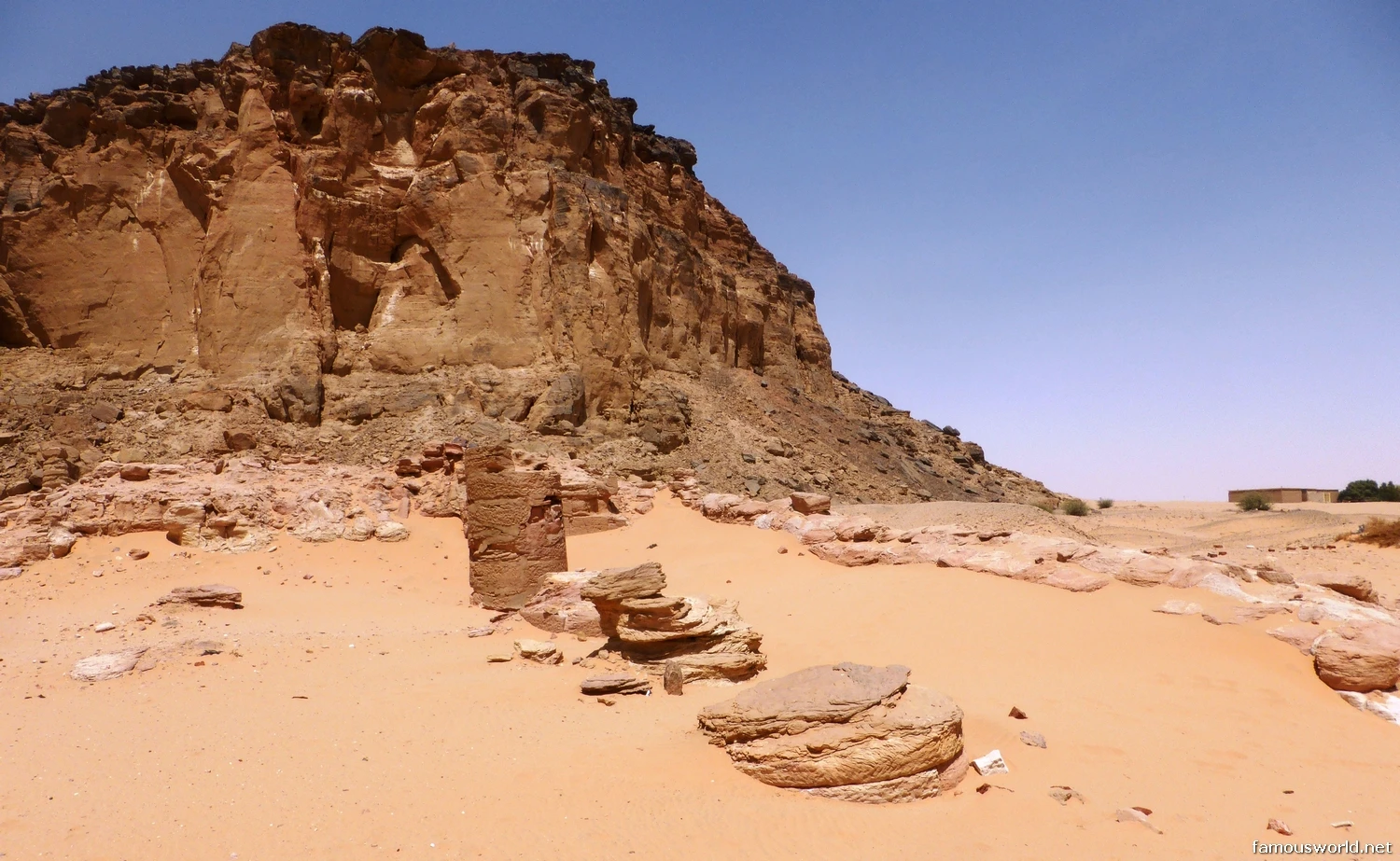
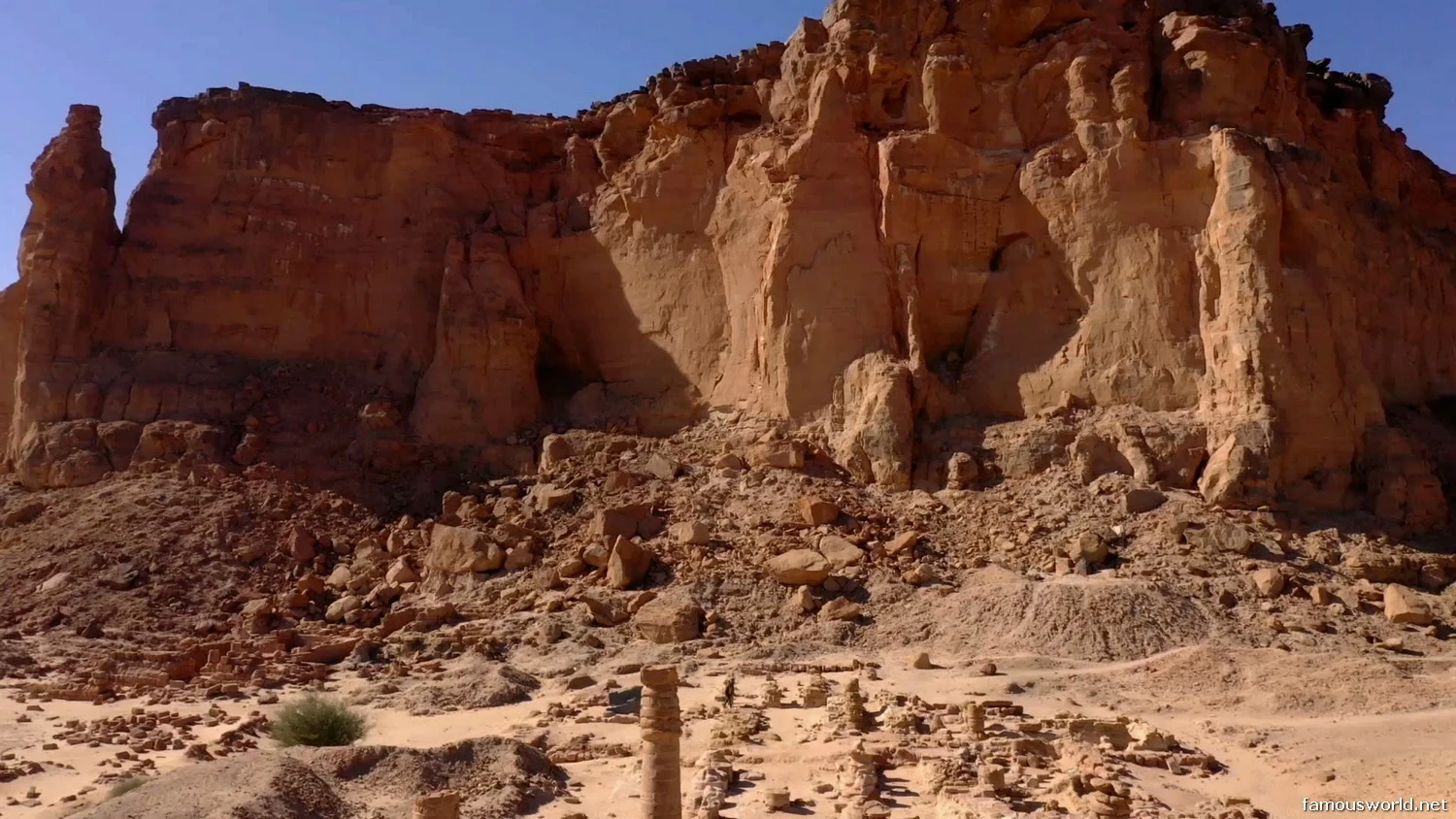
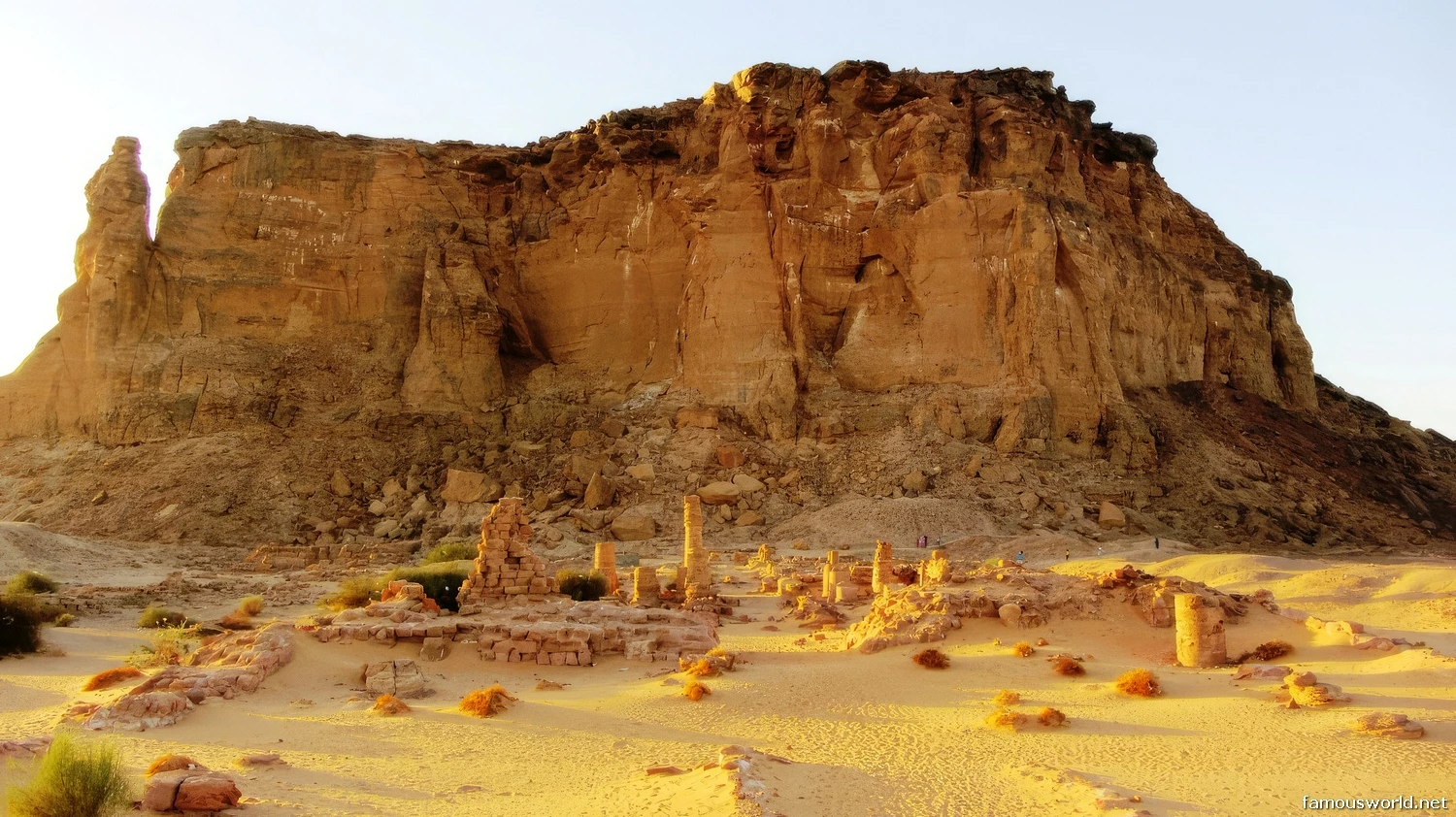
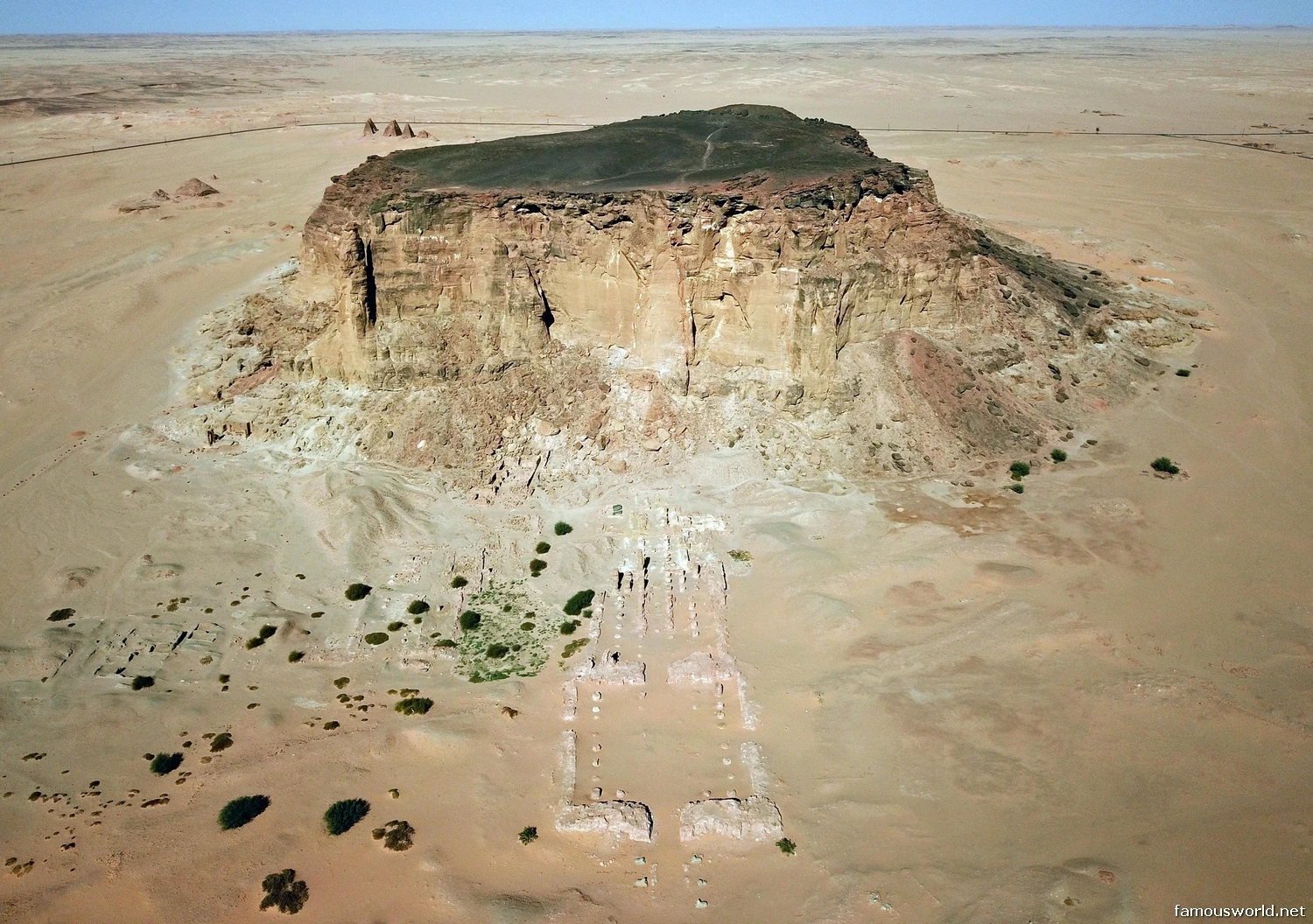

Jebel Barkal is a small, sacred mountain of red sandstone that rises abruptly from the desert floor near a great bend in the Nile River in northern Sudan. For over a thousand years, this distinctive flat-topped peak was the spiritual heart of the powerful Kingdom of Kush. Believed by both Kushites and ancient Egyptians to be the dwelling place of the god Amun, the mountain and the vast complex of temples, palaces, and pyramids at its base formed Napata, the first great capital of the Kushite state. Today, this UNESCO World Heritage site stands as a profound testament to the power, piety, and cultural achievements of the “Black Pharaohs” who once ruled from this holy site.
Listen to an introduction about Jebel Barkal

Name and Location
- Name: Jebel Barkal and the Sites of the Napatan Region.
- Location: In the town of Karima, Northern State, Sudan, on the west bank of the Nile River, approximately 400 kilometers (250 miles) north of Khartoum.
How to Get There
Accessing Jebel Barkal involves a journey into the heart of ancient Nubia.
- By Road: Most visitors travel by road from Khartoum, a journey that can take 5 to 6 hours. The route is part of the main tourist circuit that connects the major Kushite archaeological sites.
- By Air: The nearest airport is in Merowe (MWE), from which it is a short drive to the site. This option is typically used by organized tours.
Landscape and Architecture
The site is a dramatic fusion of a natural landmark and monumental human construction.
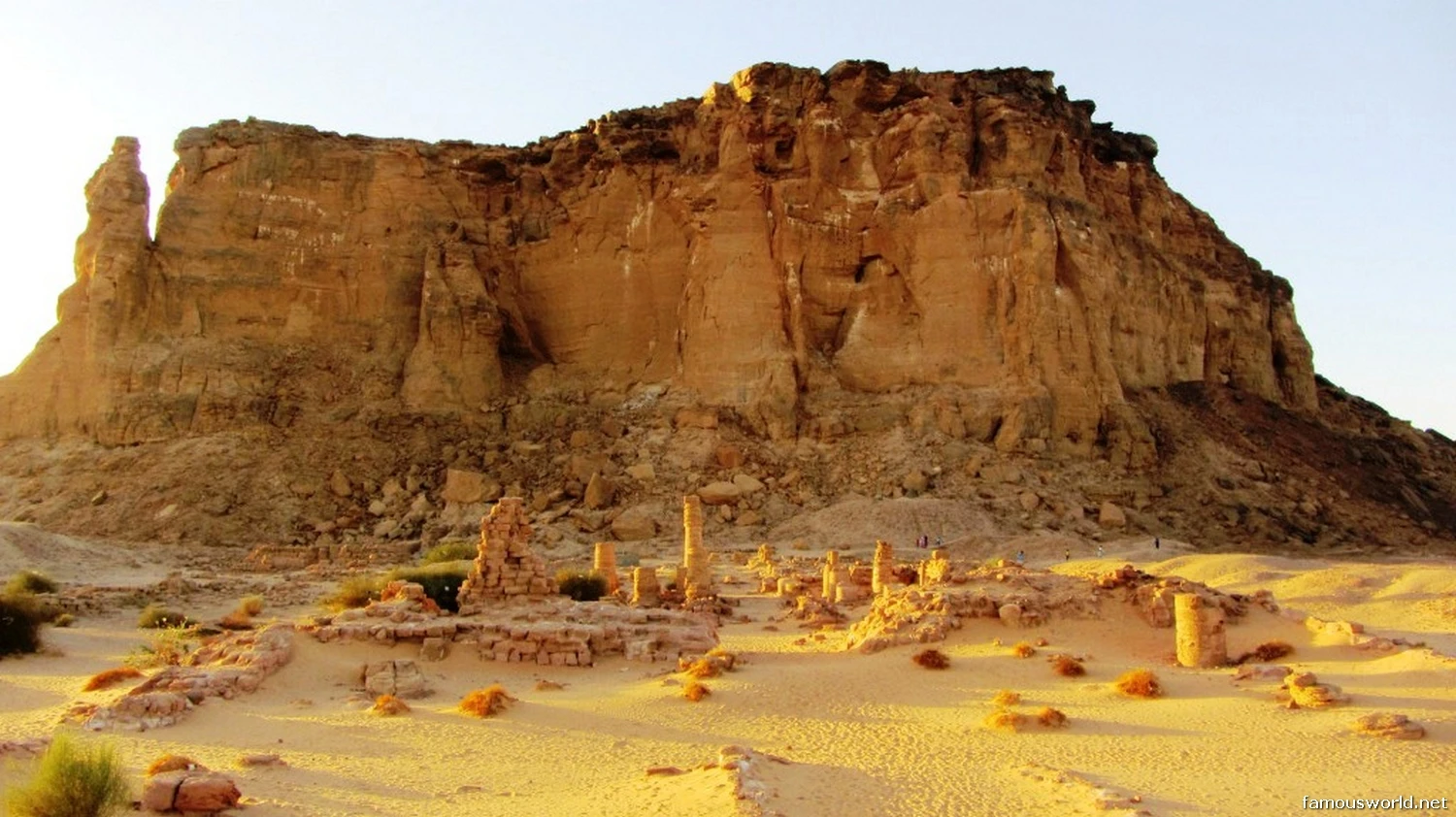
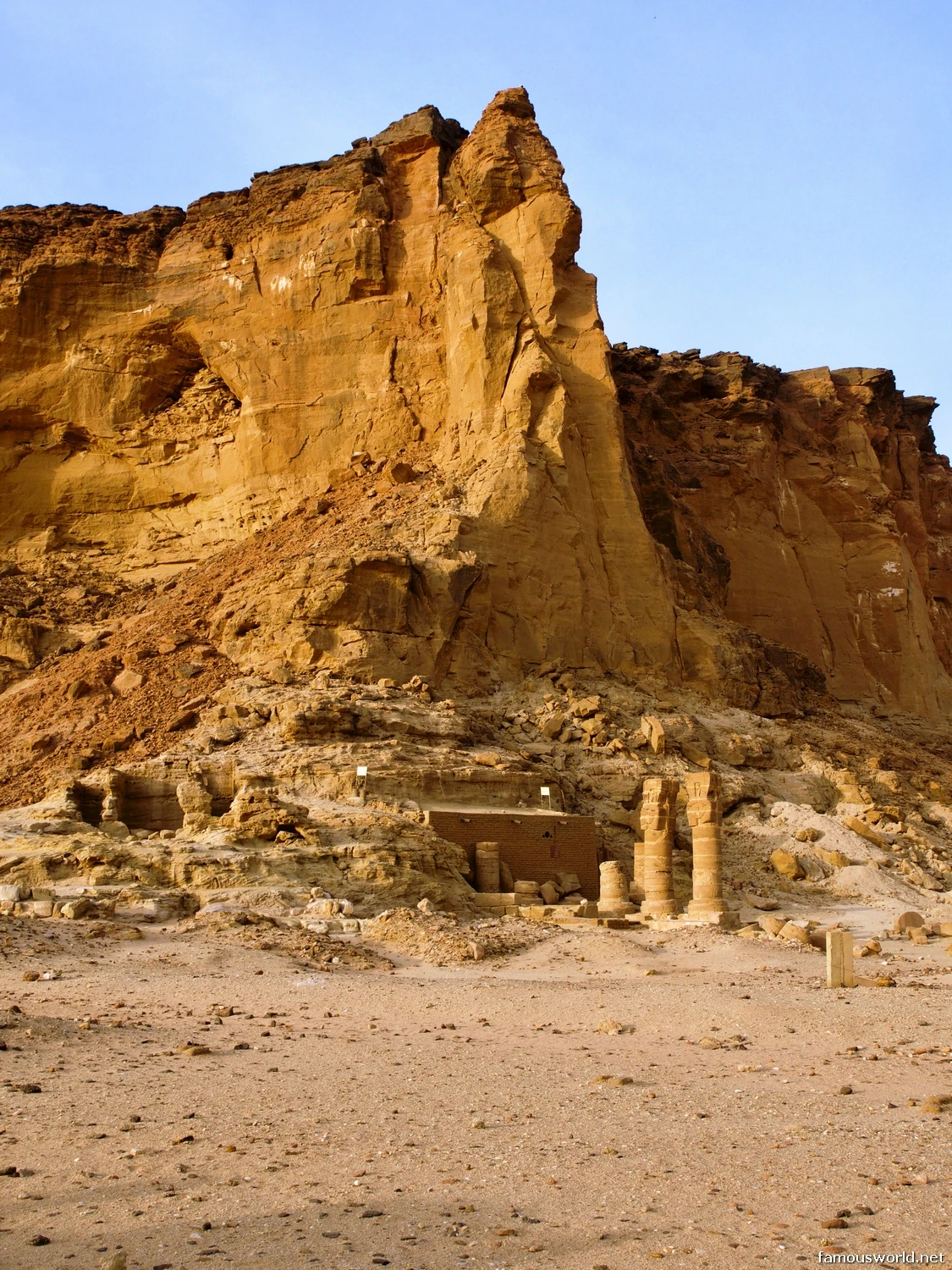
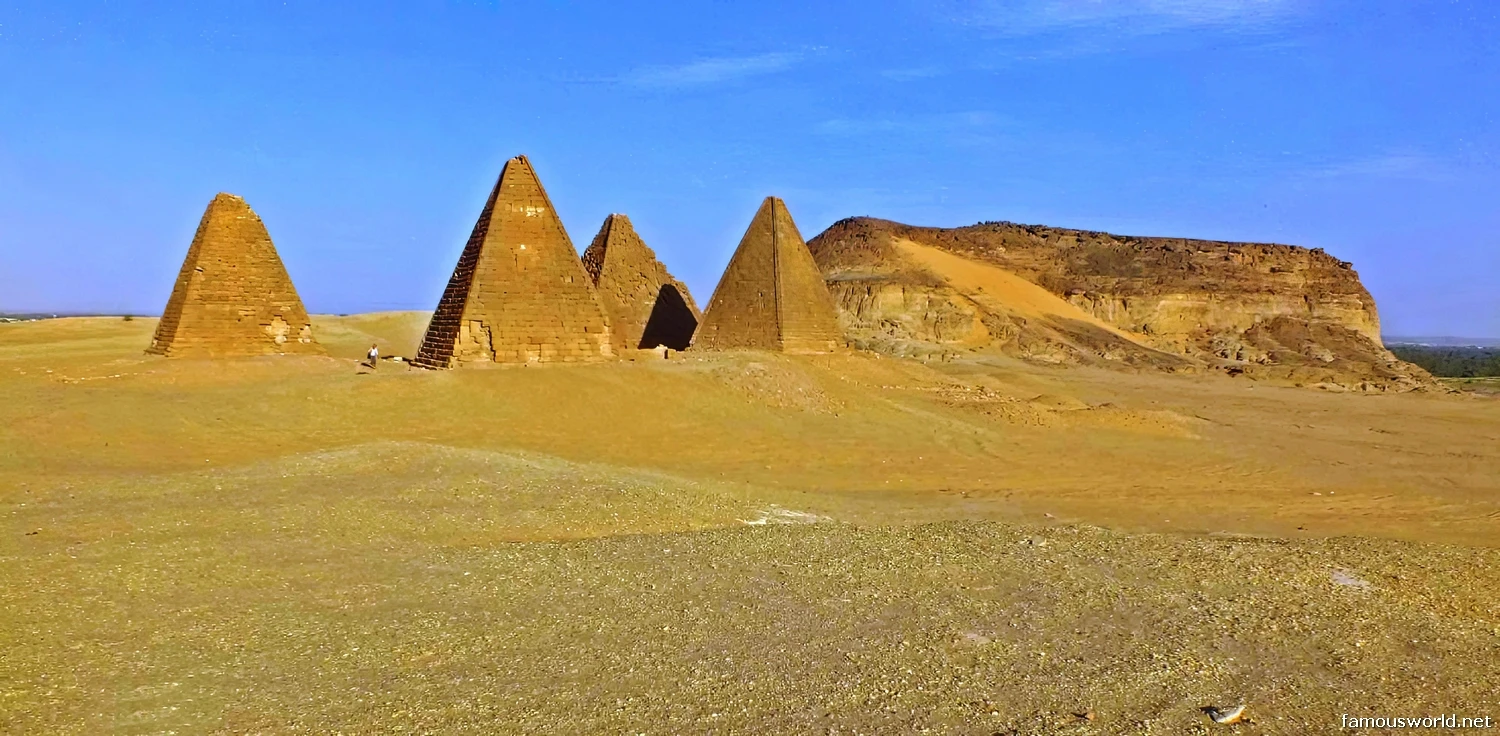
- Natural Landscape: The defining feature is Jebel Barkal itself, a solitary, flat-topped mountain about 98 meters (322 feet) high. Its sheer cliffs and unique pinnacle were seen by ancient peoples as a natural throne or a cobra wearing the crown of Upper Egypt. The site is set in a desert landscape along the fertile banks of the Nile.
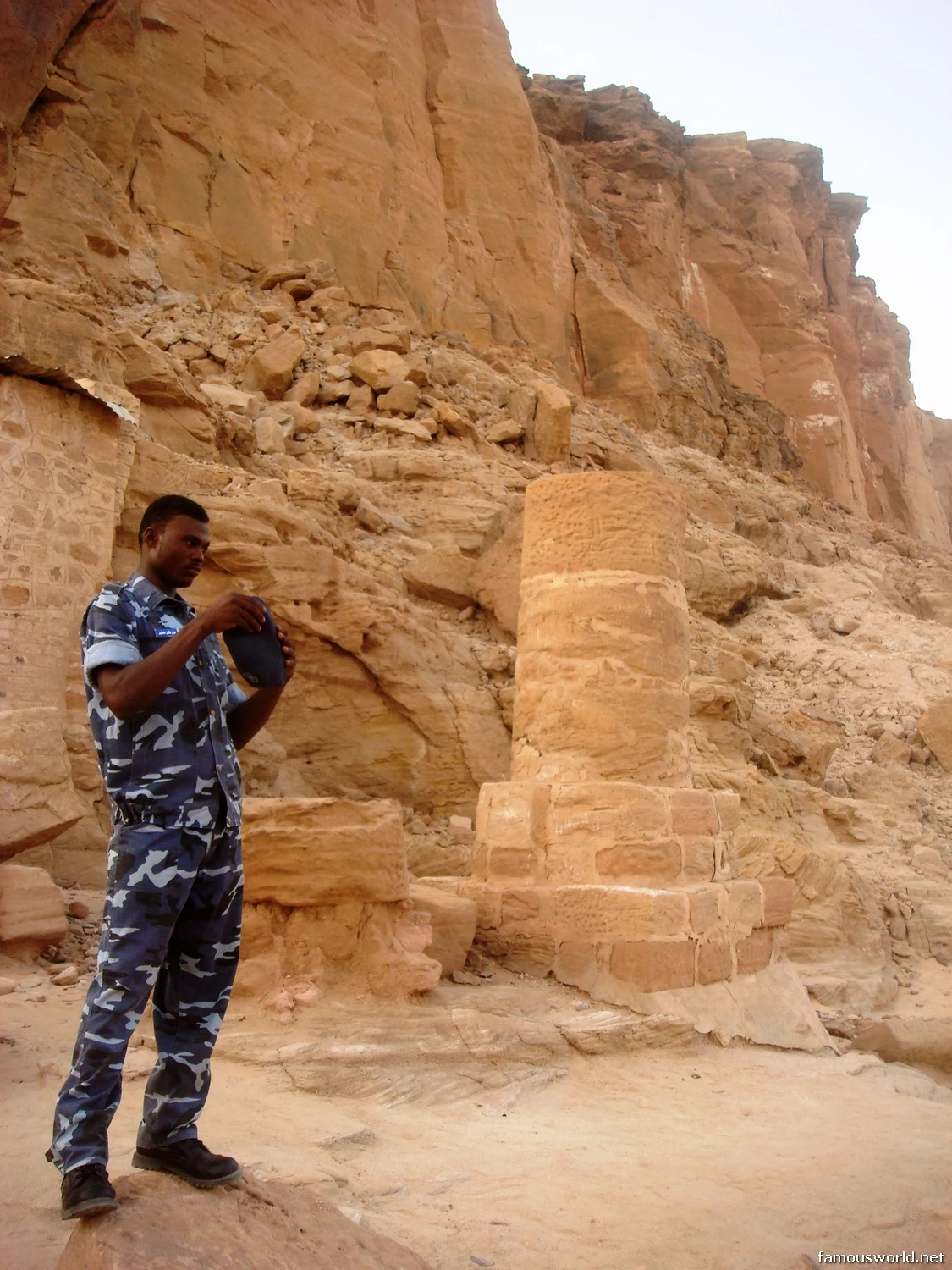
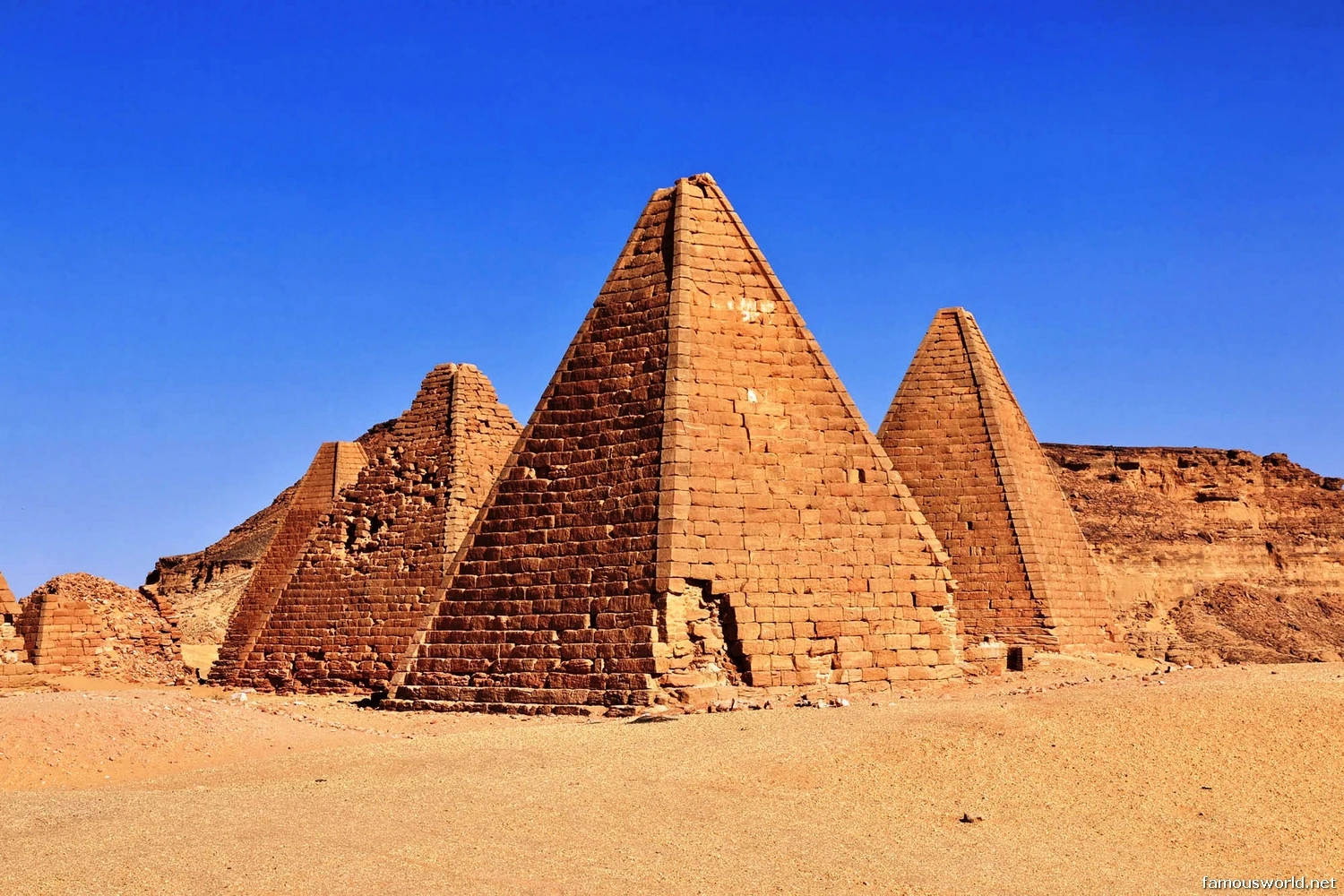
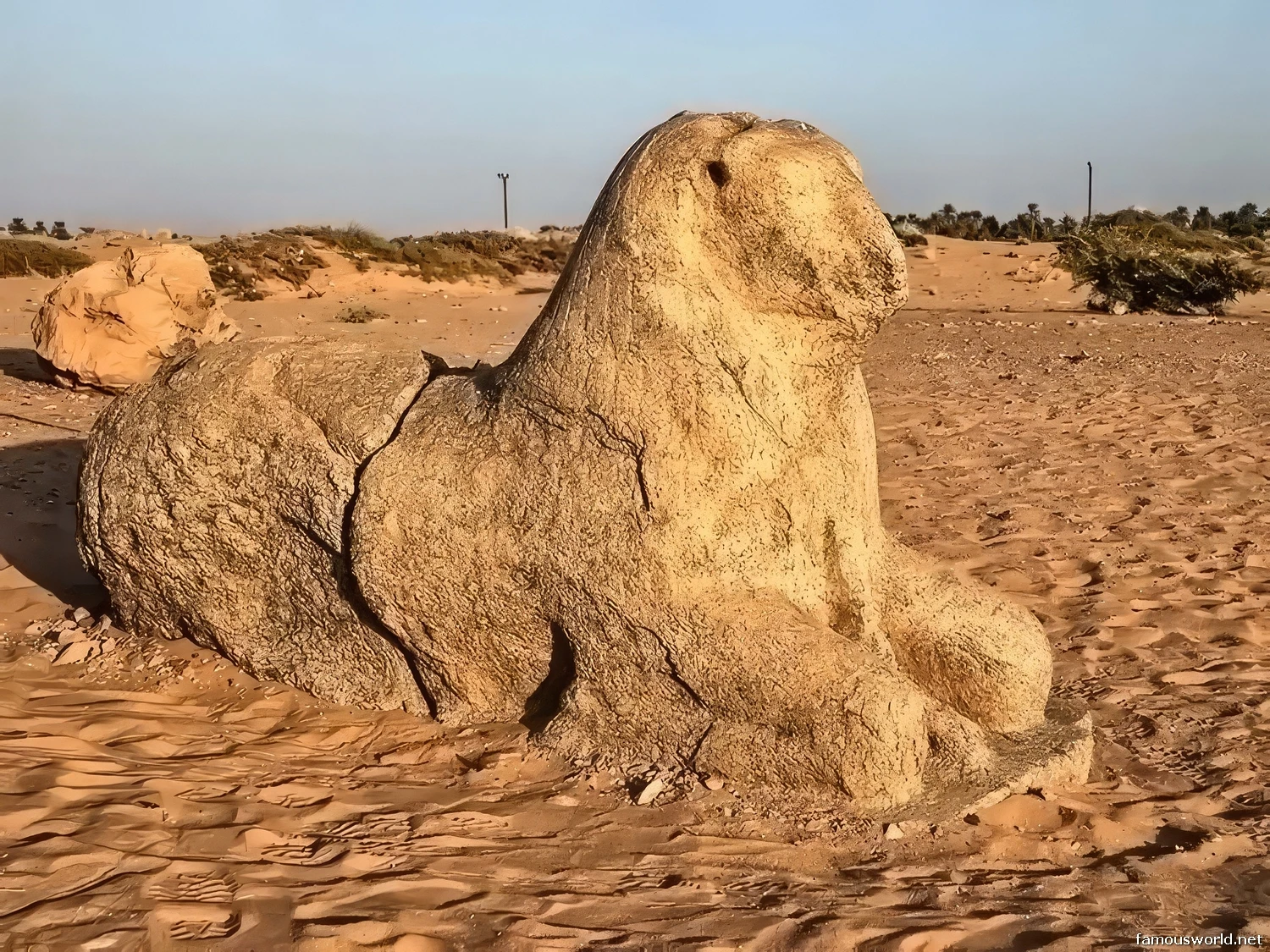
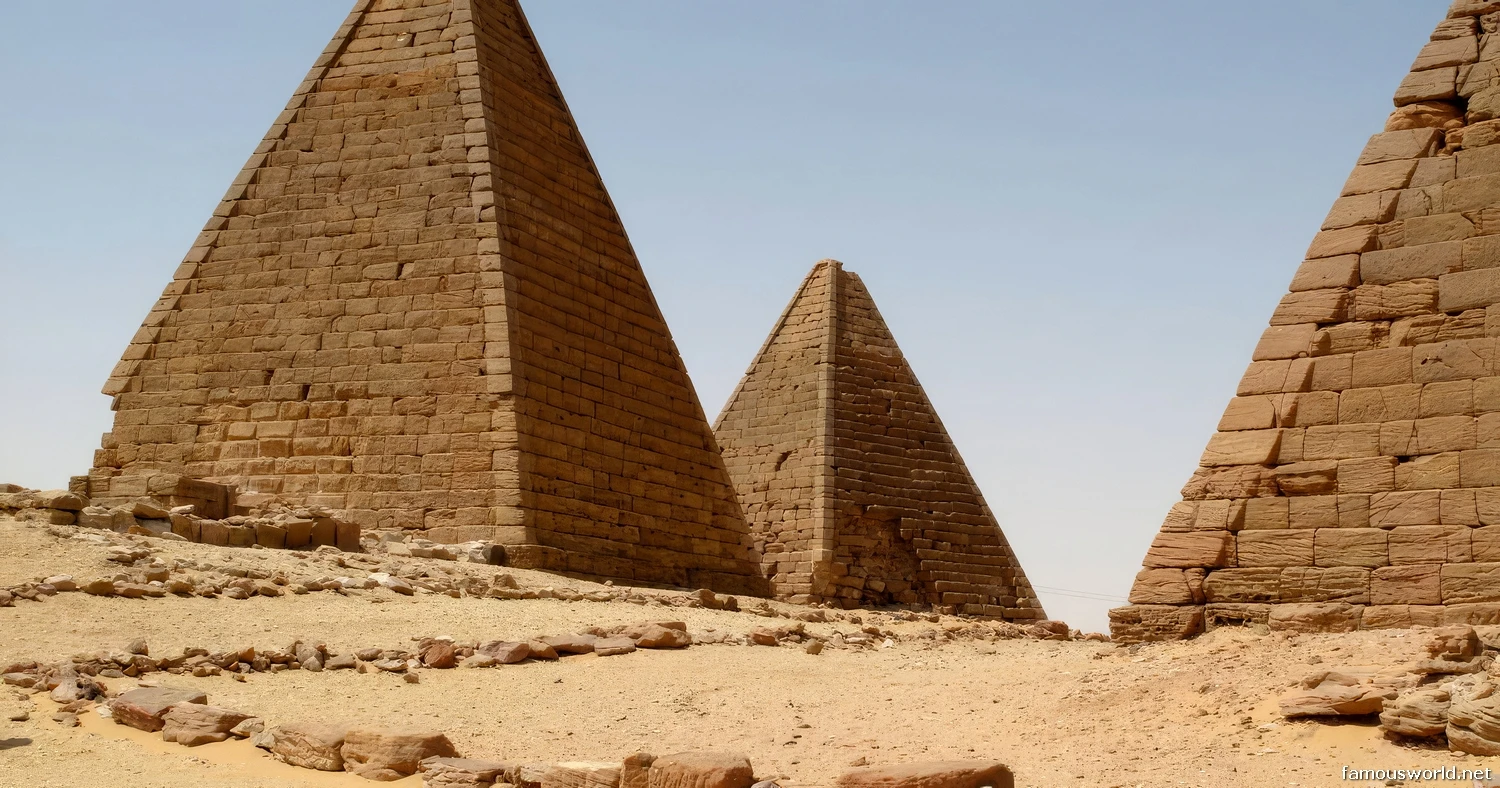
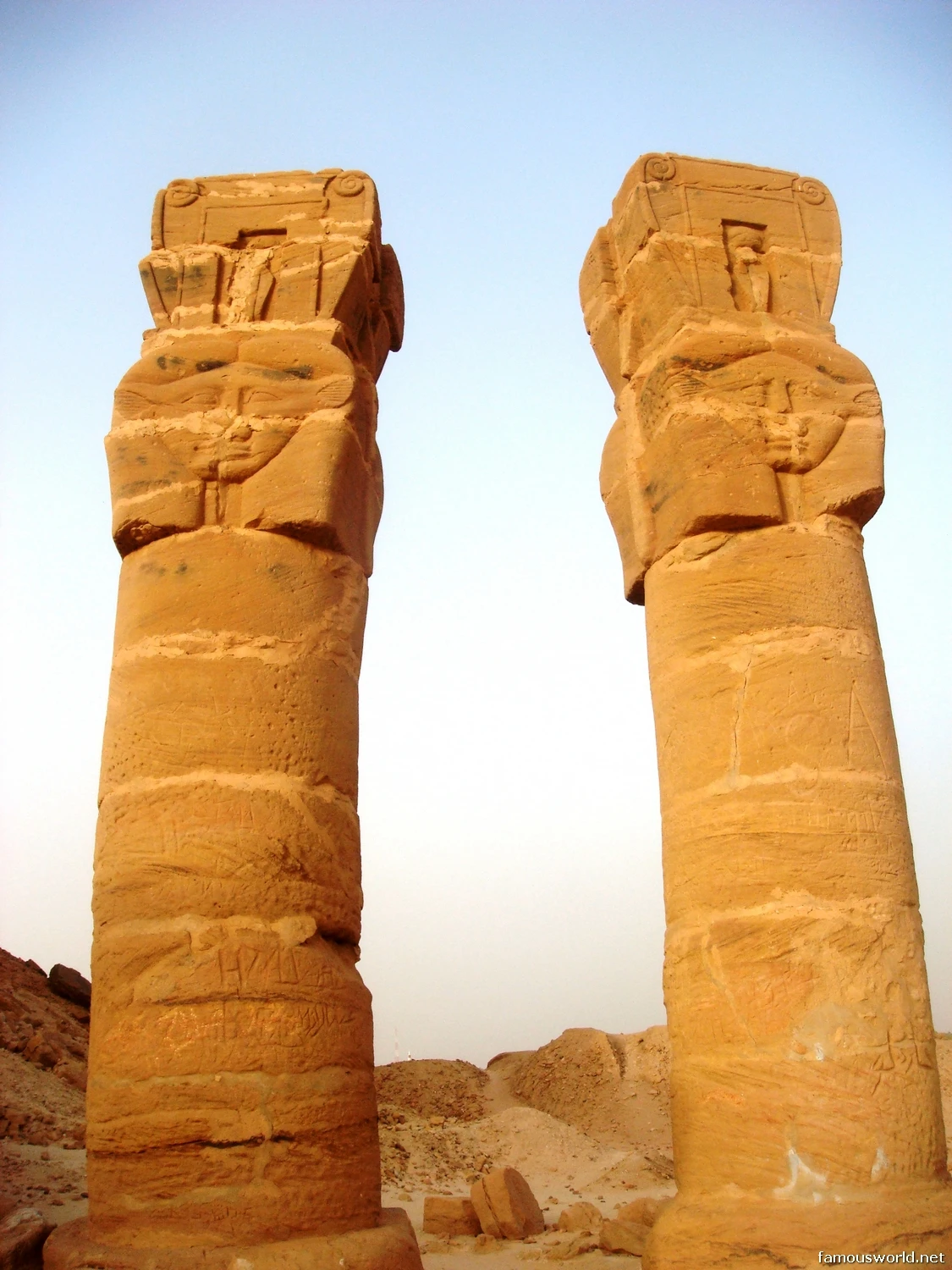
- Architectural Style: At the foot of the mountain lies a vast archaeological park. The centerpiece is the great Temple of Amun of Napata, one of the largest in ancient Nubia. The complex also includes the ruins of at least 13 other temples and 3 palaces. Nearby are royal cemeteries featuring small pyramids with steep angles, which predate those at Meroe. The architecture is a powerful blend of classic Egyptian Pharaonic design and distinct Kushite elements.
What Makes It Famous
Jebel Barkal’s fame stems from its immense religious and political importance in the ancient world.
- The Sacred Mountain of Amun: It was the most important religious center in the Kingdom of Kush, considered the southern home of the creator god Amun.
- Capital of an Empire: The surrounding area, Napata, was the first capital of Kush and the power base from which the 25th Dynasty of Egypt—the “Black Pharaohs”—emerged to conquer and rule all of Egypt.
- UNESCO World Heritage Site: It is recognized for its exceptionally well-preserved archaeological remains that illustrate the intertwined cultures of the Nile Valley.
- Coronation Site: For centuries, Kushite kings traveled to Jebel Barkal for their coronation ceremonies to receive legitimacy to rule from the god Amun.
Differences from Other Wonders
The sacred mountain of Jebel Barkal is profoundly different from the coral port of Suakin.
- Environment (Inland Sacred Mountain vs. Coastal Port): Jebel Barkal is an inland spiritual center, its identity shaped by a sacred mountain and the Nile River. Suakin is a maritime city defined by its connection to the Red Sea.
- Core Story (Spiritual Heart of an Empire vs. Cosmopolitan Trade Hub): Jebel Barkal tells the story of the sacred, political heart of a native African empire. Suakin’s story is one of international maritime trade, pilgrimage, and eventual economic collapse.
- Primary Attraction (Temple Complex and Mountain vs. Coral City Ruins): The main draw of Jebel Barkal is the sacred mountain itself and the monumental temple complex at its base. The unique attraction of Suakin is its atmospheric, crumbling city built of white coral.
- Atmosphere (Ancient Sacred Power vs. Faded Maritime Grandeur): Jebel Barkal evokes a sense of deep antiquity, sacred power, and imperial history. Suakin has an atmosphere of faded commercial glory and melancholic, coastal beauty.
Location on world map