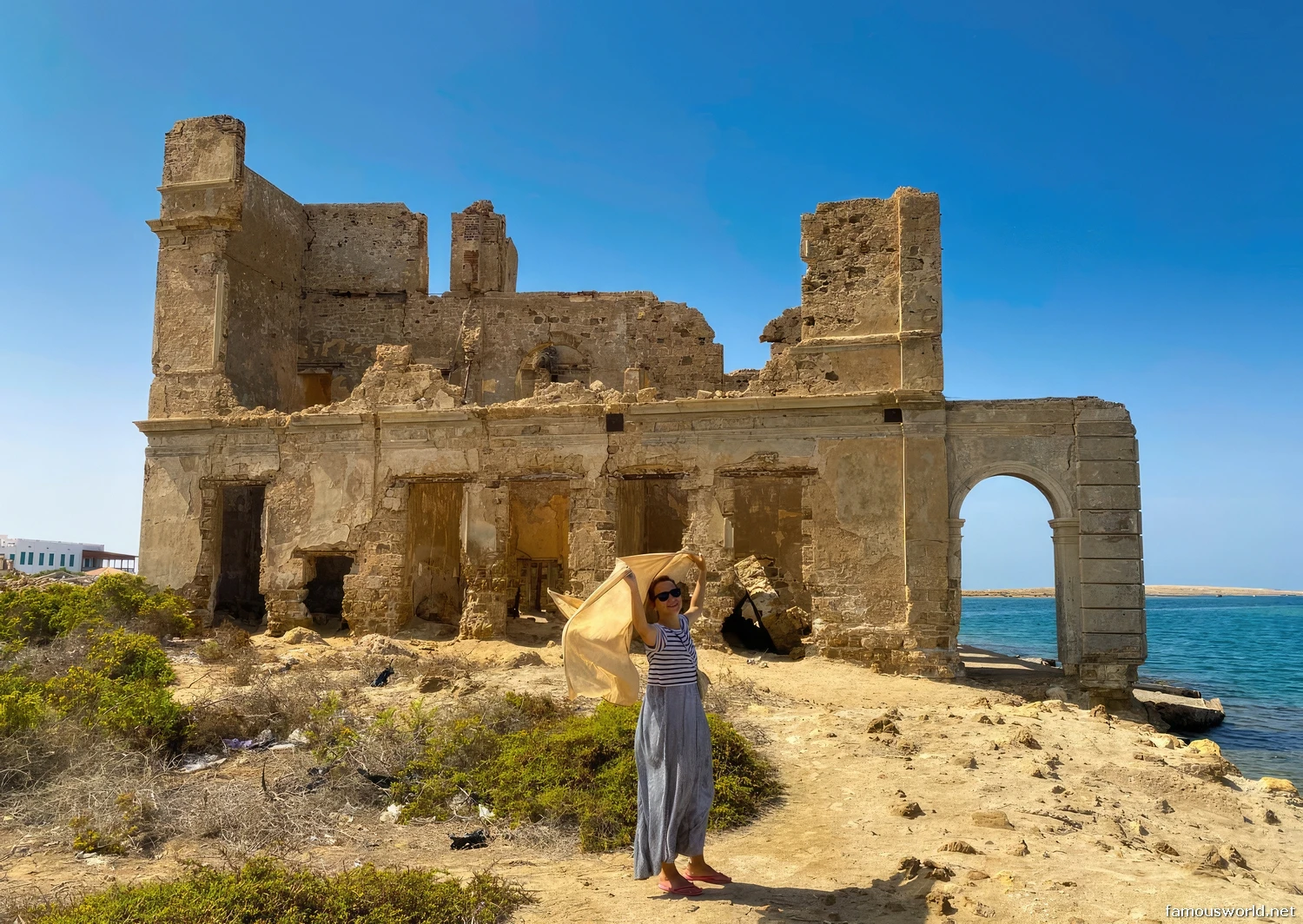
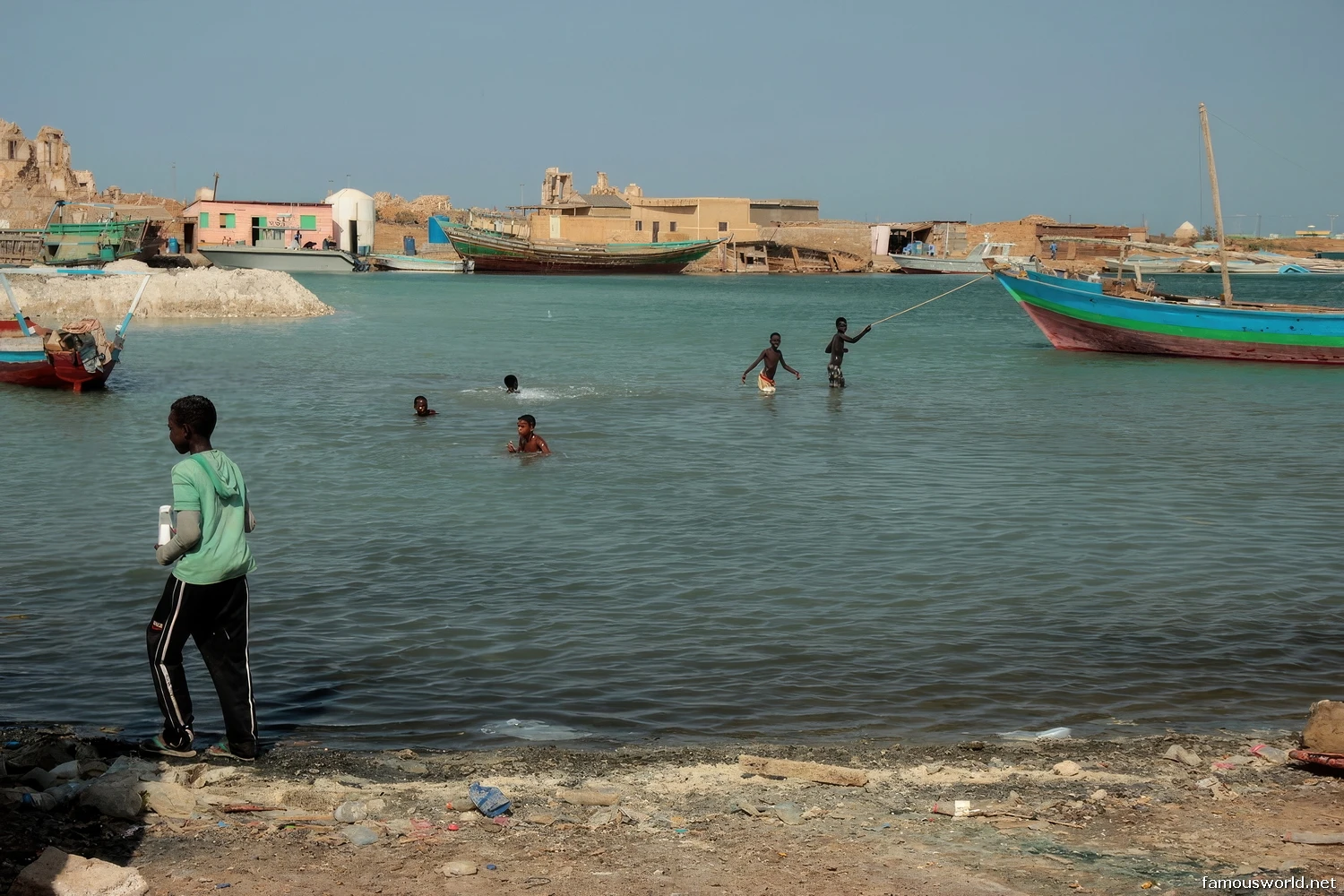
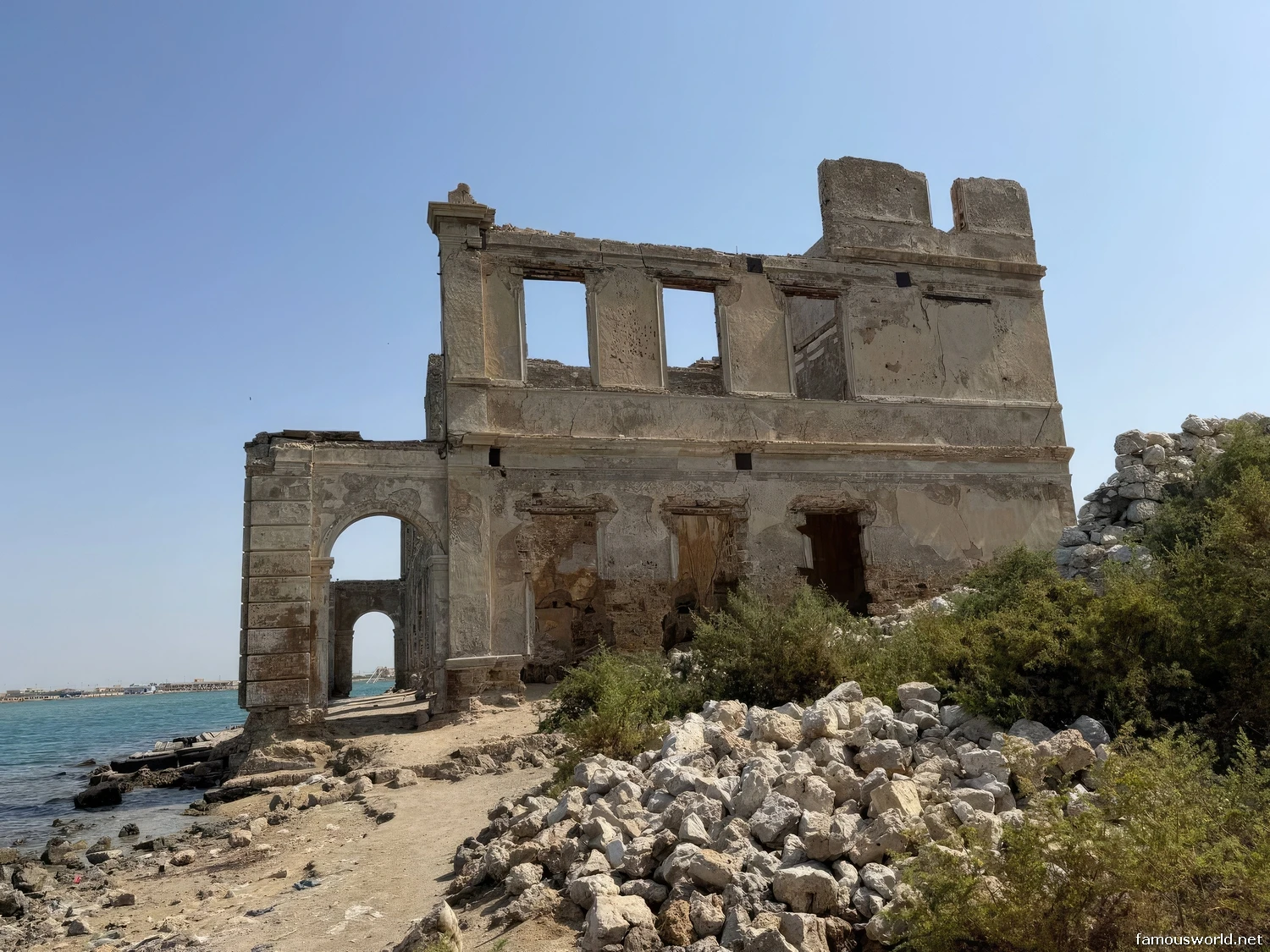

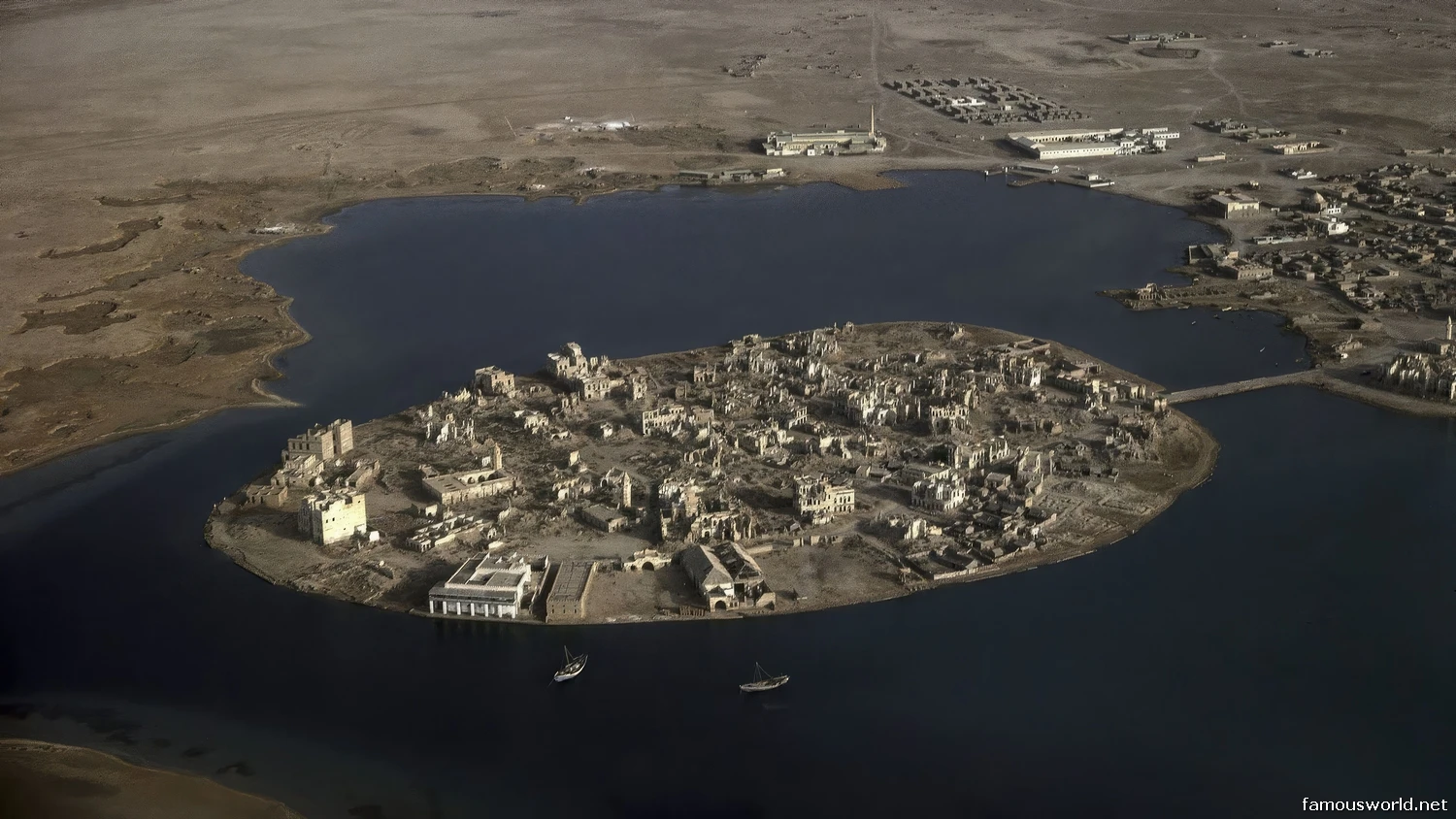
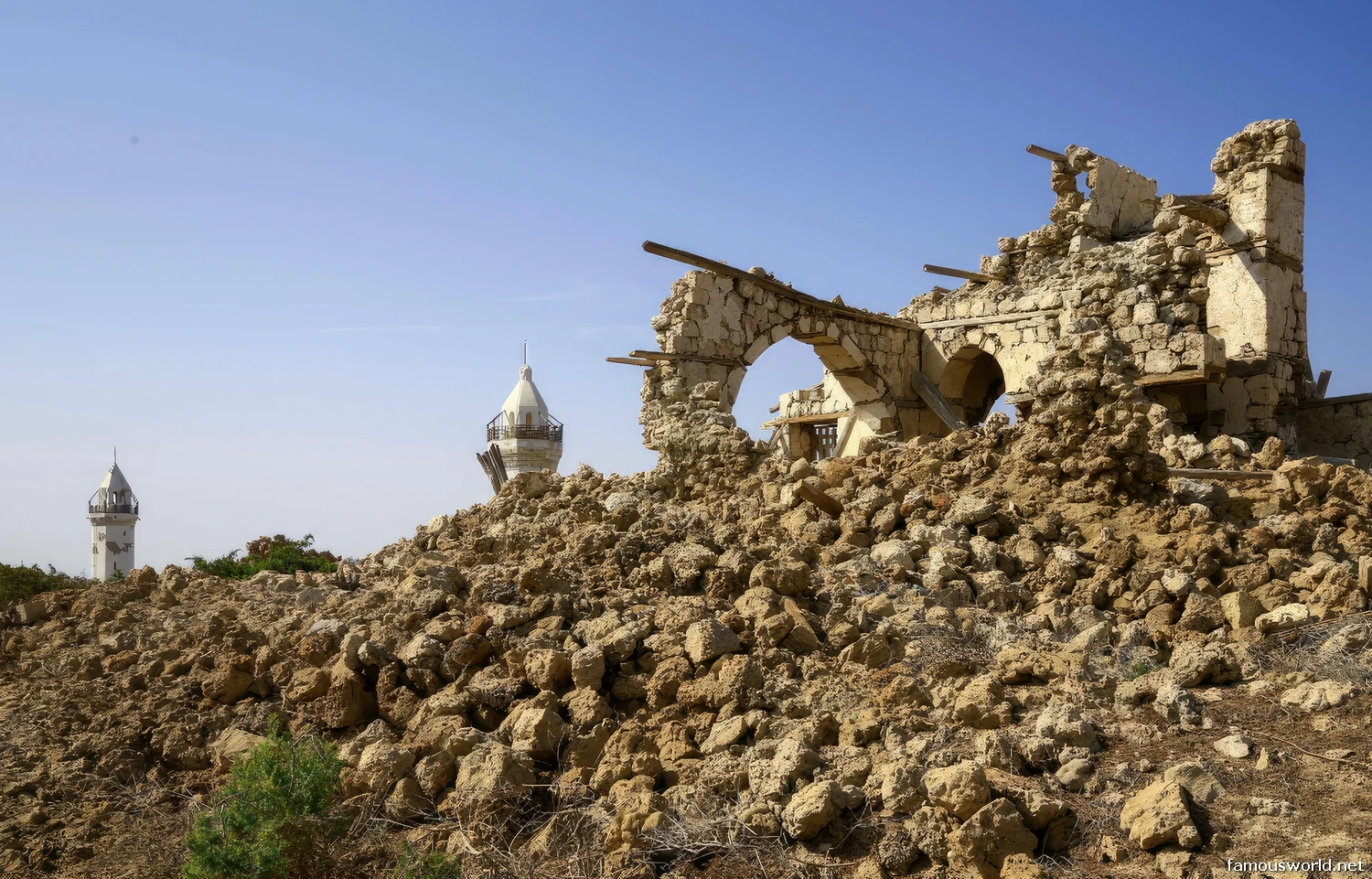
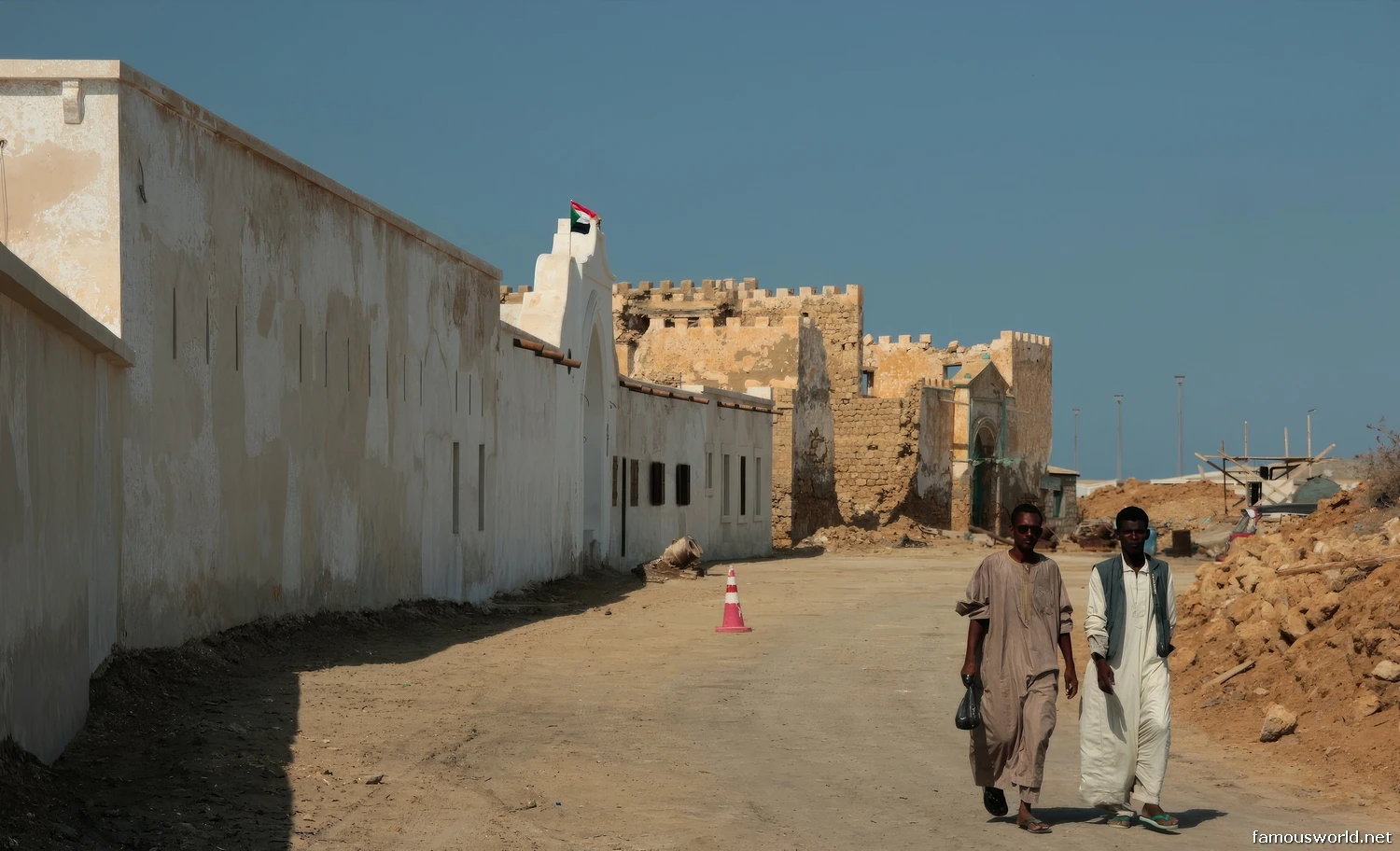
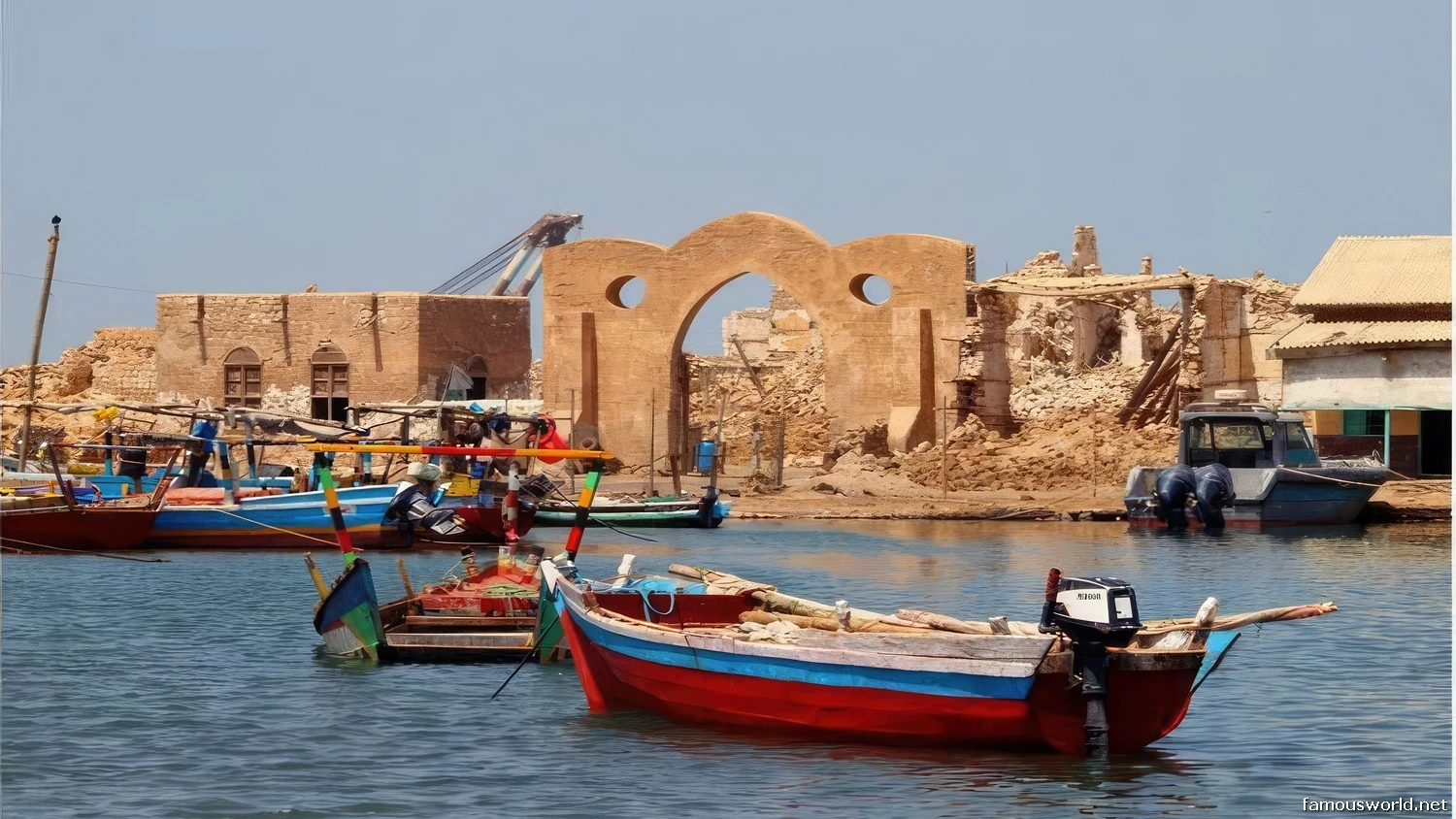
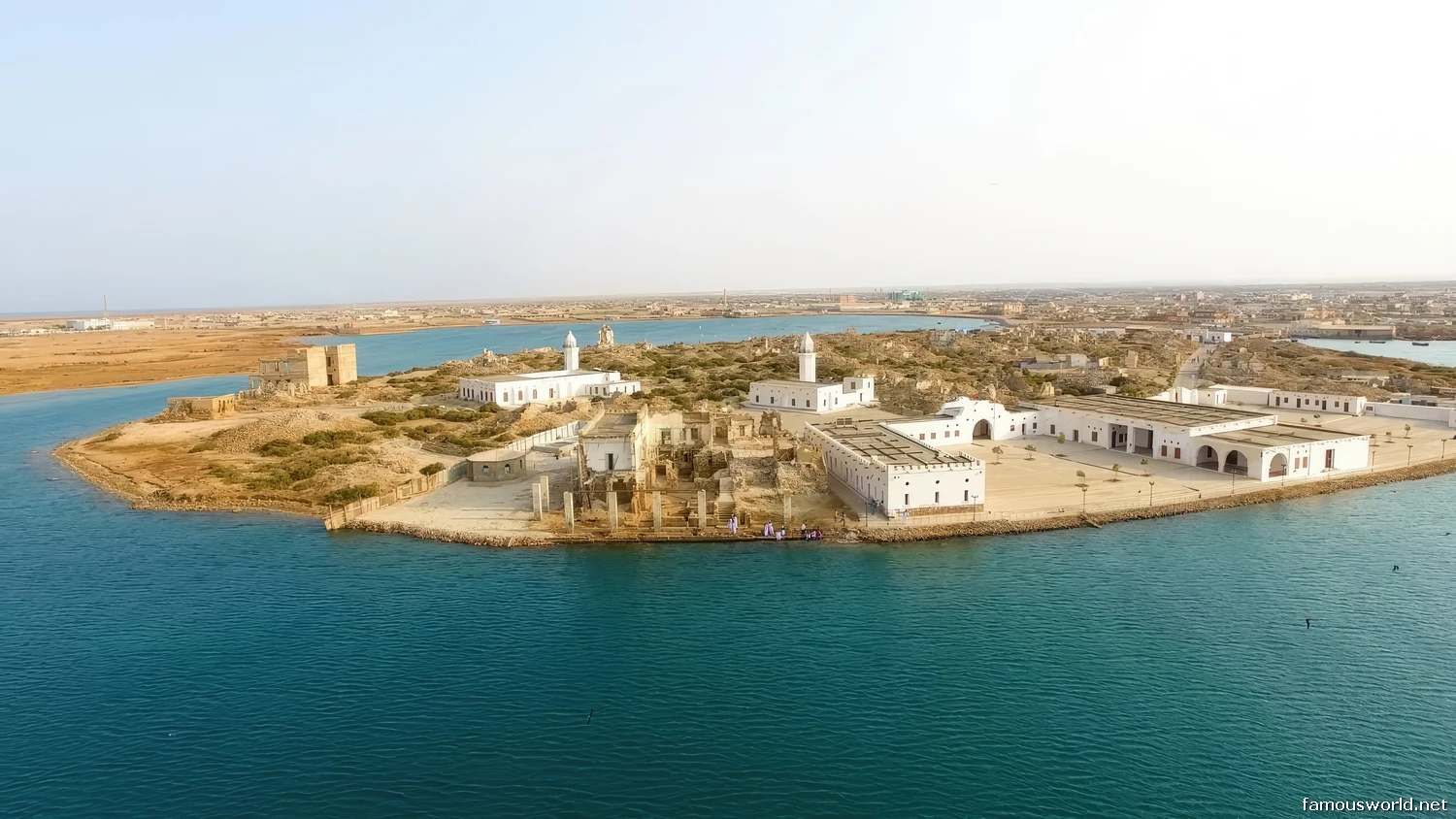
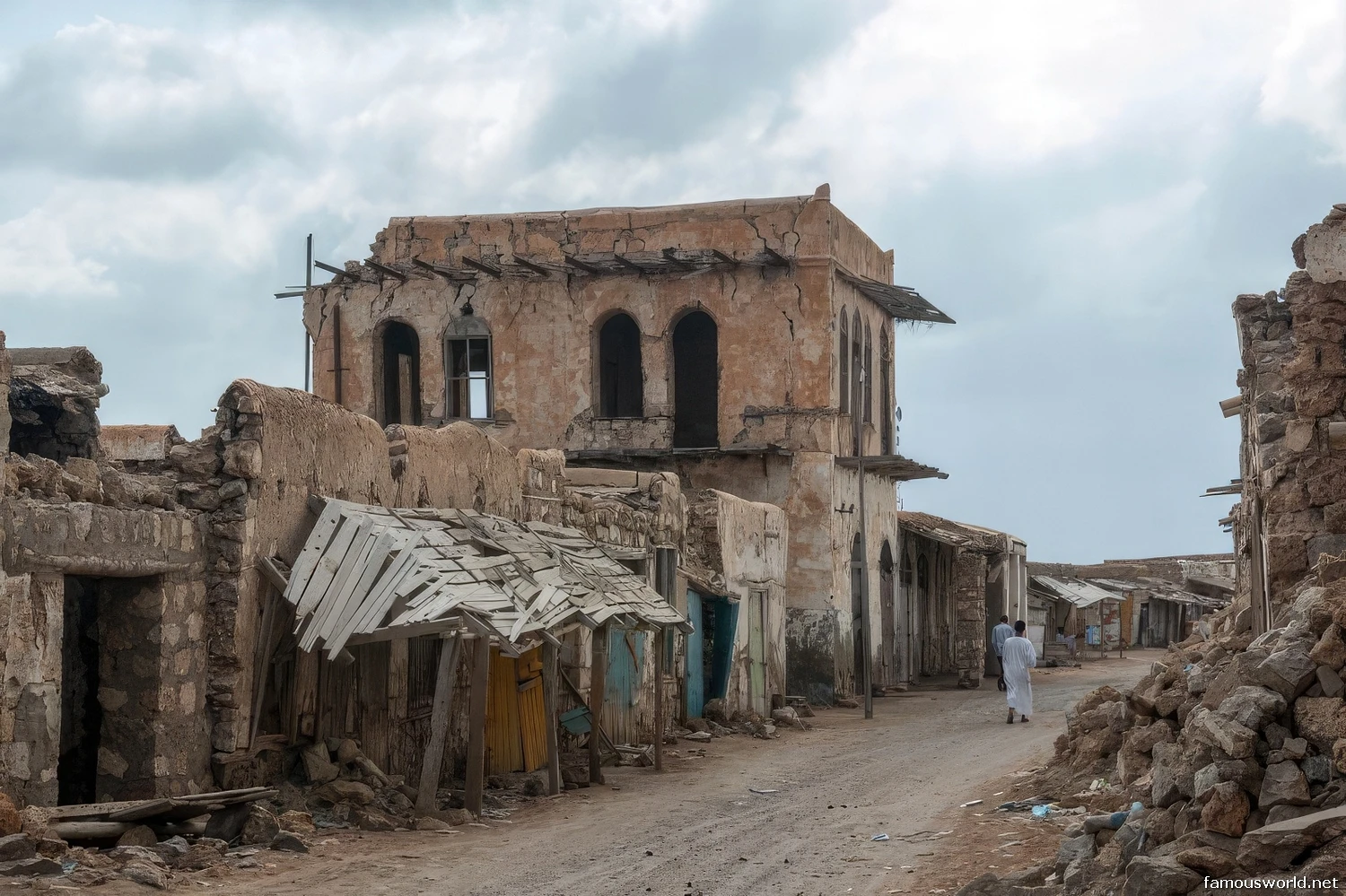
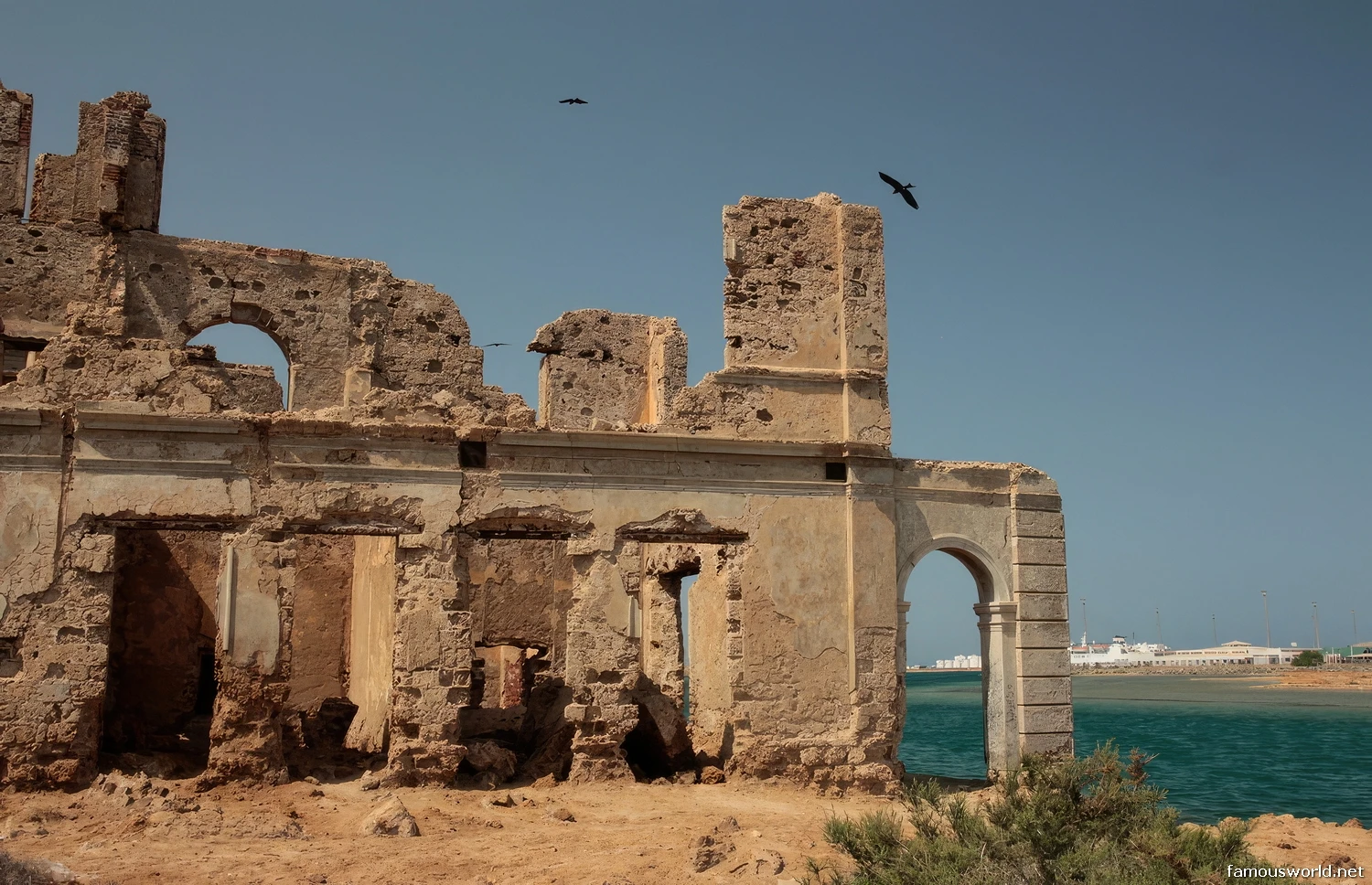
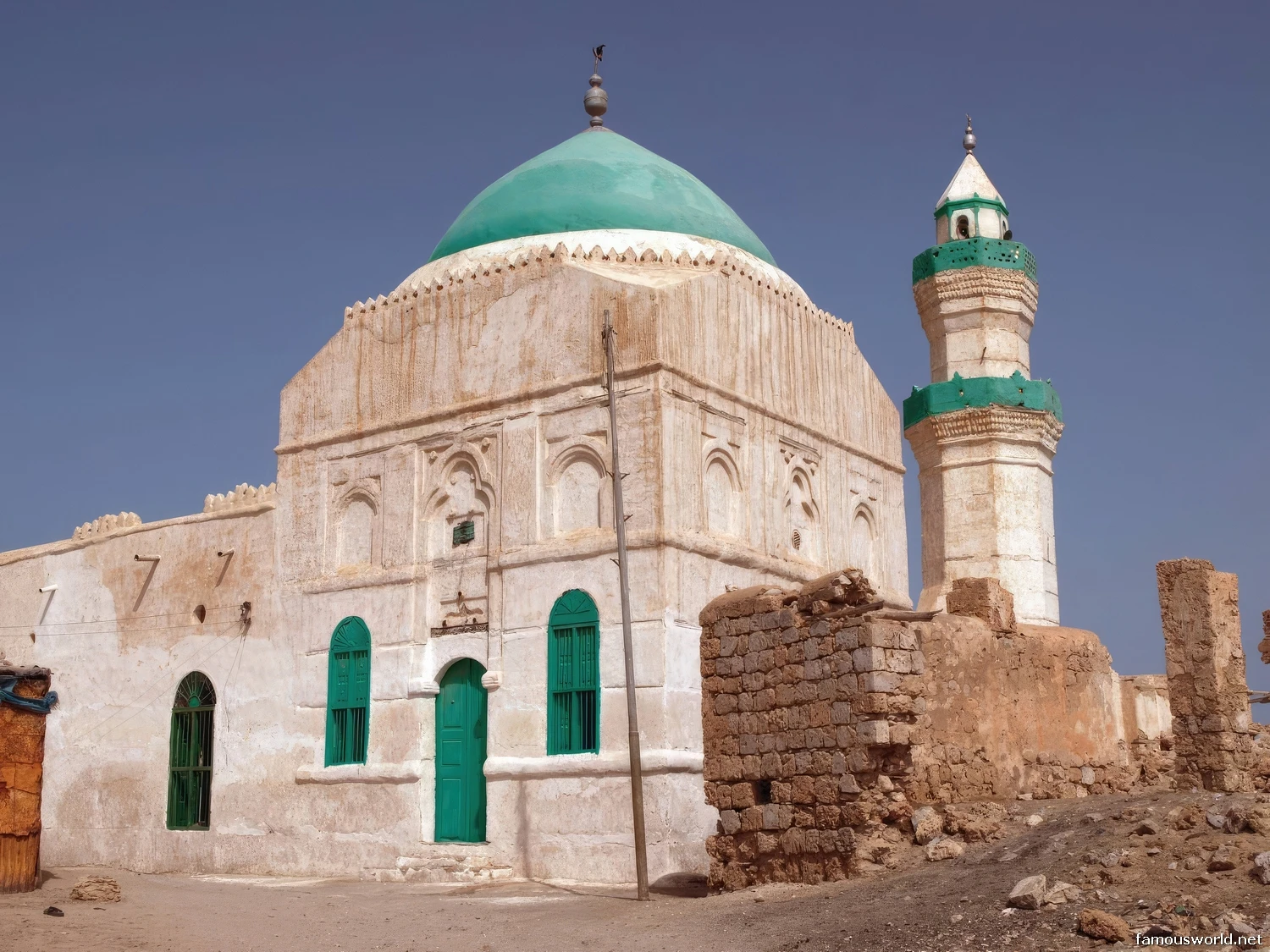
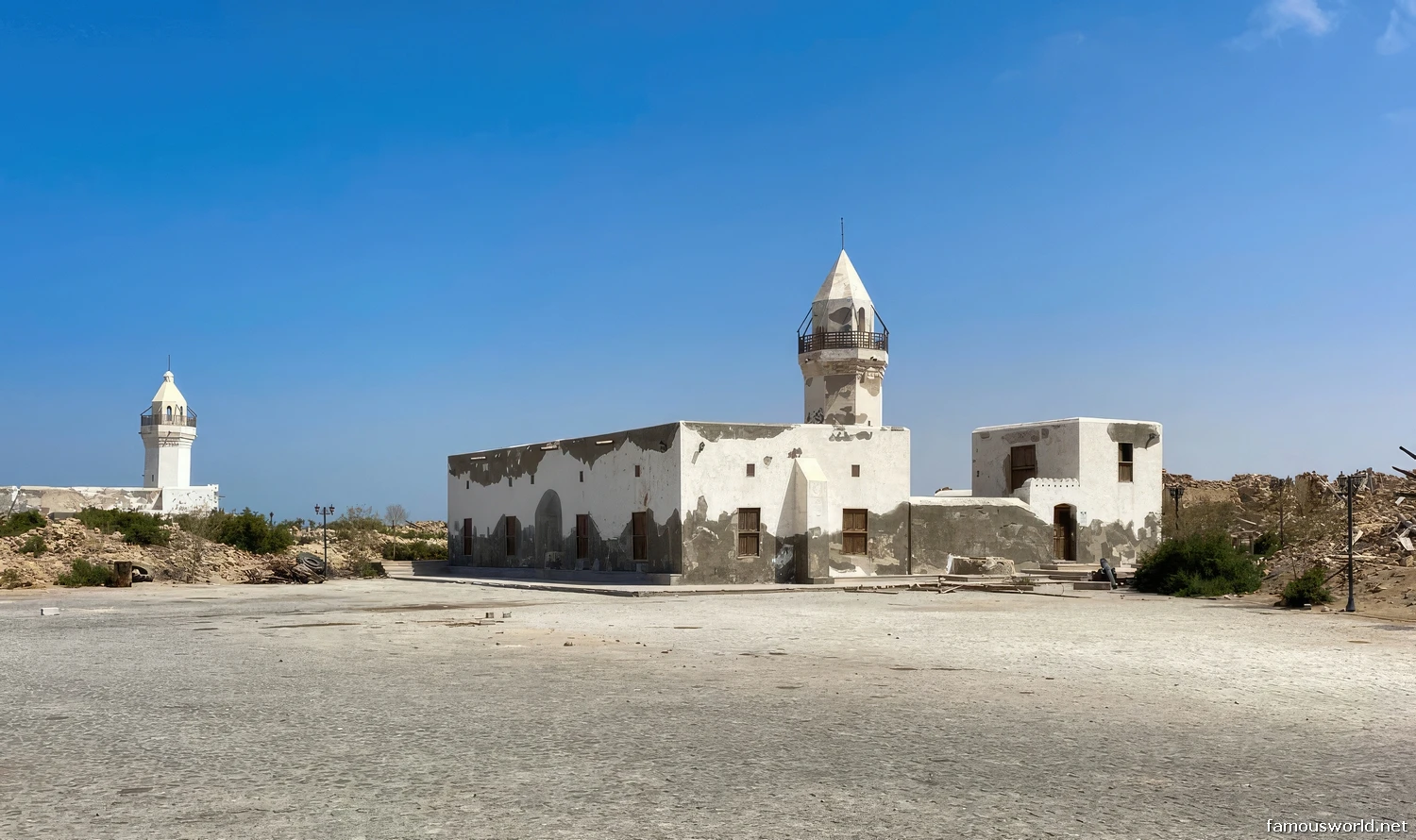
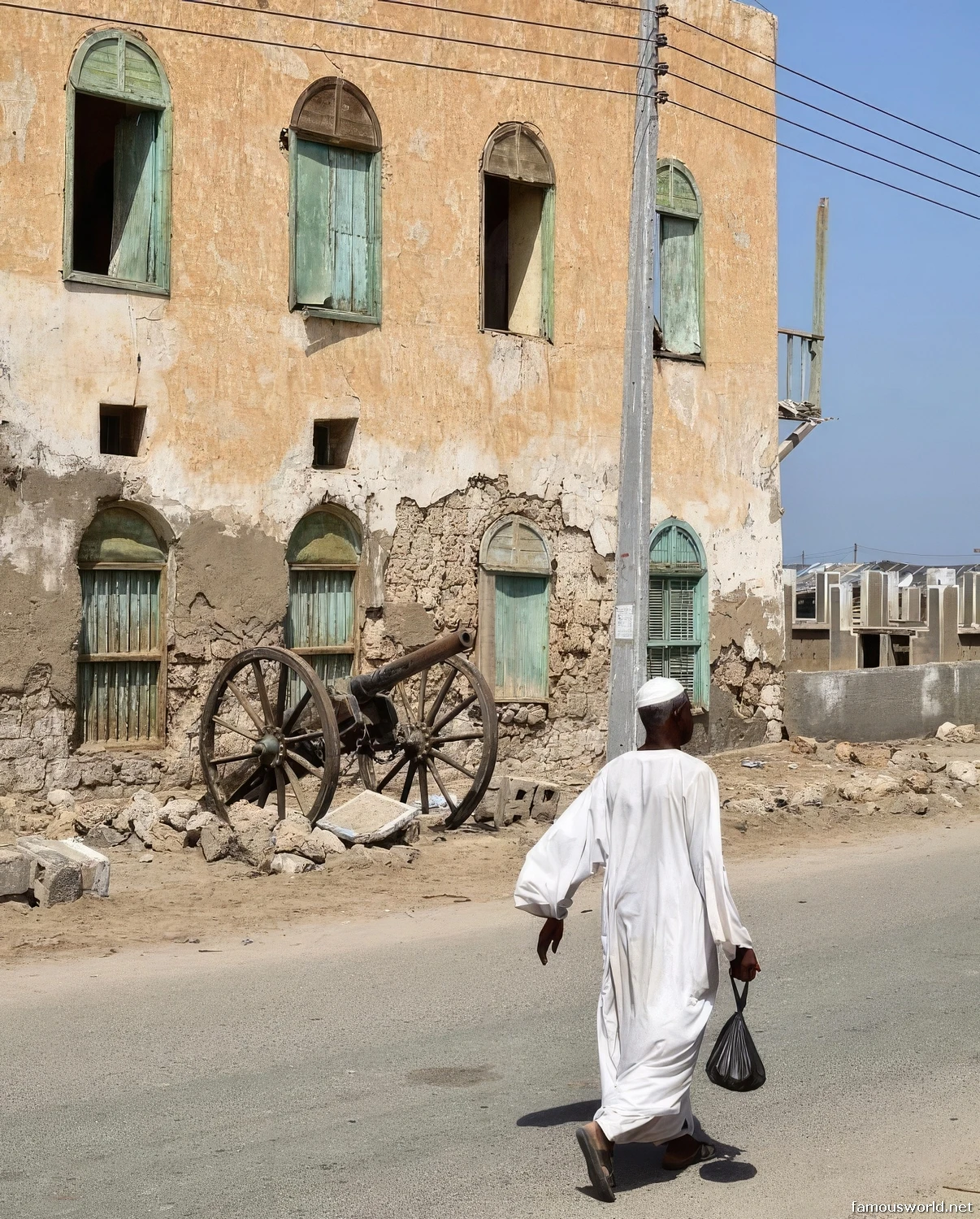
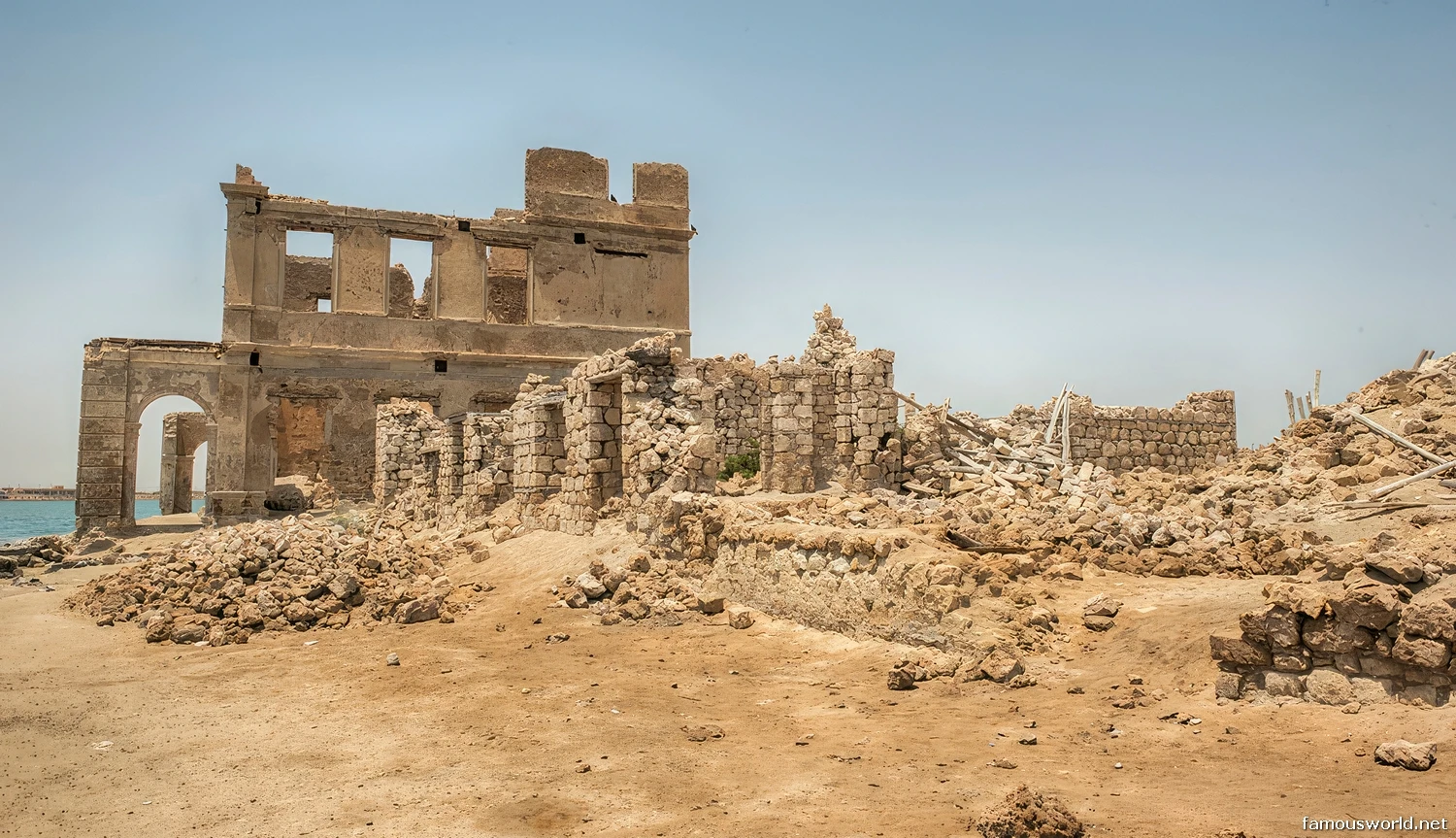
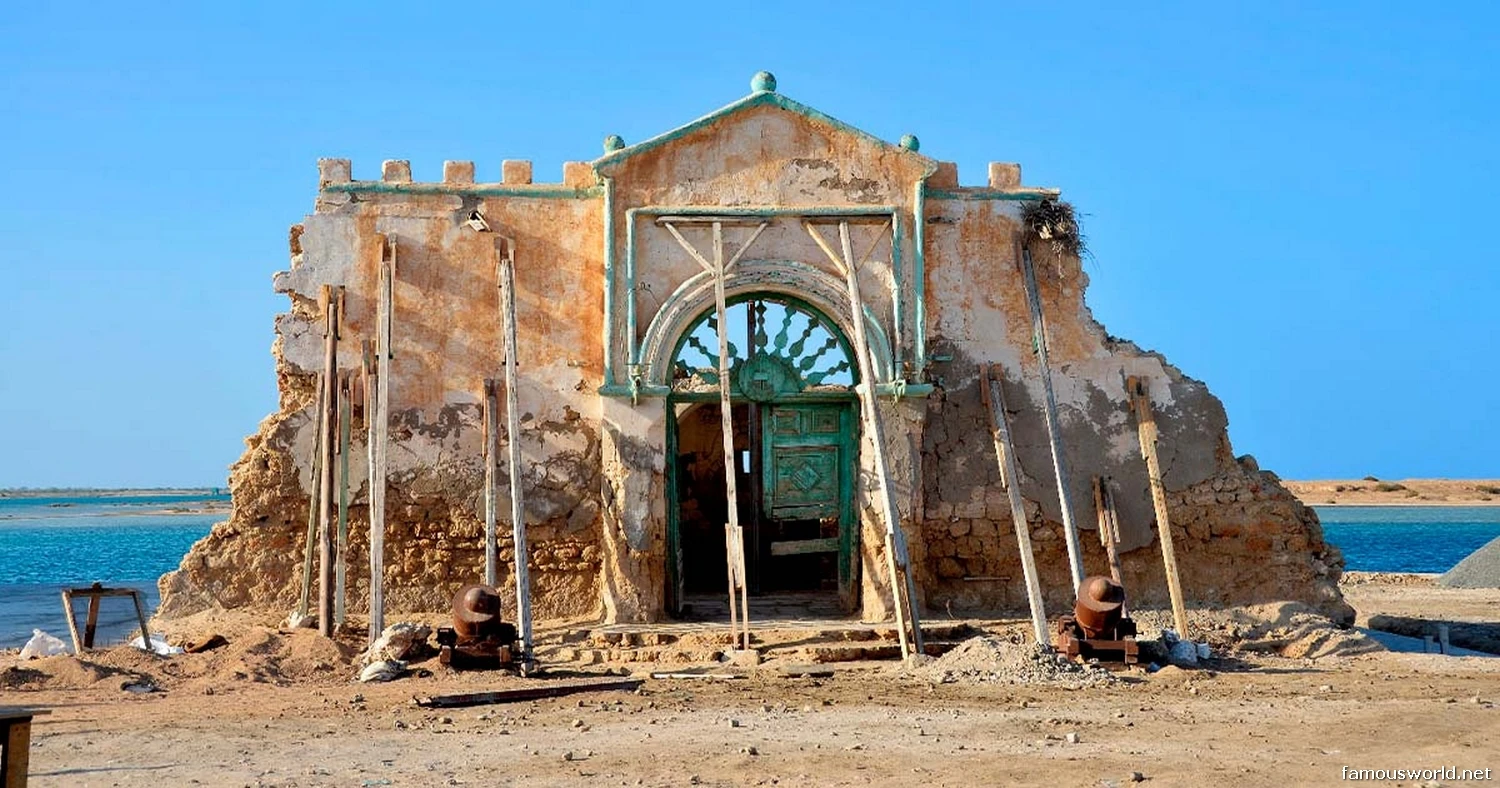
Suakin is an ancient Red Sea port city in northeastern Sudan, a hauntingly beautiful ghost town whose ruins are built almost entirely of coral. Once the region’s most prosperous trading hub, it was a vital link between Africa and Arabia for centuries, serving as a gateway for pilgrims on their way to Mecca and a major center for commerce. Today, the original island city is a collection of crumbling, sun-bleached coral-stone buildings that stand as a silent testament to its former glory. Its unique architecture and deep, complex history make it one of the most atmospheric and historically significant sites on the entire Red Sea coast.
Listen to an introduction about Suakin

Name and Location
- Name: Suakin.
- Location: On the Red Sea coast, approximately 50 kilometers (31 miles) south of Port Sudan, Sudan.
How to Get There
Access to the historic island is through the modern town of Port Sudan.
- By Road: Suakin is an easy trip from Port Sudan, typically taking less than an hour by car, taxi, or local bus. Port Sudan is home to Sudan’s main international port and an international airport (PZU), making it the primary entry point for the region.
Landscape and Architecture
The city’s architecture and setting are unique on the African coast.
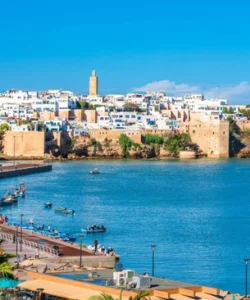
- Natural Landscape: The historic heart of Suakin is located on a small, circular island connected to the mainland by a causeway. This strategic position created a perfectly sheltered natural harbor. The surrounding landscape is arid coastal plain, meeting the clear waters of the Red Sea.
- Architectural Style: Suakin is famous for its distinctive architecture, where buildings were constructed from blocks of porous coral rock quarried from the seabed. This gave the city a dazzling white appearance in its heyday. The design of the tall, narrow townhouses was a unique blend of Ottoman, Mamluk, and Persian styles adapted to the local climate, featuring elaborate carved wooden balconies and latticework windows known as mashrabiyas, designed to provide shade and ventilation.
What Makes It Famous
Suakin’s fame is rooted in its rich history as a major maritime power and its stunning architectural legacy.
- Historic Red Sea Gateway: For over a thousand years, it was Sudan’s primary outlet to the sea, flourishing under various powers, including the Mamluk and Ottoman Empires.
- The Coral City: It is renowned for its unique coral-stone architecture, which has no parallel on this scale elsewhere in the region.
- Pilgrimage Port: Suakin was the main departure point on the African continent for pilgrims crossing the Red Sea to perform the Hajj in Mecca.
- Center of Trade: It was a critical hub in the lucrative trade networks of ivory, gold, and unfortunately, slaves, connecting the African interior with the Arabian Peninsula and beyond.
- Atmospheric Ruins: Today, it is best known as a beautifully decaying ghost town, where visitors can wander through the skeletal remains of ornate mosques, merchants’ houses, and banks.
Differences from Other Wonders
The coastal ghost port of Suakin offers a completely different experience from the desert necropolis of Meroe.
- Environment (Coastal Port vs. Inland Desert): Suakin is a maritime city, defined by its relationship with the Red Sea. Meroe is a land-locked desert site, defined by the Nile River and the surrounding sands.
- Core Story (Maritime Trade Hub vs. Royal Necropolis): Suakin tells the story of a cosmopolitan trading and pilgrimage port that rose to great wealth and then fell into ruin. Meroe tells the story of the sacred burial traditions of an ancient inland African kingdom.
- Primary Attraction (Coral Ruins vs. Sandstone Pyramids): The singular attraction of Suakin is its sprawling, intricate city ruins made of white coral. The primary attraction of Meroe is its unique collection of steep, sandstone pyramids.
- Atmosphere (Faded Grandeur vs. Ancient and Monumental): Suakin evokes a sense of faded grandeur, maritime history, and melancholic beauty. Meroe evokes a sense of deep antiquity, monumental power, and desert solitude.
Location on world map