

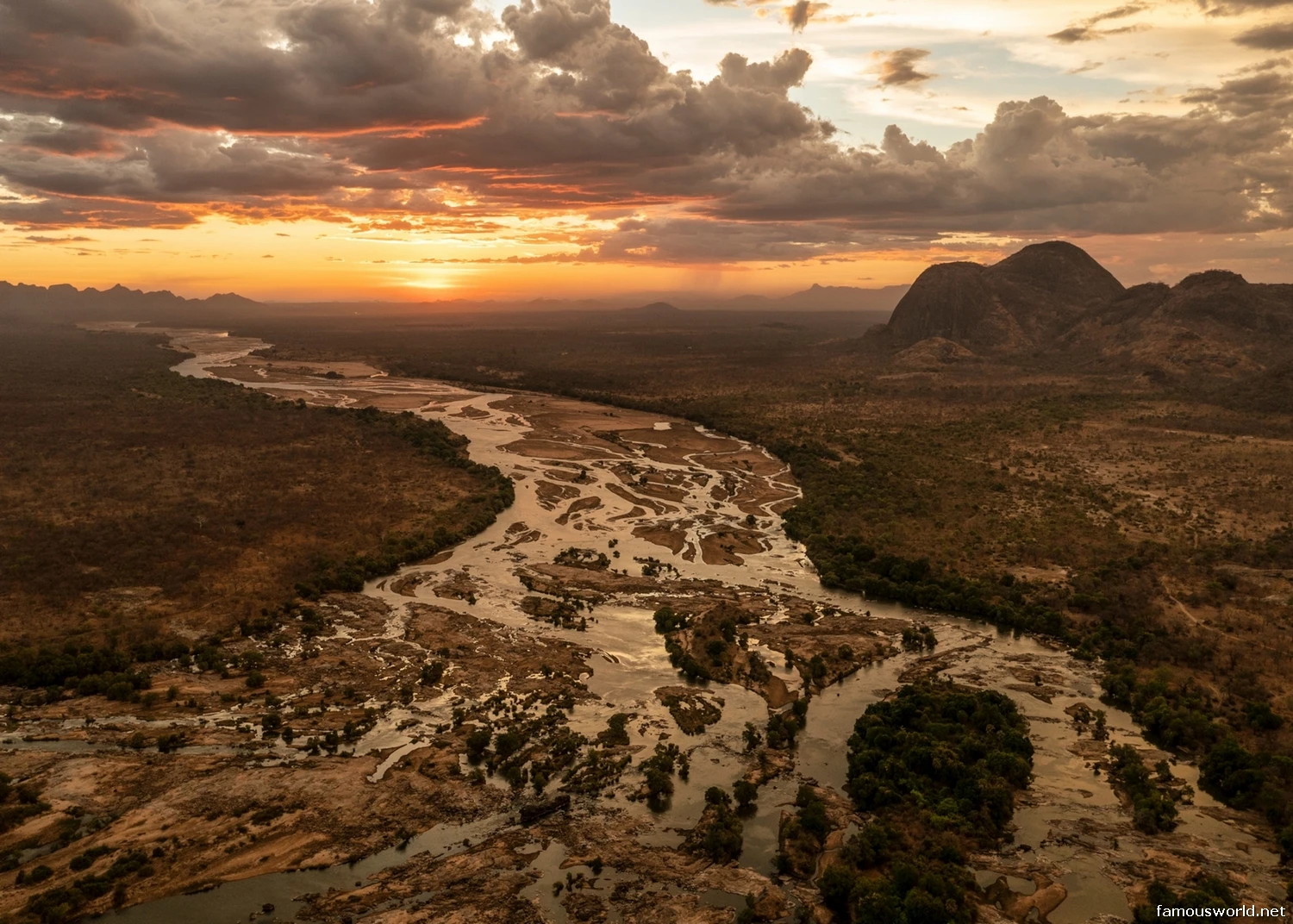


The Niassa National Reserve is one of Africa’s last truly vast and untamed wilderness areas, a sprawling expanse of miombo woodland and savanna in the remote northern reaches of Mozambique. Covering an area larger than Switzerland, it is one of the continent’s largest protected areas, yet remains remarkably wild and sparsely visited. This is not a place of safari crowds, but a remote frontier where nature operates on a grand scale. The reserve is a critical sanctuary for some of the continent’s most significant populations of elephants and endangered African wild dogs, representing a monumental conservation challenge and an unparalleled opportunity to experience raw, untouched Africa.
Listen to an introduction about Niassa National Reserve

Name and Location
- Name: Niassa National Reserve (Reserva Nacional do Niassa).
- Location: Niassa and Cabo Delgado Provinces, northern Mozambique. It shares its northern border with Tanzania, formed by the Rovuma River.
How to Get There
Accessing Niassa is a significant undertaking, underscoring its profound remoteness.
- By Air: The most practical way to reach the reserve is via private charter flight. The main gateways for these charters are the airports in Lichinga (LIX) or Pemba (POL). Commercial flights connect these towns to Maputo.
- By Road: Self-driving is possible for experienced and fully equipped 4×4 overlanders, but it involves long, challenging journeys on rough tracks and is not recommended for typical tourists.
Landscape and Ecosystems
The reserve’s landscape is a classic example of the wild African bush.
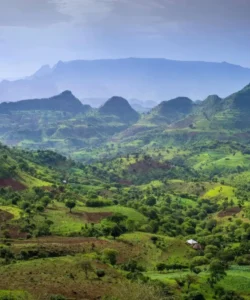
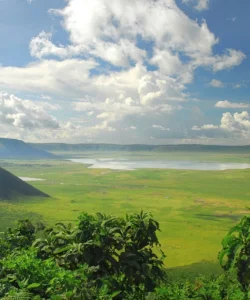
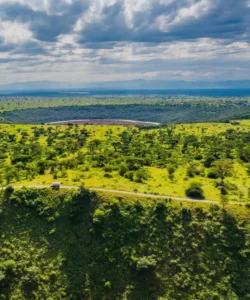
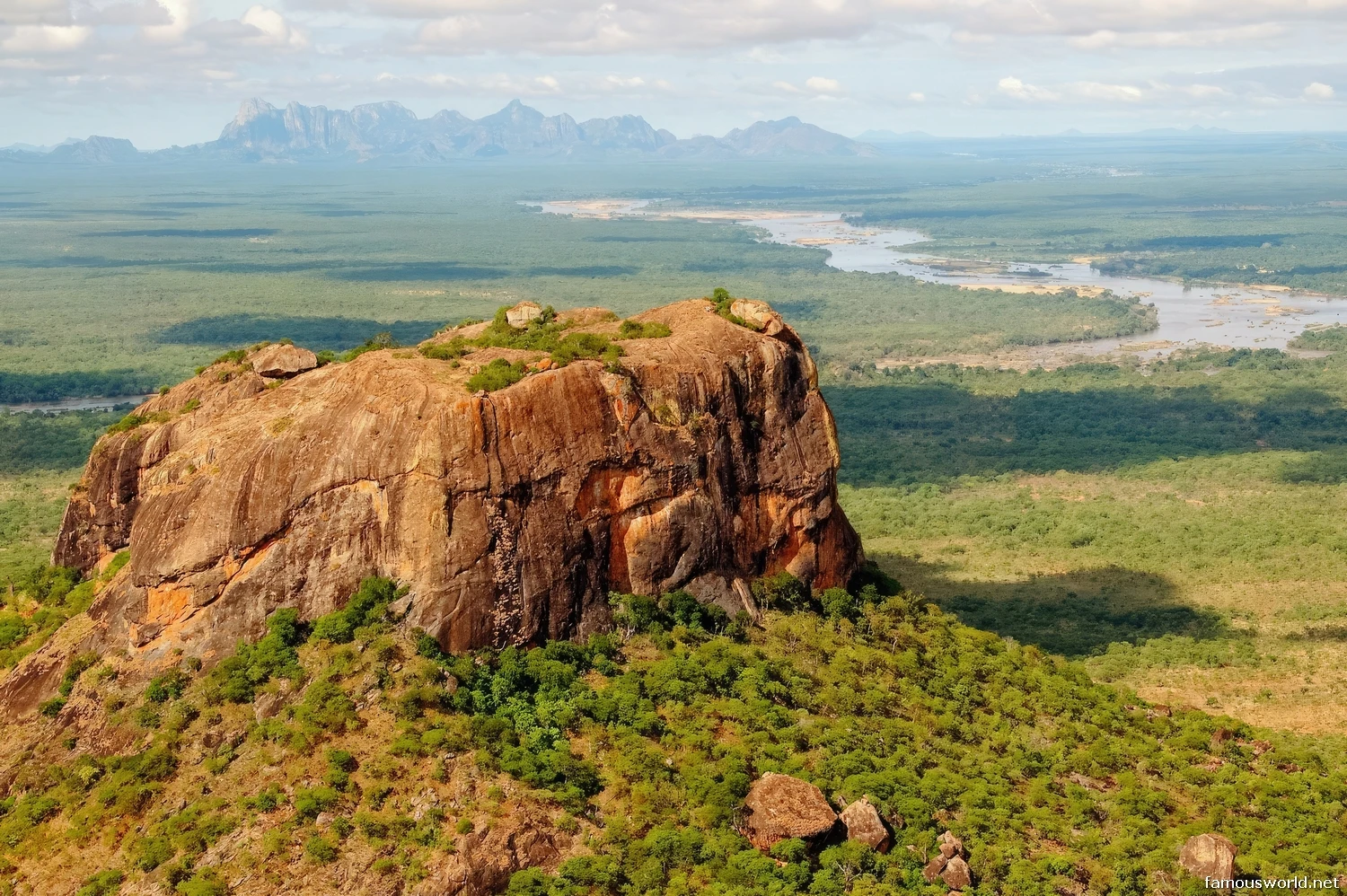
- Natural Landscape: The dominant habitat is pristine miombo woodland, a type of savanna woodland that covers much of south-central Africa. This is interspersed with open savannas, vast wetlands, and dense riverine forests. The landscape is punctuated by massive granite outcrops, known as inselbergs, which rise dramatically from the woodland plains. The permanent Rovuma and Lugenda rivers are the lifeblood of the reserve, carving through the wilderness.
- Pristine Wilderness: Niassa is a true wilderness with minimal infrastructure. It is largely unfenced, allowing wildlife to roam freely across an immense landscape, and its ecosystems are still largely intact.
What Makes It Famous
Niassa’s fame is derived from its sheer scale, its wildness, and its importance for conservation.
- Immense Size: It is one of the largest protected areas in Africa, covering approximately 42,000 square kilometers (16,000 square miles).
- True Wilderness Experience: Due to its isolation and low visitor numbers, it offers one of the most authentic and exclusive wilderness safari experiences available on the continent.
- Elephant Stronghold: The reserve is a vital sanctuary for Mozambique’s elephant population, holding one of the largest single populations in Africa.
- African Wild Dog Sanctuary: Niassa is a crucial stronghold for the endangered African wild dog, with a population of global significance.
- Community Conservation: The reserve is managed through a partnership between the Mozambican government and the Wildlife Conservation Society (WCS), with a strong focus on community engagement and anti-poaching initiatives.
Differences from Other Wonders
Niassa Reserve offers a starkly different experience from the vibrant marine world of Tofo Beach.
- Environment (Vast Inland Wilderness vs. Coastal Beach Village): Niassa is a massive, land-locked miombo woodland ecosystem. Tofo is a small, accessible coastal village defined by its golden sand beaches and the Indian Ocean.
- Core Story (Frontier Conservation vs. Modern Adventure Hub): Niassa’s identity is that of a remote conservation frontier, protecting a vast, untamed landscape from threats like poaching. Tofo’s identity is that of a modern, lively hub for marine adventure and tourism.
- Primary Attraction (Terrestrial Megafauna vs. Marine Megafauna): The main draw of Niassa is the pursuit of elephants, lions, and especially rare wild dogs in a truly wild setting. The primary attraction of Tofo is swimming with whale sharks and manta rays.
- Atmosphere (Remote and Untouched vs. Bohemian and Lively): Niassa offers a profound sense of isolation, solitude, and raw nature. Tofo has an energetic, social, and bohemian beach-town vibe.
Location on world map