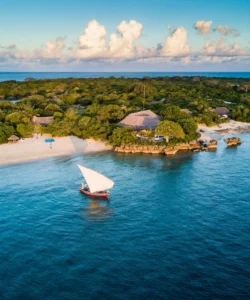
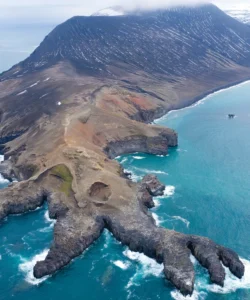
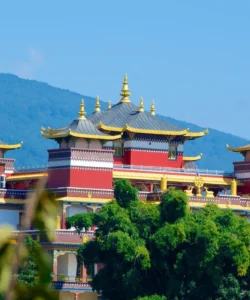
Mozambique Island (Ilha de Moçambique) is a captivating and historically rich island that stands as a testament to centuries of cultural fusion. Located off the northern coast of Mozambique, this small, crescent-shaped coral island was once the capital of Portuguese East Africa and a major trading hub on the sea route to India. Today, it is a UNESCO World Heritage site, celebrated for its remarkable, preserved architecture that reflects a unique blend of African, Arab, Indian, and European influences. The island is divided into two distinct areas: the grand, historic Stone Town and the traditional, bustling Macuti Town, connected to the mainland by a long, narrow bridge, making it a literal and figurative bridge to the past.
Listen to an introduction about Mozambique Island

Name and Location
- Name: Mozambique Island (Ilha de Moçambique).
- Location: Nampula Province, off the northern coast of Mozambique in the Indian Ocean.
How to Get There
Accessing this historic island involves a combination of air and road travel.
- By Air and Road: The main gateway is Nampula Airport (APL) on the mainland, which receives domestic flights. From Nampula, it is an approximately 3-hour drive to the coast, where visitors cross the 3.8-kilometer (2.4-mile) Mozambique Island Bridge to reach the island.
Landscape and Architecture
The island’s landscape is a fascinating urban environment where history is etched into every building.
- Urban Landscape: The island is a densely populated sliver of land. Its most striking feature is the architectural divide between “Stone Town” in the north and “Macuti Town” in the south.
- Architectural Style: Stone Town is home to impressive colonial and pre-colonial structures, including fortresses, churches, mosques, and grand administrative buildings built from coral stone and lime. The architecture showcases Swahili, Arab, and Portuguese styles, with flat roofs and ornate balconies. In contrast, Macuti Town is characterized by traditional houses constructed with woven palm fronds (macuti) and thatched roofs, reflecting a more traditional African building style.
What Makes It Famous
Mozambique Island’s fame is rooted in its immense historical and cultural significance.
- UNESCO World Heritage Site: It was designated a UNESCO site in 1991 for its unique architectural unity and its pivotal role as a trading post on the Indian Ocean routes since the 10th century.
- Former Colonial Capital: It served as the capital of Portuguese East Africa for nearly four centuries, making it one of the most important European settlements in the region.
- Cultural Melting Pot: The island is a living museum of the cultural exchanges between Africa, the Arabian Peninsula, the Indian subcontinent, and Europe over a millennium.
- Historic Landmarks: It is home to significant structures like the Fort of São Sebastião and the Chapel of Nossa Senhora de Baluarte, built in 1522 and considered the oldest European building in the Southern Hemisphere.
Differences from Other Wonders
Mozambique Island offers a starkly different experience from the wilderness restoration of Gorongosa National Park.
- Environment (Historic Urban Island vs. Inland Wildlife Park): Mozambique Island is a dense, urban, and coastal environment steeped in human history. Gorongosa is a vast, terrestrial, inland ecosystem focused on wildlife and nature.
- Core Story (Ancient Trade Hub vs. Modern Restoration): The island’s identity is defined by its long history as a center for trade, cultural exchange, and colonial rule. Gorongosa’s identity is defined by its modern story of post-war ecological recovery.
- Primary Attraction (Architecture and Culture vs. Wildlife and Conservation): Visitors come to Mozambique Island to explore its UNESCO-listed architecture, museums, and unique cultural atmosphere. Visitors go to Gorongosa for a classic African safari to see thriving wildlife populations and learn about its pioneering conservation model.
- Type of Experience: A visit to Mozambique Island is a cultural and historical journey, exploring streets, forts, and markets on foot. A trip to Gorongosa is a nature-based safari adventure, exploring savannas and floodplains by vehicle.
Location on world map