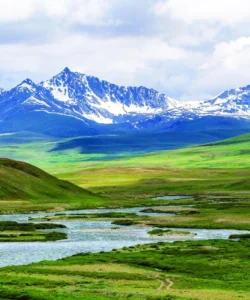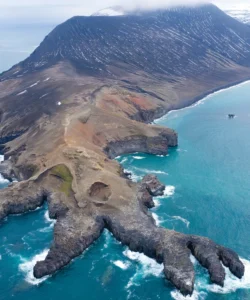

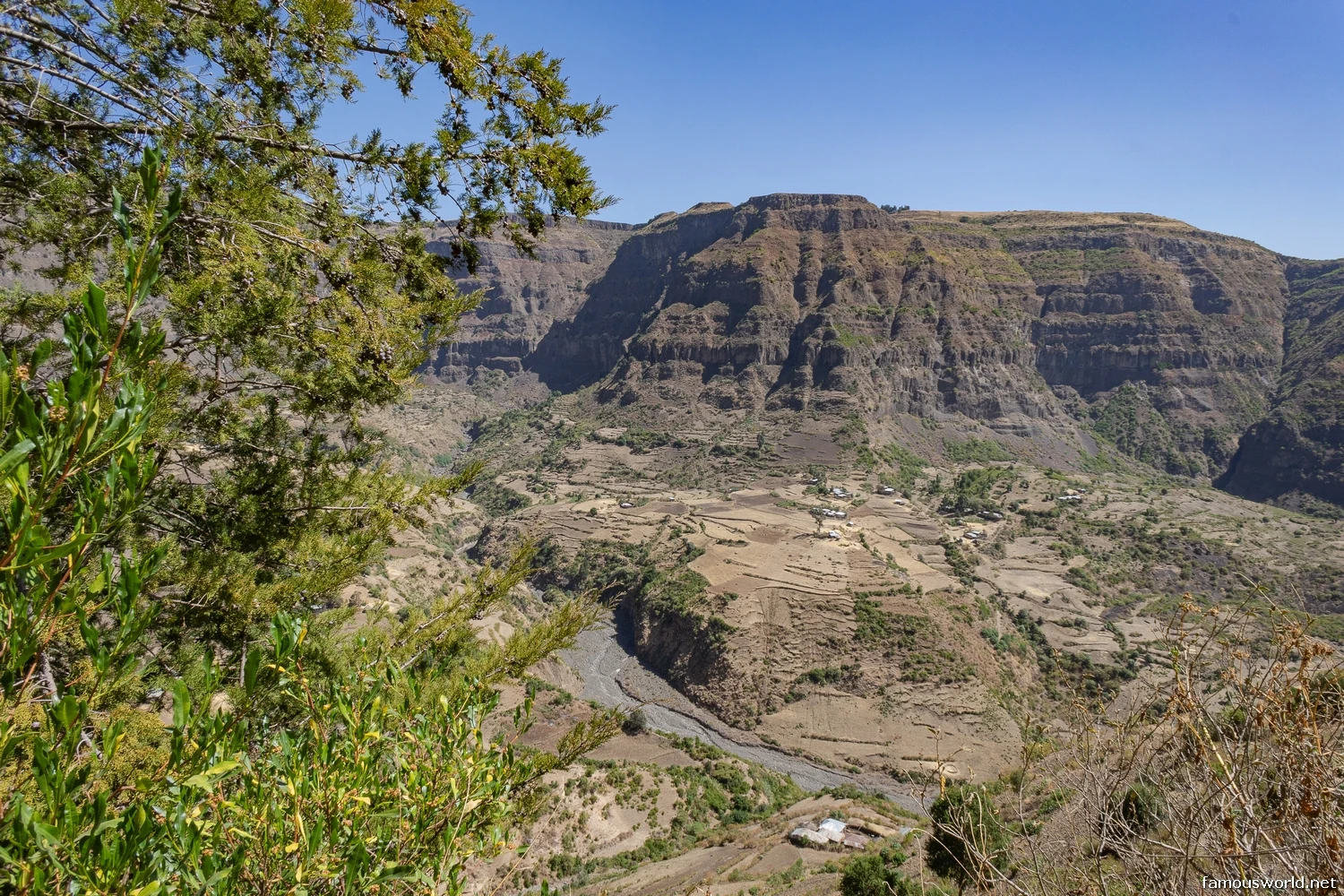


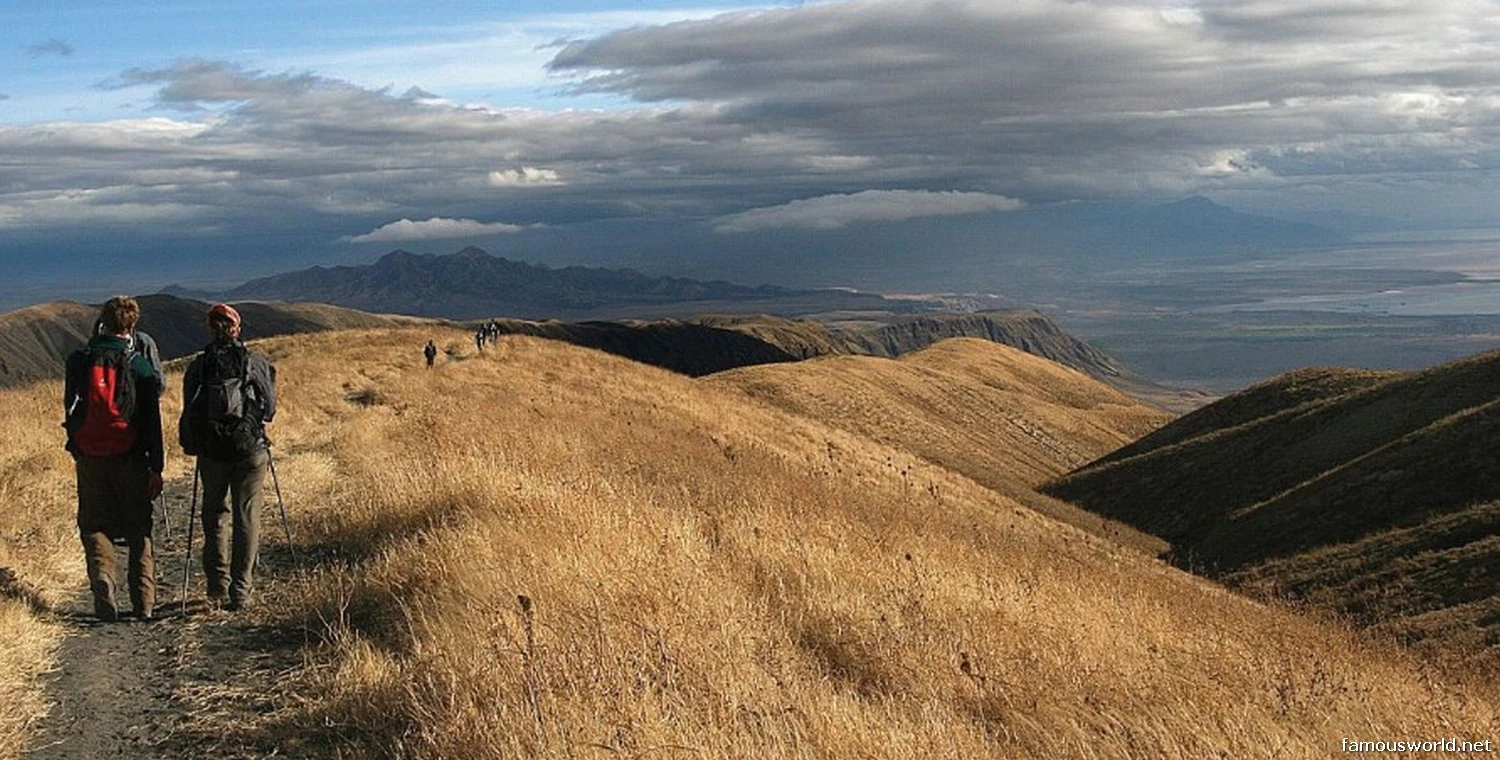

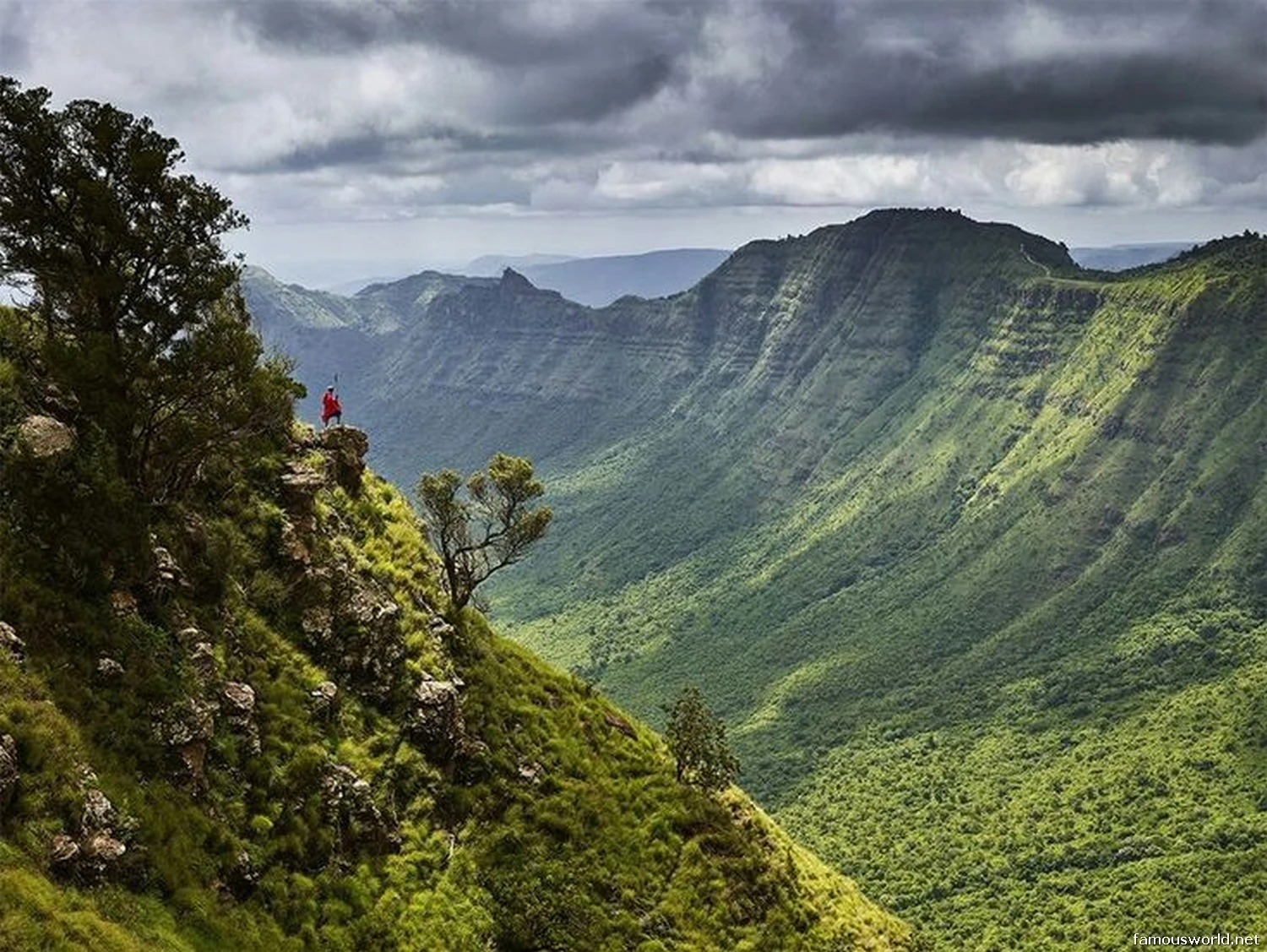

The East African Rift Valley (EARV) is one of the most extensive and awe-inspiring geological features on Earth. A vast, active continental rift zone, it stretches for thousands of kilometers through Eastern Africa, from the Afar Triangle in Ethiopia down to Mozambique. This immense trench in the Earth’s crust is a landscape of dramatic contrasts, featuring towering volcanic mountains, deep valleys, sheer escarpments, and a string of unique lakes. It is globally significant not only for its breathtaking scenery and volcanism but also as the “Cradle of Humankind,” where some of the most important fossils of early human ancestors have been discovered.
Listen to an introduction about East African Rift Valley

Name and Location
- Name: East African Rift Valley (also known as the Great Rift Valley, though this term is sometimes used more broadly).
- Location: A massive geological system that runs through several countries in Eastern Africa, including Ethiopia, Kenya, Uganda, Tanzania, Rwanda, Burundi, the Democratic Republic of Congo, Malawi, and Mozambique.
How to Get There
Accessing the Rift Valley depends on which part of this vast region you wish to visit.
- By Air: Major international airports serve as gateways to different sections of the valley. Jomo Kenyatta International Airport (NBO) in Nairobi, Kenya, is a primary hub for accessing the Kenyan Rift, while Bole International Airport (ADD) in Addis Ababa, Ethiopia, serves the northern section.
- By Road: From these major cities, numerous roads descend into the valley. Well-traveled tourist routes lead to famous national parks and viewpoints, such as the Great Rift Valley View Point on the Nairobi-Naivasha highway in Kenya.
Landscape and Geology
The Rift Valley’s landscape is a direct result of immense geological forces.
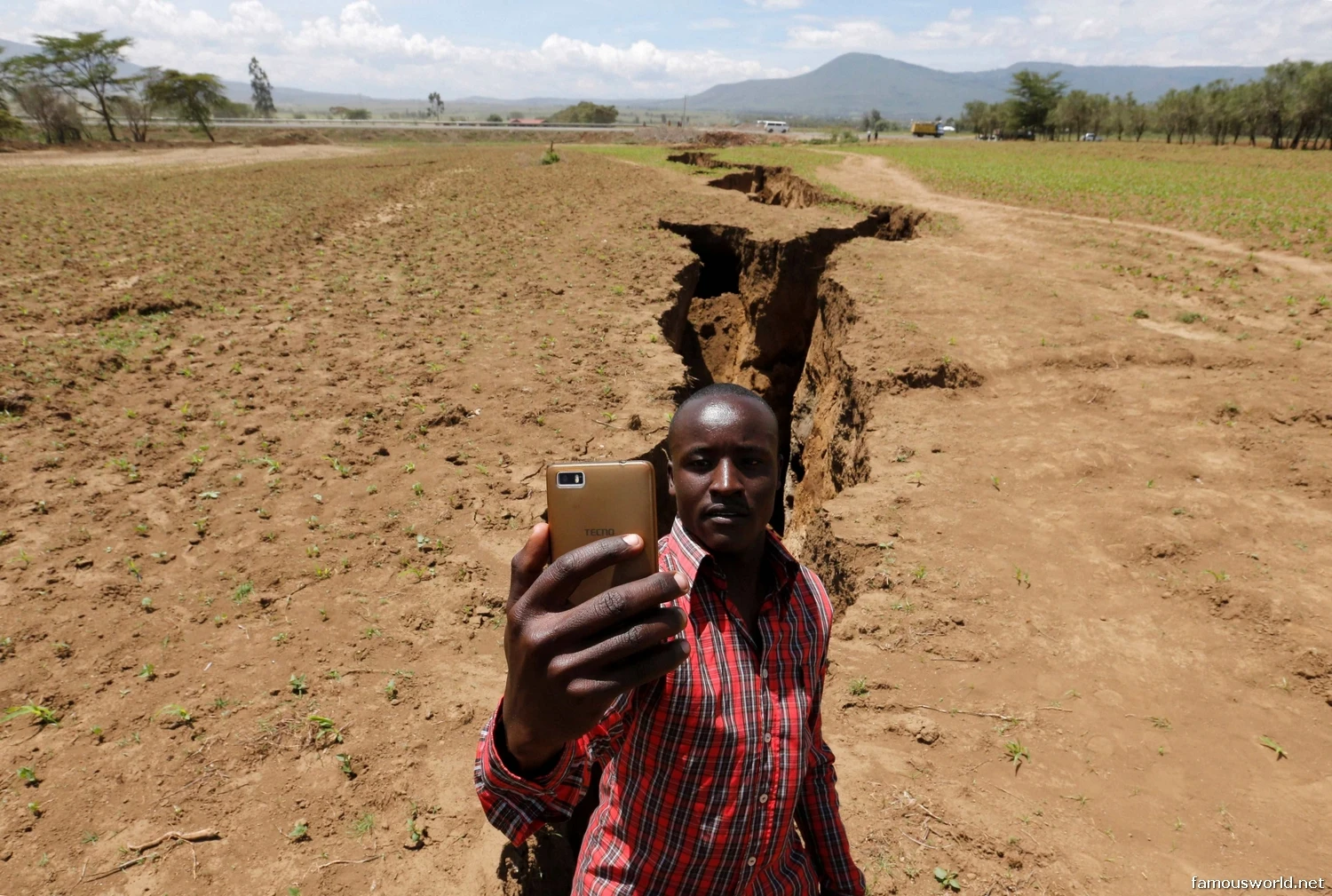
- Geological Formation: The valley is formed by the ongoing separation of the African tectonic plate into two new plates: the Somali Plate and the Nubian Plate. As they pull apart, the crust between them sinks, creating the classic rift valley structure. This process is responsible for the frequent seismic and volcanic activity in the region.
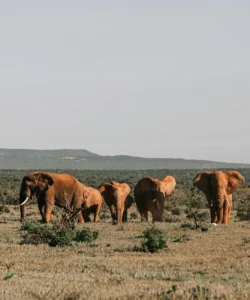
- Topography: The landscape is characterized by steep cliffs known as escarpments that form the valley walls. The valley floor is dotted with active and dormant volcanoes, including Africa’s two highest peaks, Mount Kilimanjaro and Mount Kenya, which are associated with the rift’s formation.
- The Rift Valley Lakes: The valley is famous for its chain of lakes, many of which are shallow, alkaline “soda lakes” (like Lake Nakuru, Lake Bogoria, and Lake Natron) that support massive flamingo populations. Others are deep, freshwater bodies (like Lake Tanganyika and Lake Malawi).
What Makes It Famous
The East African Rift Valley is world-renowned for several key reasons:
- The Cradle of Humankind: The valley has yielded a wealth of hominin fossils crucial to understanding human evolution, including the famous “Lucy” skeleton discovered in Ethiopia.
- Spectacular Scenery: The sheer scale and dramatic beauty of the escarpments, volcanoes, and lakes make it one of Africa’s most stunning landscapes.
- Unique Biodiversity: The series of soda lakes creates a unique ecosystem that attracts millions of flamingos, creating one of the world’s greatest wildlife spectacles.
- Active Geology: It is one of the few places on the planet where the processes of continental rifting can be observed, offering a living geological laboratory.
Differences from Other Wonders
The Rift Valley offers a vastly different experience from a contained, interactive site like the Giraffe Centre.
- Scale (Continental vs. Local): The Rift Valley is a massive, continent-spanning geological feature. The Giraffe Centre is a small, 12-acre conservation facility in a single location.
- Environment (Geological Landscape vs. Conservation Sanctuary): The Rift Valley is a diverse collection of natural landscapes—mountains, lakes, and savannas—shaped by tectonic forces. The Giraffe Centre is a curated, semi-wild environment focused on the conservation of a single species.
- Primary Attraction (Natural Formation vs. Animal Interaction): The main draw of the Rift Valley is its immense scale, dramatic scenery, and anthropological significance. The Giraffe Centre’s attraction is the guaranteed, up-close interaction with endangered giraffes.
- Type of Experience: Experiencing the Rift Valley involves extensive travel, safaris, hiking, and exploring diverse ecosystems over days or weeks. A visit to the Giraffe Centre is a short, focused activity lasting an hour or two.
Location on world map