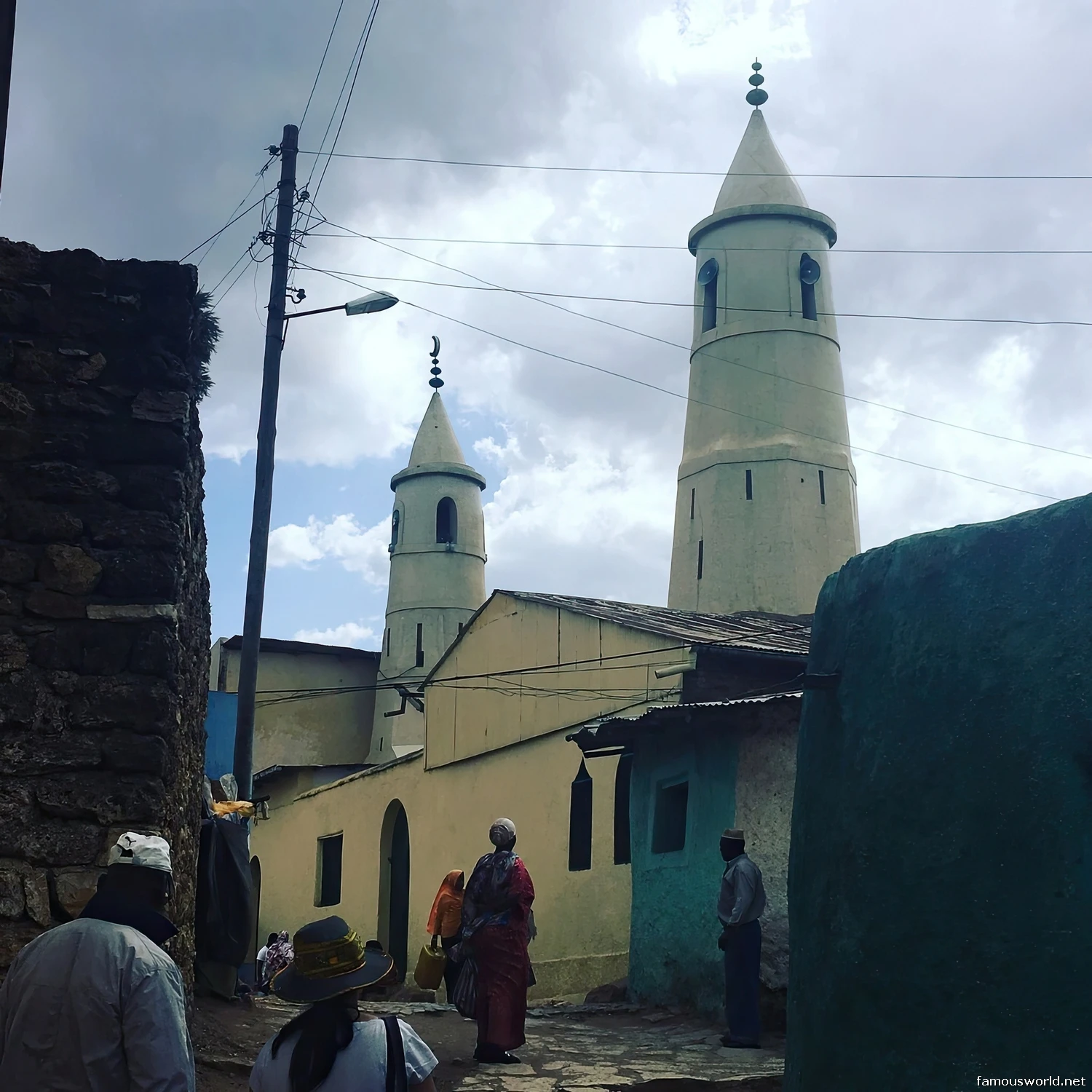
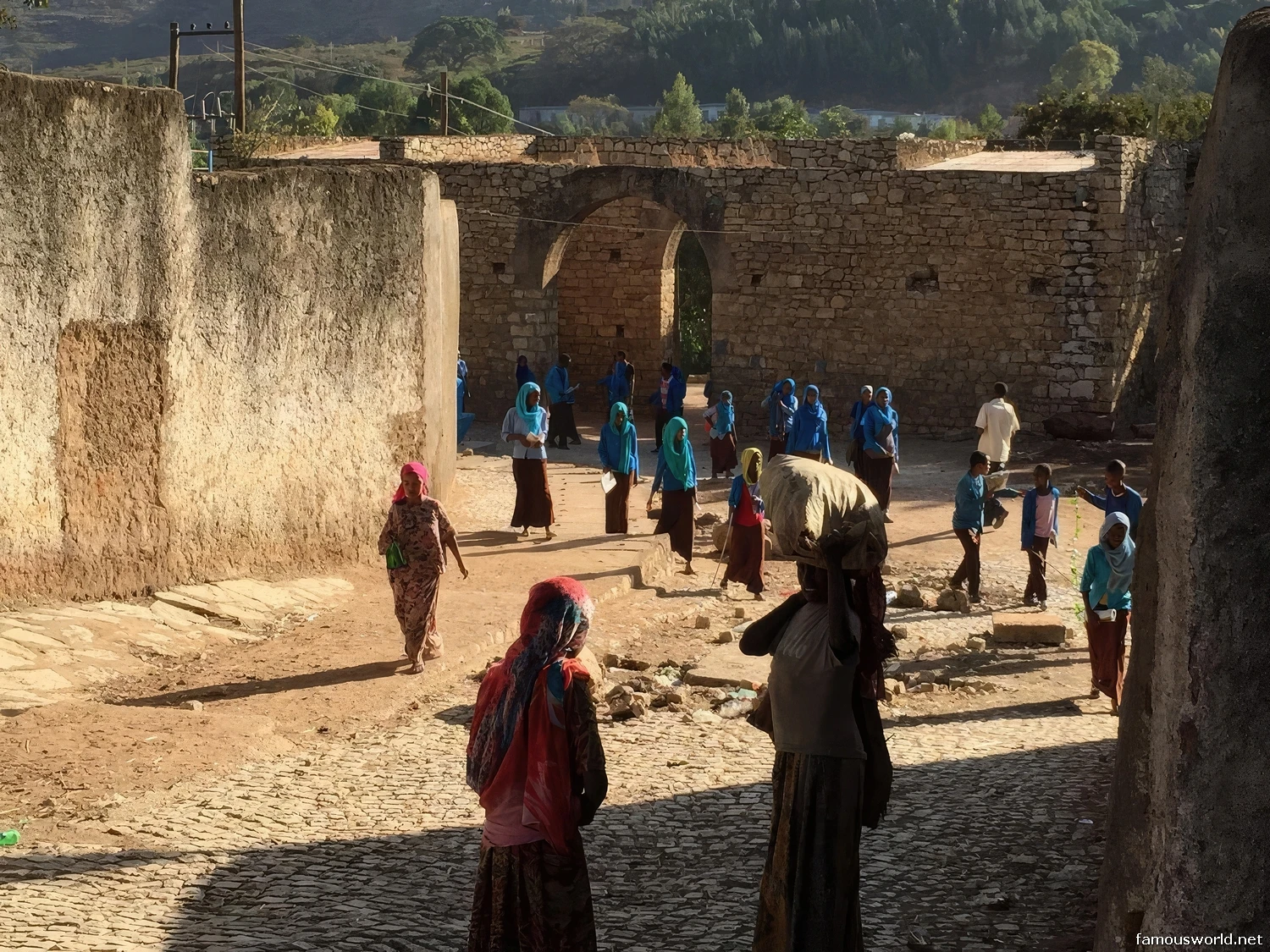
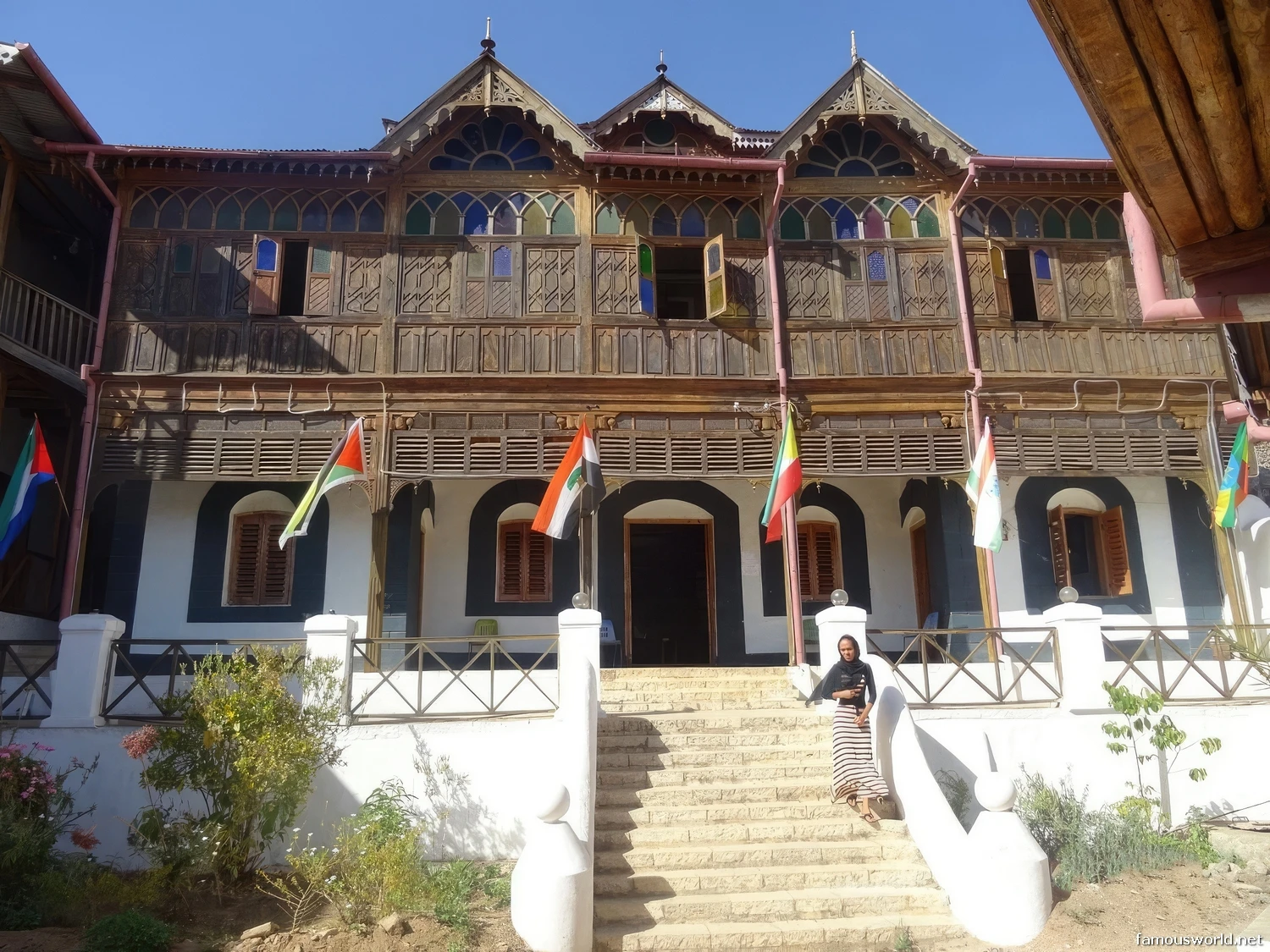

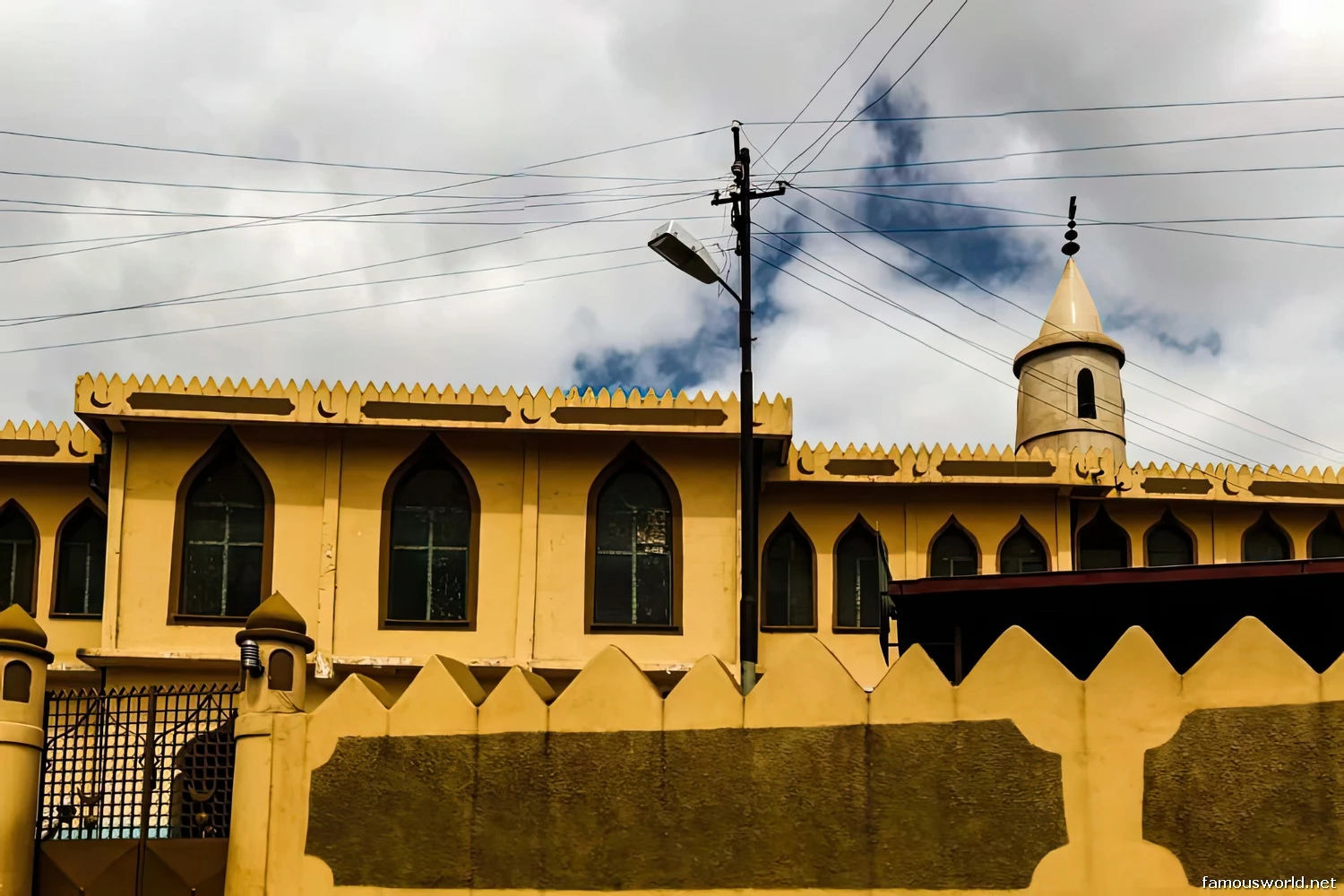
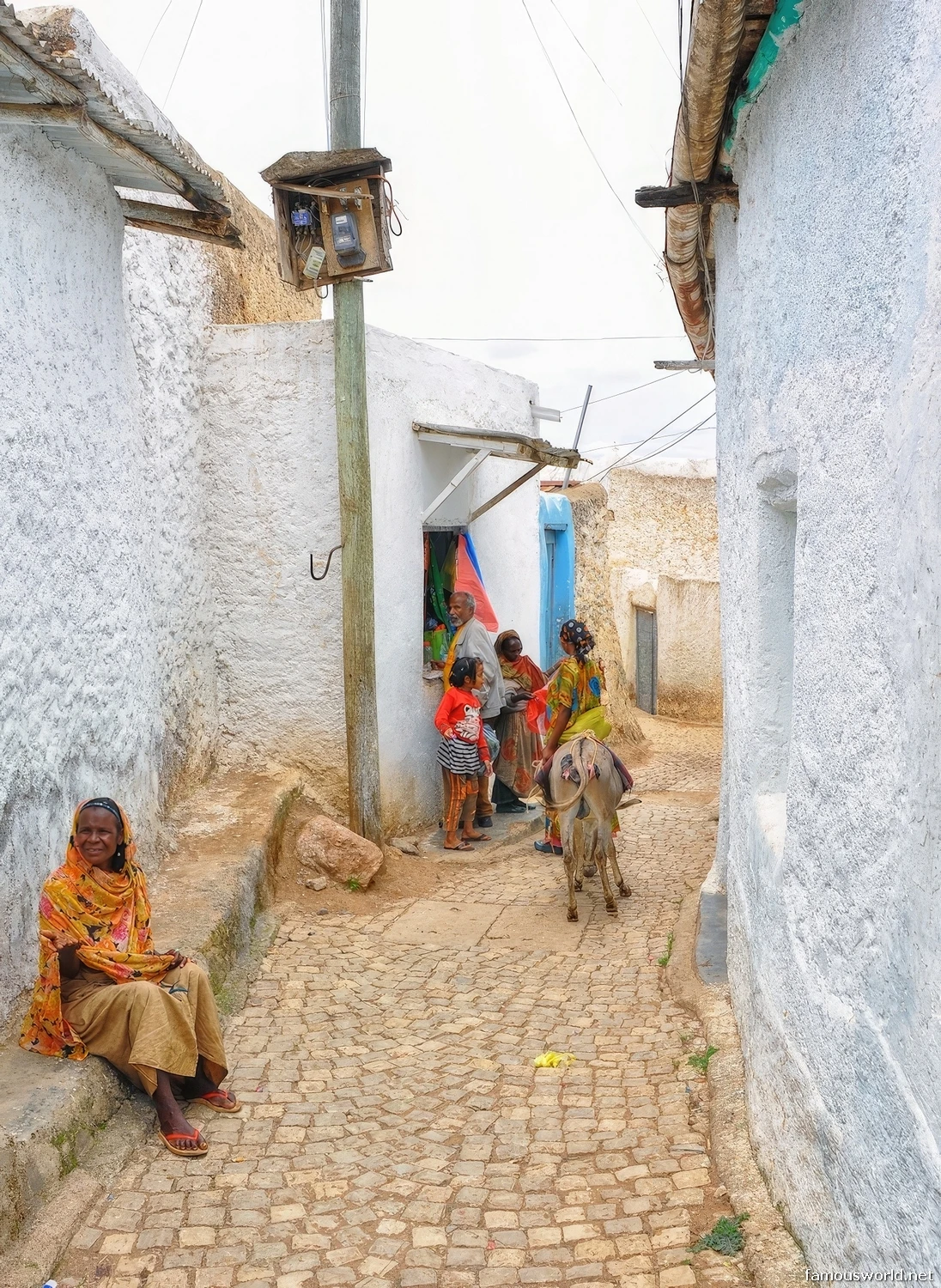
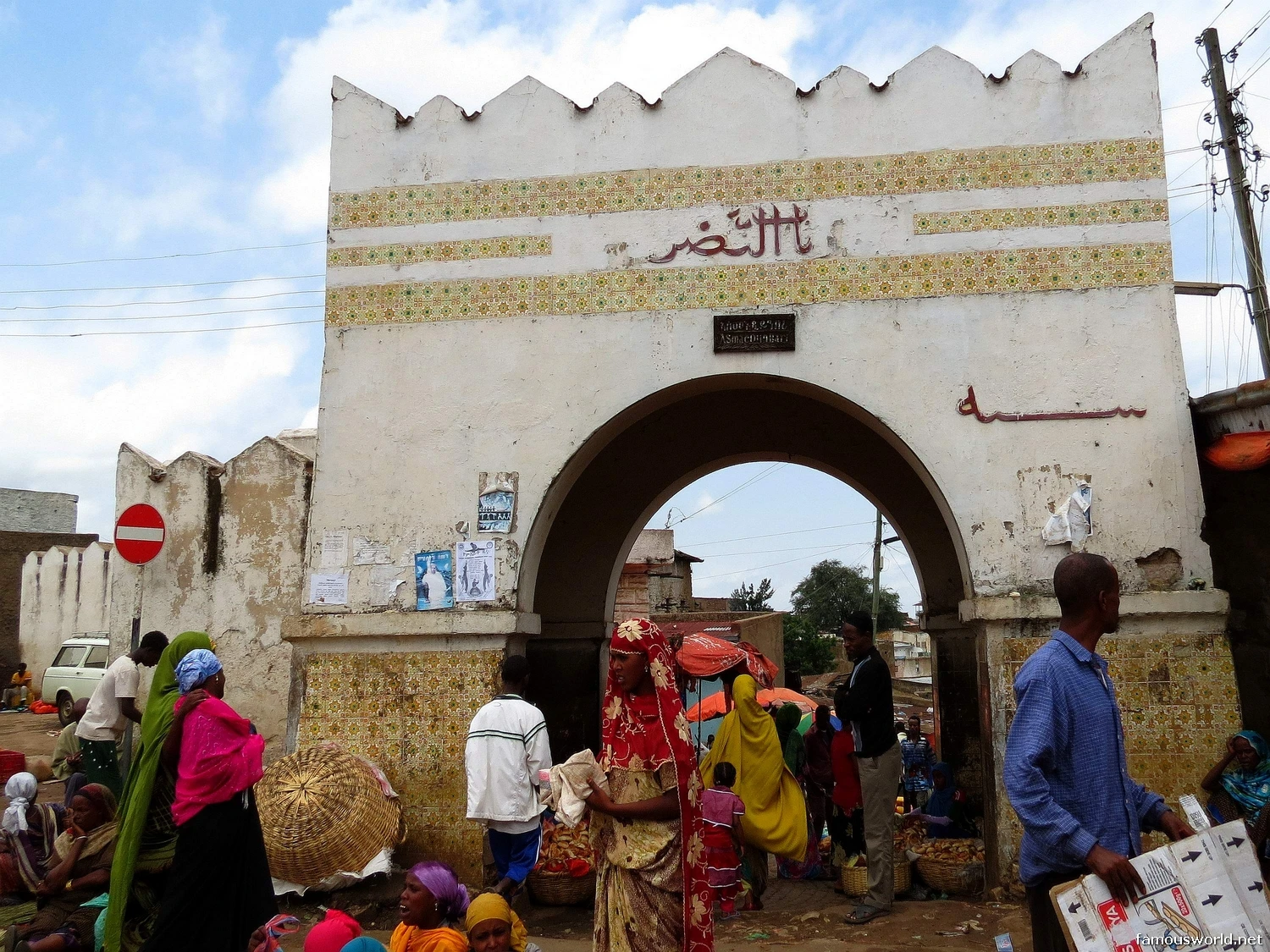
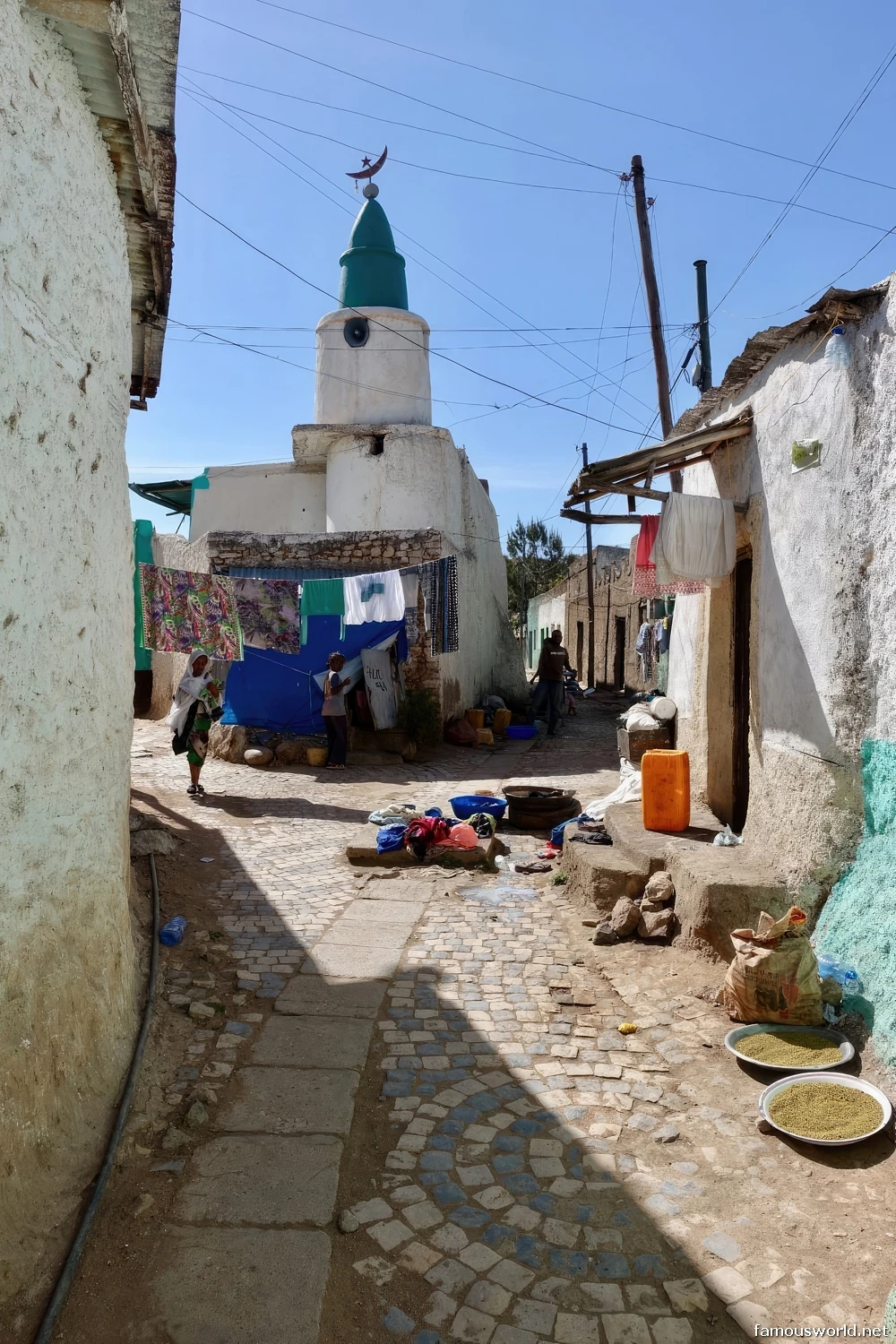
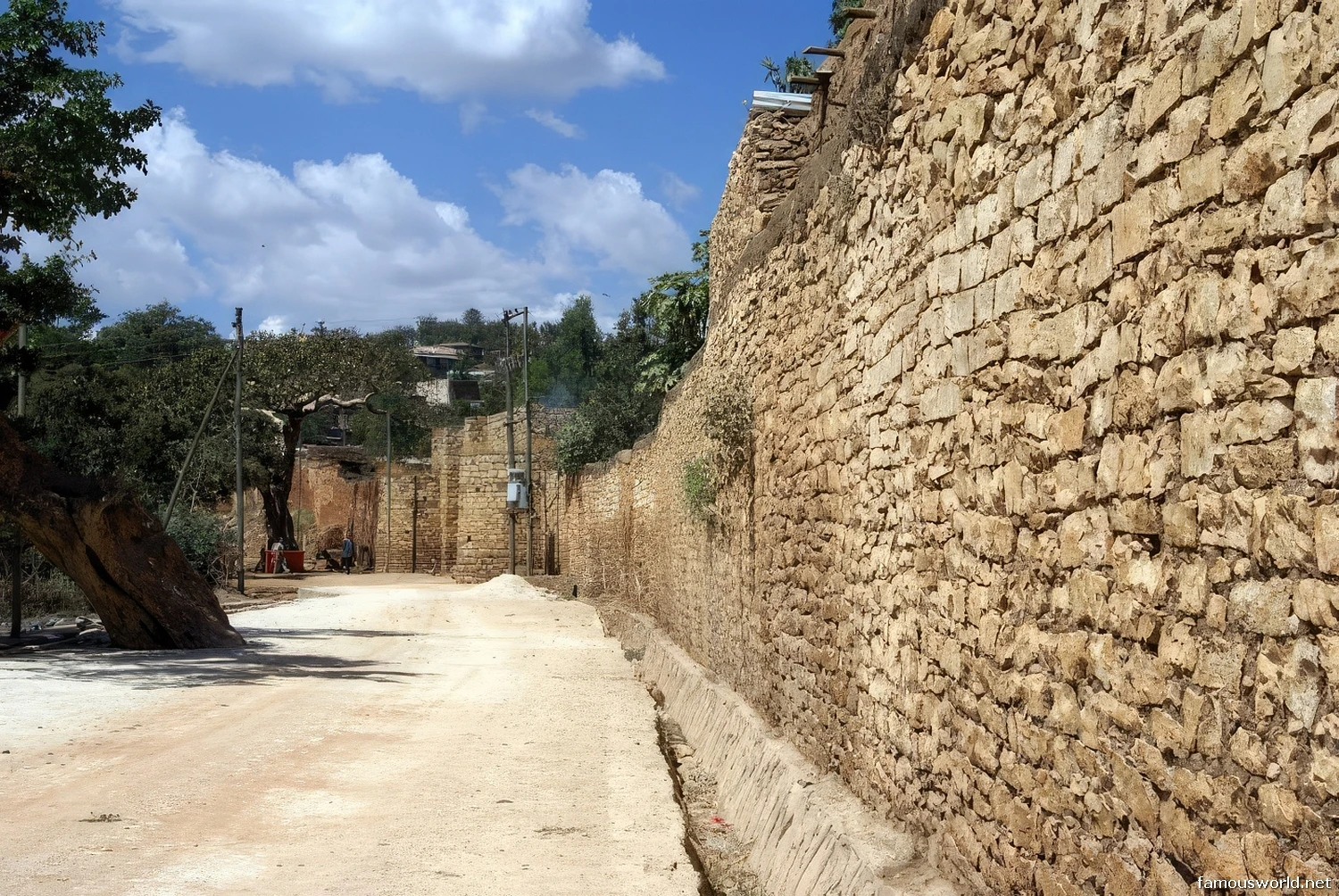
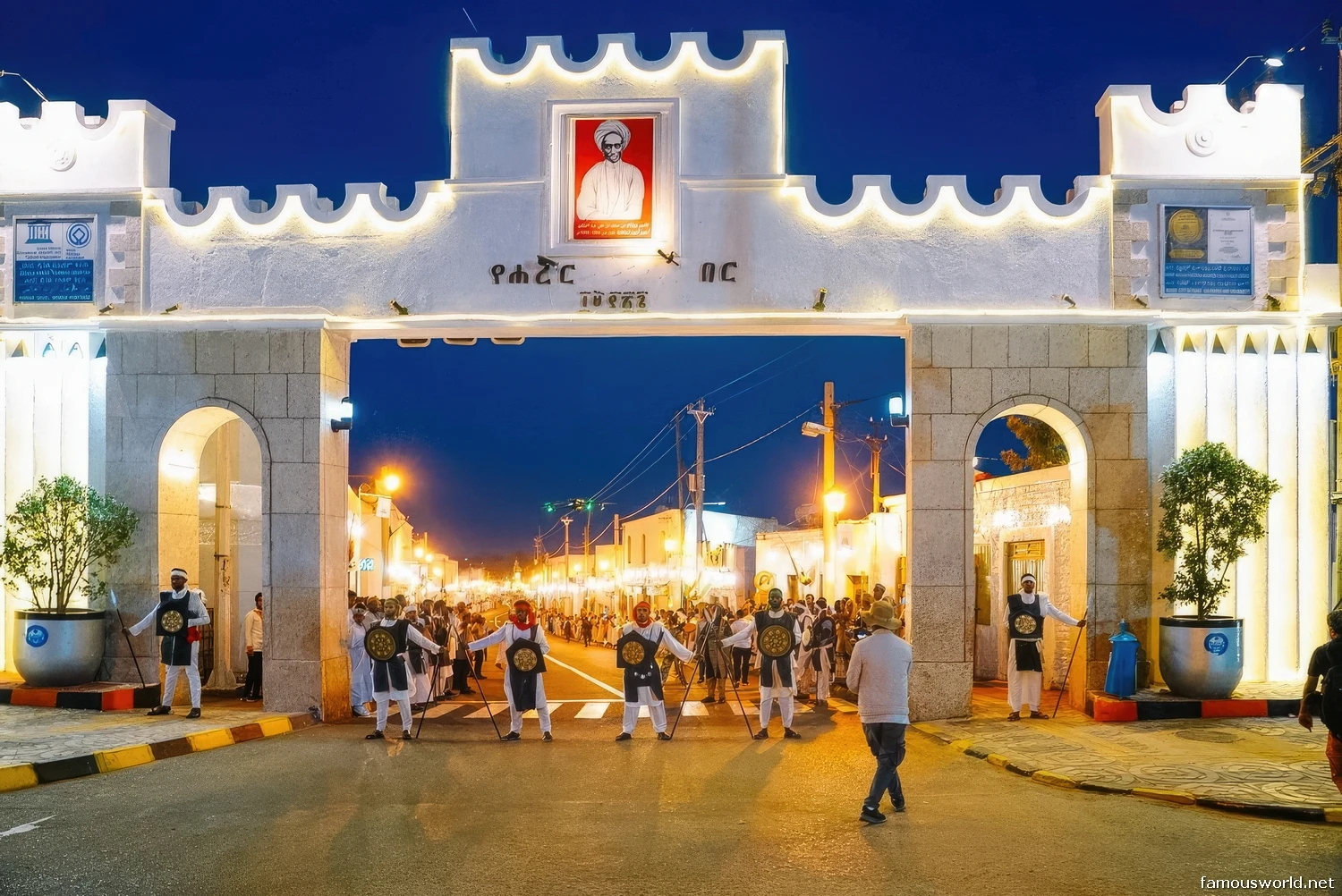
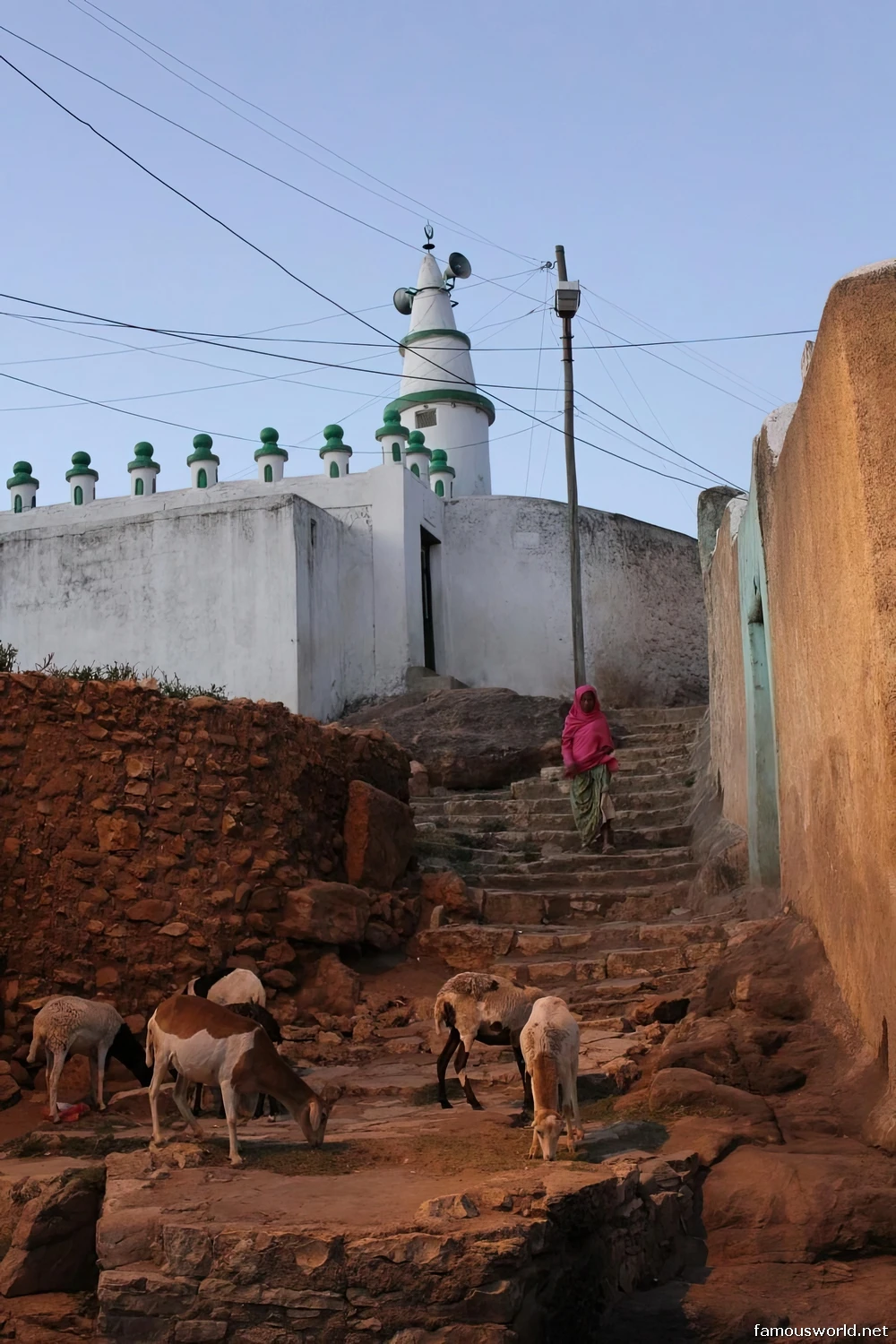
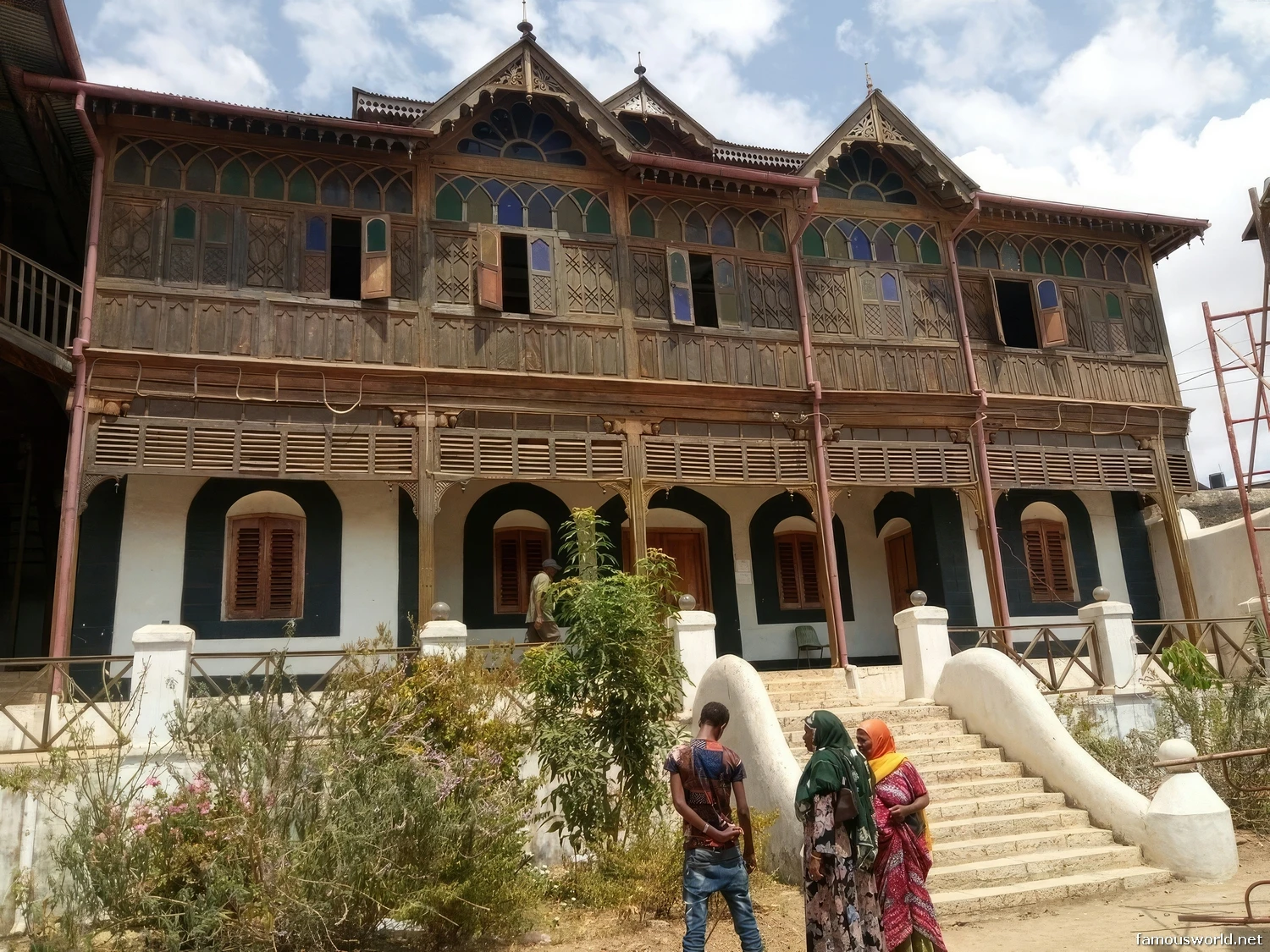
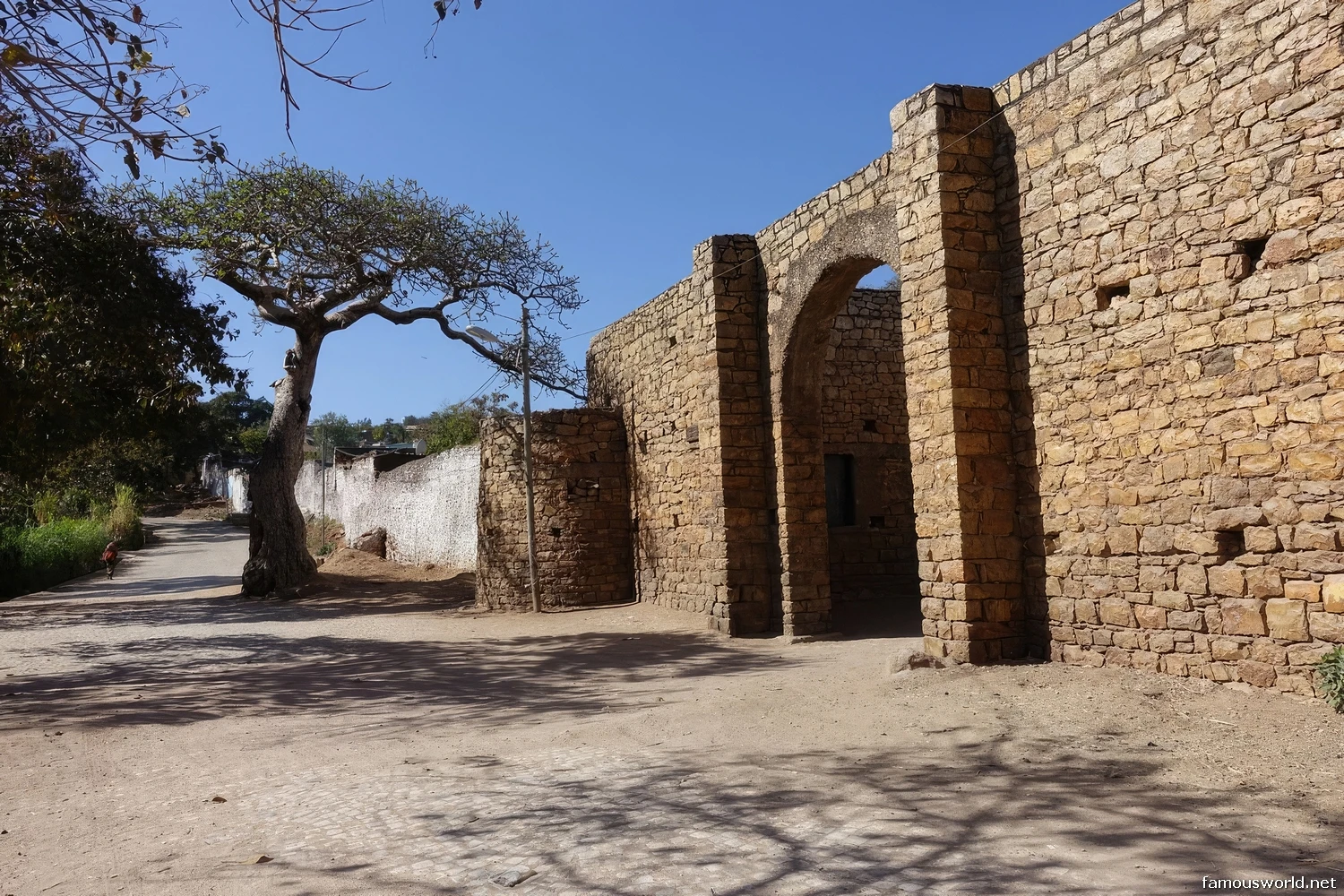
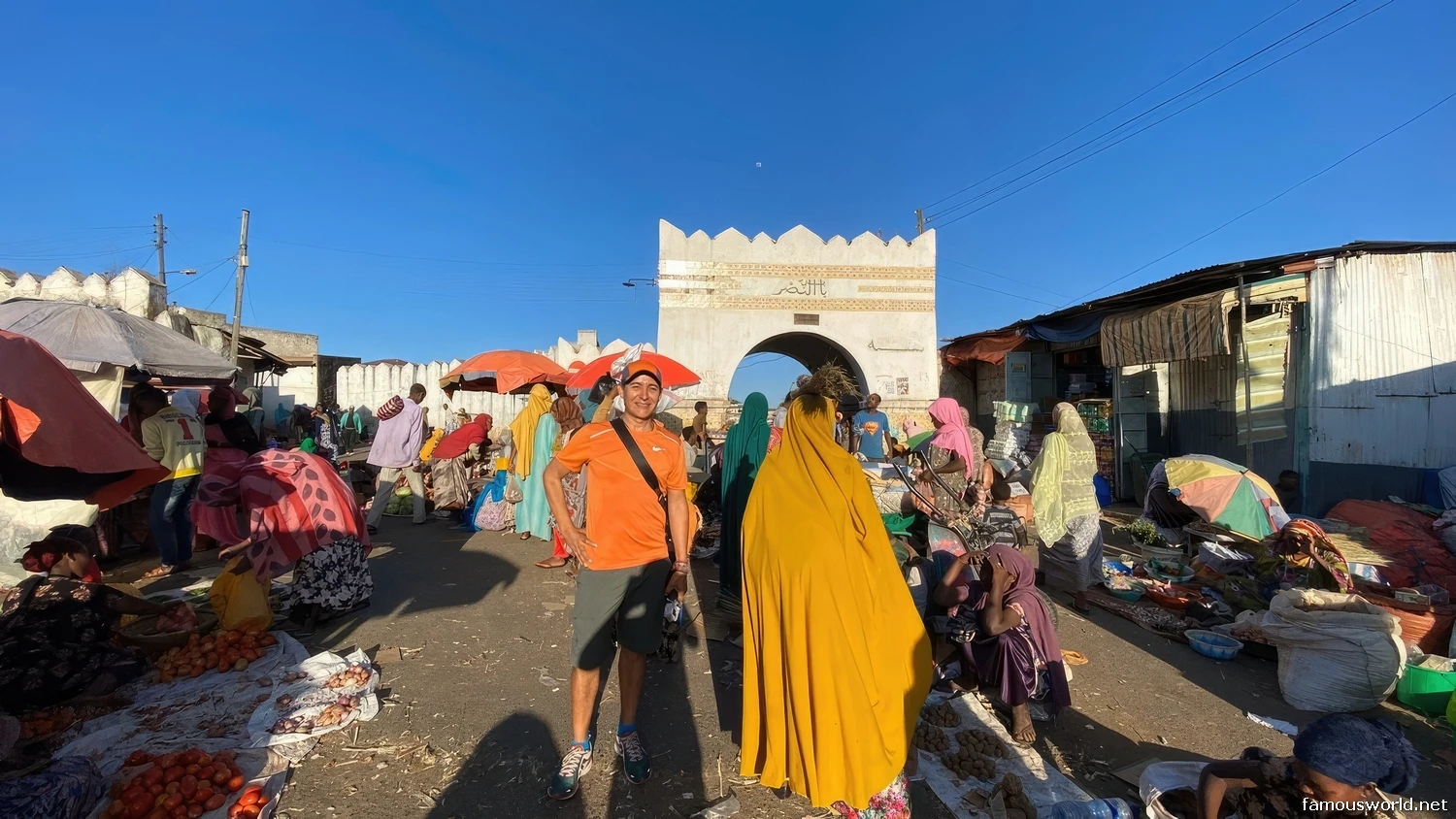
Harar Jugol is a unique and ancient walled city in eastern Ethiopia, renowned for being a major commercial and Islamic learning center for centuries. Considered the fourth holiest city of Islam, this UNESCO World Heritage site is a vibrant, living museum, enclosed by a formidable defensive wall built between the 13th and 16th centuries. The city’s dense, labyrinthine layout, with 368 narrow alleyways squeezed into just one square kilometer, is filled with a unique blend of African and Islamic architecture, including 82 mosques, some dating back to the 10th century, and distinctive Harari houses. Harar’s rich history, preserved cultural traditions, and the famous nightly ritual of feeding wild hyenas make it one of the most captivating destinations in Ethiopia.
Listen to an introduction about Harar Jugol

Name and Address
- Name: Harar Jugol, the Fortified Historic Town. Jugol is the Harari word for the wall itself.
- Address: Located in the eastern part of Ethiopia, about 525 kilometers from the capital, Addis Ababa, in the Harari People’s National Regional State.
How to Get There
Harar is located in a relatively remote part of the country, but is accessible from Addis Ababa and the nearby city of Dire Dawa.
- By Air (Recommended): The most convenient way to reach Harar is to take a one-hour flight with Ethiopian Airlines from Addis Ababa to Dire Dawa, the closest airport.
- From Dire Dawa: Once in Dire Dawa, Harar is about an hour’s drive away. You can hire a private taxi or take a frequent and inexpensive minibus to reach the city.
- By Road: It is possible to travel by bus from Addis Ababa, but this is a very long journey (around 10 hours) and is generally less comfortable than flying.
- Visitor Tip: The old walled city is a maze of narrow alleys and is best explored on foot. It’s highly recommended to hire a local guide who can help you navigate the labyrinth, explain the history, and facilitate interactions with the local community.
Landscape and Architecture
The landscape of Harar is that of a historic fortified city on a plateau, with a unique and well-preserved architectural style.
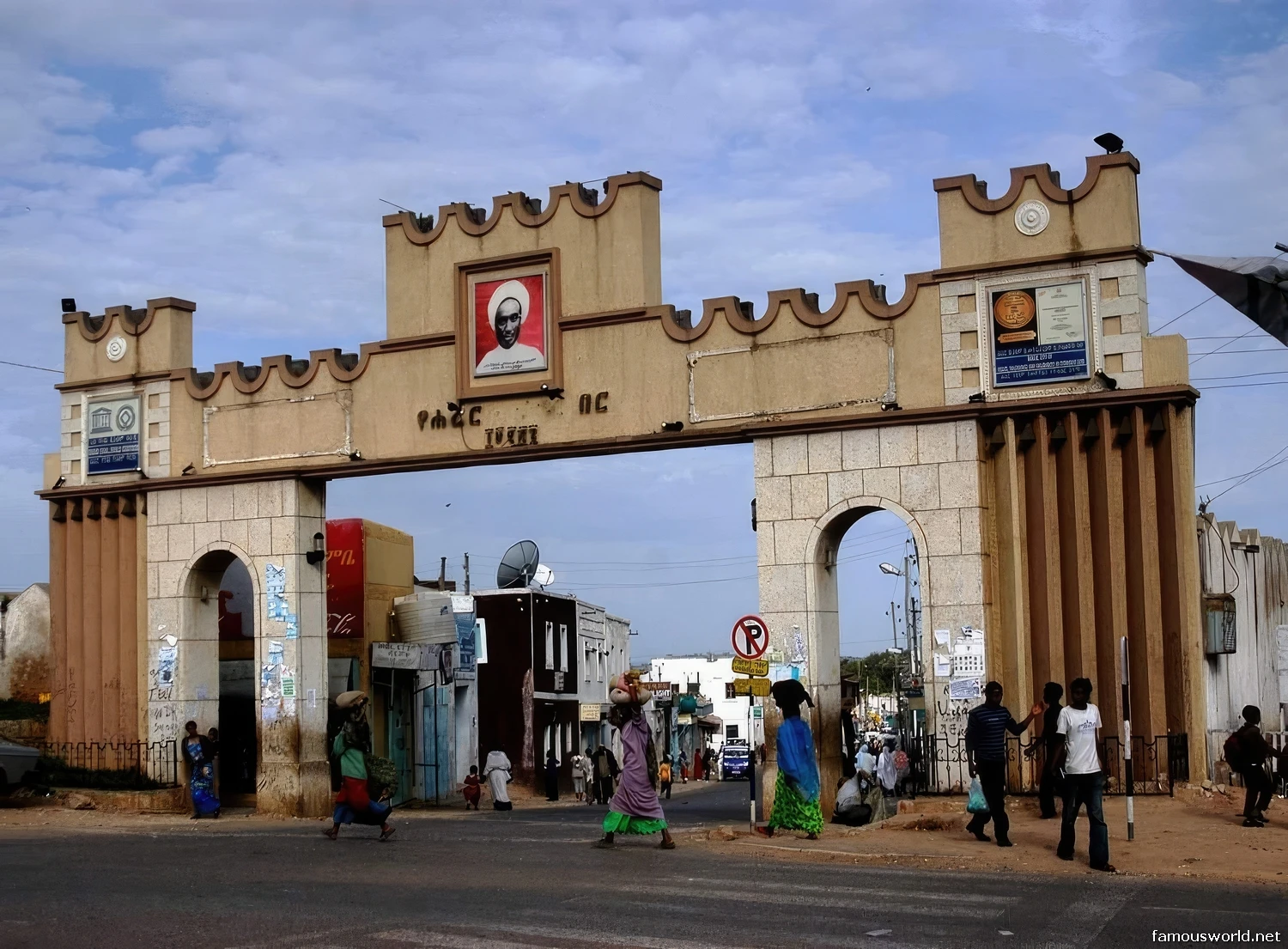
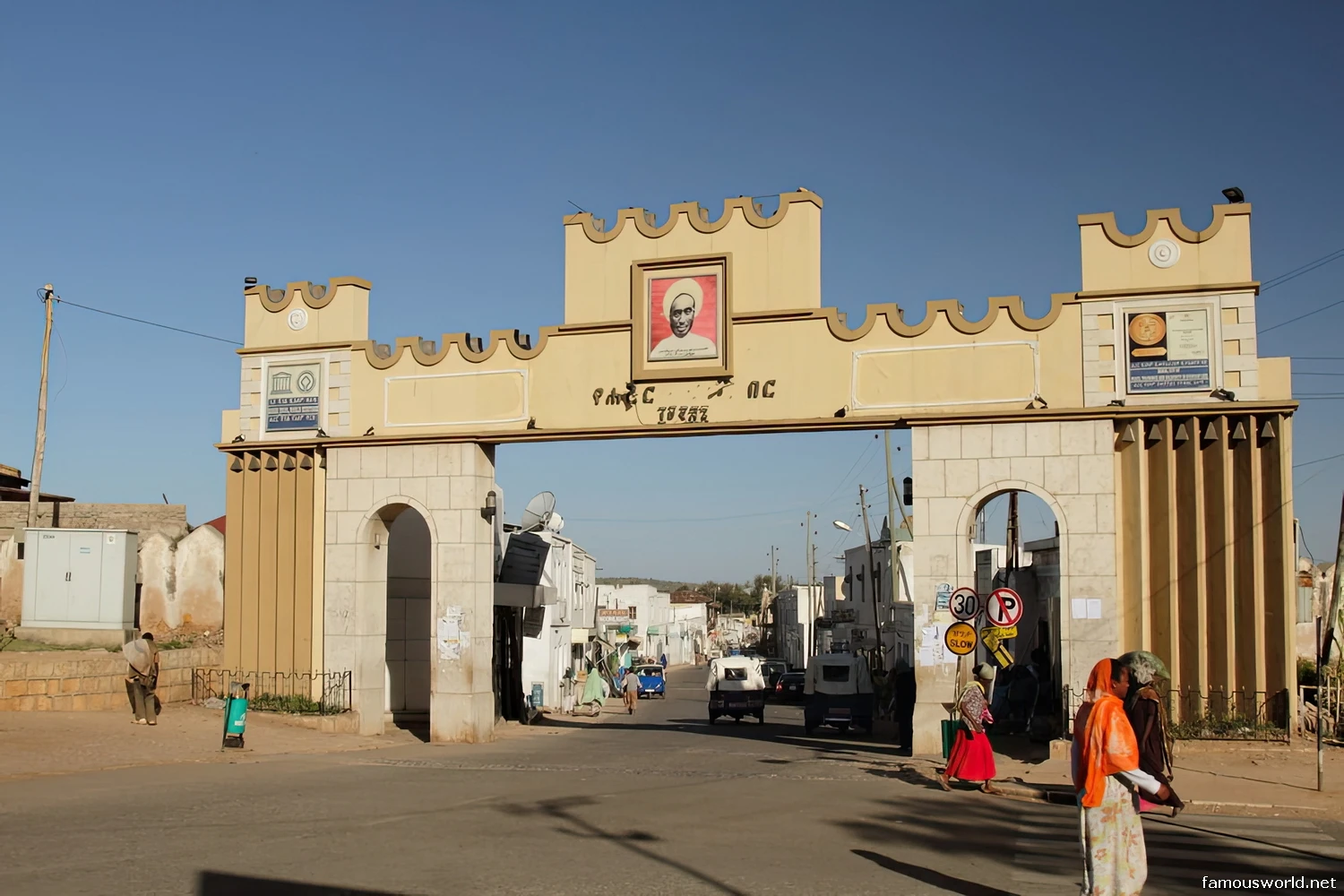
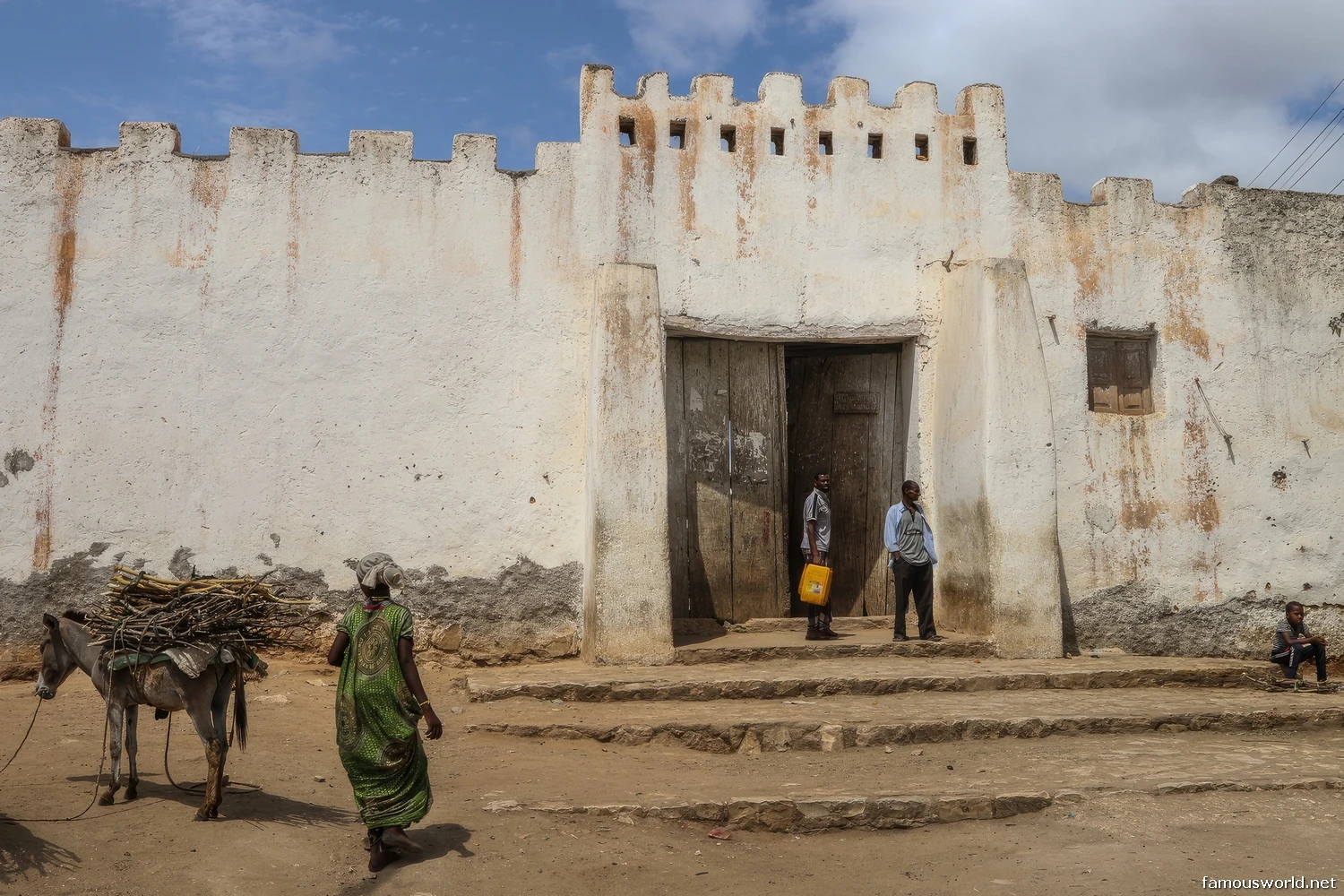
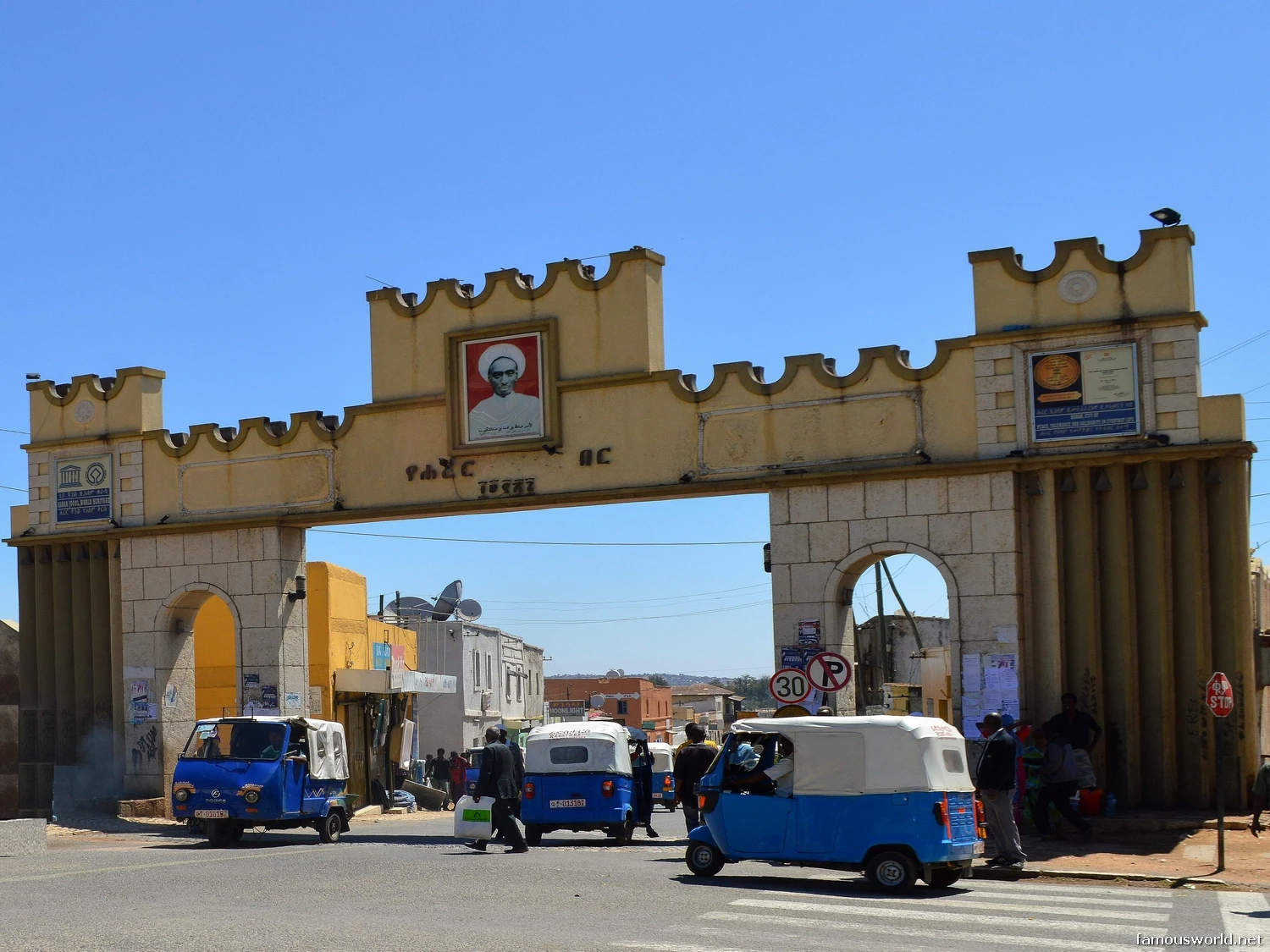
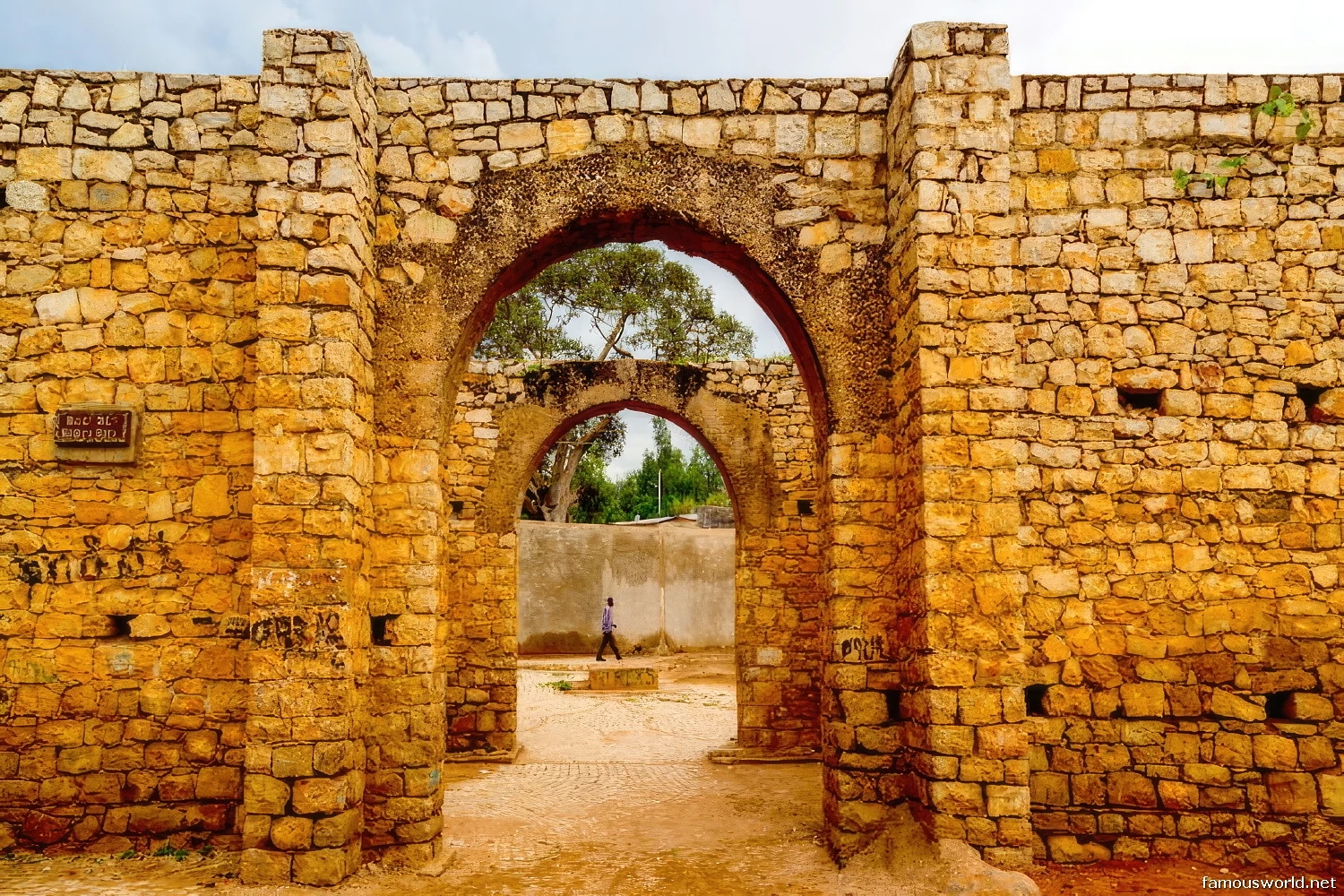
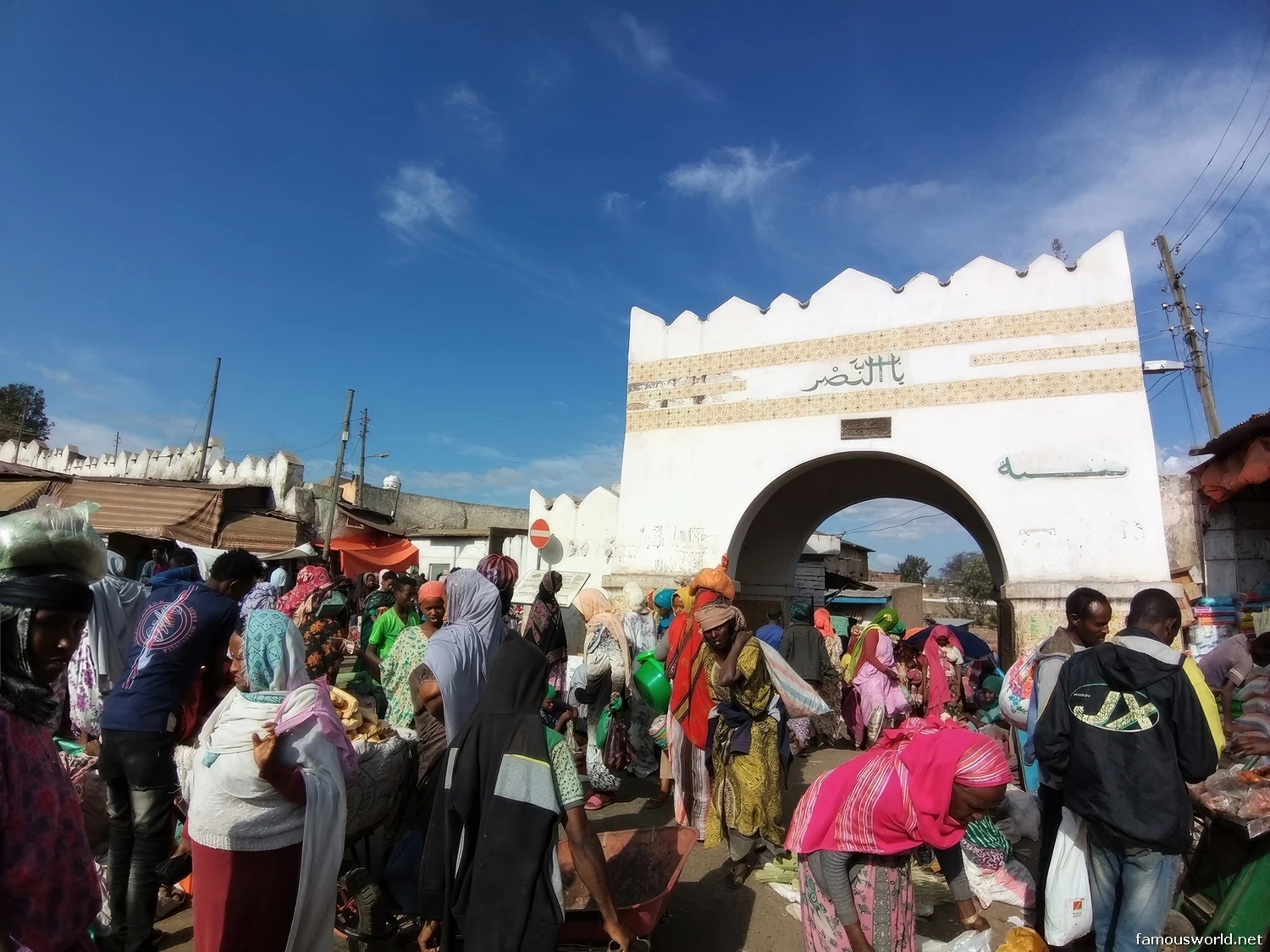
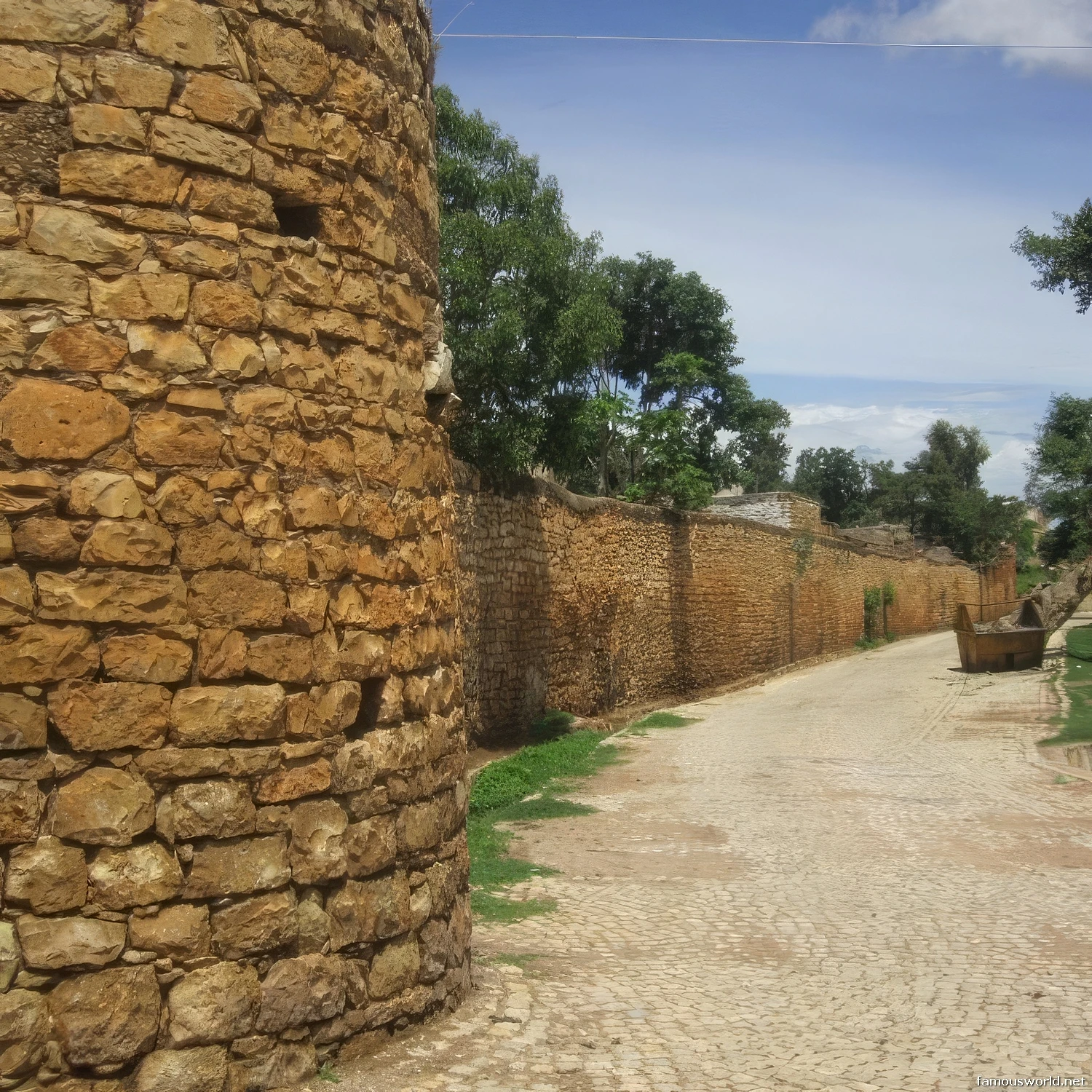
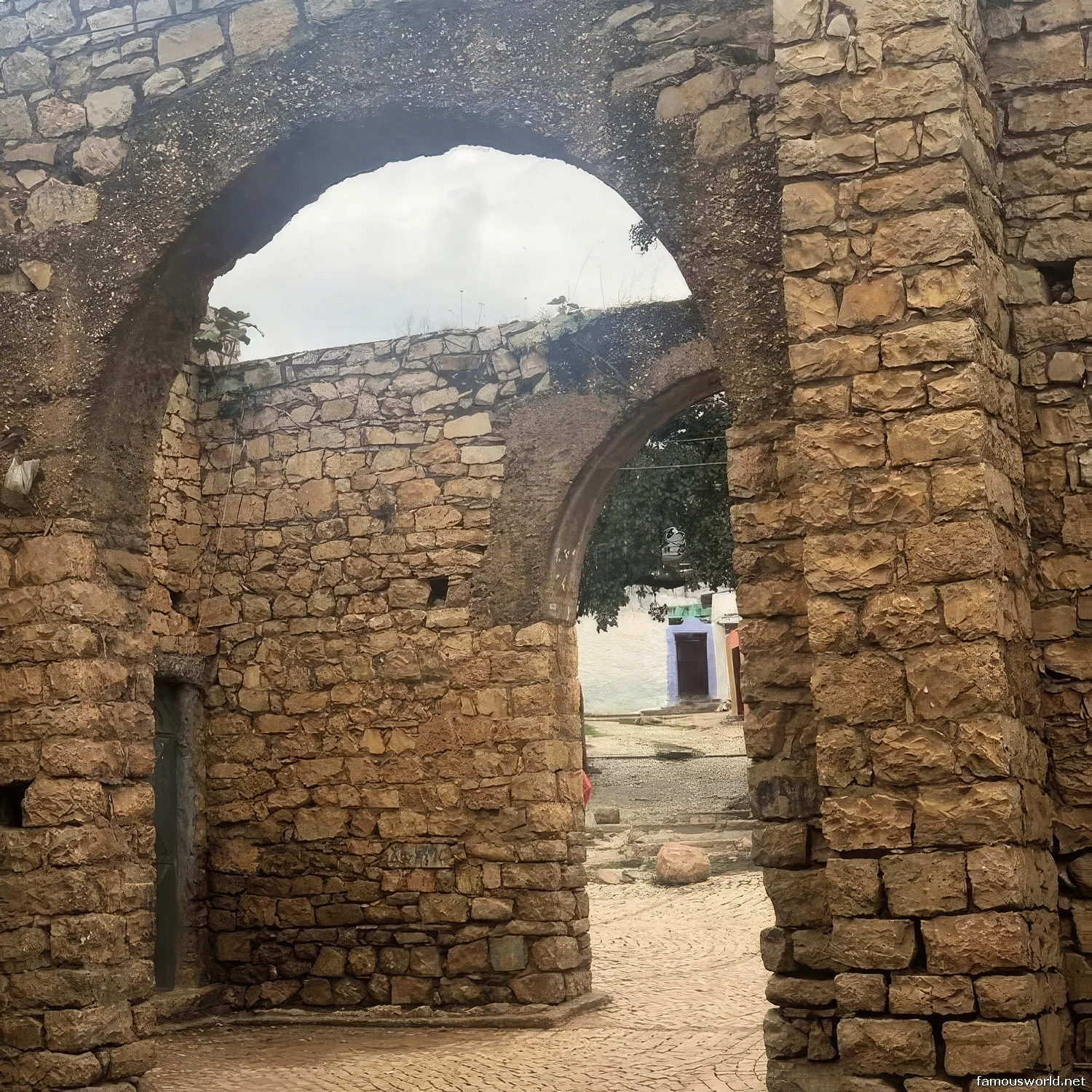
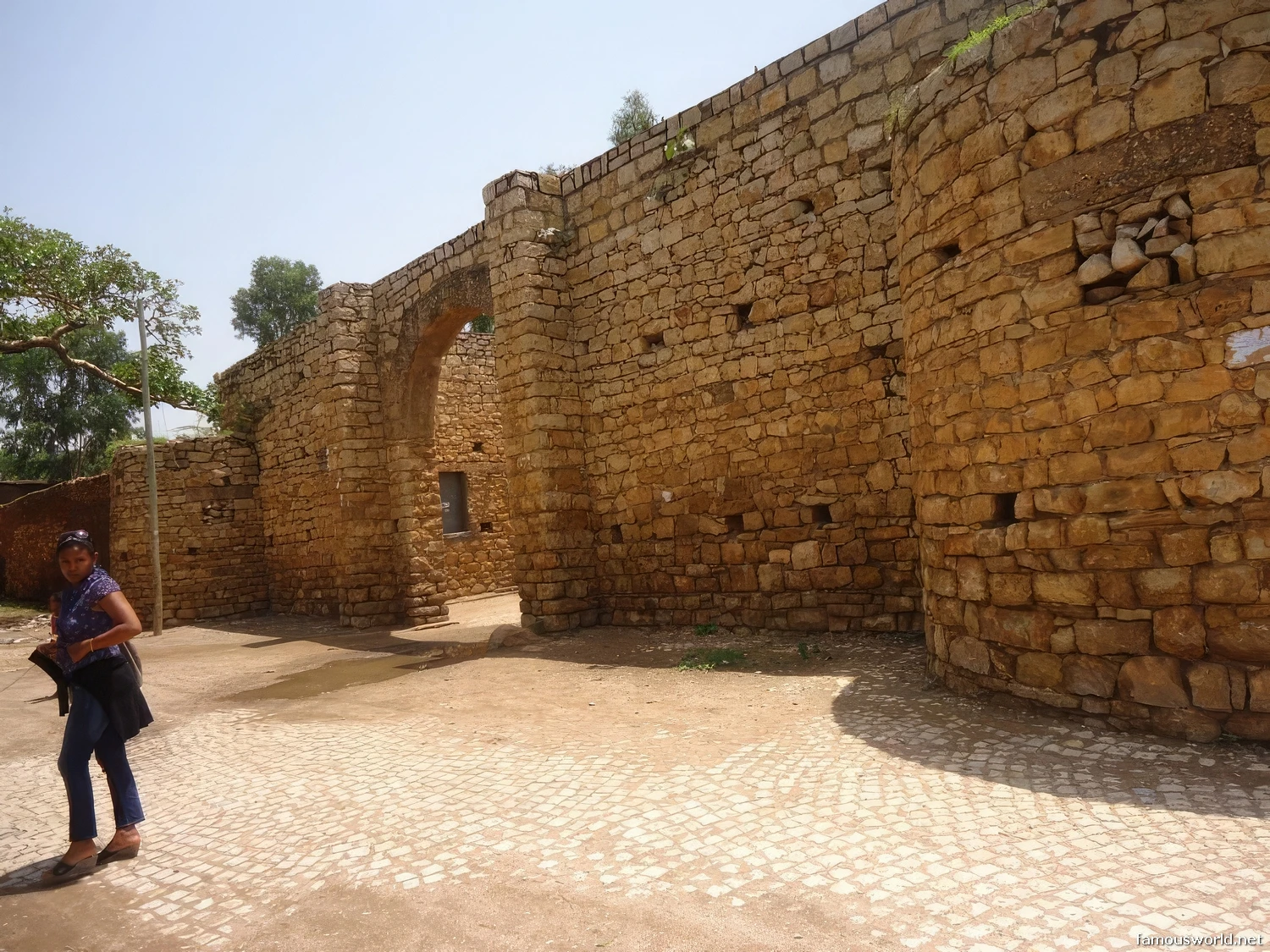
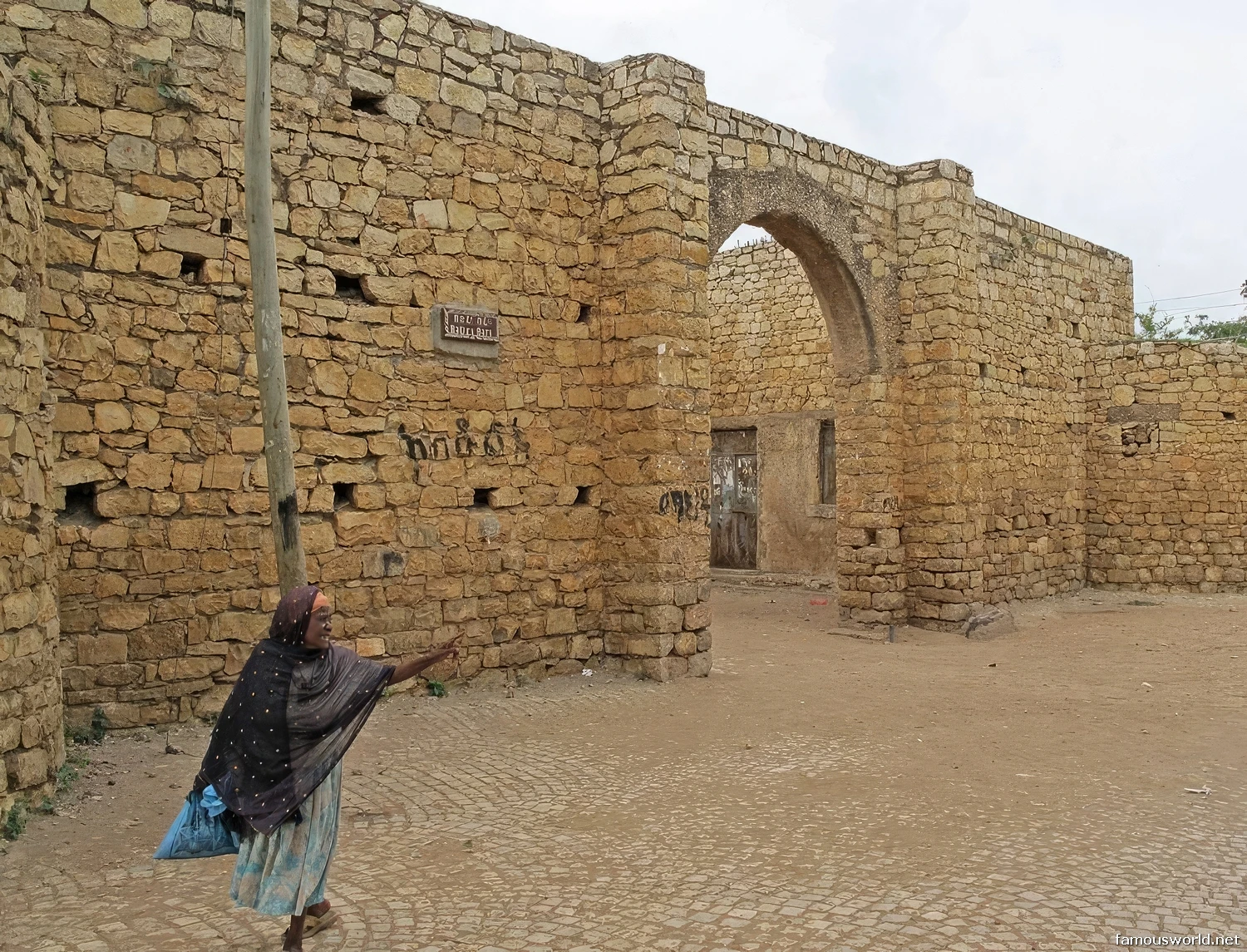
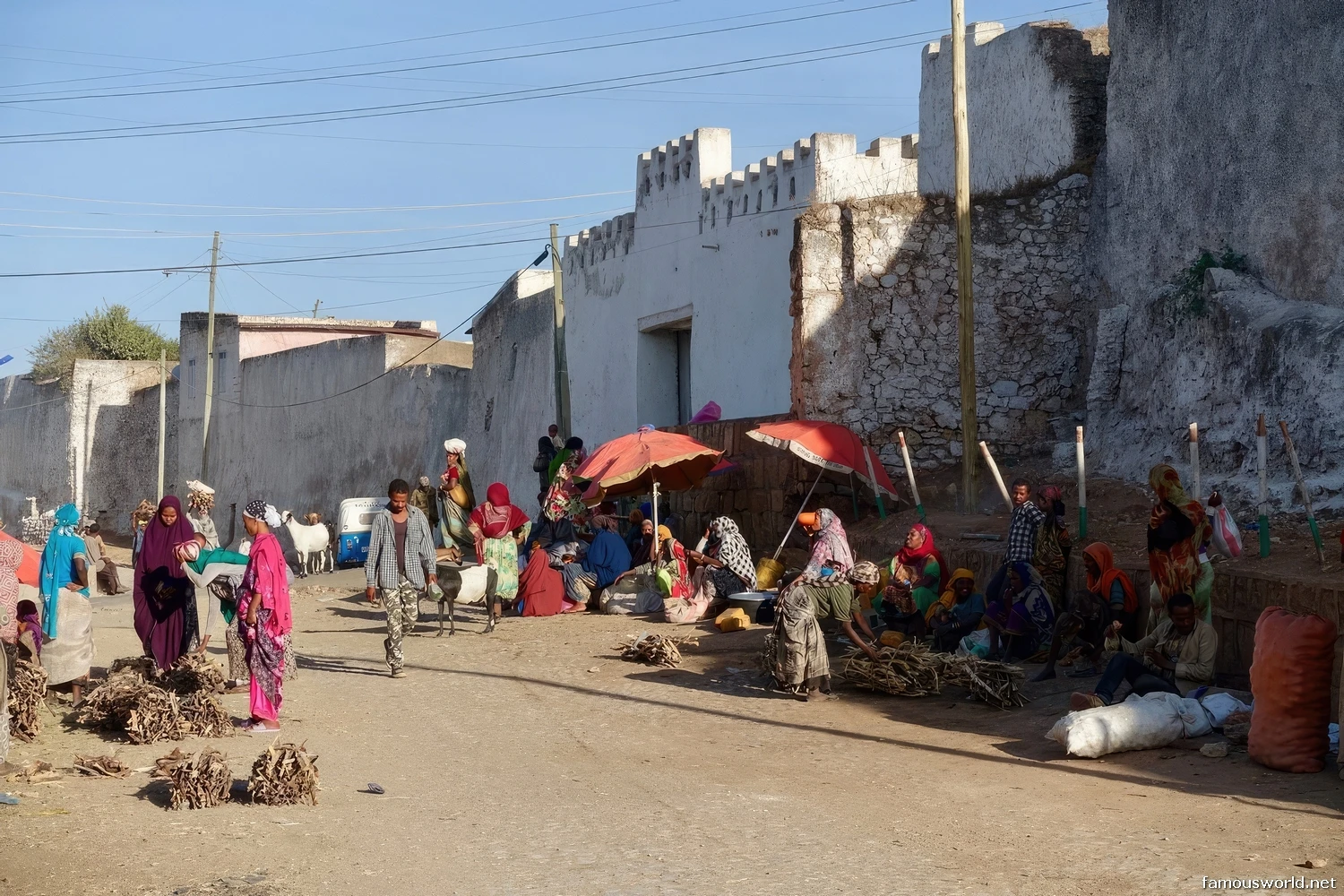
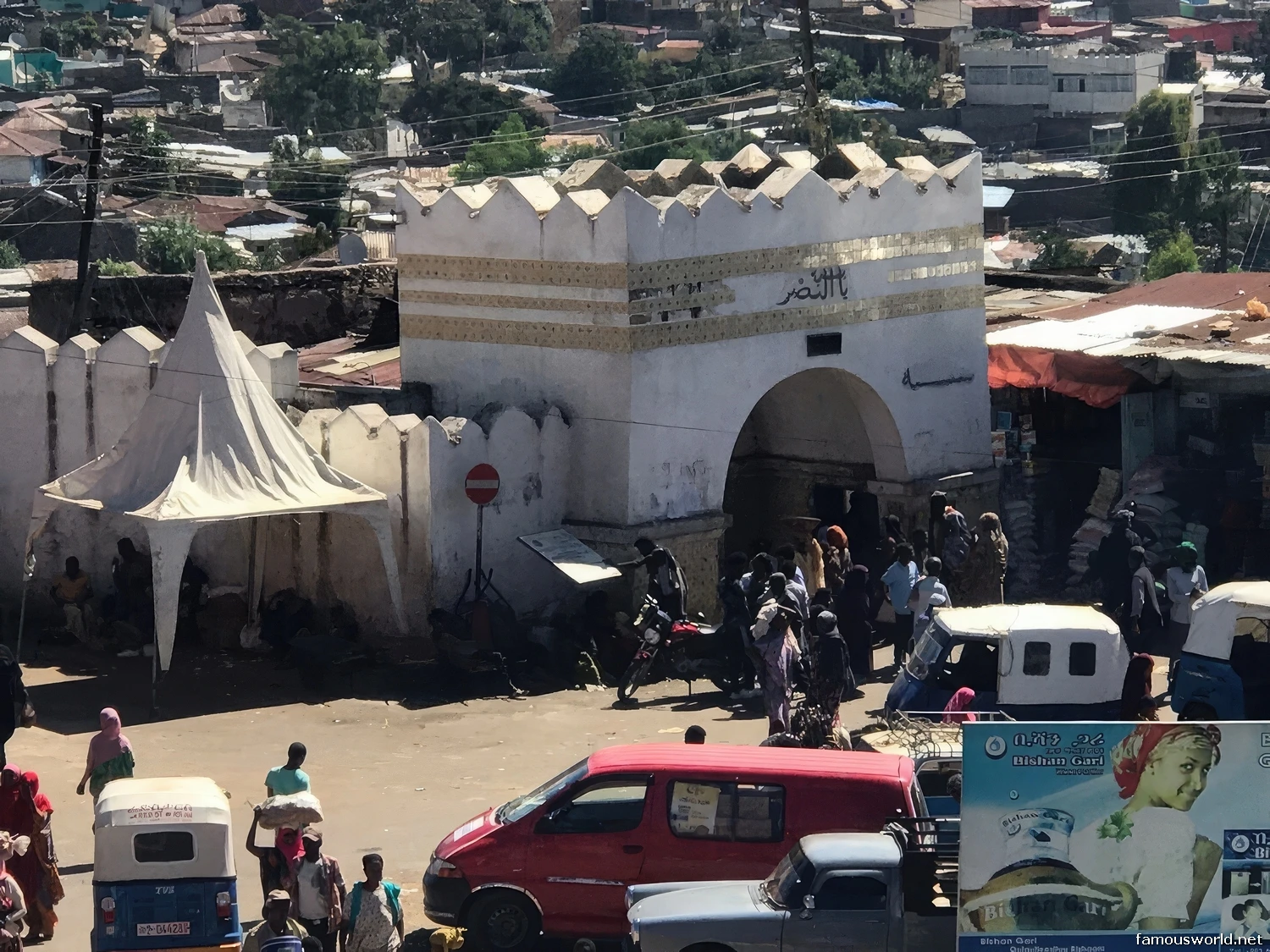
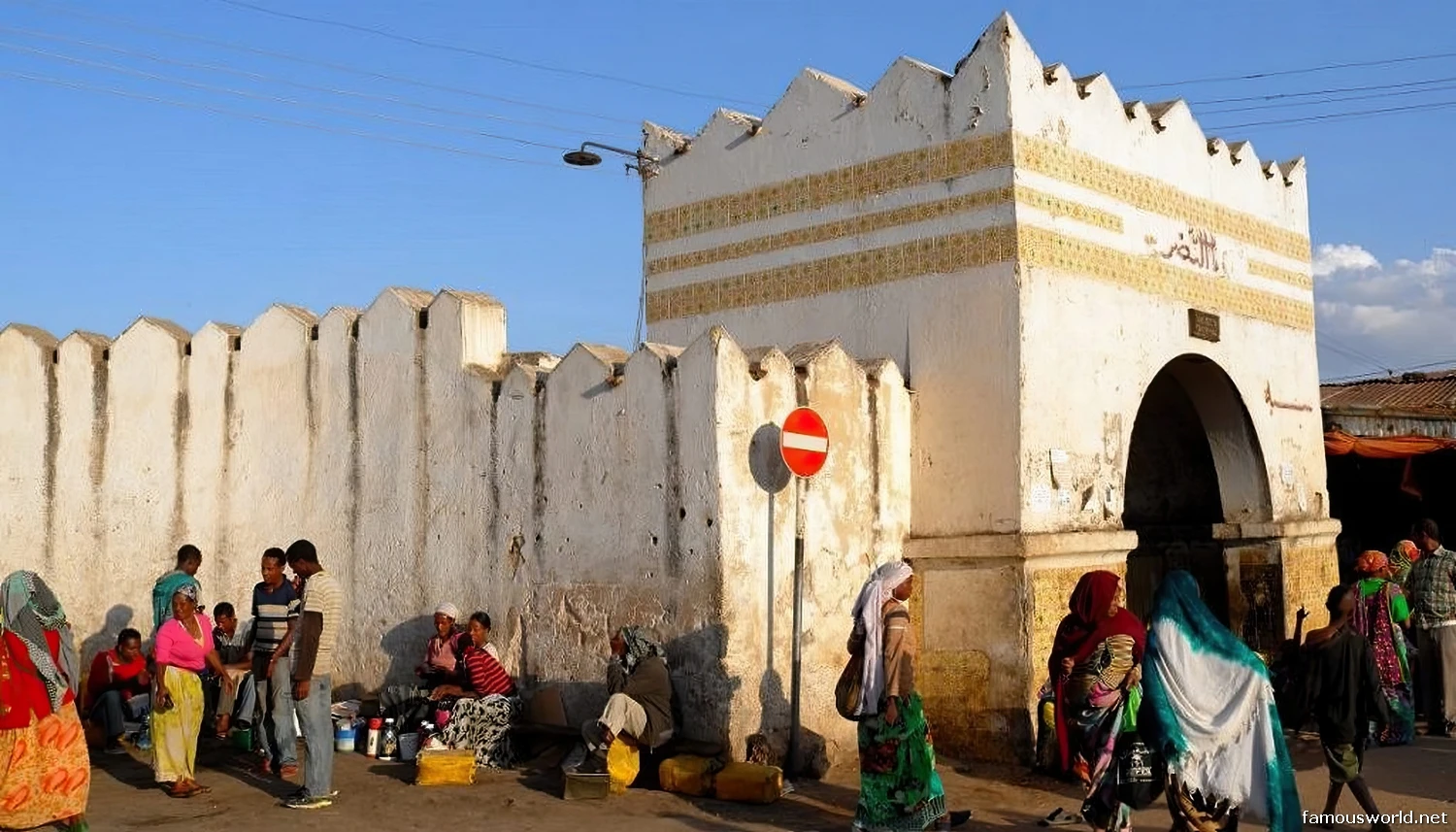
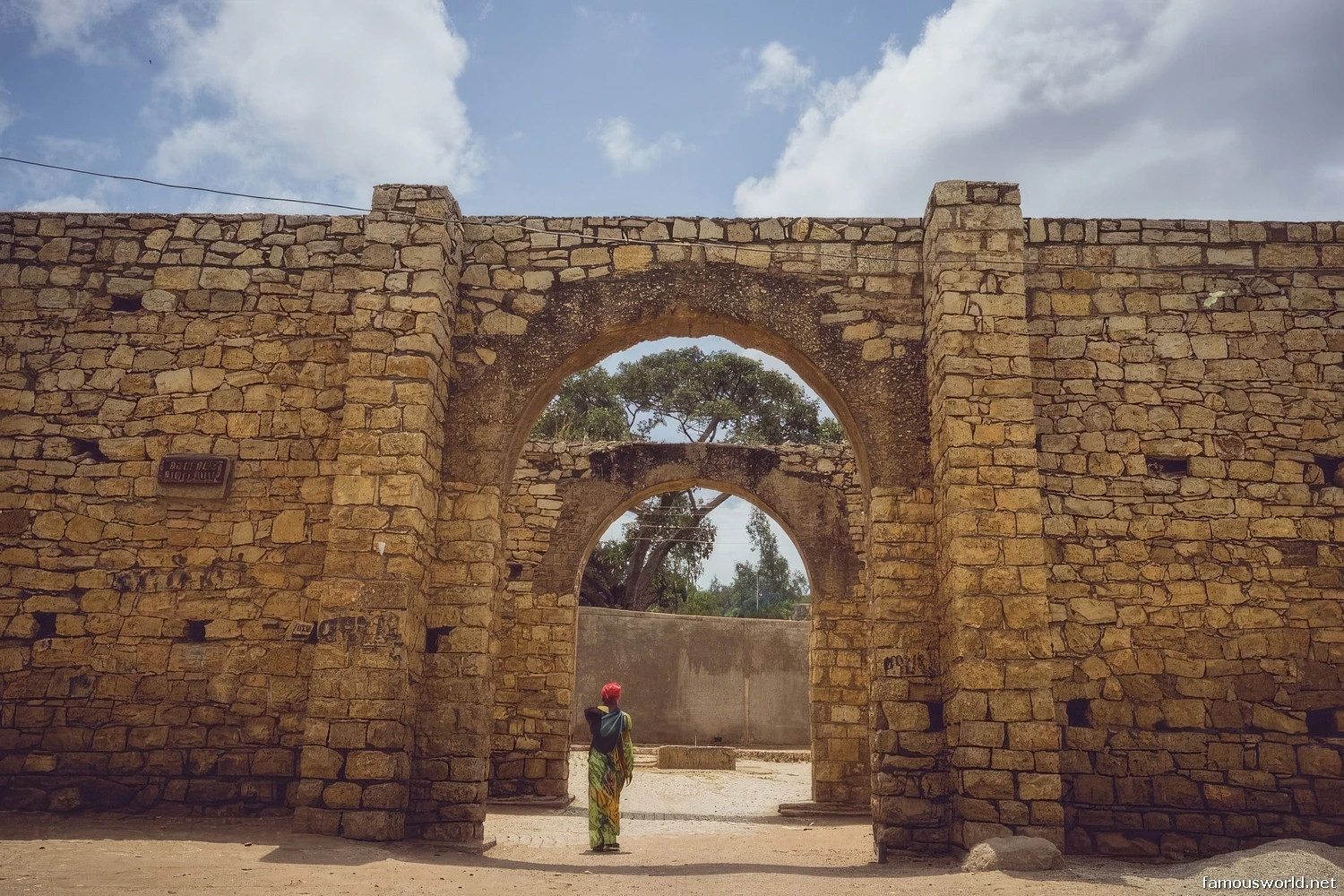
- The Jugol Wall: The city is defined by its impressive defensive wall, which is 3.5 kilometers long and up to 5 meters high. Originally built to repel invaders, it features five historic gates that once led to different quarters of the city and corresponded to the main trade routes.
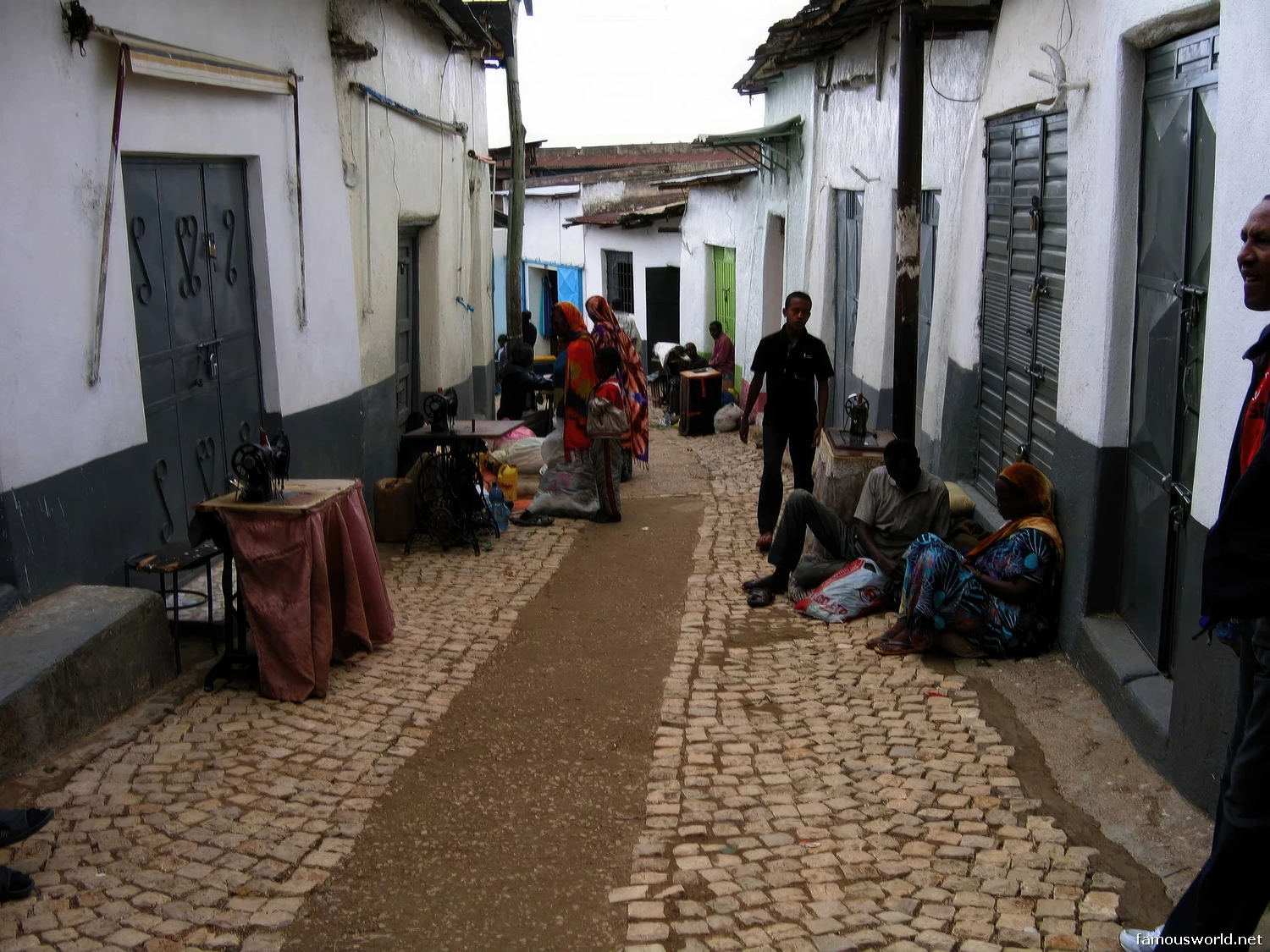
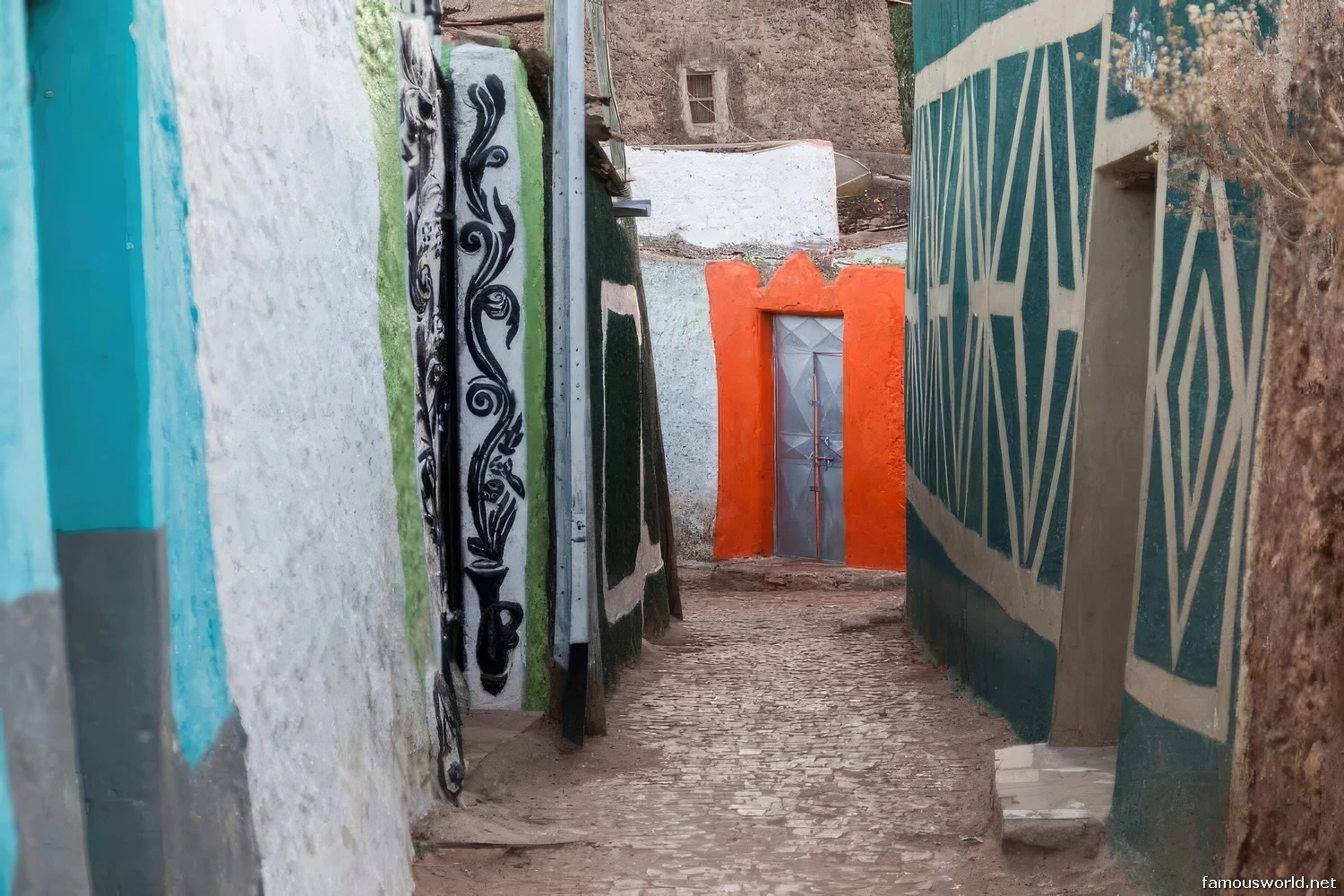
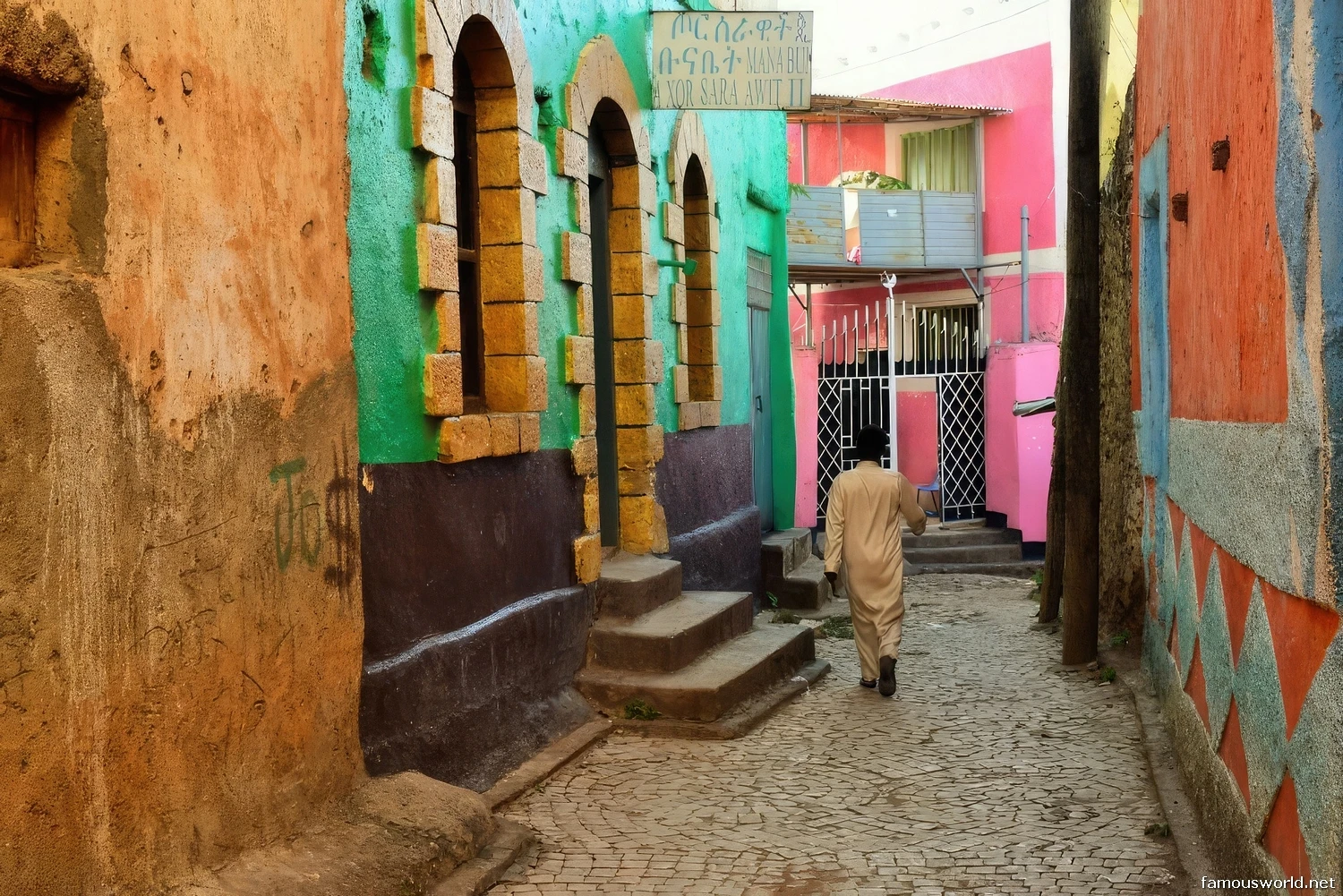
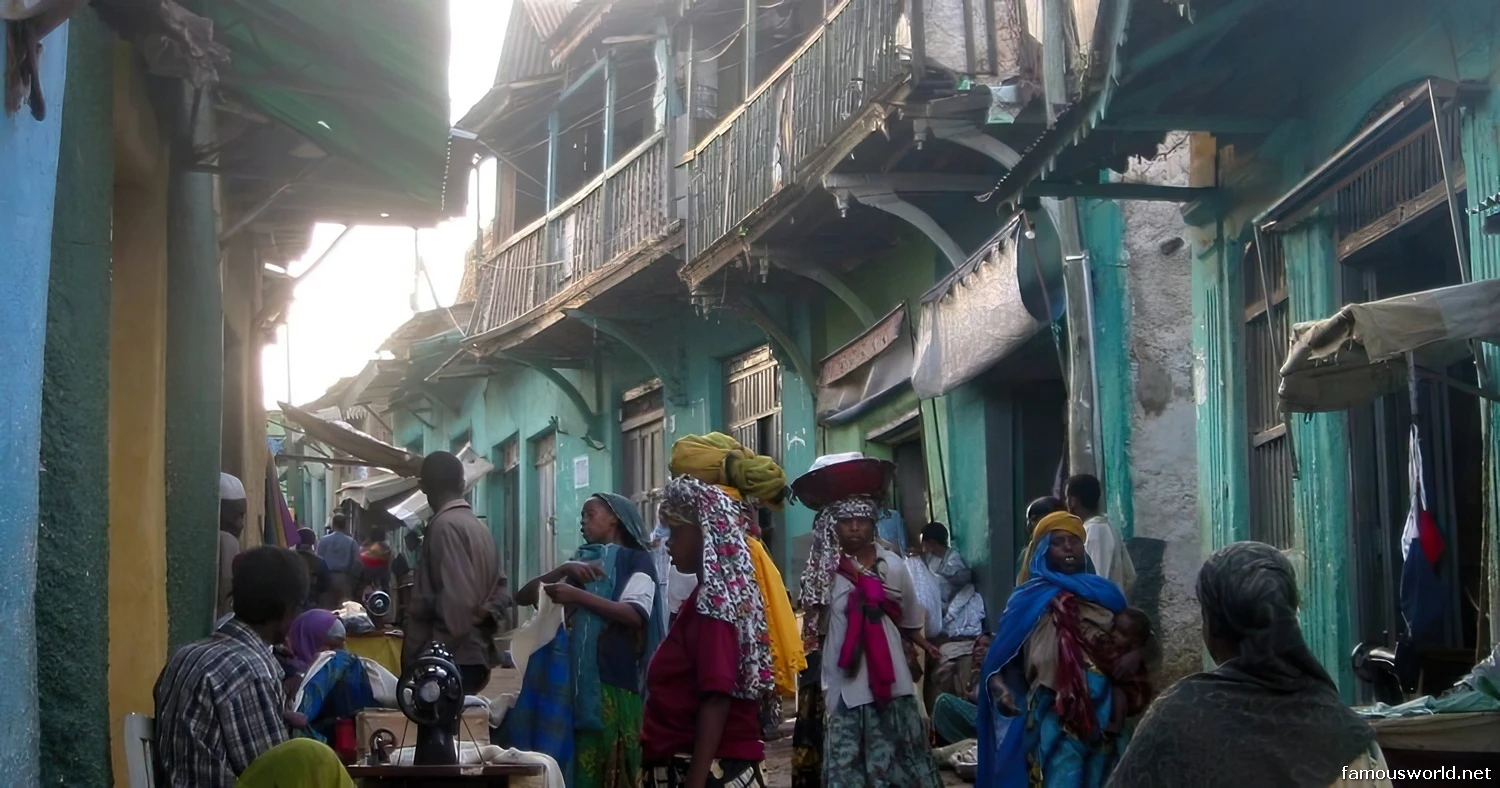
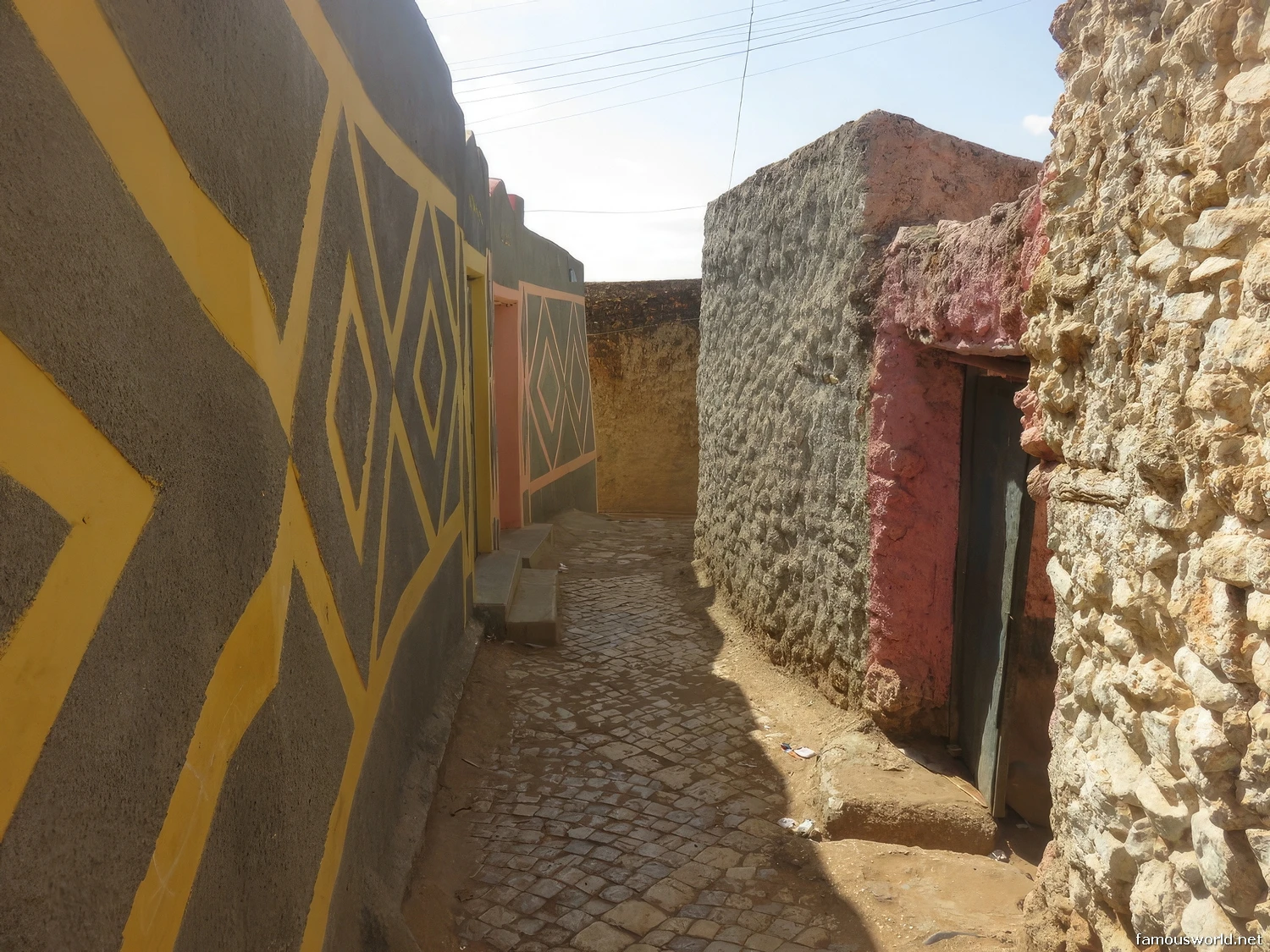
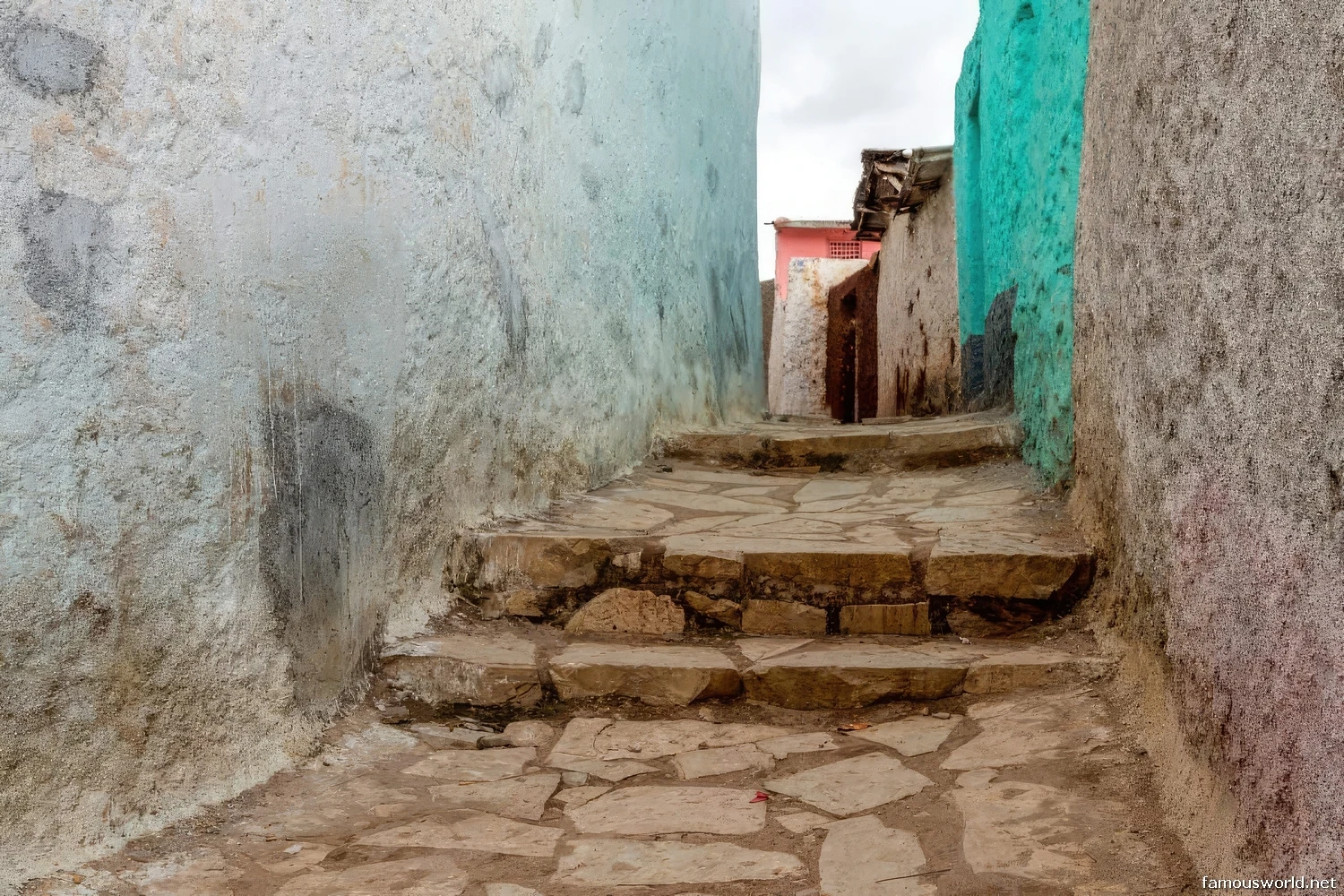
- Labyrinthine Alleys: Inside the walls, the city is a dense and colorful maze of narrow, winding alleyways. The vibrant, painted walls of the houses (often in shades of green, blue, and ochre) create a visually stunning urban landscape.
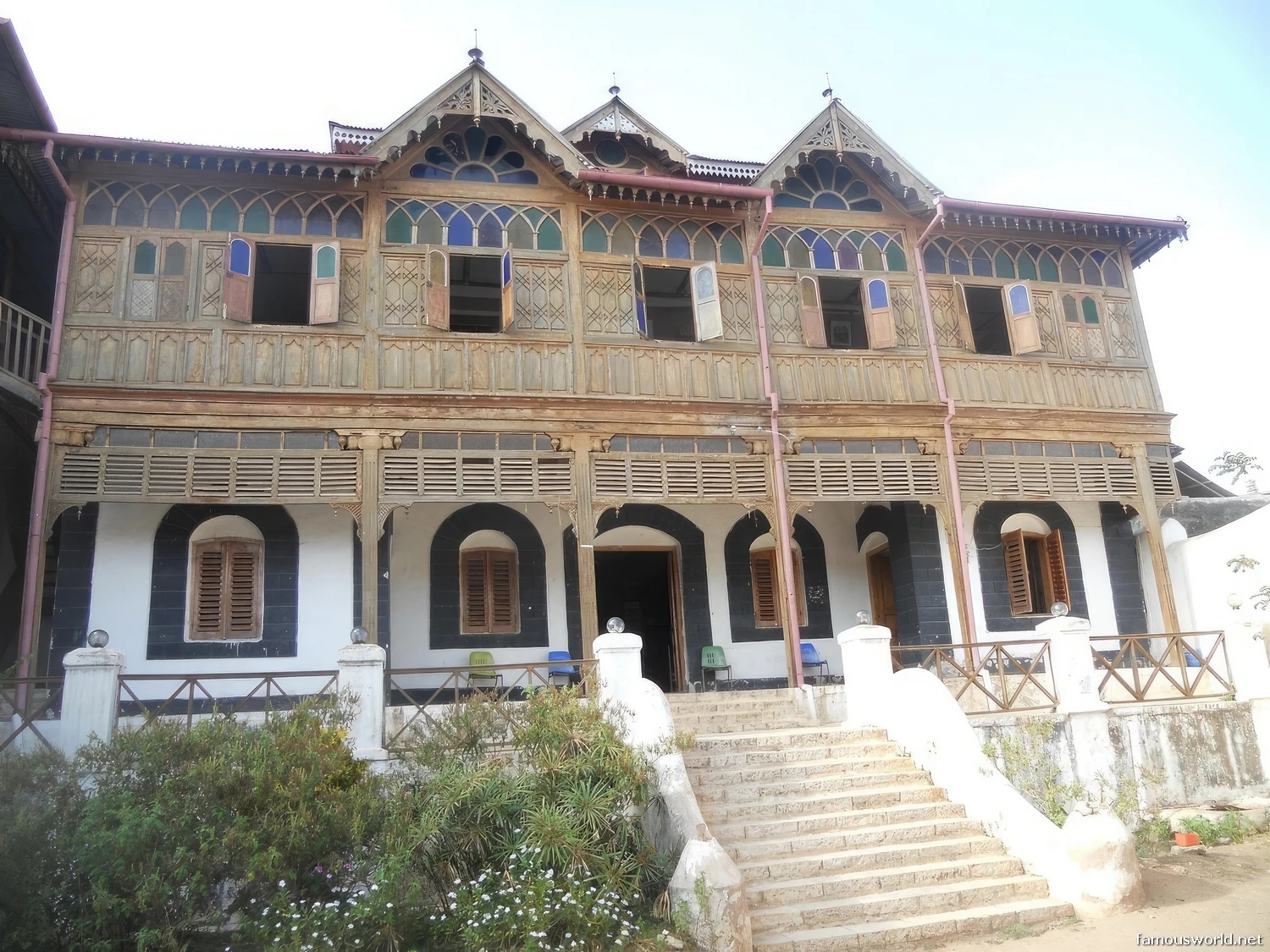
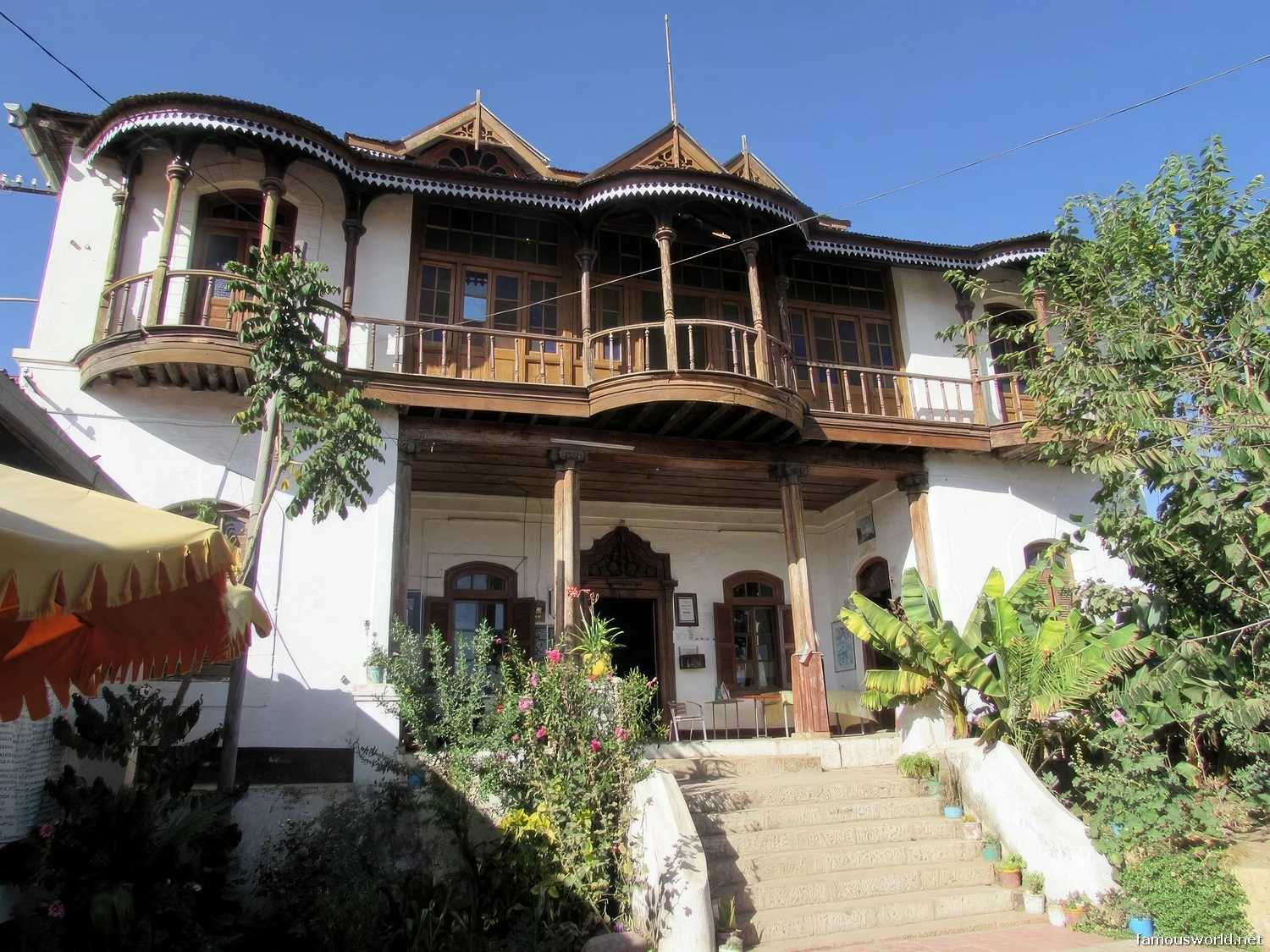
- Harari Houses (Gey Gar): The traditional Harari house is architecturally unique. It features a specific interior design with raised platforms (nadabas) that serve as seating and sleeping areas, with their height denoting the status of a person. The walls are famously decorated with niches holding meticulously arranged collections of colorful baskets and pottery.
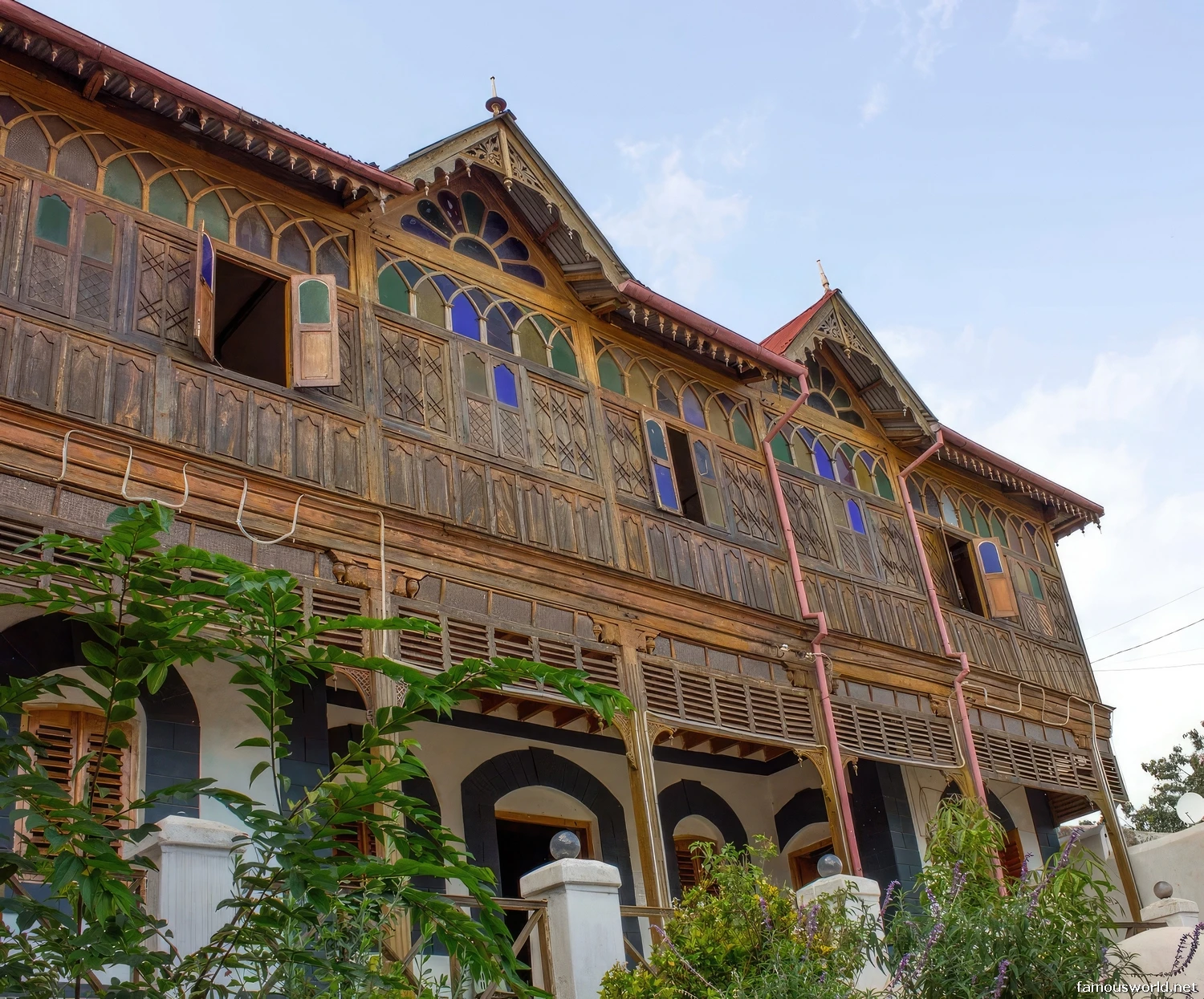
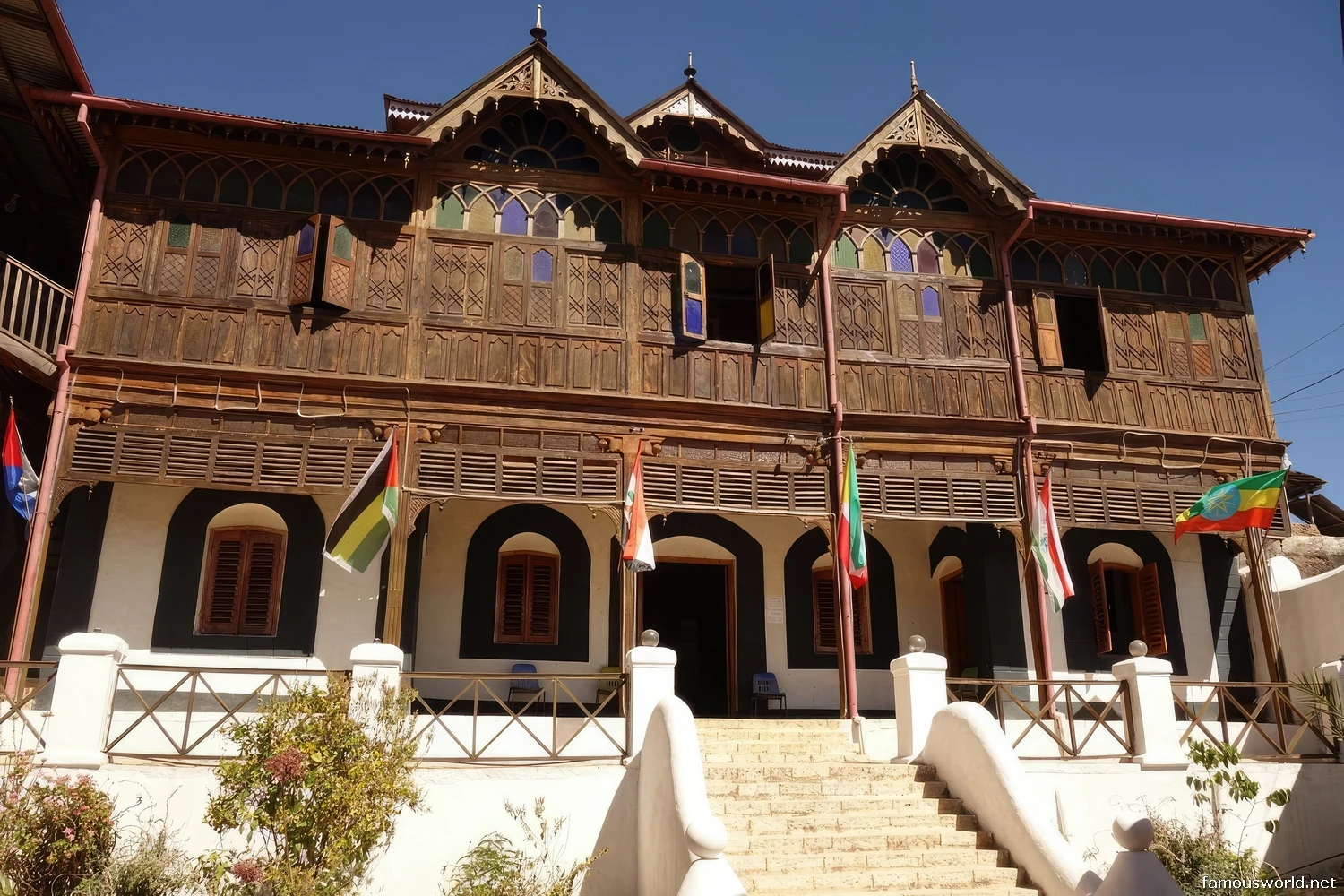
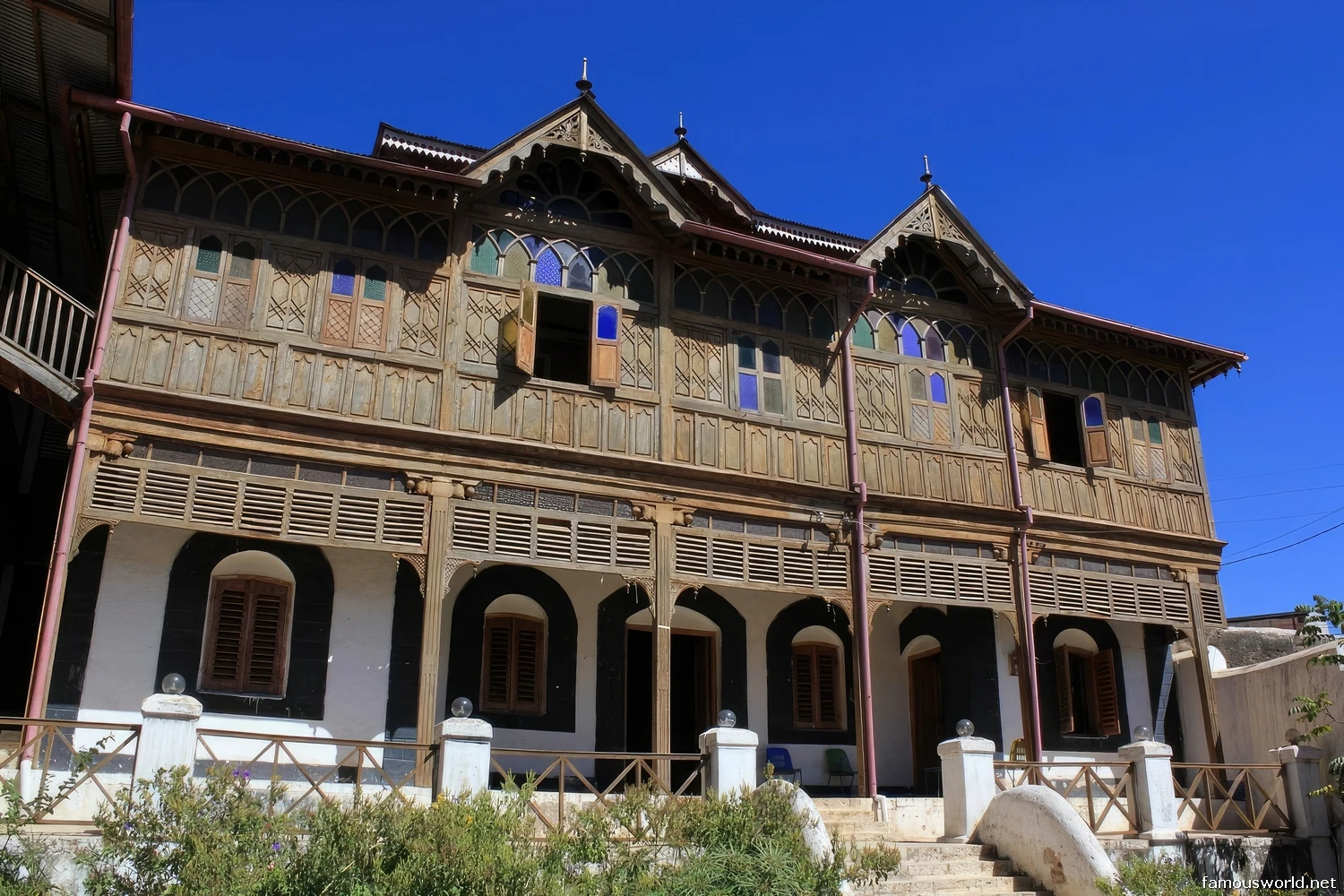
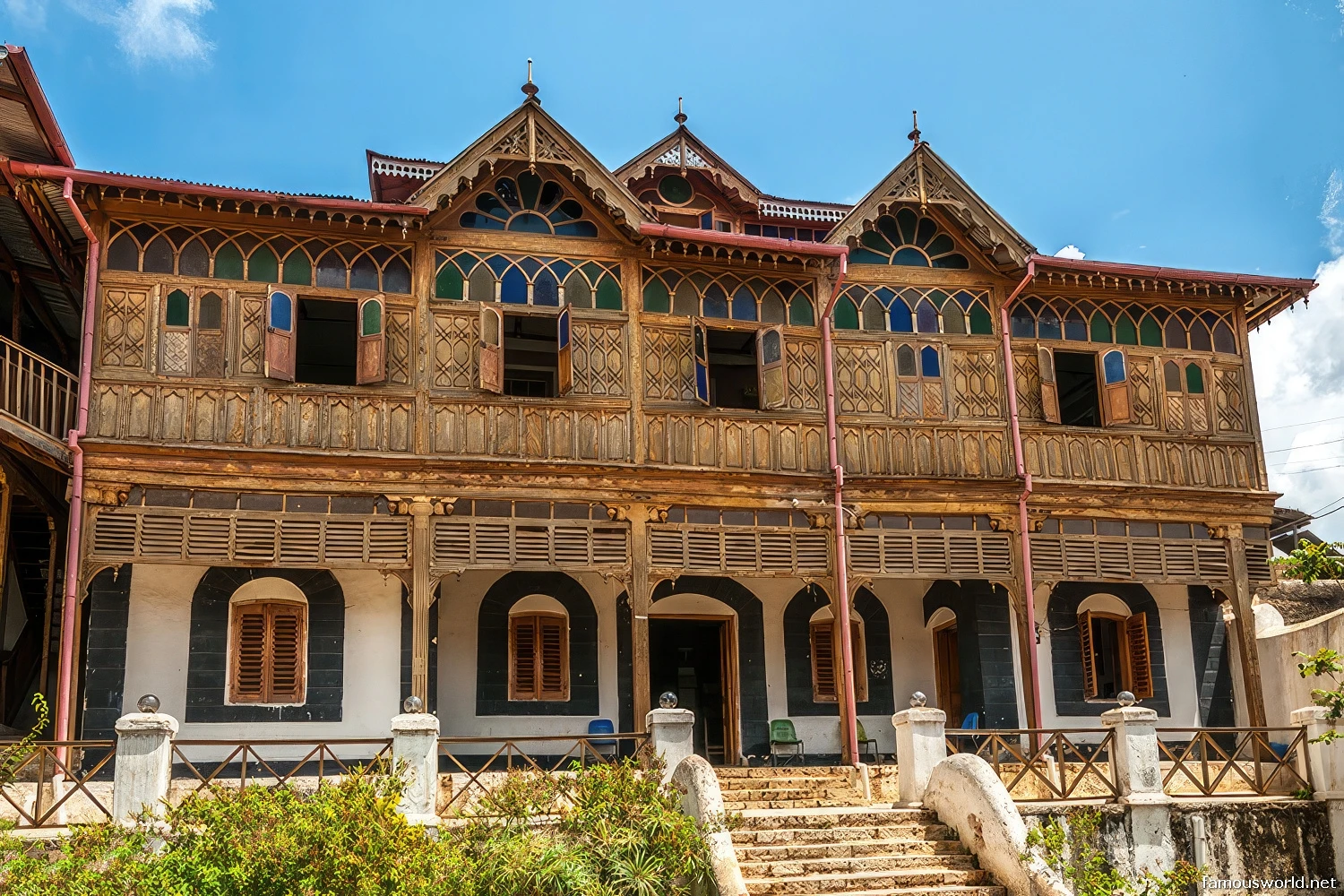
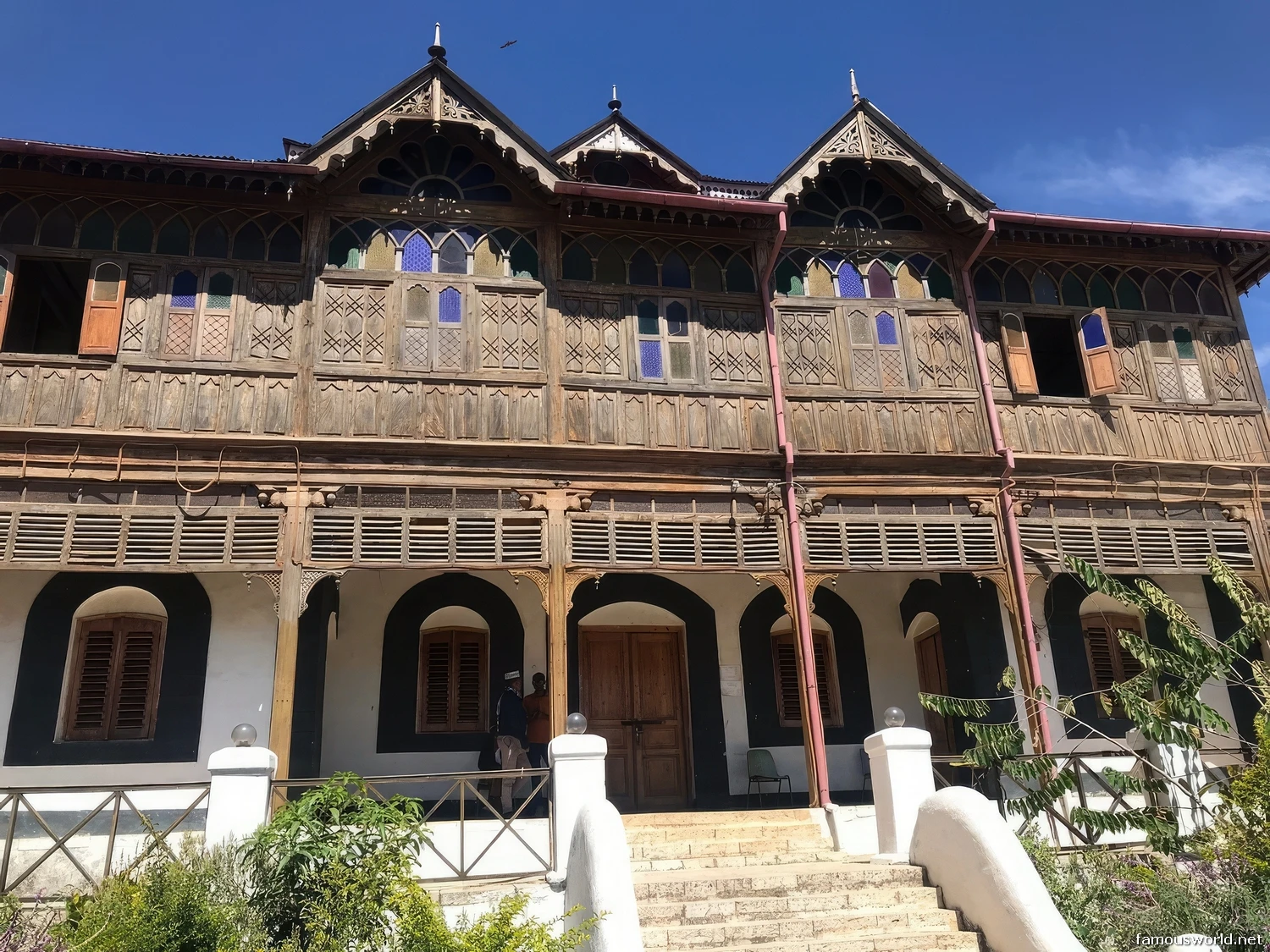
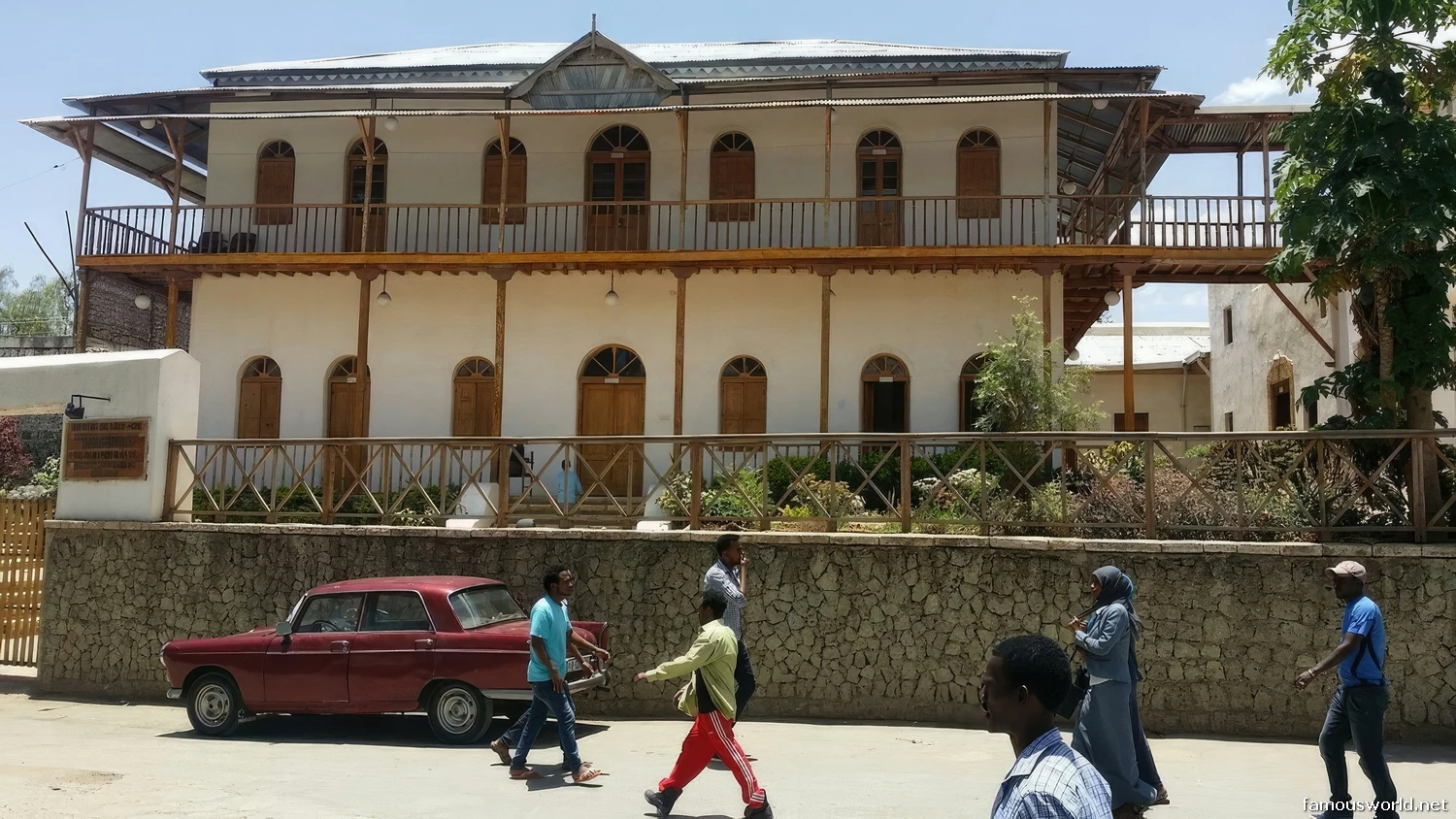
- A Fusion of Styles: The architecture is a fascinating blend of African and Islamic traditions. Later, in the 19th century, Indian merchants introduced houses with wooden verandas, creating a combined architectural style that adds another layer to the city’s unique character.
What Makes It Famous
Harar is famous for its rich Islamic heritage, its unique urban fabric, and its extraordinary relationship with wild hyenas.
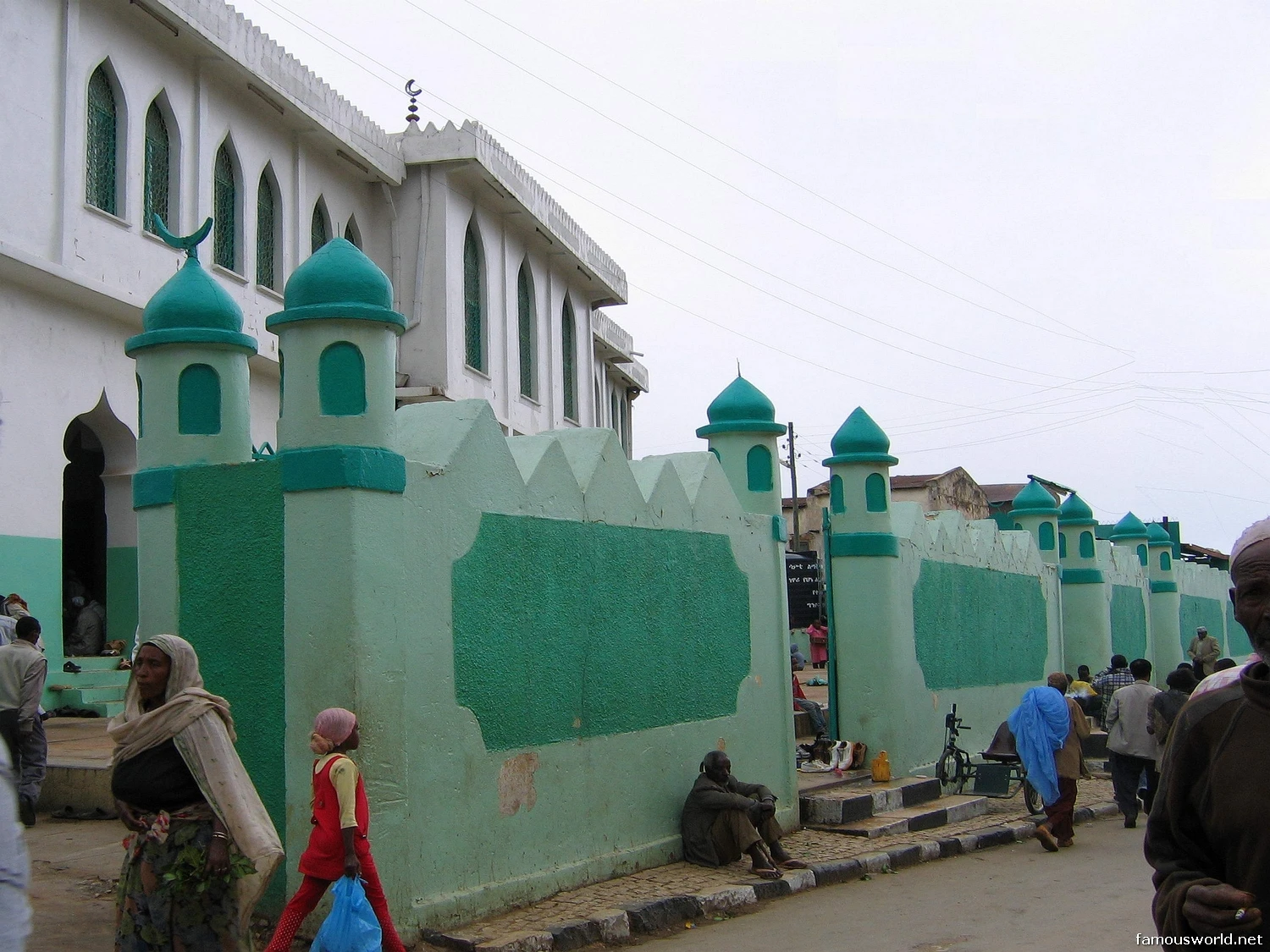
- The Fourth Holy City of Islam: Its primary claim to fame is its status as a major spiritual center, with a high concentration of mosques and shrines.
- The Hyena Men of Harar: The city is world-renowned for its unique tradition of feeding wild hyenas by hand. Every night, on the outskirts of the city, the “Hyena Men” call the animals from the surrounding hills and feed them meat, a spectacle that visitors can witness and even participate in. This tradition is believed to have started centuries ago to foster a peaceful coexistence between the city and the predators.
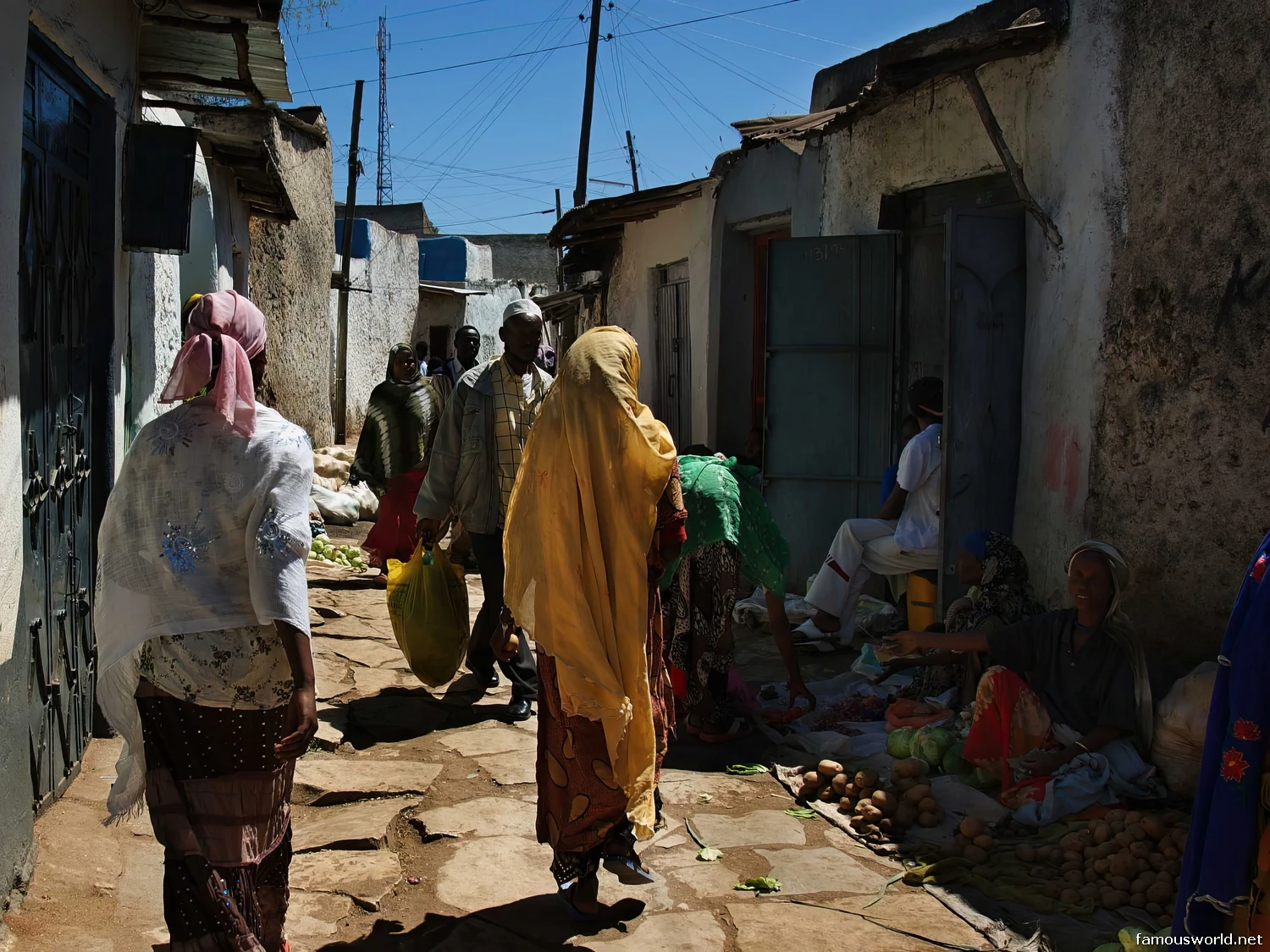
- A Living UNESCO Site: Unlike many historical sites that are purely archaeological ruins, Harar Jugol is a vibrant, living city where the community continues its traditional way of life within the ancient walls.
- City of Peace and Tolerance: Harar is also known for the peaceful coexistence of its diverse population, which includes Harari, Oromo, Amhara, and Somali people, as well as both Muslims and Christians.
Differences from Other Wonders
Harar offers a cultural and urban experience that is profoundly different from Ethiopia’s other major UNESCO sites.
- A Fortified Islamic City vs. a Christian Kingdom: Harar’s identity is deeply Islamic, which provides a stark cultural contrast to the ancient Christian kingdoms of Axum and Lalibela. Its architecture—mosques, shrines, and traditional Harari houses—is completely different from the monolithic rock-hewn churches or grand stelae of the northern highlands.
- A Dense Urban Maze vs. a Vast Natural Landscape: The experience of Harar is about immersing oneself in a tight-knit, labyrinthine urban environment. This is the opposite of the Simien Mountains National Park, which is a vast, open, and dramatic natural landscape defined by its mountains and wildlife.
- A Living City vs. Ancient Ruins: While sites like Axum contain ancient ruins, Harar is a continuously inhabited city where the historic structures are still people’s homes and places of worship. This offers a more living, breathing cultural experience.