


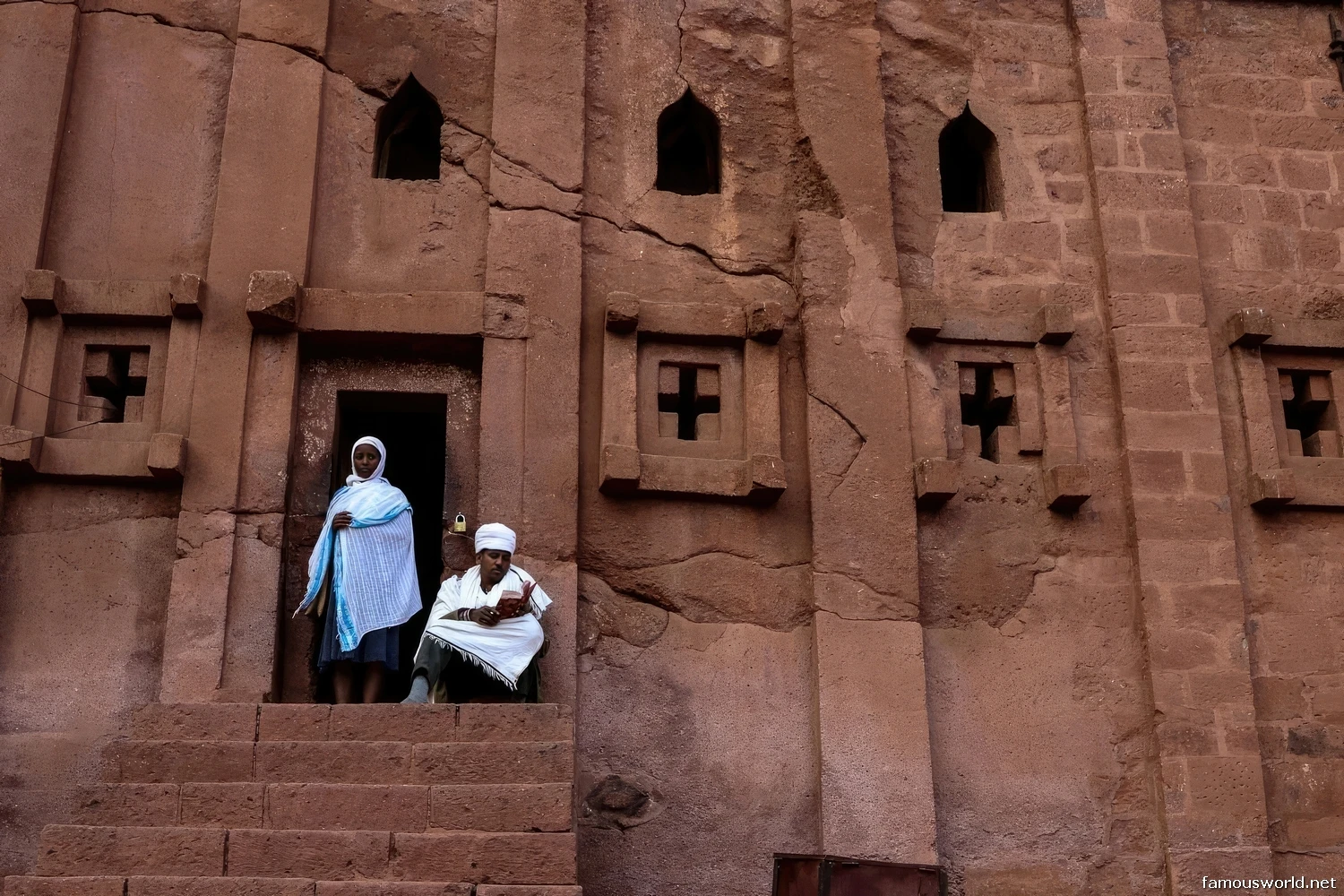



The Rock-Hewn Churches of Lalibela are a collection of eleven spectacular monolithic churches located in the mountainous highlands of northern Ethiopia. Carved out of solid volcanic rock in the 12th and 13th centuries, this UNESCO World Heritage site is one of the most astonishing feats of architecture and engineering in human history. The creation of these churches is attributed to King Gebre Mesqel Lalibela, who intended to construct a “New Jerusalem” for Christians who were unable to make the pilgrimage to the Holy Land due to Muslim conquests. Today, Lalibela is a living monument, remaining one of the most important and active pilgrimage sites for Ethiopian Orthodox Christians, who gather here in the thousands for religious festivals.
Listen to an introduction about Rock-Hewn Churches of Lalibela

Name and Address
- Name: Rock-Hewn Churches, Lalibela.
- Address: Lalibela, Amhara Region, Ethiopia. The town is situated at an altitude of approximately 2,500 meters (8,200 feet).
How to Get There
Lalibela is a remote town, but it is one of Ethiopia’s primary tourist destinations, with established travel routes.
- By Air (Highly Recommended): The fastest and most convenient way to reach Lalibela is by flying. Ethiopian Airlines operates daily flights from the capital, Addis Ababa, as well as from other cities on the “Historic Route” like Gondar and Axum. The Lalibela airport is located about 25 kilometers from the town, and shuttle buses and taxis are available.
- By Road: Traveling by road is an option but requires a significant amount of time and endurance. The journey from Addis Ababa by bus can take up to two days over rough, winding mountain roads.
- Visitor Tip: The churches are divided into two main groups, separated by a river called Yordanos (Jordan River). A full day is needed to explore all eleven churches thoroughly. The entrance fee is a single ticket that grants access to all the churches for five days. It is highly recommended to hire a local guide to navigate the complex system of trenches and tunnels and to understand the rich symbolism of each church.
Landscape and Architecture
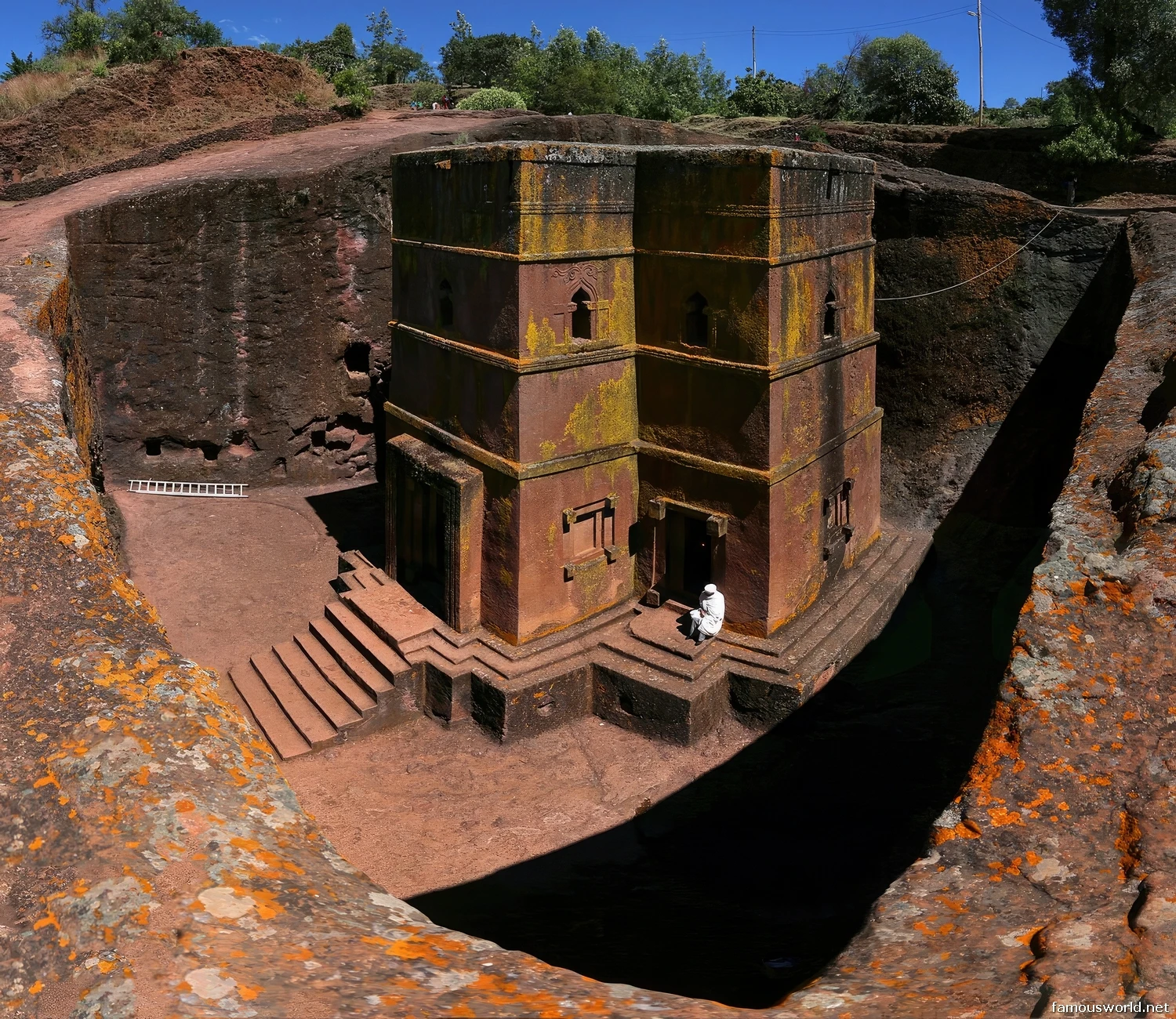
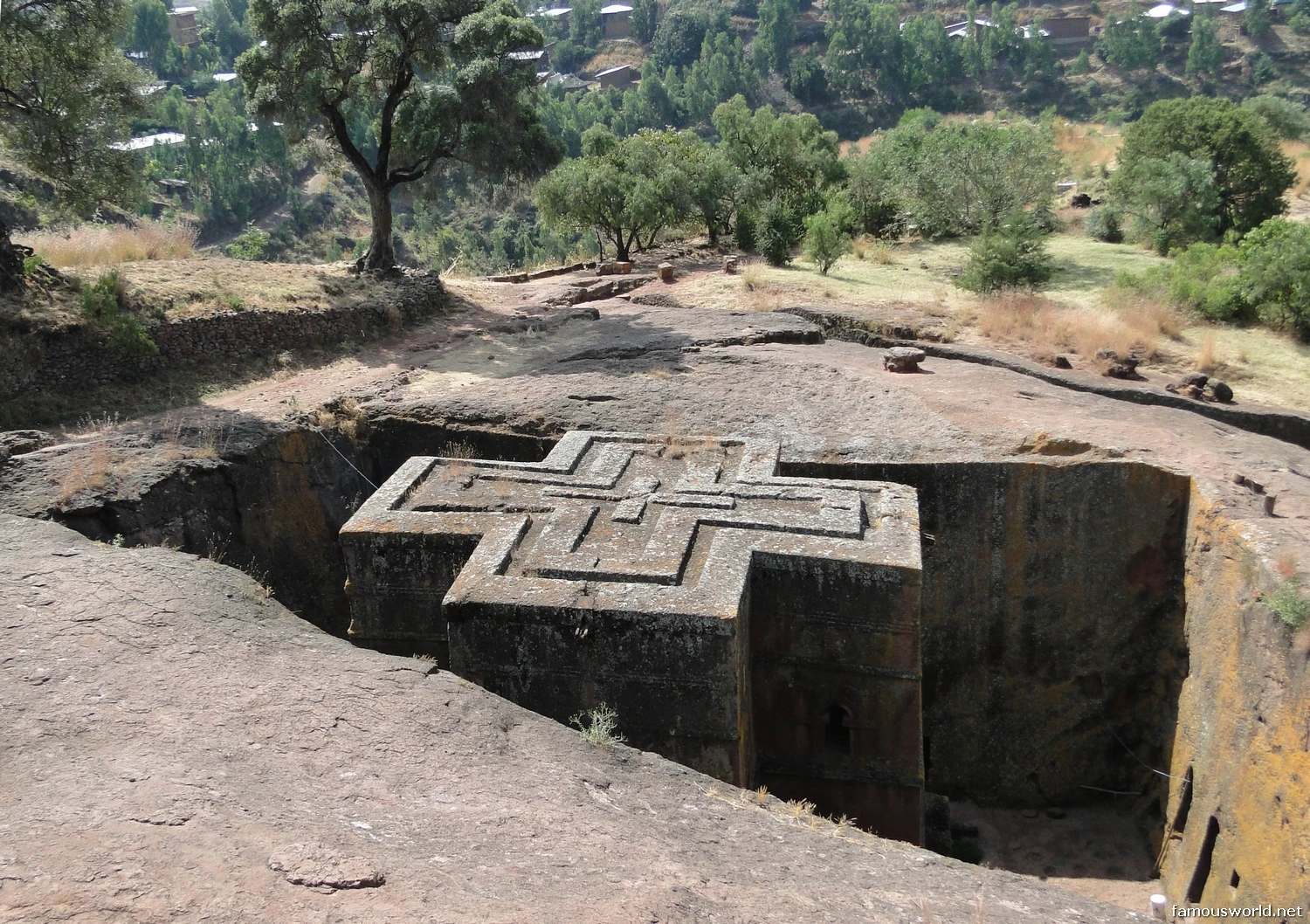
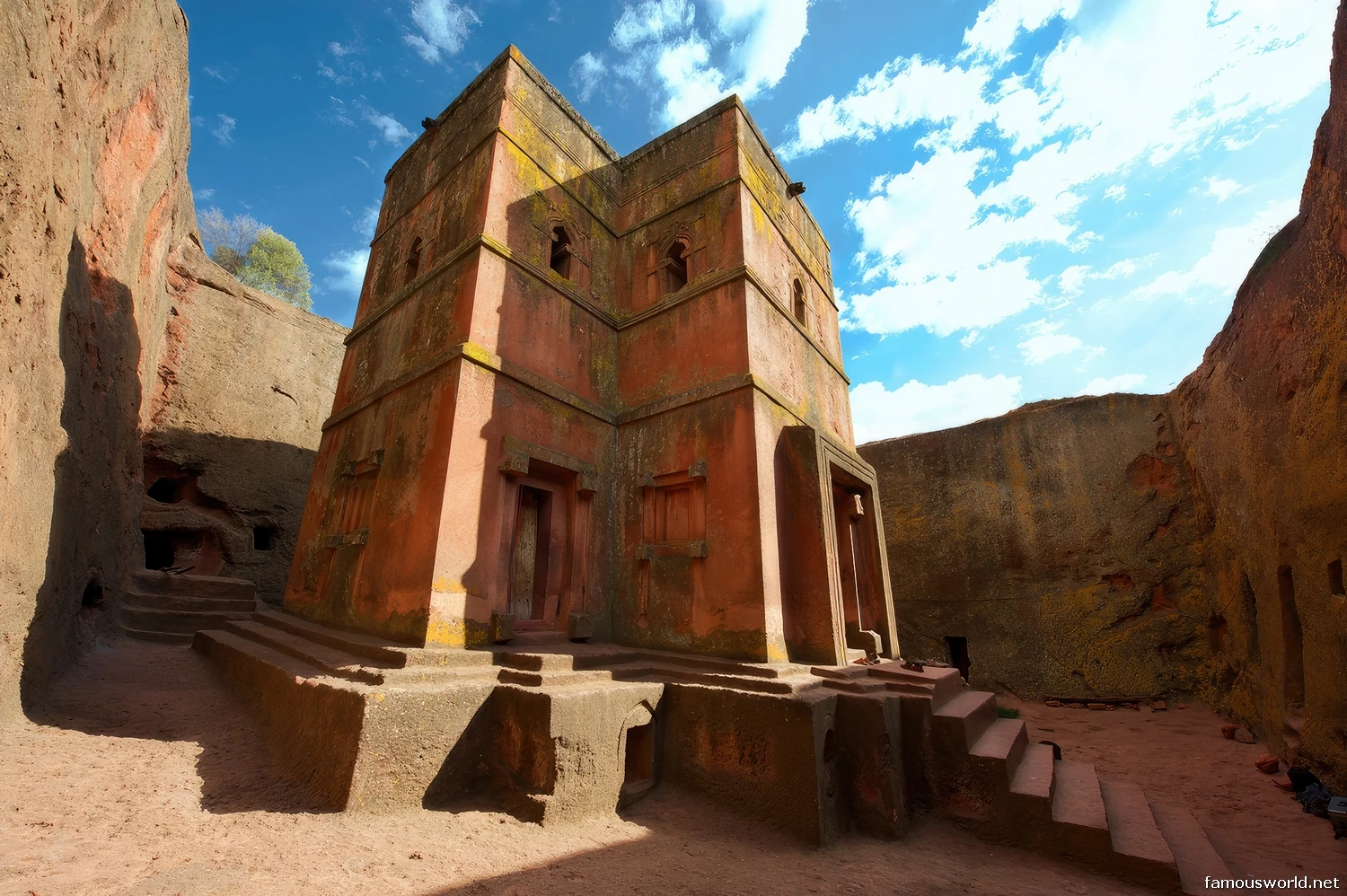
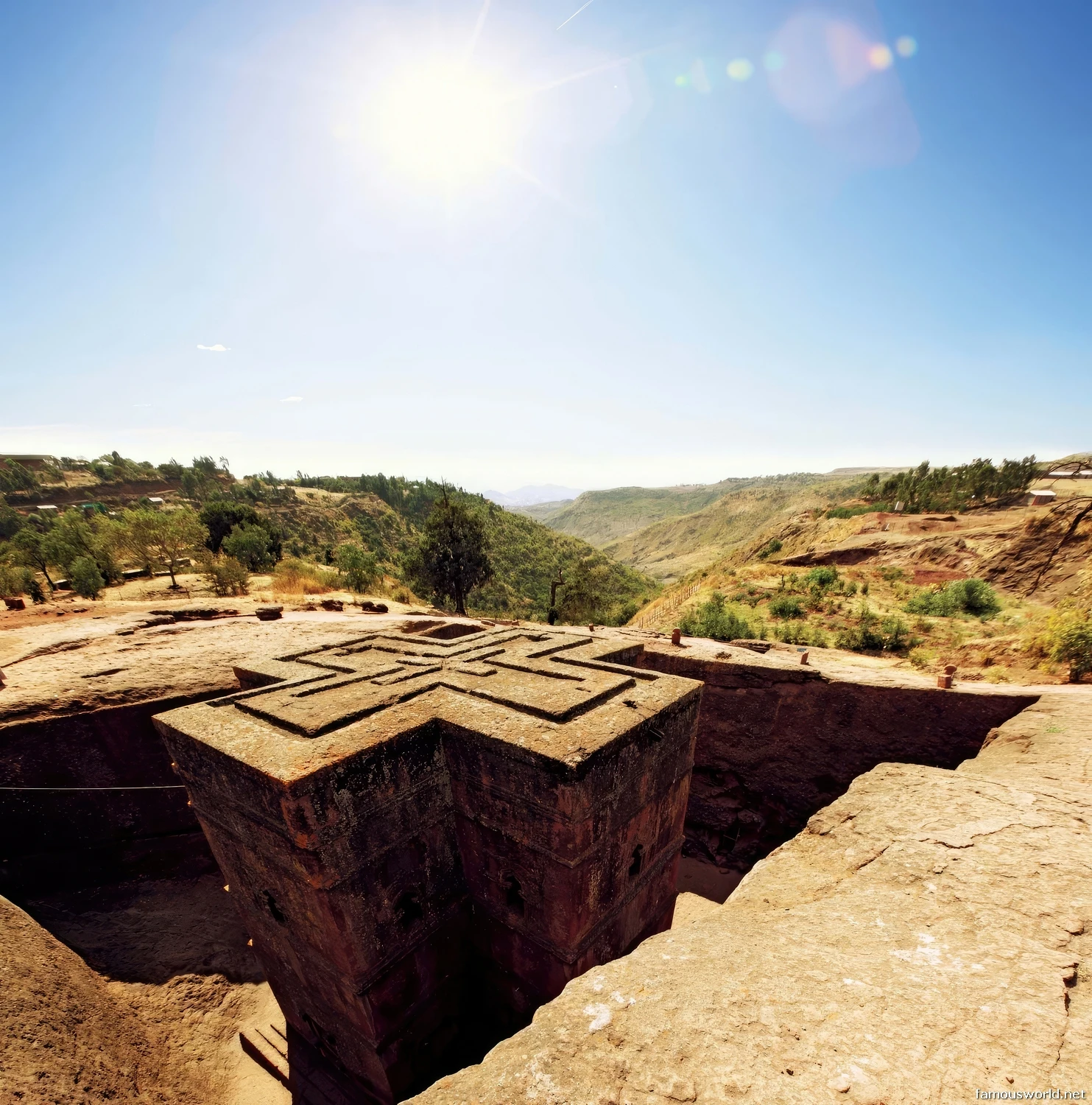
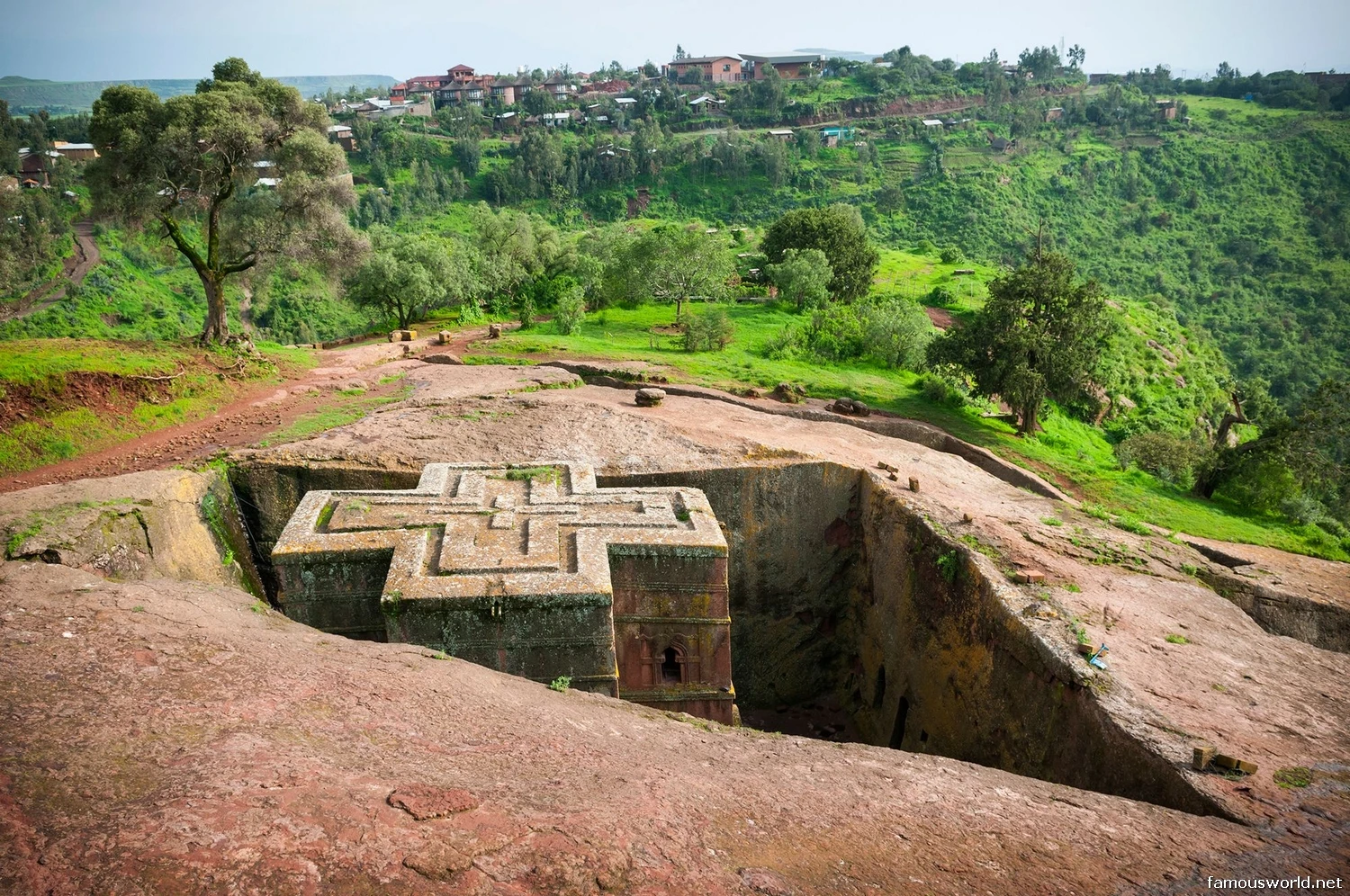
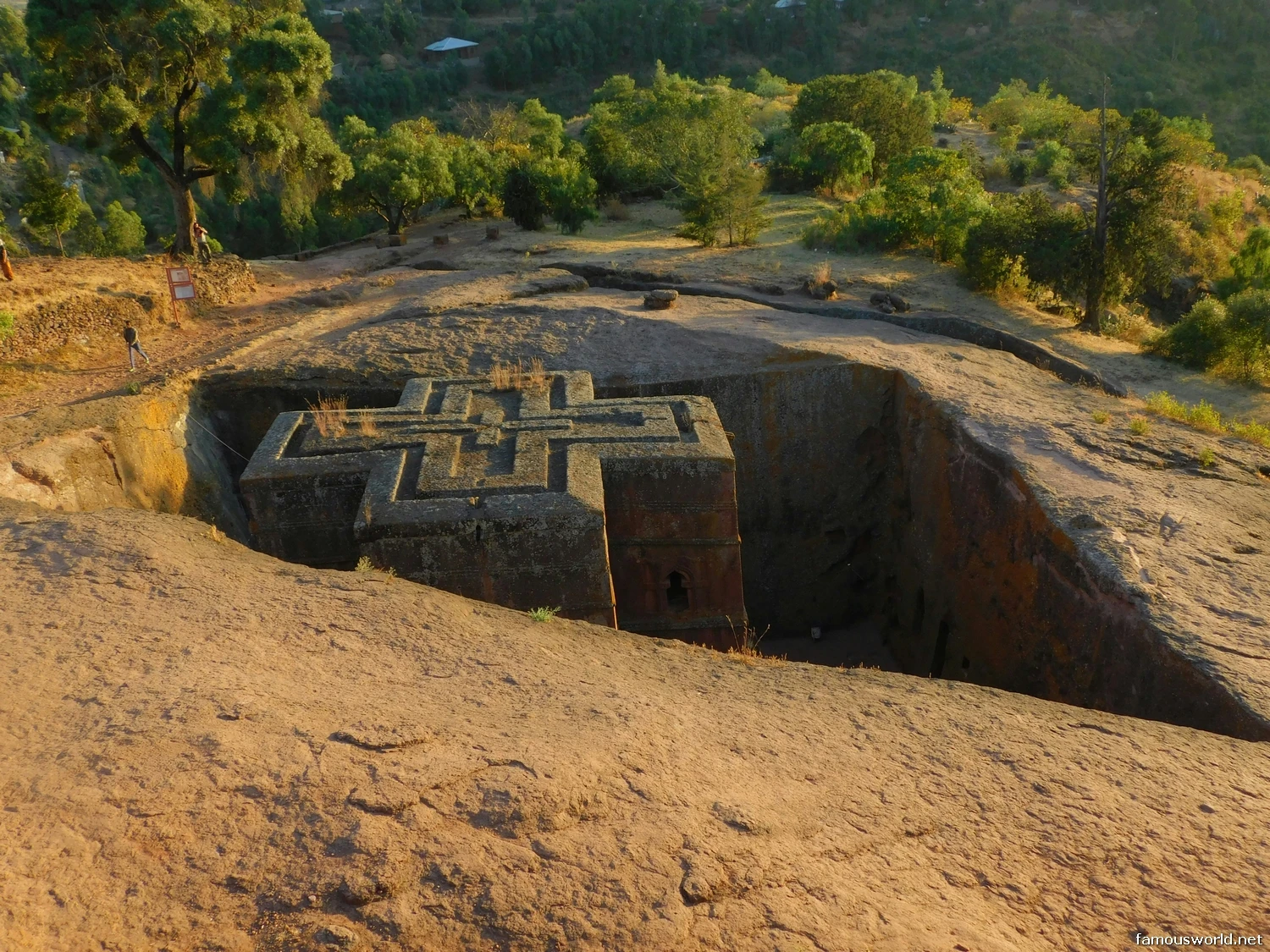
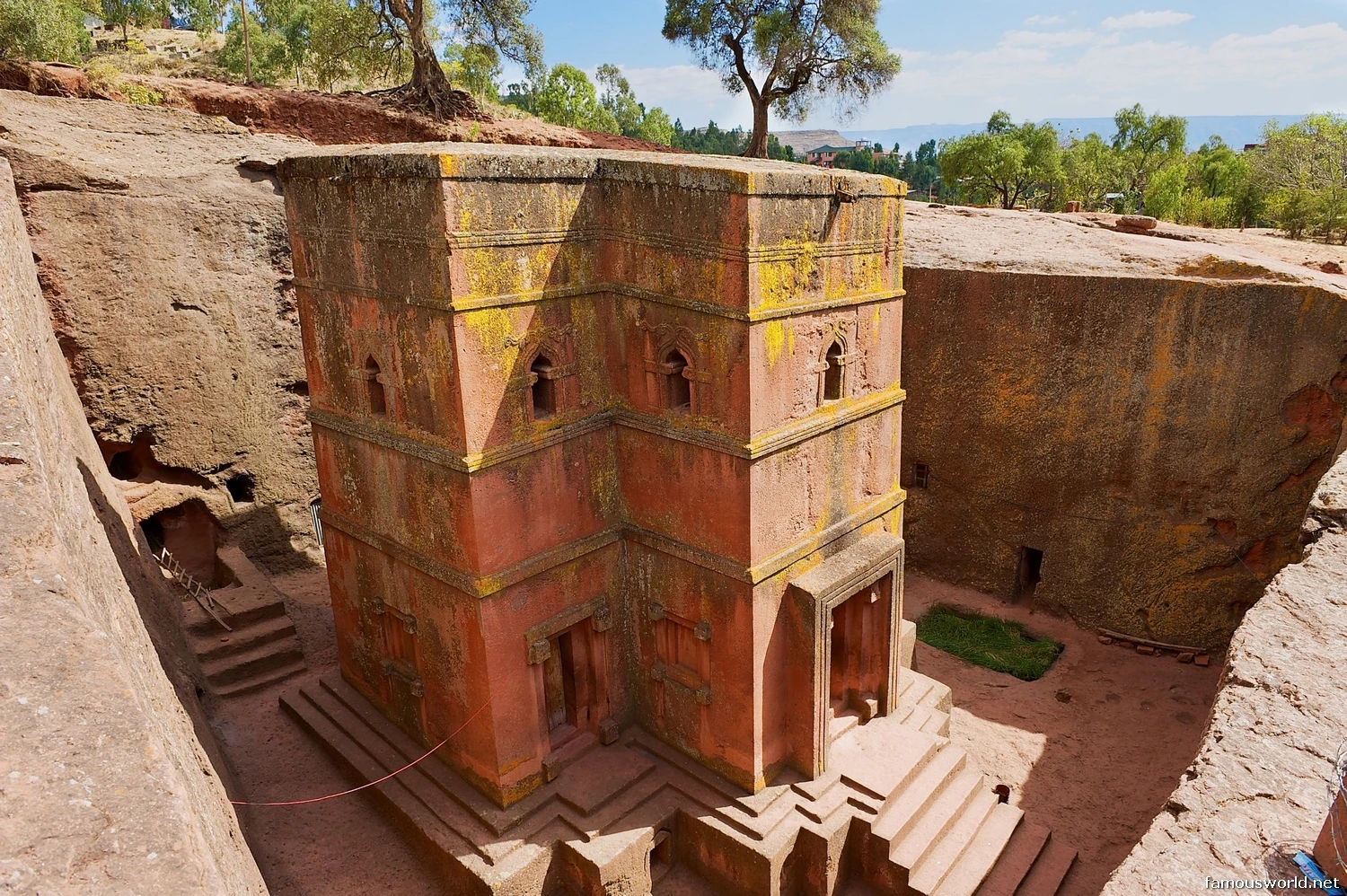
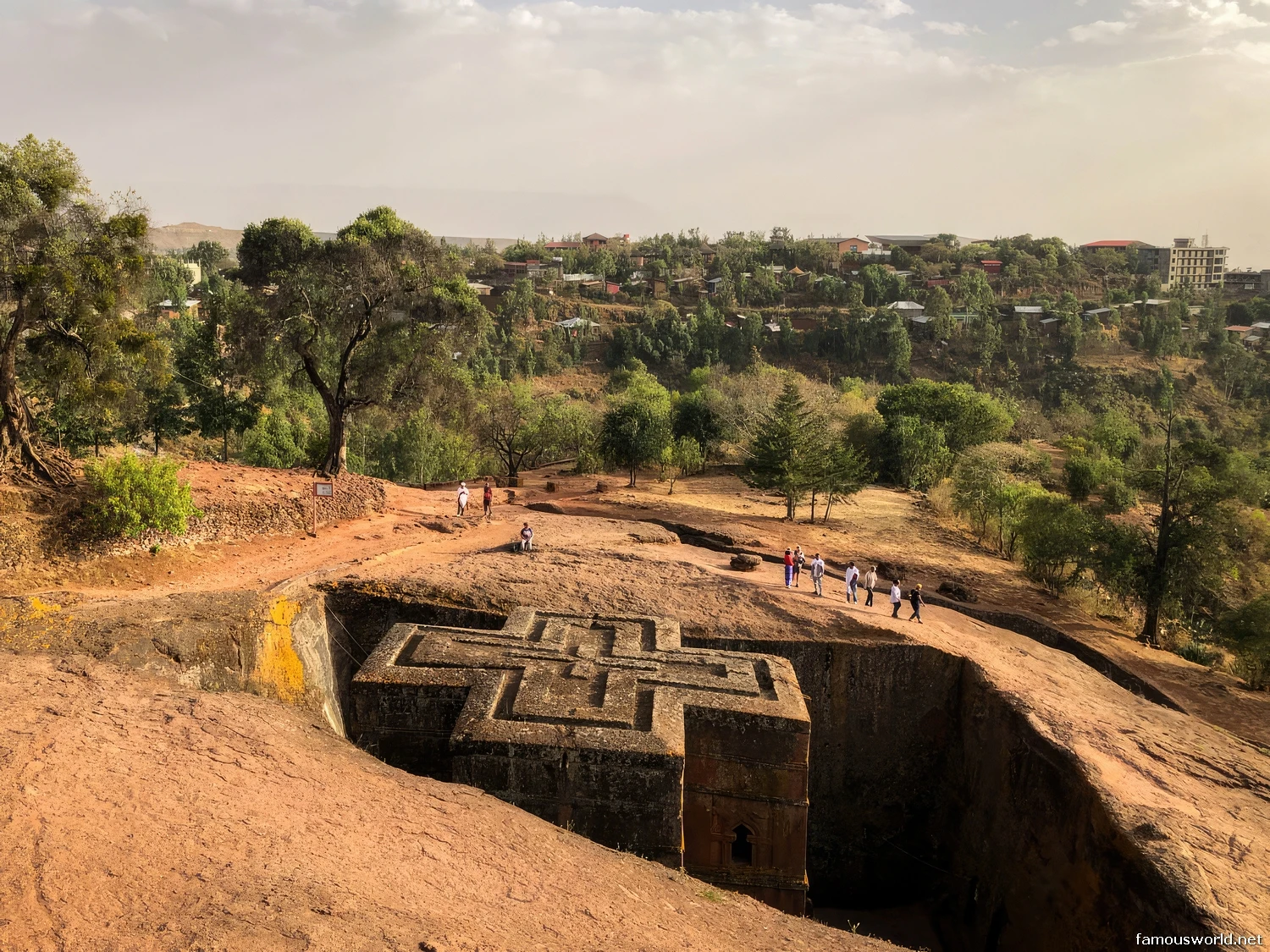
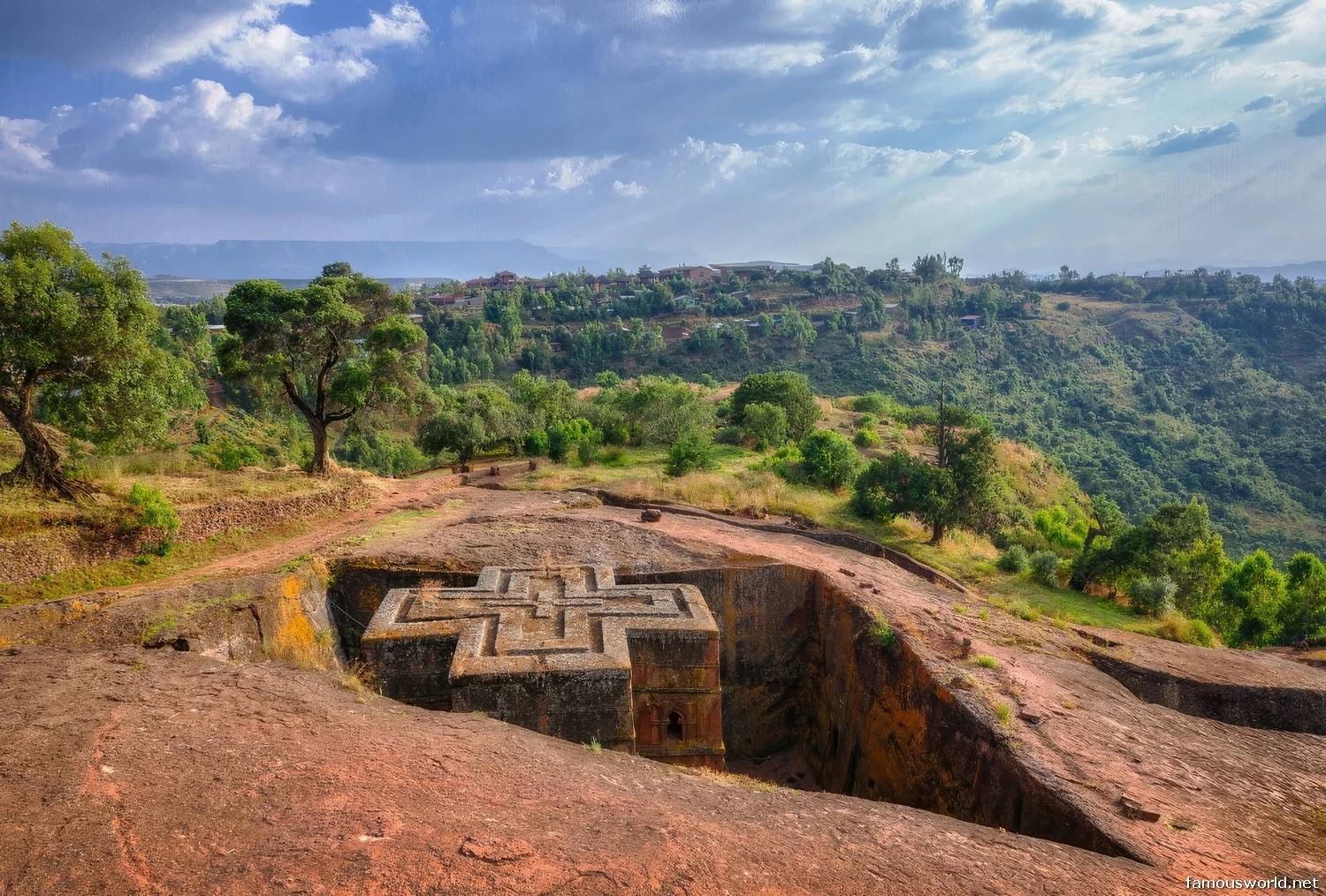
The “architecture” of Lalibela is unique in that the structures were not built up, but rather excavated down into the earth.
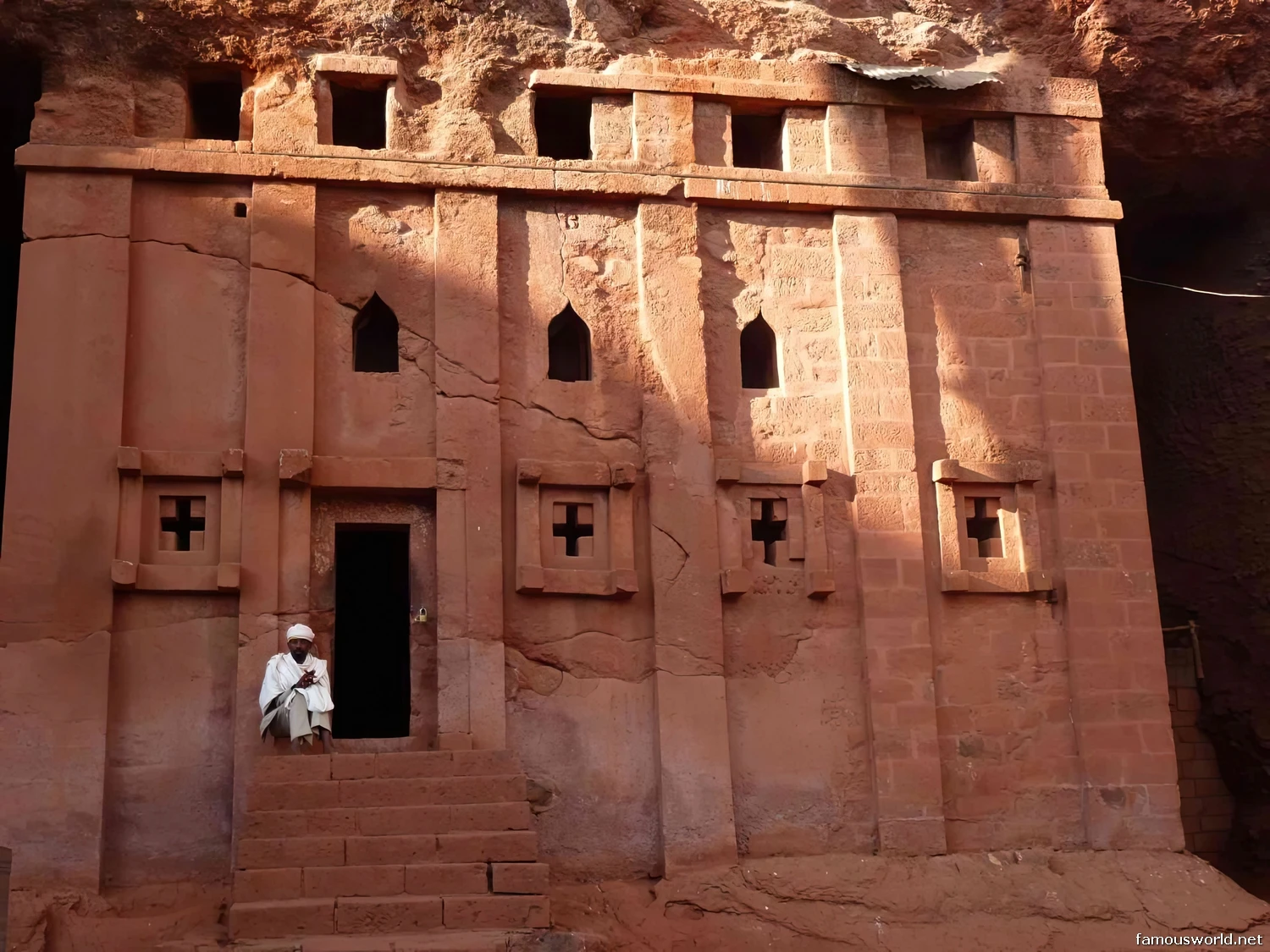
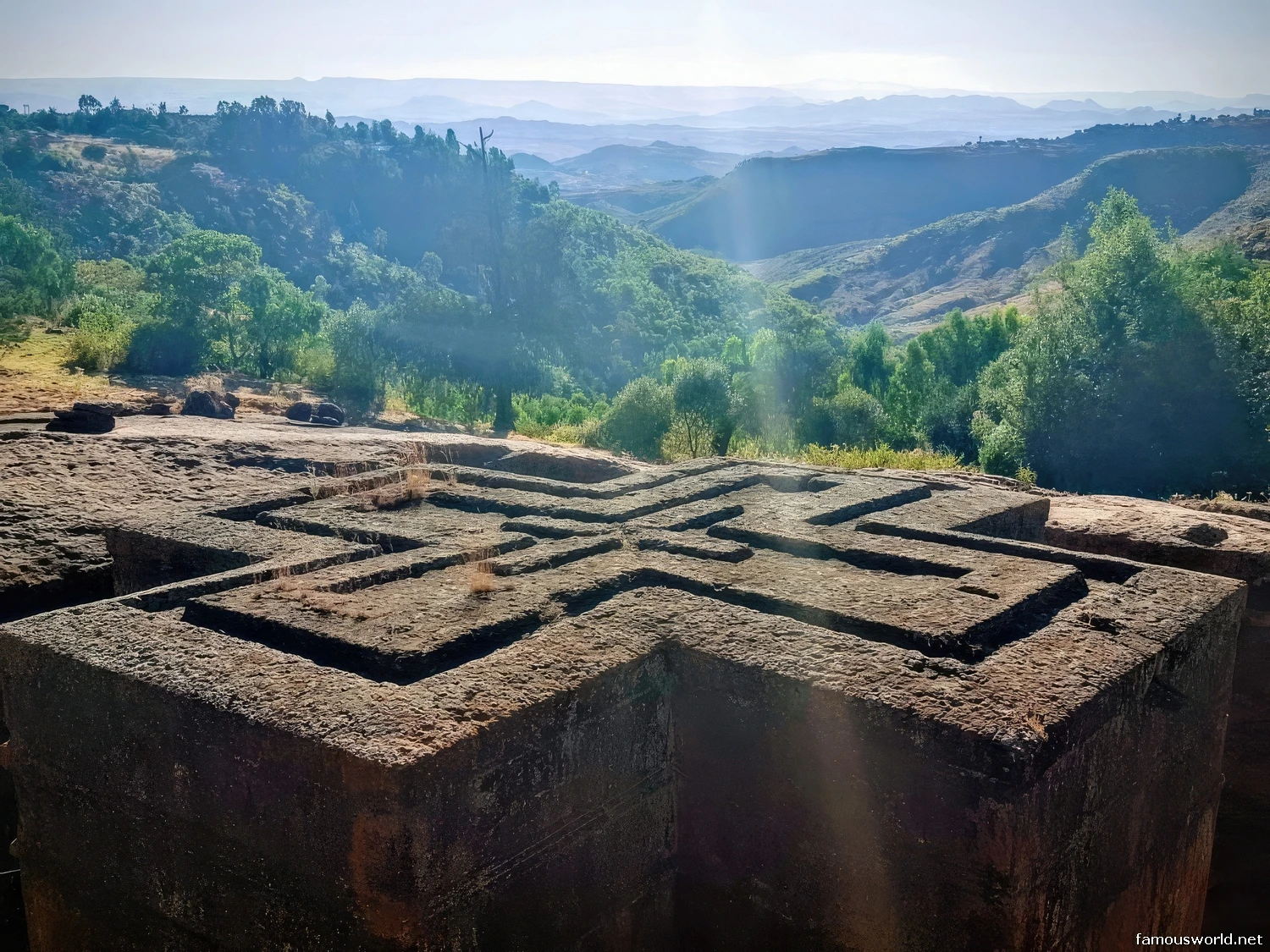
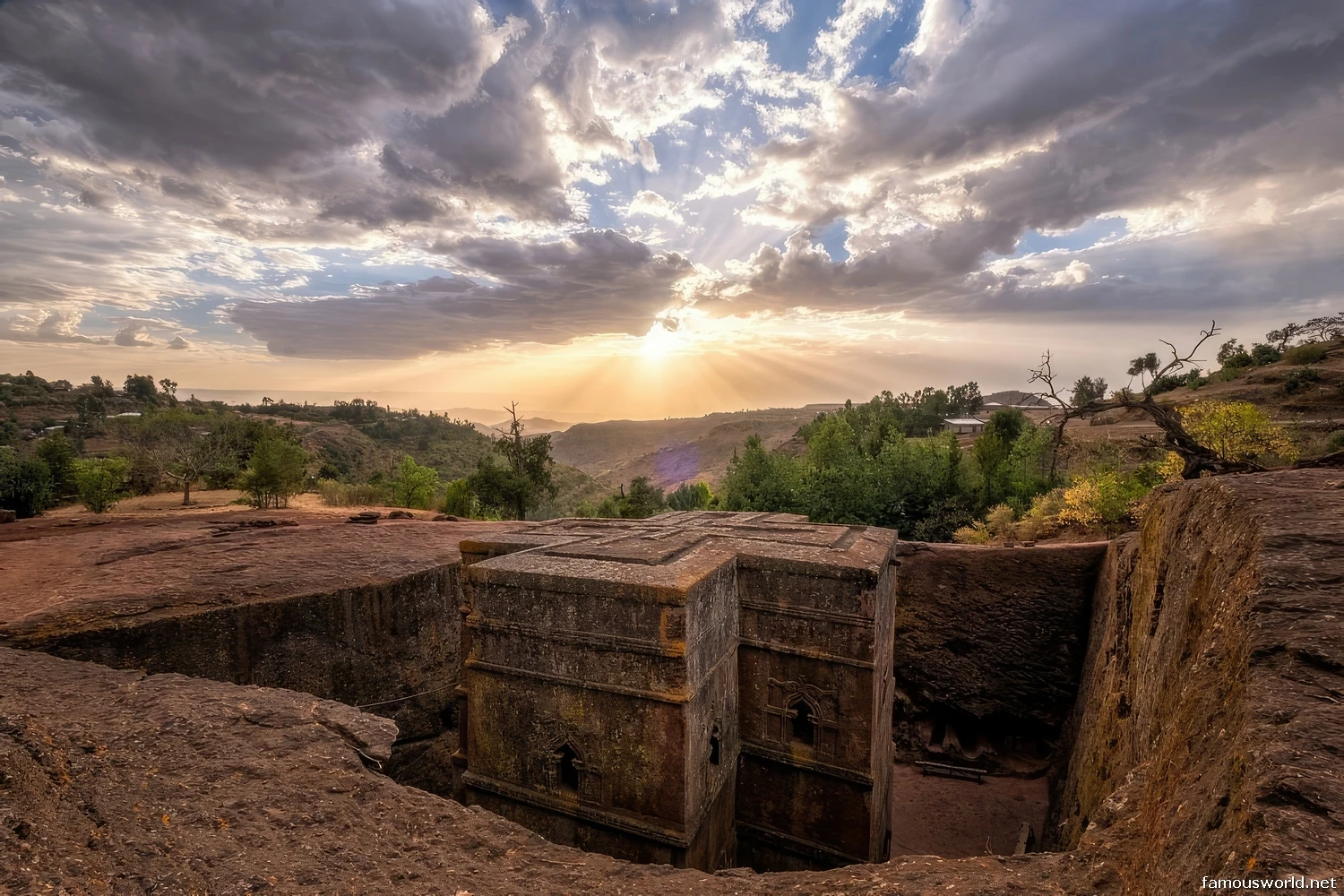
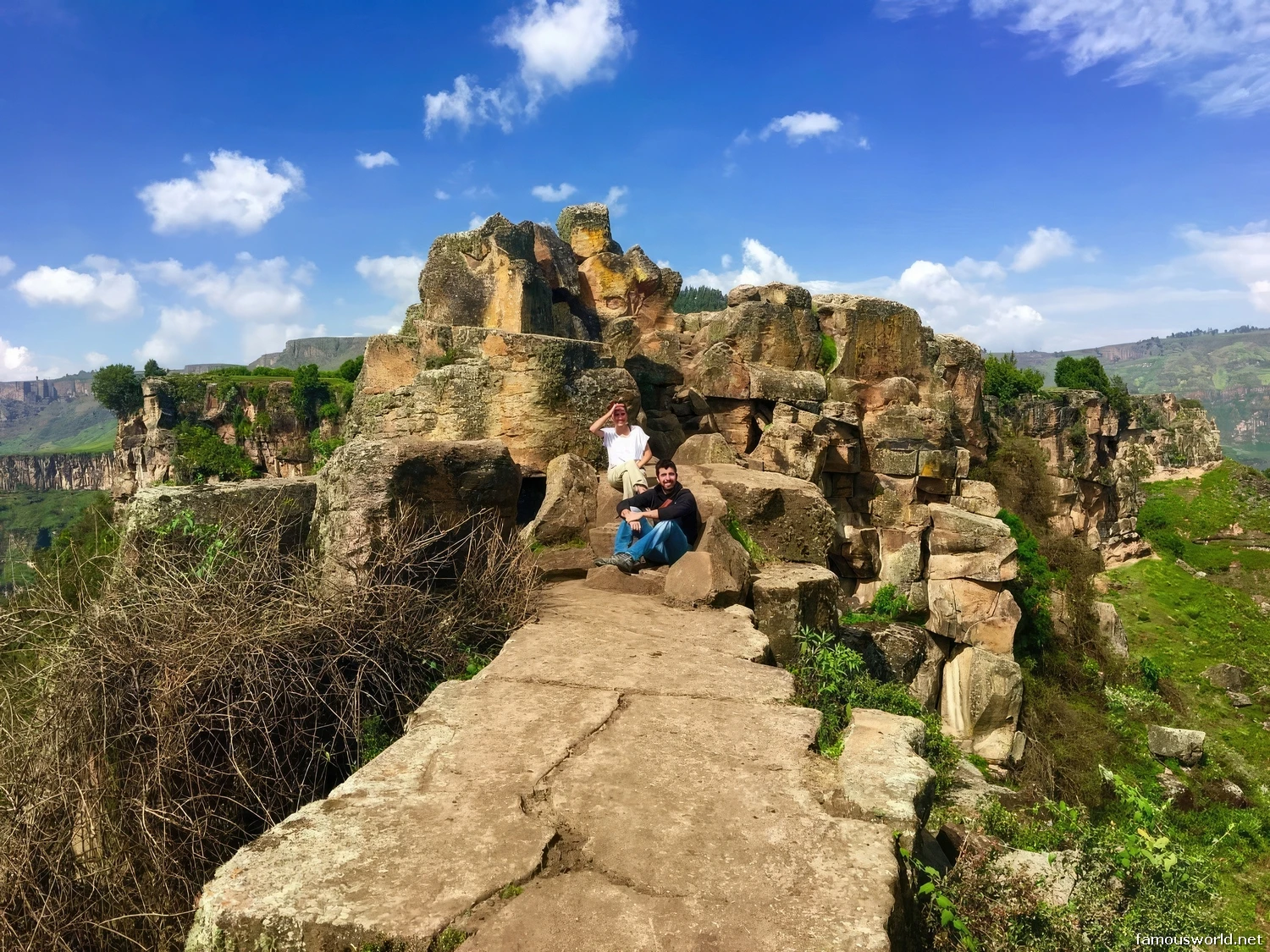
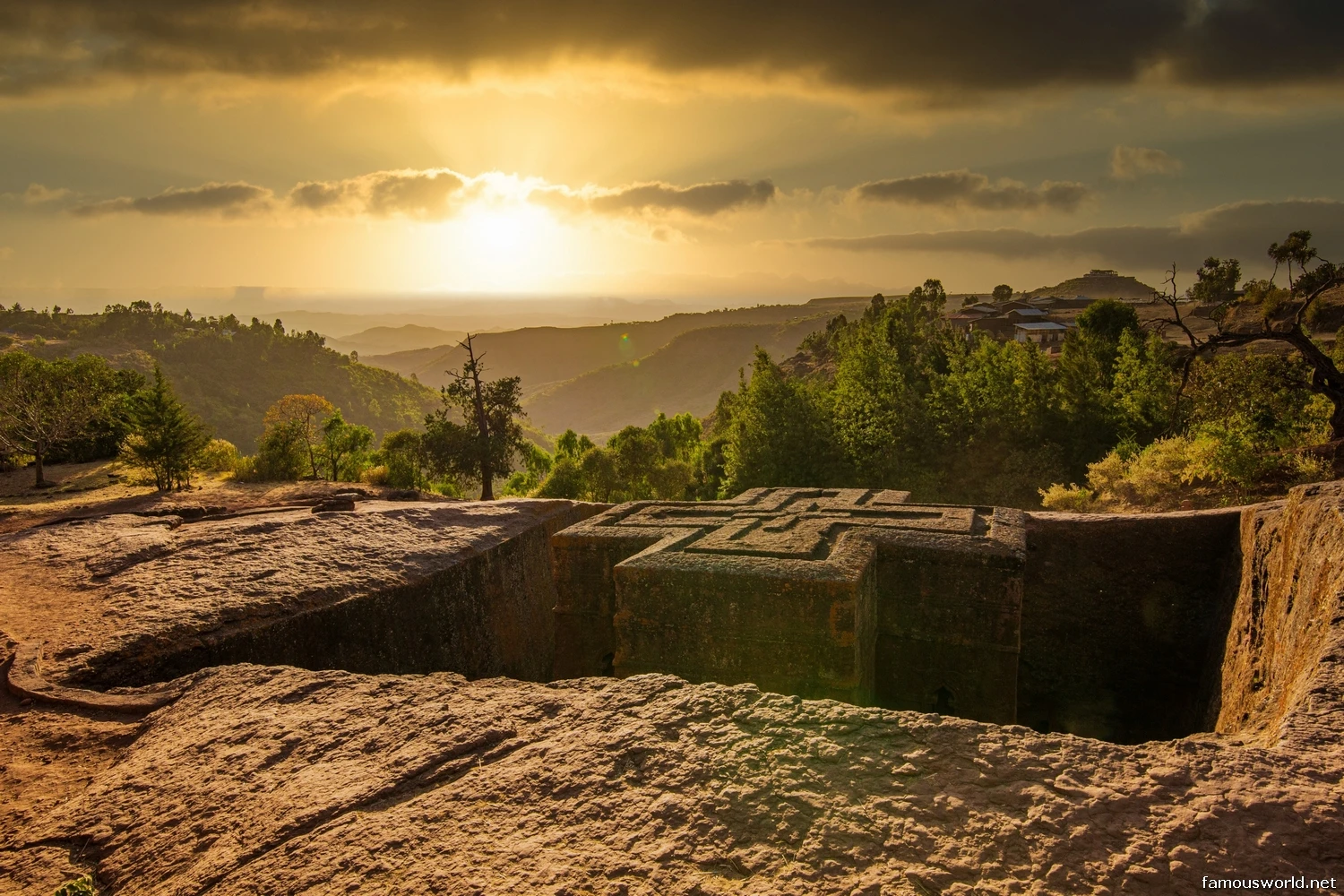
- Highland Landscape: The churches are set in a dramatic, mountainous landscape. They are carved out of a soft, reddish volcanic tuff rock on a sloping hillside.
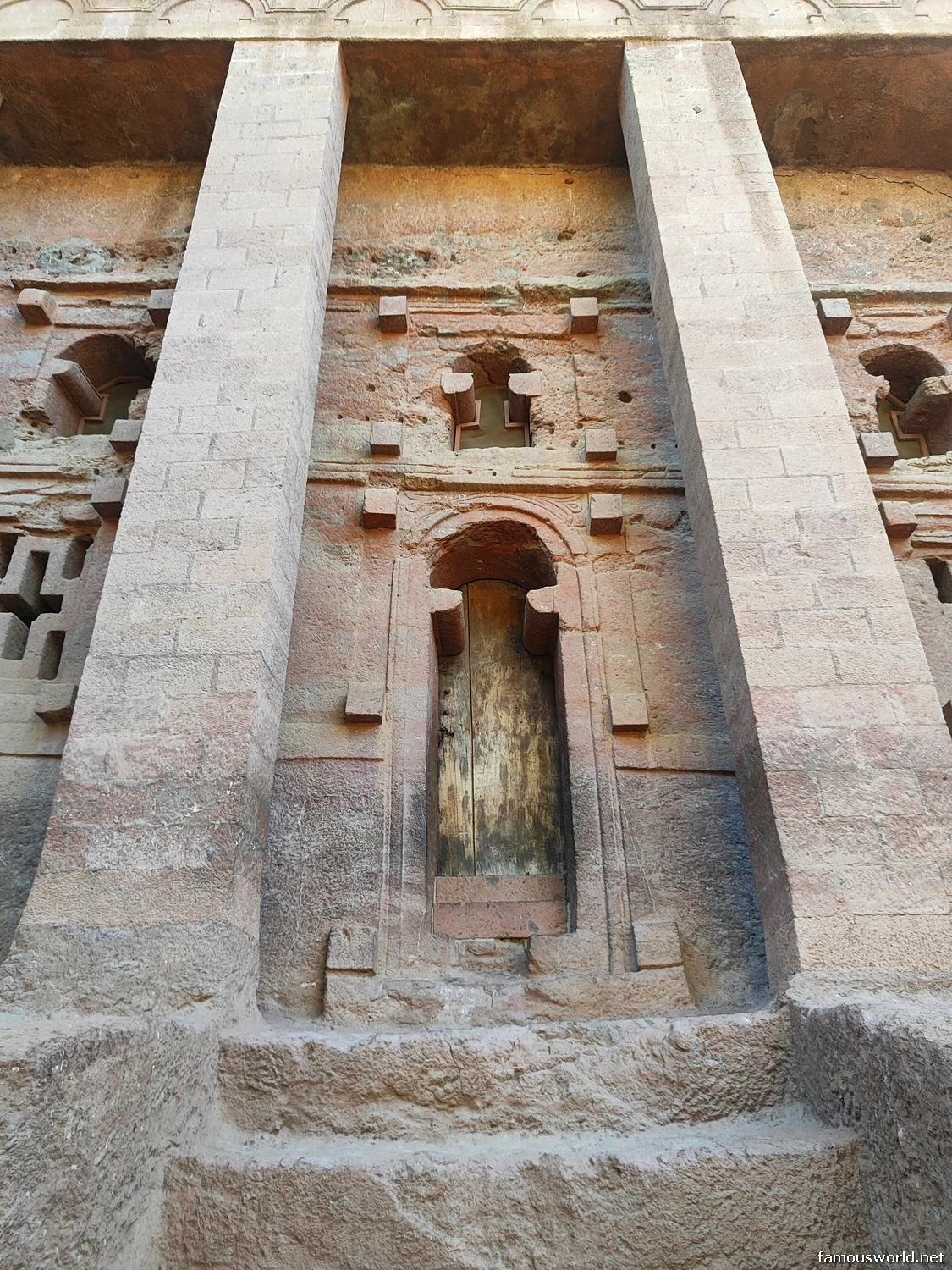
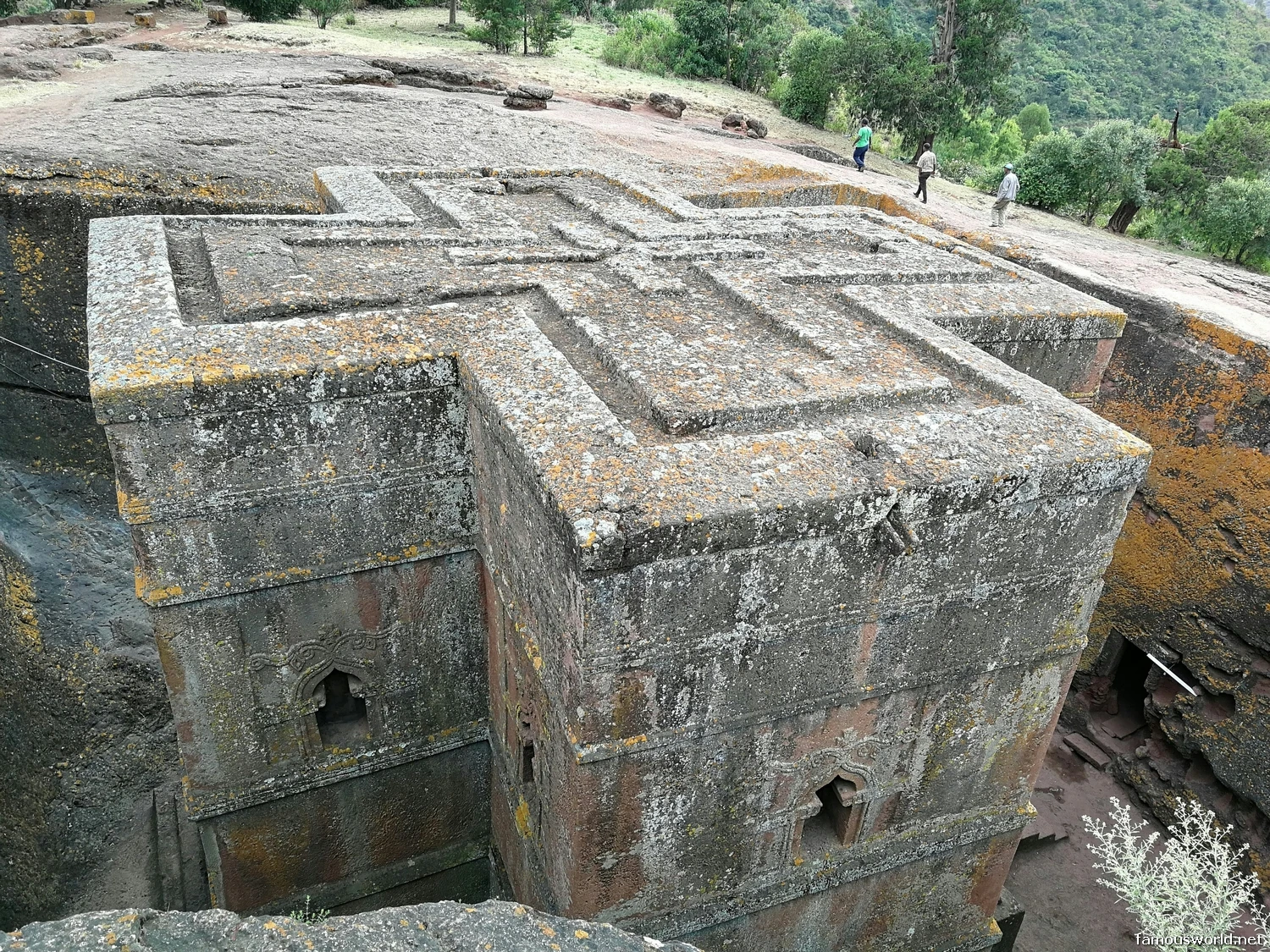
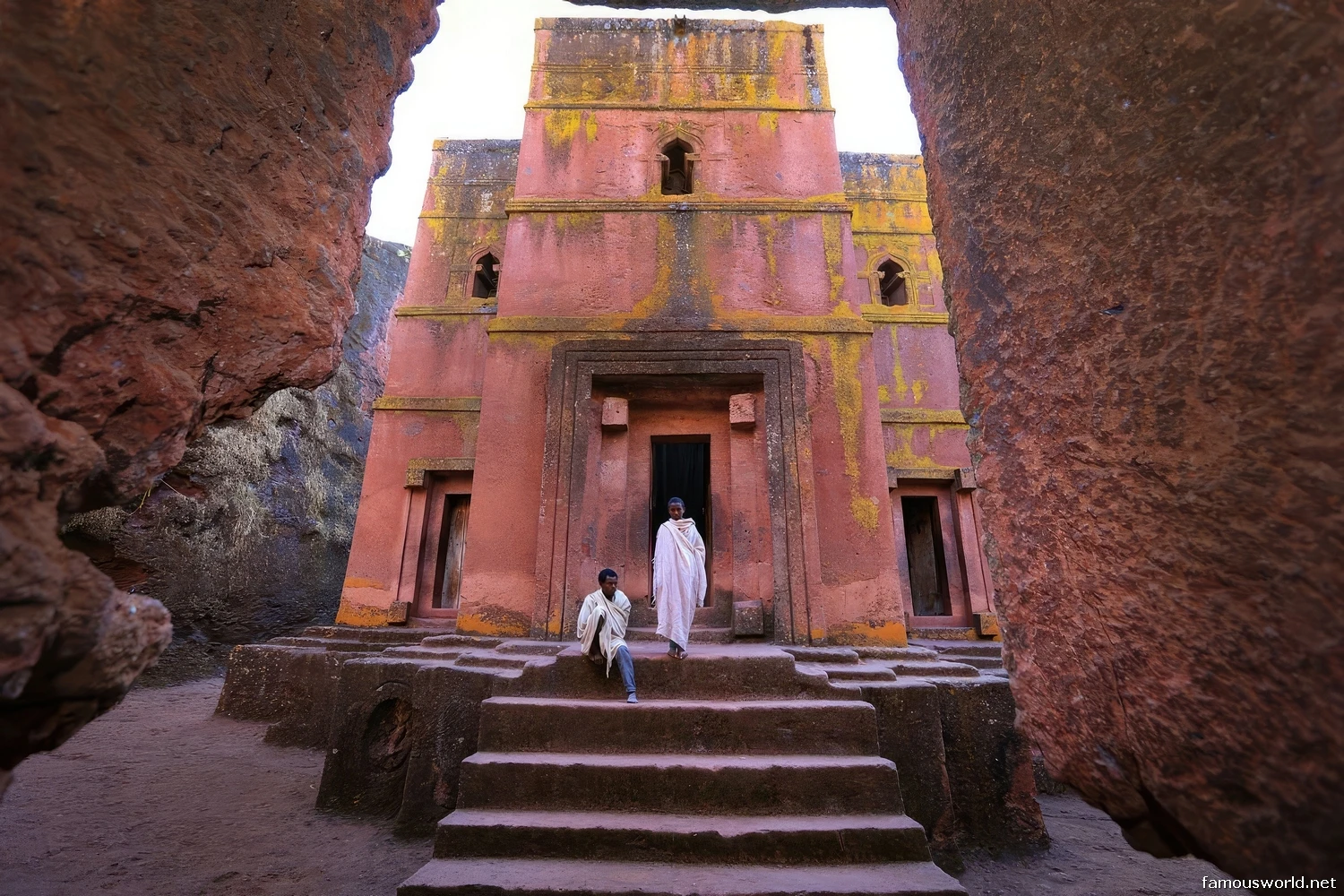
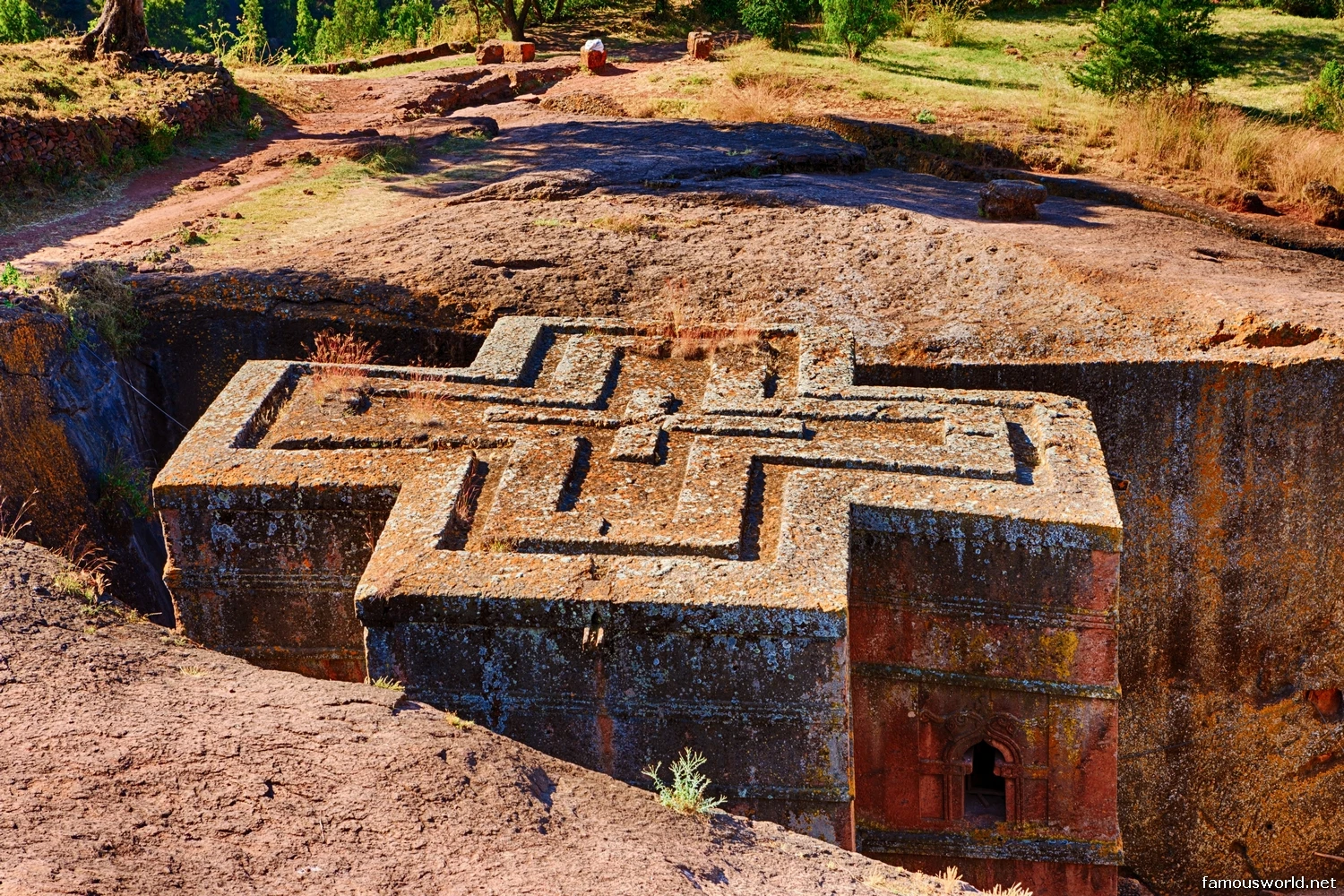
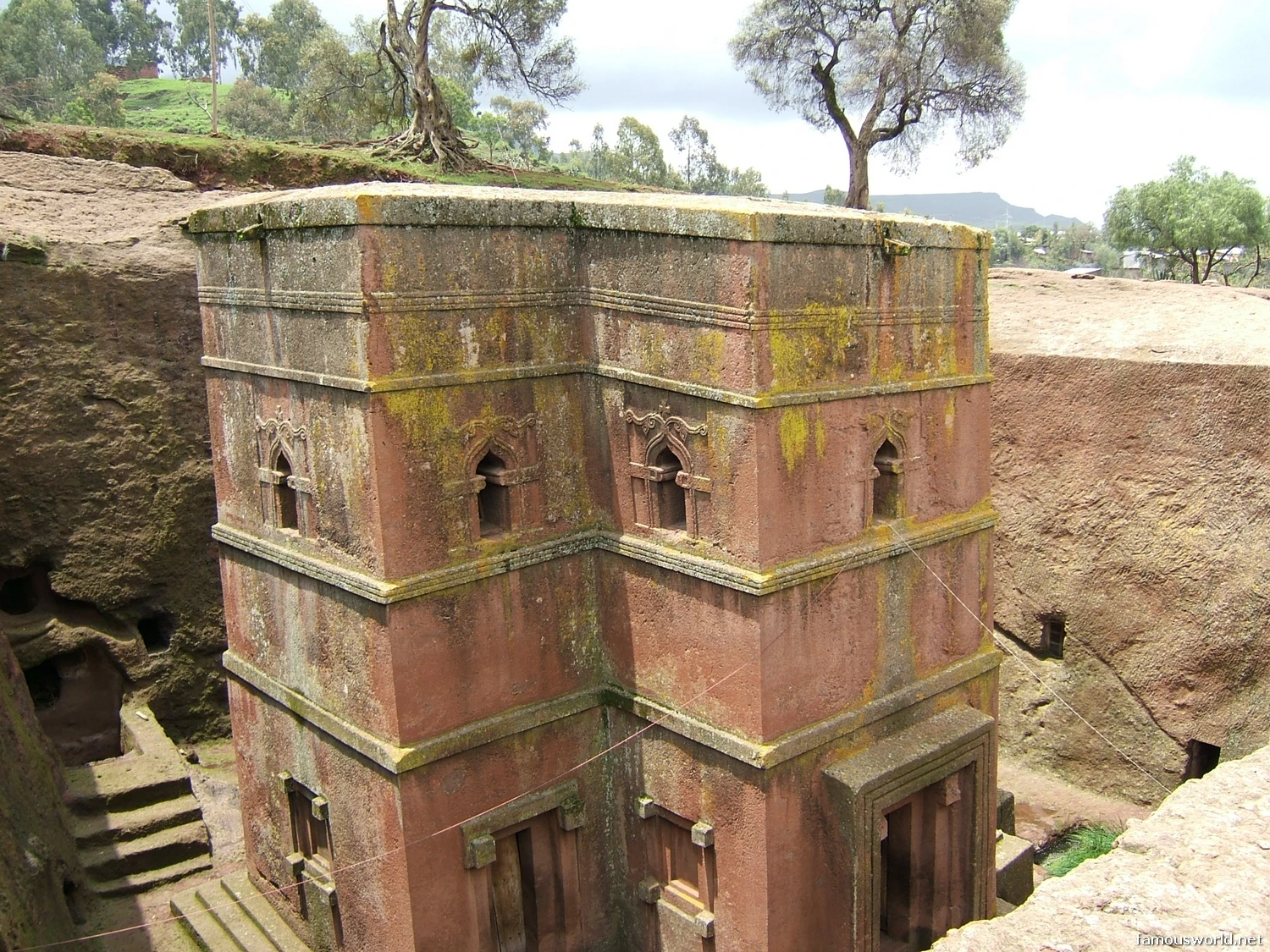
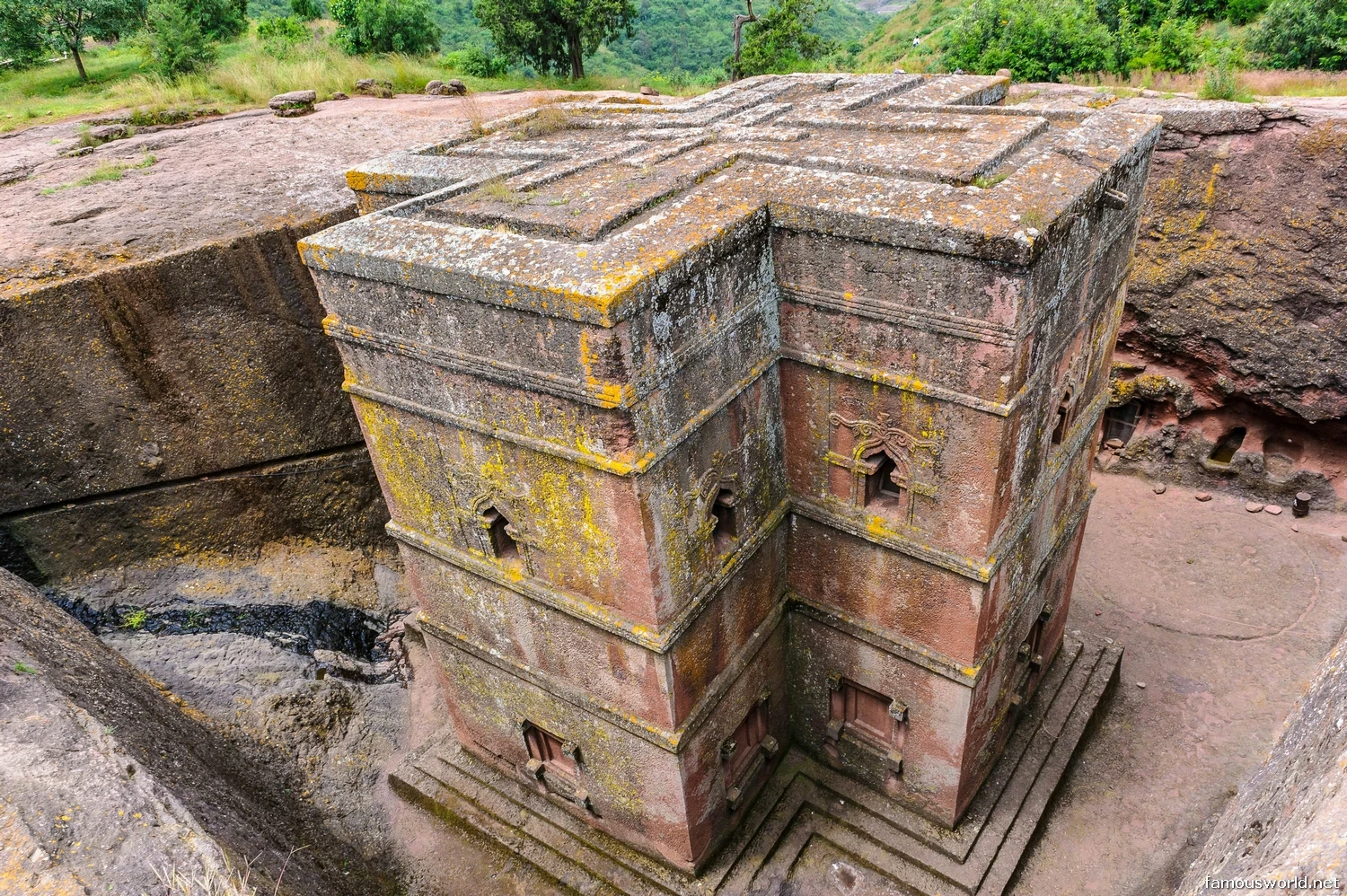
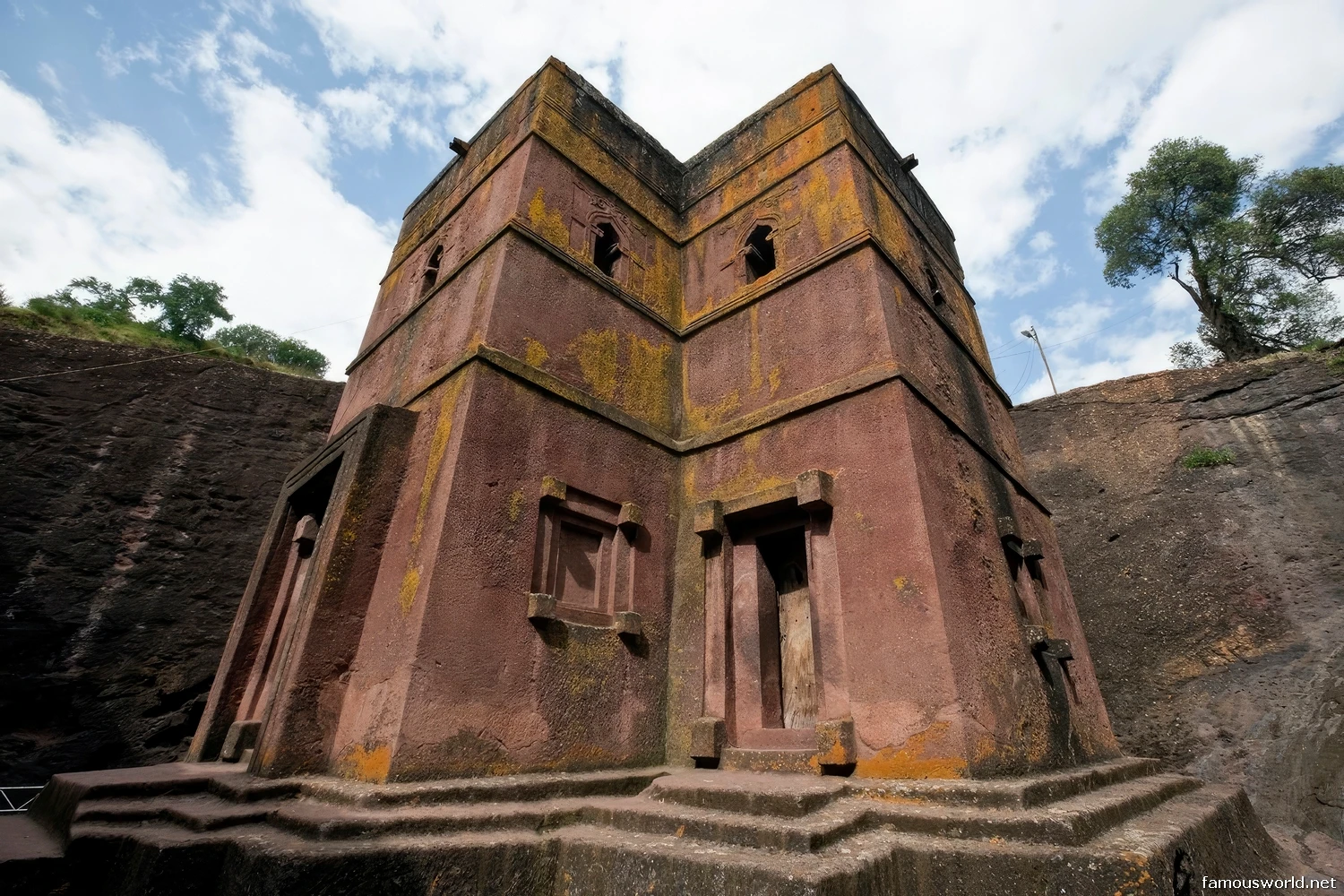
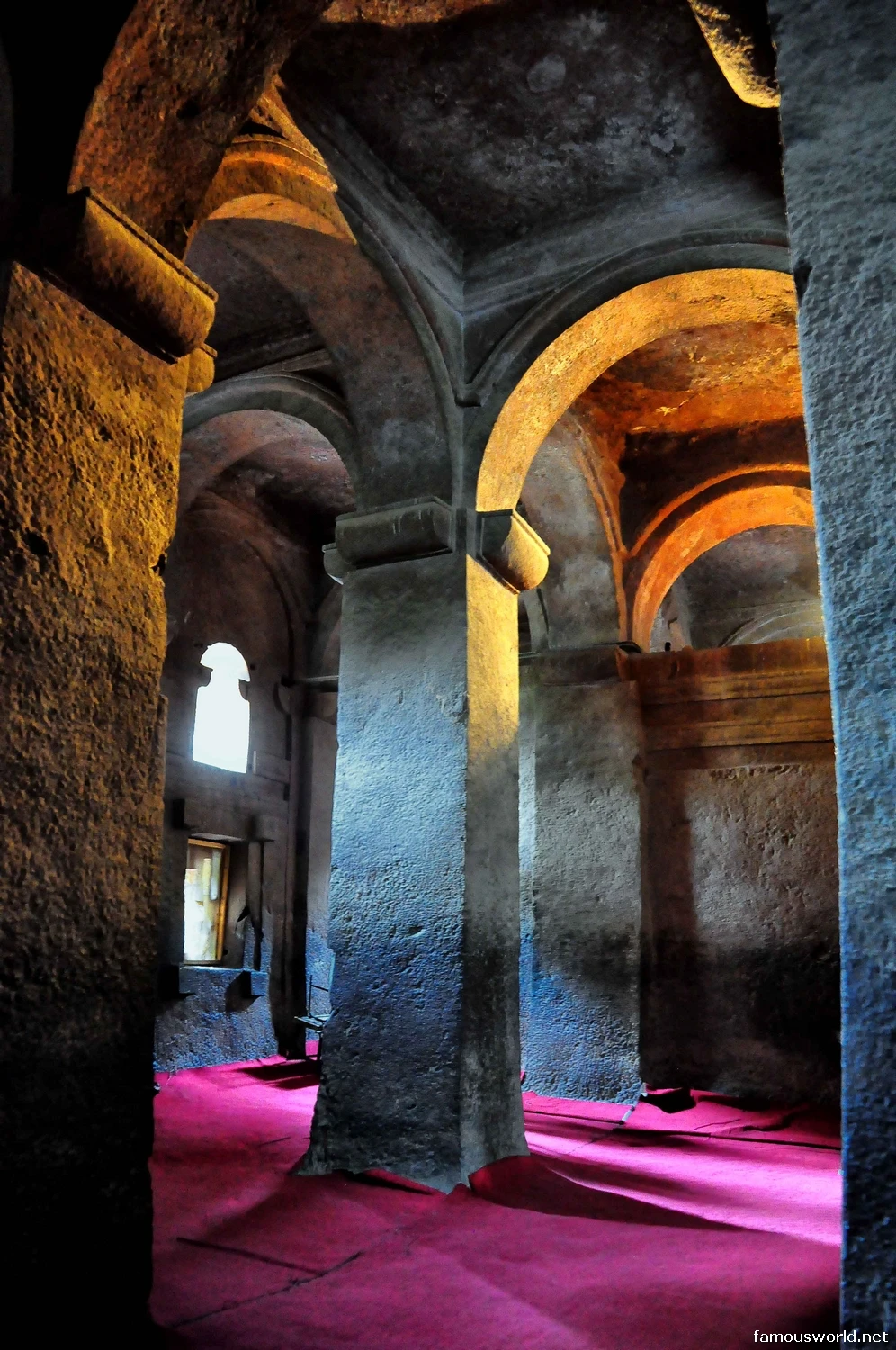
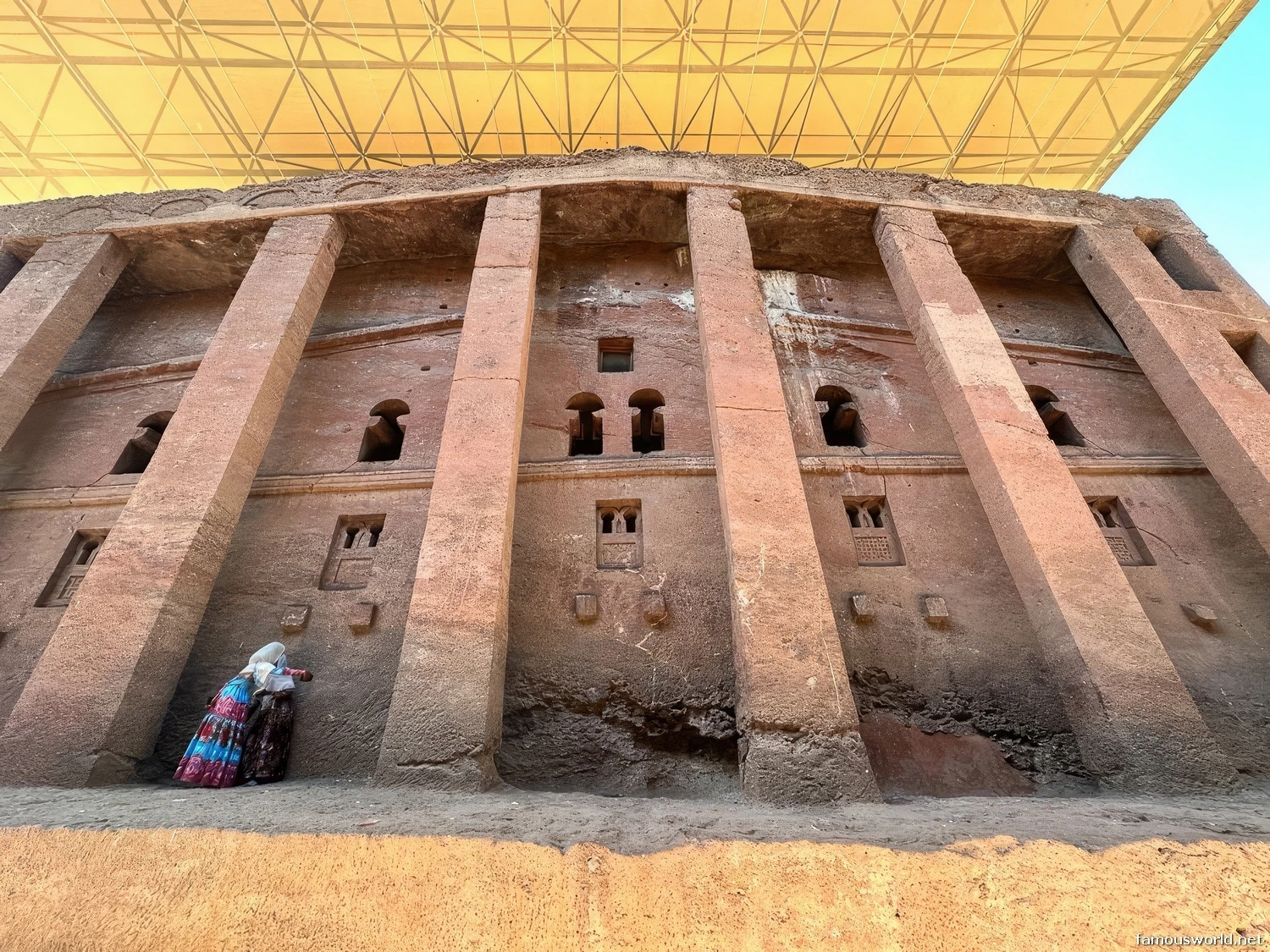
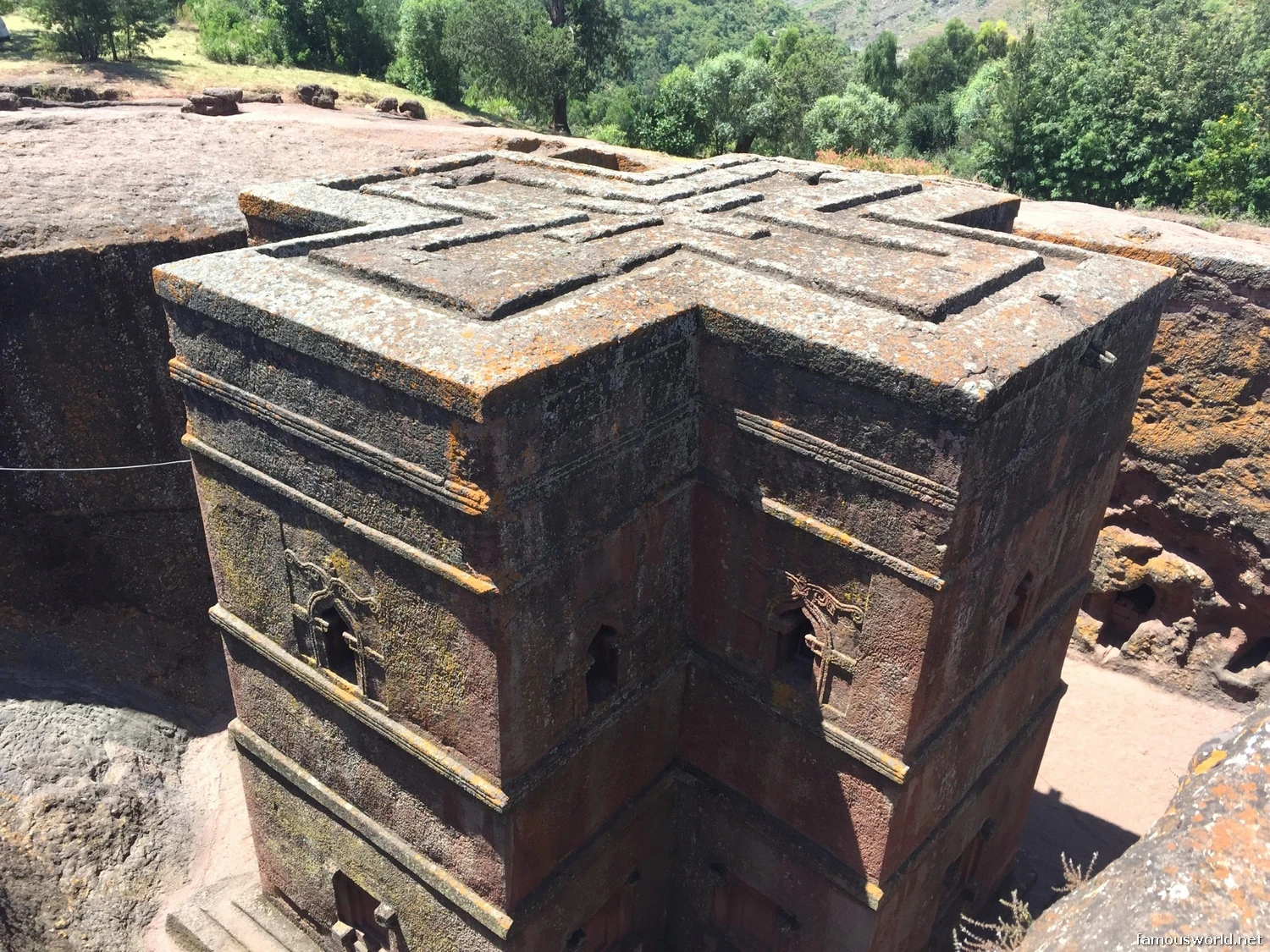
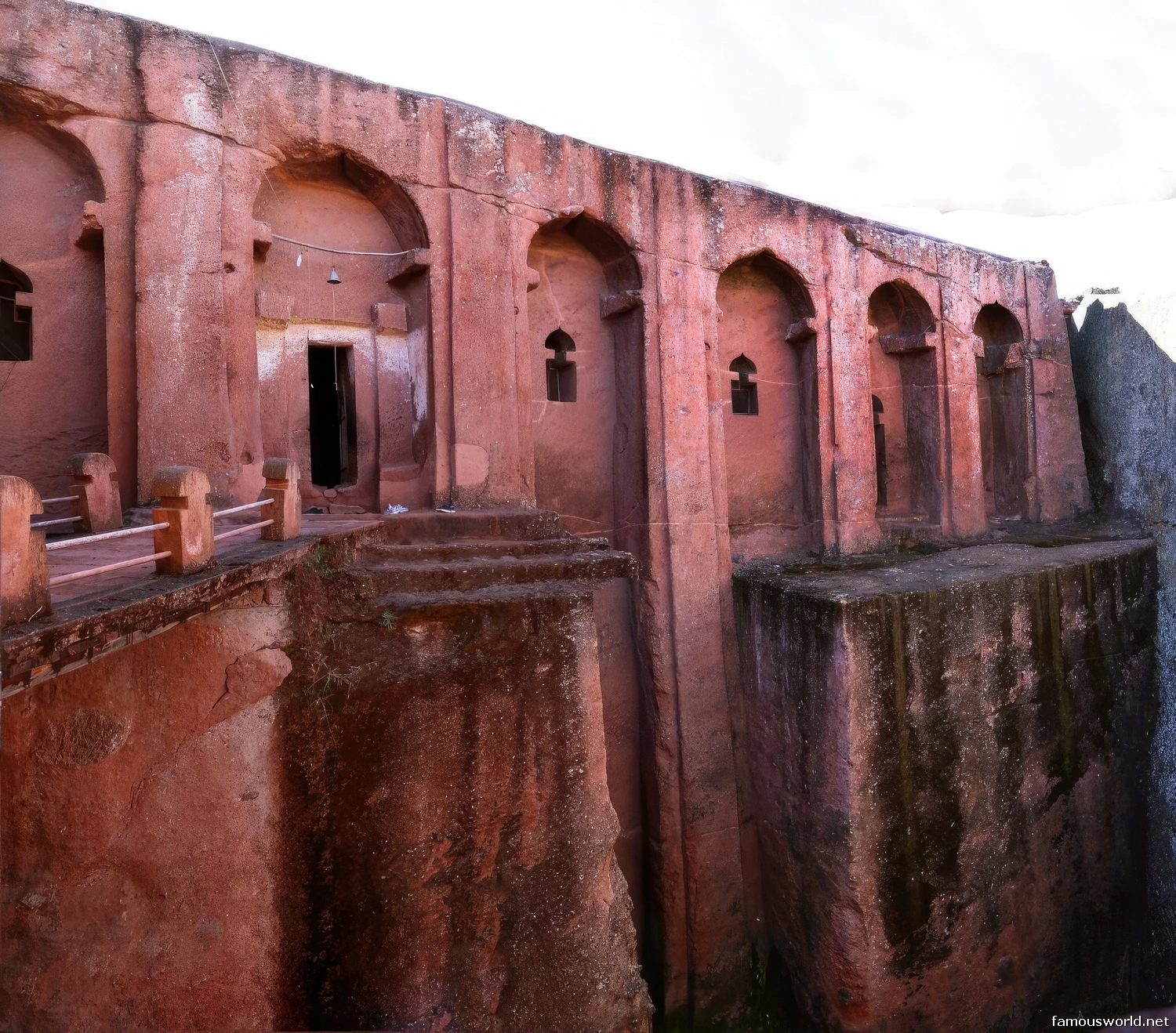
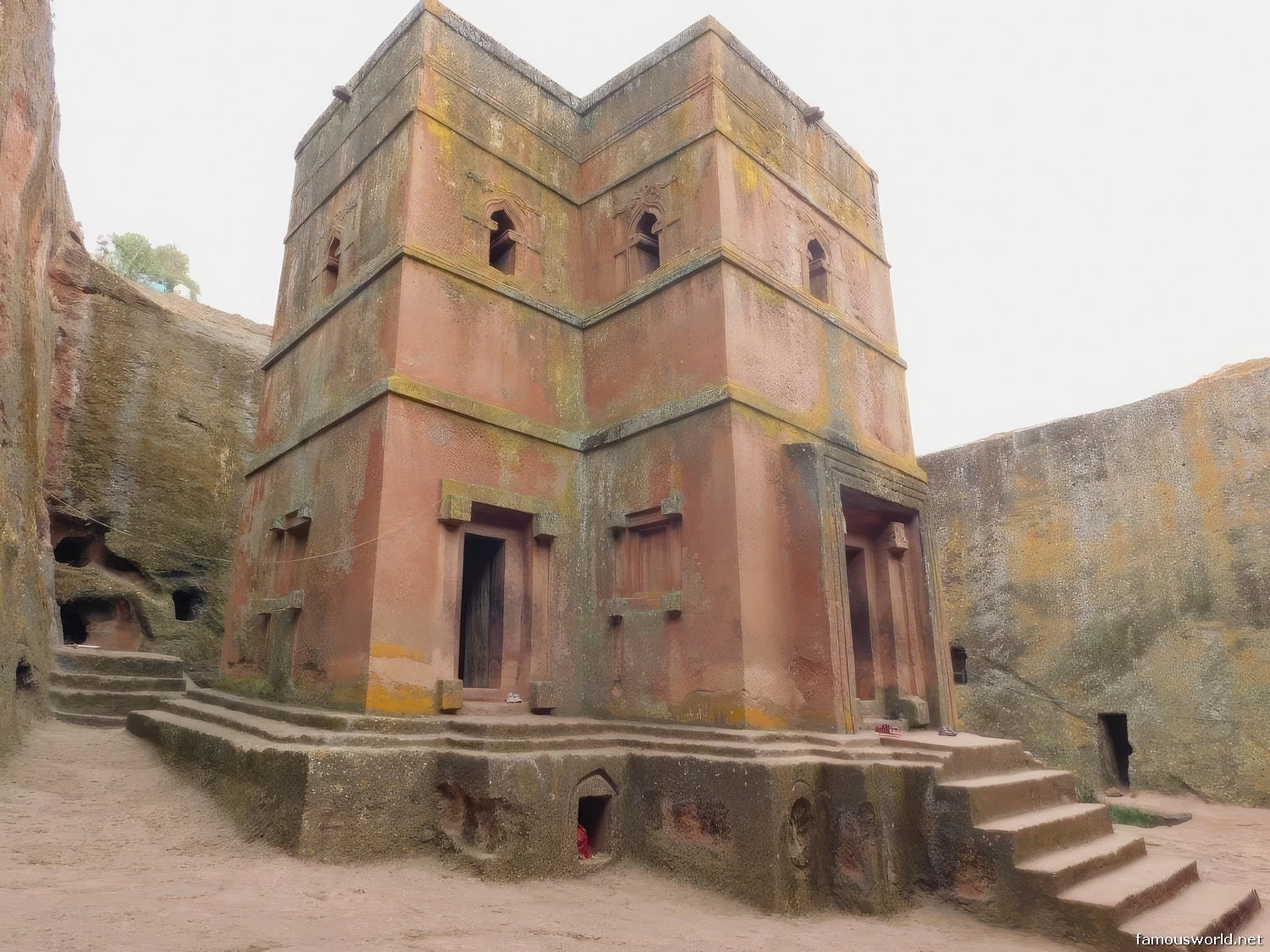
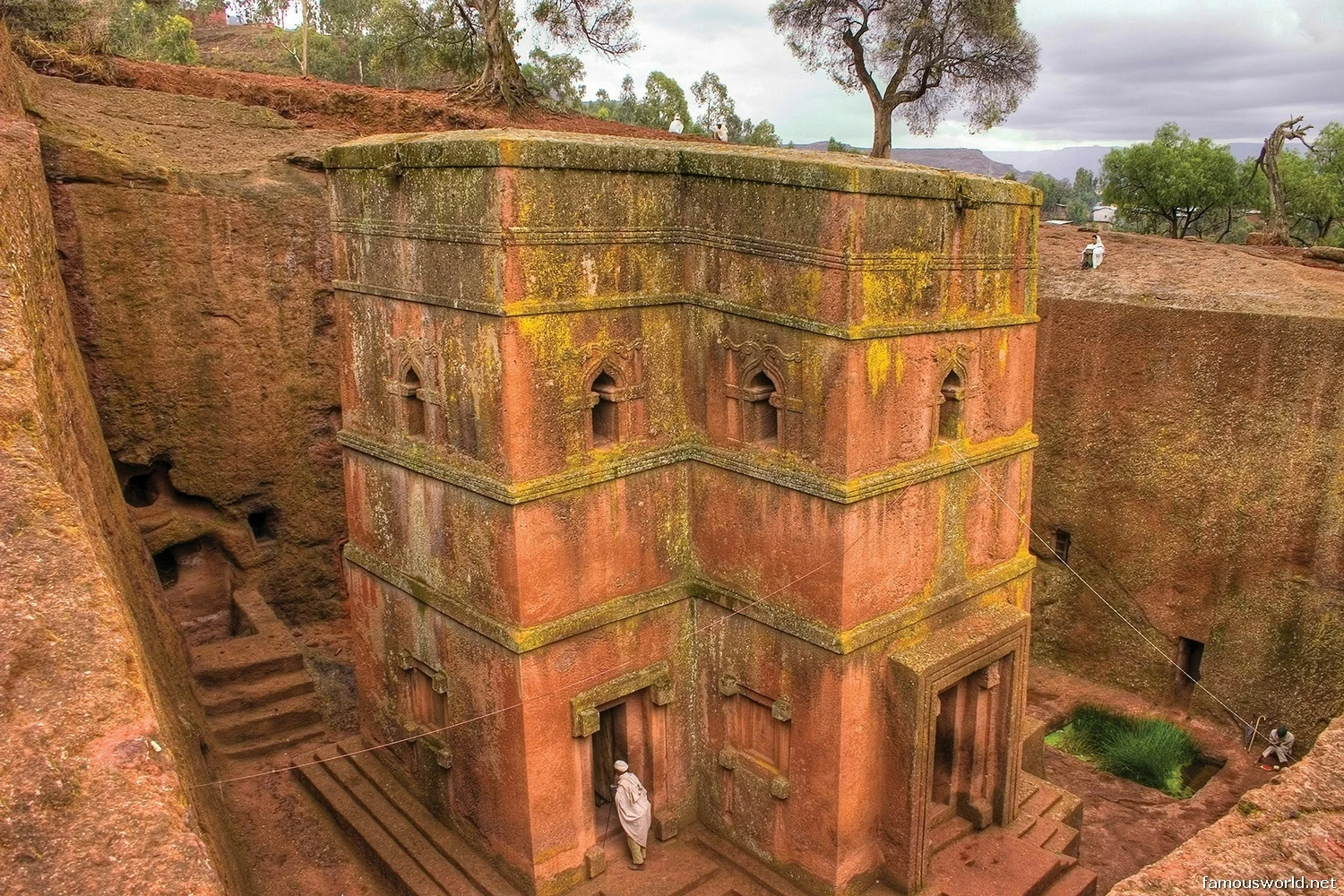
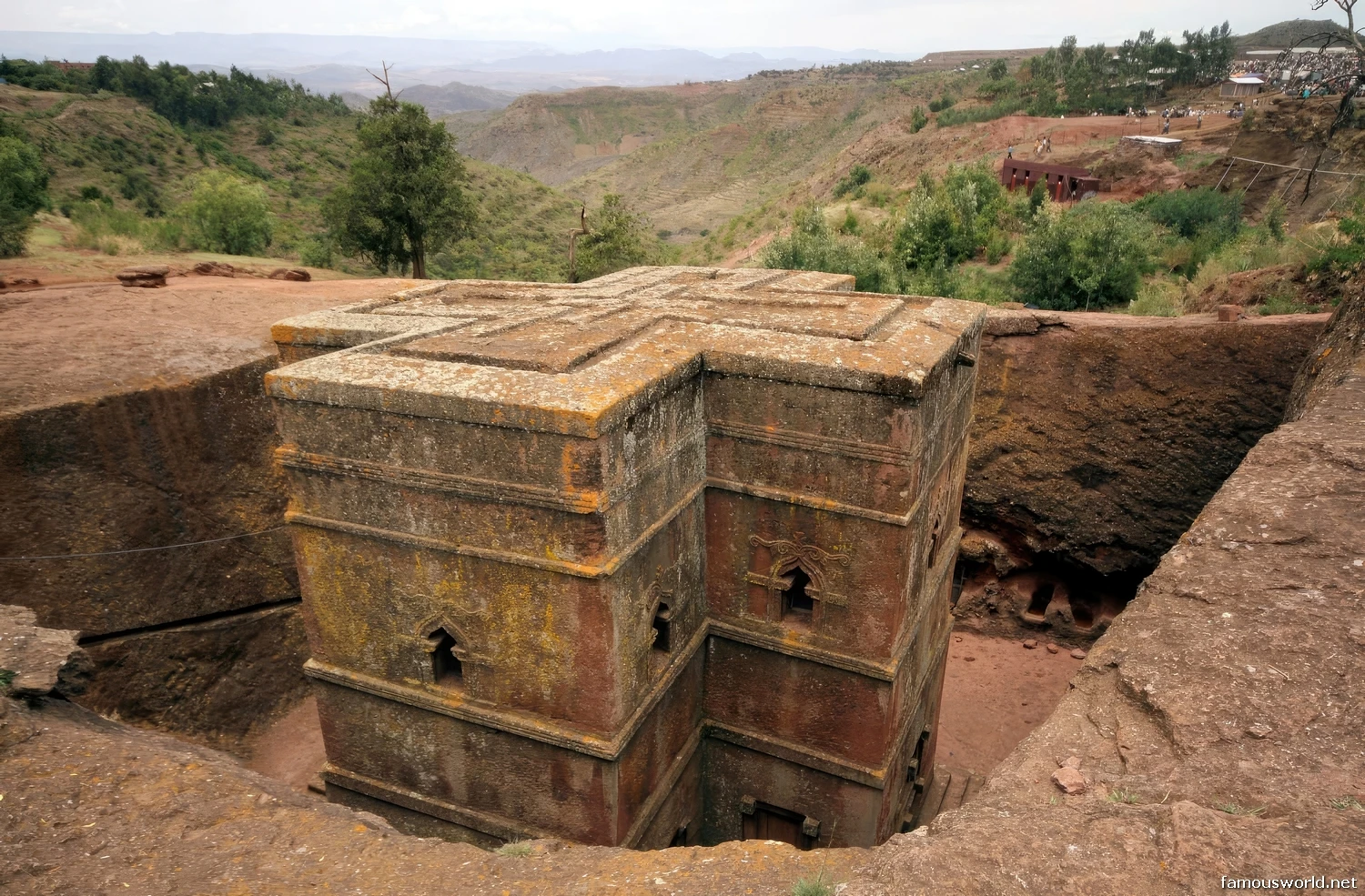
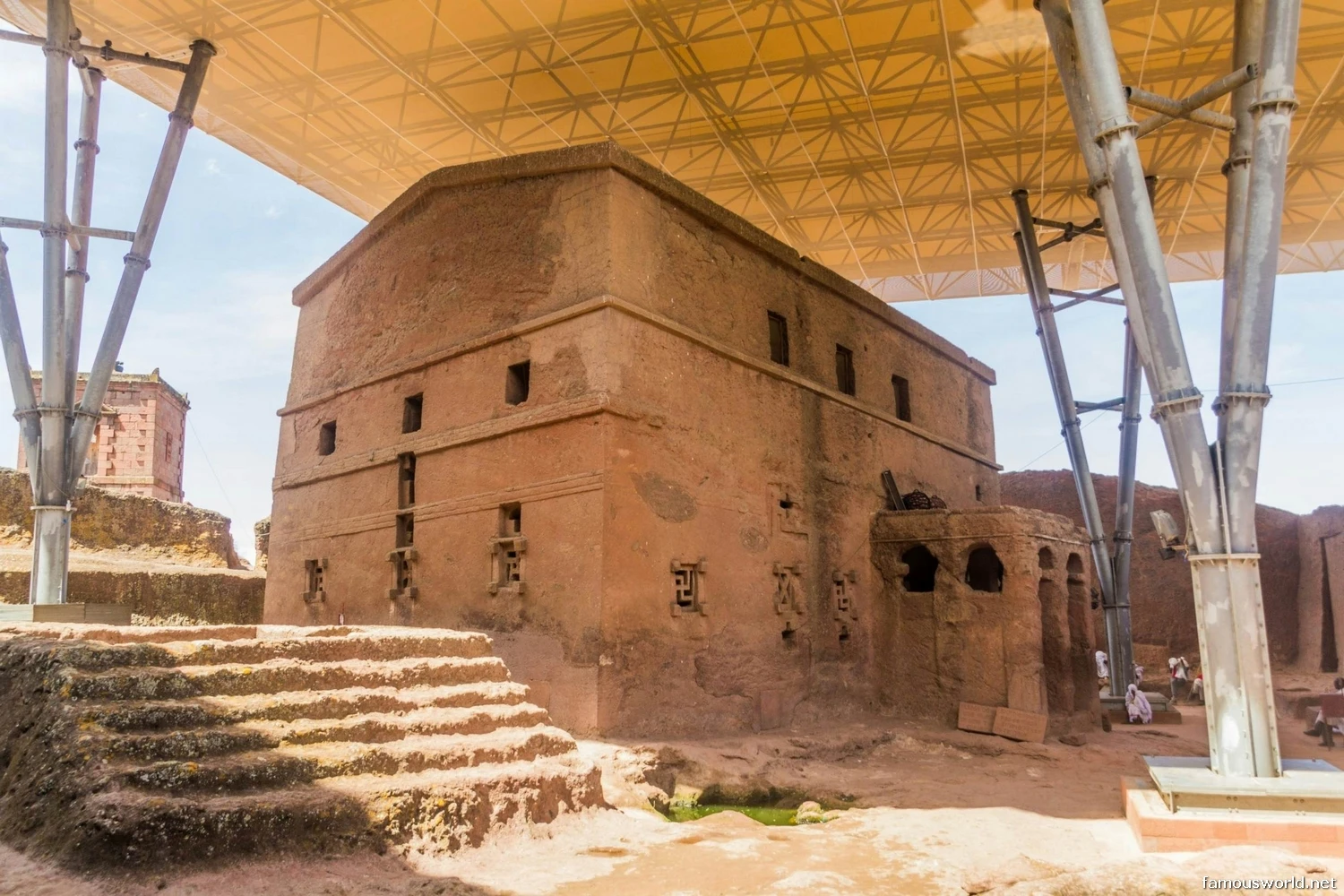
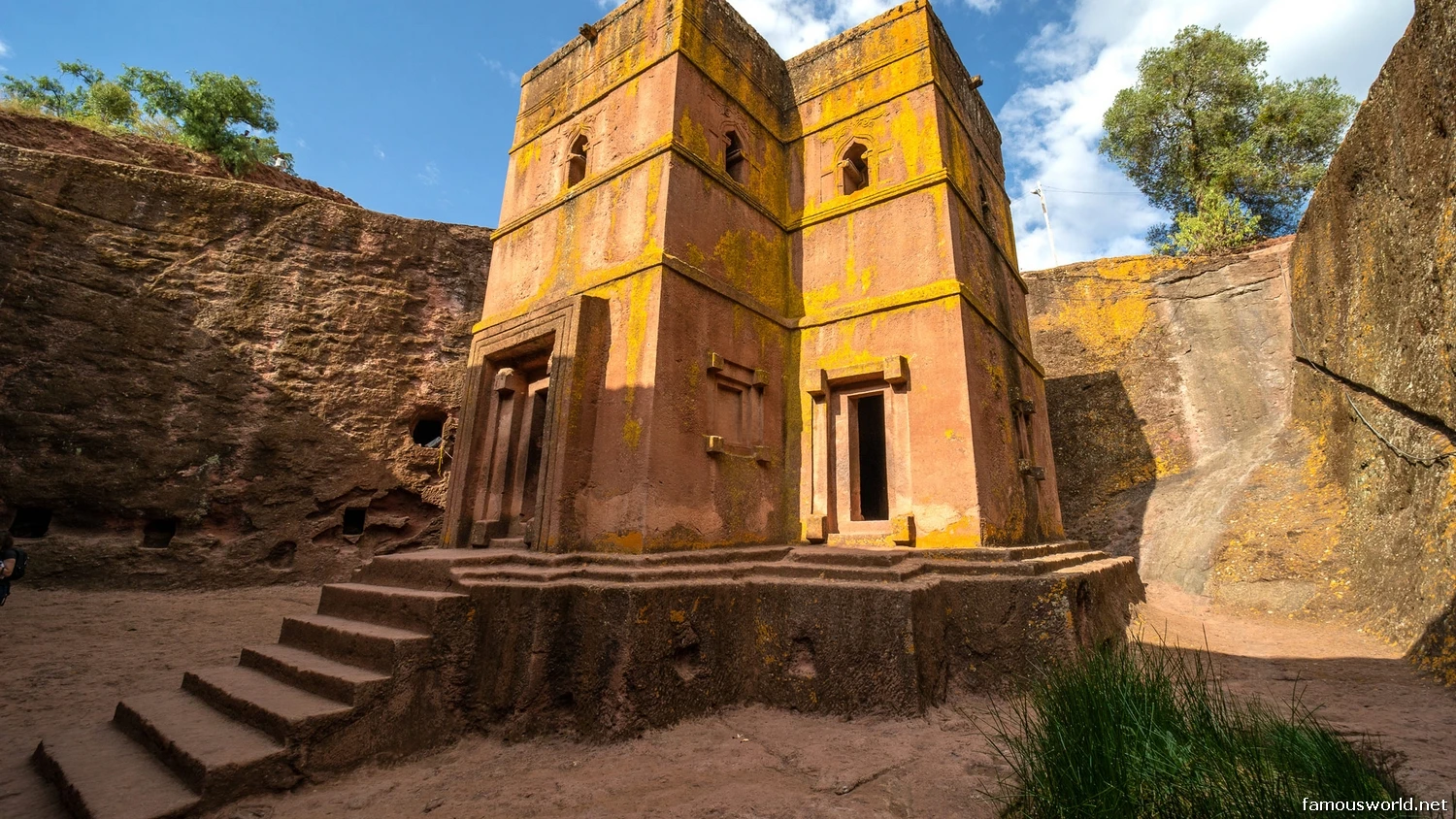
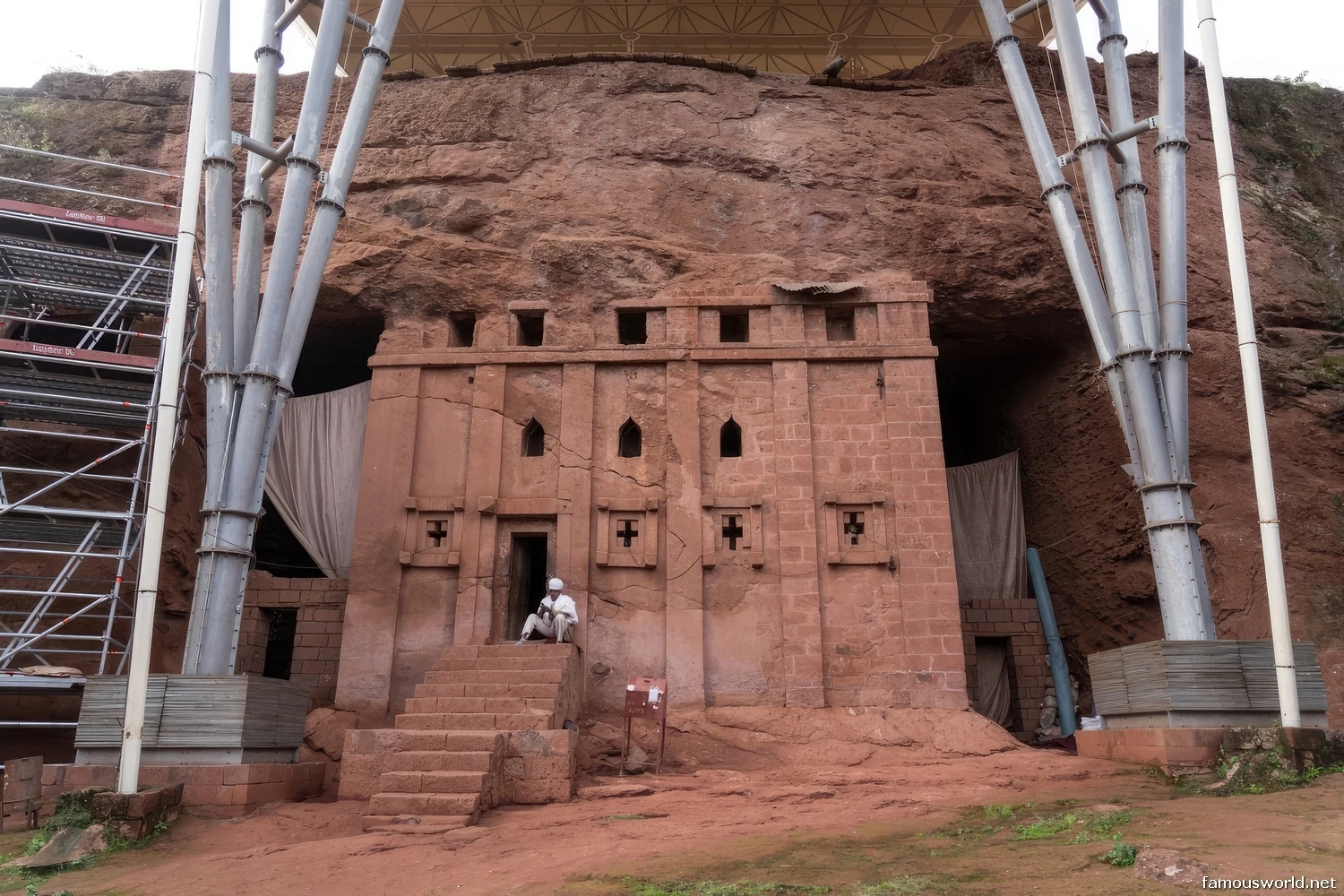
- Monolithic and Semi-Monolithic Design: The churches were created using a subtractive process. Workers carved enormous trenches around a solid block of rock and then meticulously chiseled out the exterior and interior of the church, including columns, windows, arches, and decorative reliefs. Four of the churches are fully monolithic (completely separated from the parent rock), while the others are semi-monolithic (attached to the rock on one or more sides).
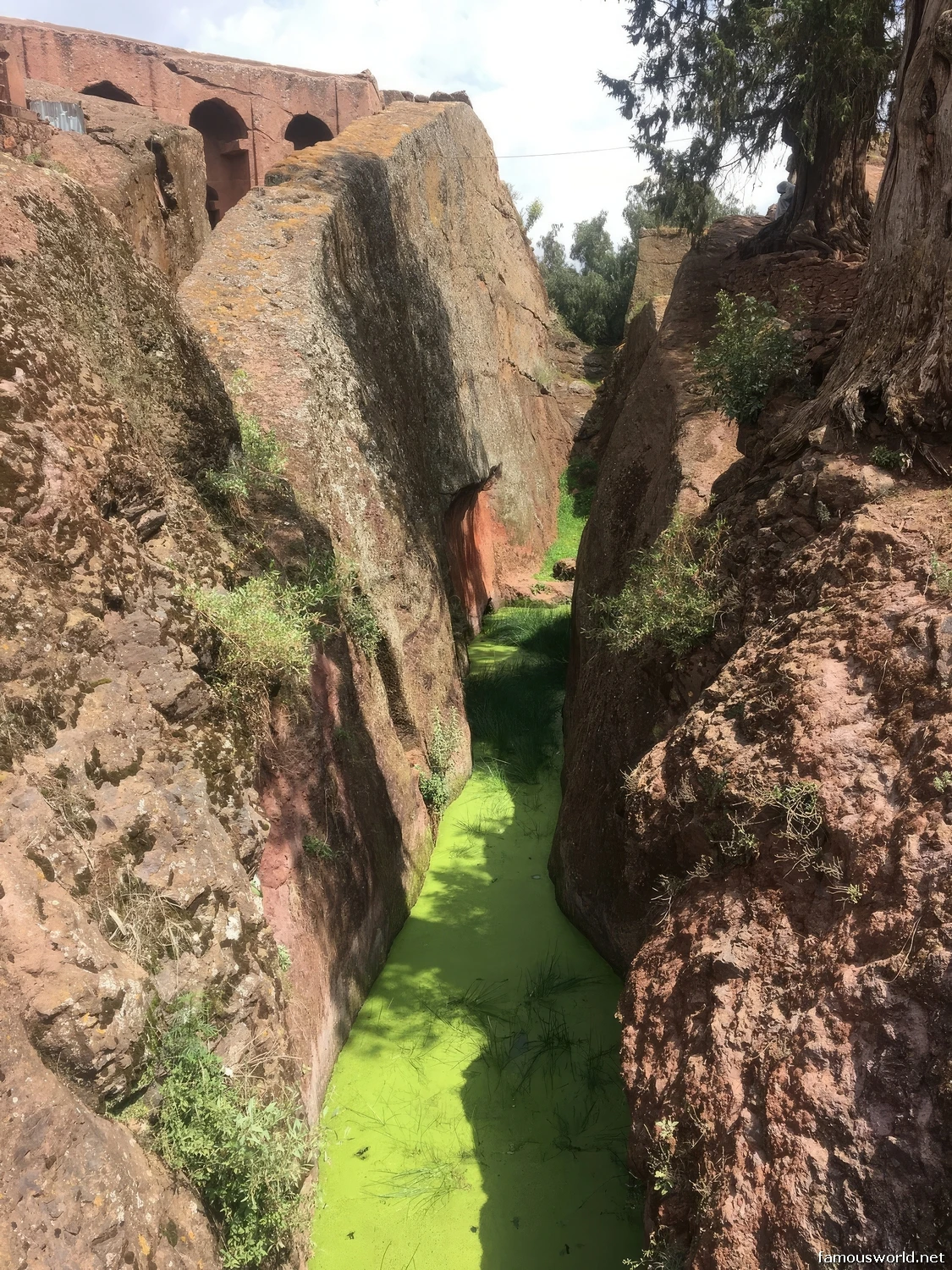
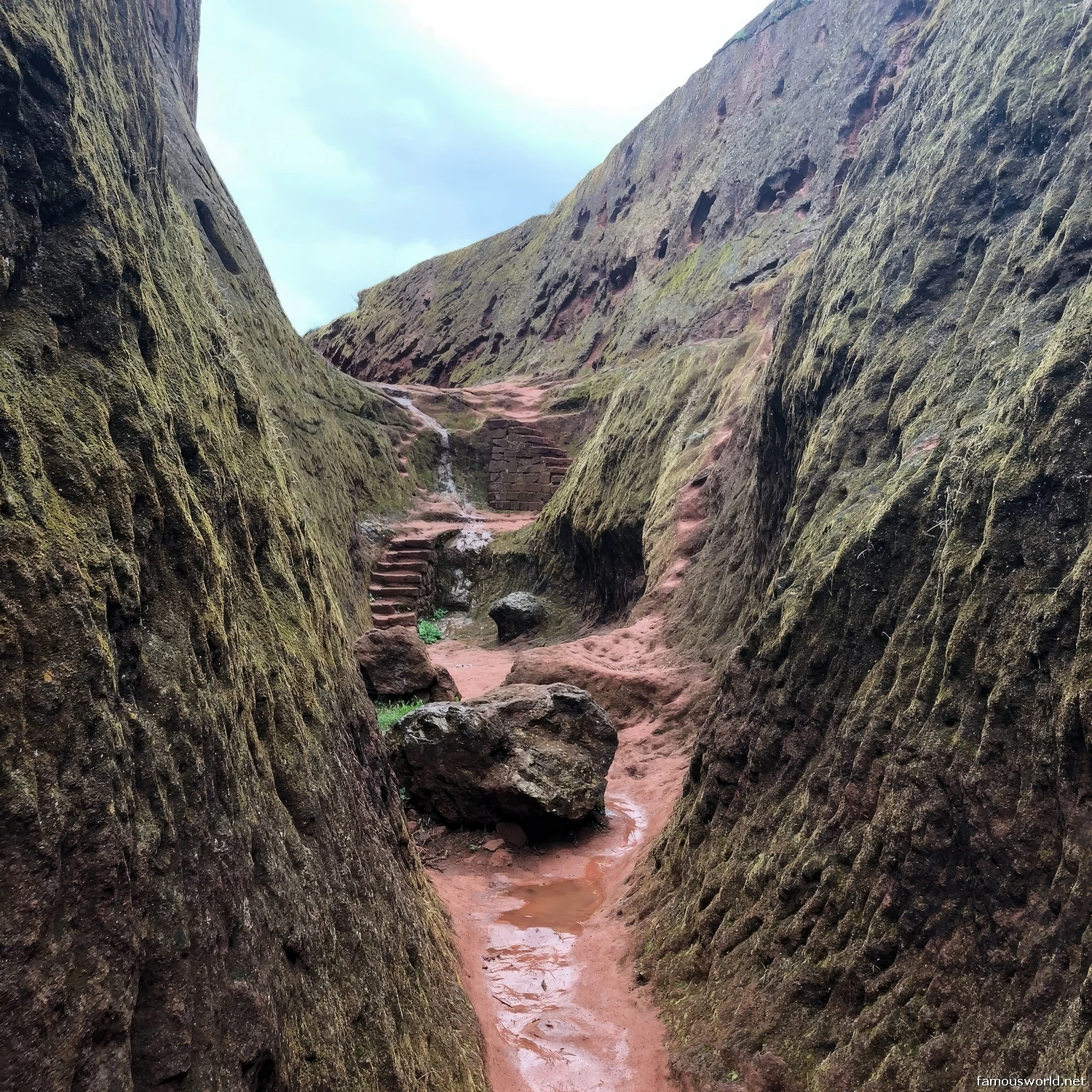
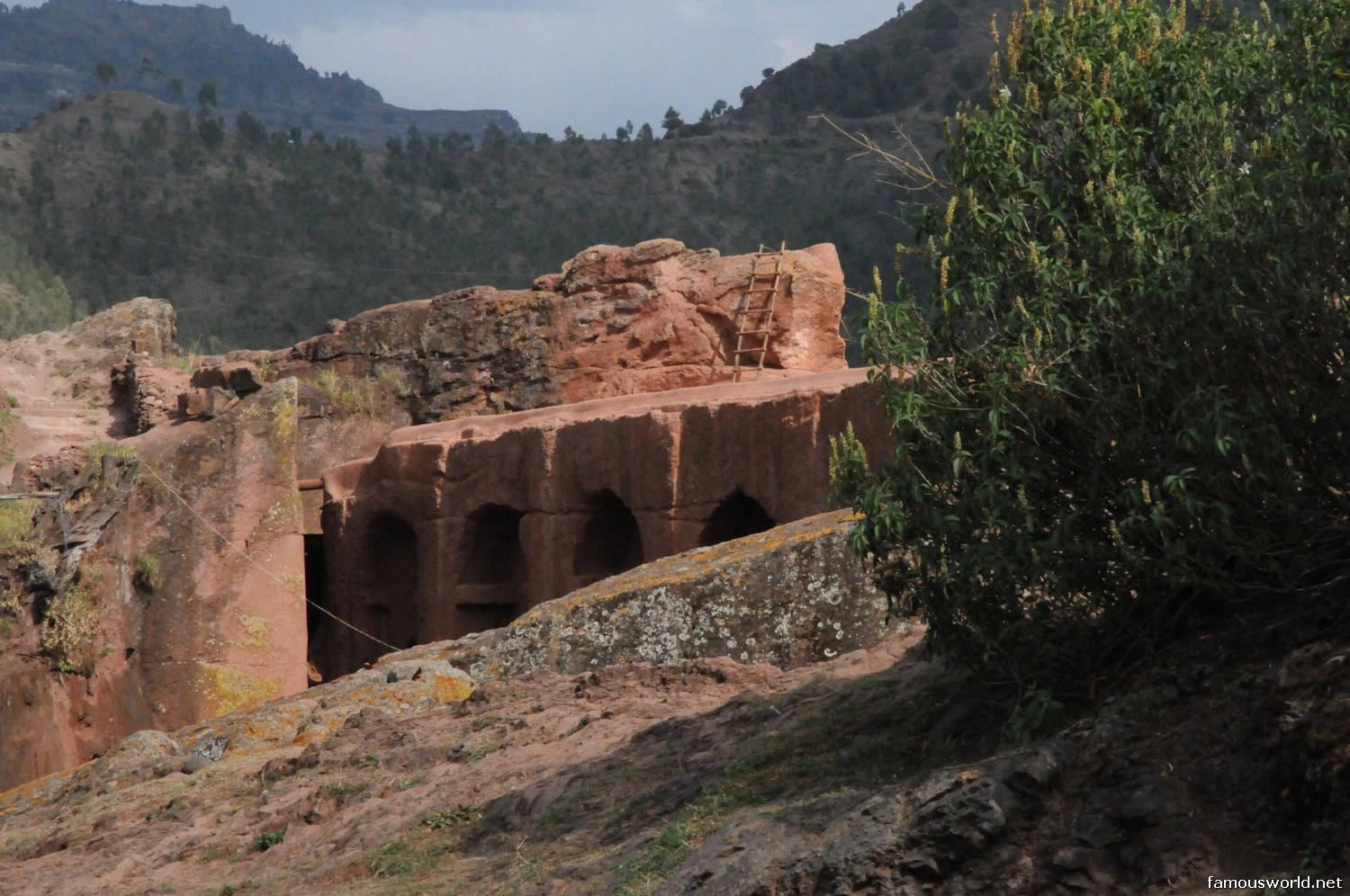
- A Subterranean World: The churches are connected by a labyrinthine network of narrow tunnels, trenches, and ceremonial passages that are also carved out of the rock. This creates the feeling of being in a mysterious, subterranean city.
- Key Churches:
- Biete Medhane Alem (House of the Saviour of the World): Believed to be the largest monolithic church in the world, with its five impressive aisles.
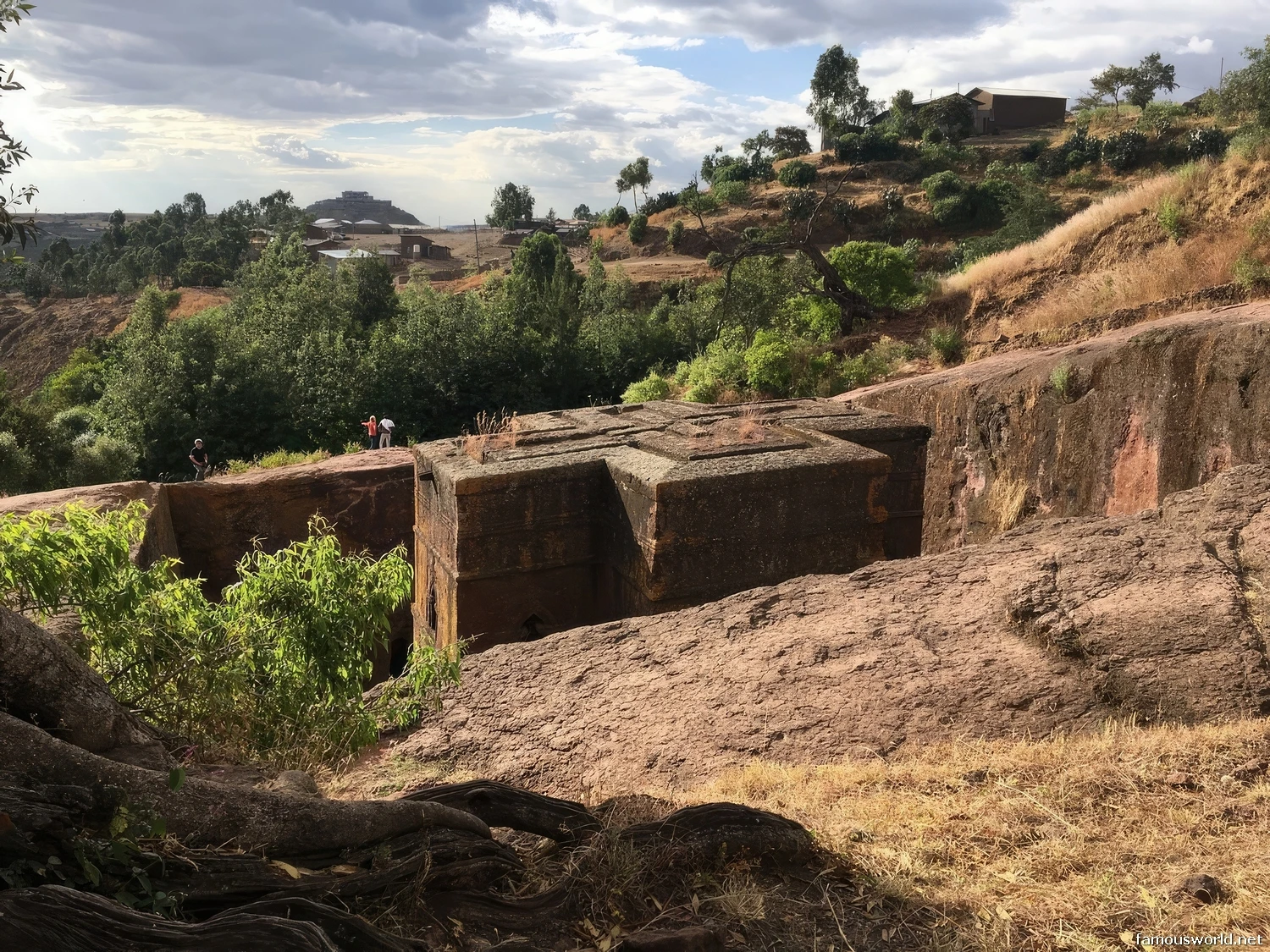
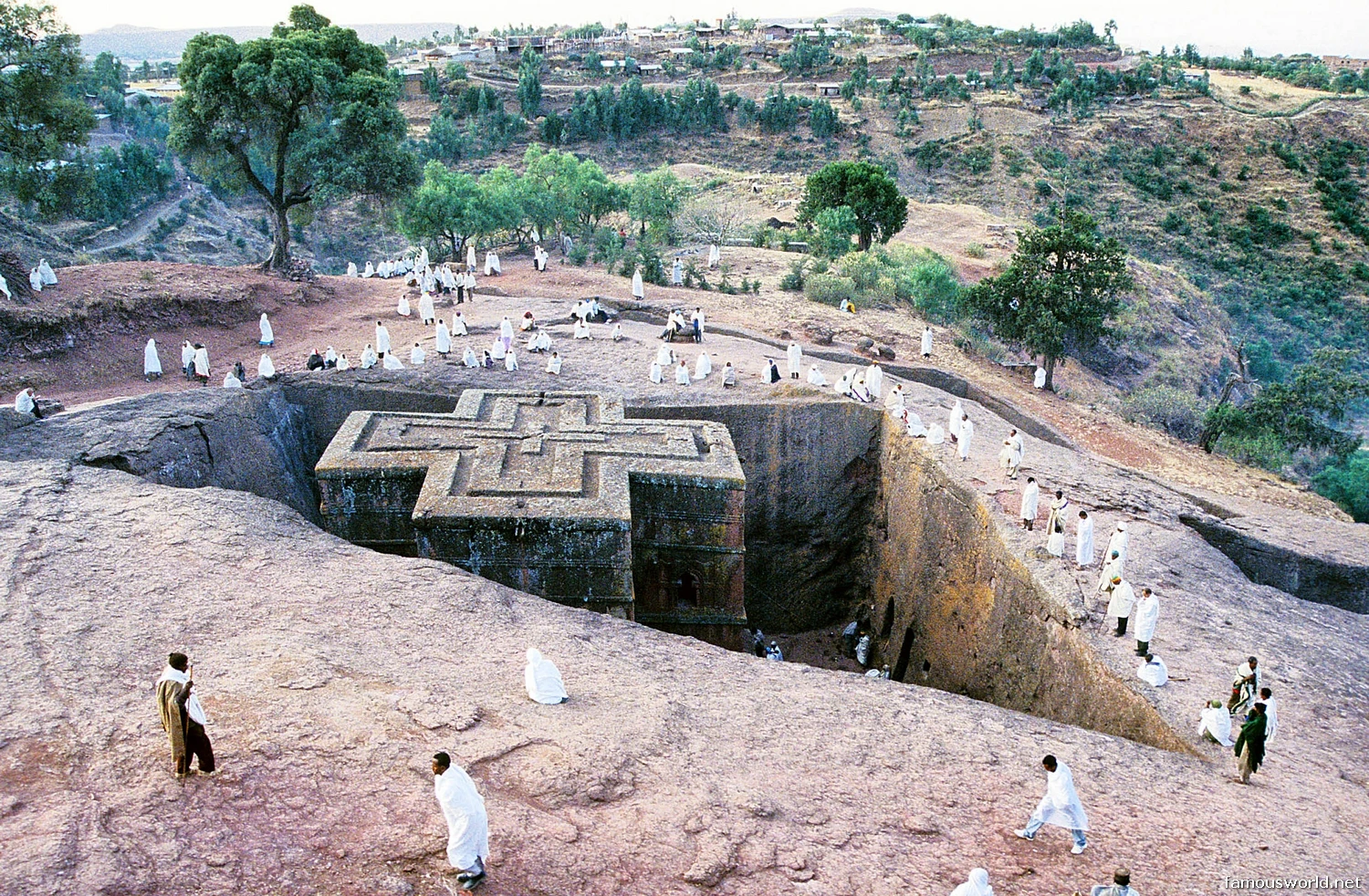
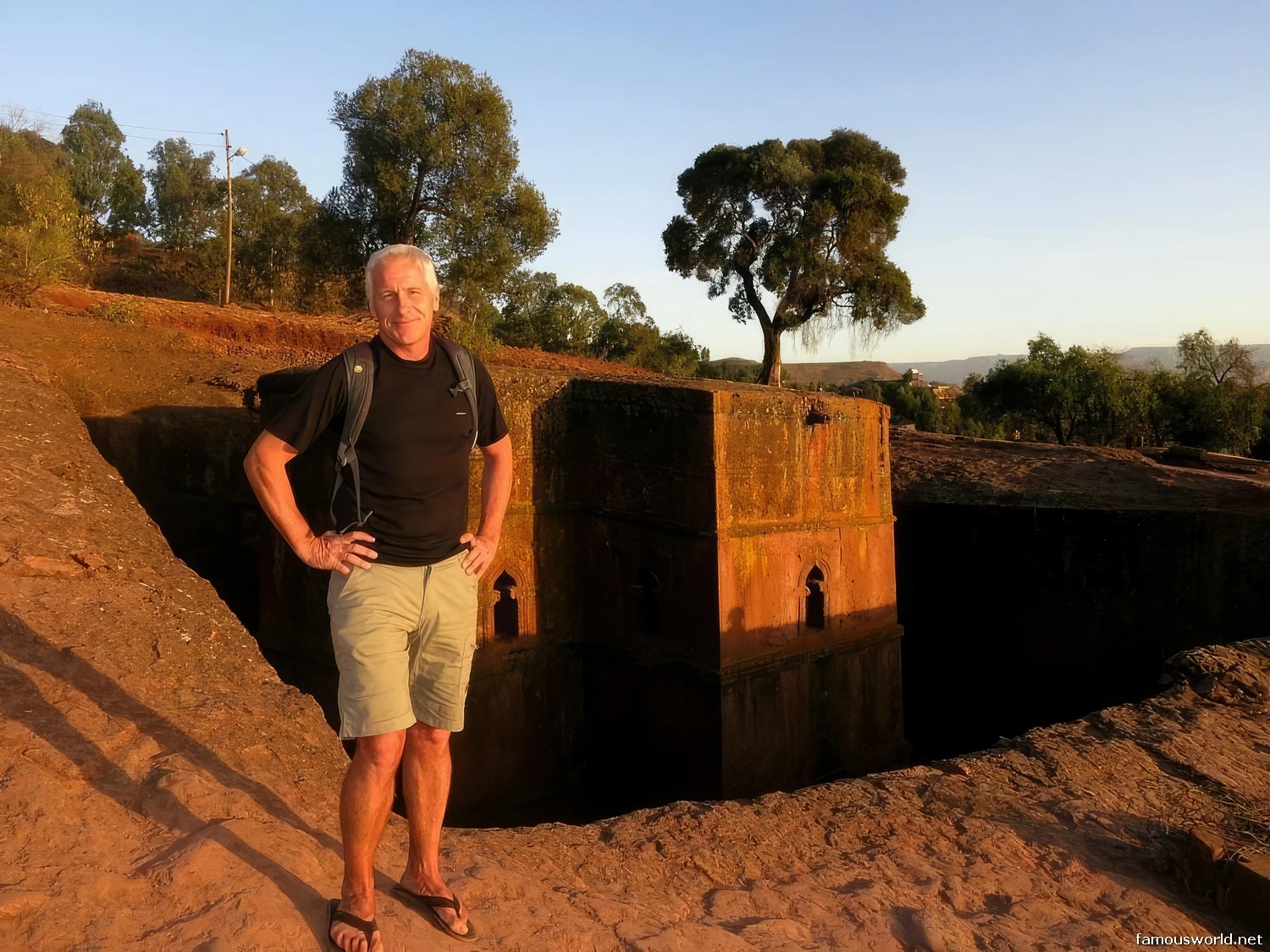
- Biete Giyorgis (Church of St. George): The most famous, iconic, and best-preserved of all the churches. It is a standalone, cruciform-shaped church set deep in a pit, carved with remarkable precision.
- Biete Maryam (House of Mary): One of the oldest churches, famous for its beautifully preserved interior frescoes depicting biblical scenes.
What Makes It Famous
Lalibela is famous for being an architectural wonder of the world, a testament to extraordinary faith, and a living spiritual center.
- An Eighth Wonder of the World: The sheer scale and audacity of carving eleven massive churches out of solid rock using only basic tools is considered one of the great wonders of the medieval world.
- A “New Jerusalem”: The entire site was conceived as a symbolic representation of the Holy Land. The layout, the names of the churches (like Golgotha), and the river named Jordan were all designed to create a substitute pilgrimage site in Africa.
- A Living Heritage Site: Unlike many ancient wonders, Lalibela is not a museum. It is an active religious center where priests hold services, monks chant, and thousands of pilgrims dressed in white robes gather for major festivals like Genna (Ethiopian Christmas) and Timkat (Epiphany).
- The Legend of Angels: Local legend holds that the construction of the churches was aided by angels, who worked through the night, doubling the progress made by the human laborers during the day.
Differences from Other Wonders
The rock-hewn churches of Lalibela offer a unique experience that sets them apart from other great rock-cut sites.
- Excavated vs. Carved Into: While sites like Petra in Jordan feature magnificent facades carved into cliff faces, the monolithic churches of Lalibela were carved out of the ground. They are freestanding structures within a pit, complete with roofs, windows, and detailed interiors, a much more complex and ambitious architectural feat.
- Christian Sanctuary vs. Pagan or Funerary Sites: The purpose of Lalibela was to create a living Christian holy city. This is different from the funerary purpose of the tombs at Petra or the temples of Abu Simbel in Egypt.
- Highland Setting vs. Desert or River Valley: The cool, high-altitude, mountainous setting of Lalibela is a world away from the desert canyon of Petra or the Nile-side setting of Egyptian monuments.
- A Complete, Interconnected Complex: Lalibela is not just a collection of individual buildings but a cohesive complex linked by tunnels and passages, designed to be experienced as a single, symbolic spiritual journey.