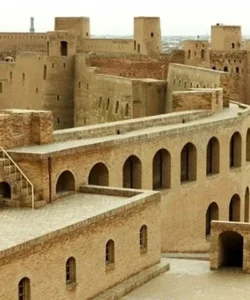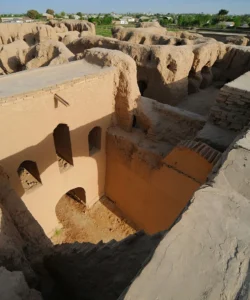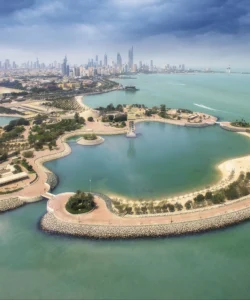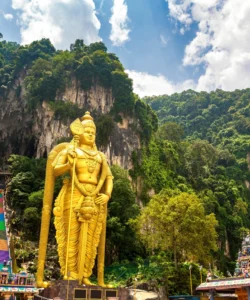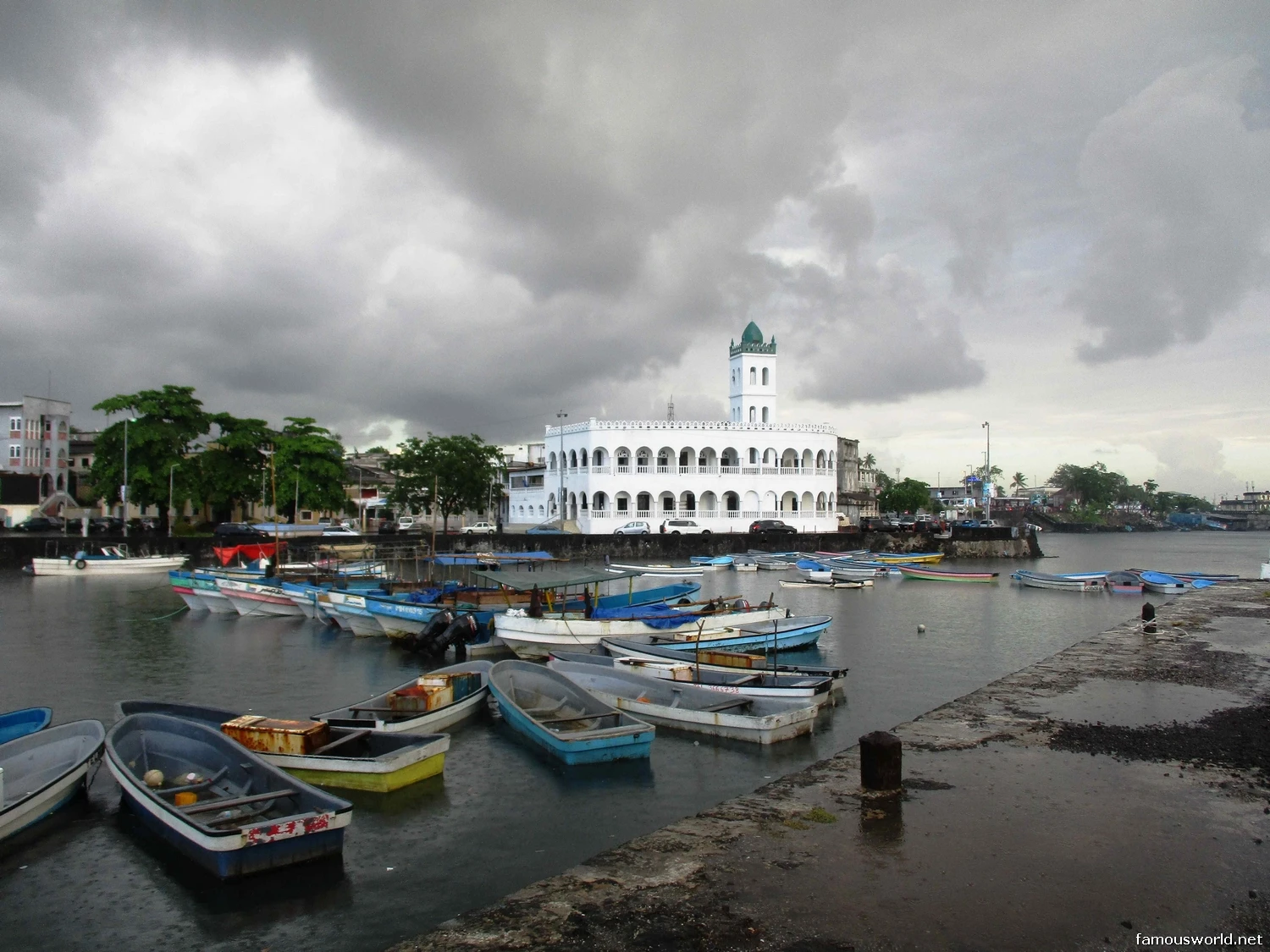

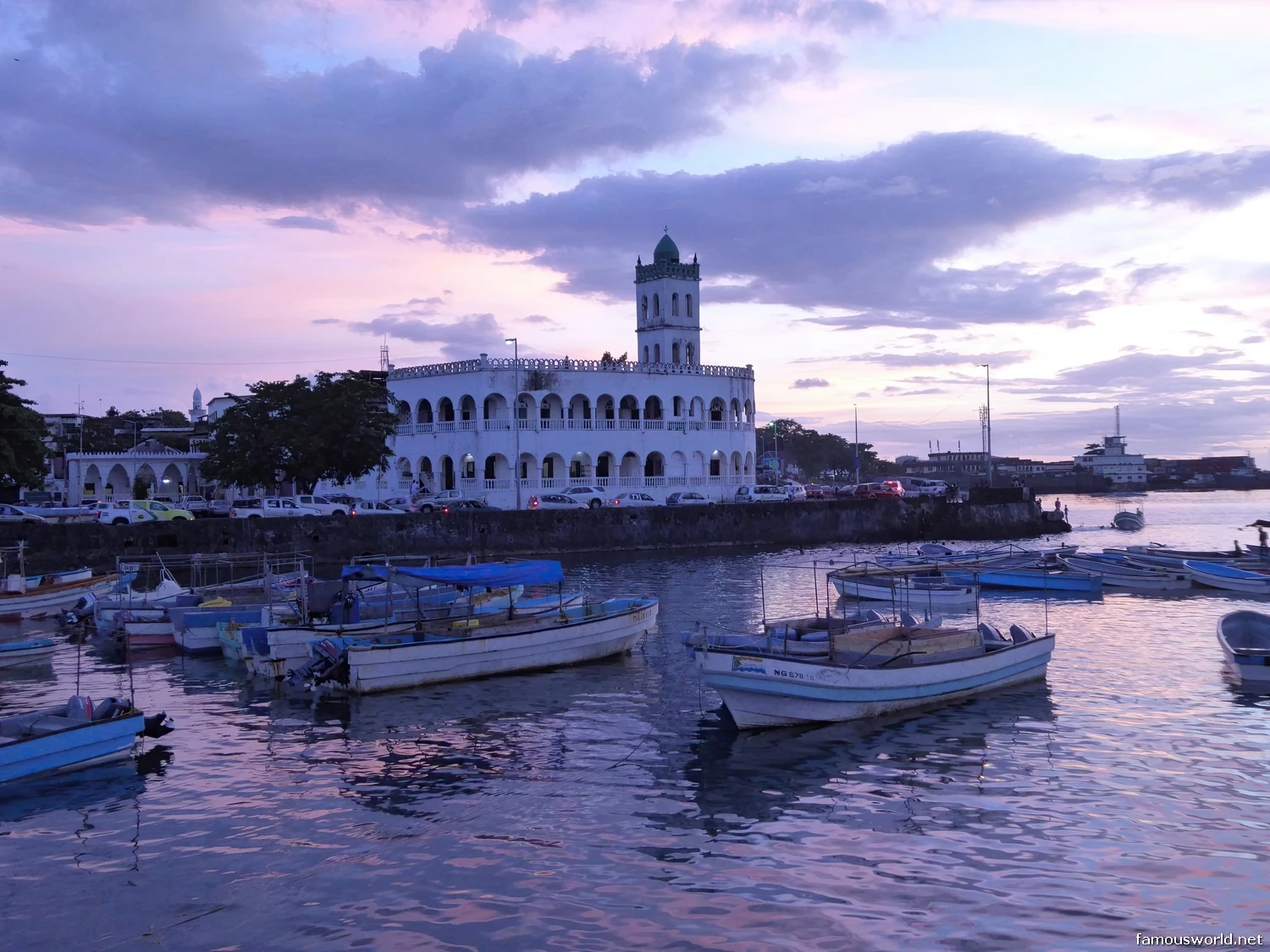
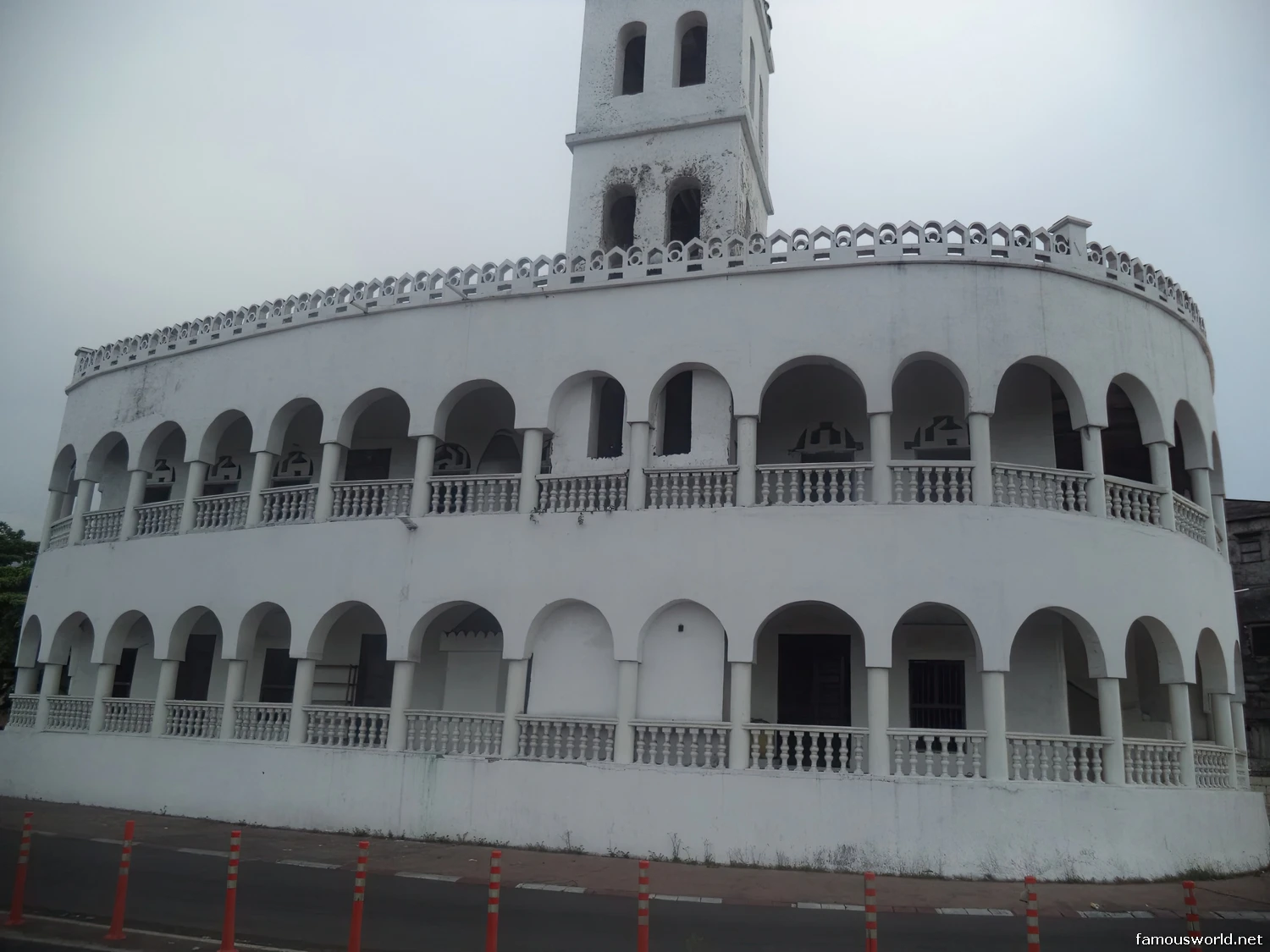
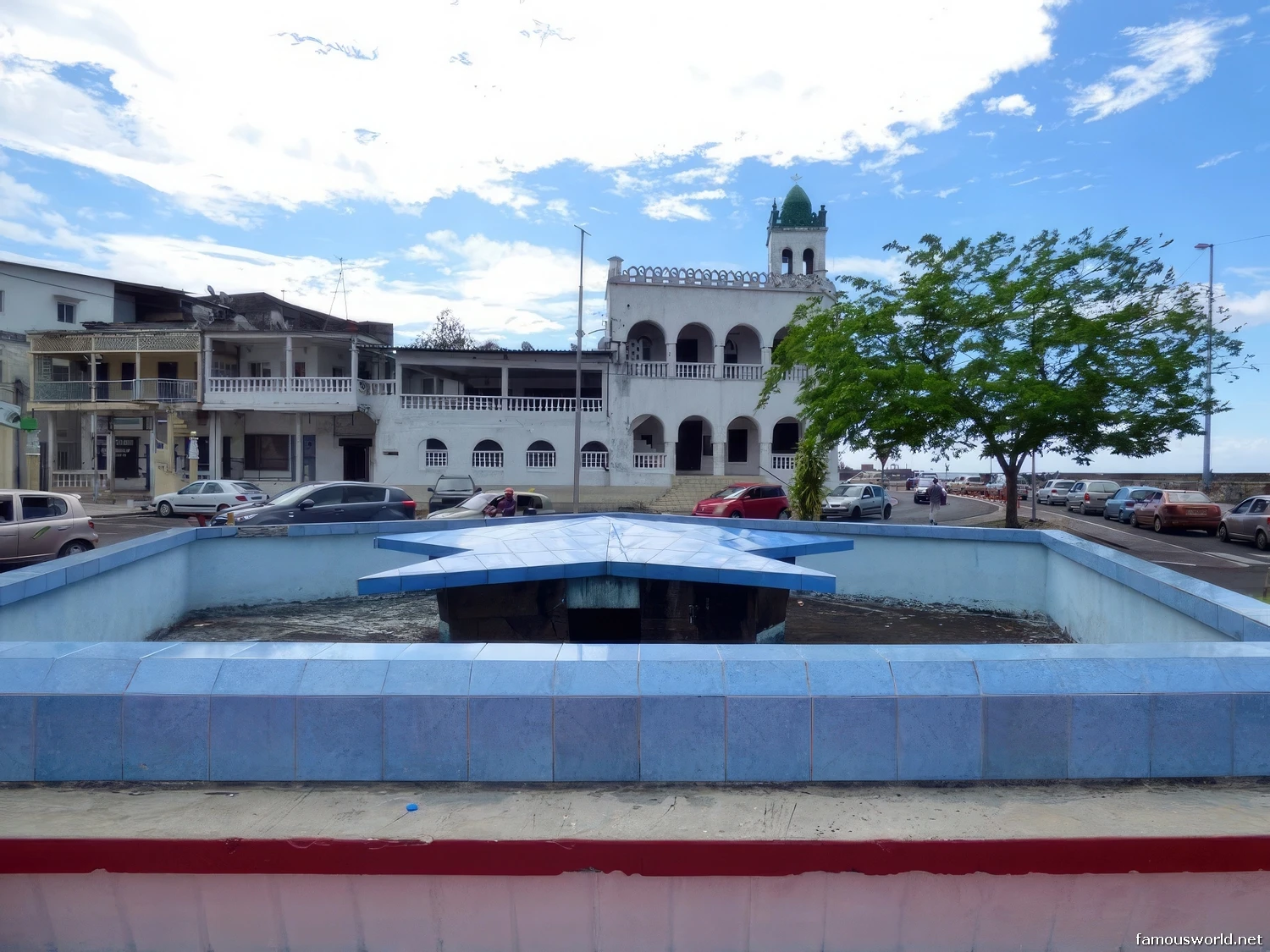
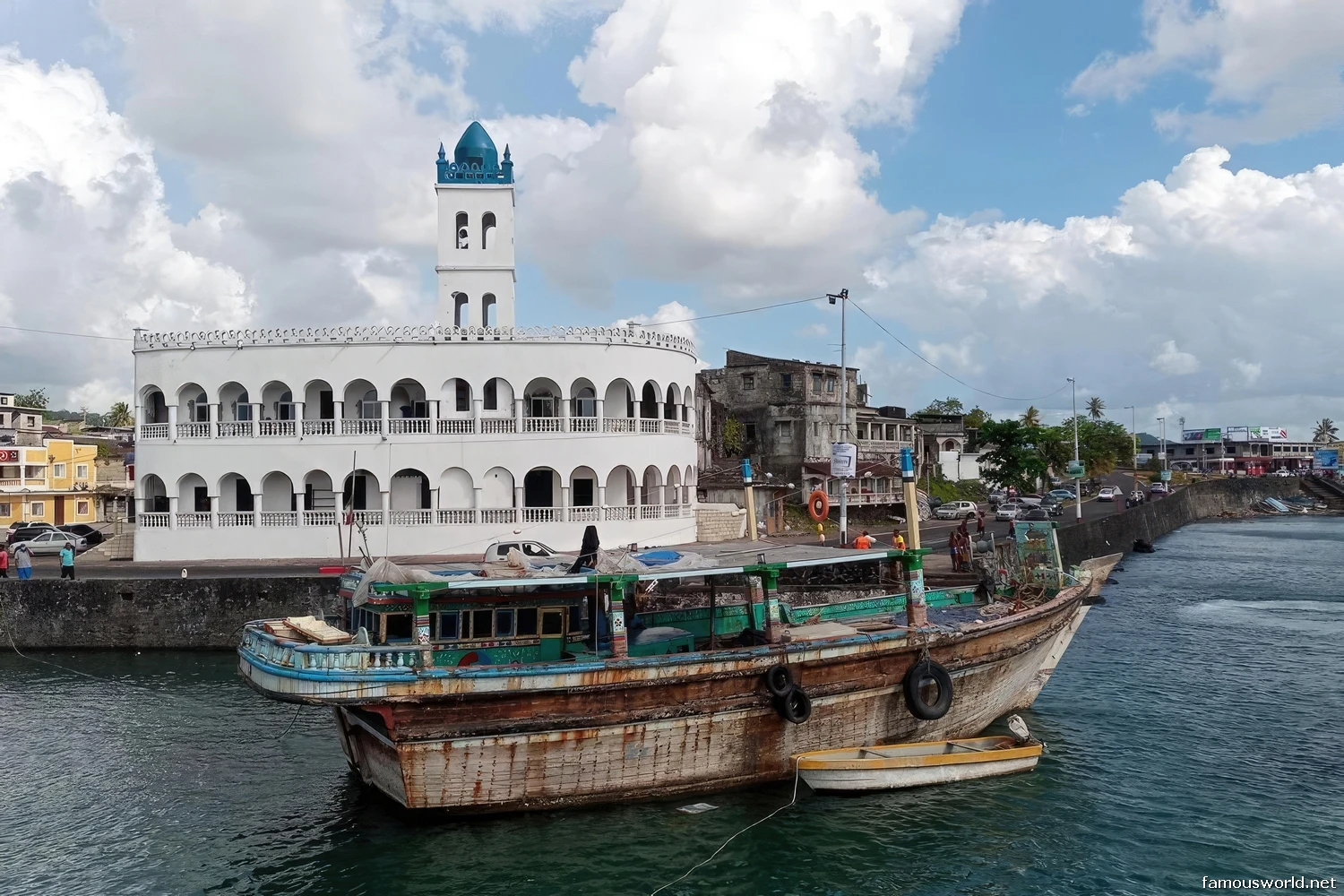
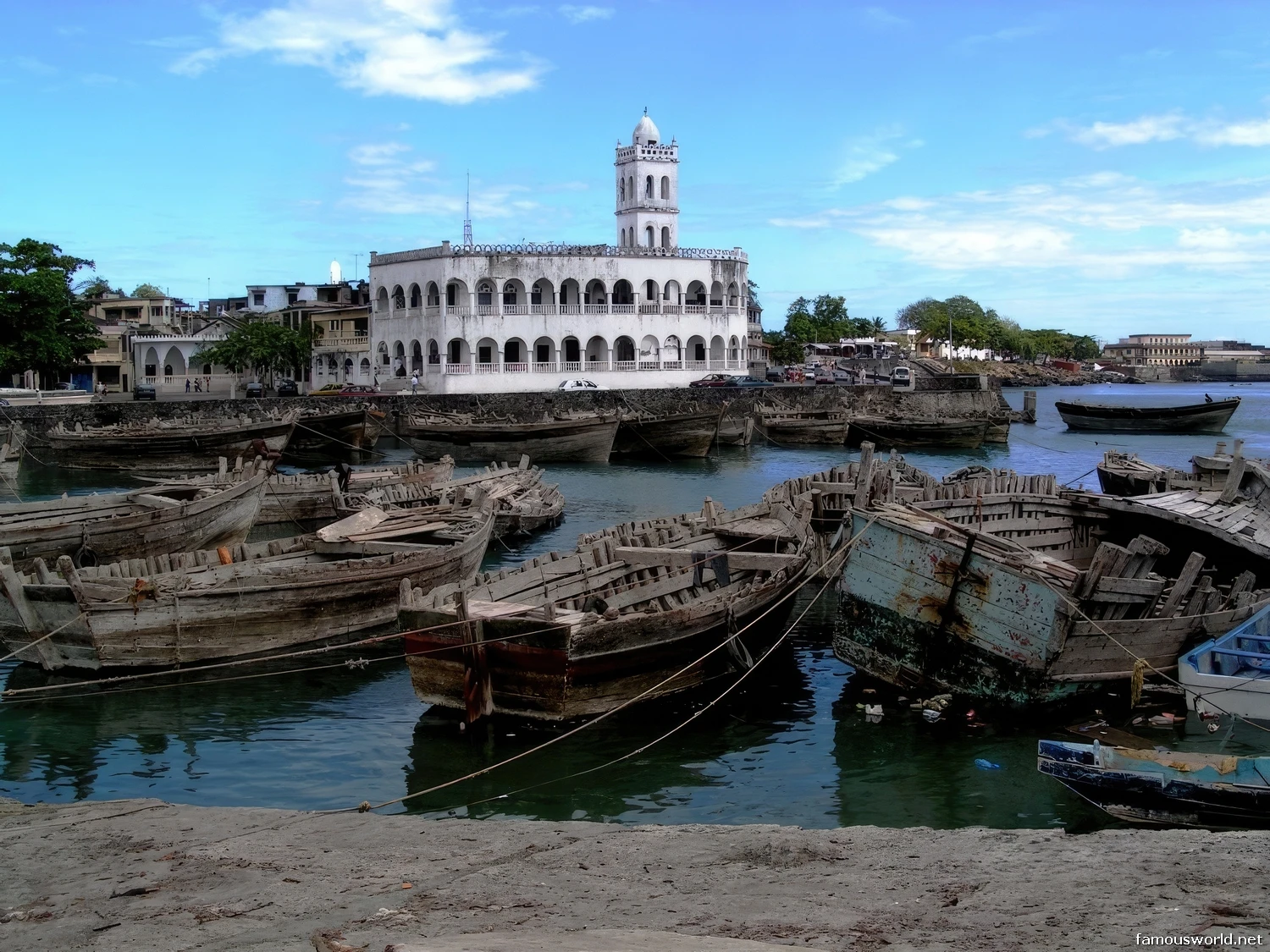
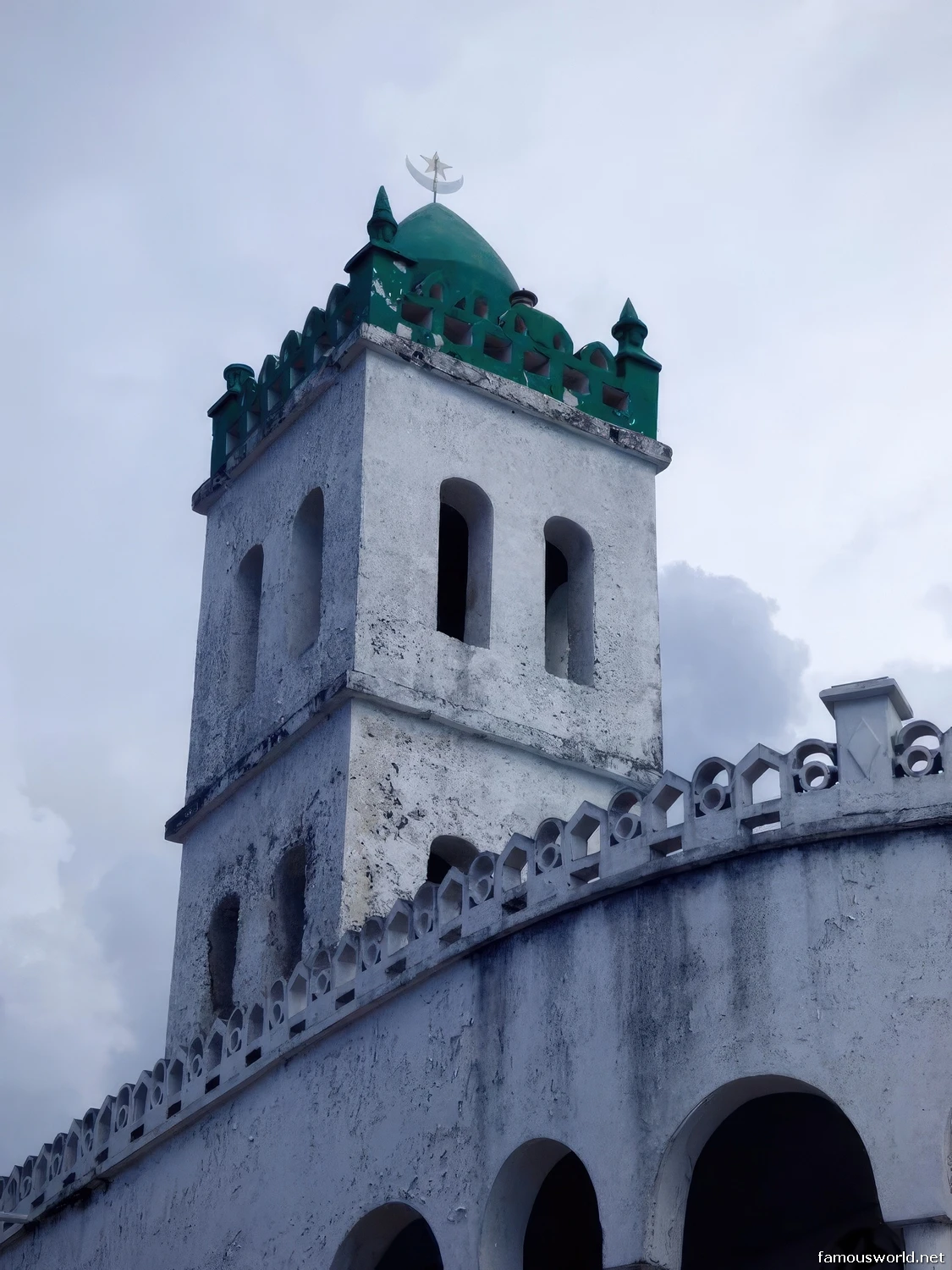
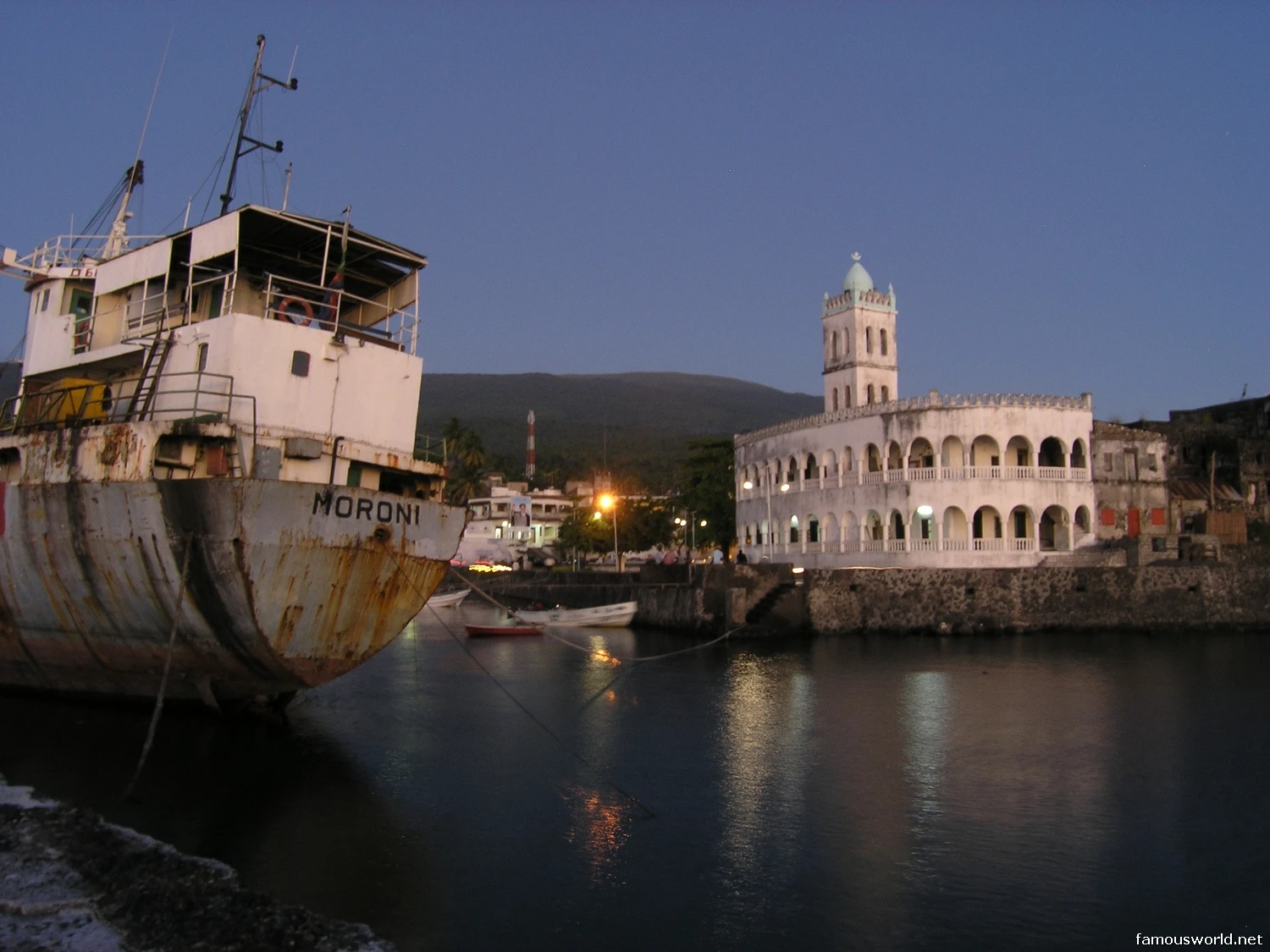
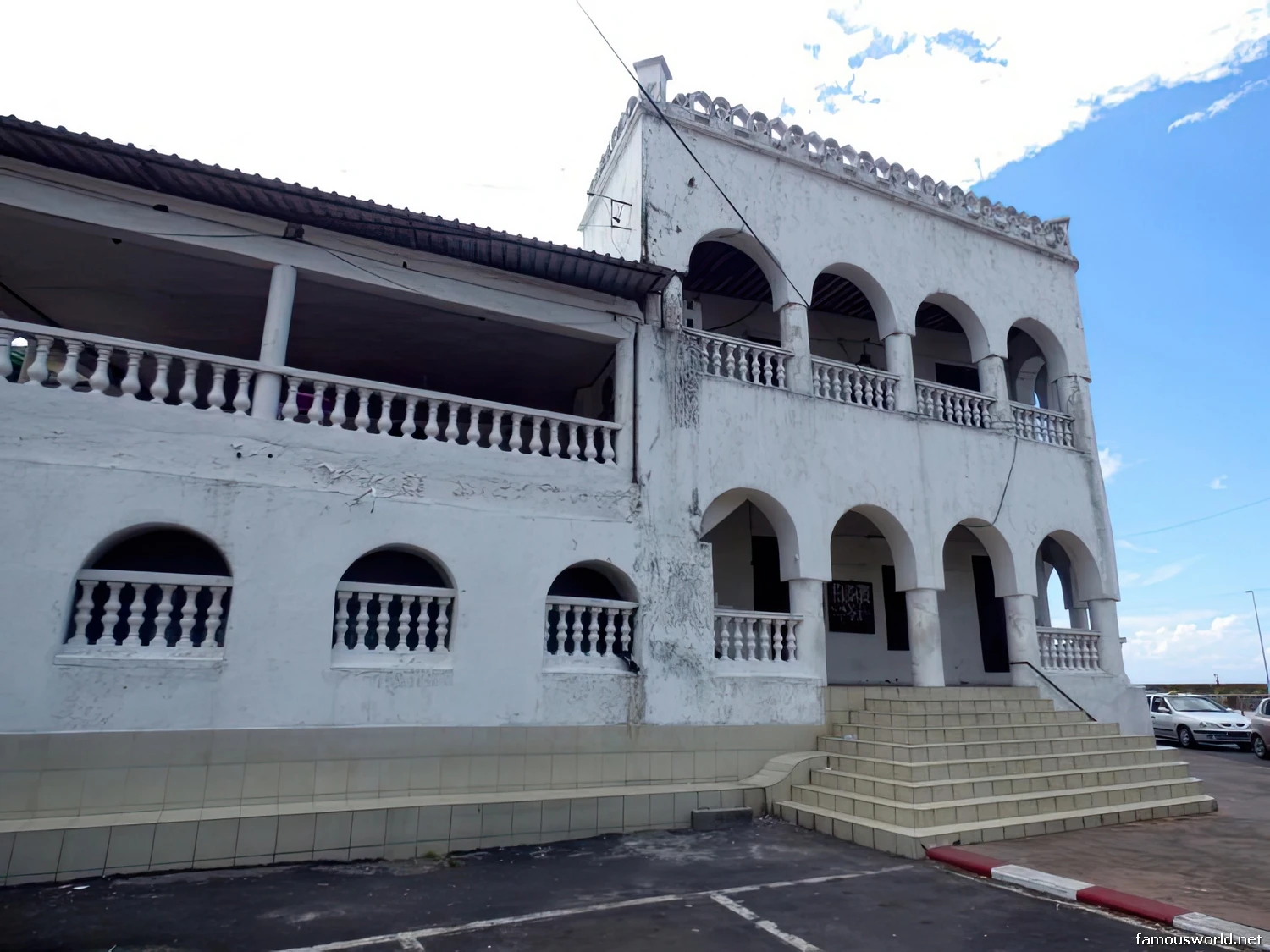
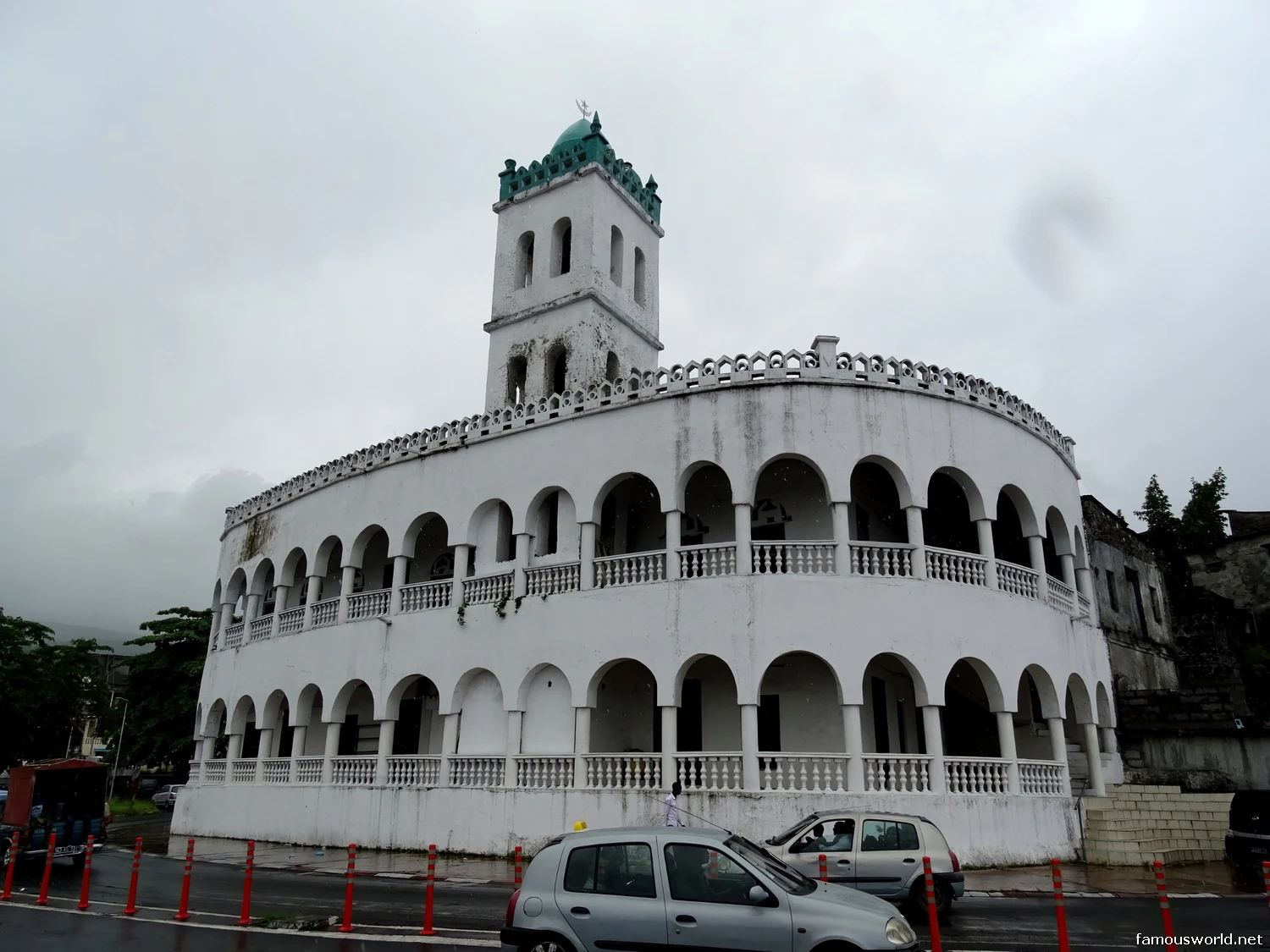

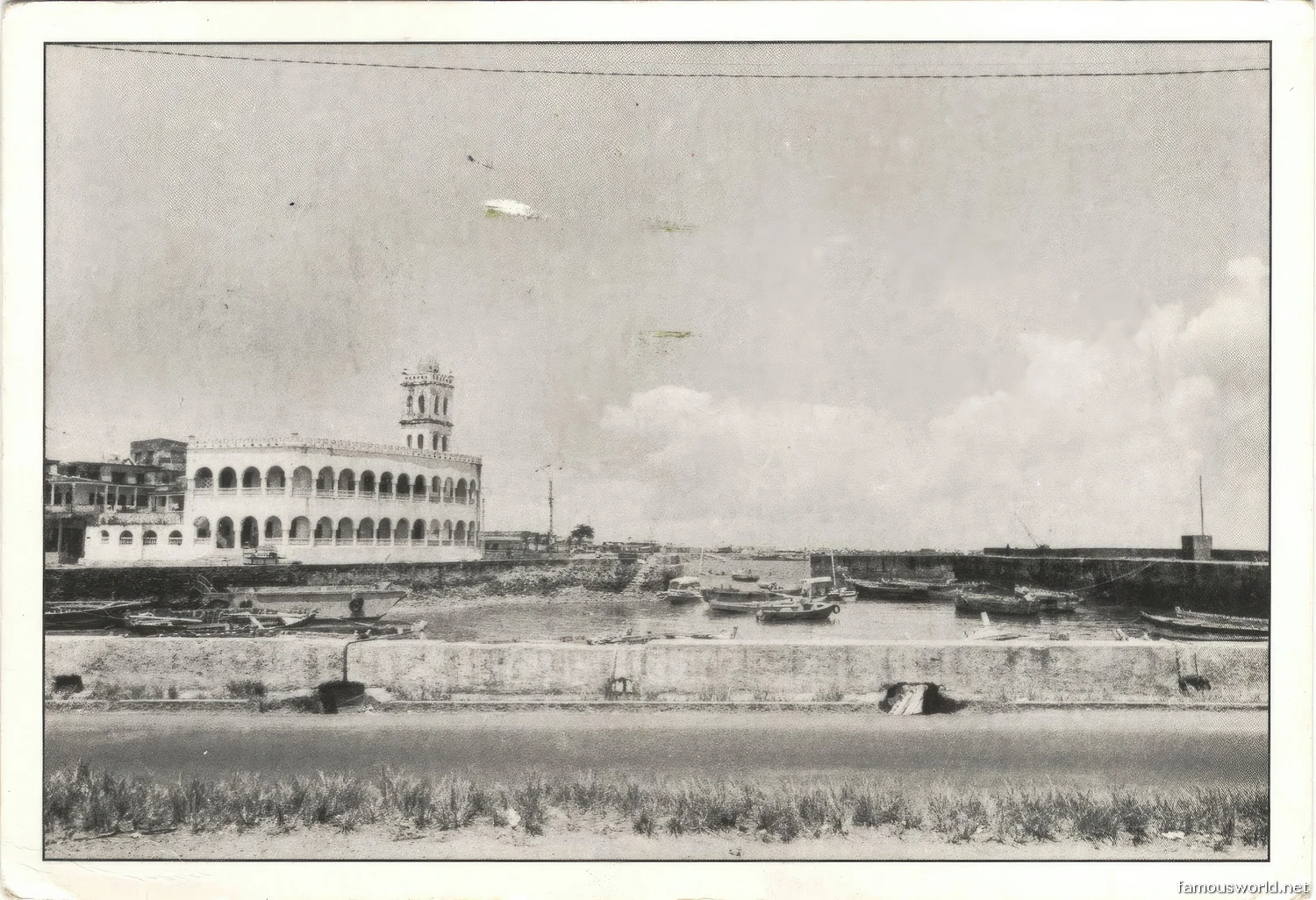
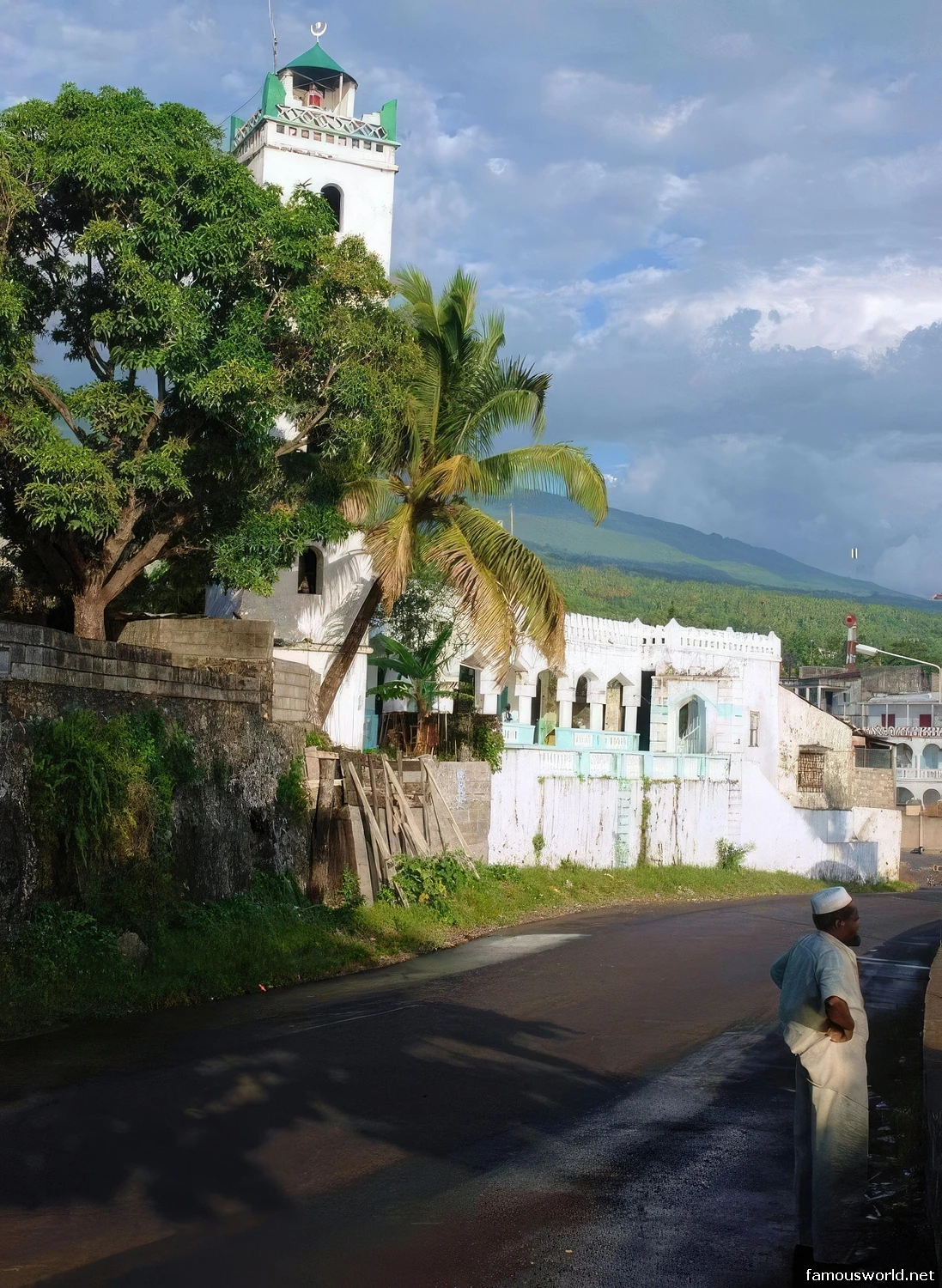
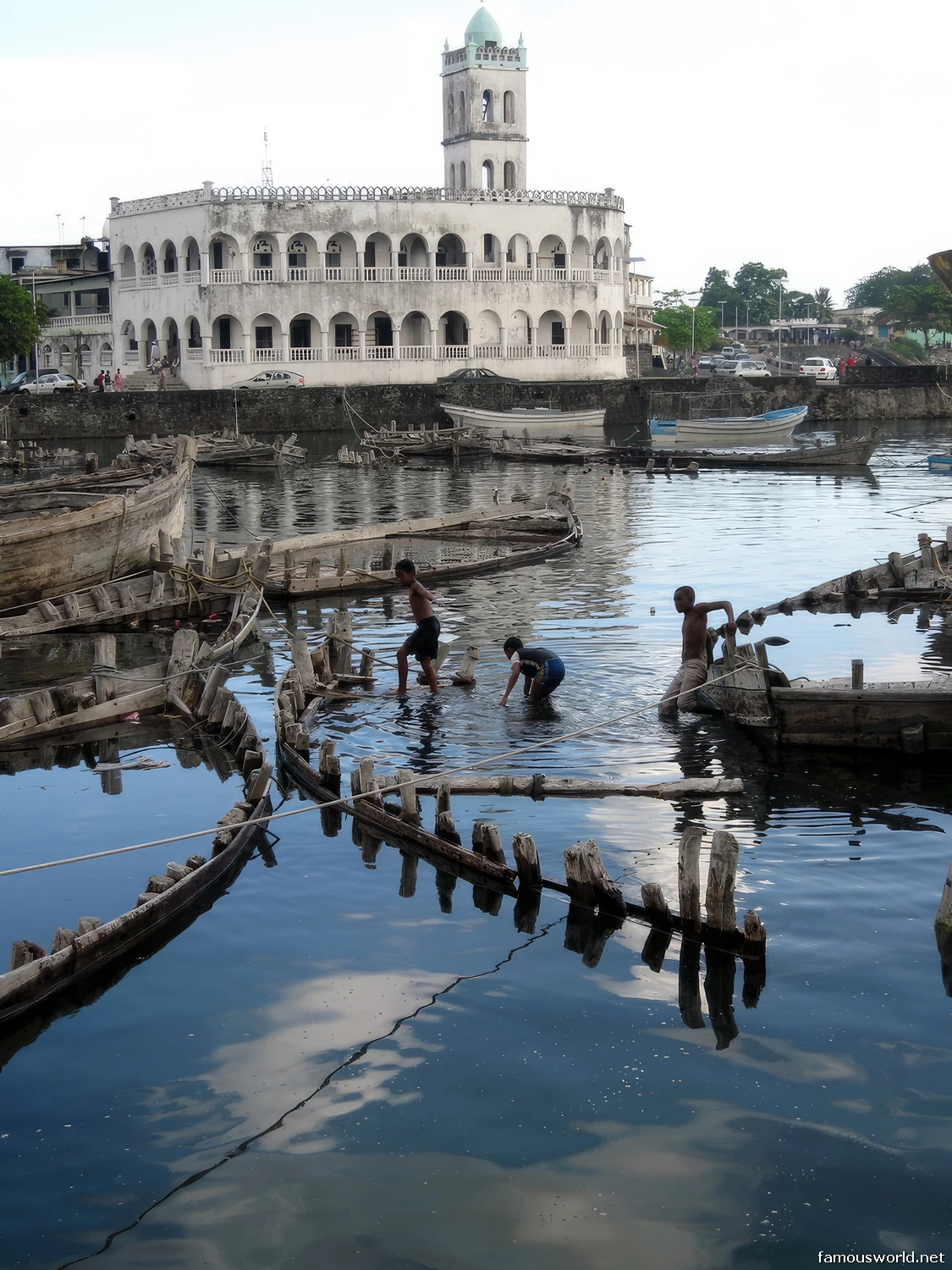
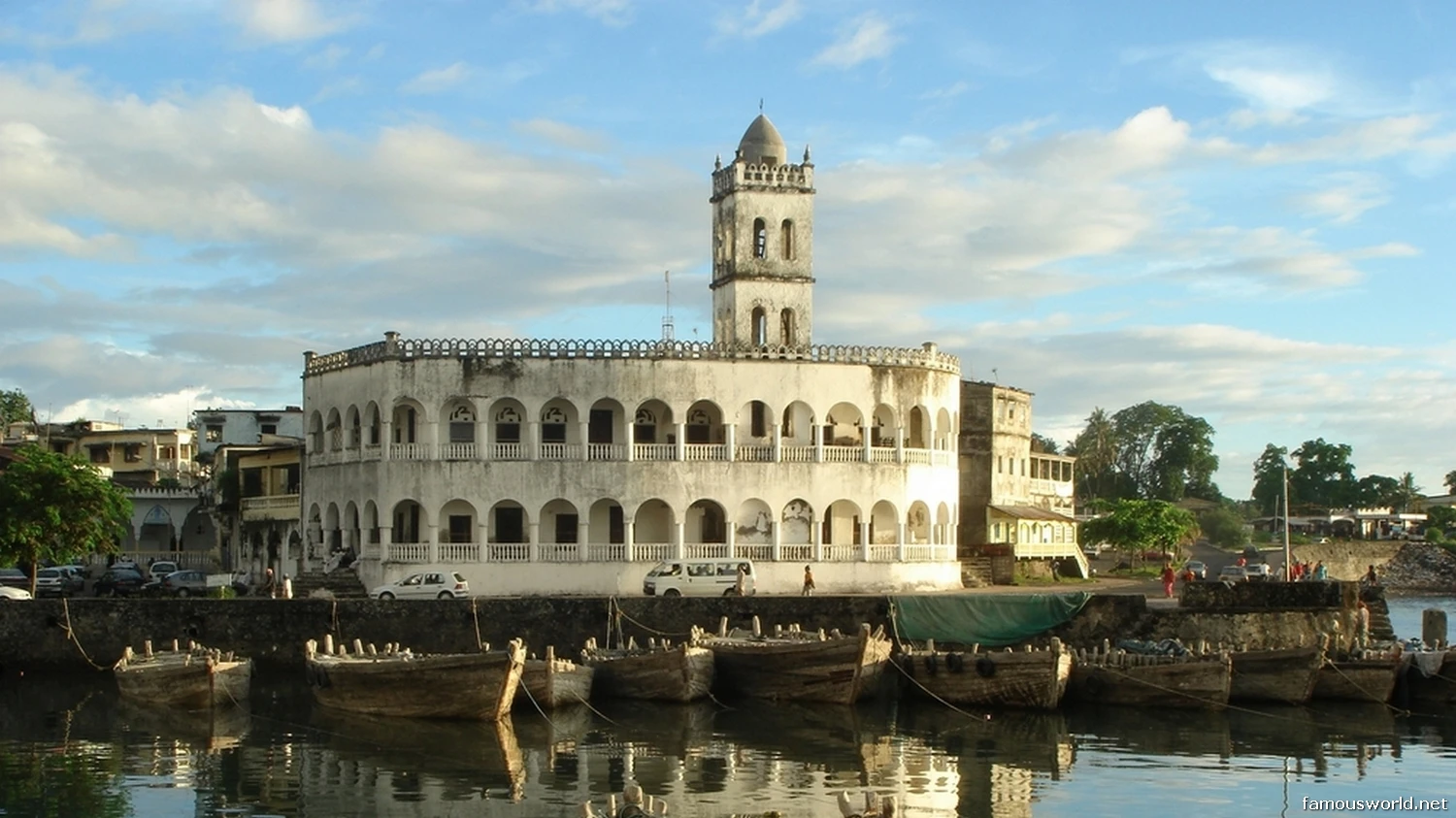
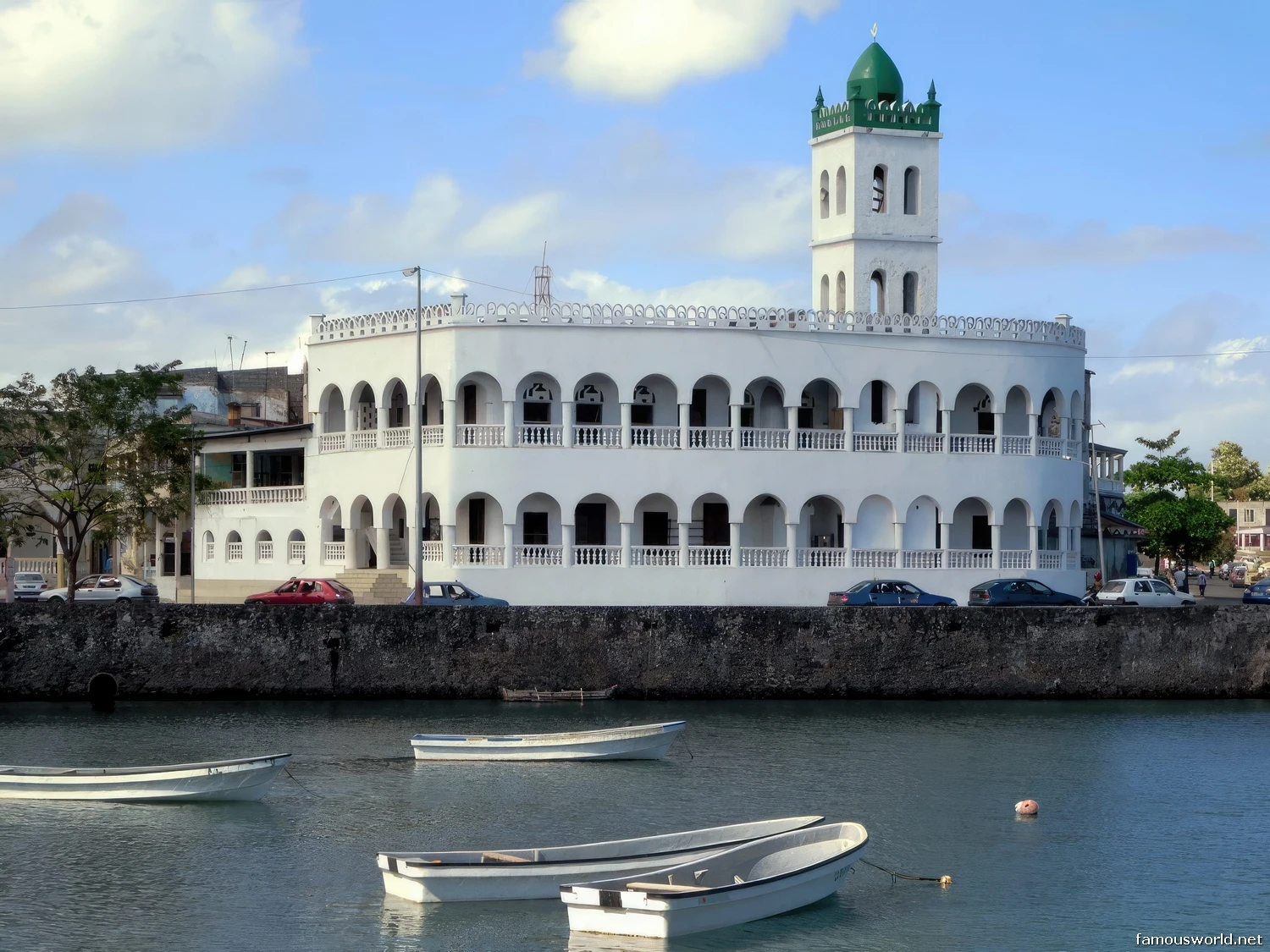
The Old Friday Mosque (Ancienne Mosquée du Vendredi), also known as the Badjanani Mosque, is one of the most iconic and historically significant buildings in Moroni, the capital of the Comoros. Originally founded in 1427, this beautiful mosque stands as a testament to the archipelago’s deep-rooted Islamic heritage and its history as a Swahili Coast trading hub. Its elegant, whitewashed architecture, prime location overlooking the old harbour, and centuries of continuous use make it the spiritual and cultural heart of Moroni’s ancient medina.
Listen to an introduction about Old Friday Mosque of Moroni

Name and Address
- Name: Old Friday Mosque (Ancienne Mosquée du Vendredi) or Badjanani Mosque.
- Address: Located in the Medina (Old Town) district of Moroni, on the island of Grande Comore, Comoros. It is situated right on the waterfront, next to the old dhow port.
How to Get There
The mosque is a central landmark in the capital and is very easy to find.
- By Foot (Recommended): The best way to experience the mosque is by walking through the narrow, winding alleys of Moroni’s historic Medina. The mosque’s prominent minaret is a useful landmark for navigation.
- By Taxi: A taxi from anywhere in Moroni can drop you off near the Medina, from where it is a short walk to the mosque.
- Visitor Tip: As it is an active place of worship, non-Muslim visitors should not enter during prayer times. It is essential to dress modestly when visiting the area, with both men and women covering their shoulders and knees. Women should also cover their hair. The mosque’s exterior is stunning against the backdrop of the Indian Ocean, especially in the late afternoon light.
Landscape and Architecture
The landscape is a historic harbour, and the architecture is a beautiful example of Swahili coastal Islamic design.
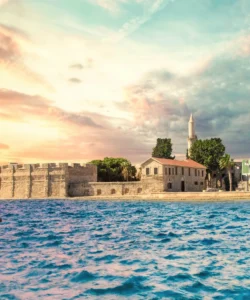
- Waterfront Location: The mosque is perfectly situated on the edge of the Indian Ocean, overlooking the old port where traditional dhows and fishing boats are moored. This setting creates a picturesque and evocative scene, especially at high tide when the water laps against the sea walls.
- Swahili-Arabian Architecture: The mosque is a beautiful example of the architectural style found along the Swahili Coast. It features a simple, elegant design with thick, whitewashed walls, multi-tiered arched colonnades, and intricate stonework.
- The Minaret: A distinctive, square-based minaret was added to the original structure in 1921. Its design is unique and adds to the mosque’s graceful silhouette against the sea.
- Courtyard and Prayer Hall: The mosque is built around a central courtyard. The interior prayer hall is characterized by its numerous columns and a sense of cool, peaceful simplicity, typical of historic mosques in the region.
What Makes It Famous
The Old Friday Mosque is famous for being the historic and spiritual heart of the Comorian capital.
- Moroni’s Oldest Mosque: It is the oldest mosque in Moroni, dating back to the early 15th century, and represents the long history of Islam in the Comoros, which was spread by Arab traders.
- An Architectural Landmark: The mosque is the most recognizable architectural landmark in Moroni. Its beautiful, whitewashed structure against the blue of the Indian Ocean is the city’s most iconic and photographed image.
- A Center of Community: For centuries, the mosque has been the central gathering place for the community in the Medina. Locals believe that the larger the congregation that prays together, the more powerful the prayer, making this mosque a vital center of spiritual life.
Differences from Other Wonders
The Old Friday Mosque offers a cultural and spiritual experience that is distinct from the natural wonders of the Comoros.
- A Man-Made Spiritual Center vs. Natural Wonders: The mosque is a man-made architectural and religious landmark. This is a complete contrast to the raw, natural power of Mount Karthala (an active volcano) or the pristine marine ecosystem of Mohéli Marine Park. The experience is one of cultural and historical immersion, not a nature excursion.
- Urban Heritage vs. Remote Landscapes: The mosque is located in the heart of the capital’s historic urban center. This is different from the remote, otherworldly crater lakes like Lac Niamawi on Grande Comore or Lake Dzia Landze on Anjouan, which require significant travel to reach.
- A Symbol of History and Faith vs. a Recreational Spot: While a beautiful sight, the mosque’s primary significance is historical and spiritual. This sets it apart from recreational destinations like Khor Ambado Beach or Moucha Island, which are primarily focused on leisure and water activities. It provides a window into the soul of the city, not just its scenic coastline.