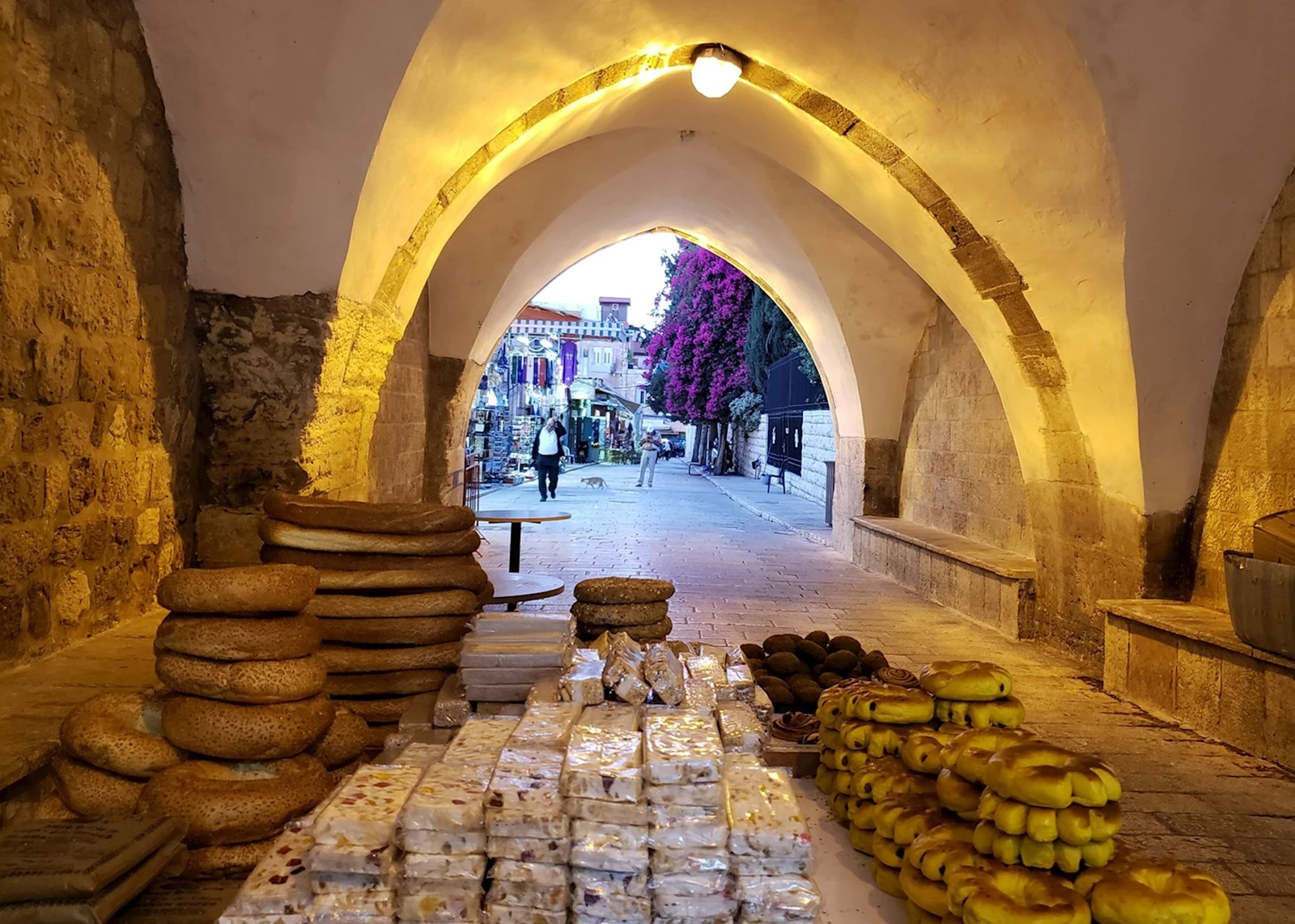


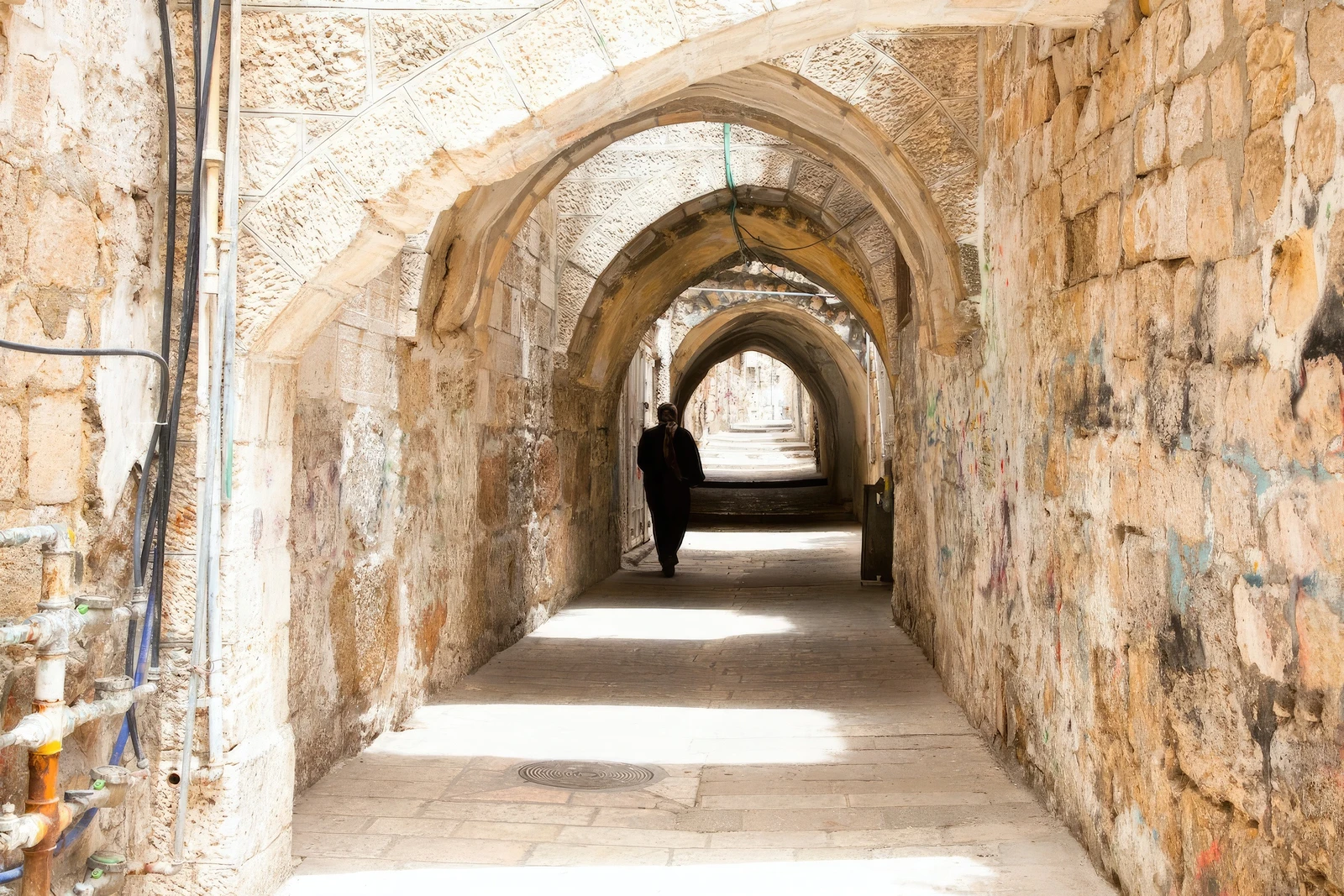




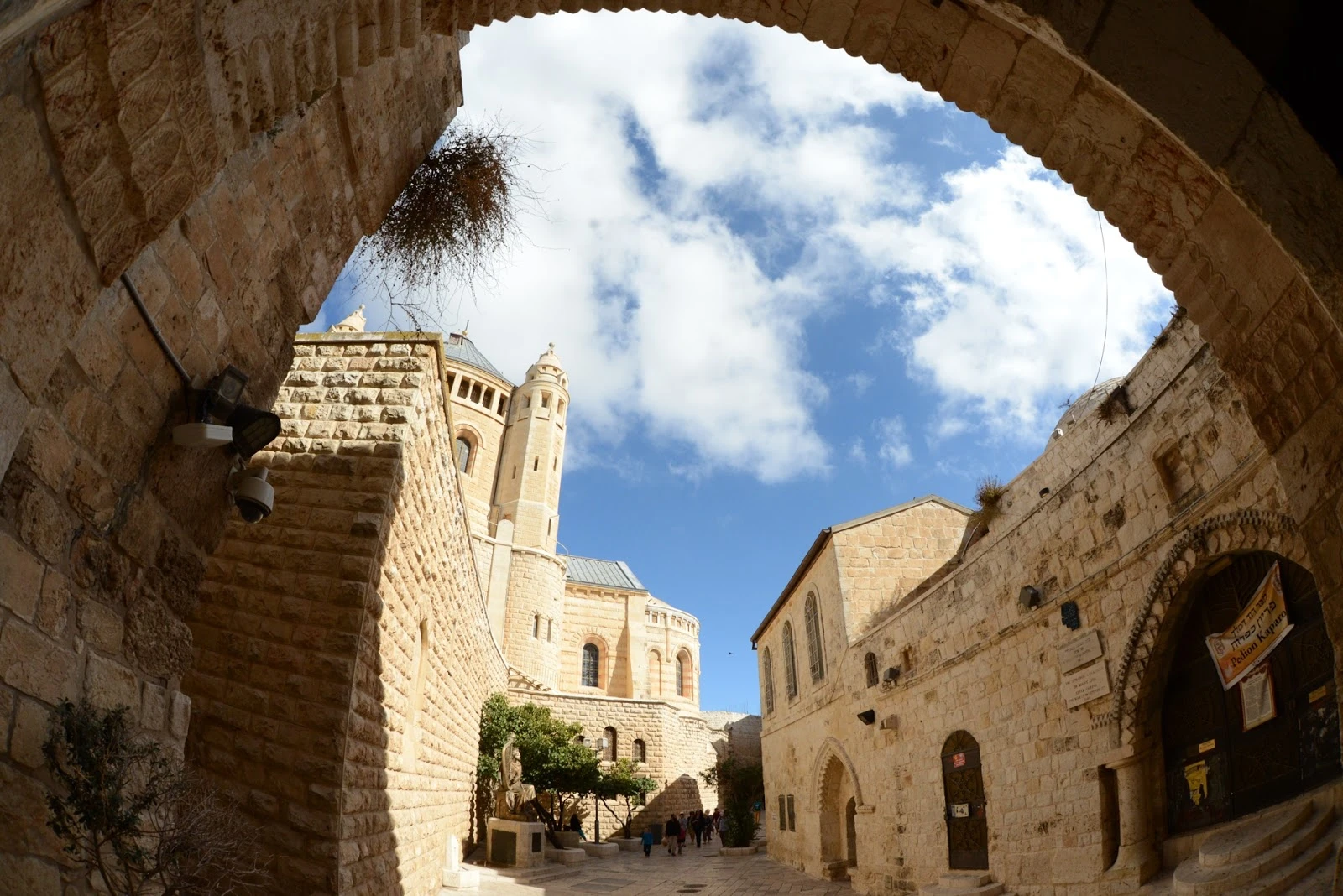






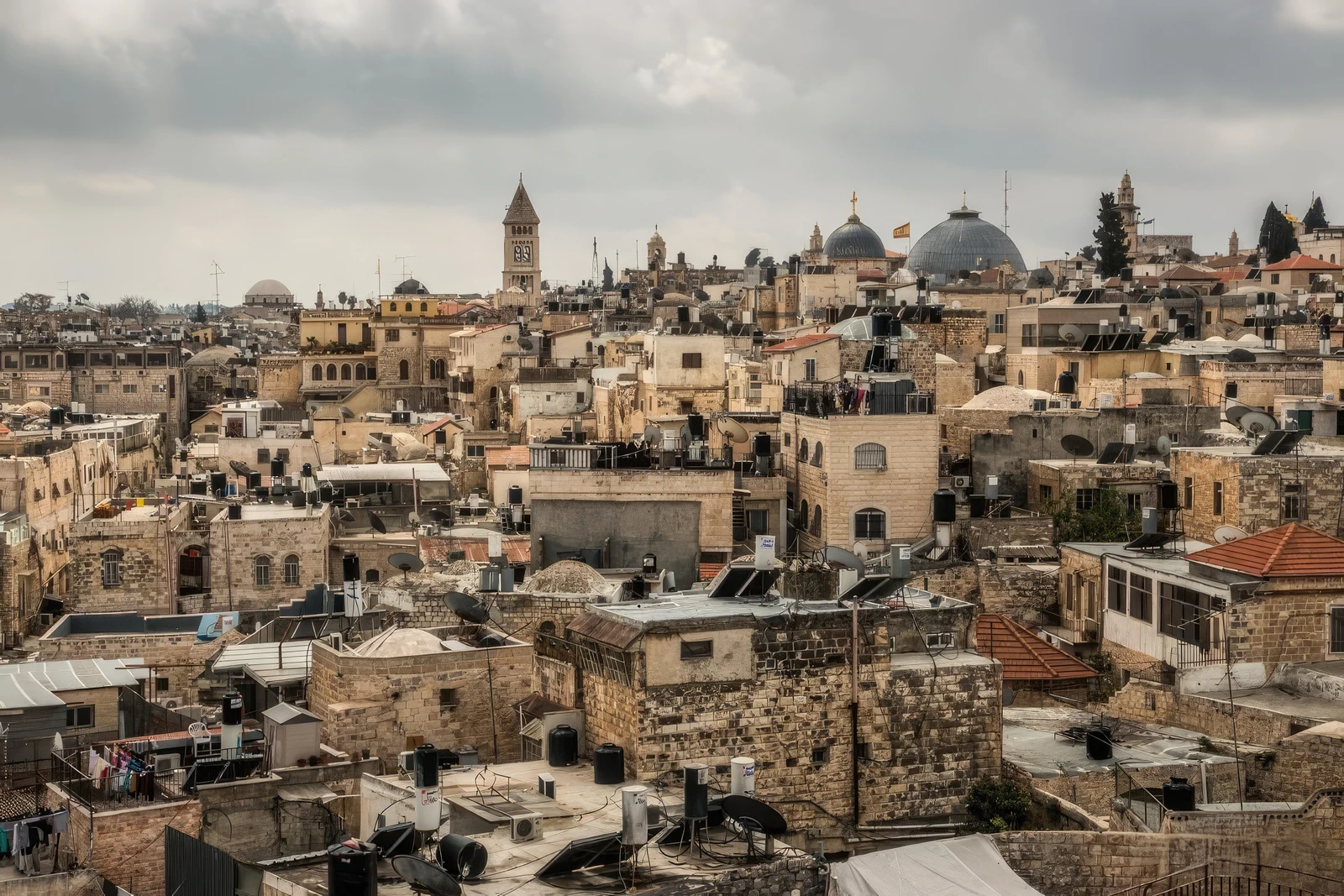

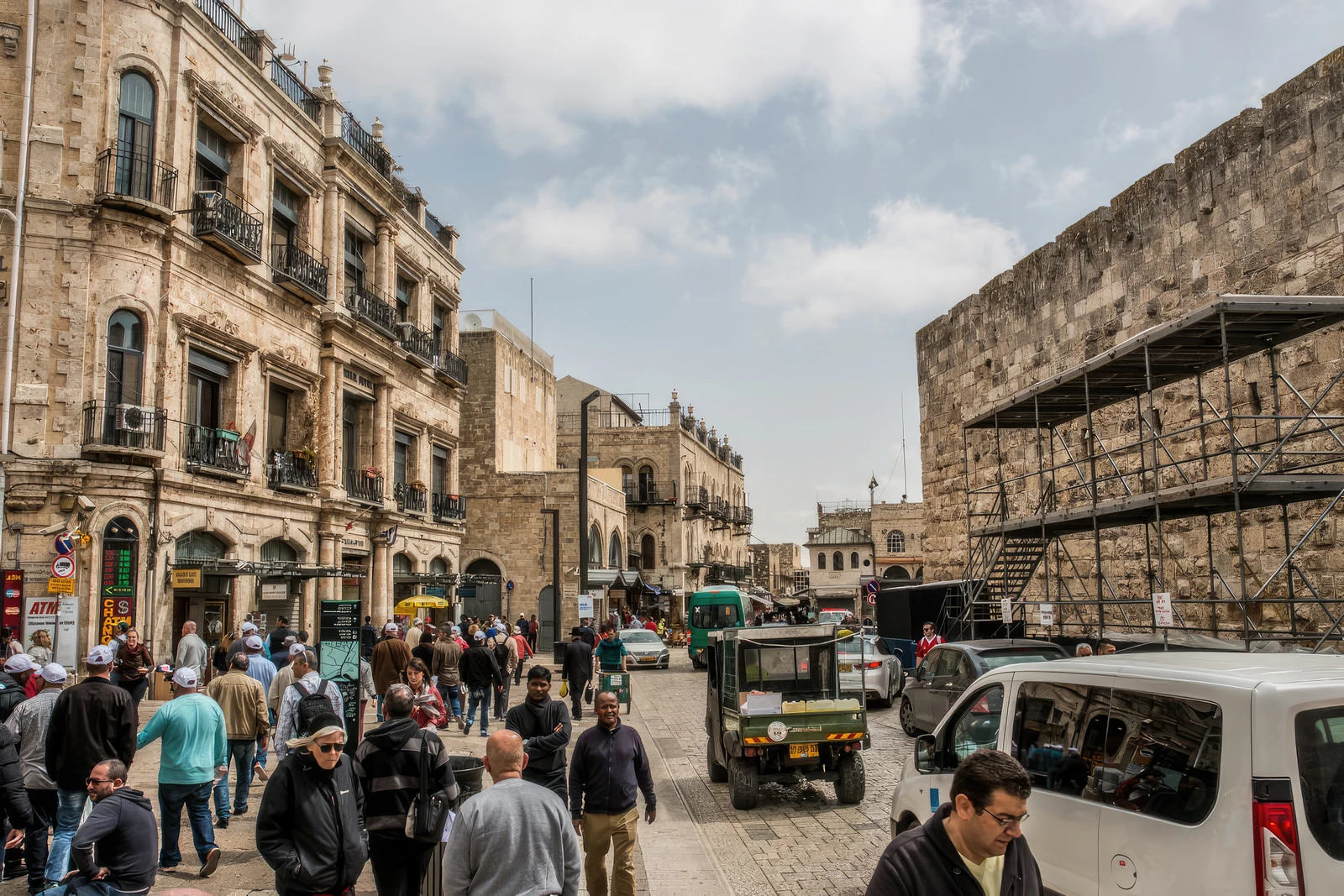


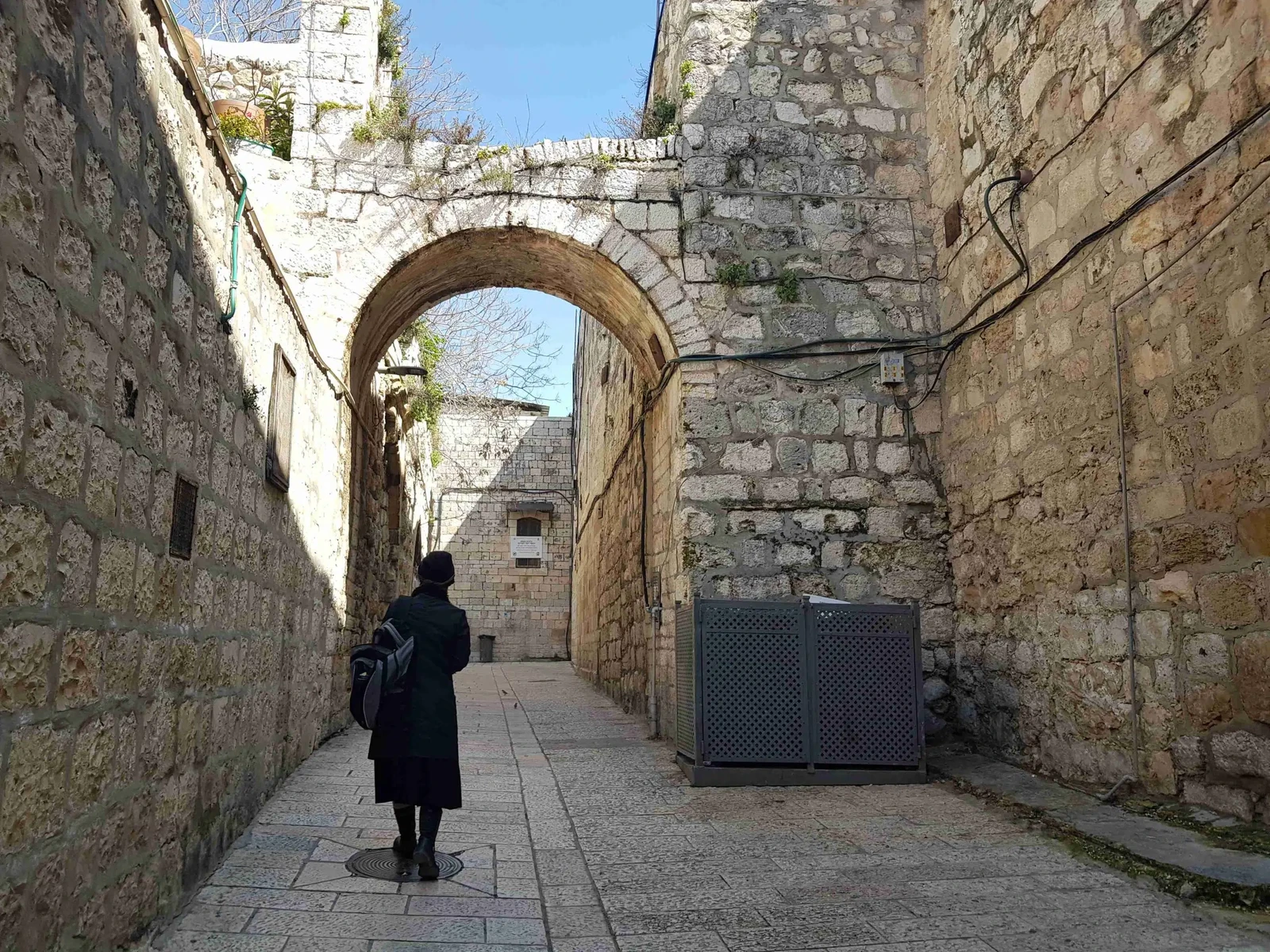
The Old City of Jerusalem is a one-square-kilometer walled area that constitutes the historic and spiritual heart of the modern city of Jerusalem. For millennia, it has been a focal point of faith, conflict, and pilgrimage. Surrounded by monumental stone walls, its dense and labyrinthine alleyways house some of the most sacred sites for the world’s three major Abrahamic religions: Judaism, Christianity, and Islam. A designated UNESCO World Heritage Site, the Old City is a living, breathing museum where thousands of years of history are layered upon one another, and where diverse communities continue to live and worship in a vibrant, and often intense, atmosphere.
Listen to an introduction about Old City of Jerusalem

Name and Address
- Name: The Old City of Jerusalem (Hebrew: הָעִיר הָעַתִּיקָה, Ha’Ir Ha’Atika; Arabic: المدينة القديمة, al-Madīna al-Qadīma).
- Address: Located within the modern city of Jerusalem.
How to Get There
The Old City is a pedestrian-focused area, with vehicle access being heavily restricted. The best way to arrive is by public transport or taxi to one of its main gates, followed by walking.
- By Light Rail: The Jerusalem Light Rail is a convenient option. The “City Hall” stop is a short walk to the Jaffa Gate and New Gate, while the “Damascus Gate” stop is directly outside that entrance.
- By Bus or Taxi: Numerous city buses stop near the various gates. Taxis can drop passengers off at the main entrances like Jaffa Gate, Zion Gate, or Dung Gate.
- Main Entrances: While there are several gates, the most commonly used by visitors are:
- Jaffa Gate: The main entry point from West Jerusalem, leading to the Christian and Armenian Quarters.
- Damascus Gate: The largest and most impressive gate, serving as the main entrance to the Muslim Quarter.
- Zion Gate: Provides access to the Armenian and Jewish Quarters.
- Dung Gate: The closest entrance to the Western Wall and the Temple Mount.
Landscape and Architecture
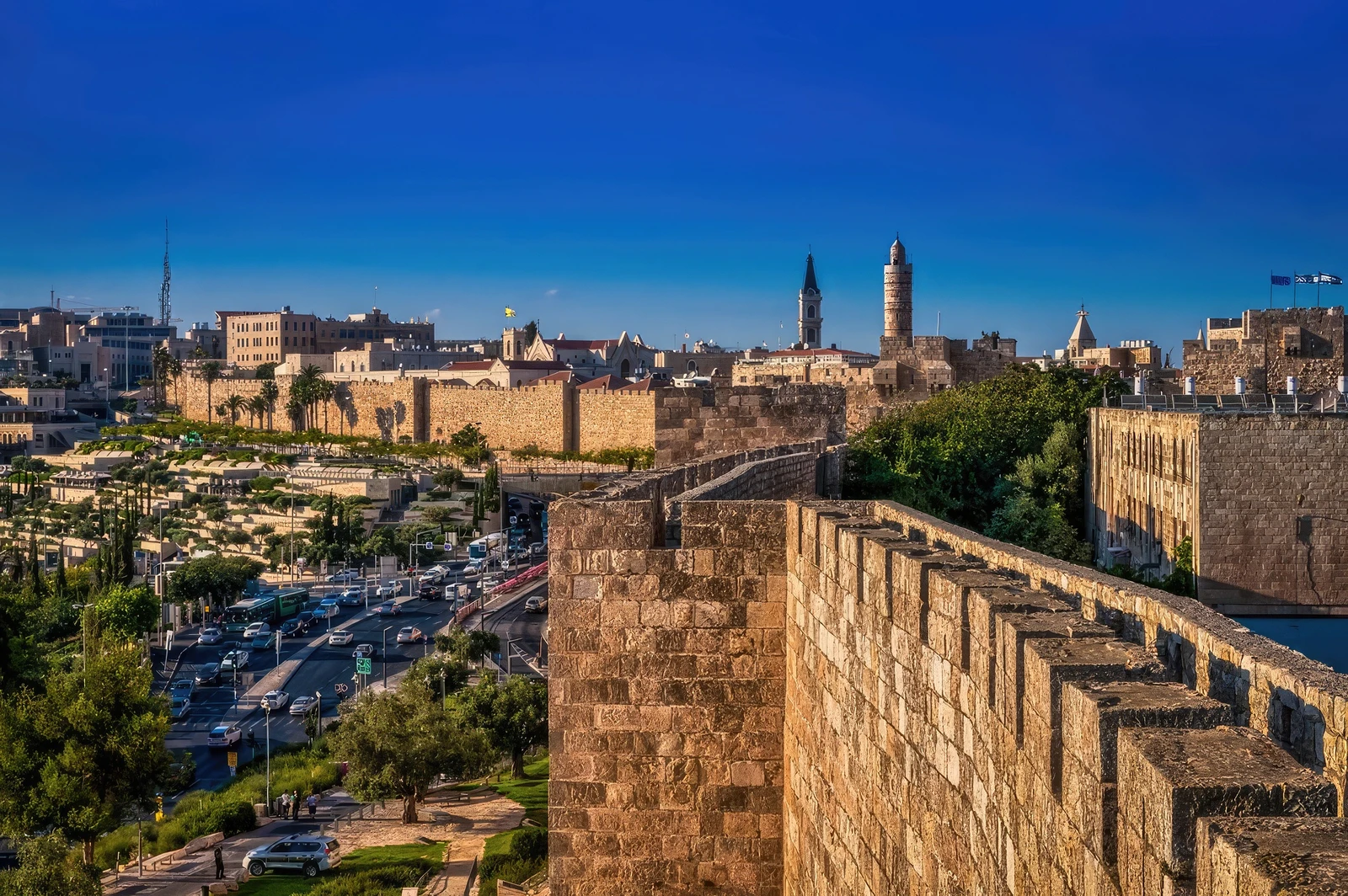
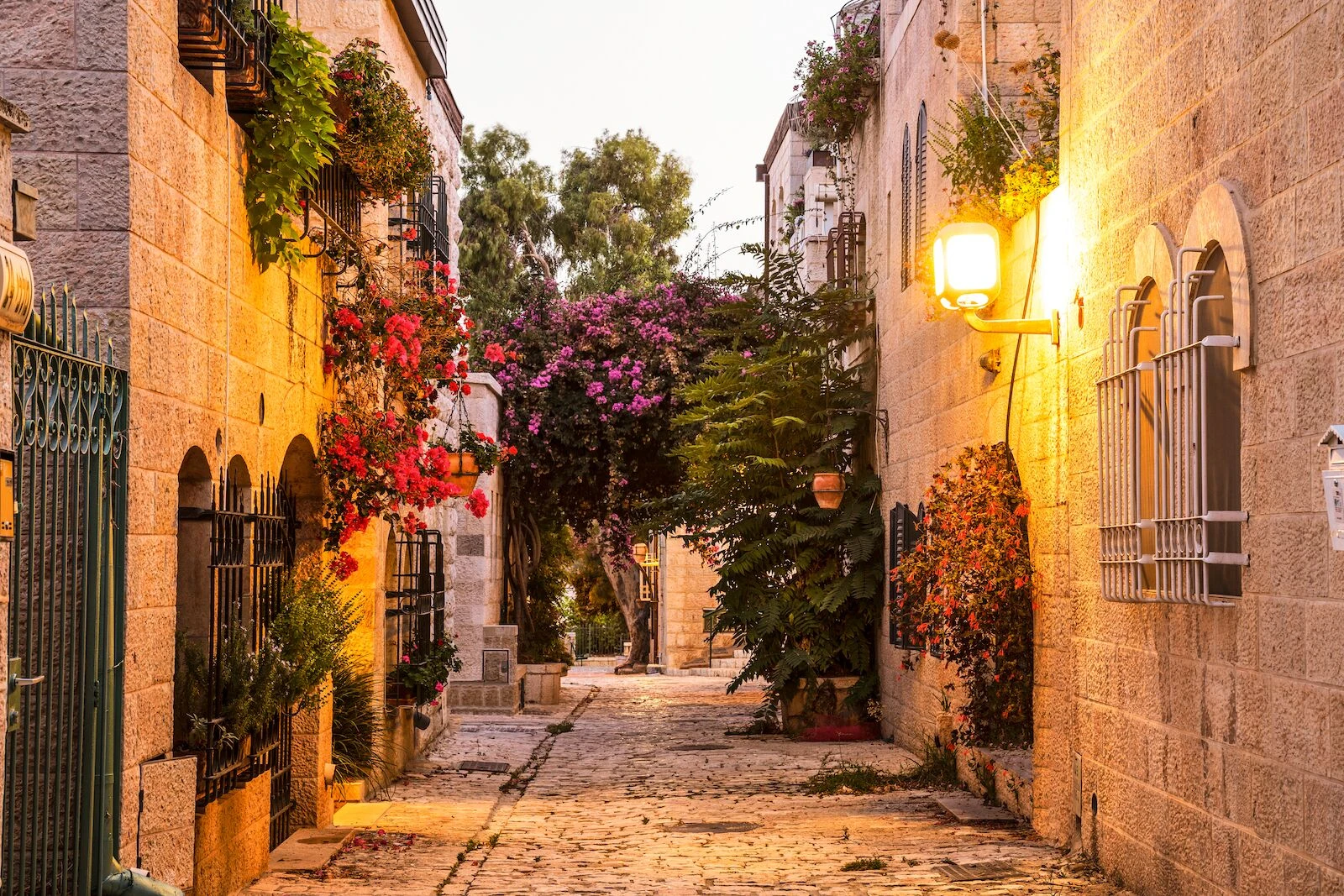
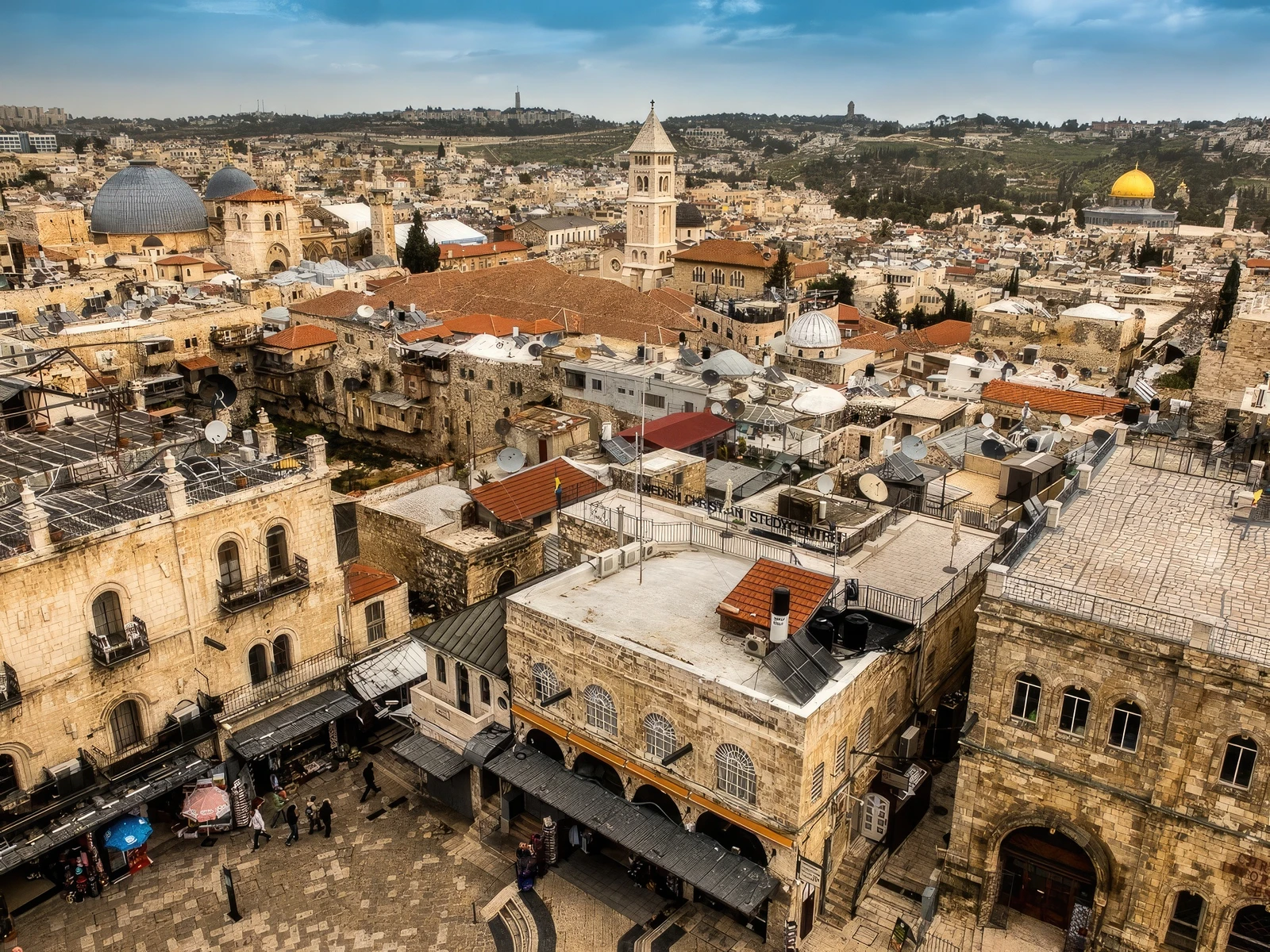
The Old City is a dense, medieval urban landscape characterized by its ancient stone walls, distinct quarters, and a stunning mosaic of architectural styles.
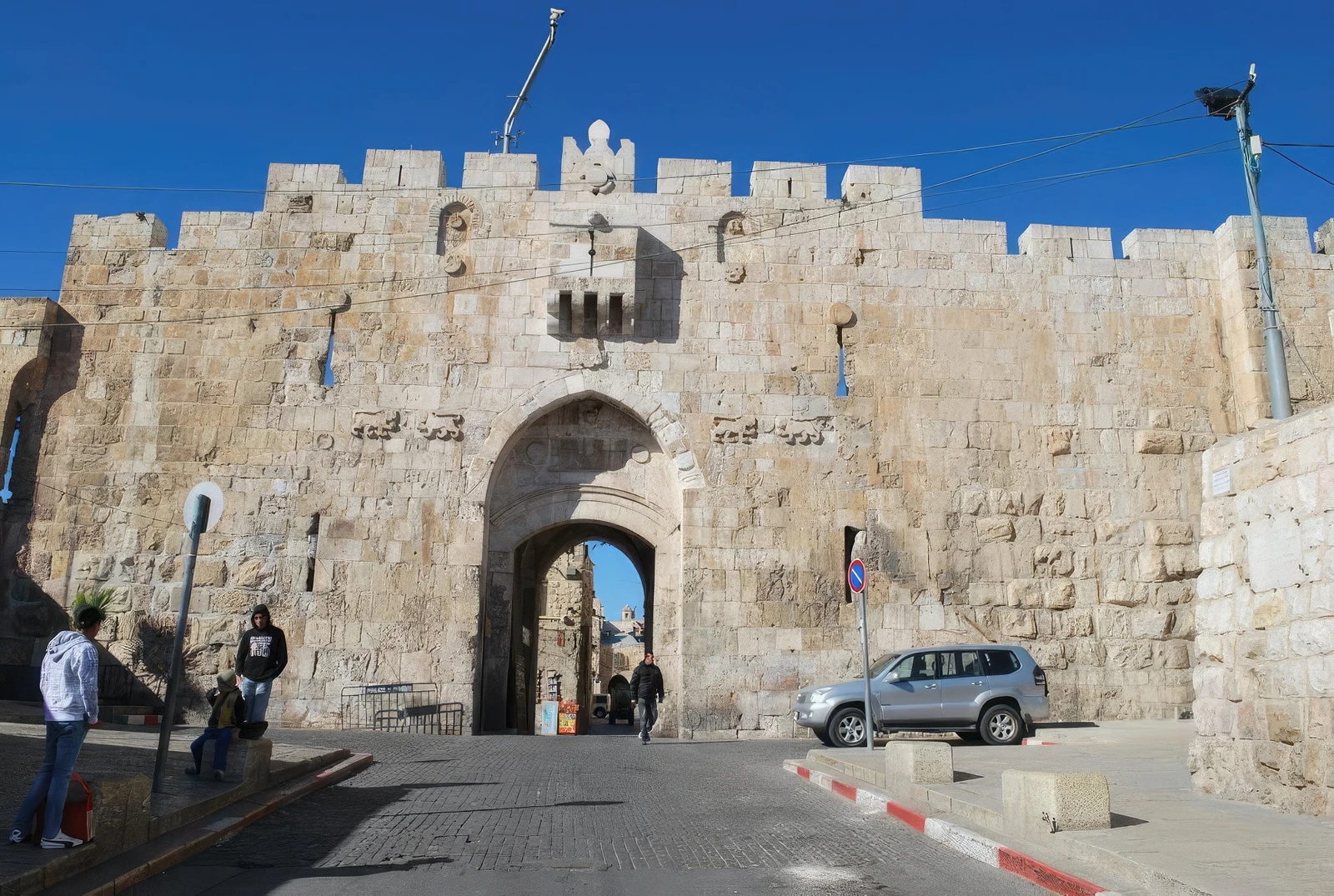
- The Ottoman Walls: The current, magnificent walls that define the Old City were built in the 16th century by the Ottoman Sultan Suleiman the Magnificent. They stretch for approximately 4.5 kilometers (2.8 miles) and create a formidable and iconic boundary.
- The Four Quarters: The city is traditionally divided into four uneven quarters, each with its own distinct atmosphere and architecture:
- The Christian Quarter: Located in the northwestern corner, it is built around the Church of the Holy Sepulchre. Its alleys are filled with churches, monasteries, hospices, and shops selling religious souvenirs.
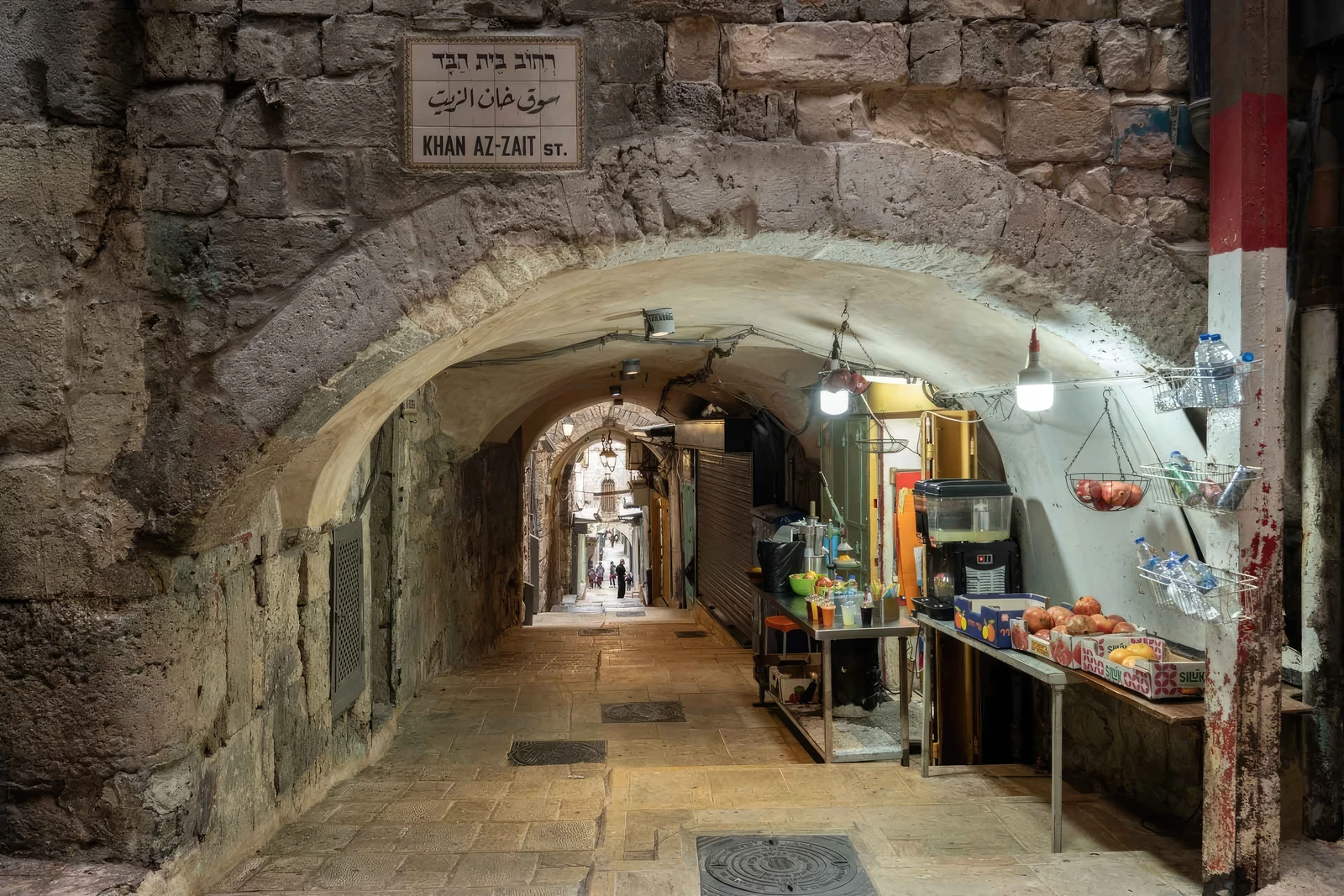
- The Muslim Quarter: The largest and most populous quarter, located in the northeast. It is a vibrant and bustling area, characterized by its lively souks (markets), Mamluk-era architecture, and the Via Dolorosa.
- The Jewish Quarter: Located in the southeastern section, it was extensively rebuilt after 1967. It has a more modern and excavated feel, with wider plazas and ancient sites like the Cardo and the Broad Wall. It is centered around the Western Wall Plaza.
- The Armenian Quarter: The smallest quarter, located in the southwest. It is a more quiet and residential area, centered around the St. James Cathedral and the Armenian Patriarchate, creating a distinct, self-contained community.
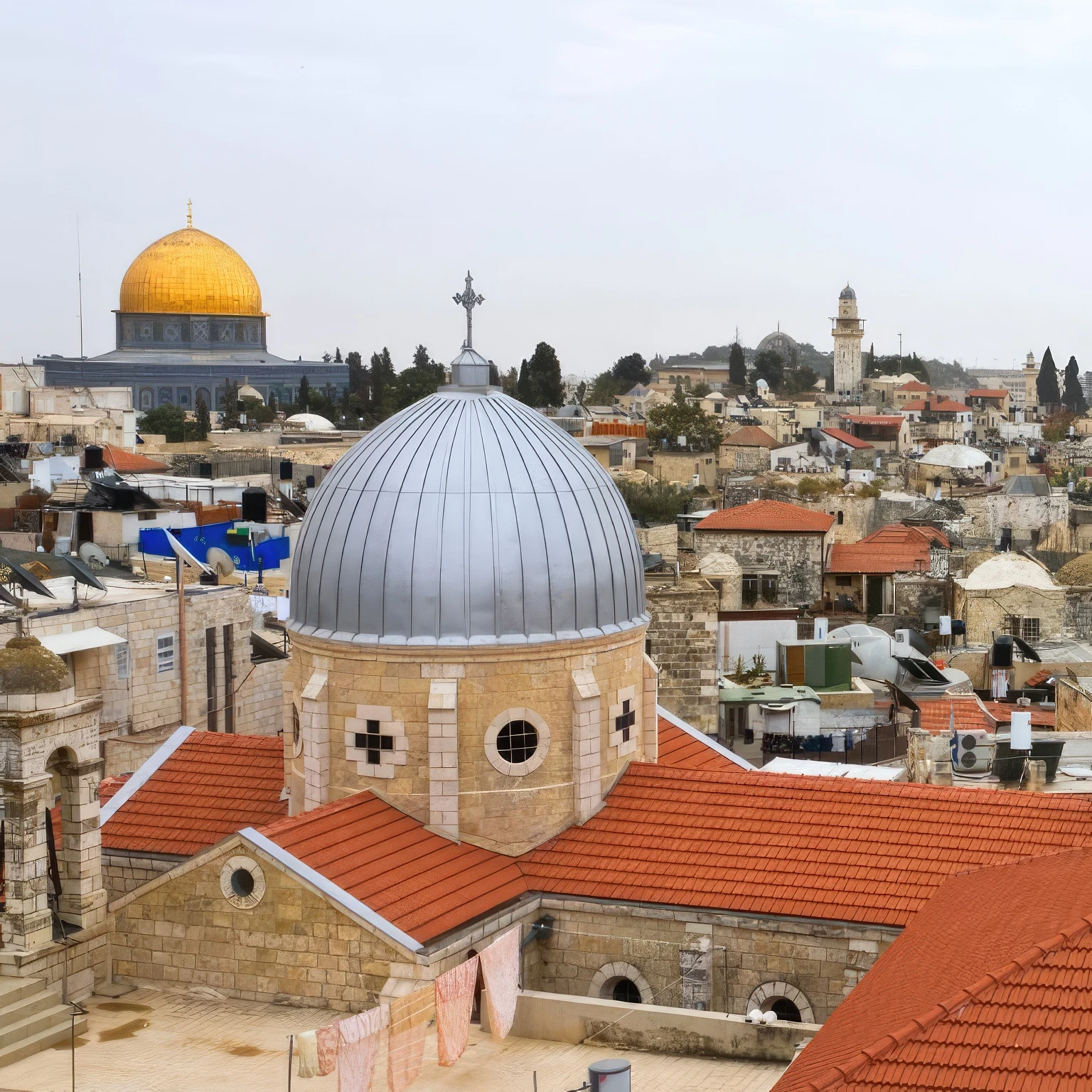
- The Temple Mount / Haram al-Sharif: Dominating the city’s skyline is this massive, elevated stone platform. It is home to two of Islam’s most iconic structures: the gold-capped Dome of the Rock and the silver-domed Al-Aqsa Mosque. The retaining wall of this platform includes the Western Wall, Judaism’s holiest prayer site.
What Makes It Famous
The Old City’s fame is unparalleled, as it is arguably the most sacred square kilometer on Earth for a majority of the world’s population.
- A Nexus of Three Religions: It is singularly famous for housing sites of supreme holiness to three world religions in one compact space:
- For Judaism: The Temple Mount, the site of the First and Second Temples, and the Western Wall, the last remnant of the Second Temple’s retaining wall.
- For Christianity: The Church of the Holy Sepulchre, which contains the sites of the crucifixion and resurrection of Jesus, and the Via Dolorosa.
- For Islam: The Haram al-Sharif, featuring the Dome of the Rock (where the Prophet Muhammad is believed to have ascended to heaven) and the Al-Aqsa Mosque (the third holiest site in Islam).
- A UNESCO World Heritage Site: It is recognized for its outstanding universal value as a city of immense historical and spiritual importance.
- A Living Ancient City: Unlike many ancient ruins, the Old City is a living, breathing urban center where thousands of people reside, work, and worship, continuing millennia-old traditions.
Differences from Other Wonders
The Old City of Jerusalem is unique and stands apart from nearly every other historical or religious site.
- Unparalleled Religious Convergence: No other site in the world holds the highest level of sanctity for three major global religions simultaneously. While other cities are holy to one faith (like Mecca or Rome), Jerusalem’s Old City is a shared, and often contested, sacred space.
- Layered and Living History vs. Preserved Ruin: Unlike ancient sites that are primarily archaeological ruins (like Pompeii or Machu Picchu), the Old City is a place where history is continuously built upon itself. A Crusader church may be built on Byzantine foundations, which in turn sit on Roman or Herodian structures. It is a vertical tapestry of history that is still inhabited and evolving.
- A Microcosm of Geopolitics: The division into quarters and the complex arrangements for sharing holy sites (like the “Status Quo” at the Church of the Holy Sepulchre) make the Old City a microcosm of the broader political and religious dynamics of the region. Its significance is not just historical but intensely contemporary.
- An Enclosed World: The experience of entering through one of the ancient gates is like stepping into another world. The massive stone walls create a sharp division between the modern city outside and the ancient, labyrinthine world within, an experience different from visiting a single monument or an open archaeological park.