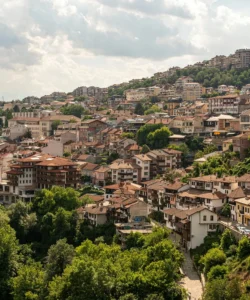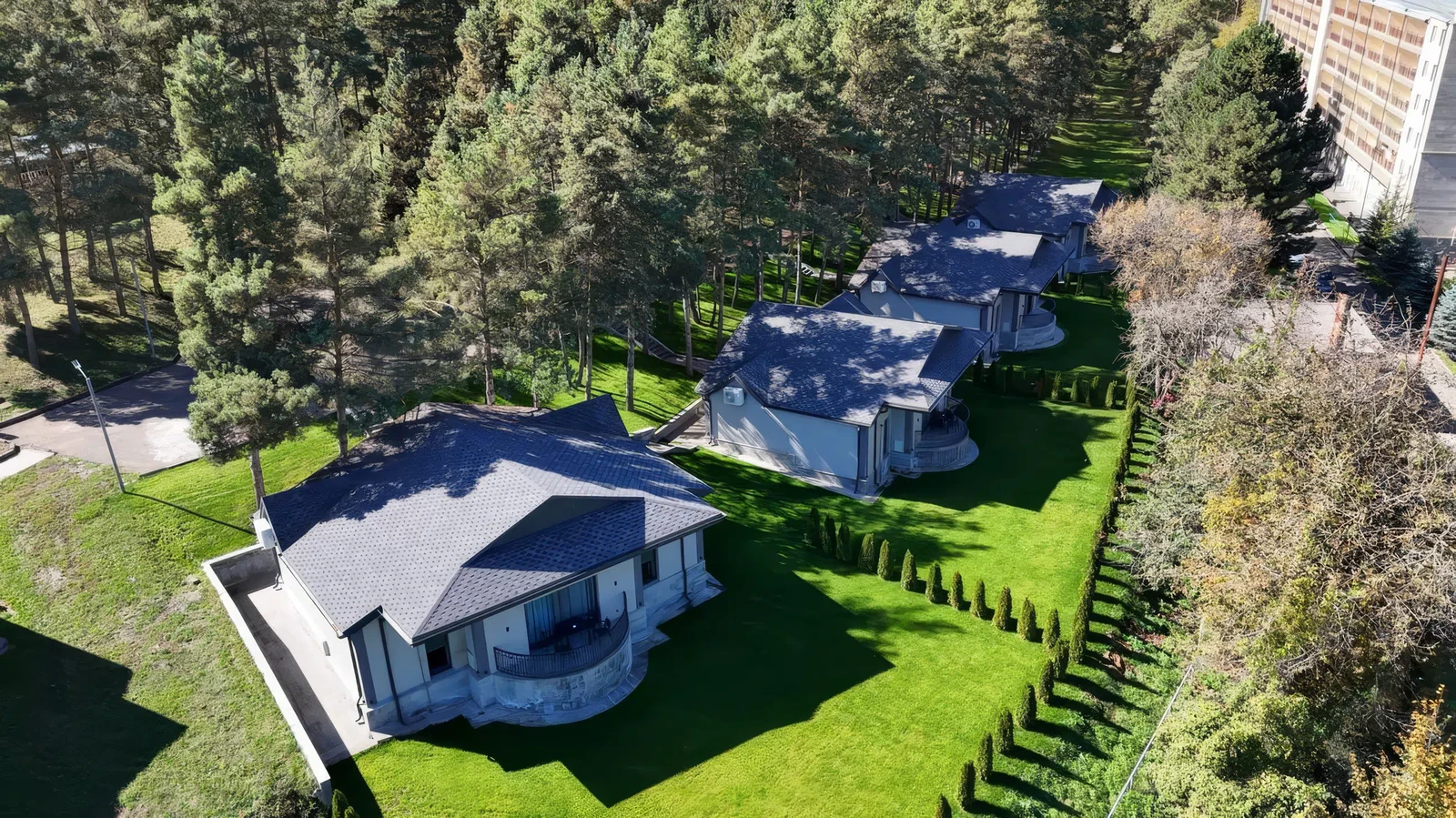
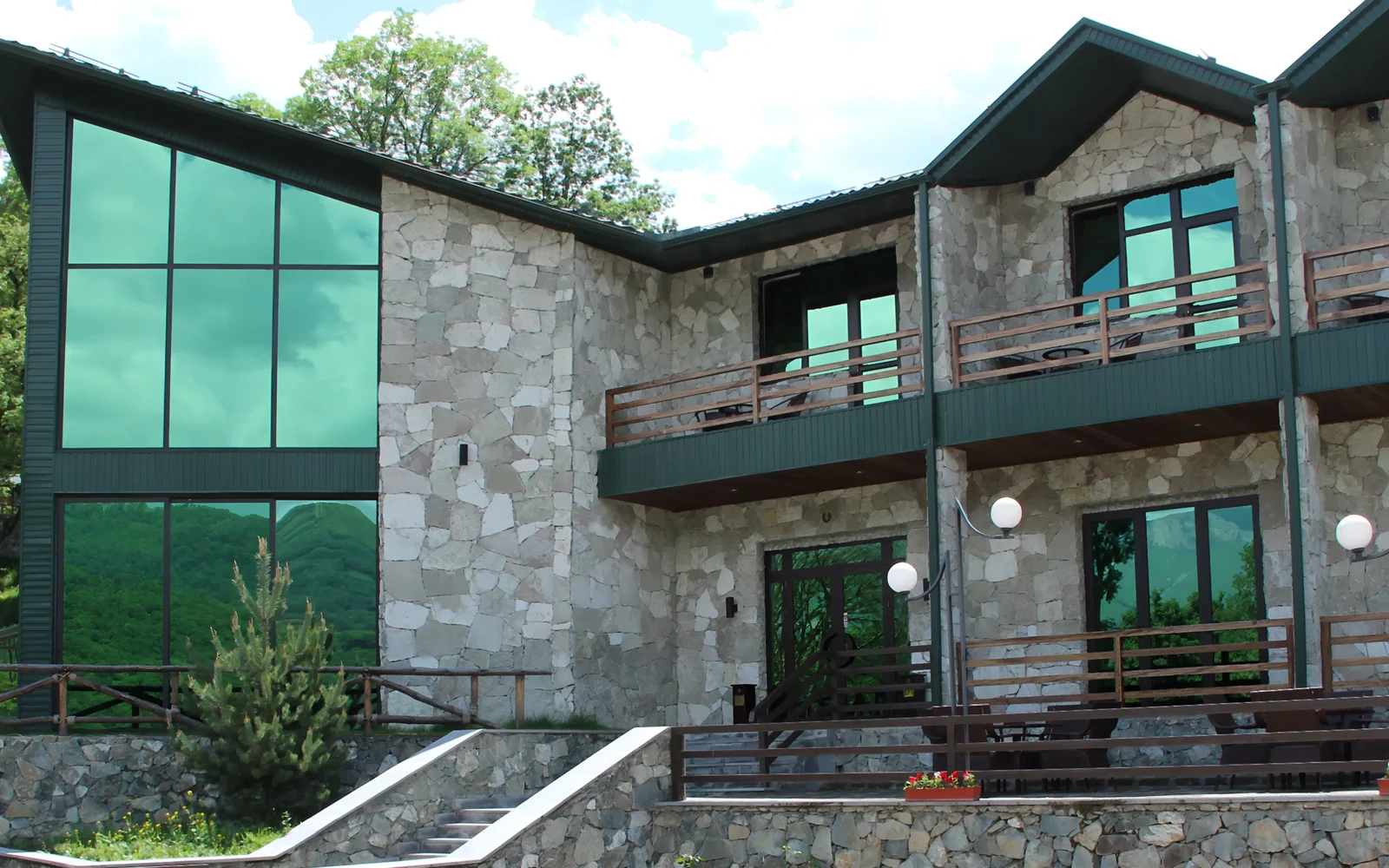
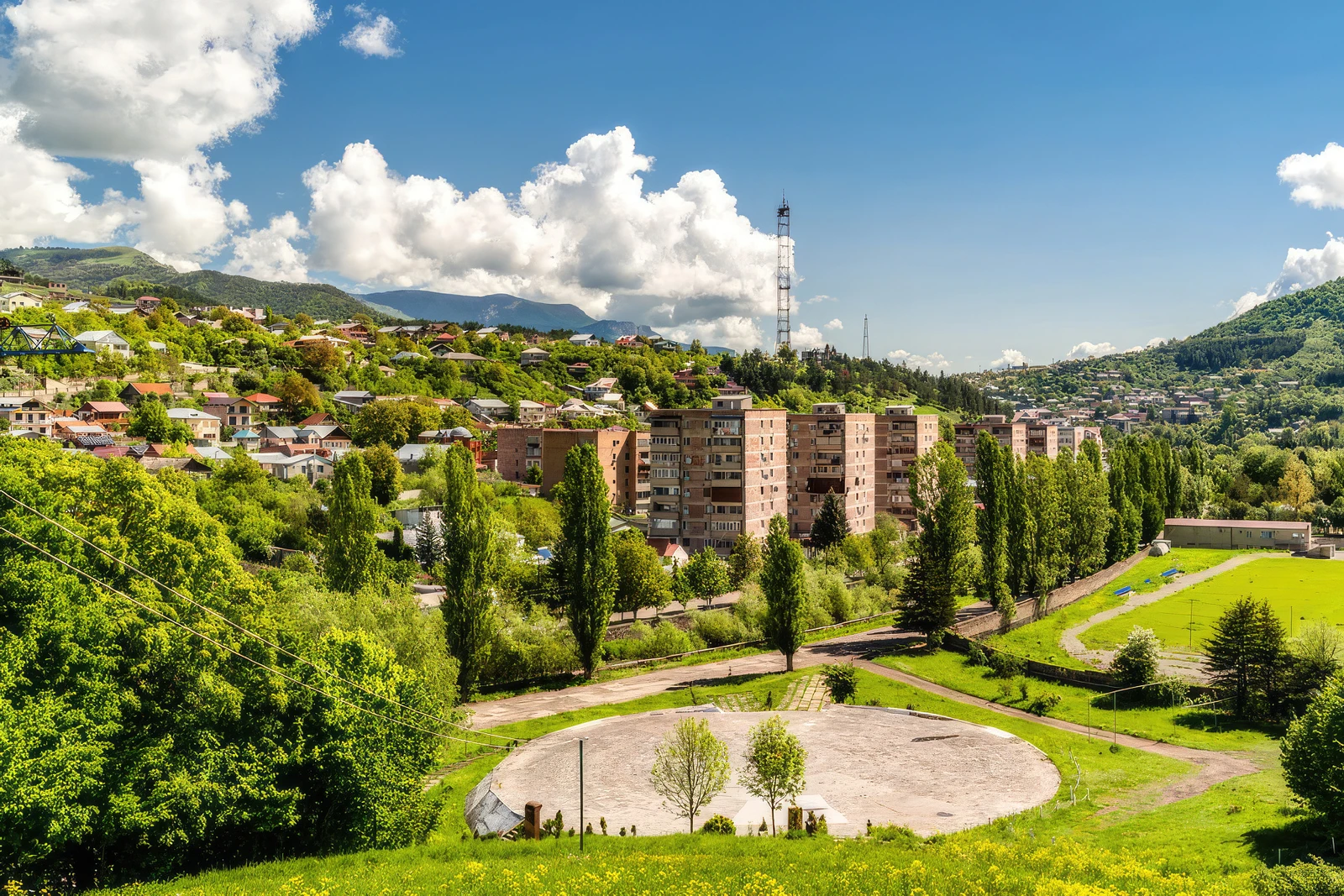
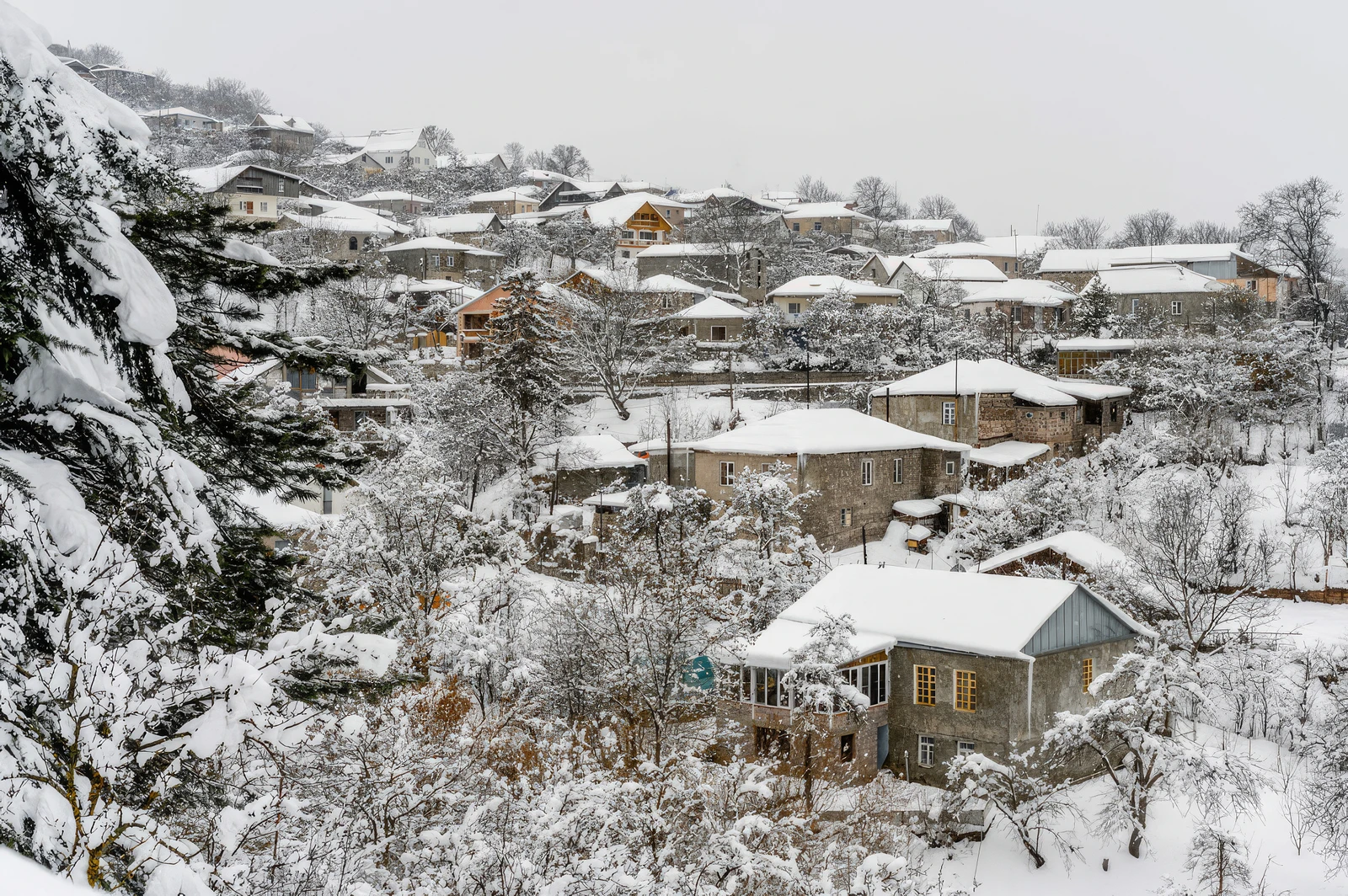
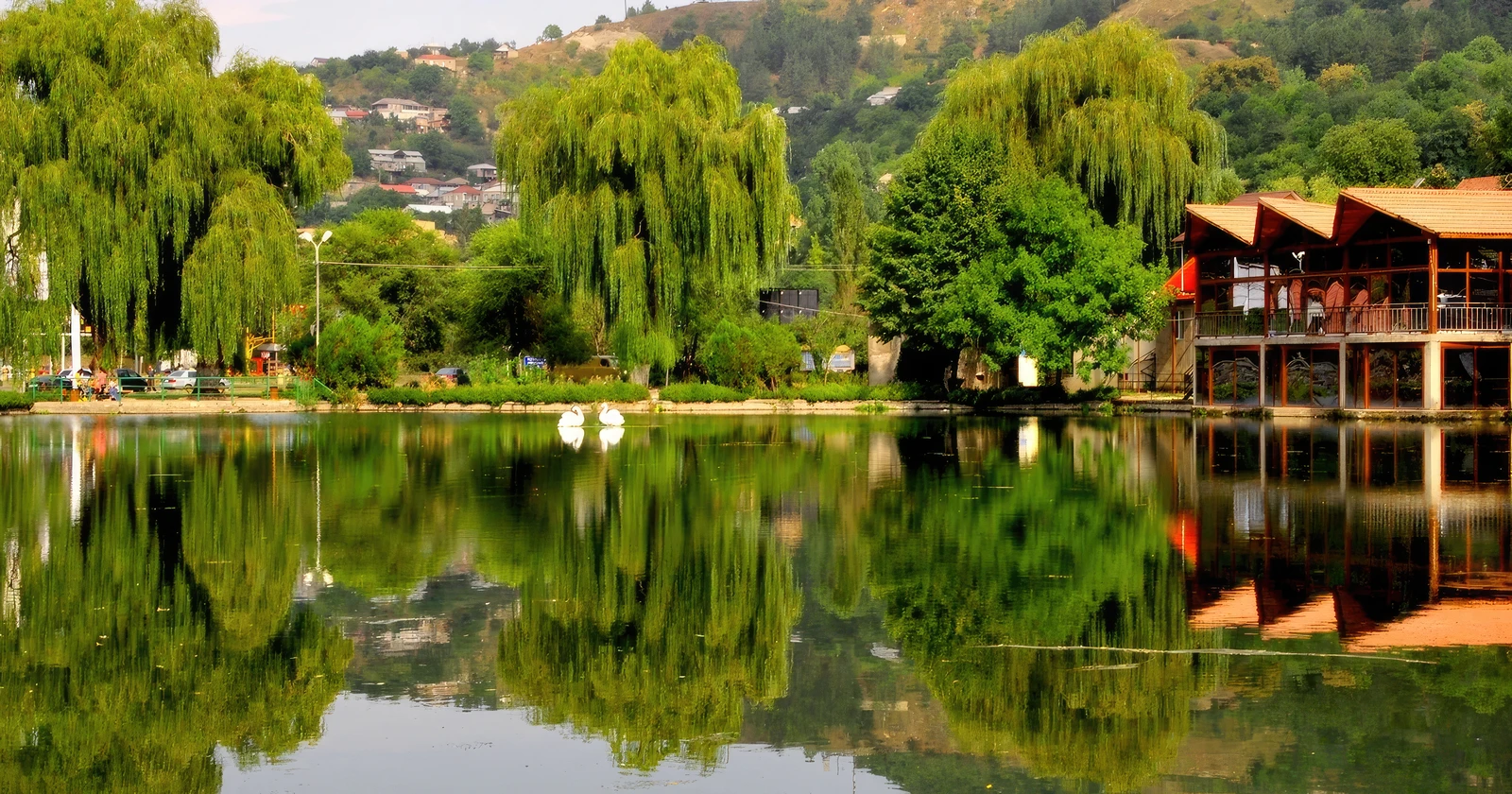
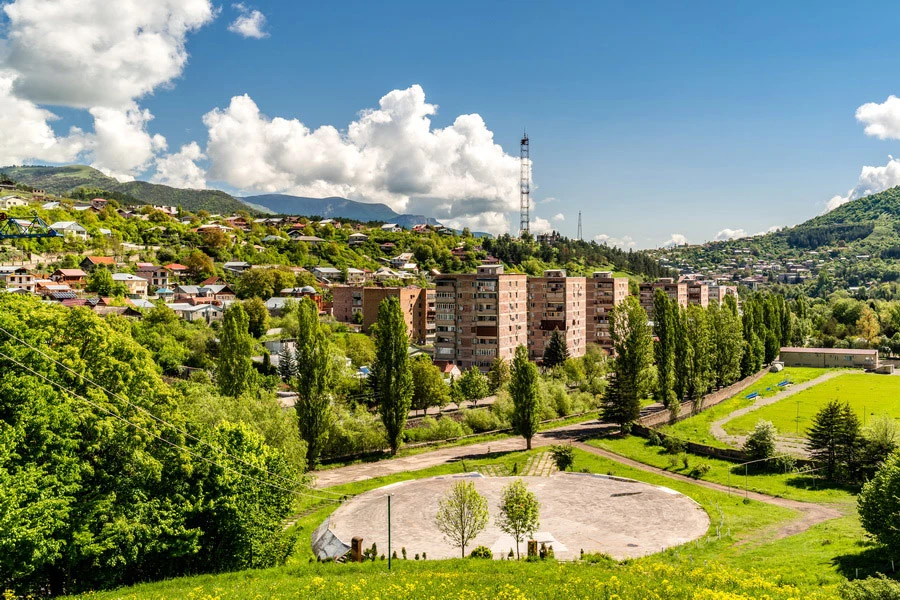
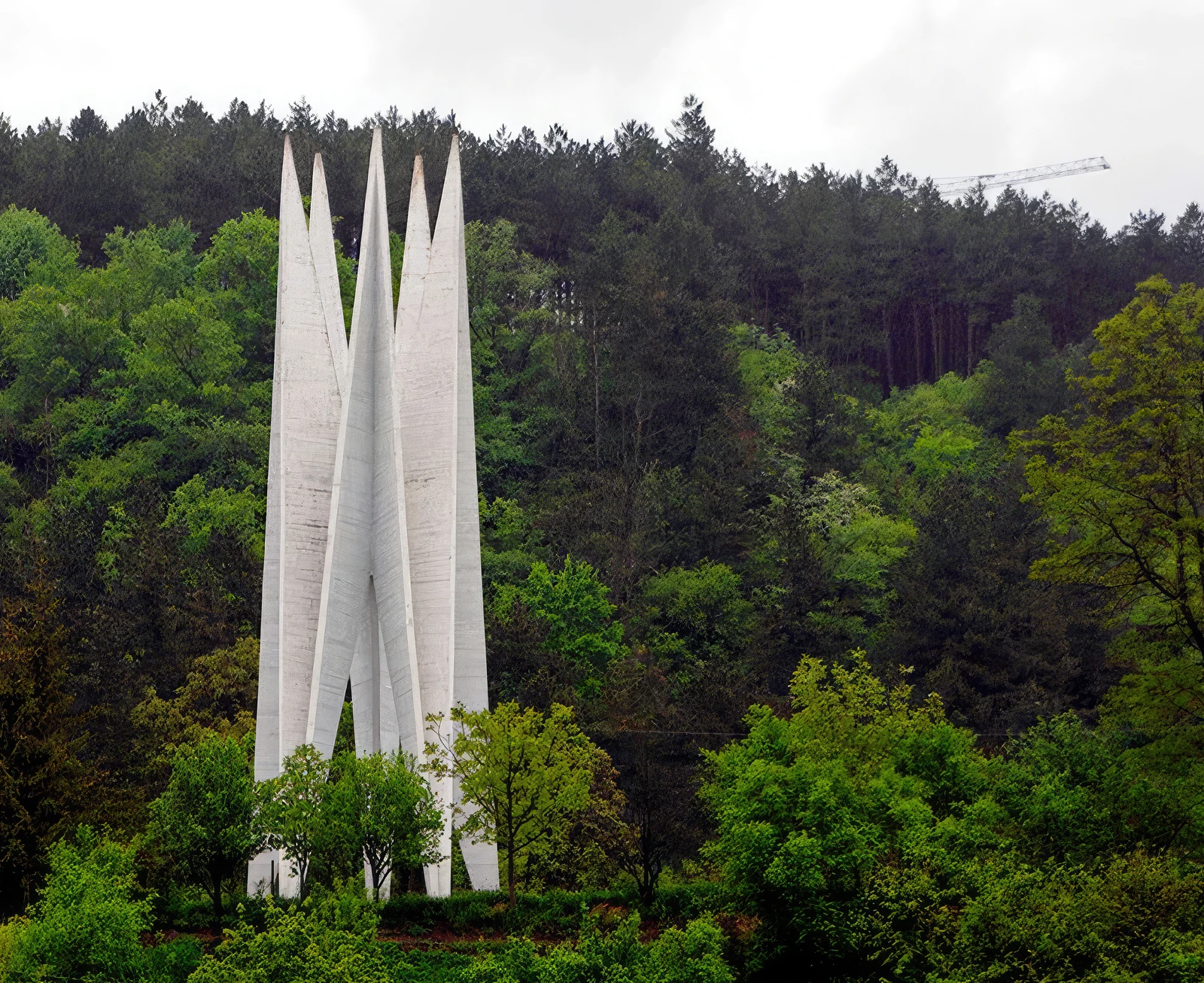
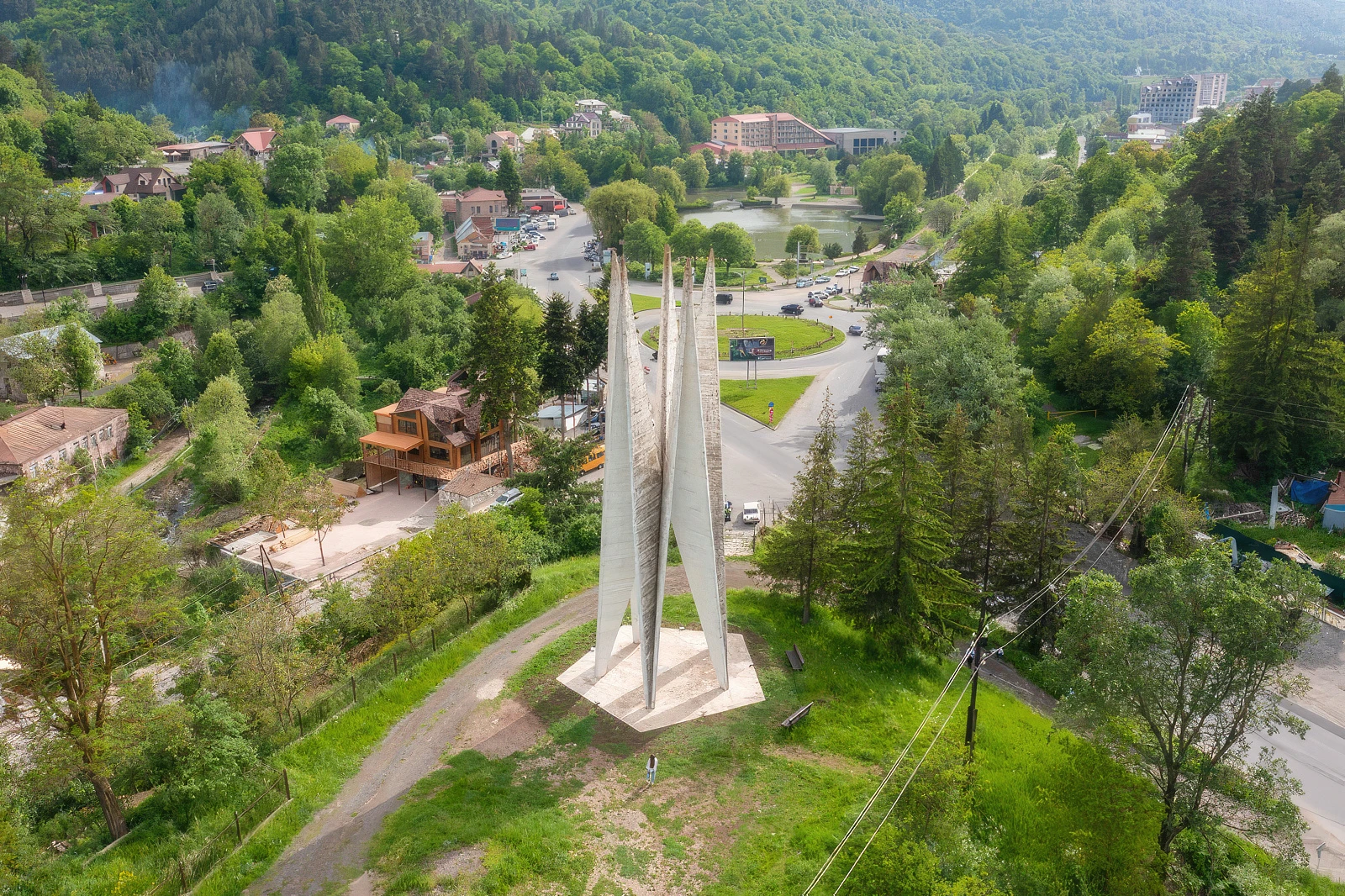
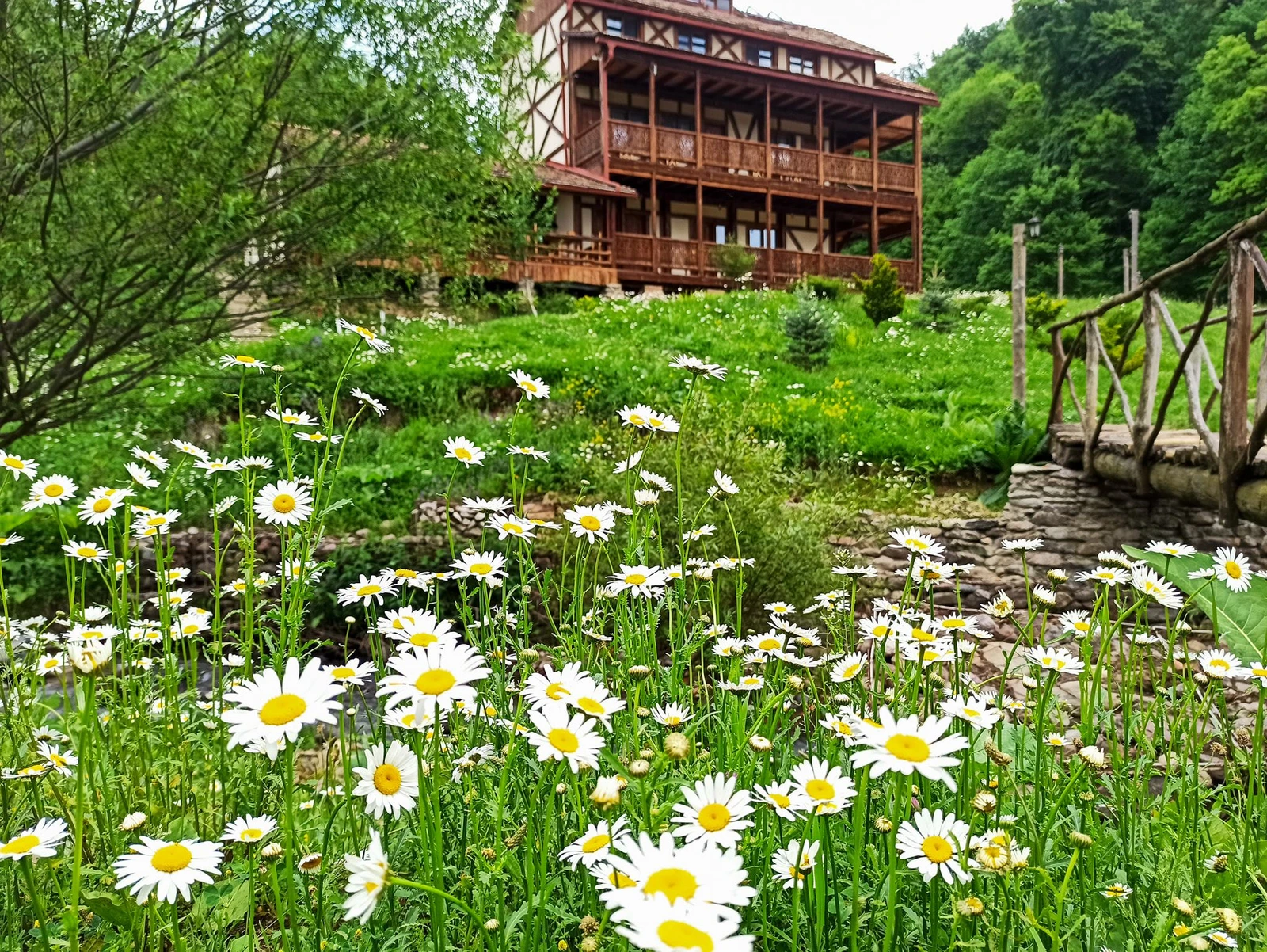
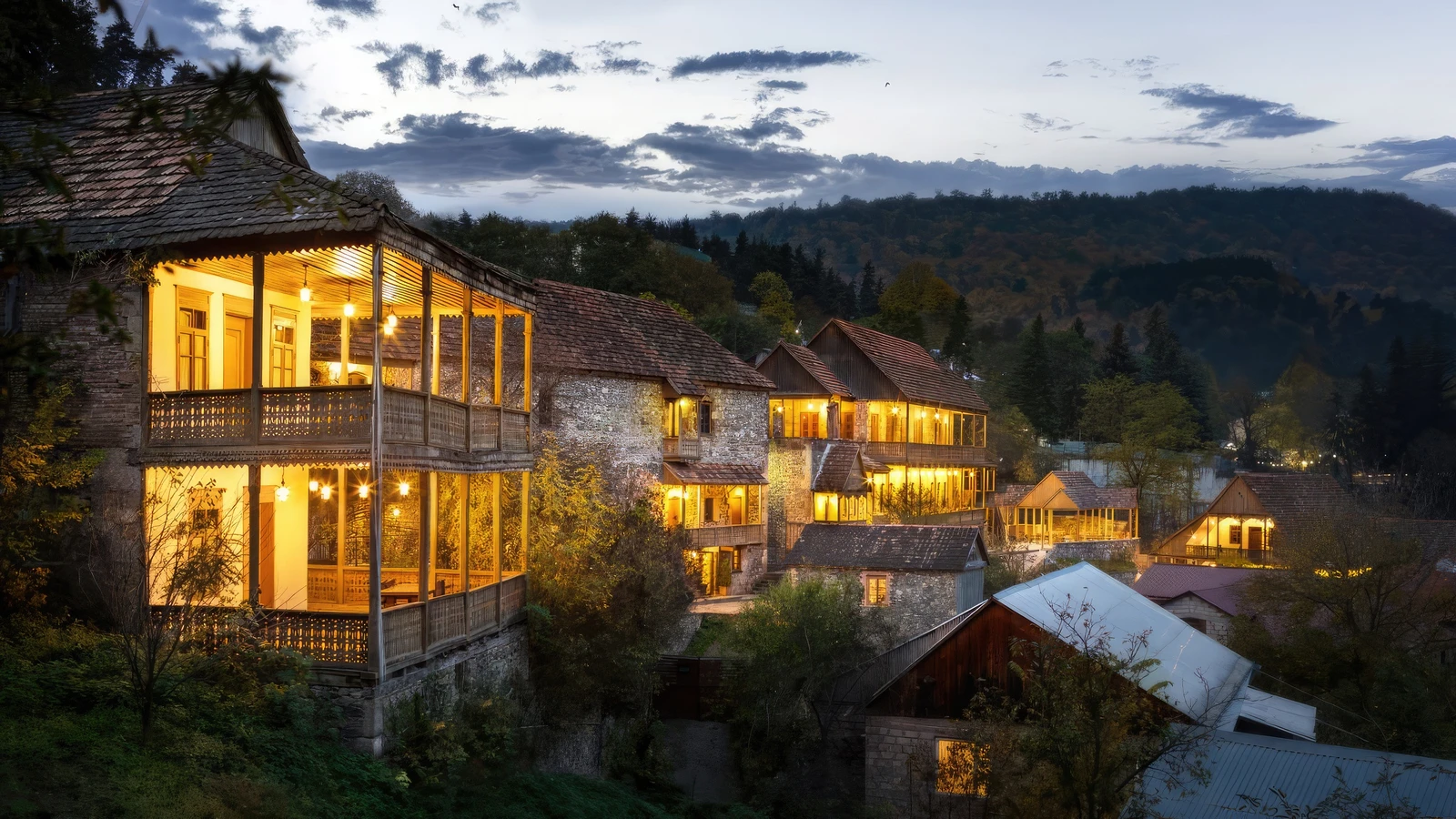
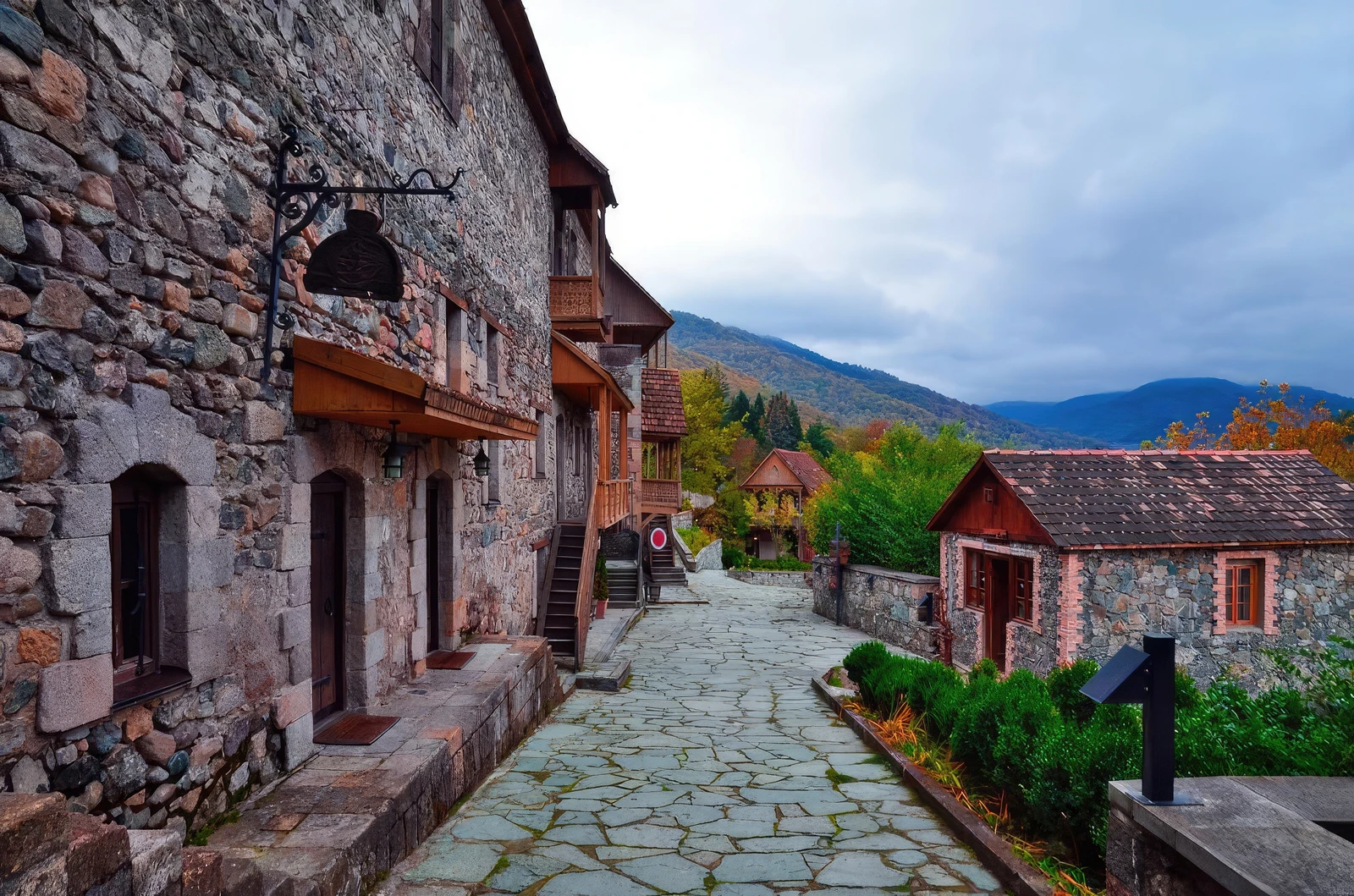
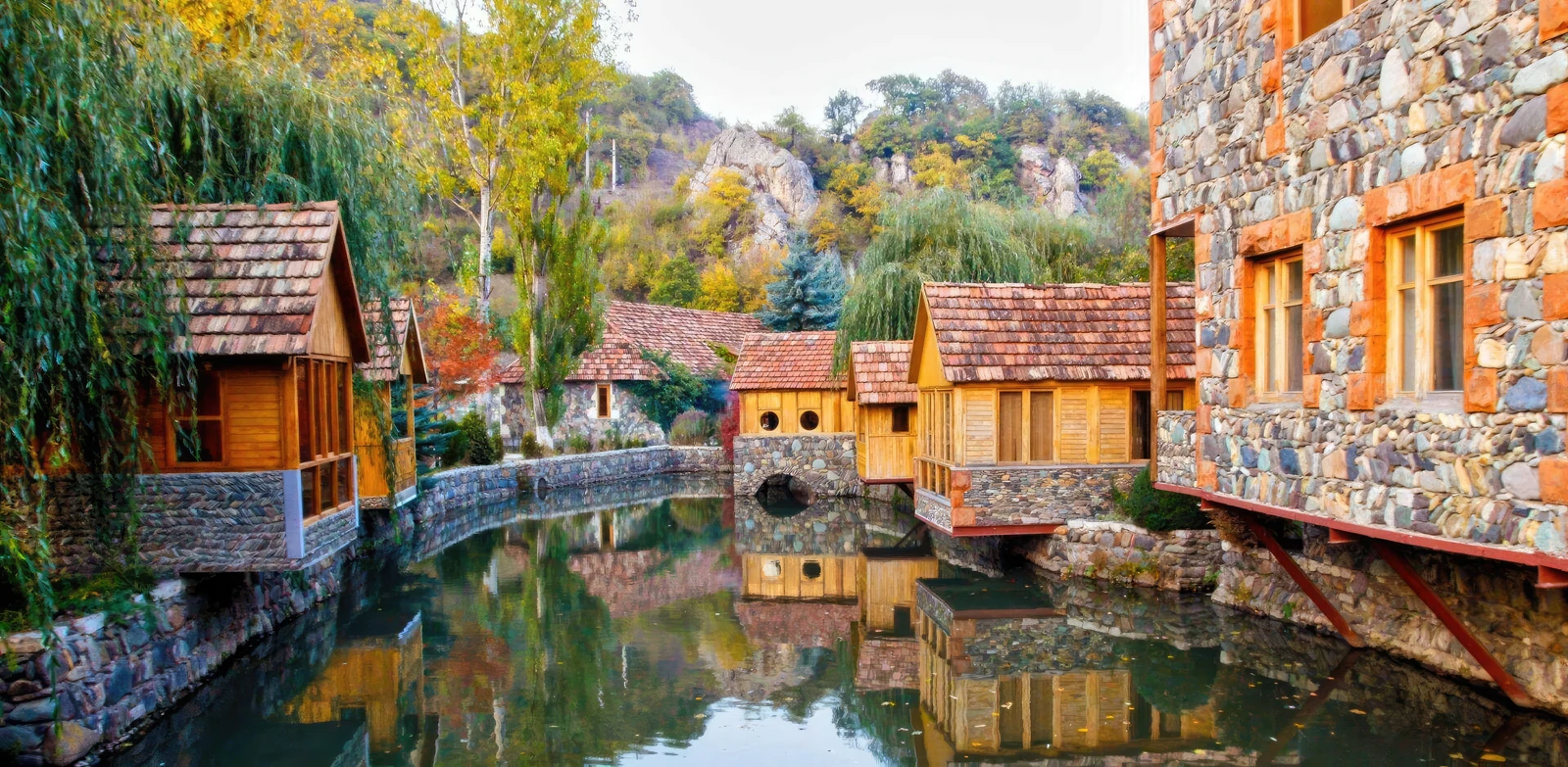
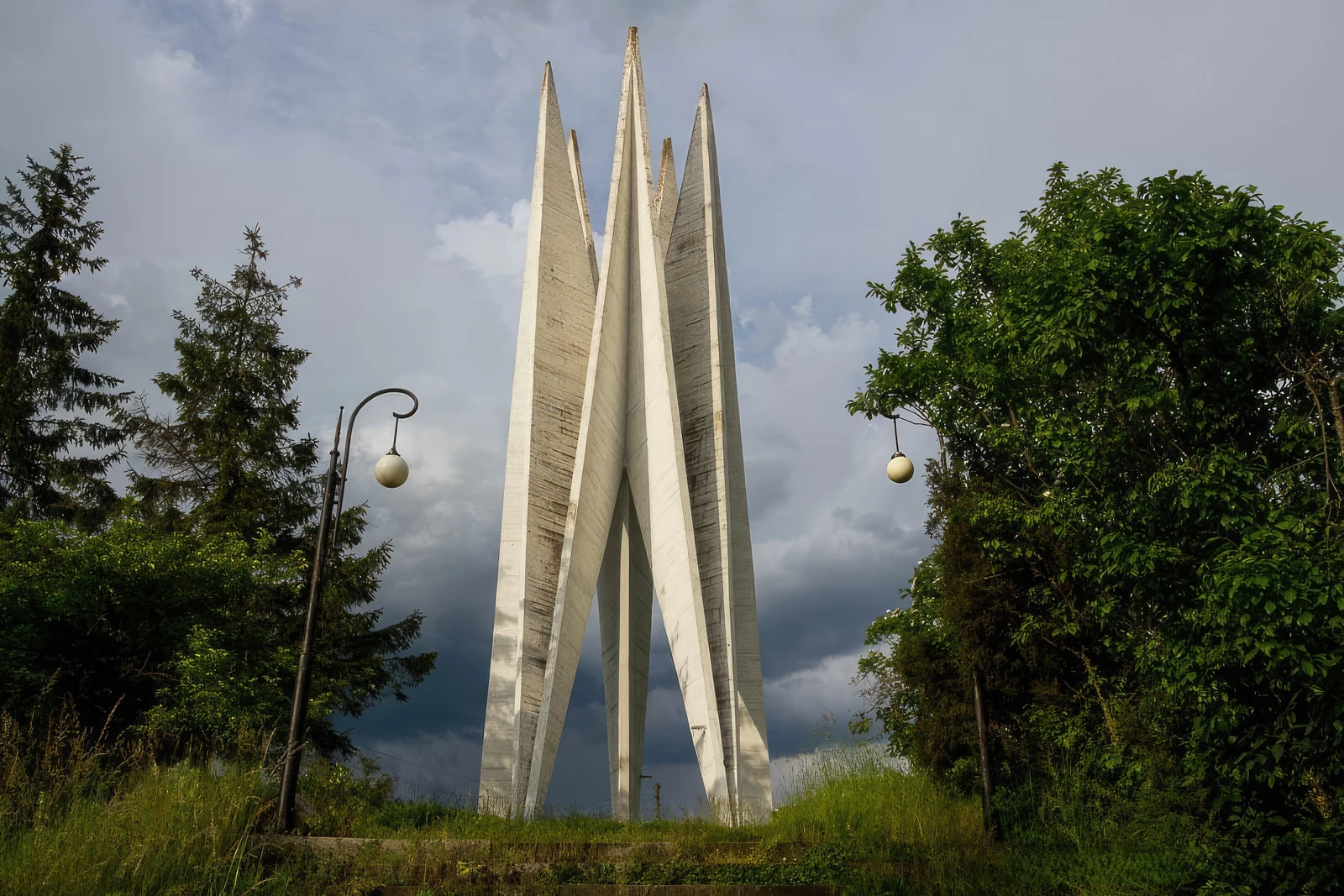
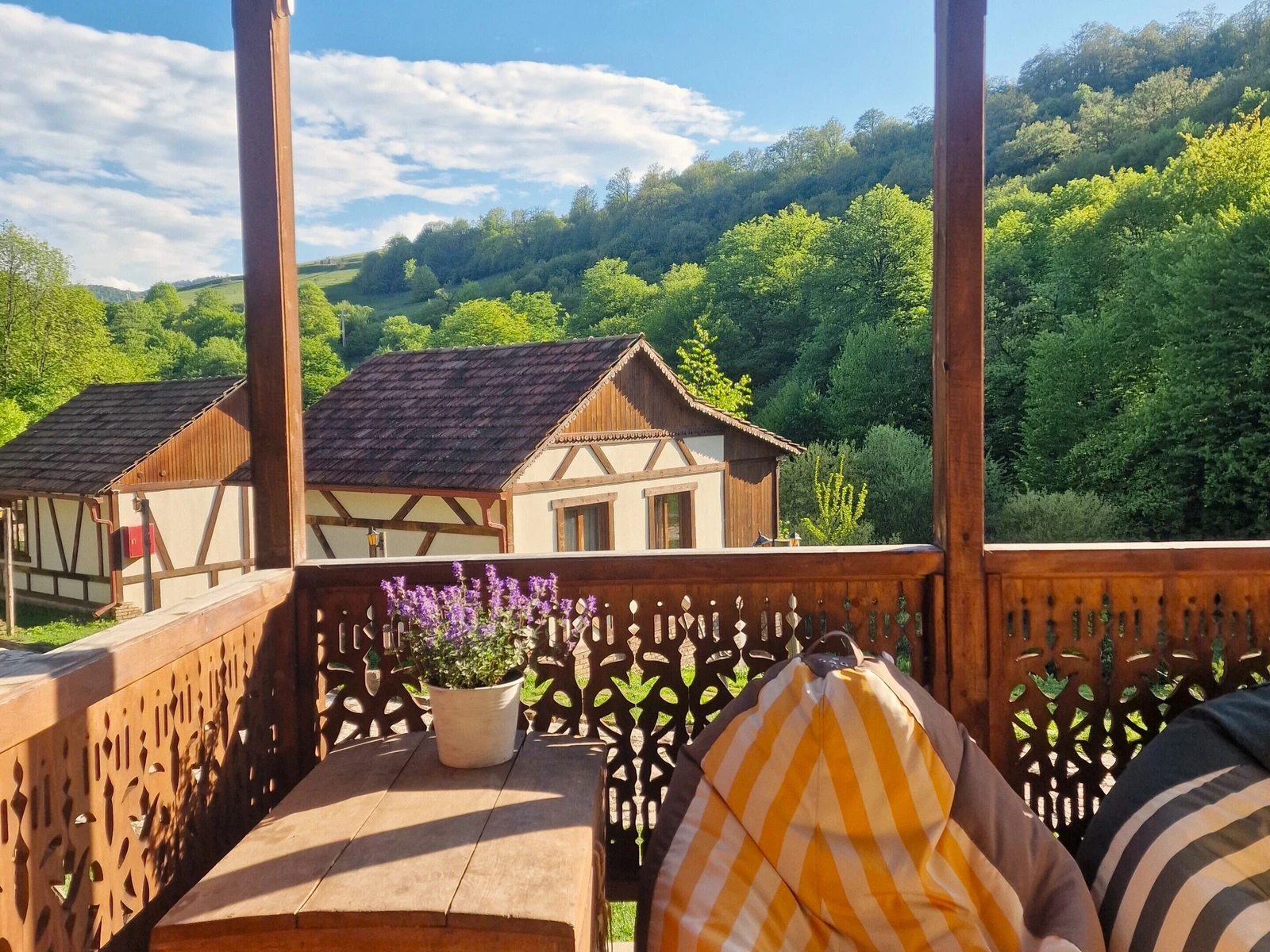
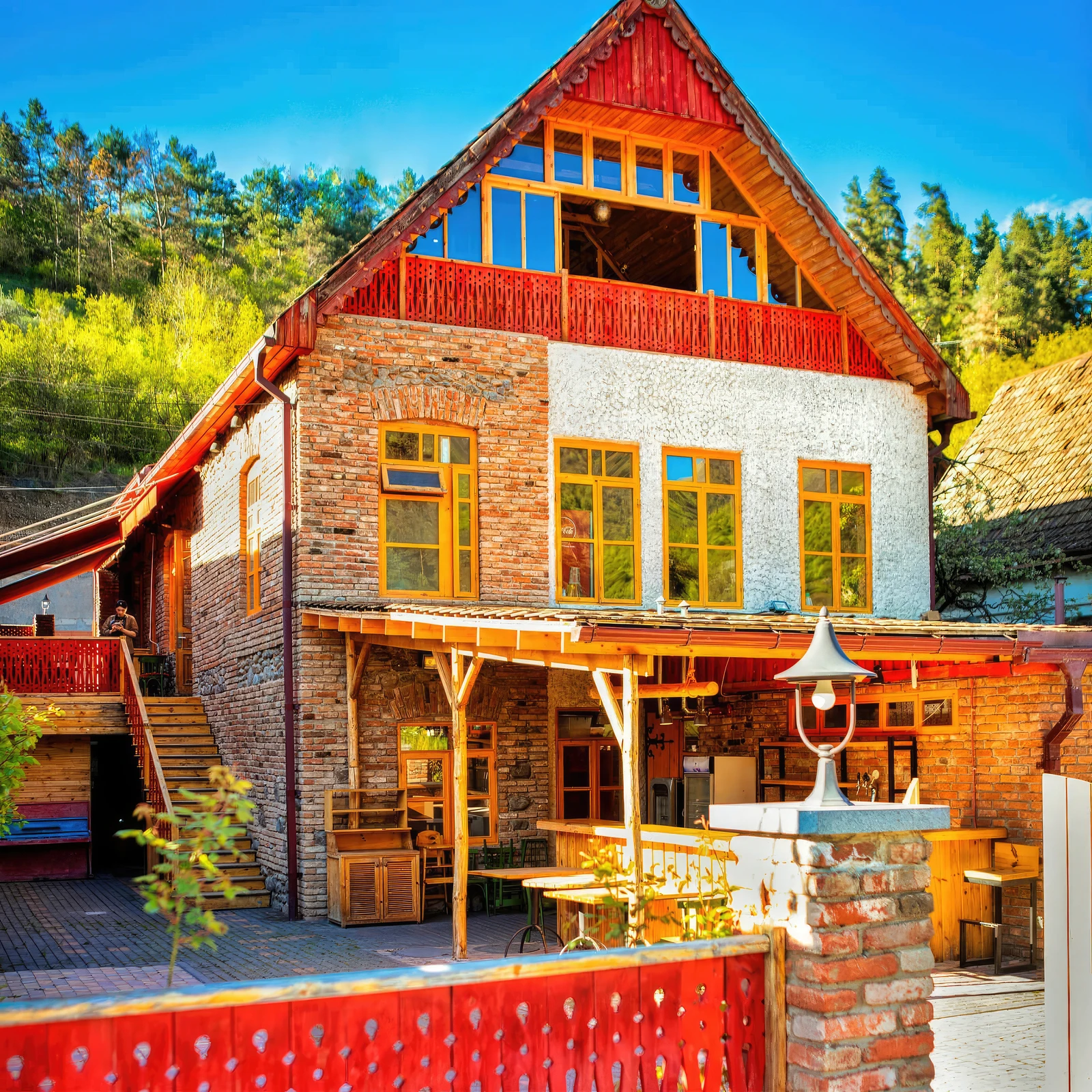
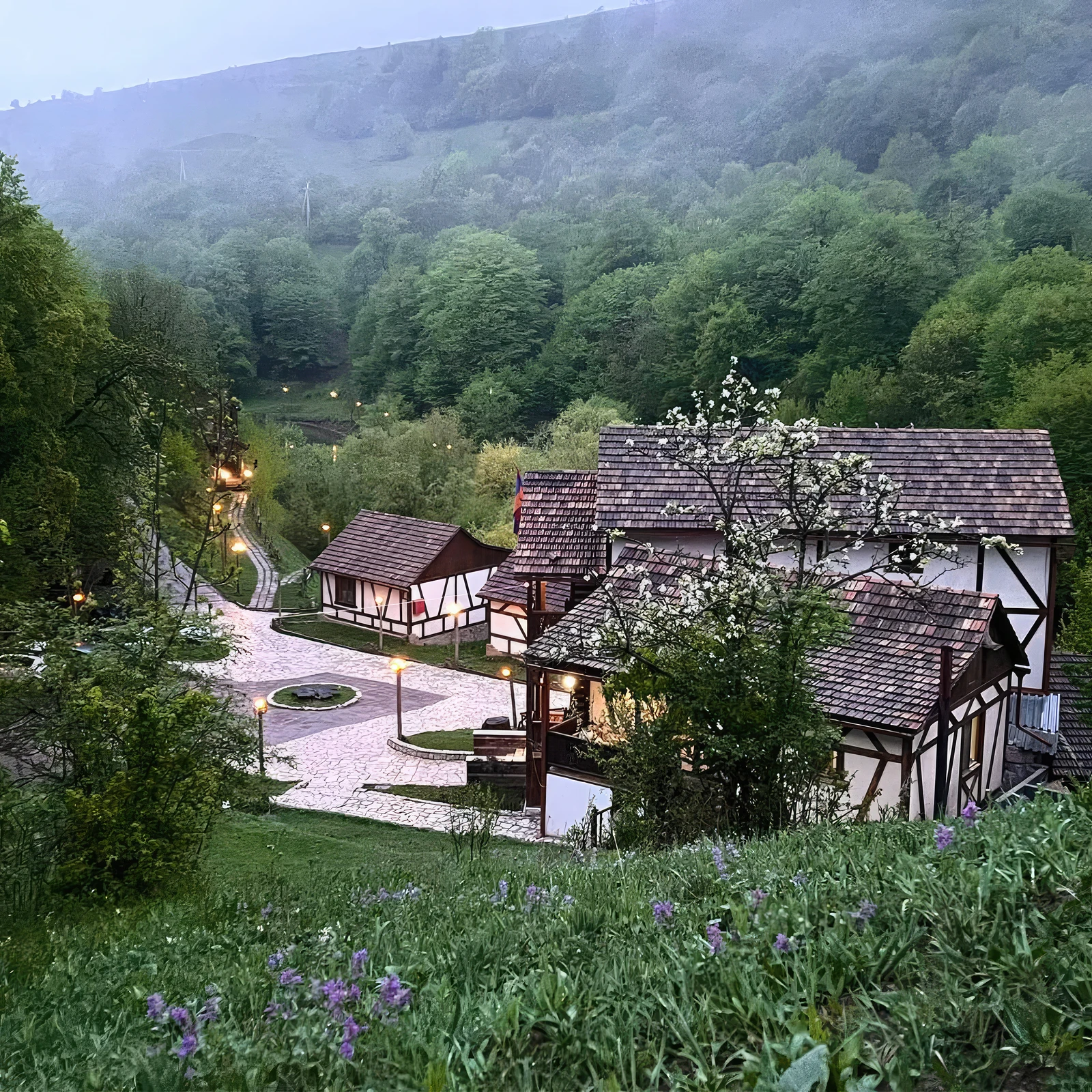
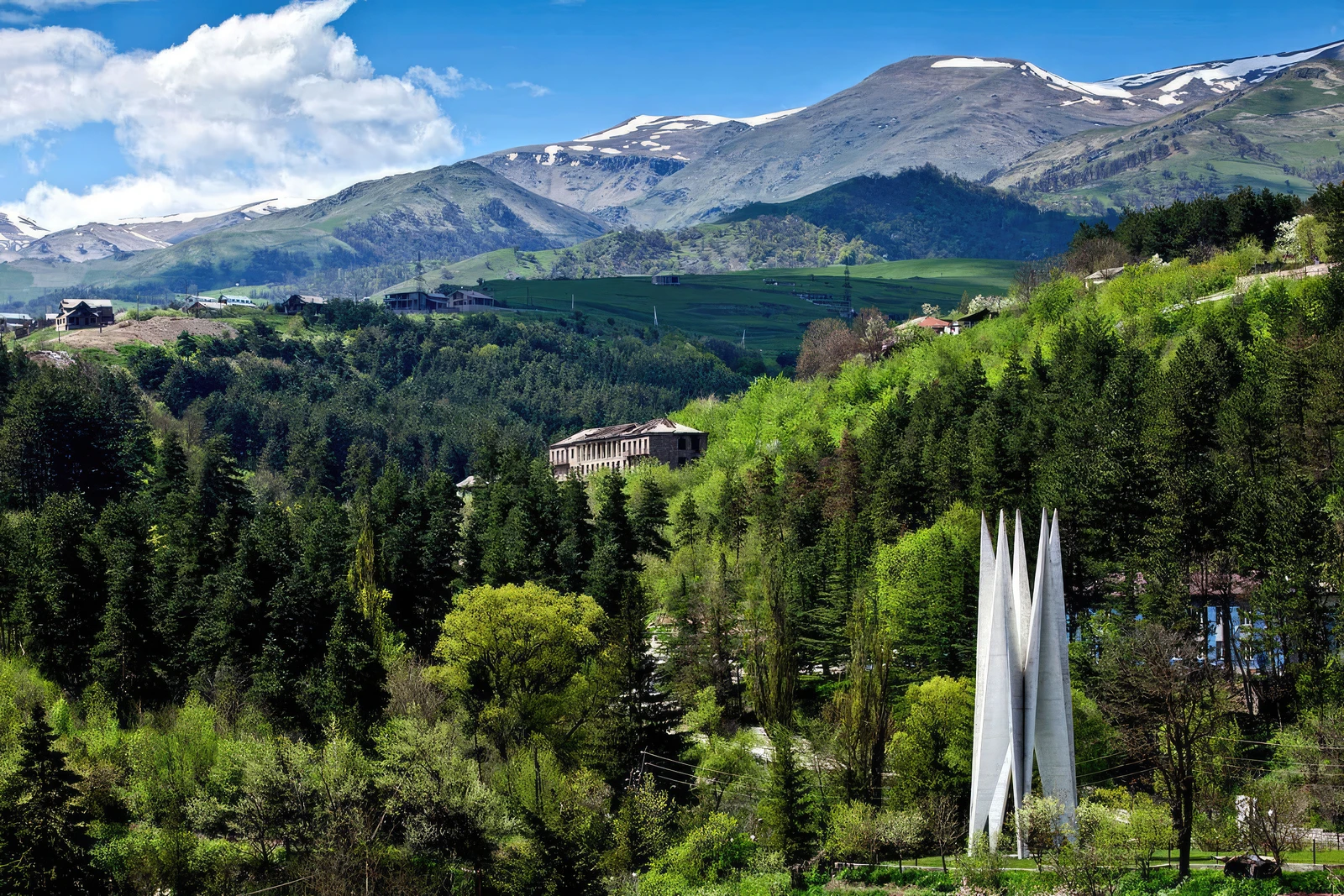
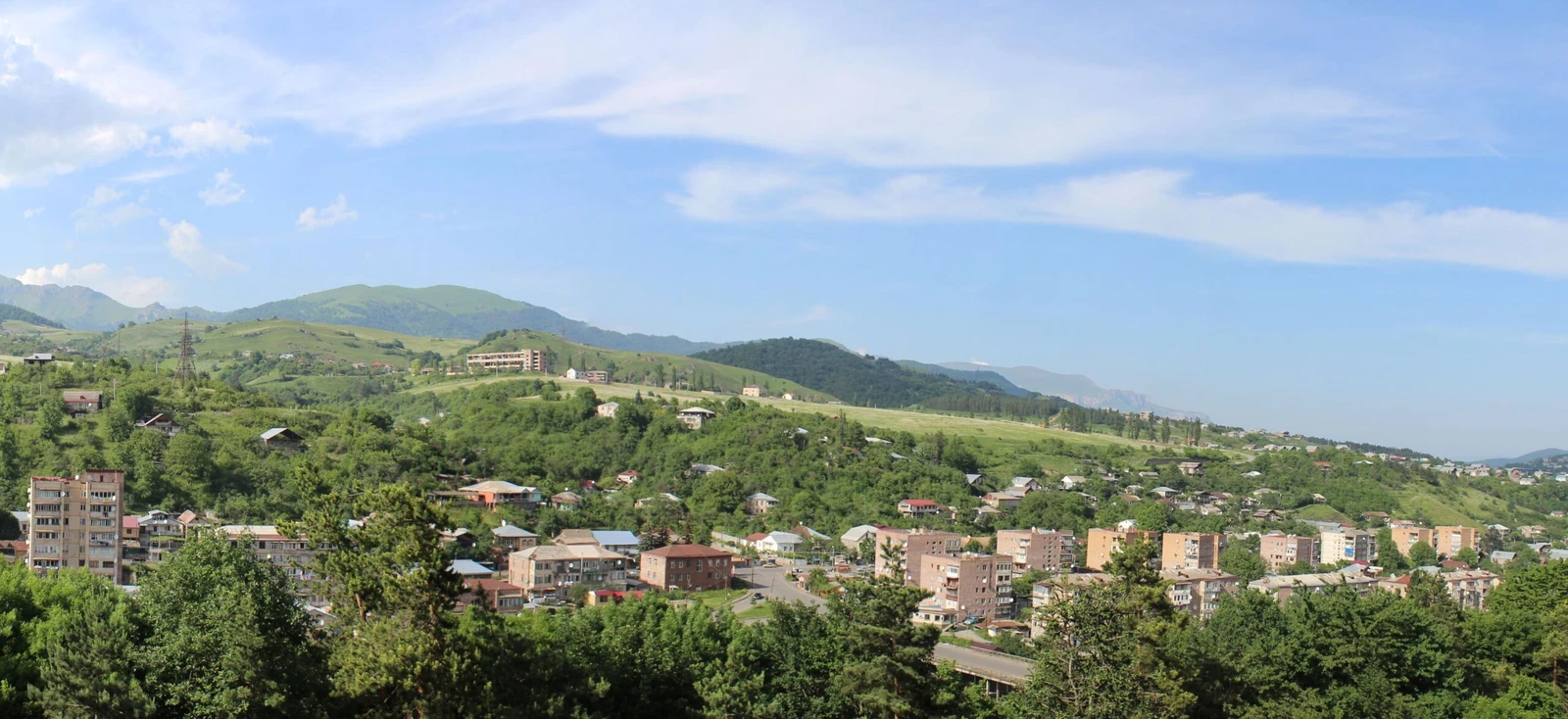
Dilijan (Armenian: Դիլիջան) is a picturesque spa town and urban municipal community nestled within the lush forests of Dilijan National Park in Armenia. Often referred to as the “Switzerland of Armenia” due to its stunning natural beauty, mild climate, and serene environment, it’s a significant resort and cultural center.
Listen to an introduction about Dilijan

Name and Address
- Name: Dilijan (Armenian: Դիլիջան)
- Address: Tavush Province, Armenia.
- Location: Situated in the northeastern part of Armenia, approximately 60-100 kilometers (about 37-62 miles) northeast of the capital city, Yerevan. It lies on the banks of the Aghstev River, surrounded by forested mountains.
How to Get There
Dilijan is a popular destination and is relatively accessible from Yerevan and other major cities.
- By Car/Taxi: Driving is a convenient option, taking about 1.5 to 2 hours from Yerevan. Taxis are readily available, and ride-sharing apps like YandexGo or GG can be used.
- By Minibus (Marshrutka): Minibuses are a common and economical choice, departing regularly from Yerevan’s Northern Bus Station. The journey typically takes around 1 hour 15 minutes to 2 hours.
- Organized Tours: Many tour operators offer day trips from Yerevan, often combining a visit to Dilijan with other nearby attractions like Lake Sevan or Tsaghkadzor.
- Visitor Access: Dilijan and its surrounding national park are open to the public. Most attractions, including monasteries and natural sites, are accessible.
Landscape and Features
Dilijan is characterized by its verdant landscapes, mountainous terrain, and rich biodiversity.
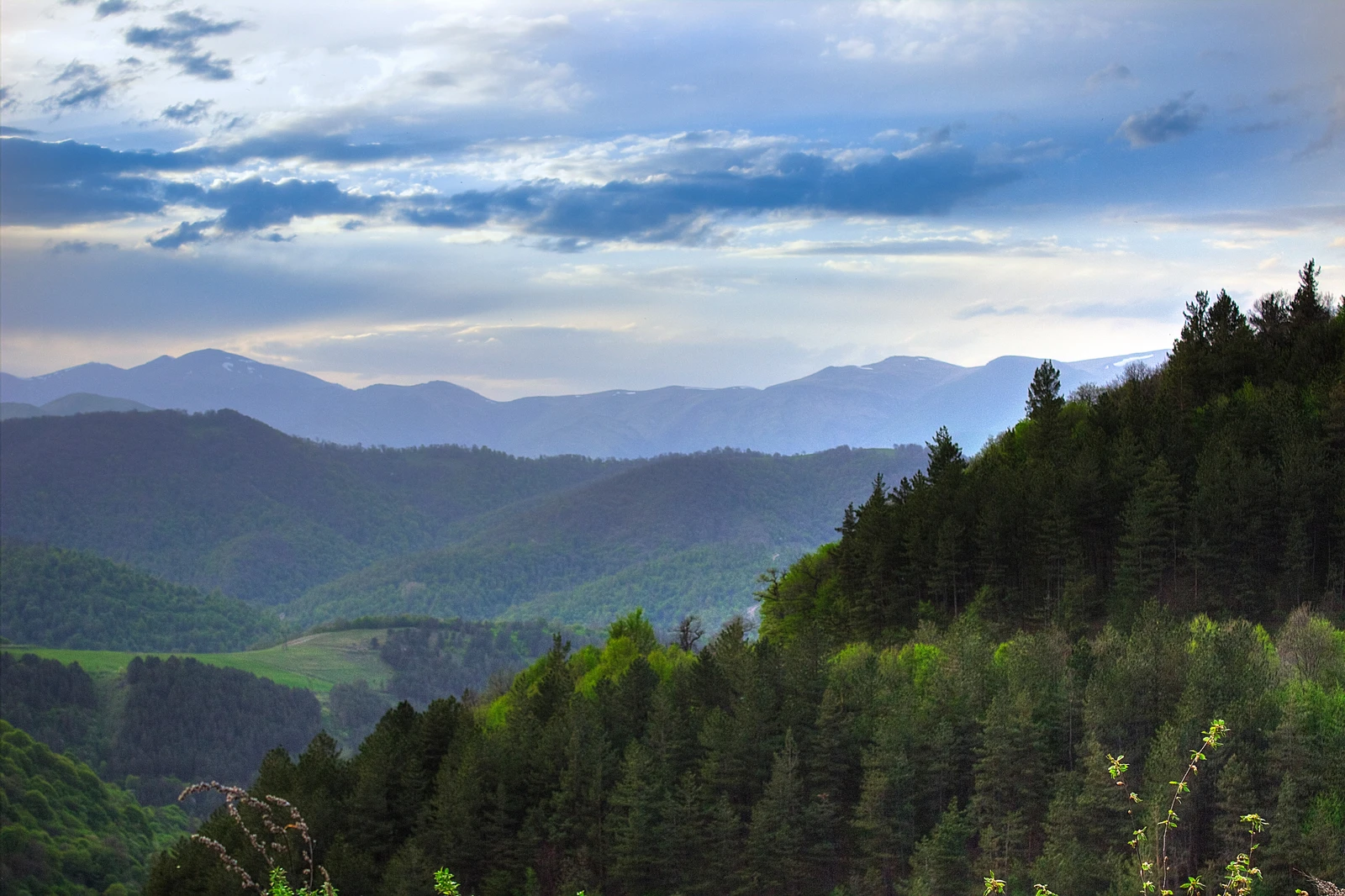
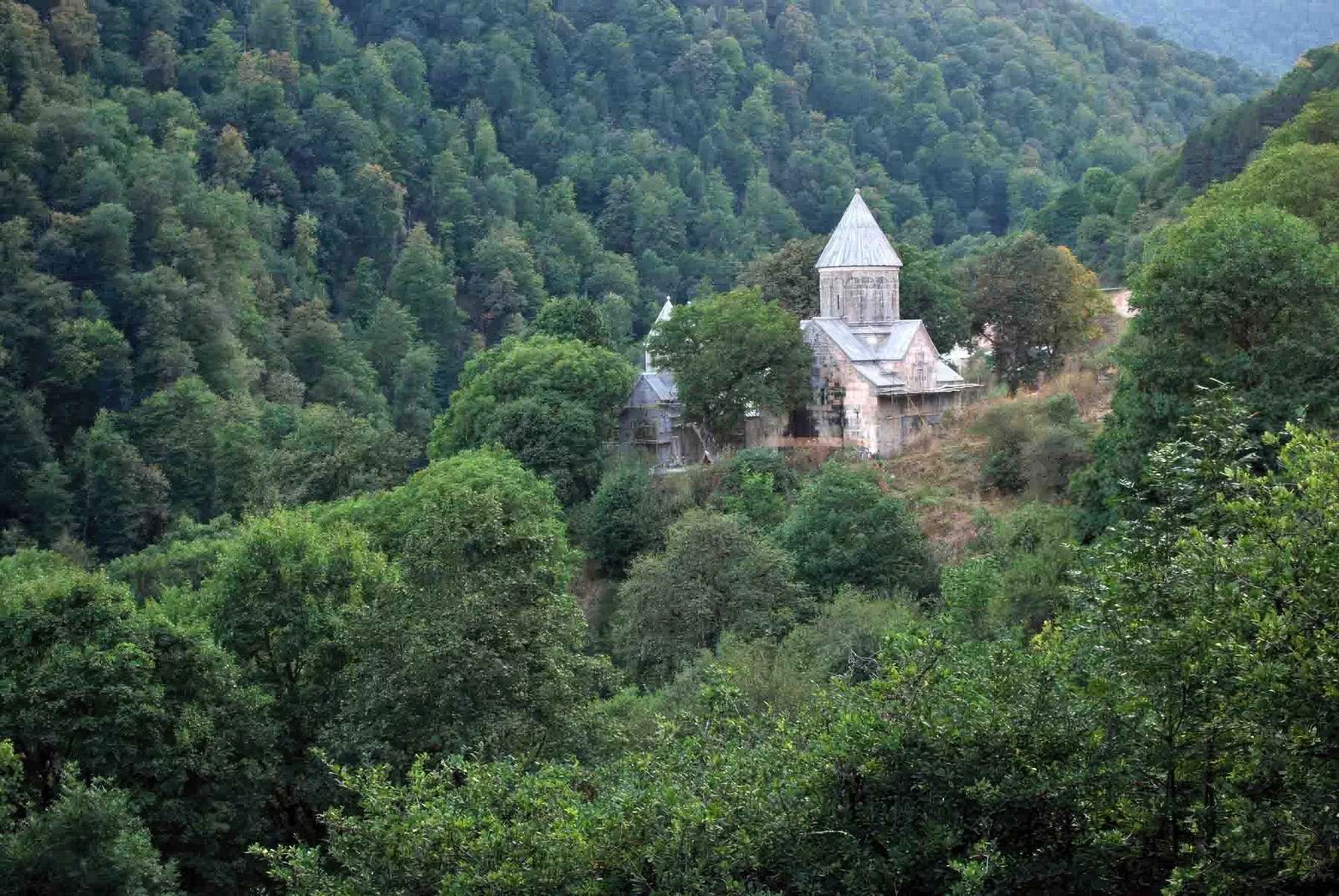
- Dilijan National Park: The town is entirely surrounded by Dilijan National Park, a protected area known for its dense deciduous and coniferous forests (covering 94% of the park), diverse flora (over 1,600 species of vascular plants), and fauna.
- Forests and Mountains: The town is nestled in a valley flanked by the Lesser Caucasus mountains, with peaks reaching up to 3,598 meters. The forests transition into alpine meadows at higher altitudes.
- Mineral Springs: The area is rich in medicinal mineral water springs, contributing to its reputation as a spa resort.
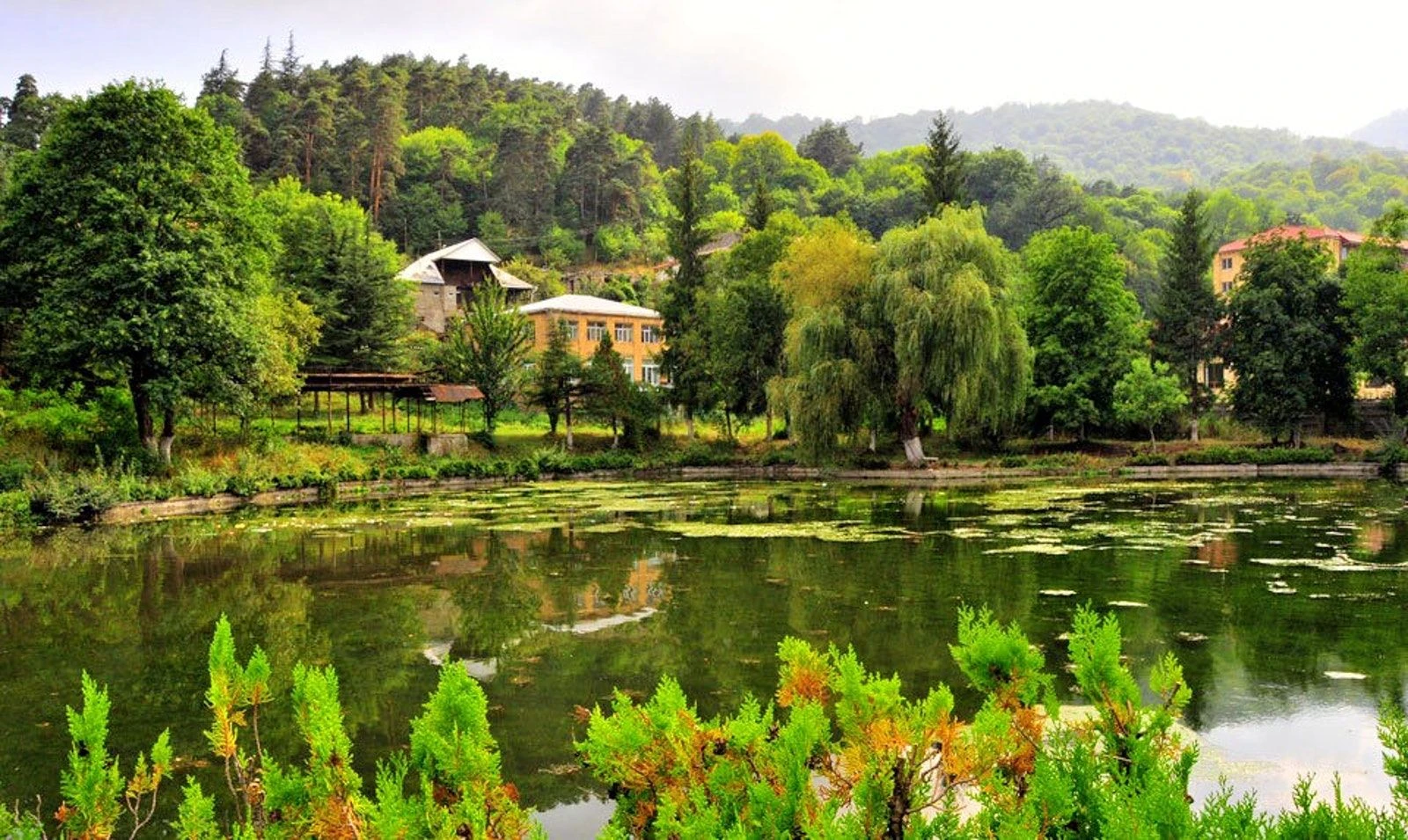
- Lakes and Rivers: The Aghstev River flows through the town, and the national park is home to picturesque lakes such as Parz Lake (“Clear Lake”) and Gosh Lake, offering serene natural settings.
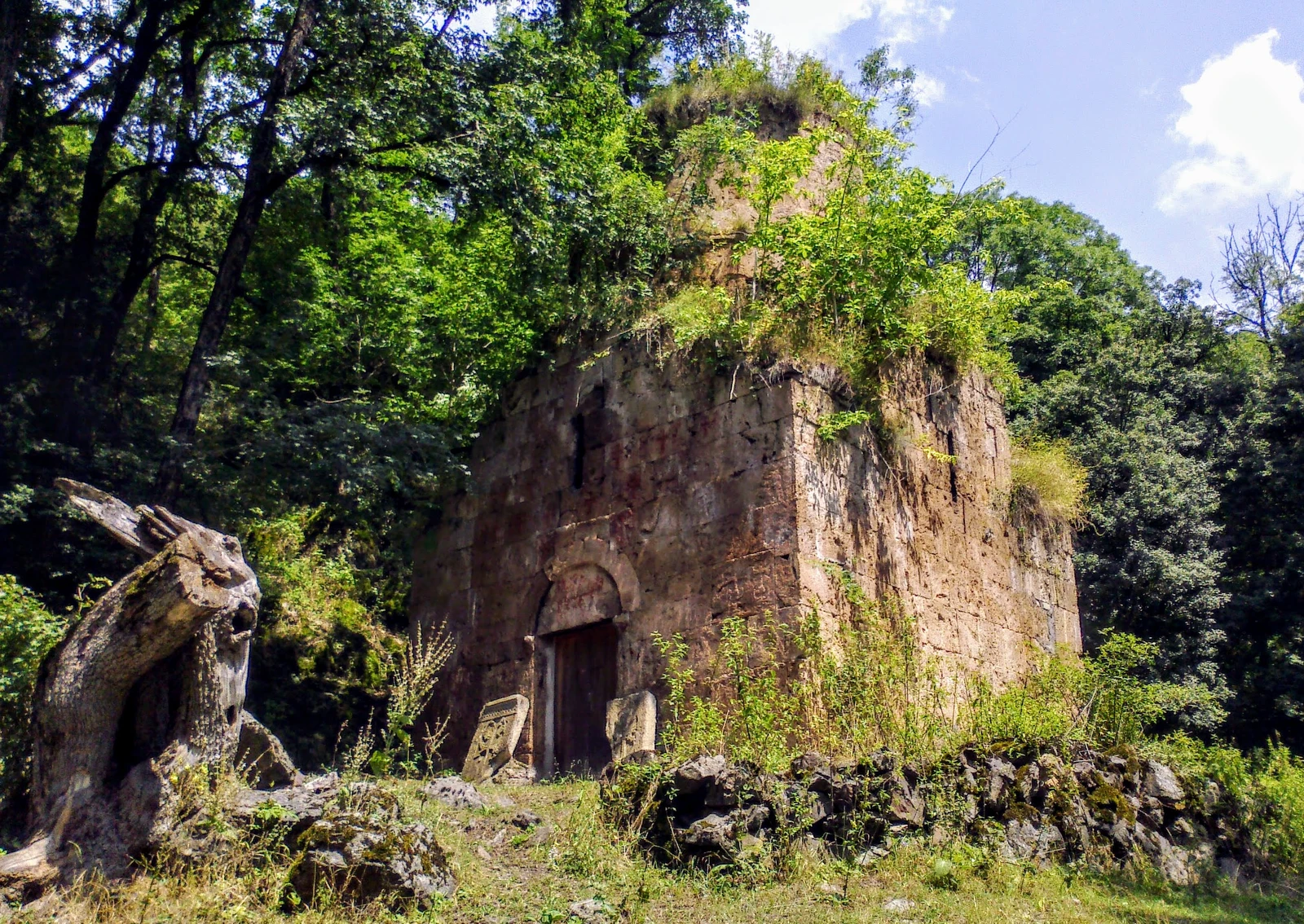
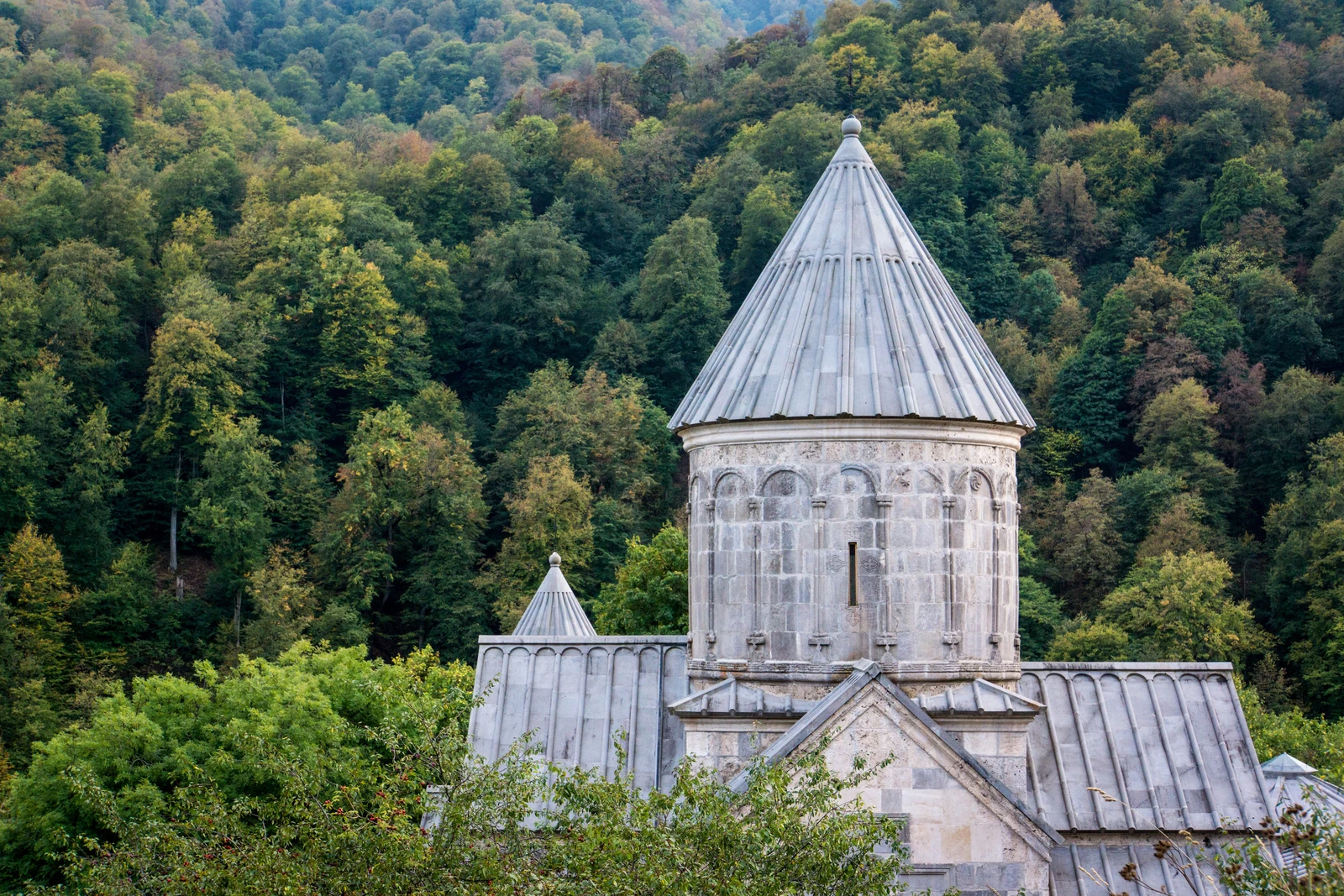
- Monasteries: The region is home to several ancient Armenian monasteries, including:
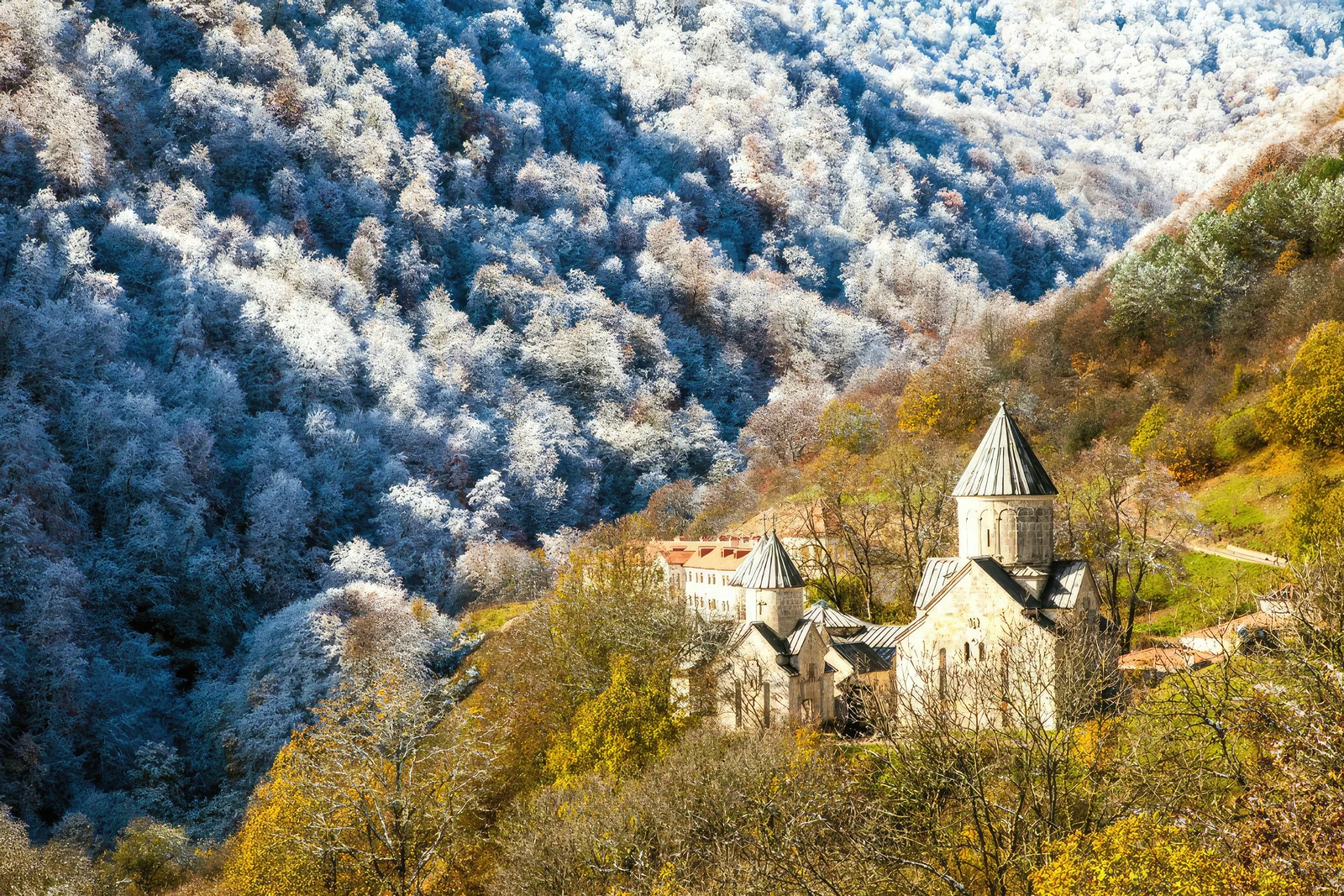
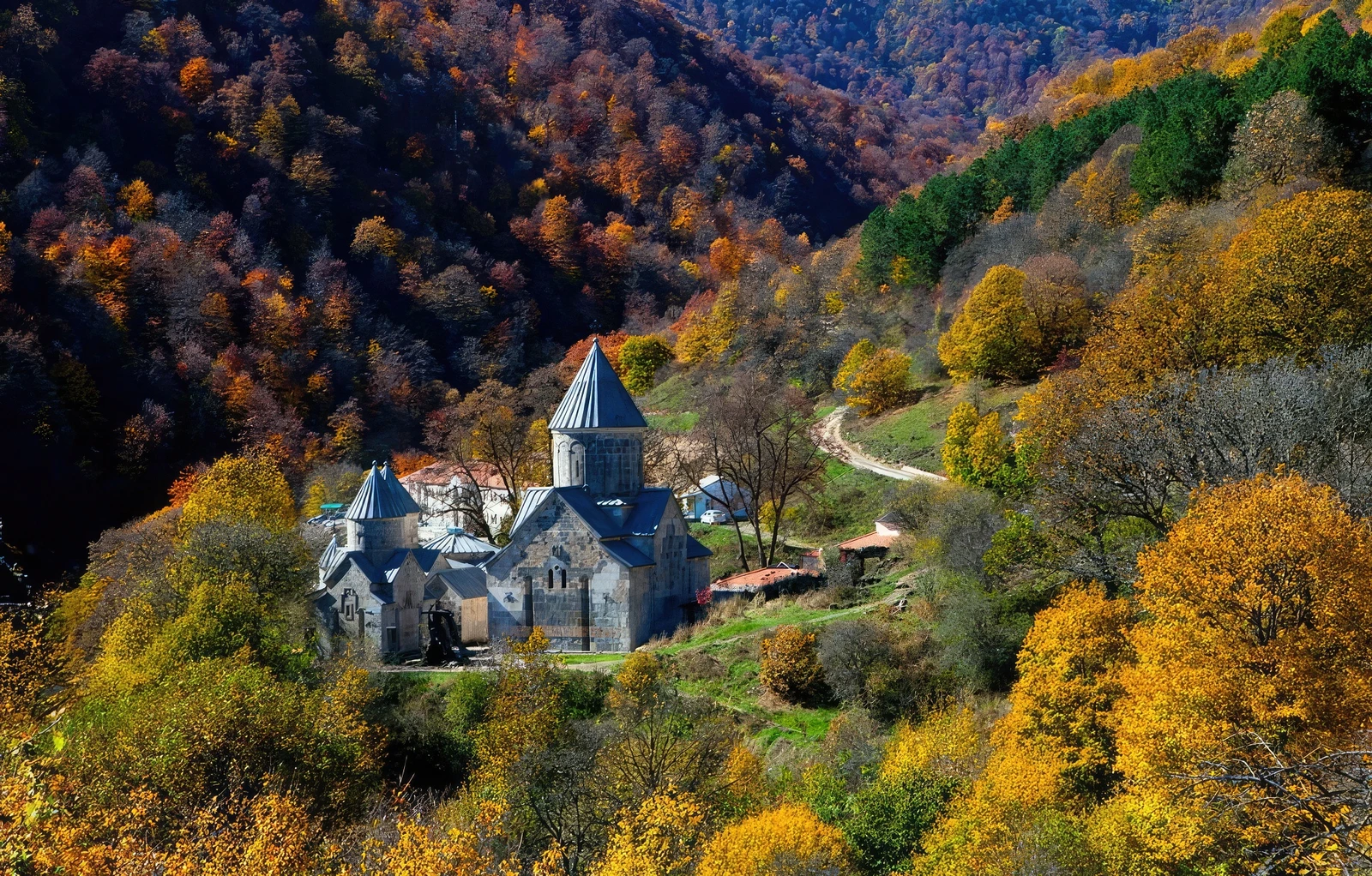
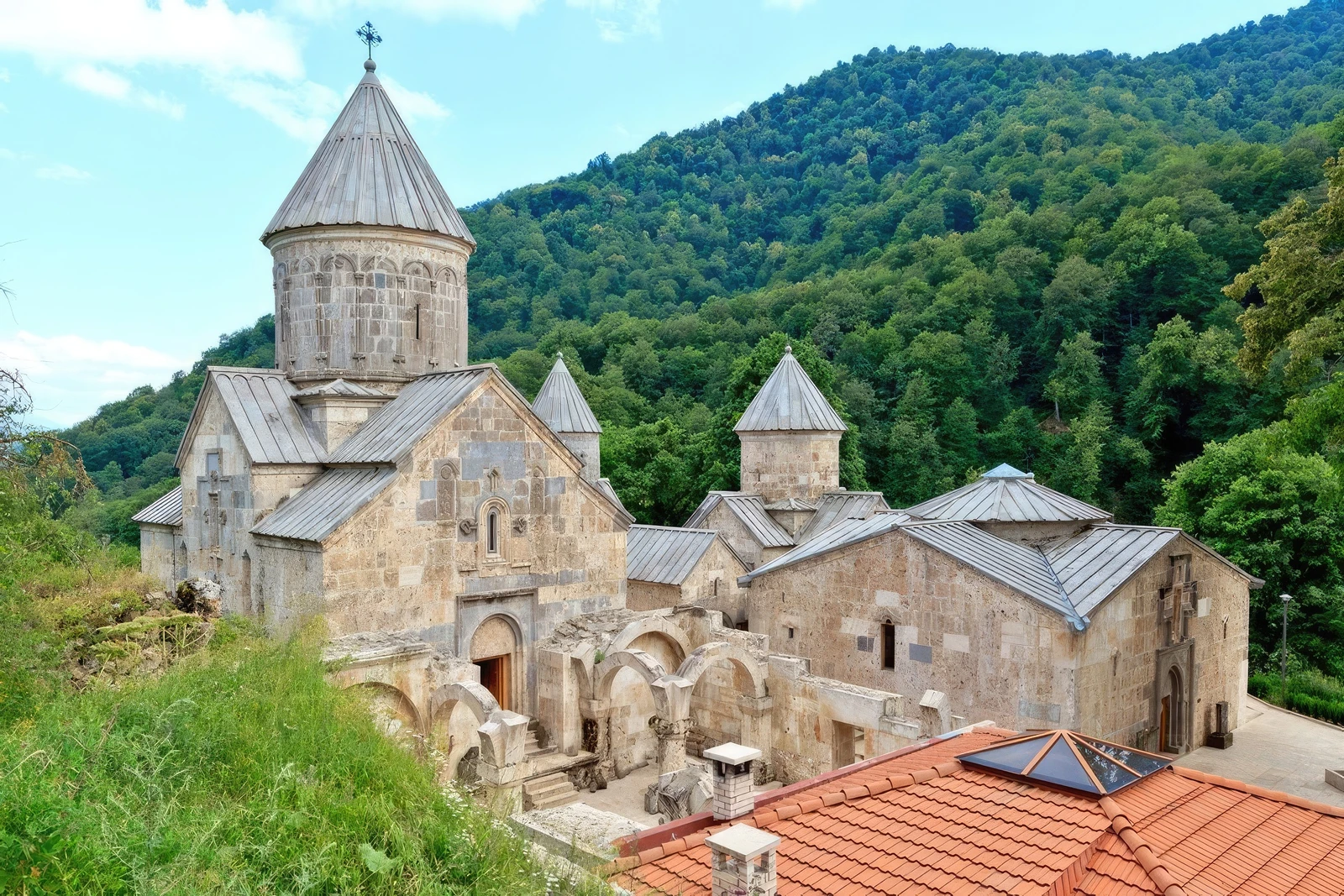
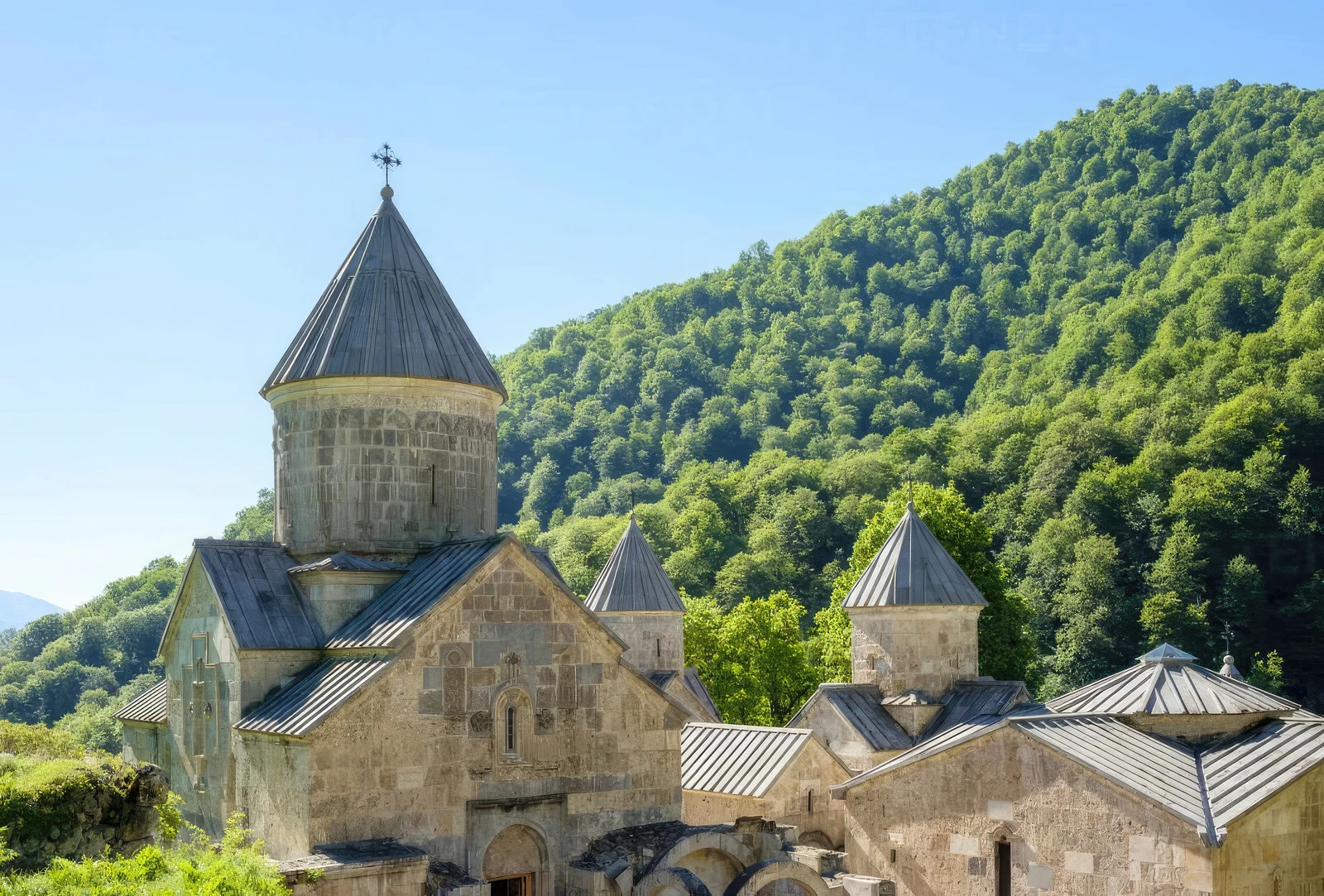
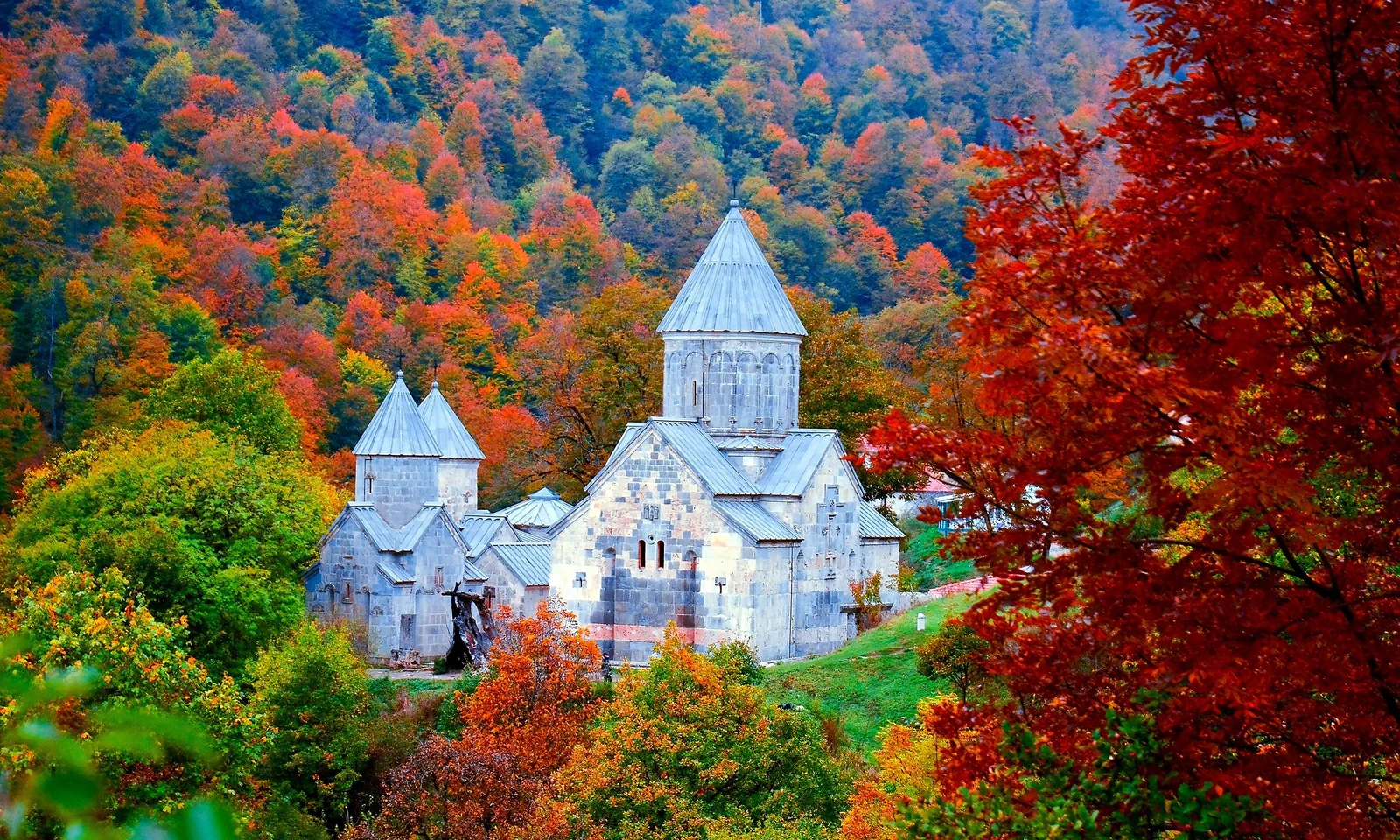
- Haghartsin Monastery Complex: A 10th-13th century complex nestled deep within the forests, known for its beautiful churches and intricate khachkars (carved cross-stones).
- Goshavank Monastery: A 12th-13th century monastic complex located in the village of Gosh, famous for its unique architectural style and historical significance as an educational center.
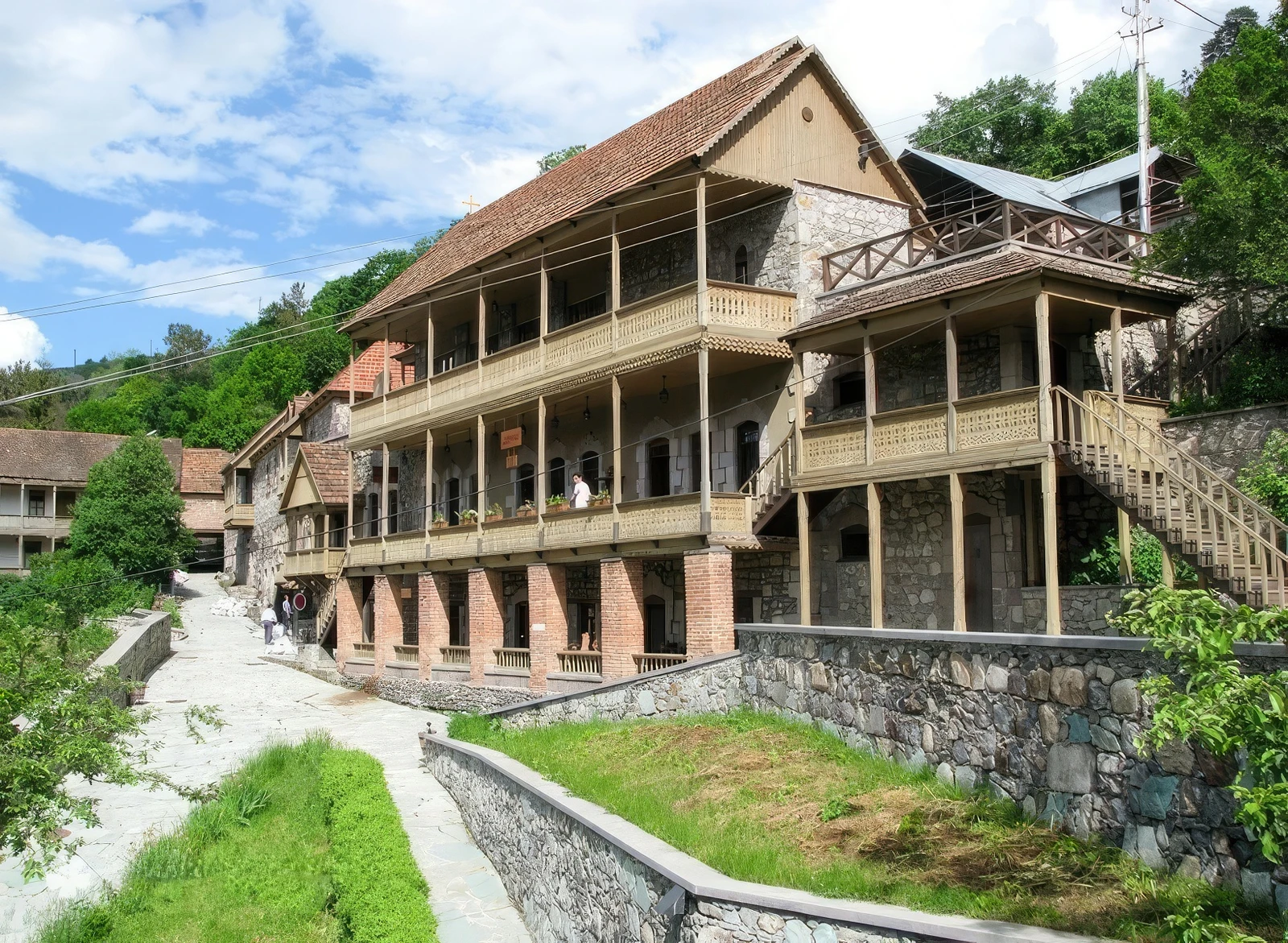
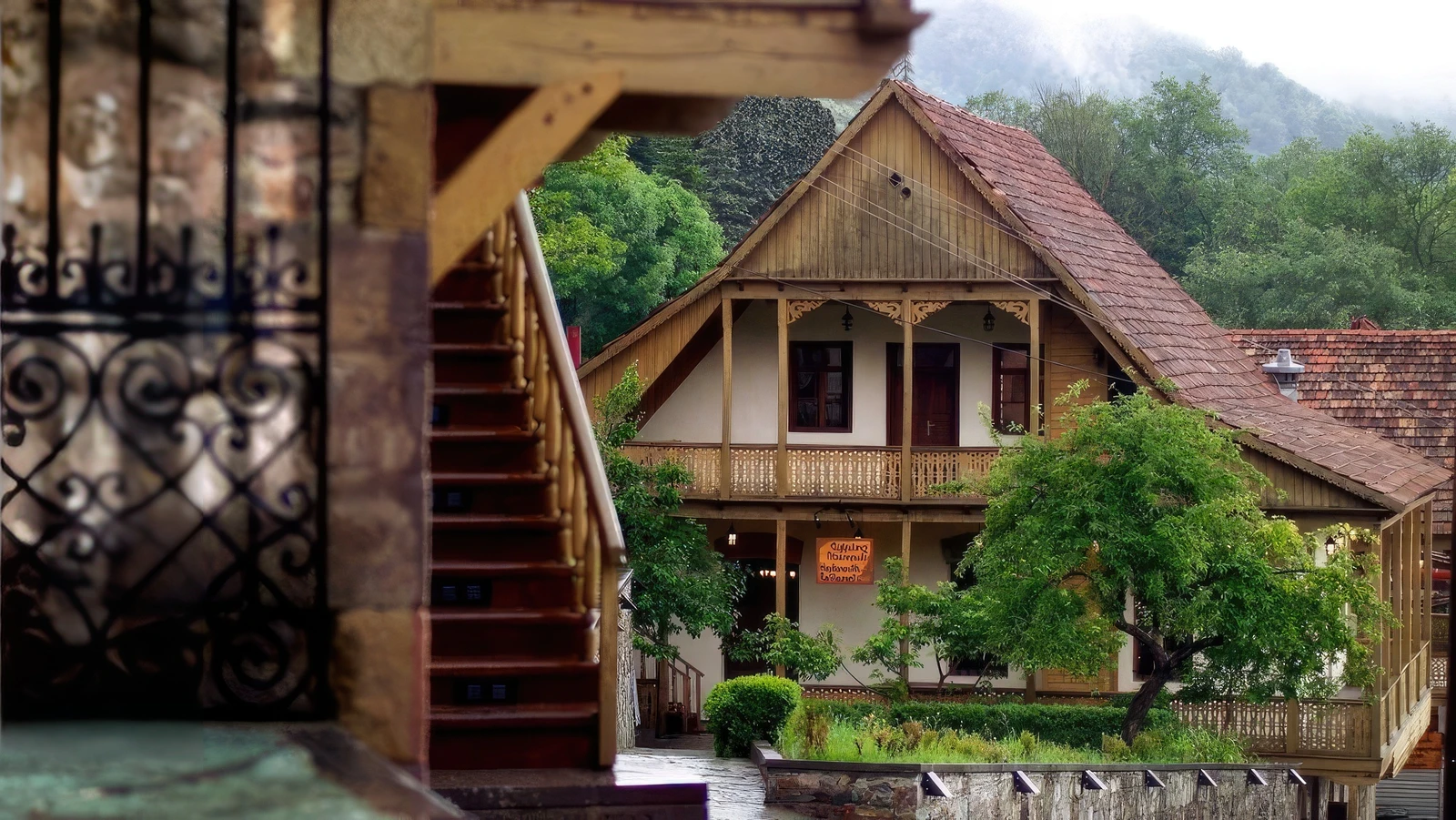
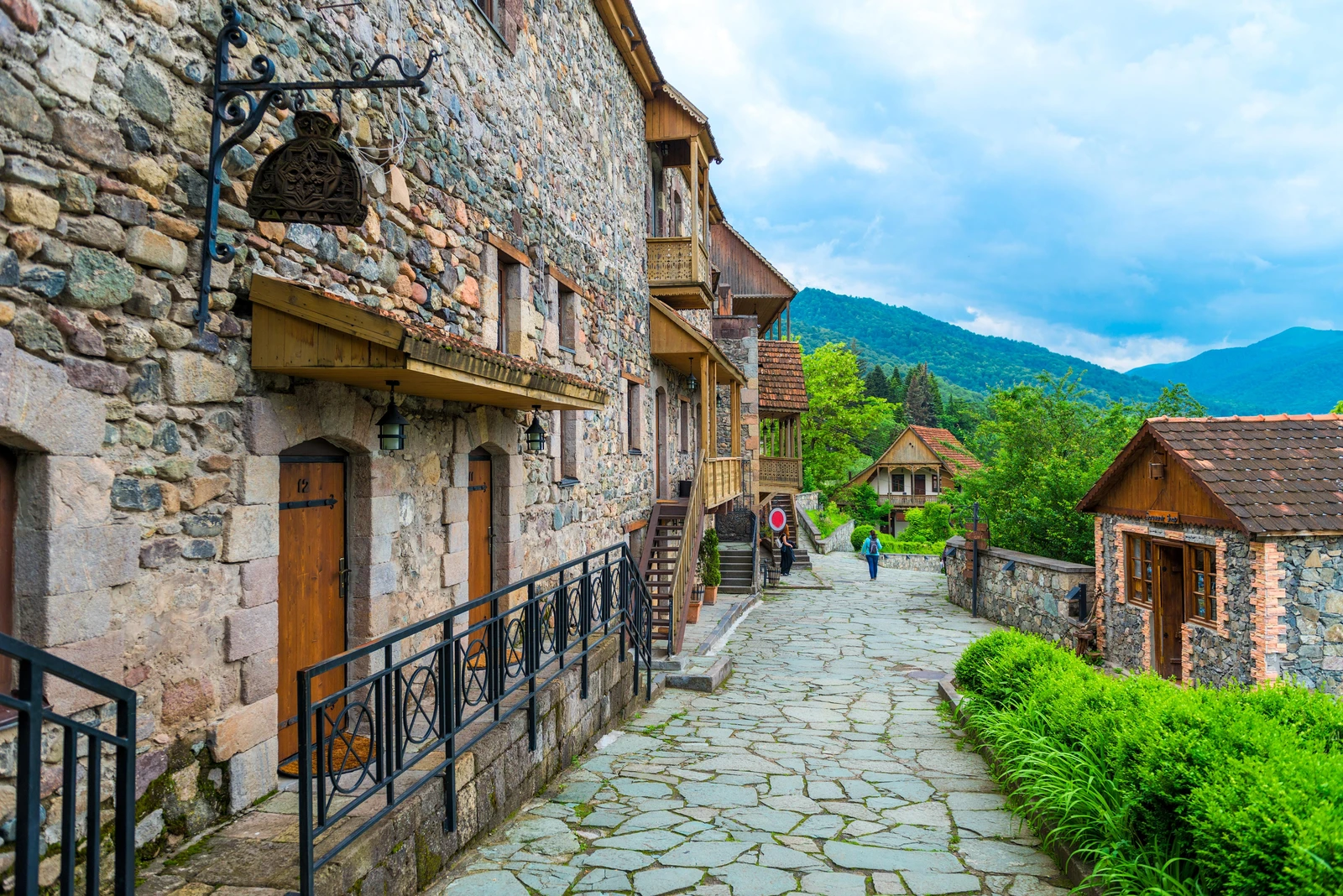
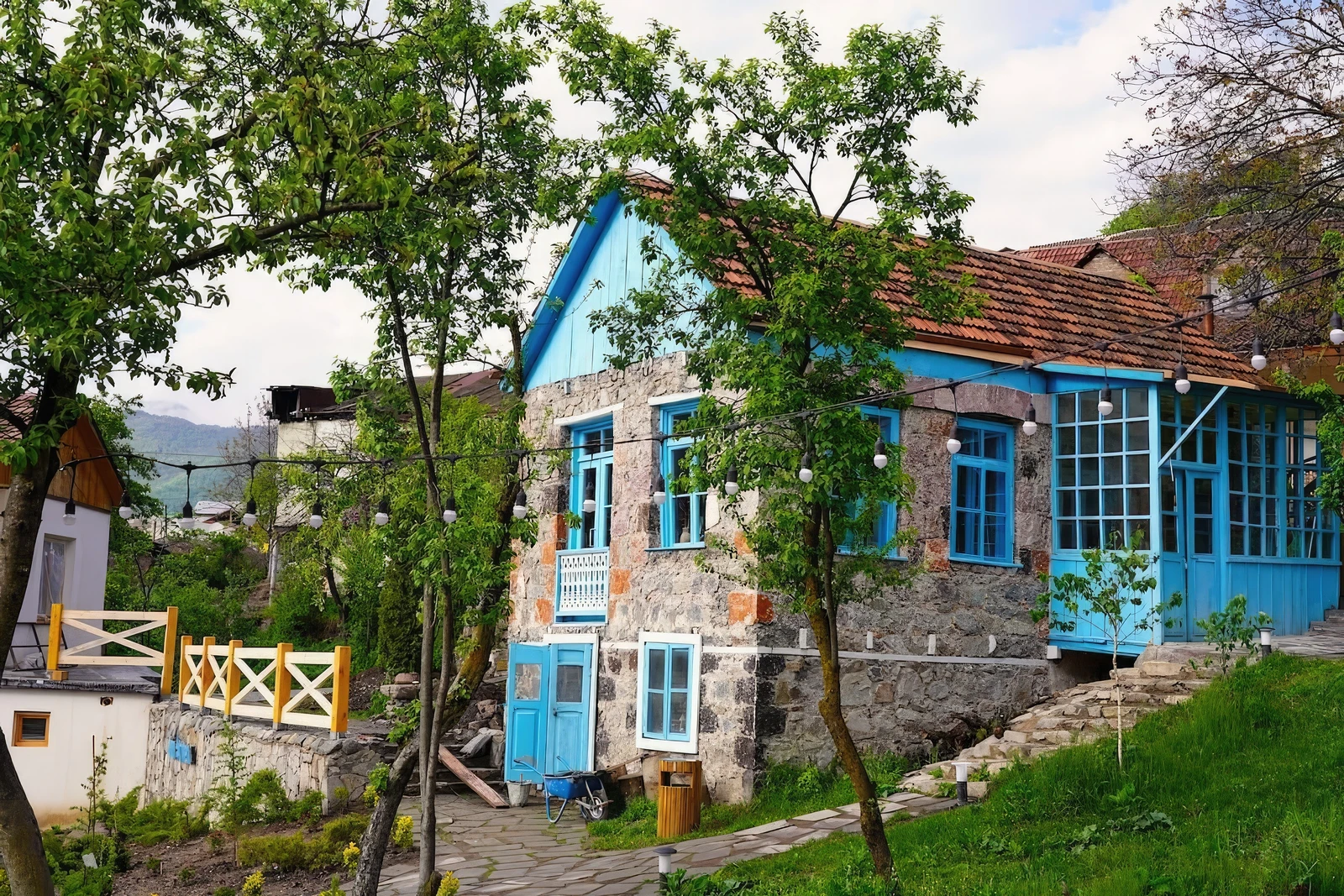
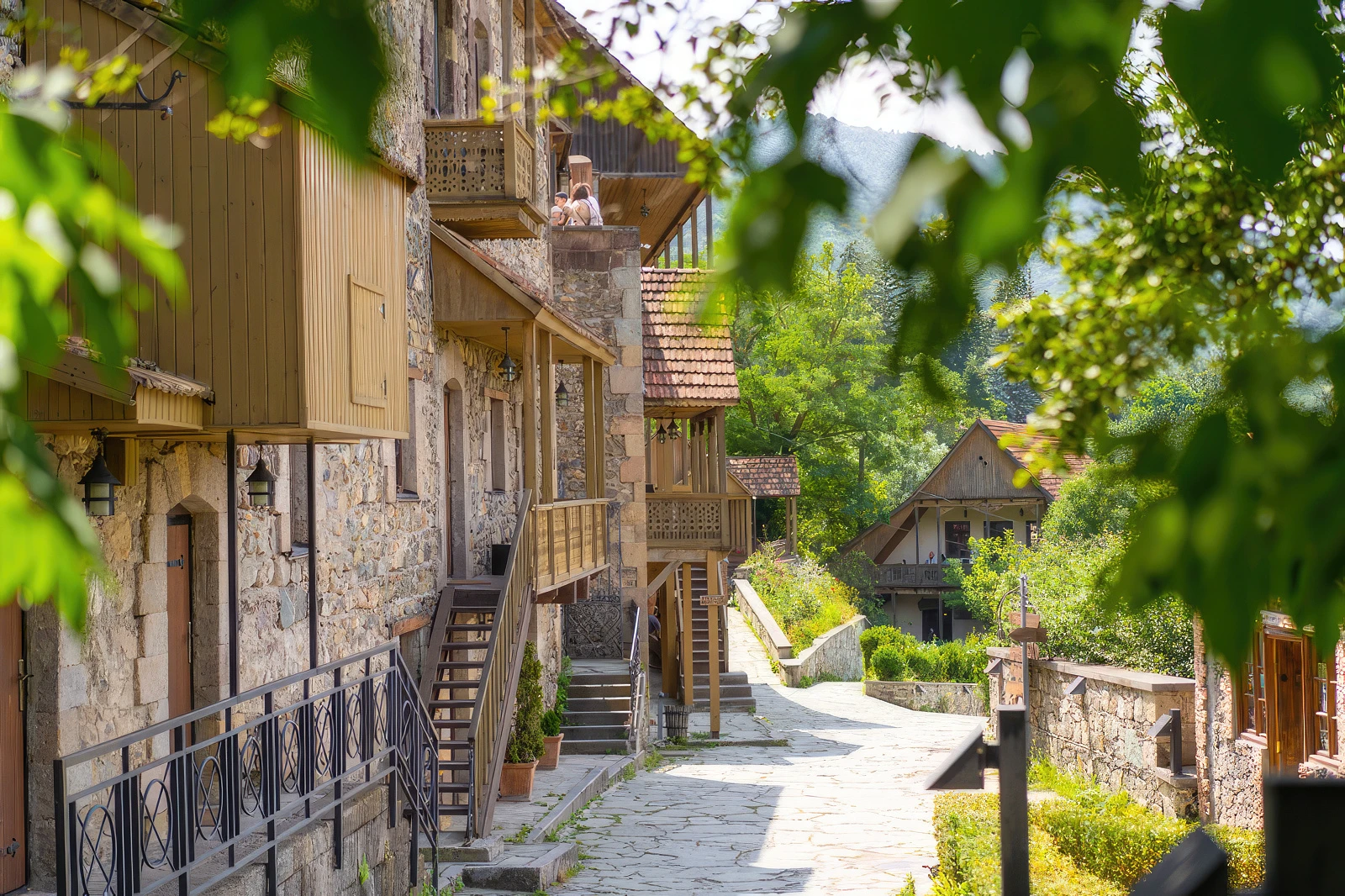
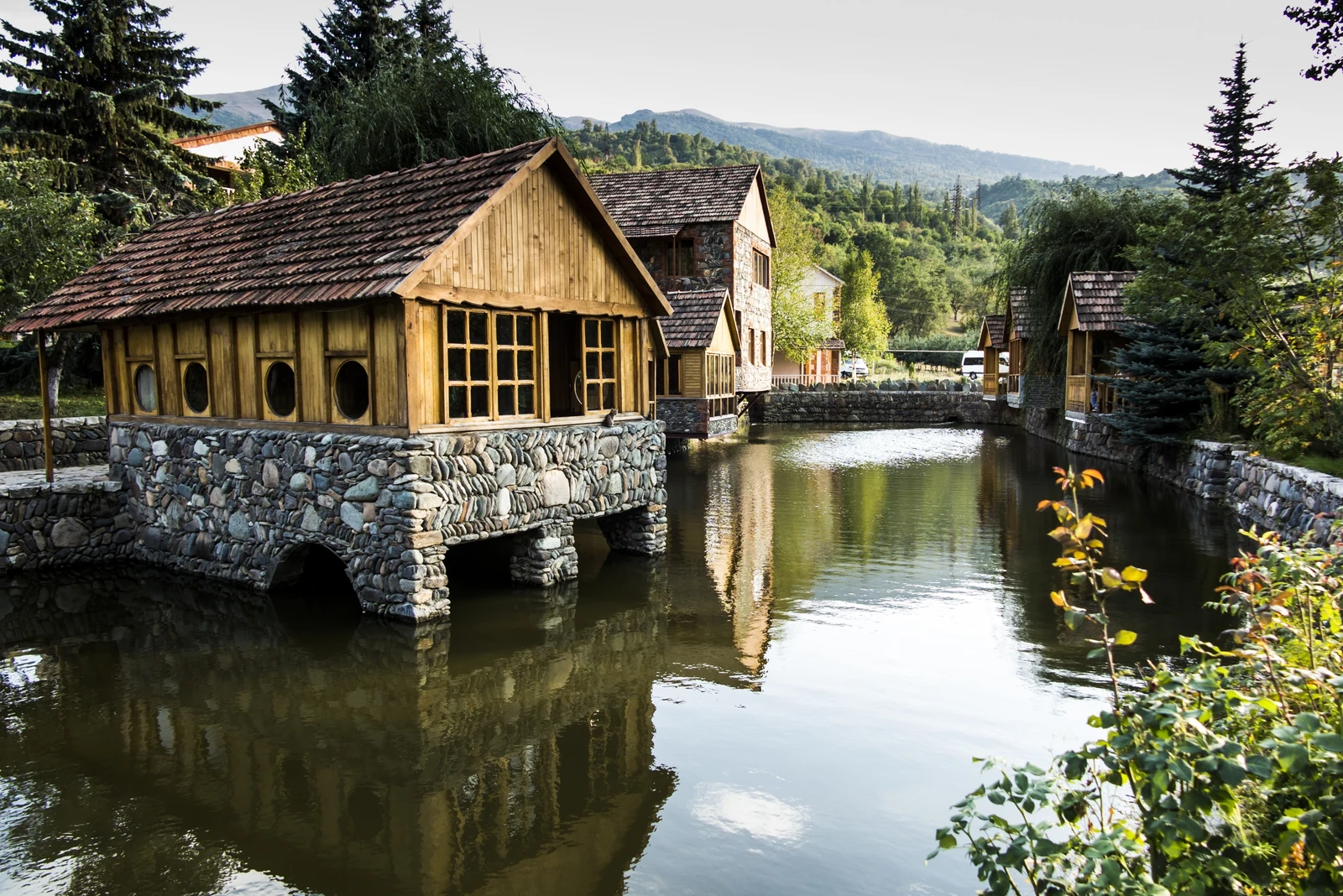
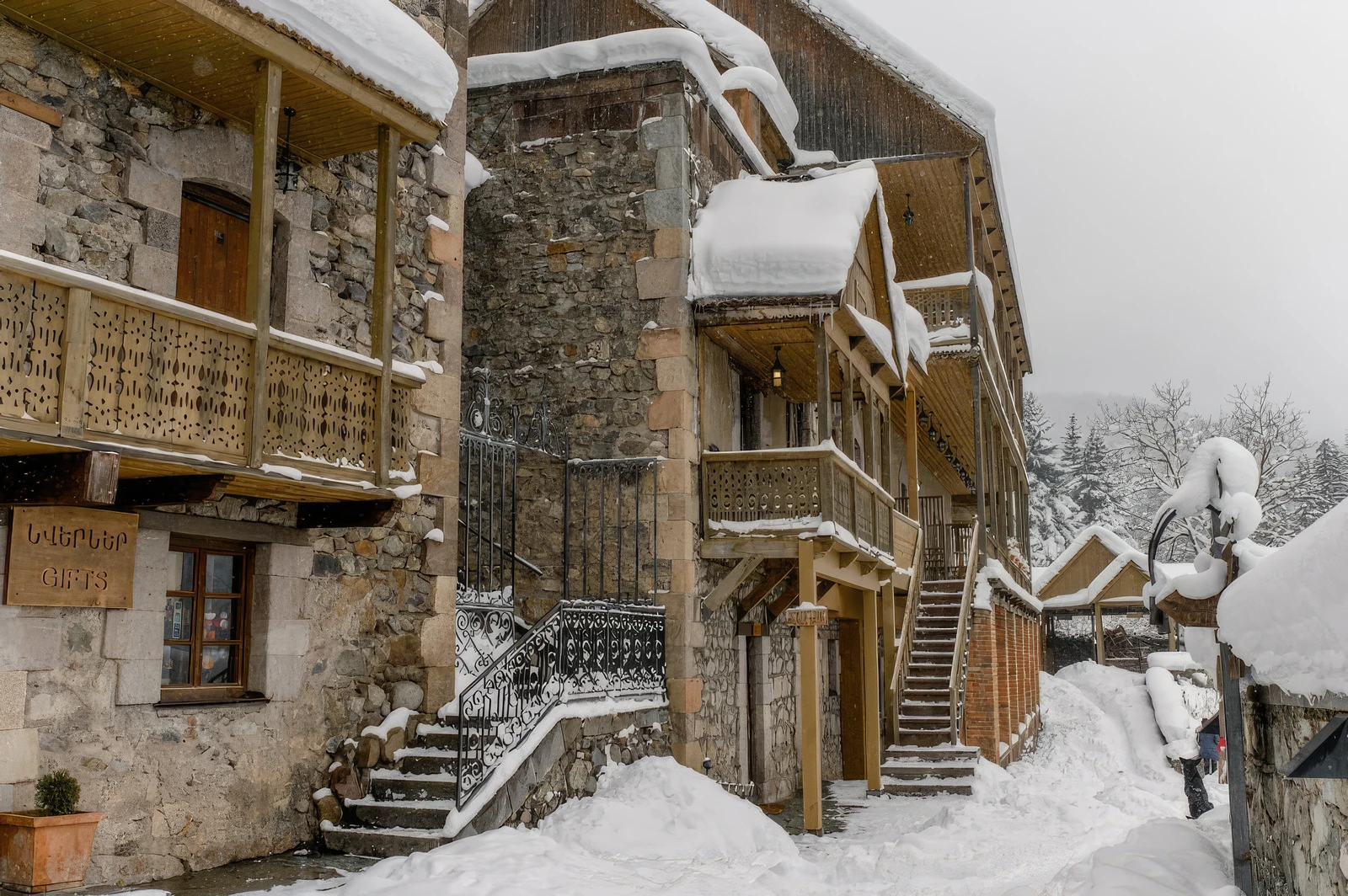
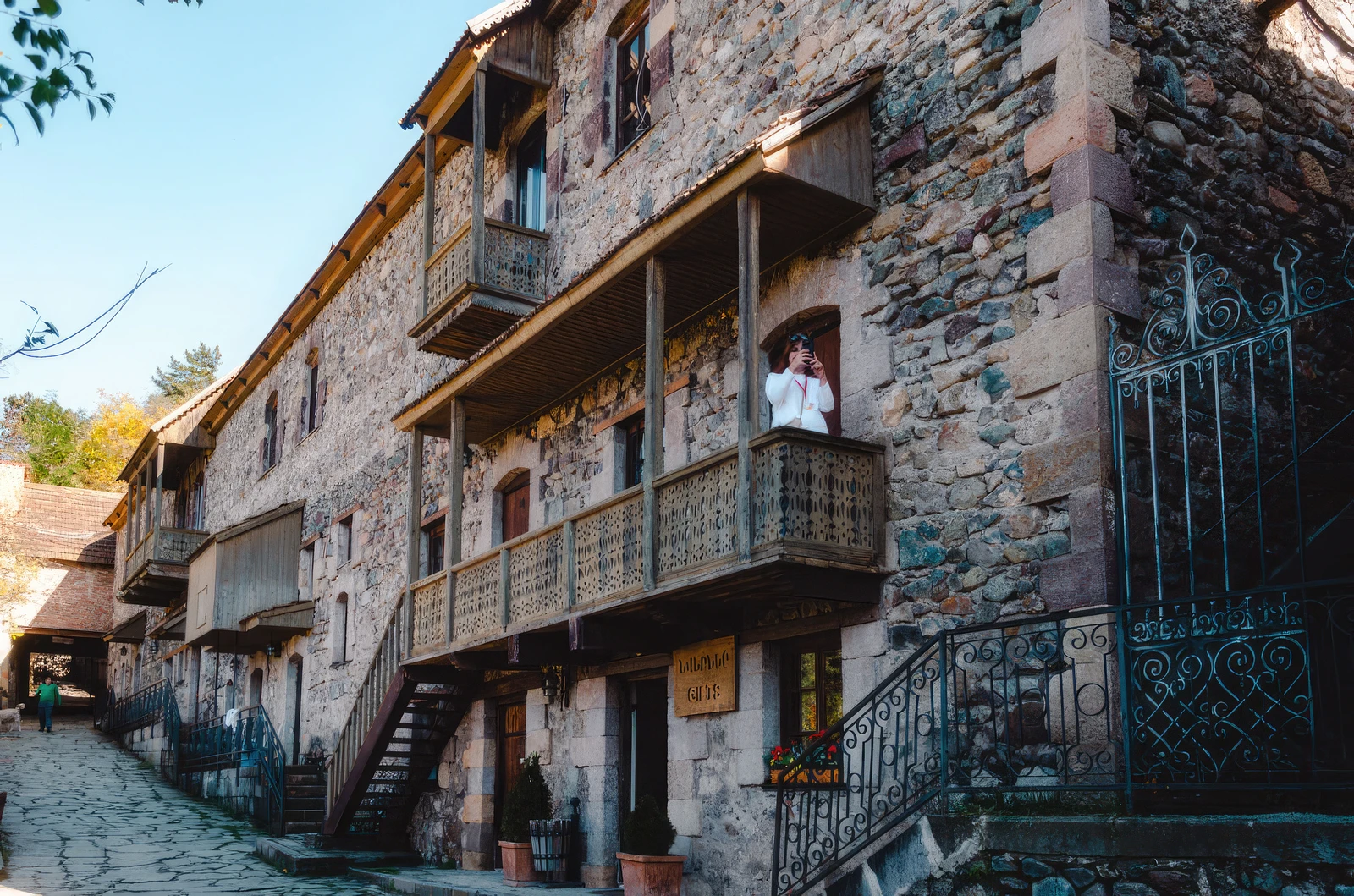
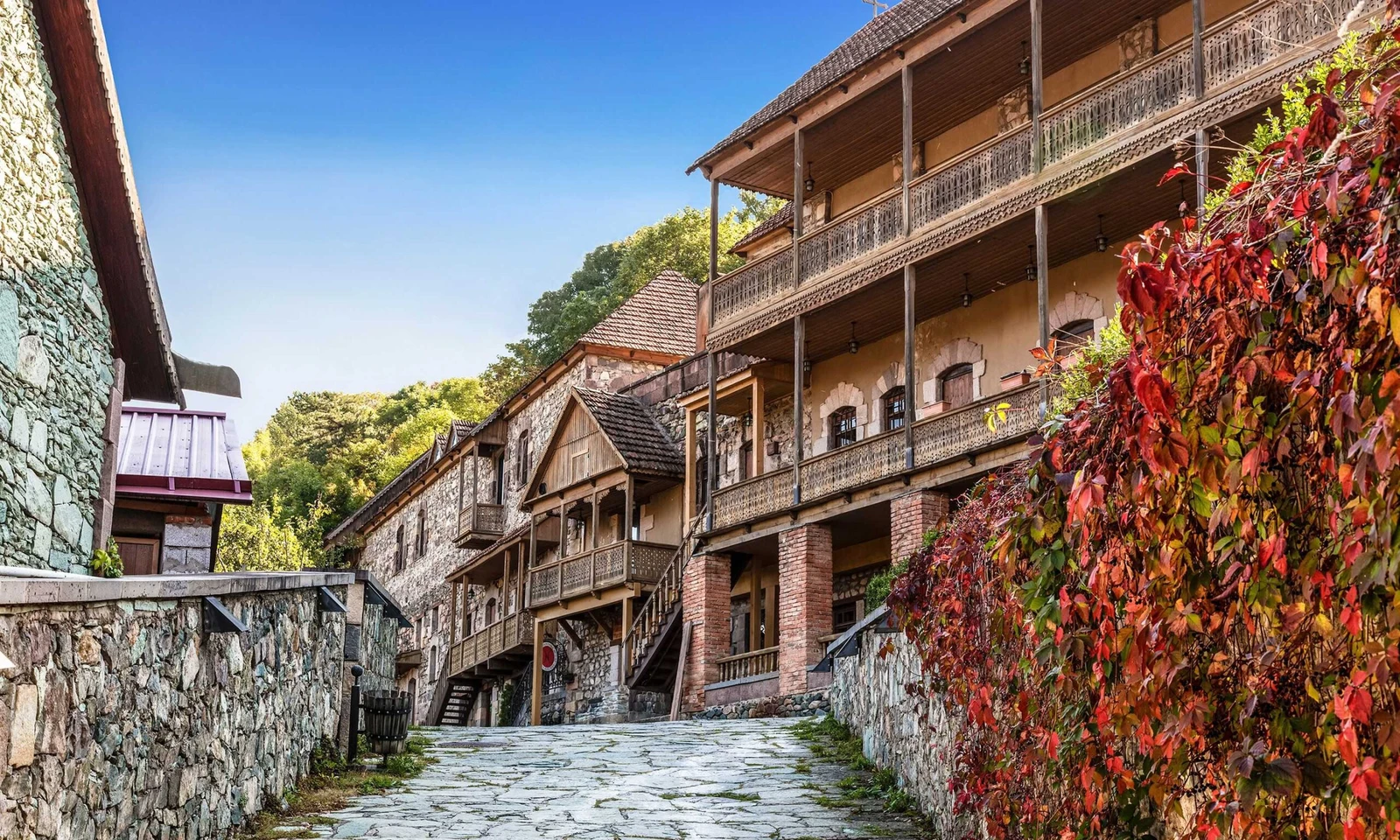
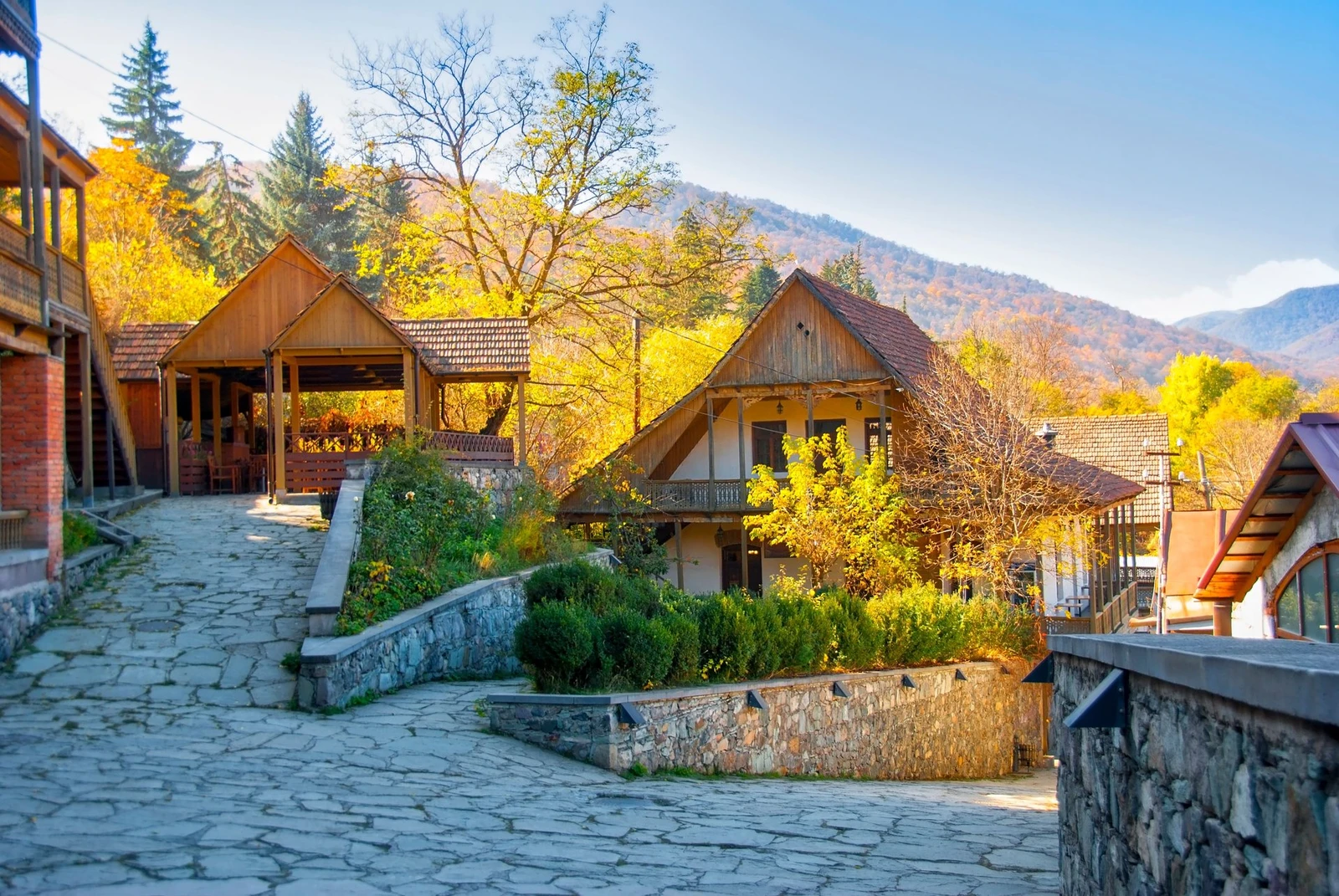
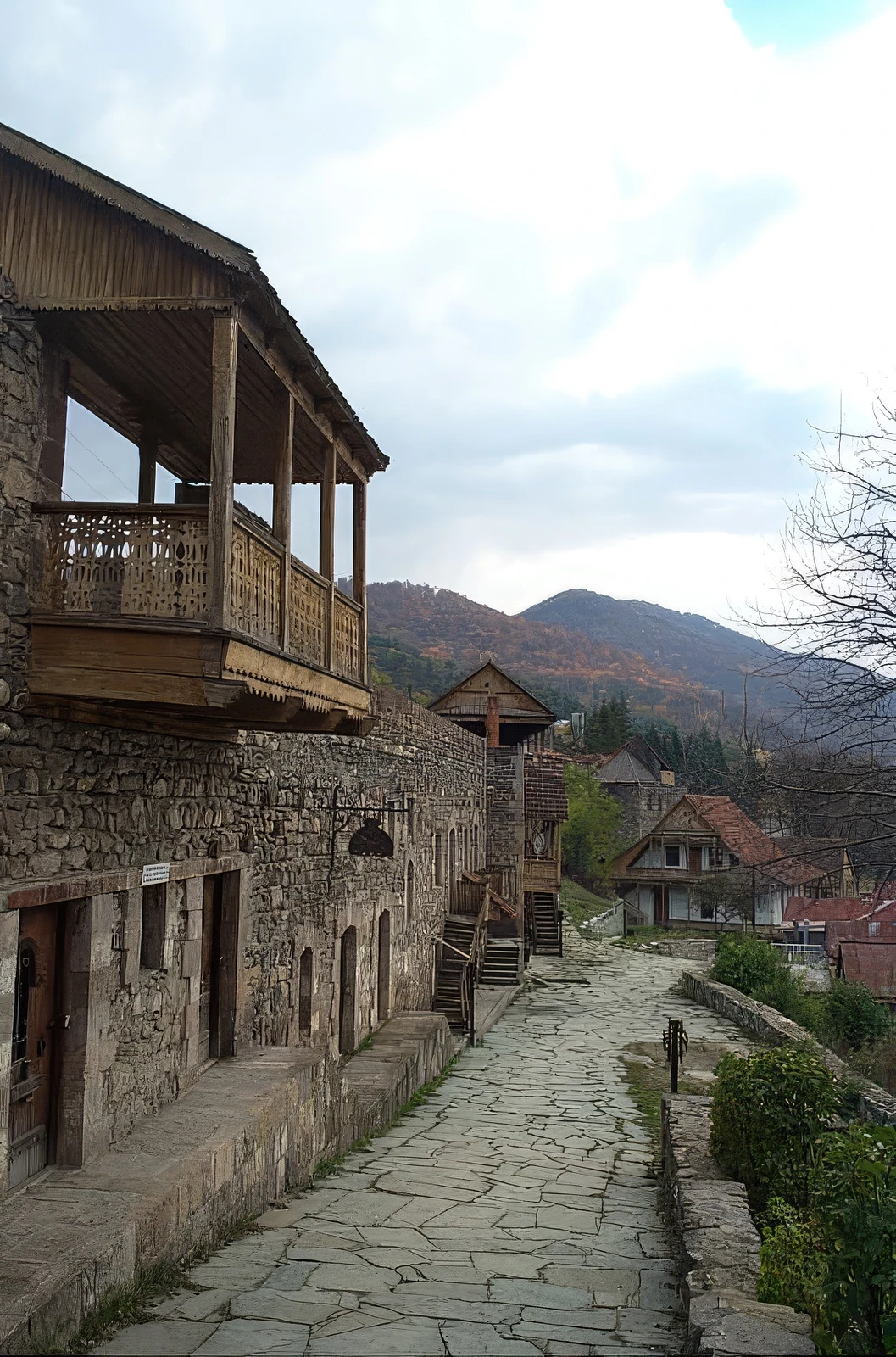
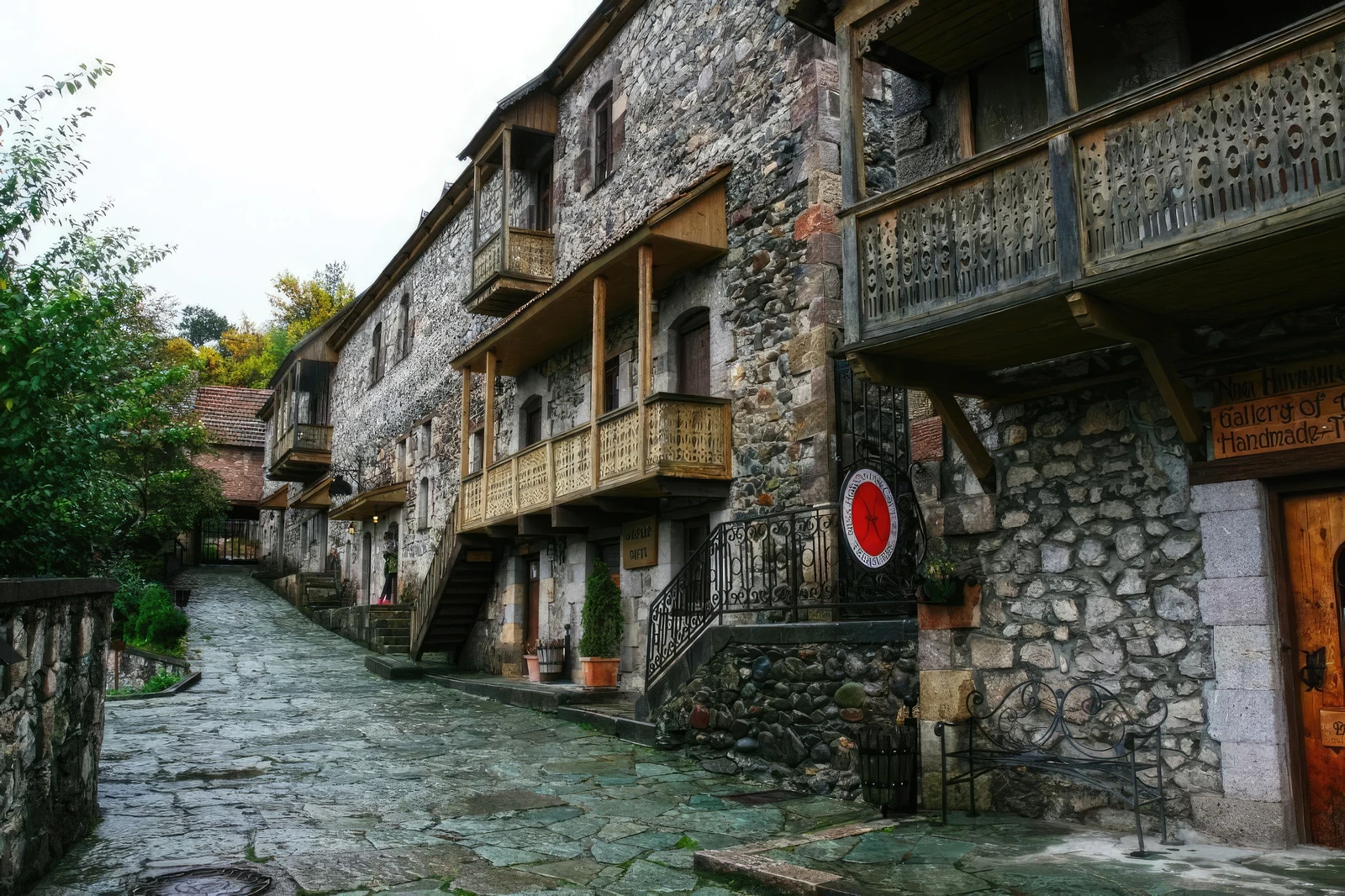
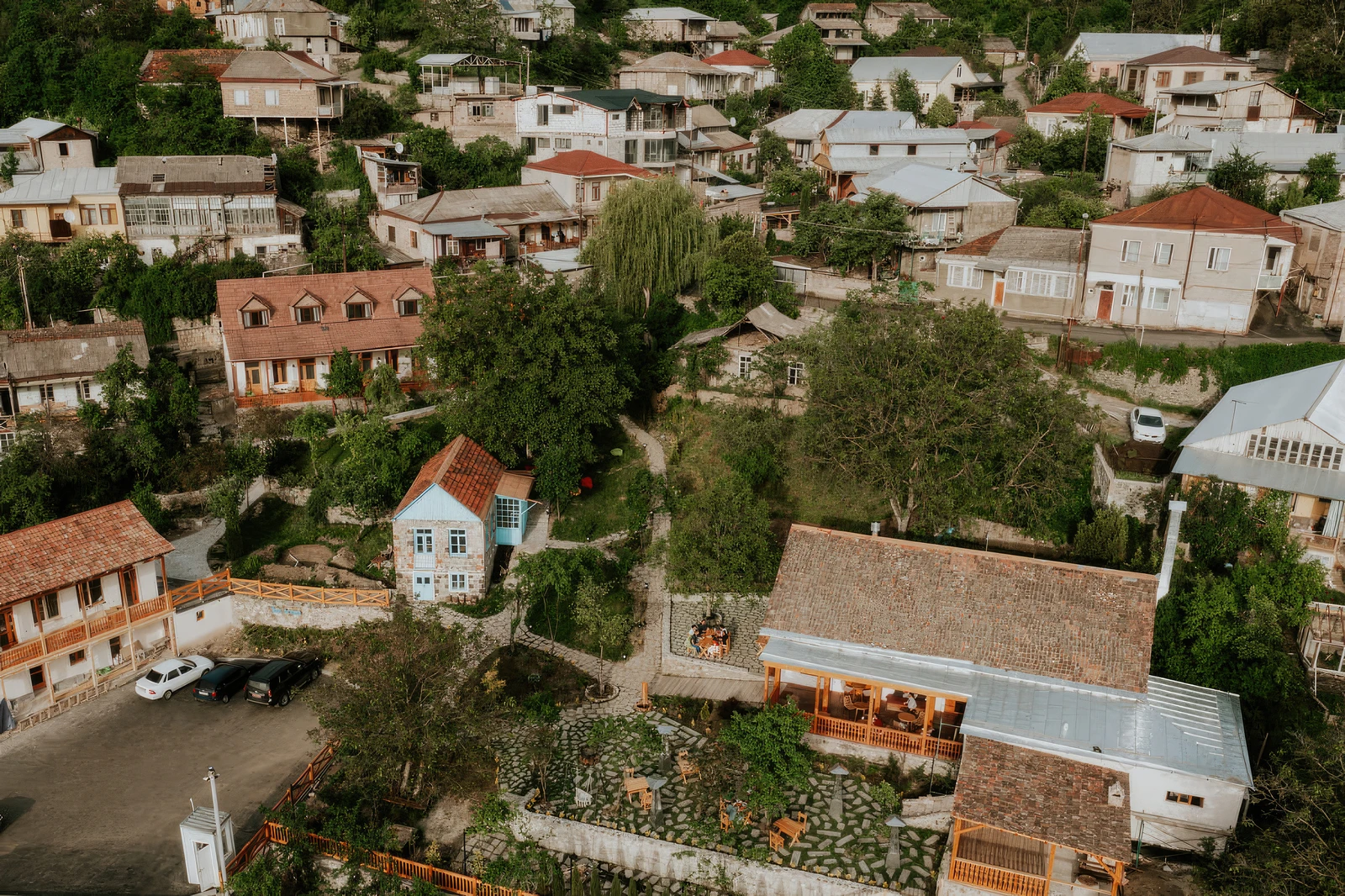
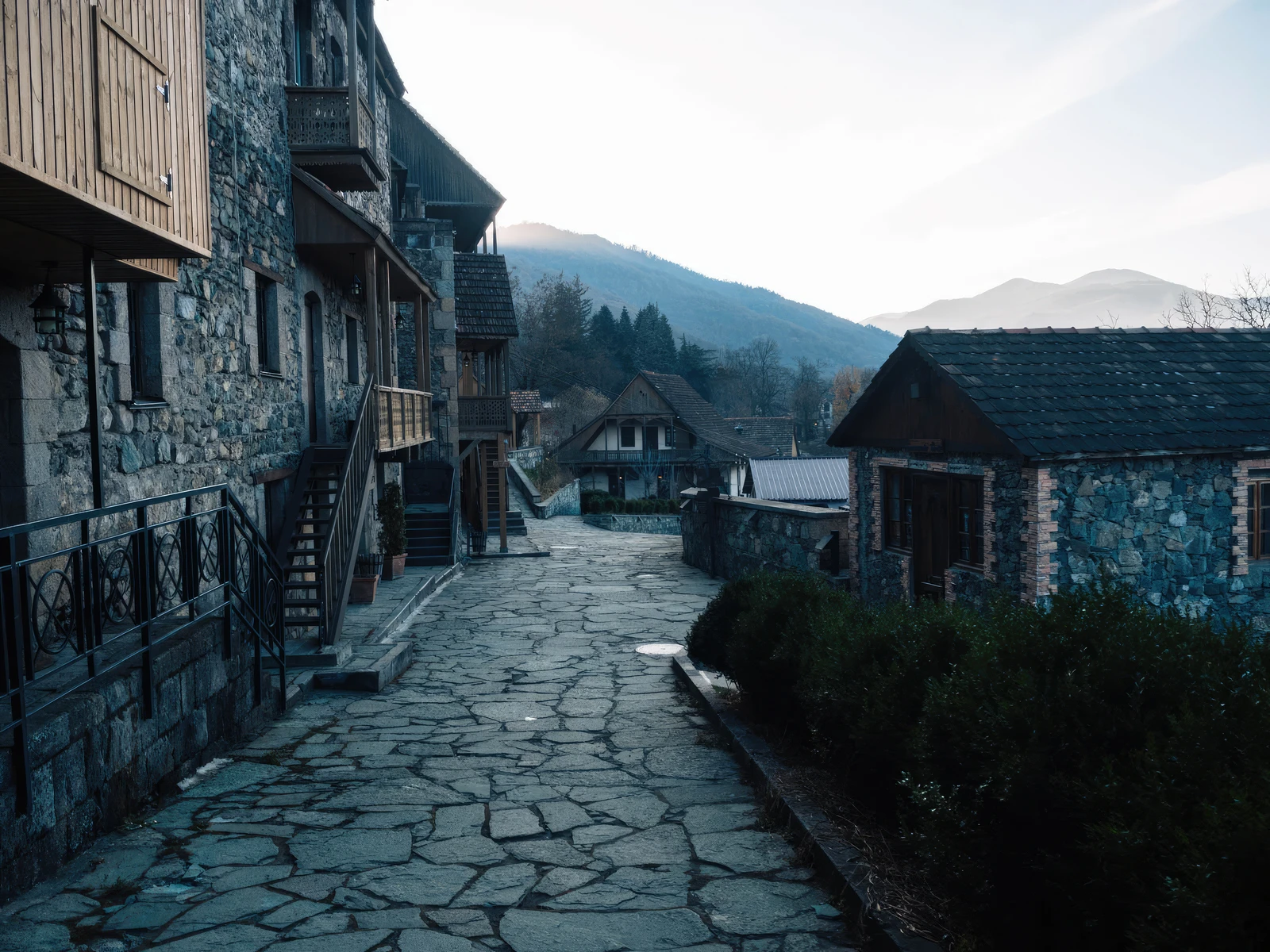
- Old Dilijan (Sharambeyan Street): The heart of Dilijan’s old town features preserved traditional Armenian architecture with wooden balconies, craftsman’s workshops, galleries, and museums, reflecting its artistic heritage.
- Climate: Dilijan enjoys a warm summer humid continental climate, with cooler summers and cold, snowy winters, making it a refreshing escape from the heat of the Armenian lowlands.
What Makes It Famous
Dilijan’s fame stems from its natural beauty, cultural significance, and its growing role as an educational and artistic hub:
- “Armenian Switzerland”: Its lush forests, clean air, and mountainous landscapes have earned it this popular nickname, making it a prime destination for nature lovers and those seeking tranquility.
- Spa and Resort Town: Historically a renowned mountain resort, it continues to attract visitors for its healthful climate and mineral springs.
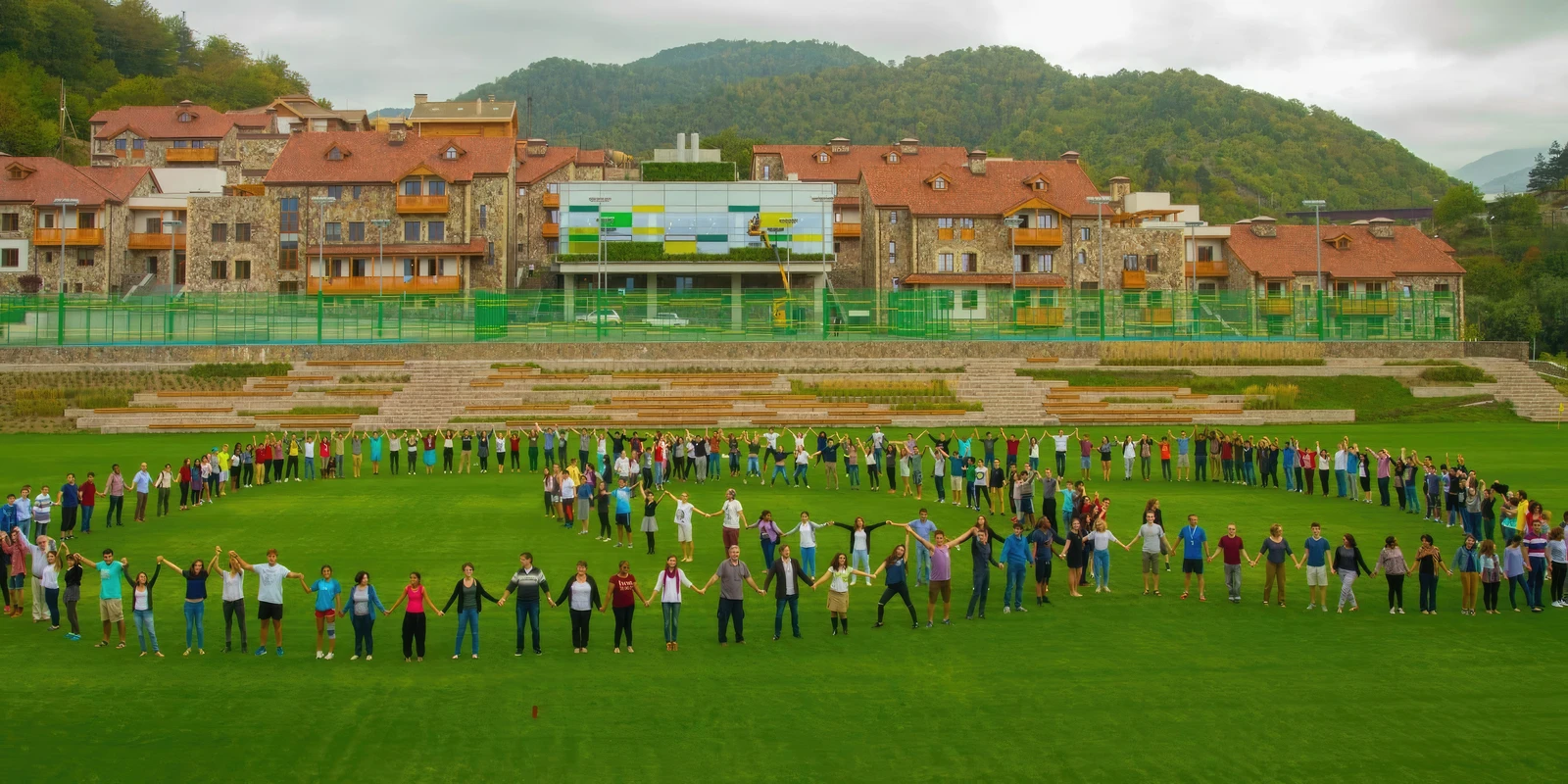
- Cultural and Artistic Hub: Dilijan has long been a retreat for Armenian artists, composers, and filmmakers. Its preserved old town and cultural initiatives (like the Dilijan International School and its inclusion in UNESCO’s Global Network of Learning Cities) highlight its vibrant cultural scene.
- Ancient Monasteries: The presence of well-preserved medieval monasteries like Haghartsin and Goshavank adds significant historical and spiritual depth to the region’s appeal.
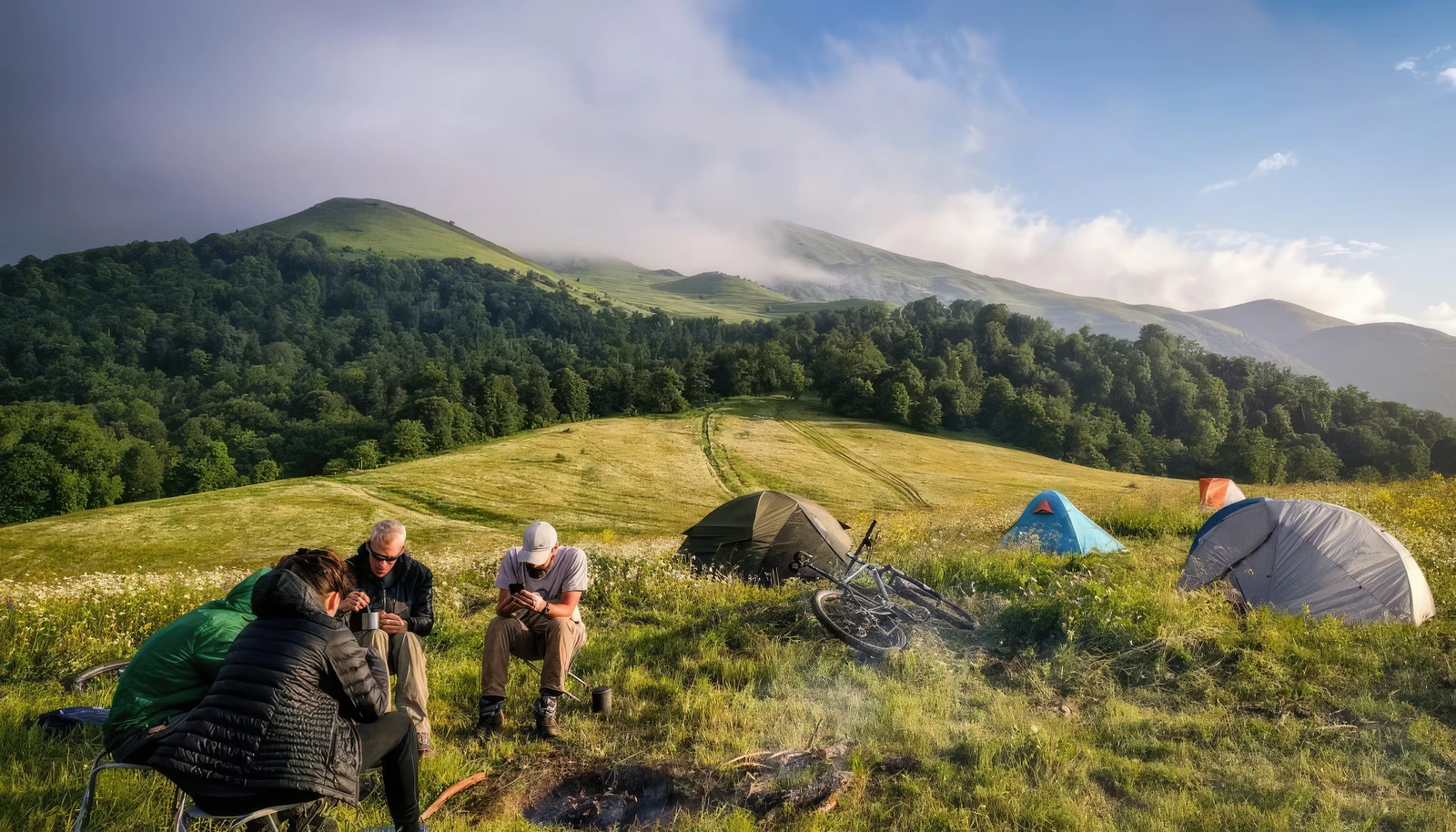
- Outdoor Activities: It’s a popular destination for hiking, mountain biking, and exploring nature trails within Dilijan National Park.
Differences from Some Other Natural Attractions
Dilijan distinguishes itself from other natural attractions in several ways:
- Forested Mountains vs. High-Altitude Lake: While Lake Sevan (also in Armenia) is famous for its vast, high-altitude freshwater body and beaches, Dilijan’s primary natural appeal lies in its dense, verdant forests and mountainous terrain, offering a different kind of natural escape.
- Integrated Cultural Landscape: Unlike purely natural sites, Dilijan seamlessly integrates its natural beauty with a rich tapestry of historical monasteries, traditional architecture, and a thriving contemporary arts scene. This blend offers a more holistic cultural and natural experience.
- Focus on Wellness and Education: Its identity as a spa town and a developing international educational center (UWC Dilijan) adds dimensions of wellness and intellectual growth not typically found in other natural or historical landmarks.
- “Green” Escape: Compared to the arid or coastal landscapes of many Middle Eastern landmarks (e.g., Wadi Bani Khalid in Oman, Palm Jumeirah in Dubai), Dilijan offers a unique “green” oasis experience with a cooler, more humid climate.