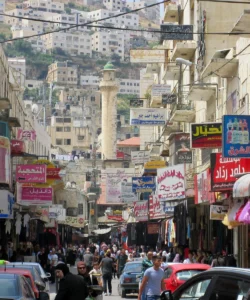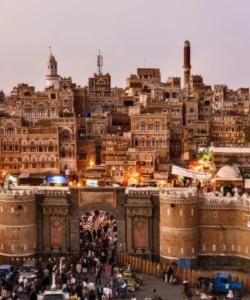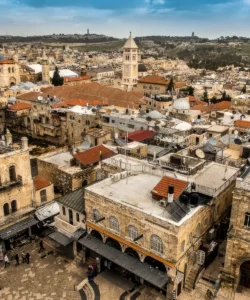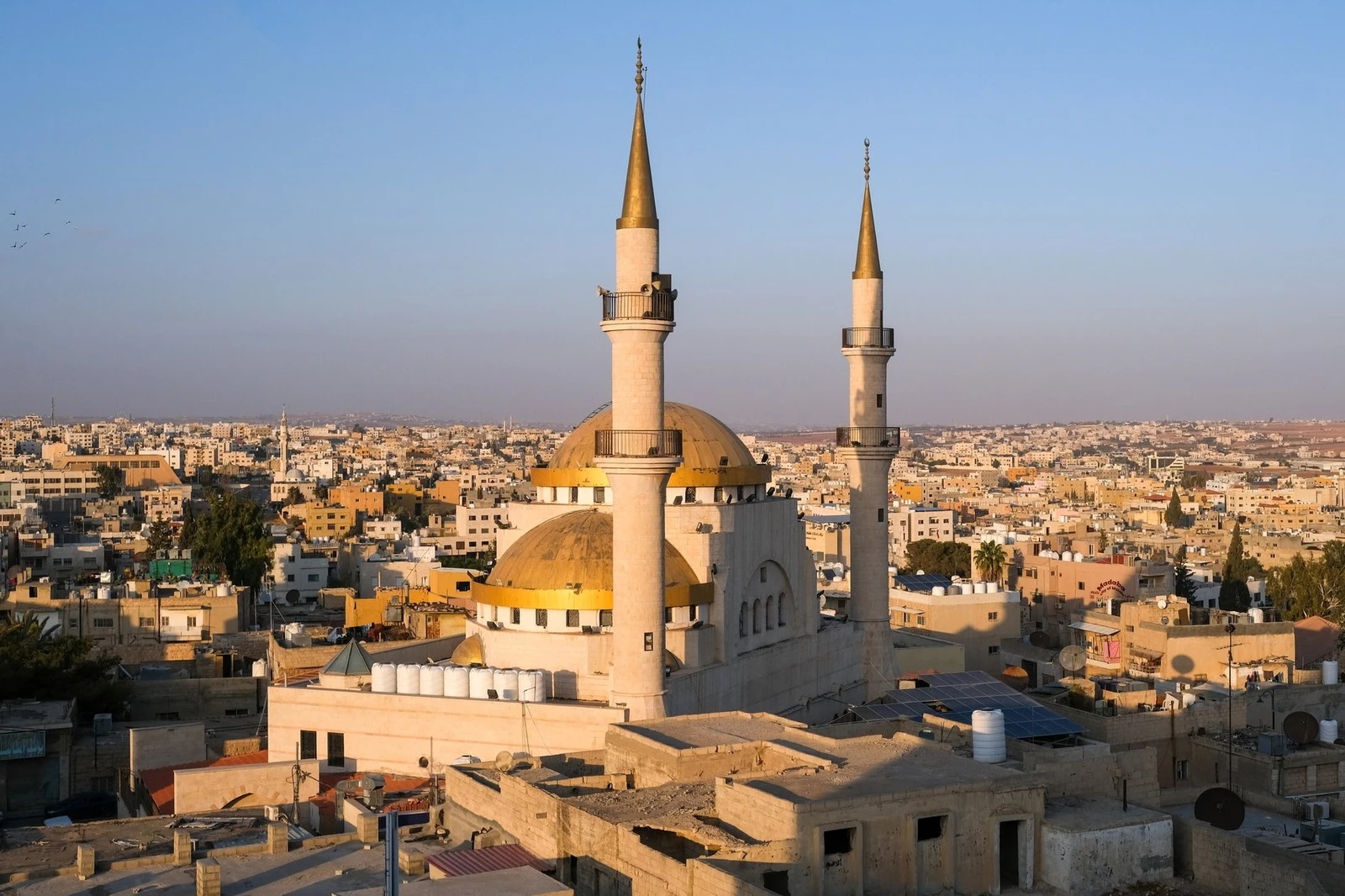
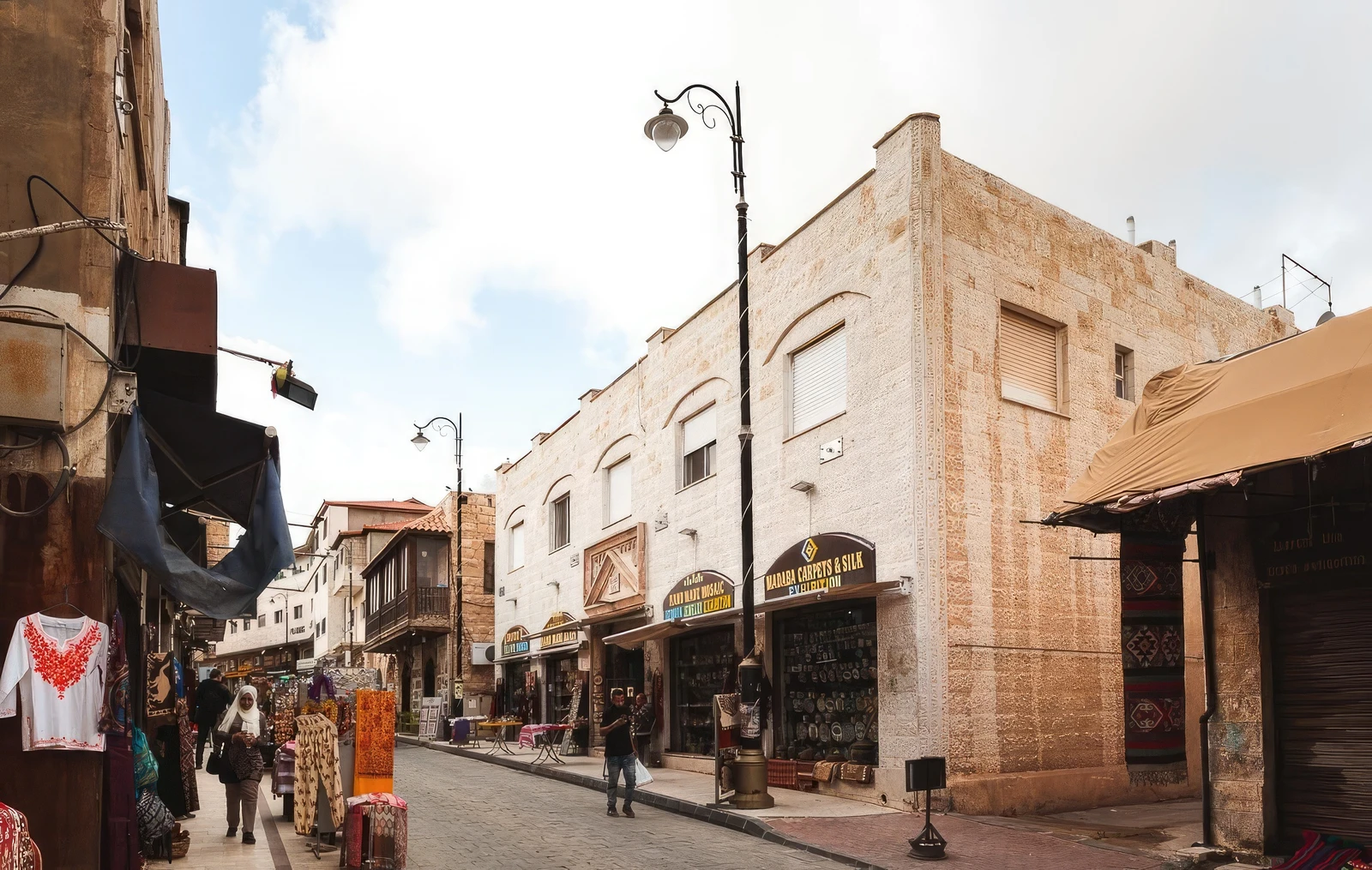
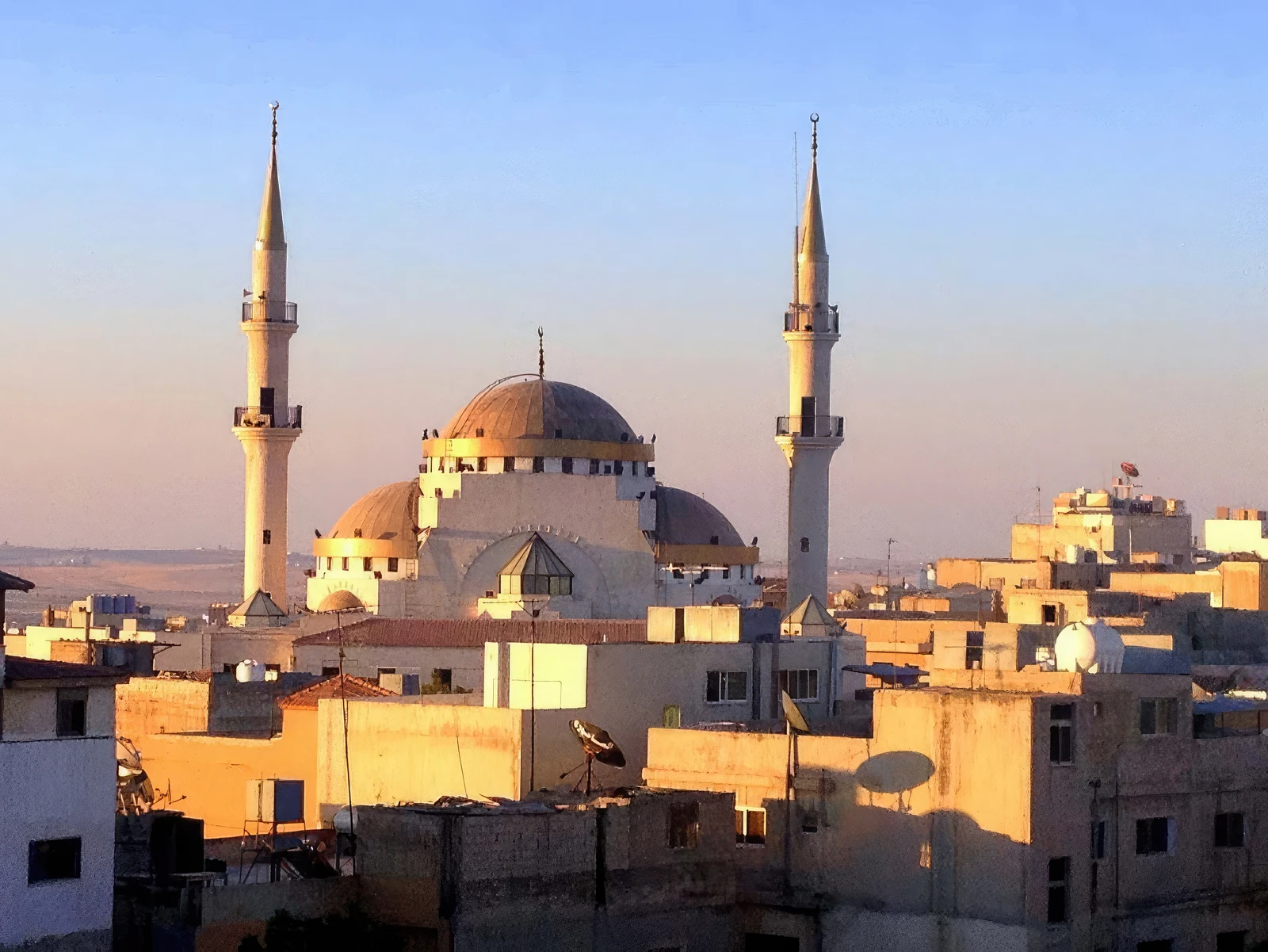
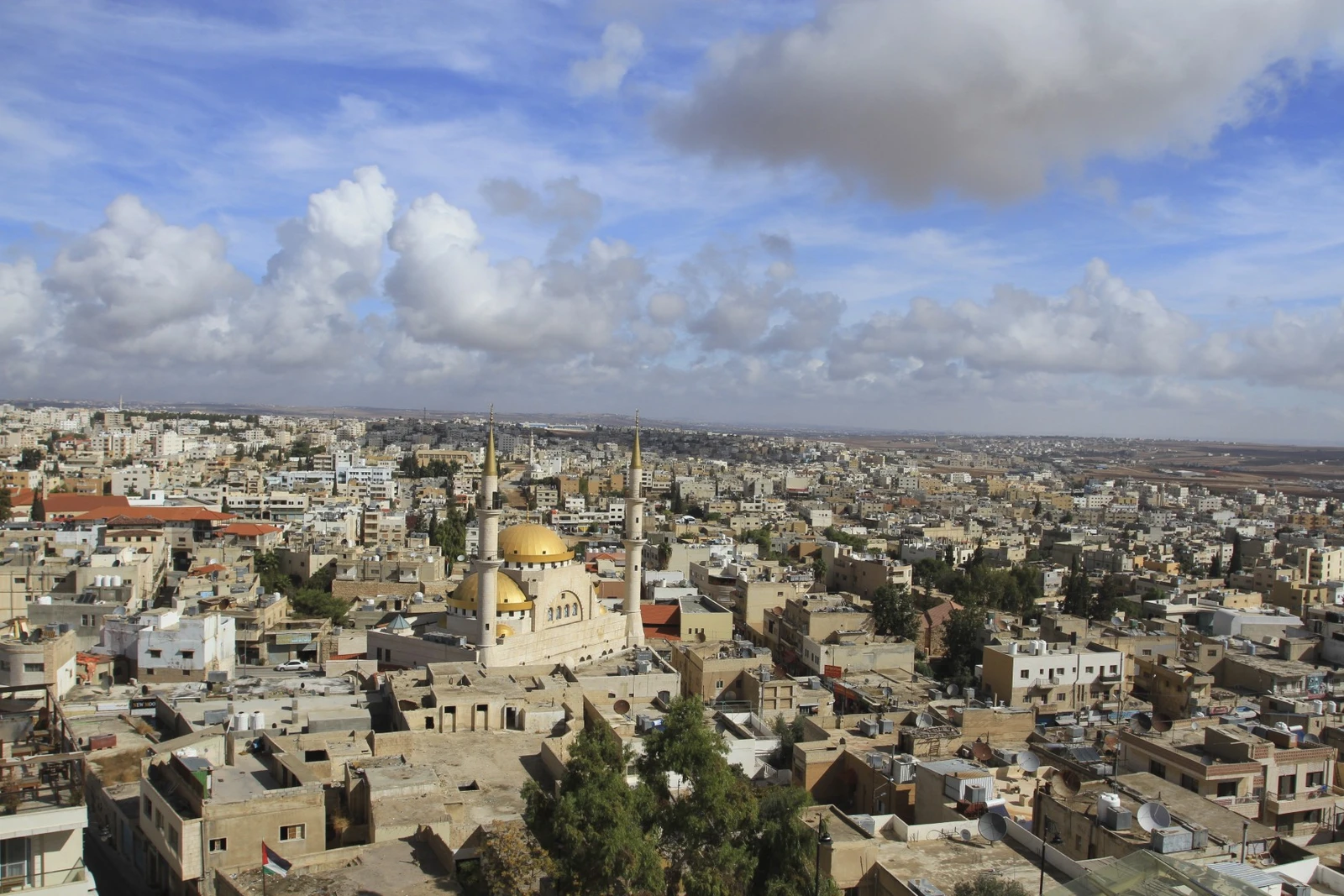

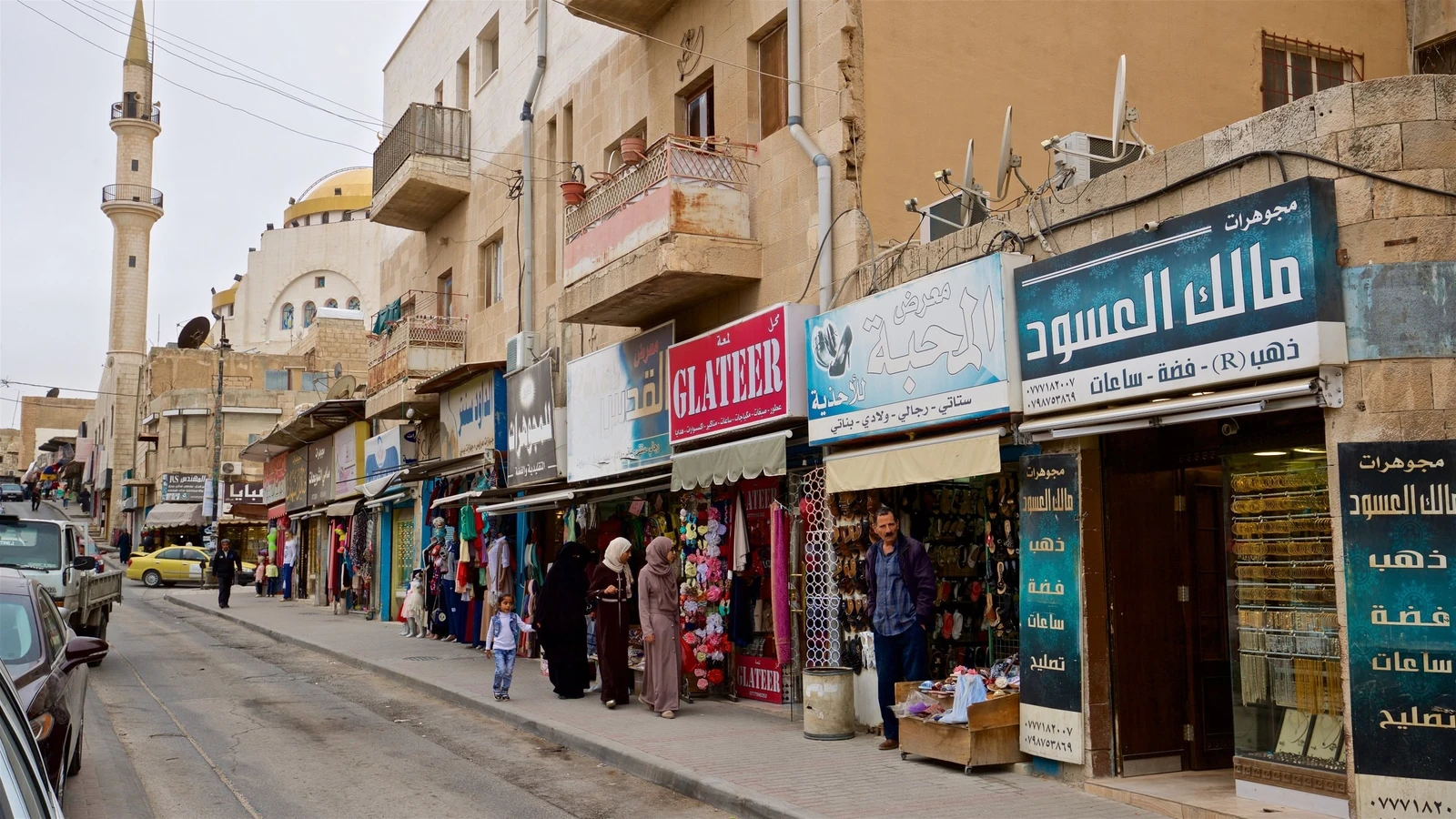

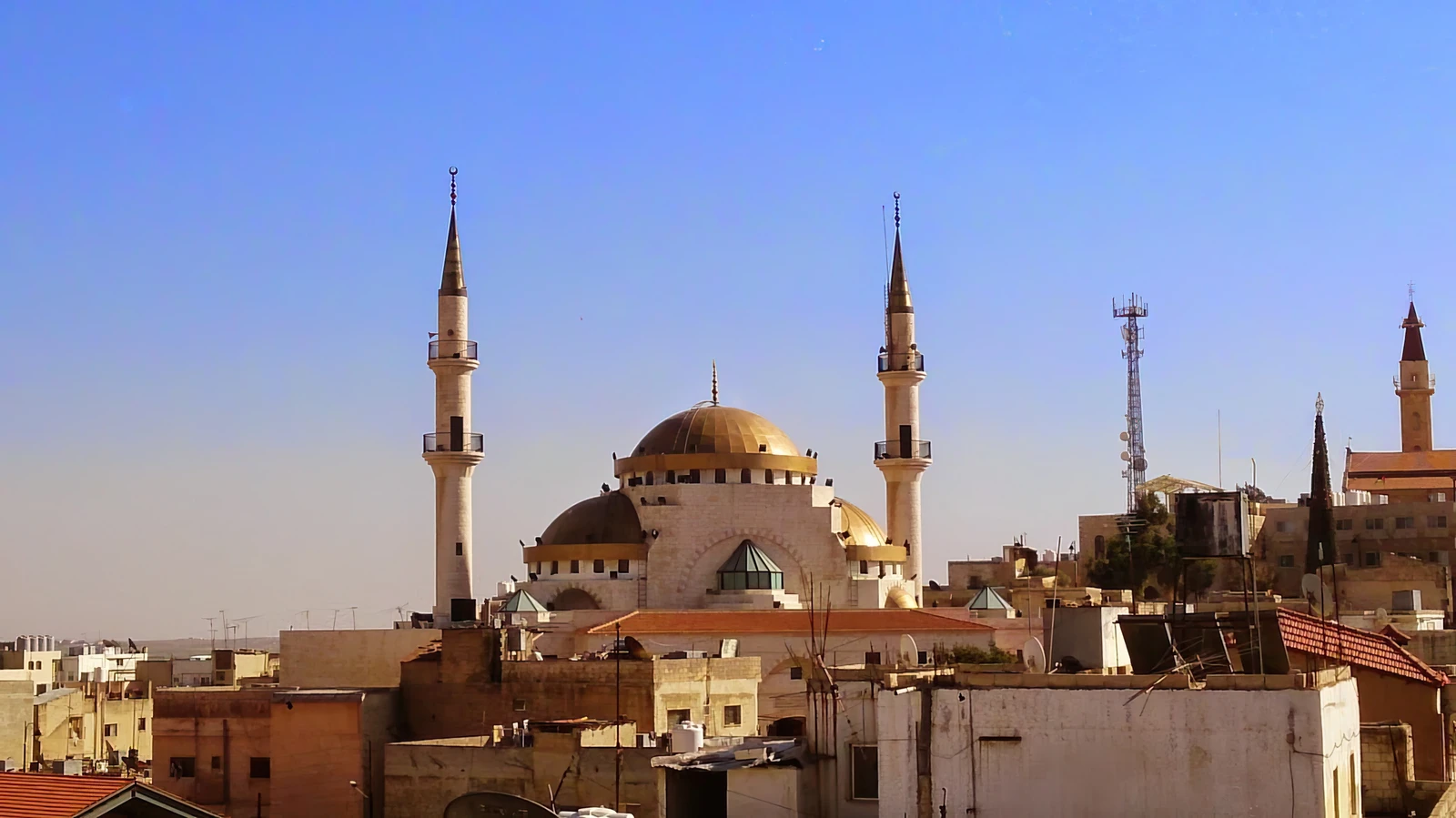

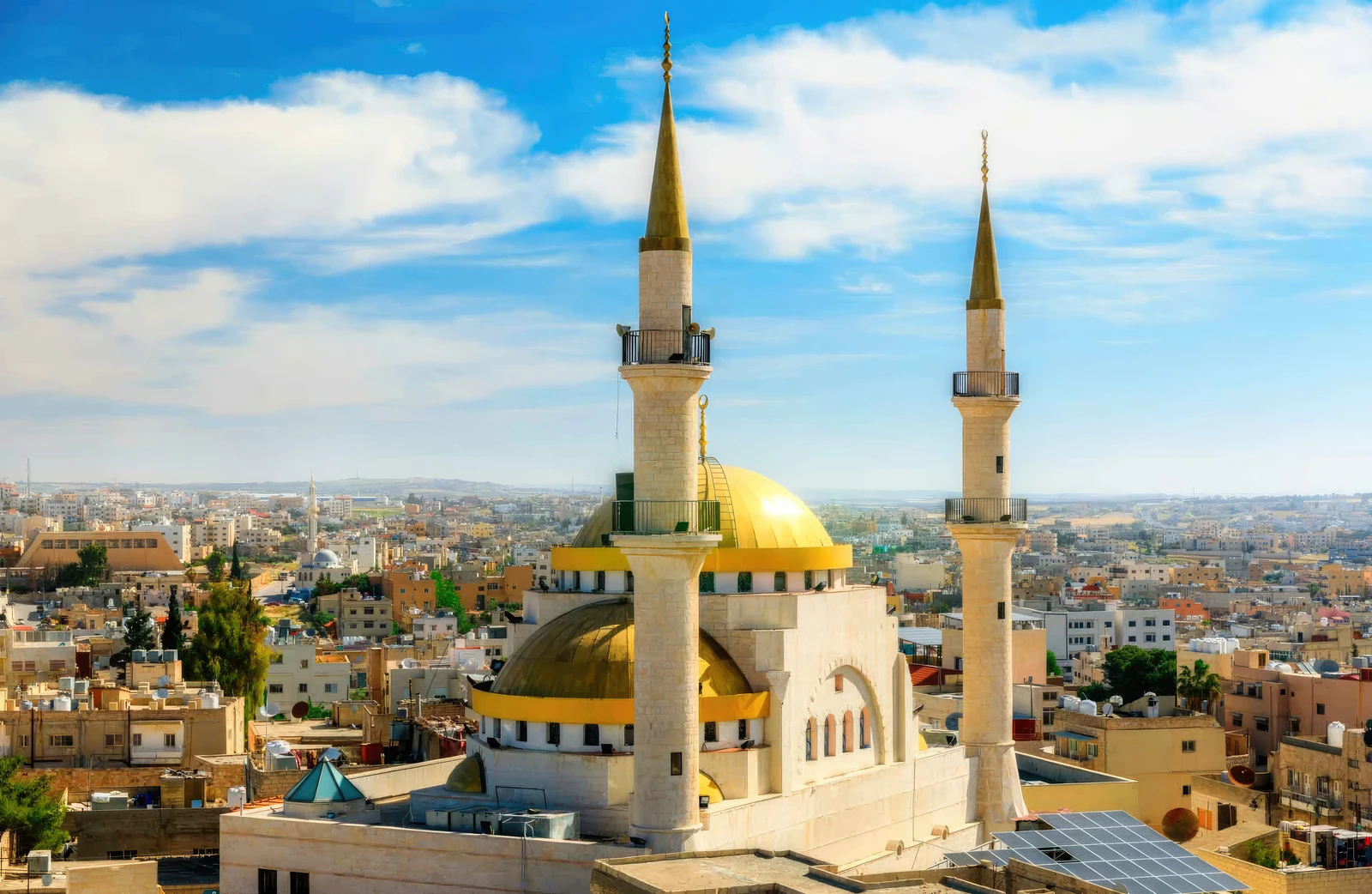
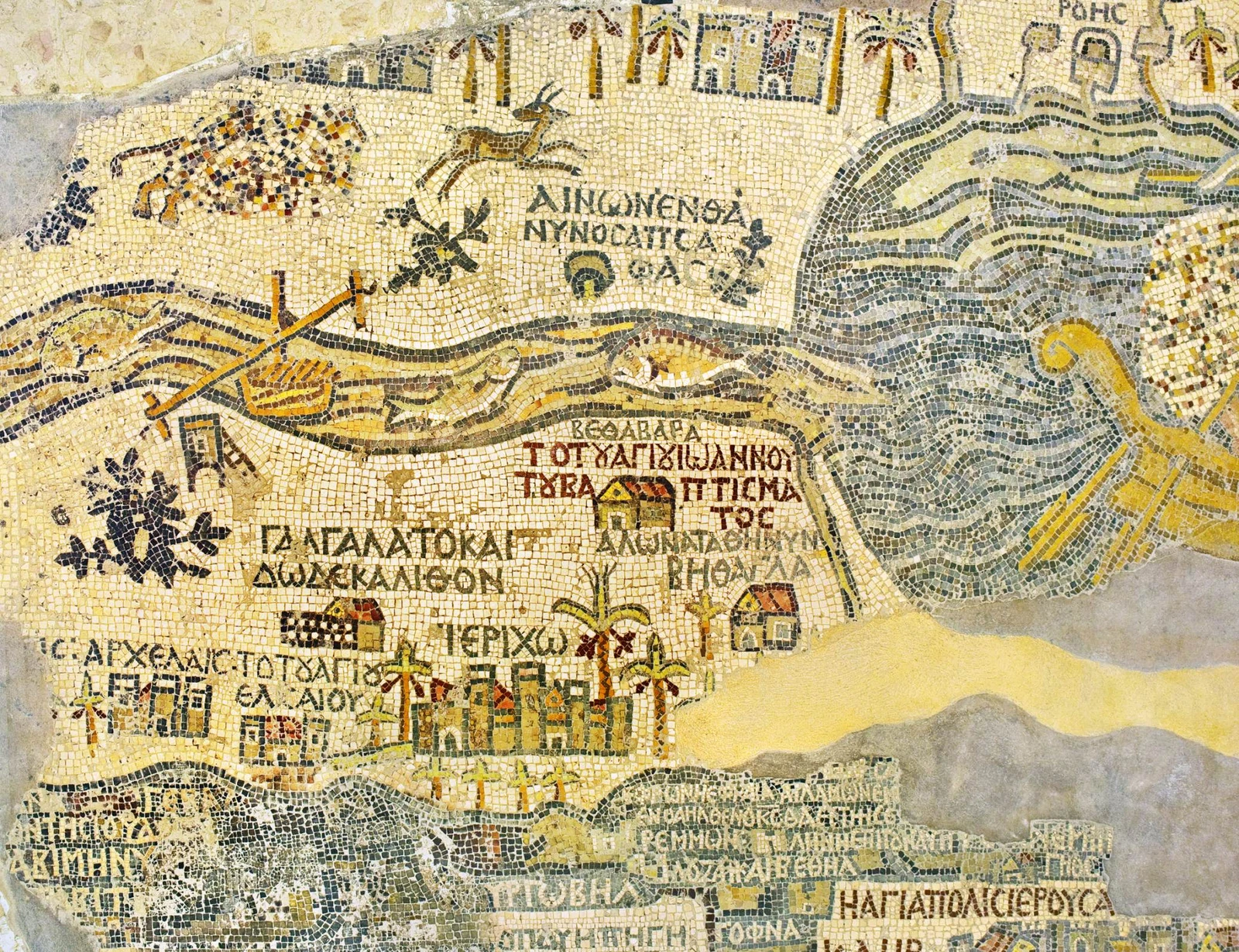
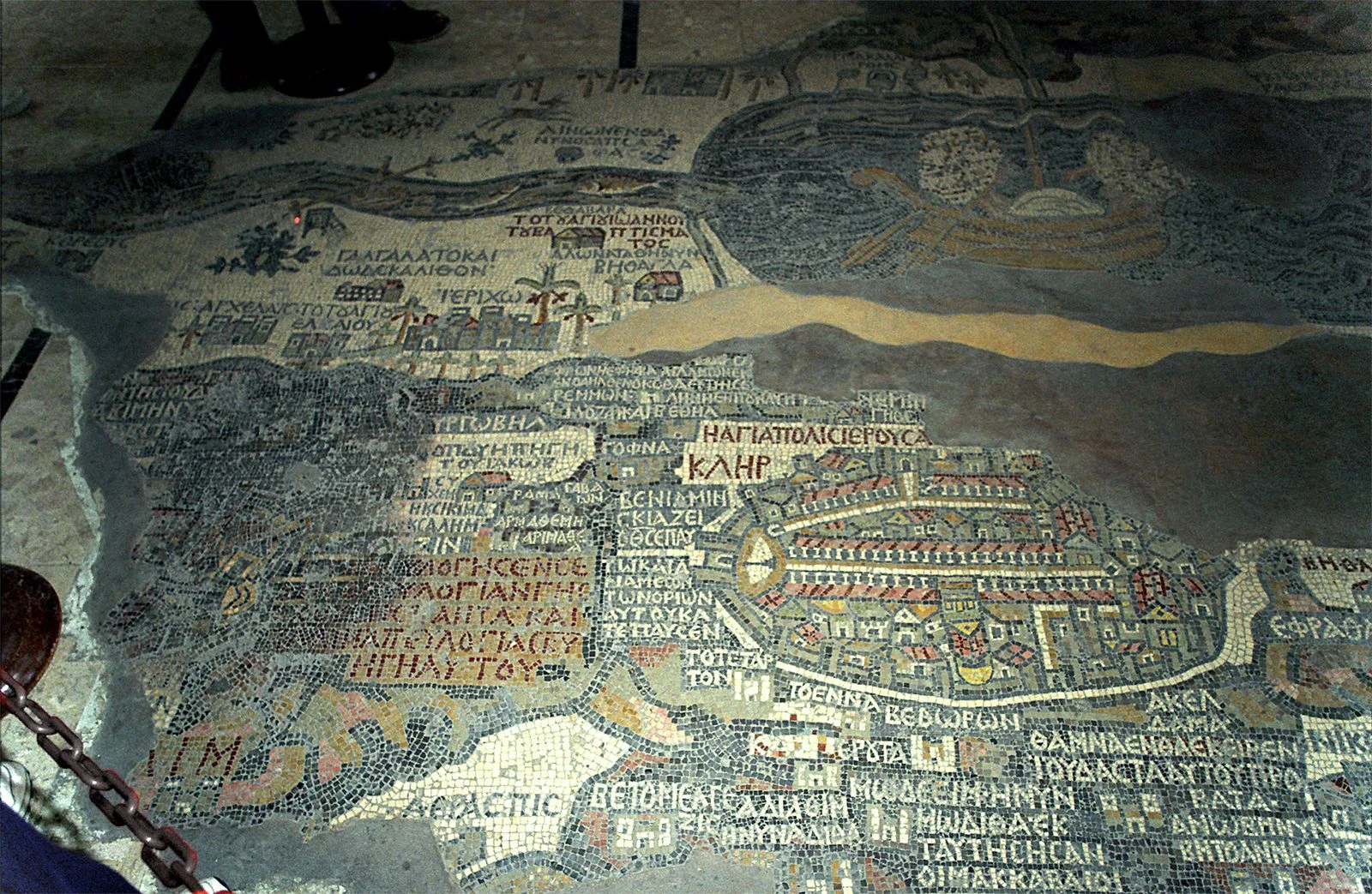
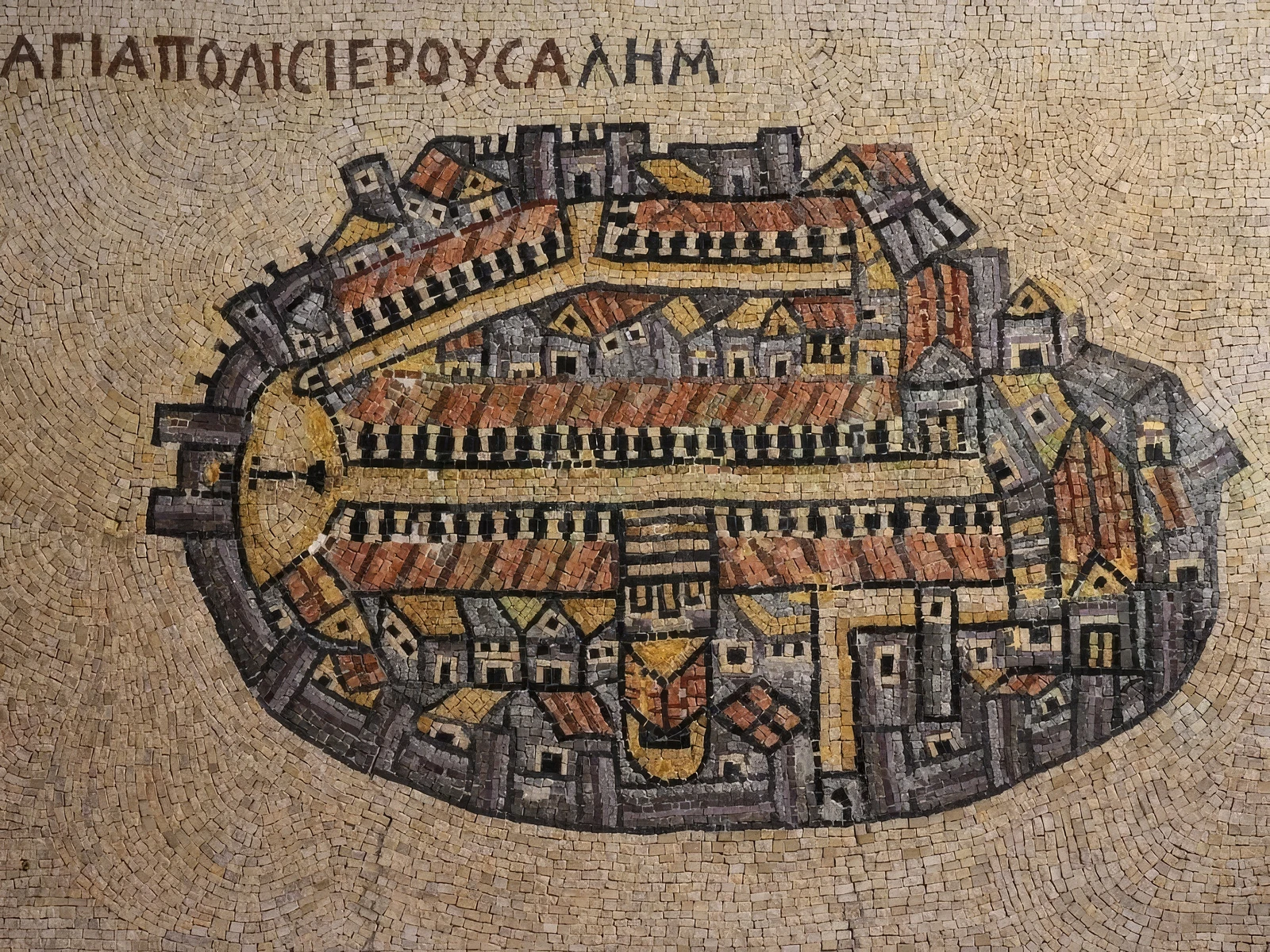

Madaba is a city in Jordan, famously known as the “City of Mosaics.” Its international fame comes from its extraordinary collection of Byzantine and Umayyad mosaics, particularly the 6th-century Madaba Map, the oldest surviving mosaic map of the Holy Land.
Listen to an introduction about Madaba

Name and Address
- Name: Madaba (Arabic: مادبا, Mādabā), also known as the “City of Mosaics.”
- Address: The city of Madaba is located in Jordan, approximately 30 kilometers (19 miles) southwest of the capital, Amman. It is part of a larger region with deep historical ties to the Holy Land.
How to Get There
Madaba is a popular day trip destination and is very easy to reach from Amman.
- By Car: The drive from Amman to Madaba is short, taking only about 30 to 45 minutes. You can rent a car, hire a private taxi, or use a ride-sharing service for a quick and convenient journey.
- By Bus: Public minibuses are a very affordable option, running frequently from Amman’s South Bus Station to Madaba. The journey takes about an hour.
Landscape and Architecture
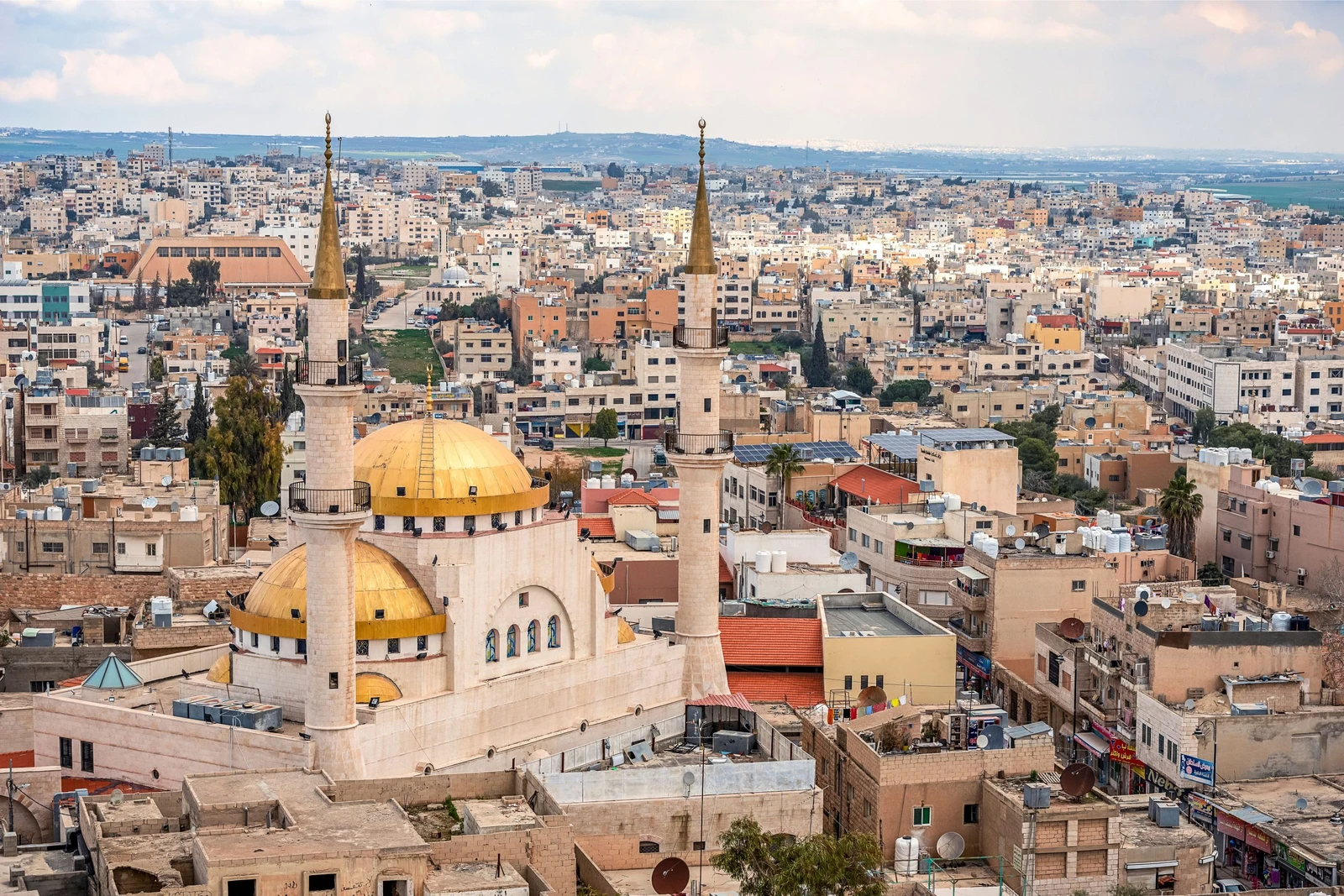
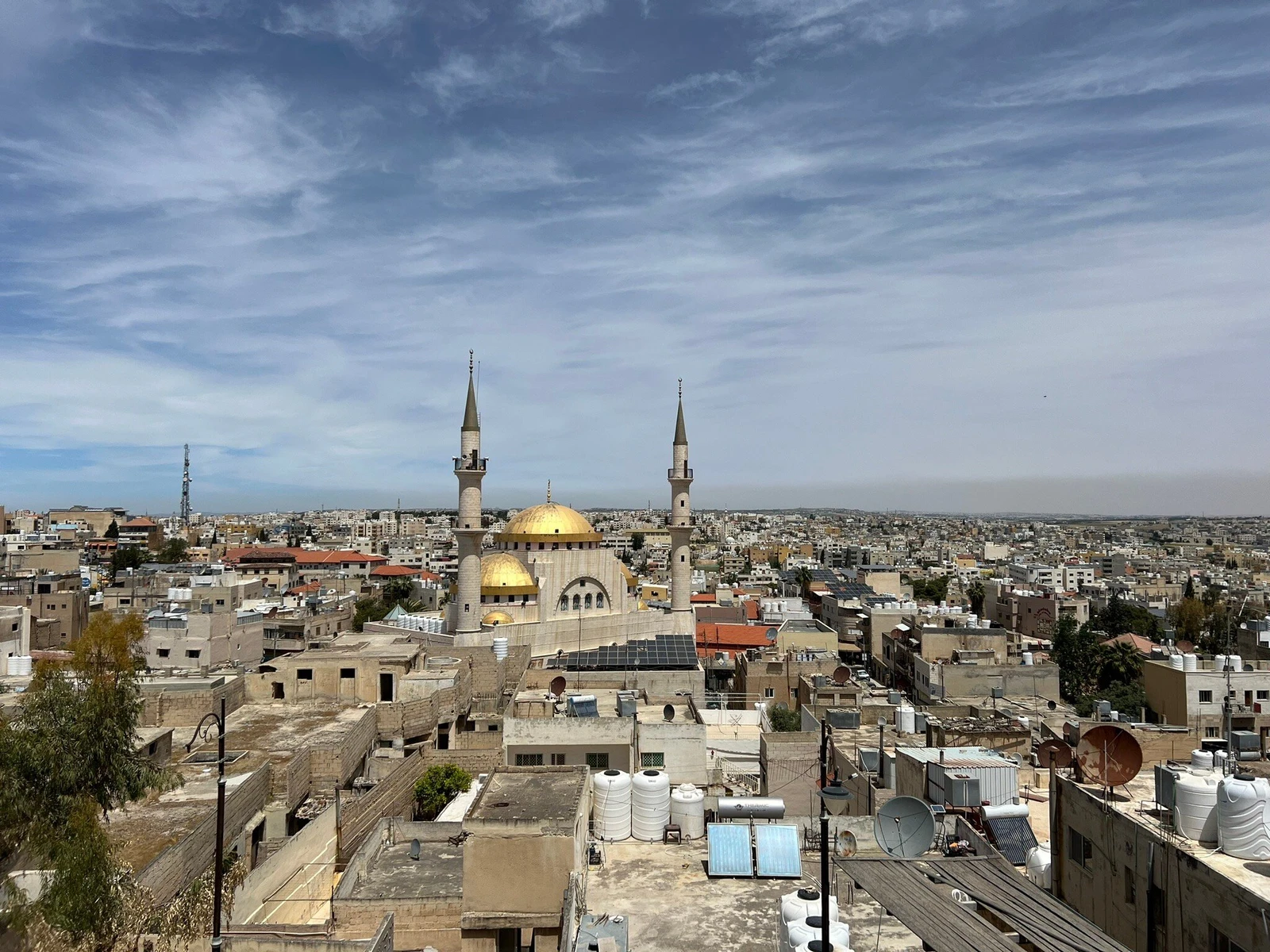
The city’s landscape is a blend of a modern town and a historic archaeological site, with its most significant architectural features found in its churches and archaeological parks.
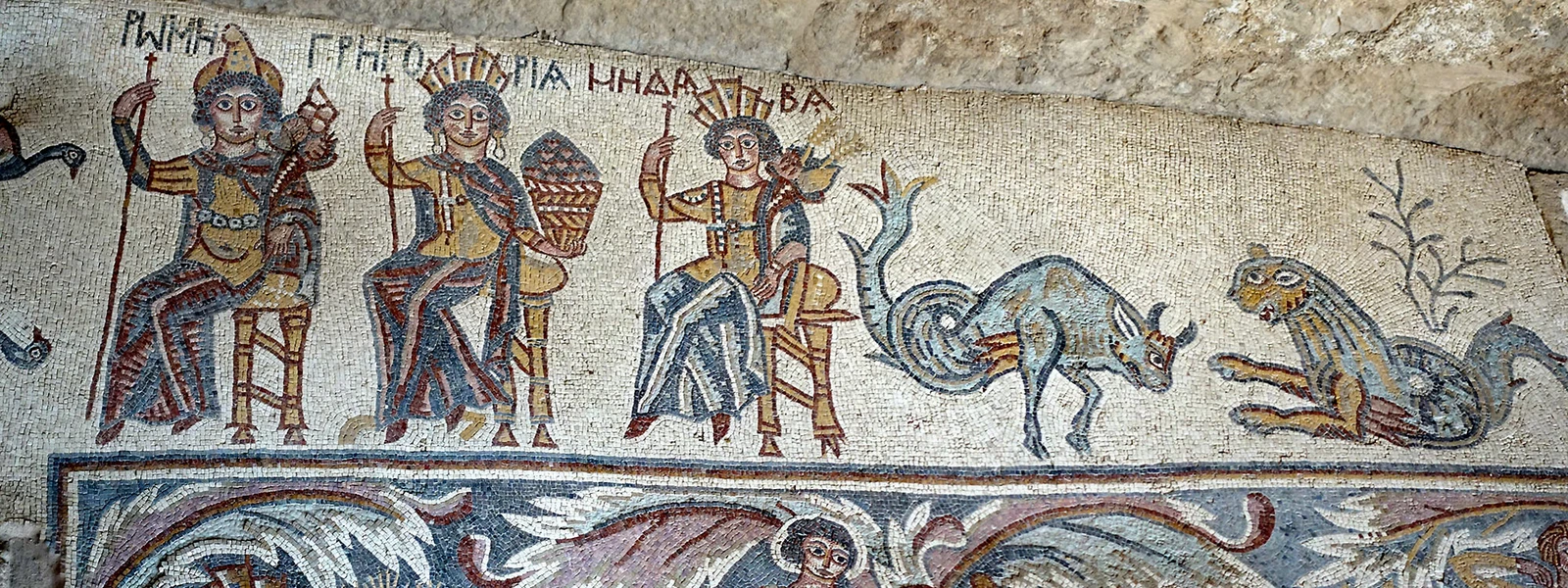
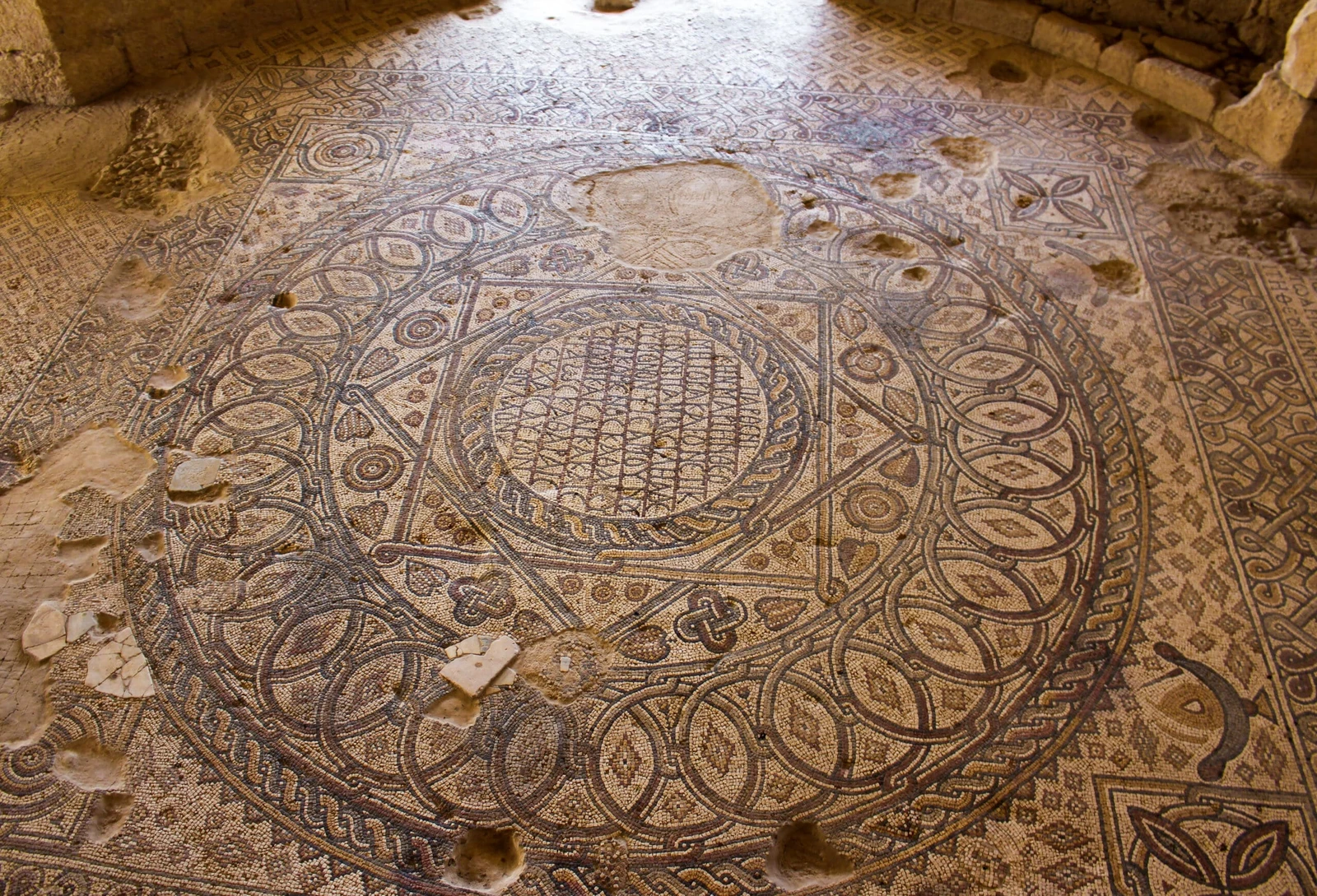
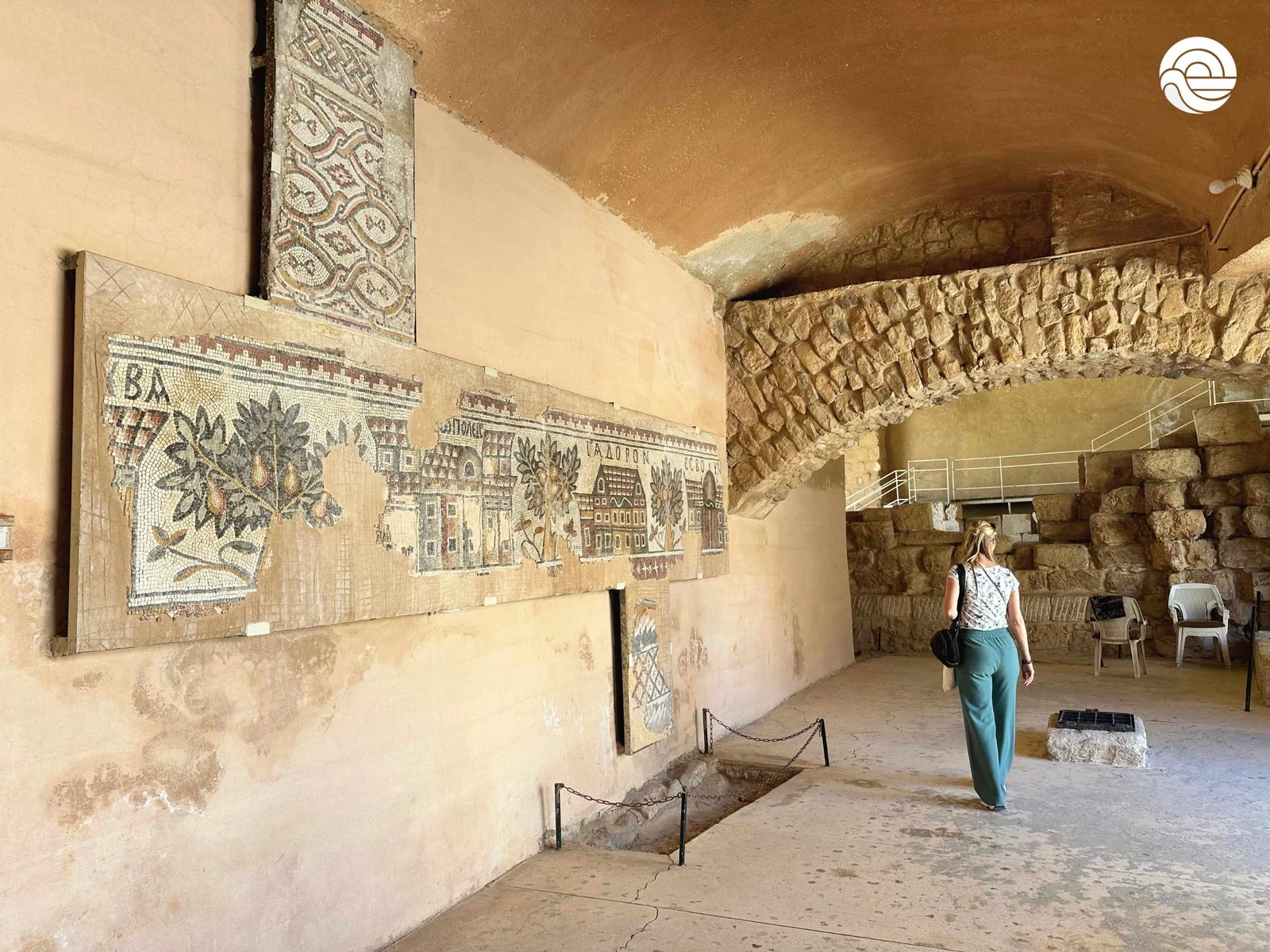
- Ancient Mosaics: The most striking “architectural” feature is the mosaics themselves. These are not just in museums but are integrated into the floors of active churches and ancient ruins.
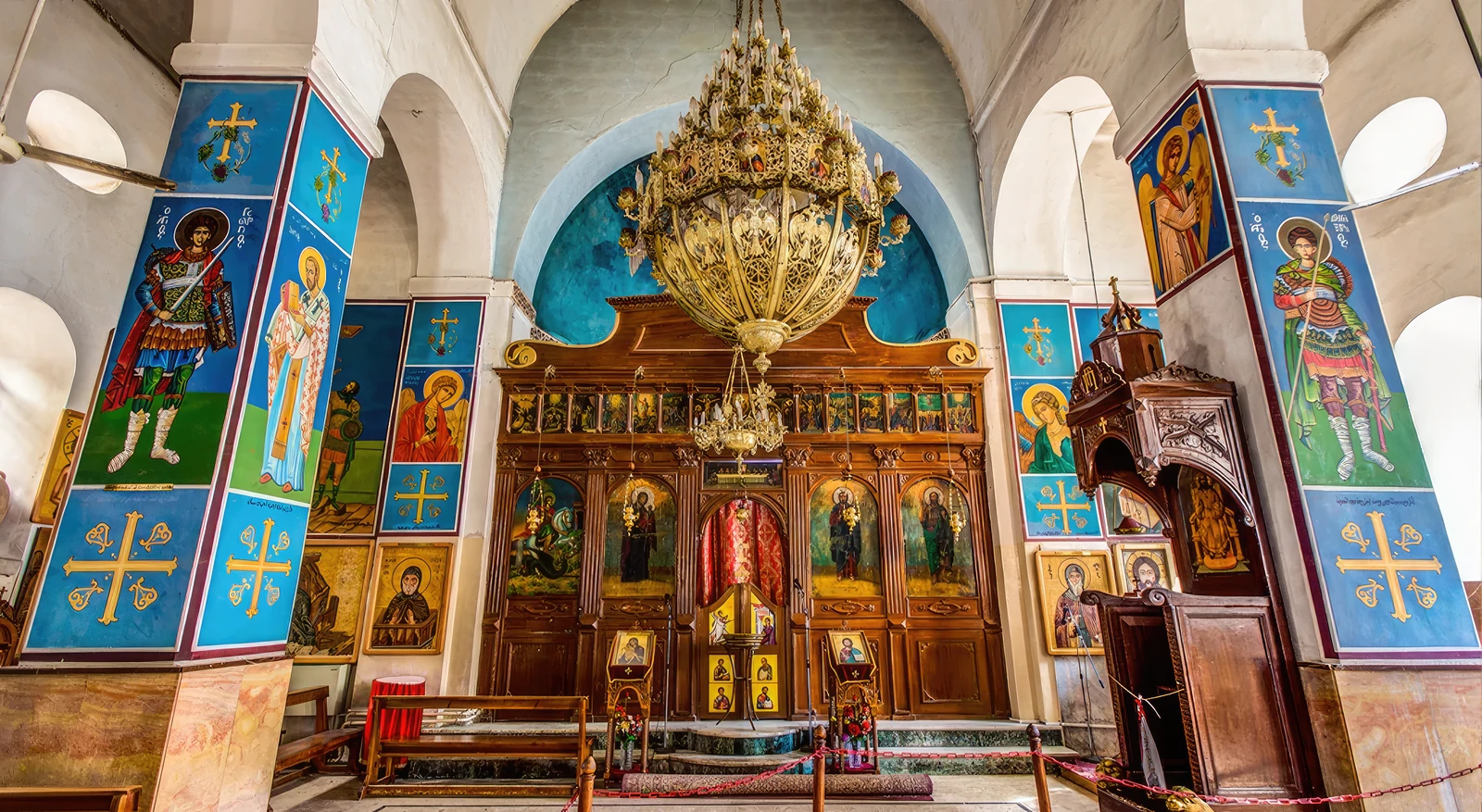
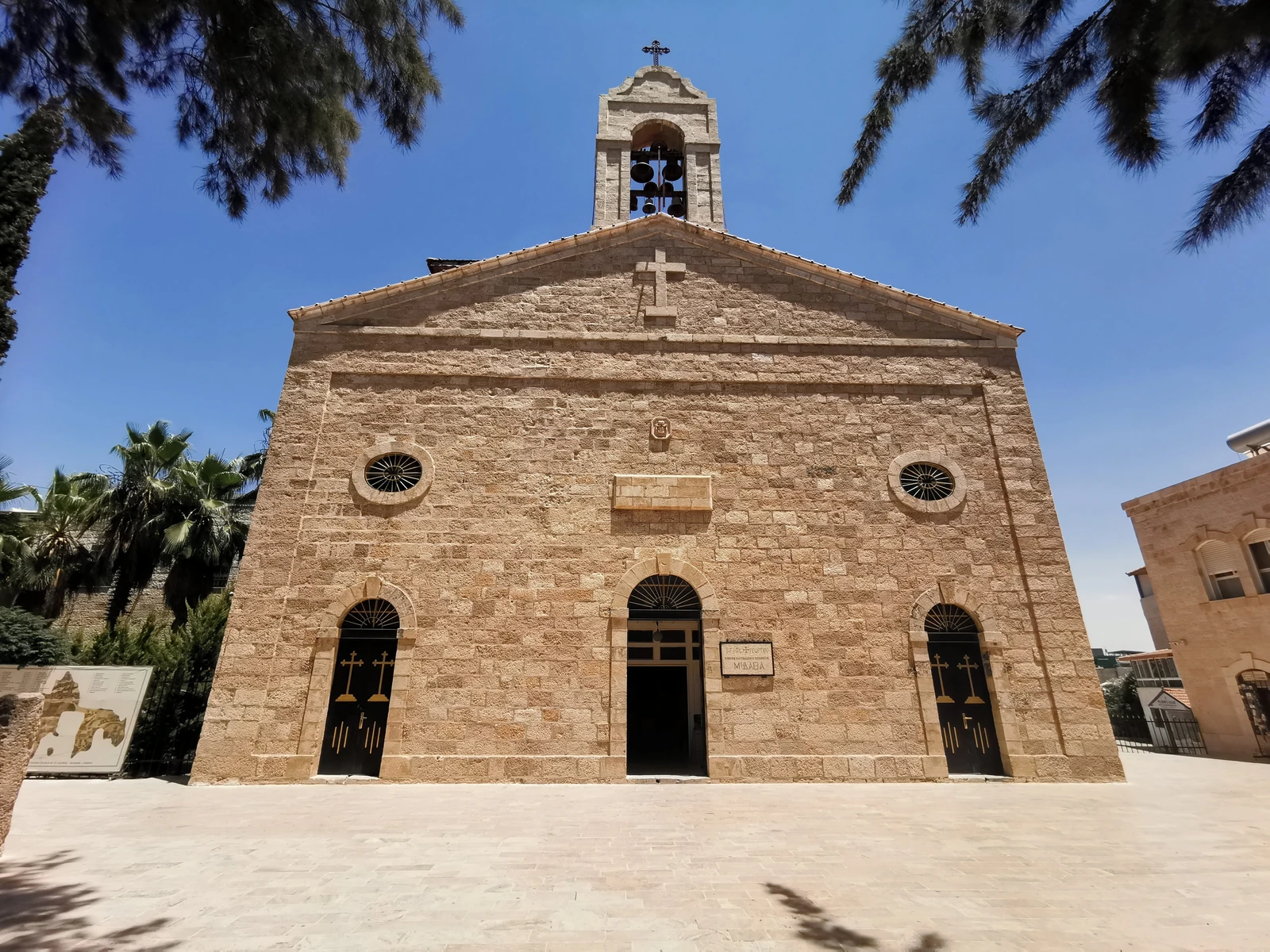
- St. George’s Church: The Greek Orthodox Church of St. George is home to the famous Madaba Mosaic Map. This modern church was built over the remains of an ancient Byzantine church and protects the intricate mosaic on its floor.
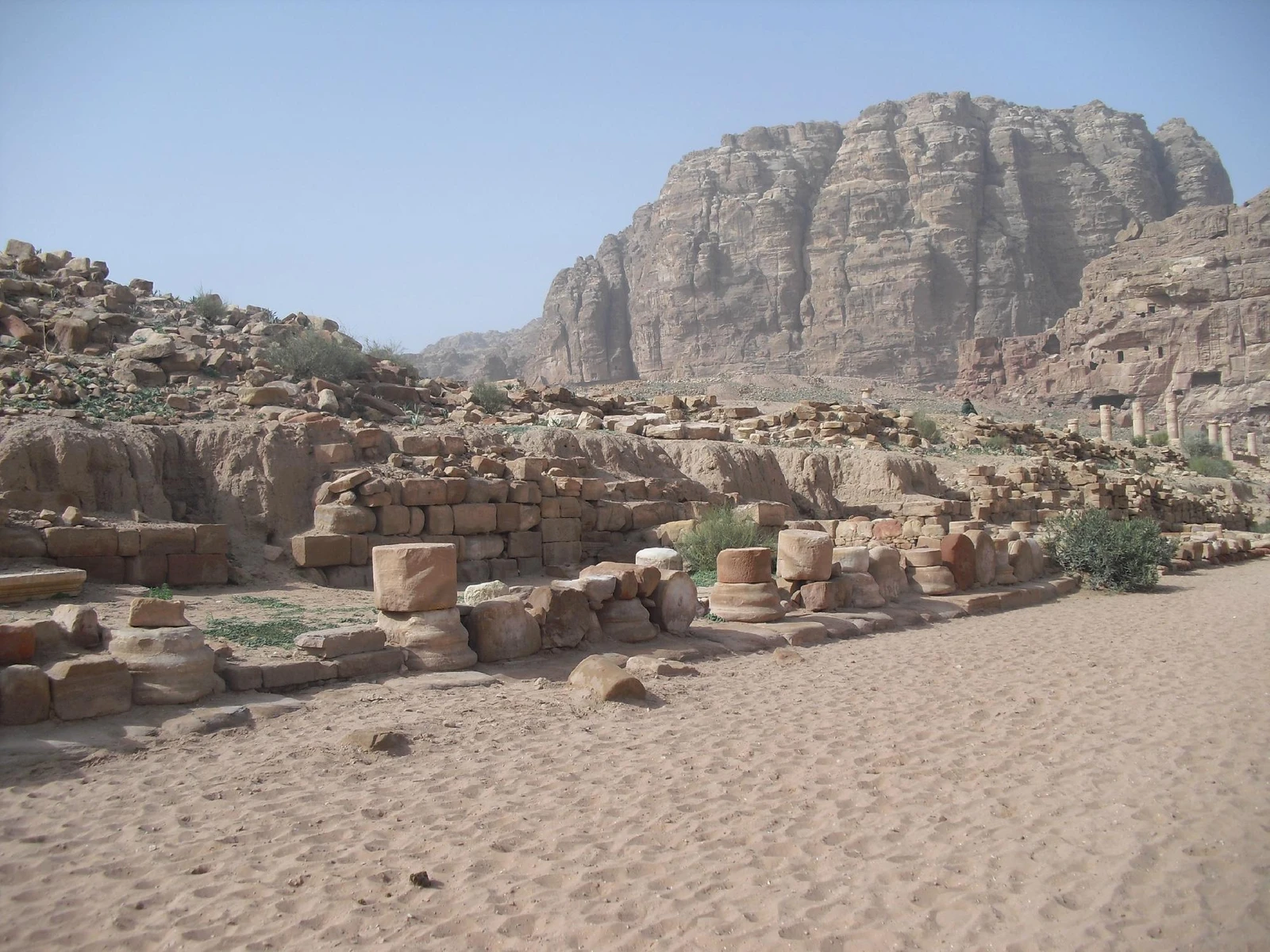
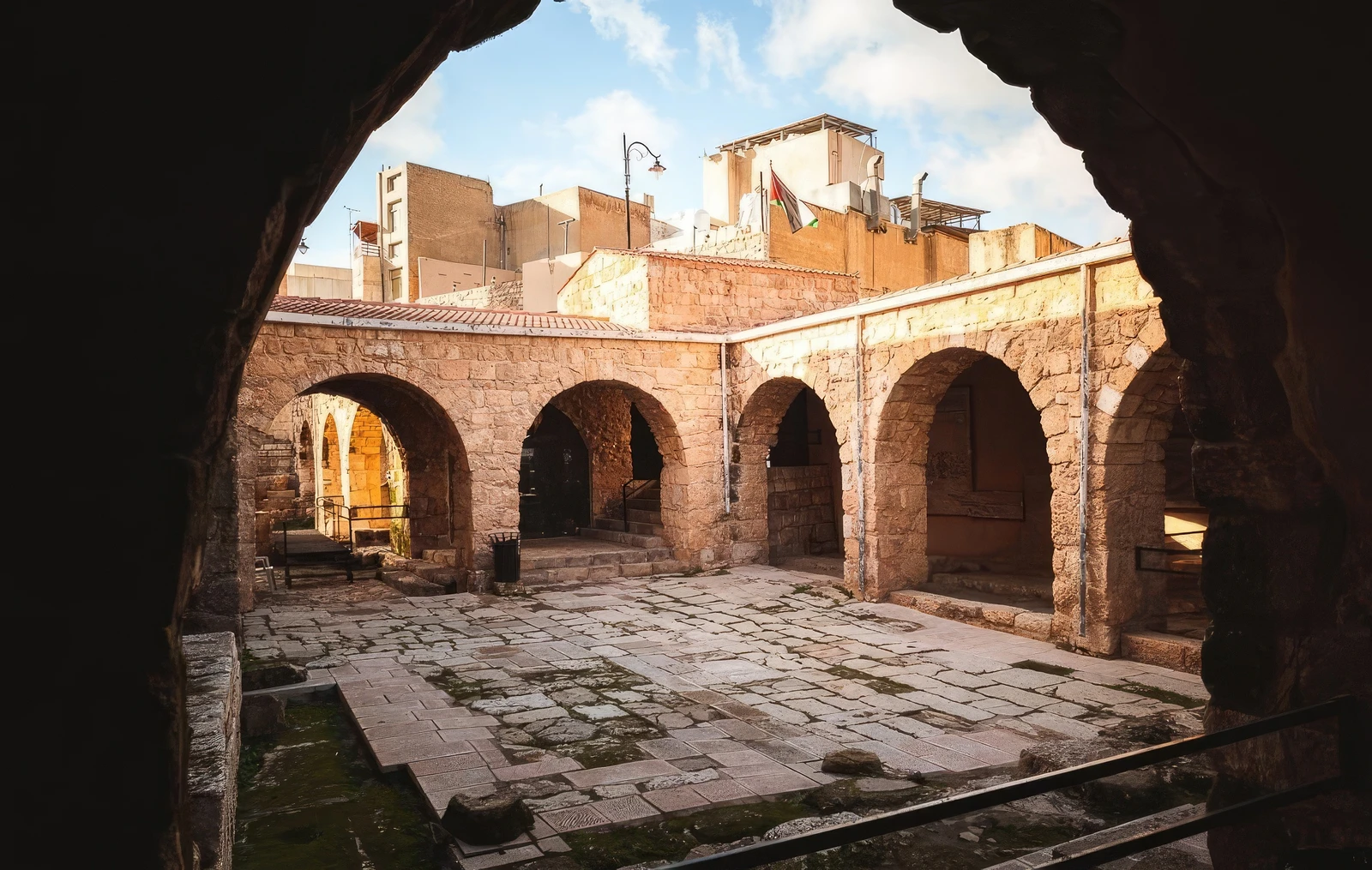
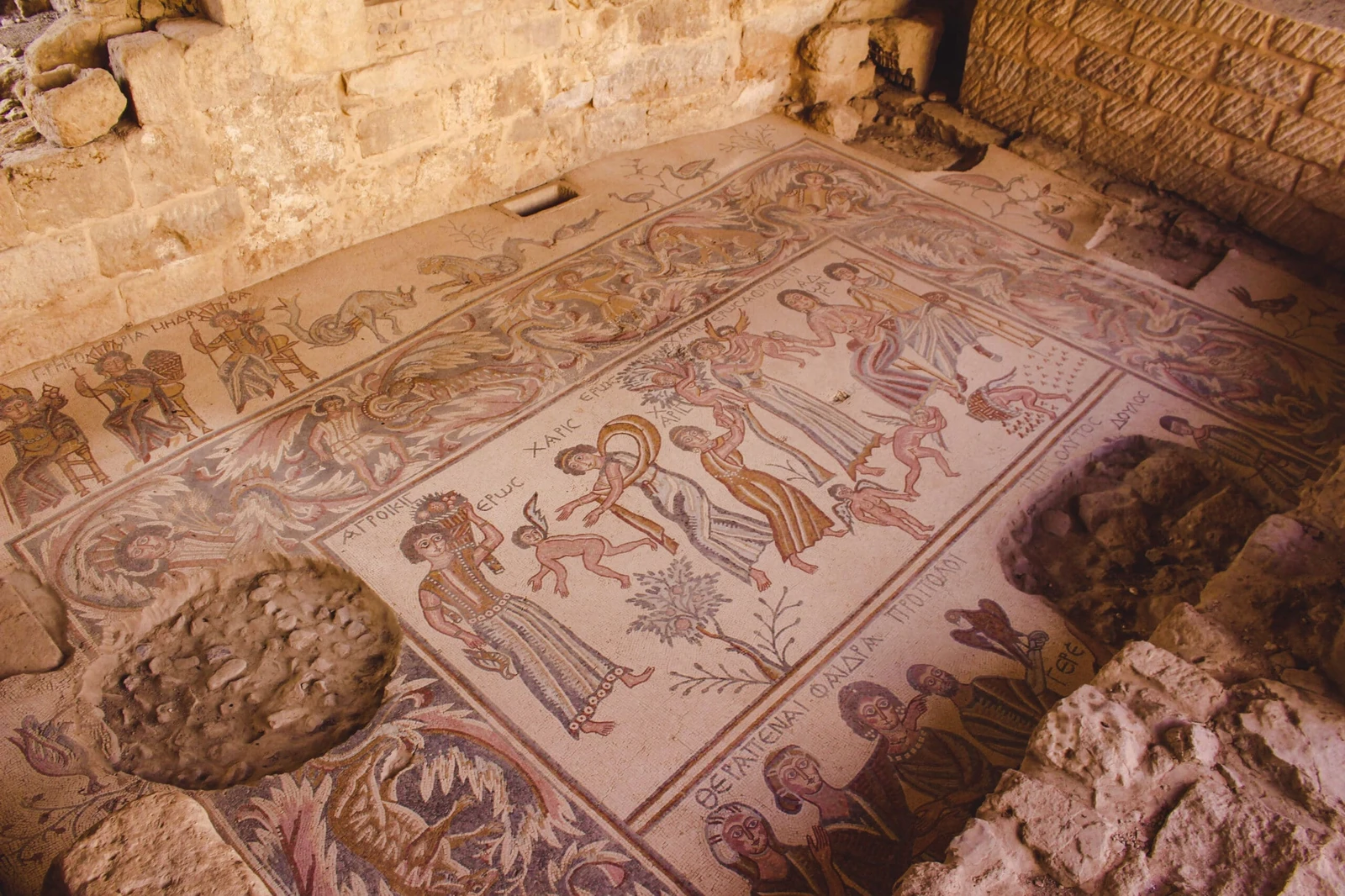
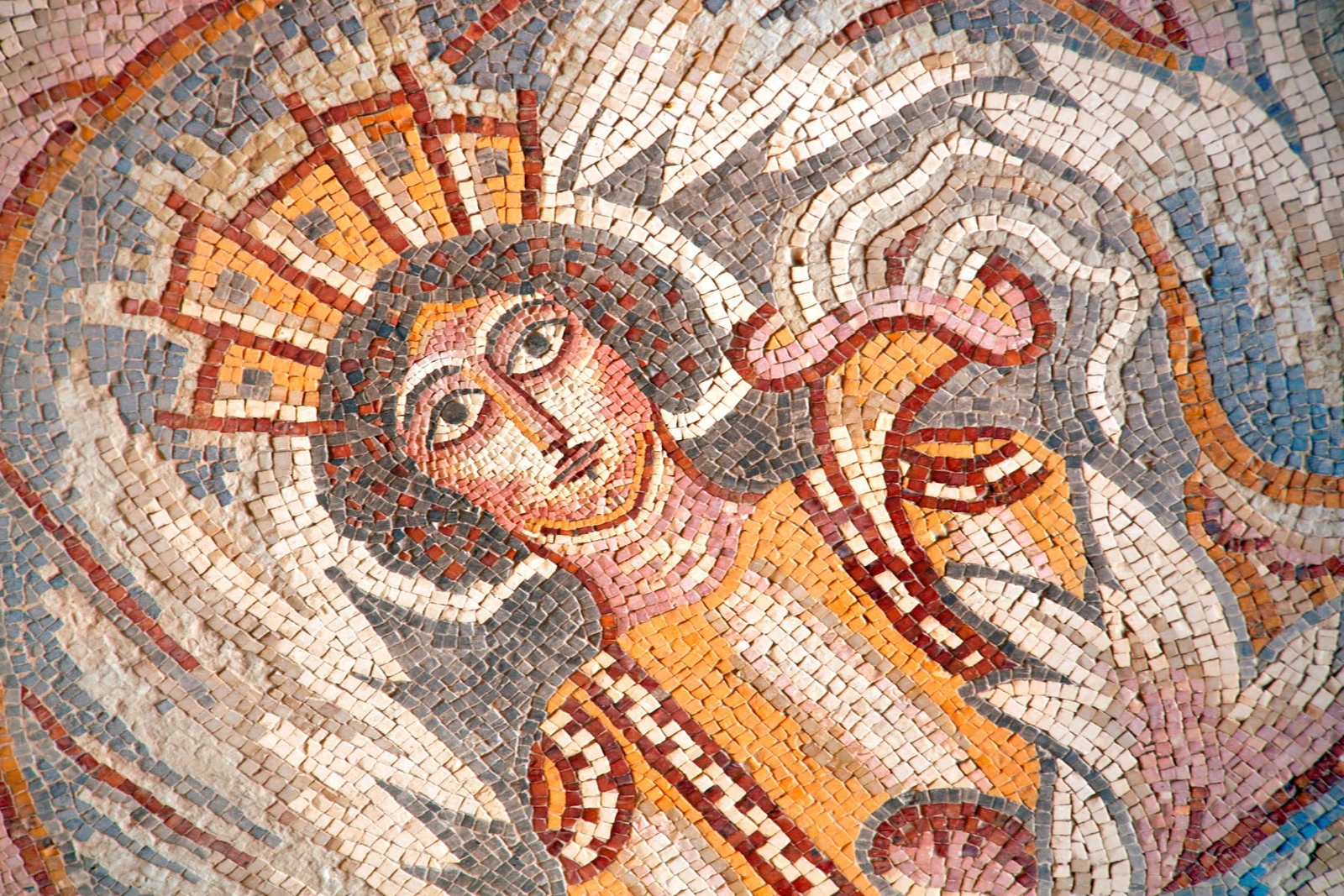
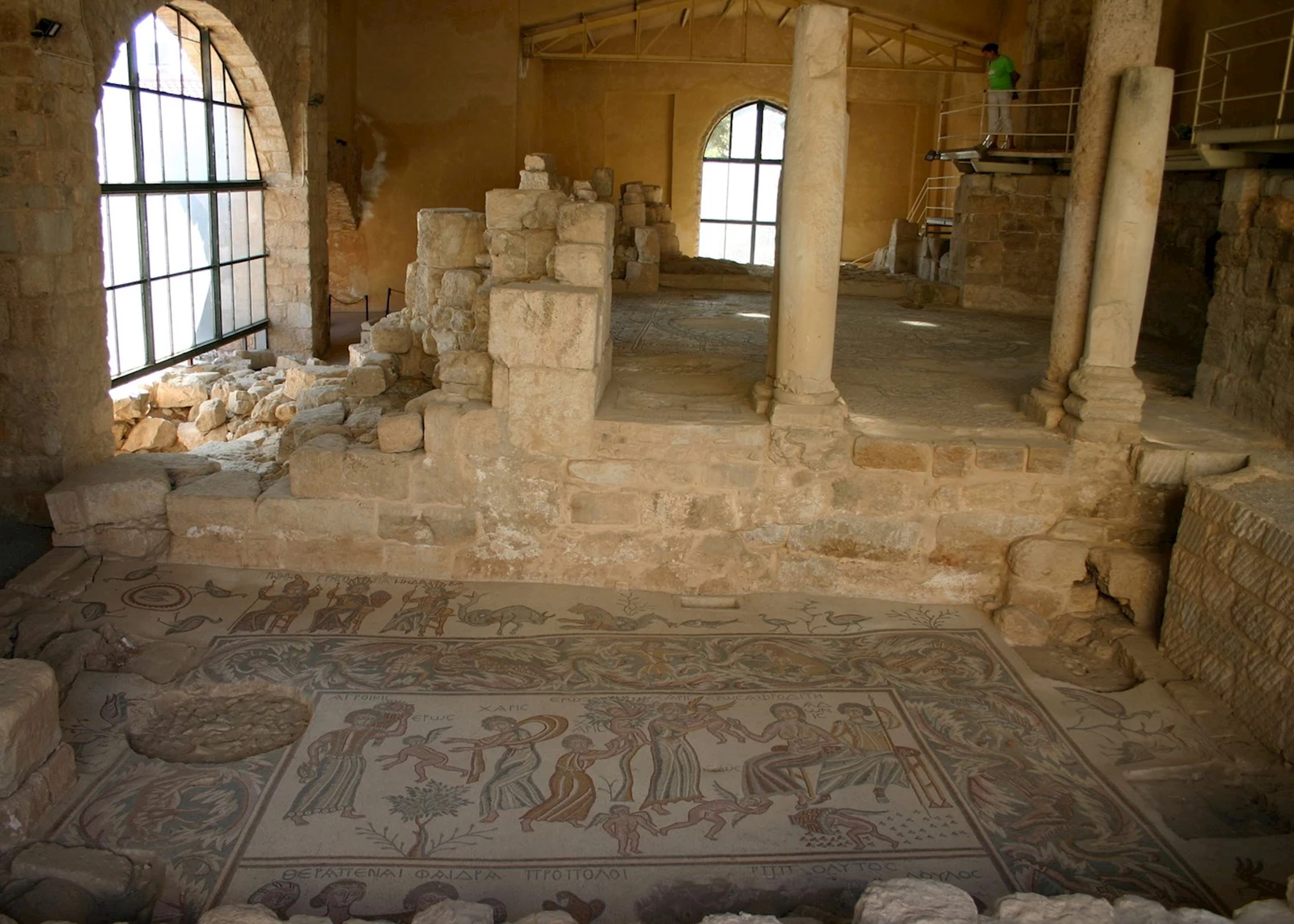
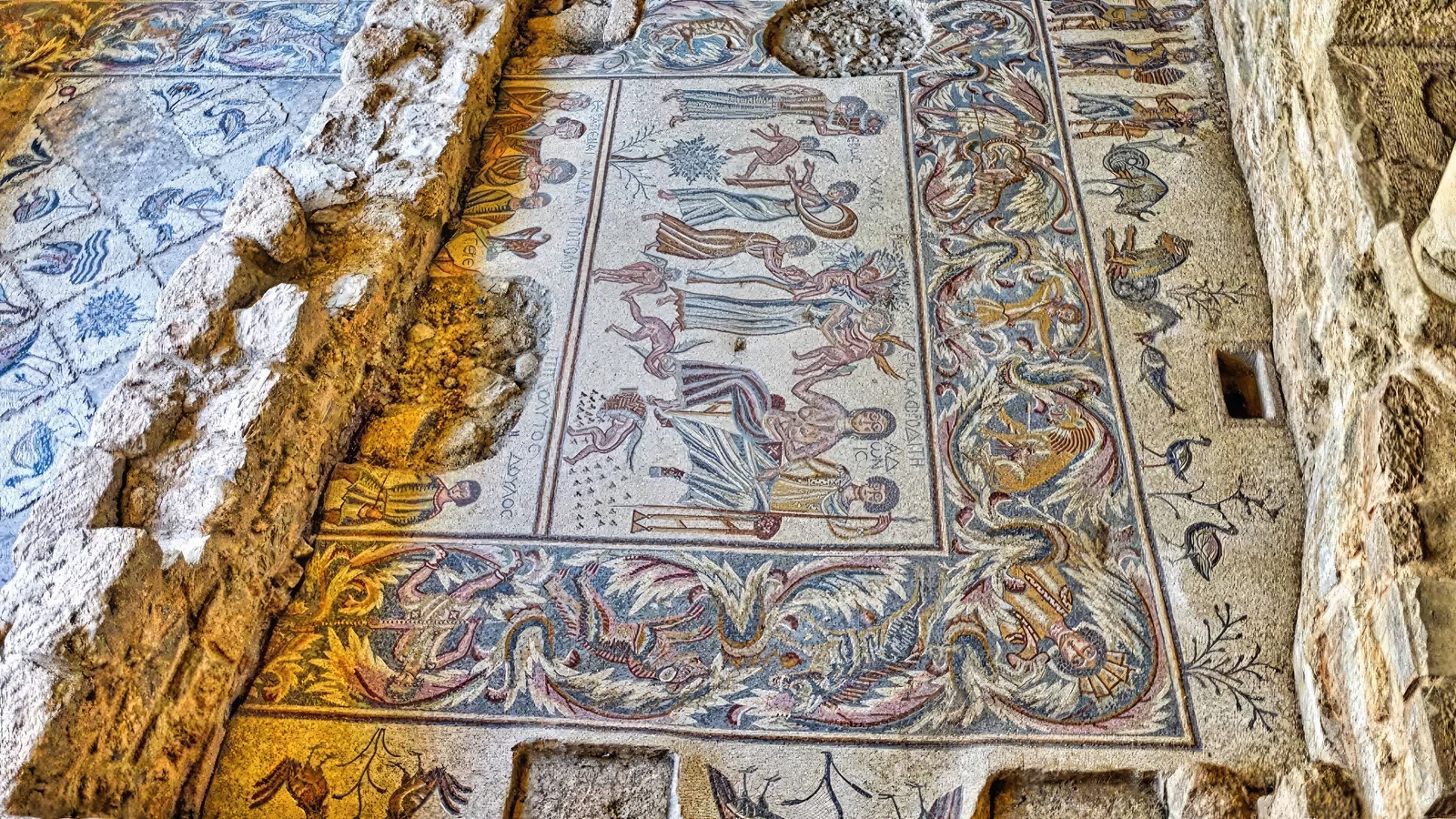
- Madaba Archaeological Park: This park contains a collection of ruins and well-preserved mosaic floors from various eras, including the impressive Hippolytus Hall mosaic, which depicts scenes from Greek mythology.
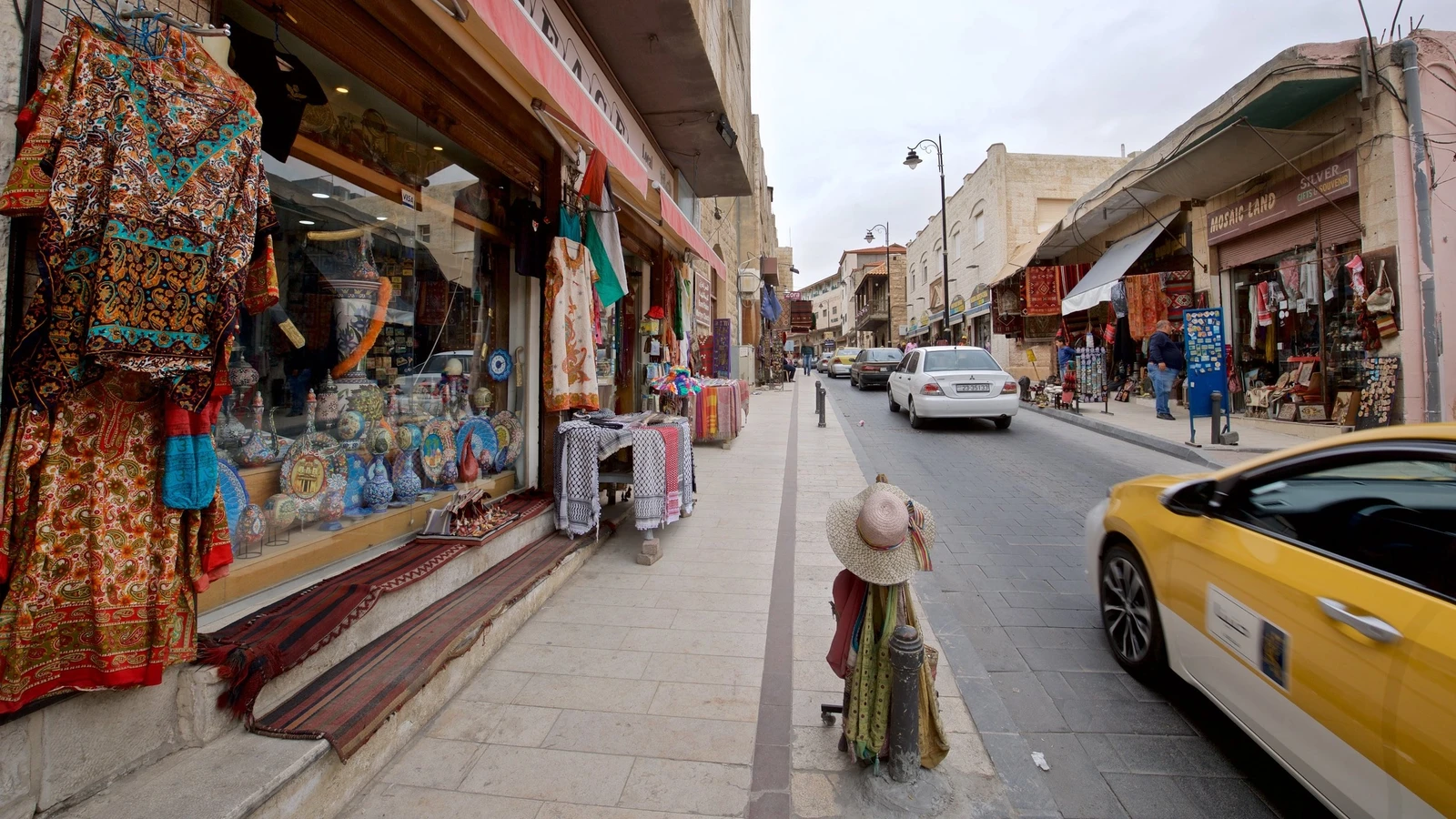
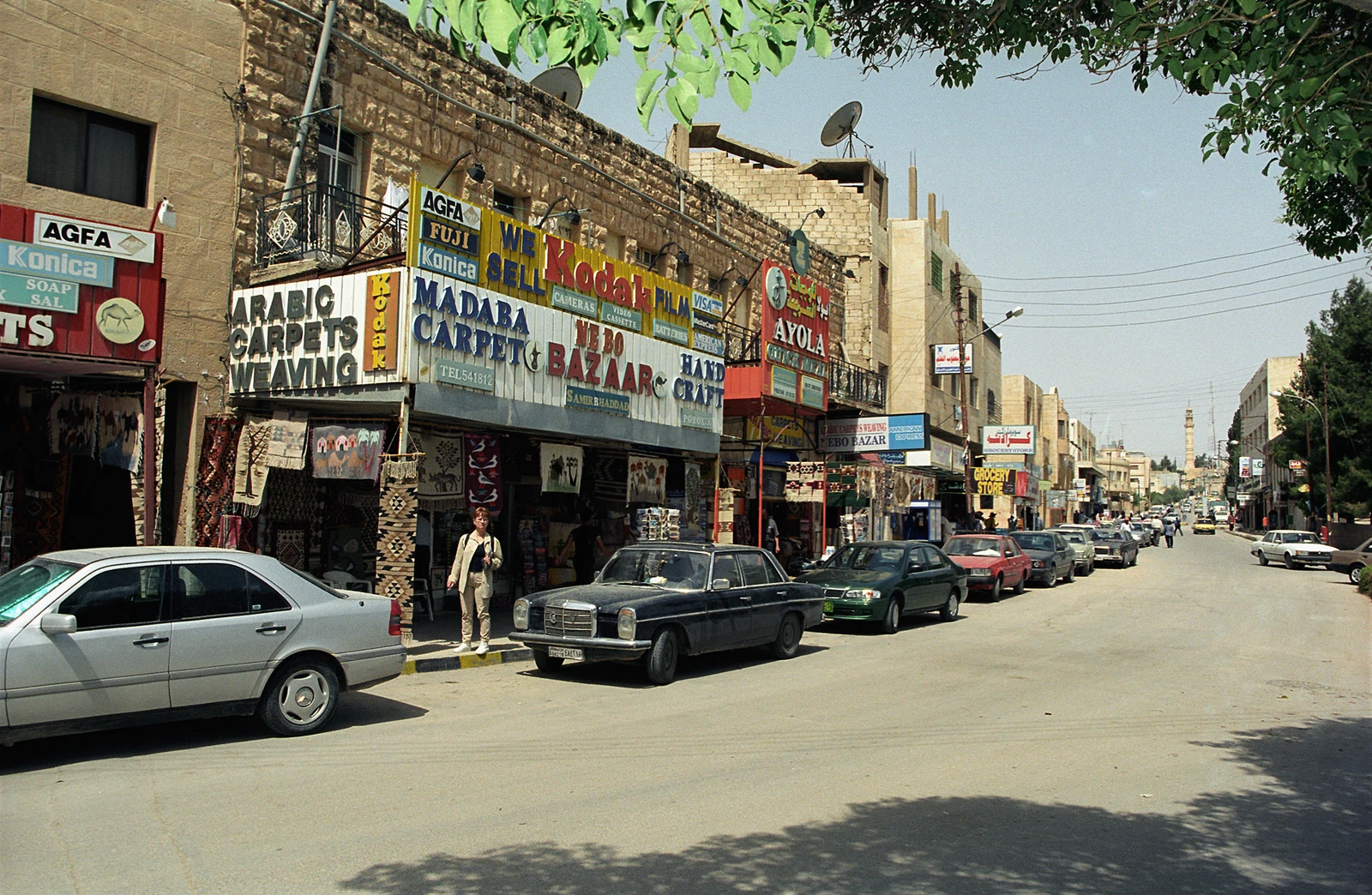
- Traditional Houses: The city has a charming, rural feel, with traditional houses that often incorporate ancient stones and remnants from the city’s past.
What Makes It Famous
Madaba’s fame is almost entirely rooted in its exceptional collection of mosaics and its religious significance.
- The Madaba Mosaic Map: The city is home to the oldest surviving map of the Holy Land, a 6th-century mosaic that vividly depicts Jerusalem, biblical sites, and the surrounding region with over two million pieces of colored stone.
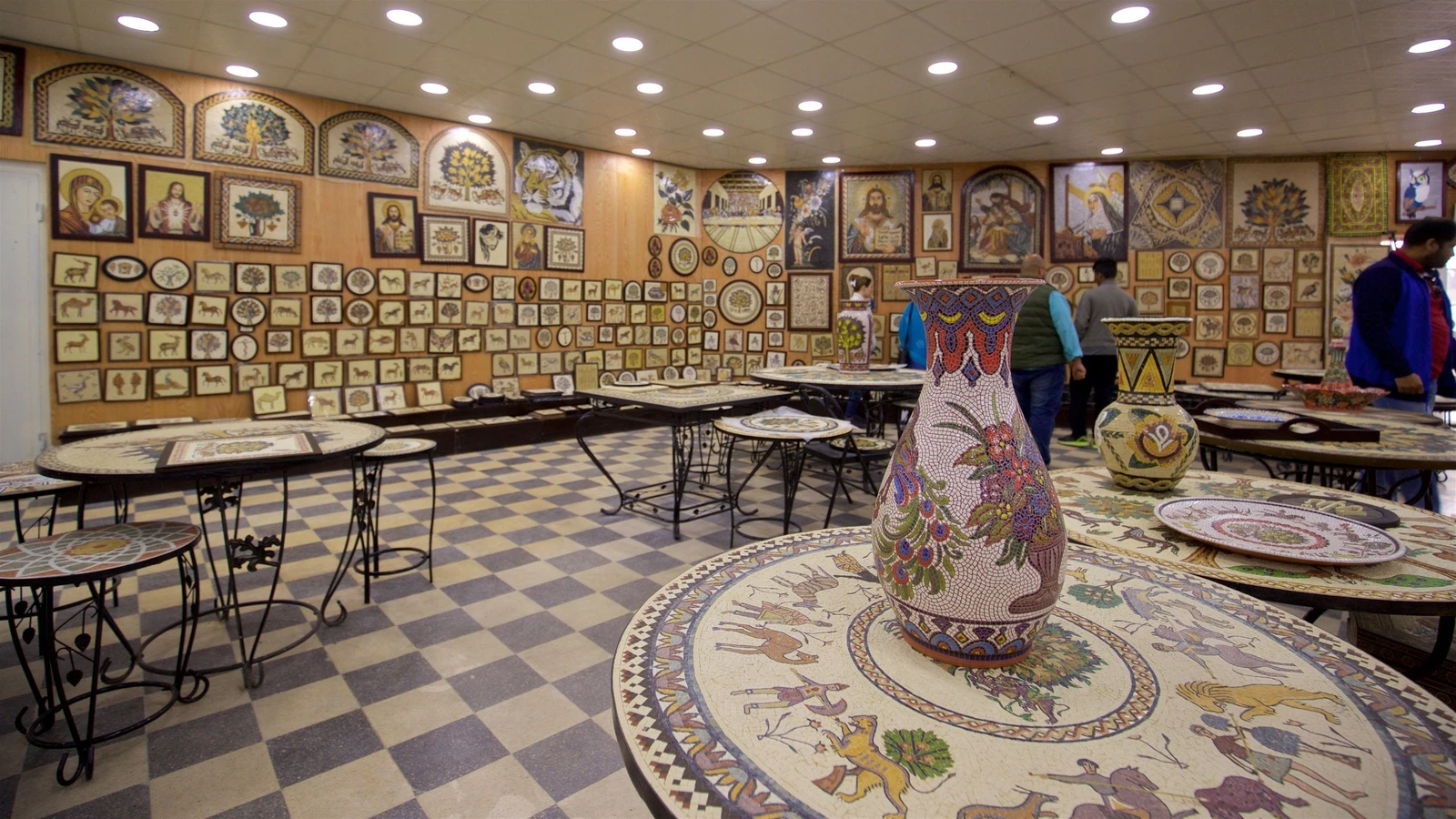
- “City of Mosaics”: The abundance and artistic quality of the mosaics found throughout the city, from the floors of churches to the Archaeological Park, have given Madaba its famous nickname.
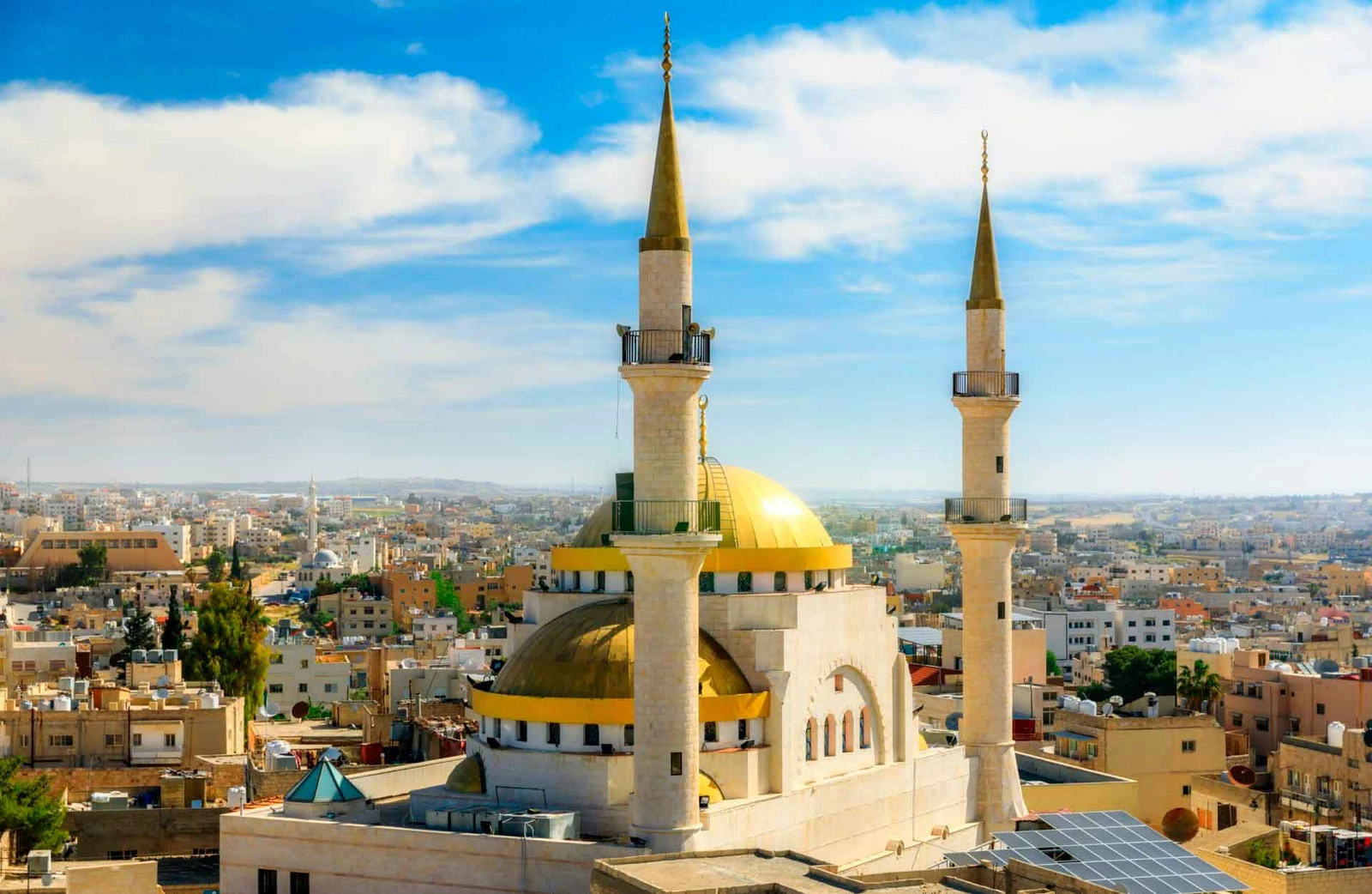
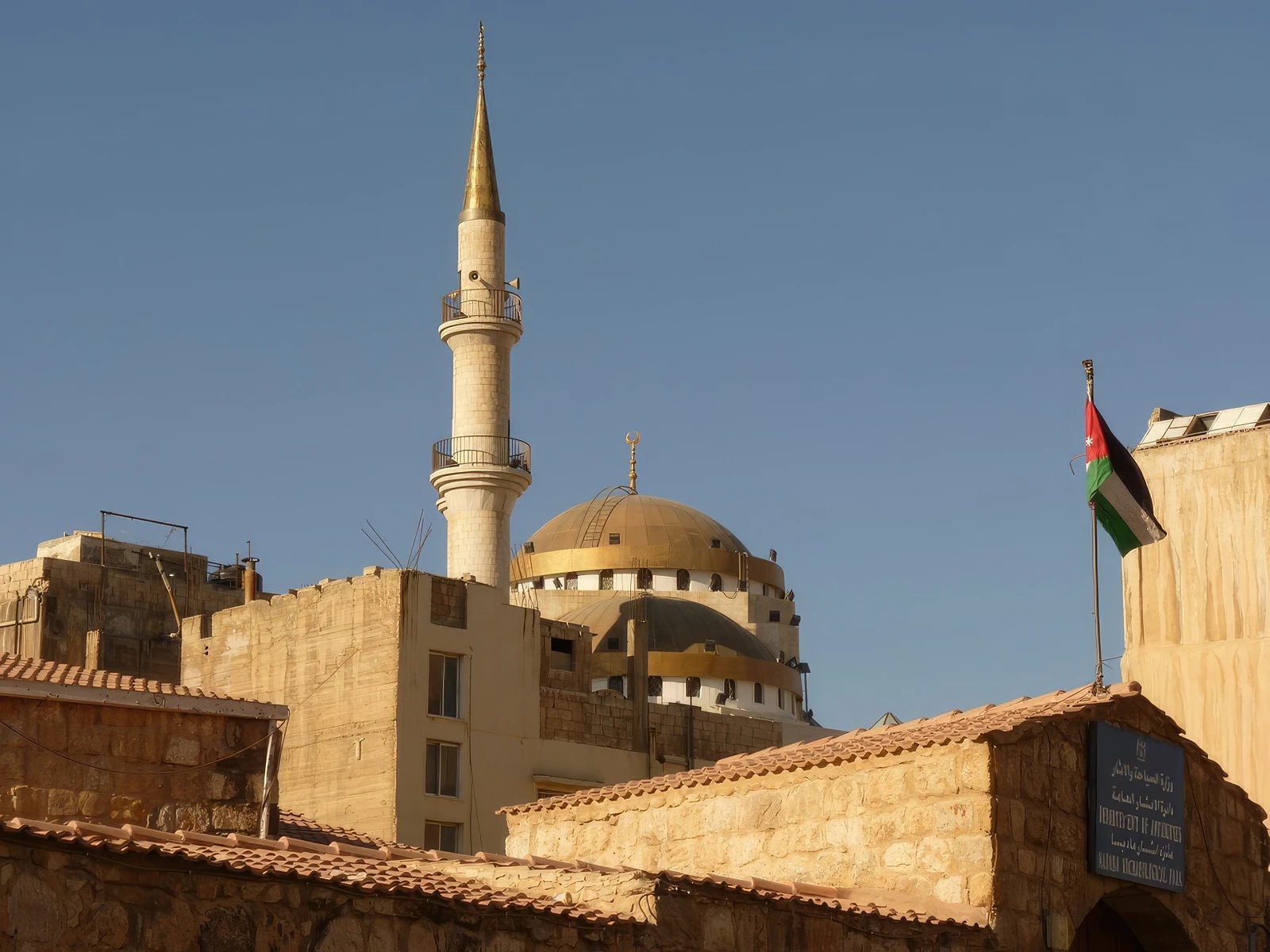
- Religious and Historical Hub: Madaba’s location on the historic King’s Highway and its mention in the Bible give it immense religious and historical importance. It is also a Christian town where church bells and calls to prayer blend seamlessly.
- Center for Mosaic Restoration: The city has a dedicated institute, the Madaba Institute for Mosaic Art and Restoration, which trains artisans in the ancient craft and works to preserve Jordan’s mosaics.
Differences from Some Other Wonders (e.g., Jerash)
While both Madaba and Jerash are historically significant ancient cities in Jordan, they offer very different experiences.
- Primary Focus: Jerash is a complete, sprawling ancient Roman city, famous for its grand, monumental urban layout. Madaba is a living city, whose fame is centered on its Byzantine and Umayyad mosaics, which are the main focus of a visit.
- Historical Era: Jerash’s golden age was during the Roman period. Madaba’s most famous artistic contributions are from the Byzantine and Umayyad periods, making it a key site for studying a slightly later era of regional history.
- Preservation: Jerash was preserved by being buried under sand, while Madaba’s mosaics have been preserved through a long history of continuous habitation and deliberate restoration efforts by its residents and local institutions.